

We use cookies to ensure our website works properly and to personalise your experience. Cookies policy
The Tamilnadu.Dr.M.G.R Medical University, Chennai – 600032, Tamilnadu
Microsponges are highly porous polymeric microspheres that are intended for regulated and targeted distribution of active medicinal substances. They have a sponge-like structure that can entrap and release medicines in a prolonged manner. The microsponge delivery system has gained popularity in pharmaceutical and cosmetic formulations because it improves therapeutic efficacy, reduces adverse effects, improves stability, and allows for longer drug release. Microsponges are ideal for topical, oral, and dermatological uses. Their production involves a variety of preparation processes, including quasi-emulsion solvent diffusion and liquid-liquid suspension polymerisation. Particle size, production yield, drug entrapment efficiency, surface morphology, and in vitro drug release studies are all considered evaluation factors. This review summarizes the concept of microsponges, their need, materials used, preparation methods, evaluation techniques, advantages, disadvantages, and applications. In addition, a brief review of previously reported microsponge formulations is presented to highlight recent advances and future prospects of this promising drug delivery system.
Novel drug delivery methods have emerged as a major area of pharmaceutical research in order to overcome the constraints of traditional dosage forms, such as frequent dosing, fast drug release, changing drug concentrations, and increased adverse effects [1] These limitations have prompted the development of controlled drug delivery systems that can improve treatment efficacy, increase patient compliance, and provide prolonged drug release [2]. Among these, the microsponge drug delivery method has shown promise and versatility [3].
Highly porous polymeric microspheres with a sponge-like structure, microsponges are able to
contain active medicinal substances and release them gradually over time[4]. They are typically spherical particles with a diameter of 5–300 μm and many interconnecting pores that serve as drug molecule repositories. In order to maintain therapeutic drug levels while reducing local irritation and systemic side effects, the medication is gradually released through diffusion or in reaction to external stimuli like pressure, temperature, pH, or moisture [5].
Won created microsponge technology in the late 1980s for topical medication administration, and it has subsequently acquired popularity in pharmaceutical and cosmetic applications [6]. Microsponges' porous nature allows them to successfully encapsulate both hydrophilic and lipophilic medicines, protecting them from environmental degradation and improving their stability. Polymers such as Eudragit®, ethyl cellulose, and polymethyl methacrylate are often employed in their production, with procedures such as quasi-emulsion solvent diffusion and liquid-liquid suspension polymerization [7].
Microsponge-based formulations have been extensively studied for the treatment of acne, fungal infections, inflammatory skin disorders, wound healing, oral controlled-release systems, and cosmetic items [8]. Their capacity to offer continuous drug release, reduce dose frequency, improve drug stability, and increase patient compliance makes them a desirable drug delivery platform. As a result, microsponge technology has emerged as a key research area for developing safer and more effective pharmaceutical formulations [9].
This review provides a comprehensive overview of microsponge drug delivery systems, including their purpose, materials used, formulation methods, evaluation techniques, benefits, drawbacks, applications, and recent research developments, emphasising their potential as an effective controlled drug delivery strategy.
1.1 Need for Microsponges
The limits of traditional dosage forms and the need for focused and regulated medication delivery lead to the necessity of microsponge drug delivery devices. The following are the main justifications for creating formulations based on microsponges.
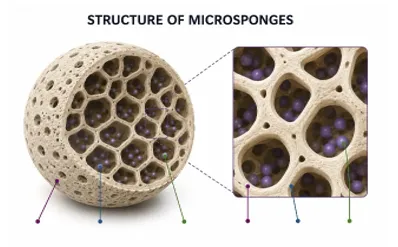
Figure 1 Structure of microsponges
1.2 Structure of Microsponges
Microsponges are highly porous, spherical polymeric microspheres with a three-dimensional network of interconnected pores. These porous structures consist of numerous tiny cavities that can encapsulate active pharmaceutical ingredients and gradually release them over an extended period.[14] Typically ranging from 5 to 300 µm in diameter, microsponges possess a rigid outer surface and an internal porous matrix, allowing them to entrap drugs efficiently while protecting them from environmental degradation [15]. Their unique architecture enables controlled and sustained drug release, improves drug stability, and minimizes local irritation, making them particularly suitable for topical drug delivery applications [16].
2. MATERIALS AND METHODS:
2.1 MATERIALS
Table 1 Materials used in microsponges
|
Category |
Examples |
Function |
|
Polymers |
Eudragit® RS100, Eudragit® RL100, Ethyl Cellulose, PMMA, PCL |
Form the porous microsponge matrix and control drug release. |
|
Organic Solvents |
Dichloromethane, Ethanol, Acetone, Ethyl Acetate |
Dissolve drug and polymer; evaporate to create porous microsponges. |
|
Stabilizers/Emulsifiers[17] |
PVA, Tween 80, Span 80, SLS |
Stabilize emulsion droplets and ensure uniform particle formation. |
|
Plasticizers |
Triethyl Citrate, PEG 400, Dibutyl Phthalate |
Improve flexibility and mechanical strength of the polymer matrix. |
|
Porogens[18] |
Sodium Chloride, Sodium Bicarbonate, Ammonium Bicarbonate |
Generate pores and enhance controlled drug release. |
|
Active Pharmaceutical Ingredients (APIs) |
Benzoyl Peroxide, Clindamycin, Ketoconazole, Diclofenac Sodium, Berberine, Adapalene |
Provide therapeutic activity through sustained drug delivery. |
|
Aqueous Phase |
Purified Water, Distilled Water |
Act as the external phase during emulsion preparation. |
|
Preservatives[19] |
Methyl Paraben, Propyl Paraben, Phenoxyethanol |
Prevent microbial growth and improve formulation stability. |
|
pH Adjusters |
Triethanolamine, Sodium Hydroxide, Citric Acid |
Maintain optimum pH for stability and skin compatibility. |
2.2 METHODS
2.2.1 Preformulation Studies
The preliminary research done prior to the creation of microsponge formulations is known as preformulation studies. These investigations aid in determining the appropriate formulation components, guaranteeing compatibility, and comprehending the physicochemical characteristics of the medicine and excipients. For stable microsponges with optimal drug loading, entrapment efficiency, and controlled drug release, proper preformulation studies are crucial.
Among the notable preformulation investigations are:
Various techniques have been employed for the preparation of microsponge drug delivery systems. The selection of the method depends on the nature of the drug, polymer, and the desired characteristics of the final formulation.
Principle: The idea behind this technique is that a volatile organic solvent diffuses and evaporates from the internal phase into the external aqueous phase. The polymer precipitates around the medication when the solvent diffuses and evaporates, creating porous microsponges[24]
Steps:
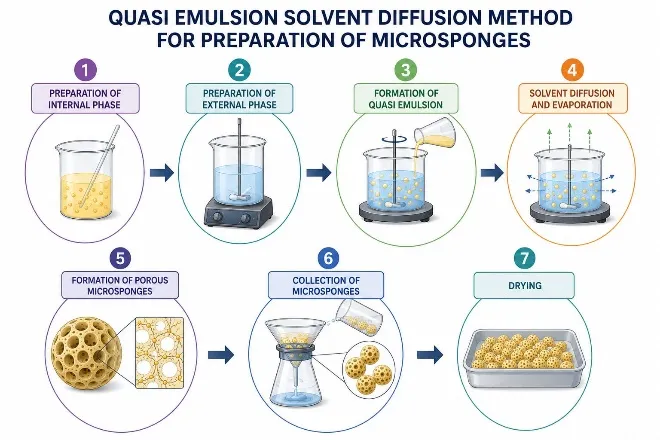
Figure 2Quasi-emulsion Solvent Diffusion Method
Liquid–Liquid Suspension Polymerization
Steps:

Figure 3 Liquid–Liquid Suspension Polymerization method.
Method
Principle: This method is mainly used for hydrophilic drugs by forming a water-in-oil-in-water (W/O/W) emulsion [26].
Steps:
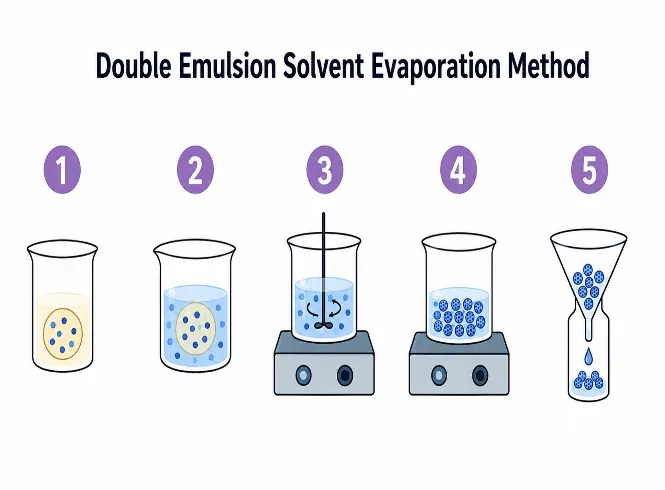
Figure 4 Double emulsion Solvent Evaporation method
Principle: Microsponges are formed by evaporation of a volatile solvent from an emulsion system [27].
Steps:

Figure 5 Solvent Evaporation Method
Principle: This method is suitable for moisture-sensitive drugs and employs two immiscible organic phases [28].
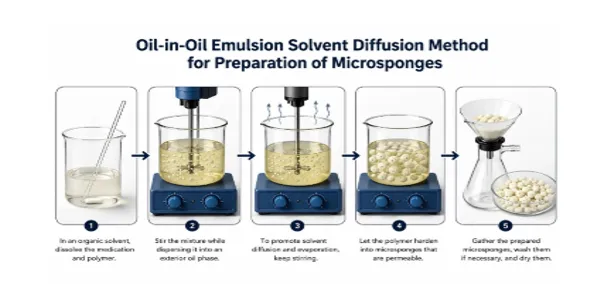
Figure 6 Oil-in-Oil Emulsion Solvent Diffusion Method
Steps:
Principle: Porous microsponges are produced by freezing the formulation followed by sublimation of the solvent [29].
Steps:
The following criteria are used to assess the prepared microsponges' physicochemical properties, morphology, release behaviour, and drug loading efficiency
Production Yield (%) = (Practical Yield / Theoretical Yield) × 100
Entrapment Efficiency (%) = (Actual Drug Content / Theoretical Drug Content) × 100
These models help determine the mechanism of drug release from the microsponge system[32].
The microsponge drug delivery system is a promising method for targeted and controlled drug delivery because it has a number of advantages over traditional dosage
Provides controlled and sustained drug release.
Microsponge medication delivery devices have several drawbacks despite their many benefits.
6. REVIEW OF PREVIOUS FORMULATIONS
Table 2 Review of Previous Formulations
|
S. No. |
Author (Year) |
Drug |
Polymer |
Method |
Major Findings |
|
1 |
Khattab&Nattouf (2021) [38] |
Clindamycin |
Eudragit RS100 |
Emulsion Solvent Diffusion |
High entrapment efficiency with sustained drug release (90.38% over 12 h) and porous spherical microsponges. |
|
2 |
Bhagatet al. (2024) [39] |
Ketoconazole |
Eudragit RS100 |
Quasi-emulsion Solvent Diffusion |
High drug loading, controlled release, and reduced skin irritation. |
|
3 |
Budarapuet al. (2025) [40] |
Ketoconazole |
Ethyl Cellulose |
Quasi-emulsion Solvent Diffusion |
High entrapment efficiency (94.78%) with sustained release over 12 h and good compatibility. |
|
4 |
El-Housinyet al. (2020) [41] |
Berberine + Cinnamaldehyde |
Carbopol Hydrogel |
Microemulsion–Hydrogel System |
Improved topical delivery and antimicrobial activity against acne-causing bacteria. |
|
5 |
Atabayet al. (2022) [42] |
Benzoyl Peroxide |
Eudragit RS100 |
Quasi-emulsion Solvent Diffusion |
Sustained drug release with reduced skin irritation and enhanced antibacterial activity. |
|
6 |
Ghorpade&Atram (2023) [43] |
Adapalene |
Eudragit S100, Eudragit RS100 |
Quasi-emulsion Solvent Diffusion |
Controlled drug release with improved topical efficacy against acne vulgaris. |
|
7 |
Amrutiyaet al. (2009) [44] |
Mupirocin |
Eudragit RS100 |
Emulsion Solvent Diffusion |
Developed sustained-release microsponges with enhanced skin deposition and prolonged antibacterial activity. |
7. FUTURE PERSPECTIVES
Microsponge drug delivery systems have emerged as a promising platform for controlled and targeted drug administration, with important implications for future pharmaceutical and biological applications. Advances in polymer science, nanotechnology, and material engineering are predicted to improve the design of microsponges with higher drug-loading capacity, controlled release properties, and biocompatibility. The development of biodegradable and stimuli-responsive polymers may broaden their utility by allowing for site-specific medication release in response to changes in pH, temperature, enzymes, or other physiological parameters.
Future research will also focus on combining microsponge technology with novel therapeutic techniques such as nanocarriers, hydrogels, microneedles, and three-dimensional (3D) printing to create enhanced drug delivery platforms. In addition to topical formulations, microsponges have great potential for oral, ophthalmic, transdermal, and targeted drug delivery applications. Furthermore, the inclusion of natural bioactive chemicals and herbal medications into microsponge systems is gaining popularity due to its ability to boost therapeutic efficacy while minimising side effects Despite these advancements, further studies are required to optimize large-scale manufacturing processes, evaluate long-term safety, and conduct extensive clinical trials to establish the efficacy and commercial feasibility of microsponge-based formulations. Continued research and technological innovations are expected to broaden the scope of microsponge drug delivery systems and facilitate their translation from laboratory research to clinical practice.
9. CONCLUSION
The microsponge drug delivery system represents an innovative and versatile approach for achieving controlled, sustained, and site-specific drug delivery. Its highly porous polymeric structure enables efficient drug encapsulation, improved stability, prolonged drug release, and reduced local as well as systemic side effects. These unique characteristics have made microsponges a valuable carrier system for a wide range of pharmaceutical and cosmetic applications, particularly in topical drug delivery. Various preparation techniques, especially the quasi-emulsion solvent diffusion method, have demonstrated the ability to produce stable microsponges with high drug entrapment efficiency and desirable release profiles. Numerous studies have reported improved therapeutic efficacy, enhanced patient compliance, and better formulation stability compared with conventional dosage forms. With continuous advancements in polymer technology and drug delivery research, microsponge systems are expected to play an increasingly important role in the development of next-generation pharmaceutical formulations. Future innovations focusing on biodegradable polymers, targeted delivery, and combination with emerging technologies are likely to further expand the clinical and commercial applications of microsponge-based drug delivery system.
REFERENCES


Farisha P*., Christoper Vimalson D., Alagarraja M., Jeevan Nithish S., Nisana Nasrin K.P., Dharshini R., Muhammed Arif L., Mohammed Irfan V., Muhammed Midlaj A.P., Beyond Conventional Drug Delivery: The Expanding Role Of Microsponge Technology In Controlled Therapeutics , Int. J. of Pharm. Sci., 2026, Vol 4, Issue 7, 4052-4065. https://doi.org/10.5281/zenodo.21394314
 10.5281/zenodo.21394314