

We use cookies to ensure our website works properly and to personalise your experience. Cookies policy
Department of Pharmaceutics, KMCH college of Pharmacy, Coimbatore -641048, Tamil Nadu.
Bilayer tablets have become one of the most versatile solid oral dosage forms for combining two active ingredients or a single active ingredient with two different release profiles in a single compressed unit [1, 5]. By physically separating incompatible active ingredients and combining an immediate-release layer with a prolonged-release, delayed-release, floating, or chronotherapeutic-release layer, this technology enables fixed-dose combination therapy, reduces dosing frequency, and improves treatment adherence. At the same time, it offers manufacturers the opportunity to extend product lifecycles [2, 3, 6]. This review summarizes the current state of knowledge regarding the principles of bilayer tablets, their classification, the selection of suitable active ingredients, the functions of excipients, formulation strategies (wet granulation, dry granulation, direct compression, solid dispersion, solvent extraction, and hot extrusion), and manufacturing technologies, including bilayer rotary compression and critical process parameters. Persistent manufacturing challenges—layer delamination, capping, weight and hardness variations, and cross-contamination—are investigated from a mechanistic perspective, as are the pre- and post-compression evaluation tests used to qualify these products [17–22]. Rather than addressing each current topic in isolation, this article deliberately focuses on two areas with proven practical value: the Quality-by-Design (QbD) framework—with an emphasis on Critical Quality Attributes (CQAs) and Critical Process Parameters (CPPs), the elements most closely related to bilayer defects such as delamination [11–16]—and the future applications of AI-assisted formulation, advanced polymers and multi-material 3D printing, and personalized/precise dispensing [23–32]. This targeted approach provides the reader with a useful and relevant synthesis rather than a superficial overview of all the common buzzwords in the field.
1.1 Definition of bilayer tablets
A bilayer tablet is a compressed, solid oral dosage form consisting of two different and physically separated layers of granules that are sequentially deposited and compressed in the same matrix. It can contain either two layers of the same active ingredient with different release mechanisms or two different, sometimes incompatible, active ingredients in a single dosage unit [1, 5]. Each layer can be formulated independently with its own release-controlling excipients, thus enabling the combination of an immediate-release (IR) layer with an extended-release (ER), delayed-release (DR), floating, or chronotherapeutic layer in the same tablet [2].
1.2 Development of systems for controlled oral drug administration
The technology of controlled-release oral dosage forms has evolved over the past few decades – from simple single-layer matrix and reservoir systems to increasingly complex multi-compartment systems. Early modified-release systems were designed to prolong the effect of a single drug. However, the growing clinical need for combination therapies in chronic conditions such as hypertension, diabetes, and cardiovascular disease has sparked interest in dosage forms capable of delivering two drugs with independently adjustable release kinetics from a single unit. Proprietary multi-layer compression systems such as DUREDAS (Dual Release Drug Absorption System), OROS Push-Pull, L-OROS, ENSOTROL, and DUROS exemplify this development. They enable either the immediate and extended release of two drugs or two different release rates of the same drug from a single two- or multi-layer matrix [33].
1.3 Need for bi-layer tablet technology
Bilayer tablets were primarily developed to separate chemically or physically incompatible active ingredients that cannot be mixed into a homogeneous layer, to enable sequential or biphasic release of an active ingredient combination, and to protect acid- or moisture-sensitive active ingredients from an excipient or another active ingredient [2,3]. They also represent a legitimate product lifecycle management tool that allows an innovator to reformulate a generic drug into a new fixed-dose combination with renewed intellectual property protection.
1.4 Advantages over conventional tablets
Compared to two separate conventional tablets or a mixture of physical powders, a bilayer tablet offers a single dosing unit for combination therapy, independent optimization of the release profile of each layer, physical separation of incompatible drugs and – because both drugs are administered together in a single unit – a lower risk of a patient missing a component of a multiple drug regimen [5,6].
1.5 Scope and objectives of the examination
Instead of examining every aspect of the science of bilayer tablets equally, this study takes a specific viewpoint: the major remaining obstacle in this field—delamination due to insufficient characterization of the interfacial adhesion between the two layers—can be largely controlled through a consistent, mechanistic application of the Quality-by-Design (QbD) principle. It is precisely this layer-by-layer construction that makes the bilayer tablet an ideal starting point for AI-driven formulations and 3D-printed, personalized dosage forms. Sections 2 to 8 lay out the necessary mechanistic and manufacturing foundations for this argument; Section 9 identifies delamination as the central engineering problem; Section 11 shows how treating the pre-compression force and the main compression force as critical process parameters transforms this problem, a source of empirical errors, into a controllable design variable; Section 13 argues that this principle naturally extends to personalized, computer-aided multilayer dosage forms. Section 12 grounds this discussion in commercially available, fixed-dose bilayer products described in the literature, thus ensuring that the study results are validated against actual patient outcomes and do not remain purely theoretical.
2. Principles of bi-layer tablet technology
2.1 Concept of bilayer tablets
The two-layer concept is based on sequential compaction: A measured amount of granules from the first layer is introduced into the matrix and lightly pre-compacted to create a stable, non-brittle base. The granules from the second layer are then added, and the entire assembly is compacted until the final hardness is achieved. The mechanical integrity of the finished tablet depends on sufficient interparticle bonding at this internal interface [18,20].
2.2 Mechanism of drug release
The active ingredient is released from each layer according to its physicochemical properties. An immediate-release layer typically disintegrates rapidly due to disintegrants, exposing the active ingredient to the solvent almost instantly. In contrast, a delayed-release layer controls the release through polymer swelling and diffusion through the gel layer (hydrophilic matrices), through slow erosion (hydrophobic/waxy matrices), or through a combination of both, resulting in a gradual release of the active ingredient over a longer period [1,2].
2.3 Immediate and extended-release diapers
In the classic IR + SR configuration, the IR layer provides an initial loading dose that quickly establishes a therapeutic plasma concentration, while the SR layer provides a maintenance dose that maintains this concentration over the dosing interval, thus reducing the fluctuations between peak and trough values typical of dosing regimens with exclusively immediate release [2,3].
2.4 Release kinetics of the active ingredient
The release data of bilayer tablets are typically fitted to standard kinetic models – zeroth order (constant release rate independent of concentration), first order (rate proportional to the remaining drug concentration), Higuchi (diffusion-controlled release from a matrix) and Korsmeyer-Peppas (identification of the release exponent n to distinguish between Fickian diffusion and anomalous/erosion-controlled transport) – to characterize and compare the performance of the extended-release layer and to aid in formulation optimization [1,4].
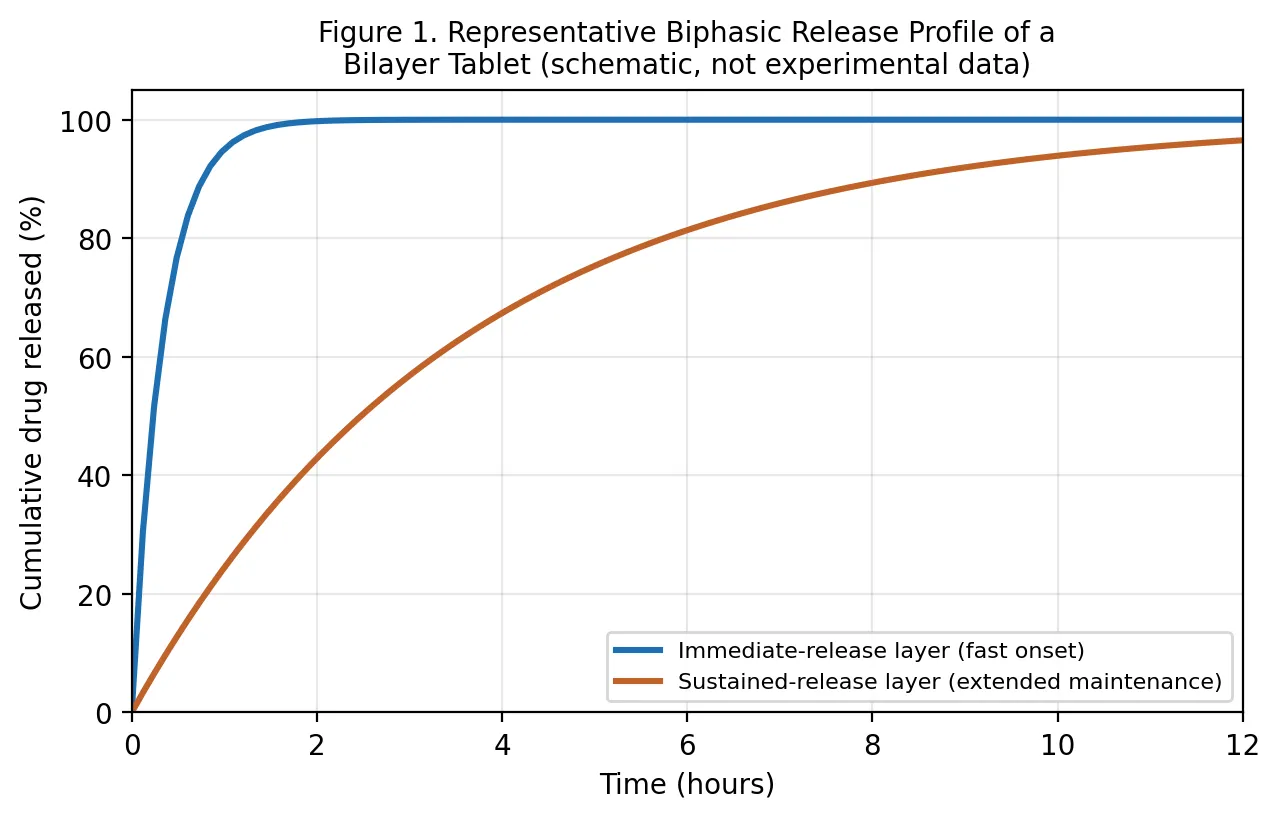
Figure 1. Representative biphasic release profile of a bilayer tablet (diagram, for illustration only – not experimental data).
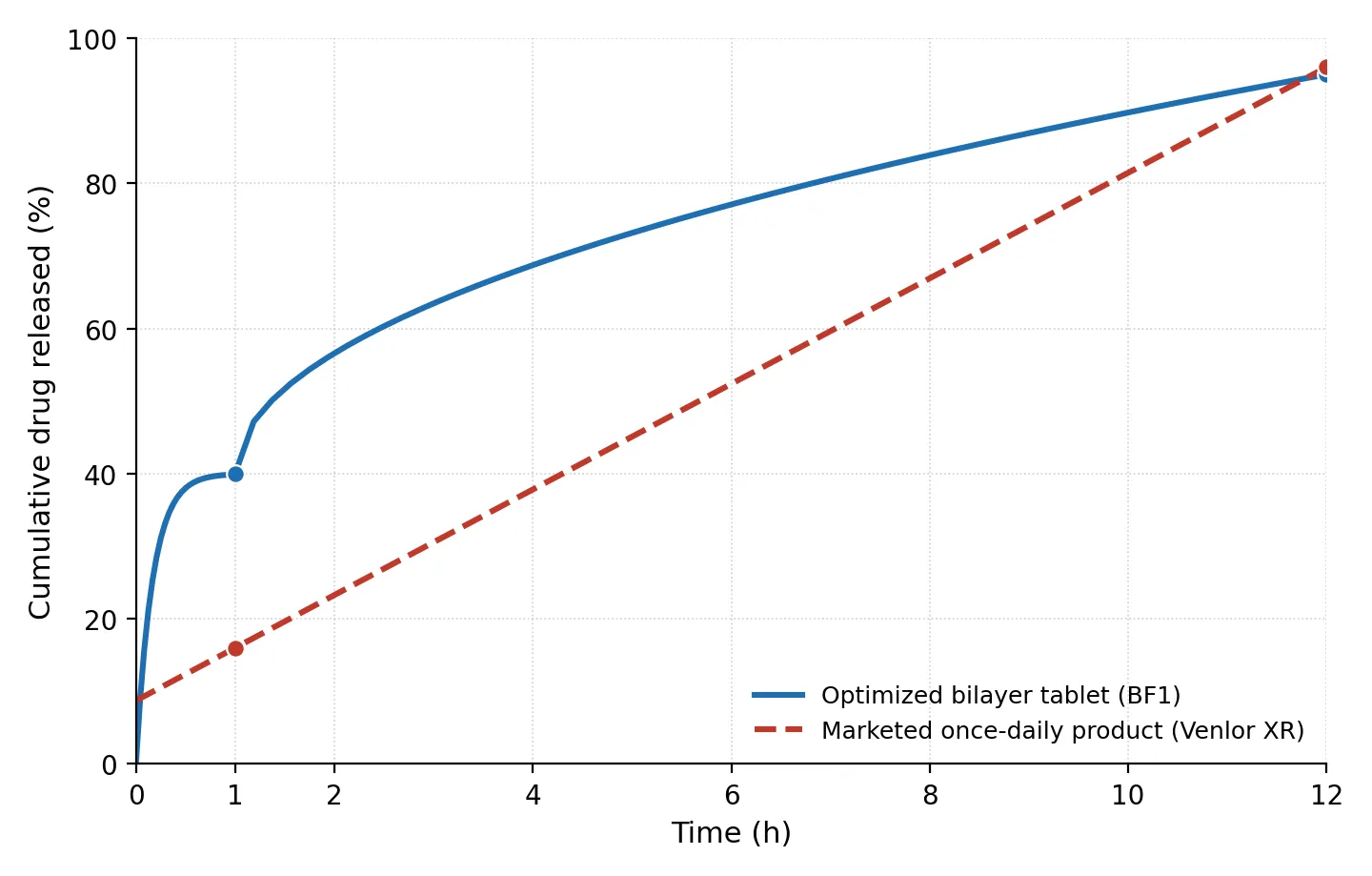
Figure 2. Biphasic in vitro release profile of an optimized venlafaxine hydrochloride bilayer tablet versus a marketed once-daily reference product, reconstructed from reported release data [4].
3. Classification of bilayer tablets
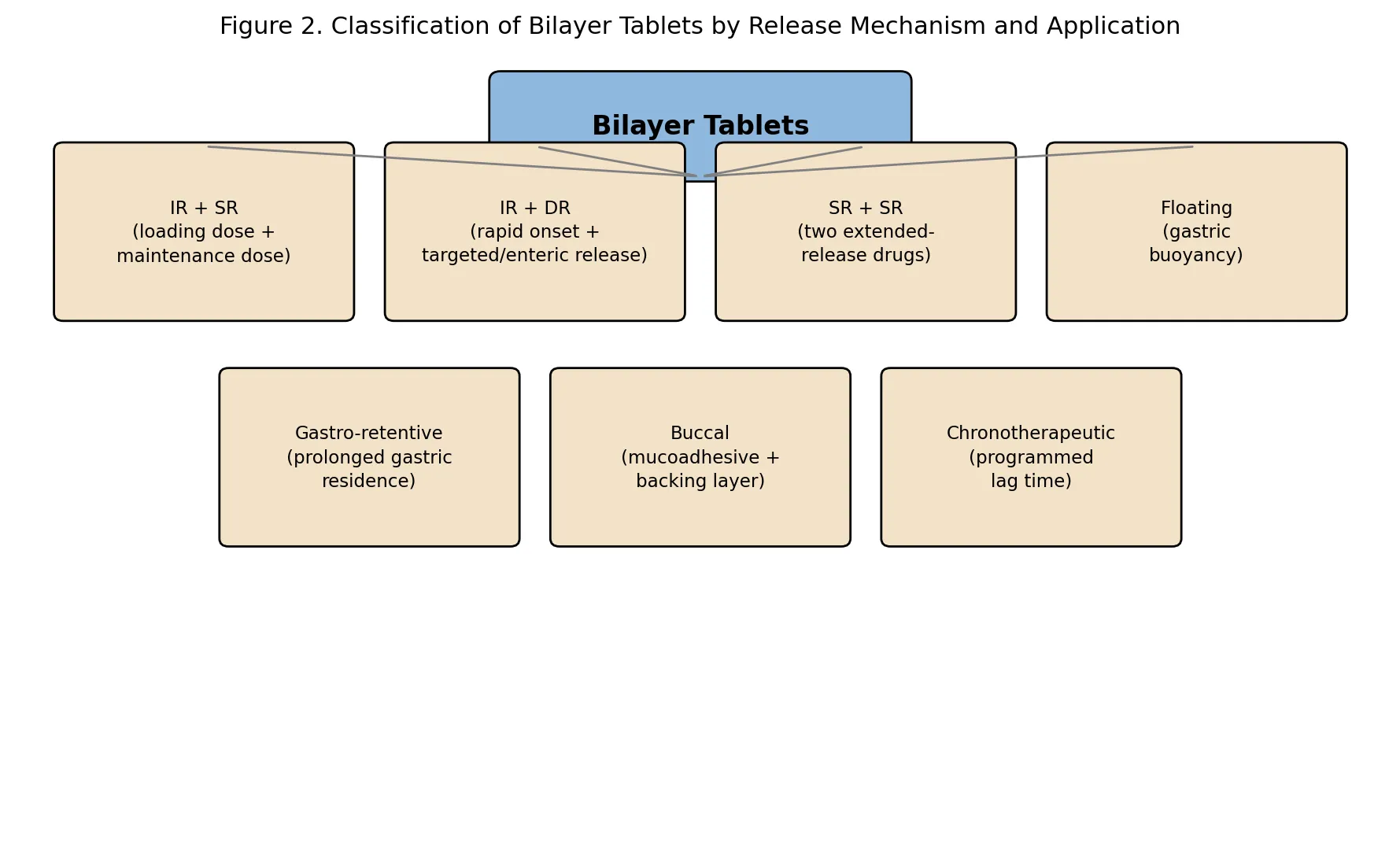
Figure 3. Classification of bilayer tablets according to release mechanism and application.
3.1 Immediate diffusion + Extended diffusion
The most commonly used configuration is employed when a rapid effect followed by a longer maintenance effect is clinically desirable, for example in fixed combinations of antihypertensives or antidiabetics [2,3].
3.2 Immediate Release + Delayed Release
It is used when the second layer needs to bypass the stomach (enteric/pH-dependent release) to protect an acid-sensitive drug or to target the intestine, while the first layer ensures a rapid effect of the associated drug [3,6].
3.3 Extended Version + Extended Version
The two layers release the active ingredients slowly, but at different rates or through different mechanisms, which is useful for two drugs that each require a prolonged therapeutic effect but have different pharmacokinetic half-lives [3,6].
3.4 Floating bilayer tablets
One layer contains gas-forming agents (e.g., sodium bicarbonate with citric acid) and low-density hydrophilic polymers, allowing the tablet to float on gastric acid. This prolongs the gastric residence time and improves the absorption of drugs with a narrow absorption window or local action in the stomach [7,8].
3.5 g gastro-resistant bilayer tablets
A broader category includes swimming, swelling and bioadhesion mechanisms that aim to prolong gastric residence time beyond that achievable with a conventional matrix tablet, thereby improving the bioavailability of drugs that are preferentially absorbed in the upper gastrointestinal tract [8,9,10].
3.6 Two-layer buccal tablets
The combination of a mucoadhesive drug release layer facing the oral mucosa with a waterproof support layer that prevents drug loss into saliva and directs release unidirectionally through the mucosa is useful for drugs that undergo significant first-pass metabolism [6].
3.7 Chronotherapeutic bi-layer tablets
Designed to synchronize drug release with the body's circadian rhythm – for example, through delayed release or a compression coating of the outer layer that creates a programmed delay before the inner layer releases the drug at the time when the symptoms of the disease (such as morning heartburn or nighttime asthma) are most pronounced [6].
4. Advantages and limitations
4.1 Advantages
4.2 Restrictions
5. Selection of drug candidates
5.1 Physicochemical properties
Ideal candidates exhibit sufficient water solubility across the entire physiological pH range (or a recognized strategy to improve solubility), acceptable powder flowability and compressibility, and chemical stability under the processing conditions used for each layer [1,2].
5.2 Dosage considerations
Low or medium doses of active ingredient are preferable, as each layer must be able to accommodate its amount of excipient within a reasonable overall tablet weight; high doses of active ingredient can cause the layer to become disproportionately large relative to its partner layer, making it difficult to control the weight ratio [2,3].
5.3 Solubility
Highly water-soluble active ingredients are generally better suited for the depot layer, where a polymer is needed for rate control to prevent a massive release of the dose. The immediate-release layer, on the other hand, favors freely soluble or solubility-enhanced active ingredients (e.g., in solid dispersion) for rapid action [2,3].
5.4 Half-life
Drugs with a short elimination half-life are well suited for extended-release formulations, as extending the release time directly reduces the frequency of administration; drugs with already long half-lives derive little additional benefit from extended release [2,3].
5.5 Therapeutic Indication
Chronic diseases requiring long-term treatment with multiple medications – hypertension, diabetes, dyslipidemia, gastroesophageal reflux and tuberculosis – are the therapeutic areas where fixed-dose bilayer combinations offer the greatest benefit in terms of treatment adherence [3,6].
5.6 Drug tolerance
When combining two different active ingredients, layer separation is used to avoid direct physical contact between chemically incompatible active ingredients; compatibility studies (DSC, FTIR) are essential both within the excipient mixture of each layer and, if migration is a problem, across the interface [2,3].
5.7 Candidate selection in practice: concrete examples
These criteria are best illustrated by specific examples of drug pairs from the literature. A poorly soluble statin (atorvastatin) was combined with a short-acting beta-blocker (atenolol) in a two-layer formulation with rapid and delayed release. The low solubility of atorvastatin was compensated for by a β-cyclodextrin inclusion complex in the rapid-release layer, while the short half-life of atenolol justified the use of a delayed-release layer of xanthan gum and guar gum [34]. Similarly, a high-dose, delayed-release antidiabetic drug (metformin hydrochloride) was combined with a low-dose, immediate-release DPP-4 inhibitor (evogliptin tartrate). In this case, the significant dose difference between the two drugs—rather than a difference in solubility or half-life—was the primary selection criterion. This required specific process control to ensure the homogeneity of the drug content in the layer with the significantly lower dosage [35]. In antiretroviral therapy, fixed-dose bilayer tablets combining doravirine with lamivudine and tenofovir disoproxil fumarate or dolutegravir with rilpivirine were chosen primarily for their therapeutic indication—reducing the daily anti-HIV treatment from several tablets to one—rather than for differences in release rate, since both layers provide immediate drug release [37, 38]. These examples demonstrate that no single selection criterion predominates; the physicochemical, dosage-related, and therapeutic considerations described in sections 5.1 to 5.5 are weighted differently depending on the problem to be addressed by the bilayer formulation.
6. Auxiliary materials used
6.1 Instant Release Diaper
The IR layer uses superdisintegration agents to promote rapid disintegration, diluents to ensure volume and compressibility, binders to hold the granules together during handling, and lubricants to ensure uniform matrix filling and gentle tablet ejection [2,6].
6.2 Extended-release diaper
The SR layer consists of hydrophilic polymers (which swell and form a diffusion-controlling gel layer), hydrophobic polymers (which slowly erode or form a diffusion barrier), release modifiers (which fine-tune the release rate), and matrix formers (which provide the structural framework that retains the drug) [2,6].
6.3 Frequently used auxiliary substances and their functions
|
category |
layer |
function |
Representative examples |
|
Superdisintegrants |
Immediate press release |
Rapid disruption of the layer to trigger a rapid release of the active ingredient |
Croscarmellose sodium, crospovidone, sodium starch glycolate |
|
Thinners/Fillers |
The two layers |
Filler; gives the tablets the necessary weight and compressibility. |
Microcrystalline cellulose, lactose monohydrate, dicalcium phosphate |
|
Folder |
The two layers |
Promotes the cohesion of the granules and the bonding between the particles. |
Povidone (PVP K30), HPMC, starch paste |
|
Lubricants |
The two layers |
Reduces friction between the matrix and walls, making it easier to eject the tablet. |
Magnesium stearate, stearic acid, sodium stearyl fumarate |
|
Gliders |
The two layers |
Improves the flow of powder/granules into the matrix cavity. |
colloidal silicon dioxide, talc |
|
Hydrophilic polymers |
Extended version |
Forms an inflatable gel layer that controls the diffusion of the active ingredient. |
HPMC (K4M/K15M/K100M), sodium alginate, xanthan gum |
|
Hydrophobic polymers |
Extended version |
Forms a slow erosion/diffusion barrier for prolonged release |
Ethyl cellulose, Eudragit RS/RL, glyceryl behenate |
|
Release modifiers |
Extended version |
Precisely adjusts the release rate and release mechanism. |
Carbopol, guar gum, hydrogenated castor oil |
|
Matrix formatter |
Extended version |
Provides a structure that encloses the active ingredient. |
HPMC, polyethylene oxide, Compritol 888 ATO |
|
Buoyancy aids/gas generators |
floating layer |
It generates CO2 or reduces density for gastric flotation. |
Sodium bicarbonate, citric acid, ethylcellulose (low density) |
These categories of excipients are not purely theoretical: In the example of the atorvastatin/atenolol bilayer mentioned in Section 5.7, the combination of xanthan gum and guar gum at 10 wt% was sufficient to achieve the desired extended-release profile for atenolol [34]. In the example of the metformin hydrochloride/evogliptin tartrate bilayer, a hydrophilic HPMC-based matrix was chosen for the extended-release metformin layer to achieve the release profile of the reference product [35]. Matching the release profile of a new bilayer formulation to that of a reference product thus prepared is a common and practical strategy for selecting excipients for combination products.
7. Formulation strategies
7.1 Wet granulation
Wet granulation is the most commonly used method for the production of bilayer tablets when one or both layers contain moisture-stable and poorly compressible active ingredients; a binder solution is used to agglomerate the powders into granules with improved flowability and compressibility before the layers are pressed together [2,3].
7.2 Dry granulation
For moisture- or heat-sensitive pharmaceuticals, dry granulation (compression or roller granulation) is preferred. In this process, the granules are produced by mechanically compressing the powder mixture without a liquid binder [2,3].
7.3 Direct compaction
Direct compression is the simplest and most economical method, based on directly compressible diluents, and is frequently used for the immediate-release layer of a bilayer tablet when the active ingredient and excipients have sufficient intrinsic flowability and compressibility [2,3].
7.4 Solid dispersion
For drugs that are poorly soluble in water and intended for immediate-release formulations, the drug can be dispersed at the molecular or amorphous level in a hydrophilic carrier to improve the dissolution rate and thus the onset of action [1,2].
7.5 Solvent evaporation
A solvent-based technique in which the active ingredient and the polymer are dissolved in a common solvent and then evaporated to obtain a solid solution or dispersion. This offers an alternative to melt-based processing for heat-sensitive active ingredients [1,2].
7.6 Hot extrusion
Hot metal extrusion (HME) transforms an active ingredient-polymer mixture into a solvent-free, amorphous solid dispersion using a heated, rotating screw. Combined with the dual-nozzle fused filament deposition (FFD) 3D printing process, it enables the direct production of tablets as well as two- or multi-layer films with two separate, co-extruded layers [28, 29]. HME is particularly attractive for continuous manufacturing because it eliminates the drying step required after wet granulation or solvent evaporation.
8. Manufacturing process
8.1 Equipment Used
In addition to the mixers, granulators and dryers usually used for the production of single-layer tablets, the production of two-layer tablets requires a specially designed, rotating two-layer tablet press, which is equipped with two independent powder feed frames, two fill depth (weight) adjustment stations and, in most models, a pre-compaction station for the first layer [18,20].
8.2 Two-layer tablet press
Commercial two-layer presses can be divided into two main categories: single-sided and double-sided rotary presses. In a single-sided press, the two layers are filled, weighed, and compressed sequentially at the same stamping station. In a double-sided (two-layer) press, the first layer is filled and lightly compacted at one station, and then the second layer is filled and finally compressed at a second station on the opposite side of the press tower. This improves layer weight control and throughput on an industrial scale [33].
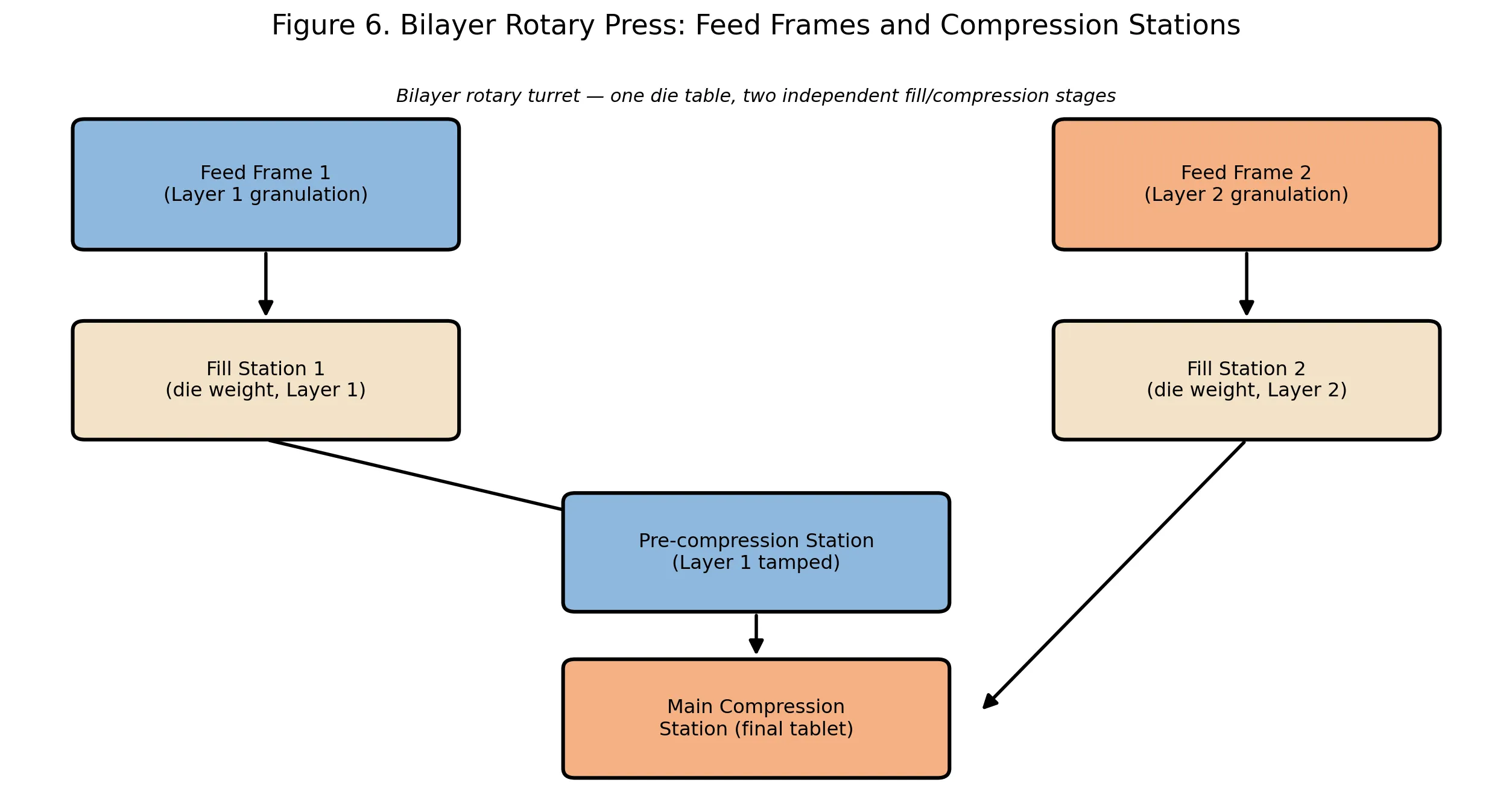
Figure 4. Structure of the two-layer rotary press: two independent feed frames and filling stations that lead to the main compaction through pre-compaction.
8.3 Compression sequence
The procedure is as follows: (i) The granules of the first layer are poured and lightly compacted to create a cohesive, low-porosity base without fully solidifying it. (ii) The granules of the second layer are applied to this base. (iii) The final main compaction force is applied to compress the two layers into a single tablet. The pre-compaction force applied to the first layer is, as explained in Section 9, a critical factor in the strength of the interfacial adhesion.
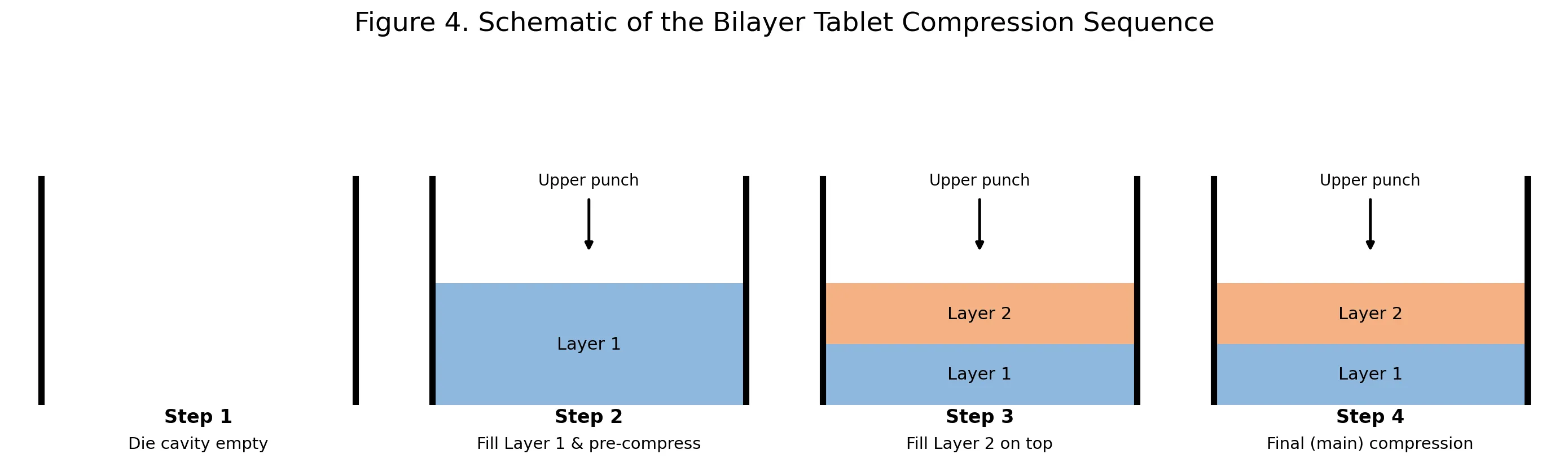
Figure 5. Schematic of the four-stage compression sequence of a bilayer tablet on a rotary press.
8.4 Critical process parameters
The process parameters most closely related to the quality of bi-layer tablets are the pre-compaction force of the first layer, the main compaction force (final compaction), the rotational speed of the press tower/punch, the powder filling depth for each layer, and the uniformity of the die filling – all of which are formally treated as critical process parameters (CPPs) within a quality concept by design (Section 11) [16].
8.5 Process optimization
In process optimization, a design of experiments approach is typically used to map how pre-compaction force, main compaction force and punching speed together influence layer weight variation, interfacial adhesion and resolution, thus defining a design space in which all quality characteristics are consistently met [16].
9. Challenges associated with compression
9.1 Layer adhesion
Sufficient adhesion between the layers requires sufficient bonding between the particles across the interface, which in turn depends on the surface roughness and residual porosity of the first layer at the time of application of the second layer [17,21].
9.2 Delamination
Delamination—the separation of the two layers along their common interface—is the characteristic defect in the compression of two-layer systems. Mechanistic studies show that increasing the pre-compression force of the first layer smooths and densifies its surface. This reduces penetration with the second layer and decreases the strength of the interfacial bond. Conversely, a rougher and more porous surface of the first layer allows for better mechanical anchorage and a stronger interface [17, 20, 21, 22]. Furthermore, the elastic mismatch between the two layers during decompression and ejection generates residual stresses at the interface, which can trigger delamination even with sufficient initial bonding [19, 22].
9.3 Ceiling height
Delamination – a horizontal cracking in a layer near its surface – is caused by trapped air and rapid elastic recovery during decompression and is further exacerbated in bilayer tablets by the additional stress that concentrates at the inner interface [17,19].
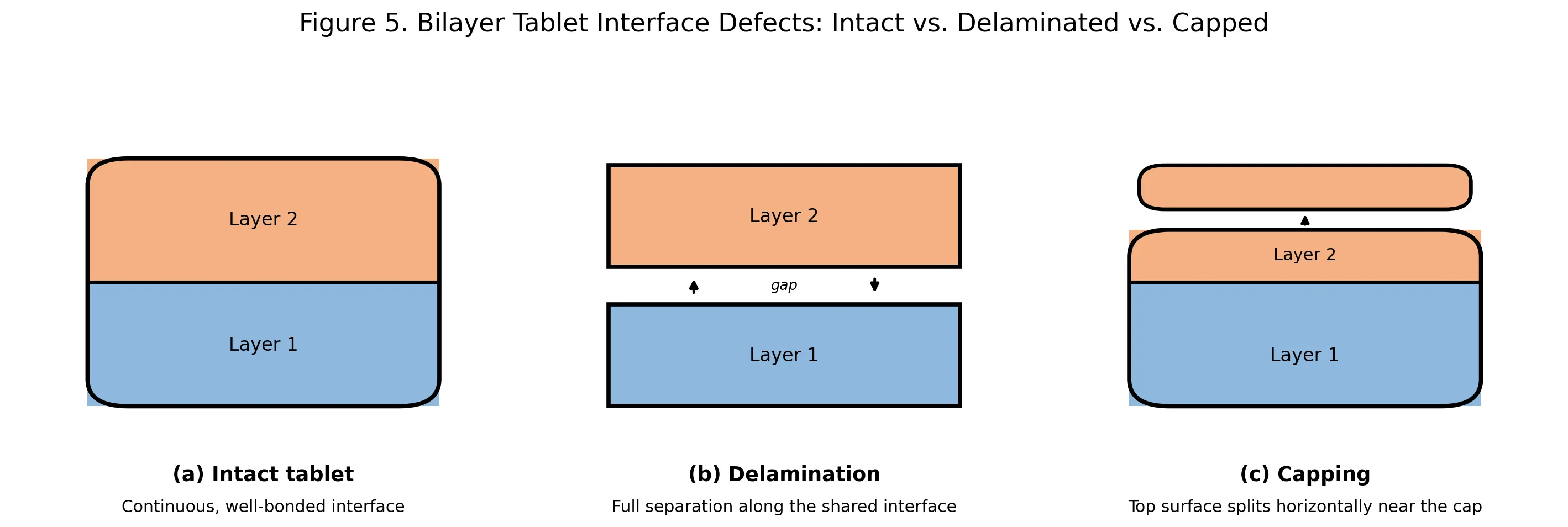
Figure 6. Interface defects of bilayer tablets: intact tablet compared to delamination (complete interface separation) and capping (horizontal crack near the surface).
9.4 Cross-contamination
Since two different formulations are processed on the same feeder frame arrangement, inadequate frame cleaning or insufficient dust separation between the two feeders can lead to cross-contamination of active ingredient or excipients from one layer to the other, which is controlled by the frame design, physical separation, and validated cleaning procedures [2].
9.5 weight variation
Each layer must reach its target weight independently; poor or irregular powder flow in one of the feed frames will lead to weight variations between layers, which directly affect dosing consistency and two-phase release [2].
9.6 Fluctuations in hardness
Since the two layers may have different mechanical properties (elastic/plastic/brittle), a compression force optimized for the target hardness of one layer may result in the other layer being under- or over-compressed; therefore, the hardness must be checked for the entire tablet and should not be derived from data of individual layers [2].
9.7 Optimizing compression force
The most important strategy for reducing most compression defects is a systematic investigation of the relationship between the pre-compression force and the main compression force: studies using micro-computed tomography and fracture toughness tests show that once the compression stress of the last layer significantly exceeds the stress of the first layer, the compressed material tends to fracture in the softer first layer itself, rather than at the interface. This provides a practical target ratio within which formulators can work [18].
10. Evaluation parameters
10.1 Assessment before compression
10.2 Assessment after compression
11. Quality management by design (QbD) in the development of bilayer tablets
Instead of addressing every element of the ICH quality toolkit, this section focuses on the two most important QbD diagnostic elements for specific failure modes of bilayer systems: critical quality characteristics and critical process parameters. These are placed within the overall context of the QbD approach. Complementary tools such as critical material properties, design of experiments, and process analysis technologies are integral to a comprehensive QbD program and are briefly mentioned here for context, but are not discussed in separate sections.
11.1 QbD framework and target product quality profile
Quality by Design (QbD) is a systematic, scientific, and risk-based approach. It begins with a predefined target quality profile (QTPP) that describes the expected clinical performance of the product and encompasses an understanding of the formulation and manufacturing process, culminating in a validated control strategy. This approach replaces the older paradigm of quality control, which relied solely on testing the finished product [11,12,13]. For a bilayer tablet, the QTPP specifies, among other things, the intended two-phase release profile, the tablet dimensions, and the requirement that both layers remain intact throughout the product's shelf life.
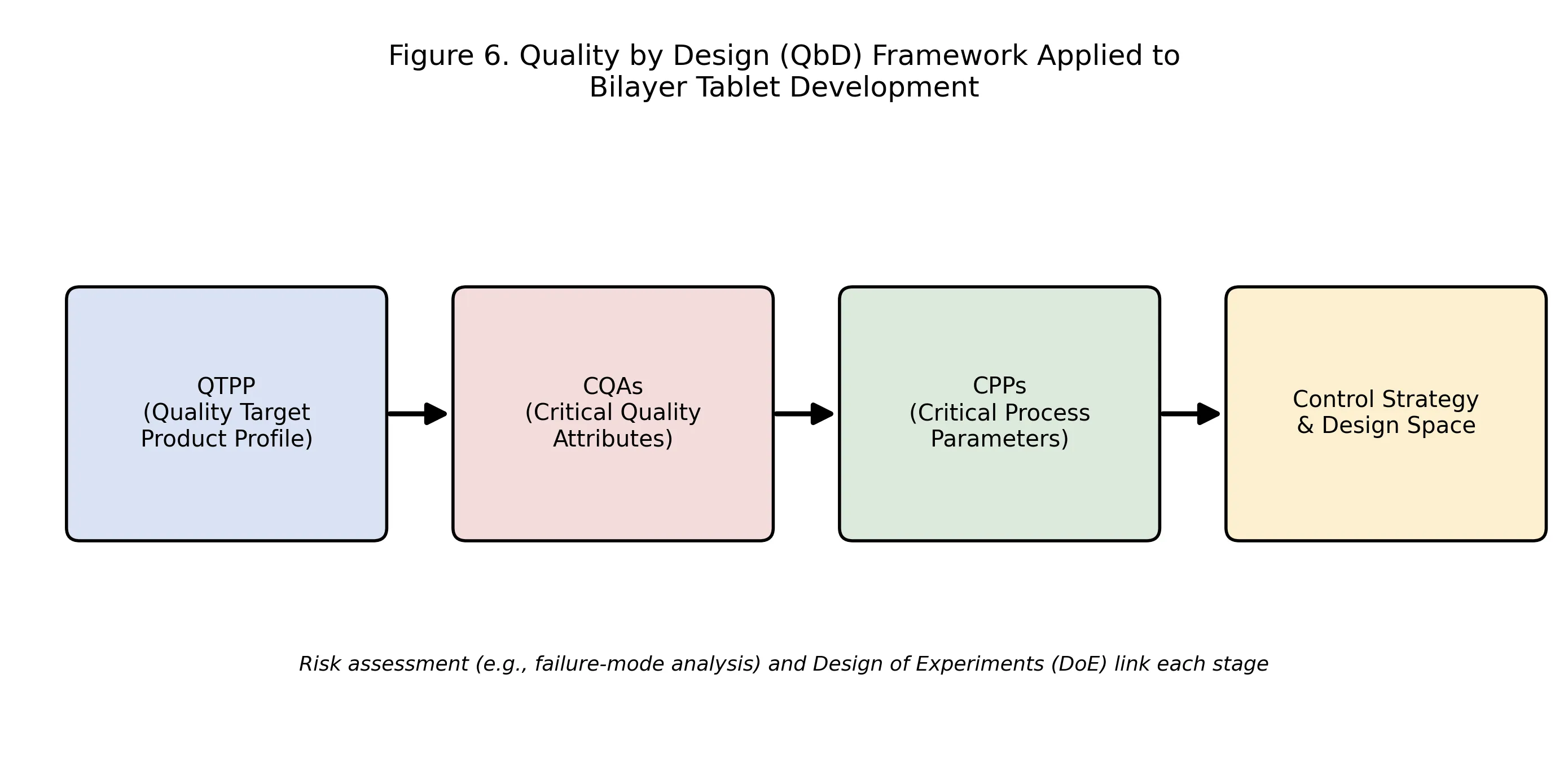
Figure 7. Quality management framework for the development of bilayer tablets, from QTPP via CQA and CPP to a validated control strategy.
11.2 Critical Quality Features (CQA)
Critical quality characteristics (CQAs) are physical, chemical, biological, or microbiological properties that must be controlled within an appropriate range to ensure the desired product quality [15,16]. For bilayer tablets, the most important CQAs are interfacial adhesion strength (the property most directly responsible for delamination), the hardness of each layer and of the entire tablet, abrasion resistance, mass homogeneity of the layers, and the dissolution profile of each layer [12,14]. Since interfacial adhesion strength is not part of routine pharmacopoeial tests, formulators are increasingly using materials science measurements of tensile strength and axial tensile strength to directly quantify this CQA [18,19].
11.3 Critical Process Parameters (CPP) and Control Strategy
Critical process parameters (CPPs) are process variables whose variability has a direct and measurable influence on a critical quality attribute (CQA) [13,16]. In the compression of bilayer tablets, the most important CPPs are the pre-compression force of the first layer, the main compression force, the rotational speed of the compression cylinder/punch, and the powder fill depth of each layer. These variables were mechanistically identified in Section 9 as determining factors for delamination and hardness variation. Once the relationship between these CPPs and the CQA of interfacial adhesion strength has been determined (usually through a small-scale experimental design), a control strategy can be implemented. This combines in-process monitoring of the compression force with stricter acceptance ranges for hardness and brittleness, thus ensuring consistent production within the validated design space [11,16]. This risk-based, mechanistically oriented application of QbD is the aspect of the overall quality framework that is most directly beneficial to a bilayer tablet formulation project. Therefore, it is given preference here over an exhaustive list of all QbD sub-tools.
12. Products marketed in the form of bilayer tablets
To illustrate the preceding sections with concrete examples, Table 2 summarizes bilayer/fixed-dose products that have been the subject of scientific publications. This includes both approved drugs and case studies on the development of advanced formulations. The reader can thus see that the classification, excipient, and manufacturing principles described above have led to products that are already available to patients or are currently under development.
|
Product / Platform |
API combination |
Layer design |
Therapeutic area |
Ref. |
|
Delstrigo® (Merck) |
Doravirine + lamivudine/tenofovir disoproxil fumarate |
Two-layer FDC, both essentially instant release |
HIV (antiretroviral medications) |
[37] |
|
Juluca® (ViiV Healthcare) |
Dolutegravir + Rilpivirine |
Bilayer FDC, two-drug therapy regimen |
HIV (antiretroviral medications) |
[38] |
|
Metformin/Evogliptin hydrochloride bilayer (QbD case study) |
Metformin HCl (SR) + evogliptin tartrate (IR) |
SR + IR, corresponding to the reference products Diabex XR® and Suganon® |
Type 2 diabetes |
[35] |
|
Atorvastatin/Atenolol gastro-resistant bilayer formulation (formulation study) |
Atorvastatin (rapidly released β-CD complex) + Atenolol (SR) |
fast and long-lasting gastric retentive |
Hypertension + Dyslipidemia |
[34] |
|
DUREDAS™ platform (Elan Corporation) |
Diltiazem hydrochloride, nifedipine, diclofenac sodium (monotherapy, double dose) |
IR + SR of the same drug or combinations of two drugs |
Cardiovascular medication / Pain reliever (over-the-counter) |
[33,36] |
Note: Entries 1, 2 and 5 refer to products that have received established regulatory approval or have a long-standing commercial platform; entries 3 and 4 describe fixed-dose combinations that are mentioned in the formulation development literature but are not confirmed to be currently marketed under these exact trade names and serve to illustrate the reasons for the selection of candidates and excipients and do not constitute claims about commercial availability.
13. FUTURE PROSPECTS
Among the many new directions frequently mentioned for the development of pharmaceutical dosage forms, three are selected here for detailed treatment because they are most directly related to bilayer tablet technology in particular, with the clearest existing literature base: AI/machine learning-assisted formulation, advanced polymers combined with multi-material 3D printing, and personalized/precise dosing based on these two technologies.
13.1 Artificial Intelligence and Machine Learning in Wording Development
Machine learning models—including artificial neural networks, ensemble regression trees, and support vector machines—are increasingly being trained on historical formulation and process data to predict tablet hardness, disintegration time, and dissolution behavior prior to the production of a single batch. This shortens the traditional trial-and-error development cycle [23, 24, 26]. In particular, for bilayer tablets, these models could, in principle, be trained on the relationships between pre-compression force, main compression force, and interfacial adhesion described in Sections 9 and 11. This enables the computational prediction of a design space for delamination-free production, which could then be validated by a significantly smaller experimental dataset. More general studies on AI in pharmaceutical manufacturing also highlight applications in real-time quality control and predictive maintenance of compression equipment—two aspects that are directly relevant for a high-speed bilayer rotary press [25, 27].
13.2 Advanced Polymers and Multi-Material 3D Printing
Additive manufacturing technologies – fused deposition modeling, selective laser sintering, semi-solid extrusion, and hot extrusion with dual-die printing – now enable the direct fabrication of multilayer or compartment tablets from thermoplastic pharmaceutical polymers such as polyvinyl alcohol, polyethylene oxide, and Eudragit/Kollidon types as the layer matrix [28, 30, 32]. This approach redefines the concept of the bilayer tablet: instead of a mechanically compressed structure, it is now digitally programmable and built layer by layer. It has already been demonstrated for co-extruded bilayer tablets and films that combine two active pharmaceutical ingredients (APIs) of different molecular sizes in a single dosage unit [28, 29]. Advanced polymer research aimed at lowering the processing temperature required for heat-sensitive drugs (e.g., through the use of temporary plasticizers) is actively expanding the range of API pairs that can realistically be produced using this method [30].
13.3 Applications of personalized and precision medicine
3D printing platforms enable the individual customization of dimensions, drug loading, and excipient composition for controlled drug release in each layer, without the need for special compression tools. This paves the way for the production of personalized bilayer or multilayer polypills. For example, the thickness of the sustained-release layer can be adapted to the patient's renal function, or two combined antihypertensive drugs can be dosed independently in a single tablet [30, 31, 32]. This approach, considered more of a future prospect than current practice, is still under development due to regulatory requirements for point-of-care or small-batch production. Nevertheless, it represents the most direct application of bilayer tablet principles to individualized therapy.
CONCLUSION
This study aims to defend a specific position rather than simply listing the problems in this field: Delamination, the main obstacle in the compression of bilayer tablets, is no longer an unpredictable manufacturing risk, but a mechanistically understood and controllable phenomenon, provided that the pre-compression force and the main compression force are considered as critical process parameters within a Quality-by-Design (QbD) approach. The data presented in Sections 9 and 11 support this thesis: Investigations of fracture mechanics and interface roughness have identified the causes of delamination, and QbD-based control strategies have shown that it is possible to prevent it during the design phase, rather than detecting it retrospectively. The commercially available products analyzed in Section 12 confirm that this is not merely a theoretical exercise: Combination bilayer tablets are already being used in important therapeutic areas such as HIV, hypertension, and diabetes. Looking to the future, the multilayer structure, which in the past represented a weakness in manufacturing, paradoxically proves to be the very reason why the bilayer tablet is an ideal candidate for the next generation of formulation technologies: machine learning models precisely trained on the relationships between pre-compaction and adhesion described here, and multi-material 3D printing, which replaces mechanical compression with digitally programmable layer deposition. A final project on the formulation of bilayer tablets thus lies at the intersection of a mature, industrially proven technology, whose primary failure mechanism is now understood, and a rapidly growing field of research that directly utilizes this understanding.
REFERENCES






Chinthana K, Deebika P, Dharshini S, Muthuramalingam N, Vigasini C, Dharani Priya B, Bilayer Tablet Drug Delivery Systems: Formulation Strategies, Manufacturing Technologies, Evaluation, Challenges and Recent Advances, Int. J. of Pharm. Sci., 2026, Vol 4, Issue 9, 1477-1493, https://doi.org/10.5281/zenodo.22723204
 10.5281/zenodo.22723204