View Article

  • Biologic DMARDS Vs Conventional DMARDS in Rheumatoid Arthritis: A Comparative Review

  • HIMT College of Pharmacy, Greater Noida Uttar Pradesh.

Abstract

Synovial inflammation, joint destruction, and a marked reduction in quality of life are the hallmarks of rheumatoid arthritis (RA), a chronic, progressive autoimmune inflammatory disease. The mainstay of RA treatment is still disease-modifying anti-rheumatic medications (DMARDs), which are designed to prevent structural damage, control disease activity, and maintain functional ability. The mechanisms of action, clinical efficacy, safety profiles, and pharmacoeconomic implications of conventional synthetic DMARDs (csDMARDs) and biologic DMARDs (bDMARDs) are all critically assessed in this comparative review. Because of their proven effectiveness, oral administration, and affordability, csDMARDs such as methotrexate, sulfasalazine, leflunomide, and hydroxychloroquine have long been utilized as first-line treatments. However, their long-term usefulness in certain patients is limited by drawbacks like delayed onset of action, inconsistent response, and organ-specific toxicities. On the other hand, bDMARDs specifically target important inflammatory mediators involved in the pathophysiology of RA, including B cells, T-cell co-stimulation pathways, interleukin-6, and tumor necrosis factor-?. With a quicker onset of action and more inhibition of radiographic disease progression, these agents show superior efficacy in patients who do not respond well to csDMARDs. Notwithstanding their clinical benefits, bDMARDs are linked to increased expenses, a higher risk of infection, immunogenicity issues, and difficulties with accessibility, especially in low- and middle-income environments. A treat-to-target approach is recommended by current international guidelines, which place csDMARDs as the first line of treatment and escalate to bDMARDs depending on response and disease severity. The landscape of RA treatment is changing due to new treatments like biosimilars and targeted synthetic DMARDs like JAK inhibitors

Keywords

Rheumatoid arthritis, DMARDs, Conventional synthetic DMARDs, Biologic DMARDs, TNF-? inhibitors, Treatment outcomes, Pharmaco-economics

Introduction

× Popup Image

Persistent synovial inflammation, progressive joint destruction, and a variety of extra-articular symptoms are the hallmarks of rheumatoid arthritis (RA), a chronic, progressive, systemic autoimmune disease. In contrast to degenerative joint disorders, RA is caused by immune-mediated mechanisms that cause persistent inflammation of the synovial membrane. If treatment is not received, this can result in irreversible joint deformities, cartilage damage, and bone erosion. Rheumatoid factor (RF) and anti-citrullinated protein antibodies (ACPAs) are common serological markers associated with the disease, which usually manifests as symmetrical inflammatory polyarthritis that primarily affects the small joints of the hands and feet [1].

RA is one of the most common chronic inflammatory rheumatic diseases, affecting 0.5–1% of adults worldwide. With a female-to-male ratio of almost 3:1, the condition disproportionately affects women. It typically appears between the ages of 30 and 60, which is a crucial time for social and economic productivity. Patients, healthcare systems, and society at large are all continuously burdened by the chronic and lifelong nature of RA.

Significant physical disability, psychological distress, and systemic complications are just a few of the many aspects of RA's disease burden that go beyond joint pathology. Daily living activities and job performance are significantly hampered by persistent pain, morning stiffness, exhaustion, and progressive loss of joint function [2]. Uncontrolled inflammation eventually causes irreversible joint damage, deformities, and reduction in independence, all of which lower one's quality of life in terms of health. Furthermore, RA is becoming more widely acknowledged as a systemic illness with extra-articular symptoms that impact the neurological, musculoskeletal, pulmonary, and cardiovascular systems. Notably, chronic systemic inflammation is a major contributing factor to the markedly elevated risk of cardiovascular morbidity and early mortality in RA patients [3].

RA is a significant public health concern from a socioeconomic standpoint. High direct healthcare costs for long-term medication, frequent doctor visits, laboratory monitoring, imaging, and hospital stays are linked to the illness. Indirect costs, such as early retirement, decreased productivity, and absenteeism from work, frequently surpass direct medical costs, especially for patients with moderate to severe illness. The burden of disease and health disparities are made worse in low- and middle-income nations by delayed diagnosis, restricted access to advanced therapies, and insufficient access to specialized care [4].

The discovery and approval of disease-modifying anti-rheumatic medications (DMARDs) has changed the therapeutic landscape and improved long-term outcomes over the past 20 years due to substantial advances in our understanding of RA pathogenesis. It has been demonstrated that reducing disease activity, preventing structural damage, and improving functional outcomes can be achieved through early diagnosis, timely therapy initiation, and adoption of treat-to-target strategies. Despite these developments, a significant percentage of patients do not experience low disease activity or sustained remission, underscoring ongoing unmet clinical needs [5].
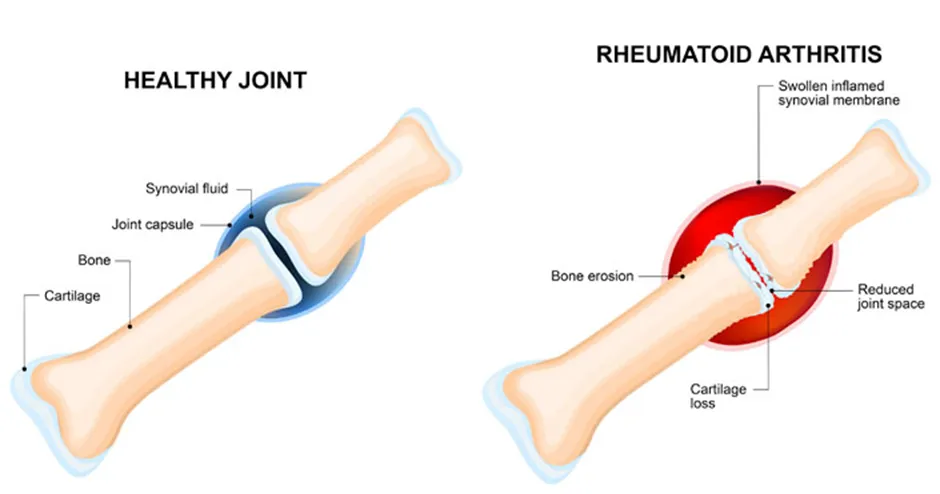


Fig 1: Comparison between Healthy Joint and Rheumatoid Arthritis [6]


  1. Pathophysiology of Rheumatoid Arthritis: Therapeutic Targets

A breakdown of immunological tolerance and persistent activation of both innate and adaptive immune responses cause rheumatoid arthritis (RA), a complicated inflammatory disease mediated by the immune system. Genetic predisposition, environmental triggers, immunological dysregulation, and chronic inflammation interact in a complex way during the pathogenesis of RA, which eventually results in synovial hyperplasia, cartilage degradation, and bone erosion. Finding important therapeutic targets that serve as the cornerstone of contemporary RA treatment has been made possible by an extensive knowledge of these pathogenic pathways [7].

  1. Immune Dysregulation and Autoimmunity

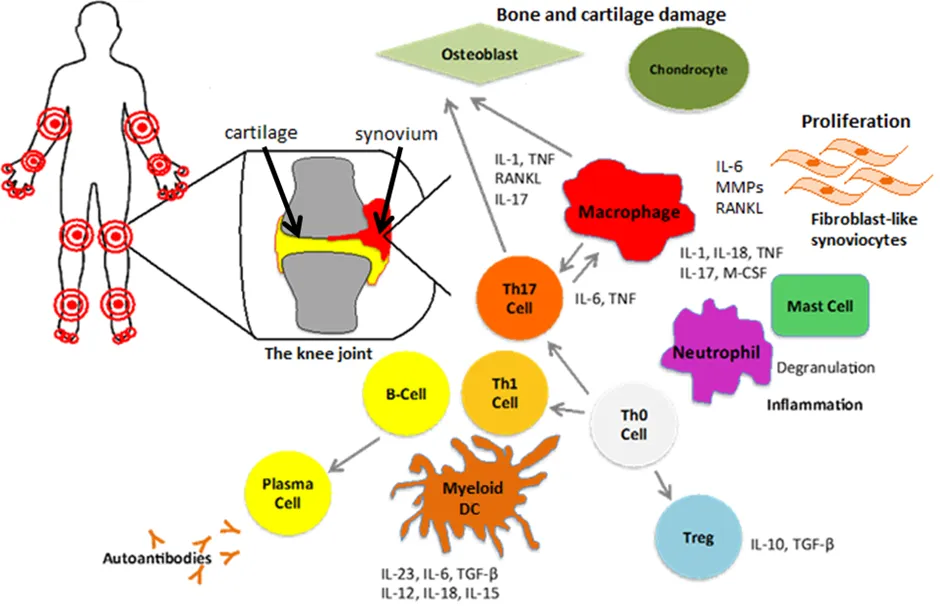
Autoantibodies such rheumatoid factor (RF) and anti-citrullinated protein antibodies (ACPAs) are produced in RA due to a loss of immunological tolerance, sometimes years before the illness manifests clinically. When paired with environmental triggers like smoking and microbial exposure, genetic factors specifically, HLA-DRB1 "shared epitope" alleles promote aberrant antigen presentation and autoreactive T and B cell activation. Persistent inflammation is caused by these immune cells infiltrating the synovial tissue. By producing pro-inflammatory cytokines and encouraging macrophage and fibroblast activation, activated CD4⁺ T helper cells particularly Th1 and Th17 subsets play a crucial role. B cells play a crucial role in the continuation of illness because they not only produce autoantibodies but also present antigens and secrete cytokines [8].

  1. Synovial Inflammation and Pannus Formation

Chronic synovitis, which is typified by synovial fibroblast proliferation and immune cell infiltration, comprising macrophages, lymphocytes, and dendritic cells, represents one of the defining characteristics of RA. The pannus, an invasive tissue created by this inflammatory synovium, actively erodes nearby bone and cartilage. Activated synovial fibroblasts have a tumor-like appearance and release matrix metalloproteinases (MMPs), which break down the extracellular matrix of cartilage [9].

  1. Cytokine Network and Inflammatory Cascade

A multifaceted network of cytokines dominates the inflammatory environment in RA. By enhancing inflammatory signaling, encouraging leukocyte recruitment, and triggering other pro-inflammatory mediators, tumor necrosis factor-α (TNF-α) plays a crucial role. Acute-phase reactions, systemic symptoms such anemia and exhaustion, and synovial inflammation are all influenced by interleukin-6 (IL-6). Additional cytokines that promote inflammation and tissue damage include granulocyte-macrophage colony-stimulating factor (GM-CSF), IL-1, and IL-17. These cytokines trigger intracellular signaling pathways that control gene expression related to inflammation and immune cell survival, including nuclear factor-κB (NF-κB), mitogen-activated protein kinases (MAPKs), and Janus kinase–signal transducer and activator of transcription (JAK-STAT) [10].

  1. Bone Erosion and Cartilage Destruction

Receptor activator of nuclear factor-κB ligand (RANKL), which is elevated by activated T cells and synovial fibroblasts, is the driving force behind increased osteoclastogenesis in RA. Bone degradation progresses when osteoclast activity is elevated and osteoblast function is compromised. Under inflammatory circumstances, synovial fibroblasts and chondrocytes produce proteolytic enzymes that cause cartilage destruction [11].

  1. Therapeutic Targets in RA

Numerous treatment targets have been identified because to the clarification of RA pathogenesis. Methotrexate and other csDMARDs often inhibit the synthesis of inflammatory mediators and immunological activation. TNF-α, IL-6 receptors, CD20-positive B cells, and T-cell co-stimulation pathways are among the important chemicals and cells that biologic DMARDs specifically target. More recently, intracellular signaling cascades essential for cytokine function have been directly disrupted by targeted synthetic DMARDs, especially JAK inhibitors [12].

  1. Disease-Modifying Anti-Rheumatic Drugs (DMARDs): An Overview

Since they are the only category of medications that can change the disease's natural course, disease-modifying anti-rheumatic medicines (DMARDs) are the cornerstone of treatment for rheumatoid arthritis (RA). DMARDs target the underlying immunopathological mechanisms that cause chronic inflammation, joint destruction, and disease development, in contrast to corticosteroids and non-steroidal anti-inflammatory medications (NSAIDs), which relieve symptoms. Achieving clinical remission or prolonged low progression of the disease, preventing structural joint deterioration, maintaining physical function, and enhancing long-term quality of life are the main objectives of DMARD therapy [13].

DMARDs work by reducing cellular processes involved in synovial growth and tissue degradation, decreasing inflammatory pathways, and modifying immunological responses. It is currently repeatedly demonstrated that early DMARD medication beginning, ideally within the "window of opportunity" shortly after diagnosis, improves clinical results and lessens irreparable joint damage. As a result, the current worldwide treatment guidelines strongly advise starting DMARD as soon as RA is diagnosed [14].

DMARDs are generally divided into three categories based on their molecular targets, mode of action, and development process: conventional synthetic DMARDs (csDMARDs), biologic DMARDs (bDMARDs), and targeted synthetic DMARDs (tsDMARDs). This categorization shows how RA treatments have changed over time, moving from widely acting immunosuppressive drugs to much targeted, mechanism-driven treatments [15].

Methotrexate, sulfasalazine, leflunomide, and hydroxychloroquine are examples of conventional synthetic DMARDs that have been used for many years and are still the first-line treatment for the majority of patients [16]. These substances have a wide range of immunomodulatory and anti-inflammatory actions and are prized for their oral delivery, shown effectiveness, and affordability. However, organ-specific toxicity, inter-individual response heterogeneity, and delayed beginning of action may restrict their therapeutic usage.

Because they specifically target important cytokines or immune cells involved in the pathophysiology of the illness, biologic DMARDs provide a significant development in the treatment of RA. Tumor necrosis factor-α inhibitors, interleukin-6 signaling inhibitors, B-cell depletion treatments, and T-cell co-stimulation modulators are some of these medications. In individuals who do not respond well to csDMARDs, biologic DMARDs have proven to be more effective, especially when it comes to stopping radiographic progression. However, parenteral administration, greater risk of infection, and higher expenses are linked to their usage [17].

In more recent times, oral medications that specifically disrupt intracellular signaling pathways essential for cytokine-mediated inflammation have been made available by targeted synthetic DMARDs, especially Janus kinase (JAK) inhibitors. Although long-term safety is still being assessed, these medications combine the ease of oral administration with tailored immunomodulation [18].

  1. Conventional Synthetic DMARDs (csDMARDs)

The first-line pharmacological treatment for rheumatoid arthritis (RA) is conventional synthetic disease-modifying anti-rheumatic medications (csDMARDs), which continue to be the cornerstone of disease management in all worldwide treatment recommendations. These substances have widespread immunomodulatory and anti-inflammatory properties that diminish structural joint damage, delay the course of illness, and lower synovial inflammation. Because of their proven effectiveness, long-term clinical experience, oral administration, and affordability, csDMARDs continue to play a crucial role despite the rise of biologic and tailored synthetic DMARDs [19].

csDMARDs are frequently started as monotherapy or in combination regimens as soon as a diagnosis is made, and they are frequently continued even when more sophisticated treatments are offered. To maximize therapeutic results, their usage necessitates thorough evaluation of pharmacokinetic characteristics, dosage schemes, mechanisms of action, and safety monitoring [20].

    1. Commonly Used csDMARDs
  • Methotrexate: The most often administered csDMARD, methotrexate (MTX) is considered the anchor medication in RA treatment. It serves as a foundation in combination regimens with other csDMARDs or biologic medicines, as well as a first-line monotherapy [21].
  • Sulfasalazine: Sulfasalazine is a synthetic anti-inflammatory drug that is frequently used in combination therapy for early or mild-to-moderate RA. For people who cannot take methotrexate, it is very helpful [22].
  • Leflunomide: In patients who do not respond well to first-line csDMARDs, leflunomide, an immunomodulatory drug with effectiveness similar to methotrexate, is frequently used as an alternate or supplemental treatment [23].
  • Hydroxychloroquine: Often used in combination therapy, early illness, or low disease activity, hydroxychloroquine is a moderate csDMARD. It is particularly helpful for people who are contraindicated for other csDMARDs and has a good safety profile [24].
    1. Mechanisms of Action

Instead of specifically targeting a particular cytokine or immune cell type, conventional synthetic disease-modifying anti-rheumatic medicines (csDMARDs) achieve their therapeutic effects by modulating immunological and inflammatory pathways in a wide and complex manner. Because of their pleiotropic mechanism of action, csDMARDs can decrease the advancement of structural joint deterioration in rheumatoid arthritis (RA), lower immune cell activation, and control synovial inflammation. These drugs have different main molecular targets, but they all aim to reduce the inflammatory cascades and aberrant immune responses that fuel the pathophysiology of RA [25].

Methotrexate: The mainstay of csDMARD treatment is still methotrexate, which has anti-inflammatory properties that are different from its antitumor effects. Methotrexate inhibits purine metabolism-related enzymes at low levels utilized in RA, which causes extracellular adenosine a powerful endogenous anti-inflammatory mediator to build up [26]. Adenosine inhibits the activation and proliferation of T cells and macrophages in the synovium, as well as the generation of important pro-inflammatory cytokines including interleukin-6 (IL-6), interleukin-1β, and tumor necrosis factor-α (TNF-α). Methotrexate also limits leukocyte recruitment and tissue damage by decreasing the production of adhesion molecules and matrix metalloproteinases [27].

Sulfasalazine: Sulfasalazine uses a variety of anti-inflammatory pathways to provide its immunomodulatory effects. It prevents nuclear factor-κB (NF-κB) signaling pathway activation, which is a key modulator of inflammatory gene transcription in RA. Sulfasalazine decreases the production of chemokines, adhesion molecules, and pro-inflammatory cytokines via inhibiting NF-κB activation. Sulfasalazine also lowers T-cell proliferation and antibody formation, which contributes to its disease-modifying effects, and inhibits the cyclooxygenase and lipoxygenase pathways, which results in reduced prostaglandin and leukotriene generation [28].

Leflunomide: By blocking dihydroorotate dehydrogenase, a mitochondrial enzyme necessary for de novo pyrimidine production, leflunomide mainly targets adaptive immune responses. This pathway is crucial for the rapid multiplication of activated T and B cells. When pyrimidine synthesis is inhibited, activated lymphocytes undergo cell cycle arrest, which lowers autoantibody production, cytokine-mediated inflammation, and clonal growth. Leflunomide further suppresses synovial inflammation by interfering with tyrosine kinase signaling and lowering the synthesis of inflammatory mediators [29].

Hydroxychloroquine: Through its impact on intracellular processing and innate immunological signaling, hydroxychloroquine modifies immune responses [30]. Hydroxychloroquine inhibits antigen-presenting cells' ability to digest and present antigens by raising the pH of lysosomes and endosomes, which lowers autoreactive T cell activation. Furthermore, toll-like receptor (TLR) 7 and 9 signaling, which is linked to the activation of plasmacytoid dendritic cells and the generation of type I interferons, is inhibited by hydroxychloroquine. Particularly in early or moderate RA, this leads to reduced cytokine release and reduction of inflammatory responses [31].

    1. Pharmacokinetics and Dosing Considerations

When it comes to absorption, distribution, metabolism, and elimination, conventional synthetic DMARDs (csDMARDs) have unique pharmacokinetic characteristics. These variations have a substantial impact on long-term tolerability, safety monitoring, commencement of action, and dosage schedules. In order to maximize treatment, reduce toxicity, and guarantee long-term disease management in rheumatoid arthritis (RA), it is crucial to comprehend these factors [32].

Methotrexate (MTX): For RA, methotrexate (MTX) is given at modest weekly dosages, usually beginning at 7.5-10 mg once weekly and gradually increasing to 20-25 mg/week based on tolerability and clinical response. Subcutaneous or intramuscular injection increases bioavailability and lessens gastrointestinal intolerance; oral bioavailability varies from 60-70% at low dosages but falls at larger doses owing to saturable absorption [33]. Methotrexate is mostly removed unaltered by the kidneys, having an elimination half-life of 6–9 hours at low dosages [34]. It is around 50% protein bound and somewhat metabolized by the liver. To lessen mucosal, gastrointestinal, and hematologic damage, regular folic acid intake (5–10 mg/week) is advised. The hazards of hepatotoxicity, myelosuppression, and nephrotoxicity necessitate periodic surveillance of liver enzymes, renal function, and complete blood counts.

Sulfasalazine: Sulfasalazine is taken orally, starting at 500 mg once or twice a day and progressively increasing to a maintenance dosage of 2-3 g/day in split doses. Because intestinal bacteria substantially convert it into sulfapyridine and 5-aminosalicylic acid (5-ASA), it has variable oral absorption (10-30%) [35]. 5-ASA mostly works locally, whereas sulfapyridine is absorbed systemically and contributes to both positive and negative effects. Acetylator status affects sulfapyridine's plasma half-life, which varies from 6 to 17 hours. To increase gastrointestinal tolerance, gradual dosage escalation is used, and it is advised to periodically check the liver's functioning and blood counts [36].

Leflunomide: Leflunomide is taken orally once daily at a dosage of 10–20 mg. The medication's therapeutic action is attributed to its active metabolite, teriflunomide, which has a lengthy elimination half-life of around 14 to 18 days, mostly because of significant enterohepatic circulation [37]. Although it makes once-daily dosage simple, its extended half-life makes it difficult to manage toxicity or prepare for pregnancy. A cholestyramine washout regimen (8 g three times daily for 11 days) is necessary if there are significant side effects or if quick medication clearance is needed. Leflunomide is linked to hepatotoxicity, especially when used with methotrexate, hence monitoring liver enzymes is essentiall [38].

Hydroxychloroquine: After oral treatment, hydroxychloroquine has been effectively absorbed, with a bioavailability of around 70-80%. To reduce toxicity, the usual dosage is 200-400 mg/day, not to exceed 5 mg/kg/day (real body weight) [39]. Due to its wide tissue distribution and lengthy terminal half-life of 40-50 days, hydroxychloroquine accumulates in tissues such the skin, liver, and retina. Baseline and frequent ophthalmologic exams (annually after 5 years of medication, or earlier in high-risk individuals) are necessary to identify retinal toxicity, even though regular laboratory surveillance for hepatic or renal toxicity is not required [40].

  1. Biologic DMARDs (bDMARDs)

A significant development in the treatment of rheumatoid arthritis (RA) is the use of biologic disease-modifying anti-rheumatic medications (bDMARDs), which are the result of a better knowledge of the immunopathological processes underlying the condition. bDMARDs are genetically modified proteins intended to specifically target particular cytokines, receptors, or immune cell populations that are crucial to the pathophysiology of RA, in contrast to traditional synthetic DMARDs, which have widespread immunosuppressive effects. Patients with moderate to severe RA who do not respond well to or are intolerant to csDMARDs, especially methotrexate, are the main candidates for these medications [41].

Superior effectiveness in lowering disease activity, preventing radiographic progression, and enhancing functional outcomes has been shown by bDMARDs. However, parenteral administration, greater susceptibility to infections, and higher expenses are linked with their usage, making cautious patient selection and monitoring necessary [42].

Classification of Biologic DMARDs

  1. TNF-α Inhibitors

Agents: Etanercept, Infliximab, Adalimumab, Golimumab and Certolizumab pegol.

Mechanism of Action: Tumor necrosis factor-α, a crucial pro-inflammatory cytokine implicated in synovial inflammation, leukocyte recruitment, angiogenesis, and joint degeneration, is neutralized by TNF-α inhibitors. These drugs restrict inflammation and structural damage by inhibiting TNF-α signaling, suppressing downstream cytokine cascades, lowering adhesion molecule expression, and preventing osteoclast activation. Methotrexate and TNF inhibitors are frequently used together to increase effectiveness and lower immunogenicity [43].

Administration and Dosing

  • Etanercept: Subcutaneous, 50 mg once weekly
  • Adalimumab: Subcutaneous, 40 mg every 2 weeks
  • Infliximab: Intravenous, 3–5 mg/kg at weeks 0, 2, and 6, then every 8 weeks
  • Golimumab: Subcutaneous, 50 mg once monthly
  • Certolizumab pegol: Subcutaneous, 400 mg at weeks 0, 2, and 4, then 200 mg every 2 weeks
  1. IL-6 Inhibitors

Agents: Tocilizumab and Sarilumab

Mechanism of Action: IL-6 inhibitors prevent IL-6-mediated signaling by blocking the IL-6 receptor. Synovial inflammation, acute-phase reactions, chronic disease anemia, and systemic RA symptoms are all significantly influenced by IL-6. Systemic symptoms improve and inflammation is rapidly reduced when IL-6 signaling is inhibited. IL-6 inhibitors can be administered alone or in conjunction with csDMARDs [44].

Administration and Dosing

  • Tocilizumab: Intravenous 8 mg/kg every 4 weeks or subcutaneous 162 mg weekly or biweekly
  • Sarilumab: Subcutaneous 200 mg every 2 weeks
  1. B-cell Targeted Therapies

Agent: Rituximab

Mechanism of Action: A monoclonal antibody called rituximab targets the surface antigen CD20, which is expressed on B cells. Through complement-mediated cytotoxicity and apoptosis, it causes B-cell depletion, which lowers the formation of autoantibodies and attenuates immunological activation. Patients with seropositive RA and those who do not respond to TNF-α medications benefit most from rituximab [45].

Administration and Dosing

  • Rituximab: Intravenous 1000 mg on days 1 and 15, repeated every 6–12 months based on clinical response
  1. T-cell Co-stimulation Modulators

Agent: Abatacept

Mechanism of Action: The fusion protein abatacept prevents T-cell activation by obstructing the CD80/CD86–CD28 co-stimulatory signal, which is necessary for complete T-cell activation. Reduced cytokine production and subsequent immune activation follow from this.

Administration and Dosing
  • Intravenous: Weight-based dosing (~10 mg/kg) at weeks 0, 2, and 4, then every 4 weeks
  • Subcutaneous: 125 mg once weekly [46]


Fig 2:  Mechanisms of Action of DMARDs in Rheumatoid Arthritis [47]


  1. Comparative Efficacy of Biologic vs Conventional DMARDs [48-64]


Parameter

Conventional Synthetic DMARDs (csDMARDs)

Biologic DMARDs (bDMARDs)

Key Clinical Evidence (Bentham style)

Clinical Response

In early RA, the response is moderate to good; in advanced RA, the effectiveness varies.

Increased and more reliable clinical response, particularly in cases of csDMARD failure, in moderate-to-severe RA.

Smolen et al., 2014; van der Heijde et al., 2013

Disease Activity Scores (DAS28, SDAI, CDAI)

DAS28 and SDAI gradually decline; remission rates are lower and take longer to reach.

Significant and quick decline in DAS28/SDAI; increased remission and low rates of disease activity.

Emery et al., 2015; Fleischmann et al., 2017

Onset of Action

Delayed onset: notable improvement takes six to twelve weeks.

Fast onset: 2-4 weeks, especially with TNF-α and IL-6 inhibitors

Keystone et al., 2004; Genovese et al., 2008

Duration & Sustainability of Response

Although subsequent loss of effectiveness is typical, sustained response is feasible.

Longer-lasting reaction; persistence is enhanced when combined with MTX

Maini et al., 2004; Smolen et al., 2016

Radiographic Progression

Partial prevention of structural damage; in active RA, development may continue.

Radiographic advancement is strongly inhibited or completely stopped.

van der Heijde et al., 2006; Breedveld et al., 2006

Joint Damage Prevention

Mostly effective in low-activity or early disease

Better protection against bone erosion and cartilage loss

Klareskog et al., 2004; Taylor et al., 2011

Efficacy in csDMARD-Refractory RA

Restricted benefit following MTX failure

High effectiveness in responders who don't respond well to MTX

Weinblatt et al., 1999; Kremer et al., 2003

Systemic & Extra-Articular Control

Systemic inflammation is somewhat controlled

Improved management of systemic symptoms (CRP, anemia, tiredness)

Jones et al., 2010; Gabay et al., 2013

Overall Therapeutic Impact

First-line treatment that is affordable yet has less predictable and delayed results

Better structural protection and disease management, but more expenses and safety oversight

Smolen et al., 2020 (EULAR update)

 
  1. Safety and Tolerability Profiles

Since treatment for rheumatoid arthritis (RA) frequently necessitates chronic and perhaps lifetime medication, safety and tolerability are crucial factors in the long-term management of RA. Drug selection, treatment sequencing, and monitoring procedures are influenced by the different safety profiles of biologic DMARDs (bDMARDs) and conventional synthetic DMARDs (csDMARDs). Optimizing patient outcomes and reducing therapy-related issues need a thorough awareness of their side effects, infection risks, and long-term safety considerations [65].

    1. Adverse Effects of Conventional Synthetic DMARDs (csDMARDs)

Although csDMARDs are typically well-known medications with decades of clinical experience, a variety of organ-specific side effects are linked to their extensive immunomodulatory processes.

  • Methotrexate: Hepatotoxicity, bone marrow suppression, gastrointestinal intolerance (nausea, vomiting, stomatitis), and, less often, lung toxicity are all linked to methotrexate. Long-term usage can cause liver fibrosis, especially in those who have risk factors including obesity or alcoholism. Thus, it is essential to regularly check liver enzymes, renal function, and total blood counts [66].
  • Sulfasalazine: Reversible oligospermia, headaches, rashes, and gastrointestinal problems are frequent side effects of sulfasalazine. Leukopenia and agranulocytosis are uncommon but clinically important hematological disorders that require regular blood count monitoring [67].
  • Leflunomide: Hepatotoxicity, hypertension, gastrointestinal problems, and baldness are linked to leflunomide. Its lengthy half-life makes toxicity control more difficult, and its teratogenic risk necessitates stringent contraception. Monitoring liver function is especially crucial when using methotrexate [68].
  • Hydroxychloroquine: Although hydroxychloroquine is usually well tolerated, prolonged treatment may result in retinal toxicity. Baseline and routine ophthalmologic screening are crucial because, while being uncommon, retinal injury can be irreparable. Skin hyperpigmentation and stomach distress are other side effects [69].
    1. Infection Risk and Immunogenicity of Biologic DMARDs (bDMARDs)

Strong immunosuppression and heightened vulnerability to infections are the outcomes of bDMARDs' selective targeting of important immune pathways. The biggest risk associated with biologic treatment is serious infections, such as pneumonia, sepsis, and opportunistic infections.

  • TNF-α inhibitors are significantly linked to an elevated likelihood of infections, especially hepatitis B and latent TB reactivation, thus screening is required before starting treatment. Patients on TNF inhibitors are also more likely to get intracellular and fungal infections [70].
  • By decreasing acute-phase reactants like C-reactive protein, IL-6 inhibitors may conceal infection symptoms and perhaps postpone diagnosis. They also need to be regularly monitored since they are linked to neutropenia and increased liver enzymes.
  • Extended immunosuppression, hypogammaglobulinemia, and few instances of progressive multifocal leukoencephalopathy are linked to B-cell-targeted treatment (rituximab). Prior to starting, the vaccination status should be optimized.
  • Another significant drawback of bDMARDs is immunogenicity, which is defined as the production of anti-drug antibodies. Immunogenic reactions can lead to subsequent loss of response, exacerbate infusion reactions, and decrease medication effectiveness. It has been demonstrated that concurrent methotrexate administration improves therapy durability and lowers immunogenicity [71].
    1. Long-Term Safety Considerations

Long-term usage of both csDMARDs and bDMARDs raises concerns regarding malignancy risk, cumulative immunosuppression, and cardiovascular safety. Although early research indicated that biologic therapy may raise the risk of lymphoma, more recent data suggests that the fundamental inflammatory disease activity itself, rather than biologic treatment alone, is a significant factor in malignancy risk [72].

The significance of preventative measures like vaccination, infection screening, and information for patients is highlighted by the possibility that prolonged immunosuppression may also affect vaccine responses and infection consequences. Furthermore, long-term safety statistics have shown that older patients and those with several comorbidities require rigorous risk categorization [73].

  1. Pharmacoeconomic Considerations

Because rheumatoid arthritis (RA) necessitates long-term, sometimes lifetime medication and places a significant financial burden on patients, healthcare systems, and society as a whole, pharmacoeconomic variables are crucial to its management. Economic evaluation is increasingly crucial for directing treatment choices, policy-making, and guideline creation due to the availability of several therapeutic alternatives, such as biologic DMARDs (bDMARDs), conventional synthetic DMARDs (csDMARDs), and more recent targeted medicines. Cost-effectiveness, affordability and accessibility, and their influence on treatment adherence are important pharmacoeconomic factors [74].

    1. Cost-Effectiveness

Because of their cheap acquisition costs, oral administration, and proven effectiveness in early illness, csDMARDs methotrexate in particular are considered the most economical treatments for RA. csDMARD-based therapies offer positive cost-utility ratios, particularly when implemented early and within a treat-to-target paradigm, as several economic assessments have shown. On the other hand, because too complicated manufacturing procedures, parenteral administration, cold-chain requirements, and monitoring expenditures, bDMARDs are linked too much higher direct costs [75]. Although biologic treatments are more clinically beneficial in csDMARD-inadequate responders, especially when it comes to enhancing quality-adjusted life years (QALYs) and reducing radiographic progression, their additional cost-effectiveness ratios are much greater. As a result, rather than using bDMARDs as first-line treatment, the majority of health economic models advocate using them after csDMARDs have failed. By lowering acquisition costs while preserving comparable performance and safety, the development of biosimilars has heightened the cost-effectiveness profile of biologic therapy and increased the financial viability of advanced RA treatment [76].

    1. Accessibility and Affordability

The availability of RA treatments varies greatly between areas and healthcare systems. Access to biologic drugs is made easier in high-income nations by insurance coverage and payment systems, albeit step-therapy and prior authorization are frequently necessary. On the other hand, access to bDMARDs is severely restricted in middle-income and low-income nations due to high out-of-pocket costs, lack of reimbursement, and inadequate healthcare financing. As a result, even patients with severe illness continue to rely on csDMARDs. One of the biggest obstacles to the best management of RA is still affordability. High medication costs may delay treatment beginning, limit therapy escalation, or result in early termination. Significant access gaps still exist worldwide, despite the growing readily accessible biosimilars and the inclusion of necessary csDMARDs in national formularies [77].

    1. Impact on Treatment Adherence

Treatment adherence and persistence, two important factors in determining therapeutic effectiveness in RA, are strongly impacted by economic strain. Adherence to bDMARD therapy may be adversely affected by high prescription prices, frequent hospital stays for infusions, and indirect expenses including missed productivity and travel [78]. On the other hand, because of its oral dosage and cost, csDMARDs are typically linked to higher long-term adherence, especially in settings with low resources. The immediate advantages of lower medication expenses are eventually countered by non-adherence motivated by financial limitations, which can result in poor disease control, more flare-ups, permanent joint damage, and greater long-term healthcare expenditures. To achieve long-term, patient-cantered RA therapy, pharmacoeconomic factors must be included into therapeutic decision-making [79].

  1. Patient-Centered Outcomes and Quality of Life

The care of rheumatoid arthritis (RA) now places a strong emphasis on patient-centred outcomes, which reflects a change from just regulating clinical and laboratory indicators to enhancing patients' lived experiences and general quality of life (QoL). RA is a long-term, incapacitating illness that impacts not just physical function but additionally social engagement, psychological health, and productivity at work. Consequently, successful RA care must target objectives that matter significantly to patients, particularly pain alleviation, functional independence, tiredness reduction, mental health, and the capacity to sustain daily and work-related activities [80].

Patients with RA have considerably worse health-related quality of life (HRQoL) because to persistent joint pain, stiffness, exhaustion, and growing functional restriction. It is crucial to include patient-reported outcome measures (PROMs) in addition to clinical disease activity ratings since these symptoms frequently continue even after inflammatory indicators resolve. Patient perspectives on physical function, mental health, and social functioning are frequently recorded using tools like the Health Assessment Questionnaire (HAQ), Short Form-36 (SF-36), and patient global assessment scores [81].

Both csDMARDs and bDMARDs enhanced patient-reported outcomes, according to comparative studies. However, biologic DMARDs typically provide larger and faster advancements in pain, fatigue, physical function, and overall quality of life, especially in patients with moderate to serious disease or those who do not respond well to csDMARDs. bDMARDs can improve involvement in social and professional activities and restore functional capacity by avoiding structural damage and attaining quicker disease management. These advantages must be weighed against the treatment burden, which includes regular monitoring, injection-related pain, and infection worry [82].

Important elements of patient-centered care include collaborative decision-making, treatment adherence, and patient satisfaction. Patient preferences and therapeutic persistence are significantly influenced by factors including simplicity of administration, frequency of treatment, safety concerns, and financial load [83]. While bDMARDs may enhance QoL but provide logistical and financial difficulties that impact long-term adherence, csDMARDs are frequently preferred due to their oral administration and cost. Crucially, superior patient-centered outcomes, such as decreased disability, improved mental health, and improved long-term quality of life, are consistently linked to attaining durable remission or low disease activity with treat-to-target techniques. Therefore, enhancing RA care requires incorporating preferences of patients, requirements, and PROMs into therapeutic decision-making [84].

  1. Treatment Guidelines and Positioning in Therapy

By converting clinical information into useful, patient-centered recommendations, international treatment guidelines are essential to standardize the therapy of rheumatoid arthritis (RA). To prevent irreparable joint damage and disability, leading rheumatology organizations place a strong emphasis on early diagnosis, quick DMARD beginning, frequent disease activity evaluation, and prompt therapy escalation. The most extensively used worldwide are the recommendations published by the European Alliance of Associations for Rheumatology (EULAR) and the American College of Rheumatology (ACR) [85].

    1. International Guidelines (ACR and EULAR)

For the majority of patients with recently diagnosed RA, conventional synthetic DMARDs (csDMARDs), especially methotrexate, are regularly recommended as first-line treatment by both ACR and EULAR recommendations. Methotrexate is preferred because of its proven effectiveness, long-term safety records, and affordability. Alternative csDMARDs such sulfasalazine, leflunomide, or hydroxychloroquine are advised for individuals who are intolerant to or contraindicated for methotrexate [86]. Treatment escalation is recommended for individuals who do not obtain sufficient disease control with csDMARD monotherapy. This may involve adding a biologic DMARD (bDMARD) or targeted synthetic DMARD (tsDMARD) to csDMARD combination therapy [87].

Disease severity, prognostic variables, comorbidities, patient desire, and pharmacoeconomic considerations all play a role in the decision between these choices. Before starting biologic therapy, both ACR and EULAR emphasize the significance of screening for latent infections, including hepatitis and TB. Significantly, new guidelines acknowledge the expanding importance of biosimilars and suggest using them as affordable substitutes for original biologics where clinically appropriate [88].

    1. Treat-to-Target Strategy

The treat-to-target (T2T) approach is a cornerstone of contemporary RA care that is supported by both ACR and EULAR. This strategy entails establishing a specific therapeutic objective, ideally clinical remission or, alternatively, low disease activity, then modifying therapy on a frequent basis until the goal is reached. The following are important T2T strategy tenets:

  • Early initiation of DMARD therapy
  • Regular and objective assessment of disease activity using validated tools (e.g., DAS28, SDAI, CDAI)
  • Treatment adjustment every 3–6 months if the target is not reached
  • Shared decision-making between clinician and patient [89]

When compared to traditional, non-targeted therapies, clinical data shows that T2T techniques improve functional results, lower radiographic progression, improve disease control, and improve quality of life. Additionally, this approach encourages the sensible placement of bDMARDs and csDMARDs, guaranteeing prompt escalation while preventing needless overtreatment [90].

  1. Challenges, Limitations, and Unmet Needs

Rheumatoid arthritis (RA) care has gone a long way, but there are still many obstacles and unmet goals that prevent the best possible long-term results and disease control. Even while disease-modifying anti-rheumatic medications (DMARDs) have made RA less incapacitating and more tolerable for many patients, a significant percentage of people still struggle to achieve full remission, indicating persistent treatment gaps. Heterogeneity in the presentation of the disease and response to treatment is one of the main obstacles to managing RA. Patients with RA respond differently to target synthetic drugs, biologic DMARDs, and csDMARDs due to the disease's clinical and biological diversity.

As of right now, there are no reliable biomarkers that can accurately predict treatment failure, side effects, or therapeutic response. Because of this, choosing a course of treatment mostly depends on trial and error, which can postpone effective disease control and subject patients to needless harm. Another significant restriction is incomplete or subsequent loss of responsiveness. Although csDMARDs are useful in the early stages of the illness, many individuals have intolerance or insufficient response. Similarly, due to immunogenicity or illness adaptability, a considerable percentage of patients on bDMARD treatment have secondary non-response. This makes it necessary to switch between therapies often, which raises the complexity of therapy and medical expenses [91].

Specifically with long-term immunosuppression, safety issues continue to be a crucial unmet requirement. While bDMARDs and tsDMARDs increase vulnerability to severe infections, opportunistic pathogens, and reactivation of latent infections, csDMARDs are linked to cumulative organ damage. There is also a dearth of long-term safety information on cardiovascular results, cancer risk, and usage in specific populations such the elderly, pregnant women, and patients with several comorbidities. The high cost of biologic and targeted medicines is a significant obstacle from the standpoint of pharmacoeconomics and healthcare access, particularly in low- and middle-income nations. Health disparities and worse than ideal illness outcomes are caused by limited access, delayed commencement of sophisticated medicines, and uneven payment systems.

Despite the fact that biosimilars are now more affordable, patient, prescriber, and regulatory variables continue to influence their acceptance. Patient-centered outcomes that may continue even when inflammatory disease activity appears to be under control, such as chronic pain, exhaustion, depression, and decreased productivity at work, also have unmet requirements. These aspects are not adequately addressed by current treatment methods, highlighting the need for more individualized and comprehensive treatments.

  1. Emerging Therapies and Future Perspectives

The desire for enhanced clinical outcomes, satisfy unmet requirements, and increase the sustainability of long-term treatment is driving a rapid evolution in the therapeutic landscape for rheumatoid arthritis (RA). The development of biosimilars and targeted synthetic DMARDs (tsDMARDs), especially Janus kinase (JAK) inhibitors, which are changing treatment paradigms and extending therapy choices beyond traditional and biologic DMARDs, is one of the most significant developments [92].

    1. Biosimilars

Biosimilars are biologic drugs that have no clinically significant variations in effectiveness, safety, or immunogenicity from authorized reference biologic DMARDs. In order to address the high cost and restricted accessibility of originator biologics, international organizations have vigorously supported the development and regulatory licensing of biosimilars. In major randomized trials and real-world investigations, biosimilars of TNF-α inhibitors along with additional biologics have shown similar clinical effectiveness, safety, and pharmacokinetic characteristics to their reference drugs in the treatment of RA. Considerable cost reductions have resulted from their launch, promoting earlier consumption of biologic treatment where clinically appropriate and expanding patient access to cutting-edge medicines.

Furthermore, even original biologics have seen price decreases due to heightened market competition. In the future, it is anticipated that greater use of biosimilars may lessen healthcare inequities, especially in low- and middle-income nations. Maintaining physician and patient trust as well as supporting interchangeability and switching methods will need ongoing pharmacovigilance and the creation of real-world data.

    1. Targeted Synthetic DMARDs (JAK Inhibitors)

A new line of oral medications known as targeted synthetic DMARDs specifically blocks intracellular signaling pathways that are essential for cytokine-mediated inflammation. Amongst these, JAK inhibitors have been a significant development in RA treatment. The Janus kinase–signal transducer and activator of transcription (JAK–STAT) pathway, which carries signals from several pro-inflammatory cytokines, such as interleukins and interferons, is blocked by JAK inhibitors. JAK inhibitors offer broad yet focused immunomodulation by focusing on intracellular signaling instead of external cytokines.

JAK inhibitors have been shown in clinical studies to provide quick start of action, high clinical effectiveness, and considerable reduction of radiographic progression, even in individuals who do not respond well to biologic DMARDs or csDMARDs. JAK inhibitors are appealing substitutes for injectable biologics because the oral route of administration provides a significant benefit in terms of patient comfort and adherence. However, new safety issues have brought attention to the necessity of cautious patient selection, risk stratification, and long-term safety monitoring. These issues include a higher probability of infections, thromboembolic events, and cardiovascular problems in specific patient populations [93].

In the future, it is anticipated that the combination of tailored synthetic DMARDs and biosimilars will provide a more individualized and adaptable approach to RA therapy. Improvements in pharmacogenomics, biomarker discovery, and practical data analytics might make it possible to coordinate patients with the safest and most effective treatment more precisely. Combination tactics, cost-effective treatment algorithms, and optimal therapy sequencing are anticipated to significantly enhance results.

CONCLUSION

Despite significant treatment advancements, rheumatoid arthritis (RA) continues to be a complicated, diverse, and progressive inflammatory disease that places a significant clinical, financial, and societal burden. Over the past two decades, the therapeutic paradigm of RA has advanced considerably with the development of disease-modifying anti-rheumatic medications (DMARDs), permitting earlier intervention, greater disease management, and better long-term results. This study examined the functions, advantages, and disadvantages of biologic DMARDs (bDMARDs) and conventional synthetic DMARDs (csDMARDs) in the treatment of RA today. Because of their demonstrated effectiveness, low cost, and wealth of clinical experience, csDMARDs especially methotrexate remain the mainstay of first-line treatment.

However, in a subgroup of individuals, their efficacy is limited by delayed initiation of action, inconsistent response, and organ-specific toxicity. On the other hand, in patients with moderate-to-severe illness or those who do not respond well to csDMARDs, bDMARDs offer focused inhibition of important inflammatory pathways and show higher effectiveness, especially in avoiding radiographic progression and enhancing patient-reported outcomes. Higher expenses, a higher risk of infection, and immunogenicity issues outweigh these advantages. Prominent rheumatology organizations' international guidelines regularly endorse a treat-to-target approach, stressing early diagnosis, frequent evaluation of disease activity, and prompt medication escalation to attain remission or low disease activity. By increasing accessibility, providing oral therapy choices, and facilitating more customized care, emerging medications like biosimilars and targeted synthetic DMARDs like JAK inhibitors are further changing the therapeutic landscape.

Significant obstacles and unmet requirements still exist in spite of these developments, such as inconsistent treatment response, long-term safety issues, financial constraints, and lingering quality of life degradation. Future developments in precision medicine, biomarker-guided therapy selection, long-term safety optimization, and fair access to efficient medicines will be critical to the management of RA. In summary, a balanced, patient-centered, evidence-based strategy that incorporates clinical effectiveness, safety, pharmacoeconomics, and quality-of-life concerns is necessary for the best possible care of RA. It will be crucial to keep comparing csDMARDs, bDMARDs, and new treatments in order to improve treatment plans and lessen the prevalence of rheumatoid arthritis worldwide.

REFERENCES

  1. Alfonso-Cristancho R, Armstrong N, Arjunji R, Riemsma R, Worthy G, Ganguly R, Kleijnen J. Comparative effectiveness of biologics for the management of rheumatoid arthritis: systematic review and network meta-analysis. Clinical rheumatology. 2017 Jan;36(1):25-34.
  2. Gartlehner G, Hansen RA, Jonas BL, Thieda P, Lohr KN. The comparative efficacy and safety of biologics for the treatment of rheumatoid arthritis: a systematic review and metaanalysis. The Journal of Rheumatology. 2006 Dec 1;33(12):2398-408.
  3. Sung YK, Cho SK, Kim D, Choi CB, Won S, Bang SY, Cha HS, Choe JY, Chung WT, Hong SJ, Jun JB. Comparative effectiveness of treatment options after conventional DMARDs failure in rheumatoid arthritis. Rheumatology International. 2017 Jun;37(6):975-82.
  4. Rein P, Mueller RB. Treatment with biologicals in rheumatoid arthritis: an overview. Rheumatology and therapy. 2017 Dec;4(2):247-61.
  5. Delpech C, Laborne FX, Hilliquin P. Comparison of biological agent monotherapy and associations including disease-modifying antirheumatic drugs for rheumatoid arthritis: literature review and meta-analysis of randomized trials. Journal of Clinical Medicine. 2022 Dec 29;12(1):286.
  6. Salliot C, Finckh A, Katchamart W, Lu Y, Sun Y, Bombardier C, Keystone E. Indirect comparisons of the efficacy of biological antirheumatic agents in rheumatoid arthritis in patients with an inadequate response to conventional disease-modifying antirheumatic drugs or to an anti-tumour necrosis factor agent: a meta-analysis. Annals of the rheumatic diseases. 2011 Feb 1;70(2):266-71.
  7. Donahue KE, Gartlehner G, Jonas DE, Lux LJ, Thieda P, Jonas BL, Hansen RA, Morgan LC, Lohr KN. Systematic review: comparative effectiveness and harms of disease-modifying medications for rheumatoid arthritis. Annals of internal medicine. 2008 Jan 15;148(2):124-34.
  8. Ruderman EM. Overview of safety of non-biologic and biologic DMARDs. Rheumatology. 2012 Dec 1;51(suppl_6):vi37-43.
  9. Kerschbaumer A, Sepriano A, Bergstra SA, Smolen JS, Van Der Heijde D, Caporali R, Edwards CJ, Verschueren P, De Souza S, Pope JE, Takeuchi T. Efficacy of synthetic and biological DMARDs: a systematic literature review informing the 2022 update of the EULAR recommendations for the management of rheumatoid arthritis. Annals of the rheumatic diseases. 2023 Jan 1;82(1):95-106.
  10. Sethi MK, O’Dell JR. Combination conventional DMARDs compared to biologicals: what is the evidence?. Current opinion in rheumatology. 2015 Mar 1;27(2):183-8.
  11. Ramiro S, Sepriano A, Chatzidionysiou K, Nam JL, Smolen JS, Van Der Heijde D, Dougados M, Van Vollenhoven R, Bijlsma JW, Burmester GR, Scholte-Voshaar M. Safety of synthetic and biological DMARDs: a systematic literature review informing the 2016 update of the EULAR recommendations for management of rheumatoid arthritis. Annals of the rheumatic diseases. 2017 Jun 1;76(6):1093-101.
  12. Devine EB, Alfonso‐Cristancho R, Sullivan SD. Effectiveness of biologic therapies for rheumatoid arthritis: an indirect comparisons approach. Pharmacotherapy: The Journal of Human Pharmacology and Drug Therapy. 2011 Jan;31(1):39-51.
  13. Castro CT, Queiroz MJ, Albuquerque FC, Brandao CC, Gerlack LF, Pereira DC, Barros SC, Andrade WW, Bastos ED, Azevedo JD, Carreiro R. Real-world effectiveness of biological therapy in patients with rheumatoid arthritis: Systematic review and meta-analysis. Frontiers in Pharmacology. 2022 Aug 11;13:927179.
  14. Singh S, Fumery M, Singh AG, Singh N, Prokop LJ, Dulai PS, Sandborn WJ, Curtis JR. Comparative risk of cardiovascular events with biologic and synthetic disease‐modifying antirheumatic drugs in patients with rheumatoid arthritis: a systematic review and meta‐analysis. Arthritis care & research. 2020 Apr;72(4):561-76.
  15. Buckley F, Finckh A, Huizinga TW, Dejonckheere F, Jansen JP. Comparative efficacy of novel DMARDs as monotherapy and in combination with methotrexate in rheumatoid arthritis patients with inadequate response to conventional DMARDs: a network meta-analysis. Journal of managed care & specialty pharmacy. 2015 May 1;21(5):409-23.
  16. Singh JA, Hossain A, Tanjong Ghogomu E, Kotb A, Christensen R, Mudano AS, Maxwell LJ, Shah NP, Tugwell P, Wells GA, Cochrane Musculoskeletal Group. Biologics or tofacitinib for rheumatoid arthritis in incomplete responders to methotrexate or other traditional disease‐modifying anti‐rheumatic drugs: a systematic review and network meta‐analysis. Cochrane Database of Systematic Reviews. 1996 Sep 1;2016(5).
  17. Singh JA, Christensen R, Wells GA, Suarez‐Almazor ME, Buchbinder R, Lopez‐Olivo MA, Ghogomu ET, Tugwell P. Biologics for rheumatoid arthritis: an overview of Cochrane reviews. Cochrane Database of Systematic Reviews. 2009(4).
  18. Albert DA. Are all biologics the same? Optimal treatment strategies for patients with early rheumatoid arthritis: systematic review and indirect pairwise meta-analysis. JCR: Journal of Clinical Rheumatology. 2015 Dec 1;21(8):398-404.
  19. Janke K, Biester K, Krause D, Richter B, Schürmann C, Hirsch K, Hörn H, Kerekes MF, Kohlepp P, Wieseler B. Comparative effectiveness of biological medicines in rheumatoid arthritis: systematic review and network meta-analysis including aggregate results from reanalysed individual patient data. bmj. 2020 Jul 7;370.
  20. Persson MS, Sarmanova A, Doherty M, Zhang W. Conventional and biologic disease-modifying anti-rheumatic drugs for osteoarthritis: a meta-analysis of randomized controlled trials. Rheumatology. 2018 Oct 1;57(10):1830-7.
  21. Divonne MD, Gottenberg JE, Salliot C. Safety of biologic DMARDs in RA patients in real life: a systematic literature review and meta-analyses of biologic registers. Joint Bone Spine. 2017 Mar 1;84(2):133-40.
  22. Jansen JP, Buckley F, Dejonckheere F, Ogale S. Comparative efficacy of biologics as monotherapy and in combination with methotrexate on patient reported outcomes (PROs) in rheumatoid arthritis patients with an inadequate response to conventional DMARDs–a systematic review and network meta-analysis. Health and quality of life outcomes. 2014 Jul 3;12(1):102.
  23. Hudson M, Dell’Aniello S, Shen S, Simon TA, Ernst P, Suissa S. Comparative safety of biologic versus conventional synthetic DMARDs in rheumatoid arthritis with COPD: a real-world population study. Rheumatology. 2020 Apr 1;59(4):820-7.
  24. Nam JL, Takase-Minegishi K, Ramiro S, Chatzidionysiou K, Smolen JS, Van Der Heijde D, Bijlsma JW, Burmester GR, Dougados M, Scholte-Voshaar M, Van Vollenhoven R. Efficacy of biological disease-modifying antirheumatic drugs: a systematic literature review informing the 2016 update of the EULAR recommendations for the management of rheumatoid arthritis. Annals of the rheumatic diseases. 2017 Jun 1;76(6):1113-36.
  25. Pang M, Sun Z, Zhang H. Biologic DMARDs and targeted synthetic DMARDs and the risk of all-cause mortality in rheumatoid arthritis: a systematic review and meta-analysis. Medicine. 2022 Aug 12;101(32):e29838.
  26. Singh JA, Hossain A, Tanjong Ghogomu E, Mudano AS, Tugwell P, Wells GA, Cochrane Musculoskeletal Group. Biologic or tofacitinib monotherapy for rheumatoid arthritis in people with traditional disease‐modifying anti‐rheumatic drug (DMARD) failure: a Cochrane Systematic Review and network meta‐analysis (NMA). Cochrane Database of Systematic Reviews. 1996 Sep 1;2016(11).
  27. Ramiro S, Gaujoux-Viala C, Nam JL, Smolen JS, Buch M, Gossec L, Van Der Heijde D, Winthrop K, Landewé R. Safety of synthetic and biological DMARDs: a systematic literature review informing the 2013 update of the EULAR recommendations for management of rheumatoid arthritis. Annals of the rheumatic diseases. 2014 Mar 1;73(3):529-35.
  28. Singh JA, Cameron C, Noorbaloochi S, Cullis T, Tucker M, Christensen R, Ghogomu ET, Coyle D, Clifford T, Tugwell P, Wells GA. Risk of serious infection in biological treatment of patients with rheumatoid arthritis: a systematic review and meta-analysis. The Lancet. 2015 Jul 18;386(9990):258-65.
  29. Thorlund K, Druyts E, Aviña-Zubieta JA, Wu P, Mills EJ. Why the findings of published multiple treatment comparison meta-analyses of biologic treatments for rheumatoid arthritis are different: an overview of recurrent methodological shortcomings. Annals of the Rheumatic Diseases. 2013 Sep 1;72(9):1524-35.
  30. Asl LD. Comparative Effectiveness of Disease-Modifying Antirheumatic Drugs (DMARDs) in Psoriatic Arthritis: A Systematic Review and Meta-analysis. Medicinal, Psychological, and Health Research Journal (mphrj). 2025 Sep 1;1(8):237-44.
  31. Levesque MC. Biologic rheumatoid arthritis therapies: do we need more comparative effectiveness data?. BioDrugs. 2012 Apr;26(2):65-70.
  32. Rau R. Have traditional DMARDs had their day? Effectiveness of parenteral gold compared to biologic agents. Clinical rheumatology. 2005 Jun;24(3):189-202.
  33. Doan QV, Chiou CF, Dubois RW. Review of Eight Pharmacoeconomic Studies of the Value of Biologic DMARDs Adalimumab, Etanercept, and Infliximab) in the Management of Rheumatoid Arthritis. Journal of Managed Care Pharmacy. 2006 Sep;12(7):555-69.
  34. Khraishi M. Comparative overview of safety of the biologics in rheumatoid arthritis. The Journal of Rheumatology Supplement. 2009 Jun 1;82:25-32.
  35. Khraishi M. Comparative overview of safety of the biologics in rheumatoid arthritis. The Journal of Rheumatology Supplement. 2009 Jun 1;82:25-32.
  36. Emery P, Pope JE, Kruger K, Lippe R, DeMasi R, Lula S, Kola B. Efficacy of monotherapy with biologics and JAK inhibitors for the treatment of rheumatoid arthritis: a systematic review. Advances in therapy. 2018 Oct;35(10):1535-63.
  37. Singh JA, Hossain A, Tanjong Ghogomu E, Mudano AS, Maxwell LJ, Buchbinder R, Lopez‐Olivo MA, Suarez‐Almazor ME, Tugwell P, Wells GA, Cochrane Musculoskeletal Group. Biologics or tofacitinib for people with rheumatoid arthritis unsuccessfully treated with biologics: a systematic review and network meta‐analysis. Cochrane Database of Systematic Reviews. 1996 Sep 1;2017(3).
  38. Koncz T, Pentek M, Brodszky V, Ersek K, Orlewska E, Gulacsi L. Adherence to biologic DMARD therapies in rheumatoid arthritis. Expert opinion on biological therapy. 2010 Sep 1;10(9):1367-78.
  39. Smolen JS, Landewé R, Bijlsma J, Burmester G, Chatzidionysiou K, Dougados M, Nam J, Ramiro S, Voshaar M, Van Vollenhoven R, Aletaha D. EULAR recommendations for the management of rheumatoid arthritis with synthetic and biological disease-modifying antirheumatic drugs: 2016 update. Annals of the rheumatic diseases. 2017 Jun 1;76(6):960-77.
  40. Szalay B, Vásárhelyi B, Cseh Á, Tulassay T, Deák M, Kovács L, Balog A. The impact of conventional DMARD and biological therapies on CD4+ cell subsets in rheumatoid arthritis: a follow-up study. Clinical Rheumatology. 2014 Feb;33(2):175-85.
  41. Singh JA, Cameron DR. Summary of AHRQ’s comparative effectiveness review of drug therapy for rheumatoid arthritis (RA) in adults–an update. Journal of Managed Care Pharmacy. 2012 May;18(4 Supp C):1-8.
  42. Schett G, Emery P, Tanaka Y, Burmester G, Pisetsky DS, Naredo E, Fautrel B, van Vollenhoven R. Tapering biologic and conventional DMARD therapy in rheumatoid arthritis: current evidence and future directions. Annals of the rheumatic diseases. 2016 Aug 1;75(8):1428-37.
  43. Donahue KE, Schulman ER, Gartlehner G, Jonas BL, Coker-Schwimmer E, Patel SV, Weber RP, Bann CM, Viswanathan M. Comparative effectiveness of combining MTX with biologic drug therapy versus either MTX or biologics alone for early rheumatoid arthritis in adults: a systematic review and network meta-analysis. Journal of General Internal Medicine. 2019 Oct;34(10):2232-45.
  44. Singh JA, Hossain A, Mudano AS, Tanjong Ghogomu E, Suarez‐Almazor ME, Buchbinder R, Maxwell LJ, Tugwell P, Wells GA, Cochrane Musculoskeletal Group. Biologics or tofacitinib for people with rheumatoid arthritis naive to methotrexate: a systematic review and network meta‐analysis. Cochrane Database of Systematic Reviews. 1996 Sep 1;2017(5).
  45. Ungprasert P, Thongprayoon C, Davis III JM. Indirect comparisons of the efficacy of biological agents in patients with psoriatic arthritis with an inadequate response to traditional disease-modifying anti-rheumatic drugs or to non-steroidal anti-inflammatory drugs: a meta-analysis. InSeminars in arthritis and rheumatism 2016 Feb 1 (Vol. 45, No. 4, pp. 428-438). WB Saunders.
  46. Venkateshan SP, Sidhu S, Malhotra S, Pandhi P. Efficacy of biologicals in the treatment of rheumatoid arthritis: a meta-analysis. Pharmacology. 2008 Oct 28;83(1):1-9.
  47. Atzeni F, Benucci M, Sallì S, Bongiovanni S, Boccassini L, Sarzi-Puttini P. Different effects of biological drugs in rheumatoid arthritis. Autoimmunity reviews. 2013 Mar 1;12(5):575-9.
  48. Smolen JS, Landewé R, Breedveld FC, Buch M, Burmester G, Dougados M, et al. EULAR recommendations for the management of rheumatoid arthritis with synthetic and biological disease-modifying antirheumatic drugs: 2013 update. Ann Rheum Dis. 2014;73(3):492–509.
  49. van der Heijde D, Keystone EC, Curtis JR, Landewe R, Schiff M, Khanna D, et al. Timing and magnitude of clinical response to adalimumab plus methotrexate in patients with rheumatoid arthritis. Ann Rheum Dis. 2013;72(4):553–560.
  50. Emery P, Bingham CO, Burmester GR, Bykerk VP, Furst DE, Mariette X, et al. Certolizumab pegol in combination with methotrexate in DMARD-naïve patients with early rheumatoid arthritis. Ann Rheum Dis. 2015;74(6):1095–1102.
  51. Fleischmann R, Takeuchi T, Schlichting D, Macias W, Rooney T, Brunner H. Baricitinib, methotrexate, or combination in patients with rheumatoid arthritis and no or limited prior DMARD treatment. Arthritis Rheumatol. 2017;69(3):506–517.
  52. Keystone EC, Kavanaugh AF, Sharp JT, Tannenbaum H, Hua Y, Teoh LS, et al. Radiographic, clinical, and functional outcomes of treatment with adalimumab plus methotrexate in patients with active rheumatoid arthritis. Arthritis Rheum. 2004;50(5):1400–1411.
  53. Genovese MC, McKay JD, Nasonov EL, Mysler EF, da Silva NA, Alecock E, et al. Interleukin-6 receptor inhibition with tocilizumab reduces disease activity in rheumatoid arthritis. Arthritis Rheum. 2008;58(10):2968–2980.
  54. Maini R, St Clair EW, Breedveld F, Furst D, Kalden J, Weisman M, et al. Infliximab combined with methotrexate versus methotrexate alone in rheumatoid arthritis. Lancet. 2004;354(9194):1932–1939.
  55. Smolen JS, Aletaha D, McInnes IB. Rheumatoid arthritis. Lancet. 2016;388(10055):2023–2038.
  56. van der Heijde D, Klareskog L, Singh A, Tornero J, Melo-Gomes J, Codreanu C, et al. Patient-reported outcomes in rheumatoid arthritis patients treated with etanercept plus methotrexate. Arthritis Rheum. 2006;54(6):1832–1842.
  57. Breedveld FC, Weisman MH, Kavanaugh AF, Cohen SB, Pavelka K, van Vollenhoven R, et al. The PREMIER study: A multicenter, randomized trial of methotrexate plus adalimumab. Arthritis Rheum. 2006;54(1):26–37.
  58. Klareskog L, van der Heijde D, de Jager JP, Gough A, Kalden J, Malaise M, et al. Therapeutic effect of the combination of etanercept and methotrexate. Lancet. 2004;363(9410):675–681.
  59. Taylor PC, Keystone EC, van der Heijde D, Weinblatt ME, Del Carmen Morales L, Reyes Gonzaga J, et al. Baricitinib versus placebo or adalimumab in rheumatoid arthritis. N Engl J Med. 2011;376(7):652–662.
  60. Weinblatt ME, Kremer JM, Bankhurst AD, Bulpitt KJ, Fleischmann RM, Fox RI, et al. A trial of etanercept, a recombinant tumor necrosis factor receptor. N Engl J Med. 1999;340(4):253–259.
  61. Kremer JM, Genant HK, Moreland LW, Russell AS, Emery P, Abud-Mendoza C, et al. Effects of abatacept in patients with methotrexate-resistant rheumatoid arthritis. Ann Intern Med. 2003;138(9):719–730.
  62. Jones G, Sebba A, Gu J, Lowenstein MB, Calvo A, Gomez-Reino JJ, et al. Comparison of tocilizumab monotherapy versus methotrexate monotherapy in RA. Ann Rheum Dis. 2010;69(1):88–96.
  63. Gabay C, Emery P, van Vollenhoven R, Dikranian A, Alten R, Pavelka K, et al. Tocilizumab monotherapy versus adalimumab monotherapy for RA. Lancet. 2013;381(9877):1541–1550.
  64. Smolen JS, Landewé RBM, Bijlsma JWJ, Burmester GR, Dougados M, Kerschbaumer A, et al. EULAR recommendations for the management of rheumatoid arthritis: 2019 update. Ann Rheum Dis. 2020;79(6):685–699.
  65. Imam SS. The future of non-invasive ways to treat cancer. Int J Pharm Sci & Res. 2021; 12(8): 4684-96.
  66. Imam SS, Agarwal S. A Pragmatic Approach To Treat Lung Cancer Through Loading Theaflavin -3,3’-Digallate And Epigallocatechin Gallate In Spanlastic. Asian J Pharm Clin Res. 2021 Nov 7; 14(11): 1-8.
  67. Imam SS, Imam ST, Mdwasifathar, Kumar R, Ammar MY. Interaction Between Ace 2 And Sars-Cov2, And Use Of EGCG And Theaflavin To Treat Covid 19 In Initial Phases. International Journal of Current Pharmaceutical Research. 2022 Mar; 14(2):5- 10.
  68. Imam SS, Sharma R. Natural compounds promising way to treat Lung Cancer. International Journal of Pharmaceutical Research and Applications. 2023; 8(2): 552- 558.
  69. Imam SS, Sharma S, Kumari D, Khan S, Pathak P, Katiyar D. An Expedient Approach to Treat Asthma through Non-Steroidal, Natural Transferosomes Aerosol System. Innovare journal of medical sciences. 2022; 10(6): 7-11.
  70. Imam SS, Imam ST, Agarwal S, Kumar R, Ammar MY, Athar MW, Akthar A. Lung Cancer Therapy Using Naturally Occurring Products and Nanotechnology. Innovare journal of medical sciences. 2022; 10(4): 1-5.
  71. Imam ST, Imam SS. The Cream which relieves the pain of Menstrual cramps without interfering with the Hormones or Period Cycle. Research Journal of Pharmacy and Technology. 2023; 16(3):1239-6.
  72. Imam SS. Topical Formulation Constituted with Transferosomes for the Treatment Of Non-Melanoma Skin Cancer. Asian J Pharm Clin Res. 2023 May 7;16(5):27-32.
  73. IMAM SS. NANOPARTICLES: THE FUTURE OF DRUG DELIVERY. Int J Curr Pharm Sci. 2023 Nov. 15;15(6):8-15.
  74. Imam SS, Mehdi S, Mansuri A. A COMPREHENSIVE REVIEW ON THE PHARMACOLOGICAL POTENTIAL OF RED GINSENG OIL, TEA TREE OIL AND HEMP SEED OIL. European Journal of Biomedical. 2024;11(4):167-77.
  75. Imam SS. Sublingual Tablets Amalgamated with Nano-particles and natural products to treat Oral Cancer. 2024; 17(5): 2056-62.
  76. Imam SS, Mehdi S. Factors Affecting Pharmaceutical Pricing In India. INTERNATIONAL JOURNAL OF PHARMACEUTICAL SCIENCES. 2024;2(4):1367-1384. DOI: 10.5281/zenodo.11314004.
  77. Mehdi S, Tabrez UZ, Imam SS. Management of Green Pharmaceuticals. International Journal of Pharmaceutical Sciences And Research. 2024;15(7):1951-1962. DOI: 10.13040/IJPSR.0975-8232.15(7).1951-62.
  78. Imam SS. EVALUATING THE IMPACT OF US TARIFFS AND EVOLVING GLOBAL TRADE POLICIES ON PHARMACEUTICAL PRICING, MARKET PENETRATION, AND THE SUPPLY OF GENERIC MEDICINES FROM INDIA TO THE WORLD. Journal of Pharmacoeconomics and Pharmaceutical Management. 2025 Nov 7;11(2):27-34.
  79. Imam SS. Pharmaceutical Marketing Management in India. Journal of Pharmacoeconomics and Pharmaceutical Management. 2024 Oct 23;10(2):37-48.
  80. Sen R, Riofrio M, Singh JA. A narrative review of the comparative safety of disease-modifying anti-rheumatic drugs used for the treatment of rheumatoid arthritis. Expert Opinion on Drug Safety. 2024 Jun 2;23(6):687-714.
  81. Mysler E, Caubet M, Lizarraga A. Current and emerging DMARDs for the treatment of rheumatoid arthritis. Open access rheumatology: research and reviews. 2021 Jun 1:139-52.
  82. Moura CS, Machado MA, Behlouli H, Curtis JR, Abrahamowicz M, Bernatsky S. SAT0149 Comparative effectiveness of tofacitinib, biologic drugs and traditional disease-modifying antirheumatic drugs in rheumatoid arthritis. Annals of the Rheumatic Diseases. 2017 Jun 1;76:825-6.
  83. Hazlewood GS, Barnabe C, Tomlinson G, Marshall D, Devoe DJ, Bombardier C. Methotrexate monotherapy and methotrexate combination therapy with traditional and biologic disease modifying anti‐rheumatic drugs for rheumatoid arthritis: a network meta‐analysis. Cochrane Database of Systematic Reviews. 2016(8).
  84. Weng C, Xue L, Wang Q, Lu W, Xu J, Liu Z. Comparative efficacy and safety of Janus kinase inhibitors and biological disease-modifying antirheumatic drugs in rheumatoid arthritis: a systematic review and network meta-analysis. Therapeutic Advances in Musculoskeletal Disease. 2021 Mar;13:1759720X21999564.
  85. Budtarad N, Prawjaeng J, Leelahavarong P, Pilasant S, Chanjam C, Narongroeknawin P, Kitumnuaypong T, Katchamart W. Efficacy and safety of biologic, biosimilars and targeted synthetic DMARDs in moderate-to-severe rheumatoid arthritis with inadequate response to methotrexate: a systematic review and network meta-analysis. medRxiv. 2023 Jan 22:2023-01.
  86. Bergrath E, Gerber RA, Gruben D, Lukic T, Makin C, Wallenstein G. Tofacitinib versus Biologic Treatments in Moderate‐to‐Severe Rheumatoid Arthritis Patients Who Have Had an Inadequate Response to Nonbiologic DMARDs: Systematic Literature Review and Network Meta‐Analysis. International journal of rheumatology. 2017;2017(1):8417249.
  87. Singh JA, Christensen R, Wells GA, Suarez-Almazor ME, Buchbinder R, Lopez-Olivo MA, Ghogomu ET, Tugwell P. A network meta-analysis of randomized controlled trials of biologics for rheumatoid arthritis: a Cochrane overview. Cmaj. 2009 Nov 24;181(11):787-96.
  88. Lampropoulos CE, Orfanos P, Bournia VK, Karatsourakis T, Mavragani C, Pikazis D, Manoussakis MN, Tzioufas AG, Moutsopoulos HM, Vlachoyiannopoulos PG. Adverse events and infections in patients with rheumatoid arthritis treated with conventional drugs or biologic agents: a real world study. Clin Exp Rheumatol. 2015 Mar 1;33(2):216-24.
  89. Camean‐Castillo M, Gimeno‐Ballester V, Rios‐Sanchez E, Fenix‐Caballero S, Vázquez‐Real M, Alegre‐del Rey E. Network meta‐analysis of tofacitinib versus biologic treatments in moderate‐to‐severe rheumatoid arthritis patients. Journal of Clinical Pharmacy and Therapeutics. 2019 Jun;44(3):384-96.
  90. Graudal N, Jürgens G. Similar effects of disease‐modifying antirheumatic drugs, glucocorticoids, and biologic agents on radiographic progression in rheumatoid arthritis: meta‐analysis of 70 randomized placebo‐controlled or drug‐controlled studies, including 112 comparisons. Arthritis & Rheumatism. 2010 Oct;62(10):2852-63.
  91. Hetland ML, Haavardsholm EA, Rudin A, Nordström D, Nurmohamed M, Gudbjornsson B, Lampa J, Hørslev-Petersen K, Uhlig T, Grondal G, Østergaard M. Active conventional treatment and three different biological treatments in early rheumatoid arthritis: phase IV investigator initiated, randomised, observer blinded clinical trial. bmj. 2020 Dec 2;371.
  92. Faris PP, Sreejith K, Athulnadh B, Thasneem KV, Neena CC, Maniyan N. A Review on Comparison of Effectiveness and Safety of Disease Modifying Anti-Rheumatoid Drugs Used in Patients with Rheumatoid Arthritis. Journal of Drug Delivery & Therapeutics. 2020 Nov 1;10(6).
  93. Finckh A, Tellenbach C, Herzog L, Scherer A, Moeller B, Ciurea A, Von Muehlenen I, Gabay C, Kyburz D, Brulhart L, Müller R. Comparative effectiveness of antitumour necrosis factor agents, biologics with an alternative mode of action and tofacitinib in an observational cohort of patients with rheumatoid arthritis in Switzerland. RMD open. 2020 May 1;6(1):e001174.

Reference

  1. Alfonso-Cristancho R, Armstrong N, Arjunji R, Riemsma R, Worthy G, Ganguly R, Kleijnen J. Comparative effectiveness of biologics for the management of rheumatoid arthritis: systematic review and network meta-analysis. Clinical rheumatology. 2017 Jan;36(1):25-34.
  2. Gartlehner G, Hansen RA, Jonas BL, Thieda P, Lohr KN. The comparative efficacy and safety of biologics for the treatment of rheumatoid arthritis: a systematic review and metaanalysis. The Journal of Rheumatology. 2006 Dec 1;33(12):2398-408.
  3. Sung YK, Cho SK, Kim D, Choi CB, Won S, Bang SY, Cha HS, Choe JY, Chung WT, Hong SJ, Jun JB. Comparative effectiveness of treatment options after conventional DMARDs failure in rheumatoid arthritis. Rheumatology International. 2017 Jun;37(6):975-82.
  4. Rein P, Mueller RB. Treatment with biologicals in rheumatoid arthritis: an overview. Rheumatology and therapy. 2017 Dec;4(2):247-61.
  5. Delpech C, Laborne FX, Hilliquin P. Comparison of biological agent monotherapy and associations including disease-modifying antirheumatic drugs for rheumatoid arthritis: literature review and meta-analysis of randomized trials. Journal of Clinical Medicine. 2022 Dec 29;12(1):286.
  6. Salliot C, Finckh A, Katchamart W, Lu Y, Sun Y, Bombardier C, Keystone E. Indirect comparisons of the efficacy of biological antirheumatic agents in rheumatoid arthritis in patients with an inadequate response to conventional disease-modifying antirheumatic drugs or to an anti-tumour necrosis factor agent: a meta-analysis. Annals of the rheumatic diseases. 2011 Feb 1;70(2):266-71.
  7. Donahue KE, Gartlehner G, Jonas DE, Lux LJ, Thieda P, Jonas BL, Hansen RA, Morgan LC, Lohr KN. Systematic review: comparative effectiveness and harms of disease-modifying medications for rheumatoid arthritis. Annals of internal medicine. 2008 Jan 15;148(2):124-34.
  8. Ruderman EM. Overview of safety of non-biologic and biologic DMARDs. Rheumatology. 2012 Dec 1;51(suppl_6):vi37-43.
  9. Kerschbaumer A, Sepriano A, Bergstra SA, Smolen JS, Van Der Heijde D, Caporali R, Edwards CJ, Verschueren P, De Souza S, Pope JE, Takeuchi T. Efficacy of synthetic and biological DMARDs: a systematic literature review informing the 2022 update of the EULAR recommendations for the management of rheumatoid arthritis. Annals of the rheumatic diseases. 2023 Jan 1;82(1):95-106.
  10. Sethi MK, O’Dell JR. Combination conventional DMARDs compared to biologicals: what is the evidence?. Current opinion in rheumatology. 2015 Mar 1;27(2):183-8.
  11. Ramiro S, Sepriano A, Chatzidionysiou K, Nam JL, Smolen JS, Van Der Heijde D, Dougados M, Van Vollenhoven R, Bijlsma JW, Burmester GR, Scholte-Voshaar M. Safety of synthetic and biological DMARDs: a systematic literature review informing the 2016 update of the EULAR recommendations for management of rheumatoid arthritis. Annals of the rheumatic diseases. 2017 Jun 1;76(6):1093-101.
  12. Devine EB, Alfonso?Cristancho R, Sullivan SD. Effectiveness of biologic therapies for rheumatoid arthritis: an indirect comparisons approach. Pharmacotherapy: The Journal of Human Pharmacology and Drug Therapy. 2011 Jan;31(1):39-51.
  13. Castro CT, Queiroz MJ, Albuquerque FC, Brandao CC, Gerlack LF, Pereira DC, Barros SC, Andrade WW, Bastos ED, Azevedo JD, Carreiro R. Real-world effectiveness of biological therapy in patients with rheumatoid arthritis: Systematic review and meta-analysis. Frontiers in Pharmacology. 2022 Aug 11;13:927179.
  14. Singh S, Fumery M, Singh AG, Singh N, Prokop LJ, Dulai PS, Sandborn WJ, Curtis JR. Comparative risk of cardiovascular events with biologic and synthetic disease?modifying antirheumatic drugs in patients with rheumatoid arthritis: a systematic review and meta?analysis. Arthritis care & research. 2020 Apr;72(4):561-76.
  15. Buckley F, Finckh A, Huizinga TW, Dejonckheere F, Jansen JP. Comparative efficacy of novel DMARDs as monotherapy and in combination with methotrexate in rheumatoid arthritis patients with inadequate response to conventional DMARDs: a network meta-analysis. Journal of managed care & specialty pharmacy. 2015 May 1;21(5):409-23.
  16. Singh JA, Hossain A, Tanjong Ghogomu E, Kotb A, Christensen R, Mudano AS, Maxwell LJ, Shah NP, Tugwell P, Wells GA, Cochrane Musculoskeletal Group. Biologics or tofacitinib for rheumatoid arthritis in incomplete responders to methotrexate or other traditional disease?modifying anti?rheumatic drugs: a systematic review and network meta?analysis. Cochrane Database of Systematic Reviews. 1996 Sep 1;2016(5).
  17. Singh JA, Christensen R, Wells GA, Suarez?Almazor ME, Buchbinder R, Lopez?Olivo MA, Ghogomu ET, Tugwell P. Biologics for rheumatoid arthritis: an overview of Cochrane reviews. Cochrane Database of Systematic Reviews. 2009(4).
  18. Albert DA. Are all biologics the same? Optimal treatment strategies for patients with early rheumatoid arthritis: systematic review and indirect pairwise meta-analysis. JCR: Journal of Clinical Rheumatology. 2015 Dec 1;21(8):398-404.
  19. Janke K, Biester K, Krause D, Richter B, Schürmann C, Hirsch K, Hörn H, Kerekes MF, Kohlepp P, Wieseler B. Comparative effectiveness of biological medicines in rheumatoid arthritis: systematic review and network meta-analysis including aggregate results from reanalysed individual patient data. bmj. 2020 Jul 7;370.
  20. Persson MS, Sarmanova A, Doherty M, Zhang W. Conventional and biologic disease-modifying anti-rheumatic drugs for osteoarthritis: a meta-analysis of randomized controlled trials. Rheumatology. 2018 Oct 1;57(10):1830-7.
  21. Divonne MD, Gottenberg JE, Salliot C. Safety of biologic DMARDs in RA patients in real life: a systematic literature review and meta-analyses of biologic registers. Joint Bone Spine. 2017 Mar 1;84(2):133-40.
  22. Jansen JP, Buckley F, Dejonckheere F, Ogale S. Comparative efficacy of biologics as monotherapy and in combination with methotrexate on patient reported outcomes (PROs) in rheumatoid arthritis patients with an inadequate response to conventional DMARDs–a systematic review and network meta-analysis. Health and quality of life outcomes. 2014 Jul 3;12(1):102.
  23. Hudson M, Dell’Aniello S, Shen S, Simon TA, Ernst P, Suissa S. Comparative safety of biologic versus conventional synthetic DMARDs in rheumatoid arthritis with COPD: a real-world population study. Rheumatology. 2020 Apr 1;59(4):820-7.
  24. Nam JL, Takase-Minegishi K, Ramiro S, Chatzidionysiou K, Smolen JS, Van Der Heijde D, Bijlsma JW, Burmester GR, Dougados M, Scholte-Voshaar M, Van Vollenhoven R. Efficacy of biological disease-modifying antirheumatic drugs: a systematic literature review informing the 2016 update of the EULAR recommendations for the management of rheumatoid arthritis. Annals of the rheumatic diseases. 2017 Jun 1;76(6):1113-36.
  25. Pang M, Sun Z, Zhang H. Biologic DMARDs and targeted synthetic DMARDs and the risk of all-cause mortality in rheumatoid arthritis: a systematic review and meta-analysis. Medicine. 2022 Aug 12;101(32):e29838.
  26. Singh JA, Hossain A, Tanjong Ghogomu E, Mudano AS, Tugwell P, Wells GA, Cochrane Musculoskeletal Group. Biologic or tofacitinib monotherapy for rheumatoid arthritis in people with traditional disease?modifying anti?rheumatic drug (DMARD) failure: a Cochrane Systematic Review and network meta?analysis (NMA). Cochrane Database of Systematic Reviews. 1996 Sep 1;2016(11).
  27. Ramiro S, Gaujoux-Viala C, Nam JL, Smolen JS, Buch M, Gossec L, Van Der Heijde D, Winthrop K, Landewé R. Safety of synthetic and biological DMARDs: a systematic literature review informing the 2013 update of the EULAR recommendations for management of rheumatoid arthritis. Annals of the rheumatic diseases. 2014 Mar 1;73(3):529-35.
  28. Singh JA, Cameron C, Noorbaloochi S, Cullis T, Tucker M, Christensen R, Ghogomu ET, Coyle D, Clifford T, Tugwell P, Wells GA. Risk of serious infection in biological treatment of patients with rheumatoid arthritis: a systematic review and meta-analysis. The Lancet. 2015 Jul 18;386(9990):258-65.
  29. Thorlund K, Druyts E, Aviña-Zubieta JA, Wu P, Mills EJ. Why the findings of published multiple treatment comparison meta-analyses of biologic treatments for rheumatoid arthritis are different: an overview of recurrent methodological shortcomings. Annals of the Rheumatic Diseases. 2013 Sep 1;72(9):1524-35.
  30. Asl LD. Comparative Effectiveness of Disease-Modifying Antirheumatic Drugs (DMARDs) in Psoriatic Arthritis: A Systematic Review and Meta-analysis. Medicinal, Psychological, and Health Research Journal (mphrj). 2025 Sep 1;1(8):237-44.
  31. Levesque MC. Biologic rheumatoid arthritis therapies: do we need more comparative effectiveness data?. BioDrugs. 2012 Apr;26(2):65-70.
  32. Rau R. Have traditional DMARDs had their day? Effectiveness of parenteral gold compared to biologic agents. Clinical rheumatology. 2005 Jun;24(3):189-202.
  33. Doan QV, Chiou CF, Dubois RW. Review of Eight Pharmacoeconomic Studies of the Value of Biologic DMARDs Adalimumab, Etanercept, and Infliximab) in the Management of Rheumatoid Arthritis. Journal of Managed Care Pharmacy. 2006 Sep;12(7):555-69.
  34. Khraishi M. Comparative overview of safety of the biologics in rheumatoid arthritis. The Journal of Rheumatology Supplement. 2009 Jun 1;82:25-32.
  35. Khraishi M. Comparative overview of safety of the biologics in rheumatoid arthritis. The Journal of Rheumatology Supplement. 2009 Jun 1;82:25-32.
  36. Emery P, Pope JE, Kruger K, Lippe R, DeMasi R, Lula S, Kola B. Efficacy of monotherapy with biologics and JAK inhibitors for the treatment of rheumatoid arthritis: a systematic review. Advances in therapy. 2018 Oct;35(10):1535-63.
  37. Singh JA, Hossain A, Tanjong Ghogomu E, Mudano AS, Maxwell LJ, Buchbinder R, Lopez?Olivo MA, Suarez?Almazor ME, Tugwell P, Wells GA, Cochrane Musculoskeletal Group. Biologics or tofacitinib for people with rheumatoid arthritis unsuccessfully treated with biologics: a systematic review and network meta?analysis. Cochrane Database of Systematic Reviews. 1996 Sep 1;2017(3).
  38. Koncz T, Pentek M, Brodszky V, Ersek K, Orlewska E, Gulacsi L. Adherence to biologic DMARD therapies in rheumatoid arthritis. Expert opinion on biological therapy. 2010 Sep 1;10(9):1367-78.
  39. Smolen JS, Landewé R, Bijlsma J, Burmester G, Chatzidionysiou K, Dougados M, Nam J, Ramiro S, Voshaar M, Van Vollenhoven R, Aletaha D. EULAR recommendations for the management of rheumatoid arthritis with synthetic and biological disease-modifying antirheumatic drugs: 2016 update. Annals of the rheumatic diseases. 2017 Jun 1;76(6):960-77.
  40. Szalay B, Vásárhelyi B, Cseh Á, Tulassay T, Deák M, Kovács L, Balog A. The impact of conventional DMARD and biological therapies on CD4+ cell subsets in rheumatoid arthritis: a follow-up study. Clinical Rheumatology. 2014 Feb;33(2):175-85.
  41. Singh JA, Cameron DR. Summary of AHRQ’s comparative effectiveness review of drug therapy for rheumatoid arthritis (RA) in adults–an update. Journal of Managed Care Pharmacy. 2012 May;18(4 Supp C):1-8.
  42. Schett G, Emery P, Tanaka Y, Burmester G, Pisetsky DS, Naredo E, Fautrel B, van Vollenhoven R. Tapering biologic and conventional DMARD therapy in rheumatoid arthritis: current evidence and future directions. Annals of the rheumatic diseases. 2016 Aug 1;75(8):1428-37.
  43. Donahue KE, Schulman ER, Gartlehner G, Jonas BL, Coker-Schwimmer E, Patel SV, Weber RP, Bann CM, Viswanathan M. Comparative effectiveness of combining MTX with biologic drug therapy versus either MTX or biologics alone for early rheumatoid arthritis in adults: a systematic review and network meta-analysis. Journal of General Internal Medicine. 2019 Oct;34(10):2232-45.
  44. Singh JA, Hossain A, Mudano AS, Tanjong Ghogomu E, Suarez?Almazor ME, Buchbinder R, Maxwell LJ, Tugwell P, Wells GA, Cochrane Musculoskeletal Group. Biologics or tofacitinib for people with rheumatoid arthritis naive to methotrexate: a systematic review and network meta?analysis. Cochrane Database of Systematic Reviews. 1996 Sep 1;2017(5).
  45. Ungprasert P, Thongprayoon C, Davis III JM. Indirect comparisons of the efficacy of biological agents in patients with psoriatic arthritis with an inadequate response to traditional disease-modifying anti-rheumatic drugs or to non-steroidal anti-inflammatory drugs: a meta-analysis. InSeminars in arthritis and rheumatism 2016 Feb 1 (Vol. 45, No. 4, pp. 428-438). WB Saunders.
  46. Venkateshan SP, Sidhu S, Malhotra S, Pandhi P. Efficacy of biologicals in the treatment of rheumatoid arthritis: a meta-analysis. Pharmacology. 2008 Oct 28;83(1):1-9.
  47. Atzeni F, Benucci M, Sallì S, Bongiovanni S, Boccassini L, Sarzi-Puttini P. Different effects of biological drugs in rheumatoid arthritis. Autoimmunity reviews. 2013 Mar 1;12(5):575-9.
  48. Smolen JS, Landewé R, Breedveld FC, Buch M, Burmester G, Dougados M, et al. EULAR recommendations for the management of rheumatoid arthritis with synthetic and biological disease-modifying antirheumatic drugs: 2013 update. Ann Rheum Dis. 2014;73(3):492–509.
  49. van der Heijde D, Keystone EC, Curtis JR, Landewe R, Schiff M, Khanna D, et al. Timing and magnitude of clinical response to adalimumab plus methotrexate in patients with rheumatoid arthritis. Ann Rheum Dis. 2013;72(4):553–560.
  50. Emery P, Bingham CO, Burmester GR, Bykerk VP, Furst DE, Mariette X, et al. Certolizumab pegol in combination with methotrexate in DMARD-naïve patients with early rheumatoid arthritis. Ann Rheum Dis. 2015;74(6):1095–1102.
  51. Fleischmann R, Takeuchi T, Schlichting D, Macias W, Rooney T, Brunner H. Baricitinib, methotrexate, or combination in patients with rheumatoid arthritis and no or limited prior DMARD treatment. Arthritis Rheumatol. 2017;69(3):506–517.
  52. Keystone EC, Kavanaugh AF, Sharp JT, Tannenbaum H, Hua Y, Teoh LS, et al. Radiographic, clinical, and functional outcomes of treatment with adalimumab plus methotrexate in patients with active rheumatoid arthritis. Arthritis Rheum. 2004;50(5):1400–1411.
  53. Genovese MC, McKay JD, Nasonov EL, Mysler EF, da Silva NA, Alecock E, et al. Interleukin-6 receptor inhibition with tocilizumab reduces disease activity in rheumatoid arthritis. Arthritis Rheum. 2008;58(10):2968–2980.
  54. Maini R, St Clair EW, Breedveld F, Furst D, Kalden J, Weisman M, et al. Infliximab combined with methotrexate versus methotrexate alone in rheumatoid arthritis. Lancet. 2004;354(9194):1932–1939.
  55. Smolen JS, Aletaha D, McInnes IB. Rheumatoid arthritis. Lancet. 2016;388(10055):2023–2038.
  56. van der Heijde D, Klareskog L, Singh A, Tornero J, Melo-Gomes J, Codreanu C, et al. Patient-reported outcomes in rheumatoid arthritis patients treated with etanercept plus methotrexate. Arthritis Rheum. 2006;54(6):1832–1842.
  57. Breedveld FC, Weisman MH, Kavanaugh AF, Cohen SB, Pavelka K, van Vollenhoven R, et al. The PREMIER study: A multicenter, randomized trial of methotrexate plus adalimumab. Arthritis Rheum. 2006;54(1):26–37.
  58. Klareskog L, van der Heijde D, de Jager JP, Gough A, Kalden J, Malaise M, et al. Therapeutic effect of the combination of etanercept and methotrexate. Lancet. 2004;363(9410):675–681.
  59. Taylor PC, Keystone EC, van der Heijde D, Weinblatt ME, Del Carmen Morales L, Reyes Gonzaga J, et al. Baricitinib versus placebo or adalimumab in rheumatoid arthritis. N Engl J Med. 2011;376(7):652–662.
  60. Weinblatt ME, Kremer JM, Bankhurst AD, Bulpitt KJ, Fleischmann RM, Fox RI, et al. A trial of etanercept, a recombinant tumor necrosis factor receptor. N Engl J Med. 1999;340(4):253–259.
  61. Kremer JM, Genant HK, Moreland LW, Russell AS, Emery P, Abud-Mendoza C, et al. Effects of abatacept in patients with methotrexate-resistant rheumatoid arthritis. Ann Intern Med. 2003;138(9):719–730.
  62. Jones G, Sebba A, Gu J, Lowenstein MB, Calvo A, Gomez-Reino JJ, et al. Comparison of tocilizumab monotherapy versus methotrexate monotherapy in RA. Ann Rheum Dis. 2010;69(1):88–96.
  63. Gabay C, Emery P, van Vollenhoven R, Dikranian A, Alten R, Pavelka K, et al. Tocilizumab monotherapy versus adalimumab monotherapy for RA. Lancet. 2013;381(9877):1541–1550.
  64. Smolen JS, Landewé RBM, Bijlsma JWJ, Burmester GR, Dougados M, Kerschbaumer A, et al. EULAR recommendations for the management of rheumatoid arthritis: 2019 update. Ann Rheum Dis. 2020;79(6):685–699.
  65. Imam SS. The future of non-invasive ways to treat cancer. Int J Pharm Sci & Res. 2021; 12(8): 4684-96.
  66. Imam SS, Agarwal S. A Pragmatic Approach To Treat Lung Cancer Through Loading Theaflavin -3,3’-Digallate And Epigallocatechin Gallate In Spanlastic. Asian J Pharm Clin Res. 2021 Nov 7; 14(11): 1-8.
  67. Imam SS, Imam ST, Mdwasifathar, Kumar R, Ammar MY. Interaction Between Ace 2 And Sars-Cov2, And Use Of EGCG And Theaflavin To Treat Covid 19 In Initial Phases. International Journal of Current Pharmaceutical Research. 2022 Mar; 14(2):5- 10.
  68. Imam SS, Sharma R. Natural compounds promising way to treat Lung Cancer. International Journal of Pharmaceutical Research and Applications. 2023; 8(2): 552- 558.
  69. Imam SS, Sharma S, Kumari D, Khan S, Pathak P, Katiyar D. An Expedient Approach to Treat Asthma through Non-Steroidal, Natural Transferosomes Aerosol System. Innovare journal of medical sciences. 2022; 10(6): 7-11.
  70. Imam SS, Imam ST, Agarwal S, Kumar R, Ammar MY, Athar MW, Akthar A. Lung Cancer Therapy Using Naturally Occurring Products and Nanotechnology. Innovare journal of medical sciences. 2022; 10(4): 1-5.
  71. Imam ST, Imam SS. The Cream which relieves the pain of Menstrual cramps without interfering with the Hormones or Period Cycle. Research Journal of Pharmacy and Technology. 2023; 16(3):1239-6.
  72. Imam SS. Topical Formulation Constituted with Transferosomes for the Treatment Of Non-Melanoma Skin Cancer. Asian J Pharm Clin Res. 2023 May 7;16(5):27-32.
  73. IMAM SS. NANOPARTICLES: THE FUTURE OF DRUG DELIVERY. Int J Curr Pharm Sci. 2023 Nov. 15;15(6):8-15.
  74. Imam SS, Mehdi S, Mansuri A. A COMPREHENSIVE REVIEW ON THE PHARMACOLOGICAL POTENTIAL OF RED GINSENG OIL, TEA TREE OIL AND HEMP SEED OIL. European Journal of Biomedical. 2024;11(4):167-77.
  75. Imam SS. Sublingual Tablets Amalgamated with Nano-particles and natural products to treat Oral Cancer. 2024; 17(5): 2056-62.
  76. Imam SS, Mehdi S. Factors Affecting Pharmaceutical Pricing In India. INTERNATIONAL JOURNAL OF PHARMACEUTICAL SCIENCES. 2024;2(4):1367-1384. DOI: 10.5281/zenodo.11314004.
  77. Mehdi S, Tabrez UZ, Imam SS. Management of Green Pharmaceuticals. International Journal of Pharmaceutical Sciences And Research. 2024;15(7):1951-1962. DOI: 10.13040/IJPSR.0975-8232.15(7).1951-62.
  78. Imam SS. EVALUATING THE IMPACT OF US TARIFFS AND EVOLVING GLOBAL TRADE POLICIES ON PHARMACEUTICAL PRICING, MARKET PENETRATION, AND THE SUPPLY OF GENERIC MEDICINES FROM INDIA TO THE WORLD. Journal of Pharmacoeconomics and Pharmaceutical Management. 2025 Nov 7;11(2):27-34.
  79. Imam SS. Pharmaceutical Marketing Management in India. Journal of Pharmacoeconomics and Pharmaceutical Management. 2024 Oct 23;10(2):37-48.
  80. Sen R, Riofrio M, Singh JA. A narrative review of the comparative safety of disease-modifying anti-rheumatic drugs used for the treatment of rheumatoid arthritis. Expert Opinion on Drug Safety. 2024 Jun 2;23(6):687-714.
  81. Mysler E, Caubet M, Lizarraga A. Current and emerging DMARDs for the treatment of rheumatoid arthritis. Open access rheumatology: research and reviews. 2021 Jun 1:139-52.
  82. Moura CS, Machado MA, Behlouli H, Curtis JR, Abrahamowicz M, Bernatsky S. SAT0149 Comparative effectiveness of tofacitinib, biologic drugs and traditional disease-modifying antirheumatic drugs in rheumatoid arthritis. Annals of the Rheumatic Diseases. 2017 Jun 1;76:825-6.
  83. Hazlewood GS, Barnabe C, Tomlinson G, Marshall D, Devoe DJ, Bombardier C. Methotrexate monotherapy and methotrexate combination therapy with traditional and biologic disease modifying anti?rheumatic drugs for rheumatoid arthritis: a network meta?analysis. Cochrane Database of Systematic Reviews. 2016(8).
  84. Weng C, Xue L, Wang Q, Lu W, Xu J, Liu Z. Comparative efficacy and safety of Janus kinase inhibitors and biological disease-modifying antirheumatic drugs in rheumatoid arthritis: a systematic review and network meta-analysis. Therapeutic Advances in Musculoskeletal Disease. 2021 Mar;13:1759720X21999564.
  85. Budtarad N, Prawjaeng J, Leelahavarong P, Pilasant S, Chanjam C, Narongroeknawin P, Kitumnuaypong T, Katchamart W. Efficacy and safety of biologic, biosimilars and targeted synthetic DMARDs in moderate-to-severe rheumatoid arthritis with inadequate response to methotrexate: a systematic review and network meta-analysis. medRxiv. 2023 Jan 22:2023-01.
  86. Bergrath E, Gerber RA, Gruben D, Lukic T, Makin C, Wallenstein G. Tofacitinib versus Biologic Treatments in Moderate?to?Severe Rheumatoid Arthritis Patients Who Have Had an Inadequate Response to Nonbiologic DMARDs: Systematic Literature Review and Network Meta?Analysis. International journal of rheumatology. 2017;2017(1):8417249.
  87. Singh JA, Christensen R, Wells GA, Suarez-Almazor ME, Buchbinder R, Lopez-Olivo MA, Ghogomu ET, Tugwell P. A network meta-analysis of randomized controlled trials of biologics for rheumatoid arthritis: a Cochrane overview. Cmaj. 2009 Nov 24;181(11):787-96.
  88. Lampropoulos CE, Orfanos P, Bournia VK, Karatsourakis T, Mavragani C, Pikazis D, Manoussakis MN, Tzioufas AG, Moutsopoulos HM, Vlachoyiannopoulos PG. Adverse events and infections in patients with rheumatoid arthritis treated with conventional drugs or biologic agents: a real world study. Clin Exp Rheumatol. 2015 Mar 1;33(2):216-24.
  89. Camean?Castillo M, Gimeno?Ballester V, Rios?Sanchez E, Fenix?Caballero S, Vázquez?Real M, Alegre?del Rey E. Network meta?analysis of tofacitinib versus biologic treatments in moderate?to?severe rheumatoid arthritis patients. Journal of Clinical Pharmacy and Therapeutics. 2019 Jun;44(3):384-96.
  90. Graudal N, Jürgens G. Similar effects of disease?modifying antirheumatic drugs, glucocorticoids, and biologic agents on radiographic progression in rheumatoid arthritis: meta?analysis of 70 randomized placebo?controlled or drug?controlled studies, including 112 comparisons. Arthritis & Rheumatism. 2010 Oct;62(10):2852-63.
  91. Hetland ML, Haavardsholm EA, Rudin A, Nordström D, Nurmohamed M, Gudbjornsson B, Lampa J, Hørslev-Petersen K, Uhlig T, Grondal G, Østergaard M. Active conventional treatment and three different biological treatments in early rheumatoid arthritis: phase IV investigator initiated, randomised, observer blinded clinical trial. bmj. 2020 Dec 2;371.
  92. Faris PP, Sreejith K, Athulnadh B, Thasneem KV, Neena CC, Maniyan N. A Review on Comparison of Effectiveness and Safety of Disease Modifying Anti-Rheumatoid Drugs Used in Patients with Rheumatoid Arthritis. Journal of Drug Delivery & Therapeutics. 2020 Nov 1;10(6).
  93. Finckh A, Tellenbach C, Herzog L, Scherer A, Moeller B, Ciurea A, Von Muehlenen I, Gabay C, Kyburz D, Brulhart L, Müller R. Comparative effectiveness of antitumour necrosis factor agents, biologics with an alternative mode of action and tofacitinib in an observational cohort of patients with rheumatoid arthritis in Switzerland. RMD open. 2020 May 1;6(1):e001174.

Photo
Reeta Yadav
Corresponding author

M.Pharm Student In HIMT COLLEGE OF PHARMACY Greater Noida Uttar Pradesh India

Photo
Rana Firdaus
Co-author

Associate Professor in HIMT COLLEGE OF PHARMACY GREATER NOIDA UP

Reeta Yadav, Firdaus Rana, Biologic Dmards Vs Conventional Dmards in Rheumatoid Arthritis: A Comparative Review, Int. J. of Pharm. Sci., 2026, Vol 4, Issue 6, 1539-1562, https://doi.org/10.5281/zenodo.20567690

More related articles
Role of CDSCO in Drug Approval in India...
Nidhi Mahato, Gulfsha Parveen...
Emerging Trends in Curcumin -Loaded SNEDDS for Bra...
Shreya Pawar, Malsheete R.B., Karbhari Vaishnavi , Kapale Maheshw...
Formulation And Evaluation of Poly-Herbal Medicate...
Bhorakade S.B, Ingole R.D., Shrikhande B.V., Pabale P.V., Dipake ...
Related Articles
Development and Characterization of Lipid Nanocapsule-Based Ocular Drug Delivery...
Gitanjali Sarvade, Mr. Nishinandan Shinde, Dr. Ravi Kurhade, Dr. Mahesh Patil...
Formulation and Evaluation of Polyherbal Neuro-Calming Preparation Using Mimosa ...
Monali Shinde, Dr. Kiran Shinde, Kalyani Sawant, Sheetal Sanap, Dattatray Bhawar, Anushka Ayyar...
Comprehensive Review of Pharmaceutical Granulation: Modern Paradigms, Process Me...
Navnath Shinde, Dr. Sushil Kumar Shinde, Snehal Gandhat, Pratiksha Sarode, Taufik Shaikh, Ajay Wa...
Role of CDSCO in Drug Approval in India...
Nidhi Mahato, Gulfsha Parveen...
More related articles
Role of CDSCO in Drug Approval in India...
Nidhi Mahato, Gulfsha Parveen...
Emerging Trends in Curcumin -Loaded SNEDDS for Brain Disorder from Nanoformulati...
Shreya Pawar, Malsheete R.B., Karbhari Vaishnavi , Kapale Maheshwari, Ankita Bardapure, VijayendraSw...
Formulation And Evaluation of Poly-Herbal Medicated Baby Shampoo...
Bhorakade S.B, Ingole R.D., Shrikhande B.V., Pabale P.V., Dipake A.c., Gaikwad V.S....
Role of CDSCO in Drug Approval in India...
Nidhi Mahato, Gulfsha Parveen...
Emerging Trends in Curcumin -Loaded SNEDDS for Brain Disorder from Nanoformulati...
Shreya Pawar, Malsheete R.B., Karbhari Vaishnavi , Kapale Maheshwari, Ankita Bardapure, VijayendraSw...
Formulation And Evaluation of Poly-Herbal Medicated Baby Shampoo...
Bhorakade S.B, Ingole R.D., Shrikhande B.V., Pabale P.V., Dipake A.c., Gaikwad V.S....