

We use cookies to ensure our website works properly and to personalise your experience. Cookies policy
IPS Academy College of Pharmacy,Rajendra Nagar, A.B. Road, Indore–452012, (M.P) India.
Stimuli-responsive nanocarriers have been identified as state-of-the-art technology and a valuable approach for targeted drug delivery, particularly for chemotherapeutic applications, due to their selective responsiveness to specific physiological or external stimuli. The conventional drug delivery systems have been noticed to be susceptible to non-specific distribution, systemic toxicity, low bioavailability, and decreased therapeutic efficacy. The smart nanocarriers are engineered to be non-responsive to physiological environments and selectively deliver drugs to pathological areas in response to internal stimuli such as pH, redox potential, enzyme activity, and hypoxia, or external stimuli such as temperature, light, magnetic fields, and ultrasound waves.The objective of this review is to provide a comprehensive perspective on the recent advances in the field of stimuli-responsive nanocarrier platforms, including polymeric nanoparticles, polymeric micelles, dendrimers, lipid-based nanocarriers, inorganic and hybrid nanocarriers, and biomimetic and carrier-free nanodrugs. The concepts of stimulus-responsive drug release, therapeutic efficacy, decreased cytotoxicity, and safety concerns in different cancer cell lines are also taken into account. Moreover, the existing concerns regarding large-scale production, stability, biodistribution, clinical utility, and regulatory aspects are also highlighted.In conclusion, stimuli-responsive nanocarriers mark a major breakthrough in the pursuit of precision medicine and hold immense promise for future applications in the treatment of cancer and other challenging diseases
The pharmacotherapeutic potential of the drug not only correlates with the pharmacological properties, but the efficacy mainly depends upon the efficiency of the delivery of the drug into the desired organ concentrations. To begin with, the better, most desirable mechanism of drug delivery that must deliver the desired concentrations of the drug into the organ, not into the rest of the tissues, the desired amount for the needed time.
Yet, it has a definite limitation regarding its non-specific distribution within the body, clearance of the drug within the blood, non-availability of the drug in low concentrations within the body, and the toxicity of the drug, which develops when a definite limit of the concentration of the compound is present. In the context of chemotherapy of cancer patients, a drug of toxic nature attacks both cancer and non-cancer cells due to its inherent higher toxicity and lower patient compliance.[1,5,7]
So, in order to avoid all these problems, the major focus in the recent studies is given to the design of advanced drug carriers or drug delivery systems, where drugs could release efficiently in a precise manner. Of all the drug carriers, the drug delivery system is found to hold promise in terms of access in the recent past to release the drug in relation to certain stimuli. Usually, the drug delivery system would not show changes in terms of molecular changes or changes in drug structures unless it is specifically exposed to certain stimuli. There would not be any molecular changes in terms of changes in molecular structures unless it is specifically released in the drug delivery system. Such precise.[6,8,12]
The fast rate at which developmental progress is being achieved in the field of nanotechnology is among the major causes behind the invention of new forms in drug delivery. These nanocarriers, which come in a variety of dimensions that fall in the nanometers scale up to the number of hundred nanometers scale, exhibited several advantages, apart from the long circulation period of the drug in the system, the large surface area, the large drug quantity it is able to interact with, in addition to the fact that the drug is able to interact with the functional parts of the micro-environment around the location of the diseases.[11,14,18]
Certain tissue structures, particularly tumors, have numerous characteristics of their microenvironment, which have fewer or no incidence in normal tissue. Some of these characteristics of tumor microenvironments, which serve as stimuli or stimulons, include acidic pH of an external nature, high concentration of reducing agents like glutathione, overexpression of enzymes, and production of reactive species of oxygen. As stimulons or stimuli, it is believed that some alteration in stimulon-sensitive carriers, particularly concerning certain properties that affect the micro-environment or pathology of tissue, leads to a controlled release of drugs through destruction of polymers, breaking.[16,19,22]
However, owing to the integration of responsiveness that the stimuli expose, the result has been the introduction of many delivery platforms that have been incorporated within stimuli-responsive nanocarriers, such as polymeric nanoparticles, polymeric micelles, liposomes, lipid nanoparticles, inorganic nanoparticles, hybrid nanoparticles, biomimetic nanoparticles, nanodrugs without carriers, among many. Many delivery vehicles, regardless, have manifested their potential, especially due to their propensity to highly enhance efficacy within many diseases, such as cancer, inflammatory diseases, gene therapy, and many more. However, challenges still exist, mainly regarding the longevity or scaling up.[21,24,29]
Of course, it should be noted that so much emphasis and importance have been placed within this review article in terms of the state of the art of stimuli response nanocarriers, meaning the perspectives of the advancements within stimuli responsive nanocarriers in terms of basic ideas, the different stimuli responses, etc., basically in terms of nanocarriers, as well as the outlook of the perspectives in terms of the state of the art of stimuli responses nanocarriers that could potentially be formed through the advancements within the perspectives of the potentials of stimuli responses within the field of drug delivery. [26,31,34]
Table 1. Difference Between Traditional and Stimulus-Sensitive Methods of Administering the Drugs
|
Feature |
Conventional Systems |
stimuli responsive nanocarrier |
References |
|
Target specificity |
Poor |
High
|
[14, 23] |
|
Drug Release Control |
Minimal |
Triggered dependent |
[34] |
|
Systemic Toxicity |
High |
Significantly redused |
[36,42] |
|
Drug Stability in Circulation-pills |
Limited |
Enhanced
|
[12,23,45] |
|
Ability to Overcome Resistance |
Low |
High
|
[28] |
|
Therapeutic Precision |
Poor |
Superior
|
[46] |
2. Concept and Classification of Stimuli-Responsive Nanocarrier
2.1 Definition of Stimuli
Stimuli-responsive nanocarriers have been suggested in terms of smart drug delivery tools. Smart stimuli-responsive nanocarriers were developed in a way to achieve a well-planned, logical, and expected transition according to a predefined stimuli characteristic. Unlike traditional stimuli-responsive nanocarriers, which are only passive in action according to their assigned responsibility in delivering medications solely dependent on diffusion control, smart stimuli-responsive drug carriers were created to be inactive or inert in the surroundings, failing to unveil their assigned role in delivering medications unless their predefined stimuli are invoked, in order to better control space, time, and opportunity in a quest for efficacious, less toxic, and effectivepossible treatments for systemic disease.[2,7,14]
"The general principle or concept that governs the design of stimuli-responsive systems can be supported or justified depending on the existing differences between normal tissues, on one side, and pathological or cancerous tissues, on the other, or the strategies based on the external stimulus. Cancer tissues, or pathological tissues, can be described or justified depending on the abnormal presence or values above those considered normal, such as pH, redox, expression, hypoxia, reactive oxygen, etc.The stimuli-responsive nanocarriers have, therefore, been engineered to have specificity in recognizing this difference, as noted by the swelling, breaking, disruption, or transformation of the bond formed by polymers. The specificity then leads to the delivery of targeted drugs.[[5,18]
Note that such a system is said to be working “on demand” and it is released according to a need, which is a good form to not only improve a buildup of a drug but to impede or stop a build up of a drug in a system anticipatorily, one of the challenges a wide range of different systems face.[9,19]
2.2 Classification of Stimuli
Depending on the nature or origin of the activation, such a class of stimulus-sensitive nano-carriers is, in most cases, divided or differentiated into two kinds or forms, which encompass internal/endogenous or external/exogenous nano-carriers, respectively.
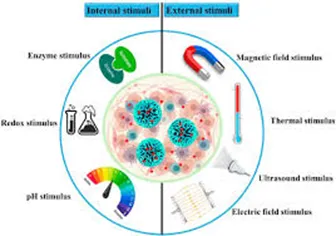
Fig 2. Classification of stimuli-responsive nanocarriers based on endogenous and exogenous triggers.
2.2.1 Internal Stimuli (Endogenous)
Internal stimuli result from the pathological or biochemical abnormalities present in the diseased tissues. As they innately accompany the site of action, internal stimuli-based responses convey a very high level of internal specificity. It is important to note that the internal stimulus could assume several forms, which include pH, reduction, excessive production of enzymes, or hypoxic forms, among many others. An internal stimulus-responsive drug carrier can cause a relatively new and promising approach, as it can function without the help of any external apparatus or device. It utilizes the surrounding diseased environments in order to function properly.[11,26]
2.2.2 Exogenous Stimuli (External)
Additionally, when there is an external stimulus, it means that there will exist an external stimulus that will use temperature, sound, and light as an external stimulus in order to process and exactly control the degree of the drugs. As to the precision in controlling external systems, it is considered that precision in drugs of spatiotemporal dosing of drugs using external systems is considered to be excellent. However, there have been reckoned challenges concerning technique, equipment, and optimization of its effectiveness, together with safety concerns over exogenous stimulus-responsive nanocarriers.[15,23,28]
Table 2: Classification of Stimuli-Responsive Nanocarriers
|
S.No. |
Type of Stimulus |
Origin of Trigger |
Examples of Stimuli |
Stimuli Primarily Benefits |
References |
|
1. |
Internal (Endogenous) |
Disease Micro-Enviro |
pH,enzyme,redox,hypo-xia high site |
High site specificity |
[3,12,16] |
|
2. |
Extrinsic (Exogenous) |
"externally" Applied |
heat, light, magnetic field, ultrasound temporal control
|
Precise temporal control |
[4,16,18] |
3. Internal (Endogenous)
3.1 Overview of Endogenous Stimuli
The endogenous stimuli-sensitive nanocarriers are designed in a manner so as to utilize and take advantage of the normal physiological and biochemical dysfunctions present within the diseased tissues and organs. An important factor and a difference regarding endogenous stimuli-sensitive nanocarriers and other nanocarriers is that these nanocarriers detect the natural and endogenous stimuli present within any pathology; hence, these nanocarriers can deliver drugs even in the absence of external aid and assistance. As mentioned above, these nanocarriers have significant advantages and are suitable for administration.[3,11,27]
Pathological tissues of tumor cells have a microenvironment distinct from those of normal tissues. Some primary causes of a disparity in these microenvironments are low pH value in extracellular spaces, high glutathione levels in cells, overexpression of some enzymes in cells, hypoxia in the microenvironment, and increased reactive oxygen species. These nanovehicles have been capable of identifying a microenvironment and react to instabilities in shape, cleavability of bonds, and shape changes in order to ensure drug delivery.[6,18,32]
3.2 PH Sensitive Nanocarrier
Among the most studied endogenous stimulus-sensitive delivery systems is the case of "pH-sensitive nanocarriers," owing to the well-defined difference in pH value in normal and diseased states. In fact, while in normal physiological conditions the value of pH is about 7.4 in most tissues, in tumors this value is below 7.0 owing to the "glycolytic metabolism of tumor cells and lactic acid accumulation." In addition, it is noteworthy to consider the value of pH in "endosomes and lysosomes within cells," which is below that in the other mentioned environments.[9,23,35]
pH-sensitive delivery systems may be designed using polymers or linkers with ionizable groups or using alkylating groups or the like, and it may be easily translated into the acidic environment of the tumor, which undergoes a reaction of protonation and hydrolysis, resulting in enhanced targeted drug discharge and preventing the discharge of the drug from the bloodstream and the tumor cells, which may not be the case.[14,26]
3.3 Enzyme Responsive Nanocarriers
Enzyme-sensitive nanocarriers make use of the abnormally expressed enzymes in the abnormal tissue as drug release targets.
Enzyme-responsive nanocarriers take advantage of the unregulated expression of enzymes in diseased animal cells as a target for the drug delivery system. For a nanocarrier based on the exploitation of the redox gradient present in diseased animal cells, reducible hinges, like disulfide bonds, should be used. It should be noted, however, that reducible hinges would not dissociate in blood plasma but would dissociate rapidly once they reach the targeted diseased animal cells, thereby promoting efficient release of the target Drug.[12,28,40]
3.4 Redox-Responsive Nanocarriers
Redox-responsive nanocarriers are designed to exploit the significant redox potential gradient between extracellular and intracellular environments. Cancer cells exhibit markedly elevated intracellular concentrations of glutathione, a reducing agent that plays a critical role in maintaining cellular redox balance. This intracellular glutathione concentration is substantially higher than that found in blood plasma or normal tissues.[15,30]
To take advantage of this redox gradient, nanocarriers are commonly engineered using reducible chemical bonds, such as disulfide linkages. These bonds remain stable during circulation but undergo rapid cleavage in the reductive intracellular environment, leading to efficient drug release within cancer cells. Redox-responsive systems are particularly effective in overcoming multidrug resistance by enabling rapid intracellular drug accumulation beyond the capacity of efflux pumps.[34,39]
4. External Stimuli (Exogenous)
4.1 External Stimuli Overview
Stimulus-Responsive nanocarriers, on the other hand, seek to ensure that different dosages of medication are administered. The administration of the dosages is done as part of the reaction to different stimuli. The nanocarriers, therefore, provide for some form of spatiotemporal regulation of the entire delivery process of the medication. The spatiotemporal regulation derives from the capacity of the clinician by hand to regulate stimuli. The advantage associated with the nanocarriers, however, is the pulse delivery of different dosages, thereby ensuring it occurs in a controlled atmosphere.[4,17]
Nevertheless, the most popular and normally applied external stimulants in smart drug delivery systems entail temperature, light, magnetism, and ultrasound. However, all these activations can be achieved in a non-invasive or minimally invasive way, which can also be combined with imaging modality, and this is all done for the improvement of precision. Despite the need for the utilization of a machine during the activation, the nanocarriers which respond to an external stimulus were studied due to ease of control and replicability.[8]
4.2 Thermo-Sensitive Nanocarriers
Temperature-sensitive nanocarriers exploit the temperature differences for drug control. Tissue anomalies, like cancer growth, cause minor temperature elevations in susceptible patients in accordance with the metabolic irregularities and microvascular irregularities. The additional heating effect might result in the temperature differences.
Mostly, they will comprise polymers that have clear and definite reversible transition behaviors. Therefore, it will have a lower critical solution temperature. At certain temperatures, even before the application of that temperature, it will still exist, and it will contain the therapeutic amount of drugs. However, when there is application of increased temperatures, there will be increased destabilization and enhanced permeability of drugs, allowing more release of drugs. Also, it will have an application in cancer treatments using hyperthermia.[6,24]
4.3 Photoresponsive Nanocarriers
The light-sensitive nanocarriers are known to work primarily through the absorption of a particular type of light or a photon. Once the light-sensitive nanocarriers are exposed to a light-sensitive stimulus, a particular element within the drug carrier reacts in such a manner, leading to a possible change or disruption of its structures and bond, or an excessive amount of heat being generated, leading to instability of the drug carrier and its respective drug.
Of the various types of radiation mentioned, near infrared radiation stands out as the preferable one instead of the use of ultraviolet radiation. With respect to the systems referred to consisting of activating agents mentioned above, it has been found to be conducive to very spatially selective drug deliveries wherein often the options for the phototherapy components too exist. There are major hurdles to be overcome.[10,27,39]
4.4 Magnetic Responsive Nanocarriers
Such that the human body can respond, the magnetic responsive nanocarriers can comprise the magnetic materials in a manner that allows an external magnetic field's influence, which if supplied, can cause the responsive nanoparticles, which carry medication, to target that site for the accumulation of the drugs in the body's affected areas.
Besides, with the help of an alternating magnetic field, localized heat could be produced due to magnetic hyperthermia, which may eventually lead to the triggered release of the drug. Another advantage that the magnetic responsive systems possess is that these can be correlated with imaging, though the biocompatibility over a large time span and the optimization of the magnetic field are some factors that remain unsolved.[15,33]
4.5 Ultrasound-sensitive nanocarriers
It is clear that the ultrasound-sensitive nanocarriers make use of the mechanical and secondary thermal effects triggered by ultrasound wave propagation, and the penetration and, more importantly, the focusing of the ultrasound within the area of interest is good, which makes it one of the most popular options as a stimulator.[19]
Among which, it is believed that the other possibilities were that of cavitation, where microbubbles have an impact on the integrity of the carrier, and thermal effects, where heating of tissue increases its permeability. However, when it comes to using non-invasive US and US-compatible activated delivery systems that show imaging in real time, judicious control of US parameters is needed in order to enable tissue protection.[25,35]
5. Stimuli-Responsive Polymeric Nanocarriers
5.1 Introduction to Polymeric Nanocarriers
In the framework of stimuli-responsive drug delivery, the polymeric nanocarriers can be considered among the most explored nanocarriers in terms of their structural diversity, biocompatibility, and physicochemical properties, and in general, can be readily synthesized by utilizing biodegradable and biocompatible polymeric matrices. It can be stated that it was rather simple to endow the polymeric nanocarriers with the feature of stimuli-responsiveness, according to the actual demand of the specific relevant application in the field of drug delivery.
The case of pharmaceuticals has been found to be useful when implementing functions such as solubilization, extension of the circulation of the drug within the system, as well as the prevention of degradation. This has been attributed to the presence of the programmability function that integrates responsive functional groups/linkages that react to certain stimuli so as to meet the needs of the drugs to be delivered.[2,9,27]
5.2 Polymeric Nanoparticle
Polymeric nanoparticles are hard colloidal systems with particle size ranging from 10 nanometers to 1000 nanometers in diameter, in which the active pharmaceutical ingredient is encapsulated in the polymeric nanoparticles and also on the surface of the polymeric nanoparticles. In this system, polymeric nanoparticles include biodegradable polymers such as poly(lactic-co-glycolic acid), polycaprolactone, and chitosan, whose safe use as pharmaceutical materials has been proven.[43]
The structures of stimuli-responsive polymeric nanoparticles, normally, comprise particular regions within a given polymeric chain with cross-linking characteristics and are prone to particular pH levels or reaction with target enzymes. The structures degenerate upon reception of the signal due to varied pathological conditions. These polymeric nanostructures possess ample potential both pharmacologically and with regards to their systemic non-toxic nature.[11,24]
5.3 Polymeric Micelles
Polymeric micelles could possibly be one of the best manifestations of the formation of a nanostructure through its constituent block copolymer amphiphilic elements, which create an aqueous solution in the first place. In the majority of cases, the polymeric micelles that result from the self-organization of the polymers could themselves comprise a lipophilic nucleus that could conceivably be used in the entrapment of a lipophilic drug as well as a hydrophilic outer surface, thus allowing the created nanostructure to function more appropriately compared to the normal micelles in terms of the bioavailability of the lipophilic drugs due to the low degradation rate.[31]
Stimulus-sensitive polymeric micelles can be designed using the idea of stimulus-sensitive bonds or links within the polymers.
The polymeric micelles can also be disrupted by pH, redox, or temperature contrast to release drugs in a bursting manner. Trigger release property allows the attainment of higher concentration of drugs in targeted cells, which again is useful in resolving the problem of MDR in cancer therapy.[7,21,33,44]
5.4 Dendrimers
Until now, macromolecules with large numbers of branchings (monodispersity) and clear three-dimensions with numerous functional groups on their surfaces, and polyfunctionality of the structure, have typically and usually been defined as dendrimers.
It should be mentioned here that such a structure of dendrimers is a cornerstone for the incorporation of drugs in the free spaces of the dendrimers and for binding the functional groups.[12]
pH or redox-sensitive dendrimers can, in general, be designed to exhibit specific reactions to pH or oxidative conditions regarding swelling action as well as bond cleavage. Sensitive dendrimers, thus, have considerable potentials as precise vectors in the delivery of drugs, exhibiting enhanced efficient internalization as noted for standard dendrimers based on the extent of their specific size. The size extent is relevant if it happens to be favorable for precise target delivery.[19,31,44]
Table 5. Polymeric Nanocarriers Used in Stimuli Responsive Drug Delivery
|
S.No |
Polymeric System |
Structural Feature |
Responsiveness to |
Refereneces |
|
1. |
Polymeric nanoparticles |
solid polymer matrix |
pH, Redox, Enzyme |
[7,31] |
|
2. |
Polymeric micelles |
Core-shell micellar structure |
pH, redox, and temperature
|
[19,33,34] |
|
3. |
Dendrimers |
High 'branded' structure |
pH, redox |
[19] |
6. Lipid-Based Nanocarriers for Stimuli-Responsive Drug
6.1 Overview of Lipid-Based Nanoparticle
Lipid nanoparticles have shown their application as an established drug delivery system that proves to have impressive bio-compatibility and outstanding bio-degradability. Note that one of the most significant advantages of the composition or importance of using this compound, or similar compounds, to carry out nanoparticle composition is that there is an abundance of such materials, making it a bit comparable to biological membrane structures in such a way that it should be prevented from acquiring toxic and antigenic properties. Moreover, because of its non-toxic nature and due to the easiness of its composition or production, such nanocarriers have already transferred from a lab into hospitals.[3,14]
Moreover, in the class of "Drug delivery systems responding to external stimuli," it is possible that "Lipid nanoparticle systems" can also be engineered to make it more 'flexible in terms of incorporation of responsive elements in their lip bilayers and/or cores and in responding to external stimuli in order to achieve controlled release, which, in turn, will enhance their therapeutic index and minimize systemic toxicities."[8,31]
6.2 Liposomes
Liposomes have spherical structure and are composed of single or double layers of phospholipids encapsulating an aqueous core. Liposomes have amphiphilic properties, which aid in encapsulating the hydrophilic and hydrophobic drug in the aqueous core and lipid bilayers, respectively. Liposomes have undergone intensive research and have already been in practice in the field of drug-delivery system.[6,18]
Stimuli-responsive liposomes are prepared by the use of pH-sensitive, thermo-sensitive, or enzyme-cleavable lipids. These liposomes are stable under physiological conditions but decompose upon exposure to pathological stimuli such as low pH or increased temperatures. Thermo-sensitive liposomes have indeed shown immense potential in cancer therapy when used in conjunction with local hyperthermia. There is controlled drug delivery as the drugs are delivered right at the tumor site.[11,39]
6.3 Solid Lipid Nanparticle (SLNS)
These submicron drug carriers are manufactured using solid lipid compounds as well as the surfactant group. Like the liposome drug carrier, the drug carriers will also contain solid lipid in the core. These drug carriers produced lipospheres that provide drugs with protection from chemical degradation. The feature of controlled drug release is widely recognized in drug lipospheres; thus, this process is used to deliver drugs that are lipid-soluble in nature.
Stimuli-responsive SLNs can be formulated by incorporating stimuli-sensitive lipids or additives that can induce a drug release system to react against a certain external stimulus. Temperature changes and reduction in pH can induce a drug release system to react by altering lipids in order to control a drug release system. However, low drug content capacity and drug ejection upon lipid crystal development are considered to be the disadvantages of SLNs.[9,22]
6.4 Nanostructured Lipid Carriers
It shall, in fact, be observed that in consideration of the above-mentioned aspects, it may be stated that nanostructured lipid carries represent an advanced form of lipid nanoparticles, which has been developed in an effort to transcend the disadvantages of conventional SLN, which were discussed in the above paragraphs. These comprise the composition of the mixture of solid lipid compounds, like the already explained, but in the form of liquids, concocted in the same proportion to form an imperfect matrix of the lipid part in the aim to attain the superior drug loading capacity in the decrease of drug expulsion.[12]
While in the case of stimuli-sensitive NLCs, there is an ability that exists due to their nature, which may permit the release of drugs depending on certain conditions that can be explained in a pathophysiological way.[36]
Thus, the major advantage of the system is the enhanced stability, capacity, and the drug profile, whereby the drug carrier and delivery system’s potential is enhanced and most promising, especially in the long term.
Currently, the viability in the utilization of NLCs is demonstrated in the targeting of anticancer drugs, anti-inflammatory drugs, and nucleic acid drug delivery.[20]
7. Inorganic and Hybrid Nanocarriers for Stimuli-Responsive Drug Delivery
7.1 Introduction to Inorganic and Hybrid Nanocarriers
Inorganic nanocarriers form one category of the types of nanocarriers. They vary from one another according to their own specific physicochemical features. Equally so, the optical features. On a broader level, they can be made from materials ranging from silica, gold, iron oxide, to even other metal structures. However, the vast majority of them have largely been studied due to their intrastructural stability, tunability, and multi-functionality. In relation to their role in responsive drug delivery, inorganic nanocarriers have proven themselves to be incredibly functional due to their responsiveness to stimuli, be it light, magnetic, or even redox.
Hybridized nanovehicles have an inorganic core and an organic or polymeric coating, which might, in theory, integrate the best properties of each class of materials in question. This hybrid material provides greater bio-compatibility, increases the cargo delivery potential of the system, and provides an opportunity to manipulate exactly what sort of release results. Specifically, hybridized cores using stimuli-sensitive polymeric or 'gatekeeper' molecules provide immense possibilities in controlling release and have greater material rigidity.[4,16,28]
7.2 Mesoporous Silica Nanoparticles
Among all the inorganic nanocarriers, mesoporous silica nanoparticles have been one of the most studied nanocarriers owing to their very high surface area, tunable pore size, and very good chemical stability. These nanoparticles are similar to nanocontainers, being able to host a large amount of therapeutic agents inside their meso-structured porous framework.[6,19]
Generally, stimulus-responsive mesoporous silica systems are designed with the aid of "gatekeeper" strategies. In physiological conditions, the blocking of pore openings by stimulus-sensitive molecules inhibits the premature leakage of drugs. These gatekeepers are destroyed under the action of specific stimuli-low pH, high glutathione levels, or enzyme activities-allowing rapid drug release. That is the mechanism of controlled release that provides high suitability of mesoporous silica nanoparticles for targeted cancer therapy.[14,26]
7.3 Gold Nanoparticle
Currently, the interest in drug delivery is in gold nanoparticles in view of their good bio-compatibility, surface capability, and good optical properties. As far as the capability of gold nanoparticles is concerned, it is extremely large; this is in the sense that rays are converted into heat.
The type of drugs in the stimulus-sensitive systems may either bond with the gold NPs through a volatile bond, or adsorb with the NPs of gold. The impact of laser triggers leads to destruction of the cells, killing the cancerous cells, through the photothermal action. The two methods for improving the type of drug efficacy, as well as cell specificity, are embedded in the gold nanoparticle .[8,31,34]
7.4 Magnetic Nancarriers
Overall, the composition of most types of magnetic nanocarriers consists of iron oxide nanoparticles that exhibit sensitivity to a specific magnetic field. Nonetheless, one of the unique benefits of the use of nanoparticles lies in the phenomenon of the attraction to the diseased site caused by the static magnetic field—the target.
Also, considering an alternating magnetic field, drug release can be induced even after magnetic hyperthermia has taken place, where heat is generated inside the tissue, and such a possibility exists when thermo-sensitive coatings/polymer layers are used. In addition, magnetic nanocarriers can be used as contrast agents and then used in conjunction with magnetic resonance images, which is diagnostic and therapeutic. Even with these positive attributes of magnetic nanocarriers, optimal testing needs to be done regarding the problems relating to magnetic strength and safety.[18,30]
7.5 Hybrid Nanocarriers
These hybrid nanocarriers involve the incorporation of inorganic components onto the surface of polymers or lipid structures to enhance their biocompatibility. It can be noted that the surface of the nanoparticles formed from the organic material may be responsive to stimuli for controlled release of the drug. That would mean the nanoparticles could be the active components of the system.
Such hybrid systems can dryingly respond to any of these stimuli, hence serving the application of drug delivery systems using combined pH sensitivity, redox sensitivity, photostimulants, and magnetic stimuli sensitivity. Consequential hybrids are thus capable of bringing about the synergistic effect necessary for precision medicine applications. However, the complexity of the preparation can be a hindrance to application with hybrid nanoparticles.[11,19,31]
8. Biomimetic Nanocarriers & Carrier Free System
8.1 Biomimetic and Carrier-Free Systems Overview
The advancements that nanomedicine is able to achieve in the field have seen the creation of biomimetic nanocarriers/drug carriers that require the process of self-assembly if the challenges facing the synthesized carriers will be overcome. These drug carriers utilize self-assembly techniques in the process that entails the utilization or the process of self-assembly to enable the carriers used to evade the process of immunity. The process essentially imitates natural entities or makes the process using synthesized carriers irrelevant.[5,16]
Biomimetic Nanocarriers involve the application of natural biological membranes/biological vesicles, which are of cellular origin. Carrier-Free Nanodrugs involve the application of only drugs/prodrugs. The application of less number of synthetic agents is incorporated in two nanoscales of drug forms. These are very effective, as the chances of the occurrence of even a small level of chronic toxicity are less.[5,17,33]
8.2 Cell Membrane Coated Nanocarriers
Cell membrane-coated nanocarriers represent the most biomimetic system, which include synthetic nanoparticles coated with the cell membrane. Cell membranes derived from red cells, cancer cells, immunocytes, and platelets are mainly used. Since the nanoparticles are coated with the cell membrane, the capability to create the biinterface, evade immunologic recognition, have the capacity to live long, and bind the nanoparticles are achieved.[9]
For instance, if we want to make a nanodevice that can sense a certain stimuluses, the NP may be able to sense it either in terms of pH or redox; thereafter, the membrane becomes a cloaking system. Finally, the nanodevice reaches the specific site of the body where the disease manifests. Thereafter, it senses the stimuluses—the core part of the nanoproduct changes accordingly, leading to the release of the drugs prescribed. This system shows the specificity of the system.[16,34]
8.3 Carrier-Free Nanodrugs
The particular drug delivery methods, though nanoscale-based with no carrier of their own, make use of a minimalist drug delivery approach where the drug molecule is chemically modified such that it has the ability for self-assembly into nanoparticles.
The specific kind of drug delivery system, however, can be designed using drug conjugates or drug prodrug agents, which exhibit amphiphilic characteristics, through covalent cross-links controlled using specific stimuli.[7,34]
Once the drug is assembled, it is ready to be used as a carrier and as a drug itself.
This means that carrier-free nanodrugs have an ability to react to certain stimuli, and hence, it will take that long before it reaches the environment surrounding the cell where it will react accordingly to certain stimuli. Therefore, it was evident that there was an use of using carrier-free nanodrugs in giving treatment to cancer, considering the level of its capability and level of toxicity.[14]
9. Evidence - Responsive Nanocarriers in Therapy
9.1 Application in Cancer Therapy
Considering the complex and disparate nature of tumor environments, arguably the most extensively explored cancer treatment is tumor-targeted drug release within the context of drug carrier nanotechnology. With regard to the application of the ordinary chemotherapeutic drug, the disadvantages of using drug carrier nanotechnology lie in the lack of specificity of the drug distribution, its inherent highly toxic nature, and drug resistance; such disadvantages offset the desirable drug treatment regimens administered to the human body. In the context of drug carrier nanotechnology, the inherent spontaneous production of a multitude of tumor-related specific signals directly associated with tumor production is advantageous in tumor drug release and includes a low pH level, highly enriched enzymatic processes, a reduction/oxidation reaction disproportionate balance, and hypoperfusion.[6,18]
This mainly has to do with the targeted delivery, which addresses the issue explained above. The nanocarriers, over time, remain stable in the blood, accumulating in the cancer site semi-persistently because the permeability increases, making it easier to accumulate the drugs in the site. Once this has occurred, the structural changes in the nanocarriers, triggered by the events in the cancer cells, ensure the drugs are delivered intracellularly in no time. This kind of delivery method ensures the drug concentration in the cancer cells is maximized, allowing minimal damage to the normal cells in the body.Besides that, the externally triggered systems ensure the best possible results in cancer treatment.[12,27]
9.2 Application in Inflammatory and Autoimmune Diseases
also includes inflammation, autoimmune diseases, activation of the immune system, overexpression of enzymes, change of pH, oxidative stress, etc., within the inflammatory area. The properties of inflammation, as stated above, provide better sources of stimuli for drug delivery systems. Conventional anti-inflammatory drugs have normally shown dose dependency in the body to induce toxicity in the body, as well as poor patient compliance.[5]
The fact that the stimuli-responsive nano-carriers are able to effectively carry out the targeted delivery of the drugs involved in the reduction of the inflammatory processes in the body implies that it is in conformity with the assertion that the cell is responsive to some specific stimuli, including the activities of some specific enzymes and/or the production of reactive oxygen species in the process in which diseases occur. It should be appreciated that the targeted drug delivery, as opposed to the conventional drug delivery system, would result in an enhanced level of effectiveness in the medicinal drugs involved in the reduction of the effects, including the adverse effects, encountered in the process. The biomimetic nano-carriers, in consideration of the cell membrane that surrounds the nano-particles, imply the effectiveness of the nano-carriers in the process of targeting the cells involved in the stimulatory processes, in the sense that the nano-carriers would evade the immune system.[17,29,31]
9.3 Application in Gene Therapy
Furthermore, the major problem encountered by gene therapy is also experienced within the release of theDNA/RNA, and it is the enzymaticdegradation of bio molecules as well as the phenomenon of cellular uptake and the entrapment of the carriers by the endosomes.
Investigation of the role of exogenous factors such as the effect of ultrasound, magnetic waves, etc., leading to the permeability of the blood as well as the brain, and thus facilitating the drugs in diffusing in the specific area of the brain in the process of inducing the permeability of the BBB, is also under intensive investigation. On the contrary, the role of this system in connection with the reaction of the endogenous stimulus concerning the activities of the redox reaction in the brain tissue is vast in the management of neurodegenerative diseases.[7,24,38]
9.4 Application in Neurological Disorders
The issue of drug delivery to the central nervous system has actually been a major concern due to the existence of the blood-brain barrier, which hinders the passage of most of the drugs to the central nervous system. The use of nanocarriers is significant since they respond to the stimulus.[16]
Exogenous stimuli such as ultrasound waves and magnetic waves have been researched for the temporary increase in the permeability of the blood-brain barrier and the induction of drug diffusion in the particular areas of the brain. Conversely, the systems associated with the reaction of the endogenous stimulus to the redox and enzymatic activities in the brain tissues offer vast possibilities in the management of neurodegenerative diseases.[30]
10. Challenges, Clinical Translation, and Regulatory Issues
10.1 Challenges in Manufacturing and Scale
Even though there has been copious amounts of research into formulating nanoparticles, as has been discussed in this particular paper, with regards to the production of such a large quantity of the drug, it has been identified as one of the biggest problems in terms of making use of it in a particular condition. While it has been observed that there has been remarkable success in terms of formulating drug carriers, a particular methodology has been observed in terms of producing this particular drug, as well as its reaction to a particular stimulus.[14 29]
Another factor which is to be taken into consideration is the rates of clearance and biodistribution. It is recognized as well as absorbed in the mononuclear cell related to the phagocytic cell type. In view of this, the process of passive targeting is applied, where the nano-particles accumulate in the target cells, including the liver as well as the spleen. Additionally, the chronic dosing of non-degradable substances is another factor, to be considered while the issue of toxicity is concerned.[12,44,48]
10.2 Stability, Biodistribution,
“Stable and safe performance of the formula over a prolonged period of time is one of the principal requirements for the acceptance of nanoparamedical formulae. A successful nanoparamedics system should demonstrate stable performance for the duration of the formula storage and circulation phase in the blood and prevent premature drug release.” Nevertheless, nanoparamedics face problems such as nanoparamedic aggregation and degradation and unwanted activation of the stimuli-sensitive nanoparamedics.[8,21]
The biodistribution and clearance rate are also important parameters in determining the safety criteria. The nanocarriers are easily recognized by the mononuclear phagocytic system. This leads to the passive targeting mechanism where the nanoparticles are primarily accumulated in desired organs like the liver and spleen. The long-term presence of non-degradable foreign materials inside the body is also another factor of concern in relation to chronic
toxicities.[12,16,30]
10.3. Difficulties in translation
Nevertheless, it may be pointed out that the approval of stimuli-responsive nanocarriers is a procedure unto itself, considering the multifaceted aspects involved. This, in a manner of speaking, may be regarded as differing from the normal drug molecules as it depends on the size.Various information is sought by the authority on issues of physicochemical properties, reproducibility, toxicity tests, and the principle of therapeutic advantage. In the absence of universal and accepted standard regulations regarding nanomedicines, the process of evaluation would increase both the cost and time associated. This is in view of the fact that no nanocarriers-based therapy has been able to progress beyond the level of early clinical trials.[9,18,33]
10.4 Economic and Practical Considerations
Along with the scientific and legal issues, cost-effectiveness/economic viability also plays an equally important role in the acceptability of nanocarriers as a possible candidate within the realm of traditional clinical practice. This is due to the fact that nanocarriers are usually prohibitively expensive for the process of preparation.
In the systems that require external stimulation, there will be a need for other infrastructural needs such as light, magnetic fields, and ultrasonic systems. This shows that there should be a good balance in terms of technology development and cost-effectiveness in the case of nanocarriers in the new system.[14,29,50]
11. Future Perspectives and Conclusion
11.1 Outlook
The trend, as envisaged, in relation to stimuli–responsive nanocarriers involves betterment and viable routes for developmental phases towards even more advanced stimuli–responsive nanodevices. Even as the starting point of this research was focused within the realm of developing stimuli–responsive nanotechnology through various single stimuli, the trend defined today speaks of better accuracy and management capabilities in relation to what was evident in 'single stimuli responsive systems,' particularly with respects to varied sequential responses associated within the realms of stimuli types as pH Values, Redox Potential, Enzymes, and Energy Sources.[6,21,38]
Yet another emerging route is the use of a combination of stimuli-responsive nanocarriers and precision medicine. There has also been a development in the genetic profiling of diseases and the respective disease-related biomarkers associated with patients in the last two decades. Now, however, it is possible to design nanocarriers using patient-specific pathophysiological patient data. Perhaps this is what it is going to take to end heterogeneity once and for all.[12,27]
Another field that also shows some promise in terms of enhanced and fast progress is the incorporation of artificial intelligence/machine learning strategies in nanomedicines. The computer algorithms show promising chances of contributing to the speeding up of some of the processes, particularly in terms of material procurement, optimization of the structure of nanoparticles of the materials, computer modeling of drug delivery, as well as toxicology, processes that have proved to be cumbersome, thus acting as barriers in the innovation transfer.
Apart from this, combined therapy by means of the assistance of nanocarriers, which register a positive response towards external elements, is possibly expected to witness a number of applications within the imminent years. Simultaneous treatment by means of the assistance of a nanocarrier for chemotherapeutic agents/photothermal agents along with immunomodulatory agents is possibly expected to ensure a synergistic effect of both agents while reducing toxicity.[18,34]
CONCLUSION
Stimuli Responsive nano-Carrier, a revolutionary concept in the field of drug delivery system technology, adds the value of site-specific targeted delivery of medicine with the help of a control mechanism. This property of these carriers is what makes them superior to existing DDS as they take advantage of the difference present in pathological tissues for an enhanced targeted action.It has been observed that different types of nanocarriers, namely, polymeric, lipidoid, inorganic, and biomimetic, were developed to respond to a variety of stimuli. These types of nanocarriers were explored, thus depicted their huge potential in the treatment of a broad range of diseases, including cancer, inflammatory diseases, gene therapy, and neuroscientist diseases. It has to be highlighted here that though these types of nanocarriers were successful in the application in different types of diseases, the cost factor, especially in the longer safety assessment, has been of prime interest.
The way forward for this field greatly depends upon simplicity relating to nanocarriers, scalability, standard evaluation procedure, standards, or collaboration involving various experts. The field, with innovative thoughts, integration, or collaboration involving various/new technologies, has huge possibilities relating to the revolution of exact medication involving wise nanocarriers.
REFERENCES


Palak Chhouhan, Dr. Dinesh Kumar Jain, Advances in Stimuli-Responsive Nanocarriers for Targeted Intracellular Delivery of Smart Chemotherapeutics: A Comparative Analysis of Drug Delivery Efficiency, Cytotoxicity, and Safety of Different Stimuli and Cancer Cell Lines, Int. J. of Pharm. Sci., 2026, Vol 4, Issue 8, 2022-2039, https://doi.org/10.5281/zenodo.21901499
 10.5281/zenodo.21901499