

We use cookies to ensure our website works properly and to personalise your experience. Cookies policy
Department of Pharmaceutics, Bharathi College of Pharmacy, Bharathinagara-571422.
Herbal hair care cosmetics have become increasingly popular due to their safety, effectiveness, and minimal side effects compared to synthetic products. Hair plays an important role in personal appearance and self-confidence, but factors such as pollution, stress, poor nutrition, and excessive use of chemical-based products can lead to hair disorders including dandruff, hair fall, premature greying, and scalp infections. Herbal formulations containing natural ingredients offer a promising solution for maintaining healthy hair and scalp. This review highlights the importance of herbal cosmetics, hair structure and growth cycle, common hair disorders, and the role of herbal hair care products in hair management.Various medicinal plants such as Amla (Phyllanthus emblica), Neem (Azadirachta indica), Hibiscus (Hibiscus rosa-sinensis), Curry Leaves (Murraya koenigii), Shikakai (Acacia concinna), Fenugreek (Trigonella foenum-graecum), Ginger (Zingiber officinale), Flaxseed (Linum usitatissimum), and Jasmine Oil (Jasminum officinale) are discussed for their beneficial effects on hair growth, scalp nourishment, dandruff control, and hair strengthening. The review also covers the evaluation parameters of herbal hair care formulations, including physical and physicochemical assessments. Overall, herbal hair care cosmetics provide a natural, effective, and eco-friendly alternative to conventional hair care products and contribute significantly to the promotion of healthy hair and scalp.
COSMETICS
The term "cosmetic," derived from the Greek word “kosmetikos,” signifies the art of arranging and decorating, reflecting humanity's longstanding relationship with beauty and self-adornment. This relationship dates back to prehistoric times, around 3000 BC, when early humans used natural colours for decoration, both to attract prey and to invoke fear in potential threats, including predators and rival tribes. The evolution of cosmetics has been closely tied to fundamental human experiences—hunting, warfare, spirituality, and, eventually, medicine. In modern times, herbal cosmetics have emerged as a popular alternative, utilizing natural ingredients to enhance beauty while minimizing adverse effects associated with synthetic compounds.
Defined as products formulated with a base of permissible cosmetic ingredients enriched with herbal elements, herbal cosmetics promise specific benefits for skin and hair care. The late 20th century saw the rise of "cosmeceuticals," a term coined to describe over-the-counter products that claim therapeutic benefits due to plant based active ingredients, such as alpha-hydroxy acids and antioxidants. (Anant Kumar, 2025)
Preparations of Cosmetics
The cosmetics formulations are mainly divided into three categories:
Talcum powders, Face powders, face packs, masks etc. are included in solid category. Creams, liniments, ointments, wax base creams etc. are included in semi-solid category.
Lotions, hair oil, moisturizers, conditioners, cleansing milk, shampoos, mouthwashes, liniments, deodorants, sprays, etc. are included in liquid category
Cosmeceuticals
The strongest area of the cosmetics industry is cosmeceuticals. Cosmeceuticals are restorative drug preparations that aim to improve the health and appearance of the skin by achieving a specific goal, including such reducing skin inflammation across the board, providing sun protection, or providing anti-wrinkle and anti-aging advantages. They function as both a skin protectant and a skin irritant
What are Herbal Cosmetics?
These are cosmetics that are created using plant-based ingredients with cosmetic properties. Because of their mild effect and lack of toxicity, botanical extracts have recently gained popularity in cosmetics. Ingredients both natural and artificial are used in cosmetics. Products produced with organic materials include, among other things, oils, extracts, and secretions. Phyto-ingredients are unadulterated substances obtained by various means
Herbal Cosmetic
Herbal cosmetic are defined as these are the cosmetics and are prepared, by using natural products which are having physiological activities such as beauty smoothening, appearance, skin healing enhancing and conditioning properties because of Herbal excipients.
Types According to Site of Application:
Classification of Cosmetics:
1. Cosmetics for the skin:
2. Cosmetics for the hairs:
3. Types of Herbal Cosmetic:
HAIR
Hair is one of the best gifts a person has. It is important to keep the hair nice and beautiful. Human hair requires special care and maintenance. Hot and cold weather, improper use of heat appliances (such as hair dryers, straighteners, and curling irons), exposure to UV rays from the sun, excessive use of alcohol and detergents, use of medical treatments, too much styling, and some causes hair damage from stress. Therefore, the hair will be dry and dull.
Split ends, rough texture, and itchy scalp are also signs of damaged hair. Under these conditions, the demand for outsourced products has increased over time. Hair Mask is a hair treatment for men and women that leaves hair shinier, smoother, nourished and moisturized. Usually in paste form, it strengthens the roots, moisturizes the scalp, heals damage and gives good results for dandruff-free hair. A beard is essential for dry, damaged, curly or very long or thin hair. Grey hair is now common among young and old. This is because there are many pollutants that damage human hair, damaging the scalp and hair. Yeasts such as Malassezia feed on oil from the scalp of most adults, and dry skin sensitive to hair care products or other skin conditions such as contact dermatitis, psoriasis, and eczema also cause dandruff.
Important studies on the preparation and evaluation of herbal hair masks. Unlike drugs, hair masks provide recovery treatment by penetrating deep into the hair shaft and solving the problem, while the latter leaves the hair softer and more manageable. The hair mask should be used once or twice a week, depending on the condition of the hair, after shampooing and before the conditioner. Hair masks can be used for hair growth, dandruff, dry and frizzy hair, hair loss, damaged hair and many more. (Rushikesh kasar, 2023)
Hair Structure and Function:
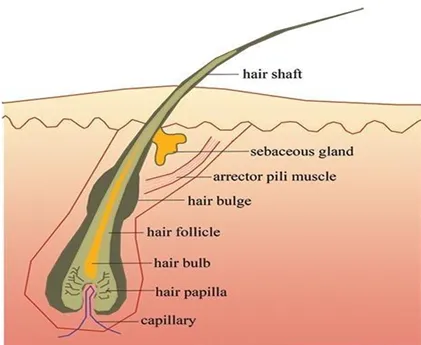
Figure 1: Structure of Hair
Components of Hair:
Parts of the Follicle:
The upper follicle remains constant, while the lower part undergoes continuous regeneration.
Layers of Hair Shaft:
Glands Associated with Hair:
Hair growth cycle:
There square measure 3 phases of hair growth cycle, these square measure as:
a) Anagen (Growth section) – This is often a brief phase as 2-8 years and concerning eightieth of hair is in this phase.
b) Catagen (Involution) – This is often terribly short section 10-14 days and during this section the activity of hair growth will increase so hair moves to subsequent section.
c) Telogen (Resting phase) – During this stage hair is in resting stage and this stage is lasts for 90-100 days typically 50 100 hairs square measure shed every which way a day. The telogen section could be a state at that the hairs get in resting state. over a hundred hair per day causes a state of phalacrosis (hair loss), albeit it may be temporary.
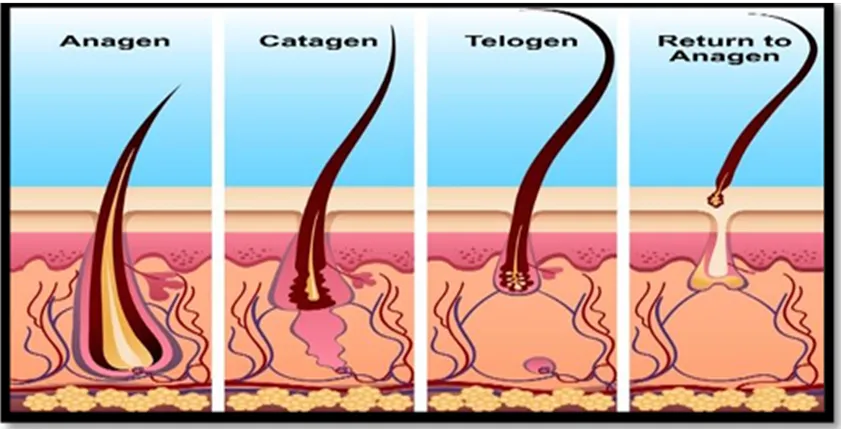
Figure 2: Hair growth cycle showing Anagen, Catagen Telogen and
Return to Anagen phases
Hair disorder
a) Common Hair Disorders: In piece of writing, hair diseases square measure represented in 3 varieties as Khalitya (loss of hairs), Palitya (Pre-matured hair graying), Indralupta (alopecia areata, totalis,
universalis).
b) Congentional Disorders of Hair Growth: This kind of hair disorder is genetically not environmentally. It’s conjointly referred to as hypertrichosis as a result of its ends up in defects in traditional growth of follicle in embryonic stage. It’s one reasonably phalacrosis.
c) Acquired disorders of hair Growth: This kind of disorder is a lot of advanced in nature and is caused by biological factors of hair.
d) Dandruff: Dandruff is that the scaly particle that is hold the basis of the hair. It’s caused by a poor diet, infection, and slow rate of metabolism conjointly by stress. Dandruff happens at puberty and it's commonest in men than women.
e) Split Ends: It's ordinarily faced ladies. once the hair is dry and brittle then ends up in split end hair.
f) Frizzy Hair: This is often caused by the decreasing in traditional hair wet level. High brushing condition results in nappy
g) Flaky Scalp: Its white flakes of dead skin that forestalls growth of hair and causes to hair loss. This drawback is most typical in ladies.
h) Dull, Viscous Hair: It's happens thanks to the utilization of H2O for laundry hair.
i) Hair Loss: It's common in ladies and men additionally. This caused by stress, menopause, birth control, medication, dynamic hormones, and therefore the superfluity of hair styling products. Alopecia could be a common hair drawback in cosmetics and additionally in Primary Health Care apply, has been recognized for quite 2000 years.
Hair disorder treatment
The changes in follicle density, size and/or changes to the hair growth cycle square measure the fundamentally causes of hair disorders. Steroid hormone conjointly a 1 of major reason for hair loss. Another reason for hair loss is use of therapy agents. The treatment of any hair disorder involves fixing or modulating one or a lot of those causes of disorders. The treatment is looking on the character of hair disorder. If the causes of the changes to hair growth density, size and growth cycle is understood then the foremost effective approach of treatment is to focus on the initial unwellness mechanism.
The treatment allows the broken hair follicles to recover through their inherent regenerative capability, they are doing not poignant directly on the damaged hair follicles. Largely hair disorders involve changes to follicle distribution, size and growth cycle. By modulating one or a lot of those parameters the disorder are often treated potentially Patents square measure obtainable that claim the results square measure because of the stimulation of hair follicle and scalp metabolism by rising blood circulation, activation of dermal papilla, anti-testosterone action and enlarged nutrition to the follicle through accelerated blood flow however the mechanism square measure still not clear. (Ms. Pooja S Murkute, 2022)
Herbal Hair Mask
A herbal hair mask is a deep-conditioning treatment made from plant-based ingredients. These masks provide essential nutrients, vitamins, and antioxidants that improve hair texture, reduce hair fall, and enhance overall scalp health. Unlike commercial hair treatments laden with sulfates and parabens, herbal hair masks are free from harmful chemicals, making them a safer and more sustainable option.
Role of Herbal Hair Masks
1. Strengthens Hair – Natural ingredients like Amla (Indian Gooseberry), Hibiscus, and Brahmi are rich in essential nutrients that strengthen hair follicles, reducing breakage and split ends.
2. Reduces Hair Fall – Herbs like Bhringraj and Fenugreek are known for their anti- hair fall properties, helping to nourish the scalp and stimulate hair growth.
3. Improves Scalp Health – Herbal ingredients such as Neem and Aloe Vera have antimicrobial and anti-inflammatory properties that combat dandruff and scalp infections.
General Objective
The primary objective of developing a herbal hair oil is to formulate a safe, effective, and natural hair care preparation using medicinal plant ingredients that promote hair growth, prevent hair loss, nourish the scalp, and improve overall hair health. This formulation aims to reduce the dependence on synthetic hair care products, which are often associated with adverse effects such as scalp irritation, dryness, and long-term follicular damage.
Specific Objectives
• To Formulate a Herbal Hair Oil Using Medicinal Plant Ingredients
• To Promote Hair Growth by Strengthening Hair Follicles
• To Reduce Hair Fall and Prevent Alopecia
• To Maintain and Improve Scalp Health
• To Improve Hair Texture, Shine, and Manageability
• To Provide a Safe and Non-Toxic Alternative to Synthetic Hair Oils
• To Evaluate Physicochemical Properties of Herbal Hair Oil
• To Assess Stability and Shelf Life
• To Scientifically Validate Traditional Herbal Knowledge
• To Promote Eco-Friendly and Sustainable Hair Care Practices (Yash Shaktawat, 2026)
Ingredients used in hair pack
Curry Leaves
Curry leaves are truly effective and maintain the health of our hairs. Curry leaves are salutary to remove the dullness of our hairs. Curry leaves are full of health and beauty benefits and they can do cautions for our hairs. Curry leaves help to keep our hairs healthy and naturally gorgeous. From an itchy crown to slate hairs and from hairs loss to dullness, it can Figureht it all and help get the hairs of our dreams.
Main Advantage of Curry Leaves:
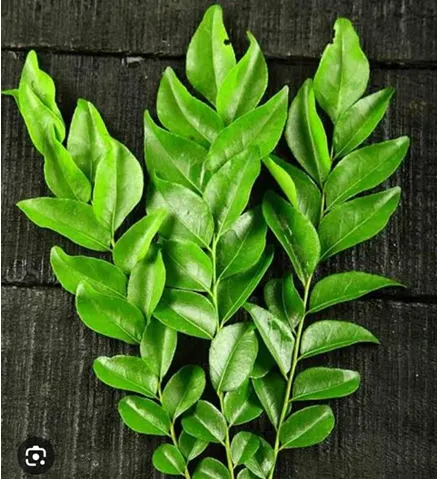
Figure 3: Picture of Curry Leaves
Shikakai
Shikakai has a special capacity to wash the crown without galling it, making it effective as an anti-dandruff Remedy. It's veritably salutary for treating patient dandruff caused by an excess of crown oil painting. It benefits by Taking down redundant oil painting from the crown. drop dandruff when used regularly. One of the most effective Ayurveda drugs for hair- related issues, including hair fall, Shikakai is aids in drawing the crown of Debris and fat oil painting and encourages hair development.
Advantage of Shikakai:
1) Anti dandruff eventuality.
2) It promotes hair development.
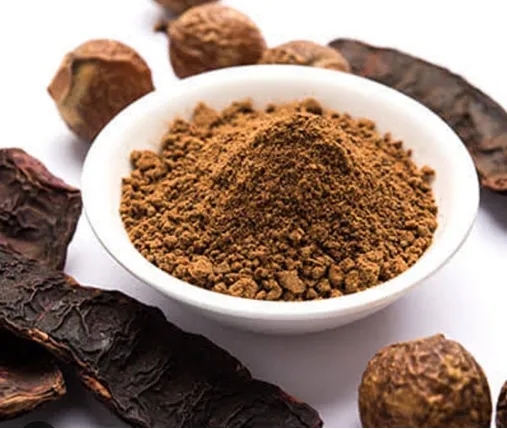
Figure 4: Picture of Shikakai powder
Fenugreek (Methi)
Methi is a hindi word and the English word Fenugreek. The seeds of the mat are soaked for 30 twinkles and also used. Methi isn't only good for indigenous cuisine but you can also reap numerous benefits from using it In home remedies from digestion to reducing fall out. Hair loss is a common problem in ultramodern times. Meth is rich in folic acid, vitamin A, vitamin K, vitaminC. Methi also helps to soften hair and restore shine.
Advantage of Methi:
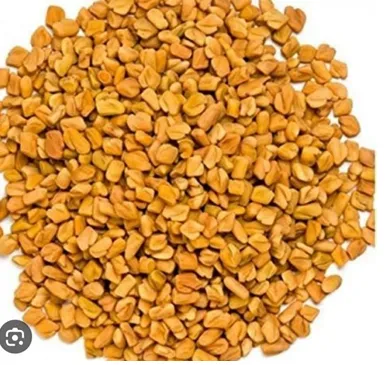
Figure 5: Picture of Fenugreek
Ginger
Ginger is an excellent hair conditioner that makes your hair soft, shiny, and easy to comb. Minerals and essential oils are abundant in it as well. reduces irritation, flaky scalp, and dryness. It has antiseptic and anti-inflammatory properties by nature. qualities that encourage keeping a clean, healthy scalp.
Advantages of Ginger:
Ameliorate blood rotation in the area (crown).
perfecting hair quality.
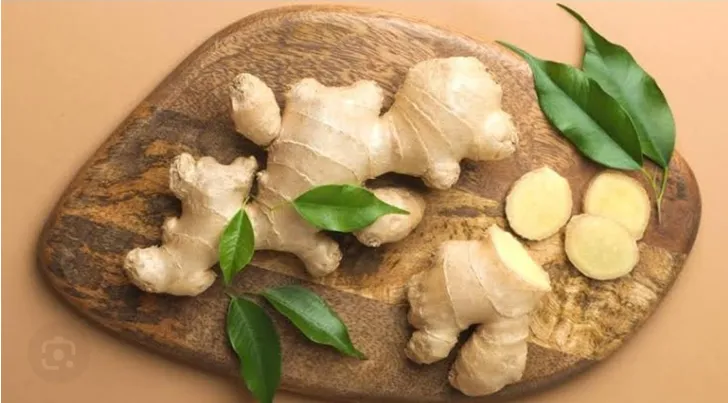
Figure 6: Picture of Ginger
Amla
Amla known as source of vitamin C. It's packed with numerous health benefits. pulverized amla is used as a gooseberry. Amla is a rich essential component in hair alcohol to promote hair growth and ameliorate hair saturation. It strengthens and nourishes the roots, improves the colour and radiance. Applying amla oil painting to the roots of hair improves hair growth and colour. A veritably popular operation is to reduce baldness and hair loss. This quality is due to the tannin content in the form of antioxidants. It also hasanti-inflammatory, and antibacterial rates can help help dandruff. Amla (Phyllanthus embilica) excerpt help and alleviates hair loss, also amla excerpt drop the expression of 5 nascence reductase.
Advantages of Amla:
Reduces hair fall and forestalls hair loss.
Helps in treating dandruff.
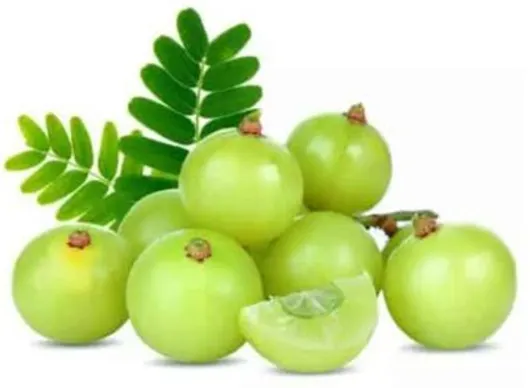
Figure 7: Picture of Amla
Neem:
Neem facilitates to cleanse the scalp. It eliminates clogged pores and improves hair growth. Regenerative houses are very essential for the remedy of dandruff. It offer with preservatives and restoration houses and may be used for quite a few hair problems. Dandruff can get rid of through the usage of neem leaves as a rinse. The maximum not unusual place makes use of neem may be determined in our hair care rituals. According to Ayurveda, Amla, Lisa, Neem and Acacia it's miles a essential herb for healthful curls, selling hair growth, lowering hair loss, and making hair extra voluminous. Neem produces ache relieving, anti inflammatory and fever-lowering compounds which can useful resource withinside the restoration of cuts, burns, sprains, earaches, headaches, in addition to fevers, in all likelihood dengue. On the opposite Hand, Neem tree encompasses the remedy of quite a few bodily illnesses including coronary heart disease, diabetes, blood disorders, digestive and nervous disorders, parasites and, in all likelihood, cancer. Moreover.
Advantages of Neem:
Reducing hair fall.
Provide more healthy thicker and wealthy hair growth.
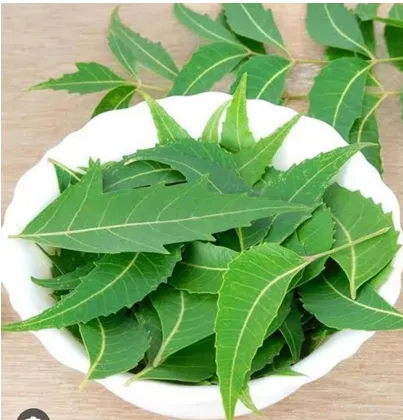
Figure 8: Picture of Neem
Hibiscus
The maximum beneficial detail for hair is hibiscus or "gudhal". It is used to sell hair growth, hair loss and shedding. Hibiscus incorporates amino acids, nutrients A, C and alpha hydroxy acids and different nutrients, all of which can be awesome for hair and scalp health. They maintain the scalp wholesome and decrease the risk of dandruff.
Advantages of Hibiscus:
Stimulate hair growth.
Hair conditioner (Rushikesh kasar, 2023)
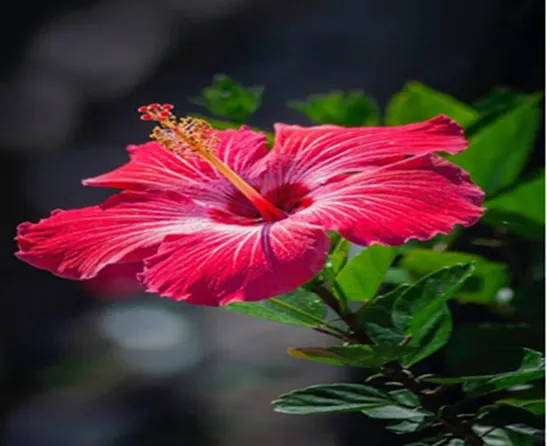
Figure 9: Picture of Hibiscus
Flaxseed
• Botanical name: Linum usitatissimum
• Biological source: It is obtained from consists of the dried fully ripe seeds of linum usitatissimum linn. Omega-3 fatty acids, liganans etc.
• Family: Linanceae. • Synonym: Linseed, flaxseed.
Uses:
1)To provide antioxidant properties.
2) To use as hair growth stimulator.
3) To anti-inflammatory properties. (IMRAN I. MULLA, 2025)
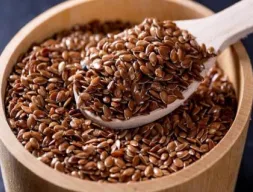
Figure 10: Picture of Flax seed (Parmar, 2025)
Liquorice (Glycyrrhiza)
Liquorice is made up of Peeled and Unpeeled Roots, Stolons, And Stems from the Glycyrrhiza glabra linn family Leguminosae. Glycyrrhizin, Glycyrrhiticacid, gluoronic acid, liquiritoside, resin, volatile oils, and starch are among the chemical constituents. Liquorice is said to have a soothing effect on the skin and to help with inflammation. (Harshada S. Deshmukh, 2024)
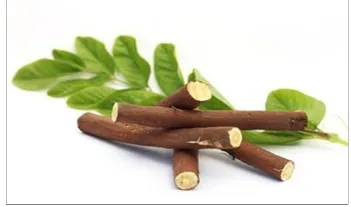
Figure 11: Picture of Liquorice
Guava Leaves (Psidium guajava L.)
Guavas (P. guajava L.) are high-nutritional values fruits present in tropical and subtropical regions belonging to family Magnoliophyta family. Bioactive compounds such as more vitamin C than orange, iron, phosphorus, phenolic content and flavonoids are present in it. Guava has a highly anti-cancerous property as an anti-oxidant. Guava leaves are natural effective solution to promote hair growth. They can be used internally as a tea and can also be applied externally as a hair rinse, serum, or oil. They directed a wide range of hair issues like hair loss, dandruff, scalp inflammation, and infections. (Nimrah Ali, 2025)
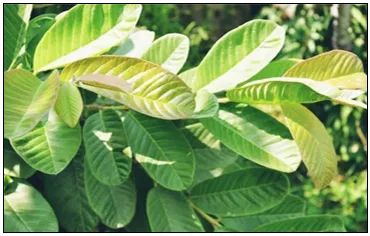
Figure 12: Picture of Guava Leaves
EVALUATION PARAMETERS
a) Physical Evaluation
Colour: Colour refers to the visible appearance of a formulation as perceived by the eye under proper lighting. It helps in assessing uniformity, stability, and overall acceptability of the product.
Odour: The formulation’s odour is assessed by softly feeling it. It signals the existence of fragrance or any other unpleasant odour, which may have an impact on user approval. Texture: When a formulation is touched or applied, its consistency and feel are described. It has characteristics that affect application ease, including as spreadability, thickness, and smoothness.
Clarity: The formulation’s transparency or turbidity is referred to as clarity. It shows how transparent or hazy the product seems, which is a reflection of the ingredients’ even dispersion. (Aishwarya B. Mane, 2026)
b) Physicochemical Evaluation
pH: pH of 1% aqueous solution of the formulation was measured by using a calibrated digital pH meter at constant.
Loss on Drying: Weigh about 1.5 gm of the powdered drug into a weighed flat and thin porcelain dish. Dry in the oven at 100˚C or 105˚C, until two consecutive weighing do not differ by more than 0.5 mg. Cool in desiccators and weigh. The loss in weight is usually recorded as moisture.
Ash Content: Total Ash Value – Place about 2-4 gm of the ground air-dried material, accurately weighed, in a previously ignited and tared crucible (usually of platinum or silica). Spread the material in an even layer and ignite it by gradually increasing the heat to 500-6000C until it is white, indicating the absence of carbon. Cool in a desiccator and weigh. If carbon-free ash cannot be obtained in this manner, cool the crucible and moisten the residue with about 2 ml of water or a saturated solution of ammonium nitrate. Dry on a water-bath, then on a hot-plate and ignite to constant weight. Allow the residue to cool in a suitable desiccator for 30 minutes and then weigh without delay. Calculate the content of total ash in mg per gm of air-dried material.
c) Rheological Evaluation
Tapped Density: Tapped density is an increased bulk density attained after mechanically tapping a container containing the powder sample. After observing the initial powder volume or mass, the measuring cylinder or vessel is mechanically tapped for 1 min and volume or mass readings are taken until little further volume or mass change was observed. It was expressed in grams per millilitre
Tapped Density = Mass / Tapped Volume
Bulk Density: Bulk Density is the ratio between the given mass of a powder and its bulk volume. Required amount of the powder is dried and filled in a 50 ml measuring cylinder up to 50 ml mark. Then the cylinder is dropped onto a hard wood surface from a height of 1 inch at 2 second intervals. The volume of the powder is measured. Then the powder is weighed. This is repeated to get average values.
Bulk Density = Mass / Bulk Volume
Angle of Repose: It is defined as the maximum angle possible in between the surface of pile of powder to the horizontal flow. It required amount of dried powder is placed in a cylindrical tube open at both ends is placed on a horizontal surface. Then the funnel should be raised to form a heap. The height and radius of the heap is noted and recorded. For the above method, the angle of repose (θ) can be calculated by using the formula. θ = tan-1 (h/r) Where θ – Angle of repose, h – Height of the heap, r– Radius of the base
Hausner’s Ratio: Hausner’s Ratio = Tapped Density / Bulk Density
Carr’s Index: Carr’s Index = Tapped Density – Bulk Density × 100 Tapped Density
Stability Studies: The powdered formulation was stored for some time under different temperatures (35 ˚C and 40˚C) and humidity conditions, and the change in the physical properties was observed. (Miss. Ankita. P. Jadhav, 2022)
Skin /eye irritation test: Most of the synthetic surfactants produce inflammation of the eyelid and corneal irritation. But in this formulation of herbal shampoo powder, the uses of all ingredients are obtained naturally. So it does not produce any harmful effect on skin and eye. Eye and skin irritation tests revealed that the herbal shampoo powder shows no harmful effect. (M.Surya Prabha, 2014)
Patch test: This usually involves swabbing the small amount of aqueous solution of hair dye behind the ear on or inner elbow in an area sq.cm and leaving to dry it. The sign of irritation or feeling of non-wellness is noted, if any redness and swelling were checked and noticed for regular interval up to 24 hours if any. (Onkar B Doke, 2024)
Solid Content (%): A clean, dry evaporating dish was weighed, along with 4 grams of hair mask added to it. Once the liquid portion of the hair mask was evaporated, the right weight of the hair mask was determined and the evaporating dish with hair mask was placed on the recent plate. After drying, the weight of the hair mask (solids content) was precisely determined.
Dispersion of Dirt: A test tube was filled halfway with purified water and two drops of hair mask. One drop of India ink was added to the test tube and was covered with a stopper, and was shaken ten times. The amount of ink in the foam was categorized as none, Light, Moderate, and Heavy.
Foaming Ability and Foam Stability: The foaming ability of the hair mask was assessed using the cylinder shaking method. A 1% hair mask solution, consisting of 50 mL, was placed in a 250 mL graduated cylinder and shaken 10 times while being supported by a hand. After one minute of shaking, the total volume of the foam generated was determined. The estimation of foam volume was done by shaking and measuring the foam volume at one-minute intervals for a total duration of five minutes.
Stability Studies: The thermal stability of optimized formulations was studied by placing in glass container and they were placed in a humidity chamber at 40±2°C temperature and 75±5% relative humidity and their appearance and physical stability were inspected for a period of 3 months at interval of 1 month.
Statistical Analysis: The data values represented as mean ± SEM and the statistical difference calculated using F-test. The values giving P < 0.05, were considered significant. (Dr.Chintan Aundhia, 2023)
Herbal Marketed Products Which is used for Hair Care:
|
Sl. No. |
Herbal product name |
Company name |
Product Picture |
|
01 |
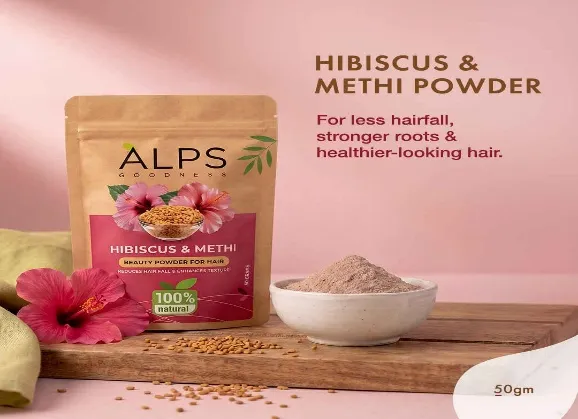
Hibiscus And Methi Beauty Powder For Hair
|
ALPS GOODNESS |
|
|
02 |
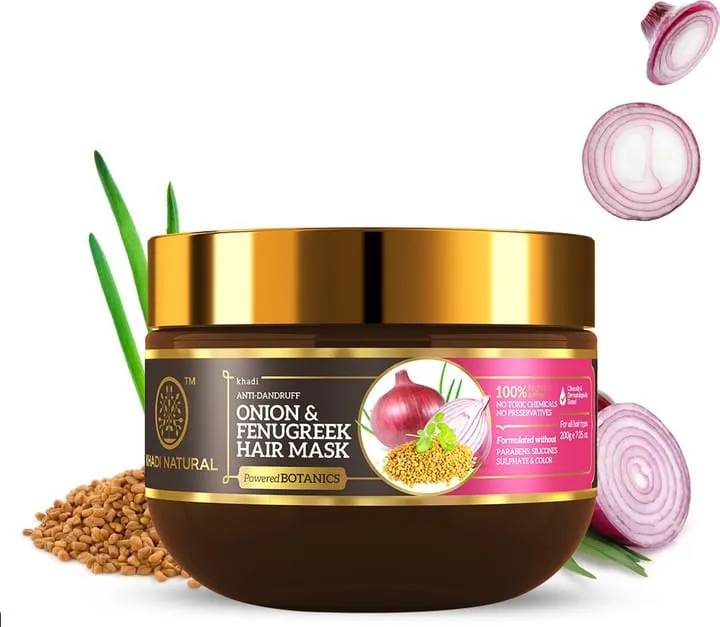
Onion And Fenugreek Hair Mask |
KHADI |
|
|
03 |
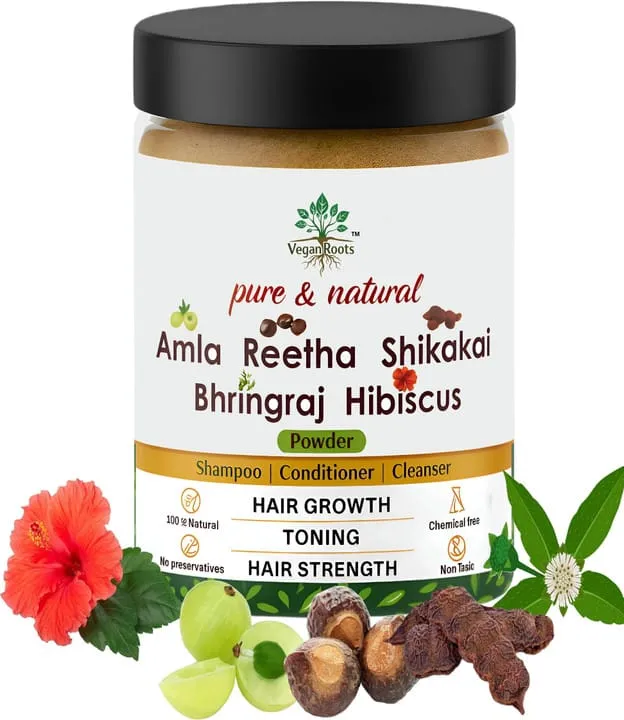
Pure And Natural Amla Reetha Shikakai Bhringraj Hibiscus Powder |
VEGAN ROOTS |
|
|
04 |
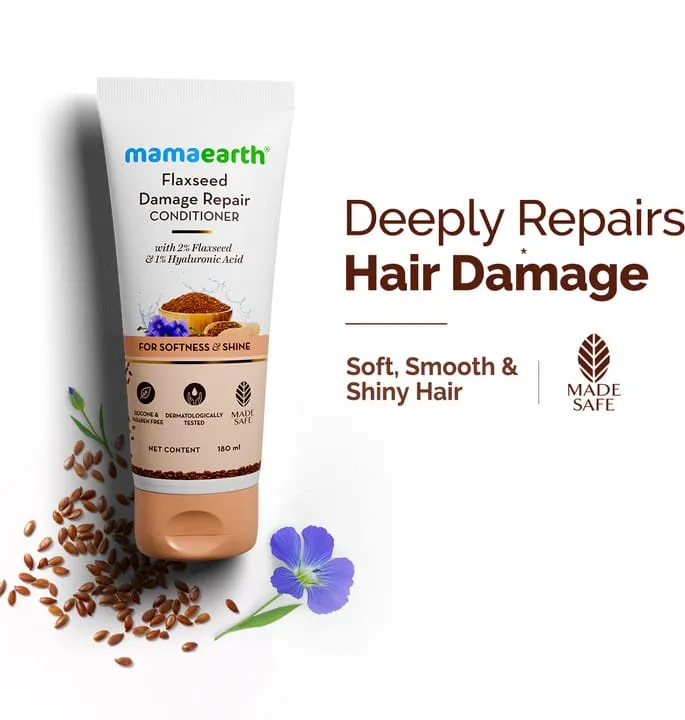
Flaxseed Damage Repair Conditioner |
MAMAEARTH |
|
|
05 |
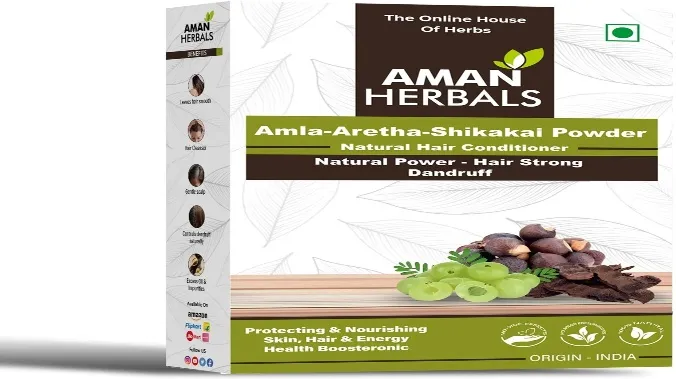
Amla-Aretha-Shikakai Powder Natural Hair Conditioner |
AMAN HERBALS |
|
|
06 |
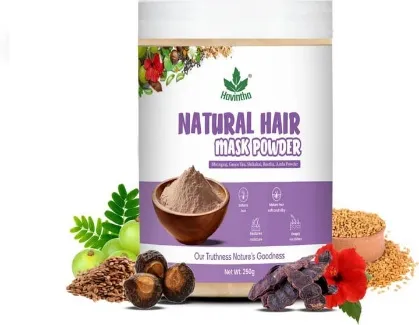
Natural hair mask powder |
HAVINTHA |
|
CONCLUSION
The herbal hair pack was successfully formulated using natural ingredients possessing anti-dandruff, nourishing, and hair-strengthening properties. The formulation exhibited satisfactory quality attributes and demonstrated potential benefits for improving scalp and hair health. Regular application may help reduce dandruff, control scalp irritation, strengthen hair roots, minimize hair fall, improve hair texture, and promote healthy hair growth.
When compared to chemically based hair care products, the herbal hair pack offers several advantages. It is free from harsh synthetic chemicals such as sulfates, parabens, and artificial preservatives that may cause scalp irritation, dryness, allergic reactions, or long-term hair damage. Herbal ingredients provide gentle yet effective action, making the formulation suitable for regular use and for individuals with sensitive scalps. In addition, the herbal hair pack is cost-effective, environmentally friendly, biodegradable, and derived from renewable natural sources.
Therefore, the formulated herbal hair pack can be considered a safer and more sustainable alternative to conventional chemical-based products, offering anti-dandruff activity, nourishment, and overall hair care benefits with minimal side effects. Further studies on stability, safety, and clinical efficacy are recommended to support its large-scale application and commercialization.
REFERENCES
Yash Shaktawat, L. B. (2026). Formulation and evaluation of a polyherbal hair oil containing Trigonella foenum-graecum. WJBPHS, 108-113
Yash Shaktawat, L. B. (2026). Formulation and evaluation of a polyherbal hair oil containing Trigonella foenum-graecum. WJBPHS, 108-113.





Mohammad Ali, Manasa, Mutthuraj N J, Sridevi K S, Yashaswini G M,, Herbal Hair Care Cosmetics: An Overview, Int. J. of Pharm. Sci., 2026, Vol 4, Issue 8, 1999-2013, https://doi.org/10.5281/zenodo.21901292
 10.5281/zenodo.21901292