

We use cookies to ensure our website works properly and to personalise your experience. Cookies policy
Shivajirao S Jondhale College Of Pharmacy Asangoan Thane
Traditional and Herbal Medicine (THM) represents a vast repository of human knowledge, comprising practices, beliefs, and plant-based remedies that have been used for millennia to maintain health and treat diseases across diverse cultures. This review provides a comprehensive synthesis of the current landscape of THM, focusing on its prospects and the significant challenges it faces in the 21st century. Drawing upon a wide range of scientific literature, this paper explores the historical development of major traditional systems like Ayurveda, Traditional Chinese Medicine (TCM), and Unani, highlighting their foundational principles and continued global relevance. The phytochemical and pharmacological aspects of herbal medicines are examined, underscoring their role as a primary source for modern drug discovery. Key prospects for THM include substantial market and industry growth driven by increasing consumer demand for natural therapies, growing government support and integration into national healthcare systems, and immense research potential unlocked by modern technologies such as genomics, metabolomics, and reverse pharmacology. However, the field is constrained by formidable challenges. These include a critical lack of standardization and quality control, insufficient clinical validation through rigorous trials, inconsistent and fragmented regulatory frameworks across nations, and persistent issues related to safety, toxicity, adulteration, and herb-drug interactions. Furthermore, intellectual property rights and the threat of biopiracy pose significant ethical and economic hurdles. This review concludes that the future of THM lies in the synergistic integration of traditional knowledge with modern scientific validation. Achieving this requires global harmonization of regulations, investment in robust research and development, and sustainable conservation of medicinal plant biodiversity to ensure that these ancient healing arts can be safely and effectively utilized to meet contemporary global health needs.
Herbal medicine, also referred to as botanical medicine or phytomedicine, is the oldest form of healthcare known to humanity, involving the use of plants, plant parts, or their preparations for the treatment of diseases or the maintenance of health. [1] The World Health Organization (WHO) defines traditional medicine as the sum total of knowledge, skills, and practices based on theories and experiences indigenous to different cultures, used in the prevention, diagnosis, improvement, or treatment of physical and mental illness. [2] These practices have been in existence for thousands of years, long before the advent of modern allopathic medicine, and continue to be a vital component of healthcare systems globally. [3,4]
The global reliance on herbal remedies is profound. The WHO estimates that approximately 80% of the world's population, primarily in developing countries, depends on traditional herbal medicine for their primary healthcare needs.[3,5,6] This widespread use is driven by factors such as cultural acceptability, accessibility, affordability, and a growing belief in the efficacy and safety of natural remedies compared to synthetic drugs, which are often associated with adverse side effects. [3,5,6,7] Even in developed nations, there is a significant and growing resurgence in the popularity of herbal and alternative medicines, with substantial portions of the population in Europe, North America, and Australia utilizing these therapies. For instance, up to 70% of people in Canada and Germany, 48% in Australia, 42% in the USA, and 76% in France use herbal drugs for their healthcare requirements[8].
This enduring legacy and expanding global interest underscore the immense opportunities within the field of traditional and herbal medicine. [5,6,7] The rich knowledge accumulated through centuries of trial and error has provided a foundation for various organized systems of medicine, including Ayurveda, Siddha, Unani, and Traditional Chinese Medicine (TCM).[3,5,9] These systems have not only served populations for generations but also act as a valuable source for modern drug discovery, with nearly a quarter of all pharmaceutical drugs being derived from botanicals.[3,7] However, the path to integrating these traditional systems into modern healthcare is fraught with challenges.[3,5,6] The lack of rigorous scientific validation, poor standardization, inconsistent quality control, and fragmented regulatory policies are primary barriers. [5,6,7] This review aims to examine these prospects and challenges in detail, exploring the scientific, regulatory, and economic dimensions of traditional and herbal medicine to provide a comprehensive overview of its current status and future direction on a global scale.[3,5,6]
2. Historical Development of Traditional Medicine :
The use of plants for medicinal purposes is a practice that predates recorded history[3,6,10] Fossil records suggest that human use of medicinal plants can be traced back at least 60,000 years.[10,11,12] Early humans, through a process of trial and error in their search for food, gradually accumulated knowledge about the toxic and therapeutic properties of the flora in their environment.[5,7,10] This foundational knowledge was passed down through generations and formed the basis of all traditional medicine systems.[3,7,10]
The earliest written evidence of systematized herbal medicine has been found on a 5,000-year-old Sumerian clay slab from Nagpur, which detailed 12 recipes for drug preparation using over 250 different plants, including alkaloid-containing species like poppy and mandrake.[6,13] Similarly, ancient Egyptian papyrus writings from as early as 3,000 BC describe the medicinal applications of various plants.[3,14,15] In China, the book "Pen T'Sao," attributed to Emperor Shen Nung (circa 2500 BC), documented 365 drugs derived from dried plant parts, many of which are still in use today.[6,16,17] The Indian holy books, the Vedas, particularly the Atharvaveda (circa 1000 BC), contain extensive knowledge of plant-based treatments, laying the groundwork for the Ayurvedic system of medicine.[6]
The foundations of Western botanical science were laid by Greek thinkers like Theophrastus (371-287 BC), whose works De Historia Plantarum and De Causis Plantarum classified around 500 medicinal plants known at the time.[6] Hippocrates, the "father of medicine," also relied heavily on herbs and famously postulated the humoral theory, which explained health and disease based on the balance of four bodily fluids.[6] For centuries, these plant-based medical practices dominated healthcare across the globe.
The 19th century marked a significant turning point with the advent of modern chemistry. In 1805, the German pharmacist Friedrich Sertürner successfully isolated the first pharmacologically active compound, morphine, from the opium poppy. [3,6,10] This event heralded the era of modern pharmaceuticals, where scientists began to extract, modify, and later synthesize active ingredients from plants. [3,7] The rise of predictable and potent synthetic drugs led to a rapid decline in the use of herbal medicine in the Western world.[3,10] However, in many developing nations, traditional herbalism continued to be the primary mode of healthcare, preserving a rich repository of ethnobotanical knowledge.[3,6,7]
3. Global Systems of Herbal Medicine :
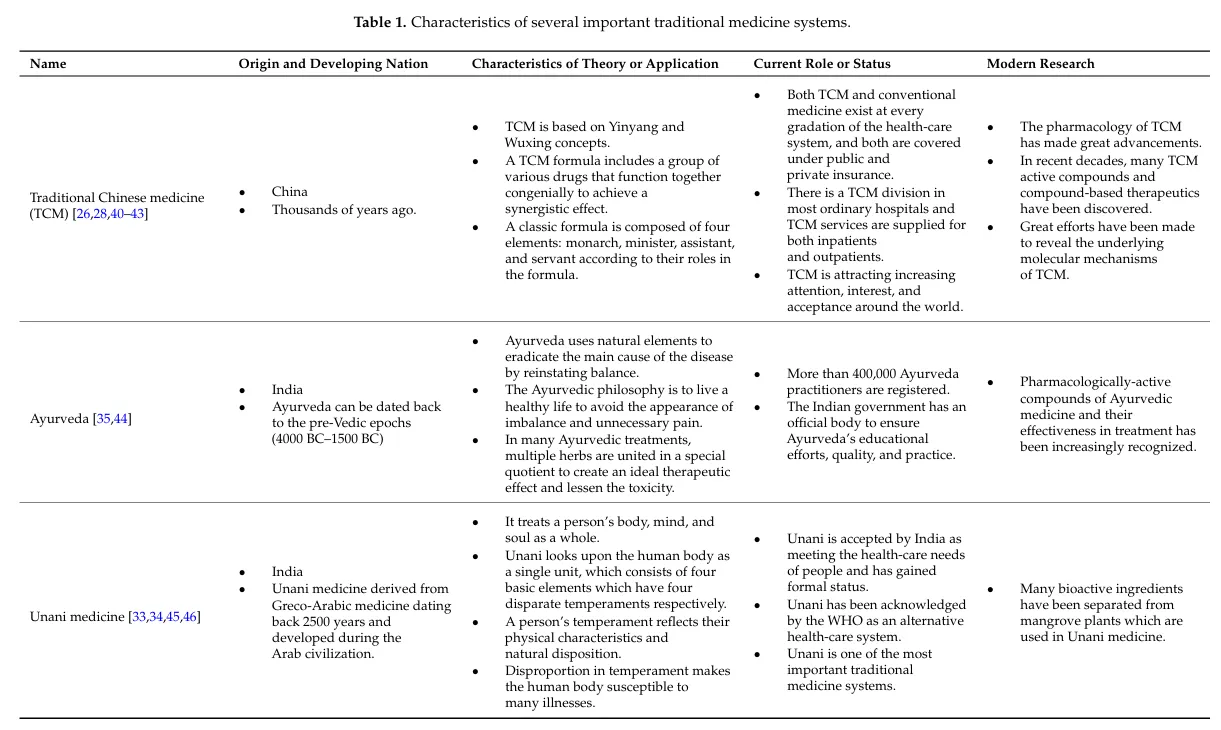
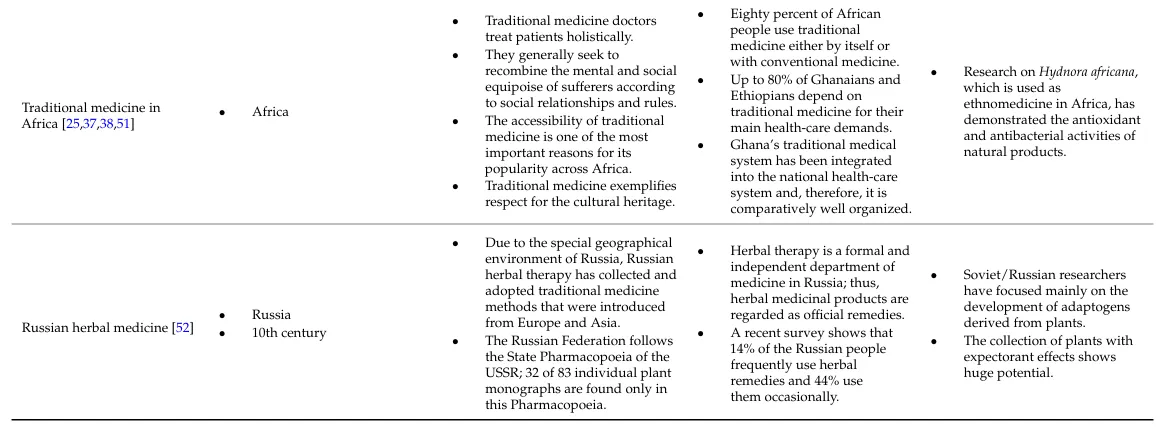
Traditional medicine systems have evolved across different cultures, each with its own unique philosophy, diagnostic methods, and therapeutic approaches.[6,10] While they all rely heavily on natural products, their theoretical frameworks are distinct.[6,10] A comparative summary of several important systems is provided in Table 1.
4. Phytochemistry and Pharmacological Aspects :
The therapeutic properties of medicinal plants are derived from their complex chemical composition.[3,5,7] Plants produce two types of metabolites: primary metabolites, which are essential for their growth and development, and secondary metabolites, which are not directly involved in these processes but serve protective functions against pathogens and herbivores.[7] These secondary metabolites are the primary source of the pharmacological activity in herbal medicines and are typically classified into three main groups: phenols, terpenes, and alkaloids.[7]
Phenolic compounds, characterized by a hydroxyl group bonded to an aromatic ring, include flavonoids, tannins, and lignans. Flavonoids are the largest group and possess a wide range of biological activities, including antioxidant and anti-inflammatory effects.[7] Terpenes and terpenoids are a large class of organic compounds derived from isoprene units and are responsible for the aroma of many plants.[7] They include compounds like artemisinin (an antimalarial) and paclitaxel (an anticancer agent). [9] Alkaloids are a class of nitrogen-containing compounds that often have potent physiological effects; examples include morphine (an analgesic) and quinine (an antimalarial).[5,6,7]
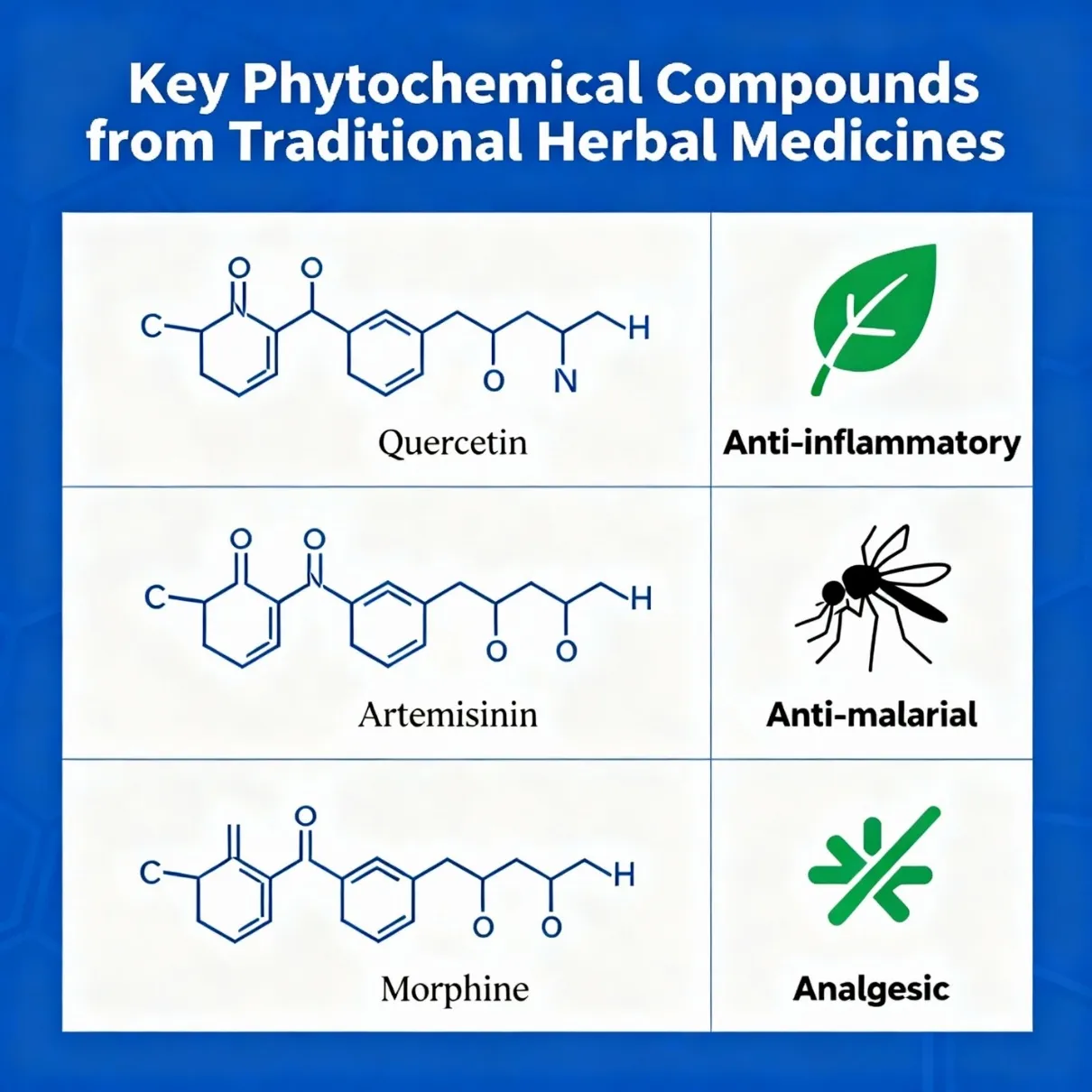
A single herb contains a complex mixture of these organic chemicals, and it is often challenging to determine which specific component is responsible for its biological activity.[3] In many cases, the therapeutic effect may result from the synergistic interaction of multiple constituents rather than a single active principle. [7,9] This concept of polypharmacology—where multiple compounds act on multiple targets—is a cornerstone of traditional herbalism and contrasts with the "one molecule, one target" approach of modern pharmacology.[7,9]
The quantity and quality of these active constituents are not static.[3,7] They are significantly influenced by a host of extrinsic and intrinsic factors. Environmental conditions such as soil type, altitude, temperature, rainfall, and light exposure can dramatically alter a plant's phytochemical profile.[3,7] Genetic factors, cultivation methods, harvesting time, and post-harvest processing techniques also play a crucial role. For example, medicinal plants grown under drought stress often produce a higher concentration of secondary metabolites.[3,5] This inherent variability presents a major challenge for the standardization and quality control of herbal medicines.[3,5,6]
5. Role in Modern Healthcare and Preventive Medicine :
Traditional and herbal medicines continue to play an indispensable role in global healthcare, serving both as a primary mode of treatment for a majority of the world's population and as a valuable source of novel therapeutic agents for modern medicine.[3,5,7,9,] The WHO recognizes traditional medicine as a critical component in achieving universal health coverage, especially in regions where access to conventional healthcare is limited.
Herbal remedies are widely used for a broad spectrum of health issues, including the management of chronic conditions, age-related diseases, and preventive care. [3,5,7] They are often sought for ailments like diabetes, osteoarthritis, memory loss, and immune disorders, for which modern medicine may only offer palliative therapy. [3] Herbal products have demonstrated significant value as antimicrobial, anti-inflammatory, antidiabetic, analgesic, and hepatoprotective agents, among many other applications.[5] Furthermore, in an era of increasing concern over the adverse effects of synthetic pharmaceuticals, many consumers prefer herbal medicines due to their perceived safety and natural origin.[3,5,6,]
Beyond direct therapeutic use, herbal medicine is a cornerstone of modern drug discovery.[5] A significant portion of essential modern medicines originate from plants. It is estimated that 11% of the 252 drugs considered "basic and essential" by the WHO are exclusively of plant origin, including vital medicines like codeine, morphine, and quinine. [3,5,7,10] Similarly, between 1940 and 2002, approximately 54% of approved anticancer drugs were either natural products or derived from them. This highlights the immense potential of ethnobotanical knowledge as a guide for identifying new lead compounds and therapeutic targets.[3,7,10]
The integration of herbal medicine with conventional healthcare is an emerging trend that aims to combine the strengths of both systems.[5,10,18] This collaborative model is gaining acceptance in many countries, where traditional remedies are used as complementary therapies to improve patient outcomes, manage side effects of conventional treatments (such as chemotherapy), and provide a more holistic approach to health and wellness.[7,10,18]
6. Prospects of Traditional and Herbal Medicines :
The future of traditional and herbal medicine is characterized by significant opportunities for growth, innovation, and integration into mainstream healthcare, driven by scientific advancements, increasing market demand, and supportive government policies.[5,6,7,18]
6.1 Research Potential :
Modern science is providing new tools to validate and understand the mechanisms behind traditional remedies.[5,7,10,18] The concept of reverse pharmacology offers a powerful paradigm shift, moving from "clinics-to-laboratories" by taking remedies with a long history of human use and subjecting them to rigorous scientific validation to identify active compounds and mechanisms.[5,7] This approach can significantly accelerate drug discovery while ensuring a higher degree of safety, as the starting material has already been vetted through centuries of traditional use.[5,7,10]
Furthermore, the application of 'omics' technologies—genomics, transcriptomics, proteomics, and metabolomics—is revolutionizing herbal medicine research.[7,18] These technologies allow scientists to identify the genes responsible for producing secondary metabolites, understand how environmental factors affect their production, and create detailed chemical fingerprints of herbal extracts.[5,7] The creation of comprehensive databases, such as the Traditional Chinese Medicine Integrative Database (TCMID) and the Indian Medicinal Plants, Phytochemistry and Therapeutics (IMPPAT) database, provides powerful tools for researchers to analyze herb-molecular mechanisms and discover new therapeutic applications.[7,19]
6.2 Market and Industry Growth :
The global market for herbal medicines is expanding at a remarkable rate, fueled by growing consumer demand for natural and holistic health products.[5,6,18] Projections indicate that the global market, valued at over USD 62 billion in the early 2000s, is expected to grow to USD 430.05 billion by 2030 and potentially reach USD 7 trillion by 2050.[6,7,18] This growth is driven by increasing discontent with the side effects of synthetic drugs, an aging global population seeking treatments for chronic illnesses, and a preference for preventive healthcare.[3,5,7]
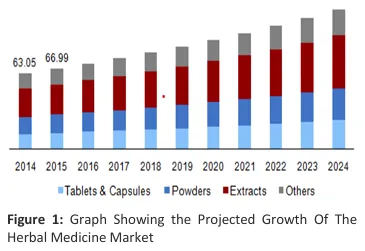
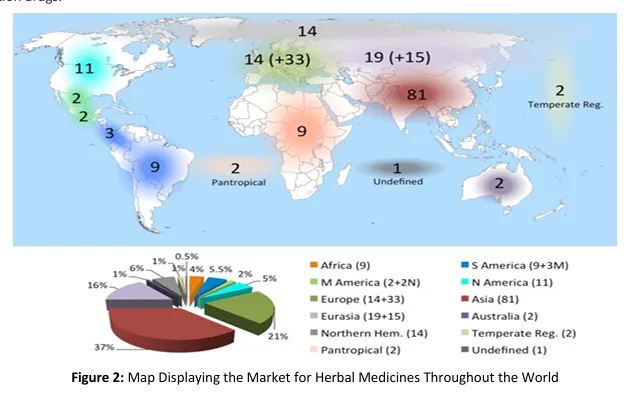
The Asia-Pacific region, particularly India and China, is the largest and fastest-growing market due to its rich biodiversity, large population, and strong cultural traditions of herbal medicine. [6]
Europe is the second-largest market, with strong consumer demand for natural and organic products. India, known as the "Emporium of Medicinal plants," has over 10,000 industrial units manufacturing traditional medicines and has significant potential for cultivating and exporting medicinal plants to meet this global demand.[18]
6.3 Global and Government Support :
There is increasing recognition from national governments and international bodies of the value of traditional medicine. In India, the creation of the Ministry of AYUSH (Ayurveda, Yoga & Naturopathy, Unani, Siddha, and Homoeopathy) provides a dedicated framework for the governance, education, and development of traditional systems.[ This includes initiatives like the "Golden Triangle partnership" between AYUSH, the Council for Scientific and Industrial Research (CSIR), and the Indian Council of Medical Research (ICMR) to promote evidence-based research on traditional remedies. The World Health Organization (WHO) has also developed its "Traditional Medicine Strategy 2014-2023," which aims to help countries harness the potential of TM by promoting its safe and effective use through regulation and research.
A robust institutional framework supports this growth, particularly in countries with strong traditions like India.
|
Institution |
City with Postal Code |
|
Aligarh Muslim University (AMU) |
Aligarh 202002 |
|
Banaras Hindu University (BHU) |
Varanasi 221005 |
|
Botanical Survey of India (BSI) |
Kolkata 700064 |
|
Central Council for Research in Ayurveda and Siddha (CCRAS) |
New Delhi 110058 |
|
Central Council for Research in Unani Medicine (CCRUM) |
New Delhi 110058 |
|
Central Drug Research Institute (CDRI) |
Lucknow 226031 |
|
Central Institute for Medicinal and Aromatic Plants (CIMAP) |
Lucknow 226015 |
|
Gujarat Ayurved University |
Jamnagar 361008 |
|
Indian Council for Medical Research (ICMR) |
New Delhi 110029 |
|
Indian Institute of Integrative Medicine (IIIM) |
Jammu 180001 |
|
Jamia Hamdard (Deemed University) |
New Delhi 110062 |
|
National Botanical Research Institute (NBRI) |
Lucknow 226001 |
|
National Bureau of Plant Genetic Resources (NBPGR) |
New Delhi 110012 |
|
National Medicinal Plant Board (NMPB) |
New Delhi 110001 |
6.4 Integration with Allopathy :
The future of healthcare likely involves a more integrated approach, where traditional and conventional medicine are used collaboratively to enhance patient care.[5,10,18] The benefits of this integration are becoming increasingly recognized, with herbal medicines being used alongside modern treatments to improve outcomes, reduce the side effects of powerful drugs like chemotherapeutics, and offer a more personalized and holistic treatment plan. This creates opportunities for developing collaborative healthcare models that leverage the strengths of both systems for the benefit of the patient.[10,18,5]
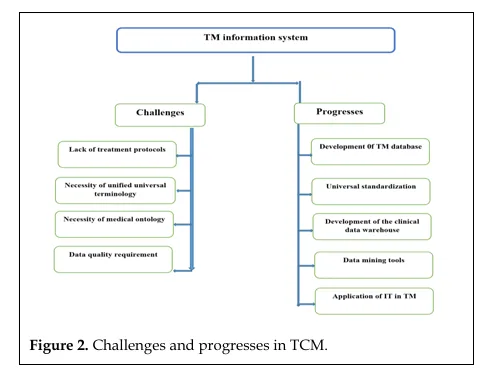
7. Challenges and Limitations :
Despite its vast potential, the field of traditional and herbal medicine faces a multitude of significant challenges that hinder its global acceptance, safety, and efficacy. These issues span from scientific and regulatory hurdles to ethical and commercial concerns.
7.1 Standardization :
A primary and pervasive challenge is the lack of standardization. Herbal products are inherently variable. The chemical composition of a plant can differ greatly depending on genetic factors, geographical origin, climate, harvesting time, and processing methods. This variability makes it difficult to ensure batch-to-batch consistency in terms of quality and efficacy, a fundamental requirement for any modern medicine. The absence of universally accepted treatment protocols and reference standards further complicates the issue, creating an information gap between practitioners and consumers and weakening the international credibility of THM.
Another layer of complexity is the lack of a unified universal terminology. A single medicinal plant may be known by numerous different common, local, or commercial names, while conversely, the same name may be used for entirely different species. This creates significant confusion and poses a serious risk of misidentification, which can lead to ineffective treatment or even toxicity.
7.2 Clinical Validation :
While traditional medicines have a long history of empirical use, they often lack the rigorous scientific evidence required by modern medical standards. There is a shortage of large-scale, randomized clinical trials (RCTs) to definitively establish their efficacy and safety. Conducting such trials for herbal products is inherently difficult. The complex, multi-component nature of herbal formulas makes it challenging to identify a single active ingredient for study. Furthermore, achieving effective blinding in RCTs can be nearly impossible, as many herbal preparations have distinct tastes, odors, or appearances that cannot be easily replicated in a placebo.
7.3 Regulation :
The regulatory landscape for herbal medicines is fragmented and inconsistent across the globe. In many countries, particularly the United States, herbal products are classified as dietary supplements rather than drugs. Under legislation like the Dietary Supplement Health and Education Act (DSHEA) of 1994, manufacturers are not required to provide evidence of safety or efficacy to the FDA before marketing their products. This places the burden of proof on regulatory agencies to demonstrate that a product is unsafe after it is already on the market, potentially exposing consumers to harmful or ineffective products. This lack of harmonized regulation creates confusion for consumers and poses significant hurdles for manufacturers seeking to market their products internationally.
7.4 Safety and Toxicity :
The common misconception that "natural" equals "safe" is a dangerous one. Herbal medicines can cause adverse effects, and several safety concerns persist. Adulteration, both intentional and unintentional, is a major issue. Products may be intentionally adulterated with cheaper plant species or even potent synthetic drugs like steroids or sildenafil to enhance their perceived efficacy. Unintentional adulteration can occur through misidentification of plants during collection or contamination.
Contamination with heavy metals (like lead, mercury, and arsenic), pesticides, or microbial pathogens is another significant risk, often resulting from polluted growing environments or poor manufacturing practices. Furthermore, herbal medicines can cause clinically significant herb-drug interactions, altering the metabolism and efficacy of conventional pharmaceuticals. For example, St. John's Wort can reduce the effectiveness of numerous prescription drugs, while garlic and ginger may increase the risk of bleeding in patients taking anticoagulants like warfarin.
7.5 Intellectual Property and Biopiracy :
The commercialization of traditional knowledge raises complex ethical and legal issues related to intellectual property rights (IPR) and biopiracy. Biopiracy occurs when corporations or researchers patent traditional knowledge or genetic resources from indigenous communities without providing fair compensation or obtaining prior informed consent. This not only exploits these communities but also restricts their access to their own traditional resources. To counter this, initiatives like India's Traditional Knowledge Digital Library (TKDL) have been created to document traditional knowledge in a patent-compatible format, preventing its misappropriation by international patent offices.
8. Recent Developments and Case Studies :
The intersection of traditional knowledge and modern science has led to several landmark discoveries and innovative approaches that highlight the potential of herbal medicine. These cases illustrate two primary pathways for drug discovery from natural products: those that directly follow ethnobotanical leads and those that emerge from broad, systematic screening.
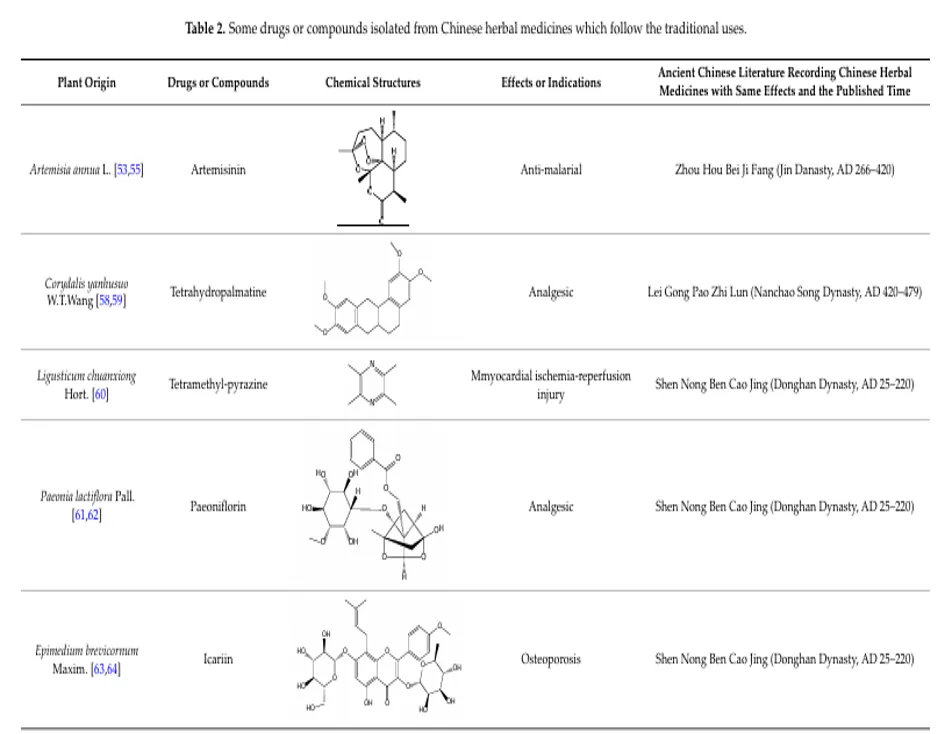
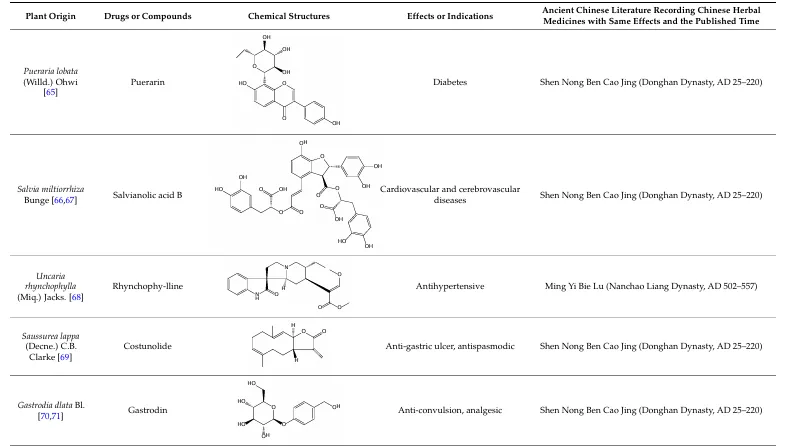
Case Studies Following Traditional Use: The most successful discoveries often build directly upon centuries of traditional use. Table 3 shows several key compounds isolated from Chinese herbal medicines where their modern application aligns with their recorded traditional purpose.
Case Studies from Broader Natural Product Discovery: Not all discoveries are guided by traditional use. Systematic screening programs have also yielded groundbreaking medicines. Table 4 lists several important drugs isolated or developed from natural sources.
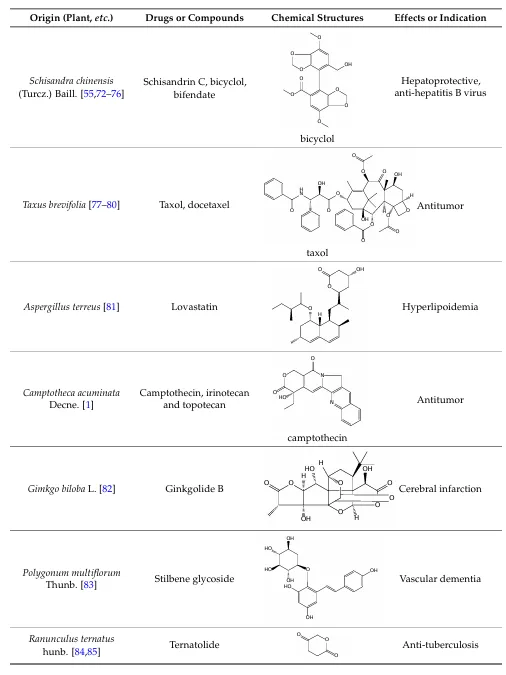
These cases, from Artemisinin and Paclitaxel to Bicyclol, illustrate the diverse pathways through which natural products continue to enrich the modern pharmacopeia, reinforcing the need for both the preservation of traditional knowledge and the continuation of broad biodiversity screening efforts.
9. Future Scope and Recommendations :
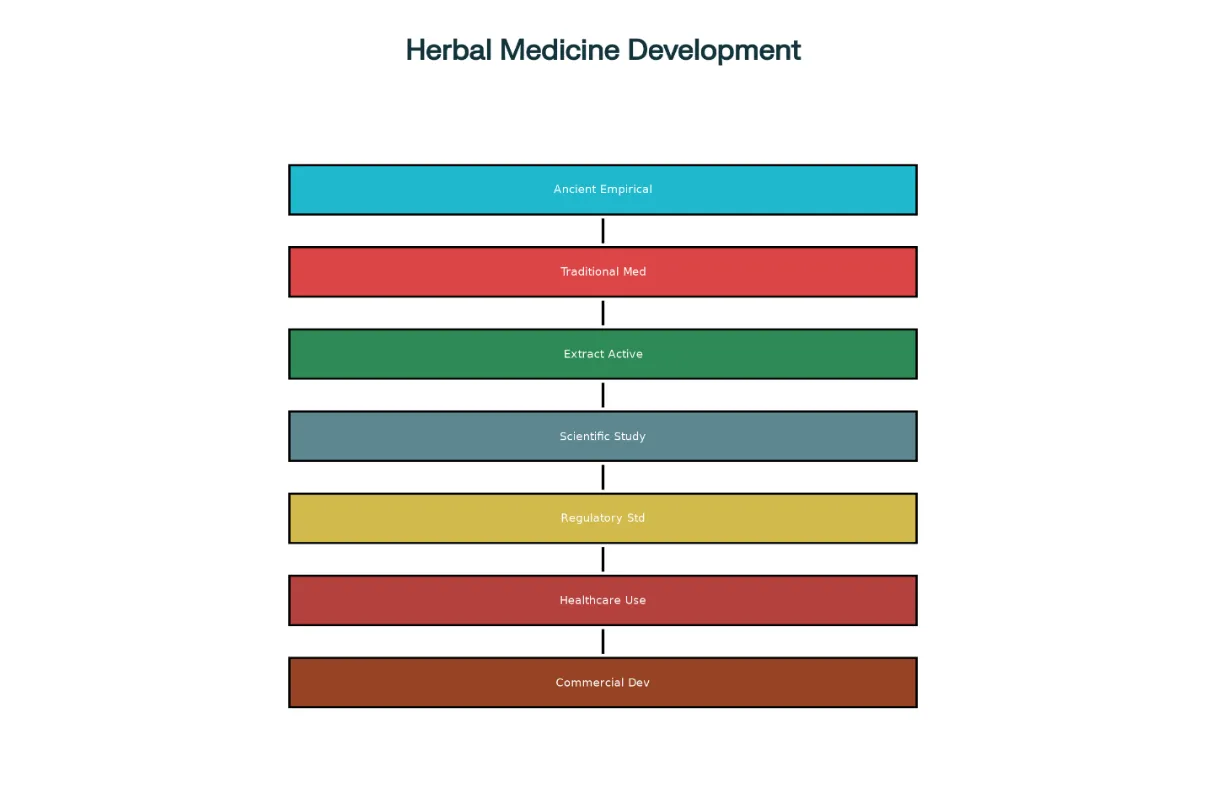
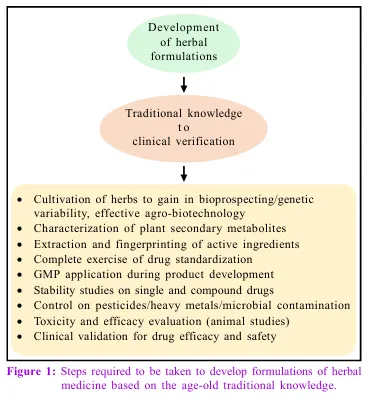
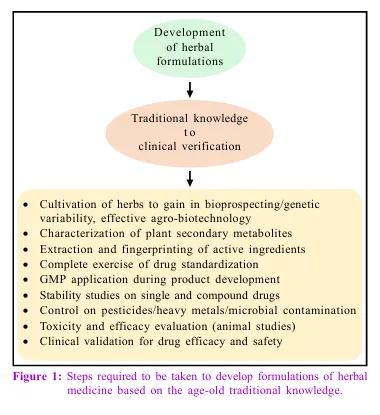
To realize the full potential of traditional and herbal medicine and integrate it safely and effectively into global healthcare, a concerted, multi-faceted approach is required. The pathway from traditional knowledge to a validated, modern formulation involves a sequence of critical steps, as outlined in Figure
The following areas represent key priorities for the future. :
Global Harmonization of Regulation: The most critical step is to move towards global harmonization of legislation for herbal medicines. This would involve establishing internationally recognized standards for quality, safety, and efficacy, which would protect consumers, reduce trade barriers, and foster a more stable market for manufacturers. Regulatory frameworks should be robust enough to ensure product safety but also flexible enough to accommodate the unique, multi-component nature of herbal remedies.
Investment in Scientific Research: Continued investment in rigorous scientific research is essential. This includes large-scale clinical trials to validate the efficacy of traditional remedies, as well as preclinical studies to elucidate their mechanisms of action and safety profiles. The focus should shift from a single-compound model to understanding the synergistic effects of multiple components, embracing the "multi-drug, multi-target" paradigm that is inherent to traditional medicine. The application of advanced technologies like 'omics' and systems biology will be crucial in unraveling this complexity.
Quality Control and Standardization: Implementing stringent quality control measures from "farm to pharma" is non-negotiable. This involves the widespread adoption of Good Agricultural and Collection Practices (GACP) to ensure the quality of raw plant materials and Good Manufacturing Practices (GMP) for the production of finished products. Development and use of advanced analytical techniques, such as DNA barcoding and metabolomic fingerprinting, can help authenticate raw materials and ensure the consistency of final products.
Conservation and Sustainability: The growing demand for herbal products places immense pressure on wild plant populations, leading to over-exploitation and biodiversity loss. A focus on sustainability is crucial. This requires a combination of in-situ conservation (protecting natural habitats like biosphere reserves) and ex-situ conservation (using botanical gardens, gene banks, and cryopreservation). Furthermore, promoting the large-scale cultivation of high-demand medicinal plants is essential to reduce pressure on wild stocks and ensure a stable, high-quality supply chain for the industry.
Education and Information Dissemination: Both healthcare professionals and consumers need access to reliable, science-based information on the proper use, potential benefits, contraindications, and risks of herbal medicines. Integrating traditional medicine education into the curricula of modern medical and pharmacy schools can help bridge the knowledge gap and foster a more integrated approach to patient care.
10. CONCLUSION :
Traditional and herbal medicine, a practice rooted in millennia of human experience, stands at a critical juncture. Its enduring global popularity, coupled with a growing body of scientific inquiry, has illuminated a path toward a more integrated and holistic future for healthcare. The prospects are immense: a burgeoning global market, a rich source of novel therapeutic compounds for modern drug discovery, and a means to provide accessible and culturally relevant healthcare to billions. The rise of reverse pharmacology, 'omics' technologies, and nanodelivery systems offers unprecedented opportunities to validate, refine, and enhance the efficacy of these ancient remedies.
However, this bright future is contingent upon addressing a series of profound and systemic challenges. The lack of standardization, inconsistent regulatory oversight, and insufficient clinical validation remain the most significant barriers to its full acceptance and safe integration into mainstream medicine. Issues of safety, including adulteration, contamination, and herb-drug interactions, must be rigorously managed through stringent quality control measures, from cultivation to the final product. Concurrently, the sustainable conservation of medicinal plant biodiversity and the equitable protection of traditional knowledge against biopiracy are ethical and practical imperatives.
Ultimately, the advancement of traditional and herbal medicine does not lie in choosing between ancient wisdom and modern science, but in their synergistic fusion. By applying the rigorous standards of scientific investigation to the vast repository of traditional knowledge, it is possible to unlock the full therapeutic potential of herbal medicine, ensuring that these invaluable healing traditions can continue to promote health and well-being for generations to come.
REFERENCES



Komal Rathod*, Akash Nalawade, Dr. Manisha Nangude, Anjali Prasad, Mohdkalid Qureshi, Jayesh Rathod, Traditional and Herbal Medicines: Prospects and Challenges, Int. J. of Pharm. Sci., 2026, Vol 4, Issue 8, 2056-2075. https://doi.org/10.5281/zenodo.21905368
 10.5281/zenodo.21905368