

We use cookies to ensure our website works properly and to personalise your experience. Cookies policy
Department of Pharmaceutical Management- National Institute of Pharmaceutical Education and Research, Hyderabad.
The rapid rise of Ozempic (semaglutide) represents one of the most significant blockbuster success stories in the modern pharmaceutical industry. Originally developed by Novo Nordisk for the treatment of type 2 diabetes, semaglutide has transformed into a multi billion dollar brand driven by expanding therapeutic applications and unprecedented market demand [1].With an emphasis on clinical innovation, branding, market positioning, and supply dynamics, this research attempts to examine the strategic factors that led to Ozempic's success as a blockbuster. The study is based on a thorough analysis of secondary data sources, including as peer-reviewed journals, business financial filings, and industry reports from IQVIA.[2].Key findings show that Ozempic's success stems from its great clinical efficacy, especially in glycemic control and weight loss, which allowed it to move beyond diabetes therapy and into the rapidly expanding obesity market. [3]. Market penetration was further increased by strategic branding and differentiation within the GLP 1 receptor agonist class. Additionally, as metabolic problems became more common worldwide, demand increased, and supply limitations increased the product's perceived worth and market awareness.[4].To sum up, Ozempic's experience highlights how crucial it is to combine scientific innovation with lifecycle management and smart marketing. Pharmaceutical companies looking to create and maintain blockbuster medications in cutthroat marketplaces might learn a lot from this scenario.
The prevalence of metabolic diseases, especially Type 2 diabetes and obesity, has dramatically increased globally, posing serious public health and economic issues. [5],[6]. The necessity for efficient treatment interventions has increased due to the acceleration of disease prevalence caused by sedentary lifestyles, bad eating habits, and demographic trends. [7].
The creation of GLP 1 receptor agonists, which enhance glycemic management and provide further advantages like weight loss, has been a significant achievement in this field.[8]. These treatments have completely changed the way diabetes is managed over time in terms of patient outcomes, dosage convenience, and efficacy. [9].
Ozempic, created by Novo Nordisk, became a ground-breaking invention in this therapeutic environment. When it was first introduced as a once-weekly injectable for type 2 diabetes, it was positioned to emphasize the advantages of both weight loss and glycemic control, increasing its applicability to the treatment of obesity. [10].
A pharmaceutical product that brings in more than $1 billion a year is referred to as a "blockbuster drug." Ozempic has quickly attained this status thanks to its excellent clinical results and rising demand worldwide. [1]. Nevertheless, despite a wealth of clinical data, there is still a lack of literature that combines demand-side dynamics, product positioning, and marketing strategy to explain such blockbuster success.
Mechanism of Drug Action of Ozempic (Semaglutide)
Ozempic, also known as semaglutide, is a glucagon-like peptide 1 (GLP-1) receptor agonist that controls glucose metabolism by imitating the effects of natural incretin hormones. It mainly works by attaching itself to GLP 1 receptors on pancreatic beta cells, which stimulates the secretion of glucose-dependent insulin while inhibiting the release of glucagon from alpha cells. [11]. This dual action helps in reducing postprandial and fasting blood glucose levels without significantly increasing the risk of hypoglycemia.
Semaglutide affects the gastrointestinal tract and central nervous system in addition to the pancreas. It increases satiety and inhibits the absorption of glucose by delaying the emptying of the stomach. Additionally, it affects the hypothalamus's appetite-regulating regions, which results in decreased food intake and clinically significant weight reduction. [12] [13]. These extra pancreatic effects have been crucial in positioning the drug beyond diabetes management into obesity treatment.
Semaglutide's extended half-life, which is attained via structural changes that boost albumin binding and resistance to enzyme degradation, is another significant feature. This improves patient adherence and therapeutic results by enabling easy once-weekly administration. [12].
All things considered, semaglutide's complex mechanism—which combines glycemic control, appetite regulation, and weight loss—has been crucial to its clinical success and market expansion, solidifying its position as a popular treatment.
Objectives of the Review
The goal of this review is to present a thorough strategic analysis of Ozempic, a pharmaceutical product created by Novo Nordisk, with an emphasis on the major elements that led to its success.
First, the study aims to examine the crucial success factors—clinical efficacy, product innovation, and lifecycle management strategies—that underpin Ozempic's market leadership. To understand how the medication evolved from a diabetes treatment to a highly sought-after worldwide brand, one must comprehend these components.
Second, the evaluation assesses Novo Nordisk's price and marketing tactics, especially in terms of setting Ozempic apart in the cutthroat GLP 1 receptor agonist market. This entails looking at value-based pricing, brand positioning, and strategic communication that improved patient and physician acceptance.
Thirdly, the study evaluates important demand drivers by combining social variables like growing obesity awareness, lifestyle trends, and digital/media amplification with clinical reasons like better glycemic control and weight loss advantages.
Lastly, the review looks for mediating factors such supply chain limitations, regulatory dynamics, patient adherence, and prescriber behavior that affect brand success. Beyond the fundamental characteristics of the product, these aspects are critical in determining market performance.
By providing a comprehensive understanding of blockbuster drug strategy in the contemporary pharmaceutical landscape, these goals together seek to close the gap between clinical outcomes and commercial success.
Conceptual Framework
A multivariable conceptual framework that connects strategic decisions to market results can be used to comprehensively understand the phenomenal success of Novo Nordisk's Ozempic.
The company's strategic initiatives, such as pricing, marketing, and product innovation, make up the independent variable (IV) at the center of the model. These tactics are intended to improve product value perception and establish distinctiveness in the cutthroat GLP 1 receptor agonist market. [1][4]. The dependent variable (DV) is defined as blockbuster success, measured through sales growth, market share, and brand dominance.
A number of crucial factors that explain how strategic inputs result in commercial success mediate the relationship between IV and DV. First, convincing proof of improved glycemic management and weight reduction from clinical trials greatly influences physician prescribing behavior, making clinical efficacy perception crucial.10] . Second, brand awareness and social influence driven by social media trends, celebrity endorsements, and widespread off label discussions have amplified public demand and brand visibility.
Third, pricing and reimbursement access determine affordability and uptake across markets, particularly in systems dependent on insurance coverage [2]. Fourth, physician adoption behavior, guided by recommendations from organizations such as the American Diabetes Association, further accelerates prescription rates [14]. Fifth, a paradoxical effect of supply chain availability is that shortages raise demand and perceived exclusivity. Finally, the availability of oral semaglutide (Rybelsus) and once-weekly dosing are examples of innovation advantages that improve competitive posture. [3]
The strength and direction of these correlations are further influenced by moderating factors such socioeconomic factors, competitive pressure from medications like Tirzepatide, and regulatory approvals by organizations like the U.S. Food and Drug Administration.
This integrated approach offers a comprehensive perspective on how societal, commercial, and clinical factors come together to propel the success of blockbuster drugs.
Market Analysis & Growth Drivers
Ozempic, a product of Novo Nordisk, has shown tremendous commercial success, as evidenced by its expanding global reach and quick sales growth. Ozempic is one of the top-performing pharmaceutical brands in the world thanks to its multi-billion dollar yearly revenues since its founding.4]. Due to its twin advantages in glycemic control and weight management, the GLP 1 receptor agonist market has seen substantial acceptance, which is directly correlated with this increase.
The increasing frequency of Type 2 diabetes and obesity worldwide, which are frequently classified as lifestyle-related disorders, is a major contributor to this development. The target patient population for GLP 1 therapy has grown as a result of the rise in these illnesses brought on by urbanization, bad eating habits, and sedentary activity.7]. Additionally, growing awareness of weight management as a clinical priority has further accelerated demand beyond traditional diabetes treatment.
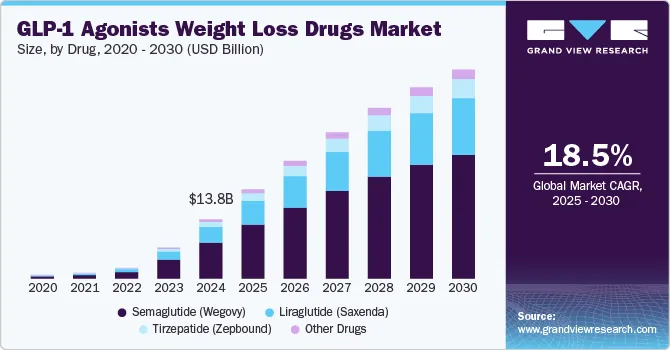
[15]
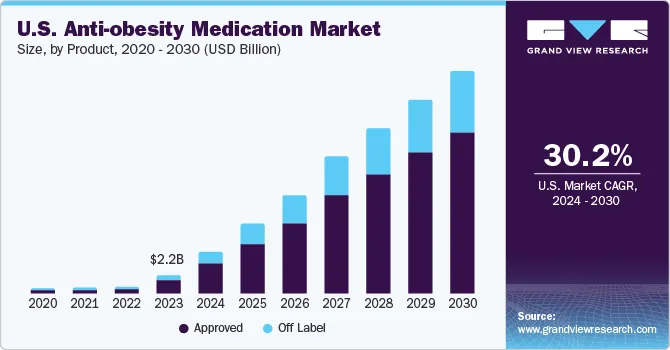
[15]
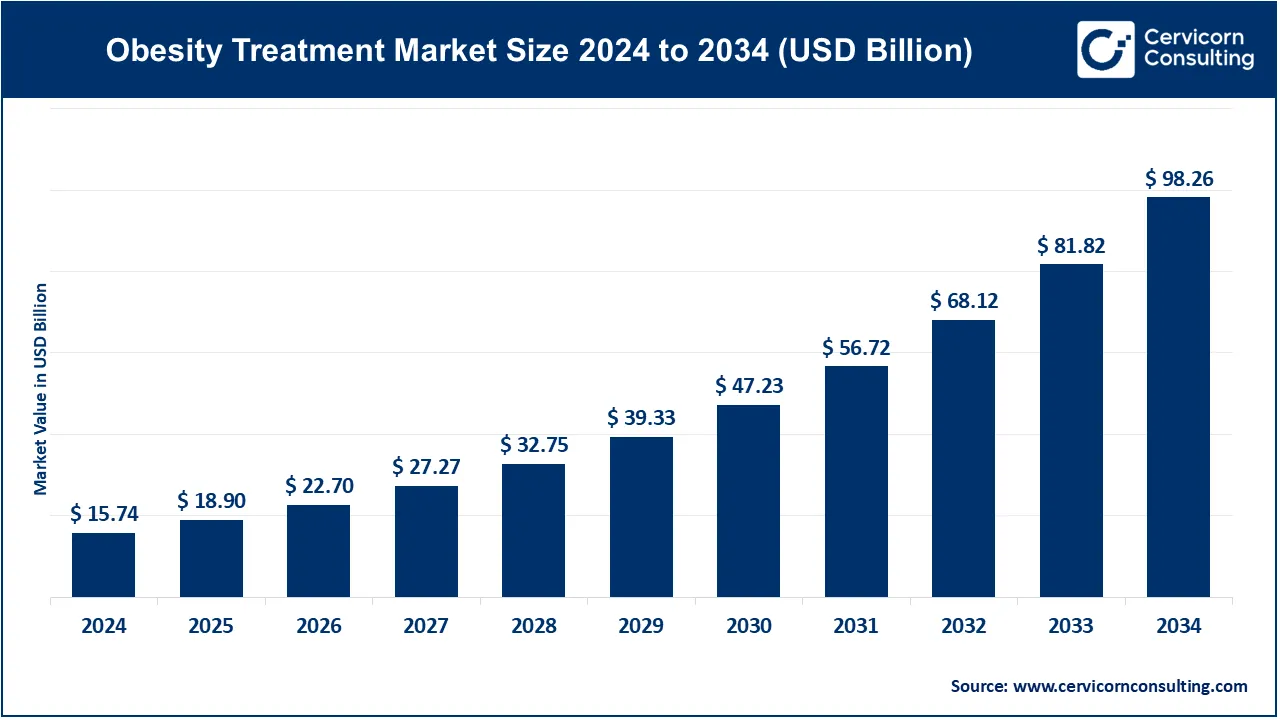
Geographically, Ozempic’s expansion has been driven by high uptake in developed areas such as the United States and Europe, supported by advantageous reimbursement policies and modern healthcare infrastructure. However, because of rising disease rates and easier access to cutting-edge treatments, emerging markets offer enormous unrealized potential. [2]
All things considered, the combination of therapeutic innovation, geographic expansion, and epidemiological trends has produced a strong growth trajectory for Ozempic, solidifying its status as a blockbuster medication in the international pharmaceutical market.
Table 1: Comparison of Ozempic vs Competitors
|
Parameter |
Ozempic (Semaglutide) |
Wegovy (Semaglutide) |
Mounjaro (Tirzepatide) |
|
Indication |
Type 2 Diabetes |
Obesity |
Type 2 Diabetes |
|
Company |
Novo Nordisk |
Novo Nordisk |
Eli Lilly |
|
Mechanism |
GLP 1 agonist |
GLP 1 agonist |
Dual GIP + GLP 1 agonist |
|
Dosing |
Weekly injection |
Weekly injection |
Weekly injection |
|
Weight Loss |
Moderate–High |
High |
Very High |
|
Glycemic Control |
Strong |
Moderate |
Very Strong |
|
Approval |
FDA approved (2017) |
FDA approved (2021) |
FDA approved (2022) |
|
Key Advantage |
First mover + brand recall |
Obesity specific positioning |
Superior efficacy |
[17]
Marketing & Branding Strategy
The success of Ozempic, developed by Novo Nordisk, can be largely attributed to its highly strategic marketing and branding approach, which effectively expanded its market beyond traditional diabetes care.
Ozempic was first marketed as a treatment for Type 2 Diabetes, but it was then deliberately moved to meet the increasing need for weight-management products. A smooth transition into the obesity market was made possible by its clinically demonstrated advantages in weight loss, which matched the growing global recognition of obesity as a serious health issue. [10]. This repositioning significantly broadened its target population and market potential.
Clinical distinctiveness is a fundamental component of its branding strategy. Strong physician confidence and patient preference were reinforced by Ozempic's superior efficacy in glycemic control and weight loss when compared to a number of rival GLP 1 receptor agonist treatments. [9]. Its competitive edge and legitimacy were enhanced by this evidence-based posture.
Additionally, the acceleration of brand visibility has been revolutionized by digital impact. Through influencer material, patient testimonies, and viral trends related to weight loss, platforms like TikTok and other social media channels increased awareness. Significant consumer-driven demand was generated by this organic amplification, which went beyond conventional pharmaceutical marketing channels.
But the quick increase in popularity also brings up moral questions, especially when it comes to off-label indirect weight loss promotion. Despite Ozempic's primary approval for diabetes, its extensive debate in non-clinical settings has compromised regulatory boundaries, underscoring difficulties in striking a balance between commercial impact and ethical pharmaceutical communication. [4]
All things considered, Ozempic's marketing approach shows how clinical superiority, strategic repositioning, and digital amplification may work in concert to propel blockbuster brand success in the contemporary pharmaceutical industry.
Pricing & Market Access Strategy
The commercial trajectory of Ozempic reflects a carefully designed pricing and market access strategy that balances premium positioning with variable affordability across markets.
Premium pricing, which is in line with the drug's high clinical value and novel profile, is a crucial part of this strategy. The monthly list price of semaglutide-based treatments in the US is about between $900 and $1,000, which supports their status as a high-value, specialized treatment.18][19]. This pricing strategy reflects both the cost of innovation and the willingness of healthcare systems to pay for clinically superior outcomes.
Actual patient access is significantly influenced by insurance coverage. Although prior authorization restrictions are typical, Ozempic is covered by many private insurance plans and Medicare Part D programs in the United States, especially for diabetes reasons.18]. However, coverage for obesity related indications remains inconsistent, leading to variability in out of pocket costs and limiting widespread adoption.
Access issues continue in developing markets because to limitations on affordability, low insurance penetration, and deficiencies in healthcare infrastructure, even in high-income countries where demand is substantial. High out-of-pocket costs in many areas limit access to high-end treatments like semaglutide, underscoring disparities in drug accessibility around the world. [20]
Numerous cost-effectiveness studies indicate that semaglutide offers substantial health benefits in relation to its cost from a pharmacoeconomic standpoint. Although outcomes are dependent on pricing and long-term treatment assumptions, it has been demonstrated to increase quality adjusted life years (QALYs) and is deemed cost-effective under standard willingness to pay levels in multiple investigations. [21].
Overall, Ozempic’s pricing and access strategy demonstrates the complex balance between innovation driven premium pricing and the need for broader affordability, which ultimately influences its global market penetration and long term sustainability.
Supply Chain & Operational Strategy
The global success of Ozempic is closely linked to its complex supply chain and operational dynamics, particularly given the nature of peptide based therapeutics.
Since semaglutide is a peptide medication that requires sophisticated synthesis, purification, and strict quality control procedures, its production entails a high level of biotechnological complexity. Peptide synthesis requires specialized facilities, cold chain logistics, and stringent regulatory compliance, which lengthens production lead times and restricts quick scalability, in contrast to small molecule medications. [22]
Global supply constraints brought on by an unanticipated spike in demand, particularly from off-label use in weight management, have been a significant obstacle in Ozempic's lifetime. These shortages have been documented in major markets, such as the US and Europe, resulting in limited supply and postponed patient access. [23].
Novo Nordisk has responded by implementing a number of capacity expansion measures, such as investing in contract manufacturing organizations (CMOs), expanding manufacturing sites, and streamlining supply chain networks. In order to better control demand, the corporation has also given approved signals priority when allocating supplies. [1]
It is interesting to note that the brand has been affected in two ways by these supply limitations. Although shortages provide ethical and practical difficulties, they have also improved the drug's perceived exclusivity and value, hence increasing brand popularity in some areas. Long-term adherence and patient trust could be adversely impacted by extended unavailability, though.
Overall, Ozempic's supply chain strategy emphasizes the significance of coordinating manufacturing capacity with market expansion and emphasizes the vital role that operational agility plays in handling demand spikes, especially for complex biologics.
Challenges & Risks
Despite its blockbuster success, Ozempic faces several critical challenges and risks that may influence its long term sustainability and market positioning.
Continuous supply shortages, which are mostly caused by demand surpassing manufacturing capacity, are among the most urgent problems. Patients with Type 2 Diabetes, for whom the medication is primarily prescribed, have limited access due to the stressed global supply chains caused by the sharp rise in prescriptions, including off-label use for weight control.[24]
The rise of ethical issues is closely related to this, especially with regard to the usage of Ozempic for aesthetic weight loss rather than medical necessity. Questions concerning fair access, patient prioritizing, and the wider effects of pharmaceutical commercialization in lifestyle-driven demand have been highlighted by the shift in supply toward non-diabetic individuals. [25]
Increasing competition from more recent and sophisticated treatments, including tirzepatide, which has shown higher performance in both glycemic control and weight reduction, is another major danger. Ozempic's market share may be threatened by the introduction of such next-generation medications, which would require ongoing innovation and distinction.[26]
Sustained adoption may also be hampered by the impression of negative consequences. Semaglutide is typically well tolerated, however it might cause gastrointestinal side effects such nausea and vomiting, which can have an impact on patient adherence and prescriber choices. [27]Risk perception may be further influenced by growing public discussion of side effects on internet platforms.All things considered, these difficulties show how crucial it is to strike a balance between quick financial success, moral obligation, competitive strategy, and patient-centered risk management.
CONCLUSION
The pharmaceutical industry's blockbuster performance is intrinsically multifactorial, as demonstrated by Ozempic's success. Its expansion is a result of the combination of scientific innovation, strategic marketing, operational execution, and changing market dynamics rather than just clinical efficacy.
Ozempic is more than simply a medicinal product; it is a prime example of a strategic ecosystem success, where market domination is driven by clinical results, brand positioning, digital impact, and healthcare access. The strength of integrated strategy in contemporary pharmaceuticals is demonstrated by its capacity to expand its positioning from diabetes management to weight reduction while utilizing solid data and consumer awareness.This instance offers several important lessons. To optimize product value, pharmaceutical businesses must first transcend siloed techniques and combine strong marketing tactics with clinical competence. Second, while upholding ethical responsibility, the increasing impact of social trends and digital platforms should be deliberately used to increase demand and visibility. Lastly, proactive supply chain planning and operational preparedness to handle demand spikes and prevent interruptions that could jeopardize patient trust are necessary for long-term success.
To sum up, Ozempic establishes a standard for how pharmaceutical innovation may turn a medication into a worldwide hit brand when it is paired with strategic planning and execution.
REFERENCES

Dr. N Rajesh Kumar, Amisha Wadekar, Amod Bisla, Pallavi Bhukya, Dhruv Patel, Archana Endadi, Blockbuster Drug Strategy: How Ozempic Became a Multi-Billion Dollar Brand, Int. J. of Pharm. Sci., 2026, Vol 4, Issue 6, 1810-1819, https://doi.org/10.5281/zenodo.20591232
 10.5281/zenodo.20591232