

We use cookies to ensure our website works properly and to personalise your experience. Cookies policy
Vidyabharti College of Pharmacy, Amravati, Maharashtra, 444602
Corrective and Preventive Action (CAPA) systems are among the most critical elements of pharmaceutical quality management systems, ensuring the identification, investigation, correction, and prevention of quality-related issues. CAPA serves as a systematic approach to addressing deviations, non-conformances, customer complaints, audit observations, and manufacturing failures that may affect product quality, patient safety, and regulatory compliance. Regulatory authorities worldwide, including the U.S. Food and Drug Administration (FDA), European Medicines Agency (EMA), World Health Organization (WHO), and International Council for Harmonisation (ICH), emphasize the implementation of robust CAPA systems as a fundamental requirement of Good Manufacturing Practices (GMP). The pharmaceutical industry has witnessed significant transformation in CAPA management through digitalization, automation, risk-based decision-making, and data analytics. Despite these advancements, organizations continue to face challenges such as ineffective root cause analysis, delayed CAPA closure, inadequate documentation, and limited resource allocation. This review discusses the principles and evolution of CAPA systems, current regulatory expectations, emerging trends, implementation challenges, and best practices for enhancing CAPA effectiveness. Furthermore, the article highlights future opportunities involving artificial intelligence, predictive analytics, and integrated quality management systems that can support proactive quality assurance and continuous improvement within pharmaceutical organizations.
The pharmaceutical industry plays a crucial role in protecting public health by developing, manufacturing, and distributing medicines that are safe, effective, and of high quality. Due to the direct impact of pharmaceutical products on patient health, regulatory agencies impose stringent quality requirements throughout the product lifecycle. Compliance with Good Manufacturing Practices (GMP) is essential to ensure that pharmaceutical products consistently meet predefined quality standards. However, despite robust quality systems, deviations, process failures, customer complaints, audit observations, and other quality-related issues may occur during manufacturing and distribution activities.
Table 1: Differences Between Corrective Action and Preventive Action
|
Parameter |
Corrective Action |
Preventive Action |
|
Purpose |
Eliminate causes of existing nonconformities |
Eliminate causes of potential nonconformities |
|
Trigger |
Deviations, complaints, failures |
Risk assessments, trend analysis |
|
Nature |
Reactive |
Proactive |
|
Objective |
Prevent recurrence |
Prevent occurrence |
|
Example |
Revising SOP after deviation |
Conducting risk assessment to avoid future deviation |
To effectively manage such events, pharmaceutical organizations employ Corrective and Preventive Action (CAPA) systems as part of their overall Quality Management System (QMS). CAPA provides a structured methodology for identifying problems, investigating root causes, implementing corrective actions to eliminate existing issues, and establishing preventive actions to avoid recurrence. The primary objective of CAPA is not merely to resolve individual incidents but to drive continuous improvement by addressing systemic weaknesses within processes and quality systems.
The importance of CAPA has increased significantly over the past two decades as regulatory agencies have strengthened their focus on quality risk management and pharmaceutical quality systems. Regulatory inspections frequently identify CAPA-related deficiencies as a major cause of warning letters, observations, and compliance actions. Consequently, organizations are investing heavily in CAPA optimization through digital transformation, automation, and risk-based approaches.
This review article examines the role of CAPA systems in the pharmaceutical industry, explores emerging trends, discusses implementation challenges, and presents best practices for achieving sustainable quality improvements and regulatory compliance.
Concept and Evolution of CAPA Systems
CAPA originated from quality management principles developed in manufacturing industries and was later adapted to pharmaceutical operations. The concept gained prominence with the increasing adoption of Total Quality Management (TQM), Six Sigma, and continuous improvement methodologies. Over time, CAPA evolved from a reactive problem-solving tool into a proactive quality management mechanism.
Table 2: Major Sources of CAPA Initiation in Pharmaceutical Industries
|
Source |
Description |
|
Deviations |
Departure from approved procedures or specifications |
|
Customer Complaints |
Product-related complaints received from customers |
|
Internal Audits |
Findings identified during quality audits |
|
Regulatory Inspections |
Observations issued by regulatory agencies |
|
Out-of-Specification (OOS) Results |
Laboratory results outside acceptance criteria |
|
Equipment Failures |
Malfunctioning equipment affecting product quality |
|
Supplier Issues |
Quality problems associated with raw material suppliers |
Corrective action refers to actions taken to eliminate the root cause of an identified nonconformity or undesirable situation. These actions are implemented after a problem has occurred and aim to prevent recurrence. Examples include revising standard operating procedures (SOPs), retraining employees, modifying equipment, or redesigning processes.
Preventive action focuses on identifying and eliminating potential causes of future nonconformities before they occur. Examples include risk assessments, preventive maintenance programs, trend analysis, and process improvements designed to reduce the likelihood of failures.
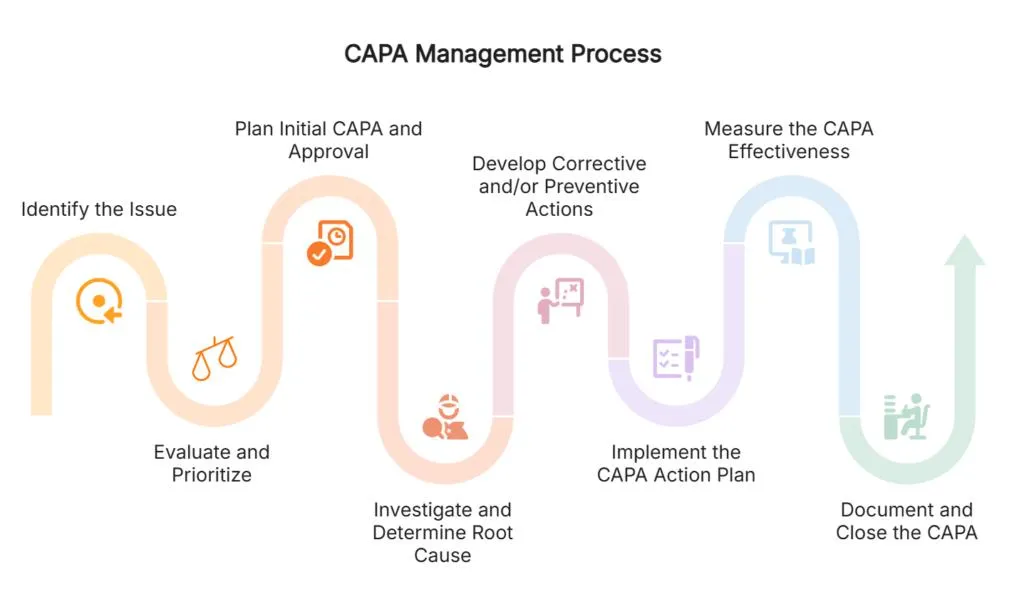
Figure 1: CAPA Process and Lifecycle Management
Modern CAPA systems extend beyond simple corrective measures and emphasize continuous improvement, risk mitigation, knowledge management, and organizational learning. The integration of CAPA into broader quality systems enables organizations to establish a culture of quality and operational excellence.
Regulatory Framework for CAPA in Pharmaceuticals
Regulatory agencies worldwide consider CAPA a critical component of pharmaceutical quality systems. Several international guidelines provide detailed expectations regarding CAPA implementation.
The U.S. Food and Drug Administration (FDA) require manufacturers to establish procedures for investigating quality problems and implementing corrective and preventive actions. CAPA deficiencies are among the most frequently cited observations during FDA inspections. Common findings include inadequate investigations, insufficient root cause analysis, and ineffective CAPA verification.
The International Council for Harmonisation (ICH) emphasizes CAPA within the ICH Q10 Pharmaceutical Quality System guideline. According to ICH Q10, CAPA is one of the four key elements of an effective pharmaceutical quality system. The guideline recommends the use of quality risk management principles to prioritize CAPA activities based on the potential impact on product quality and patient safety.
ICH Q9 Quality Risk Management further supports CAPA implementation by providing tools for risk assessment and mitigation. Organizations are encouraged to evaluate risks systematically and apply CAPA resources to critical quality issues.
The European Union Good Manufacturing Practice (EU GMP) guidelines also require pharmaceutical manufacturers to investigate deviations thoroughly and implement effective corrective and preventive measures. Similarly, WHO GMP guidelines emphasize the importance of CAPA systems in maintaining product quality and regulatory compliance.
Compliance with these regulations requires organizations to maintain comprehensive documentation, demonstrate CAPA effectiveness, and continuously monitor quality system performance.
CAPA Process and Lifecycle Management
An effective CAPA system follows a structured lifecycle that ensures systematic problem resolution and continuous improvement. The process typically begins with issue identification. CAPA triggers may originate from deviations, out-of-specification results, customer complaints, audit findings, equipment failures, environmental monitoring excursions, supplier issues, or process inefficiencies.
Table 3: Common Root Cause Analysis Tools Used in CAPA
|
Tool |
Purpose |
Advantages |
|
Five Whys |
Identify underlying causes through repeated questioning |
Simple and easy to implement |
|
Fishbone Diagram |
Categorize potential causes of problems |
Visual and systematic |
|
FMEA |
Evaluate risks and failure modes |
Prioritizes high-risk issues |
|
Pareto Analysis |
Identify most significant contributors |
Supports data-driven decisions |
|
Fault Tree Analysis |
Analyze pathways leading to failures |
Effective for complex systems |
Once an issue is identified, it must be documented accurately and assessed for potential impact on product quality, regulatory compliance, and patient safety. Risk assessment helps determine the priority level of the investigation and allocate appropriate resources.
The next stage involves root cause analysis. This is one of the most critical steps in the CAPA process because ineffective investigations often result in recurring problems. Organizations employ various analytical tools such as the Five Whys technique, Fishbone Diagram, Failure Mode and Effects Analysis (FMEA), Fault Tree Analysis, and Pareto Analysis to identify underlying causes.
After identifying the root cause, a CAPA plan is developed. The plan should clearly define corrective and preventive actions, responsible personnel, timelines, required resources, and expected outcomes. Corrective actions focus on eliminating identified causes, while preventive actions address potential weaknesses that could lead to future failures.
Implementation involves executing approved actions and documenting all activities. Following implementation, effectiveness verification is conducted to confirm that the CAPA has successfully resolved the issue and prevented recurrence. CAPA closure occurs only after satisfactory evidence demonstrates effectiveness.
Continuous monitoring of CAPA metrics ensures ongoing system performance and identifies opportunities for improvement.
Current Trends in CAPA Systems
The pharmaceutical industry is experiencing rapid technological advancement, significantly influencing CAPA management practices. One major trend is the widespread adoption of Electronic Quality Management Systems (eQMS). These platforms automate CAPA workflows, improve documentation accuracy, provide audit trails, and facilitate real-time monitoring of investigations.
Another important trend is the integration of artificial intelligence and machine learning technologies. Advanced analytics can identify recurring patterns, predict potential quality issues, and support proactive decision-making. By analyzing historical CAPA data, organizations can detect emerging risks before they escalate into significant quality events.
Risk-based CAPA management has also gained considerable attention. Regulatory agencies encourage organizations to prioritize CAPA activities according to risk levels. High-risk issues receive immediate attention, while lower-risk events are managed through simplified approaches. This strategy optimizes resource utilization and enhances patient safety.
Cloud-based quality management systems are becoming increasingly popular due to their scalability, accessibility, and ability to support global operations. These systems enable real-time collaboration among quality teams across multiple manufacturing sites.
Furthermore, CAPA systems are increasingly integrated with other quality processes such as deviation management, change control, complaint handling, supplier management, and audit management. Such integration improves visibility, reduces duplication, and supports comprehensive quality oversight.
Challenges in CAPA Implementation
Despite their importance, CAPA systems face numerous implementation challenges. One of the most common problems is inadequate root cause analysis. Investigators often focus on immediate symptoms rather than identifying the actual causes of failures. As a result, implemented actions may not prevent recurrence.
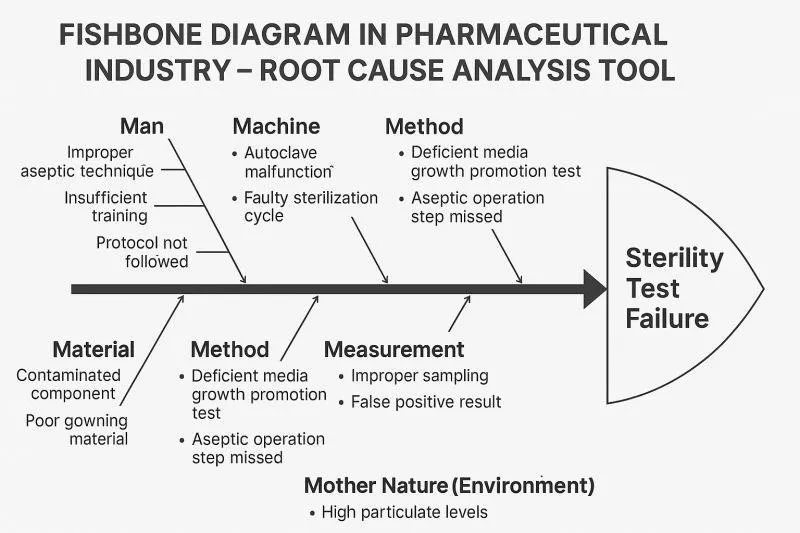
Figure 2: Root Cause Analysis and Challenges
Poor documentation represents another significant challenge. Regulatory authorities expect organizations to maintain detailed records demonstrating investigation activities, rationale for decisions, implementation of actions, and effectiveness verification. Incomplete documentation can lead to inspection findings and compliance concerns.
Delayed CAPA closure is frequently observed in pharmaceutical organizations. Complex investigations, resource constraints, and inadequate prioritization may result in extended timelines. Prolonged CAPA activities increase compliance risks and may indicate weaknesses in quality management systems.
Limited employee engagement can also affect CAPA effectiveness. Employees may perceive CAPA activities as administrative tasks rather than opportunities for improvement. Lack of awareness and insufficient training can contribute to weak investigations and ineffective actions.
Table 4: Challenges in CAPA Implementation and Their Impact
|
Challenge |
Impact on Organization |
|
Inadequate Root Cause Analysis |
Recurrence of quality issues |
|
Poor Documentation |
Regulatory observations and compliance risks |
|
Delayed CAPA Closure |
Increased risk exposure |
|
Lack of Employee Training |
Ineffective investigations |
|
Resource Constraints |
Incomplete CAPA implementation |
|
Weak Effectiveness Checks |
Failure to verify problem resolution |
Resource limitations present additional challenges. Thorough investigations require skilled personnel, analytical tools, and technological infrastructure. Organizations with limited resources may struggle to conduct comprehensive CAPA activities.
Finally, many organizations face difficulties in evaluating CAPA effectiveness. Without robust effectiveness checks, recurring issues may remain undetected, reducing the overall value of CAPA programs.
Best Practices for Effective CAPA Management
Successful CAPA implementation requires a systematic and proactive approach. Organizations should establish clear CAPA procedures defining responsibilities, workflows, timelines, and approval requirements. Standardized processes promote consistency and regulatory compliance.
Effective root cause analysis should be prioritized. Investigators must receive adequate training in analytical methodologies and problem-solving techniques. Using structured tools improves investigation quality and supports evidence-based decision-making.
Risk-based prioritization enables organizations to allocate resources efficiently. High-risk issues affecting patient safety or product quality should receive immediate attention, while lower-risk events may be managed using simplified approaches.
The implementation of electronic CAPA systems significantly improves efficiency, traceability, and compliance readiness. Automated notifications, workflow management, and centralized documentation enhance overall system performance.
Cross-functional collaboration is another critical success factor. Quality assurance, manufacturing, engineering, validation, regulatory affairs, and supply chain personnel should participate in investigations to ensure comprehensive problem-solving.
Regular employee training strengthens CAPA awareness and promotes a quality-focused culture. Continuous education programs help personnel understand regulatory expectations and improve investigation capabilities.
Organizations should establish meaningful performance metrics such as CAPA closure time, recurrence rate, overdue CAPAs, effectiveness success rate, and audit findings. Monitoring these indicators enables continuous improvement and early detection of system weaknesses.
Future Perspectives and Digital Transformation
The future of CAPA systems lies in predictive quality management and digital transformation. Emerging technologies such as artificial intelligence, machine learning, big data analytics, and the Internet of Things (IoT) are expected to revolutionize CAPA processes. These technologies enable organizations to monitor manufacturing processes in real time, identify trends, predict failures, and implement preventive measures before deviations occur.
Predictive analytics will shift CAPA management from reactive investigations toward proactive risk prevention. Integrated quality platforms will connect data from manufacturing, laboratories, suppliers, audits, and customer complaints, providing a comprehensive view of organizational quality performance.
Automation will continue to reduce manual documentation burdens and improve regulatory compliance. Advanced dashboards and visualization tools will support management decision-making and facilitate continuous quality improvement initiatives.
As pharmaceutical manufacturing adopts Industry 4.0 principles, CAPA systems will become increasingly intelligent, interconnected, and data-driven. Organizations that successfully leverage these technologies will achieve greater operational efficiency, regulatory compliance, and patient safety.
CONCLUSION
Corrective and Preventive Action systems are fundamental components of pharmaceutical quality management systems and play a critical role in maintaining product quality, patient safety, and regulatory compliance. CAPA provides a structured framework for identifying quality issues, determining root causes, implementing corrective measures, and preventing recurrence. Regulatory agencies worldwide recognize CAPA as a cornerstone of effective quality systems and expect organizations to maintain robust and well-documented CAPA processes.
Although CAPA implementation presents challenges such as inadequate investigations, poor documentation, delayed closures, and resource limitations, organizations can overcome these obstacles through structured methodologies, risk-based approaches, employee training, and digital technologies. The increasing adoption of electronic quality management systems, artificial intelligence, predictive analytics, and integrated quality platforms is transforming CAPA management and enabling more proactive quality assurance strategies.
As the pharmaceutical industry continues to evolve, CAPA systems will remain essential for continuous improvement, operational excellence, and sustainable regulatory compliance. Organizations that invest in robust CAPA frameworks and embrace emerging technologies will be better positioned to ensure product quality, enhance patient safety, and maintain competitive advantage in a highly regulated global environment.
REFERENCES


Ritesh Dharmale, Neha Donge, CAPA Systems in Pharmaceuticals: Trends, Challenges, And Best Practices, Int. J. of Pharm. Sci., 2026, Vol 4, Issue 6, 7311-7319. https://doi.org/ 10.5281/zenodo.21034983
 10.5281/zenodo.21034983