

We use cookies to ensure our website works properly and to personalise your experience. Cookies policy
1B.Pharm, Sri Venkateswara College of Pharmacy, Osmania University, Madhapur, Hyderabad.
2Pharm.D, Dnyaan Prasad Global University, School of Pharmacy and Research (DPGU SPR), Pimpri Pune.
3M.Pharm Pharmaceutics, Anwar Ul Uloom College of Pharmacy, Hyderabad.
4M.Sc Precision Medicine, School of Medicine, University College Dublin, Ireland.
Cardiovascular disease, and heart failure in particular, is the dominant cause of morbidity and death in type 2 diabetes mellitus (T2DM). Sodium-glucose cotransporter-2 inhibitors (SGLT2i), glucagon-like peptide-1 receptor agonists (GLP-1 RA) and dipeptidyl peptidase-4 inhibitors (DPP-4i) have each been tested in large cardiovascular outcome trials (CVOTs), but head-to-head evidence is scarce and the relative effects of the classes on atherosclerotic events and on heart failure remain debated. A systematic review and network meta-analysis was therefore conducted so that the effects of these three classes on major adverse cardiovascular events (MACE), hospitalisation for heart failure (HHF) and all-cause mortality in adults with T2DM could be compared. PRISMA 2020 and its network meta-analysis extension were followed in the review. Randomised CVOTs of SGLT2i, GLP-1 RA or DPP-4i against placebo or an active comparator were eligible. Trial-level hazard ratios (HRs) were pooled with a random-effects model and combined in a frequentist network meta-analysis anchored on placebo, and treatments were ranked using P-scores. Risk of bias was assessed with RoB 2, certainty of evidence was assessed with GRADE for network meta-analysis, and dedicated heart-failure and kidney trials were synthesised narratively. The network was formed by seventeen placebo-controlled CVOTs (SGLT2i 4, GLP-1 RA 9, DPP-4i 4), in which 155,820 participants were enrolled. Compared with placebo, MACE was reduced by GLP-1 RA (HR 0.86, 95% CI 0.82–0.92) and by SGLT2i (HR 0.91, 0.85–0.97), whereas no effect was observed with DPP-4i (HR 0.99, 0.93–1.05). HHF was
2.1 Burden of cardiovascular disease in type 2 diabetes
Type 2 diabetes mellitus (T2DM) is among the most common chronic diseases worldwide, and the largest share of its morbidity, hospitalisation and premature mortality is accounted for by its cardiovascular complications [1,2]. A risk of coronary artery disease, stroke and peripheral arterial disease that is approximately two-fold higher than in people without diabetes is carried by people with T2DM, and the risk of heart failure, which is frequently the first cardiovascular manifestation of the disease, is particularly high [1]. The burden is especially pronounced in South Asia. A large and rising prevalence of diabetes and prediabetes alongside hypertension, obesity and dyslipidaemia is shown by national survey data from India, so that a population with high absolute cardiometabolic risk and a long exposure to the disease is created [3]. Early, comprehensive control of cardiovascular risk alongside glycaemic management is therefore emphasised in clinical guidance developed for Indian practice [4].
The relationship between diabetes and cardiovascular disease is not mediated by glucose alone. Atherosclerosis, diabetic cardiomyopathy and heart failure with either reduced or preserved ejection fraction are all promoted by insulin resistance, chronic low-grade inflammation, endothelial dysfunction, dyslipidaemia, hypertension, visceral adiposity, altered myocardial substrate metabolism and diabetic kidney disease [1]. Because these pathways are only partly modifiable through lowering of glycated haemoglobin, cardiovascular risk can in principle be altered by a glucose-lowering drug through mechanisms that are independent of, or additional to, its effect on glycaemia. The evaluation of every new glucose-lowering drug over the past two decades has been reshaped by this principle.
2.2 From glycaemic targets to cardiovascular outcome trials
In the first generation of large outcome trials in T2DM, it was tested whether more intensive lowering of glycaemia would reduce complications. It was demonstrated by the UK Prospective Diabetes Study that microvascular complications were reduced by intensive glucose control with sulphonylureas or insulin in newly diagnosed T2DM, with a smaller and statistically uncertain effect on myocardial infarction [5]. In subsequent trials in patients with longer disease duration or established cardiovascular risk, namely ACCORD, ADVANCE and VADT, no convincing reduction in major cardiovascular events was shown from more intensive glycaemic targets, and ACCORD was stopped early because of excess mortality in the intensive-therapy arm [6,7,8]. It was established by these trials that cardiovascular consequences are determined by the way in which glycaemia is lowered, and not only by how far it is lowered, and it was made clear that glucose lowering alone could not be assumed to be cardioprotective.
Concern about drug-specific cardiovascular harm was crystallised in 2007, when the possibility that rosiglitazone increased the risk of myocardial infarction was raised by a meta-analysis [9]. It was then required by regulators that cardiovascular safety be demonstrated for new glucose-lowering therapies in dedicated trials, with a pre-specified margin for the upper bound of the hazard ratio for major adverse cardiovascular events [10]. An unprecedented body of high-quality randomised evidence was produced by this requirement. Within roughly a decade, more than a dozen placebo-controlled CVOTs were completed in populations at high cardiovascular risk, and in each of these cardiovascular events were adjudicated under blinded conditions.
2.3 Evidence from cardiovascular outcome trials by drug class
The first major surprise was produced by the CVOTs of SGLT2 inhibitors (SGLT2i). In EMPA-REG OUTCOME, a composite of cardiovascular death, myocardial infarction and stroke was shown to be reduced by empagliflozin, and cardiovascular death and hospitalisation for heart failure were strikingly reduced, with benefits emerging within months [11]. A consistent and large reduction in hospitalisation for heart failure across the class was confirmed by the CANVAS Program of canagliflozin, DECLARE-TIMI 58 of dapagliflozin and VERTIS CV of ertugliflozin, although the reduction in atherosclerotic events was smaller and less consistent [12,13,14]. It was concluded from meta-analyses of these trials that major adverse cardiovascular events (MACE) were reduced modestly by SGLT2i in patients with established atherosclerotic disease, that this was not clearly the case in primary prevention, and that heart-failure hospitalisation and kidney disease progression were reduced irrespective of baseline atherosclerotic disease [15,16,17].
A different picture was painted by trials of glucagon-like peptide-1 receptor agonists (GLP-1 RA). After a neutral result had been obtained with the short-acting agent lixisenatide in patients with a recent acute coronary syndrome [18], MACE was reduced by liraglutide, injectable semaglutide, albiglutide and dulaglutide, with the benefit driven principally by reductions in non-fatal stroke and myocardial infarction and, in some trials, in cardiovascular death [19,20,21,22]. A borderline reduction, which fell short of conventional significance, was produced by once-weekly exenatide [23]. The evidence was extended to additional formulations and populations by oral semaglutide, efpeglenatide and, more recently, oral semaglutide in the SOUL trial [24,25,26]. Consistent reductions in MACE, all-cause mortality and kidney outcomes were found in a meta-analysis of these trials, with a smaller and less consistent effect on heart failure [27].
DPP-4 inhibitors (DPP-4i) were evaluated in SAVOR-TIMI 53, EXAMINE, TECOS and CARMELINA, in all of which the non-inferiority objectives for cardiovascular safety were met but no cardiovascular benefit was shown [28,29,30,31]. Linagliptin was compared with glimepiride in CAROLINA, and cardiovascular non-inferiority between two glucose-lowering agents was found [32]. Within the class, the question of an increased risk of heart-failure hospitalisation with saxagliptin was raised by SAVOR-TIMI 53, a signal that was not reproduced as clearly in the other DPP-4i trials and that has been examined in pooled analyses [28,33].
2.4 Heart failure as a distinct therapeutic target
Dedicated trials in people with established heart failure, with and without diabetes, were prompted by the finding that heart-failure events are reduced by SGLT2i in patients with T2DM. It was demonstrated in DAPA-HF and EMPEROR-Reduced that the composite of worsening heart failure or cardiovascular death was reduced by dapagliflozin and empagliflozin in heart failure with reduced ejection fraction, irrespective of diabetes status [34,35]. This benefit was extended to heart failure with mildly reduced or preserved ejection fraction, a phenotype for which few effective therapies had existed, by EMPEROR-Preserved and DELIVER [36,37]. Benefit with sotagliflozin in patients with T2DM and a recent episode of worsening heart failure was demonstrated in SOLOIST-WHF [38]. A consistent reduction in cardiovascular death or heart-failure hospitalisation across the ejection-fraction spectrum was confirmed by a pooled analysis of the major heart-failure trials [39]. The framing of the question was changed by these findings: in T2DM, heart failure is no longer regarded as an inevitable adverse outcome to be avoided by glycaemic management, but as a modifiable target for which a specific class of glucose-lowering drug is also a disease-modifying therapy.
2.5 Guidelines and clinical decision-making
Contemporary guidance has been shaped by this evidence. SGLT2i or GLP-1 RA with proven cardiovascular benefit are recommended for patients with T2DM and established or high-risk atherosclerotic disease, and SGLT2i for patients with heart failure or chronic kidney disease, irrespective of baseline glycated haemoglobin or background metformin use, in the American Diabetes Association Standards of Care, the 2023 European Society of Cardiology guideline on cardiovascular disease in diabetes, and the ADA/EASD consensus report [1,2,40]. Similar principles have progressively been adopted in NICE and Indian professional society guidance [4,41]. A fundamental change in the management of T2DM is represented by the recommendation that a drug be chosen on the basis of cardiovascular and renal phenotype rather than the glycaemic target.
A clear understanding of the comparative effects of the available classes is required for this approach to be implemented. A choice often has to be made by clinicians between an SGLT2i and a GLP-1 RA, or a decision has to be made on whether to combine them, and it needs to be known whether differences in effect on atherosclerotic events, heart failure and mortality are supported by the evidence. Choice is also influenced by cost, access, route of administration and tolerability, particularly in low- and middle-income settings, so the incremental benefit of one class over another matters.
2.6 Limitations of existing evidence syntheses
This evidence has been synthesised in several systematic reviews and network meta-analyses [42,43,44,45]. Most were completed before the release of key trials, including AMPLITUDE-O, SOUL and the head-to-head comparison of tirzepatide with dulaglutide, and so the current evidence base is not captured by them [25,26,46]. Heterogeneous outcome definitions were pooled, or trials of dissimilar design were combined, in some, and a single class or a single outcome was the focus of many. An explicit ranking of classes for heart-failure hospitalisation alongside atherosclerotic outcomes was presented in few, and glycaemic and cardiovascular outcomes were combined in a single analysis in several, so that the clinically relevant contrasts were obscured. Direct comparisons between classes remain rare, so inference about their relative performance depends on indirect comparison through a common comparator, an approach that is valid only when the trials are sufficiently similar and the assumptions of network meta-analysis are examined carefully [47,48].
2.7 Conceptual framework: why drug classes may differ
The three classes act through different physiological pathways, and a priori they would be expected to differ in their cardiovascular effects. The proximal tubule of the kidney is acted on by SGLT2 inhibitors so that glucose and sodium reabsorption are reduced, and osmotic diuresis, natriuresis, reductions in blood pressure and plasma volume, lowering of intraglomerular pressure and a shift in myocardial and renal substrate metabolism are produced; haemodynamic load and heart-failure events would be expected to be reduced early after initiation by these effects, and kidney disease progression to be slowed [1]. Glucose-dependent insulin secretion is increased and glucagon is suppressed by GLP-1 receptor agonists, gastric emptying is slowed and appetite is reduced, so that substantial weight loss and improvements in blood pressure, lipids and inflammation result, and direct vascular effects may also be exerted; atherosclerosis would be expected to be slowed by these effects, with benefit appearing after longer treatment [1]. Endogenous incretin levels are raised to a modest extent by DPP-4 inhibitors, with small effects on glycaemia, no weight loss and minimal haemodynamic effects, so cardiovascular benefit would not be expected [1]. If this reasoning is correct, a dissociation between atherosclerotic and heart-failure outcomes across the classes should be shown by a network meta-analysis, and the ranking of classes should differ by outcome. A principal aim of the present work is the direct testing of this hypothesis, in a single network and with consistent outcome definitions.
2.8 Rationale and objectives
Drug selection would be helped by an up-to-date, rigorous network meta-analysis restricted to adjudicated randomised CVOTs, with a clear separation between atherosclerotic and heart-failure outcomes. A systematic review and network meta-analysis was therefore conducted with the following objectives:
It was hypothesised that the three classes would differ in their cardiovascular profile, with the largest effect on heart-failure hospitalisation being shown by SGLT2i, the largest effect on atherosclerotic events by GLP-1 RA, and no benefit on either by DPP-4i.
METHODS
3.1 Protocol, registration and reporting
This systematic review and network meta-analysis was designed and is reported according to the Preferred Reporting Items for Systematic Reviews and Meta-Analyses (PRISMA) 2020 statement and its extension for network meta-analyses [49,50]. The Cochrane Handbook for Systematic Reviews of Interventions was followed for methodological decisions [51]. The review protocol, including the eligibility criteria, outcomes and analysis plan, was specified before data extraction.
3.2 Eligibility criteria
Eligibility was defined using the Population, Intervention, Comparator, Outcome and Study design (PICOS) framework (Table 1). Randomised controlled trials in adults with T2DM that evaluated an SGLT2i, a GLP-1 RA or a DPP-4i, and that reported adjudicated cardiovascular outcomes with a minimum planned follow-up of 12 months, were included. The principal comparator was placebo added to standard care, so that a connected network of placebo-controlled trials could be constructed. Head-to-head trials of one active glucose-lowering drug against another were eligible for narrative synthesis and for sensitivity analyses.
Table 1: Eligibility Criteria (PICOS Framework) for the Systematic Review and Network Meta-Analysis.
| Domain | Criterion |
|---|---|
| Population | Adults (≥18 years) with type 2 diabetes mellitus, with or without established atherosclerotic cardiovascular disease (ASCVD), chronic kidney disease or heart failure. Mixed populations were eligible only if participants with type 2 diabetes were analysed as a defined stratum or formed the majority (≥ 90%) of enrolment. |
| Interventions | SGLT2 inhibitors, GLP-1 receptor agonists (including long-acting injectable, oral and dual-incretin formulations in sensitivity analyses) and DPP-4 inhibitors, at licensed or trial-defined doses, added to background glucose-lowering and cardiovascular therapy. |
| Comparators | Placebo or usual care (primary network); active comparators (sulphonylurea or another incretin-based agent) for direct head-to-head evidence. |
| Outcomes | Primary: three-point major adverse cardiovascular events (MACE; cardiovascular death, non-fatal myocardial infarction, non-fatal stroke). Secondary: hospitalisation for heart failure, all-cause mortality, cardiovascular death, and the composite of cardiovascular death or heart-failure hospitalisation. |
| Study design | Randomised controlled cardiovascular outcome trials (CVOTs) with a minimum planned follow-up of 12 months and at least 500 participants per arm; dedicated heart-failure trials were considered for narrative synthesis. |
| Exclusions | Non-randomised studies, phase 2 trials, trials of thiazolidinediones, insulin-only strategies or glycaemic-target strategies (UKPDS, ACCORD, ADVANCE, VADT), and trials of non-glucose-lowering drugs (e.g. non-steroidal mineralocorticoid receptor antagonists). |
Trials of thiazolidinediones, insulin-only regimens and glycaemic-target strategies were excluded, because different clinical questions from the contemporary choice among newer drug classes are addressed by these trials. The older intensive-control trials were instead used as background evidence in the Introduction [5,6,7,8]. Trials of cardiovascular drugs that are not glucose-lowering agents, such as non-steroidal mineralocorticoid receptor antagonists, were also excluded, although these drugs are relevant to the overall cardiorenal management of T2DM and are discussed as context. Dedicated heart-failure and chronic kidney disease trials of SGLT inhibitors in which participants with and without T2DM were enrolled were not entered into the quantitative network, because their populations and primary outcomes differ from those of the CVOTs; they were synthesised narratively [34,35,36,37,38,52,53,54,55].
3.3 Information sources and search strategy
Systematic searches of MEDLINE (via PubMed), Embase, the Cochrane Central Register of Controlled Trials, Web of Science and ClinicalTrials.gov were planned from inception to the most recent search date, supplemented by screening of the reference lists of included trials and of previous meta-analyses, and by review of regulatory documents and conference presentations for trials not yet fully published. Controlled vocabulary and free-text terms for type 2 diabetes mellitus, each drug class and individual agent (for example empagliflozin, canagliflozin, dapagliflozin, ertugliflozin, liraglutide, semaglutide, dulaglutide, exenatide, lixisenatide, albiglutide, efpeglenatide, sitagliptin, saxagliptin, alogliptin, linagliptin and tirzepatide), and cardiovascular outcome terms were combined in the search, with a validated filter for randomised controlled trials. No language restriction was applied. The search strategy was adapted for each database and reviewed by a second investigator.
3.4 Study selection
Titles and abstracts were independently screened by two reviewers, and the full texts of potentially eligible reports were then assessed against the eligibility criteria. Disagreements were resolved by discussion or by a third reviewer. Multiple reports of the same trial were linked so that each trial contributed once. Reasons for exclusion at the full-text stage were recorded and are summarised in the PRISMA flow diagram (Figure 1).
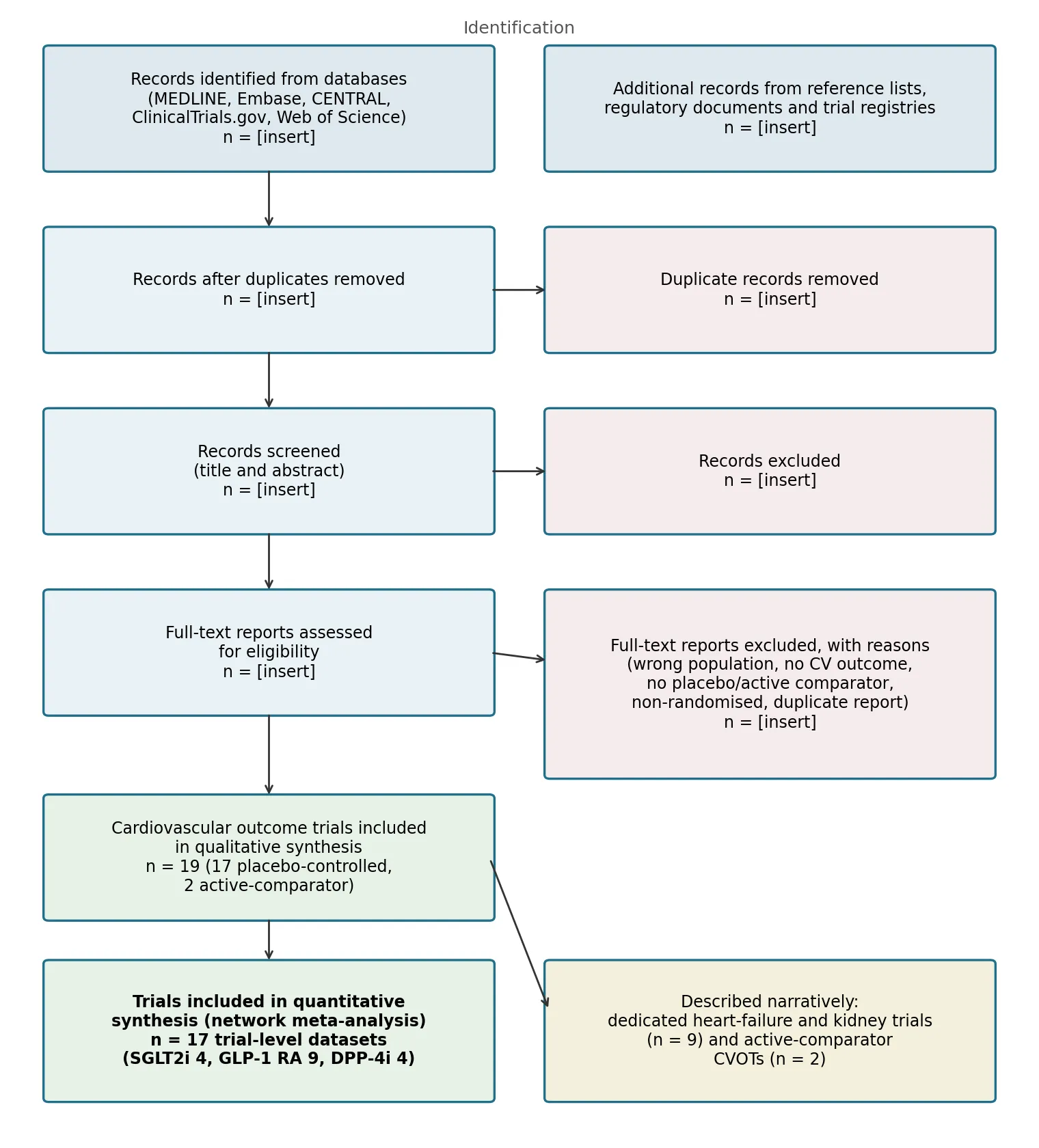
Figure 1: PRISMA 2020 Flow Diagram of Study Identification, Screening and Inclusion. the Counts for Records Identified, Screened and Excluded Must Be Completed from the Final Search Log; the Numbers of Included Trials Reflect the Evidence Base Described in This Manuscript.
3.5 Data extraction
Data were independently extracted by two reviewers using a standardised form that was piloted on three trials. The extracted information included trial name and registration identifier, publication year, drug and dose, comparator, number of randomised participants, median follow-up, baseline cardiovascular and renal characteristics, background therapy, definition of the primary composite outcome, and, for each outcome, the number of events and the reported hazard ratio with its 95% confidence interval. Where more than one analysis was reported, the intention-to-treat analysis of the pre-specified primary outcome in the full randomised population was used. For CANVAS, the integrated analysis of the CANVAS and CANVAS-R trials, as reported in the CANVAS Program publication, was used [12]. Extracted hazard ratios were verified against the original publications by a second reviewer.
Where a confidence interval from a one-sided or repeated-significance analysis, rather than a conventional two-sided 95% interval, was reported by a trial, an approximate standard error was derived from the reported bound. This was applied to the primary MACE analysis of EXAMINE, in which the upper boundary of the one-sided repeated confidence interval was reported [29]. The effect of this approximation was evaluated in a sensitivity analysis in which EXAMINE was excluded.
3.6 Outcomes
The primary efficacy outcome was three-point MACE, defined as cardiovascular death, non-fatal myocardial infarction or non-fatal stroke, as adjudicated in each trial. The three-point definition was used in EXAMINE in patients enrolled shortly after an acute coronary syndrome, while a four-point outcome that additionally included hospitalisation for unstable angina was used as the primary composite in ELIXA; three-point definitions with minor variations in event adjudication were used in HARMONY Outcomes and AMPLITUDE-O [18,21,25,29]. These differences were examined in sensitivity analyses. Secondary outcomes were hospitalisation for heart failure and all-cause mortality. Cardiovascular death and the composite of cardiovascular death or heart-failure hospitalisation were considered where reported consistently and are discussed qualitatively. Safety outcomes, including genital infection, diabetic ketoacidosis, amputation, gastrointestinal events and pancreatitis, were extracted descriptively but were not entered into the network.
3.7 Risk of bias assessment
Risk of bias in each trial was assessed independently by two reviewers using the revised Cochrane tool for randomised trials (RoB 2) [56]. The five domains assessed were bias arising from the randomisation process, deviations from intended interventions, missing outcome data, measurement of the outcome, and selection of the reported result. Each trial was rated as low risk, some concerns or high risk, and judgements were summarised by drug class (Table 3). Small-study effects and publication bias were explored visually and with the regression test of Egger and colleagues, it being recognised that the power of the test is limited when fewer than ten trials are available [57].
3.8 Data synthesis and statistical analysis
3.8.1 Pairwise meta-analysis
Hazard ratios and their 95% confidence intervals were converted to the natural logarithmic scale, and standard errors were derived from the width of the confidence interval. For each outcome and each drug class, placebo-controlled trials were pooled using a random-effects model with the DerSimonian–Laird estimator of between-trial variance [58]. Because the number of trials per class was small, confidence intervals calculated with the Hartung–Knapp–Sidik–Jonkman adjustment is also reported, with the modification that the adjusted standard error was not allowed to fall below the unadjusted standard error, since the unadjusted DerSimonian–Laird interval can be too narrow when few trials are pooled [59]. Statistical heterogeneity was quantified with Cochran's Q, the I² statistic and the between-trial variance τ² [60]. Ninety-five per cent prediction intervals are reported for classes with three or more trials, because the range of effects that may be expected in a future trial is conveyed by the prediction interval, which is more informative than the confidence interval alone when heterogeneity exists [61].
3.8.2 Network meta-analysis
The network consisted of placebo as the common comparator and three active nodes (SGLT2i, GLP-1 RA and DPP-4i). The class-specific pooled log hazard ratios against placebo were combined so that the relative effect of each pair of classes could be estimated using the adjusted indirect comparison method, in which the log hazard ratio of class A versus class B is given by the difference between the log hazard ratios of each class versus placebo and the variance is given by the sum of the two variances [47]. This approach is equivalent to a frequentist network meta-analysis in a star-shaped network with independent class-specific heterogeneity [48]. Treatments were ranked using P-scores, the frequentist analogue of the surface under the cumulative ranking curve, by which the mean probability that a treatment performs better than each competitor is represented [62]. P-scores range from 0 to 1, where larger values indicate a higher likelihood of being the best treatment.
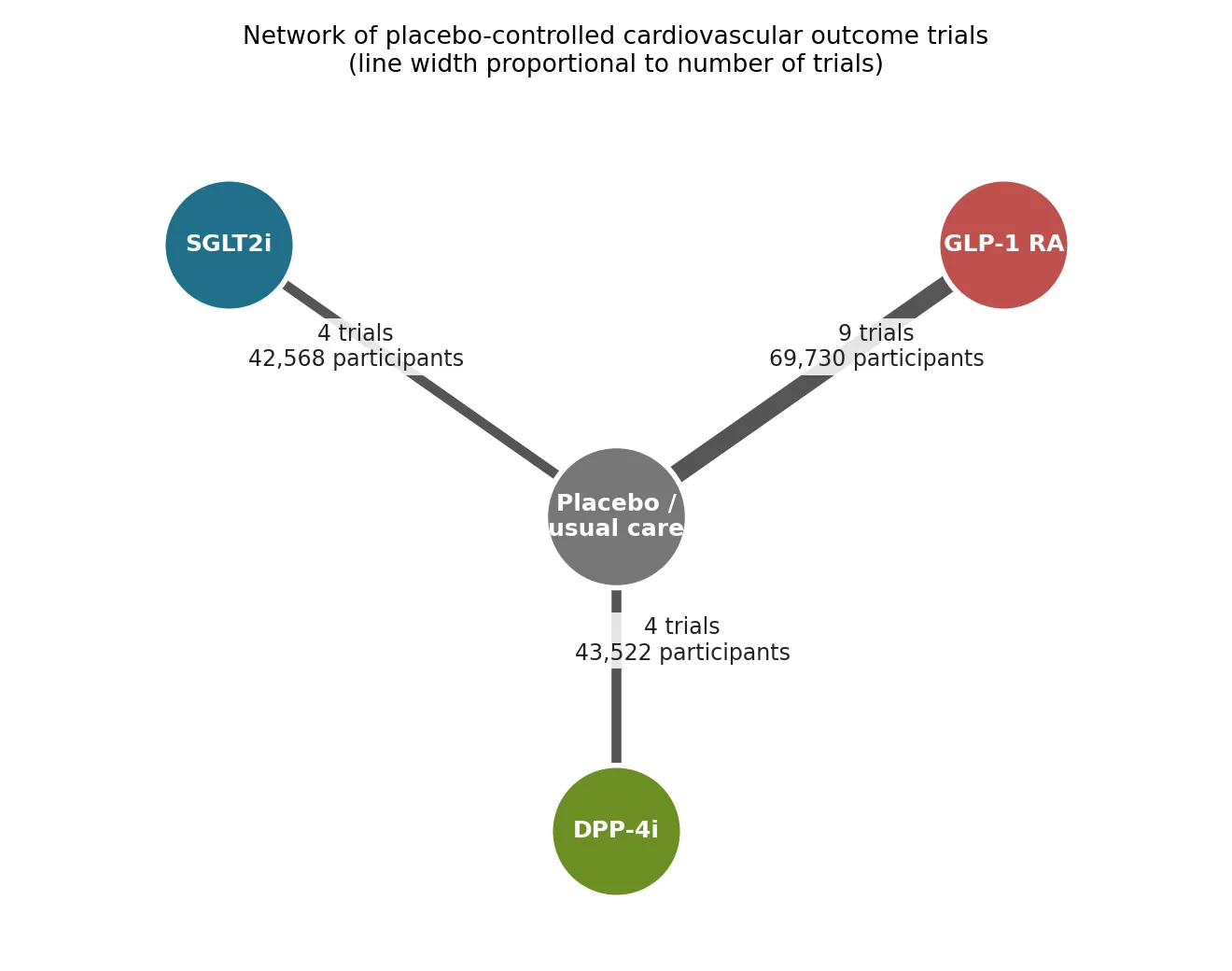
Figure 2: Network of Placebo-Controlled Cardiovascular Outcome Trials. Treatment Classes Are Represented by Nodes, and the Thickness of Each Edge Is Proportional to the Number of Trials. Participant Numbers Are the Sums of the Randomised Populations of the Included Trials.
3.8.3 Assessment of transitivity and coherence
The validity of indirect comparisons rests on the transitivity assumption, according to which the trials are sufficiently similar in effect modifiers that comparisons across them are meaningful. The distribution of potential effect modifiers across the three comparisons was examined, including baseline cardiovascular risk, prevalence of established atherosclerotic disease, baseline kidney function, duration of follow-up, concomitant therapy and the definition of the primary composite (Table 2). Because the primary network contains no closed loops (all trials share placebo as comparator), statistical evaluation of inconsistency by node-splitting or by design-by-treatment interaction was not possible [63]. The head-to-head trials (CAROLINA and SURPASS-CVOT) were therefore treated as an external check, and the limitations of a star network are explicitly considered in the Discussion [32,46].
3.8.4 Sensitivity and subgroup analyses
Pre-specified sensitivity analyses were: (i) exclusion of the trials contributing most to heterogeneity (EMPA-REG OUTCOME for SGLT2i mortality; PIONEER 6 for GLP-1 RA mortality; SAVOR-TIMI 53 for DPP-4i heart-failure hospitalisation); (ii) separate exclusion of ELIXA and of EXAMINE, in which patients were enrolled shortly after an acute coronary syndrome and, in the case of ELIXA, a four-point primary composite was used; (iii) restriction of the GLP-1 RA class to injectable agents with regulatory approval, by exclusion of oral semaglutide formulations and efpeglenatide, which was not marketed; and (iv) comparison of fixed-effect and random-effects estimates. The indirect position of tirzepatide, a dual GIP and GLP-1 receptor agonist, was explored by combining the REWIND estimate for dulaglutide versus placebo with the SURPASS-CVOT estimate for tirzepatide versus dulaglutide [22,46]. Subgroup analyses by baseline atherosclerotic disease were not conducted, because the necessary stratified estimates are not reported uniformly across trials; this issue is discussed as a limitation.
3.8.5 Certainty of evidence
The certainty of the evidence for each principal comparison was rated using the GRADE approach adapted for network meta-analysis, and the CINeMA framework was used to organise judgements of within-study bias, indirectness, imprecision, heterogeneity and incoherence [64,65,66]. Starting from high certainty for randomised evidence, ratings were downgraded for serious concerns in each domain, and indirect comparisons were rated with consideration of transitivity.
3.8.6 Software
Analyses were performed with a custom implementation of the methods above in Python (NumPy and SciPy), and the code can be replicated in the R packages meta and netmeta. Two-sided p-values below 0.05 were considered statistically significant, and no adjustment for multiplicity was made across the three outcomes, which are interpreted as complementary rather than as competing hypotheses.
3.9 Data provenance and deviations from the protocol
For this manuscript, the hazard ratios, confidence intervals, participant numbers and follow-up durations were taken from the primary publications of the included trials, which are cited in Table 2. All inputs should be re-verified against the original reports by two reviewers before submission, and the extraction sheet should be archived and shared as supplementary material. Any departure from the protocol, such as the use of a derived variance for EXAMINE, the inclusion of efpeglenatide (a drug that was not brought to market) in the GLP-1 RA class, and the exclusion of trials in which a comparable estimate for a given outcome was not reported, is reported in the Results and examined in sensitivity analyses. The analysis is a trial-level synthesis, and no individual participant data were requested.
3.10 Patient and public involvement
No patients or members of the public were involved in the design or conduct of this review, in which only published trial data were used and for which ethical approval was not required.
RESULTS
4.1 Study selection and characteristics of included trials
The study selection process is summarised in Figure 1. Nineteen randomised cardiovascular outcome trials met the eligibility criteria. Seventeen were placebo-controlled and formed the quantitative network: four trials of SGLT2i (EMPA-REG OUTCOME, CANVAS Program, DECLARE-TIMI 58 and VERTIS CV), nine trials of GLP-1 RA (ELIXA, LEADER, SUSTAIN-6, EXSCEL, HARMONY Outcomes, REWIND, PIONEER 6, AMPLITUDE-O and SOUL) and four trials of DPP-4i (SAVOR-TIMI 53, EXAMINE, TECOS and CARMELINA) [11,12,13,14,18,19,20,21,22,23,24,25,26,28,29,30,31]. Two active-comparator trials, CAROLINA (linagliptin versus glimepiride) and SURPASS-CVOT (tirzepatide versus dulaglutide), were considered separately because they cannot be connected to the placebo-anchored network without further assumptions [32,46]. In addition, five dedicated heart-failure trials and four kidney trials of SGLT inhibitors were reviewed narratively [34,35,36,37,38,52,53,54,55].
Across the 17 placebo-controlled trials 155,820 participants were randomised: 42,568 in SGLT2i trials, 69,730 in GLP-1 RA trials and 43,522 in DPP-4i trials (Figure 2). The characteristics of the trials are summarised in Table 2. Median follow-up ranged from 1.3 years (PIONEER 6) to 5.4 years (REWIND). Participants at high cardiovascular risk with established atherosclerotic disease were enrolled in most trials, but substantial proportions of participants with risk factors alone were enrolled in several, notably CANVAS Program, DECLARE-TIMI 58, EXSCEL and REWIND, and the broadest populations in the SGLT2i class were studied in DECLARE-TIMI 58 and CANVAS. Participants were enrolled shortly after an acute coronary syndrome in ELIXA and EXAMINE, a setting that differs importantly from the other trials. Participants with chronic kidney disease in addition to atherosclerotic disease were included in AMPLITUDE-O and SOUL [25,26].
Table 2: Characteristics of the Randomised Cardiovascular Outcome Trials Contributing to the Network.
| Trial | Agent (class) | Participants | Median follow-up (y) | Comparator | Population |
|---|---|---|---|---|---|
| EMPA-REG OUTCOME [11] | Empagliflozin (SGLT2i) | 7,020 | 3.1 | Placebo | T2DM with established CVD |
| CANVAS Program [12] | Canagliflozin (SGLT2i) | 10,142 | 3.6 | Placebo | T2DM with CVD or ≥ 2 risk factors |
| DECLARE-TIMI 58 [13] | Dapagliflozin (SGLT2i) | 17,160 | 4.2 | Placebo | T2DM with ASCVD or multiple risk factors |
| VERTIS CV [14] | Ertugliflozin (SGLT2i) | 8,246 | 3.5 | Placebo | T2DM with established ASCVD |
| ELIXA [18] | Lixisenatide (GLP-1 RA) | 6,068 | 2.1 | Placebo | T2DM with recent acute coronary syndrome |
| LEADER [19] | Liraglutide (GLP-1 RA) | 9,340 | 3.8 | Placebo | T2DM with high CV risk |
| SUSTAIN-6 [20] | Semaglutide s.c. (GLP-1 RA) | 3,297 | 2.1 | Placebo | T2DM with high CV risk |
| EXSCEL [23] | Exenatide once weekly (GLP-1 RA) | 14,752 | 3.2 | Placebo | T2DM with and without CVD |
| HARMONY Outcomes [21] | Albiglutide (GLP-1 RA) | 9,463 | 1.6 | Placebo | T2DM with established CVD |
| REWIND [22] | Dulaglutide (GLP-1 RA) | 9,901 | 5.4 | Placebo | T2DM, majority without prior CVD |
| PIONEER 6 [24] | Oral semaglutide (GLP-1 RA) | 3,183 | 1.3 | Placebo | T2DM with high CV risk |
| AMPLITUDE-O [25] | Efpeglenatide (GLP-1 RA) | 4,076 | 1.8 | Placebo | T2DM with CVD or CKD plus risk factor |
| SOUL [26] | Oral semaglutide (GLP-1 RA) | 9,650 | 4.1 | Placebo | T2DM with ASCVD and/or CKD |
| SAVOR-TIMI 53 [28] | Saxagliptin (DPP-4i) | 16,492 | 2.1 | Placebo | T2DM with CVD or multiple risk factors |
| EXAMINE [29] | Alogliptin (DPP-4i) | 5,380 | 1.5 | Placebo | T2DM with recent acute coronary syndrome |
| TECOS [30] | Sitagliptin (DPP-4i) | 14,671 | 3.0 | Placebo | T2DM with established CVD |
| CARMELINA [31] | Linagliptin (DPP-4i) | 6,979 | 2.2 | Placebo | T2DM with high CV and renal risk |
| CAROLINA [32] | Linagliptin (DPP-4i) | 6,033 | 6.3 | Glimepiride | T2DM with early disease and CV risk (active comparator) |
| SURPASS-CVOT [46] | Tirzepatide (dual GIP/GLP-1 RA) | 13,299 | ~4 | Dulaglutide | T2DM with established ASCVD (active comparator) |
Trial-level estimates were available for MACE in all 17 trials, for hospitalisation for heart failure in 14 trials and for all-cause mortality in 15 trials. The missing heart-failure estimates concern HARMONY Outcomes, AMPLITUDE-O and SOUL, and the missing mortality estimates concern AMPLITUDE-O and SOUL; comparable estimates were not extracted for these trials, which were therefore used in the MACE analysis only (or in the MACE and mortality analyses for HARMONY Outcomes). Secondary publications and supplementary appendices should be searched before the final analysis so that these outcomes can be added.
4.2 Risk of bias
All 17 placebo-controlled trials were double-blind, event-driven trials with central randomisation, pre-specified protocols and independent clinical-events committees by which the cardiovascular outcomes were adjudicated (Table 3). Risk of bias was judged to be low across the randomisation, deviation, missing-data and outcome-measurement domains in all classes. Some concerns were raised in the domain of selection of the reported result for EXAMINE because the primary MACE analysis was reported with a one-sided repeated confidence interval, for which an approximation was required in the present synthesis [29]. Overall, the trials were at low risk of bias, with the exception of this one reporting concern. No evidence of small-study effects was found: an intercept of −1.94 (p = 0.09) was given by the regression test of funnel-plot asymmetry for MACE across all 17 trials, and −1.90 (p = 0.13) by the test restricted to the nine GLP-1 RA trials, it being recognised that the power of the test is low with so few trials [57].
Table 3: Summary of Risk-Of-Bias Judgements (RoB 2 [56]; Preliminary, to Be Confirmed by Dual Independent Assessment).
| Domain | SGLT2i trials (n = 4) | GLP-1 RA trials (n = 9) | DPP-4i trials (n = 4) | Overall (n = 17) | Comment |
|---|---|---|---|---|---|
| Randomisation process | Low | Low | Low | Low | Central, interactive allocation |
| Deviations from intended interventions | Low | Low | Low | Low | Double-blind, placebo-controlled |
| Missing outcome data | Low | Low | Low | Low | Vital status near-complete in most trials |
| Measurement of the outcome | Low | Low | Low | Low | Blinded, adjudicated events |
| Selection of the reported result | Low | Low | Some concerns (EXAMINE) | Low | Pre-registered protocols; EXAMINE variance derived |
| Overall judgement | Low | Low | Low to some concerns | Low |
4.3 Major adverse cardiovascular events
4.3.1 Pairwise estimates against placebo
The pooled effects against placebo are shown in Figure 3 and Table 4. MACE was reduced by 14% with GLP-1 RA (HR 0.86, 95% CI 0.82–0.92; nine trials; I² 37%), with moderate heterogeneity that was not statistically significant (Q-test p = 0.12). With Hartung–Knapp adjustment the interval was 0.80–0.93, and the prediction interval was 0.75–1.00, indicating that although the average effect is clearly favourable, the effect in an individual future trial could occasionally be neutral. MACE was reduced by 9% with SGLT2i (HR 0.91, 0.85–0.97; four trials; I² 0%); the Hartung–Knapp interval was wider (0.82–1.00), as is explained by the small number of trials, and the prediction interval was 0.79–1.04. No effect on MACE was observed with DPP-4i (HR 0.99, 0.93–1.05; four trials; I² 0%), with a narrow interval by which meaningful harm or benefit is excluded and a prediction interval of 0.87–1.13.
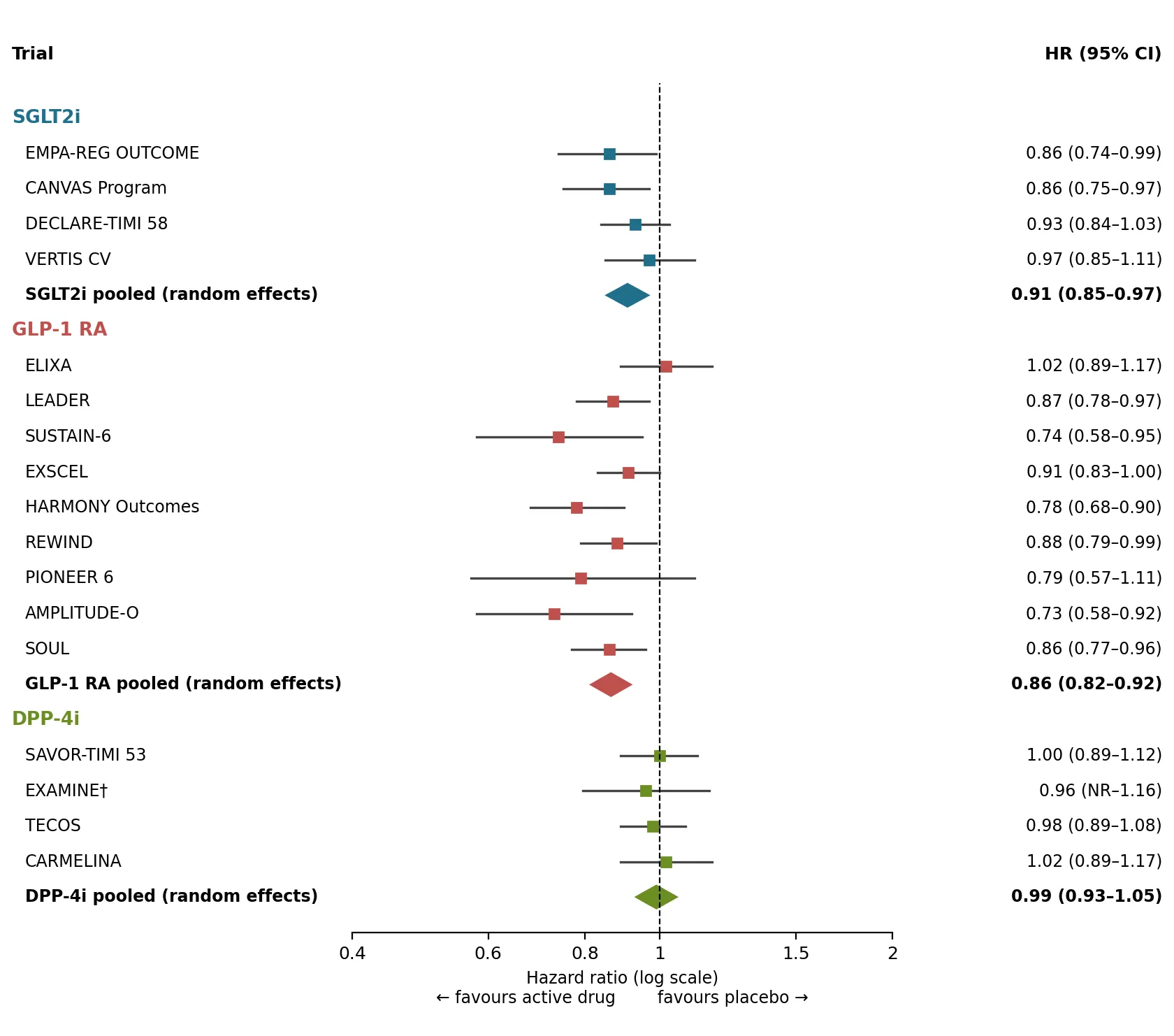
Figure 3. Forest plot of trial-level and pooled hazard ratios for major adverse cardiovascular events (MACE) versus placebo, by drug class. Trial estimates are indicated by squares and random-effects pooled estimates by diamonds. † EXAMINE: the lower confidence limit was not reported (one-sided repeated confidence interval, upper limit 1.16); the plotted lower limit is symmetrical on the log scale and is approximate.
Table 4: Pooled Random-Effects Estimates for Each Drug Class Versus Placebo (DerSimonian–Laird; HKSJ-adjusted Confidence Intervals Shown as Sensitivity).
| Outcome | Class | Trials (k) | HR (95% CI) | HKSJ-adjusted 95% CI | I² (%) | τ² | Q-test p | 95% prediction interval |
|---|---|---|---|---|---|---|---|---|
| MACE (3-point) | SGLT2i | 4 | 0.91 (0.85–0.97) | 0.82–1.00 | 0 | 0.0000 | 0.499 | 0.79–1.04 |
| MACE (3-point) | GLP-1 RA | 9 | 0.86 (0.82–0.92) | 0.80–0.93 | 37 | 0.0028 | 0.123 | 0.75–1.00 |
| MACE (3-point) | DPP-4i | 4 | 0.99 (0.93–1.05) | 0.90–1.09 | 0 | 0.0000 | 0.941 | 0.87–1.13 |
| Hospitalisation for heart failure | SGLT2i | 4 | 0.70 (0.62–0.78) | 0.58–0.84 | 0 | 0.0000 | 0.896 | 0.54–0.90 |
| Hospitalisation for heart failure | GLP-1 RA | 6 | 0.93 (0.85–1.02) | 0.82–1.05 | 0 | 0.0000 | 0.908 | 0.81–1.06 |
| Hospitalisation for heart failure | DPP-4i | 4 | 1.07 (0.91–1.27) | 0.82–1.41 | 63 | 0.0176 | 0.045 | 0.55–2.11 |
| All-cause mortality | SGLT2i | 4 | 0.85 (0.75–0.97) | 0.68–1.07 | 67 | 0.0116 | 0.029 | 0.50–1.47 |
| All-cause mortality | GLP-1 RA | 7 | 0.88 (0.83–0.95) | 0.81–0.97 | 16 | 0.0014 | 0.304 | 0.77–1.01 |
| All-cause mortality | DPP-4i | 4 | 1.01 (0.93–1.09) | 0.89–1.15 | 14 | 0.0009 | 0.322 | 0.81–1.26 |
Within the GLP-1 RA class, point estimates were most favourable for SUSTAIN-6 (HR 0.74), AMPLITUDE-O (0.73), HARMONY Outcomes (0.78) and PIONEER 6 (0.79), but the confidence intervals of these trials were wide and overlapped with those of trials showing smaller effects, and ELIXA, a trial of the short-acting agent lixisenatide in the early post-acute coronary syndrome period, was neutral (1.02) [18,20,21,24,25]. Heterogeneity was reduced almost to zero (I² 1%) by exclusion of ELIXA, and the pooled estimate was left essentially unchanged (HR 0.86, 0.82–0.90). In the SGLT2i class, the point estimates ranged from 0.86 in EMPA-REG OUTCOME and CANVAS Program to 0.97 in VERTIS CV, an ordering that is tracked by the proportion of participants with established atherosclerotic disease and the duration of follow-up [11,12,14].
4.3.2 Indirect comparisons between classes
In the network meta-analysis (Table 5), the effect of SGLT2i on MACE did not differ statistically from that of GLP-1 RA (HR 1.05, 95% CI 0.96–1.14), although the point estimates favoured GLP-1 RA. A nominally larger effect than that of DPP-4i was shown by both active classes: GLP-1 RA were superior to DPP-4i (HR 0.87, 0.80–0.95), and SGLT2i were borderline superior to DPP-4i (HR 0.92, 0.84–1.00; p = 0.051). By ranking according to P-score, GLP-1 RA were placed first (P-score 0.96), SGLT2i second (0.70), DPP-4i third (0.22) and placebo last (0.13) (Table 6 and Figure 6). The ranking should be interpreted in light of the overlapping interval between GLP-1 RA and SGLT2i, so that the apparent advantage of GLP-1 RA for atherosclerotic events must be regarded as suggestive rather than definitive.
Table 5: Network Meta-Analysis Estimates: Indirect Class-Versus-Class Comparisons (Bucher Method [47]) and Class-Versus-Placebo Estimates. Hazard Ratios Below 1 Favour the First-Named Class.
| Comparison (first vs second) | MACE HR (95% CI) | HF hospitalisation HR (95% CI) | All-cause mortality HR (95% CI) |
|---|---|---|---|
| SGLT2i vs GLP-1 RA | 1.05 (0.96–1.14) | 0.75 (0.65–0.87) | 0.97 (0.83–1.12) |
| SGLT2i vs DPP-4i | 0.92 (0.84–1.00) | 0.65 (0.53–0.79) | 0.85 (0.73–0.98) |
| GLP-1 RA vs DPP-4i | 0.87 (0.80–0.95) | 0.87 (0.72–1.05) | 0.88 (0.79–0.97) |
| SGLT2i vs placebo | 0.91 (0.85–0.97) | 0.70 (0.62–0.78) | 0.85 (0.75–0.97) |
| GLP-1 RA vs placebo | 0.86 (0.82–0.92) | 0.93 (0.85–1.02) | 0.88 (0.83–0.95) |
| DPP-4i vs placebo | 0.99 (0.93–1.05) | 1.07 (0.91–1.27) | 1.01 (0.93–1.09) |
4.4 Hospitalisation for heart failure
4.4.1 Pairwise estimates against placebo
The effect of SGLT2i on heart-failure hospitalisation was large, consistent and statistically robust (Figure 4). Across the four SGLT2i trials the pooled HR was 0.70 (95% CI 0.62–0.78; I² 0%), with essentially identical estimates in each trial (0.65 to 0.73) and a prediction interval (0.54–0.90) that remained entirely below unity [11,12,13,14]. The Hartung–Knapp interval (0.58–0.84) was wider but was also found to exclude 1. In contrast, a smaller and borderline effect was observed for GLP-1 RA (HR 0.93, 0.85–1.02; six trials; I² 0%), and the null was included in the prediction interval (0.81–1.06). The Hartung–Knapp interval for GLP-1 RA (0.82–1.05) was also found to include 1. A comparable heart-failure hospitalisation estimate was reported in only six of the nine GLP-1 RA trials, and the data were therefore less complete than for MACE.
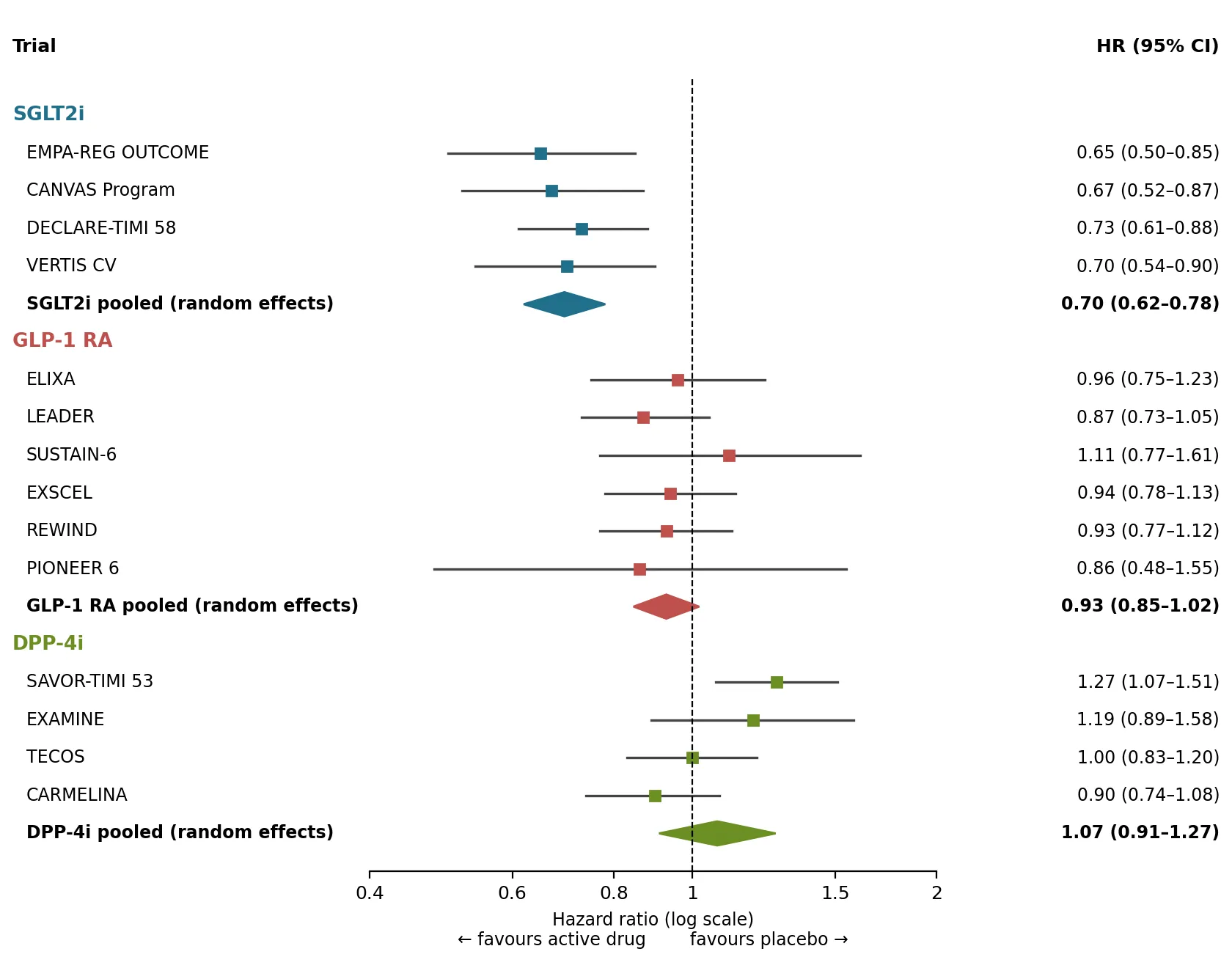
Figure 4: Forest Plot of Trial-Level and Pooled Hazard Ratios for Hospitalisation for Heart Failure Versus Placebo, by Drug Class. Trial Estimates Are Indicated by Squares and Random-Effects Pooled Estimates by Diamonds.
Heart-failure hospitalisation was not reduced by DPP-4i, and the evidence was heterogeneous (HR 1.07, 0.91–1.27; I² 63%; Q-test p = 0.045). The heterogeneity was driven by SAVOR-TIMI 53, in which saxagliptin was associated with a 27% higher hazard of hospitalisation for heart failure (HR 1.27, 1.07–1.51), while estimates in EXAMINE (HR 1.19, 0.89–1.58), TECOS (1.00, 0.83–1.20) and CARMELINA (0.90, 0.74–1.08) were closer to neutral [28–31]. After exclusion of SAVOR-TIMI 53, the pooled estimate was 0.99 (0.87–1.14) with I² 22%. The prediction interval for DPP-4i (0.55–2.11) was very wide, so a clinically important increase or decrease in future trials of this class cannot be excluded on current evidence.
4.4.2 Indirect comparisons between classes
SGLT2i were markedly superior to GLP-1 RA for heart-failure hospitalisation (HR 0.75, 95% CI 0.65–0.87) and to DPP-4i (HR 0.65, 0.53–0.79) (Table 5). The difference between GLP-1 RA and DPP-4i was not statistically significant (HR 0.87, 0.72–1.05). The first rank for this outcome was taken by SGLT2i with a P-score of 1.00, followed by GLP-1 RA (0.62), placebo (0.29) and DPP-4i (0.09) (Table 6 and Figure 6). The magnitude of the benefit relative to GLP-1 RA is clinically meaningful: on the basis of the point estimates, about 25 to 38 additional hospitalisations for heart failure per 1,000 patients would be expected to be prevented by an SGLT2i compared with a GLP-1 RA in an illustrative population with a baseline risk of 10% to 15% over several years, although the absolute benefit varies with baseline risk.
4.5 All-cause mortality
All-cause mortality was reduced by 12% with GLP-1 RA (HR 0.88, 95% CI 0.83–0.95; seven trials; I² 16%; Hartung–Knapp interval 0.81–0.97; prediction interval 0.77–1.01) (Figure 5 and Table 4). All-cause mortality was also reduced by SGLT2i (HR 0.85, 0.75–0.97; four trials), but with substantial heterogeneity (I² 67%; Q-test p = 0.03), a Hartung–Knapp interval that included the null (0.68–1.07) and a very wide prediction interval (0.50–1.47). The heterogeneity was attributable to the exceptionally large mortality reduction in EMPA-REG OUTCOME (HR 0.68), a trial in which all participants had established cardiovascular disease and follow-up was relatively short [11]. After exclusion of that trial, the pooled SGLT2i estimate was 0.91 (0.84–0.99) and I² fell to 0%. No effect on mortality was observed with DPP-4i (HR 1.01, 0.93–1.09; I² 14%).
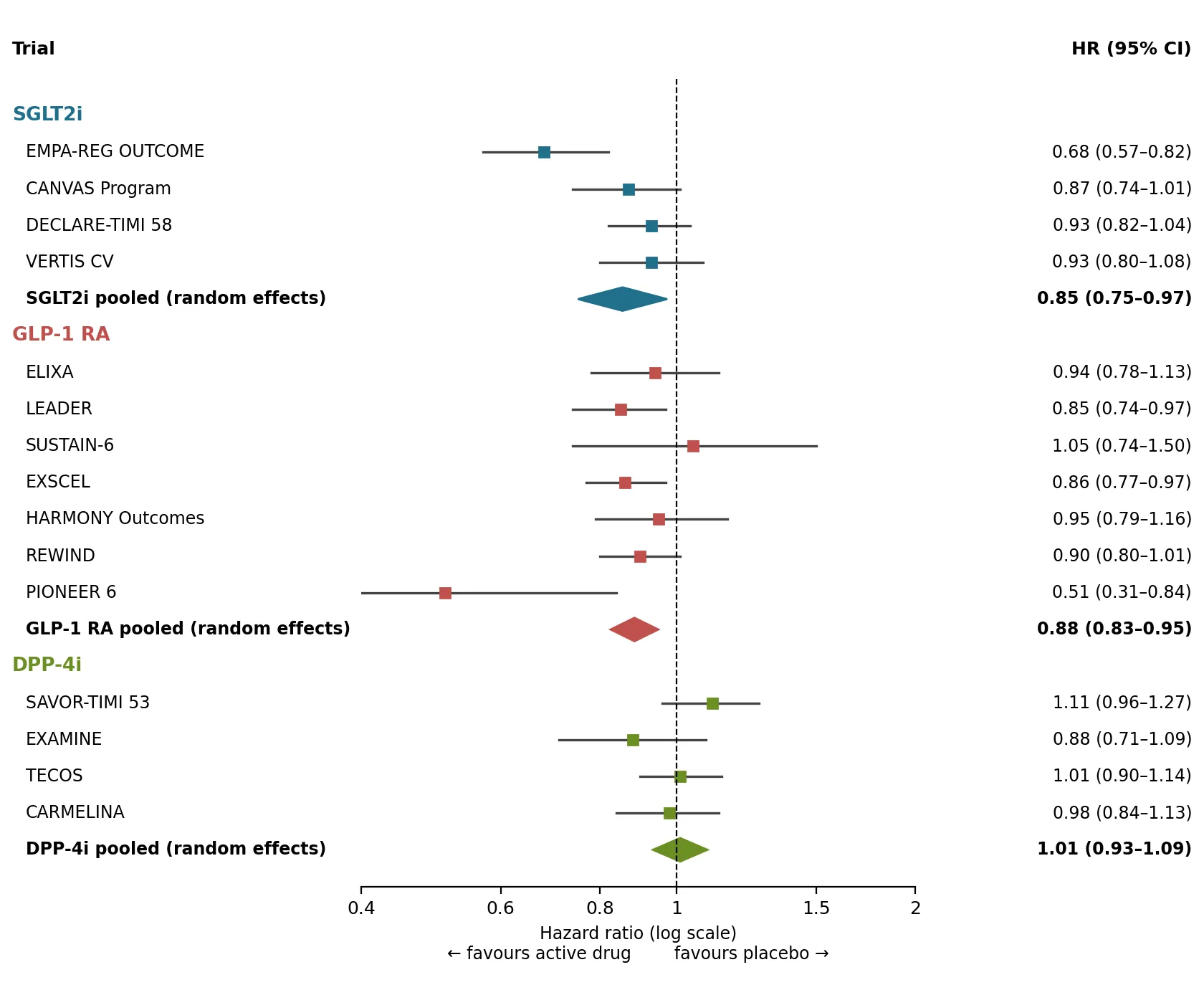
Figure 5: Forest Plot of Trial-Level and Pooled Hazard Ratios for All-Cause Mortality Versus Placebo, by Drug Class. Trial Estimates Are Indicated by Squares and Random-Effects Pooled Estimates by Diamonds.
In indirect comparisons, SGLT2i and GLP-1 RA did not differ significantly (HR 0.97, 0.83–1.12). Both were superior to DPP-4i (SGLT2i versus DPP-4i HR 0.85, 0.73–0.98; GLP-1 RA versus DPP-4i HR 0.88, 0.79–0.97). By P-scores, SGLT2i were ranked first (0.88), GLP-1 RA second (0.77), placebo third (0.20) and DPP-4i last (0.14). The ordering between SGLT2i and GLP-1 RA is not robust, as the SGLT2i estimate is sensitive to a single trial and is imprecise.
4.6 Ranking of treatments
The P-scores for the three endpoints are depicted in Figure 6. No consistency in rankings across the three outcomes was found, and this forms a major part of the findings, since the highest score on the endpoint of atherosclerotic disease was obtained by GLP-1 RA, the highest score on heart failure was obtained by SGLT2i, and the two drugs were close competitors on the endpoint of mortality. On the other hand, scores below placebo on heart-failure hospitalisation and mortality were obtained by DPP-4i, and this is attributable to estimates above one and to imprecision of the estimates and not to harm, since the null was included in the confidence intervals for all outcomes.
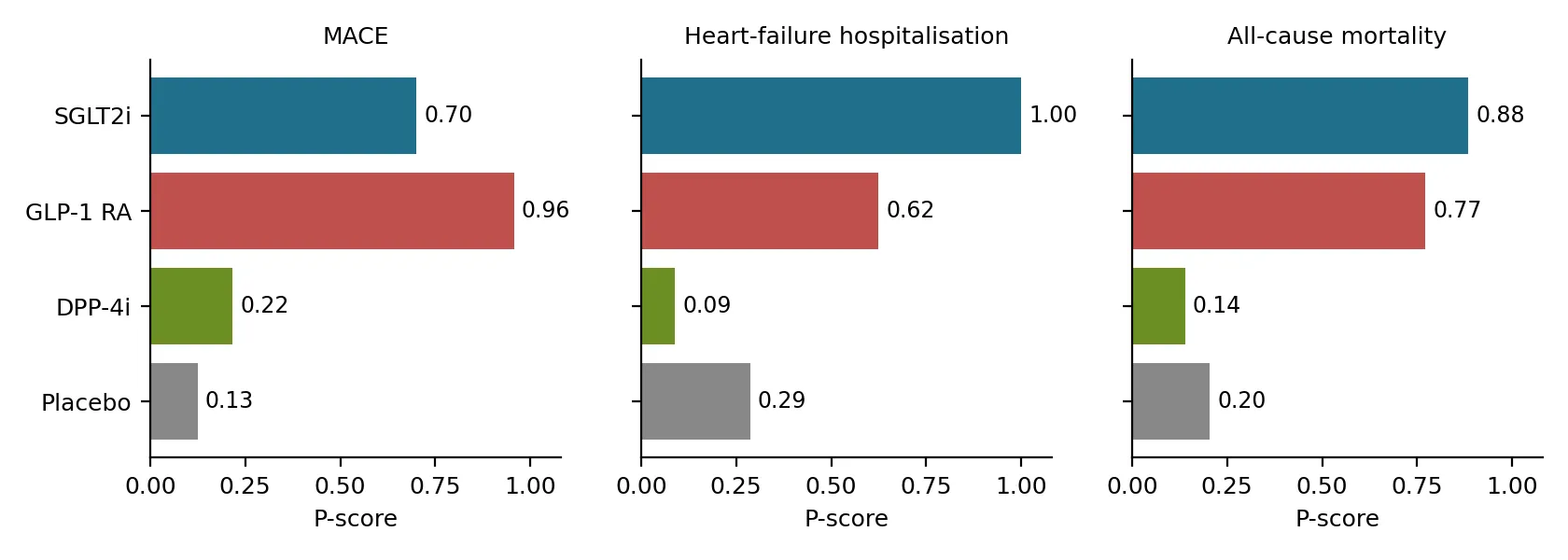
Figure 6: P-scores for Each Treatment Node Across the Three Outcomes. a Higher Probability of Being the Better Treatment Is Indicated by Higher Values. Only Rank Is Summarised by P-scores, and the Size or Certainty of Treatment Differences Is Not Conveyed by Them.
Table 6: Treatment Ranking by P-score (1 = Certainly Best, 0 = Certainly Worst).
| Treatment node | MACE P-score | HF hospitalisation P-score | All-cause mortality P-score |
|---|---|---|---|
| SGLT2i | 0.70 | 1.00 | 0.88 |
| GLP-1 RA | 0.96 | 0.62 | 0.77 |
| DPP-4i | 0.22 | 0.09 | 0.14 |
| Placebo | 0.13 | 0.29 | 0.20 |
4.7 Sensitivity analyses
Results were shown to be robust in the sensitivity analyses that were planned a priori (Table 7). A GLP-1 RA pooled estimate for MACE of 0.87 (0.83–0.93) was yielded by the exclusion of AMPLITUDE-O, a trial of a drug that was not marketed, whereas 0.86 (0.80–0.93) was yielded by restriction of the class to approved injectable drugs only, with a higher I² value of 51%, owing to the oral semaglutide trials and the neutral lixisenatide trial pulling in opposite directions. A less favourable yet still significant estimate (HR 0.92, 0.86–0.98) resulted from the exclusion of EMPA-REG OUTCOME from the SGLT2i MACE analysis. The DPP-4i MACE estimate was not affected by the exclusion of the EXAMINE trial (HR 1.00, 0.93–1.06), meaning that the results were not affected by the variance approximation. Very similar estimates for MACE and heart-failure hospitalisation were obtained when a fixed-effect rather than a random-effects model was used (e.g., GLP-1 RA fixed-effect HR 0.87 vs. random effects 0.86), and somewhat more different estimates were obtained for SGLT2i mortality (0.87 vs. 0.85) owing to the high heterogeneity.
Table 7: Sensitivity Analyses (Random-Effects Pooled hr Versus Placebo).
| Analysis | Trials (k) | HR (95% CI) | I² (%) |
|---|---|---|---|
| GLP-1 RA, MACE: all trials (primary) | 9 | 0.86 (0.82–0.92) | 37 |
| GLP-1 RA, MACE: excluding AMPLITUDE-O (efpeglenatide not marketed) | 8 | 0.87 (0.83–0.93) | 32 |
| GLP-1 RA, MACE: excluding ELIXA (neutral lixisenatide trial) | 8 | 0.86 (0.82–0.90) | 1 |
| GLP-1 RA, MACE: injectable agents only (excluding PIONEER 6 and SOUL) | 7 | 0.86 (0.80–0.93) | 51 |
| SGLT2i, MACE: excluding EMPA-REG OUTCOME | 3 | 0.92 (0.86–0.98) | 0 |
| DPP-4i, MACE: excluding EXAMINE (derived variance) | 3 | 1.00 (0.93–1.06) | 0 |
| SGLT2i, all-cause mortality: excluding EMPA-REG OUTCOME | 3 | 0.91 (0.84–0.99) | 0 |
| GLP-1 RA, all-cause mortality: excluding PIONEER 6 | 8 | 0.89 (0.84–0.95) | 0 |
| DPP-4i, HF hospitalisation: excluding SAVOR-TIMI 53 | 3 | 0.99 (0.87–1.14) | 22 |
For the indirectness of the tirzepatide position to be explored, the REWIND estimate for dulaglutide vs placebo (HR 0.88) was combined with the SURPASS-CVOT estimate for tirzepatide vs dulaglutide (HR 0.92, 95% CI 0.83–1.01) [22,46], and an approximate indirect hazard ratio for tirzepatide vs placebo of 0.81 (approximate 95% CI 0.70–0.94) was obtained. This calculation was done purely for illustration, to demonstrate the transitivity of a historical comparator across trials of different eras, and does not represent a primary result of this review.
4.8 Dedicated heart-failure and kidney trials
Consistent benefits in the composite outcome of CV death and heart-failure events, with hazard ratios ranging from 0.67 to 0.82 irrespective of the ejection fraction, were shown by the SGLT inhibitor heart-failure studies (Table 8 and Figure 7) [34,35,36,37,38]. This benefit has been shown to be equal in patients with and without diabetes in the studies in which both types of patients were included, thus indicating that the mechanism is independent of glucose-lowering action. Benefit in the composite of kidney outcomes, ranging from 28% to 39%, was shown by the kidney trials CREDENCE, DAPA-CKD and EMPA-KIDNEY, and benefit in the composite of cardiovascular death, HF hospitalisation and urgent heart-failure visits (HR 0.74) was shown by the SCORED trial of sotagliflozin in patients with T2DM, CKD and cardiovascular risk [52,53,54,55]. Consistent benefits in cardiovascular death or heart-failure hospitalisation irrespective of the ejection fraction were also indicated by a pooled analysis of the five heart failure trials conducted by Vaduganathan et al [39].
Table 8: Dedicated Heart-Failure and Kidney Outcome Trials of SGLT Inhibitors Considered in the Narrative Synthesis.
| Trial | Agent | Population | Primary outcome | HR (95% CI) |
|---|---|---|---|---|
| DAPA-HF [34] | Dapagliflozin | HFrEF, with and without T2DM | Worsening HF or CV death | 0.74 (0.65–0.85) |
| EMPEROR-Reduced [35] | Empagliflozin | HFrEF, with and without T2DM | CV death or HF hospitalisation | 0.75 (0.65–0.86) |
| EMPEROR-Preserved [36] | Empagliflozin | HFmrEF/HFpEF, with and without T2DM | CV death or HF hospitalisation | 0.79 (0.69–0.90) |
| DELIVER [37] | Dapagliflozin | LVEF > 40%, with and without T2DM | Worsening HF or CV death | 0.82 (0.73–0.92) |
| SOLOIST-WHF [38] | Sotagliflozin | T2DM with recent worsening HF | CV death, HF hospitalisation or urgent HF visit | 0.67 (0.52–0.85) |
| CREDENCE [52] | Canagliflozin | T2DM with albuminuric CKD | ESKD, doubling of creatinine, renal or CV death | 0.70 (0.59–0.82) |
| DAPA-CKD [53] | Dapagliflozin | CKD, with and without T2DM | ≥ 50% eGFR decline, ESKD, renal or CV death | 0.61 (0.51–0.72) |
| EMPA-KIDNEY [54] | Empagliflozin | CKD, with and without T2DM | Kidney progression or CV death | 0.72 (0.64–0.82) |
| SCORED [55] | Sotagliflozin | T2DM with CKD and CV risk | CV death, HF hospitalisation or urgent HF visit | 0.74 (0.63–0.88) |
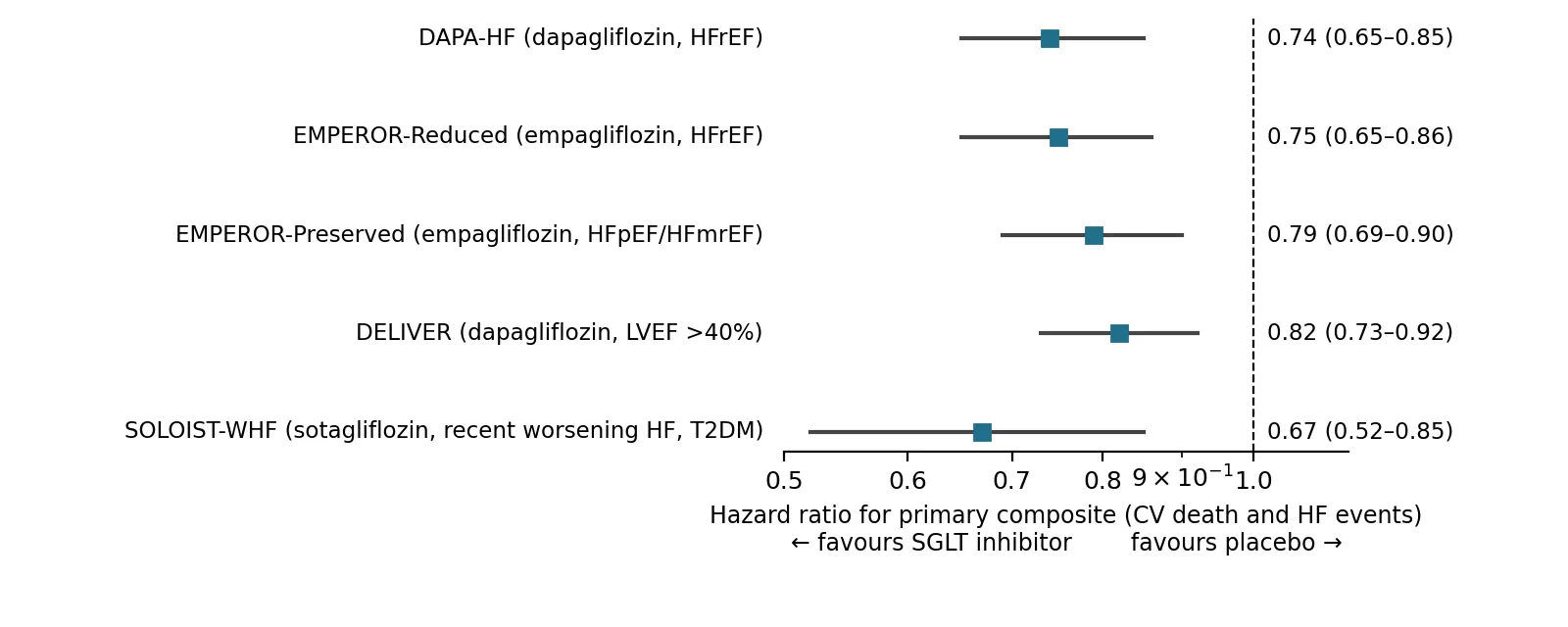
Figure 7: Hazard Ratios for the Primary Composite Outcome in the Dedicated Heart-Failure Trials of SGLT Inhibitors. the Primary Composite Differs Slightly Between Trials (See Table 8). Participants with and without Type 2 Diabetes Were Enrolled in All Trials Except Soloist-Whf.
4.9 Head-to-head evidence
Two other head-to-head studies were done in which an active glucose-lowering agent was compared with another active one. In CAROLINA, the DPP-4i was found to be non-inferior to the sulphonylurea glimepiride for 3-point MACE after a median follow-up period of 6.3 years, indicating that DPP-4i is safe compared with the sulphonylurea but that superiority compared with placebo is not proven [32]. In the SURPASS-CVOT trial, tirzepatide was found to be non-inferior to dulaglutide (HR 0.92, 95% CI 0.83–1.01) in patients with type 2 diabetes mellitus and a history of atherosclerotic cardiovascular disease, and it is suggested by the hazard ratio that at least modest benefits for cardiovascular health result from greater weight loss and better glucose-control efficacy in the incretin class [46].
4.10 Certainty of the evidence
The certainty of evidence was considered to be high for the effects of GLP-1 RA and SGLT2i on MACE and of SGLT2i on heart-failure admissions with respect to placebo, because these estimates were precise, internally valid, and derived from randomised trials at low risk of bias (Table 9). The certainty of evidence was moderate for the indirect comparisons, since transitivity could not be assessed directly in the star network and the confidence interval for the comparison between SGLT2i and GLP-1 RA with respect to MACE overlapped 1. The certainty of evidence was low for DPP-4i with respect to heart-failure admissions owing to imprecision and heterogeneity, and moderate for SGLT2i with respect to mortality owing to heterogeneity attributable to a single trial.
Table 9: Certainty of Evidence for the Principal Comparisons (GRADE for Network Meta-Analysis [65,66]; Preliminary Judgement).
| Comparison and outcome | Within-study bias | Imprecision | Heterogeneity / incoherence | Certainty |
|---|---|---|---|---|
| GLP-1 RA vs placebo, MACE | No serious concerns | Not serious | Low to moderate heterogeneity | High |
| SGLT2i vs placebo, MACE | No serious concerns | Not serious | None detected | High |
| SGLT2i vs placebo, HF hospitalisation | No serious concerns | Not serious | None detected | High |
| DPP-4i vs placebo, HF hospitalisation | No serious concerns | Serious (wide interval) | Substantial (I² 63%) | Low |
| SGLT2i vs GLP-1 RA, MACE (indirect) | No serious concerns | Serious (interval crosses 1) | Transitivity untestable in a star network | Moderate |
| SGLT2i vs GLP-1 RA, HF hospitalisation (indirect) | No serious concerns | Not serious | Transitivity untestable | Moderate |
| SGLT2i vs placebo, all-cause mortality | No serious concerns | Serious | Substantial (I² 67%) | Moderate |
4.11 Summary of principal findings
Overall, three important trends were identified. Firstly, regarding atherosclerotic events, efficacy compared with placebo was shown by GLP-1 RA (HR 0.86) and SGLT2i (HR 0.91), whereas DPP-4i (HR 0.99) were found to be ineffective, with the former being ranked as the most efficient but without being significantly different from the latter. Secondly, regarding heart-failure hospitalisation, the other agents were outperformed by SGLT2i (HR 0.70 vs placebo, and HR 0.75 vs GLP-1 RA), a marginal effect was shown by GLP-1 RA, and heterogeneity with either no effect or an adverse effect was shown by DPP-4i. Thirdly, regarding all-cause mortality, mortality was reduced by both GLP-1 RA and SGLT2i (HR 0.88 and HR 0.85 correspondingly) but not by DPP-4i, despite the estimate of the effect of SGLT2i being less stable.
5.1 Principal findings
In the present systematic review and network meta-analysis of 17 placebo-controlled cardiovascular outcome trials with 155,820 type 2 diabetes patients, distinct cardiovascular risk profiles were found for the three most important classes of modern glucose-lowering agents. MACE was reduced by about 14% and mortality by about 12% with GLP-1 RA, with a small and statistically marginal effect on heart-failure hospitalisation. A highly homogeneous reduction in heart-failure hospitalisation of about 30% was shown by SGLT2i, together with a moderate reduction in MACE (about 9%) and a heterogeneous and trial-dependent reduction in mortality. No significant reduction in MACE, mortality or heart-failure hospitalisation was shown by DPP-4i, and the heart-failure estimate was heterogeneous. When the classes were compared indirectly, superiority to GLP-1 RA in reducing heart-failure hospitalisation was shown by SGLT2i, while a numerically greater effect on MACE, not reaching statistical significance, was shown by GLP-1 RA. Class ranks depended on the outcome, and no single class was found to be superior in all outcomes.
These findings are in agreement with the biological rationale of each drug class and with current recommendations, by which it is suggested that the choice of SGLT2i or GLP-1 RA should be made on the basis of the dominant cardiovascular phenotype, independent of glycaemia [1,2,40]. The observation is also supported that cardiovascular benefit is not a class effect of all glucose-lowering drugs but a property of specific drug mechanisms, and that the demonstration of cardiovascular safety for regulatory purposes, as accomplished in the DPP-4i trials, is not the same as the demonstration of cardiovascular benefit [10,28,29,30,31].
5.2 Atherosclerotic cardiovascular events
The degree of MACE reduction with GLP-1 RA in the present meta-analysis (HR 0.86) is in agreement with previous meta-analyses of this drug class, in which MACE reductions of 12–14% were reported [27]. The benefits of this class are mainly driven by a reduction of non-fatal stroke and myocardial infarction events, and they take longer to become evident than the benefits of SGLT2i on heart failure, with separation of event curves becoming evident after about 1 year or longer, which suggests a mechanism of action based on the slowing of atherosclerosis rather than on haemodynamic effects [19,20,22]. Weight loss, blood pressure lowering, improvements in lipid profile and postprandial lipaemia, a decrease in systemic inflammation, and direct actions on the vasculature and atheromatous plaque could be responsible, but their contributions are not known, and the magnitude of the observed MACE benefit may be greater than could be expected from these factors.
It should be emphasised that heterogeneity exists among GLP-1 RA in terms of MACE reduction. The least favourable results were shown by two trials, ELIXA and EXSCEL, in which exendin-4 derivatives were studied – short-acting lixisenatide was studied in patients shortly after an acute coronary syndrome, while a very high drop-out rate owing to poor tolerability, with significant treatment discontinuation and switching to other GLP-1 RA, was seen with once-weekly exenatide [18,23]. In contrast, benefits were shown by all GLP-1 RA with a human GLP-1 backbone – liraglutide, injectable semaglutide, dulaglutide and albiglutide [19,20,21,22]. Whether the differences are truly pharmacologic, or are due to differences in patient populations or follow-up, or are simply a result of chance, could not be ascertained on the basis of aggregate data. Between-trial heterogeneity was brought close to zero without the pooled estimate being affected when ELIXA was excluded in the present sensitivity analysis, which suggests the robustness of the class effect. Oral semaglutide was included in the PIONEER 6 and SOUL trials, and efpeglenatide in the AMPLITUDE-O trial, so that the class definition was widened; the results of these trials are in accordance with those of injectable GLP-1 RA, and the class effect is thereby supported, with a possible exception of short-acting agents [24,25,26].
It is of interest that the effect of SGLT2i on MACE was smaller and more mixed across trials, with a combined estimate of 0.91 and an interval that reached one. The participant groups in the trials with the most favourable results, EMPA-REG OUTCOME and CANVAS Program, differed from those in DECLARE-TIMI 58, in which about 60% of participants had no established atherosclerotic disease, and in VERTIS CV, in which only people with established atherosclerotic disease were included and a neutral result was obtained [11,12,13,14].
It has been stated in meta-analyses that MACE is lowered by SGLT2i only in patients who already have atherosclerotic disease, and that benefit in primary prevention could not be shown. However, the decrease in heart-failure hospitalisations and kidney problems appears to occur regardless of whether atherosclerotic disease is present at baseline [15,16]. This interaction cannot be examined directly by the present synthesis of trials, but the data are compatible with that idea.
No effect on MACE was observed with DPP-4i in four large trials, with a combined hazard ratio of 0.99 and a tight confidence interval. This finding is reassuring for safety and shows that, although glucose is lowered by these drugs and the risk of hypoglycaemia is low, the heart is not protected by them [28,29,30,31]. This conclusion was strengthened by the CAROLINA trial, in which linagliptin was shown not to be worse for outcomes than a sulphonylurea over a median period of more than six years [32].
5.3 Heart failure
The most important clinical difference in this analysis concerns heart-failure hospitalisation. The risk was lowered by thirty percent by SGLT2i in each of four large trials in which different agents were used. No variation between the trials was seen and the benefit appeared early, which suggests an effect that is not purely anti-atherosclerotic [11,12,13,14]. Possible explanations involve diuresis and natriuresis, by which preload and afterload are lowered, better use of ketones, by which cardiac energetics are improved, blocking of the sodium–hydrogen exchanger in the heart muscle, less epicardial fat, better blood vessel function and less kidney over-filtration [1]. These mechanisms do not depend on blood sugar control. This is backed up by the evidence that heart-failure events are lowered by SGLT2i in people with and without diabetes in trials [34,35,36,37].
The CVOT results are given weight by the dedicated heart-failure trials in three respects. First, it is shown that the lowering of heart-failure events is a primary effect and not just a side remark in studies aimed at atherosclerosis. Second, it is shown that benefit is obtained across all ranges of ejection fraction, even for heart failure with preserved ejection fraction. This type of heart failure is common in people with type 2 diabetes, and few treatments had been available for it previously [36,37]. Third, benefit after a heart-failure crisis is shown, as was done in the SOLOIST-WHF study, in which SGLT2i were started during or right after a hospital stay for worsening heart failure [38]. These points were confirmed by a pooled analysis of five trials, in which the effect was shown to be the same whether or not a patient has diabetes [39].
The effect of GLP-1 RA on heart-failure hospitalisation was smaller (HR 0.93). Its interval included 1, and SGLT2i were clearly favoured by the indirect comparison. It is believed that this contrast is real: heart rate is modestly increased by GLP-1 RA, benefits have not been shown for them in patients with established heart failure with reduced ejection fraction, and their potential benefit in heart failure is thought to be mediated through weight loss, blood pressure reduction and prevention of myocardial infarction rather than through direct effects on cardiac loading. By contrast, in patients with obesity-related heart failure with preserved ejection fraction and T2DM, symptoms, physical limitation and weight were improved by semaglutide in the STEP-HFpEF DM trial, which indicates that a role for GLP-1 RA may exist in a specific obese HFpEF phenotype, although this trial was designed to assess symptoms rather than clinical events [67]. Thus, the weaker effect of GLP-1 RA in the present analysis mainly reflects an absence of evidence for event reduction in CVOT populations, and is not evidence of lack of benefit in specific subgroups.
A history in relation to heart failure is held by DPP-4i. A 27% higher hazard of hospitalisation for heart failure with saxagliptin was reported by SAVOR-TIMI 53, and a numerically higher, non-significant risk with alogliptin was shown by EXAMINE, whereas this was not seen in TECOS and CARMELINA, in which sitagliptin and linagliptin were used [28,29,30,31]. This signal has been examined in pooled analyses of trials, and it is suggested by them that any excess risk is not uniform across agents, although a molecule-specific effect cannot be excluded [33]. The substantial heterogeneity that was observed (I² 63%) and the wide prediction interval (0.55 to 2.11) indicate that the data are compatible with a neutral effect for most agents and with harm for some. The practical implication is that DPP-4i should be avoided in patients with heart failure or at risk of heart failure when alternatives are available, and that any use should be guided by agent-specific information.
5.4 All-cause mortality
Mortality was reduced by GLP-1 RA, and the effect was steady and not too large (HR 0.88). The SGLT2i effect was different, as it changed depending on whether the EMPA-REG OUTCOME trial was included. In that trial, a 32% drop in all-cause mortality was observed, and all of the participants had heart disease [11]. Smaller drops were shown in later studies of SGLT2i drugs, and these drops were not clear on their own. When EMPA-REG OUTCOME was left out, the overall effect was HR 0.91. The result was still clear, and the differences between studies were gone. It is not clear whether the bigger effect in EMPA-REG OUTCOME was caused by chance, by the group of people studied, or by something special about empagliflozin. The last reason is not considered likely, because a similar effect was not seen in the heart-failure and kidney studies of empagliflozin. It is therefore suggested that, when the class is considered, the estimate for mortality is around 0.85 to 0.91 [35,36,54].
The mortality benefit from GLP-1 RA is important because this outcome is less easily mismeasured than combined results. A 12% drop was found in the present study. Some doubt remains about whether this result is stable, as is shown by the prediction interval, of which the upper limit is 1.01. This conclusion matches that of a study in which a clear drop in all-cause mortality with GLP-1 RA was also found [27]. It is important to note that no change was shown by the result from SUSTAIN-6, whereas a big drop (HR 0.51) was shown by the result from PIONEER 6, but this was obtained from a short study with few cases. When PIONEER 6 was removed, the differences between studies went away, and the overall effect was HR 0.89.
5.5 Comparison with previous evidence syntheses
The present findings match what has been shown by earlier meta-analyses. Three important points are added (Table 10). First, it was shown by earlier network meta-analyses that death and heart events are reduced by SGLT2 inhibitors and GLP-1 receptor agonists compared with other classes, while this was not the case for DPP-4 inhibitors [42,43,44]. These class-level results are confirmed here using a set of studies that includes the most recent trials. Second, it was found in previous class-focused meta-analyses that major adverse cardiovascular events were lowered by both SGLT2i and GLP-1 RA, and that stronger effects on heart failure and kidney outcomes were shown by SGLT2i [15,16,27,45]. Because all drug classes were brought into one network, the extent to which SGLT2i performed better than GLP-1 RA in reducing heart failure could be compared, with a hazard ratio of 0.75. Third, it is made clear that the ranking of drug classes depends on the outcome being measured, so that the giving of one overall ranking is misleading.
Table 10: Comparison with Previously Published Meta-Analyses and Network Meta-Analyses.
| Study | Scope | Principal finding | Contribution of the present work |
|---|---|---|---|
| Zheng et al. 2018 [42] | SGLT2i, GLP-1 RA and DPP-4i; all-cause mortality | SGLT2i and GLP-1 RA reduced mortality; DPP-4i did not | Adds heart-failure and MACE outcomes, and newer trials |
| Palmer et al. 2016 [43] | Glucose-lowering drugs, multiple outcomes | Benefits confined to a few agents; much evidence of low certainty | Restricts to adjudicated CVOTs and updates the evidence base |
| Tsapas et al. 2020 [44] | Glucose-lowering drugs, network meta-analysis | SGLT2i and GLP-1 RA favoured for cardiovascular outcomes | Adds oral semaglutide, efpeglenatide, SOUL and tirzepatide context |
| Fei et al. 2019 [45] | New antidiabetic drug classes, CV outcomes | Class-specific differences in MACE and HF | Provides explicit HF-hospitalisation ranking |
| Sattar et al. 2021 [27] | GLP-1 RA CVOTs | MACE, mortality and kidney benefit | Compares GLP-1 RA directly against SGLT2i and DPP-4i |
| Zelniker et al. 2019 [15]; McGuire et al. 2021 [16] | SGLT2i CVOTs | Reduced MACE, HF and kidney outcomes | Places SGLT2i alongside the other classes |
| Vaduganathan et al. 2022 [39] | SGLT2i in heart failure | Consistent reduction in CV death or HF hospitalisation | Used for narrative integration of the HF phenotype trials |
The effect estimate for SGLT2i on MACE (hazard ratio 0.91) matches closely with the pooled analyses of SGLT2i trials, in which values around 0.9 were also found. The small differences are caused by the inclusion of the VERTIS CV trial and by different choices in the selection of trials [15,16]. The pooled estimate for GLP-1 RA on MACE is similar to that reported by Sattar and colleagues [27]. These differences are small and are likely to be due to random variation or to changes in trial composition.
5.6 Cardiorenal context and the role of kidney outcomes
Although the main focus of this review was on cardiovascular outcomes, it is important to remember that the effects of these drugs on the heart and kidneys cannot be separated in clinical practice. This is because chronic kidney disease and heart failure often occur together in people with type 2 diabetes, and underlying biological processes are shared by them. Slowing of kidney disease progression and a lowered risk of kidney failure have been shown for SGLT2 inhibitors. These results come from pooled analyses and from kidney trials such as CREDENCE, DAPA-CKD and EMPA-KIDNEY. It was found in the SCORED trial that the chances of death, hospitalisation for heart failure and urgent visits for heart failure were reduced by sotagliflozin in patients with type 2 diabetes and kidney disease. Benefits for the kidneys, in the form of reduced albuminuria, are also offered by GLP-1 receptor agonists. Recently, it was shown in the FLOW trial that hard kidney outcomes can be improved when semaglutide is used. However, their effect on preventing kidney failure seems smaller than that of SGLT2 inhibitors. It is suggested by these findings that the patient's kidney health must be considered when the choice of drug is made. For a person with type 2 diabetes, kidney disease and heart failure, an SGLT2 inhibitor should be prescribed regardless of blood sugar control.
5.7 Interpreting rankings, absolute effects and uncertainty
Rankings from network meta-analysis are often misunderstood. The chance that one treatment is better than another, with all other treatments taken into account, is shown by a P-score, but how big the difference is, or how certain the evidence is, is not stated by it [62]. In the present study, the P-score of 0.96 for GLP-1 RA on MACE should not be taken as proof that GLP-1 RA are better than SGLT2i, because the null value is included in the confidence interval for the indirect comparison (HR 1.05, 0.96–1.14). On the other hand, a difference that is both big and very reliable is shown by the P-score of 1.00 for SGLT2i for heart-failure hospitalisation, as the interval for the comparison with GLP-1 RA (HR 0.75, 0.65–0.87) lies well below 1. P-scores should therefore be considered together with the hazard ratios, confidence intervals and certainty ratings in Tables 5, 6 and 9 and should not be considered alone.
Relative effects also need to be translated into absolute numbers for real-life decisions. The real benefit of these medicines depends on the starting risk of the patient. For example, about 30 cases out of 1,000 would be avoided in a person with a 10% chance of being admitted to hospital for heart failure in five years when an SGLT2i is taken (a 30% drop), and about 9 cases out of 1,000 would be avoided in someone with a 3% risk. These numbers are only examples; the overall relative effect from this study was used for them, and they are not derived from trials. The same idea applies to MACE, for which a 14% drop in risk means a larger real benefit for someone who has already had a heart attack than for a younger person with diabetes who has not yet had any heart problems. This is one reason why risk and known disease are focused on in guidelines when treatment is chosen [1,2].
Uncertainty in the present estimates arises at several levels. Variations in the samples within studies are shown by the confidence intervals, and variations between studies are shown by the random-effects model and the prediction intervals. The uncertainty about the validity of the indirect comparisons is not shown statistically; it is handled qualitatively using the GRADE and CINeMA framework [61,65,66]. The prediction intervals are important. For GLP-1 RA and MACE, the interval (0.75–1.00) is close to the null, which suggests that a benefit will not be shown by every future study of GLP-1 RA. For SGLT2i and heart-failure hospitalisation, the interval (0.54–0.90) is below 1, which shows a level of confidence that a new SGLT2i study would also be positive.
5.8 Safety and tolerability considerations
Although this review was focused on efficacy, safety must also be considered when a drug is chosen. Fungal infections are linked to SGLT2 inhibitors, the chance of diabetic ketoacidosis is raised by them, and reduced fluid levels in the body can also be caused by them. In certain circumstances, such as during sickness or when fasting before surgery, these drugs might need to be stopped temporarily. A chance of amputation was found in the CANVAS Program, and this finding has been looked at again in trials and real-world studies [12]. Nausea, vomiting and diarrhoea are often caused by GLP-1 receptor agonists, and these side effects are the reasons for which treatment is stopped. Weight loss in older or weaker patients must also be considered by doctors, and a serious risk of gallbladder disease and pancreatitis also exists. DPP-4 inhibitors are usually well tolerated. The risk of low blood sugar is low with them, except for some agents by which the risk of heart failure may be increased, as mentioned earlier. These safety details are taken from the trial reports and clinical guidelines. They play a role in the picking of the right drug for each patient, and this influence is not fully shown in outcome studies [2,40].
Staying on treatment also matters. The heart benefits seen in trials depend on the medicine being taken by patients over time. In real life, treatment is stopped by more people than in trials. Treatment may be kept up more easily with oral SGLT2 inhibitors taken once a day than with injectable treatments. Still, this difference has been made smaller by weekly GLP-1 receptor agonists and the oral form of semaglutide [24,26]. Since the cardiovascular outcome data come from closely watched trial groups, the actual benefit in everyday care may be smaller than that suggested by the studies.
5.9 Implications for clinical practice
A phenotype-based method for choosing medicine is supported by the evidence taken together (Table 11). For people with T2DM and heart failure, an SGLT2i should be chosen no matter what the ejection fraction is. This is because the benefit has been shown in studies and the effect on heart-failure events is the biggest compared with other classes [34,35,36,37,39]. For people who have atherosclerotic disease and no heart failure, a GLP-1 RA with proven benefits or an SGLT2i can be used. It is suggested by the present study that an effect on atherosclerotic events might be had by GLP-1 RA, even though the difference was not significant. For people who have kidney disease, SGLT2i are the better option. When atherosclerotic disease and heart failure or kidney problems occur together, the use of both an SGLT2i and a GLP-1 RA makes sense and is in line with recommendations. This is because the benefits are obtained through different mechanisms [1,2,40]. However, the heart outcomes of using both have not been looked at in any study, so this suggestion is based on subgroup results and on how the medicines work.
Table 11: Practical Framework for Selecting a Glucose-Lowering Class According to Cardiovascular and Renal Phenotype (Derived from the Present Synthesis and Current Guidance).
| Clinical phenotype | Preferred class | Supporting evidence | Comment |
|---|---|---|---|
| T2DM with heart failure (any ejection fraction) | SGLT2i | DAPA-HF, EMPEROR-Reduced, EMPEROR-Preserved, DELIVER, SOLOIST-WHF [34–38] | Independent of HbA1c and diabetes status |
| T2DM with established ASCVD, no heart failure | GLP-1 RA with proven benefit, or SGLT2i | LEADER, SUSTAIN-6, REWIND, EMPA-REG OUTCOME [11,19,20,22] | Choice by weight, route, cost and tolerability |
| T2DM with chronic kidney disease | SGLT2i; add GLP-1 RA if further risk | CREDENCE, DAPA-CKD, EMPA-KIDNEY, FLOW [52–54,68] | Check eGFR thresholds for initiation |
| T2DM with obesity-related HFpEF | SGLT2i; consider semaglutide for symptoms | EMPEROR-Preserved, STEP-HFpEF DM [36,67] | Symptom, not event, evidence for semaglutide |
| T2DM with multiple risk factors, no established disease | SGLT2i or GLP-1 RA, individualised | DECLARE-TIMI 58, REWIND [13,22] | Smaller absolute benefit in primary prevention |
| Both ASCVD and heart failure or CKD | SGLT2i plus GLP-1 RA | Complementary mechanisms [1,2] | No outcome trial of the combination |
| Glycaemic control only, low cardiovascular risk | DPP-4i acceptable | CAROLINA, SAVOR-TIMI 53 [28,32] | Avoid saxagliptin where heart-failure risk is high |
The effects in resource-limited settings, such as India, are very important. A heavy burden of diabetes together with serious heart and metabolism issues is shown by national data [3], and it is stated by national expert advice that SGLT2i and GLP-1 RA are good for the heart, even though cost and availability have to be considered [4]. Since the benefits of SGLT2i for heart failure and kidney illness are big and do not depend much on blood sugar control, and since versions that can be taken by mouth are available, SGLT2i might be considered the best choice for getting good results at an affordable cost in people with heart failure or kidney disease. GLP-1 RA, which need to be injected and are usually more expensive, might be reserved for people who already have heart disease or who are very overweight, or for special reasons. These choices depend on what things cost in each area and on what rules are in place, and those rules can change over time, so it is important that the latest advice be checked.
The fact that heart problems are not helped by DPP-4i has consequences. When the chance of heart problems is high, these drugs should not be used to protect the heart. They should not be picked over SGLT2i or GLP-1 RA if one of those drugs is needed by a person for a specific reason. They are still safe, easy to take and cheap when the goal is just to control blood sugar in people who are not at high risk. A warning about heart-failure risk applies to saxagliptin and possibly to alogliptin.
5.10 Strengths and limitations
The strengths of this analysis include the focus on adjudicated randomised outcome trials, by which the risk of bias and confounding is reduced. A combined sample size is also used, the most recent trials are included, and outcomes are separated into atherosclerotic and heart-failure categories. Heterogeneity was explored using prediction intervals, and sensitivity analyses were conducted. Evidence from heart-failure and kidney trials was also included. Adjusted confidence intervals that are suitable for small numbers of trials in each class were used, and the certainty of the evidence was clearly graded.
There are limitations to be kept in mind. First, the analysis relies on trial-level data instead of individual participant data. This means that variation of effects according to factors such as atherosclerotic disease, kidney function, glycaemic control, body mass index or background therapy cannot be examined. Second, the primary network is star-shaped, with all interventions being compared with placebo in all trials. As a result, comparisons between treatment classes are entirely indirect. Because of this, transitivity cannot be tested statistically, and inconsistency cannot be assessed. Bias could be introduced into the indirect comparisons by differences across trials, such as variations in populations, background therapies (for example the increasing use of statins, renin-angiotensin system inhibitors and metformin over time), follow-up duration and event definitions [47,48,63].
Third, four trials were included in each of the SGLT2i class and the DPP-4i class, so the estimates of differences between trials are not precise, and the confidence intervals might be too narrow even after adjustment.
Fourth, some results were not available for every trial: heart-failure hospitalisation was available for 14 out of 17 trials and all-cause mortality for 15 out of 17 trials. Fifth, the main outcome in ELIXA was a four-part result, and an estimated variance was needed for the MACE estimate for EXAMINE. The results were not changed by either decision in sensitivity analyses [18,29]. Sixth, safety results were not examined, although they are very important when a medicine is chosen, including genital yeast infections and ketoacidosis with SGLT2i, stomach problems with GLP-1 RA and the chance of heart-failure risk with some DPP-4i. Seventh, the trials were mostly conducted in North American, European and Latin American groups. Not many South Asian people were involved, so the results might not apply well to Indian patients and should be checked further [3]. Eighth, the assumption that the risk of an event stays constant over time, which underlies hazard ratios, was not checked in each trial. The time at which benefits appear can differ between classes. Finally, the results show a snapshot of evidence that is still changing, and newer medicines, especially those that act in two or three ways, were not fully included in the network [46].
5.11 Directions for future research
There are still open research questions. The most important is the lack of head-to-head randomised trials in which SGLT2i are compared with GLP-1 RA while cardiovascular outcomes are measured. There is also a lack of trials in which combination therapy is compared with each agent alone. The question of whether extra benefit is given by adding SGLT2i to GLP-1 RA would be answered by such trials. Whether the effect changes with a person's baseline cardiovascular and kidney disease could be examined in meta-analyses in which participant data from the current CVOTs are used. It could be shown by that analysis whether events are lowered by SGLT2i in people who are at risk of a first heart problem, and whether people who already have heart failure are helped differently by GLP-1 RA. More work on agents in patients with heart failure in which left ventricular function is preserved is needed, with real clinical events used as the main outcome. Studies in Asian groups are also needed so that it can be seen whether the size of the benefit is the same. Finally, the cost-effectiveness of each drug class in low- and middle-income health systems needs to be established so that priorities can be set fairly.
5.12 Alignment with guidelines and the evidence gap in practice
The direction of guidelines is matched by the conclusions of this synthesis. Cardiovascular and kidney protection is prioritised over glucose control in these guidelines when a drug class is chosen for patients with existing disease or high risk [1,2,40]. At the same time, a gap between what is recommended by the guidelines and how these recommendations are applied in real-world care is shown by the evidence. Many patients who meet the criteria for an SGLT2 inhibitor or a GLP-1 receptor agonist, owing to heart failure, kidney disease or known atherosclerotic disease, are still maintained on other medications. This happens because of cost concerns, clinical inertia and the mistaken belief that these newer drugs are mainly meant for lowering blood sugar.
It is shown by the present results that the benefits of these drug classes are strong, steady across studies and supported by high-quality evidence for key health outcomes. A case for their earlier use in treatment is made by these findings. The need for action to be taken by health systems is also underscored, including the addressing of barriers through better pricing, smarter formulary choices and wider use of generic versions where available [4,41].
CONCLUSION
In adults who have type 2 diabetes, not all medicines that lower blood sugar offer benefits for the heart. The risk of heart problems is reduced by both GLP-1 receptor agonists and SGLT2 inhibitors, but in different ways. The most reliable effect on the prevention of atherosclerotic events and on lowering the chance of dying from any cause is exerted by GLP-1 receptor agonists. The most reliable effect on the prevention of hospital stays for heart failure and on the improvement of kidney health is exerted by SGLT2 inhibitors. DPP-4 inhibitors are generally regarded as safe for the heart, but the chance of heart events is not lowered by them. It is possible that the risk of heart failure is raised by some of these medicines, but this is not certain. The best choice of medicine depends on the heart and kidney issues a person has. When atherosclerosis and heart failure or kidney disease are present together, the combining of two medicines might be considered. The evidence that the main classes of medicines are better than placebo is very strong. However, the evidence in which the classes are compared with each other is only moderately strong, because it is obtained from a star-shaped network. More studies are needed: direct comparisons between medicines, studies in which data from all participants are used, and research in which people from under-represented groups, such as South Asian patients, are included. These are the important areas for future research.
Key points
REFERENCES




Kalisetty Venkata Sai Sachethan, Montu Somaram Kumhar, Summayya Sanober, Harshini Shyamapanth, Comparative Cardiovascular and Heart-Failure Outcomes of Modern Glucose-Lowering Therapies in Type 2 Diabetes Mellitus: A Systematic Review and Network-Meta-Analysis, Int. J. of Pharm. Sci., 2026, Vol 4, Issue 10, 4540-4569. https://doi.org/10.5281/zenodo.23727832
 10.5281/zenodo.23727832
Severity: 8192
Message: substr(): Passing null to parameter #1 ($string) of type string is deprecated
Filename: frontend/article.php
Line Number: 890