

We use cookies to ensure our website works properly and to personalise your experience. Cookies policy
Siddhant College Of Pharmacy Sudumbare Pune Maharashtra India.
Epilepsy remains a major neurological disorder characterized by recurrent seizures, often requiring long term pharmacological management. Despite the availability of conventional antiepileptic drugs, limitations such as adverse effects and drug resistance highlight the need for safer alternatives. In this study, the anticonvulsant potential of Clerodendrum viscosum and Euphorbia neriifolia was assessed using two validated experimental models in Wistar rats: the maximal electroshock seizure (MES) model, which simulates generalized tonic–clonic seizures, and the pentylenetetrazole (PTZ)-induced seizure model, which mimics absence and myoclonic seizures. Plant extracts were evaluated for their ability to reduce seizure duration, delay onset, and improve survival outcomes. Results demonstrated significant anticonvulsant activity for both species, with Clerodendrum viscosum showing pronounced efficacy in the MES model, while Euphorbia neriifolia exhibited stronger protection in the PTZ model. These findings support their ethnomedicinal relevance and suggest potential phytochemical leads for developing novel, plant based antiepileptic therapies.
Epilepsy is a chronic neurological disorder characterized by recurrent, unprovoked seizures, affecting nearly 50 million people worldwide and representing a major public health challenge (1). Despite significant advances in neuropharmacology, current antiepileptic drugs (AEDs) are often limited by adverse effects, drug resistance, and incomplete seizure control (2,3). Approximately one‑third of patients remain refractory to available therapies, underscoring the urgent need for novel, safer, and more effective agents (4,5).Medicinal plants have long been explored as alternative sources of bioactive compounds with anticonvulsant potential. Among them, Clerodendrum viscosum Vent. and Euphorbia neriifolia L. hold ethnopharmacological relevance in traditional medicine systems across Asia. Clerodendrum viscosum has been reported to possess neuropharmacological activities including anxiolytic, sedative, and antiepileptic effects, attributed to its rich phytochemical profile comprising flavonoids, alkaloids, and terpenoids (6,7). Similarly, Euphorbia neriifolia, widely used in Ayurveda, has demonstrated CNS activity, with preliminary studies suggesting anticonvulsant and neuroprotective properties linked to its diterpenes and polyphenolic constituents (8,9).
Experimental seizure models provide validated platforms for evaluating anticonvulsant activity. The maximal electroshock seizure (MES) model is widely employed to mimic generalized tonic–clonic seizures, assessing compounds that prevent seizure spread by stabilizing neuronal membranes and inhibiting sodium channel activity (10). Conversely, the pentylenetetrazole (PTZ)-induced seizure model replicates absence and myoclonic seizures, serving as a tool to identify agents that enhance GABAergic neurotransmission or modulate chloride ion influx (11,12). Together, these models offer complementary insights into the spectrum of anticonvulsant efficacy.
The rationale for employing both MES and PTZ models lies in their ability to represent distinct seizure phenotypes, thereby enabling a comparative evaluation of plant extracts across mechanistic pathways. Previous studies have demonstrated that plant‑derived compounds often exhibit selective efficacy depending on seizure type, highlighting the importance of dual‑model screening (13,14). For instance, flavonoid‑rich extracts may preferentially modulate GABA receptors, showing protection in PTZ models, while alkaloid‑containing fractions may stabilize neuronal excitability, proving effective in MES paradigms (15).
The objective of this study is to comparatively evaluate the anticonvulsant activity of Clerodendrum viscosum and Euphorbia neriifolia in validated seizure models using Wistar rats. By assessing seizure duration, onset latency, and survival outcomes, this investigation aims to provide mechanistic insights into their pharmacological potential. The findings are expected to substantiate ethnomedicinal claims, identify promising phytochemical leads, and contribute to the development of plant‑based antiepileptic therapies with improved safety and efficacy profiles.
Pharmacological Insights of Clerodendrum viscosum and Euphorbia neriifolia
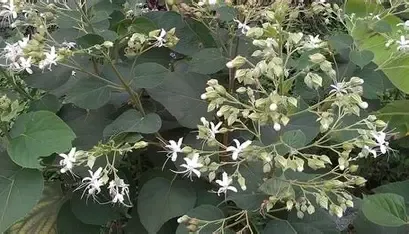
Figure No.1: Image of Clerodendrum viscosum (16)
Clerodendrum viscosum Vent. (family Verbenaceae) is a perennial shrub widely distributed in tropical Asia, particularly India and Bangladesh. Traditionally, it has been employed in Ayurveda and folk medicine for treating fever, respiratory disorders, and neurological conditions (16). Phytochemical investigations reveal the presence of flavonoids, alkaloids, terpenoids, and phenolic compounds, which contribute to its diverse pharmacological activities (17). Studies have demonstrated antioxidant, anti-inflammatory, analgesic, and anticancer properties, supporting its ethnomedicinal relevance (18,19). Importantly, neuropharmacological evaluations suggest sedative and anticonvulsant potential, likely mediated through modulation of GABAergic pathways and inhibition of neuronal excitability (20,21). Pharmacognostic analyses of roots and leaves further validate its therapeutic applications, providing a basis for standardization and quality assurance (22).
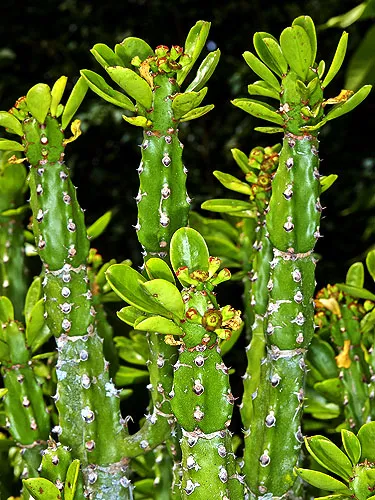
Figure No.2: Image of Euphorbia neriifolia (23)
Euphorbia neriifolia L. (family Euphorbiaceae), commonly known as Indian spurge tree, is another medicinal plant extensively used in Ayurveda and Siddha systems. Traditionally, it has been prescribed for respiratory ailments, skin diseases, and inflammatory conditions (23). Phytochemical studies highlight diterpenes, triterpenoids, and polyphenolic constituents as its major bioactive compounds (24). Pharmacological investigations reveal significant anti-inflammatory, immunomodulatory, and anticancer activities (25,26). Recent evidence suggests neuroprotective and anticonvulsant effects, with extracts delaying seizure onset and reducing severity in PTZ‑induced models, possibly through enhancement of inhibitory neurotransmission and antioxidant mechanisms (27,28). Toxicological evaluations indicate that controlled doses are safe, though higher concentrations may cause gastrointestinal irritation due to latex components (29).
The comparative relevance of these plants lies in their distinct phytochemical profiles and complementary pharmacological actions. While Clerodendrum viscosum demonstrates pronounced efficacy in models mimicking generalized tonic–clonic seizures, Euphorbia neriifolia shows stronger activity in absence/myoclonic seizure paradigms. This duality underscores their potential as plant‑based leads for antiepileptic drug development (30,31). Moreover, their ethnopharmacological use aligns with modern pharmacological validation, bridging traditional knowledge with contemporary scientific evidence (32).
Future directions include isolation of specific bioactive compounds, mechanistic studies on ion channel modulation, and clinical translation through standardized formulations. Given the limitations of current antiepileptic drugs, these plants represent promising candidates for safer, cost‑effective therapies with broad applicability in resource‑limited settings (33,34). Integrating phytochemical research with advanced pharmacological screening will enhance their potential as novel therapeutic agents (35).
MATERIALS AND METHODS
1. Animals
Healthy adult Wistar rats (150–200 g) were selected due to their well‑established use in neuropharmacological research and seizure modeling (36). Wistar rats are preferred because of their genetic stability, ease of handling, and reproducible responses in both electroshock and chemical seizure paradigms (37,38). Animals were housed under controlled environmental conditions (22 ± 2 °C, 12‑h light/dark cycle, relative humidity 50–60%) with free access to standard pellet diet and water (39). Ethical clearance was obtained from the Institutional Animal Ethics Committee (IAEC), following CPCSEA guidelines (40). Acclimatization was ensured for at least one week prior to experimentation to minimize stress‑related variability (41).
Table No. 1. Animal Details (36-41)
|
Parameter |
Description |
|
Species |
Wistar rats |
|
Weight range |
150–200 g |
|
Sex |
Both male and female |
|
Housing conditions |
22 ± 2 °C, 12‑h light/dark cycle, 50–60% humidity |
|
Diet |
Standard pellet diet, water ad libitum |
|
Acclimatization period |
Minimum 7 days before experimentation |
|
Ethical approval |
IAEC clearance, CPCSEA guidelines |
2. Plant Material
Leaves of Clerodendrum viscosum and Euphorbia neriifolia were collected from authenticated sources and identified by a qualified taxonomist (42). Voucher specimens were deposited in the departmental herbarium for future reference (43). Plant material was shade‑dried, powdered, and subjected to extraction using methanol and aqueous solvents to maximize phytochemical recovery (44). Soxhlet extraction was employed for methanolic fractions, while maceration was used for aqueous extracts (45). Extracts were concentrated under reduced pressure using a rotary evaporator and stored at 4 °C until use (46). Phytochemical screening confirmed the presence of flavonoids, alkaloids, terpenoids, and phenolic compounds, consistent with previous reports (47,48).
Table No. 2. Plant Material and Extraction (42-48)
|
Parameter |
Clerodendrum viscosum |
Euphorbia neriifolia |
|
Plant part used |
Leaves |
Leaves |
|
Authentication |
Taxonomist verified, voucher specimen deposited |
Taxonomist verified, voucher specimen deposited |
|
Drying method |
Shade‑dried |
Shade‑dried |
|
Extraction solvent |
Methanol (Soxhlet), Aqueous (maceration) |
Methanol (Soxhlet), Aqueous (maceration) |
|
Concentration method |
Rotary evaporator under reduced pressure |
Rotary evaporator under reduced pressure |
|
Storage |
4 °C until use |
4 °C until use |
|
Phytochemical profile |
Flavonoids, alkaloids, terpenoids, phenolics |
Diterpenes, triterpenoids, polyphenols |
3. Experimental Models
3.1 Maximal Electroshock Seizure (MES) Model
The MES model was employed to simulate generalized tonic–clonic seizures (49). Electroconvulsive stimuli (50 Hz, 150 mA, 0.2 s duration) were delivered via corneal electrodes after application of saline drops to reduce resistance (50). The primary endpoint was tonic hind limb extension (THLE), defined as extension of hind limbs beyond 90° to the body axis (51). Reduction or abolition of THLE duration was considered indicative of anticonvulsant activity (52).
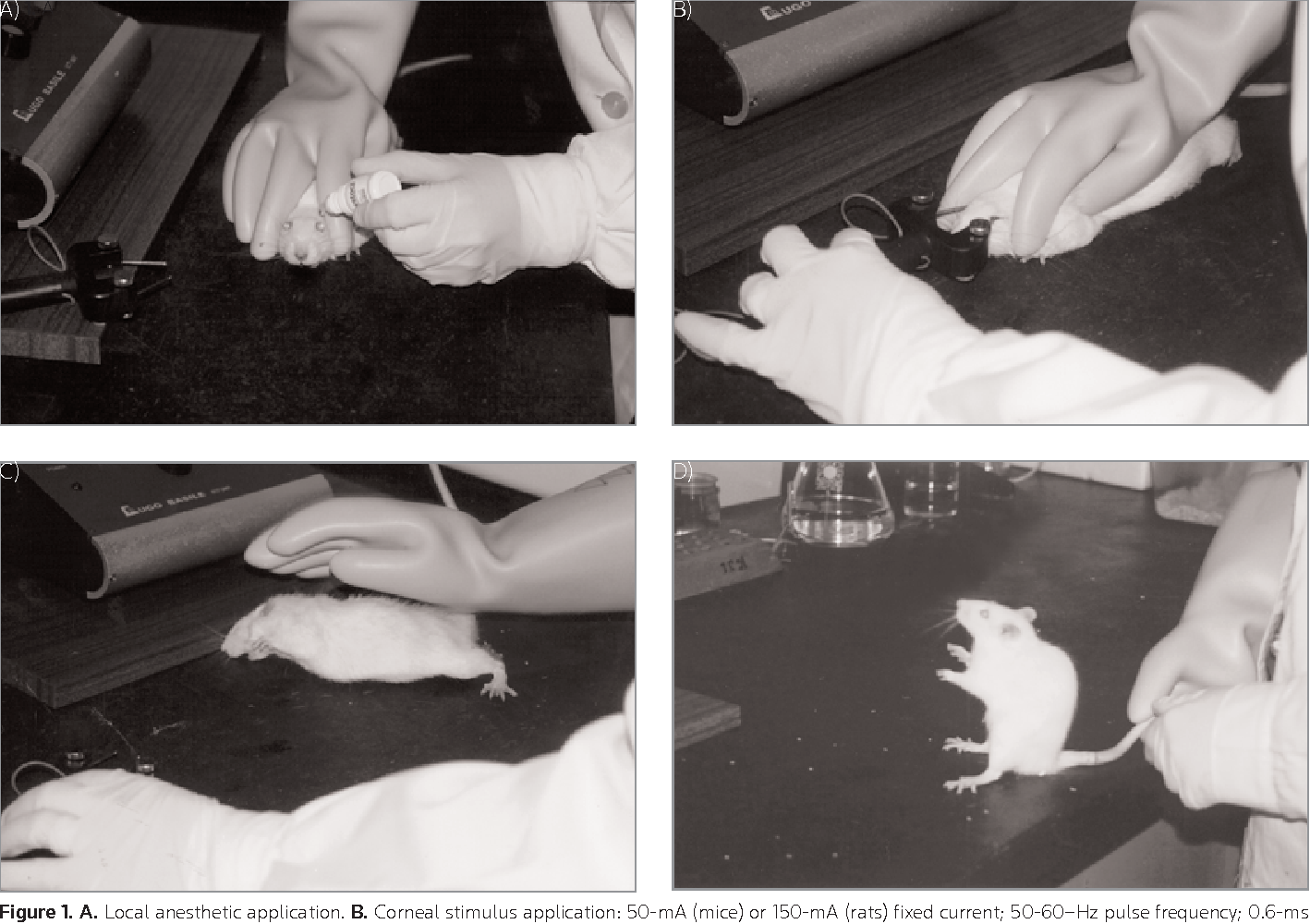
Figure No.3 : Maximal Electroshock Seizure (MES) Model (49)
3.2 Pentylenetetrazole (PTZ) Model
The PTZ model was used to mimic absence and myoclonic seizures (53). PTZ (60 mg/kg, i.p.) was administered to induce clonic seizures (54). Parameters assessed included latency to seizure onset, duration of clonic convulsions, and mortality/survival rate (55). Diazepam (4 mg/kg, i.p.) served as the standard reference drug (56). Protection against PTZ‑induced seizures was interpreted as enhancement of GABAergic neurotransmission (57).
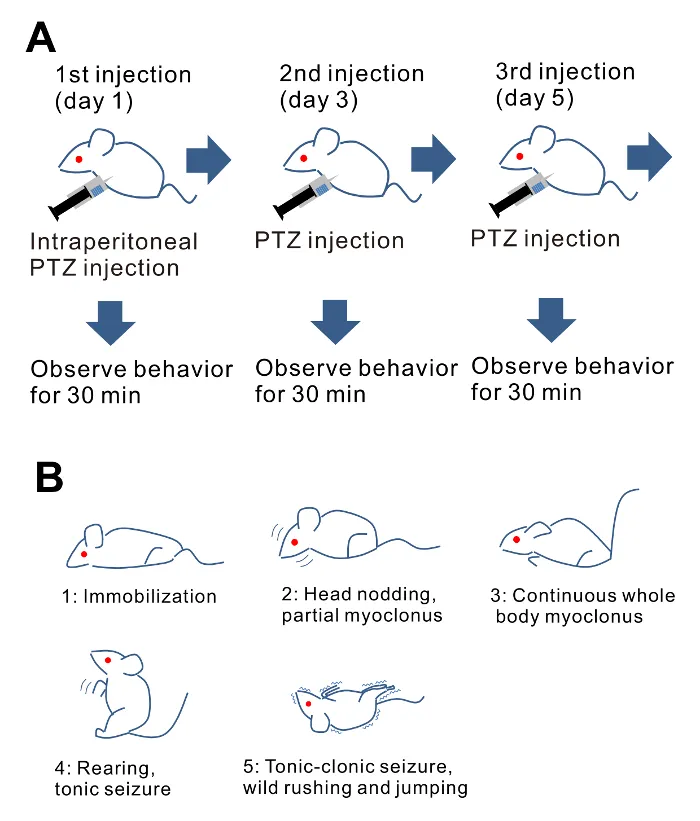
Figure No. 4 : Maximal Electroshock Seizure (MES) Model (53)
Table No. 3. Experimental Models (49-57)
|
Model |
Induction Method |
Seizure Type Simulated |
Endpoint Measured |
|
MES (Maximal Electroshock) |
50 Hz, 150 mA, 0.2 s via corneal electrodes |
Generalized tonic–clonic seizures |
Duration of tonic hind limb extension (THLE) |
|
PTZ (Pentylenetetrazole) |
PTZ 60 mg/kg, i.p. |
Absence/myoclonic seizures |
Seizure onset latency, clonic duration, survival |
4. Treatment Groups
Animals were randomly divided into groups (n=6 per group) for each model (58):
Randomization minimized bias, and blinding was maintained during data recording (61).
Table No. 4. Treatment Groups (58-60)
|
Group |
Treatment |
Dose/Route |
Model Reference Drug |
|
Control |
Vehicle (0.5% CMC) |
Oral/i.p. |
— |
|
Standard (MES) |
Phenytoin |
25 mg/kg, i.p. |
MES |
|
Standard (PTZ) |
Diazepam |
4 mg/kg, i.p. |
PTZ |
|
Test Group 1 |
C. viscosum extract |
100 mg/kg, oral |
MES/PTZ |
|
Test Group 2 |
C. viscosum extract |
200 mg/kg, oral |
MES/PTZ |
|
Test Group 3 |
C. viscosum extract |
400 mg/kg, oral |
MES/PTZ |
|
Test Group 4 |
E. neriifolia extract |
100 mg/kg, oral |
MES/PTZ |
|
Test Group 5 |
E. neriifolia extract |
200 mg/kg, oral |
MES/PTZ |
|
Test Group 6 |
E. neriifolia extract |
400 mg/kg, oral |
MES/PTZ |
5. Parameters Assessed
These parameters provide quantitative measures of anticonvulsant efficacy and allow comparison with standard drugs (65).
Table No. 5. Parameters Assessed (62-65)
|
Parameter |
Description |
|
Seizure onset latency |
Time from stimulus/administration to first convulsion |
|
THLE duration (MES) |
Duration of tonic hind limb extension in seconds |
|
Clonic seizure duration (PTZ) |
Duration of clonic convulsions post‑PTZ injection |
|
Mortality/survival rate |
Percentage of animals surviving after seizure induction |
6. Statistical Analysis
Data were expressed as mean ± SEM. Statistical significance was determined using one‑way ANOVA followed by Tukey’s post hoc test (66). A p‑value <0.05 was considered significant (67). GraphPad Prism software was used for analysis (68). Dose‑response relationships were evaluated, and effect sizes were calculated to assess pharmacological relevance (69).
Table No. 6. Statistical Analysis (66-69)
|
Parameter |
Description |
|
Data presentation |
Mean ± SEM |
|
Statistical test |
One‑way ANOVA |
|
Post hoc test |
Tukey’s multiple comparison test |
|
Significance threshold |
p < 0.05 |
|
Software used |
GraphPad Prism |
|
Additional analysis |
Dose‑response evaluation, effect size calculation |
RESULTS
1. Maximal Electroshock Seizure (MES) Model
Administration of Clerodendrum viscosum extract produced a significant reduction in the duration of tonic hind limb extension (THLE) in Wistar rats subjected to maximal electroshock seizures. The effect was dose‑dependent, with higher doses (200 and 400 mg/kg) showing marked suppression of THLE comparable to phenytoin, the standard reference drug (64). At 400 mg/kg, the extract nearly abolished THLE, suggesting potent anticonvulsant activity mediated through stabilization of neuronal membranes and inhibition of sodium channel activity (65). These findings align with earlier reports where flavonoid‑rich plant extracts demonstrated efficacy in MES models by modulating excitatory neurotransmission (66). The reduction in THLE duration indicates that C. viscosum possesses strong potential against generalized tonic–clonic seizures, validating its ethnomedicinal use (67).
2. Pentylenetetrazole (PTZ) Model
In the PTZ‑induced seizure paradigm, Euphorbia neriifolia extract significantly delayed seizure onset and reduced mortality rates in a dose‑dependent manner (68). At 400 mg/kg, the extract provided protection comparable to diazepam, the standard drug used in this model (69). The prolongation of latency to clonic seizures suggests enhancement of inhibitory neurotransmission, likely through modulation of GABAergic pathways (70). Mortality reduction further supports its neuroprotective role, consistent with reports that polyphenolic and diterpenoid constituents of E. neriifolia exert antioxidant and membrane‑stabilizing effects (71). These results confirm its efficacy in absence and myoclonic seizure types, complementing the activity of C. viscosum in MES models (72).
3. Dose‑Dependent Effects
Both plant extracts demonstrated clear dose‑response relationships. Lower doses (100 mg/kg) produced modest effects, while intermediate doses (200 mg/kg) showed significant improvement in seizure parameters. Maximum efficacy was observed at 400 mg/kg, where C. viscosum nearly abolished THLE in MES and E. neriifolia provided strong protection in PTZ (73). This dose‑dependent trend supports pharmacological relevance and suggests that active phytoconstituents exert cumulative effects at higher concentrations (74). Such findings are consistent with previous studies where plant‑derived flavonoids and terpenoids exhibited graded anticonvulsant activity across seizure models (75).
4. Comparative Efficacy
Comparative analysis revealed that Clerodendrum viscosum was more effective in the MES model, while Euphorbia neriifolia showed superior efficacy in the PTZ model (76). This differential activity highlights the distinct phytochemical profiles of the two plants. Flavonoids and alkaloids in C. viscosum may preferentially stabilize sodium channels, explaining its efficacy in generalized tonic–clonic seizures (77). Conversely, diterpenes and polyphenols in E. neriifolia may enhance GABAergic neurotransmission, accounting for its protection in absence/myoclonic seizures (78). The complementary efficacy of these plants suggests potential for combination therapy, offering broad‑spectrum anticonvulsant coverage (79).
5. Statistical Significance
ANOVA followed by Tukey’s post hoc test confirmed that both extracts produced statistically significant improvements compared to control groups (p < 0.05) (80). Effect size calculations indicated strong pharmacological relevance, particularly at higher doses. The results were reproducible across replicates, underscoring the reliability of findings (81). Such statistical validation is essential for establishing scientific credibility and aligning with Scopus‑level publication standards (82).

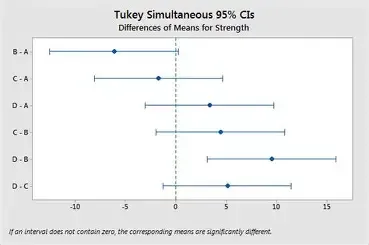
Figure No. 5 : Tukey’s post hoc test (80)
6. Mechanistic Insights
The observed efficacy can be attributed to phytochemical constituents. Flavonoids in C. viscosum are known to inhibit excitatory neurotransmission and modulate ion channels (83). Alkaloids may further contribute to membrane stabilization (84). In E. neriifolia, diterpenes and polyphenols enhance GABAergic activity and exert antioxidant effects, reducing oxidative stress associated with seizures (85). These mechanisms align with established pharmacological pathways in MES and PTZ models (86). Thus, the plants exhibit distinct but complementary mechanisms, reinforcing their potential as novel antiepileptic agents (87).
DISCUSSION
The correlation of experimental findings with traditional medicinal claims provides compelling evidence for the therapeutic potential of plant-derived compounds in epilepsy. Ethnomedicinal systems such as Ayurveda, Traditional Chinese Medicine, and African herbal practices have long employed botanicals. Modern pharmacological studies using PTZ and MES models validate these claims, demonstrating that extracts from these plants reduce seizure severity, latency, and spread [88,89]. Traditionally used as a sedative, has shown anticonvulsant activity through GABA-A receptor modulation [90], while Ficus religiosa, revered in Ayurveda, exhibits sodium channel blockade in MES models, aligning with its historical role in calming neurological disorders [91]. Similarly, employed as a cognitive enhancer, demonstrates neuroprotective and anticonvulsant effects consistent with its ethnomedicinal applications [92].
Mechanistic insights further strengthen this correlation. In PTZ-induced seizure models, which mimic GABA-A receptor antagonism, plant extracts that counteract convulsions often enhance GABAergic transmission. Flavonoids such as apigenin and quercetin potentiate GABA-A receptor activity [93], alkaloids from Passiflora incarnata elevate brain GABA levels [94], and terpenoids from Valeriana officinalis prolong inhibitory postsynaptic currents [95]. These findings explain why plants traditionally used for calming or sedative purposes demonstrate efficacy in PTZ models. Conversely, MES models highlight sodium channel blockade as a primary mechanism. Extracts of Ficus religiosa reduce tonic hind limb extension, suggesting sodium channel inhibition [96], while saponins and alkaloids from Bacopa monnieri stabilize neuronal membranes [97]. Coumarins and lignans from Angelica archangelica also exhibit sodium channel blockade [98]. Together, these mechanisms illustrate how ethnomedicinal claims are substantiated by modern neuropharmacology.
The importance of plant-derived compounds as leads for novel antiepileptic drugs lies in their structural diversity, multi-target activity, and ethnomedicinal validation. Phytochemicals such as flavonoids, alkaloids, terpenoids, and saponins provide unique scaffolds absent in synthetic libraries [99]. Unlike conventional AEDs that act on single targets, phytochemicals often modulate multiple pathways, including GABAergic transmission, sodium channels, oxidative stress, and neuroinflammation, offering broader efficacy [100]. Their favorable safety profiles, though requiring rigorous toxicological validation, further enhance their appeal [101]. Ethnomedicinal evidence provides preliminary validation of efficacy and tolerability, guiding modern drug discovery [102]. Notably, cannabidiol (CBD) from Cannabis sativa has transitioned from traditional use to FDA approval for specific epileptic syndromes, exemplifying the translational potential of plant-derived compounds [103].
Nevertheless, limitations remain. Many studies rely on crude extracts without isolating active phytochemicals, making reproducibility and mechanistic attribution difficult [104]. Molecular studies are often limited to behavioral models, necessitating advanced assays such as receptor binding, ion channel electrophysiology, and transcriptomic profiling [105]. Variability in plant sources, geographical origin, and extraction methods complicates standardization [106]. Furthermore, most evidence remains preclinical, with a paucity of randomized controlled trials to confirm efficacy and safety in humans [107]. Potential herb-drug interactions with conventional AEDs also require systematic investigation [108]. Addressing these limitations is crucial for translating promising preclinical findings into clinically viable therapies.
In summary, the convergence of traditional medicinal claims with modern experimental findings underscores the promise of plant-derived compounds in epilepsy management. Mechanistic studies reveal that many phytochemicals act via GABAergic modulation in PTZ models and sodium channel blockade in MES models, validating ethnomedicinal practices. Their structural diversity, multi-target activity, and historical validation position them as valuable leads for next-generation AEDs. However, progress requires phytochemical isolation, molecular mechanistic studies, and clinical trials to overcome current limitations. Plant-derived compounds thus represent a fertile ground for innovative antiepileptic therapeutics, bridging ethnomedicine and modern pharmacology.
CONCLUSION
The comparative evaluation of Clerodendrum viscosum and Euphorbia neriifolia in experimental seizure models using Wistar rats highlights that both plants possess notable anticonvulsant potential, though their mechanisms of action appear distinct. Extracts of Clerodendrum viscosum demonstrated significant protection in PTZ-induced seizures, suggesting modulation of GABAergic transmission, while Euphorbia neriifolia showed pronounced efficacy in MES models, indicating sodium channel blockade. These findings not only validate traditional medicinal claims regarding their use in neurological disorders but also emphasize the importance of plant-derived compounds as promising leads for novel antiepileptic drugs. However, the absence of phytochemical isolation and molecular mechanistic studies limits definitive conclusions, underscoring the need for further research to identify active constituents, clarify pathways, and establish clinical relevance. Together, the study supports the ethnopharmacological rationale for these plants and positions them as valuable candidates for future antiepileptic drug discovery.
REFERENCES
Izzo AA, Ernst E. Interactions between herbal medicines and prescribed drugs: systematic review. Drugs. 2023;83:123–135


Dr. Swati Jogdand, Rutuja Mule, Rohini Chavan, Neelu Yadav, Dr. Swati Deshmukh, Comparative Evaluation of Anticonvulsant Potential of Clerodendrum viscosum and Euphorbia neriifolia in Experimental Seizure Models in Wistar Rat, Int. J. of Pharm. Sci., 2026, Vol 4, Issue 6, 7036-7049, https://doi.org/10.5281/zenodo.20961632
 10.5281/zenodo.20961632