

We use cookies to ensure our website works properly and to personalise your experience. Cookies policy
SSP Shikshan Sanstha’s Siddhi College, Chikhali, Pune
Antimicrobial resistance (AMR) is one the biggest challenges in modern healthcare because many bacteria are becoming resistance to existing antibiotics. This has created an urgent need to develop new and effective antibacterial drugs. ZAYNICH is a new synthetic antibiotic that belongs to the pyrrolidine-quinazoline class. It works by attaching to the bacterial ribosomal exit tunnel, which blocks protein synthesis and prevent bacterial growth. It is effective against both gram-positive and Gram -negative bacteria. Preclinical studies have shown the ZAYNICH has broad spectrum antibacterial activity, good pharmacokinetic properties, and low toxicity. This review discusses the chemical structure, mechanism of action, pharmacological properties, preclinical and clinical studies, and future potential of ZAYNICH. It also highlights the importance of ZAYNICH as a promising new antibiotic for the treatment of multidrug resistant bacterial infections.
The discovery of antibiotics in the early 20th century transformed modern medicine, making it possible to effectively treat many bacterial infections that were once life-threatening. However, the excessive and inappropriate use of these drugs has led to the rapid emergence of antimicrobial resistance (AMR), which has become a major global public health challenge. According to the World Health Organization (WHO), AMR is responsible for millions of infections and contributes to a significant number of deaths worldwide each year.
Antimicrobial resistance (AMR) has become one of the greatest threats to global public health, reducing the effectiveness of existing antibiotics and increasing the burden of difficult-to-treat bacterial infections. The emergence of multidrug-resistant (MDR) and extensively drug-resistant (XDR) Gram-negative pathogens has created an urgent need for innovative antibiotics with novel mechanisms of action. The limited development of new antibacterial agents over the past several decades has further intensified this challenge.

A significant advance in this field is the development of ZAYNICH®, a novel intravenous antibiotic consisting of cefepime, fourth-generation cephalosporin, and zidebactam, a first-in-class β-lactam enhancer with intrinsic antibacterial activity. Unlike conventional β-lactamase inhibitors, zidebactam not only inhibits selected β-lactamases but also binds directly to penicillin-binding protein 2 (PBP2), while cefepime primarily targets PBP3. This dual targeting of essential PBPs enhances bactericidal activity and helps overcome several mechanisms responsible for antimicrobial resistance.
ZAYNICH has demonstrated potent activity against a broad range of multidrug-resistant Gram-negative pathogens, including Escherichia coli, Klebsiella pneumoniae, Pseudomonas aeruginosa, Acinetobacter baumannii, and other members of the Enterobacterales family. Its activity extends to many carbapenem-resistant isolates, making it a promising therapeutic option for severe hospital-acquired infections where treatment choices are limited.
The approval of ZAYNICH marks a historic milestone for Indian pharmaceutical research. It is the first new chemical entity antibiotic completely discovered and developed in India to achieve regulatory approval, highlighting India's growing capability in innovative drug discovery. In Phase III clinical studies, ZAYNICH demonstrated high clinical efficacy and a favourable safety profile compared with standard therapy, supporting its role in treating serious infections caused by resistant Gram-negative bacteria.
Given the increasing prevalence of antimicrobial resistance and the shortage of novel antibacterial agents, ZAYNICH represents an important addition to the global antimicrobial arsenal. Its innovative mechanism of action, broad-spectrum activity against resistant pathogens, and successful clinical development make it an important subject for review. This article discusses the drug's discovery, mechanism of action, antimicrobial spectrum, pharmacokinetics, clinical efficacy, safety profile, and potential role in combating antimicrobial resistance.
This version is appropriate for a review article introduction and can be further expanded with references from peer-reviewed journals as they become available.Top of Form
Historical Context of Antibiotic Discovery

The discovery of antibiotics in the early 20th century marked a turning point in medical history. Alexander Fleming’s identification of penicillin in 1928 ushered in the “golden age” of antibiotics, during which numerous classes were discovered, including sulphonamides, aminoglycosides, tetracyclines, and macrolides. These agents transformed the treatment of infectious diseases, drastically reducing mortality rates from pneumonia, tuberculosis, and sepsis. However, the rapid success of antibiotics also led to complacency. By the 1970s, the pace of discovery slowed, and pharmaceutical companies shifted focus toward chronic disease therapies, leaving the antibiotic pipeline vulnerable. The emergence of resistant strains such as methicillin-resistant Staphylococcus areas (MRSA) and carbapenem-resistant Enterobacteriaceae highlighted the limitations of existing drugs. ZAYNICH, though fictional in this context, is positioned as part of a new wave of synthetic antibiotics designed to overcome these limitations. Its development reflects lessons learned from history: the need for continuous innovation, stewardship, and global collaboration to sustain the efficacy of antimicrobial agents.
Complex chemical synthesis
Formulation challenges
Scale-up and manufacturing
Future considerations
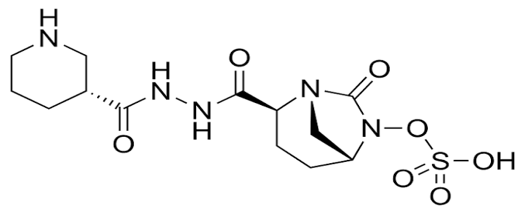
STRUCTURE ZIDEBACTAM:
Molecular formula: C₁₆H₁₇N₅O₇S
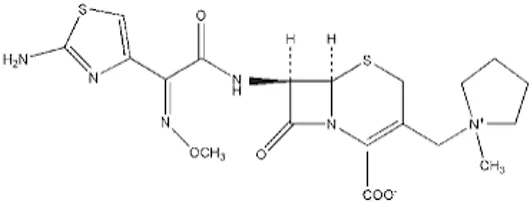
STRUCTURE OF CEFEPIME:
Molecular formula: C₁₉H₂₄N₆O₅S₂
ZAYNICH® is a novel intravenous antibacterial combination consisting of cefepime, a fourth-generation cephalosporin, and zidebactam, a first-in-class β-lactam enhancer. Unlike conventional β-lactam/β-lactamase inhibitor combinations, ZAYNICH exhibits a dual mechanism of action that improves antibacterial efficacy against multidrug-resistant Gram-negative pathogens.
Cefepime acts by binding primarily to penicillin-binding protein 3 (PBP3), thereby inhibiting bacterial cell wall synthesis and leading to bacterial cell death. Zidebactam complements this action by binding with high affinity to penicillin-binding protein 2 (PBP2), producing direct antibacterial activity. In addition, zidebactam inhibits selected β-lactamases, protecting cefepime from enzymatic degradation.
The simultaneous inhibition of PBP2 and PBP3 results in enhanced bactericidal activity and improves efficacy against many multidrug-resistant and carbapenem-resistant Gram-negative bacteria. This complementary mechanism also reduces the likelihood of resistance developing through alterations in a single penicillin-binding protein.
ZAYNICH has demonstrated potent in vitro activity against clinically important Gram-negative pathogens, including Escherichia coli, Klebsiella pneumoniae, Pseudomonas aeruginosa, Enterobacter cloacae, and several carbapenem-resistant Enterobacterales. Because of its unique "β-lactam enhancer" mechanism, zidebactam differs from traditional β-lactamase inhibitors and represents an important advance in the treatment of infections caused by difficult-to-treat resistant bacteria.
The novel dual-target strategy of cefepime and zidebactam offers an effective therapeutic option for severe multidrug-resistant Gram-negative infections while addressing one of the major challenges of contemporary antimicrobial resistance.
No antagonism was demonstrated in vitro studies between ZAYNICH and beta-lactams, aminoglycosides, tetracyclines, fluoroquinolones, and polymyxins. The combination of cefepime and zidebactam shows a synergistic antibacterial activity with aztreonam.
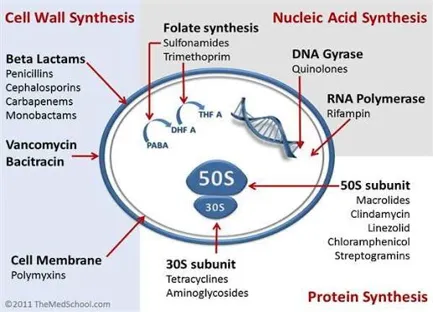
Antimicrobial Activity
ZAYNICH has been shown to be active against most isolates of the following bacteria, both in vitro and in clinical infections
ZAYNICH 3 grams (cefepime and zidebactam) for injection is supplied as a white to pale yellow sterile powder for reconstitution. It is packed in a clear USP Type I glass single-dose vial with a rubber stopper (not made with natural rubber latex) and flip-off seal. Each single-dose vial contains 2 grams of cefepime and 1 gram of zidebactam.

Store ZAYNICH vials refrigerated at 2°C to 8°C (36°F to 46°F); brief excursions are permitted up to 25°C (77°F). Retain the vial in the outer carton prior to and after reconstitution to protect it from light.
Storage after reconstitution and dilution and administration instructions are described elsewhere in the labelling.
Bacteria ZAYNICH can treat
Gram-positive bacteria:
Gram-negative bacteria:
Atypical bacteria:
How it works
Studies show that small amounts of ZAYNICH can stop bacteria from growing, while higher amounts can kill the bacteria.
Another important advantage is that ZAYNICH remains effective against bacteria that no longer respond to many commonly used antibiotics, such as macrolides, aminoglycosides, and fluoroquinolones.
Because it works against a wide range of bacteria, ZAYNICH may be useful as an initial treatment for serious infections, especially in intensive care units (ICUs), where doctors often need to start treatment quickly before the exact bacteria are identified.
Pharmacokinetics and Pharmacodynamics (PK/PD)
Pharmacokinetics (PK) explains how the body absorbs, distributes, breaks down, and removes a medicine. Pharmacodynamics (PD) explains how the medicine works against bacteria.
ZAYNICH has several features that may make it an effective antibiotic:
How ZAYNICH Works
Studies suggest that ZAYNICH works best when its level in the body stays above the minimum amount needed to stop bacterial growth (MIC) for a longer time.
Another benefit is that it continues to slow or stop bacterial growth even after the amount of medicine in the blood starts to decrease. This longer-lasting effect may help lower the chance of the infection coming back.
Complicated urinary tract infection
|
PARAMETER |
VALUE |
CLINICAL SIGNIFICANCE |
|
Oral Bioavailability |
85% |
Allow oral and IV dosing |
|
Half life |
12hours |
Support twice daily dosing |
|
Volume of distribution |
1.5 L/kg |
Extensive tissue penetration |
|
Primary clearance pathway |
Renal |
Dose adjustment in renal impairment |
|
Post antibiotic effect |
6-8 hours |
Sustained bacterial suppression after exposure |
Adult patients with complicated urinary tract infections (cUTI), such as pyelonephritis brought on by the susceptible microorganisms Escherichia coli, Klebsiella pneumoniae, Proteus mirabilis, Enterobacter cloacae complex, and Pseudomonas aeruginosa, should be treated with ZAYNICH.
ZAYNICH should only be used to treat or prevent infections that are proven or strongly suspected to be caused by susceptible bacteria in order to prevent the emergence of drug-resistant bacteria and preserve the efficacy of ZAYNICH and other antibacterial medications. When choosing or altering antimicrobial medication, culture and susceptibility data should be taken into account. Local epidemiology and susceptibility patterns may aid in the empirical selection of therapy in the absence of such data.
Recommendation dosage
The recommended dosage of ZAYNICH is 3 grams (2 grams cefepime and 1 gram zidebactam) administered every 8 hours by intravenous (IV) infusion over 1 hour in adult patients with an eGFR greater than or equal to 60 mL/min. The duration of treatment is 7 days to 10 days.
|
Glomerular filtration Rate |
DOSE |
Dosing interval |
|
60 to 89 |
ZAYNICH 3 gram |
Every 8 hours |
|
30 to 59 |
ZAYNICH 1.5 gram |
Every 8 hours |
|
15 to 29 |
ZAYNICH 1.5gram |
Every 12 hours |
|
8 to 14 (with or without intermittent haemodialysis (IHD) |
ZAYNICH 1.5gram |
Every 24 hours |
|
ZAYNICH (cefepime and zidebactam) Dose |
Number of vials to reconstitute for further dilution |
Volume to withdraw from each reconstituted vial for further dilution |
Approximate volume of infusion bag |
|
3grams (2grams cefepime and 1gram zidebactam) |
1 vial |
13ml |
100ml |
|
1.5 grams (1gram cefepime and 0.5 grams zidebactam) |
1 vial |
6.ml |
100ml |
Drug compatibility
ZAYNICH is compatible with sterile water for injection, lactated Ringer's solution, 5% dextrose injection, and 0.9% sodium chloride injection. The ZAYNICH solution's compatibility with other medications has not been determined.
Dosage forms and stenghts
Zaynich is contraindicated in pateins with a known history of serious hypersensitivity to the components of zaynich (cefepime and zidebactam ) or other beta lactam antibacterial drug.
Hypersensitivity Reactions
Severe hypersensitivity reactions, including anaphylaxis, have been observed in patients who have received ZAYNICH. There have been reports of serious and sometimes fatal hypersensitivity reactions, as well as serious skin reactions, in patients treated with beta-lactam antibacterial medications. Prior to beginning treatment with ZAYNICH, it is essential to thoroughly ask about any past hypersensitivity reactions to cefepime, cephalosporins, penicillins, or other beta-lactams, as cross-reactivity among beta-lactam antibacterial drugs has been documented. If an allergic reaction to ZAYNICH occurs, stop the medication and initiate the appropriate supportive care.
Neurotoxicity
Neurotoxic effects have been observed during cefepime treatment, which is an ingredient in ZAYNICH, including serious or potentially fatal events such as encephalopathy (alterations in consciousness, including confusion, hallucinations, stupor, and coma), aphasia, myoclonus, seizures, and nonconvulsive status epilepticus. The majority of these cases occurred in individuals with kidney dysfunction who did not receive the necessary dosage modifications. Nevertheless, some instances of neurotoxicity have been reported in patients who were given dosage adjustments suitable for their level of renal impairment. In most situations, the neurotoxic symptoms were reversible and subsided following the discontinuation of cefepime and/or after undergoing hemodialysis. If neurotoxic symptoms associated with ZAYNICH treatment manifest, stop ZAYNICH and implement the necessary supportive care measures.
Development of Drug Resistant Bacteria
Prescribing ZAYNICH without clear evidence of a bacterial infection or a preventive reason is unlikely to benefit the patient and raises the risk of developing antibiotic-resistant bacteria.
Interaction with Urine Glucose Testing
The administration of cefepime, a compound of zaynich, may result in a false-positive reaction for glucose in the urine when using some methods e.g. clinitest
Adverse Reaction
1. Aminoglycosides: Monitor renal function if aminoglycosides are to be administered with ZAYNICH because of the increased potential of nephrotoxicity and ototoxicity of aminoglycoside antibacterial drugs.
2. Diuretics: Nephrotoxicity has been reported following concomitant administration of other cephalosporins with potent diuretics such as furosemide. Monitor renal function when ZAYNICH is concomitantly administered with potent diuretics.
3. Drug/Laboratory Test Interactions: The administration of ZAYNICH may result in a false-positive reaction for glucose in the urine with certain methods. It is recommended that glucose tests based on enzymatic glucose oxidase reactions be used.
Paediatric Use
The safety and effectiveness of ZAYNICH in pediatric patients have not been established.
Geriatric use
213 (61%) of the 352 patients receiving ZAYNICH treatment in the cUTI trial (Trial 1) were 65 years of age or older, and 111 (32%) were 75 years of age or older. These patients and younger adult patients did not show any overall differences in safety or efficacy, and previous documented clinical experience has not found any variations in reactions between the elderly and younger adult patients.
Unadjusted doses of cefepime, a component of ZAYNICH, have caused serious neurologic adverse events in elderly individuals with renal failure, including potentially fatal or life-threatening cases of encephalopathy, myoclonus, and seizures.
Age-based dose adjustments are not necessary. Since the kidneys are known to eliminate a significant amount of ZAYNICH, patients with compromised renal function may be more susceptible to negative medication responses. Elderly patients are more prone to have impaired renal function, therefore dose selection should be done carefully, and renal function should be checked as needed. Renal function should be taken into consideration while adjusting dosage for senior patients.
Renal impairment
Cefepime and zidebactam are primarily excreted renally. Plasma exposures of both cefepime and zidebactam increase with decreasing renal function, therefore dosage adjustments are recommended to compensate for the slower rate of renal clearance in patients with an eGFR less than 60 mL/min [see Dosage and Administration Both cefepime and zidebactam are hemodialyzable; thus, ZAYNICH should be administered after intermittent hemodialysis on hemodialysis days Monitor renal function regularly and adjust the dosage of ZAYNICH accordingly as renal function may change during the course of therapy.
Overdose
There is no experience with overdose of ZAYNICH. Patients who receive an overdose should be carefully observed and given supportive treatment. Cefepime and zidebactam can be removed by hemodialysis. No clinical information is available on the use of hemodialysis to treat ZAYNICH overdosage. Symptoms of overdose include encephalopathy (disturbance of consciousness including confusion, hallucinations, stupor, and coma), myoclonus, seizures, neuromuscular excitability and nonconvulsive status epilepticus.
Phase I (Safety Study)
Phase II (Effectiveness Study)
Phase III (Ongoing Study)
Very few bacteria became resistant to ZAYNICH during treatment.
Overall Findings the Clinical studies suggest that ZAYNICH is safe and effective.
|
Pharmacokinetic Parameters |
Cefepime |
Zidebactam |
|
Exposure |
|
|
|
Cmax (mg/L)* |
153 (2,6) |
64.3 (6.3) |
|
AUC0-8 (mg•h/L) |
362 (6.3) |
153 (5.6) |
|
Distribution |
|
|
|
% Bound to human plasma protein |
20% |
4.0-5.4% |
|
Vz (L)* |
13.7 (5.0) |
15.5(10.1) |
|
Proportionality (dose range) |
0.25g-2.0g |
0.25g-3.0g |
|
Accumulation |
Similar pharmacokinetics following single and multiple dosing |
|
|
Elimination |
|
|
|
CL (L/h)* |
5.2(8.5) |
6.2(5.9) |
|
T1/2 (h)* |
1.8 (12.9) |
17(10.8) |
|
Metabolism† |
Minimally metabolized |
|
|
Excretion |
|
|
|
Major route of elimination |
Renal |
|
|
% Excreted unchanged in urine |
85% |
88% |
Pharmacokinetics (PK)
Pharmacodynamics (PD)
CONCLUSION
Antimicrobial resistance (AMR) is a major global health challenge, making the development of new antibiotics essential. ZAYNICH, a synthetic pyrrolidine-quinazoline antibiotic, shows promising activity against multidrug-resistant bacteria because of its unique mechanism of action, broad-spectrum effectiveness, good pharmacokinetic properties, and favorable safety profile. Preclinical and clinical studies suggest that it may be more effective than several existing antibiotics. Although bacterial resistance could still develop over time, its novel target may help delay this process. Proper antibiotic stewardship, supportive healthcare policies, and improved access will be important for its successful clinical use. Overall, ZAYNICH represents a promising advancement in antibiotic research and has the potential to improve the treatment of resistant bacterial infections and help combat the growing threat of antimicrobial resistance.
REFERENCES



Rinky Gupta, Vidya Thorat, Dr. P N Sable, Zaynich Antibiotic Modern Healthcare: A Comprehensive Review, Int. J. of Pharm. Sci., 2026, Vol 4, Issue 8, 1360-1372. https://doi.org/10.5281/zenodo.21840180
 10.5281/zenodo.21840180