

We use cookies to ensure our website works properly and to personalise your experience. Cookies policy
1 Nirmala College of Pharmacy, Atmakur, 522503.
2,3,4,5 Hindu College of Pharmacy, Gunter, 522002.
Tuberculosis (TB), caused by Mycobacterium tuberculosis, remains one of the leading infectious diseases worldwide and continues to pose a significant public health challenge due to the emergence of drug-resistant strains and limitations associated with current treatment regimens. The search for novel therapeutic agents from natural sources has gained considerable attention in recent years. Pontederia crassipes (water hyacinth), an aquatic plant belonging to the family Pontederiaceae, has attracted scientific interest because of its rich phytochemical composition and diverse biological activities. Although commonly regarded as an invasive aquatic weed, water hyacinth contains various bioactive constituents, including alkaloids, flavonoids, phenolic compounds, terpenoids, tannins, and other secondary metabolites that exhibit antimicrobial, antioxidant, and anti-inflammatory properties. This article provides an overview of compounds for the development of novel therapeutic strategies against tuberculosis and supports further investigations through phytochemical screening, biological evaluation, the botanical characteristics, geographical distribution, phytochemical constituents, and pharmacological potential of P. crassipes, with particular emphasis on its possible role as a source of anti-tubercular agents. The study highlights the importance of exploring plant-derived bioactive and molecular studies.
Water Hyacinth
Pontederia Crassipes (Water Hyacinth) Pontederia crassipes, commonly referred to as water hyacinth, is an aquatic plant with floating nature. It is one of the most rapidly growing plants in the globe and commonly found in tropical and subtropical countries3.They are found commonly in freshwater bodies like ponds, lakes, rivers, and canals. This plant is a native of Amazon basin of South America and extended in different regions of the world due to accelerated growth and adaptability. Water hyacinth is commonly identified with thick, glossy leaves, and swollen petioles on the with charming violet or lavender colour flowers4. Though it is regarded as an invasive, and nuisance plant due to its capability to cover large water areas, and trouble to aquatic biota but gained interest for potential beneficial uses. In recent years, water hyacinth has been investigated for diverse applications including wastewater treatment, biofuel production, and medicinal purposes5. Water hyacinth is known to contain wide spectrum of phytochemicals like alkaloids, flavonoids, phenolic compounds, terpenoids, which are responsible for the biological properties6. Studies show that water hyacinth display antimicrobial, antioxidant and anti-inflammatory properties and suggest thatplant may offer potential source of bioactive molecules for novel therapeutic agents7.
Taxonomical Classification
Botanical Description
Water hyacinth is a floating aquatic plant with fully developed fibrous root system hanging freely in water. Its roots are dark, feathery and which helps in the nutrient absorption. Plant possesses short stems and formed dense mats on water surface. The leaves of plant are thick, broad, and glossy with characteristic swollen petioles which helps the plant to float. Leaf blades are oval to round shaped and in rosette pattern. The flower isattractive, with usually lavender to violet in color, with yellow spot in upper petal. They are arranged in spikelike aggregation and they are considered to be one of the most special characteristics of plant8
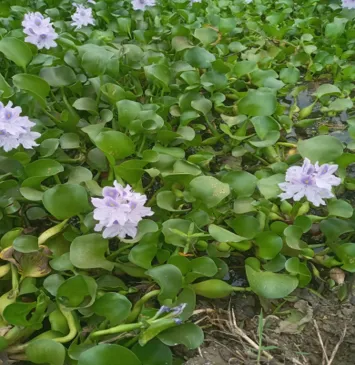
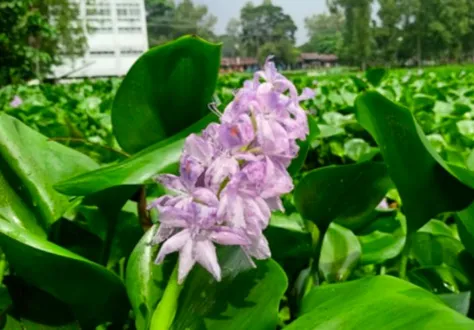
Figure 1.Pontederia crassipes (water hyacinth) growing in its natural aquatic habitat showing the characteristic vegetative and flowering morphology.
Geography Distribution
Habitat- Water hyacinth is native to Amazon basin of South America but presently it was extensively spread in tropical and subtropical part of world. It is now found countries all over the world in various regions like Asia, Africa, and North America. In India, Water hyacinth is commonly observed in freshwater bodies such as ponds, lakes, rivers and irrigation canals. It develops well in warm climate with high nutrient availability in water. It prefers stagnant and slowmoving water and can rapidly increase in volume if proper condition exist, often form dense mats covering surface of water which affect the aquatic life and water quality. In many places, it is seen as invasive in bodies of water.9
Tuberculosis
Tuberculosis (TB) is a chronic and granulomatous infectious disease which is caused by the bacillus called Mycobacterium tuberculosis. This infection mainly affects the lungs called pulmonary tuberculosis, but it can also affect extrapulmonary areas such as lymph nodes, pleura, bones, joints, kidneys, meninges etc10. Tuberculosis is one of the most important infectious diseases in the world. Tuberculosis exists in two forms: latent and active. In latent tuberculosis infection (LTBI), people stay a bacteria in the body called Mycobacterium tuberculosis, but do not show any symptoms and do not spread the disease. However, bacteria can become inactive for many years in the body and only become active later, when their immune system is weak or fails. On the other hand, active tuberculosis shows clear and clear symptoms and can spread to other people, especially if it is pulmonary11.
The pathological feature of tuberculosis is the formation of a granuloma, an organized aggregate of immune cells that develops to contain and control infection caused by Mycobacterium tuberculosis. Tuberculous granulomas are composed of various cell types, including macrophages, epithelioid cells, multinucleated giant cells, and lymphocytes12. A characteristic feature of these granulomas is caseous necrosis, in which the central region undergoes tissue destruction and develops a soft, cheese-like appearance13. Although granuloma formation plays a protective role by restricting bacterial spread, it also provides a microenvironment that allows M. tuberculosis to persist in a dormant state, contributing to latent infection and the potential for disease reactivation14.
Tuberculosis is an airborne infectious disease that is primarily transmitted through the inhalation of aerosolized droplets containing Mycobacterium tuberculosis. Transmission occurs when individuals with active pulmonary tuberculosis cough, sneeze, speak, or sing, releasing infectious particles into the air that can remain suspended for prolonged periods and be inhaled by susceptible individuals15. Exposure to even a small number of bacilli may result in infection and contribute to disease transmission16. Despite global efforts to control tuberculosis, it remains a major public health problem due to factors such as poverty, malnutrition, overcrowding, and poor living conditions17. In addition, conditions that impair the immune system, particularly human immunodeficiency virus (HIV) infection, significantly increase the risk of developing active tuberculosis. Individuals with weakened immune responses are less able to contain M. tuberculosis infection, resulting in an increased likelihood of progression from latent infection to active disease 16.
MATERIALS AND METHODS
Chemicals, Materials and Reagents
Distilled water, Methanol, Ethanol, Hydrochloric acid, Concentrated sulphuric acid, Analytical weighing balance, Soxhlet apparatus / Maceration apparatus, Beakers, Conical flasks, Measuring cylinders, Pipettes and droppers, Glass rods, Funnel and filter paper, Watch glass, Magnetic stirrer.
Collection and authentication of plant material
Fresh flowers of Pontederia crassipes were collected from a pond in Guntur during the month of March. The collected plant material was cleaned to remove adhering impurities and authenticated by a taxonomist from Acharya Nagarjuna University.
Preparation of ethanolic extract of pontederia crassipes flower
Fresh flowers of Pontederia crassipes were collected and washed thoroughly to remove dust and other adhering impurities. The petals were separated manually and weighed accurately. About 150 g of fresh flower petals were taken for extraction. The petals were immersed in 150 mL of ethanol in a clean glass container and kept in a dark place for three days to facilitate extraction of phytoconstituents. After completion of the extraction process, the extract was filtered using filter paper to remove insoluble materials and plant debris. The filtrate obtained was initially shade dried and then subjected to sun drying for further evaporation of the solvent. The partially concentrated extract was later heated gently using a heating mantle to obtain a concentrated solid mass. The dried mass obtained was triturated using a mortar and pestle to produce a fine powder. The prepared ethanolic extract powder was stored in an airtight container and used for preliminary phytochemical screening and in vitro anti-tubercular activity studies.
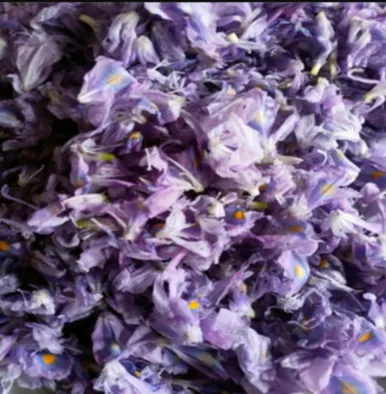
Figure 2. Freshly collected flowers of Pontederia crassipes used for phytochemical and biological investigations.
Preliminary phytochemical screening of Water Hyacinth
The ethanolic and aqueous extracts of Water Hyacinth were subjected to preliminary phytochemical screening using standard qualitative tests to detect the presence of various secondary metabolites18. The results of the screening, indicating the presence or absence of each phytoconstituent, are presented in Table below.
Table 1. Preliminary phytochemical screening of ethanolic and aqueous extracts of Pontederia crassipes flowers.
|
Sr. No |
Phytoconstituents |
Ethanolic extract |
Aqueous extract |
|
1. |
Alkaloids |
+ |
+ |
|
2. |
Anthraquinones |
- |
- |
|
4. |
Flavonoids |
+ |
+ |
|
5. |
Tannins |
- |
+ |
|
6. |
Steroids |
+ |
- |
|
7. |
Terpenoids |
+ |
- |
|
8. |
Saponins |
- |
- |
|
10. |
Phenolic Compounds |
+ |
- |
+ = present, − = absent
IN SILICO STUDIES
Selection and Preparation of Target Protein
Molecular docking studies were carried out to investigate the interaction between the phytoconstituents of Pontederia crassipes flower and the selected target protein of Mycobacterium tuberculosis. The three-dimensional crystal structure of the target protein, Enoyl-acyl Carrier Protein Reductase (InhA), was retrieved from the Protein Data Bank (PDB) with PDB ID 4P8N. The downloaded protein structure was carefully examined and prepared for docking studies. Water molecules, co-crystallized ligands, and other unwanted heteroatoms present in the structure were removed to avoid interference during docking. The prepared protein structure was then saved in the appropriate format and utilized as the receptor molecule for further molecular docking analysis. The active binding site of the protein was identified based on the reported ligand-binding residues and structural information available in the Protein Data Bank. The prepared receptor structure served as the target for evaluating the binding potential of the selected phytoconstituents.
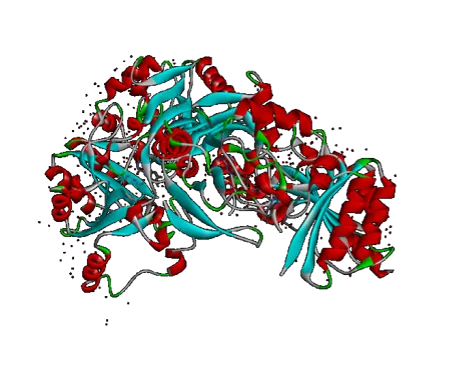
Figure 3: Three-dimensional structure of InhA enzyme (PDB ID: 4P8N)
Ligand Preparation
The phytoconstituents reported from Pontederia crassipes flower were selected for molecular docking studies. The chemical structures of the selected compounds were retrieved from the PubChem database in SDF format. The downloaded structures were converted into the appropriate format and subjected to energy minimization prior to docking. The prepared ligands were then used for docking against the target protein. Selected ligands included rutin, β-sitosterol, orientin, isovitexin, luteolin, myricetin, quercetin, chlorogenic acid, kaempferol, tricin, gossypetin, azaleatin, apigenin, naringenin, chrysoeriol and other phytoconstituents identified from Pontederia crassipes flowers.
Molecular Docking Studies
Molecular docking was performed using pyrxautodock vina docking software to predict the binding orientation and affinity of the selected phytoconstituents within the active site of the target protein. Docking is a computational technique that predicts the most favorable interaction between a ligand and a receptor molecule. The prepared protein was used as the receptor, while the selected phytoconstituents were treated as ligands. During the docking process, multiple binding conformations were generated and evaluated using a scoring function. The binding affinity values were expressed in kcal/mol. A more negative docking score indicates stronger binding between the ligand and the receptor protein. The docking study was performed to identify potential anti-tubercular compounds from Pontederia crassipes flower extract and to understand their molecular interactions with the target protein.
Protein–Ligand Interaction Analysis
Following docking, the best binding pose of each ligand was selected based on the docking score and interaction profile. The docked complexes were analyzed to identify amino acid residues involved in binding.Various molecular interactions such as hydrogen bonding, hydrophobic interactions, van der Waals forces, π-π interactions, and electrostatic interactions were evaluated. The strength and nature of these interactions were considered important factors influencing ligand binding and stability within the active site of the target protein.
Visualization of Docked Complexes
The docked protein–ligand complexes were visualized using molecular visualization software. Both two-dimensional (2D) and three-dimensional (3D) interaction diagrams were generated to provide a detailed understanding of the binding mechanism. The interaction maps were used to identify the key amino acid residues involved in ligand binding and to compare the interaction patterns of different phytoconstituents with the target protein.
ADME Prediction Studies
The pharmacokinetic properties of the selected phytoconstituents were evaluated using the ADMETlab 2.0 web server. ADME analysis was carried out to assess the Absorption, Distribution, Metabolism, and Excretion characteristics of the compounds. Parameters including molecular weight, hydrogen bond donors, hydrogen bond acceptors, lipophilicity (LogP), gastrointestinal absorption, bioavailability score, and Lipinski's Rule of Five were determined. The obtained results were used to evaluate the drug-likeness and pharmacokinetic suitability of the selected phytoconstituents as potential anti-tubercular agents.
IN VITRO STUDIES
In Vitro Anti-Tubercular Activity by Microplate Alamar Blue Assay (MABA)
The anti-tubercular activity of Water Hyacinth (Eichhornia crassipes) flower extract was evaluated using the Microplate Alamar Blue Assay (MABA) against Mycobacterium tuberculosis. MABA is a rapid, sensitive, and cost-effective colorimetric method widely used for the screening of compounds with anti-tubercular activity. The assay is based on the reduction of the blue-colored Alamar Blue reagent (resazurin) to a pink-colored product (resorufin) by metabolically active bacterial cells. The color change serves as an indicator of bacterial growth, viability, and metabolic activity of the microorganism. In the presence of an effective anti-tubercular agent, bacterial growth is inhibited and the blue color is retained, whereas active bacterial growth results in a change from blue to pink.
Procedure
RESULT AND DISSCUSSION
Molecular Docking Score (pdb id: 4P8N)
Molecular docking studies were carried out to evaluate the binding affinity of selected phytoconstituents reported from Pontederia crassipes flowers against the selected Mycobacterium tuberculosis target protein. The docking analysis was performed to predict the interaction of each phytoconstituent with the active site of the protein and to identify compounds with potential anti-tubercular activity, A total of 35 phytoconstituents were screened and their binding scores were compared with the standard ligand BTZ043. The docking score and amino acid interactions obtained for each compound are presented in Table 6.1. Compounds with more negative binding scores were considered to possess stronger binding affinity toward the target protein. The results revealed variations in binding affinity among the selected phytoconstituents, indicating differences in their interaction with the target protein. The detailed docking scores and interacting amino acid residues are shown below. Among all the compounds studied, rutin showed the highest binding affinity with a docking score of -11.4 kcal/mol, followed by β-sitosterol (-10.2 kcal/mol), orientin (-9.8 kcal/mol), and isovitexin (-9.7 kcal/mol). The standard drug BTZ043 showed a docking score of -6.7 kcal/mol. Several phytoconstituents(i.e, 18 ligands) showed better binding scores than the standard drug, indicating good interaction with the target protein.
Table 2 - Molecular Docking Results of Selected Phytoconstituents of Pontederia crassipes
|
Sr. No |
Ligand |
Binding Score |
Interactions |
|
1 |
Rutin |
-11.4 |
TYR, PRO, LYS, ARG, GLN, VAL, ASN, SER, TYR, TRP |
|
2 |
Beta-sitosterol |
-10.2 |
GLU, ALA, TYR, TRP, PHE, LEU |
|
3 |
Orientin |
-9.8 |
LYS, TYR, ARG, GLY, CYS, HIS, ASN, LYS, ALA |
|
4 |
Isovitexin |
-9.7 |
GLY, CYS, ARG, VAL, GLY, LYS, CYS, LYS, HIS, PRO, ILE, SER |
|
5 |
Luteolin |
-9.0 |
PRO, PHE, LYS, TYR, SER, ASN, HIS, CYS, VAL |
|
6 |
Myrcetin |
-8.9 |
GLY, VAL, LYS, GLN, CYS, ASN |
|
7 |
Quercetin |
-8.9 |
TYR, GLY, GLN, CYS, LYS, PRO |
|
8 |
Chlorogenic acid |
-8.8 |
GLY, TYR, ALA, VAL, PRO, ILE, SER, ARG, GLY, ALA |
|
9 |
Kaempferol |
-8.8 |
GLY, PRO, LYS, HIS, GLN, CYS |
|
10 |
Tricin |
-8.8 |
VAL, GLY, LYS, TYR, GLN, CYS, ASN, PRO, VAL, ILE |
|
11 |
Gossypetin |
-8.7 |
VAL, LYS, CYS, ASN, GLN, HIS, LYS |
|
12 |
Azaleatin |
-8.5 |
CYS, PRO, HIS, TYR, SER, ALA, ARG |
|
13 |
Apigenin |
-8.4 |
LYS, VAL, GLY, ARG, LYS, CYS, ASN, GLN |
|
14 |
Naringenin |
-8.3 |
SER, ILE, ALA, VAL, LYS, CYS, HIS, GLN |
|
15 |
Chrysoeriol |
-8.2 |
ARG, GLN, ASN, CYS, GLY, VAL, LYS, ILE, VAL, PRO |
|
16 |
Ferulic acid |
-6.8 |
TYR, ALA, CYS, ILE, VAL, LEU, THR, ARG, GLY |
|
17 |
P-Coumaric acid |
-6.7 |
GLY, LEU, THR, ARG, TYR, ILE, VAL, CYS, ALA |
|
18 |
Syringic acid |
-6.7 |
GLY, ILE, ALA, ALA, GLY, MET, GLY |
|
19 |
(Standard) BTZ043 |
-6.7 |
LYS, VAL, CYS, ASN, GLN, HIS, TYR, PRO, ALA, ILE, VAL, CYS, ARG |
|
20 |
Caffeic acid |
-6.6 |
SER, ILE, LYS, ALA, VAL, ARG, GLY, LEU, THR |
|
21 |
Oleic acid |
-6.5 |
ARG, ALA, VAL, TRP, TYR, TRP, PHE, LEU |
|
22 |
Linolenic acid |
-6.4 |
VAL, LEU, PHE, TRP, ALA, TYR |
|
23 |
Vanillic acid |
-6.4 |
ILE, GLY, MET, ALA, ALA, ALA, GLY, THR, GLY, ARG, GLY |
|
24 |
Gallic acid |
-6.3 |
GLY, ILE, GLY, ALA, ALA, GLY THR |
|
25 |
Protocatechuic acid |
-6.2 |
GLY, ARG, GLY, THR, GLY, ALA, ALA, ILE, GLY |
|
26 |
Stearic acid |
-6.0 |
PHE, TRP, TYR, ALA, VAL, ARG, THR |
|
27 |
Salicylic acid |
-5.9 |
ILE, ALA, ALA, GLY, THR, GLY |
|
28 |
Palmitic acid |
-5.8 |
ARG, THR, ALA, VAL, TYR, TRP, LEU, LEU |
|
29 |
2-Methyl Resorcinol |
-5.6 |
ILE, GLY, ALA, GLY, ALA |
|
30 |
4-Methyl Resorcinol |
-5.4 |
ALA, ALA, GLY, ILE, GLY |
|
31 |
Lauric acid |
-5.4 |
TRP, TYR, PHE, LEU |
|
32 |
Myristic acid |
-5.3 |
PHE, PHE, LEU, LEU, PHE, TRP |
|
33 |
Catechol |
-5.2 |
ALA, ILE, GLY, MET, ALA, GLY |
|
34 |
Pyrogallol |
-5.2 |
ALA, ALA, ALA, SER |
|
35 |
Resorcinol |
-5.0 |
PHE, GLY, LEU, LYS, GLN |
Protein–Ligand Interaction Analysis
The docked complexes were further analyzed to understand the interaction pattern of the selected phytoconstituents with the active site of the target protein. The 2D and 3D interaction diagrams were generated to visualize the binding mode and identify the amino acid residues involved in ligand binding.
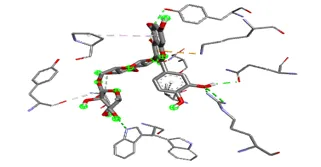
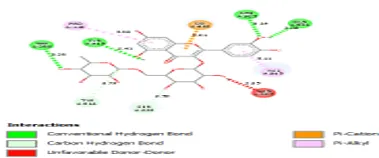
Figure 4: 3D and 2D interactions of Rutin
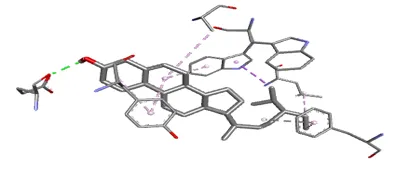
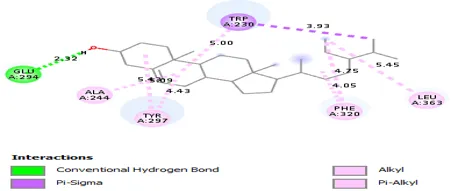
Figure 5: 3D and 2D interactions of Beta-sitosterol
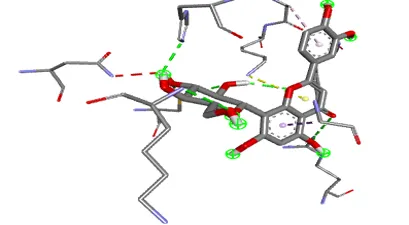
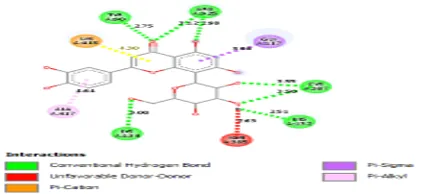
Figure 6: 3D and 2D interactions of Orientin
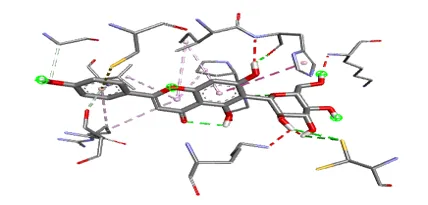
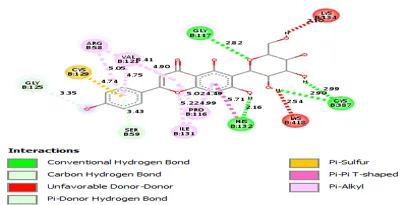
Figure7: 3D and 2D interactions of Isovitexin
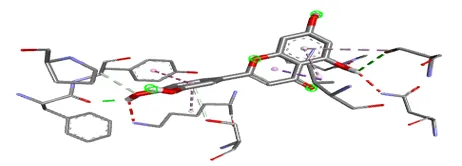
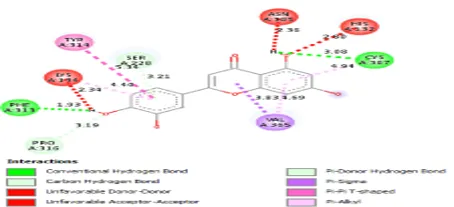
Figure 8: 3D and 2D interactions of Luteolin
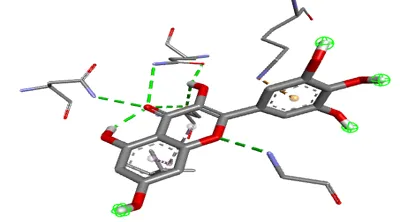
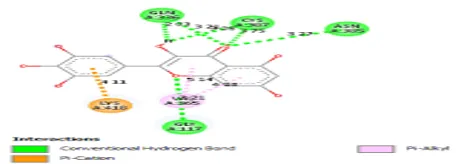
Figure 9: 3D and 2D interactions of Myrcetin
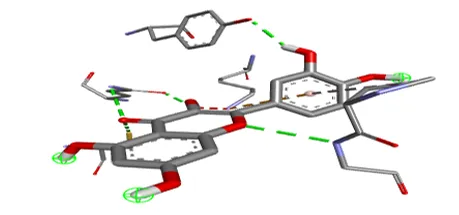
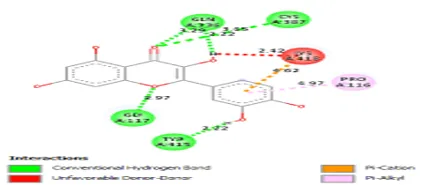
Figure 10: 3D and 2D interactions of Quercetin
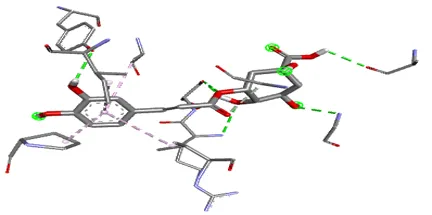
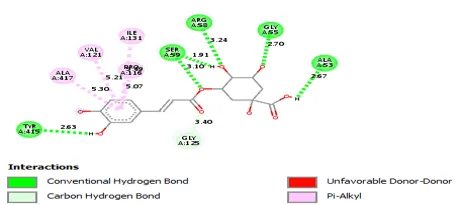
Figure 11: 3D and 2D interactions of Chlorogenic acid
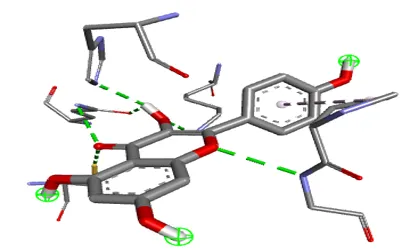
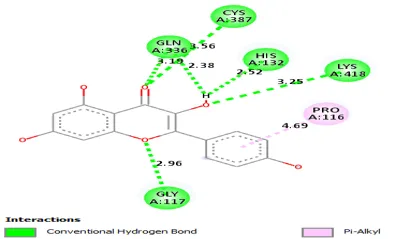
Figure 12: 3D and 2D interactions of Kaempferol
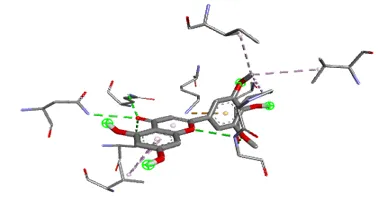
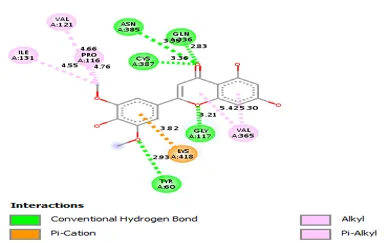
Figure 13: 3D and 2D interactions of Tricin
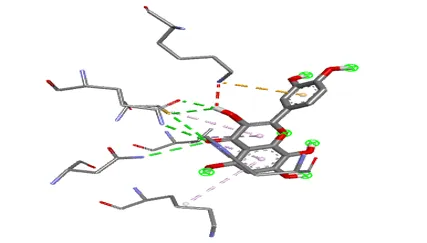
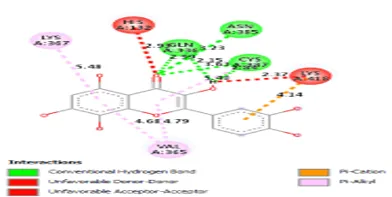
Figure 14: 3D and 2D interactions of Gossypetin
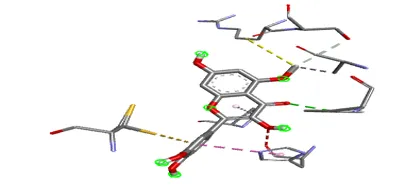
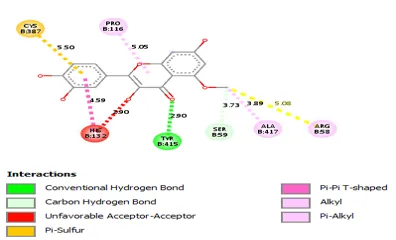
Figure 15: 3D and 2D interactions of Azaleatin
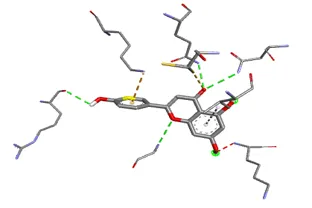
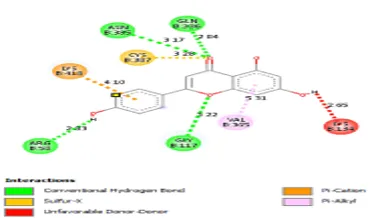
Figure 16: 3D and 2D interactions of Apigenin
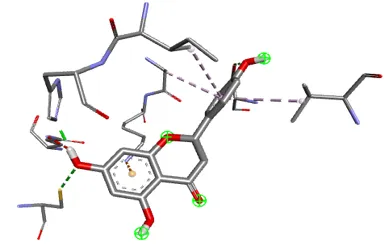
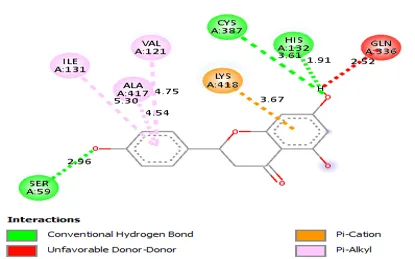
Figure 17: 3D and 2D interactions of Naringenin
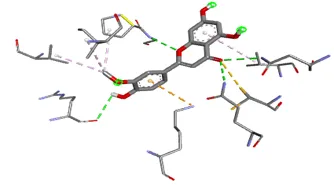
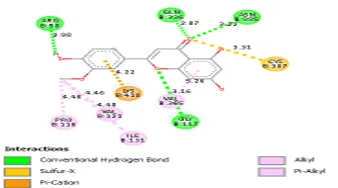
Figure 18: 3D and 2D interactions of Chrysoeriol
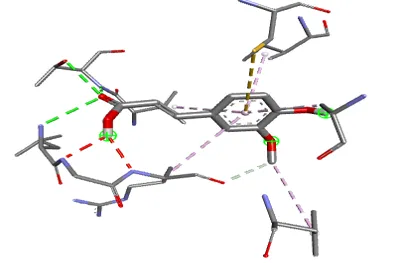
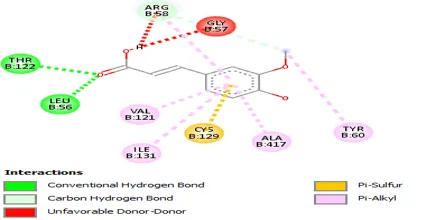
Figure 19: 3D and 2D interactions of Ferulic acid
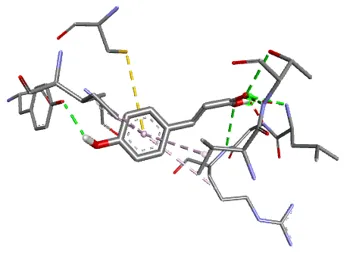
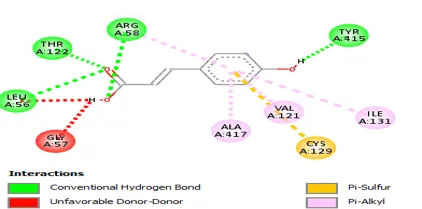
Figure 20: 3D and 2D interactions of P-Coumaric acid
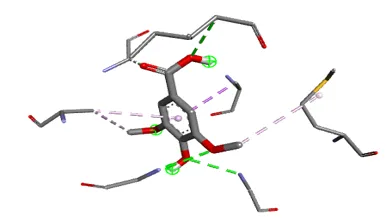
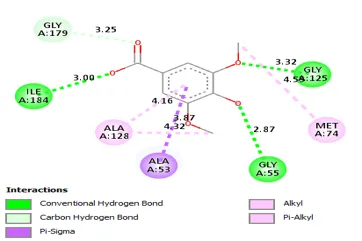
Figure 21: 3D and 2D interactions of Syringic acid
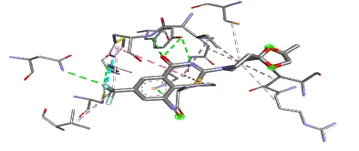
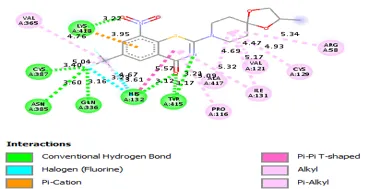
Figure 22: 3D and 2D interactions of (Standard) BTZ043
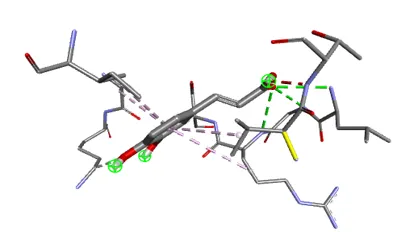
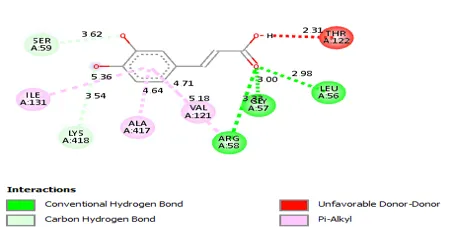
Figure 23: 3D and 2D interactions of Caffeic acid
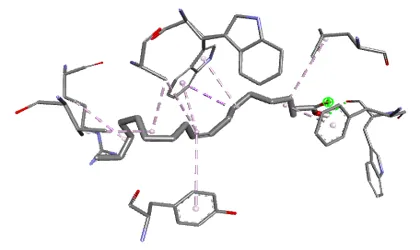
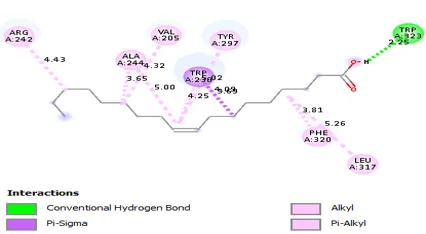
Figure 24: 3D and 2D interactions of Oleic acid
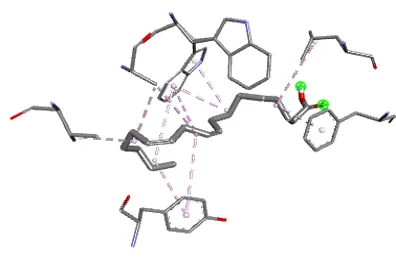
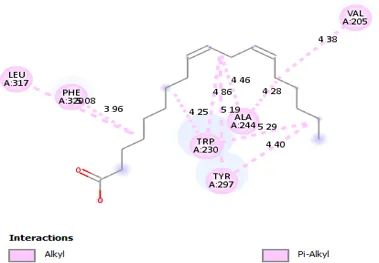
Figure 25: 3D and 2D interactions of Linolenic acid
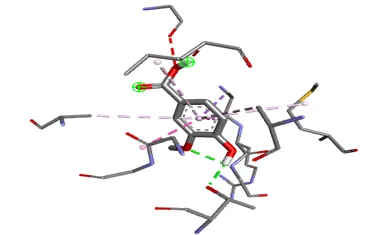
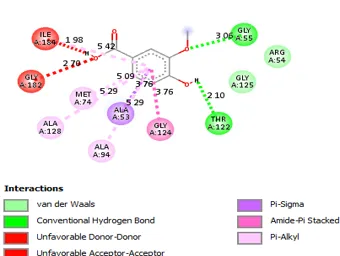
Figure 26:3D and 2D interactions of Vanillic acid
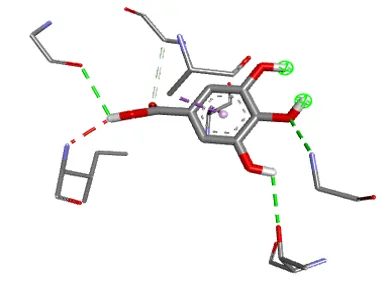
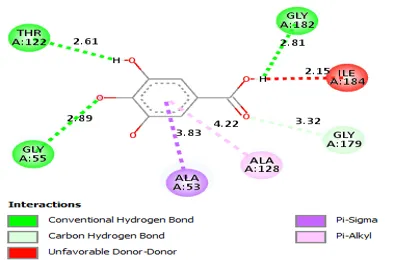
Figure 27: 3D and 2D interactions of Gallic acid
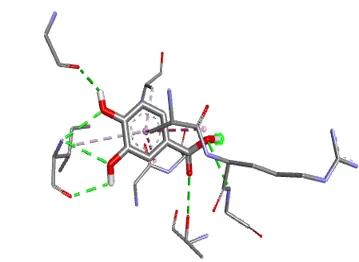
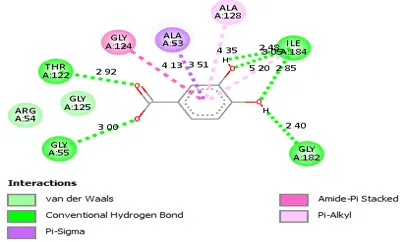
Figure 28: 3D and 2D interactions of Protocatechuic acid
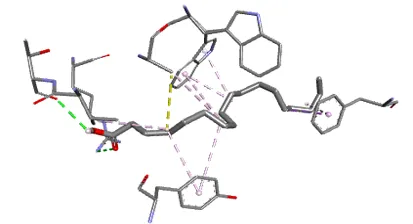
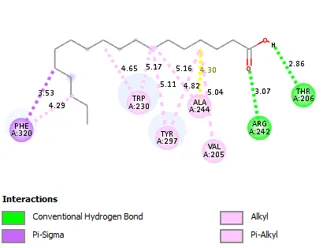
Figure 29: 3D and 2D interactions of Stearic acid
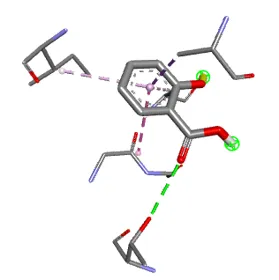
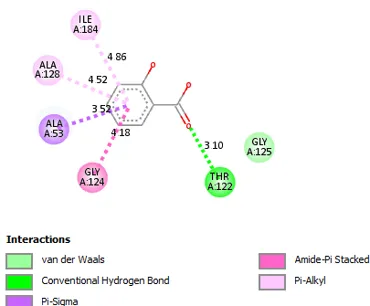
Figure 30: 3D and 2D interactions of Salicylic acid
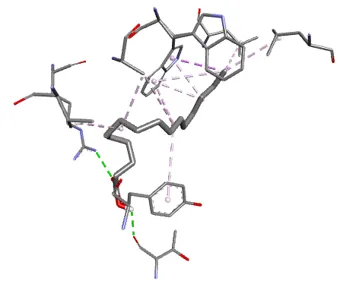
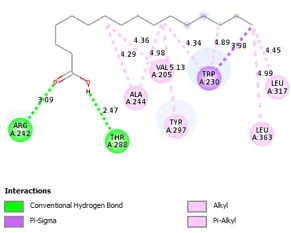
Figure 31: 3D and 2D interactions of Palmitic acid
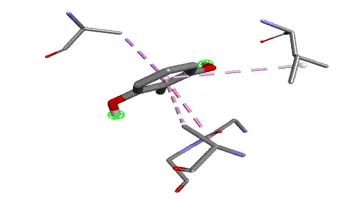
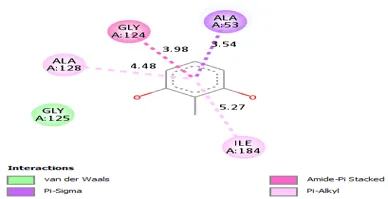
Figure 32: 3D and 2D interactions of 2-Methyl Resorcinol
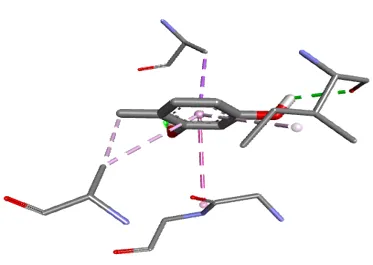
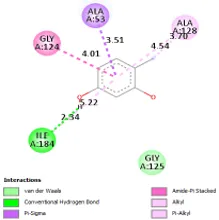
Figure 33: 3D and 2D interactions of 4-Methyl Resorcinol
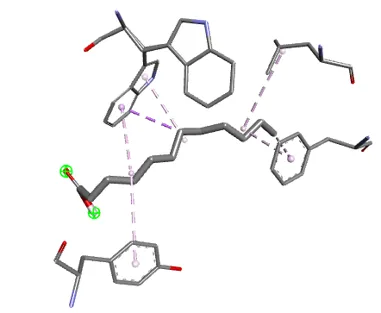
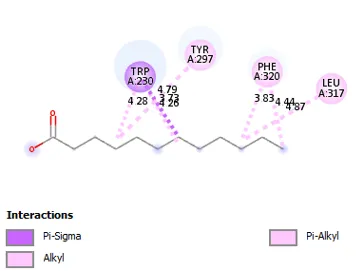
Figure 34: 3D and 2D interactions of Lauric acid
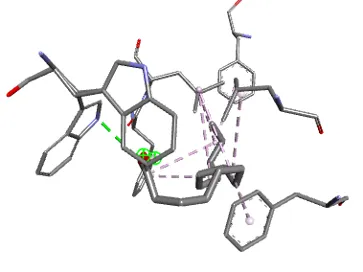
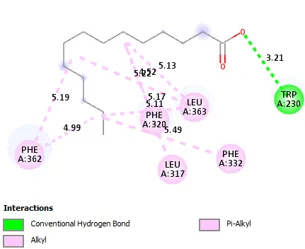
Figure 35: 3D and 2D interactions of Myristic acid
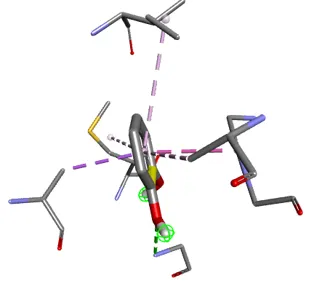
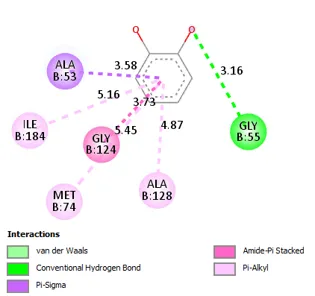
Figure 36:3D and 2D interactions of Catechol
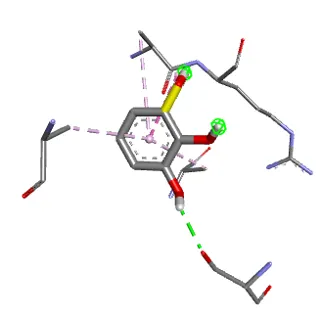
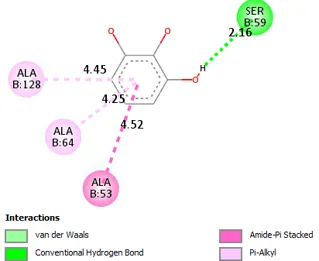
Figure 37: 3D and 2D interactions of Pyrogallol
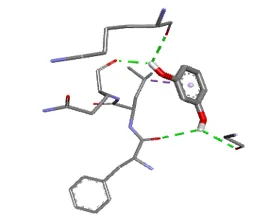
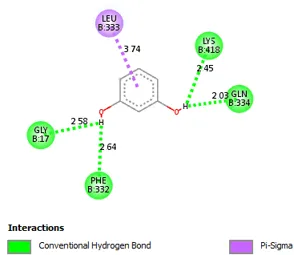
Figure 38: 3D and 2D interactions of Resorcinol
ADMET Result
ADMET prediction studies were carried out to evaluate the drug-likeness and pharmacokinetic properties of the selected phytoconstituents of Pontederia crassipes. The compounds were analyzed for their absorption, distribution, metabolism, excretion and toxicity characteristics using an online prediction tool.
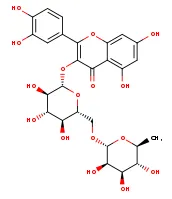
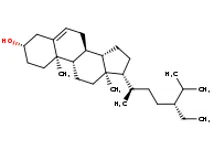
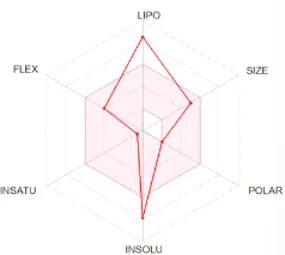
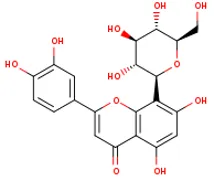
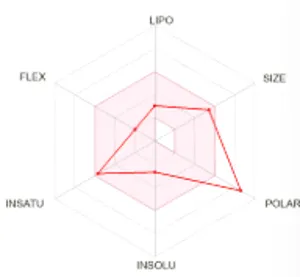
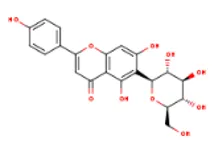
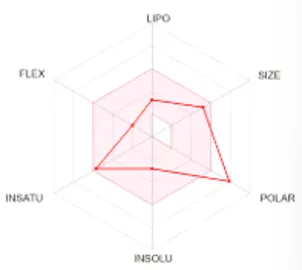
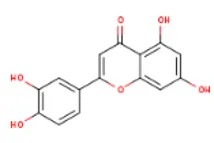
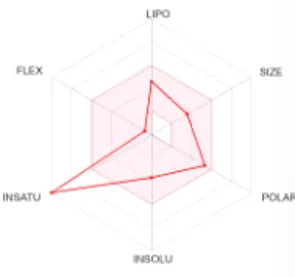
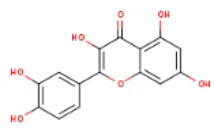
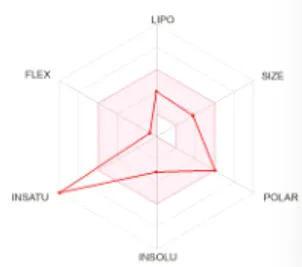
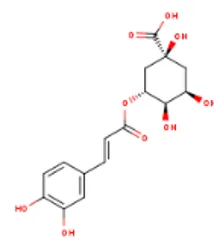
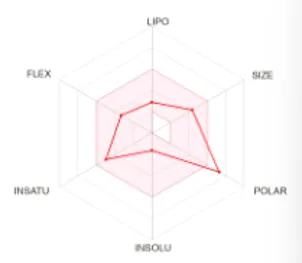
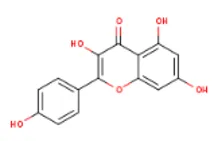
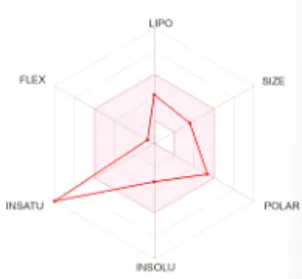
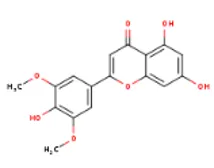
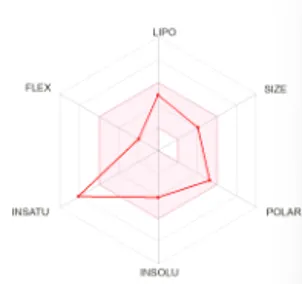
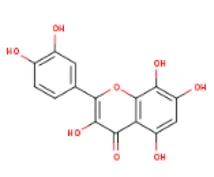
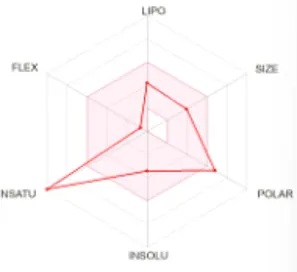
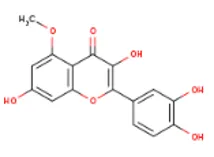
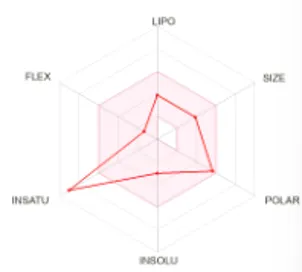
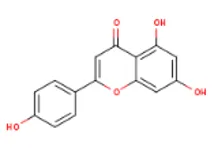
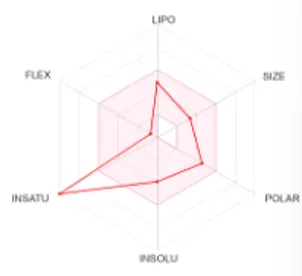
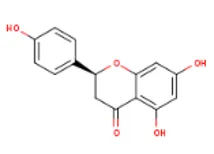
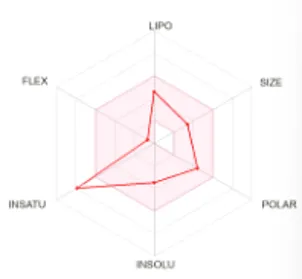
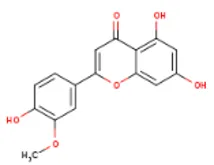
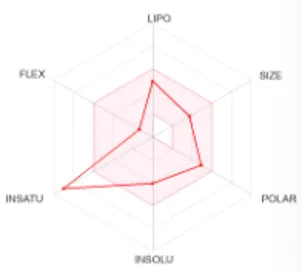
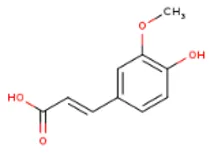
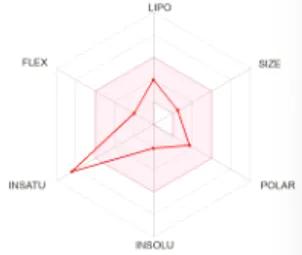
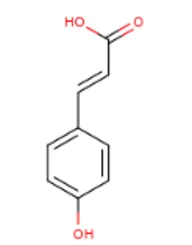
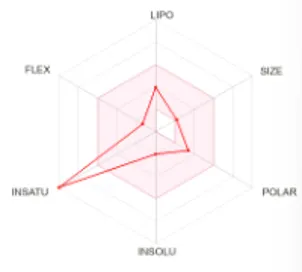
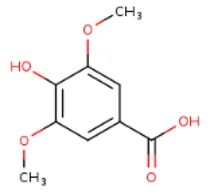
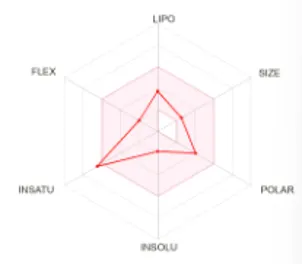
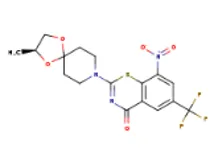
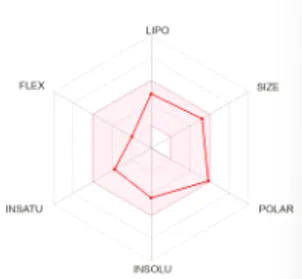
The ADME profiles of the selected compounds, along with their SMILES notation, chemical structures, and bioavailability radar plots, are presented below. These results provide useful information regarding the suitability of the compounds for further drug development studies.
Table 3: ADMET Properties of Selected Phytoconstituents of Pontederia crassipes
|
Sr. No |
Compound name |
SMILES |
Structures |
Radar images |
|
1 |
Rutin |
C[C@H]1[C@@H] ([C@H]([C@H]([C@@H] (O1)OC[C@@H]2[C@H] ([C@@H]([C@H]([C@@H] (O2)OC3=C(OC4=CC(=CC (=C4C3=O)O)O)C5=CC(=C (C=C5)O)O)O)O)O)O)O)O |
|
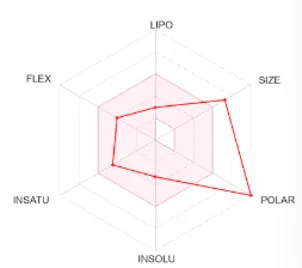
|
|
2 |
Beta-sitosterol |
CC[C@H](CC[C@@H](C) [C@H]1CC[C@@H]2[C@@] 1(CC[C@H]3[C@H]2CC=C4 [C@@]3(CC[C@@H](C4)O) C)C)C(C)C |
|
|
|
3 |
Orientin |
C1=CC(=C(C=C1C2=CC(=O) C3=C(O2)C(=C(C=C3O)O) [C@H]4[C@@H]([C@H] ([C@@H]([C@H](O4)CO)O) O)O)O)O |
|
|
|
4 |
Isovitexin |
C1=CC(=CC=C1C2=CC(=O) C3=C(O2)C=C(C(=C3O) [C@H]4[C@@H]([C@H] ([C@@H]([C@H](O4)CO)O)O)O)O)O |
|
|
|
5 |
Luteolin |
C1=CC(=C(C=C1C2=CC (=O)C3=C(C=C(C=C3O2) O)O)O)O |
|
|
|
7 |
Quercetin |
C1=CC(=C(C=C1C2=C (C(=O)C3=C(C=C(C=C3O2) O)O)O)O)O |
|
|
|
8 |
Chlorogenic acid |
C1[C@H]([C@H]([C@@H] (C[C@@]1(C(=O)O)O)OC (=O)/C=C/C2=CC(=C(C=C2) O)O)O)O |
|
|
|
9 |
Kaempferol |
C1=CC(=CC=C1C2=C (C(=O)C3=C(C=C(C=C3O2) O)O)O)O |
|
|
|
10 |
Tricin |
COC1=CC(=CC(=C1O)OC) C2=CC(=O)C3=C(C=C (C=C3O2)O)O |
|
|
|
11 |
Gossypetin |
C1=CC(=C(C=C1C2=C (C(=O)C3=C(O2)C(=C (C=C3O)O)O)O)O)O |
|
|
|
12 |
Azaleatin |
COC1=CC(=CC2=C1C(=O) C(=C(O2)C3=CC(=C(C=C3) O)O)O)O |
|
|
|
13 |
Apigenin |
C1=CC(=CC=C1C2=CC (=O)C3=C(C=C(C=C3O2) O)O)O |
|
|
|
14 |
Naringenin |
C1[C@H](OC2=CC(=CC (=C2C1=O)O)O)C3=CC=C (C=C3)O |
|
|
|
15 |
Chrysoeriol |
COC1=C(C=CC(=C1)C2= CC(=O)C3=C(C=C(C=C3O2) O)O)O |
|
|
|
16 |
Ferulic acid |
COC1=C(C=CC(=C1)/ C=C/C(=O)O)O |
|
|
|
17 |
P-Coumaric acid |
C1=CC(=CC=C1/C= C/C(=O)O)O |
|
|
|
18 |
Syringic acid |
COC1=CC(=CC(=C1O) OC)C(=O)O |
|
|
|
19 |
(Standard) BTZ043 |
C[C@H]1COC2(O1) CCN(CC2)C3=NC(=O) C4=C(S3)C(=CC(=C4)C(F) (F)F)[N+](=O)[O-] |
|
|
Physiochemical Properties of selected Compounds
The physicochemical properties of the selected phytoconstituents were evaluated to understand their chemical characteristics and suitability for drug development. Parameters such as molecular weight, molecular volume, density, hydrogen bond acceptors, hydrogen bond donors, topological polar surface area, rotatable bonds, ring count, aqueous solubility, and lipophilicity were analyzed. The physicochemical properties of the selected compounds are lipophilic were analyzed. The physiochemical properties of the selected compounds are presented in the table 4
Table 4: Physicochemical Properties of Selected Phytoconstituents of Pontederia crassipes
|
Sr. No |
Compound name |
MW |
Vol |
Dense |
nHA |
nHD |
TPSA |
nRot |
nRing |
Log S |
log P |
|
1 |
Rutin |
610.15 |
552.3177 |
1.104708 |
16 |
10 |
269.43 |
6 |
5 |
-2.39666 |
0.986122 |
|
2 |
Beta-sitosterol |
414.39 |
482.068 |
0.859609 |
1 |
1 |
20.23 |
6 |
4 |
-7.22133 |
8.004089 |
|
3 |
Orientin |
448.1 |
413.1471 |
1.084601 |
11 |
8 |
201.28 |
3 |
4 |
-3.63145 |
0.671557 |
|
4 |
Isovitexin |
432.11 |
404.3569 |
1.068635 |
10 |
7 |
181.05 |
3 |
4 |
-3.45041 |
0.934773 |
|
5 |
Luteolin |
286.05 |
273.9766 |
1.044067 |
6 |
4 |
111.13 |
1 |
3 |
-4.01744 |
2.247147 |
|
6 |
Quercetin |
302.04 |
282.7668 |
1.068159 |
7 |
5 |
131.36 |
1 |
3 |
-3.72159 |
1.447712 |
|
7 |
Chlorogenic acid |
354.1 |
331.4726 |
1.068263 |
9 |
6 |
164.75 |
5 |
2 |
-2.95844 |
1.035675 |
|
8 |
Kaempferol |
286.05 |
273.9766 |
1.044067 |
6 |
4 |
111.13 |
1 |
3 |
-3.64796 |
1.965317 |
|
9 |
Tricin |
330.07 |
317.3587 |
1.040053 |
7 |
3 |
109.36 |
3 |
3 |
-4.0702 |
2.483805 |
|
10 |
Gossypetin |
318.04 |
291.557 |
1.090833 |
8 |
6 |
151.59 |
1 |
3 |
-3.58887 |
1.264295 |
|
11 |
Azaleatin |
316.06 |
300.0628 |
1.053313 |
7 |
4 |
120.36 |
2 |
3 |
-3.66977 |
1.492755 |
|
12 |
Apigenin |
270.05 |
265.1863 |
1.018341 |
5 |
3 |
90.9 |
1 |
3 |
-4.21599 |
2.980918 |
|
13 |
Naringenin |
272.07 |
267.8228 |
1.015858 |
5 |
3 |
86.99 |
1 |
3 |
-4.02073 |
2.595634 |
|
14 |
Chrysoeriol |
300.06 |
291.2725 |
1.030169 |
6 |
3 |
100.13 |
2 |
3 |
-4.00313 |
2.67117 |
|
15 |
Ferulic acid |
194.06 |
194.9385 |
0.995494 |
4 |
2 |
66.76 |
3 |
1 |
-2.36392 |
1.647679 |
|
16
|
P-Coumaric acid |
164.05 |
168.8523 |
0.971559 |
3 |
2 |
57.53 |
2 |
1 |
-2.11364 |
1.440249 |
|
17 |
Syringic acid |
198.05 |
189.0692 |
1.0475 |
5 |
2 |
75.99 |
3 |
1 |
-2.1659 |
1.209245 |
|
18 |
(Standard) BTZ043 |
431.08 |
366.1967 |
1.177181 |
8 |
0 |
94.8 |
3 |
4 |
-5.03601 |
3.483436 |
Drug-likeness properties of selected compounds
The drug-likeness properties of the selected phytoconstituents were evaluated using various prediction models. Parameters such as QED, Lipinski's Rule of Five, Ghose filter, Pfizer rule, GSK rule, Golden Triangle rule, and bioavailability score were analyzed to assess the suitability of the compounds for drug development. The results obtained for the selected compounds are presented in Table 5
Table 5: Drug-Likeness Properties of Selected Phytoconstituents of Pontederia crassipes
|
Sr. No |
Compound name |
QED |
Lipinski Violations |
Pfizer |
GSK |
Golden triangle |
Bioavailability Score |
|
1 |
Rutin |
0.14 |
1 |
0 |
1 |
1 |
0.17 |
|
2 |
Beta-sitosterol |
0.436 |
0 |
1 |
1 |
1 |
0.55 |
|
3 |
Orientin |
0.247 |
1 |
0 |
1 |
0 |
0.17 |
|
4 |
Isovitexin |
0.3 |
0 |
0 |
1 |
0 |
0.55 |
|
5 |
Luteolin |
0.511 |
0 |
0 |
0 |
0 |
0.55 |
|
7 |
Quercetin |
0.434 |
0 |
0 |
0 |
0 |
0.55 |
|
8 |
Chlorogenic acid |
0.234 |
0 |
0 |
0 |
0 |
0.11 |
|
9 |
Kaempferol |
0.546 |
0 |
0 |
0 |
0 |
0.55 |
|
10 |
Tricin |
0.677 |
0 |
0 |
0 |
0 |
0.55 |
|
11 |
Gossypetin |
0.293 |
0 |
0 |
0 |
0 |
0.55 |
|
12 |
Azaleatin |
0.535 |
0 |
0 |
0 |
0 |
0.55 |
|
13 |
Apigenin |
0.632 |
0 |
0 |
0 |
0 |
0.55 |
|
14 |
Naringenin |
0.742 |
0 |
0 |
0 |
0 |
0.55 |
|
15 |
Chrysoeriol |
0.672 |
0 |
0 |
0 |
0 |
0.55 |
|
16 |
Ferulic acid |
0.715 |
0 |
0 |
0 |
1 |
0.85 |
|
17 |
P-Coumaric acid |
0.651 |
0 |
0 |
0 |
1 |
0.85 |
|
18 |
Syringic acid |
0.76 |
0 |
0 |
0 |
1 |
0.56 |
|
19 |
(Standard) BTZ043 |
0.532 |
0 |
0 |
1 |
0 |
0.55 |
Absorption parameter of selected compounds
The absorption properties of the selected phytoconstituents were evaluated to predict their ability to be absorbed and transported in the body. Parameters such as Caco-2 permeability, MDCK permeability, P-glycoprotein (P-gp) inhibition, P-gp substrate status, human intestinal absorption (HIA), and oral bioavailability at different levels (F20%, F30%, and F50%) were analyzed. The results obtained for the selected compounds are presented in Table 6.
Table 6: Absorption Parameters of Selected Phytoconstituents of Pontederia crassipes
|
Compound name |
Caco-2 Permeability |
MDCK Permeability |
Pgp inhibitor |
Pgp substrate |
HIA |
F20% |
F30% |
F50% |
|
Rutin |
-6.54652 |
-5.02701 |
6.22E-08 |
0.699256 |
0.639735 |
0.772111 |
0.999751 |
0.999936 |
|
Beta-sitosterol |
-5.12242 |
-4.93599 |
7.49E-05 |
0.218762 |
3.58E-07 |
0.002376 |
0.065338 |
0.986971 |
|
Orientin |
-6.20807 |
-5.02164 |
3.11E-07 |
0.239122 |
0.716416 |
0.822009 |
0.999488 |
0.999405 |
|
Isovitexin |
-6.25701 |
-5.09016 |
3.00E-06 |
0.474819 |
0.318659 |
0.623366 |
0.978318 |
0.991547 |
|
Luteolin |
-5.1916 |
-4.79896 |
0.000941 |
0.209188 |
0.014605 |
0.925496 |
0.992087 |
0.998494 |
|
Quercetin |
-6.17681 |
-4.92272 |
0.027569 |
0.030731 |
0.133589 |
0.5038 |
0.99108 |
0.998593 |
|
Chlorogenic acid |
-6.42616 |
-5.15807 |
2.56E-06 |
0.07899 |
0.106257 |
0.99152 |
0.995865 |
0.99921 |
|
Kaempferol |
-5.96934 |
-4.90902 |
0.14215 |
0.163041 |
0.015143 |
0.084482 |
0.715565 |
0.983332 |
|
Tricin |
-5.16639 |
-4.83566 |
0.388394 |
0.305905 |
0.033933 |
0.102202 |
0.642935 |
0.990823 |
|
Gossypetin |
-6.13648 |
-4.94955 |
0.002875 |
0.004764 |
0.20724 |
0.889248 |
0.997534 |
0.999536 |
|
Azaleatin |
-5.39997 |
-4.84763 |
0.031732 |
0.015429 |
0.22784 |
0.622675 |
0.970391 |
0.995645 |
|
Apigenin |
-5.1286 |
-4.75883 |
0.003726 |
0.312263 |
0.001684 |
0.565497 |
0.83683 |
0.985273 |
|
Naringenin |
-4.9873 |
-4.76161 |
0.955773 |
0.186026 |
0.00045 |
0.002009 |
0.92546 |
0.998472 |
|
Chrysoeriol |
-4.98933 |
-4.80238 |
0.029837 |
0.434247 |
0.006703 |
0.414727 |
0.857439 |
0.994129 |
|
Ferulic acid |
-4.98863 |
-4.79135 |
0.00451 |
0.050445 |
0.249424 |
0.956667 |
0.932978 |
0.993275 |
|
P-Coumaric acid |
-4.86029 |
-4.81154 |
0.00447 |
0.018582 |
0.082512 |
0.979971 |
0.960873 |
0.993122 |
|
Syringic acid |
-5.19884 |
-4.78484 |
0.616712 |
0.333231 |
0.040125 |
0.087448 |
0.025154 |
0.362649 |
|
(Standard) BTZ043 |
-4.68246 |
-4.66042 |
0.579196 |
0.001558 |
0 |
0.002343 |
0.000356 |
0.000785 |
Distribution and metabolism parameter of selected molecules
The distribution and metabolism properties of the selected phytoconstituents were evaluated to predict their behavior in the body after absorption. Distribution parameters such as plasma protein binding (PPB), volume of distribution (VD), blood-brain barrier (BBB) permeability, and fraction unbound (Fu) were analyzed. Metabolic properties were assessed based on their interaction with major cytochrome P450 enzymes, including CYP1A2, CYP2C19, CYP2C9, CYP2D6, and CYP3A4, as inhibitors or substrates. The results are presented in Table 7
Table 7: Distribution and Metabolism Parameters of Selected Phytoconstituents of Pontederia crassipes
|
Compound name |
Distribution
|
Metabolism |
||||||||||||
|
CYP1A2 |
CYP2C19 |
CYP2C9 |
CYP2D6 |
CYP3A4 |
||||||||||
|
PPB % |
VD |
BBB |
Fu |
Inhibitor |
Substrate |
Inhibitor |
Substrate |
Inhibitor |
Substrate |
Inhibitor |
Substrate |
Inhibitor |
Substrate |
|
|
Epigallocatechin-3-gallate (EGCG) |
85.0054 |
-0.05883 |
3.59E-05 |
14.65911 |
0.0001 |
0.00364 |
1.44E-07 |
1.07E-06 |
1.85E-06 |
7.47E-05 |
2.26E-06 |
1.48E-07 |
0.029205 |
2.29E-09 |
|
Epigallocatechin (EGC) |
86.93946 |
-0.24377 |
0.045148 |
12.44312 |
3.27E-07 |
5.92E-09 |
0.00045 |
0.038744 |
0.312381 |
1.78E-07 |
0.008317 |
0.020665 |
0.062234 |
0.993145 |
|
Epicatechin-3-gallate (ECG) |
84.35659 |
-0.0114 |
0.015552 |
13.40785 |
0.486396 |
0.000106 |
3.64E-07 |
2.01E-07 |
0.000168 |
0.003209 |
7.35E-06 |
0.000114 |
0.11294 |
1.33E-07 |
|
Epicatechin (EC) |
86.16372 |
-0.06469 |
0.002779 |
11.37636 |
0.406847 |
5.64E-06 |
9.64E-07 |
8.03E-09 |
5.66E-05 |
0.01849 |
0.000394 |
0.029807 |
0.848776 |
2.13E-07 |
|
Gallocatechin-3-gallate (GCG) |
97.64169 |
-0.61376 |
0.011543 |
2.286002 |
0.999923 |
0.696097 |
0.010235 |
0.000137 |
0.001308 |
0.137756 |
0.577914 |
0.996236 |
0.997596 |
1.57E-05 |
|
Catechin |
98.65997 |
-0.87913 |
0.000445 |
1.131221 |
0.998312 |
0.38429 |
0.005855 |
4.87E-05 |
0.432249 |
0.029644 |
0.00018 |
0.978297 |
0.936699 |
1.34E-06 |
|
Theaflavin |
64.83117 |
-0.01156 |
0.000187 |
31.62116 |
4.12E-09 |
4.07E-12 |
3.34E-06 |
1.01E-09 |
2.90E-07 |
0.003441 |
1.13E-06 |
5.51E-10 |
3.97E-08 |
6.88E-08 |
|
Theaflavin-3-gallate |
97.88079 |
-0.81165 |
0.000951 |
1.360189 |
0.996672 |
0.598314 |
0.132402 |
0.000515 |
0.799358 |
0.518549 |
0.00489 |
0.994622 |
0.974528 |
0.001706 |
|
Quercetin |
97.72338 |
-0.53168 |
0.005249 |
1.564414 |
0.999999 |
0.985651 |
0.684985 |
0.194315 |
0.035482 |
0.959343 |
0.983648 |
0.999938 |
0.99402 |
9.30E-05 |
|
Kaempferol |
98.52682 |
-0.83619 |
0.000264 |
1.495122 |
0.982766 |
0.013907 |
0.00055 |
6.76E-06 |
0.049458 |
0.006081 |
8.36E-05 |
0.220942 |
0.864141 |
9.38E-08 |
|
Rutin |
96.53472 |
-0.46277 |
0.013498 |
3.858461 |
0.999925 |
0.469866 |
0.112379 |
7.04E-05 |
0.002128 |
0.673408 |
0.957457 |
0.999721 |
0.999871 |
0.000209 |
|
Isoquercitrin |
83.49062 |
-0.07666 |
0.000153 |
7.284942 |
0.585673 |
0.678004 |
0.52612 |
0.000511 |
0.948157 |
0.158488 |
0.016063 |
0.856458 |
0.998653 |
2.24E-05 |
|
Ellagic acid |
68.54447 |
-0.35259 |
0.004062 |
2.192784 |
0.999997 |
0.769397 |
0.776057 |
0.024724 |
0.019854 |
0.923298 |
0.980464 |
0.999923 |
0.998029 |
0.000369 |
|
Tofacitinib |
31.12627 |
0.082806 |
0.001125 |
25.19214 |
0.018324 |
0.000272 |
0.000783 |
0.016178 |
0.018414 |
0.13468 |
0.001132 |
0.016114 |
0.00035 |
0.000224 |
|
Rutin |
- |
- |
0.001293 |
25.19515 |
0.10884 |
0.000369 |
0.00059 |
0.000266 |
0.016005 |
0.02298 |
0.007144 |
0.45655 |
0.000614 |
0.000388 |
|
Beta-sitosterol |
- |
- |
0.216208 |
18.66545 |
0.000455 |
0.020249 |
0.010511 |
0.040752 |
0.003657 |
0.106528 |
0.007765 |
0.001338 |
0.005643 |
0.001208 |
|
Orientin |
- |
- |
0.033618 |
0.675012 |
0.034443 |
0.995599 |
0.998888 |
0.999505 |
0.999174 |
0.070813 |
0.000336 |
0.138596 |
0.697311 |
0.99916 |
Excretion and toxicity parameters of selected compounds
The excretion and toxicity properties of the selected phytoconstituents were evaluated to assess their safety and elimination characteristics. Excretion parameters such as plasma clearance (CL), half-life (T½), and other related properties were analyzed. Toxicity assessment included hepatotoxicity (HHT), drug-induced liver injury (DILI), mutagenicity, acute oral toxicity, maximum recommended daily dose (FDA MDD), skin sensitization, carcinogenicity, eye corrosion, eye irritation, and respiratory toxicity. The results obtained for the selected compounds are presented in Table 8
Table 8: Excretion and Toxicity Parameters of Selected Phytoconstituents of Pontederia crassipes
|
Compound name |
Excretion |
Toxicity |
||||||||||
|
CL-plasma |
T1/2 |
H-HT |
DILI |
Ames toxicity |
Rat oral acute |
FDAMDD |
Skin Sensitization |
Carcinogenicity |
Eye corrosion |
Eye irritation |
Respiratory toxicity |
|
|
Rutin |
1.610724 |
4.616005 |
0.406325 |
0.936922 |
0.756376 |
0.044139 |
0.137174 |
0.997444 |
0.046632 |
3.59E-05 |
0.904546 |
0.030272 |
|
Beta-sitosterol |
13.20525 |
0.5409 |
0.57298 |
0.222525 |
0.139152 |
0.110645 |
0.525163 |
0.989889 |
0.688429 |
0.495053 |
0.955914 |
0.87283 |
|
Orientin |
3.932586 |
4.944092 |
0.505003 |
0.950639 |
0.837563 |
0.08168 |
0.223671 |
0.997222 |
0.257382 |
5.81E-05 |
0.853206 |
0.11455 |
|
Isovitexin |
3.871632 |
4.011464 |
0.506147 |
0.855762 |
0.778409 |
0.097455 |
0.287624 |
0.978229 |
0.287779 |
9.48E-05 |
0.861198 |
0.068427 |
|
Luteolin |
8.481936 |
1.373488 |
0.367101 |
0.796038 |
0.649526 |
0.509989 |
0.88046 |
0.928563 |
0.689341 |
0.464422 |
0.998498 |
0.729025 |
|
Quercetin |
8.288988 |
1.58575 |
0.337382 |
0.782596 |
0.586042 |
0.479917 |
0.788757 |
0.896924 |
0.600177 |
0.603284 |
0.998417 |
0.673657 |
|
Chlorogenic acid |
3.339708 |
2.757687 |
0.542861 |
0.29109 |
0.386054 |
0.053934 |
0.409879 |
0.986365 |
0.22493 |
0.008178 |
0.841379 |
0.108553 |
|
Kaempferol |
5.694431 |
1.38759 |
0.386179 |
0.702867 |
0.545969 |
0.487835 |
0.804589 |
0.621322 |
0.715984 |
0.575216 |
0.998204 |
0.712718 |
|
Tricin |
4.791202 |
1.465054 |
0.400191 |
0.740545 |
0.560591 |
0.481798 |
0.787196 |
0.58529 |
0.784716 |
0.520196 |
0.996416 |
0.824475 |
|
Gossypetin |
12.45991 |
2.058904 |
0.344922 |
0.858424 |
0.635611 |
0.463759 |
0.606885 |
0.95449 |
0.422648 |
0.153493 |
0.994901 |
0.569838 |
|
Azaleatin |
10.96262 |
1.573621 |
0.384501 |
0.776463 |
0.584112 |
0.434713 |
0.741871 |
0.866107 |
0.705817 |
0.652922 |
0.99682 |
0.59237 |
|
Apigenin |
5.939475 |
1.202782 |
0.435063 |
0.742901 |
0.617563 |
0.520314 |
0.882218 |
0.64518 |
0.793352 |
0.37074 |
0.998086 |
0.777349 |
|
Naringenin |
6.893972 |
1.311909 |
0.672792 |
0.219683 |
0.702948 |
0.500134 |
0.747017 |
0.746126 |
0.591036 |
0.039055 |
0.997435 |
0.266196 |
|
Chrysoeriol |
4.922338 |
1.361561 |
0.403423 |
0.730784 |
0.651953 |
0.497305 |
0.838485 |
0.720911 |
0.75801 |
0.497947 |
0.997569 |
0.83647 |
|
Ferulic acid |
8.358843 |
1.697795 |
0.701876 |
0.635605 |
0.25205 |
0.081005 |
0.194257 |
0.743 |
0.248972 |
0.761168 |
0.996626 |
0.607863 |
|
P-Coumaric acid |
7.547604 |
1.570328 |
0.780272 |
0.562382 |
0.219234 |
0.062743 |
0.271227 |
0.783482 |
0.182531 |
0.827523 |
0.998567 |
0.48469 |
|
Syringic acid |
3.223177 |
2.455797 |
0.484285 |
0.650168 |
0.32158 |
0.322106 |
0.119834 |
0.477641 |
0.415719 |
0.806909 |
0.99046 |
0.702334 |
|
(Standard) BTZ043 |
4.805134 |
0.668173 |
0.840828 |
0.986121 |
0.750391 |
0.912355 |
0.829641 |
0.807452 |
0.676369 |
7.95E-07 |
0.023264 |
0.650024 |
Environmental toxicity profile of designed molecules
The environmental toxicity profile of the selected phytoconstituents was evaluated to predict their possible impact on aquatic organisms and the environment. Parameters such as bioconcentration factor (BCF), Tetrahymena pyriformis toxicity (IGC50), Daphnia magna toxicity (LC50 DM), and fathead minnow toxicity (LC50 FM) were analyzed. The results obtained for the selected compounds are presented in Table 9
Table 9: Environmental Toxicity Profile of Selected Phytoconstituents of Pontederia crassipes
|
Compound name |
BCF |
IGC50 |
LC50DM |
LC50FM |
|
Rutin |
0.533413 |
3.180953 |
4.680011 |
3.927314 |
|
Beta-sitosterol |
3.132466 |
4.772487 |
5.144478 |
5.43717 |
|
Orientin |
0.564484 |
3.162963 |
4.484141 |
3.805039 |
|
Isovitexin |
0.373409 |
2.877814 |
4.19106 |
3.488637 |
|
Luteolin |
1.287748 |
3.837745 |
4.522118 |
4.200997 |
|
Quercetin |
1.210035 |
3.758566 |
4.485008 |
4.112 |
|
Chlorogenic acid |
0.419095 |
3.045559 |
4.53114 |
3.936631 |
|
Kaempferol |
1.241837 |
3.653071 |
4.37644 |
4.00664 |
|
Tricin |
0.972922 |
3.575795 |
4.316165 |
3.774826 |
|
Gossypetin |
1.029001 |
3.795287 |
4.589046 |
4.121624 |
|
Azaleatin |
1.122729 |
3.629809 |
4.459033 |
4.074377 |
|
Apigenin |
1.307611 |
3.69225 |
4.353479 |
3.986591 |
|
Naringenin |
1.249839 |
3.712144 |
4.449478 |
4.020543 |
|
Chrysoeriol |
1.06901 |
3.54394 |
4.281835 |
3.733888 |
|
Ferulic acid |
0.183638 |
2.756398 |
3.979393 |
3.238442 |
|
P-Coumaric acid |
0.386644 |
2.733626 |
3.79595 |
3.252875 |
|
Syringic acid |
0.255189 |
2.686035 |
3.675891 |
3.09164 |
|
(Standard) BTZ043 |
2.069121 |
4.047093 |
5.762298 |
5.267161 |
Anti- TB Activity Using Microplate Alamar Blue Dye (MABA)
The ethanolic flower extract of Eichhornia crassipes (Water Hyacinth) was evaluated for anti-tubercular activity using the Microplate Alamar Blue Assay (MABA) against Mycobacterium tuberculosis.The extract and standard drug Rifampicin were tested at concentrations ranging from 0.78 to 25 µg/mL. At 25 µg/mL, complete inhibition was observed (blue color), while at 12.5 µg/mL partial inhibition was noted (purple color). At concentrations of 6.25, 3.125, 1.56, and 0.78 µg/mL, pink coloration indicated active bacterial growth with no significant inhibition. Thus, the MIC of the extract was found to be 25µg/mL. When compared to the standard drug Rifampicin, which showed inhibition at 3.125 µg/mL, the ethanolic extract of E. crassipes showed activity at a higher concentration. However, since it is a natural plant-based product, it is expected to have fewer side effects and a lower chance of causing drug resistance compared to synthetic anti-TB drugs. As drug resistance in tuberculosis is becoming a growing problem worldwide, natural plant extracts like E. crassipes could be a good alternative for future anti-TB treatment. Therefore, this extract shows good potential as a natural anti-tubercular agent.
Standard values for the Anti-TB test which was performed.
RIFAMPICIN: 3.125μg/ml.
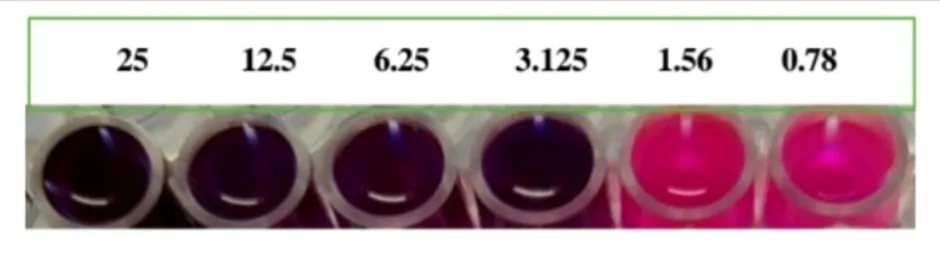
Figure 39: Anti-tubercular activity of Rifampicin (Standard) at concentrations ranging from 0.78 to 25 µg/mL against Mycobacterium tuberculosis by MABA method
Anti TB activity results of the compounds:
Table 10: Sensitivity and Resistant pattern o Water Hyacinth extract and Rifampicin at different concentrations against Mycobacterium tuberculosis
|
Sr. No |
Sample and Standard |
25 |
12.5 |
6.25 |
3.125 |
1.56 |
0.78 |
|
1. |
WATER HYACINTH |
S |
S |
R |
R |
R |
R |
|
2. |
RIFAMPACIN (Standard) |
S |
S |
S |
S |
R |
R |
NOTE: S- Sensitive, R- Resistant
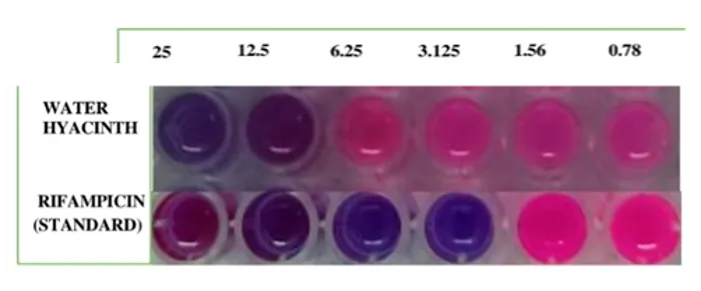
Figure 40: Comparative anti-tubercular activity of ethanolic flower extract of Eichhornia crassipes (Water Hyacinth) and Rifampicin (Standard) at concentrations ranging from 0.78 to 25 µg/mL against Mycobacterium tuberculosis by MABA method.
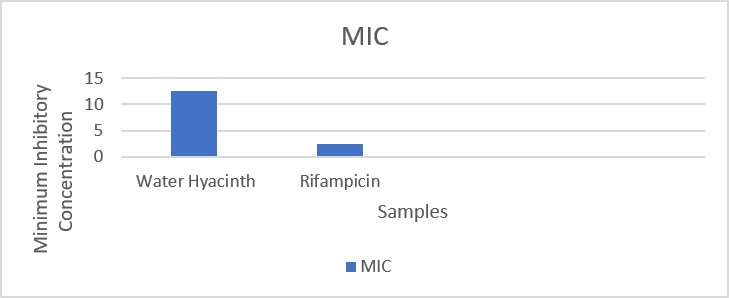
Figure 41: Comparative Minimum Inhibitory Concentration (MIC) of Eichhornia crassipes (Water Hyacinth) extract and Rifampicin (Standard) against Mycobacterium tuberculosis by MABA method
CONCLUSION
From the work it was concluding that we evaluated Anti-tubercular activity of ethanolic extract of Pontederia crassipes (Water Hyacinth) flowers and identified the presence of phytochemicals like Glycosides, Flavanoids, tannins, saponins etc.In silico molecular docking studies demonstrated that several phytoconstituents of Pontederia crassipes exhibited strong binding affinity towards the selected target protein. Among the screened compounds, rutin, β-sitosterol, orientin, isovitexin, and luteolin showed the highest docking scores, indicating promising interactions with the target. ADMET analysis further suggested favorable drug-likeness and pharmacokinetic properties for the selected compounds, supporting their potential as lead molecules for future drug development. The in vitro studies demonstrated significant biological activity of the ethanolic extract of Pontederia crassipes, supporting the findings obtained from the molecular docking analysis. It has shown Anti-tubercular activity against Mycobacterium tuberculosis when compared with standard Rifampicin. The combined in vitro and in silico results suggest that the plant possesses promising therapeutic potential and may serve as a valuable source of bioactive compounds. However, further in vivo studies and clinical investigations are required to validate its efficacy and safety.
REFERENCES

I. Supriya, S K Insha, M. Keerthi, G. Hari Krishna, D. Abhilasha, Extraction and In-Silico Evaluation of Bioactive Compounds from Pontederia crassipes as Potential Anti-Tubercular Agent, Int. J. of Pharm. Sci., 2026, Vol 4, Issue 8, 1398-1428. https://doi.org/10.5281/zenodo.21840457
 10.5281/zenodo.21840457