

We use cookies to ensure our website works properly and to personalise your experience. Cookies policy
School of Pharmacy, Dr. Subhash University, Junagadh, Gujarat, India 362001.
Heel fissures, commonly known as cracked heels, are a widespread dermatological condition characterized by excessive dryness, hyperkeratosis, reduced skin elasticity, and impairment of the skin barrier. In severe cases, fissures may extend into the dermis, causing pain, bleeding, inflammation, and an increased risk of microbial infection. Conventional treatment primarily focuses on restoring skin hydration and barrier integrity; however, increasing attention has been directed toward herbal-based wound-care systems due to their multifunctional therapeutic potential. Herbal foot crack sheets represent an innovative topical drug delivery approach that maintains a moist wound environment while delivering bioactive phytochemicals directly to the affected area. This review highlights the therapeutic potential of Aloe vera, Centella asiatica, Calendula officinalis, Curcuma longa, and Azadirachta indica in the development of herbal foot crack sheets. These medicinal plants are rich in bioactive constituents such as acemannan, asiaticosides, flavonoids, triterpenoids, curcuminoids, and limonoids, which exhibit wound-healing, anti-inflammatory, antioxidant, antimicrobial, moisturizing, and tissue-regenerative activities. Their mechanisms include stimulation of fibroblast proliferation, collagen synthesis, angiogenesis, re-epithelialization, and modulation of inflammatory and oxidative stress pathways. A polyherbal formulation combining these plants may provide synergistic therapeutic benefits by simultaneously addressing dehydration, inflammation, delayed wound healing, and microbial infection. Overall, herbal foot crack sheets offer a promising, natural, and evidence-based strategy for effective heel fissure management and skin regeneration.
1. ANATOMY OF THE HEEL SKIN
The thick, robust, load-bearing skin that covers the heel is specifically designed to endure constant mechanical pressure, friction, and stress when standing and walking. The protection, mechanical strength, and shock-absorbing ability necessary for appropriate foot function are provided by its structural arrangement. [2,4] heel skin consists of three principal layers: the epidermis, dermis, and subcutaneous tissue. The epidermis, which is the outermost layer, is composed of multiple keratinized layers, particularly the stratum corneum, and serves as a protective barrier by preventing water loss and shielding the underlying tissues from environmental damage. [2] Beneath the epidermis lies the dermis, which contains collagen and elastin fibers, blood vessels, sweat glands, and nerve endings. The collagen and elastin fibers provide tensile strength, elasticity, structural support, and resistance to mechanical stress, while the blood vessels deliver oxygen and nutrients essential for tissue maintenance and repair.[2,4] The deepest layer, the subcutaneous tissue, contains a substantial adipose tissue pad that functions as a cushion and shock absorber, distributing body weight across the foot and reducing mechanical stress on the heel during standing and walking.[⁴] In addition, the heel region contains fewer sebaceous glands than most other areas of the skin. Consequently, reduced sebum production contributes to drier skin, impaired barrier function, and an increased susceptibility to the development of heel fissures. [2]
2. PHYSIOLOGY OF NORMAL HEEL SKIN
Normal heel skin maintains a protective barrier through continuous epidermal renewal, adequate hydration, mechanical strength, and an effective capacity for repair. The epidermal keratinocytes undergo constant turnover, which is essential for maintaining skin thickness, barrier integrity, and the ability to heal after minor injury. [2] Natural moisturizing factors (NMFs) present within the stratum corneum facilitate water absorption and maintain proper hydration of the outermost skin layer, thereby preventing excessive dryness and cracking.[2] Epidermal lipids further contribute to barrier function by reducing transepidermal water loss (TEWL) and preserving skin flexibility and structural integrity.[2] Tensile strength, elasticity, and flexibility are provided by collagen and elastin fibers in the dermis, allowing the heel skin to withstand repeated mechanical loading when walking.[2,4] Sufficient blood flow provides the nutrients and oxygen needed for tissue regeneration, cellular metabolism, and skin health. Furthermore, as it eliminates injured tissue, guards against infection, and starts the next stages of tissue regeneration, a regulated inflammatory response is an essential part of tissue homeostasis and wound healing. [1,4]
3. PATHOLOGY OF FOOT CRACKS (HEEL FISSURES)
Heel fissures develop due to the breakdown of the normal epidermal barrier function. Damage to the stratum corneum results in increased transepidermal water loss, reduced skin flexibility, excessive dryness, and subsequent skin cracking. Repeated mechanical stress on the weight-bearing heel further aggravates the damaged skin, leading to the formation and progression of fissures. [2,3] Several factors contribute to the development of heel fissures. Xerosis (dry skin) is one of the primary causes, as dehydration and disruption of the stratum corneum barrier reduce skin elasticity and increase susceptibility to cracking.[2] Repeated mechanical pressure from prolonged walking and standing places continuous stress on the heel, promoting the development of fissures.[3] Obesity further increases mechanical loading on the heel, accelerating skin deterioration and crack formation. [3] Diabetes mellitus impairs normal wound healing and skin repair mechanisms, thereby increasing the risk of persistent heel fissures. [3,4] Inflammatory skin disorders such as psoriasis and eczema compromise barrier function and are associated with scaling, dryness, and fissure formation. Heel fissures are also a result of aging-related decreases in skin hydration, suppleness, and regenerative ability, which make the skin more brittle. Additionally, normal skin maintenance and repair processes may be negatively impacted by deficits in important vitamins and minerals.[2] Dry cracks occur as a result of environmental and mechanical conditions, such as wearing open-back shoes and standing for extended periods of time, which increase skin exposure and mechanical stress. [3]
4. PATHOGENESIS OF HEEL FISSURES
The skin barrier gradually deteriorates as a result of heel fissuring. Dehydration makes the stratum corneum less flexible and more prone to cracking. Superficial skin fractures expand through the dermis, resulting in irritated, inflamed, and potentially infected bleeding fissures as the skin barrier becomes more inelastic and the mechanical impact of walking and standing repeats. [2, 3, 5]
5. CLINICAL CHARACTERISTICS
The underlying breakdown of skin barrier integrity and inadequate tissue repair are reflected in a number of unique clinical characteristics of heel fissures. Hyperkeratosis, which manifests as thick, rigid patches of the stratum corneum, is frequently accompanied with dry, thickened skin. Hyperkeratotic lesions can cause severe symptoms including pain and pruritus (itching), and they may appear as little white, scar-like patches. The fissures may deepen as the illness worsens, causing pain when walking and, in extreme situations, bleeding. Affected areas often experience localized inflammation, and secondary bacterial or fungal infections become more likely when the protective skin barrier is compromised. These clinical manifestations collectively reflect the breakdown of the skin's protective barrier, marked inflammatory cell infiltration, and impaired healing processes at the site of the heel fissures. [5,6]
6. HERBAL FOOT CRACK SHEETS' FUNCTION
Herbal foot crack sheets are used as topical dressing systems that protect the cracks from external infection while hydrating, cooling, preventing microbial colonization, promoting collagen manufacturing, and quickly repairing injured epithelium. [4,5,6]
The capacity of herbal sheets to cure wounds is usually believed to be due to plant compounds that underlie a variety of cell functions, including tissue creation, fibroblast stimulation, antioxidant protection, inflammatory management, and collagen production. [4,5]
7. MEDICINAL PLANTS USED IN THE DEVELOPMENT OF HERBAL FOOT CRACK SHEET
7.1 Aloe Vera
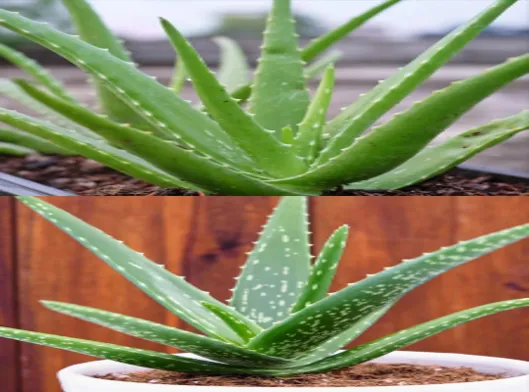
Figure 1 Aloe Vera
7.1.1 Introduction
Due to its traditional and scientific/therapeutic usefulness, Aloe vera (L.) Burm. f., a member of the Asphodelaceae family, is one of the most extensively researched medicinal plants. It has been used for ages to treat wounds, burns, ulcers, and other cutaneous issues in a variety of traditional medical systems, including Ayurveda, Traditional Chinese Medicine, and Unani medicine. [7,8]
Aloe vera's translucent mucilaginous gel found in the leaf parenchyma has been attributed to the majority of its biological activity. Numerous bioactive substances, including polysaccharides, vitamins, minerals, amino acids, enzymes, phenolic compounds, and glycoproteins, are present in the gel and contribute to its therapeutic benefits. [7, 8]
Aloe Vera is widely utilized in pharmaceutical, cosmetic, and dermatological preparations due to its hydrating, anti-inflammatory, antioxidant, antibacterial, and wound-healing qualities. The primary polysaccharide found is acemannan, which promotes angiogenesis, fibroblast proliferation, collagen production, and epithelialization processes, all of which aid in the regeneration and healing of damaged skin. [8,9]
Aloe vera can be used as a herbal ingredient in herbal foot crack sheets since heel cracks are associated with dry, inflammatory skin with poor skin barrier and healing. [9, 10]
Table 1. Botanical Characteristics, Biological Source, Physicochemical Properties, Chemical Constituents, and Pharmacological Activities of Aloe vera (L.) Burm.F. [7–9]
|
Parameter |
Description |
|
Common Name |
Aloe vera, Barbados Aloe, True Aloe |
|
Biological Name |
Aloe vera (L.) Burm.f. |
|
Kingdom |
Plantae |
|
Family |
Asphodelaceae |
|
Genus |
Aloe |
|
Species |
Aloe vera (L.) Burm.f. |
|
Part Used |
Fresh leaf gel |
|
Geographical Source |
India, Africa, Arabian Peninsula, Mediterranean region |
|
Appearance |
Clear, transparent gel |
|
Colour |
Colourless to pale yellow |
|
Odour |
Mild characteristic odour |
|
Taste |
Slightly bitter |
|
pH |
4.5–5.5 |
|
Moisture Content |
Approximately 98–99% water |
|
Solubility |
Water soluble |
|
Major Polysaccharides |
Acemannan, Glucomannan |
|
Anthraquinones |
Aloin A, Aloin B (Barbaloin), Aloe-emodin, Emodin |
|
Vitamins |
Vitamin A, Vitamin C, Vitamin E, Vitamin B₁ (Thiamine), Vitamin B₂ (Riboflavin), Vitamin B₆ (Pyridoxine), Vitamin B₁₂, Folic acid |
|
Minerals |
Calcium, Magnesium, Zinc, Potassium, Selenium |
|
Enzymes |
Bradykinase, Catalase, Amylase, Peroxidase, Lipase |
|
Amino Acids |
Contains 20 amino acids, including 7 essential amino acids |
|
Other Constituents |
Saponins, Sterols (Lupeol, Campesterol, β-Sitosterol), Salicylic acid, Lignin, Phenolic compounds |
|
Major Pharmacological Activities |
Wound healing, Anti-inflammatory, Antioxidant, Antimicrobial, Antifungal, Antiviral, Immunomodulatory, Moisturizing and skin-protective, Collagen synthesis stimulation, Angiogenic activity, Analgesic, Anti-diabetic, Gastroprotective |
7.1.2 Pharmacological Activities
Aloe vera exhibits a broad spectrum of pharmacological activities that contribute significantly to skin repair and wound management. It promotes wound healing by stimulating angiogenesis, collagen synthesis, fibroblast proliferation, and re-epithelialization, thereby accelerating tissue repair and wound closure. Acemannan, the principal bioactive polysaccharide, plays a pivotal role in modulating cellular responses involved in the healing process. [9,10] In addition, Aloe vera possesses potent anti-inflammatory activity by regulating inflammatory mediators and reducing the prolonged activation of pathways such as NF-κB, thereby limiting excessive inflammation and promoting effective healing. [10] Its antioxidant properties further protect damaged tissues by scavenging reactive oxygen species (ROS), reducing oxidative stress, and minimizing oxidative injury to skin cells during wound repair. [9,10]
Furthermore, Aloe vera exhibits antimicrobial activity against a wide range of bacteria and fungi, primarily due to the presence of phenolic compounds, anthraquinones, and saponins, which help protect damaged skin from microbial infection. [8,10] The mucopolysaccharides present in Aloe barbadensis gel possess excellent water-retaining properties that enhance skin hydration and are particularly beneficial in managing dry skin and cracked heels. [7,8] Additionally, Aloe vera demonstrates immunomodulatory activity by stimulating macrophage function and regulating immune mediators involved in tissue regeneration. Acemannan has been shown to enhance cytokine production and promote the release of macrophage-derived mediators that facilitate tissue repair and wound healing. [10]
7.1.3 Aloe Vera's Mechanism of Action
By controlling age-related pathways that take place throughout the inflammatory, antioxidant, immunological, and cellular repair responses, aloe vera speeds up wound healing. The main physiologically active polysaccharide in aloe vera, acemannan, stimulates immune cells and macrophages to multiply and boost cytokinergic activity during the early stages of recovery. [10]
Aloe vera has been shown to decrease protracted inflammatory reactions, boost keratinocyte migration, which promotes re-epithelialization and wound closure, and control high NF-B activity during inflammation.[10]
Through direct interactions with reactive oxygen species (ROS) and the activation of Nrf2-dependent antioxidant gene expressions, acemannan and other polysaccharides exhibit antioxidant activity that maintains redox balance and protects against oxidative damage.[10]
Acemannan may also start signaling pathways such as cyclin D1 and AKT/mTOR cell proliferation, granulation tissue creation, collagen abundance, and tissue regeneration. The robustness of the skin barrier and the antibacterial efficacy of anthraquinone derivatives and saponins would improve wound healing. [10, 11]
7.1.4 Uses of Aloe vera
Aloe vera is extensively used in pharmaceutical, cosmetic, and dermatological formulations owing to its moisturizing, wound-healing, anti-inflammatory, and skin-protective properties. It is widely incorporated into products for the treatment of cracked heels, wound healing, burn management, and skin hydration. In addition, Aloe vera is a common ingredient in anti-aging products, moisturizers, sunscreens, anti-acne preparations, hydrogel wound dressings, herbal foot crack sheets, and skin tissue engineering applications because of its ability to promote skin regeneration, maintain moisture balance, and enhance tissue repair. [7,9]
7.1.5 Processing of Aloe vera
The first step in processing aloe vera is gathering ripe, healthy leaves, usually between three and four years old. To get rid of dirt and surface impurities, the collected leaves are thoroughly cleaned with filtered water. To reduce the possibility of skin irritation, the yellow latex layer containing aloin is then carefully drained. The translucent interior gel is extracted once the latex is removed by peeling off the outer rind. After homogenizing the gel to achieve a consistent consistency, fibrous debris and other contaminants are removed by filtering it via membrane filters or muslin fabric. Preservatives like sodium benzoate or ascorbic acid may be added to increase product stability. The gel is freeze-dried or spray-dried when a powdered form is needed for medicinal formulations. Finally, the processed Aloe Vera gel or powder is stored in airtight, light-resistant containers under refrigerated conditions to maintain its stability and biological activity. [8]
7.1.6 Advantages in Herbal Foot Crack Sheet
Aloe vera offers several advantages that make it an ideal ingredient for the development of herbal foot crack sheets. Its excellent moisturizing properties help restore skin hydration and prevent excessive dryness, while its wound-healing activity accelerates tissue repair and promotes faster healing of heel fissures. Aloe vera also exhibits antimicrobial activity that helps prevent microbial infections and possesses anti-inflammatory properties that reduce inflammation and discomfort at the affected site. Furthermore, it stimulates collagen synthesis, thereby enhancing skin regeneration and improving the structural integrity of damaged tissue. Owing to its biocompatibility, non-toxic nature, and suitability for topical drug delivery, Aloe vera is considered a safe and effective component of herbal foot crack sheet formulations. Additionally, it improves skin elasticity, contributing to enhanced skin flexibility and reducing the likelihood of recurrent fissure formation. [9,10]
7.2 Centella Asiatica
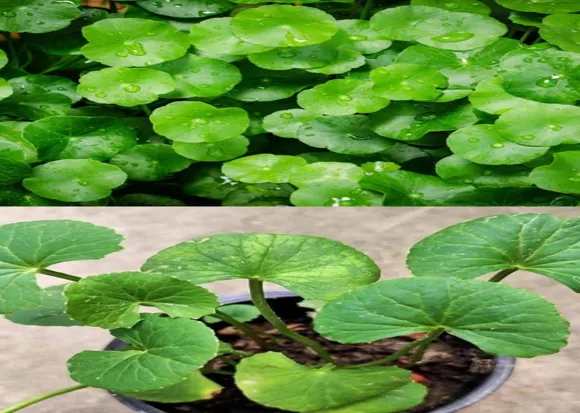
Figure 3 Centella asiatica (Gotu kola)
Table 2. Botanical, Physicochemical, Phytochemical, and Pharmacological Profile of Centella Asiatica (L.) Urb. [11–13]
|
Parameter |
Description |
|
Common Name |
Centella, Gotu Kola, Indian Pennywort, Mandukaparni |
|
Biological Name |
Centella asiatica (L.) Urb. |
|
Kingdom |
Plantae |
|
Family |
Apiaceae (Umbelliferae) |
|
Genus |
Centella |
|
Species |
Centella asiatica (L.) Urb. |
|
Part Used |
Whole plant (mainly leaves and aerial parts) |
|
Geographical Distribution |
India, Sri Lanka, China, Indonesia, Malaysia, Thailand, Madagascar |
|
Appearance |
Small creeping herb |
|
Colour |
Bright green leaves |
|
Odour |
Mild aromatic odour |
|
Taste |
Slightly bitter |
|
Leaf Shape |
Kidney-shaped (reniform) |
|
Stem |
Slender creeping stem |
|
Solubility of Extract |
Soluble in water and hydroalcoholic solvents |
|
Major Triterpenoids |
Asiaticoside, Madecassoside, Asiatic acid, Madecassic acid, Brahmoside, Brahminoside |
|
Flavonoids |
Quercetin, Kaempferol, Rutin |
|
Phenolic Compounds |
Chlorogenic acid, Caffeic acid |
|
Phytosterols |
β-Sitosterol, Stigmasterol |
|
Essential Oils |
Present |
|
Tannins |
Present |
|
Amino Acids |
Present |
|
Vitamins |
Vitamin A, B-complex, Vitamin C |
|
Minerals |
Calcium, Magnesium, Potassium, Iron |
|
Major Pharmacological Activities |
Wound healing, Collagen synthesis stimulation, Anti-inflammatory, Antioxidant, Antimicrobial, Angiogenic activity, Skin regeneration, Neuroprotective, Memory-enhancing (Nootropic), Anxiolytic, Anti-ulcer, Venotonic (improves microcirculation), Immunomodulatory |
7.2.1 Introduction
Centella asiatica (L.) Urb., often known as gotu kola, Indian pennywort, or mandukaparni, is an edible perennial herbal plant belonging to the Apiaceae family. Numerous tropical and subtropical regions in Asia, Africa, Australia, and South America are home to it. The entire plant has long been utilized in Ayurvedic, Chinese, and other traditional medicines for its ability to heal wounds, prevent burns, cure ulcers, and treat skin and inflammatory conditions [11, 12]
Centella asiatica's ability to heal wounds is primarily attributed to its pentacyclic triterpenoid saponins, which include asiaticoside, madecassoside, asiatic acid, and madecassic acid. These saponins stimulate collagen synthesis, induce angiogenesis, initiate fibroblast proliferation, and modulate extracellular matrix remodeling. [11, 13]
Numerous wound healing, antioxidant, antibacterial, anti-inflammatory, and skin regeneration activities of CE have been demonstrated by recent pharmacological study. As a result, it has been extensively developed into topical creams, gels, hydrocolloid dressings, cosmetics, and herbal wound dressings. When used into herbal sheets for the treatment of cracked heels, CE has demonstrated the etiological effects of increased skin elasticity and reduced scar formation.[11, 13]
7.2.2 Pharmacological Activities
Centella asiatica exhibits a wide range of pharmacological activities that contribute to its effectiveness in wound healing and skin regeneration. Its wound-healing activity is primarily attributed to triterpene saponins, particularly asiaticoside and madecassoside, which stimulate collagen secretion and fibroblast proliferation, promote granulation tissue formation, and accelerate tissue regeneration. [11, 13] In addition, Centella asiatica possesses significant anti-inflammatory properties by regulating inflammatory mediators such as tumor necrosis factor (TNF), interleukin (IL)-1, IL-6, and cyclooxygenase enzymes, thereby reducing excessive inflammatory responses during the wound-healing process. [13] The plant also demonstrates potent antioxidant activity due to the presence of flavonoids and phenolic compounds, which scavenge reactive oxygen species (ROS), reduce oxidative stress, and protect skin cells from oxidative damage, thereby facilitating efficient tissue repair. [12, 13] Furthermore, extracts of Centella asiatica exhibit antibacterial and antifungal activities against several skin pathogens, which may help prevent secondary infections in damaged skin. [13] The plant also promotes angiogenesis by regulating vascular endothelial growth factor (VEGF), thereby improving blood supply, oxygenation, and nutrient delivery to regenerating tissues. [11] Additionally, Centella asiatica exerts anti-scarring effects by regulating collagen deposition and extracellular matrix remodeling, which enhances skin elasticity and minimizes excessive scar formation. [11, 13]
7.2.3 Centella Asiatica's Mechanism of Action
The triterpenoid components of Centella asiatica are primarily responsible for its ability to heal wounds. Asiaticoside and madecassoside, two tri-terpenoids found in Indian pennywort, are known to activate the TGF---/Smad pathway in fibroblasts, causing fibroblast proliferation, collagen biosynthesis, and granulation tissue development. [11, 13]
The TGF-/Smad signaling pathway stimulates myofibroblast development and ECM remodeling, both of which aid in tissue regeneration and wound contraction. Only tissue regeneration can be encouraged by normal TGF-/Smad pathway regulation; fibrosis results from over regulation. [11]
All phases of wound healing, including fibroblast proliferation, collagen synthesis, vascular formation, matrix remodeling, and anti-inflammatory action, are generally involved by C. Asiatica. [11, 13]
7.2.4 Uses of Centella Asiatica
Centella asiatica is widely utilized in pharmaceutical, cosmetic, and dermatological formulations owing to its diverse therapeutic properties. It is commonly used for wound healing, the treatment of cracked heels and foot fissures, burn management, scar reduction, skin rejuvenation, and anti-aging formulations. In addition, it is incorporated into products intended for the reduction of stretch marks, management of venous insufficiency, treatment of pressure ulcers, and diabetic wound care. Owing to its excellent wound-healing and skin-regenerative potential, Centella asiatica is also used in hydrogel wound dressings and herbal foot crack sheets. [11, 13]
7.2.5 Processing of Centella Asiatica
Centella asiatica is first processed by gathering healthy aerial parts during the flowering stage and then thoroughly cleaning it under running water. The plant material is then milled into a fine powder after being shade-dried till the moisture level is less than 10%. Hydroalcoholic (70% ethanol), methanolic, or aqueous solvents are used for extraction. Rotary evaporation is used to concentrate the resultant extract under low pressure after it has been filtered via Whatman filter paper or muslin cloth. The concentrated extract is then freeze-dried or spray-dried to produce a stable extract powder, which is then kept in cool, sealed, light-resistant containers to maintain its stability and bioactivity. [12]
7.2.6 Advantages in Herbal Foot Crack Sheet
Centella asiatica offers several advantages when incorporated into herbal foot crack sheets. It enhances wound healing by promoting collagen formation and tissue regeneration, reduces inflammation, and provides antioxidant protection against oxidative stress. In addition, it improves skin elasticity, helps prevent microbial complications through its antimicrobial activity, and is highly biocompatible, making it suitable for topical applications in the management of heel fissures and other skin wounds. [11, 13]
7.3 Calendula Officinalis
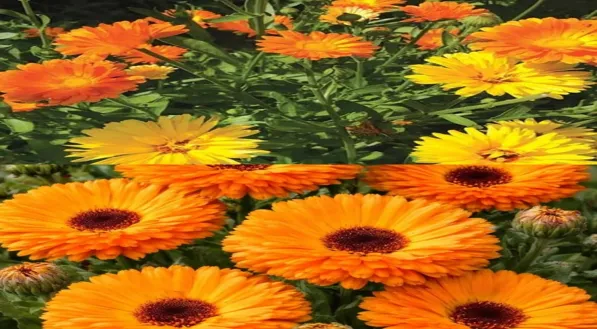
Figure 5 Calendula officinalis
Table 3. Botanical, Physicochemical, Phytochemical, and Pharmacological Profile of Calendula Officinalis L. [14–16]
|
Parameter |
Description |
|
Common Name |
Calendula, Pot Marigold, English Marigold, Garden Marigold |
|
Biological Name |
Calendula officinalis L. |
|
Kingdom |
Plantae |
|
Family |
Asteraceae |
|
Genus |
Calendula |
|
Species |
Calendula officinalis L. |
|
Part Used |
Dried flower heads |
|
Geographical Distribution |
Mediterranean region, India, Europe, North America |
|
Appearance |
Bright yellow to orange flower heads |
|
Colour |
Yellow to deep orange |
|
Odour |
Pleasant aromatic odour |
|
Taste |
Slightly bitter and aromatic |
|
Texture |
Soft petals with a fibrous receptacle |
|
Moisture Content |
Approximately 8–12% after drying |
|
Solubility |
Hydroalcoholic extracts show good solubility in ethanol and water |
|
Major Triterpenoids |
Calendulosides, Faradiol, Faradiol esters, Arnidiol, Taraxasterol, Calenduladiol |
|
Flavonoids |
Quercetin, Isorhamnetin, Rutin, Narcissin |
|
Carotenoids |
Lutein, Lycopene, β-Carotene, Violaxanthin |
|
Phenolic Compounds |
Chlorogenic acid, Caffeic acid, Ferulic acid |
|
Essential Oils |
α-Cadinol, γ-Cadinene, Caryophyllene |
|
Other Constituents |
Saponins, Polysaccharides, Coumarins, Sterols (β-Sitosterol, Stigmasterol), Tannins |
|
Major Pharmacological Activities |
Wound healing, Anti-inflammatory, Antioxidant, Antimicrobial (antibacterial and antifungal), Collagen synthesis stimulation, Angiogenic activity, Epithelialization enhancement, Immunomodulatory, Analgesic, Skin regenerative, Moisturizing and emollient, Anti-edematous |
7.3.1 Introduction
Pot marigold, or Calendula officinalis L., is a medicinal annual herb belonging to the Asteraceae family. Because of its medicinal, cosmetic, and pharmaceutical uses, this native of the Mediterranean basin has been grown in temperate climates all over the world. The main component of herbal medicine is the dried flower heads, which are traditionally used to heal wounds, burns, cuts, ulcers, dermatitis, eczema, and other inflammatory skin conditions. [14, 15]
Triterpenoids, flavonoids, carotenoids, phenolic acid, saponins, and essential oils are the primary bioactive components that contribute significantly to the pharmacological effects of has. The anti-inflammatory, antioxidant, antibacterial, and wound-healing qualities are provided by these phytoconstituents. [14, 16]
Calendula officinalis extracts have been demonstrated in experiments to promote fibroblast proliferation, collagen deposition, neo-angiogenesis, granulation, and re-epithelialization, all of which can aid in tissue repair. It is regarded as a suitable herbal ingredient to use in topical treatments like wound dressings, hydrogels, lotion, or herbal foot crack sheets because of its anti-inflammatory, moisturizing, and regeneration qualities. [14, 16]
7.3.2 Pharmacological Functions
Calendula officinalis exhibits a broad spectrum of pharmacological activities that contribute to its effectiveness in wound healing and skin protection. It accelerates wound healing by promoting fibroblast proliferation, collagen synthesis, granulation tissue formation, and epithelial regeneration, thereby facilitating tissue repair. [14,16] The plant also possesses potent anti-inflammatory properties, primarily attributed to its triterpenoids, which inhibit inflammatory pathways such as cyclooxygenase (COX) and lipoxygenase (LOX), leading to reduced production of prostaglandins and leukotrienes. [15,16] In addition, Calendula officinalis demonstrates significant antioxidant activity due to the presence of flavonoids and carotenoids, which scavenge reactive oxygen species (ROS), protect skin cells from oxidative damage, and promote tissue regeneration. [15,16] The flower extracts also exhibit broad-spectrum antibacterial and antifungal activities against various Gram-positive and Gram-negative bacteria and fungi, thereby helping to prevent secondary infections in damaged skin. [14, 16] Furthermore, Calendula officinalis promotes angiogenesis by enhancing blood flow to injured tissues, ensuring an adequate supply of oxygen and nutrients required for efficient wound healing. [14, 16] Its skin-protective action further supports the maintenance of skin hydration and elasticity while reducing transepidermal water loss, making it particularly beneficial in the management of dry skin conditions such as cracked heels.[15]
7.3.3 Calendula Officinalis's Mechanism of Action
Calendula officinalis's mode of action has not yet been thoroughly investigated. Calendula mayonnaise's active ingredients contain a variety of pharmacological effects related to composition, including anti-inflammatory and anti-alolgenic properties, which are strengthened when the flowers are utilized. These effects include the facilitation of wound healing.
Calendula officinalis's ability to heal wounds is a general word that encompasses a number of biological mechanisms involved in tissue regeneration and repair. By stimulating the phosphoinositide 3-kinase-dependent pathway, flower extracts promote fibroblast migration and proliferation, which increases collagen synthesis and connective tissue formation. [14, 16]
Furthermore, fibroblast stimulation, granulation tissue formation, and extracellular matrix remodeling caused the wound to contract along with an increase in blood vessel formation. This improved oxygen and nutrient supply to the affected tissue by stimulating angiogenesis, which accelerated tissue repair [14,16]
7.3.4 Uses oF calendula officinalis
Calendula officinalis is widely incorporated into pharmaceutical, cosmetic, and dermatological formulations because of its wound-healing and skin-protective properties. It is commonly used for the treatment of cracked heels and foot fissures, wound healing, burn management, surgical wound care, pressure ulcer management, diabetic wound care, skin inflammation, eczema, and dermatitis. In addition, it is an important ingredient in cosmetic creams and lotions, herbal wound dressings, hydrogel formulations, and herbal foot crack sheets. [14,16]
7.3.5 Processing of Calendula officinalis
The first step in processing Calendula officinalis is gathering completely opened flower heads, which are then cleaned to get rid of dust, insects, and other foreign objects. In order to protect heat-sensitive flavonoids and essential oils, the blossoms are subsequently shade-dried at temperatures below 40°C. The dried flowers are ground into a coarse powder and extracted with water, ethanol, methanol, or hydroalcoholic solvent (70% ethanol). The extract is then concentrated under low pressure using rotary evaporation after being filtered using muslin cloth and Whatman filter paper. The concentrated extract is then freeze-dried or spray-dried to produce a stable powdered extract, which is subsequently kept at room temperature in airtight, light-resistant, moisture-proof glass containers to preserve its stability and bioactivity. [15]
7.3.6 Advantages in Herbal Foot Crack Sheet
Calendula officinalis offers several advantages when incorporated into herbal foot crack sheets. It accelerates wound healing, enhances collagen formation, reduces inflammation, and provides antibacterial and antifungal protection against secondary infections. Additionally, it improves skin hydration and elasticity, minimizes scar formation, and exhibits excellent compatibility with Aloe vera and Centella asiatica in polyherbal formulations, thereby enhancing the overall therapeutic efficacy of herbal foot crack sheets. [14,16]
7.4 Curcuma Longa
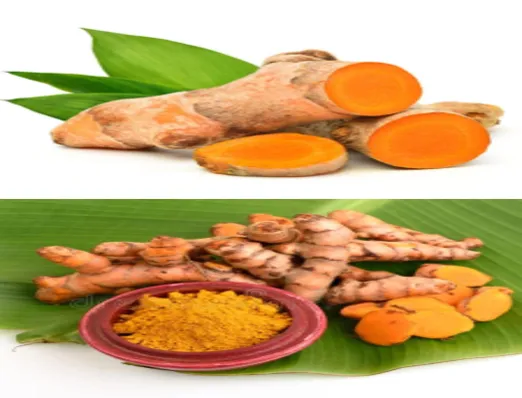
Figure 7 Curcuma longa
Table 4. Botanical, Physicochemical, Phytochemical, and Pharmacological Profile of Curcuma Longa L. [17–20]
|
Parameter |
Description |
|
Common Name |
Turmeric, Indian Saffron, Haldi |
|
Biological Name |
Curcuma longa L. |
|
Kingdom |
Plantae |
|
Family |
Zingiberaceae |
|
Genus |
Curcuma |
|
Species |
Curcuma longa L. |
|
Part Used |
Dried rhizome |
|
Geographical Distribution |
India, China, Sri Lanka, Indonesia, Thailand |
|
Appearance |
Cylindrical underground rhizome |
|
Colour |
Bright yellow to orange-yellow |
|
Odour |
Characteristic aromatic odour |
|
Taste |
Warm, slightly bitter, and pungent |
|
Texture |
Hard when dried |
|
Moisture Content |
Less than 10% after drying |
|
Solubility |
Curcumin is poorly soluble in water but soluble in ethanol, methanol, acetone, and DMSO |
|
Major Curcuminoids |
Curcumin, Demethoxycurcumin, Bisdemethoxycurcumin |
|
Volatile/Essential Oils |
Ar-turmerone, α-Turmerone, β-Turmerone, Zingiberene, Atlantone |
|
Phenolic Compounds |
Ferulic acid, Vanillic acid, Caffeic acid |
|
Polysaccharides |
Ukonans A, B, and C |
|
Other Constituents |
Proteins, Carbohydrates, Dietary fiber, Tannins, Flavonoids, Vitamins (Vitamin C, Vitamin E), Minerals (Potassium, Calcium, Iron, Magnesium, Zinc, Phosphorus), Sesquiterpenes, Starch |
|
Major Pharmacological Activities |
Wound healing, Anti-inflammatory, Antioxidant, Antimicrobial (antibacterial and antifungal), Antiviral, Collagen synthesis stimulation, Angiogenic activity, Anti-ulcer, Analgesic, Immunomodulatory, Anticancer, Hepatoprotective, Anti-diabetic, Skin regenerative, Anti-aging, Moisturizing and tissue repair |
7.4.1 Introduction
The perennial herb Curcuma longa L., also known as turmeric (Family: Zingiberaceae), is indigenous to southern and southeast Asia. This herb, which is widely grown in India, is a significant medicinal plant that has been used to treat burns, wounds, skin infections, inflammation, and other conditions in Ayurveda, Siddha, Traditional Chinese Medicine, and Unani. The majority of the herb's significant, bioactive components with a wide range of pharmacological effects are found in the rhizomes. [17, 18]
Curcuminoids, which include curcumin, demethoxycurcumin, and bisdemethoxycurcumin in addition to several volatile oils including ar-turmerone, -turmerone, and -turmerone, are responsible for the majority of Curcuma longa's therapeutic benefits. They have potent antibacterial, antioxidant, anti-inflammatory, and restorative properties. [17, 18]
Additionally, curcumin regulates several molecular processes related to wound healing, including angiogenesis, fibroblast proliferation, collagen synthesis, transcription factors, growth factors, inflammatory cytokines, and epithelialization [19] Curcuma longa is a useful addition to therapeutic poultices, ointments, hydrogels, nanofibers, wound dressings, and herbal foot crack strips for topical chronic skin ulcers and cracked heels because of these positive effects [20]
7.4.2 Pharmacological Functions
Curcuma longa possesses a wide range of pharmacological activities that contribute to its therapeutic potential in wound healing and skin repair. Curcumin, its principal bioactive constituent, accelerates wound healing by promoting granulation tissue formation, collagen synthesis, fibroblast proliferation, wound contraction, and epithelial proliferation, thereby facilitating tissue regeneration. [19, 20] In addition, curcumin exhibits potent anti-inflammatory activity by inhibiting NF-κB activation and downregulating the expression of inflammatory mediators, including cyclooxygenase-2 (COX-2), lipoxygenase (LOX), tumor necrosis factor (TNF-α), interleukin (IL)-1, IL-6, and inducible nitric oxide synthase (iNOS), thereby reducing excessive inflammation during wound healing. [19, 20] Curcuma longa also demonstrates strong antioxidant activity, as curcuminoids effectively scavenge reactive oxygen species (ROS) while enhancing the activities of endogenous antioxidant enzymes such as catalase, glutathione peroxidase (GSH-Px), and superoxide dismutase, thereby strengthening the body's natural antioxidant defense system. [20] Furthermore, the plant exhibits broad-spectrum antibacterial, antifungal, and antiviral activities against various pathogenic microorganisms, helping to prevent wound infections and promote tissue repair. [17, 19] Curcumin also promotes angiogenesis by increasing vascular endothelial growth factor (VEGF) expression, which enhances neovascularization and improves the delivery of oxygen and nutrients to regenerating tissues. [19, 20] Additionally, its antioxidant properties protect skin cells from oxidative damage, support tissue regeneration, improve skin elasticity, and may reduce excessive scar formation during the healing process. [20]
7.4.3 Curcuma Longa Mechanism of Action
Curcuminoids, particularly curcumin, which is one of the most powerful natural modulators of various molecular signaling events linked to inflammation, oxidative stress, vascular remodeling, and tissue regeneration, are primarily responsible for Curcuma longa's wound-healing properties [19,20]
Curcumin promotes Nrf2-dependent antioxidant pathways while blocking NF-B-mediated pro-inflammatory signaling, which reduces inflammatory cytokines and mediators. [20]
Furthermore, it is thought that curcuminoids reduce inflammation by modifying the angiogenic pathways associated with VEGF, which promotes neovascularization and supplies oxygen to ischemic regions. [19, 20]
Through its anti-inflammatory properties, antioxidant activity, angiogenesis stimulation, increased collagen synthesis, and tissue regeneration, Curcuma longa generally promotes wound healing. [19, 20]
7.4.4 Uses of Curcuma longa
Curcuma longa is widely used in pharmaceutical and cosmetic formulations because of its wound-healing, anti-inflammatory, and skin-regenerative properties. It is commonly employed in the treatment of cracked heels and foot fissures, acute and chronic wounds, burns, diabetic foot ulcers, pressure ulcers, surgical wounds, and skin infections. In addition, it is incorporated into anti-inflammatory topical preparations, cosmetic creams and gels, hydrogel wound dressings, nanofiber wound dressings, and herbal foot crack sheets. [17,19]
7.4.5 Processing of Curcuma Longa
After seven to nine months of growing, the well-developed rhizomes of Curcuma longa are collected and thoroughly cleaned to get rid of soil and other contaminants. After that, the rhizomes are cooked for 30 to 45 minutes to improve curcuminoid stability, gelatinize starch, improve color, and lessen raw odor. The rhizomes are boiled and then dried in the sun or hot air until the moisture content is less than 10%. Before being extracted using hydroalcoholic, ethanolic, methanolic, or supercritical CO2 extraction techniques, the dried rhizomes are sliced and ground into a fine powder. The extract is then filtered to eliminate insoluble components, concentrated by rotary evaporation at low pressure, and freeze-dried or spray-dried to produce a stable powdered extract. Finally, the extract is stored in airtight, light-resistant, moisture-proof containers at low temperature to preserve its stability and bioactivity. [18]
7.4.6 Advantages in Herbal Foot Crack Sheet
Curcuma longa offers numerous advantages when incorporated into herbal foot crack sheets. It accelerates wound healing through enhanced collagen synthesis and tissue regeneration, exhibits strong anti-inflammatory and potent antioxidant activities, and provides broad-spectrum antimicrobial effects that help prevent wound infections. Additionally, it promotes angiogenesis, reduces scar formation, and is highly compatible with other medicinal plants such as Aloe vera, Centella asiatica, Calendula officinalis, and Azadirachta indica (Neem) in polyherbal formulations. Its suitability for incorporation into hydrogel and sheet-based wound dressings further supports its application in the management of heel fissures and other chronic skin wounds. [19,20]
7.5 Azadirachta Indica
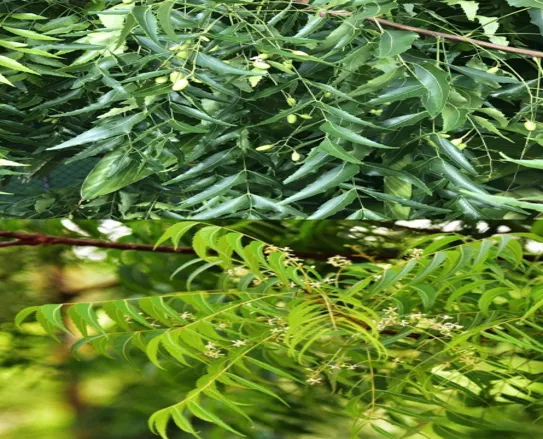
Figure 9 Azadirachta indica
Table 5. Botanical, Physicochemical, Phytochemical, and Pharmacological Profile of Azadirachta Indica A. Juss. [21–23]
|
Parameter |
Description |
|
Common Name |
Neem, Indian Lilac, Margosa Tree |
|
Biological Name |
Azadirachta indica A. Juss. |
|
Kingdom |
Plantae |
|
Family |
Meliaceae |
|
Genus |
Azadirachta |
|
Species |
Azadirachta indica A. Juss. |
|
Part Used |
Leaves (primarily), bark, seeds |
|
Geographical Distribution |
India, Pakistan, Bangladesh, Sri Lanka, Africa, Southeast Asia |
|
Appearance |
Green pinnate leaves |
|
Colour |
Dark green |
|
Odour |
Characteristic aromatic odour |
|
Taste |
Strongly bitter |
|
Texture |
Smooth leaf surface with serrated margins |
|
Moisture Content |
Approximately 8–10% after drying |
|
Solubility |
Hydroalcoholic and aqueous extracts show good solubility |
|
Major Limonoids |
Azadirachtin, Nimbin, Nimbidin, Nimbolide, Salannin |
|
Flavonoids |
Quercetin, Kaempferol |
|
Polyphenols |
Gallic acid, Catechin, Epicatechin |
|
Sterols |
β-Sitosterol, Stigmasterol |
|
Fatty Acids |
Oleic acid, Stearic acid, Palmitic acid, Linoleic acid |
|
Other Constituents |
Tannins, Saponins, Alkaloids, Glycosides, Polysaccharides, Essential oils, Amino acids, Vitamins C and E, Minerals (Calcium, Potassium, Magnesium, Iron, Zinc) |
|
Major Pharmacological Activities |
Wound healing, Anti-inflammatory, Antioxidant, Antibacterial, Antifungal, Antiviral, Antiparasitic, Immunomodulatory, Analgesic, Antipyretic, Anti-ulcer, Anti-diabetic, Hepatoprotective, Skin regenerative, Collagen synthesis stimulation, Angiogenic activity, Insecticidal and wound-protective activity |
7.5.1 Introduction
Neemin, or Azadirachta indica A. Juss., is a perennial, medicinal tree belonging to the genus Azadirachta and family Meliaceae. In addition to most tropical and subtropical islands in Asia, Africa, Australia, and America, it was mostly found in tropical and subtropical regions of the Indian subcontinent. In Ayurveda, Siddha, Unani, and traditional medicine, neem has been used for more than 2000 years to heal wounds, burns, ulcers, infectious diseases, inflammation, and skin blemishes. [21, 22]
Nearly every part of the neem tree, including the leaves, bark, seed, blossom, and fruit, is said to have medicinal properties. Because of their antimicrobial, antioxidant, anti-inflammatory, and wound-healing qualities, "bioactive" phytoconstituents like azadirachtin, nimbin, nimbidin, nimbolide, quercetin, and other limonoids are most prevalent in the leaves. [21, 22]
According to current research, Azadirachta indica suppresses the growth of bacteria and fungi while promoting wound contraction, fibroblast proliferation, collagen synthesis, epithelization, and angiogenesis. Neem extracts are therefore utilized in herbal remedies as lotions, gels, hydocoloid dressings, wound patches, and herbal foot crack sheets for non-healing wounds and heel fissures.[ 21, 23]
7.5.2 Pharmacological Activities
Azadirachta indica exhibits a broad range of pharmacological activities that contribute to its effectiveness in wound healing and skin regeneration. Neem extract contains bioactive compounds that stimulate wound contraction, fibroblast differentiation and proliferation, collagen synthesis, granulation tissue formation, and rapid epithelialization, thereby accelerating wound closure and tissue regeneration. [21, 23] In addition, neem possesses broad-spectrum antimicrobial activity against several skin pathogens, including Candida albicans, Pseudomonas aeruginosa, Staphylococcus aureus, and Escherichia coli, helping to prevent wound infections and promote healing.[21, 22] The plant also exhibits significant anti-inflammatory activity, as its bioactive limonoids regulate the release of inflammatory mediators such as prostaglandins, tumor necrosis factor (TNF), interleukin (IL)-1, and IL-6, thereby reducing inflammation and facilitating tissue repair. [21, 23] Furthermore, the flavonoids and polyphenolic compounds present in neem act as potent antioxidants by scavenging reactive oxygen species (ROS), protecting skin cells from oxidative damage, and supporting the wound-healing process. [22, 23] Neem also demonstrates immunomodulatory activity by enhancing phagocytosis and macrophage function, thereby strengthening immune responses and promoting tissue regeneration. [21] In addition, its skin-protective properties help preserve skin integrity, inhibit the proliferation of microorganisms, and promote regeneration of the damaged epidermis, making Azadirachta indica particularly beneficial in the management of cracked heels and other chronic skin conditions. [21, 22]
7.5.3 Azadirachta Indica Mechanism of Action
Azadirachtin, nimbin, nimbidin, nimbolide, salannin, quercetin, and other limonoids are thought to be the bioactive substances that give Azadirachta indica its ability to heal wounds. These substances' antibacterial qualities weaken the integrity of microbial cells and reduce the number of bacteria at the wound site. [21, 23]
By scavenging free radicals and averting oxidative stress, neem phytoconstituents provide antioxidant action. Azadirachtin and nimbolide were discovered to have concentration-dependent antioxidant activity that shielded tissues from damage caused by reactive oxygen species. [21]
Neem also inhibits the COX and LOX pathways while regulating other important signaling cascades of tissue repair, including NF-B-mediated inflammatory signaling, VEGF angiogenesis signaling, and the apoptosis induction pathway involving Bcl-2 and Bax. [21, 23]
In conclusion, A. indica is beneficial for wound healing; it protects the immune system antimicrobially; it neutralizes oxidants antioxidantly; it controls inflammation; it boosts fibroblasts; it raises collagen; and it promotes tissue regeneration.[ 21–23]
7.5.4 Uses of Azadirachta Indica
Azadirachta indica (Neem) is widely used in pharmaceutical and cosmetic formulations because of its antimicrobial, anti-inflammatory, and wound-healing properties. It is commonly utilized for the treatment of cracked heels and foot fissures, wound healing, diabetic foot ulcer management, burn treatment, skin infections, acne, eczema, and dermatitis. In addition, neem is incorporated into antifungal creams, antibacterial ointments, hydrogel wound dressings, herbal wound patches, and herbal foot crack sheets for the management of chronic wounds and skin disorders. [21,23]
7.5.5 Processing of Azadirachta Indica
During the active growth season, healthy, mature neem leaves are collected and thoroughly cleaned under running water to get rid of dust and other unwanted objects. This is the first step in the processing of Azadirachta indica. The leaves are then milled into a fine powder after being shade-dried at temperatures below 40°C to protect heat-sensitive bioactive phytochemicals. Hydroalcoholic (70% ethanol), ethanolic, methanolic, or aqueous solvents are used for extraction. The resultant extract is concentrated by rotary evaporation under low pressure after being filtered using muslin cloth and Whatman filter paper. The concentrated extract is then freeze-dried or spray-dried to produce a standardized powdered extract, which is then kept at low temperatures in airtight, light-resistant, moisture-proof containers to preserve its stability and bioactivity. [22]
7.5.6 Advantages in Herbal Foot Crack Sheet
Azadirachta indica offers several advantages when incorporated into herbal foot crack sheets. It provides broad-spectrum antibacterial and strong antifungal activities that help prevent secondary infections while accelerating wound healing through enhanced collagen synthesis and tissue regeneration. Additionally, it reduces inflammation, provides antioxidant protection against oxidative stress, and is particularly suitable for the management of chronic wounds and diabetic foot care. Neem also exhibits excellent compatibility with Aloe vera, Centella asiatica, Calendula officinalis, and Curcuma longa in polyherbal formulations, making it an ideal component of herbal foot crack sheets. [21–23]
8. FUTURE PERSPECTIVES
Even though herbal foot crack sheets have shown a great deal of promise in the treatment of heel fissures, more investigation is needed to enable their conversion into therapeutic goods that are approved by clinicians. Future research should concentrate on creating standardized polyherbal formulations with Aloe vera, Centella asiatica, Calendula officinalis, Curcuma longa, and Azadirachta indica because these therapeutic plants have complementary mechanisms that include antimicrobial, anti-inflammatory, antioxidant, collagen-stimulating, and wound-healing properties. To guarantee batch-to-batch consistency, safety, and therapeutic efficacy, standardization of plant extracts, optimization of bioactive ingredient concentrations, and thorough quality control procedures are crucial. [24–26]
Opportunities to incorporate these therapeutic plant extracts into cutting-edge biomaterials including hydrogels, electrospun nanofibers, bioadhesive films, and sustained-release herbal foot crack sheets are presented by recent developments in wound care technology. These administration methods may increase the bioavailability of phytoconstituents, speed up tissue regeneration, lengthen drug residence duration, and improve skin hydration. Furthermore, the stability and penetration of poorly soluble bioactive compounds, especially curcumin and neem phytoconstituents, may be further enhanced by the use of contemporary formulation techniques such nanoencapsulation and phytosome-based delivery. [24, 26]
In order to assess the long-term effectiveness, safety, patient compliance, and cost-efficiency of herbal foot crack sheets in comparison to traditional topical medications, future clinical research should involve well planned randomized controlled trials. Additionally, investigating the synergistic interactions between extracts from medicinal plants may help create evidence-based polyherbal formulations that can concurrently manage oxidative stress, inflammation, microbial infection, and impaired collagen synthesis linked to chronic heel fissures. [24–26]
9. CONCLUSION
Heel fissures are a frequent dermatological disorder linked to inflammation, microbial invasion, excessive dryness, delayed tissue healing, and compromised skin barrier function. By delivering bioactive phytochemicals directly to the damaged skin and creating a moist wound environment, herbal foot crack sheets offer a promising topical treatment method. The well-established wound-healing, anti-inflammatory, antioxidant, antimicrobial, collagen-stimulating, and skin-regenerative qualities of the medicinal plants discussed in this article—Aloe vera, Centella asiatica, Calendula officinalis, Curcuma longa, and Azadirachta indica—all work together to hasten the healing of cracked heels.
The creation of efficient polyherbal foot crack sheet compositions that may address several pathological processes involved in heel fissures is supported by the complementing mechanisms of these medicinal plants. The therapeutic potential of herbal foot crack sheets as safe, efficient, and patient-friendly substitutes for the treatment of cracked heels and skin restoration is anticipated to be further strengthened by ongoing developments in formulation technology, extract standardization, and clinical validation.
REFERENCES




Mahek Mulla, Morvi Raval, Hensi Karia, Soham Dave, Roshan Borkhatariya, Herbal Foot Crack Sheet: A Comprehensive Review of Medicinal Plants for Wound Healing and Skin Repair, Int. J. of Pharm. Sci., 2026, Vol 4, Issue 8, 1328-1346. https://doi.org/10.5281/zenodo.21839889
 10.5281/zenodo.21839889