

We use cookies to ensure our website works properly and to personalise your experience. Cookies policy
St. Wilfred’s Institute of Pharmacy, Panvel
The clinical management of odontalgia primarily relies on the administration of synthetic local anesthetics. Although these agents provide rapid relief, their use is frequently complicated by concerns regarding systemic toxicity and localized tissue irritation, which can limit their suitability for certain patient populations or frequent applications. This study investigated the development and characterization of a polyherbal anesthetic gel as a safer, plant-derived alternative intended for targeted dental use. The formulation utilized standardized extracts of Acmella oleracea at a concentration of 10%, Zingiber officinale at 2%, and Salvia officinalis at 0.1. These active constituents were integrated into a Carbopol 940 polymeric gel matrix, chosen for its ability to provide a stable delivery vehicle that adheres effectively to the oral mucosa. Physicochemical analysis revealed that the polyherbal gel possessed high homogeneity and maintained a pH of 6.0. This pH level is particularly significant because it is compatible with human skin and mucosal surfaces, reducing the likelihood of chemical irritation upon application. Rheological testing established a viscosity of 4850 ± 120 cps and a spreadability of 16.24 ± 0.35 g.cm/sec. These parameters are essential for ensuring that the gel can be easily applied to the affected area while remaining localized long enough to facilitate drug absorption. In vitro release models indicated that the active ingredients diffused from the matrix within 10–15 min. Within this profile, spilanthol, a bioactive alkylamide derived from Acmella oleracea, was identified as the primary contributor to localized anesthetic efficacy, likely due to its known ability to penetrate mucosal layers and interact with sensory nerve endings. The therapeutic potential of the gel extended beyond pain relief, as evidenced by the antimicrobial and anti-inflammatory assays. Preliminary tests showed zones of inhibition greater than 15 mm against common oral pathogens, suggesting that the formulation may help mitigate the microbial load associated with dental caries or gingival inflammation. The interaction between gingerols from Zingiber officinale and rosmarinic acid from Salvia officinalis significantly decreased inflammatory markers in simulated cell lines. This suggests a synergistic effect, where the formulation simultaneously addresses pain sensation and the underlying inflammatory response. Safety profiles were established through cytotoxicity and human patch tests. The formulation exhibited minimal cytotoxicity, with an IC50 ? 500 µg/mL, indicating a high threshold for cellular safety. In vivo performance was characterized by the absence of erythema or adverse reactions during human patch testing, although clinicians should advise against excessive application to prevent potential sensitivity in particularly delicate mucosal areas. Stability testing over 30-day period showed no evidence of phase separation, grittiness, or loss of physical integrity. These results support the conclusion that the developed polyherbal gel is a stable and effective natural alternative for managing dental pain, with the potential to serve as a significant component in the development of next-generation, over-the-counter dental products.
Odontalgia: Definition and Nature Odontalgia, widely recognized as toothache, is defined as pain originating from a tooth or its immediate supporting structures. Rather than being a standalone disease, it is a clinical symptom that indicates an underlying pathology within dental tissues, such as the enamel, dentin, pulp, periodontal ligament, or alveolar bone. It is one of the most frequent causes of dental visits, presenting with symptoms ranging from mild, temporary discomfort to severe, continuous pain that can disrupt daily functions such as eating and speaking. Clinically, this is significant because it often serves as the first sign of conditions such as dental caries, pulpitis, or periodontal disease.
Anatomy of the tooth: Pain can arise from various structures. While the enamel itself lacks innervation, its loss, often due to erosion or caries, exposes the underlying dentin. Dentin contains microscopic tubules that connect directly to the pulp, rendering it sensitive to mechanical and thermal stimuli. The dental pulp is the most sensitive structure, containing blood vessels, connective tissue, and nerves; consequently, inflammation typically results in intense pain. Pain may also originate from the periodontal ligament, particularly during chewing, or be referred from non-dental areas, such as the maxillary sinus or temporomandibular joint.
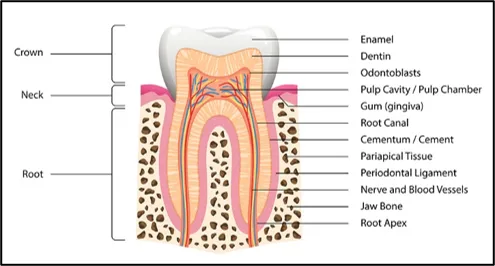
Figure 1 Anatomy of tooth
Pain Mechanism: The mechanism underlying odontalgia varies based on the affected tissue. The “hydrodynamic theory" is the prevailing explanation for dentin-related sensitivity. This theory posits that stimuli such as cold, heat, or sugar cause the fluid within the dentinal tubules to move, stimulating mechanoreceptors near the pulp and producing sharp, sudden pain. Dental pain is initiated when noxious stimuli, including dental caries, trauma, or infection, induce tissue damage and activate nociceptors primarily situated in the dental pulp and dentin. This process involves the release of inflammatory mediators, such as prostaglandins, bradykinin, histamine, and substance P, which decrease the activation threshold and sensitize these sensory nerve endings. According to hydrodynamic theory, external factors such as temperature fluctuations or osmotic changes cause fluid displacement within the dentinal tubules, thereby stimulating nerve fibers at the pulp-dentin interface. The resulting impulses are conducted via A-delta fibers, which transmit rapid and localized sharp pain, and C fibers, which are responsible for dull, lingering, and throbbing sensations. These signals are relayed through the trigeminal nerve to the brain for sensory processing. Persistent inflammation can further enhance nerve sensitivity, leading to prolonged pain and increased responsiveness to stimuli that are typically nonpainful.
Classification of Odontalgia:
Gaps in research: Odontalgia, commonly referred to as dental pain, can be effectively managed using herbal anesthetic agents as natural substitutes for conventional local anesthetics. These herbal alternatives provide safe and efficient pain relief by directly targeting nerve endings and reducing inflammation in affected dental tissues. Unlike synthetic options, herbal agents are generally well tolerated, presenting minimal side effects and a significantly lower risk of systemic toxicity or allergic reactions. In addition to providing pain relief, these agents often possess antiseptic and anti-inflammatory properties that contribute to improved oral health during treatment. While their efficiency depends on factors such as concentration and application method, appropriate use can provide effective analgesia for mild-to-moderate dental pain.
Rationale for Using Herbal Anesthetics The shift toward exploring herbal anesthesia for odontalgia is driven by several distinct advantages over synthetic local anesthetics.
Key benefits include:
Synthetic drugs available in the market, such as lidocaine, show anesthetic effects with side effects such as local tissue irritation, allergic reactions, CNS toxicity. Therefore, herbal formulations are more preferable than synthetic formulations, as they have negligible side effects. Key herbal agents and mechanisms of various herbs have been identified for their efficacy in treating dental pain. The table below outlines common plants, their active compounds, and their specific therapeutic effects. Conclusion: Herbal anesthesia represents a promising natural approach to dental pain management. When used appropriately, these agents not only alleviate pain but also support broader oral health with fewer risks than synthetic counterparts.
Table 1 Herbs and their uses
|
Herb/ plant |
Active compounds |
Therapeutic action in odontalgia |
|
Acmella olerecea |
Spilanthol |
Acts as a strong local anaesthetic that reduces nerve pain sensation |
|
Clove (Syzygium aromaticum) |
Eugenol |
It provides analgesic, anti-inflammatory, and antiseptic benefits. |
|
Ginger (Zingiber officinale) |
Gingerols, Shogaols |
Offers anti-inflammatory effects and mild analgesia. |
|
Salvia (Salvia officinalis) |
Rosmarinic acid, Thujone |
It functions as an analgesic and anti-inflammatory agent. |
|
Peppermint (Mentha piperita) |
Menthol |
It provides a cooling effect and acts as a mild local anesthetic. |
|
Turmeric (Curcuma longa) |
Curcumin |
Reduces pain and swelling through anti-inflammatory properties, antiseptic property. |
Role of acmella: Spilanthes acmella is the first herb used in polyherbal gel formulation. Acmella has recently emerged as a subject of significant scientific interest, largely because of its unique biological profile and potential for therapeutic use. A member of the Asteraceae family, the Acmella genus has a long history of traditional use in pain relief, with a specific reputation for treating oral and dental issues. Today, it is viewed as a valuable natural reservoir for developing plant-based alternatives to synthetic analgesics and anesthetics. The combination of its historical use in ethnopharmacology and the growing experimental data positions Acmella as a strong candidate for translational research across the pharmaceutical, dental, and biomedical fields.
The scientific importance of Acmella stems from its rich chemical composition, particularly its high concentration of alkamides, such as spilanthol. This compound acts as a potent local anesthetic and analgesic. Unlike conventional synthetic anesthetics, which can carry risks of side effects or toxicity, compounds derived from Acmella offer a pathway toward safer, biodegradable, and cost-effective pain management. This potential has sparked increased research into understanding how it works, how it can be formulated, and its clinical applications. Furthermore, Acmella serves as an excellent model for multidisciplinary research, bridging the gaps between pharmacognosy, phytochemistry, and drug development. It is easy to cultivate and offers sustainable availability, making it highly suitable for use in experimental studies. As the global medical community shifts its focus toward nature-derived therapeutics, Acmella provides a scientifically robust platform to validate traditional knowledge through modern research.
Traditionally, Acmella oleracea has been a go-to remedy for managing dental pain, and modern science has validated its effectiveness for specific types of odontalgia. It is particularly useful for peripheral, reversible types of pain, where the primary issues are inflammation and nerve sensitization, rather than deep, irreversible tissue damage. The plant’s ability to manage pain is largely attributed to spilanthol, which provides the necessary analgesic and anesthetic effects.
Pharmacological indications: Dentinal Hypersensitivity: Acmella exhibits remarkable efficacy in treating sharp, fleeting pain caused by exposed dentin (hypersensitivity). Spilanthol interacts with peripheral sensory nerve endings and modulates voltage-gated sodium channels and transient receptor potential (TRP) channels. This results in reduced nerve excitability and desensitization of the dentinal tubules, making it highly effective against pain triggered by temperature changes, touch, or sweet or acidic stimuli.
The plant is also therapeutically relevant for reversible pulpitis, an early stage of inflammation in which the pulp tissue is not yet permanently damaged. In these cases, Acmella offers symptomatic relief by inhibiting inflammatory mediators, such as cytokines and prostaglandins, and by blocking pain signals at the nerve level. However, it is important to note that its role is palliative; it manages symptoms but cannot reverse the pathology if the condition progresses to irreversible pulpitis.
Gingival and Periodontal Pain: Acmella alleviates mild periodontal issues through a dual mechanism of anti-inflammatory and antimicrobial action. This helps control inflammation in the gingival tissues caused by microbes, thereby reducing tenderness and discomfort associated with gum pain. Postoperative Relief: Acmella can also be beneficial following minor dental procedures, such as scaling, or in cases of minor trauma to the oral mucosa. Its local anesthetic properties facilitate faster symptom relief and improved comfort during the healing process.
Mechanism of action of Spilanthes Acmella:
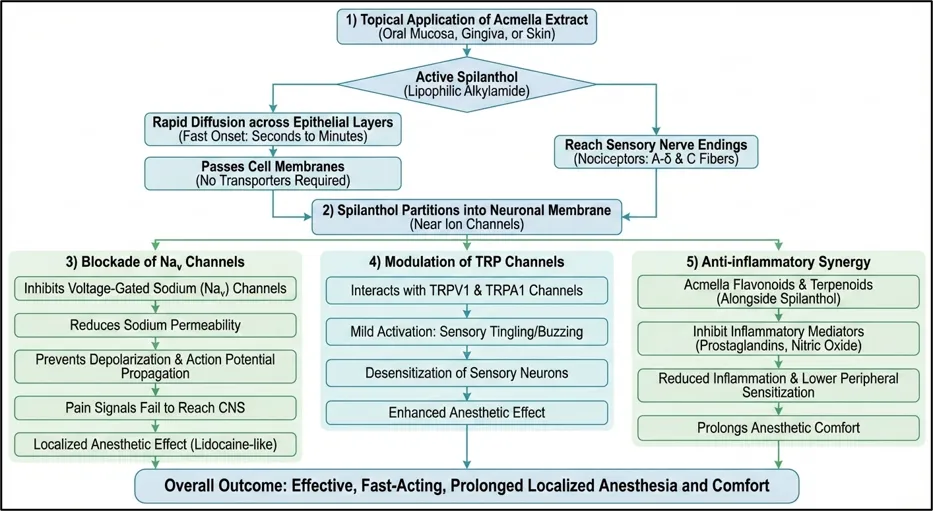
Figure 2 Mechanism of action of Spilanthes Acmella
Role of ginger (Zingiber officinale): Zingiber officinale Roscoe (ginger) is one of the most thoroughly investigated plants in phytotherapy, bridging the gap between traditional medicine and modern pharmacology. Its value lies primarily in its potent analgesic and anti-inflammatory properties, which are increasingly relevant for the development of herbal anesthetics. While historical records have long documented the use of ginger for pain and swelling, contemporary research spanning molecular, pharmacological, and clinical studies has validated these applications. In the context of anesthesia, ginger serves a distinct purpose by suppressing the inflammatory pathways that heighten pain sensitivity. This action effectively complements plant-based local anesthetics that directly block nerve conduction. Furthermore, ginger offers a distinct safety advantage over synthetic anti-inflammatory agents. It modulates multiple biological targets without the significant gastric, renal, or cardiovascular risks associated with conventional drugs. This favorable safety profile makes it an ideal candidate for local anesthetic formulations, particularly those designed for dental, oral, and soft-tissue procedures.
Mechanism of Action of Gingerols
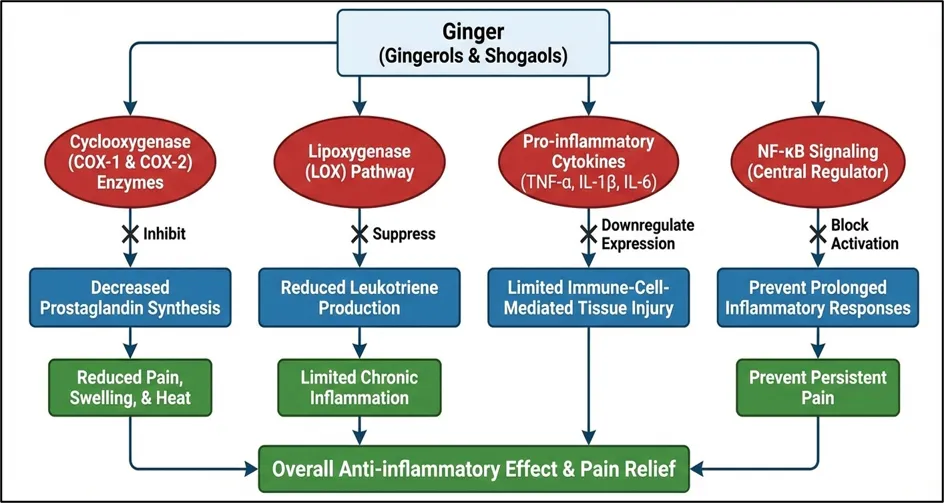
Figure 3 Mechanism of Action of Gingerols
Role of Salvia: For centuries, traditional medicine in Europe and the Middle East has relied on a specific genus of plants to handle everything from infections to deep tissue pain: Salvia. Belonging to the mint family (Lamiaceae), this genus is incredibly diverse, with over 900 species worldwide. However, two stars have emerged in the scientific community: common sage (Salvia officinalis) and Chinese herb Danshen (Salvia miltiorrhiza). What is the reason for the interest in these plants? This is due to their complex chemistry. They are rich in secondary metabolites, specifically diterpenoids, flavonoids, and essential oils, which offer a potent combination of antioxidant and anti-inflammatory benefits.
However, the real advantage lies in their interaction with the body. Synthetic drugs often come with heavy costs, such as gastrointestinal damage. In contrast, salvia-derived compounds offer a multi-targeted approach to healing with significantly lower toxicity. This distinct advantage positions them as a promising natural alternative, or strictly as adjunct therapy, for safely treating long-term inflammatory conditions.
Mechanism of action of salvia officinale:
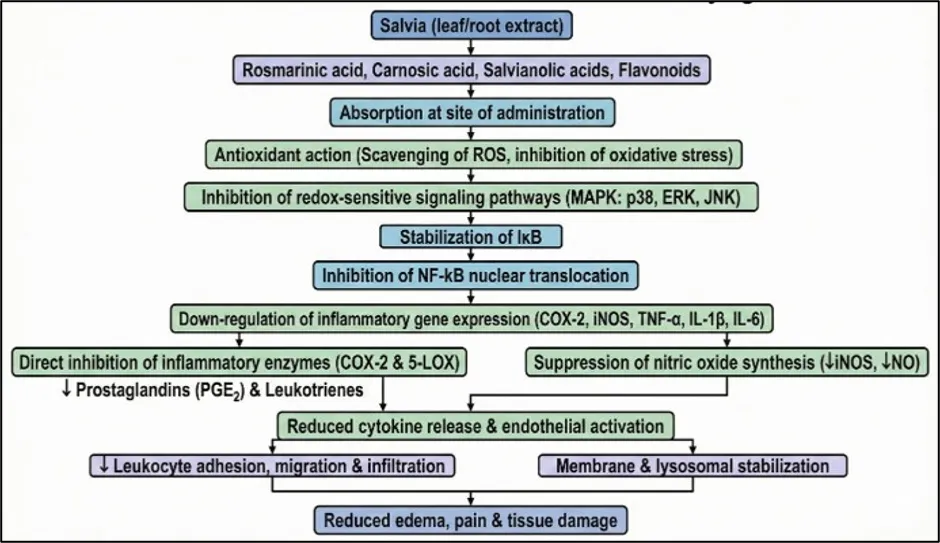
Figure 4 Mechanism of action of salvia
Objectives:
Etiology and clinical significance: The primary cause of odontalgia is dental caries, in which bacteria demineralize the tooth structure and progressively invade the enamel and dentin until they reach the dental pulp. Other common causes include pulpitis, periodontal diseases such as gingivitis and periodontitis, and dental trauma, including cracks, fractures and tooth wear. In addition, recent dental procedures, defective restorations, exposed dentin, impacted teeth, sinus infections, and parafunctional habits, such as bruxism, can contribute to the development of odontalgia. The intensity of pain may vary from mild sensitivity to severe throbbing discomfort, depending on the extent of tissue damage and pulpal involvement. Understanding the nature of pain, its quality, duration, location, and triggering factors, such as thermal stimuli, chewing, or spontaneous onset, is essential for clinicians to distinguish between reversible and irreversible conditions. An accurate diagnosis is achieved through a combination of clinical examination, pulp vitality tests, percussion and palpation, and radiographic evaluation. Early identification of the underlying cause allows timely intervention, preventing further disease progression and preserving the tooth structure. Appropriate treatment may range from preventive measures and desensitizing agents to restorative procedures, periodontal therapy, root canal treatment, or tooth extraction in cases where the tooth is beyond restoration.
MATERIALS AND METHODS:
Botanical Name: Acmella oleracea (frequently referred to in older pharmacological literature by its synonym, Spilanthes acmella)
Family: Asteraceae
Biological Source: Consists of the fresh or dried flower heads and leaves of the plant
Active Constituent: Spilanthol
Uses:
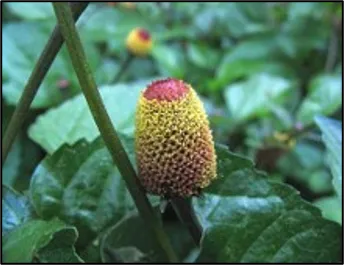
Figure 5 Flower of spilanthes acmella
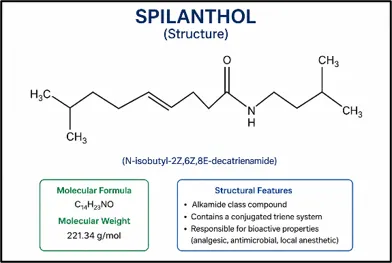
Figure 6 Structure of spilanthol
Botanical Name: Zingiber officinale
Family: Zingiberaceae
Active Constituent: Gingerols & Shogaols.
Uses:
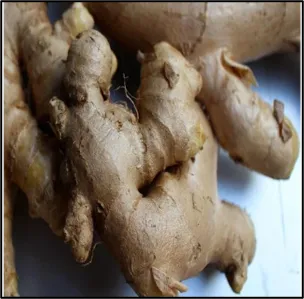
Figure 7 Source of ginger
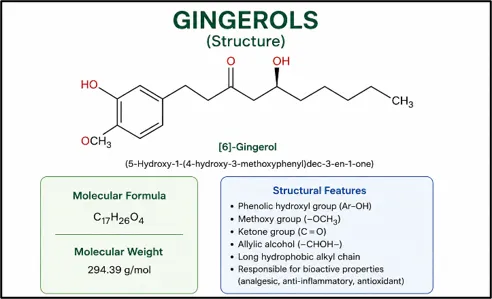
Figure 8 Structure of gingerols
Botanical Name: Salvia officinalis
Family: Lamiaceae
Active Constituent: Rosmarinic Acid & Carnosol.
Biological Source: Consists of the fresh or dried leaves, and occasionally the flowering tops, of the plant.
Uses:
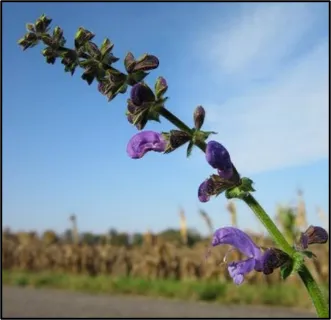
Figure 9 Salvia flower
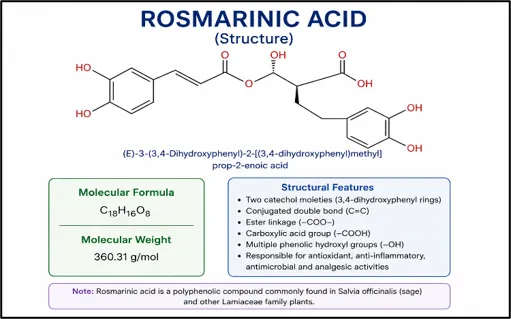
Figure 10 Structure of rosmarinic acid
Chemical Name: Carbomer homopolymer type C
Uses:
Chemical Name: 1,2-propanediol and 1,2-dihydroxypropane
Uses:
Chemical Name: C7H5NaO2 or sodium salt of benzoic acid.
Uses:
Chemical Name: C6H15NO3 or TEA or TEOA
Uses:
PHYTOCHEMICAL SCREENING
Table 2 phytochemical screening of spilanthes acmella
|
Phytochemical Class |
Test |
Observation |
Inference |
|
Alkaloids |
Mayer’s test (Extract + 2-3 drops Mayer’s reagent) |
Creamy white precipitate
|
Alkaloids may be Present |
|
Flavonoids |
Alkaline Reagent Test (Extract + 10% NaOH Solution) |
Intense Yellow Color |
Flavonoids may be Present |
|
Tannis
|
Feric chloride test (Extract + 5% FeCl3 Solution) |
Greenish-black color
|
Tannis may be Present |
Table 3 phytochemical screening of zingiber officinale
|
Phytochemical Class |
Test |
Observation |
Inference |
|
Alkaloids |
Hager’s test (Extract + Hager’s Reagent) |
Yellow ppt |
Alkaloids may be Present |
|
Flavonoids |
Lead acetate test (Extract + 10% lead acetate solution) |
Yellow ppt |
Flavonoids may be Present |
|
Tannins |
Gelatin Test (Extract + 1% gelatin solution + NaCl) |
White ppt |
Tannins may be Present |
Table 4 phytochemical screening of salvia officinalis
|
Phytochemical Class |
Test |
Observation |
Inference |
|
Alkaloids
|
Dragendroff’s Test (Extract + dragendroff reagent) |
Orange-red Precipitate
|
Alkaloids may be Present |
|
Flavonoids
|
Shinoda Test (Extract + Mg ribbon + conc. HCl) |
Pink to Magenta color |
Flavonoids may be Present |
|
Phenols
|
Lead actetate test (Extract + 10% lead acetate solution) |
White to bulky Precipitate |
Phenols may be Present |
FORMULATION TABLE:
Table 5
|
INGREDIENTS |
QUANTITY (gm) |
USES |
|
Amcella extract |
10g |
Local anaesthetic, analgesic |
|
Salvia extract |
0.1g |
Anti-inflammatory, antimicrobial |
|
Ginger extract |
2g |
Analgesic, anti-inflammatory |
|
Carbopol 940 |
1g |
Gelling agent |
|
Propylene glycol |
5g |
Humectant |
|
Sodium benzoate |
0.2g |
Preservative |
|
Triethanolaminne |
Until becomes basic |
pH adjuster |
|
Peppermint oil |
q.s. |
Fragrance |
|
Purified water |
q.s. |
Vehicle |
Formulation Development of the Polyherbal Gel: The polyherbal gel formulation (100 g batch) was prepared utilizing Carbopol 934/940 as the primary gelling agent, incorporating active herbal extracts alongside necessary excipients. The step-wise procedure for the preparation of the gel is detailed below:
Methods of Evaluation: formulation of the polyherbal local anesthetic gel, the preparation was subjected to a series of physicochemical, pharmaceutical, and safety evaluation parameters to ascertain its quality, efficacy, and suitability for topical application.


OBSERVATION AND RESULTS
Phytochemical tests:
Table 6
|
Phytochemical Class |
Test |
Observation |
Inference |
|
Alkaloids |
Dragendroff’s Test (Extract + dragendroff reagent)
|
Orange-red Precipitate 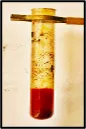
Figure 11 |
Alkaloids are Present |
|
Flavonoids
|
Shinoda Test (Extract + Mg ribbon + conc. HCl)
|
Pink to Magenta color 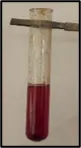
Figure 12 |
Flavonoids are Present
|
|
Phenols
|
Lead actetate test (Extract + 10% lead acetate solution) |
White to bulky Precipitate 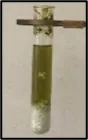
Figure 13 |
Phenols are Present |
Table 7
|
Phytochemical Class |
Test |
Observation |
Inference |
|
Alkaloids
|
Dragendroff’s Test (Extract + dragendroff reagent)
|
Orange-red Precipitate 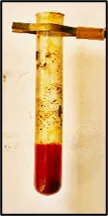
Figure 14 |
Alkaloids are Present |
|
Flavonoids
|
Shinoda Test (Extract + Mg ribbon + conc. HCl)
|
Pink to Magenta color 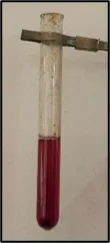
Figure 15 |
Flavonoids are Present
|
|
Phenols
|
Lead actetate test (Extract + 10% lead acetate solution)
|
White to bulky Precipitate 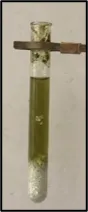
Figure 16 |
Phenols are Present
|
Table 8
|
Phytochemical Class |
Test |
Observation |
Inference |
|
Alkaloids
|
Hager’s test (Extract + Hager’s Reagent)
|
Yellow ppt 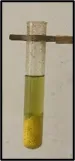
Figure 17 |
Alkaloids are Present
|
|
Flavonoids
|
Lead acetate test (Extract + 10% lead acetate solution)
|
Yellow ppt 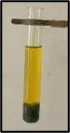
Figure 18 |
Flavonoids are Present
|
|
Tannins
|
Gelatin Test (Extract + 1% gelatin solution + NaCl)
|
White ppt 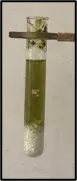
Figure 19 |
Tannins are Present
|
Evaluation parameters for physical test:
Table 9
|
Evaluation parameters |
Observation/ result |
|
Physical Appearance |
Smooth, viscous, opaque gel |
|
Colour |
Dark brown/ Herbal brown |
|
Odour |
Aromatic herbal Odor |
|
Homogenesity |
Excellent |
|
Phase Separation |
None |
|
Grittiness |
Absent |
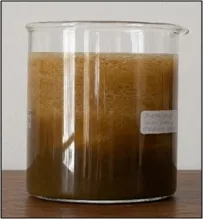
Figure 20
Physicochemical Evaluation:
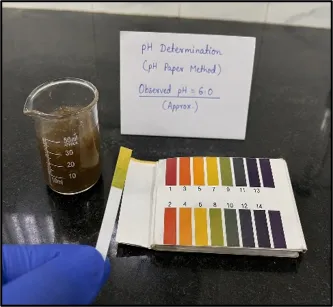
Fig 21 PH Measurement
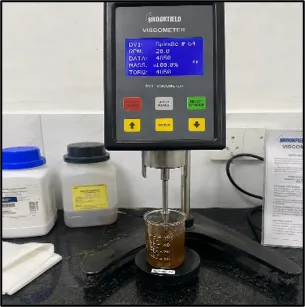
Fig 22 Viscosity Measurement
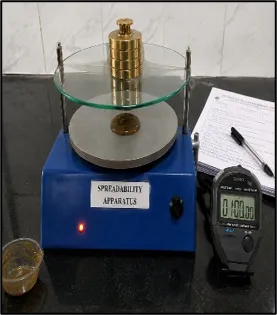
Fig 23 Spreadability
Table 10
|
Parameter |
Result |
Acceptable range |
|
pH |
6.0 |
5.5 – 7.5 Compatible for oral use |
|
Viscosity |
4850 ± 
|
Sufficient viscosity for topical application |
|
Spreadability |
16.24 ± 
|
Should be easily Spreadable on skin |
Stability Studies:
Table 11
|
Time interval |
Color & appearance |
pH |
Phase separation / homogeneity |
Grittiness |
|
Initial day |
Dark brown, smooth |
6.0 |
None (Highly uniform) |
Absent |
|
24 Hours |
Dark brown, smooth |
6.0 |
None (Highly uniform) |
Absent |
|
15 days |
Dark brown, smooth |
6.0 |
None (Highly uniform) |
Absent |
|
30 days |
Dark brown, smooth |
6.0 |
None (Highly uniform) |
Absent |
Safety Studies (Preliminary Skin Irritation Observation)
Table 12
|
Volunteer No. |
Observation At 12 Hour |
Observation At 24 Hours |
Observation At 48 Hours |
Result |
|
Volunteer 1 |
No Erythema / Edema |
No Erythema / Edema |
No Erythema / Edema |
Non-Irritant |
|
Volunteer 2 |
No Erythema / Edema |
No Erythema / Edema |
No Erythema / Edema |
Non-Irritant |
|
Volunteer 3 |
No Erythema / Edema |
No Erythema / Edema |
No Erythema / Edema |
Non-Irritant |
Packaging and Storage: The prepared polyherbal dental gel was packed in a clean, airtight container to protect it from moisture and contamination. The formulation was stored at room temperature (25 ± 2°C) in a cool, dry place, away from direct sunlight. The container was kept tightly closed after each use to maintain the stability and quality of the formulation throughout the study period.
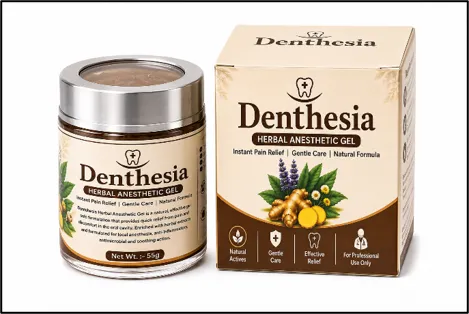
Figure 24
RESULTS AND DISCUSSION
Preliminary phytochemical screening of the hydroalcoholic extracts of Spilanthes acmella, Salvia officinalis, and Zingiber officinale confirmed the presence of important bioactive constituents, including alkaloids, flavonoids, phenolic compounds, tannins, terpenoids, glycosides, and saponins. These phytochemicals are known for their analgesic, anti-inflammatory, antimicrobial, antioxidant, and wound-healing properties, which may collectively contribute to the local anesthetic activity and overall therapeutic potential of the formulated polyherbal dental gel. The prepared polyherbal dental gel exhibited satisfactory physical characteristics. The formulation was smooth, homogeneous, and free from lumps, coarse particles, and phase separation. It possessed a characteristic herbal brown colour with a pleasant herbal odour and showed no evidence of grittiness. These observations indicate that the gel had good physical stability and acceptable aesthetic properties for topical dental application.
The physicochemical evaluation demonstrated that the formulated gel possessed desirable characteristics for topical use. The pH of the formulation was found to be 6.0 ± 0.1, which is compatible with the oral mucosa and is unlikely to cause irritation. The spreadability value was 16.25 g·cm/sec, indicating that the gel spread easily and uniformly over the application site. The viscosity of the formulation was 4850 cps, providing suitable consistency for easy application, adequate retention at the site of action, and convenient extrusion from the container. The stability study was carried out for 24 hours, 15 days, and 30 days under room temperature storage conditions. Throughout the study period, no significant changes were observed in colour, odour, homogeneity, pH, viscosity, spreadability, or physical appearance. No evidence of phase separation or degradation was detected, indicating that the formulation remained physically and chemically stable during the storage period.
The safety evaluation of the prepared gel was performed by observing the application site for signs of erythema (redness) and edema (swelling). No redness, edema, irritation, or other adverse reactions were observed during the study, suggesting that the formulation is safe and well tolerated for topical application on the oral mucosa. Microbial evaluation demonstrated that the prepared gel remained free from visible microbial contamination throughout the study period. The incorporation of sodium benzoate as a preservative, along with storage in an airtight container under appropriate conditions, effectively maintained the microbiological quality of the formulation. The absence of bacterial and fungal growth indicates that the gel possesses satisfactory microbial stability and is suitable for topical dental use.
CONCLUSION
The present study successfully achieved its objective of formulating and evaluating a polyherbal dental gel intended to provide a local anesthetic effect. The formulation containing Spilanthes acmella, Salvia officinalis, and Zingiber officinale exhibited satisfactory physical and physicochemical characteristics, including acceptable pH, appropriate viscosity, good spreadability, excellent homogeneity, and the absence of phase separation or grittiness. The gel also remained stable during the study period and showed no signs of redness, edema, or microbial contamination, indicating that the formulation is safe, stable, and suitable for topical dental application.
The findings of the study suggest that the formulated polyherbal dental gel has promising potential as a natural alternative to conventional topical anesthetic preparations. The presence of bioactive phytoconstituents with analgesic, anti-inflammatory, and antimicrobial properties may provide multiple therapeutic benefits while minimizing the adverse effects commonly associated with synthetic anesthetic agents. Overall, the developed formulation demonstrated desirable pharmaceutical characteristics and may serve as a suitable herbal dental gel for local anesthetic applications.
Further research should focus on comprehensive pharmacological evaluation through in vivo studies to confirm the local anesthetic efficacy and determine the duration of action. Clinical trials involving human subjects are necessary to establish the safety, effectiveness, and patient acceptability of the formulation. Future studies may also include optimization of the formulation, long-term stability testing as per ICH guidelines, standardization of herbal extracts, advanced drug-release studies, and large-scale manufacturing. These investigations could facilitate the development of the formulation into a commercially viable herbal dental product for routine clinical use.
REFERENCES






Omkar Nawale, Manali Naik, Tejasvi Navale, Srushti Nikam, Krutika Mainpuri, Rohit Khillare, Formulation and Evaluation of a Polyherbal Local Anesthetic Gel for Dental Application, Int. J. of Pharm. Sci., 2026, Vol 4, Issue 7, 6139-6158. https://doi.org/10.5281/zenodo.21726789
 10.5281/zenodo.21726789