Coumarin is a naturally occurring benzopyrone scaffold with diverse pharmacological activities. This review summarizes the chemistry, natural sources, structural features, and major biological activities of coumarin and its derivatives, including anti-inflammatory, anti-tubercular, anti-Alzheimer’s, antifungal, antioxidant, anticonvulsant, and antibacterial effects. Recent advances in medicinal chemistry and structure–activity relationships are highlighted together with the therapeutic potential of coumarin derivatives.
Coumarin, the name is coming from the word ‘Coumarou’. Now, what is the Coumarou? Well, it is the French word for the tonka beans. The word tonka bean is taken from the Galibi (Carib) tongue spoken by natives of French Guiana (one source for the plant); it also appears in Old Tupi, another language of the same region, as the name of the tree. The old genus name Coumarouna, was formed from another Tupi name for tree, Kumaru.
Coumarins are the best-known aromatic lactones. The isolation of coumarin was first reported by Vogel in Munich in 1820. He associated the pleasant odor of the tonka bean from Guiana with that of clover, Melilotus officinal. The name coumarin originated from a Caribbean word ‘Coumarou’ for the tonka tree.
Coumarin is a naturally occurring organic compound widely recognized for its distinct aromatic properties. With a molecular structure comprising a benzene ring fused to a lactone, it is found in various plant species, including tonka beans, sweet clover, and cinnamon. Due to its sweet, vanilla-like scent, coumarin has gained significant popularity in the fragrance and flavor industries. In addition to its sensory appeal, coumarin and its derivatives exhibit notable biological activities, including anticoagulant, anti-inflammatory, and potential anticancer effects.
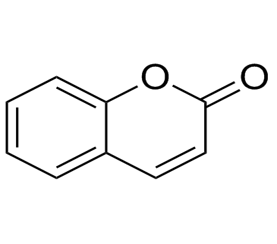
Coumarin was first isolated in 1822 and synthesized in 1868. It was banned by the Food and Drug Administration in the 1950s, being classified as a category 1 carcinogen and hepatotoxin, based on animal data. However, this may require revision in the light of subsequent animal data. Many derivatives of coumarin have been shown to possess anticoagulant, tumoristatic, and immunostimulatory properties, and some derivatives have been used for fluorescent labeling and as laser dyes. This review outlines the metabolism, pharmacology, applications, and methods of analysis of coumarin compounds. The structure of coumarin is as following:
Fig. Coumarin
1. Anti-Inflammatory Activity-
Liu Zeng Chen, et al, 2017 To create new anti-inflammatory agents with enhanced pharmaceutical properties, a range of novel phenyl- pyrazoline coumarin derivative compounds were designed and synthesized. The structures were confirmed using X-ray crystallography. All compounds were assessed for their anti-inflammatory activity by measuring their ability to inhibit LPS-induced IL-6 release, with certain compounds demonstrating the most significant anti-inflammatory effects by inhibiting IL-6, TNF, and nitric oxide.
Yogita Bansal et al, 2012 Inflammation is an active biological response that takes place in reaction to chemical, physical, immunological, or biological triggers in the human body. It is marked by five primary signs: redness (rumor), swelling (tumor), heat (calorie), and pain (dolore).
Michał Zimeckia et al, 2009 The existing literature also offers insights into various biological effects of simple coumarins, including anticoagulant, anti-inflammatory, and enzyme inhibitory properties. This study aimed to assess the potential activities of novel coumarin derivatives through specific immunological tests.
Francesco Epifano et al, 2004 Phenyloxy coumarins are secondary metabolites typically found in plants from the Rutaceae and Umbelliferae families. Many of these coumarins have demonstrated significant pharmacological benefits. One notable example, auraptene(7-geranyloxycoumarin), shows potential as a chemo preventive agent against carcinogens is in the skin, tongue, esophagus, and colon in rodent models.
2. Anti- tubercular Activity-
Samar Mujeeb et al, 2021Tuberculosis (TB) is an infectious disease that can be either acute or chronic, caused by various species of Mycobacterium, which are known collectively as tubercle bacilli or the Mycobacterium tuberculosis complex. Approximately 10 million individuals fall ill with tuberculosis (TB) annually. TB ranks as the second leading cause of death globally, following HIV/AIDS. A significant concern within the context of multidrug-resistant tuberculosis (MDR-TB) is extensively drug-resistant TB, which poses a critical challenge for effective chemotherapy in treating TB. Therefore, it is essential to investigate new anti-tubercular (anti-TB) medications.
Mubarak H. Shaikh et al, 2016 A series of novel coumarin-based 1,2,3-triazole derivatives were conceptualized, synthesized, and assessed for their in vitro anti-tubercular properties against Mycobacterium tuberculosis H37Ra, evaluated for antioxidant activity using the DPPH radical scavenging assay, and tested for antimicrobial effects in vitro against three gram-positive bacteria (Staphylococcus aureus, Micrococcus luteus, and Bacillus cereus) and three gram-negative bacteria (Escherichia coli, Pseudomonas fluorescens, and Flavobacterium devorans), as well as against three fungal species.
Rangappa S. Keri et al, 2015 Tuberculosis (TB) continues to be a significant global health issue, with mycobacterium tuberculosis (MTB) ranking among the most lethal pathogens affecting humans. TB is currently the second leading cause of infectious deaths, following HIV/AIDS. The rise of multi-drug resistant (MDR) strains has prompted the need for new classes of anti-tuberculosis medications. The development of MDR strains against commonly prescribed drugs is attributed to prolonged treatment durations resulting from resistance and the reappearance of the disease in immuno compromised patients
Silvia H. et al, 2011 Coumarins that are modified with hydroxyl groups, cyclohexyl groups, or larger moieties such as naphthyl, as wellas benzazepines containing indole and benzoazepines with nitro substituents at the 4th position, show improved anti-TB activity. Coumarins featuring substitutions at the 3rd and 4th positions are more prevalent due to the potential for conjugation, with substituent’s ranging from functional groups like halogens and alkenes linkers to heteroaryl groups.
3. Anti-AlzheimerActivity –
Nahla N. Kamel et al, 2023 Alzheimer's disease (AD) is one of the most prevalent types of dementia found in the elderly populationglobally and is the leading cause of fatal, age-related neurodegenerative disorders. New derivatives of 2-oxo-chromene-7-oxymethylene aceto hydrazine were created and synthesized featuring various bioactive chemical components. The newly created compounds were assessed for their effectiveness as acetyl cholinesterase (AChE) inhibitors and antioxidant agents, in comparison to donepezil and ascorbic acid, respectively. Numerous natural coumarin products exhibit anti- Alzheimer properties, including esculetin.
Namy George et al, 4 June 2022 Alzheimer's disease (AD) is among the most widespread and frequently occurring neurodegenerative disorders. Coumarin is a multifaceted scaffold that demonstrates a variety of biological activities, including the ability to inhibit cholinesterase, making it a crucial heterocyclic component for creating anti-AD medications. Coumarin-oxadiazole hybrids serve as multi-target directed ligands (MTDLs) and represent a promising avenue for the development of anti-AD therapies.
Nan Wang et al, 15 November 2022 Multi-targeted directed ligands (MTDLs) are becoming promising candidates for the treatment of Alzheimer's disease (AD). Coumarin serves as a versatile foundation with a wide range of biological activity, making it a valuable starting point for the development of innovative compounds with anti- neurodegenerative effects and MTDLs.
Bhagath Kumar Palaka et al, 2016 A collections of fused tricyclic coumarin derivatives featuring an iminopyran ring linked to various amide groups was created as potential multifunctional agents for combating Alzheimer’s disease, focusing on their cholinesterase inhibition and radical scavenging properties. Additionally, in silico ADMET prediction analyses showed that these compounds met all the criteria for drugs acting on the central nervous system. The most effective inhibitor, 6n, was found to cross the blood-brain barrier, as demonstrated by in vivo assessments of brain AChE activity.
4. Anti-fungalActivity-
Mirjana Loncar. et al, 2021 The global population has been increasing quickly over the years, making an effective food production system essential. The primary risk to food production and security comes from fungal pathogens, particularly those categorized as mycotoxin producers, which can pose significant dangers to humans and animals, including mutagenic, teratogenic, and carcinogenic effects. Coumarins serve as antifungal agents. The term coumarin is derived from the French word 'coumaron,' which refers to the Tonka bean.
Shuguang Zhang et al, 2021 A varieties of coumarin derivatives featuring a pyrrole structure were created, synthesized, and evaluated for their in vitro antifungal properties against six phytopathogenic fungal species. The results from the antifungal activity tests indicate that several of the synthesized hybrids demonstrated promising fungicidal properties against the fungi evaluated. Notably, the compounds 6j,6k,6o, 6p, and 6r showed considerable antifungal effects against Rhizoctonia solani. These activities are more effective than the commercial fungicides Boscalid (11.52 µg/mL) and Osthole (9.79 µg/mL). These findings offer significant insights for the further rational design of coumarin-based fungicides.
Jyoti Sankar Prusty Awanish Kumar. et al, 2019 The majority of serious fungal infections in humans are primarily caused by three key fungal species: Candida, Cryptococcus, andAspergillus. Coumarin (27/- 1-benzopyran-2-one) was initially extracted from the plant species Coumarouna odorata. This compound is categorized as a heterocyclic compound, specifically a benzopyrone, which features both benzene and a-pyrone rings. Coumarins exhibit a wide range of biological activities, including antifungal properties.
Khalid Mohammed khan et al, 2003 The coumarins and their derivatives are associated with a range of biological effects, some of which have been noted to have various pharmacological activities. Osthol, alloimperatorin, and isopimpinellin demonstrate antimicrobial properties. Among several furocoumarins, including xanthotoxin, imperatorin, psoralen, and angelicin, psoralen stands out as the most effective therapeutic agent, aiding in the restoration of melanin-depleted skin for conditions like vitiligo and psoriasis.The estrogenic effects of coumarins and the insecticidal characterstics of rotenoids are well documented.
5. Anti-oxidant activity
Melagraki. G et al, 2017 A series of new coumarin-3-carbox-amides were synthesized, and these compounds underwent evaluation for their in-vitro antioxidant properties and in-vivo anti-inflammatory effects.The derivatives demonstrated the specified activities, and based on the findings, structure-activity relationships (SAR) were formulated to identify the structural characteristics necessary for activity.
Nishiyama.T et al, 2017 The ant oxidative properties of seven hydro- coumarins were compared against those of alpha-tocopherol in the oxidation processes of tetralin and linoleic acid in a homogeneous solution. In both systems, the hydro-coumarins demonstrated longer induction periodscompared to alpha-tocopherol. None the less, during the induction period, the rate of oxygen absorption for alpha-tocopherol was slower than that of the hydro-coumarins in both instances. Additionally, 6, 7-dihydroxy-4,4-dimethylhydrocoumarin exhibited lower cytotoxicity toward human fibroblasts compared to 2,6-di-t-butyl-4-methylphenol.
SaletaV et al, 2017 We have established coumarin-chalcone hybrid compounds exhibit significant antioxidant activity. The presence of a benzoyl moiety at the C3 position relative to the coumarin ring influences their antioxidant properties. An intriguing observation is that this compound displays high reactivity and demonstrates strong antioxidant capabilities against hydroxyl and peroxyl radicals, along with a low oxidation potential. Although the trypanocidal effects of the coumarin-chalcone hybrids are moderate, they have proven to be excellent antioxidants. Given these findings, we can deduce that these compounds are promising candidates for in vitro evaluations of their antioxidant activity.
Yasameen Al-Majedy et al, 2017 Coumarins are heterocyclic compounds known for their potential health benefits, such as lowering the likelihood of cancer, diabetes, cardiovascular issues, and brain disorders. These benefits are believed to stem from their ability to scavenge radicals, attributed to their antioxidant properties. In recent years, researchers have been synthesizing various derivatives of coumarins, as they are a significant area of interest for medicinal chemists investigating their numerous pharmacological capabilities, particularly their anticoagulant properties.
6. Anti-Convulsant Activity-
Mehmet Erşatır et al, 12 December 2020 Several new coumarin derivatives have been created through the reaction of 3-carbonylchloride coumarin with various substituted aryl acid hydrazides to explore their anticonvulsant properties. The anticonvulsant impact of these coumarin derivatives might occur via increased GABA-mediated inhibition within the brain.
Sunny Jalhan et al, 2017 The author notes that data are gathered on different derivatives of coumarin, which exhibit a broad spectrum of biological activities and can be further altered to create more effective and powerful drugs.
Nadeem Siddiqui et al, 2009 The author investigated the preparation of various heteroaryl semi-carbazones through the reaction of heteroaryl hydrazine carboxamide with aryl aldehydes or ketones.
Kamelia M. Amin et al, 15 May 2008 A series of new substituted coumarinylthiazolines,coumarinylthiazolidin-4-ones, and substituted chromenothiazoles were created and tested for their anticonvulsant properties. Selected compounds were examined for their effectiveness against seizures triggered by pentylenetetrazole (PTZ) and strychnine in mice. Compound 7b demonstrated anticonvulsant effects (PD50 = 95 mg/kg, ip) at a dosage of 200 mg/kg, in comparison to phenobarbital (PD50= 16mg/kg, ip) at a dosage of 30 mg/kg, achieving 90% protection. There was no evident relationship between the antiepileptic activity and the molecular lipophilicity characteristics of the compounds that were tested.
7. Anti-bacterial activities
Hua-Li Qin et al, 2020 the emergence of bacteria that are resistant to drugs, including those resistant to multiple medications, poses a significant threat to global health and is associated with high mortality rates. The diverse biological activities and extensive clinical application of coumarin-based medications have led to increased interest in this group of heterocycles. Over the past ten years, various hybrids combining coumarin with antibiotics have been created, and the majority have demonstrated promising antibacterial effectiveness.
Alla V. Lipeeva et al, 2019 According to a report from the WHO, there has been a significant rise in microbial infections over the past few decades, along with the emergence of strains resistant to antimicrobial treatments. The growing prevalence of antimicrobial resistance necessitates the development and creation of novel small molecules that possess greater affinity and specificity for their intended targets to act as antibiotics.
Khalid Mohammed Khan et al, 2004 A variety of biological effects are linked to coumarins and their derivatives, many of which are documented to demonstrate a wide range of pharmacological activities. Osthol, alloimperatorin, and isopimpinellin exhibit antimicrobial effects. Among several furocoumarins, such as xanthotoxin, imperatorin, psoralen, and angelicin, psoralen stands out as the most effective therapeutic agent, contributing to their storation of skin that has lost melanin.
Oliver Kayser et al, 1998 The antibacterial properties of a range of simple coumarins were assessed against eight different microorganisms, which included three Gram-positive bacteria (Staphylococcus aureus, beta-hemolytic Streptococcus, and Streptococcus pneumoniae) as wellasfiveGram-negative bacteria utilizing the micro-dilution broth technique. The coumarins that were analyzed exhibited a wide variety of growth inhibitory effects, demonstrated by their minimum inhibitory concentrations.
CONCLUSION:
The extensive pharmacological actions of coumarins, both natural and synthetic, have garnered significant interest. Numerous compounds of coumarins have anticoagulant, antitumor, antiviral, antioxidant, anti-inflammatory, and antibacterial qualities; also has the ability to block enzymes. The identification of important structural characteristics of coumarin compounds is essential for the creation of novel coumarin analogues with enhanced activity, as well as for the description of their mode of action and any adverse effects. The biological activities of the resultant compounds are significantly influenced by the different substituents in the coumarin nucleus.
This paper discusses the wide range of pharmacological characteristics of naturally occurring coumarin as well as how to identify them using their official pharmacopoeias. Because of their broad pharmacological applications, natural compounds are of significant interest to medicinal chemists, who use them as a foundation for further development and screening of several novel therapeutic agents.
REFERENCES
Rodriguez-Enriquez F, Costas-Lago MC, Besada P, Alonso-Pena M, Torres-Teran I, Vina D, Fontenla JÁ, Sturlese M, Moro S, Quezada E, Teran C. Novel coumarin-pyridazine hybrids as selective MAO-B inhibitors for the Parkinson’s disease therapy. Bioorg Chem. 2020 Nov 1;104:104203.
García-Beltrán O, Mena NP, Aguirre P, Barriga-Gonzalez G, Galdámez A, Nagles E, Adasme T, Hidalgo C, Nunez MT. Development of an iron-selective antioxidant probe with protective effects on neuronal function. PLoS One. 2017 Dec 11;12(12):e0189043.
Cione E, La Torre C, Cannataro R, Caroleo MC, Plastina P, Gallelli L. Quercetin, epigallocatechin gallate, curcumin, and resveratrol: from dietary sources to human microRNA modulation. Molecules. 2019 Dec 23;25(1):63.
Oliver DM, Reddy PH. Small molecules as therapeutic drugs for Alzheimer's disease. Molecular and Cellular Neuroscience. 2019 Apr 1;96:47-62.
Suleiman M, Almalki FA, Ben Hadda T, Kawsar SM, Chander S, Murugesan S, Bhat AR, Bogoyavlensky A, Jamalis J. Recent Progress in Synthesis, POM Analyses and SAR of Coumarin-Hybrids as Potential Anti-HIV Agents—A Mini Review. Pharmaceuticals. 2023 Oct 31;16(11):1538.
Wang X, Zhou H, Wang X, Lei K, Wang S. Design, synthesis, and in vivo and in silico evaluation of coumarin derivatives with potential antidepressant effects. Molecules. 2021 Sep 13;26(18):5556.
Preparation of benzoic acid from tonka beans and from the flowers of melilot or sweet clover]. Annalen der Physik (in German). 64(2):161–166. Bibcode:1820AnP....64..161V. doi:10.1002/andp.18200640205. Journal of Technology VOLUME 12 ISSUE 5, 2024 ISSN: 10123407 PAGE NO:76.
On the existence of benzoic acid in the tonka bean and in the flowers of melilot]. Journal de Pharmacie (in French). 6:305–309.
Abridged History of Simple Drugs] (in French). Vol. 2. Paris: L. Colas. pp. 160–161.
Research into the crystalline material of melilot]. Journal de Pharmacie. 21:172–178.
Journal of the Chemical Society. 21:53–63. doi:10.1039/js8682100053.
Y.F. Mustapha and N.T. Abdulziz. “Biological potential of hymechromone-based derivatives: a systematic review.” Syst. Rev. Pharm. vol. 11, no. 11, pp. 438-452, 2020, doi:10.31838/srp.2020.11.65.
Duangdee N, Mahavorasirkul W, Prateeptongkum S. Design synthesis and anti-proliferative activity of some new coumarin substituted hydrazide hydrazone derivatives. J Chem Sci. 2020;132(1).
Nofal ZM, EI-Zahar MI, Abd EI-Karim SS. Novel coumarin derivatives with expected biological activity. Molecules. 2000;5(2):99-113.
Chemistry D, Sciences B, Florida A. Identification of 7,8-diacetoxy-3-arylcoumarin derivative as a selective cytotoxic and apoptosis indusing agent in a human prostate cancer cell line. Anticancer Res. 2017;6014:6005-14.
J. Hirsh, J.E. Dalen, D.R. Anderson, L. Poller, H. Bussey, J. Ansell, et al., "Oral anticoagulants: mechanism of action, clinical effectiveness, and optimal therapeutic range", Chest Journal, vol. 119, 2001, pp. 8S-21S, doi:10.1378/chest.119.1_suppl.8S.
P. Anand, B. Singh and N. Singh, "A review on coumarins as acetylcholinesterase inhibitors for Alzheimer’s disease", Bioorganic & Medicinal Chemistry, vol. 20, 2012, pp. 1175-1180, doi:10.1016/j.bmc.2011.12.042.
G.M. McKhann, D.S. Knopman, H. Chertkow, B.T. Hyman, C.R. Jack Jr, C.H. Kawas, et al., "The diagnosis of dementia due to Alzheimer’s disease: Recommendations from the National Institute on Aging-Alzheimer’s Association workgroups on diagnostic guidelines for Alzheimer's disease", Alzheimer's & Dementia, vol. 7, 2011, pp. 263-269, doi:10.1016/j.jalz.2011.03.005.
M. Huang, S.-S. Xie, N. Jiang, J.-S. Lan, L.-Y. Kong and X.-B. Wang, "Multifunctional Coumarin Derivatives: Monoamine Oxidase B (MAO-B) Inhibition, Anti-β-Amyloid (Aβ) Aggregation and Metal Chelation Properties against Alzheimer’s Disease", Bioorganic & Medicinal Chemistry Letters, 2014, doi:10.1016/j.bmcl.2014.12.034.
Molnar M, Mendeševic N, Šubaric D, Banjari I, Jokic S. Comparison of various techniques for the extraction of umbelliferone and herniarin in Matricaria chamomilla processing fractions. Chemistry Central Journal. 2017;11(1):78.
G. J. Huang, J. S. Deng, J. C. Liao et al., “Inducible nitric oxide synthase and cyclooxygenase-2 participate in antiinflammatory activity of imperatorin from Glehnia littoralis,” Journal of Agricultural and Food Chemistry, vol. 60, no. 7, pp. 1673–1681, 2012.
W. S. Chang, Y. H. Chang, F. J. Lu, and H. C. Chiang, “Inhibitory effects of phenolics on xanthine oxidase,” Anticancer Research, vol. 14, no. 2A, pp. 501–506, 1994.
K. C. Fylaktakidou, D. J. Hadjipavlou-Litina, K. E. Litinas, and D. N. Nicolaides, “Natural and synthetic coumarin derivatives with anti-inflammatory/antioxidant activities,” Current Pharmaceutical Design, vol. 10, no. 30, pp. 3813–3833, 2004.
Qin, H.L.; Zhang, Z.W.; Ravindar, L.; Rakesh, K.P. Antibacterial activities with the structure-activity relationship of coumarin derivatives. Eur. J. Med. Chem. 2020, 207, 112832. [CrossRef]
Lnufaie, R.; Hansa, R.K.C.; Alsup, N.; Whitt, J.; Chambers, S.A.; Gilmore, D.; Alam, M.A. Synthesis and antimicrobial studies of coumarin-substituted pyrazole derivatives as potent anti-Staphylococcus aureus agents. Molecules. 2020, 25, 2758. [CrossRef]
Abd El-All MM, Halawa AH, Hassan AH, El-Nassag MA, Abd El-Jaleel GE, Eliwa EM, Bedair AH. Synthesis and antioxidant activity of some derivatives of 2-(2-oxo-4-phenyl-2H-chromen-7-yloxy)-acetohydrazide. J Atoms and Molecules. 2013;3:537-52.
Al-Amiery A, Al-Majedy Y, Kadhum A. Hydrogen Peroxide Scavenging Activity of Novel Coumarins Synthesized Using Different Approaches. PLoS ONE. 2015;10(7):e0132175, 2015. Journal of Technology VOLUME 12 ISSUE 5, 2024 ISSN: 10123407 PAGE NO:77.
Al-Amiery AA, Al-Bayati R, Saour K, Radi M. Cytotoxicity, Antioxidant and Antimicrobial activities of novel 2-quinolone derivatives derived from coumarins. Research on Chemical Intermediates. 2012;38(2):559-69.
Nishiyama T, Ohnishi J, Hashiguchi Y. Fused heterocyclic antioxidants: antioxidative activities o-hydrocoumarins in a homogeneous solution. Bio Sci Biotechnol Biochem. 2001;65(5):1127-33.
C. C. Chiang, M. J. Cheng, C. F. Peng, H. Y. Huang, and I. S. Chen, “A novel dimeric coumarin analog and antimycobacterial constituents from Fatoua pilosa,” Chemistry and Biodiversity, vol. 7, no. 7, pp. 1728–1736, 2010.
N. Y. Kim, H. O. Pae, Y. S. Ko et al., “In vitro inducible nitric oxide synthesis inhibitory active constituents from Fraxinus rhynchophylla,” Planta Medica, vol. 65, no. 7, pp. 656–658, 1999.
D. M. Fort, K. Rao, S. D. Jolad, J. Luo, T. J. Carlson, and S. R. King, “Anti-hyperglycemic activity of Teramnus labialis (Fabaceae),” Phytomedicine, vol. 6, no. 6, pp. 465–467, 2000.
F. Natella, B. Lorrain, A. K. Prasad, V. S. Parmar, L. Saso, and C. Scaccini, "4-Methylcoumarins as antioxidants: Scavenging of peroxyl radicals and inhibition of human low-density lipoprotein oxidation," Biochimie, vol. 92, no. 2, pp. 1147-1152, April 2010.
Mishra, C.B.; Mongre, R.K.; Prakash, A.; Jeon, R.; Supuran, C.T.; Lee, M.-S. Anti-breast cancer action of carbonic anhydrase IX inhibitor 4-[4-(4-Benzo[1,3]dioxol-5-ylmethyl-piperazin-1-yl)-benzylidene-hydrazinocarbonyl]-benzenesulfonamide (BSM-0004): In vitro and in vivo studies. J. Enzym. Inhib. Med. Chem. 2021, 36, 954–963. [Google Scholar] [CrossRef]
Rodriguez-Enriquez F, Costas-Lago MC, Besada P, Alonso-Pena M, Torres-Teran I, Vina D, Fontenla JÁ, Sturlese M, Moro S, Quezada E, Teran C. Novel coumarin-pyridazine hybrids as selective MAO-B inhibitors for the Parkinson’s disease therapy. Bioorg Chem. 2020 Nov 1;104:104203.
García-Beltrán O, Mena NP, Aguirre P, Barriga-Gonzalez G, Galdámez A, Nagles E, Adasme T, Hidalgo C, Nunez MT. Development of an iron-selective antioxidant probe with protective effects on neuronal function. PLoS One. 2017 Dec 11;12(12):e0189043.
Cione E, La Torre C, Cannataro R, Caroleo MC, Plastina P, Gallelli L. Quercetin, epigallocatechin gallate, curcumin, and resveratrol: from dietary sources to human microRNA modulation. Molecules. 2019 Dec 23;25(1):63.
Oliver DM, Reddy PH. Small molecules as therapeutic drugs for Alzheimer's disease. Molecular and Cellular Neuroscience. 2019 Apr 1;96:47-62.
Suleiman M, Almalki FA, Ben Hadda T, Kawsar SM, Chander S, Murugesan S, Bhat AR, Bogoyavlensky A, Jamalis J. Recent Progress in Synthesis, POM Analyses and SAR of Coumarin-Hybrids as Potential Anti-HIV Agents—A Mini Review. Pharmaceuticals. 2023 Oct 31;16(11):1538.
Wang X, Zhou H, Wang X, Lei K, Wang S. Design, synthesis, and in vivo and in silico evaluation of coumarin derivatives with potential antidepressant effects. Molecules. 2021 Sep 13;26(18):5556.
Preparation of benzoic acid from tonka beans and from the flowers of melilot or sweet clover]. Annalen der Physik (in German). 64(2):161–166. Bibcode:1820AnP....64..161V. doi:10.1002/andp.18200640205. Journal of Technology VOLUME 12 ISSUE 5, 2024 ISSN: 10123407 PAGE NO:76.
On the existence of benzoic acid in the tonka bean and in the flowers of melilot]. Journal de Pharmacie (in French). 6:305–309.
Abridged History of Simple Drugs] (in French). Vol. 2. Paris: L. Colas. pp. 160–161.
Research into the crystalline material of melilot]. Journal de Pharmacie. 21:172–178.
Journal of the Chemical Society. 21:53–63. doi:10.1039/js8682100053.
Y.F. Mustapha and N.T. Abdulziz. “Biological potential of hymechromone-based derivatives: a systematic review.” Syst. Rev. Pharm. vol. 11, no. 11, pp. 438-452, 2020, doi:10.31838/srp.2020.11.65.
Duangdee N, Mahavorasirkul W, Prateeptongkum S. Design synthesis and anti-proliferative activity of some new coumarin substituted hydrazide hydrazone derivatives. J Chem Sci. 2020;132(1).
Nofal ZM, EI-Zahar MI, Abd EI-Karim SS. Novel coumarin derivatives with expected biological activity. Molecules. 2000;5(2):99-113.
Chemistry D, Sciences B, Florida A. Identification of 7,8-diacetoxy-3-arylcoumarin derivative as a selective cytotoxic and apoptosis indusing agent in a human prostate cancer cell line. Anticancer Res. 2017;6014:6005-14.
J. Hirsh, J.E. Dalen, D.R. Anderson, L. Poller, H. Bussey, J. Ansell, et al., "Oral anticoagulants: mechanism of action, clinical effectiveness, and optimal therapeutic range", Chest Journal, vol. 119, 2001, pp. 8S-21S, doi:10.1378/chest.119.1_suppl.8S.
P. Anand, B. Singh and N. Singh, "A review on coumarins as acetylcholinesterase inhibitors for Alzheimer’s disease", Bioorganic & Medicinal Chemistry, vol. 20, 2012, pp. 1175-1180, doi:10.1016/j.bmc.2011.12.042.
G.M. McKhann, D.S. Knopman, H. Chertkow, B.T. Hyman, C.R. Jack Jr, C.H. Kawas, et al., "The diagnosis of dementia due to Alzheimer’s disease: Recommendations from the National Institute on Aging-Alzheimer’s Association workgroups on diagnostic guidelines for Alzheimer's disease", Alzheimer's & Dementia, vol. 7, 2011, pp. 263-269, doi:10.1016/j.jalz.2011.03.005.
M. Huang, S.-S. Xie, N. Jiang, J.-S. Lan, L.-Y. Kong and X.-B. Wang, "Multifunctional Coumarin Derivatives: Monoamine Oxidase B (MAO-B) Inhibition, Anti-β-Amyloid (Aβ) Aggregation and Metal Chelation Properties against Alzheimer’s Disease", Bioorganic & Medicinal Chemistry Letters, 2014, doi:10.1016/j.bmcl.2014.12.034.
Molnar M, Mendeševic N, Šubaric D, Banjari I, Jokic S. Comparison of various techniques for the extraction of umbelliferone and herniarin in Matricaria chamomilla processing fractions. Chemistry Central Journal. 2017;11(1):78.
G. J. Huang, J. S. Deng, J. C. Liao et al., “Inducible nitric oxide synthase and cyclooxygenase-2 participate in antiinflammatory activity of imperatorin from Glehnia littoralis,” Journal of Agricultural and Food Chemistry, vol. 60, no. 7, pp. 1673–1681, 2012.
W. S. Chang, Y. H. Chang, F. J. Lu, and H. C. Chiang, “Inhibitory effects of phenolics on xanthine oxidase,” Anticancer Research, vol. 14, no. 2A, pp. 501–506, 1994.
K. C. Fylaktakidou, D. J. Hadjipavlou-Litina, K. E. Litinas, and D. N. Nicolaides, “Natural and synthetic coumarin derivatives with anti-inflammatory/antioxidant activities,” Current Pharmaceutical Design, vol. 10, no. 30, pp. 3813–3833, 2004.
Qin, H.L.; Zhang, Z.W.; Ravindar, L.; Rakesh, K.P. Antibacterial activities with the structure-activity relationship of coumarin derivatives. Eur. J. Med. Chem. 2020, 207, 112832. [CrossRef]
Lnufaie, R.; Hansa, R.K.C.; Alsup, N.; Whitt, J.; Chambers, S.A.; Gilmore, D.; Alam, M.A. Synthesis and antimicrobial studies of coumarin-substituted pyrazole derivatives as potent anti-Staphylococcus aureus agents. Molecules. 2020, 25, 2758. [CrossRef]
Abd El-All MM, Halawa AH, Hassan AH, El-Nassag MA, Abd El-Jaleel GE, Eliwa EM, Bedair AH. Synthesis and antioxidant activity of some derivatives of 2-(2-oxo-4-phenyl-2H-chromen-7-yloxy)-acetohydrazide. J Atoms and Molecules. 2013;3:537-52.
Al-Amiery A, Al-Majedy Y, Kadhum A. Hydrogen Peroxide Scavenging Activity of Novel Coumarins Synthesized Using Different Approaches. PLoS ONE. 2015;10(7):e0132175, 2015. Journal of Technology VOLUME 12 ISSUE 5, 2024 ISSN: 10123407 PAGE NO:77.
Al-Amiery AA, Al-Bayati R, Saour K, Radi M. Cytotoxicity, Antioxidant and Antimicrobial activities of novel 2-quinolone derivatives derived from coumarins. Research on Chemical Intermediates. 2012;38(2):559-69.
Nishiyama T, Ohnishi J, Hashiguchi Y. Fused heterocyclic antioxidants: antioxidative activities o-hydrocoumarins in a homogeneous solution. Bio Sci Biotechnol Biochem. 2001;65(5):1127-33.
C. C. Chiang, M. J. Cheng, C. F. Peng, H. Y. Huang, and I. S. Chen, “A novel dimeric coumarin analog and antimycobacterial constituents from Fatoua pilosa,” Chemistry and Biodiversity, vol. 7, no. 7, pp. 1728–1736, 2010.
N. Y. Kim, H. O. Pae, Y. S. Ko et al., “In vitro inducible nitric oxide synthesis inhibitory active constituents from Fraxinus rhynchophylla,” Planta Medica, vol. 65, no. 7, pp. 656–658, 1999.
D. M. Fort, K. Rao, S. D. Jolad, J. Luo, T. J. Carlson, and S. R. King, “Anti-hyperglycemic activity of Teramnus labialis (Fabaceae),” Phytomedicine, vol. 6, no. 6, pp. 465–467, 2000.
F. Natella, B. Lorrain, A. K. Prasad, V. S. Parmar, L. Saso, and C. Scaccini, "4-Methylcoumarins as antioxidants: Scavenging of peroxyl radicals and inhibition of human low-density lipoprotein oxidation," Biochimie, vol. 92, no. 2, pp. 1147-1152, April 2010.
Mishra, C.B.; Mongre, R.K.; Prakash, A.; Jeon, R.; Supuran, C.T.; Lee, M.-S. Anti-breast cancer action of carbonic anhydrase IX inhibitor 4-[4-(4-Benzo[1,3]dioxol-5-ylmethyl-piperazin-1-yl)-benzylidene-hydrazinocarbonyl]-benzenesulfonamide (BSM-0004): In vitro and in vivo studies. J. Enzym. Inhib. Med. Chem. 2021, 36, 954–963. [Google Scholar] [CrossRef]

































 10.5281/zenodo.21140861