

We use cookies to ensure our website works properly and to personalise your experience. Cookies policy
Channabasweshwar Pharmacy College Latur, Latur , Maharastra , India - 413512
Background: Type 2 diabetes mellitus (T2DM) is a chronic metabolic disorder characterized by insulin resistance and progressive ?-cell dysfunction, resulting in persistent hyperglycemia. Its increasing global prevalence has become a major public health concern due to associated microvascular and macrovascular complications. Lifestyle modification remains the cornerstone of T2DM management, while herbal medicines have gained increasing attention as complementary therapeutic options because of their potential antihyperglycemic and antioxidant properties. Objective: This review aims to summarize the current evidence on the role of lifestyle modification and herbal medicines in the management of T2DM, with emphasis on their mechanisms of action, therapeutic benefits, and clinical relevance. Methods: A comprehensive literature review was conducted using peer-reviewed research articles, review papers, systematic reviews, clinical trials, and international guidelines retrieved from major scientific databases. Relevant publications focusing on lifestyle interventions and herbal medicines for T2DM were critically evaluated and synthesized. Results: The reviewed evidence indicates that dietary modification, regular physical activity, weight management, adequate sleep, and stress reduction significantly improve glycemic control and reduce the risk of diabetes-related complications. Several medicinal plants, including Momordica charantia, Trigonella foenum-graecum, Gymnema sylvestre, Cinnamomum verum, and Curcuma longa, have demonstrated promising antihyperglycemic, antioxidant, and anti-inflammatory effects. However, variations in study design, herbal formulations, dosage, and treatment duration limit the consistency of clinical evidence. Conclusion: Lifestyle modification remains the foundation of effective T2DM management, while selected herbal medicines may serve as beneficial adjuncts to conventional therapy when supported by scientific evidence and used appropriately. Further well-designed, large-scale randomized clinical trials are required to establish their long-term efficacy, safety, and standardization.
Type 2 diabetes mellitus (T2DM) is a chronic, progressive metabolic disorder characterized by insulin resistance and progressive pancreatic β-cell dysfunction, resulting in persistent hyperglycemia. It accounts for approximately 90–95% of all diabetes cases and has become one of the leading causes of morbidity and mortality worldwide. The increasing prevalence of T2DM is closely associated with urbanization, sedentary lifestyles, unhealthy dietary habits, obesity, and population aging, making it a major global public health challenge. [28–30]
Long-term uncontrolled hyperglycemia contributes to the development of serious microvascular complications, including retinopathy, nephropathy, and neuropathy, as well as macrovascular complications such as coronary artery disease, stroke, and peripheral arterial disease. These complications significantly reduce patients’ quality of life and impose a substantial economic burden on healthcare systems. Therefore, early intervention and effective long-term disease management are essential. [28–30]
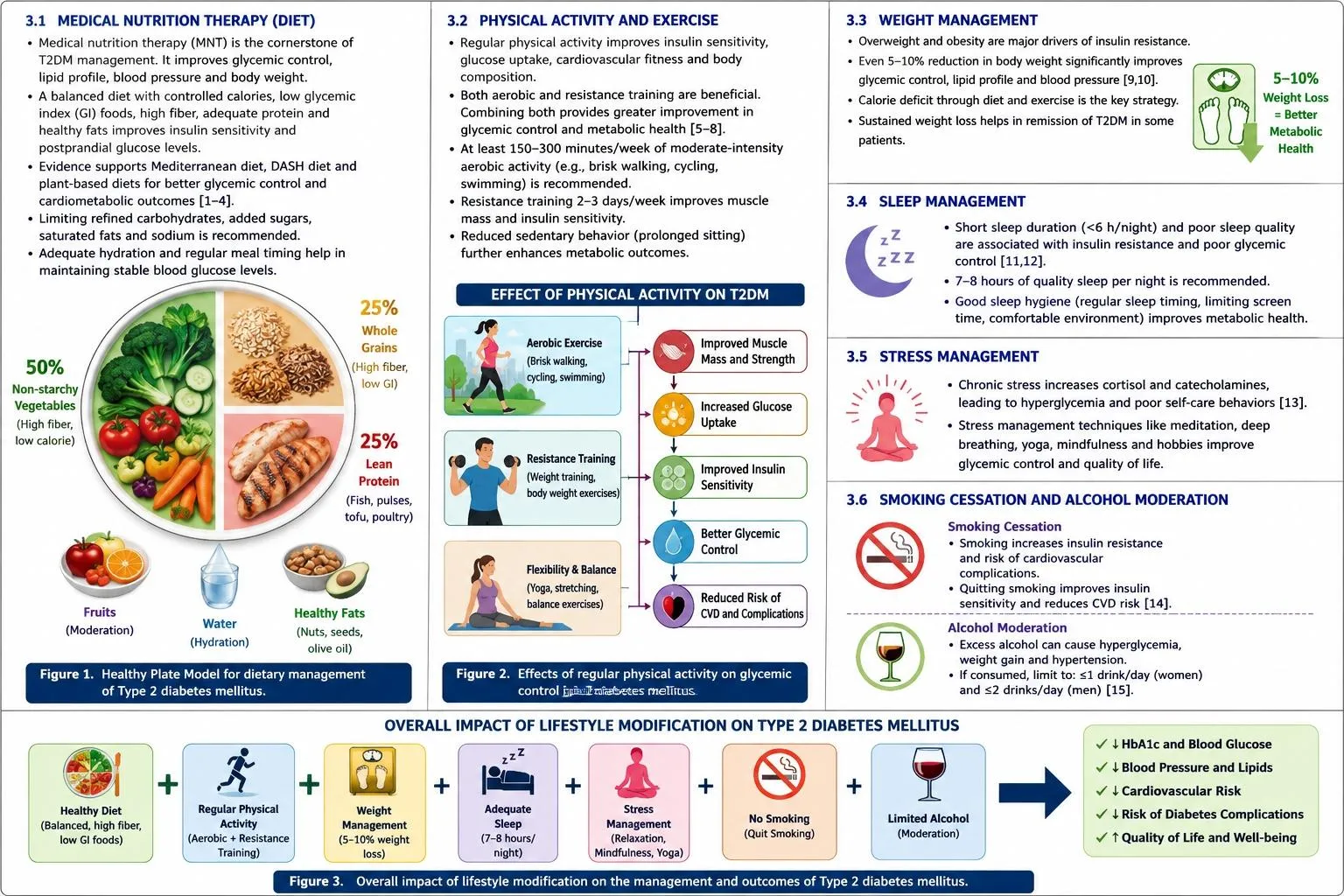
Lifestyle modification is recognized as the cornerstone of T2DM prevention and management. Evidence from clinical trials and systematic reviews demonstrates that healthy dietary patterns, regular physical activity, weight reduction, adequate sleep, and stress management improve glycemic control, enhance insulin sensitivity, and reduce the risk of diabetes-related complications. [18–20,28,30]
Alongside lifestyle interventions, the use of herbal medicines has gained increasing attention as a complementary approach to diabetes management. Several medicinal plants, including Momordica charantia, Trigonella foenum-graecum, Gymnema sylvestre, Cinnamomum verum, and Curcuma longa, have demonstrated antihyperglycemic, antioxidant, and anti-inflammatory properties in preclinical and clinical studies. However, variability in herbal preparations, dosage, safety profiles, and clinical evidence necessitates further investigation before their widespread clinical application. [21–27]
Therefore, this review aims to critically summarize the current evidence regarding the role of lifestyle modification and herbal medicines in the management of T2DM, highlighting their therapeutic potential, underlying mechanisms, current evidence, and future research perspectives. [18–30]
3.Pathophysiology of Type 2 Diabetes Mellitus
Type 2 diabetes mellitus (T2DM) is characterized by a combination of insulin resistance and progressive pancreatic β-cell dysfunction, leading to chronic hyperglycemia. [28–30] Initially, insulin resistance develops in skeletal muscle, liver, and adipose tissue, reducing glucose uptake and increasing hepatic glucose production. [28,29] To compensate, pancreatic β-cells increase insulin secretion. However, prolonged exposure to hyperglycemia (glucotoxicity), elevated free fatty acids (lipotoxicity), chronic low-grade inflammation, and oxidative stress gradually impair β-cell function and reduce insulin secretion. [29,30] As β-cell dysfunction progresses, the pancreas can no longer meet the body’s insulin demand, resulting in persistent hyperglycemia. [28,29] These metabolic abnormalities contribute to endothelial dysfunction and increase the risk of microvascular complications, including retinopathy, nephropathy, and neuropathy, as well as macrovascular complications such as cardiovascular disease and stroke. [28–30] Understanding these underlying mechanisms is essential for developing effective therapeutic strategies, including lifestyle modification and the use of herbal medicines to improve glycemic control and delay disease progression. [18–30]
4. LIFESTYLE MODIFICATION IN THE MANAGEMENT OF TYPE 2DM
1. Medical Nutrition Therapy (MNT)
Medical nutrition therapy is the foundation of Type 2 diabetes management. A balanced diet rich in whole grains, vegetables, fruits, legumes, lean proteins, and healthy fats while limiting refined carbohydrates, sugary beverages, and saturated fats helps improve glycemic control and overall metabolic health. Individualized meal planning is recommended. [28,30]
2. Regular Physical Activity
Regular physical activity enhances insulin sensitivity, promotes glucose uptake by skeletal muscles, and reduces cardiovascular risk. Adults with Type 2 diabetes should perform at least 150 minutes of moderate-intensity aerobic exercise per week, along with 2–3 sessions of resistance training. [18–20,28,30]
3. Weight Management
Achieving and maintaining a healthy body weight significantly improves insulin sensitivity and glycemic control. Even a 5–10% reduction in body weight can lower HbA1c, improve lipid profile, and reduce diabetes-related complications. [18–20,28,30]
4. Smoking Cessation
Smoking increases insulin resistance and accelerates microvascular and macrovascular complications. Complete smoking cessation improves cardiovascular outcomes and overall diabetes prognosis. [28,30]
5. Limitation of Alcohol Intake
Alcohol should be consumed only in moderation, if at all. Excessive alcohol intake increases the risk of hypoglycemia, weight gain, hypertriglyceridemia, and poor glycemic control. [28,30]
6. Stress Management
Chronic psychological stress elevates cortisol levels, which may worsen insulin resistance and blood glucose control. Mindfulness, yoga, meditation, relaxation techniques, and counselling can improve both metabolic and psychological well-being. [28,30]
7. Adequate Sleep
Maintaining 7–9 hours of quality sleep each night supports glucose metabolism and insulin sensitivity. Poor sleep quality is associated with obesity, insulin resistance, and poor glycemic control. [28,30]
8. Diabetes Self-Management Education (DSME)
Patient education regarding diet, exercise, medication use, foot care, blood glucose monitoring, and recognition of hypo- and hyperglycemia improves treatment adherence and long-term clinical outcomes. [28,30]
9. Self-Monitoring and Regular Follow-up
Routine monitoring of blood glucose, HbA1c, blood pressure, lipid profile, renal function, and body weight helps evaluate treatment effectiveness and supports timely therapeutic adjustments. [28,30]
10. Medication Adherence
Lifestyle modification should be combined with regular adherence to prescribed antidiabetic medications. Consistent medication use together with healthy lifestyle practices provides optimal glycemic control and reduces the risk of diabetes-related complications. [28,30]
5.Role Of Herbal Medicine In The Management Of Type 2dm
|
Name of Herbal Medicines and their image |
Mechanism of action |
Research Dose |
Frequency |
Major Benefits in management of Type 2 DM |
|||
|
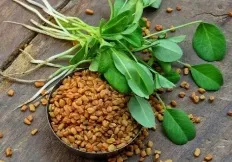
Fenugreek
|
Delays glucose absorption due to its soluble fiber (galactomannan). Enhances insulin secretion from pancreatic β-cells. Improves insulin sensitivity in peripheral tissues. Reduces hepatic glucose production.( [21,22,23,26,27] 5–25 g/day seed powder or 500–1000 mg/day standardized extract (clinical studies). [21,23,26] Once or twice daily, preferably with meals. [21,26] Reduces fasting blood glucose (FBG), postprandial blood glucose (PPBG), and HbA1c; improves insulin sensitivity; may improve lipid profile (↓TC, ↓LDL-C, ↑HDL-C); helps improve overall glycemic control. [21,23,26,27] |
5–25 g/day seed powder or 500–1000 mg/day standardized extract (clinical studies)[21,23,26]
|
Once or twice daily, preferably with meals (21,26) |
Reduces fasting blood glucose (FBG), postprandial blood glucose (PPBG), and HbA1c; improves insulin sensitivity; may improve lipid profile (↓TC, ↓LDL-C, ↑HDL-C); helps improve overall glycemic control. |
|||
|
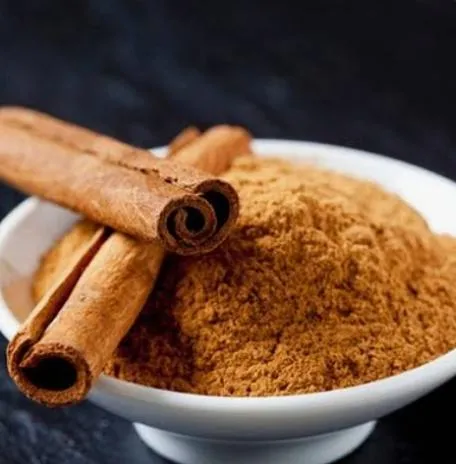
Cinnamon
|
Enhances insulin receptor signaling, increases GLUT-4–mediated glucose uptake, reduces hepatic glucose production, delays gastric emptying, and exhibits antioxidant and anti-inflammatory effects. [21,23,26]
|
1–6 g/day cinnamon powder or 500–1000 mg/day standardized extract (used in clinical studies) |
Once daily or in divided doses with meals |
Reduces fasting blood glucose (FBG), improves insulin sensitivity, may reduce HbA1c, improves lipid profile (↓TC, ↓LDL-C, ↓TG), and decreases oxidative stress. |
|||
|
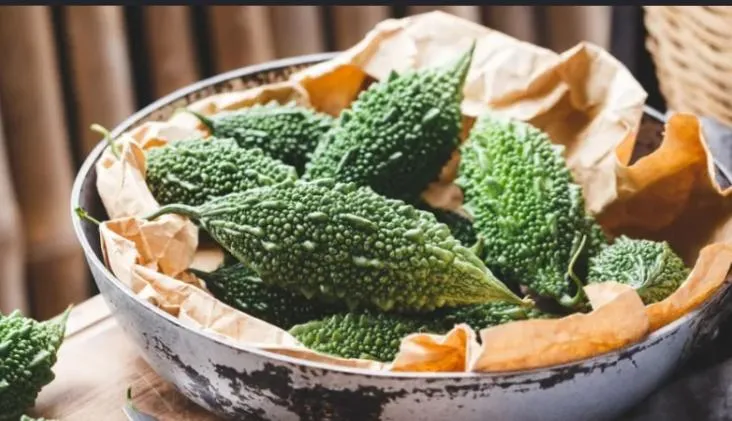
Bitter Melon
|
Stimulates glucose uptake by increasing GLUT-4 activity, activates AMPK, suppresses hepatic gluconeogenesis, improves insulin sensitivity, and enhances pancreatic β-cell function. [21,22,23,26,27] 2–6 g/day dried fruit powder or 500–2000 mg/day standardized extract (clinical studies). [21,26,27] Once or twice daily with meals. [21,26] Reduces fasting blood glucose (FBG), postprandial blood glucose (PPBG), and HbA1c; improves insulin sensitivity; may improve lipid profile and reduce oxidative stress. [21,23,26,27] |
2–6 g/day dried fruit powder or 500–2000 mg/day standardized extract (clinical studies) Once or twice daily with meals
|
Once or twice daily with meals |
Reduces fasting blood glucose (FBG), postprandial blood glucose (PPBG), and HbA1c; improves insulin sensitivity; may improve lipid profile and reduce oxidative stress. |
|||
|
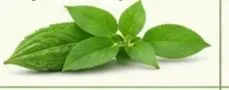
Gymnema Sylvester
|
Stimulates insulin secretion from pancreatic β-cells, promotes β-cell regeneration, enhances glucose uptake, reduces intestinal glucose absorption, and improves insulin sensitivity. [21,22,23,26] |
200–400 mg/day standardized extract (approximately 25% gymnemic acid |
Once or twice daily with meals |
Reduces fasting blood glucose (FBG), postprandial blood glucose (PPBG), and HbA1c; improves insulin secretion and glycemic control; may reduce the requirement for antidiabetic medications in some patients under medical supervision. |
|||
|
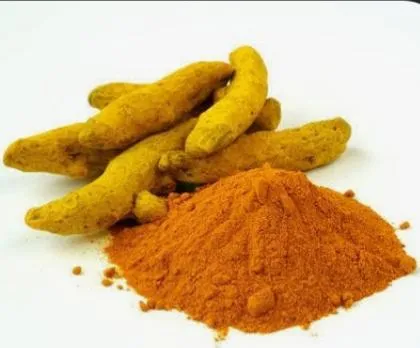
Curcumin (Turmeric)
|
Activates AMPK, improves insulin sensitivity, suppresses inflammatory pathways (NF-κB), reduces oxidative stress, protects pancreatic β-cells, and decreases hepatic glucose production. 500–1500 mg/day curcumin extract (used in clinical studies) Once or twice daily with meals Improves fasting blood glucose (FBG), HbA1c, and insulin sensitivity; reduces inflammatory markers and oxidative stress; may improve lipid profile and help delay diabetes-related complications.[14]
|
500–1500 mg/day curcumin extract (used in clinical studies) |
Once or twice daily with meals |
Improves fasting blood glucose (FBG), HbA1c, and insulin sensitivity; reduces inflammatory markers and oxidative stress; may improve lipid profile and help delay diabetes-related complications. |
|||
|
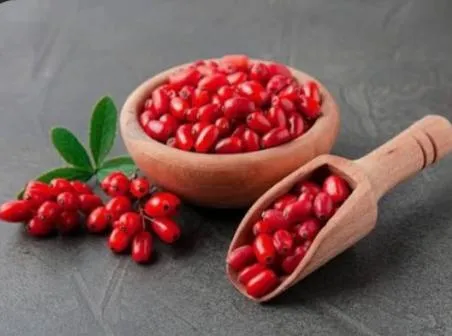
Berberine
|
Activates AMPK, enhances insulin sensitivity, suppresses hepatic gluconeogenesis, increases GLUT-4–mediated glucose uptake, and modulates gut microbiota to improve glucose metabolism. [15,21] |
500 mg, 2–3 times daily (total 1000–1500 mg/day) |
Two or three times daily, preferably before or with meals |
Reduces fasting blood glucose (FBG), postprandial blood glucose (PPBG), and HbA1c; improves insulin sensitivity; lowers total cholesterol (TC), LDL-C, and triglycerides (TG); may aid in weight management. |
|||
|

Alove vera
|
Contains phytosterols (lophenol, cycloartanol) and polysaccharides that improve insulin sensitivity, enhance glucose uptake, reduce hepatic glucose production, decrease oxidative stress, and protect pancreatic β-cells. [21,26,27] |
300–500 mg capsule twice daily or 15–100 mL/day Aloe vera gel/juice (standardized preparations used in clinical studies) Twice daily (capsules) or once daily (juice/gel), usually for 4–14 weeks |
Twice daily (capsules) or once daily (juice/gel), usually for 4–14 weeks |
Reduces fasting blood glucose (FBG) • Lowers HbA1c • Improves insulin sensitivity • Decreases triglycerides and LDL cholesterol • Increases HDL cholesterol • Provides antioxidant and anti-inflammatory effects |
|||
|
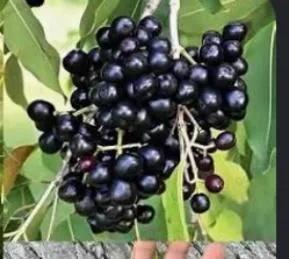
Jamun
|
Rich in polyphenols, ellagic acid, anthocyanins, and flavonoids. Enhances insulin secretion, improves insulin sensitivity, inhibits α-glucosidase and α-amylase enzymes (reducing carbohydrate absorption), decreases hepatic glucose production, and provides antioxidant protection to pancreatic β-cells.[21,22,24,26] |
Seed powder: 5–10 g/day or Seed extract: 500–1000 mg/day Once or twice daily, typically for 8–12 weeks in clinical studies |
Once or twice daily, typically for 8–12 weeks in clinical studies |
Reduces fasting blood glucose (FBG) • Lowers postprandial blood glucose (PPBG) • Improves HbA1c • Enhances insulin sensitivity • Reduces oxidative stress • Improves lipid profile (↓TC, ↓LDL, ↓TG, ↑HDL) |
|||
CONCLUSION
Type 2 diabetes mellitus is a complex metabolic disorder that requires a comprehensive and patient-centered management approach. Lifestyle modification remains the foundation of therapy, while evidence from experimental and clinical studies suggests that herbal medicines such as fenugreek, cinnamon, bitter melon, Gymnema sylvestre, Aloe vera, and Syzygium cumini (Jamun) may improve glycemic control through multiple mechanisms, including enhancement of insulin sensitivity, reduction of oxidative stress, inhibition of carbohydrate-digesting enzymes, and protection of pancreatic β-cells. Although these herbal agents show promising therapeutic potential as adjuncts to conventional treatment, further large-scale, well-designed randomized controlled trials are required to establish their long-term efficacy, safety, optimal dosage, and standardization. Integrating evidence-based lifestyle interventions with scientifically validated herbal medicines may contribute to improved glycemic control and reduced diabetes-related complications.
Funding
The authors received no specific grant from any funding agency in the public, commercial, or not-for-profit sectors.
Acknowledgement
The authors express their sincere gratitude to the faculty members of the Department of Pharmacy and the institution for their continuous guidance and support. The authors also acknowledge the contributions of researchers whose published work provided valuable scientific evidence for this review.
Future Direction :
Future research should focus on conducting large-scale, multicenter, randomized controlled trials to establish the long-term efficacy and safety of herbal medicines in the management of Type 2 Diabetes Mellitus. Standardization of herbal formulations, identification of active phytoconstituents, and optimization of dosage regimens are essential to ensure consistent therapeutic outcomes. Further studies are needed to investigate the pharmacokinetics, pharmacodynamics, and potential herb–drug interactions of commonly used herbal medicines. Advances in molecular biology and pharmacogenomics may facilitate the development of personalized herbal therapies based on individual patient characteristics. Additionally, the integration of evidence-based herbal medicines with conventional antidiabetic treatment should be explored to enhance glycemic control while minimizing adverse effects. Collaborative efforts among researchers, clinicians, regulatory authorities, and the pharmaceutical industry are necessary to develop high-quality herbal products and generate robust clinical evidence for their incorporation into future diabetes management guidelines.
REFERENCES





Khandagale Ashwini ,Dr.Kelgaonkar Prajakta ,Mali Vedika , Jadhav Pratiksha ,Shaikh Agaz, Lifestyle Modification And Role Of Herbal Medicine In Management Of Type 2 Dm (Diabetes Mellitus), Int. J. of Pharm. Sci., 2026, Vol 4, Issue 8, 2103-2114. https://doi.org/ 10.5281/zenodo.21908462
 10.5281/zenodo.21908462