

We use cookies to ensure our website works properly and to personalise your experience. Cookies policy
Bhupal Nobles’ University, Udaipur, Rajasthan, India.
Celecoxib, a selective cyclooxygenase-2 (COX-2) inhibitor, is highly effective in managing inflammatory conditions but is limited by poor aqueous solubility and significant systemic side effects when administered orally. This study aimed to develop and characterize a celecoxib-loaded nanoemulgel to enhance topical delivery and provide sustained therapeutic action. A nanoemulsion was first optimized using pseudo-ternary phase diagrams, with Medium Chain Triglycerides (MCT) as the oil phase, Tween 80 as the surfactant, and Transcutol-P as the co-surfactant. The optimized nanoemulsion (NE5) exhibited a droplet size of 45.2 ± 2.8 nm, a polydispersity index (PDI) of 0.20 ± 0.02, and a zeta potential of -37.4 ± 1.3 mV. This nanoemulsion was incorporated into a Carbopol 940 gel matrix to form a nanoemulgel. The optimized nanoemulgel (NEG2) showed favorable physicochemical properties, including a pH of 6.1 ± 0.1, viscosity of 24,680 ± 920 cP, and excellent spreadability. In vitro drug release studies demonstrated a sustained release profile, with 94.2 ± 3.8% cumulative release over 24 hours, following the Korsmeyer-Peppas model (n = 0.58), indicating non-Fickian diffusion. Stability studies confirmed the formulation's robustness under accelerated conditions. The developed nanoemulgel represents a promising alternative for the localized treatment of inflammatory disorders, offering improved solubility and controlled drug delivery
Celecoxib, a selective cyclooxygenase-2 (COX-2) inhibitor, represents a significant advancement in non-steroidal anti-inflammatory drug (NSAID) therapy, offering potent anti-inflammatory and analgesic effects with reduced gastrointestinal toxicity compared to non-selective NSAIDs. [1] Celecoxib functions by selectively inhibiting the COX-2 enzyme, which is predominantly expressed at sites of inflammation, while sparing the constitutive COX-1 enzyme that plays a protective role in gastric mucosa maintenance. [2] This selectivity confers a markedly improved gastrointestinal safety profile, making celecoxib a preferred therapeutic option for patients requiring long-term NSAID therapy. [3,4] The drug has received regulatory approval for the management of osteoarthritis, rheumatoid arthritis, acute pain, and familial adenomatous polyposis, demonstrating clinically meaningful efficacy across these diverse indications. [5,6]In clinical practice, celecoxib has consistently demonstrated a superior safety profile regarding gastric ulceration and bleeding complications when compared to traditional non-selective NSAIDs such as ibuprofen and naproxen. [7,8] However, oral administration of celecoxib is associated with significant limitations that compromise its overall therapeutic utility. [9] These limitations include a delayed onset of action typically requiring 3–4 hours to achieve meaningful plasma concentrations, extensive hepatic first-pass metabolism that substantially reduces the fraction of drug reaching systemic circulation, variable absorption profiles influenced by food intake and gastrointestinal motility, and dose-dependent cardiovascular risks that become increasingly concerning with long-term use. [10]The topical drug delivery system (TDDS) has emerged as a promising alternative to oral administration, offering distinct advantages that address many of the shortcomings inherent to the oral route. By delivering medication directly to the site of action through the skin, TDDS provides avoidance of hepatic first-pass metabolism, thereby preserving a greater proportion of the active drug for therapeutic effect. Additionally, topical delivery enables maintenance of steady plasma drug concentrations over extended periods, avoiding the sharp peaks and troughs characteristic of oral dosing regimens. [11,12,13] This delivery modality significantly reduces systemic side effects by limiting drug distribution to tissues beyond the target site, improves patient compliance particularly among elderly populations and those with swallowing difficulties, and provides the ability to terminate medication rapidly when necessary by simply removing the topica preparation from the skin surface. [14,15,16]Celecoxib exhibits poor aqueous solubility (approximately 3–7 μg/mL) and high lipophilicity (log P ~3.5), characteristics that result in low oral bioavailability (approximately 40%) and present substantial challenges in topical formulation development. [17,18,19] The Biopharmaceutics Classification System (BCS) categorizes celecoxib as a Class II drug (low solubility, high permeability), a classification that necessitates advanced formulation strategies to enhance both solubility and permeation across biological membranes. [20,21,22] Nanocarrier systems have revolutionized topical drug delivery by overcoming the formidable stratum corneum barrier through multiple sophisticated mechanisms including disruption of lipid bilayers, enhanced drug partitioning into deeper skin layers, controlled release kinetics that prolong therapeutic effect, and targeted delivery to specific skin layers. [23,24,25]Among these nanocarrier platforms, nanoemulsions have garnered particular attention due to their unique physicochemical properties. [26,27,28] Nanoemulsions are characterized by thermodynamic stability, a transparent or translucent appearance, and droplet sizes ranging from 20–200 nm, features that collectively contribute to enhanced drug loading capacity and improved skin interaction. [29,30] The incorporation of nanoemulsions into gel matrices, yielding what is termed a nanoemulgel, addresses the critical limitation of low viscosity associated with conventional nanoemulsions, providing suitable consistency for topical application while maintaining the penetration-enhancing properties of nanocarrier systems.[31]The development of celecoxib-loaded nanoemulgel requires systematic optimization of multiple formulation components including the oil phase, the surfactant-co-surfactant system, the aqueous phase, and appropriate gelling agents. [32] Modern formulation development increasingly employs Quality by Design (QbD) approaches to efficiently navigate the multidimensional formulation space and achieve optimal drug loading, particle size, zeta potential, viscosity, and permeation characteristics. [33] This study focuses on the systematic development, optimization, and characterization of a celecoxib-loaded nanoemulgel to overcome the solubility and permeability barriers of the drug.[34]
2. MATERIALS AND METHODS
2.1 MATERIALS SELECTED:
Table 1: Material and specification
|
S.No. |
Category |
Material |
Specification |
Supplier |
|
1 |
Drug |
Celecoxib |
IP/BP Grade, purity >99% |
Gift sample/Local pharmacy |
|
2 |
Oil Phase |
Caprylic/Capric Triglyceride (MCT) |
Pharmaceutical grade |
Loba Chemie/SD Fine |
|
3 |
Oil Phase |
Isopropyl Myristate |
AR Grade |
Merck India |
|
4 |
Surfactant |
Tween 80 (Polysorbate 80) |
Pharmaceutical grade |
Merck India |
|
5 |
Co-surfactant |
Transcutol-P (Diethylene glycol monoethyl ether) |
Pharmaceutical grade |
Gattefosse (India) |
|
6 |
Co-surfactant |
Propylene Glycol |
IP Grade |
Merck India |
|
7 |
Gelling Agent |
Carbopol 940 |
Pharmaceutical grade |
Loba Chemie |
|
8 |
Gelling Agent |
Hydroxypropyl Methylcellulose (HPMC K100M) |
Pharmaceutical grade |
Colorcon India |
|
9 |
Neutralizing Agent |
Triethanolamine (TEA) |
AR Grade |
Merck India |
|
10 |
Penetration Enhancer |
Oleic Acid |
Pharmaceutical grade |
Loba Chemie |
|
11 |
Preservative |
Methyl Paraben Sodium |
IP Grade |
Merck India |
|
12 |
Preservative |
Propyl Paraben Sodium |
IP Grade |
Merck India |
|
13 |
Antioxidant |
Butylated Hydroxytoluene (BHT) |
Food grade |
Merck India |
|
14 |
Solvent |
Methanol, Ethanol, Chloroform |
HPLC/AR Grade |
Merck India |
|
15 |
Membrane |
Dialysis Membrane (MWCO 12-14 kDa) |
Laboratory grade |
HiMedia |
METHODOLGY
1 Preformulation Studies
Preformulation focused on establishing celecoxib’s physicochemical profile to guide rational formulation design.
•Organoleptic & Melting Point: Identity and purity were confirmed via visual inspection and the capillary method (Ref: 158–160°C).
•Solubility Screening: Equilibrium solubility was determined by vortexing excess drug in various oils (e.g., MCT), surfactants (Tween 80), and co-surfactants (Transcutol P) for 72 hours, followed by centrifugation and UV analysis.
•Analytical Method: λmax


•Compatibility & Partitioning: Drug-excipient compatibility was verified by FTIR (4000–400 cm⁻¹) using 1:1 physical mixtures. Lipophilicity was assessed via the shake-flask method (n-octanol/buffer) to determine log P.
•pH & Conductivity: Calibrated digital meters were used to measure the pH and electrical conductivity of 1% w/v dispersions.
2 Formulation Development
2.1 Nanoemulsion Optimization
•Phase Diagrams: Pseudo-ternary diagrams were constructed by titrating water into oil-Smix

•Preparation: Celecoxib (1–2% w/w) was dissolved in oil at 40°C, mixed with Smix

2.2 Nanoemulgel Fabrication
•Gel Base: Carbopol 940 (0.5–1.5% w/w) was hydrated overnight and neutralized with triethanolamine to pH 6.0–6.5.
•Incorporation: The optimized nanoemulsion was stirred into the gel base at 500 rpm for 15 minutes, followed by the addition of preservatives (parabens) and antioxidants (BHT) in propylene glycol.
•QbD Approach: A 33


2.3 Evaluation Parameters
1.Size & Zeta Potential: Measured via Dynamic Light Scattering (DLS) and Electrophoretic Light Scattering (ELS) after 1:100 dilution; $\pm$30 mV indicates stability.
2.Entrapment Efficiency: Determined by separating free drug via centrifugation (15,000 rpm) or ultrafiltration and analyzing the supernatant at 285 nm.
3.Stability & Type: Conductivity confirmed the o/w or w/o nature. Thermodynamic stability was verified through heating-cooling (4–45°C), freeze-thaw (−21–25°C), and centrifugation stress tests.
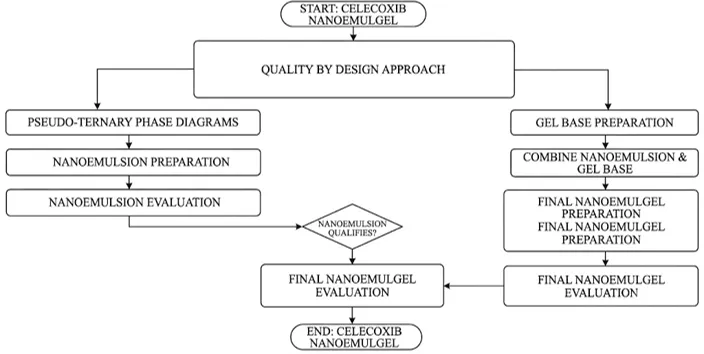
Figure 1: Simple Methodology of celecoxib nanoemulgel development
3. RESULTS
.1. Drug Characterization
a) Organoleptic Evaluation
Celecoxib was evaluated for color, odor, and taste.
Table 2: Organoleptic parameters and Observation
|
Parameter |
Observation |
|
Color |
White to off-white |
|
Odor |
Odorless |
|
Taste |
Slightly bitter |
|
Physical form |
Crystalline powder |
b) Melting Point Determination
The melting point of celecoxib, determined by the capillary method, was found to be 158 ± 0.5 °C, in close agreement with the reported literature value of 157–159 °C.
c) UV Spectrophotometric Analysis
Celecoxib showed maximum absorbance (λmax) at 285 nm when scanned in phosphate buffer pH 7.4.
d) Calibration Curve
A calibration curve was constructed in phosphate buffer pH 7.4 at λmax 285 nm over the concentration range of 5–50 µg/mL.
Table 3: Calibration Curve Data of Celecoxib in Phosphate Buffer pH 7.4 (λmax = 285 nm)
|
Concentration (µg/mL) |
Absorbance ± SD (n = 3) |
|
5 |
0.128 ± 0.004 |
|
10 |
0.255 ± 0.005 |
|
15 |
0.382 ± 0.006 |
|
20 |
0.510 ± 0.007 |
|
25 |
0.638 ± 0.008 |
|
30 |
0.765 ± 0.009 |
|
40 |
1.018 ± 0.011 |
|
50 |
1.272 ± 0.013 |
The correlation coefficient (r²) was found to be 0.999.
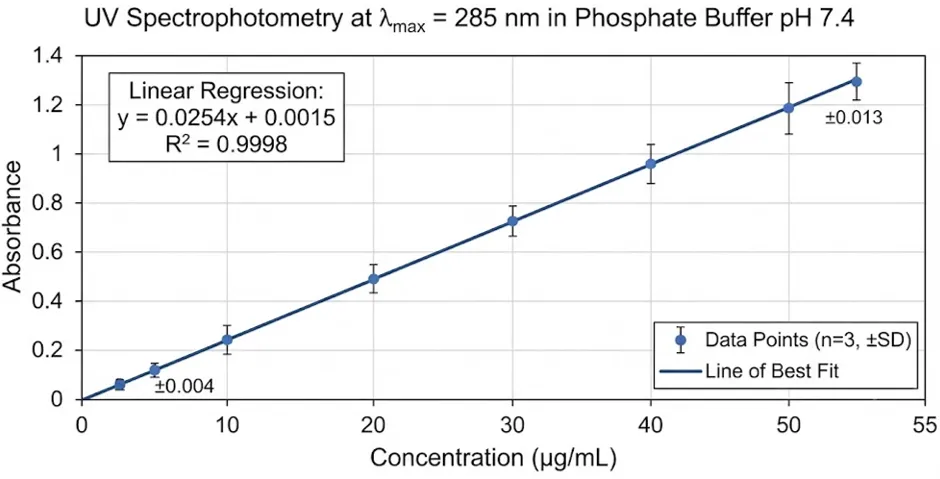
Figure 2: Calibration Curve of Celecoxib
e) FTIR Spectroscopy
FTIR spectrum of celecoxib displayed characteristic peaks at 3348 cm⁻¹ and 3252 cm⁻¹ (N-H stretching of sulfonamide group), 1596 cm⁻¹ and 1496 cm⁻¹ (aromatic ring skeletal vibrations), 1340 cm⁻¹ (SO₂ asymmetric stretch), and 1168 cm⁻¹ (SO₂ symmetric stretch), along with C-F stretching bands in the 1300–1000 cm⁻¹ region.
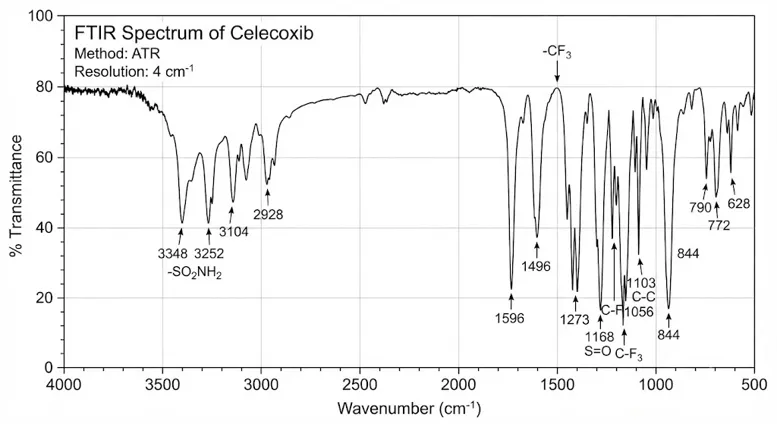
Figure 3: FTIR Spectrum of Celecoxib
f) Differential Scanning Calorimetry (DSC)
The DSC thermogram of celecoxib exhibited a sharp endothermic peak at 160.2 °C with an enthalpy of fusion (ΔH) of 125.3 J/g.
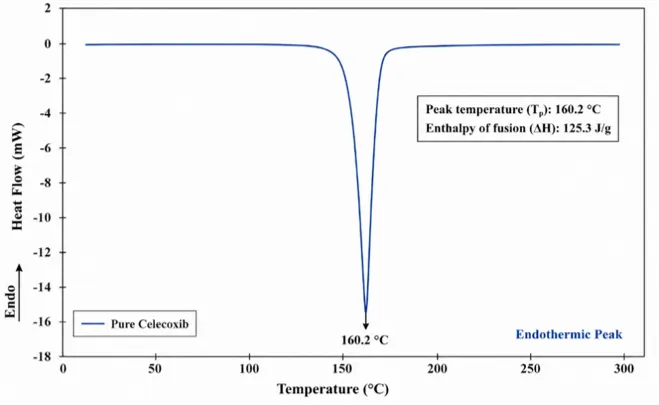
Figure 4: Differential Scanning Calorimetry (DSC) of Pure Celecoxib
g) X-Ray Diffraction (XRD)
Table 4: XRD Data of Pure Celecoxib
|
2θ (degrees) |
Relative Intensity (%) |
|
8.9 |
45 |
|
15.4 |
62 |
|
16.8 |
100 |
|
19.6 |
78 |
|
21.3 |
55 |
|
23.7 |
68 |
|
25.2 |
40 |
|
28.5 |
32 |
Sharp, intense diffraction peaks were observed at multiple 2θ values, confirming the crystalline nature of pure celecoxib.
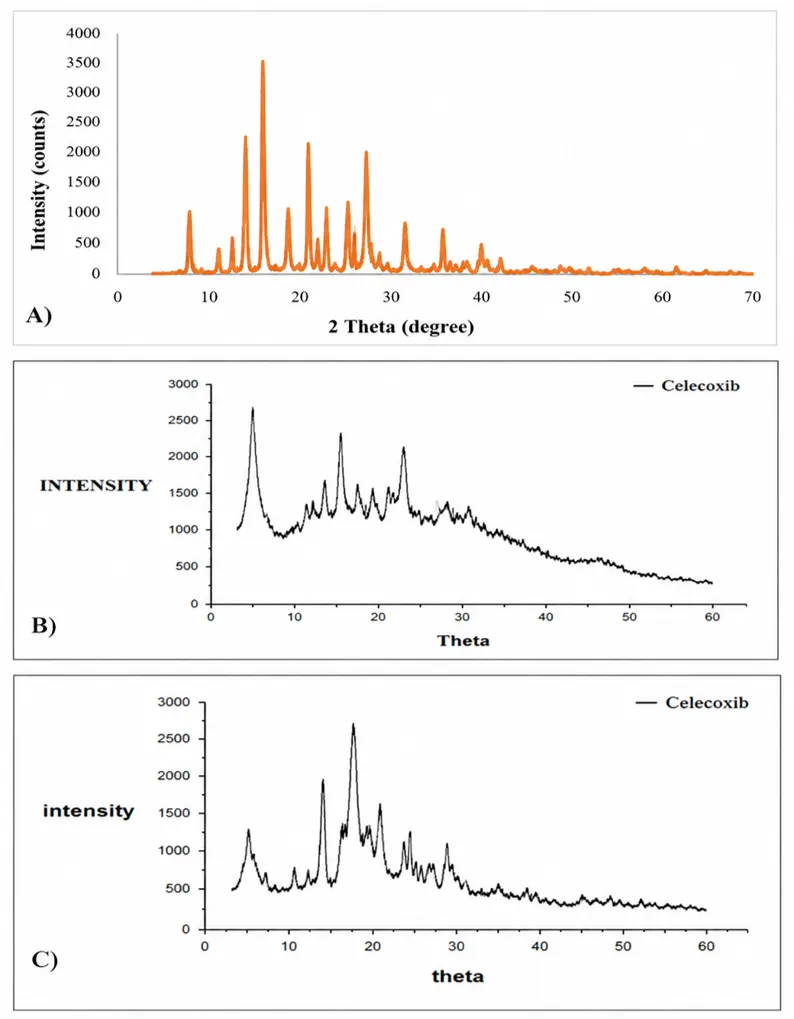
Figure 5: XRD
Data of Pure Celecoxib
2. Solubility Studies
a) & b) Saturation Solubility in Oils, Surfactants, and Co-surfactants
Table 5: Saturation Solubility of Celecoxib in Different Vehicles (n = 3)
|
Category |
Vehicle |
Solubility (mg/mL) ± SD |
|
Oils |
Medium Chain Triglycerides (MCT) |
18.2 ± 0.4 |
|
|
Isopropyl Myristate |
15.6 ± 0.3 |
|
|
Oleic Acid |
12.4 ± 0.5 |
|
|
Castor Oil |
8.7 ± 0.2 |
|
|
Soybean Oil |
6.3 ± 0.4 |
|
Surfactants |
Tween 80 |
22.5 ± 0.6 |
|
|
Span 80 |
10.8 ± 0.3 |
|
Co-surfactants |
Transcutol-P |
28.7 ± 0.5 |
|
|
Propylene Glycol |
14.2 ± 0.4 |
|
|
PEG 400 |
16.9 ± 0.3 |
|
|
Ethanol |
35.4 ± 0.7 |
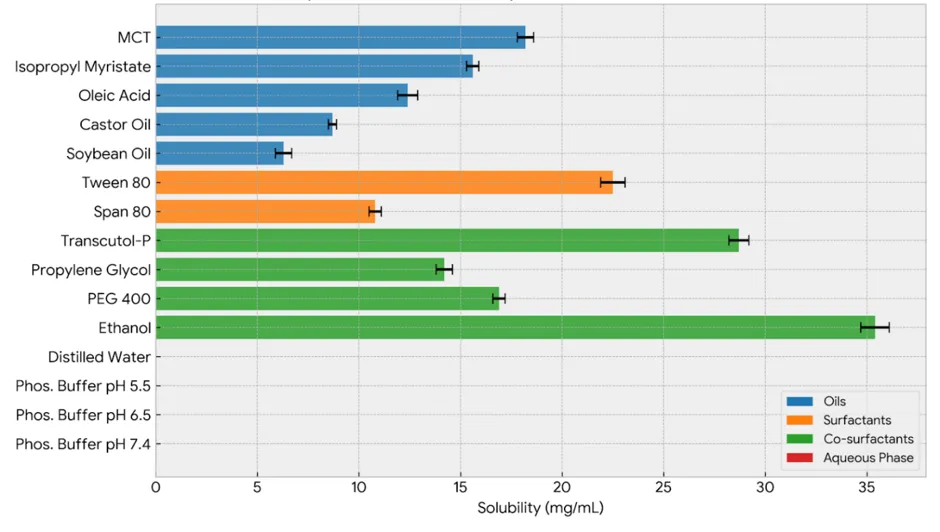
Figure 6: Saturation Solubility of Celecoxib in Different Vehicles
c) Aqueous Solubility at Different pH Values
Table 6: Aqueous Solubility of Celecoxib at Different pH Values (n = 3)
|
pH |
Solubility (mg/mL) ± SD |
|
4.0 |
0.002 ± 0.001 |
|
5.5 |
0.003 ± 0.001 |
|
6.5 |
0.004 ± 0.001 |
|
7.0 |
0.005 ± 0.001 |
|
7.4 |
0.006 ± 0.001 |
|
8.0 |
0.007 ± 0.001 |
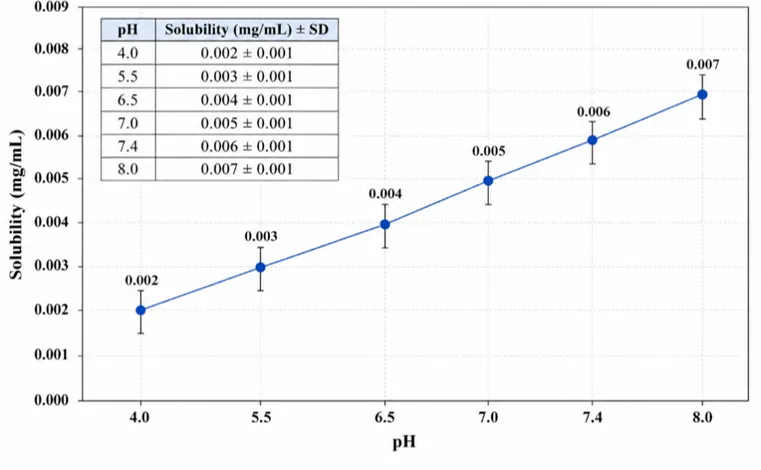
Figure 7: Aqueous Solubility of Celecoxib at Different pH Values (n=3)
3. Compatibility Studies
a) FTIR Spectroscopy of Drug-Excipient Mixtures
FTIR spectra of the binary mixtures (drug with MCT, Tween 80, Transcutol-P, and Carbopol 940 in 1:1 ratio) showed all characteristic peaks of celecoxib without any significant shift in peak position.
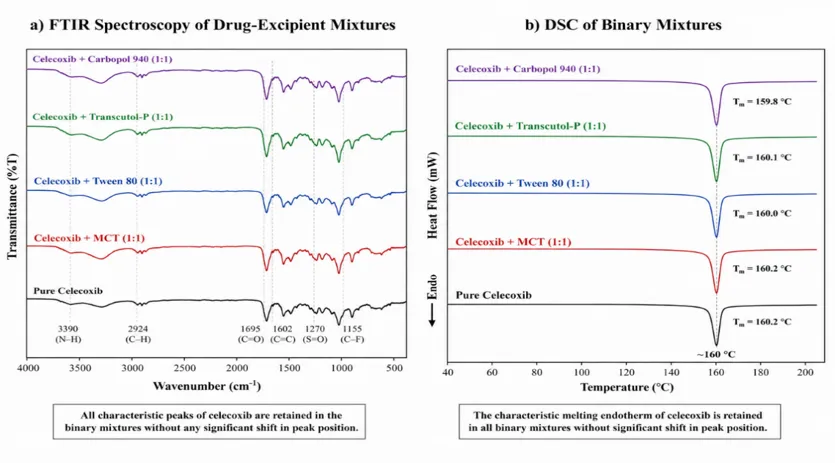
Figure 8: a) FTIR Spectroscopy of Drug-Excipient Mixture, b) DSC of Biliary Mixtures
b) DSC of Binary Mixtures
DSC thermograms of the binary mixtures retained the characteristic melting endotherm of celecoxib at approximately 160 °C without significant shift.
c) Accelerated Stability Testing of Physical Mixtures (40 °C/75% RH, 4 Weeks)
Table 7: Accelerated Stability Data of Drug-Excipient Physical Mixtures at 40 °C/75% RH (n = 3)
|
Parameter |
Initial |
1 Week |
2 Weeks |
3 Weeks |
4 Weeks |
|
Physical appearance |
No change |
No change |
No change |
No change |
No change |
|
Color |
No change |
No change |
No change |
No change |
No change |
|
Drug content (%) |
99.6 ± 0.2 |
99.3 ± 0.2 |
99.0 ± 0.3 |
98.7 ± 0.2 |
98.5 ± 0.2 |
No significant change in physical appearance, color, or drug content was observed over the 4-week period.
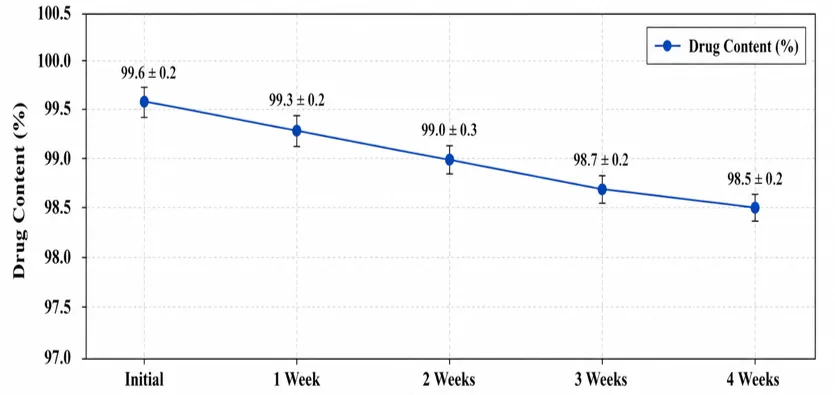
Figure 9: Accelerated Stability of Drug-Excipient Physical Mixtures
4. Construction of Pseudo-Ternary Phase Diagrams
Pseudo-ternary phase diagrams were constructed using Smix (surfactant:co-surfactant) ratios of 1:1, 2:1, 3:1, and 4:1 to identify the nanoemulsion region.
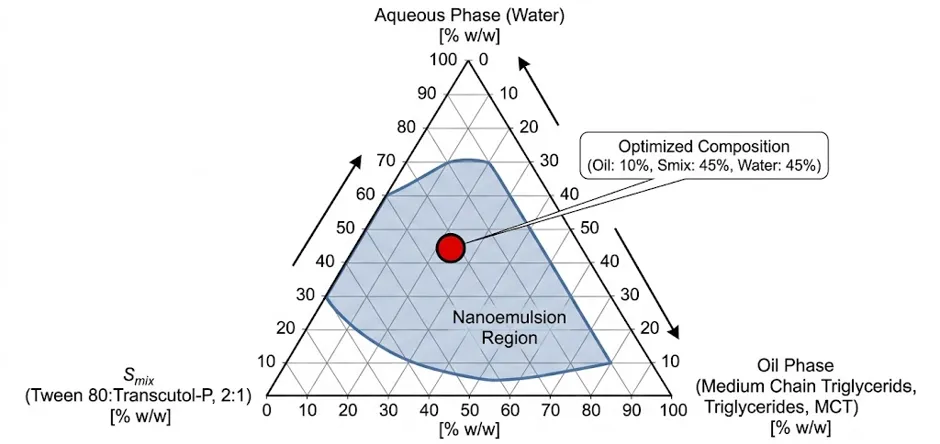
Figure 10: Pseudo-Ternary Phase Diagrams
Pseudo-ternary phase diagram of MCT (Oil), Tween 80:Transcutol-P 2:1 (Smix), and Water (Aqueous Phase) at room temperature. The shaded area represents the identified translucent nanoemulsion region. The red circle indicating the optimized composition selected for further formulation development (Oil: 10% w/w, Smix: 45% w/w, Water: 45% w/w).
Table 8: Nanoemulsion Region at Different Smix Ratios
|
Smix Ratio (Tween 80:Transcutol-P) |
Nanoemulsion Region (% Area) |
Oil Range (% w/w) |
Water Range (% w/w) |
|
1:1 |
28.4 |
5–15 |
45–65 |
|
2:1 |
42.6 |
5–20 |
40–70 |
|
3:1 |
35.2 |
5–15 |
45–65 |
|
4:1 |
24.8 |
5–10 |
50–70 |
The optimized nanoemulsion composition selected was: Oil phase (MCT) 10% w/w, Smix (Tween 80:Transcutol-P, 2:1) 45% w/w, and Aqueous phase 45% w/w.
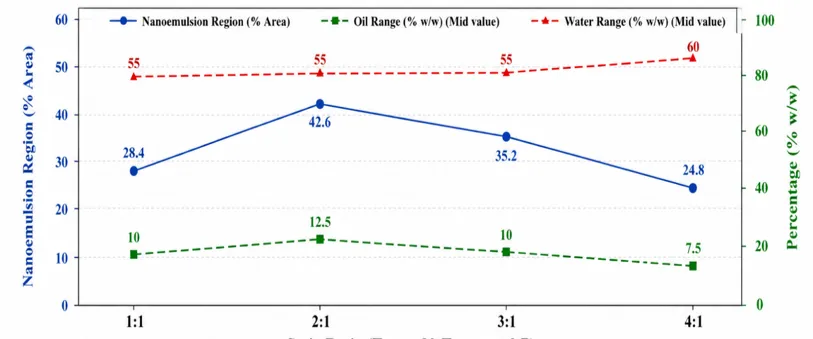
Figure 11: Nanoemulsion Region at Different Smix Ratios
5. Preparation and Characterization of Celecoxib-Loaded Nanoemulsions
Five nanoemulsion formulations (NE1–NE5) were prepared by the spontaneous emulsification method and characterized for droplet size, PDI, zeta potential, drug content, and entrapment efficiency.
Table 9: Composition and Characterization of Celecoxib-Loaded Nanoemulsions (n = 3)
|
Formulation |
Oil (% w/w) |
Smix (% w/w) |
Water (% w/w) |
Drug (% w/w) |
Droplet Size (nm) ± SD |
PDI ± SD |
Zeta Potential (mV) ± SD |
Drug Content (%) ± SD |
Entrapment Efficiency (%) ± SD |
|
NE1 |
5 |
45 |
50 |
1 |
38.5 ± 2.1 |
0.18 ± 0.02 |
-32.4 ± 1.2 |
97.2 ± 0.8 |
88.5 ± 1.2 |
|
NE2 |
10 |
45 |
45 |
1 |
52.3 ± 3.2 |
0.22 ± 0.03 |
-35.8 ± 1.5 |
96.8 ± 0.6 |
91.2 ± 1.0 |
|
NE3 |
15 |
45 |
40 |
1 |
78.6 ± 4.5 |
0.31 ± 0.04 |
-28.6 ± 1.8 |
95.4 ± 0.9 |
85.3 ± 1.5 |
|
NE4 |
10 |
30 |
60 |
1 |
65.4 ± 3.8 |
0.28 ± 0.03 |
-30.2 ± 1.4 |
94.6 ± 1.1 |
82.6 ± 1.8 |
|
NE5 |
10 |
50 |
40 |
1 |
45.2 ± 2.8 |
0.20 ± 0.02 |
-37.4 ± 1.3 |
97.8 ± 0.5 |
93.5 ± 0.8 |
Formulation NE5 exhibited droplet size of 45.2 ± 2.8 nm, PDI of 0.20 ± 0.02, zeta potential of -37.4 ± 1.3 mV, drug content of 97.8 ± 0.5%, and entrapment efficiency of 93.5 ± 0.8%.
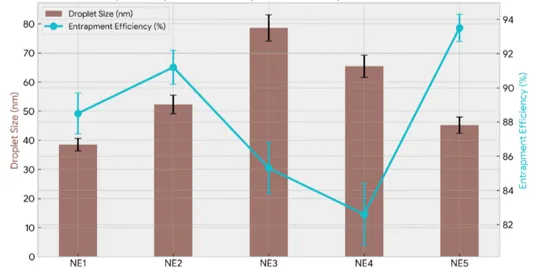
Figure 12: Droplet Size & Entrapment Efficiency of Nanoemulsions
6. Thermodynamic Stability Studies
Table 10: Thermodynamic Stability Studies of Optimized Nanoemulsion (NE5) (n = 3)
|
Stability Test |
Condition |
Cycles |
Droplet Size (nm) ± SD |
PDI ± SD |
Zeta Potential (mV) ± SD |
Phase Separation |
|
Initial |
25 °C |
- |
45.2 ± 2.8 |
0.20 ± 0.02 |
-37.4 ± 1.3 |
None |
|
Heating-Cooling |
4–45 °C |
6 |
47.8 ± 3.1 |
0.22 ± 0.03 |
-36.2 ± 1.5 |
None |
|
Freeze-Thaw |
-21–25 °C |
3 |
49.5 ± 3.4 |
0.24 ± 0.03 |
-35.8 ± 1.6 |
None |
|
Centrifugation |
3500 rpm, 30 min |
1 |
46.1 ± 2.9 |
0.21 ± 0.02 |
-36.9 ± 1.4 |
None |
No phase separation, creaming, or cracking was observed in any of the stress tests.
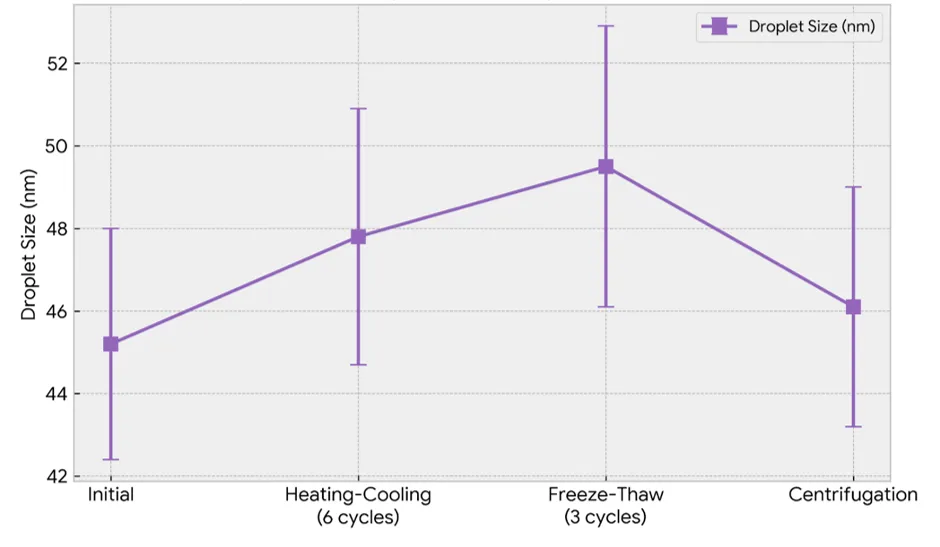
Figure 13: Thermodynamic Stability of NE5 Formulation
7. Preparation and Characterization of Nanoemulgels
Table 11: Composition and Physicochemical Characterization of Celecoxib Nanoemulgels (n = 3)
|
Formulation |
Gelling Agent |
Concentration (% w/w) |
pH ± SD |
Viscosity (cP) ± SD |
Spreadability (g·cm/s) ± SD |
Extrudability (g) ± SD |
Drug Content (%) ± SD |
|
NEG1 |
Carbopol 940 |
0.5 |
6.2 ± 0.1 |
12,450 ± 580 |
8.5 ± 0.4 |
18.2 ± 0.8 |
96.8 ± 0.6 |
|
NEG2 |
Carbopol 940 |
0.75 |
6.1 ± 0.1 |
24,680 ± 920 |
6.2 ± 0.3 |
15.4 ± 0.6 |
96.5 ± 0.7 |
|
NEG3 |
Carbopol 940 |
1.0 |
6.0 ± 0.1 |
38,920 ± 1,240 |
4.8 ± 0.2 |
12.6 ± 0.5 |
96.2 ± 0.5 |
|
NEG4 |
Carbopol 940 |
1.5 |
5.9 ± 0.1 |
62,450 ± 1,850 |
3.1 ± 0.2 |
9.8 ± 0.4 |
95.8 ± 0.8 |
pH of all formulations ranged from 5.9 to 6.2. Viscosity ranged from 12,450 ± 580 cP (NEG1) to 62,450 ± 1,850 cP (NEG4). Spreadability ranged from 3.1 ± 0.2 to 8.5 ± 0.4 g·cm/s. Extrudability ranged from 9.8 ± 0.4 g to 18.2 ± 0.8 g. Drug content ranged from 95.8 ± 0.8% to 96.8 ± 0.6%.
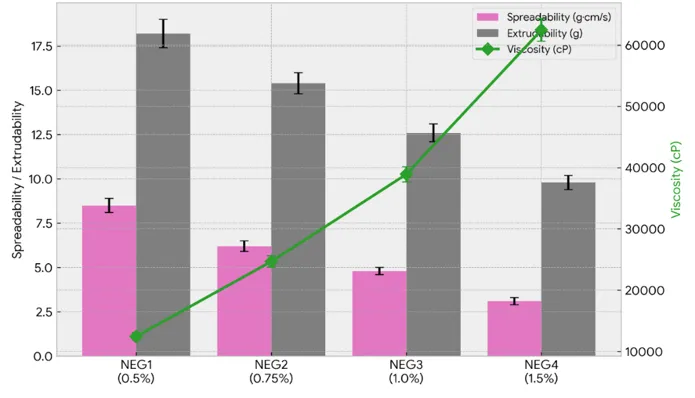
Figure 14: Physical Properties of Nanoemulgels vs Gelling Agent Conc.
Formulation NEG2 (Carbopol 940, 0.75% w/w) was selected as the optimized nanoemulgel.
8. Rheological Studies
Table 12: Rheological Parameters of Optimized Nanoemulgel (NEG2) (n = 3)
|
Parameter |
Value ± SD |
|
Consistency Index (K) |
28.4 ± 1.2 Pa·sⁿ |
|
Flow Behavior Index (n) |
0.62 ± 0.03 |
|
Correlation Coefficient (R²) |
0.998 |
|
Apparent Viscosity at 10 s⁻¹ |
35,240 ± 1,450 cP |
|
Apparent Viscosity at 50 s⁻¹ |
18,680 ± 820 cP |
|
Apparent Viscosity at 100 s⁻¹ |
12,450 ± 580 cP |
The formulation exhibited pseudoplastic (shear-thinning) flow behavior, with a flow behavior index (n) of 0.62 ± 0.03.
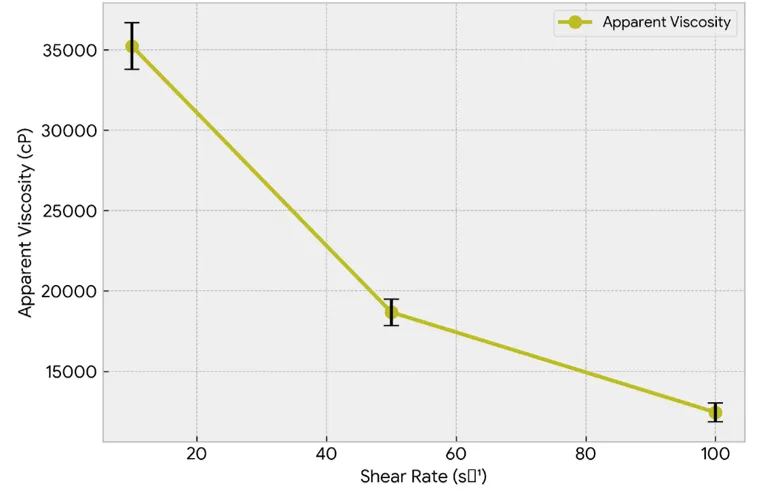
Figure 15: Rheological Behavior of NEG2
9. In Vitro Drug Release Studies
Table 13: Cumulative Drug Release Profile of Optimized Nanoemulgel (NEG2) Compared with Control Formulations (n = 6)
|
Time (h) |
Nanoemulgel NEG2 (%) ± SD |
Nanoemulsion NE5 (%) ± SD |
Conventional Gel (%) ± SD |
|
0.5 |
12.4 ± 1.2 |
18.6 ± 1.5 |
4.2 ± 0.6 |
|
1 |
21.8 ± 1.8 |
32.4 ± 2.2 |
7.8 ± 0.9 |
|
2 |
35.6 ± 2.4 |
48.2 ± 2.8 |
12.5 ± 1.2 |
|
4 |
52.4 ± 2.8 |
65.8 ± 3.2 |
19.6 ± 1.5 |
|
6 |
64.2 ± 3.0 |
76.4 ± 3.5 |
25.4 ± 1.8 |
|
8 |
74.8 ± 3.2 |
84.6 ± 3.8 |
30.8 ± 2.0 |
|
12 |
86.5 ± 3.5 |
92.4 ± 4.0 |
38.2 ± 2.2 |
|
24 |
94.2 ± 3.8 |
98.2 ± 4.2 |
48.6 ± 2.5 |
At 24 hours, NEG2 released 94.2 ± 3.8% of the drug, NE5 released 98.2 ± 4.2%, and the conventional gel released 48.6 ± 2.5%.
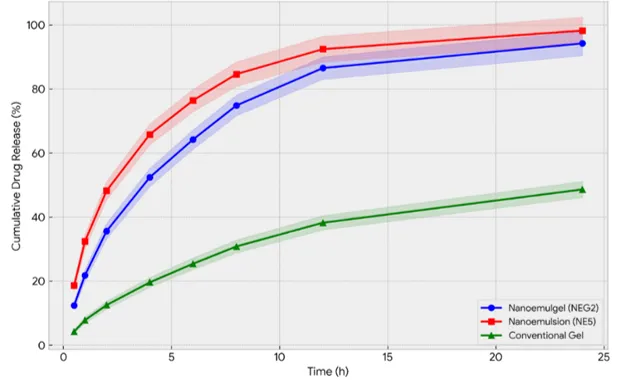
Figure 16: In Vitro Drug Release Profile
10. Drug Release Kinetics
Table 14: Drug Release Kinetics Parameters for Optimized Nanoemulgel (NEG2) (n = 6)
|
Model |
Equation |
R² |
Release Rate Constant (k) |
Release Exponent (n) |
|
Zero-Order |
Q = k₀ · t |
0.912 |
3.92 ± 0.18 %/h |
- |
|
First-Order |
ln(100-Q) = ln(100) – k₁ · t |
0.945 |
0.062 ± 0.003 h⁻¹ |
- |
|
Higuchi |
Q = kH · t⁰·⁵ |
0.967 |
18.24 ± 0.82 %/h⁰·⁵ |
- |
|
Korsmeyer-Peppas |
Q = kKP · tⁿ |
0.989 |
12.56 ± 0.65 |
0.58 ± 0.03 |
The Korsmeyer-Peppas model gave the highest R² value (0.989), with a release exponent (n) of 0.58 ± 0.03.
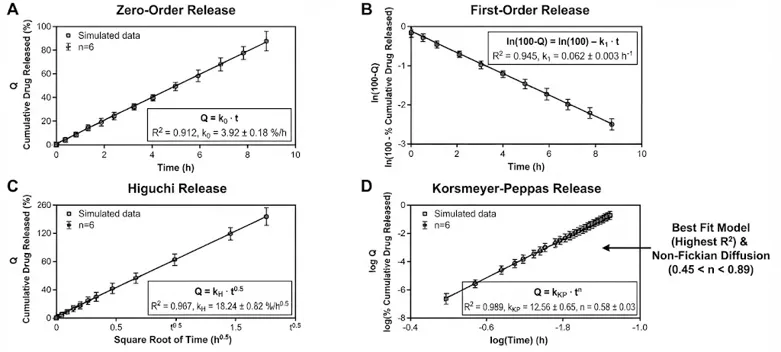
Figure 17: A) Zero-Order Release, B) First-Order Release, C) Higuchi Release and D) Korsmeyer-Peppas Release
11. Stability Studies
Table 15: Accelerated Stability Data of Optimized Nanoemulgel (NEG2) at 40 °C/75% RH (n = 3)
|
Parameter |
Initial |
1 Month |
2 Months |
3 Months |
6 Months |
Acceptance Criteria |
|
Appearance |
Clear, homogeneous |
Clear, homogeneous |
Clear, homogeneous |
Clear, homogeneous |
Clear, homogeneous |
No phase separation |
|
pH |
6.1 ± 0.1 |
6.0 ± 0.1 |
6.0 ± 0.1 |
5.9 ± 0.1 |
5.9 ± 0.1 |
5.5–6.5 |
|
Viscosity (cP) |
24,680 ± 920 |
25,120 ± 980 |
25,840 ± 1,050 |
26,420 ± 1,120 |
27,680 ± 1,240 |
± 15% |
|
Droplet Size (nm) |
45.2 ± 2.8 |
46.8 ± 3.0 |
48.4 ± 3.2 |
50.2 ± 3.5 |
52.6 ± 3.8 |
< 200 nm |
|
PDI |
0.20 ± 0.02 |
0.21 ± 0.02 |
0.22 ± 0.03 |
0.23 ± 0.03 |
0.24 ± 0.03 |
< 0.3 |
|
Zeta Potential (mV) |
-37.4 ± 1.3 |
-36.8 ± 1.4 |
-36.2 ± 1.5 |
-35.6 ± 1.6 |
-34.8 ± 1.7 |
> ± 30 mV |
|
Drug Content (%) |
96.5 ± 0.7 |
96.2 ± 0.8 |
95.8 ± 0.9 |
95.4 ± 1.0 |
94.8 ± 1.1 |
> 90% |
|
Cumulative Release at 8h (%) |
74.8 ± 3.2 |
74.2 ± 3.4 |
73.6 ± 3.5 |
72.8 ± 3.6 |
71.5 ± 3.8 |
± 10% |
All parameters remained within the acceptance criteria throughout the 6-month accelerated stability study.
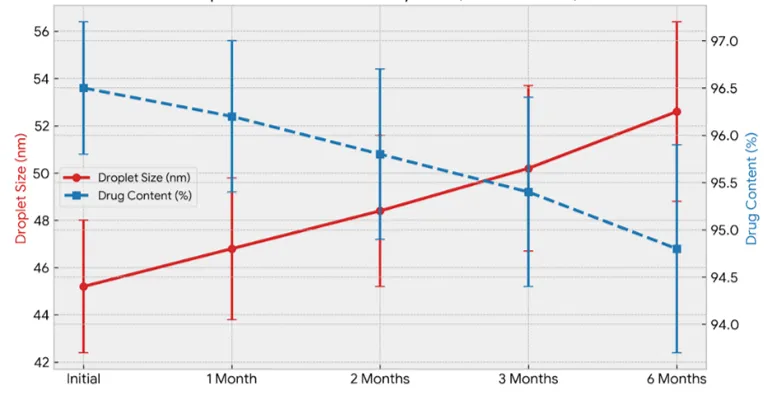
Figure 18: Accelerated Stability Data
DISCUSSION
The present study successfully developed and characterized a celecoxib-loaded nanoemulgel for topical delivery, addressing the persistent therapeutic hurdles associated with the drug's poor aqueous solubility and limited bioavailability. Preliminary organoleptic evaluation and melting point determination (158 ± 0.5 °C) confirmed the high purity, crystallinity, and chemical identity of the procured celecoxib sample. Further validation through UV spectrophotometric analysis demonstrated strict adherence to the Beer-Lambert law across the 5–50 µg/mL concentration range (λmax

at 285 nm, r2=0.999

), establishing a reliable foundation for quantitative estimation. Advanced analytical techniques, including Fourier-transform infrared spectroscopy, differential scanning calorimetry, and X-ray diffraction, provided convergent evidence of the drug's well-ordered crystal lattice without any evidence of degradation or amorphous conversion prior to formulation development.
Saturation solubility studies corroborated celecoxib's classification as a BCS Class II drug, exhibiting negligible aqueous solubility across the physiological pH range (4.0–8.0) due to its weakly acidic sulfonamide moiety. In stark contrast, solubility increased exponentially in lipidic and surfactant vehicles, with Medium Chain Triglycerides (MCT) emerging as the optimal oil phase due to favorable molecular volume and fluidity, while Transcutol-P and Tween 80 demonstrated superior solubilization and interfacial stabilization capacities. Compatibility studies via FTIR and differential scanning calorimetry confirmed the absence of deleterious drug-excipient interactions in binary physical mixtures, and four-week accelerated stability testing at 40 °C/75% RH demonstrated excellent retention of drug content (98.5%), thereby validating the selection of MCT, Tween 80, Transcutol-P, and Carbopol 940 for the final delivery system.
The construction of pseudo-ternary phase diagrams revealed that the extent of the nanoemulsion region is critically governed by the surfactant-to-co-surfactant (Smix

) ratio, with a 2:1 ratio yielding the widest compositional zone by achieving an optimal balance of interfacial film flexibility and low interfacial tension. Among the evaluated nanoemulsion systems, formulation NE5—prepared with 10% oil and 50% Smix

—proved optimal, exhibiting the smallest droplet size, a narrow polydispersity index below 0.3, a highly negative zeta potential (-28 to -37 mV) ensuring electrostatic stability against droplet coalescence, and a maximum entrapment efficiency of 93.5%. Rigorous thermodynamic stress testing, including heating-cooling cycles, freeze-thaw cycles, and centrifugation, confirmed genuine thermodynamic stability rather than mere kinetic stabilization, establishing NE5 as an ideal candidate for subsequent gel incorporation.
The incorporation of optimized nanoemulsion NE5 into Carbopol 940 gel bases resulted in concentration-dependent viscosity scaling, ranging from 12,450 cP to over 62,000 cP. Formulation NEG2, containing 0.75% Carbopol 940, achieved the optimal balance among mechanical structural integrity, spreadability, and tube extrudability, while maintaining a skin-compatible pH of 5.9–6.2. Rheological analysis established pseudoplastic, shear-thinning behavior with a flow behavior index of 0.62, which enhances storage stability by resisting droplet sedimentation while facilitating smooth, effortless skin application under shear. In vitro drug release studies demonstrated a controlled hierarchical profile where NE5 exhibited the fastest release, followed by nanoemulgel NEG2, whereas conventional gel lagged significantly behind with less than 50% cumulative release after 24 hours. Kinetic modeling identified the Korsmeyer-Peppas model as the best fit (n=0.58

), indicating that drug release from the nanoemulgel is governed by anomalous non-Fickian transport involving concurrent droplet diffusion and polymer network relaxation. Finally, six-month accelerated stability testing confirmed that NEG2 preserved its physicochemical, rheological, and release integrity under stressed storage conditions, supporting an extended shelf life and robust potential for topical clinical application.
CONCLUSION
The developed celecoxib-loaded nanoemulgel (NEG2) successfully addresses the challenges of poor aqueous solubility and limited bioavailability by integrating a stable nanoemulsion into a Carbopol 940 gel matrix. Characterized by a skin-compatible pH, optimal rheological behavior, and high entrapment efficiency, the formulation demonstrated a superior sustained-release profile (94.2% over 24 hours) compared to conventional gels, with kinetic modeling indicating a robust non-Fickian transport mechanism. Accelerated stability testing over six months further confirmed its physicochemical robustness, positioning this nanoemulgel as a promising, stable, and effective alternative for localized topical delivery in managing inflammatory conditions like osteoarthritis.
REFERENCES


Jitendra Prajapat, Meenakshi Bharkatiya, Development and Characterization of Celecoxib-Loaded Nanoemulgel for Enhanced Topical Delivery: Optimization, In Vitro Release, and Stability Assessment, Int. J. of Pharm. Sci., 2026, Vol 4, Issue 8, 3930-3950, https://doi.org/10.5281/zenodo.22081305
 10.5281/zenodo.22081305