

We use cookies to ensure our website works properly and to personalise your experience. Cookies policy
MDA School of Pharmacy, Kolpa, Latur, Maharashtra 413531
The present study aimed to develop and characterize Timolol Maleate-loaded lipid nanocapsules (LNCs) as an effective ocular drug delivery system for glaucoma therapy. Conventional eye drops of Timolol Maleate exhibit poor ocular bioavailability due to rapid precorneal drainage, limited corneal permeability, and short residence time, leading to frequent administration and reduced patient compliance. To overcome these limitations, lipid nanocapsules were formulated using the phase inversion temperature method employing lecithin as lipid, olive oil as oil phase, Tween 80 as surfactant, and ethanol as co-solvent. Preformulation studies including organoleptic properties, melting point, solubility, partition coefficient, and pH stability confirmed the suitability of Timolol Maleate for lipid-based ocular delivery. UV-visible spectrophotometric analysis showed a ?max at 246 nm with excellent linearity for quantitative estimation. Various formulation batches (F1–F8) were prepared and evaluated for particle size, polydispersity index (PDI), zeta potential, entrapment efficiency, morphology, in-vitro drug release, and stability studies. Among all formulations, batch F8 was selected as the optimized formulation due to its favorable characteristics, including particle size of 57.5 nm, PDI of 0.197, zeta potential of ?26.85 mV, and entrapment efficiency of 89.7%. SEM analysis confirmed spherical morphology of nanocapsules, while the in-vitro release study demonstrated sustained drug release up to 94.3% over 8 hours. Stability studies revealed good physical and chemical stability under different storage conditions. The developed lipid nanocapsule formulation demonstrated promising potential for sustained ocular delivery of Timolol Maleate with improved bioavailability, prolonged drug release, and enhanced patient compliance in glaucoma management.
Glaucoma is a chronic and progressive ocular disorder characterized by degeneration of the optic nerve, leading to irreversible vision loss and blindness if not adequately treated. It is considered one of the leading causes of blindness worldwide and is commonly associated with elevated intraocular pressure (IOP).1-3 The management of glaucoma primarily focuses on reducing IOP through pharmacological therapy, laser treatment, or surgical intervention. Among the available therapeutic agents, Timolol Maleate, a non-selective β-adrenergic receptor blocker, is widely used as a first-line drug due to its ability to decrease aqueous humor production and effectively control intraocular pressure. However, conventional ophthalmic formulations of Timolol Maleate, such as eye drops, suffer from several limitations including poor precorneal retention, rapid nasolacrimal drainage, limited corneal permeability, and low ocular bioavailability.4-7 As a result, only a small fraction of the administered dose reaches the intraocular tissues, necessitating frequent dosing and increasing the risk of systemic side effects such as bradycardia and hypotension.
The human eye possesses unique anatomical and physiological barriers that significantly hinder effective ocular drug delivery. These barriers include tear turnover, blinking reflex, lacrimal drainage, corneal epithelial tight junctions, and blood-ocular barriers. Conventional ocular dosage forms are rapidly eliminated from the ocular surface within a few minutes after administration, resulting in inadequate therapeutic concentrations at the target site. Therefore, the development of advanced ocular drug delivery systems capable of enhancing corneal permeation, prolonging precorneal residence time, and providing sustained drug release has become an important area of pharmaceutical research.8-12
Nanotechnology-based drug delivery systems have emerged as promising approaches for overcoming the challenges associated with ocular therapy. Among various nanocarriers, lipid nanocapsules (LNCs) have gained considerable attention due to their unique structural and functional advantages. Lipid nanocapsules are colloidal nanocarriers composed of an oily lipid core surrounded by a surfactant-stabilized shell. These systems combine the beneficial properties of liposomes and polymeric nanoparticles, offering excellent biocompatibility, high drug-loading capacity, improved stability, and controlled drug release behavior. Owing to their nano-sized dimensions and lipidic composition, LNCs can effectively interact with the corneal epithelium, enhance drug permeation, and improve ocular bioavailability.13-17
Lipid nanocapsules are particularly advantageous for ocular drug delivery because they can increase the residence time of drugs on the ocular surface and reduce drug elimination caused by tear drainage. Furthermore, the lipidic nature of LNCs facilitates better penetration across the lipophilic corneal epithelium, thereby enhancing intraocular drug transport. Their ability to provide sustained and controlled release minimizes dosing frequency and improves patient compliance, which is especially important in chronic diseases such as glaucoma requiring lifelong therapy. In addition, LNCs are generally prepared using biocompatible and biodegradable excipients, making them suitable for sensitive ocular tissues.18-21
Timolol Maleate is a hydrophilic drug with limited corneal permeability when administered through conventional eye drops. Encapsulation of Timolol Maleate into lipid nanocapsules may significantly improve its therapeutic performance by enhancing corneal penetration, prolonging drug release, and reducing systemic absorption. The nano-sized carrier system also helps maintain effective drug concentration in the aqueous humor for extended periods, thereby improving glaucoma management and reducing adverse effects associated with repeated dosing. These advantages make lipid nanocapsules a promising platform for the development of efficient ocular drug delivery systems.22-24
Therefore, the present research work focuses on the development and characterization of a lipid nanocapsule-based ocular drug delivery system of Timolol Maleate for effective glaucoma therapy. The study aims to formulate stable and biocompatible lipid nanocapsules capable of enhancing ocular bioavailability and sustaining drug release. Various formulation and evaluation parameters such as particle size, zeta potential, entrapment efficiency, drug release profile, ocular compatibility, and stability are investigated to optimize the performance of the developed system. The successful development of such a nanocarrier-based ocular formulation may provide an improved therapeutic strategy for glaucoma management with enhanced efficacy, reduced dosing frequency, and better patient compliance.
MATERIALS AND METHODS:
MATERIALS:
All chemicals, solvents, reagents, and excipients used in the present study were of analytical reagent (AR), HPLC, or pharmaceutical grade and were used without further purification. Timolol Maleate and Lecithin (Phosphatidylcholine) were procured from Sigma-Aldrich Pvt. Ltd., India. Tween 80 and Potassium Bromide (IR Grade) were obtained from Merck Life Science Pvt. Ltd., India, while Ethanol (Absolute) was supplied by Merck Specialities Pvt. Ltd., India. Cholesterol was purchased from HiMedia Laboratories Pvt. Ltd., Mumbai, India, and Sodium Chloride was obtained from Loba Chemie Pvt. Ltd., India. Distilled water used throughout the study was purified in-house in the laboratory.
METHODOLOGY:
Preformulation Study
Preformulation studies were carried out to evaluate the physicochemical properties of Timolol Maleate and its compatibility with selected excipients prior to formulation development. These studies are essential for the design of a stable, safe, and effective lipid nanocapsule system. The preformulation evaluation included organoleptic characterization, solubility analysis, melting point determination, and FTIR spectroscopy.25-27
Organoleptic Properties
Timolol Maleate was evaluated for its physical appearance, color, odor, and taste. The drug was observed as a white to off-white crystalline powder with a slightly bitter taste and characteristic odorless nature, indicating its purity and suitability for ophthalmic formulation development.28
Solubility Study
Solubility studies of Timolol Maleate were performed in different solvents, lipids, surfactants, and co-surfactants to select suitable formulation components for lipid nanocapsules. The drug exhibited good solubility in water and varying solubility in lipidic and surfactant systems, which aided in the selection of excipients for enhanced drug loading and stability.29
Melting Point Determination
The melting point of Timolol Maleate was determined using a digital melting point apparatus to confirm its purity and identity. The drug showed a sharp melting point within the reported range, indicating the absence of impurities and suitability for formulation development.30
Identification by FTIR Spectroscopy
FTIR spectroscopy was carried out to identify the characteristic functional groups of Timolol Maleate and to assess drug–excipient compatibility. The spectra of the pure drug and physical mixtures with selected excipients showed the presence of characteristic peaks without significant shifts or disappearance, confirming the compatibility of the drug with formulation components.31
Analytical Study
Determination of λmax and Calibration Curve Development
UV–Visible spectrophotometry was employed for the quantitative estimation of Timolol Maleate. The λmax of the drug was determined in 0.1 N HCl and phosphate buffer (pH 6.8) to establish suitable analytical conditions. Calibration curves were developed in both media to evaluate the linearity and accuracy of the analytical method over the selected concentration range.32
Estimation of Timolol Maleate by UV–Visible Spectroscopy
The absorbance of Timolol Maleate solutions was measured using a Shimadzu 1700 UV–Visible spectrophotometer (Japan) with 1 cm quartz cuvettes. Appropriate blank solutions were used for baseline correction during all measurements.33
Preparation of 0.1 N Hydrochloric Acid
A 0.1 N HCl solution was prepared by diluting 8.5 ml of concentrated hydrochloric acid with distilled water in a 1000 ml volumetric flask. The solution was mixed thoroughly and used for analytical and drug release studies.34
Preparation of Phosphate Buffer (pH 6.8)
Phosphate buffer pH 6.8 was prepared by dissolving potassium dihydrogen phosphate and sodium hydroxide in distilled water, followed by pH adjustment using 1 N NaOH. The prepared buffer was used as dissolution and analytical medium for ophthalmic evaluation studies.35
Determination of λmax of Timolol Maleate
A standard solution of Timolol Maleate was prepared and scanned in the wavelength range of 200–400 nm using 0.1 N HCl and phosphate buffer (pH 6.8) as solvents. The maximum absorbance (λmax) of the drug was observed at 246 nm in both media, which was selected for further quantitative analysis.36
Preparation of Calibration Curve
Standard stock solutions of Timolol Maleate were prepared and suitably diluted to obtain different concentrations in the range of 6–20 μg/ml. The absorbance of each dilution was measured at 246 nm, and calibration curves were plotted between concentration and absorbance in both 0.1 N HCl and phosphate buffer (pH 6.8).37
Selection of Excipients
The selection of suitable excipients was carried out to optimize the formulation of Timolol Maleate-loaded lipid nanocapsules. Different lipids, oils, and surfactants were screened based on their effect on particle size, polydispersity index (PDI), entrapment efficiency, and formulation stability. Drug–excipient compatibility was also evaluated using FTIR spectroscopy to ensure the stability of the developed formulation.38-40
Screening and Selection of Lipid
Various lipids were evaluated by preparing trial formulations and analyzing their physicochemical properties such as particle size and PDI. The lipid producing stable nanocapsules with smaller particle size and uniform distribution was selected for the optimized formulation.41
Screening and Selection of Oil
The solubility of Timolol Maleate was studied in different pharmaceutically acceptable oils to select the most suitable oil phase. Drug-loaded oil samples were shaken, centrifuged, and analyzed spectrophotometrically at 246 nm. The oil showing maximum drug solubility was selected for further studies.42
Screening and Selection of Surfactant
Different surfactants were screened to achieve stable and uniform lipid nanocapsules. Trial formulations were evaluated for particle size, entrapment efficiency, and physical stability. The surfactant providing optimum stability with minimum aggregation and narrow particle size distribution was selected.43
Drug–Excipient Compatibility Study by FTIR
FTIR spectroscopy was performed to evaluate the compatibility of Timolol Maleate with selected excipients. The spectra of the pure drug and physical mixtures were recorded in the range of 4000–400 cm⁻¹ using KBr pellet method. The absence of significant changes in characteristic peaks confirmed the compatibility of Timolol Maleate with the selected formulation components.44
Phase Inversion Method for Preparation of Lipid Nanocapsules
Timolol Maleate-loaded lipid nanocapsules (LNCs) were prepared using the Phase Inversion Temperature (PIT) method, a simple and solvent-minimized technique widely employed for the preparation of stable nanocarriers. The method is based on temperature-induced phase inversion followed by rapid cooling, resulting in the spontaneous formation of lipid nanocapsules with uniform particle size and improved stability.45-48
Composition of Formulation
The formulation consisted of an oil phase containing lecithin and lipid components, an aqueous phase containing distilled water, sodium chloride, and Tween 80 as surfactant, and Timolol Maleate dissolved in ethanol as a co-solvent. These components were selected to improve drug solubility, emulsification, and stability of the nanocapsules.
Preparation Method
Initially, Timolol Maleate was dissolved in ethanol and mixed with the lipid phase under continuous stirring. Lecithin was then added, and the mixture was heated to obtain a homogeneous dispersion. Subsequently, the aqueous phase containing Tween 80 and sodium chloride was gradually incorporated into the lipid phase under constant stirring to form an emulsion. The prepared emulsion was subjected to repeated heating and cooling cycles between 60°C and 85°C to induce phase inversion. Finally, the hot emulsion was rapidly diluted with cold distilled water to produce stable lipid nanocapsules. The obtained dispersion was further lyophilized to enhance stability and storage characteristics.
Advantages of Phase Inversion Method
The phase inversion method offers several advantages, including simple processing, avoidance of high mechanical stress, reduced use of organic solvents, good reproducibility, and ease of large-scale production. Additionally, it produces stable lipid nanocapsules with improved encapsulation efficiency and controlled drug release behavior.
Formulation Batches
A total of eight formulation batches (F1–F8) were prepared by varying the concentrations of lecithin, Tween 80, and ethanol while maintaining the drug concentration constant at 5 mg. The batches were designed to study the influence of lipid concentration, surfactant concentration, and ethanol content on particle size, entrapment efficiency, stability, and overall performance of the lipid nanocapsules. Increasing concentrations of lecithin and Tween 80 were evaluated to optimize the formulation and obtain stable nanocapsules with enhanced drug loading and controlled release properties.
Evaluation of Optimized Lipid Nanocapsules
The optimized batch of Timolol Maleate-loaded lipid nanocapsules was evaluated for various physicochemical and stability parameters to confirm its suitability for ocular drug delivery. The evaluation included particle size analysis, zeta potential, entrapment efficiency, in-vitro drug release, surface morphology, pH determination, and stability studies.49-52
Particle Size and Polydispersity Index (PDI)
Particle size and PDI were determined using Dynamic Light Scattering (DLS) with a Malvern Zetasizer Nano ZS. The optimized formulation showed nanosized particles with narrow size distribution, indicating uniformity and good stability suitable for ocular administration.
Zeta Potential
Zeta potential analysis was carried out using electrophoretic light scattering to determine the surface charge and stability of the formulation. The optimized lipid nanocapsules exhibited an adequate surface charge, indicating good colloidal stability and reduced aggregation tendency.
Entrapment Efficiency (%)
Entrapment efficiency was determined by separating the free drug from encapsulated drug through ultracentrifugation followed by UV spectrophotometric analysis. High entrapment efficiency confirmed efficient incorporation of Timolol Maleate within the lipid nanocapsules, which is essential for sustained drug release.
In-Vitro Drug Release Study
The in-vitro drug release study was performed using the dialysis bag diffusion method in simulated tear fluid (pH 7.4) at 37 ± 0.5°C. Samples were withdrawn at predetermined time intervals and analyzed spectrophotometrically. The optimized formulation exhibited a sustained drug release profile, which is beneficial for prolonged glaucoma therapy.
Scanning Electron Microscopy (SEM)
The surface morphology of the optimized formulation was examined using Scanning Electron Microscopy. SEM analysis revealed spherical and uniformly distributed nanocapsules, confirming successful formulation of lipid nanocapsules.
pH Measurement
The pH of the optimized formulation was measured using a calibrated digital pH meter. The formulation showed a pH within the acceptable ocular range, indicating its compatibility with ocular tissues and reduced risk of irritation.
Stability Studies
Stability studies were performed according to ICH guidelines under different storage conditions for three months. The formulation was evaluated periodically for changes in particle size, PDI, zeta potential, drug content, and physical appearance.53-56
RESULTS AND DISCUSSION:
Preformulation Studies:
Preformulation studies of Timolol Maleate were carried out to evaluate its physicochemical properties and suitability for lipid nanocapsule formulation. The drug was observed as a white to off-white crystalline, odorless, and bitter powder, confirming its standard organoleptic characteristics. The melting point was found within the reported range, indicating purity of the drug sample. Solubility studies showed that Timolol Maleate was freely soluble in water and ethanol, soluble in Tween 80 and propylene glycol, but sparingly soluble in lipidic oils, supporting the use of surfactants and co-solvents in formulation development.
The partition coefficient study revealed a low log P value, confirming the hydrophilic nature of Timolol Maleate and the need for lipid-based carriers to improve ocular permeability. pH stability studies demonstrated that the drug remained highly stable in the pH range of 5–7, which is suitable for ophthalmic formulations and compatible with tear fluid pH. These findings confirmed the suitability of Timolol Maleate for development of lipid nanocapsule-based ocular delivery systems.
Table 1: Preformulation Studies of Timolol Maleate
|
Parameter |
Observation |
|
Appearance |
Crystalline powder |
|
Color |
White to off-white |
|
Odor |
Odorless |
|
Taste |
Bitter |
|
Nature |
Non-hygroscopic, crystalline |
|
Melting Point |
202–205°C |
|
Solubility in Water |
Freely soluble |
|
Solubility in Ethanol |
Freely soluble |
|
Solubility in Tween 80 |
Soluble |
|
Solubility in Labrafac CC |
Sparingly soluble |
|
Solubility in Propylene Glycol |
Soluble |
|
Solubility in Isopropyl Myristate |
Practically insoluble |
|
Log P Value |
0.19 ± 0.02 |
|
Stable pH Range |
pH 5–7 |
|
λmax |
246 nm |
Identification by FTIR spectra
Timolol Maleate
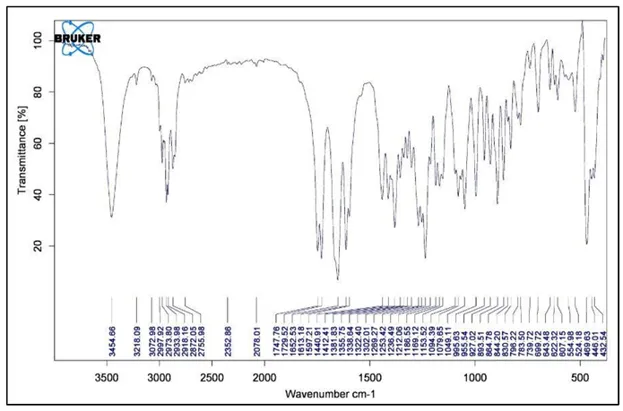
Figure 1: Timolol Maleate -FTIR spectrum
Different Scanning Colorimetry (DSC)
DSC Thermogram of Timolol Maleate showed its peak at its reported melting point is 2020c-2060c. whoch is confirmed that the drug sample obtained was in pure form.
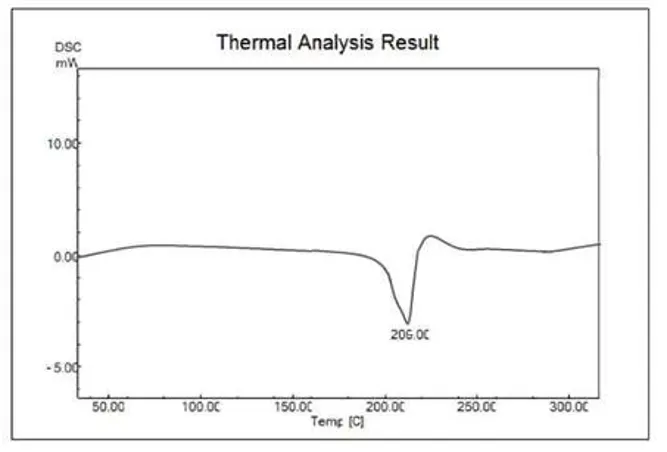
Figure 2: DSC Thermogram of Timolol Maleate
Analytical Methodology
Determination of λmax and Calibration Curve Development
UV–Visible spectrophotometric analysis was carried out for the quantitative estimation of Timolol Maleate in 0.1 N HCl and phosphate buffer pH 6.8. The drug solution was scanned in the wavelength range of 200–400 nm, and the maximum absorbance (λmax) was observed at 246 nm in both media, indicating stable absorbance characteristics under different physiological conditions. Therefore, 246 nm was selected for further analytical studies.
A calibration curve of Timolol Maleate was prepared in 0.1 N HCl over the concentration range of 6–18 μg/ml. The absorbance values showed a linear increase with concentration, confirming compliance with Beer–Lambert’s law. Regression analysis of the calibration curve showed excellent linearity with a correlation coefficient (R²) of 0.998, indicating the suitability of the method for quantitative drug estimation.
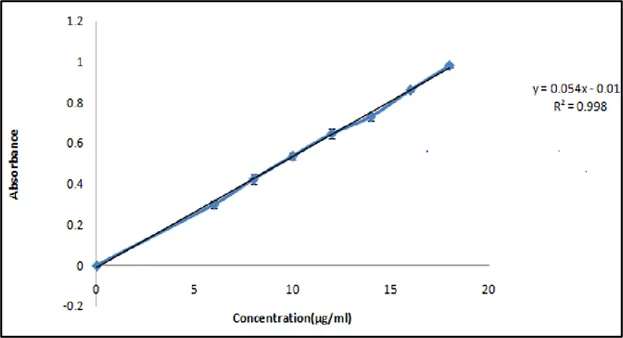
Figure 3: Calibration curve of Timolol Maleate in 0.1 N HCl
Selection of Excipients
Screening and Selection of Lipid for Timolol Maleate-Loaded Lipid Nanocapsules
Different lipids including cholesterol, lecithin, and Lipoid S75 were screened for the preparation of Timolol Maleate-loaded lipid nanocapsules based on particle size and polydispersity index (PDI). Among all formulations, the batch containing 1% w/v lecithin showed optimum characteristics with acceptable particle size, better stability, and uniform distribution. Lecithin demonstrated superior biocompatibility and emulsification properties suitable for ocular delivery; therefore, it was selected as the optimized lipid for further formulation studies.
Table 2: Screening and Selection of Lipid
|
Batch Code |
Lipid Type |
Concentration (% w/v) |
Particle Size (nm) |
PDI |
Observation |
|
C1 |
Cholesterol |
0.5 |
339.47 |
0.240 |
Moderate distribution |
|
C2 |
Cholesterol |
1.0 |
447.34 |
0.346 |
High particle size |
|
C3 |
Cholesterol |
1.5 |
495.20 |
0.397 |
Heterogeneous dispersion |
|
C4 |
Lecithin |
0.5 |
376.80 |
0.229 |
Stable particles |
|
C5 |
Lecithin |
1.0 |
259.82 |
0.359 |
Optimized formulation |
|
C6 |
Lecithin |
1.5 |
230.91 |
0.442 |
High PDI |
|
C7 |
Lipoid S75 |
0.5 |
82.56 |
0.221 |
Poor entrapment |
|
C8 |
Lipoid S75 |
1.0 |
44.91 |
0.234 |
Poor drug retention |
|
C9 |
Lipoid S75 |
1.5 |
104.70 |
0.378 |
Less reproducible |
Screening and Selection of Oil for Timolol Maleate Lipid Nanocapsules
Different oils were screened based on the solubility of Timolol Maleate to identify the most suitable oil phase for lipid nanocapsule formulation. Among the tested oils, olive oil exhibited maximum solubility and better compatibility with the formulation components. Hence, olive oil was selected as the optimized oil phase for further studies.
Table 3: Solubility Screening of Oils for Timolol Maleate
|
Sr. No. |
Oil |
Solubility Observation |
Remarks |
|
1 |
Oleic Acid |
Slightly soluble |
Incomplete solubilization |
|
2 |
Castor Oil |
Poorly soluble |
High viscosity |
|
3 |
Ethyl Oleate |
Insoluble |
No detectable solubility |
|
4 |
Olive Oil |
Freely soluble |
Selected for formulation |
Selection of Surfactant for Timolol Maleate Lipid Nanocapsules
Different surfactants including Cremophor RH 40, PEG 600, and Tween 80 were screened at varying concentrations to optimize the stability and particle characteristics of Timolol Maleate-loaded lipid nanocapsules. The formulations were evaluated based on particle size and polydispersity index (PDI). Among all tested surfactants, Tween 80 at 1.5% concentration showed the smallest particle size and lowest PDI, indicating excellent stability and uniformity of the nano-dispersion. Due to its superior emulsifying ability, biocompatibility, and suitability for ocular delivery, Tween 80 was selected as the optimized surfactant for the formulation.
Table 4: Screening of Surfactants for Timolol Maleate Lipid Nanocapsules
|
Batch |
Cremophor RH 40 (%) |
PEG 600 (%) |
Tween 80 (%) |
Particle Size (nm) |
PDI |
|
S1 |
1 |
– |
– |
195.3 |
0.410 |
|
S2 |
1.5 |
– |
– |
109.3 |
0.520 |
|
S3 |
2 |
– |
– |
109.0 |
0.430 |
|
S4 |
– |
1 |
– |
165.2 |
0.320 |
|
S5 |
– |
1.5 |
– |
53.7 |
0.390 |
|
S6 |
– |
2 |
– |
109.7 |
0.610 |
|
S7 |
– |
– |
1 |
84.5 |
0.310 |
|
S8 |
– |
– |
1.5 |
57.5 |
0.197 |
Drug–Excipient Compatibility Study
Drug–excipient compatibility studies were carried out using Fourier Transform Infrared (FTIR) spectroscopy to evaluate possible interactions between Timolol Maleate and selected formulation excipients including lecithin, Tween 80, and olive oil. The spectra of pure drug and physical mixtures were recorded in the range of 4000–400 cm⁻¹ using the KBr pellet method. The characteristic peaks of Timolol Maleate were retained in the physical mixtures without significant shifts or disappearance, confirming the compatibility of the drug with selected excipients and indicating the stability of the developed lipid nanocapsule formulation.
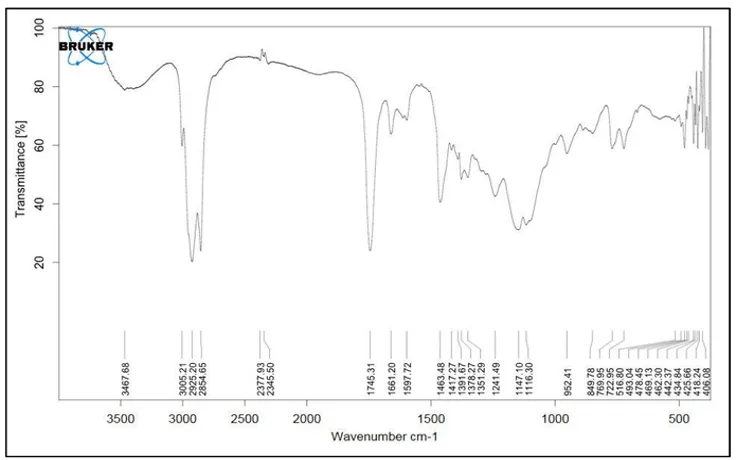
Figure 4: FTIR spectrum of physical mixture of (Timalol Maleate +Lipid + surfactant +oil)
Formulation of Lipid Nanocapsules
Timolol Maleate-loaded lipid nanocapsules were prepared using varying concentrations of lecithin, Tween 80, ethanol, and olive oil to obtain an optimized ocular nanoformulation. Among all batches, formulation F8 exhibited the most desirable characteristics, including minimum particle size, low PDI, high entrapment efficiency, and satisfactory zeta potential, indicating its suitability for glaucoma therapy and sustained ocular drug delivery.
Table 5: Formulation Composition of Timolol Maleate LNCs (F1–F8)
|
Batch |
Timolol Maleate (mg) |
Lecithin (%) |
Tween 80 (%) |
Ethanol (%) |
Olive Oil (%) |
Distilled Water |
|
F1 |
5 |
0.5 |
0.5 |
2.0 |
1.0 |
q.s. to 100 ml |
|
F2 |
5 |
0.5 |
1.0 |
2.0 |
1.0 |
q.s. to 100 ml |
|
F3 |
5 |
0.5 |
1.5 |
2.0 |
1.0 |
q.s. to 100 ml |
|
F4 |
5 |
1.0 |
1.0 |
3.0 |
1.5 |
q.s. to 100 ml |
|
F5 |
5 |
1.0 |
1.5 |
3.0 |
1.5 |
q.s. to 100 ml |
|
F6 |
5 |
1.0 |
2.0 |
3.0 |
1.5 |
q.s. to 100 ml |
|
F7 |
5 |
1.5 |
1.5 |
4.0 |
2.0 |
q.s. to 100 ml |
|
F8 |
5 |
1.0 |
1.5 |
5.0 |
2.0 |
q.s. to 100 ml |
Optimized Formulation (F8)
Based on physicochemical evaluation, batch F8 was selected as the optimized formulation due to its excellent nanoscale characteristics and high drug entrapment efficiency.
Table 6: Composition of Optimized Lipid Nanocapsule Formulation (F8)
|
Component |
Quantity (%) |
|
Timolol Maleate |
0.5 |
|
Lecithin |
1.0 |
|
Tween 80 |
1.5 |
|
Ethanol |
5.0 |
|
Olive Oil |
2.0 |
|
Distilled Water |
q.s. to 100 ml |
Evaluation of Lipid Nanocapsule Formulations
All formulation batches were evaluated for particle size, polydispersity index (PDI), zeta potential, and entrapment efficiency. Progressive improvement in formulation characteristics was observed with increasing concentrations of lecithin and Tween 80. Batch F8 showed the best overall performance with the smallest particle size, narrow PDI, satisfactory zeta potential, and maximum entrapment efficiency, making it suitable for ocular delivery applications.
Table 7: Evaluation of Lipid Nanocapsule Batches (F1–F8)
|
Batch |
Particle Size (nm) |
PDI |
Zeta Potential (mV) |
Entrapment Efficiency (%) |
|
F1 |
212.6 |
0.362 |
-16.25 |
68.4 |
|
F2 |
180.4 |
0.289 |
-19.70 |
72.1 |
|
F3 |
148.3 |
0.258 |
-21.34 |
76.5 |
|
F4 |
120.1 |
0.236 |
-22.59 |
80.4 |
|
F5 |
97.6 |
0.214 |
-24.98 |
83.7 |
|
F6 |
78.2 |
0.203 |
-23.52 |
85.9 |
|
F7 |
62.4 |
0.188 |
-25.47 |
87.2 |
|
F8 |
57.5 |
0.197 |
-26.85 |
89.7 |
Evaluation of Optimized Lipid Nanocapsules
The optimized formulation batch F8 was evaluated for particle size, polydispersity index (PDI), zeta potential, and entrapment efficiency to confirm its suitability for ocular drug delivery. The formulation exhibited nanosized particles with narrow distribution and high drug entrapment, indicating improved stability and sustained release potential.
Table 8: Evaluation of Optimized Lipid Nanocapsules (F8)
|
Evaluation Parameter |
Result |
Remarks |
|
Particle Size (nm) |
57.5 |
Suitable for ocular delivery |
|
PDI |
0.197 |
Uniform particle distribution |
|
Zeta Potential (mV) |
-28.5 |
Good colloidal stability |
|
Entrapment Efficiency (%) |
89.7 |
High drug encapsulation |
Differential Scanning Calorimetry (DSC)
Differential Scanning Calorimetry analysis of the optimized lipid nanocapsule formulation was carried out in the temperature range of 25–350°C. The DSC thermogram confirmed successful incorporation of Timolol Maleate within the lipid matrix and indicated the stability of the developed formulation.
Scanning Electron Microscopy (SEM)
Surface morphology of the optimized lipid nanocapsules was examined using Scanning Electron Microscopy (SEM). The SEM images revealed spherical and smooth-surfaced nanocapsules with uniform particle distribution, confirming successful formation of lipid nanocapsules.
In-Vitro Drug Release Study
The in-vitro drug release study of Timolol Maleate-loaded lipid nanocapsules was performed using dialysis bag diffusion method in phosphate buffer pH 6.8. All batches showed sustained drug release over 8 hours, while optimized batch F8 exhibited the highest cumulative drug release of 94.3%, indicating efficient sustained release behavior suitable for glaucoma therapy.
Table 9: Cumulative % Drug Release of Timolol Maleate from LNCs
|
Time (hrs) |
F1 |
F2 |
F3 |
F4 |
F5 |
F6 |
F7 |
F8 |
|
1 |
12.5 |
14.2 |
16.1 |
18.3 |
20.5 |
22.7 |
24.1 |
26.3 |
|
2 |
24.8 |
27.3 |
30.5 |
33.8 |
37.6 |
40.3 |
43.5 |
46.8 |
|
3 |
33.1 |
36.7 |
39.4 |
43.2 |
47.3 |
51.8 |
54.6 |
58.9 |
|
4 |
44.5 |
48.3 |
50.7 |
54.9 |
59.4 |
63.6 |
66.1 |
69.4 |
|
5 |
52.2 |
56.1 |
59.6 |
63.2 |
67.9 |
71.5 |
74.0 |
76.8 |
|
6 |
60.8 |
65.0 |
68.4 |
71.8 |
75.5 |
78.8 |
80.6 |
83.2 |
|
7 |
69.0 |
72.6 |
75.7 |
78.9 |
82.4 |
85.3 |
86.9 |
89.0 |
|
8 |
74.2 |
78.1 |
81.0 |
84.3 |
87.1 |
89.8 |
91.5 |
94.3 |
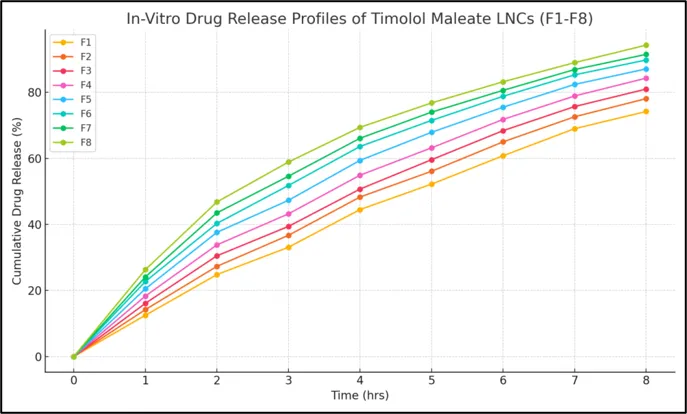
Figure 5: In-Vitro Drug Release study of Timolol Maleate from LNCs
Stability Study of Timolol Maleate-Loaded Lipid Nanocapsules
Stability studies were carried out for optimized formulation F8 under refrigerated and room temperature conditions for 60 days. The formulation showed minimal changes in particle size, PDI, zeta potential, and drug content during the study period, indicating excellent physical and chemical stability. The optimized formulation retained more than 92% drug content with stable nanoscale characteristics, confirming its suitability for long-term ocular delivery applications.
Table 10: Stability Study of Timolol Maleate-Loaded Lipid Nanocapsules
|
Batch |
Storage Temp |
Day 0 |
Day 30 |
Day 60 |
|
F1 |
4°C |
220.1 / 0.38 / -19.5 / 91.2% |
225.3 / 0.41 / -18.7 / 88.5% |
236.9 / 0.46 / -17.6 / 85.2% |
|
F2 |
25°C |
212.4 / 0.34 / -20.2 / 92.6% |
229.1 / 0.39 / -18.5 / 86.9% |
245.5 / 0.44 / -16.4 / 82.3% |
|
F8 |
4°C |
44.9 / 0.234 / -28.6 / 98.2% |
46.3 / 0.240 / -28.1 / 97.4% |
47.7 / 0.249 / -27.8 / 96.5% |
|
F8 |
25°C |
44.9 / 0.234 / -28.6 / 98.2% |
48.2 / 0.261 / -26.7 / 95.8% |
52.6 / 0.289 / -24.9 / 92.1% |
(Values represented as Particle Size / PDI / Zeta Potential / Drug Content)
CONCLUSION:
The present research successfully developed and characterized Timolol Maleate-loaded lipid nanocapsules for ocular drug delivery using the phase inversion temperature method. The formulated lipid nanocapsules demonstrated desirable nanoscale properties, good colloidal stability, high entrapment efficiency, and sustained drug release behavior. Preformulation and compatibility studies confirmed the suitability of Timolol Maleate and selected excipients for formulation development. Among all prepared batches, formulation F8 was identified as the optimized batch due to its smallest particle size, narrow PDI, satisfactory zeta potential, and highest drug entrapment efficiency. The optimized formulation also exhibited spherical morphology, prolonged in-vitro drug release, and good stability under different storage conditions. These findings indicate that lipid nanocapsules can effectively improve ocular bioavailability and provide sustained therapeutic action of Timolol Maleate. Overall, the developed lipid nanocapsule system represents a promising nanocarrier approach for effective glaucoma therapy by enhancing corneal penetration, reducing dosing frequency, and improving patient compliance. The formulation may serve as a potential alternative to conventional ophthalmic dosage forms for prolonged and efficient ocular drug delivery.
CONFLICT OF INTREST:
The author declares that there is no conflict of interest.
REFERENCES

Gitanjali Sarvade, Dr. Mahesh Patil, Dr. Ravi Kurhade, Mr. Nishinandan Shinde, Development and Characterization of Lipid Nanocapsule-Based Ocular Drug Delivery System of Timolol Maleate for Effective Glaucoma Therapy, Int. J. of Pharm. Sci., 2026, Vol 4, Issue 6, 3279-3294. https://doi.org/10.5281/zenodo.20674167
 10.5281/zenodo.20674167