

We use cookies to ensure our website works properly and to personalise your experience. Cookies policy
Department of pharmaceutics, Shri Sant Gajanan Maharaj College of Pharmacy (SSGMCOP), Buldhana, Maharashtra, India.
The problem of poor solubility is very critical in the development of novel drug candidates. Poor aqueous solubility is encountered in around 40%–70% of novel compounds and contributes to poor dissolution, poor bioavailability, and hence poor efficacy. Salt formation, micronization, and complexation are among other common methods that usually have little impact on the performance of drugs. Nanotechnology has provided an efficient approach to improving the solubility and bioavailability of poorly soluble drugs. There are several types of nanoparticles used to increase bioavailability, such as polymer nanoparticles, solid lipid nanoparticles, nanostructured lipid carriers, liposomes, dendrimers, polymeric micelles, nanoemulsion, and nanocrystals. Recent progress in nanoparticle technology has improved significantly the clinical performance of nanoparticles. This review aims at summarizing the recent developments in nanoparticle-based delivery systems to poorly soluble drugs.
The effective delivery of pharmacologically active substances is heavily dependent upon the physicochemical characteristics of such agents, one of which is water solubility. The solubility of an active substance can affect its rate of dissolution, absorption, distribution, and effectiveness as a whole. The growing problem of poorly water-soluble drug candidates discovered by contemporary drug development initiatives has been of great concern to pharmaceutical specialists [1,2]. The development of combinatorial and high-throughput screening techniques has contributed to the acceleration of modern drug discovery processes. Nevertheless, these breakthroughs have also led to the greater prevalence of poorly soluble lipophilic drugs. According to estimations, 40% of marketed drugs and 90% of developmental drug candidates exhibit poor water solubility [3]. Poorly soluble lipophilic drugs are generally classified as BCS Class II and Class IV drugs, where dissolution limits the rate of drug absorption [4].Poorly soluble drugs frequently demonstrate low oral bioavailability, delayed onset of action, high inter-patient variability, and reduced therapeutic effectiveness. Consequently, enhancing drug solubility has become one of the primary objectives in pharmaceutical formulation development [5]. Conventional approaches have been extensively explored for the enhancement of solubility of drugs, which include salt formation, pH adjustment, co-solvency, complexation, particle size reduction and solid dispersion technology. Though these methods are useful but generally have some limitations such as instability, limited applicability, difficulty in manufacturing and poor enhancement of bioavailability [6].Nanotechnology has emerged as a game changing platform that could effectively tackle these challenges with novel nano drug delivery systems. Nanoparticles are commonly in the size range of 1-1000 nm and have special properties which are considerably different from those of their bulk counterparts. Their small size, large surface area, tunable surface characteristics and their ability to encapsulate therapeutic molecules makes them ideal carriers for poorly soluble drugs [7]. Nanoparticle drug formulations provide various advantages regarding their ability to improve the dissolution of drugs. A decrease in the size of particles significantly increases the surface area by following the Noyes–Whitney equation, thus increasing the rate of dissolution. Furthermore, they provide an advantage in terms of wettability, increased saturation solubility, reduced thickness of diffusion layer, and cell entry [8]. In the past two decades, considerable research has been carried out for the development of various nanoparticle formulations like polymeric nanoparticles, lipid-based nanoparticles, liposomes, dendrimers, polymeric micelles, nanoemulsion, and nanocrystal [9]. They have shown promising results in improving drug delivery via oral, parenteral, pulmonary, ocular, and transdermal routes. Several nanoparticle formulations have already obtained regulatory approval and been used in the pharmaceutical industry worldwide. Examples of such approved formulations include liposomal doxorubicin, albumin-bound paclitaxel nanoparticles, sirolimus nanoparticles, and lipid nanoparticle-based RNA therapeutics [10]. The present review aims to provide a comprehensive overview of nanoparticle-based drug delivery systems for poorly soluble drugs, emphasizing formulation strategies, mechanisms of action, characterization methods, applications, challenges, and future prospects.
2. POORLY SOLUBLE DRUGS: CHALLENGES AND IMPLICATIONS
2.1 Drug Solubility and Its Pharmaceutical Significance
Drug solubility refers to the maximum amount of a substance that can dissolve in a solvent under specified conditions. Solubility significantly affects dissolution rate, absorption, bioavailability, therapeutic efficacy, and dosage form design [11].
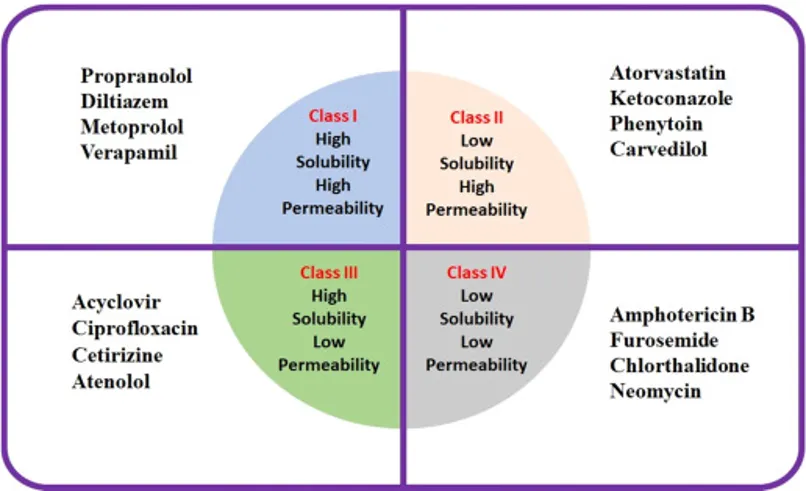
2.2 Factors Affecting Drug Solubility
A number of physical and chemical parameters determine the aqueous solubility and dissolution of pharmaceutical substances. Structural characteristics play an important part, since features such as molecular weight, polarity, lattice energy, and the presence of hydrogen bonding determine the ability of the substance molecules to interact with the aqueous medium and hence affect solubility [4]. Another key factor determining solubility is the particle size; the smaller the particles, the greater the surface area exposed to solvent and thus more rapid is the dissolution process. Nanoparticles, owing to their high surface area to volume ratios, show significantly better solubility and dissolution characteristics than ordinary micronized particles [5].
Solubility is also strongly affected by the crystal structure of the drug since polymorphic modifications have different molecular packing and lattice energies. Amorphous forms usually have high solubility and faster dissolution rate than crystalline structures because of their highly disordered molecular structure [6]. pH and ionization are significant factors for weak acids and bases because variation in pH affects ionization, which in turn affects solubility and dissolution [5,6]. Temperature likewise influences drug solubility, with most pharmaceutical compounds exhibiting increased solubility at higher temperatures due to enhanced molecular mobility, greater solvent penetration, and stronger solute–solvent interactions [4]. Understanding these factors is essential for the rational design of formulation strategies aimed at improving the solubility and bioavailability of poorly water-soluble drugs.
2.3 Limitations of Conventional Solubility Enhancement Techniques
A variety of traditional methods have been successfully applied to improve the solubility and bioavailability of low solubility drugs; however, all of these methods have inherent disadvantages. One of the most common solubilization methods used for ionizable drugs is salt formation, which helps in increasing both aqueous solubility and the dissolution rate. However, this method is not always applicable and may even cause problems related to the stability of the formulated drug [5]. Co-solvency involves the use of organic solvents in order to increase drug solubility; however, this method is often limited due to issues related to safety and stability [5,6].
Cyclodextrin complexation helps increase drug solubility by forming inclusion complexes between the drug and cyclodextrin molecules. Nonetheless, high amounts of cyclodextrins required in formulations might make their cost of preparation prohibitive [4]. The solid dispersion technique has shown great promise in improving both dissolution rates and drug bioavailability; however, amorphous solid dispersions suffer from poor stability during storage [5]. Likewise, micronization enhances drug dissolution rate by increasing its surface area; however, micronized powders often suffer from agglomeration issues [6]. Owing to these limitations, there remains a growing need for advanced drug delivery technologies capable of providing significant, reproducible, and sustained enhancement of drug solubility and bioavailability, thereby improving therapeutic efficacy and patient outcomes.
3. NANOTECHNOLOGY AS A SOLUTION FOR POORLY SOLUBLE DRUGS
Nanotechnology provides multiple advantages over traditional formulation strategies. Drug nanoparticles significantly enhance apparent solubility and dissolution rates while simultaneously improving pharmacokinetic performance. [7,8] Nanoparticles can be engineered to achieve specific therapeutic objectives through manipulation of size, morphology, surface charge, and composition. [9]. Recent advances in material science, polymer chemistry, lipid technology, and surface engineering have expanded the range of available nanocarriers and improved their clinical applicability. [10] As a result, nanoparticle-based drug delivery systems are increasingly regarded as one of the most promising strategies for addressing solubility-related challenges in pharmaceutical development.
4. TYPES OF NANOPARTICLE-BASED DRUG DELIVERY SYSTEMS FOR POORLY SOLUBLE DRUGS
Table 1: Comparison of Various Nanoparticle-Based Drug Delivery Systems
|
System |
Size Range (nm) |
Drug Loading |
Advantages |
Limitations |
|
Polymeric Nanoparticles |
50–500 |
High |
Controlled release |
Complex production |
|
Solid Lipid Nanoparticles |
50–1000 |
Moderate |
Biocompatible |
Drug expulsion |
|
Nanostructured Lipid Carriers |
50–500 |
High |
Improved stability |
Formulation complexity |
|
Liposomes |
50–1000 |
Moderate |
Excellent safety |
Physical instability |
|
Polymeric Micelles |
10–100 |
Moderate |
Solubilization capacity |
Dilution instability |
|
Dendrimers |
1–20 |
High |
Precise architecture |
High cost |
|
Nanoemulsions |
20–200 |
Moderate |
Enhanced absorption |
High surfactant requirement |
|
Nanocrystals |
50–1000 |
Very High |
Maximum drug loading |
Aggregation tendency |
4.1 Polymeric Nanoparticles
Polymeric nanoparticles are among the most extensively investigated nanocarrier systems for improving the delivery of poorly soluble drugs. These systems consist of biodegradable ad biocompatible polymers capable of encapsulating, adsorbing, entrapping, or chemically conjugating therapeutic agents within a nanoscale matrix. [11]
4.1.1 Nanospheres
Nanospheres are matrix systems in which drug molecules are uniformly dispersed throughout the polymeric structure. Drug release occurs through diffusion, erosion, or degradation of the polymer matrix. [12]
4.1.2 Nanocapsules
Nanocapsules consist of a polymeric shell surrounding a drug-containing core. The drug may be dissolved or dispersed within the internal cavity, enabling controlled release characteristics. [13]
Common Polymers Used
Advantages
4.2 Solid Lipid Nanoparticles (SLNs)
Solid lipid nanoparticles have been designed to serve as alternative carriers to polymeric nanoparticles and emulsions because of problems of stability and toxicity of existing carriers [14].
SLNs consist of lipids that are biocompatible and exist in a solid state at room temperature and body temperature. Drug is encapsulated within the lipid matrix with the use of surfactants.
Composition
Lipid Core
Surfactants
Mechanism of Solubility Enhancement
The nanoscale dimensions of SLNs increase the surface area available for dissolution. Furthermore, the lipid matrix facilitates lymphatic transport, bypassing first-pass hepatic metabolism and enhancing oral bioavailability [15].
Advantages
Applications
SLNs have been successfully employed for the delivery of:
Significant improvements in dissolution and bioavailability have been reported for these poorly soluble drugs [16].
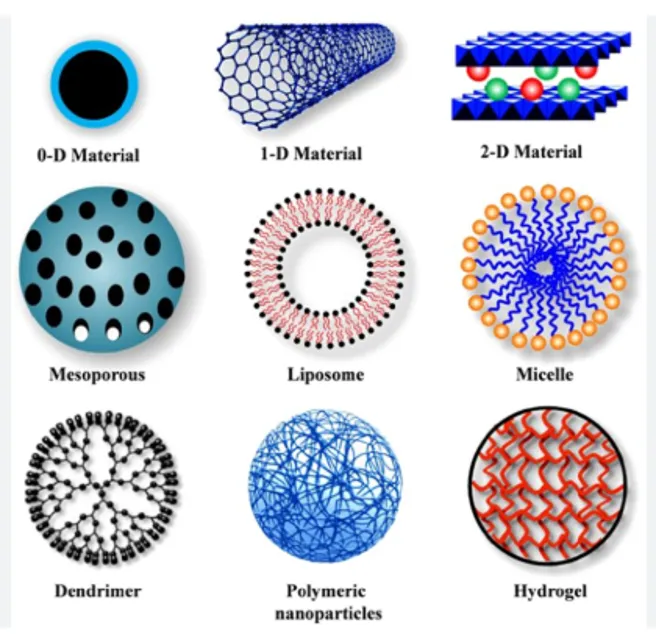
Figure 2: Schematic Representation of Various Nanoparticle-Based Drug Delivery Systems
4.3 Nanostructured Lipid Carriers (NLCs)
The second generation of lipid nanoparticles that have been designed to solve the problems of SLNs is termed nanostructured lipid carriers (NLCs). The distinguishing feature between SLNs and NLCs is that while SLNs consist of only solid lipids, NLCs are made up of both solid and liquid lipids.
Components
Solid Lipids
Liquid Lipids
Types of NLCs
Advantages
Applications
NLCs have shown promising results for:
Several studies reported 3–10-fold increases in oral bioavailability compared with conventional formulations [18].
4.4 Liposomes
Liposomes are spherical vesicles consisting of phospholipid bilayers enclosing aqueous compartments. They represent one of the earliest nanoparticle systems successfully translated into clinical practice [5].
Structure
A liposome consists of:
Hydrophilic drugs are entrapped within the aqueous core, while lipophilic drugs are incorporated into the lipid bilayer.
Types of Liposomes
Advantages
Clinical Applications
Approved liposomal formulations include:
Liposomes have demonstrated significant improvements in therapeutic index and reduction of systemic toxicity [6].
4.5 Polymeric Micelles
Polymeric micelles are self-assembled colloidal systems formed by amphiphilic block copolymers in aqueous environments [7].
These nanocarriers typically possess:
The hydrophobic core solubilizes poorly water-soluble drugs, while the hydrophilic shell provides steric stabilization.
Common Polymers
Mechanism of Drug Solubilization
Hydrophobic drug molecules partition into the micellar core, resulting in substantial increases in apparent aqueous solubility.
Advantages
Applications
Polymeric micelles have improved the delivery of:
Several formulations have entered clinical trials for cancer therapy [8].
4.6 Dendrimers
Dendrimers are highly branched, monodisperse macromolecules possessing a tree-like architecture [9].
Structural Components
Common Dendrimers
Mechanisms of Solubility Enhancement
Poorly soluble drugs may be:
Advantages
Applications
Dendrimers have enhanced the solubility of:
Studies indicate substantial increases in aqueous solubility and therapeutic efficacy [10].
4.7 Nanoemulsions
Nanoemulsions are kinetically stable dispersions of oil and water stabilized by surfactants, with droplet sizes typically ranging from 20 to 200 nm [11].
Types
Advantages
4.8 Drug Nanocrystals
Drug nanocrystals represent pure drug particles reduced to nanometer dimensions and stabilized by surfactants or polymers [13].
Unlike other nanocarriers, nanocrystals contain little or no carrier material, resulting in exceptionally high drug loading.
Mechanism of Solubility Enhancement
Reduction in particle size leads to:
Preparation Methods
Top-Down Techniques
Bottom-Up Techniques
Advantages
5. PREPARATION METHODS OF NANOPARTICLE-BASED DRUG DELIVERY SYSTEMS
The physicochemical characteristics, stability, drug loading capacity, release behavior, and therapeutic efficacy of nanoparticles are strongly influenced by the method of preparation. Selection of an appropriate manufacturing technique depends on drug properties, polymer or lipid characteristics, desired particle size, scalability, and intended route of administration [15].
5.1 Particle Size Analysis
Particle size significantly influences dissolution rate, biodistribution, cellular uptake, and therapeutic performance.
Techniques
Typical particle sizes range from 10–500 nm depending on formulation type [16].
5.2 Polydispersity Index (PDI)
PDI describes particle size distribution uniformity.
|
PDI Value |
Interpretation |
|
<0.1 |
Highly uniform |
|
0.1–0.3 |
Acceptable distribution |
|
>0.3 |
Broad size distribution |
Lower PDI values indicate greater formulation homogeneity [17].
5.3 Zeta Potential
Zeta potential reflects surface charge and colloidal stability.
|
Zeta Potential |
Stability |
|
±10 mV |
Unstable |
|
±20–30 mV |
Moderate stability |
|
> ±30 mV |
Good stability |
Nanoparticles possessing high absolute zeta potential values generally demonstrate enhanced storage stability [18].
5.4 Morphological Characterization
Morphology affects dissolution behavior, cellular uptake, and drug release.
Techniques
These techniques help determine particle shape, aggregation behavior, and surface characteristics [19].
5.5 Drug Loading and Encapsulation Efficiency
Drug Loading (%)
Drug Loading = (Weight of Drug in Nanoparticles / Total Weight of Nanoparticles) × 100
Encapsulation Efficiency (%)
Encapsulation Efficiency = (Entrapped Drug / Total Drug Added) × 100
High encapsulation efficiency is desirable for maximizing therapeutic effectiveness and reducing production costs [20].
5.6 Differential Scanning Calorimetry (DSC)
DSC is employed to investigate thermal behavior and drug-excipient interactions.
Applications
Disappearance of drug melting peaks often indicates successful encapsulation or amorphization [21].
5.7 In Vitro Drug Release Studies
Drug release studies evaluate release kinetics and predict in vivo performance.
Mathematical Models
These models help elucidate drug release mechanisms [24].
6. PREPARATION METHODS OF NANOPARTICLE-BASED DRUG DELIVERY SYSTEMS
Nanoparticles' physicochemical properties, stability, drug loading, drug release, and efficacy are largely dependent upon the method used for their fabrication. The choice of the technique required for fabrication greatly depends upon drug, polymer/lipid properties, required size of particles, scalability, and route of administration [10]

Figure 3: Mechanisms of Solubility Enhancement by Nanoparticles
6.1 Emulsification–Solvent Evaporation Method
One of the most commonly used methods for synthesizing polymeric nanoparticles is the emulsion-solvent evaporation process. The drug-polymer mixture is dissolved in an organic solvent like dichloromethane, ethyl acetate, or chloroform. The organic phase is then emulsified into the aqueous phase, which contains surfactants. After the evaporation of the solvent, nanoparticles form from the precipitation of the polymer.
Advantages
Applications
Used extensively for PLGA, PLA, and PCL nanoparticle formulations of paclitaxel, curcumin, and docetaxel [11].
6.2 Nanoprecipitation Method
Nanoprecipitation, which is also called solvent displacement, is a simple and effective process that produces polymeric nanoparticles. The polymer and drug are dissolved in a solvent that is miscible with water like acetone or ethanol and then transferred into an aqueous solution while stirring.
Advantages
Applications
Widely used for preparation of curcumin, itraconazole, and quercetin nanoparticles [12].
6.3 High-Pressure Homogenization
Nanoprecipitation, or solvent displacement, is a simple technique that can be used effectively to fabricate polymeric nanoparticles. The polymer and the drug are first dissolved in a water miscible organic solvent, like acetone or ethanol, before being introduced into the aqueous phase under agitation. The rapid diffusion of solvent leads to polymer precipitation.
Advantages
Applications
Used in marketed nanocrystal products such as sirolimus and fenofibrate formulations [13].
6.4 Media Milling
Media milling is a top-down approach for preparing drug nanocrystals. Drug particles are reduced in size through mechanical attrition using milling media such as zirconium oxide or glass beads.
Advantages
Applications
Used for aprepitant, fenofibrate, and megestrol acetate nanocrystal formulations [14].
6.5 Solvent Injection Method
The solvent injection technique is commonly employed for liposomes and lipid nanoparticles. The lipid phase dissolved in organic solvent is rapidly injected into an aqueous phase, causing spontaneous nanoparticle formation.
Advantages
6.6 Microemulsion Technique
Microemulsion-based methods are frequently used for preparing lipid nanoparticles. Warm microemulsions containing lipids, surfactants, and co-surfactants are dispersed into cold aqueous media, resulting in rapid lipid solidification and nanoparticle formation.
Advantages
6.7 Supercritical Fluid Technology
Supercritical fluid technology has emerged as an environmentally friendly approach for nanoparticle preparation. Supercritical carbon dioxide acts as an antisolvent, causing rapid precipitation of dissolved drug molecules into nanoparticles.
Advantages
Applications
Used for preparation of paclitaxel, curcumin, and anti-cancer nanocrystals [15].
7. RECENT ADVANCES AND FUTURE PERSPECTIVES
Nanotechnology continues to evolve rapidly, providing innovative solutions for overcoming current limitations in drug delivery. Emerging technologies are focused on improving targeting efficiency, therapeutic precision, patient-specific treatment, and sustainable manufacturing practices.
7.1 Surface-Functionalized Nanoparticles
Surface functionalization refers to the modification of nanoparticle surfaces with polymers, peptides, antibodies, aptamers, carbohydrates or other targeting ligands. Modifications such as these enhance circulation time, decrease immune recognition, and improve site-specific drug delivery
7.2 Stimuli-Responsive Systems
"Smart" nanoparticles that respond to physiological stimuli or external factors like pH, temperature, enzymes, redox potential, magnetic field, ultrasound, or light act as vehicles for drug delivery. This system allows for the targeted delivery of drugs in order to reduce systemic toxicity. "Smart" nanoparticles that respond to physiological stimuli or external factors like pH, temperature, enzymes, redox potential, magnetic field, ultrasound, or light act as vehicles for drug delivery. This system allows for the targeted delivery of drugs in order to reduce systemic toxicity.
7.3 Targeted Nanocarriers
Targeted nanocarriers utilize active targeting mechanisms to selectively accumulate at diseased tissues. Targeting ligands such as monoclonal antibodies, folic acid, transferrin, peptides, and aptamers can recognize overexpressed receptors on cancer cells or diseased tissues.
7.4 Hybrid Lipid–Polymer Nanoparticles
Hybrid nanoparticles combine the advantages of polymeric nanoparticles and lipid-based carriers within a single platform. The polymeric core provides structural stability and controlled drug release, while the lipid shell enhances biocompatibility and cellular uptake.
8. FUTURE OUTLOOK
Future research is expected to focus on multifunctional nanocarriers, gene and nucleic acid delivery systems, CRISPR-based therapeutics, environmentally sustainable manufacturing technologies, and AI-driven precision medicine. Continued integration of pharmaceutical sciences, biotechnology, materials engineering, and computational approaches will further accelerate the clinical translation of nanoparticle-based drug delivery systems. As a result, nanotechnology is expected to play a transformative role in the development of safer, more effective, and patient-centered therapies.
9. CONCLUSION
Poor aqueous solubility remains one of the major challenges in contemporary pharmaceutical development, limiting the therapeutic effectiveness of numerous drug candidates. Conventional solubility enhancement approaches, although useful, often fail to provide adequate improvements in dissolution and bioavailability. Nanoparticle-based drug delivery systems have emerged as highly effective alternatives capable of overcoming these limitations through multiple mechanisms, including particle size reduction, increased surface area, enhanced saturation solubility, improved wettability, and targeted delivery.
Various nanoparticle systems such as polymeric nanoparticles, solid lipid nanoparticles, nanostructured lipid carriers, liposomes, dendrimers, polymeric micelles, nanoemulsions, and nanocrystals have demonstrated remarkable success in enhancing the delivery of poorly soluble drugs. These technologies not only improve bioavailability but also facilitate controlled release, tissue targeting, reduced toxicity, and enhanced therapeutic efficacy.
Significant advances in formulation science, material engineering, surface modification, and manufacturing technologies have accelerated the translation of nanomedicines from laboratory research to clinical applications. The successful commercialization of several nanoparticle-based products confirms the practical value of nanotechnology in modern drug delivery.
Future developments in stimuli-responsive systems, targeted nanocarriers, gene delivery platforms, personalized nanomedicine, and green manufacturing technologies are expected to further expand the scope and impact of nanoparticle-based drug delivery systems. Consequently, nanotechnology will continue to play a pivotal role in improving the therapeutic performance of poorly soluble drugs and advancing patient-centered healthcare.
REFERENCES


Rutuja Kakad, Shital Dhanmane, Dr. Vijay Borkar, Development and Characterization of Nanoparticle-Based Drug Delivery Systems for Poorly Soluble Drugs: A Review, Int. J. of Pharm. Sci., 2026, Vol 4, Issue 6, 7369-7384. https://doi.org/10.5281/zenodo.21044080
 10.5281/zenodo.21044080