

We use cookies to ensure our website works properly and to personalise your experience. Cookies policy
S. S. P. Shikshan Sanstha’s Siddhi College of Pharmacy, Chikhali, Pune, 411062
Buccal drug delivery systems have emerged as a promising alternative to conventional oral dosage forms, offering rapid onset of action, avoidance of first pass metabolism, and improved patient compliance. Among these, buccal patch and patches provide a thin, flexible platform capable of delivering both synthetic and herbal actives directly through the oral mucosa. Herbal compounds such as menthol, eugenol, thymol, and camphor possess therapeutic potential but face challenges of volatility, solubility, and taste acceptability. Incorporating these actives into buccal patch using polymers like hydroxypropyl methylcellulose (HPMC), along with excipients such as propylene glycol, polyvinylpyrrolidone (PVP), and hydroxypropyl ? cyclodextrin (HP ? CD), can enhance stability, sensory acceptability, and drug release. This review article highlights the formulation strategies, excipient roles, and evaluation parameters essential for buccal film development, including thickness, folding endurance, surface pH, disintegration time, drug content uniformity, and in vitro release studies. Comparative analysis of excipients demonstrates their impact on mechanical strength, solubility enhancement, and patient acceptability. Furthermore, the article discusses limitations such as short term stability data, lack of in vivo studies, and restricted excipient range, while outlining future scope in industrial scale up, advanced analytical techniques, and clinical validation. Overall, buccal patch represents a novel, patient friendly dosage form for herbal actives, bridging traditional remedies with modern pharmaceutical technology and offering significant potential for therapeutic innovation.
Drug delivery through the buccal mucosa has gained significant attention in recent years as an innovative alternative to conventional oral dosage forms, largely because the buccal route offers unique physiological advantages such as rapid onset of action, avoidance of hepatic first‑pass metabolism, and improved patient compliance, making it particularly suitable for drugs that require fast absorption or those that are degraded in the gastrointestinal tract; thin, flexible buccal patch or patches have emerged as especially attractive dosage forms since they can adhere to the mucosal surface, provide controlled drug release, and are easy to administer without the need for water.1 Thereby enhancing patient convenience and compliance, and these attributes make buccal patch suitable for both synthetic drugs and herbal actives, bridging modern pharmaceutical technology with traditional medicine; herbal compounds such as menthol, eugenol, thymol, and camphor are widely recognized for their therapeutic properties, including analgesic, antimicrobial, and anti‑inflammatory effects, yet their direct use in conventional dosage forms is limited due to volatility, poor solubility, and strong odor or taste, which often compromise stability and patient acceptability.2 Therefore incorporating these actives into buccal patch provides a novel approach to overcome these challenges by stabilizing the compounds, masking undesirable sensory properties, and ensuring rapid release at the site of action, ultimately improving therapeutic outcomes; formulation of buccal patch typically involves polymers such as hydroxypropyl methylcellulose (HPMC), which provides film‑forming ability, mechanical strength, and biocompatibility, serving as the backbone of the buccal patch.3 While excipients play a crucial role in optimizing the formulation, with propylene glycol (PG) acting as a plasticizer and solubilizer to improve flexibility and enhance drug dispersion, hydroxypropyl‑β‑cyclodextrin (HP‑β‑CD) forming inclusion complexes that enhance stability and mask odor, and polyvinylpyrrolidone (PVP) improving dispersion and facilitating drug release, and the careful selection and combination of these excipients determine the final performance of the buccal patch.4 Influencing parameters such as mechanical strength, disintegration time, and release profile; evaluation of buccal patch is essential to ensure quality, reproducibility, and therapeutic efficacy, with parameters such as thickness, folding endurance, surface pH, disintegration time, drug content uniformity, and in‑vitro release providing insights into mechanical strength, patient acceptability, and therapeutic potential, and these tests not only validate the formulation but also the optimization.5 Guide optimization for industrial scalability, with thickness measured using digital calipers to ensure uniformity, folding endurance determined by repeated folding until breakage to assess flexibility, surface pH measured to confirm compatibility with buccal mucosa, disintegration time recorded in simulated saliva to reflect patient acceptability, drug content uniformity analyzed by UV‑Visible spectrophotometry or HPLC to confirm dose consistency, and in‑vitro release studies conducted using dissolution apparatus or Franz diffusion cells to evaluate release profiles, all of which contribute to a comprehensive understanding of formulation performance.6 Despite the promise of buccal patch, certain limitations remain, as most studies are restricted to laboratory scale with limited data on long‑term stability and in‑vivo performance, sensory evaluation and patient acceptability are often inferred rather than clinically validated, and advanced analytical techniques such as HPLC, GC‑MS, and FTIR are underutilized in quantifying volatile herbal actives and confirming excipient interactions.7 While industrial scale‑up poses challenges in terms of reproducibility, drying techniques, and packaging stability, and regulatory guidelines for herbal buccal patch are still evolving, creating uncertainty in commercialization, so addressing these gaps will be critical for translating buccal film technology into successful therapeutic products.8 Future research should therefore focus on industrial scale‑up by developing reproducible casting and drying techniques suitable for large‑scale production, advanced analytical validation employing HPLC, GC‑MS, and DSC to quantify actives and confirm stability, clinical studies to validate bioavailability, patient acceptability, and therapeutic efficacy, sensory evaluation incorporating taste panels and patient feedback to optimize sensory properties, and exploration of novel polymers such as biopolymers and nanocomposite patch for enhanced performance.9 By bridging traditional herbal remedies with modern pharmaceutical technology, buccal patch represents a promising innovation in drug delivery systems, offering the potential to transform herbal actives into standardized, patient‑friendly dosage forms with significant therapeutic impact, thereby contributing to the modernization of herbal medicine, the advancement of pharmaceutics, and the development of novel dosage forms that meet both academic and industrial expectations.10
SALIENT FEATURES OF FAST DISSOLVING PATCH:
Fast dissolving buccal patches offer convenient administration, particularly for patients who are mentally challenged, physically disabled, or uncooperative. They do not require water and rapidly disintegrate and dissolve upon application. These patches are non-obstructive, leave little to no residue in the oral cavity, and provide a pleasant mouthfeel. Additionally, they eliminate the risk of choking. This drug delivery system supports relatively high drug loading and combines the benefits of liquid formulations with the stability of solid dosage forms. Fast dissolving patches are compatible with existing manufacturing and packaging technologies, making them cost-effective. They also exhibit excellent mucoadhesive properties and can be designed in a variety of shapes and sizes to suit different applications.11
Advantages of Buccal patch
Disadvantages of Buccal patch
Formulation considerations:
Formulation of fast dissolving buccal patches involves careful consideration of both aesthetic and functional properties, including taste masking, rapid dissolution, appearance, and mouthfeel. These films are typically thin, with a surface area ranging from 5–20 cm², and contain the active pharmaceutical ingredient. Rapid dissolution in saliva or water is achieved through the use of a specially designed matrix composed of water-soluble polymers. Generally, drugs can be incorporated up to a single dose of about 15 mg. Various formulation factors influence the mechanical properties of the patch, such as modification of the glass transition temperature to lower levels for improved flexibility. The selection of excipients plays a crucial role in achieving the desired performance characteristics. From a regulatory standpoint, all excipients used should be Generally Recognized as Safe (GRAS) and approved for use in oral pharmaceutical dosage forms.14
Preparation of Polyherbal Buccal patch:
The buccal patches were formulated using the solvent casting method as described below:
Preparation of polymer solution: A specified quantity of HPMC was dissolved in distilled water with continuous stirring until a uniform, viscous solution was obtained.
Addition of plasticizer: A plasticizer such as glycerin or PEG 400 was incorporated into the polymer solution, typically at a concentration of 10–20% w/w of the polymer.
Incorporation of herbal extracts: Precisely weighed amounts of herbal ingredients were added to the polymer–plasticizer mixture with constant stirring to ensure even distribution.
Addition of optional ingredients: If required, sweeteners and flavoring agents were included to enhance palatability.
Casting and drying: The resulting homogeneous solution were poured into a Petri dish and allowed to dry either at room temperature or in a hot air oven maintained at 40–50°C for 24–48 hours.
Film cutting: The dried film was then cut into 2 × 2 cm² patches, each containing a uniform and predetermined dose of the herbal extract.15
Solvent casting technique
The film-forming polymer(s) were first dissolved in a suitable solvent with continuous stirring using a magnetic stirrer or hotplate until a clear and homogeneous solution was obtained. A plasticizer was then added to enhance flexibility and reduce brittleness of the film, followed by thorough mixing to ensure uniform dispersion. Subsequently, the Passiflora incarnata extract was incorporated into the polymer–plasticizer solution with gentle stirring to avoid foaming and to achieve uniform distribution. A sweetener, such as aspartame, was then added to improve palatability. The prepared solution was allowed to stand for some time to eliminate any entrapped air bubbles. The final homogeneous mixture was poured into a clean Petri dish and spread evenly using a casting knife or film applicator to obtain uniform thickness. The film was then dried under controlled conditions, either in a hot air oven at 40–50°C or at room temperature in a dust-free environment, for approximately 24–48 hours. After drying, the film was carefully removed and cut into uniform strips of the desired size (e.g., 2 × 2 cm²). The prepared films were stored in moisture-resistant, airtight packaging such as aluminum pouches to protect them from humidity and light.16
Limitations of Buccal patch
COMMON COLD
Common colds are infections affecting the upper respiratory tract, primarily the nasal mucosa. They may manifest as "colds," "sore throats," "sinusitis," "ear infections," or "bronchitis." Symptoms include sneezing, runny nose, headache, and malaise. Roughly 50% experience a sore throat, and 40% develop a cough. Frequent childhood colds increase the likelihood of recurring colds later on.18 While the cold itself is harmless, bacterial infections may follow, leading to more serious issues. It's the most common acute illness, affecting half the U.S. population annually, causing significant work and school absenteeism. Seasonal patterns show various viruses causing outbreaks, with rhinovirus peaking in early fall and late spring. This article covers the common cold's cause, pathogenesis, treatment, diagnostic tests, and differential diagnoses.19 The common cold is a widespread upper respiratory infection, causing symptoms like runny nose, nasal congestion, and sneezing. It is the second most common diagnosis in physician offices and the leading reason for emergency department visits. Many people use cough and cold medications, vitamins, and herbal supplements for prevention and relief. Despite its prevalence, treating the common cold remains challenging. Antibiotics are ineffective, and over-the-counter products vary in effectiveness. Cough medications, like dextromethorphan, show conflicting results, and caution is advised, especially in children. Antihistamines and decongestants may have modest benefits, but their use is debated, and the risk of adverse effects exists.20 Complementary therapies like Echinacea, vitamin C, zinc, and humidified air are popular, but evidence is inconclusive. Echinacea and zinc have mixed results, while vitamin C may slightly reduce severity and duration if taken before symptoms. Humidified air and fluid intake are generally considered safe but may not universally relieve symptoms. In summary, treating the common cold focuses on symptom relief, but the effectiveness of many medications and supplements is uncertain. Caution is advised in using certain products, especially in children.21
How Common is the Common Cold?
Young children typically experience five to seven respiratory illnesses annually, with daycare attendance doubling the rate. Colds decrease with age, and boys under school age have more than girls, while women, especially during childbearing years, face more later respiratory illnesses. Colds are common human infections, occurring 1.2 times per year in infants and close to once per year in young adults. While viral infections can be symptomless, 70-90% result in symptoms. Although rarely fatal or complicated, colds impose a significant burden on health and economic costs.22
Symptoms
In a study on cold symptoms, early ones like headache and sneezing appeared quickly and faded in 1-2 days, while later symptoms like nasal issues and cough developed slowly over several days, lingering for a week. Sneezing starts early because upper airways are affected first, triggered by the trigeminal nerves. Cough comes later as it involves lower airways controlled by vagus nerves. In influenza, fever is an early short-lived symptom, caused by immune response, while nasal issues persist due to slower onset of inflammatory mediators like prostaglandins and bradykinin.23
Sore throat: Early viral infections in the nasopharynx can cause a scratchy throat sensation, possibly due to the release of bradykinin. This irritation may progress to sore throat associated with conditions like nasopharyngitis or tonsillitis, potentially involving bacterial infection. Prostaglandins and bradykinin likely stimulate sensory nerves, leading to throat pain, mediated by cranial nerves in the airway.
Rhinorrhoea: Nasal discharge during URTIs is a mix of glandular, cell, and plasma elements, varying with infection severity. Early watery discharge, triggered by trigeminal nerves, can be reduced by certain medications. It includes protein-rich plasma from capillaries. The colour change in discharge doesn't indicate the need for antibiotics; it reflects inflammation severity, with green indicating more leukocytes.
Nasal congestion: Nasal congestion, a common symptom in URTIs, worsens during the first week. It's caused by swollen veins in the nasal lining due to inflammation mediators like bradykinin. These swollen veins block airflow, especially in narrow areas like the nasal valve region. Nasal congestion fluctuates due to changes in sympathetic nerve activity, leading to asymmetrical airflow, potentially blocking one nostril completely.
Sinus pain: Sinus infections, common in URTIs, lead to inflammation and mucus buildup in the sinuses. Sinus pain can result from pressure changes, blocked ostia, and inflammatory mediators triggering pain nerves. Changes in posture may worsen pain by affecting blood vessel dilation and trigeminal nerve stimulation.
Watery eyes: Watery eyes (epiphora) often signal allergic or infectious rhinitis, especially in children. This symptom can occur when the opening of the tear duct into the nose gets blocked due to inflammation and congestion of blood vessels in the nasal lining, leading to tears accumulation. The tear duct has a vein network similar to that of the nasal lining, which, when congested, obstructs tear drainage. Nerve signals regulate tear outflow by controlling the congestion of this vein network.
Cough: Cough, a major symptom of URTIs, can persist for over 3 weeks and is a primary reason for doctor visits. It's controlled by the vagus nerve and triggered by inflammation reaching the larynx or below. Initially dry, cough aids in clearing mucus but can become unproductive due to airway inflammation, leading to discomfort and exhaustion. It may also occur spontaneously or with minimal stimuli.
Headache: Headache is a frequent early symptom in URTIs, affecting over 60% of patients with sore throat. Its exact cause is unclear, but it's hypothesized to stem from cytokines released during viral infection. Administration of certain cytokines, like tumor necrosis factor and interferons, has been linked to headache, similar to side effects seen in multiple sclerosis and hepatitis treatments. This headache often accompanies other URTI symptoms like fatigue, nausea, and malaise.
Chilliness and fever: Chilliness is an early common cold symptom, possibly due to skin blood vessel constriction despite no actual drop in body temperature. It's likely triggered by cytokines affecting the brain's temperature control center, leading to sensations of cold and shivering. Fever, more common in infants than adults with colds, is initiated by cytokines like interleukin 1 and 6, signaling the hypothalamus to raise the body's thermal set point.
Anorexia: Anorexia, often experienced during URTIs, is driven by cytokines released in response to infection, inhibiting appetite through effects on the hypothalamus. This decrease in food intake is considered a beneficial response aiding the body's fight against infection by conserving energy, reducing heat loss, and limiting nutrient availability for pathogens. This aligns with the saying "feed a cold and starve a fever," suggesting that reduced food intake during fever may help combat illness.
Muscle aches and pains: Muscle aches (myalgia) are common during URTIs, affecting about half of common cold patients. This symptom is part of the body's acute response to infection, likely triggered by cytokines affecting skeletal muscle. Proinflammatory cytokines can lead to muscle protein breakdown, causing myalgia, which can be relieved by anti-inflammatory medications like acetylsalicylic acid. This pain is mediated by prostaglandin E2, produced in response to cytokine stimulation, affecting peripheral pain receptors in muscles.
Psychological effects, malaise, and mood changes: Physical symptoms of URTIs like nasal congestion and cough can lead to discomfort and mood changes, but cytokines released during these infections may also affect the central nervous system, causing psychological changes. Interferon therapy for chronic viral diseases produces flu-like side effects, including fatigue, mood swings, and cognitive impairments. Cytokines like tumor necrosis factor and interleukins are linked to both sickness behavior and URTIs, potentially influencing mood alterations during infections.24
Treatment
Various strategies have been explored to combat rhinovirus infections, including antiviral agents targeting cell receptors like intercellular adhesion molecule 1 (ICAM-1) and zinc ions, but their effectiveness in vivo remains uncertain. Symptomatic therapy remains the mainstay for treating the common cold, although controversy surrounds the efficacy of over-the-counter medications, particularly in children. Both topical and oral adrenergic agents are used for nasal congestion relief, with topical agents being more potent but posing a risk of rhinitis medicamentosa with prolonged use. Antihistamines do not alleviate nasal congestion, but atropine or ipratropium bromide can reduce rhinorrhea by blocking cholinergic glandular stimulation, though their efficacy in colds is still being evaluated. Sneezing and sore throat are common cold symptoms, with antihistamines effectively treating sneezing and mild analgesics often used for sore throat associated with myalgia or headache. Cough during colds may have various causes, with treatments ranging from antihistamine/ decongestant combinations to bronchodilators, while persistent cough may require antibiotic therapy or novel approaches combining anti-inflammatory and antiviral agents for enhanced efficacy.25
EUTECTIC MIXTURE
A eutectic mixture is a combination of two or more components that exhibit a unique melting point lower than that of any of its individual constituents. In pharmaceuticals, eutectic mixtures are utilized as solid systems to enhance the solubility, dissolution rate, or oral bioavailability of poorly water-soluble drugs. They are formed through the mixing of drug substances or drug-carrier combinations, leading to improved drug performance.
Liquid crystals in LCDs typically consist of mixed systems rather than single compounds due to two primary reasons. Firstly, the wide temperature range required for LCD applications (typically -10 to +60°C or even -30 to +100°C) cannot be met by any single compound. Secondly, LCDs demand specific combinations of physical properties such as electric permittivity’s, optical refractive indices, elastic constants, and viscosities, along with their temperature dependencies, which no single compound can fulfil adequately. Therefore, mixtures are essential to achieve optimal performance across various display modes.26
A classic example of a eutectic mixture involving three phases is the system of water (H2O), ice (solid water), and sodium chloride (NaCl). At a specific composition and temperature, these three substances can form a eutectic mixture with three phases: solid ice, solid sodium chloride, and liquid water. This occurs at approximately -21.1°C and a composition of around 23.3% NaCl by weight. At this point, all three phases coexist in equilibrium. This type of eutectic mixture finds applications in areas such as cryobiology, where it is used in the preservation of biological samples.27
BUCCAL DRUG DELIVERY SYSTEM
Characteristics
Distributes the medication under certain guidelines possesses sufficient mechanical durability and attaches rapidly with the buccal mucosa.
Formulation Design for Buccal Delivery
Traditional dose forms cannot guarantee beneficial dosages within the mucosa and bloodstream for mucosal and transmucosal delivery due to the mouth cavities physiological clearance. (Salivary and mechanical pressure washes effects), can remove the medication into the mucosa, leading to an extremely brief exposure period and erratic dosage distribution at the point of its effect or absorption. Thus, it is essential to increase with extend the interaction with the active component with the oral cavity in order to achieve the beneficial effect. Designs with buccal administration must include the following ingredients in order to meet treatment specifications: mucoadhesive substances, which keep the medication in close, extended contact with the absorption area. penetration boosters to increase medication's absorption through the mucosa (transmucosal administration) or within the thickest parts within the epithelium (mucosal transport); dissolution modification to increase the dissolution of insoluble medications; and enzyme blockers to prevent drug breakdown by mucosal enzymes.29
Drug Permeability Through Buccal Mucosa
The mouth mucosa's squamous stratified epithelium can absorb drugs via two different pathways:
According to reports, the paracellular pathway via the intercellular lipids generated by membrane-covered vesicles is the primary method of penetration over the buccal mucosa.30
Anatomy of Buccal Mucosa
The sub-mucosa serves as the middle sheath supporting this Lamina propria, which acts as the outermost coating within the mouth, which is made from stratified squamous epithelium. The oral tasting neuron is one of many sensory receptors. Lacking keratinous tissue, the circulatory system's epithelium is known. Collagen fibers, that make up cells referred to since lamina propria, shield the smooth muscles, circulatory system, and vascular membrane. The covering of the mouth region is divided into unique mucosa, lining, and masticatory. Keratinized cells make up the masticatory membrane, whereas non-keratinized cells line the cheeks, lips, and bottom of the oral cavity, among other places. Various thicknesses and compositions of keratinized and non-keratinized cells exist in oral cavity, while 30% of the mouth's skin is made up of non-keratinized cells and 50% is made up of keratinized cells. The oral mucosa's squamous stratified epithelium is free of keratinization. Multiple cells cover the fibrous tissue known as the lamina propria. The basement wall distinguishes the fibrous tissue layers with the epithelial lining. Several cells within the tonsilament contain significant quantities of amino acids. There are five main areas of the mouth that the mucosa of might be divided based on:
Objectives
Ingredients
Bhimseni Camphor:
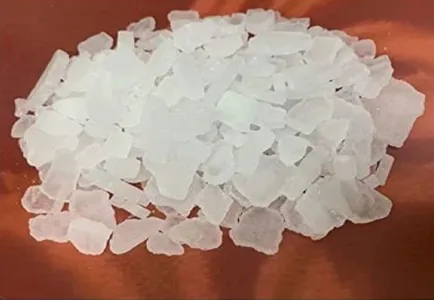
Fig.1: Bhimseni Camphor.32
Camphor, a crystalline substance derived from the wood of the Camphor laurel tree (Cinnamomum camphora), is obtained through a process involving steam distillation and sublimation. This tree is indigenous to regions such as China, India, Mongolia, Japan, Taiwan, and is cultivated in the Southern United States. The chemical composition of camphor is characterized by its main component, camphor, alongside other essential oils like cineol, linalool, and safrole.
The extraction of camphor involves employing steam distillation, a technique that utilizes steam to volatilize and separate the volatile compounds present in the plant material. Subsequently, sublimation is employed to further refine and obtain the crystalline structure of camphor. This dual extraction process ensures the isolation of camphor along with its associated essential oils, which contribute to the diverse chemical profile of the substance.33
Camphor exhibits a range of pharmaceutical applications owing to its multifaceted properties. It functions as an analgesic, exerting pain-relieving effects, and serves as an antiseptic, contributing to its ability to inhibit the growth of microorganisms. Additionally, camphor possesses anti-inflammatory properties, making it valuable in the context of alleviating inflammation. The complex chemical composition of camphor, featuring constituents such as cineol, linalool, and safrole, further contributes to its pharmacological versatility, enabling a broad spectrum of therapeutic applications.
In summary, camphor, sourced from Cinnamomum camphora, undergoes steam distillation and sublimation processes to yield a crystalline substance with diverse chemical constituents. Its main component, camphor, along with essential oils like cineol, linalool, and safrole, imparts various pharmaceutical properties, including analgesic, antiseptic, and anti-inflammatory effects, rendering it a valuable compound in medicinal applications.34
Toxicity and Safety
Safe in little dosages: Historically utilized in herbal treatments and Ayurveda, this substance is thought to be acceptable in topically or inhaled in tiny, controlled dosages.
Significant amounts can result in nausea, vomiting, headaches, weakness, epilepsy, and, in extreme situations, liver damage or difficulty breathing if consumed in overdose.
Topical contact: If administered externally in high doses, it may irritate hypersensitive people's skin or induce allergic reactions.
Extended/high-dose exposition: Large doses may prove lethal; neurotoxicity symptoms like delirium and tremors were seen.
Regulation position: Known to be harmful when taken orally in large quantities, topically and nasal application are allowed at regulated amounts.35
Properties
|
Property |
Scientific Terminology |
|
Rasa (Taste) |
Tikta (Bitter), Katu (Pungent), Madhura (Sweet) |
|
Guna (Qualities) |
Laghu (Light to Digest), Rooksha (Dryness) |
|
Vipika (Post-Digestive Taste |
Katu (Undergoes Pungent Taste Conversion after Digestion) |
|
Veerya (Potency) |
Sheeta (Coolant in Nature) |
|
Effect on Tridosha |
Balances Kapha and Pitta Dosha.36 |
Taxonomy
|
Kingdom: |
Plantae |
|
Order: |
Laurales |
|
Family: |
Lauraceae |
|
Genus: |
Cinnamomum |
|
Species: |
Camphora |
|
Common name: |
Kapür/ Käfür/ Camphor.37 |
Ajwain phool: (Thymol crystals)
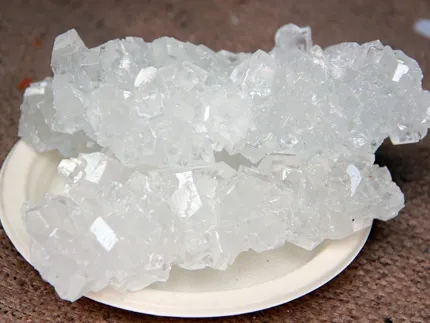
Fig.2: Ajwain phool: (Thymol crystals)38
Thymol, derived from Thymus plants, has a rich history in traditional medicine, offering a range of health benefits, including antimicrobial, antifungal, and anti-inflammatory properties. Thymus species, known for their diverse qualities, contain key constituents like thymol and carvacrol. These compounds have gained recognition in the food and cosmetic industries for their antioxidative and preservative functions. Thymol, extracted from thyme, is widely utilized in various applications, from medical antiseptics to food preservatives.
Dating back to 1719, thymol's historical extraction has paved the way for its present-day recognition as a safe food additive, commonly found in products like Listerine® mouthwash. This review aims to provide a concise overview of thymol's bioactive properties, discussing its applications, historical significance, and essential aspects such as bioavailability and toxicity.39
Antimicrobial Properties of Thymol and Thyme
|
Antimicrobial Properties |
Effect |
|
Spectrum |
Both Gram-positive and Gram-negative microbes are among the broad variety. |
|
Foodborne Bacteria |
Beneficial against Bacillus species, Salmonella, Escherichia, Pseudomonas, and Listeria. |
|
Respiratory Pathogens |
Focuses on Staphylococcus aureus, Streptococcus pneumoniae, Haemophilus influenzae and Streptococcus pyogenes. |
|
Antibacterial Potency |
Thymol and thyme essential oils are quite potent; their lowest inhibiting concentrations range from 3.13 to 6.25 mg/L air. |
|
Fungicidal Effects |
impedes the evolution of Candida albicans and Aspergillus by exhibiting combinatorial actions with eugenol. |
|
Additional Benefits |
Reactive oxygen compounds contribute to fungicidal effects; they strengthen the effects of medications against conditions caused by Cryptococcus and Aspergillosis.40 |
Taxonomy
|
Kingdom: |
Plantae |
|
Subkingdom: |
Tracheobionta |
|
Superdivision: |
Spermatophyta |
|
Division: |
Magnoliophyta |
|
Class: |
Magnoliopsida |
|
Order: |
Apiales |
|
Family: |
Apiaceae |
|
Genus: |
Trachyspermum |
|
Species: |
T. ammi41 |
Asmantara: (Menthol crystals)
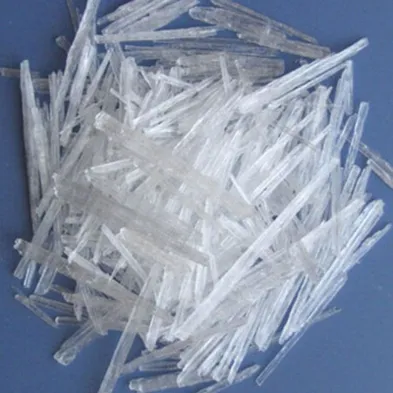
Fig.3: Asmantara: (Menthol crystals).42
Menthol, derived from mint oil, is a widely used flavouring ingredient in products like toothpaste, dental cream, cough syrups, confectionery, pan masala, chewing gums, and pain-relieving preparations. In India, mentha cultivation has proven lucrative for smallholders, seamlessly integrating into existing cropping systems without disturbing major winter or rainy season crops. Recognized as a bonus crop by mint growers, mentha is labor-intensive, offering employment opportunities in rural areas. India cultivates five main varieties, including Menthaarvensis, Mentha-piperita, Menthaspicata, Mentha-veridish, and Menthacitrata. Uttar Pradesh and Punjab are key mint-producing states, with Uttar Pradesh alone contributing about 90% of the total mint production area. Key cultivation districts include Jalandhar, Ludhiana, and Hoshiarpur.43
Antimicrobial Properties of Menthol crystals
|
Antimicrobial Properties |
Effect |
|
Spectrum |
Both Gram-positive and Gram-negative bacteria are among the broad variety. Bacterial barriers are broken down by menthol, which changes permeability and stops development. |
|
Foodborne Bacteria |
shown efficacy towards Salmonella, Staphylococcus aureus, and Escherichia coli, which are sensitive to tetracycline. |
|
Respiratory Pathogens |
exhibits possible effectiveness towards additional airway pathogens as a result of membrane rupture and inhibits Staphylococcus aureus. |
|
Antibacterial Potency |
Although precise MIC values vary by strain and surroundings, menthol may reduce the development of bacteria even modest dosages. Effectiveness fluctuates together with quantity. |
|
Fungicidal Effects |
Beneficial for Aspergillus species and Candida albicans. ROS or reactive oxygen species are produced, efflux pumps are inhibited, and menthol works in concert using antifungals such as eugenol and fluconazole. |
|
Additional Benefits |
increases the effectiveness of medications versus resistant microbial infections (such Cryptococcus and Candida albicans). Uses of menthol and thymol increase fungicidal efficacy by chemo sensitizing and inducing ROS.44 |
Taxonomy
|
Kingdom: |
Plantae |
|
Subkingdom: |
Tracheobionta |
|
Superdivision: |
Spermatophyta |
|
Division: |
Magnoliophyta |
|
Class: |
Magnoliopsida |
|
Order: |
Lamiales |
|
Family: |
Lamiaceae |
|
Genus: |
Mentha |
|
Species: |
Mentha arvensi.45 |
Eugenol: (Phenolic Monoterpenoid)
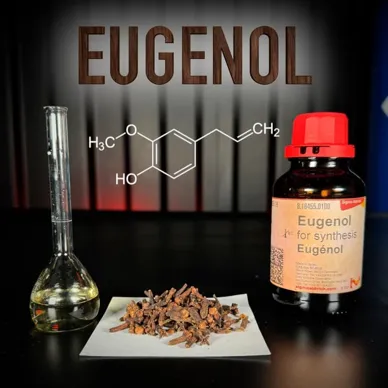
Fig.3: Eugenol (from clove oil)46
Mostly generated by cloves (Syzygium aromaticum), eugenol is a naturally occurring phenolic monoterpenoid that is a member of the phenylpropanoid family. It is also found in spice, nutmeg, cinnamon, and tulsi. It has applications in food, skincare, dental care, pharmacology, and cultivation as well as having numerous uses in medicinal practices. Numerous pharmacological characteristics of eugenol are well known, such as its anti-cancer, anti-inflammatory, antioxidant, antibacterial, and neurological activities. In addition, it is employed as an antibacterial and anesthesia in healthcare, as well as to provide flavor in drinks and food.47
Toxicity and Safety
Pharmacological Properties of Eugenol
|
Property |
Effect |
|
Antioxidant |
Defends versus illnesses linked to oxidative damage by scavenging free radicals. |
|
Antimicrobial |
Able to combat infections, fungus, and bacteria of both Gram-positive and Gram-negative varieties. |
|
Anti-inflammatory |
Lowers discomfort and redness by blocking pro-inflammatory mediators. |
|
Analgesic/Anesthetic |
Often utilized in dental care providing local anesthetic and pain management. |
|
Anticancer |
Suppresses angiogenesis, triggers apoptosis, and alters the signaling system. |
|
Neuroprotective |
Potentially in neurodegenerative diseases; shields neurons against oxidative stress. |
|
Synergistic Effect |
Improves the effectiveness of antibiotics. (For instance, erythromycin, vancomycin, and penicillin)49 |
Taxonomy
|
Kingdom: |
Plantae |
|
Subkingdom: |
Tracheobionta |
|
Superdivision: |
Spermatophyta |
|
Division: |
Magnoliophyta |
|
Class: |
Magnoliopsida |
|
Order: |
Myrtales |
|
Family: |
Myrtaceae |
|
Genus: |
Syzygium |
|
Species: |
S. aromaticum.50 |
Characterization of buccal patches
Physical appearance and surface texture: This involves visual examination of the patches along with assessment of their texture through touch.
Weight Variation Test: For each formulation, five patch with similar characteristics were selected and evaluated for weight variation according to the IP method using a Shimadzu digital balance. The individual film weights were compared with the average weight of the five patches, and the mean ± standard deviation (SD) values were determined for all formulations.
Thickness Variation Test: Five patches from each formulation were selected, and their thickness was measured at various points using a screw gauge. The average thickness and standard deviation were then calculated.51
Surface pH Study: The surface pH of the patch was measured to evaluate the potential for any in vivo irritation or side effects. A combined glass electrode was used for this analysis. The patches were first allowed to swell by placing them in contact with 1 ml of distilled water (pH 6.6 ± 0.2) for 15 minutes at room temperature. The pH was then recorded by gently placing the electrode on the surface of the swollen patch and allowing it to stabilize for 1 minute.
Content Uniformity of Film: To confirm the uniform distribution of Ivabradine within the film, a content uniformity test was carried out. Each film was placed in 100 ml of phosphate buffer (pH 6.6) in a 250 ml beaker, which was maintained at 37°C using a temperature-controlled magnetic stirrer. The solution was stirred at 300 rpm using a Teflon-coated magnetic bead for 3 hours. Afterward, the solution was filtered through a 0.45 µm membrane filter, and the filtrate was analyzed for drug content at 286.0 nm using a UV spectrophotometer.52
Percentage Moisture Absorption and Loss: The percentage moisture absorption test was performed to assess the physical stability and integrity of the buccal patch. Initially, the patch was weighed and placed in a desiccator containing 100 ml of a saturated aluminium chloride solution to maintain a relative humidity of 75 ± 5%. After three days, the patch was removed and reweighed, and the percentage moisture absorption was calculated using the appropriate formula. For moisture loss determination, the patch was first weighed and then stored in a desiccator containing anhydrous calcium chloride. After three days, the patch was removed and reweighed, and the percentage moisture loss was calculated using the specified formula.
% Moisture absorption =
Final weight - Initial weight ×100
Initial weight
%Moisture loss =
Initial weight - Final weight ×100
Initial weight
Swelling Study: The swelling index is measured to evaluate the water uptake capacity of hydrophilic polymers used in the formulation. The hydration and swelling properties of these polymers are essential for their bioadhesive behavior, as initial hydration helps establish close contact between the film and the mucosal surface. Adhesion tends to increase with hydration up to an optimum level; however, excessive hydration can cause a sharp reduction in adhesive strength due to disentanglement of polymer chains at the polymer–tissue interface. Furthermore, both the rate and extent of hydration and swelling influence the adhesive performance of the film and the subsequent drug release. A faster swelling rate generally results in shorter adhesion duration. The study also indicated that excessive hydration, particularly in HPMC-based patches, weakens the adhesive bond by diluting the functional groups responsible for interaction between the bioadhesive film and the mucosa.53
Folding Endurance: The patch exhibited no cracks even after being folded more than 300 times, which was considered the endpoint of the test. No significant difference in folding endurance was observed between plain patch and drug-loaded patch. Folding endurance was evaluated by repeatedly folding a film at the same point until it either broke or reached 300 folds. Achieving this level was regarded as an indication of good mechanical strength and flexibility of the patch.
In Vitro Drug Release Studies: The Ivabradine-loaded patches were evaluated for in vitro drug release. Since no official method is available for buccal patch release studies, a simple in-house setup was designed to simulate oral cavity conditions. A buccal film of size 2 × 2 cm² (containing 5 mg of drug), attached to a membrane, was fixed at the center of a microscope slide using cyanoacrylate adhesive. The slide was then positioned at a 45° angle in a 150 ml beaker containing 100 ml of pH 6.6 buffer maintained at 37°C. The beaker was placed in a water bath to ensure constant temperature. A non-agitated system was used to avoid turbulence and prevent any disturbance to the film. At predetermined intervals, samples were withdrawn and analyzed for drug content using a spectrophotometer at 286 nm.54
Ex vivo Permeation Study: A modified Franz diffusion cell was employed to evaluate drug permeation. The apparatus consists of two compartments: a donor compartment and a receptor compartment with a capacity of 25 ml. The receptor compartment was surrounded by a water jacket to maintain the temperature at 37°C. Isolated buccal epithelium was mounted between the two compartments, and the receptor chamber was filled with 23 ml of phosphate buffer (pH 6.6). A Teflon-coated magnetic bead was placed in the receptor compartment, and the assembly was set on a magnetic stirrer. After allowing the buccal tissue to stabilize, 1 ml samples were withdrawn at regular intervals, appropriately diluted, and analyzed using a spectrophotometer at 286 nm.
Ex vivo Bioadhesive Strength: Fresh goat buccal mucosa was procured from a local slaughterhouse, preserved in saline, and used within 2 hours of collection. The mucosal tissue was carefully cleaned to remove adhering fat and loose connective tissues. The bioadhesive strength of the patch was measured using a modified physical balance setup. This system consisted of a two-arm balance, where the left arm was replaced with a plastic cap suspended vertically by a wire. A movable platform was positioned beneath it to hold the mucosal membrane. The buccal mucosa was cut into suitable pieces, rinsed with phosphate buffer (pH 6.6), and tied over the opening of a diffusion cell, which was then placed at the center of a glass beaker. The beaker was filled with phosphate buffer (pH 6.6) maintained at 37 ± 2°C, ensuring contact with the mucosal surface. The patch was attached to the underside of the plastic cap using cyanoacrylate adhesive. Initially, the balance was equilibrated with a 5 g weight on the right pan. This weight was then removed, allowing the patch to come into contact with the mucosa. After a contact time of 5 minutes, weights were gradually added to the right pan until the patch detached from the mucosal surface, and the force required for detachment was recorded.
Stability Study: The stability of the patches was evaluated using human saliva under laboratory conditions. Saliva samples were collected from 20 individuals aged between 20 and 35 years and then filtered. The patch was placed individually in petri dishes containing 5 ml of the filtered human saliva and maintained in an oven at 37°C ± 0.2°C for 6 hours. At predetermined time intervals, the patch was observed for any changes in color, shape, structural integrity, and overall physical stability.55
Packaging:
In the pharmaceutical industry, it is essential that the selected packaging effectively maintains the integrity of the product. Fast dissolving dosage forms, in particular, require specialized packaging, careful handling, and controlled processing conditions during manufacturing and storage. Various packaging options are available for fast dissolving patch; however, unit-dose packaging is mandatory for these pharmaceutical products. Aluminum pouches are the most commonly used packaging format. APR-Labtec has introduced a proprietary and patented packaging system known as the Rapid Card, specifically designed for rapid patch. This packaging is similar in size to a credit card and can accommodate three patches on each side, allowing individual doses to be removed conveniently.
The packaging material used must possess the following characteristics:
Foil, paper or plastic pouches: A flexible pouch is a packaging system that offers both tamper-resistant features and effective protection against environmental factors when appropriate materials are used. These pouches are typically formed during the filling process using either vertical or horizontal form-fill-seal equipment. Flexible pouches may be designed as single-unit packs or as aluminum-based pouches, depending on the required level of protection.
Single pouch and Aluminum pouch: A soluble film drug delivery pouch is a peelable packaging system designed for quick-dissolving patch, offering excellent barrier properties. It is partially transparent, allowing clear visibility of the product. The pouch typically utilizes a dual-layer structure, where one side is transparent for display, while the other consists of an economical foil laminate. This foil layer provides near-complete protection against the transmission of gases and moisture. Such packaging serves as a flexible and thin-film alternative for both nutraceutical and pharmaceutical products. The single-dose pouch ensures protection of both the formulation and its dosage. Among the available options, aluminum pouches are the most widely used.
Blister card with multiple units: A blister package is composed of two main parts: the blister cavity, which holds the product, and the lid stock, which seals the cavity. The blister is manufactured by heating a thermoplastic sheet until it softens, followed by forming it into a shaped mould using vacuum pressure. Once cooled, the formed sheet is removed from the mould and transferred to the filling stage of the packaging process. The pre-formed semi-rigid blister is then filled with the product and sealed with a heat-sealable backing material. The choice of packaging film depends on the level of protection required. Typically, the lid stock is made of aluminum foil, while the cavity is formed from plastic materials that can be designed to provide adequate protection against moisture and other environmental factors.
Barrier Patch: Many pharmaceutical formulations are highly sensitive to moisture and therefore require packaging with high barrier properties. Various materials are used to provide effective moisture protection, including polychlorotrifluoroethylene (PCTFE) patch and polypropylene. Polypropylene is resistant to stress cracking under different conditions and offers excellent barrier properties against gases and vapours. However, its main limitation is its relatively low clarity. 56
Recent developments in buccal drug delivery systems
Recent advancements in buccal drug delivery systems have introduced approaches such as lipophilic gels, buccal sprays, and phospholipid vesicles for the administration of peptide drugs through the buccal route. Notably, certain studies have explored the use of cubic and lamellar liquid crystalline phases of glyceryl monooleate as effective carriers for peptide delivery in the buccal region.
Additionally, a novel liquid aerosol formulation, known as Oralin (developed by Generex Biotechnology), has been introduced. Furthermore, deformable phospholipid vesicles, referred to as transfersomes, have been developed as a promising system for delivering insulin via the buccal cavity.57
CONCLUSION
The present study successfully developed and optimized herbal buccal patch containing camphor, menthol, thymol, and eugenol using hydroxypropyl methylcellulose as the primary polymer. Initial preformulation studies confirmed drug identity, compatibility, and solubility, while pilot formulations demonstrated the feasibility of solvent casting in a college laboratory setting. Systematic evaluation of excipient roles revealed that glycerol provided adequate flexibility, propylene glycol improved solubility, and hydroxypropyl‑β‑cyclodextrin was particularly effective in reducing volatile loss and masking strong odour and taste.
Among the experimental trials, the optimized formulation combining HPMC with cyclodextrin and controlled propylene glycol achieved rapid disintegration (≤3 minutes), uniform drug release (>90% within 10 minutes), acceptable taste, and improved short‑term stability when packaged in aluminium foil. These findings highlight the importance of rational excipient selection and iterative formulation design in achieving a patient‑friendly buccal patch.
Overall, the project demonstrates that herbal actives can be successfully modernized into a stable, effective buccal delivery system using simple laboratory techniques. The work provides a foundation for further scale‑up, extended stability studies, and potential clinical evaluation.
ACKNOWLEDGMENT
I would like to extend my sincere gratitude to all those who have contributed to the successful completion of this project. My heartfelt thanks go to my Guide, Mrs. Rajashree R. Nikam and Co-guide Mrs. Arti A. Ingole, for their invaluable guidance, continuous support, and encouragement throughout this Review. I am deeply grateful to the Principal Dr. Pravinkumar Sable, S. S. P. Shikshan Sanstha's SIDDHI COLLEGE OF PHARMACY, for providing the necessary resources and facilities for this study.
I also wish to thank my colleagues and friends for their constructive feedback and unwavering support. Special thanks to my family for their understanding and constant encouragement, which inspired me to pursue this work with dedication and commitment.
Thank you all for making this endeavour a success.
REFERENCES

Yashashri Deore, Rajashree Nikam, Arti Ingole, Dr. Pravinkumar Sable, Development and Evaluation of a Mucoadhesive Buccal Film Containing Camphor–Menthol–Thymol Eutectic Mixture for Symptomatic Relief of Common Cold: Bridging Traditional Remedies with Modern Pharmaceutics , Int. J. of Pharm. Sci., 2026, Vol 4, Issue 6, 1976-1995. https://doi.org/10.5281/zenodo.20594566
 10.5281/zenodo.20594566