View Article

Abstract

A significant percentage of teenagers and young adults suffer with acne vulgaris, a prevalent chronic inflammatory skin condition. The goal of the current study was to create and assess a topical herbal anti-acne gel that contains Brahmi (Bacopa monnieri) and Karanja (Pongamia pinnata). Carbopol was used as the gelling agent, triethanolamine as the pH adjuster, propylene glycol as a humectant and penetration enhancer, and methyl paraben as a preservative to create three gel formulations (F1, F2, and F3). A number of physicochemical characteristics, including as color, odor, clarity, homogeneity, pH, viscosity, spreadability, washability, were assessed for the produced formulations.The compositions were compatible with the pH of the skin, as evidenced by their pH range of 5.30 to 5.60.It was discovered that viscosity values ranged from 5.84 to 7.33 cP, which is appropriate for topical application. Spreadability and washability were good in all formulations.Among the prepared batches, formulation F2 showed optimum characteristics with clear appearance, smooth texture, uniform consistency, acceptable viscosity (6.54 cP), and maximum drug release (80.5% at 60 minutes). ATR–FTIR studies confirmed the presence of characteristic functional groups and indicated compatibility between the herbal ingredients and excipients. The results suggest that the developed herbal gel possesses desirable physicochemical properties and may serve as an effective topical formulation for the management of acne due to the antibacterial, anti-inflammatory, and antioxidant activities of Karanja and Brahmi . To determine its safety and therapeutic efficacy, more clinical research is advised.

Keywords

Acne vulgaris, Herbal gel, Pongamia pinnata, Bacopa monnieri, Karanja oil, Brahmi extract, Anti-acne formulation, Carbopol gel, Topical drug delivery, In-vitro drug release, ATR-FTIR, Herbal cosmetic

Introduction

× Popup Image

Gel:

A large percentage of pharmacological dose formulations are semi-solids [1]. Because of their distinct rheological behavior, semi-solids can adhere to the application surface for a sufficient amount of time before being rinsed off [2]. About 70–80% of teenagers and young adults suffer with acne vulgaris, a prevalent skin condition. It is a multifactorial pilosebaceous unit illness. The sebaceous gland enlarges and sebum production increases due to the influence of androgens at the start of adolescence. [3].

Topical gel administration has the following benefits over alternative dosing forms: avoidance of first-pass metabolism; ease of use and convenience; avoidance of risks and challenges related to intravenous therapy; and avoidance of various absorption conditions, such as pH changes, the presence of enzymes, and the length of stomach emptying [4].

Acne 

One of the most prevalent skin conditions, acne, affects more than 85% of children  [5]. The initial lesion known as the "comedo" is the result of a number of variables interacting to cause acne vulgaris (see Image Acne Vulgaris)[7] . Though acne vulgaris is often seen in adolescents, it is not limited to this demographic and can impact people of different ages [8]. Acne is caused by a number of factors, including follicular hyperkeratosis, altered sebofollicular microbiota, increased sebum production with raised levels of pro-inflammatory monounsaturated fatty acids, and Th17-cell-mediated inflammatory responses [10]. Androgens and insulin-like growth factor-1 (IGF-1) can boost sebum production; IGF-1 promotes the gonadal and adrenal glands' synthesis of these hormones [11]. Acne is common in children and teenagers between the ages of 12 and 24, with 15–20% of cases being moderate to severe, though the prevalence varies from study to study [12].

The high incidence rates of over 80% in Western countries cannot be explained by acne's heredity alone [13]. Dairy products in particular have been held accountable. Milk-derived amino acids stimulate the release of insulin [14] . IGF-1 is proposed to be the main factor behind acne, promoting growth of the follicular epithelium [15]
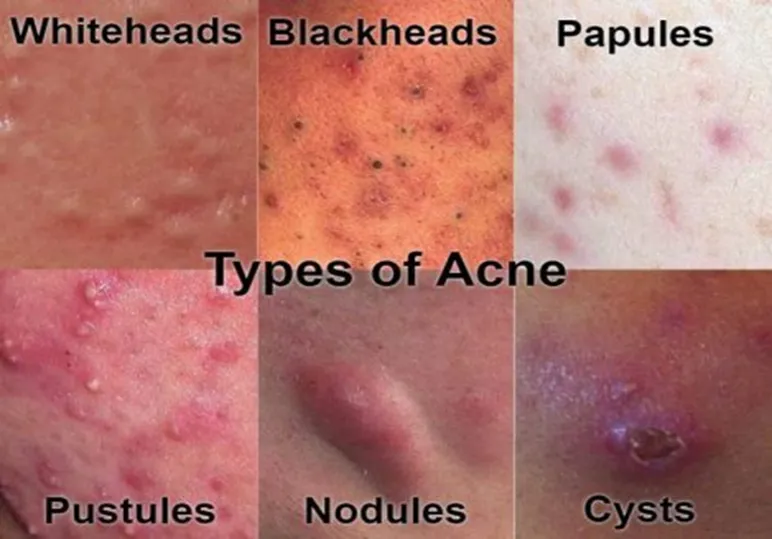


Figure 1: Types of acne


TYPES OF ACNE

  1. Comedonal Acne    - Characterized by blackheads and whiteheads; non-inflammatory and mild; results from clogged pores.
  2. Inflammatory Acne - Characterized by red pustules and papules, it arises from inflammation and a bacterial infection.
  3.  Nodulocystic Acne - Severe; characterized by nodules and cysts; painful and has the potential to cause scarring.
  4. Hormonal (Adult) Acne -  Frequent among women; impacts the chin and jawline; associated with hormones.
  5. Acne Fulminans     -  This is a rare and acute condition of high severity; it can involve fever and joint pain [17] .

KARANJA:

Plants are a rich source of phytochemicals that can produce maximum healing effects with minimal or no side effects [26] .

Karanja oil is a naturally occurring, non-edible, semi-drying fixed oil that is made from the seeds of Pongamia pinnata, a member of the Fabaceae family. Karanj oil is used to cure psoriasis, rheumatism, scabies, herpes, leukoderma, and other skin disorders, according to the literature review [28]. Karanja oil can therefore be utilized as an oil phase in ointment formulations to administer poorly water-soluble medications topically, potentially improving absorption and extending drug release [29]. Its anti-inflammatory and anti-proliferative properties make it an excellent treatment for arthritis. However, it works well for topical medication delivery in psoriasis because of its low water solubility [30] .
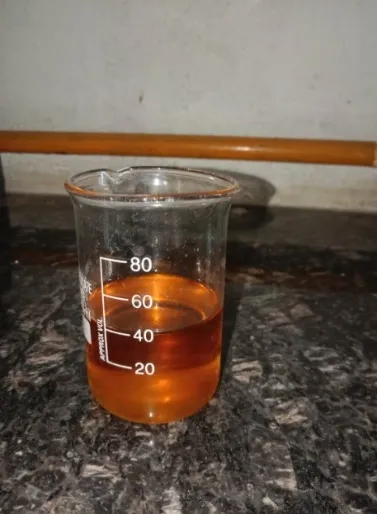
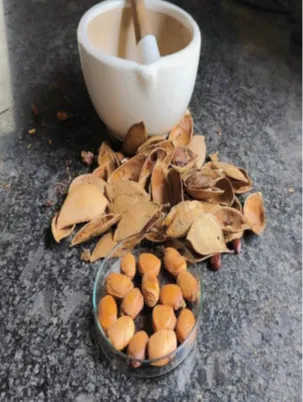


Figure 2 : Oil of Pongamia pinnata             Figure 3 : Seed of Pongamia pinnata


BRAHMI

Baccopa monnieri, affectionately referred to as Brahmi, is a water-loving herb widely utilized in Ayurvedic medicine [32] .

Brahmi (Bacopa monnieri) is one such promising botanical, known for its cognitive and healing properties in traditional Ayurvedic medicine. Recent studies have shown its ability to increase collagen,antioxidant, establishing it as a perfect component for anti-aging skincare [33] . This study concentrates on creating and assessing a face mist infused with Brahmi, which aims to hydrate and protect the skin and revitalize it while tackling issues like oxidative stress, inflammation, and early skin aging [34] .Collagen is a vital protein that keeps the skin elastic, firm, and hydrated [35] .
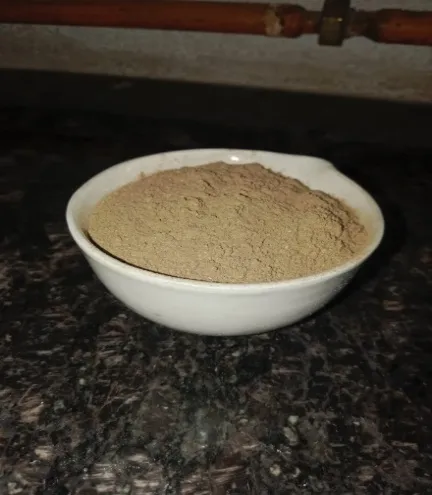


Figure .4 : Flowering stage of Brahmi                           Figure .5 :Powder Brahmi


AIM AND OBJECTIVES

AIM : Development and evaluation for anti acne gel containing karanja and brahmi.

OBJECTIVES :

  1. To reduce acne (pimples) by controlling the growth of acne-causing bacteria.
  2. To reduce skin inflammation and redness associated with acne.
  3. To control excess sebum (oil) production on the skin.
  4. To unclog skin pores and prevent formation of blackheads and whiteheads.
  5. To provide a soothing and cooling effect to irritated skin.
  6. To promote healing of acne lesions and improve skin appearance.

Materials and Methodology

Materials


Table 1: Ingredients

Sr no.

Ingredients

Uses

1.

Karanja

Antibacterial, reduces acne

2.

Brahmi

Anti-inflammatory, soothes skin

3.

Carbopol

Form gel, gives thickness

4.

Triethanolamine

Maintains pH, stabilizes gel

5.

Propylene glycol

Helps drug absorption, humectants

6.

Methyl paraben

Preservatives

7.

Purified water

Vehicle


METHODOLOGY


Accurately weigh all the ingredients → Brahmi Powder, Karanja Oil, Tween 80, Carbopol, distilled water, and Triethanolamine.


Prepare the aqueous phase → Disperse Carbopol in distilled water.


Stir the Carbopol dispersion using a magnetic stirrer for 1 hour.


Keep the dispersion aside for 24 hours for complete swelling of Carbopol.


Prepare the extract phase → Take Brahmi powder, add water, and heat on a water bath for 20 minutes.


Cool the prepared extract and filter it properly.


Prepare the oil phase → Take Karanja oil, To get a homogenous mixture, add Tween 80 and thoroughly mix.


Add the filtered extract phase into the swollen Carbopol gel base with continuous stirring.


Add the oil phase slowly into the gel while stir

ring continuously to form a uniform gel.


Adjust the pH by adding Triethanolamine dropwise and maintain the pH between 4.5–6.5.


Add distilled water to the final volume and thoroughly mix


Final product


Transfer the prepared gel into a suitable container, label pr operly, and store safely
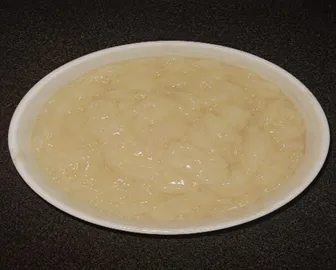


                   Figure : 6


  FORMULATION TABLE ( drug content )                                                  


Table 2 : Formulation table

Sr. no.

   Ingredients

F1

F2

F3

1.

Karanja

0.1g

0.3g

0.2g

2.

Brahmi

0.1g

0.2g

0.15g

3.

Carbopol

1g

1g

1g

4.

Triethanolamine

q.s

q.s

q.s

5.

Propylene glycol

0.1g

0.1g

0.1g

6.

Methyl paraben

0.2g

0.2g

0.2g

7.

purified water

q.s

q.s

q.s

8.

Total (g/ml)

10.0

10.0

10.0


RESULT AND DISCUSSION:

Physical parameter:


Table  3 : Evaluation test results

Sr no.

Parameter

Batch F1

Batch F2

Batch F3

1.

Color

White

Light yellow

Light yellow

2.

Odor

Mild herbal

Pleasant herbal

Slightly strong herbal

3

Clarity

Slightly turbid

Clear

Clear

4

Consistency

Slightly thin

Smooth & optimum

Thick

5

Homogeneity

Less uniform

Uniform

Uniform

6

Lumps

Few lumps present

No lumps

No lumps

7

Air bubbles

Few present

Absent

Slightly present


pH parameter:

A calibrated digital pH meter was employed to determine the produced gel's pH,and the readings were documented.
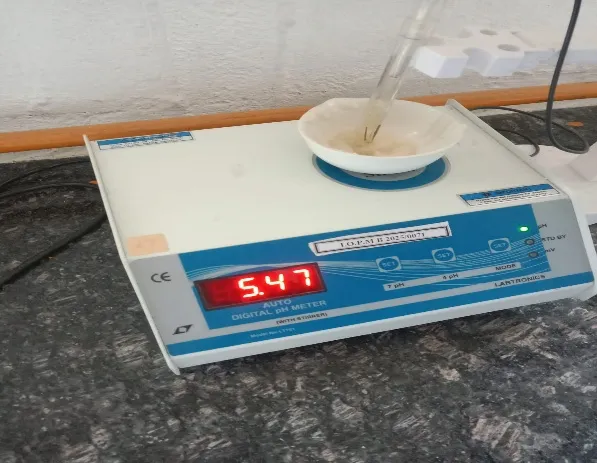


Figure 7 :  pH of gel

Table 4 : pH of formulation

Sr no.

Formulation

Ph

a.

F1

5.30

b.

F2

5.47

c.

F3

5.60

VISCOCITY

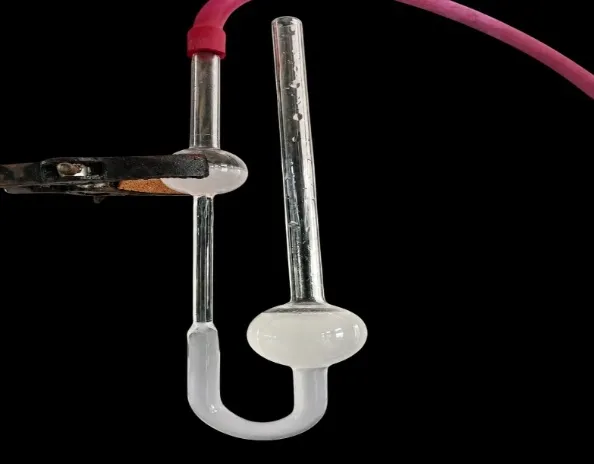
The gel's viscosity was assessed using an Ostwald viscometer, and the resulting data were documented.


Formula for viscosity calculation:

₂ = ₁ X p₂t₂ / p₁t₁


where,

₁ = viscosity of water

₂ = viscosity of gel

p₁ = density of water

p₂ = density of gel

t₁ = flow time of water

t₂ = flow time of gel


Figure 8 : viscosity of gel

Table No 5 : viscosity of formulation

Sr no.

Formulation

Viscosity

1.

F1

5.84 cP

2.

F2

6.54 cP

3.

F3

7.33 cP


Spreadability

The formulated gel's spreadability was assessed at room temperature.The spreadability results were discovered to be as follows for each gel composition.
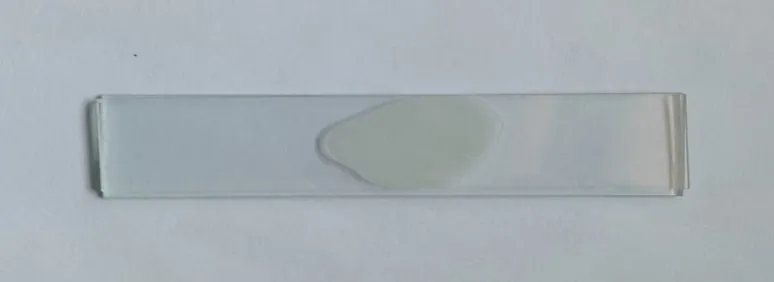


Figure 9 : Spreadability of gel

Table No 6 : Spreadability of formulation

Sr no.

Formulation

spreadability

1.

F1

Easily Spreadable

2.

F2

Easily Spreadable

3.

F3

Easily Spreadable


Washability

A small quantity of facial scrubbing was used on the skin and rinsed off with water. The washing was simple.

Homogeneity

In order to verify that the parts were dispersed uniformly throughout the product,

 the gel's homogeneity was evaluated visually and through touch.

Drug Release

In-vitro drug release study of anti-acne gel three batches of gel compositions were completed using diffusion membrane apparatus :
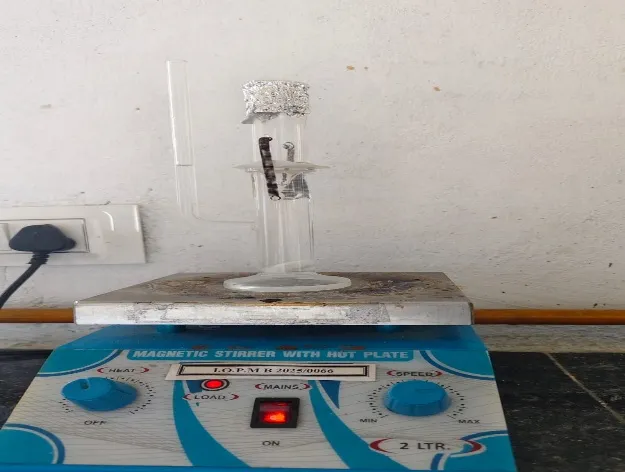
 

           Figure 10 : Drug release


Table No 7 : Drug release profile

Sr. No.

Time ( min )

F1

F2

F3

1.

15

19.8%

23.6%

17.4%

2.

30

37.5%

44.8%

33.2%

3.

45

55.1%

62.7%

49.3%

4.

60

71.2%

80.5%

65.85


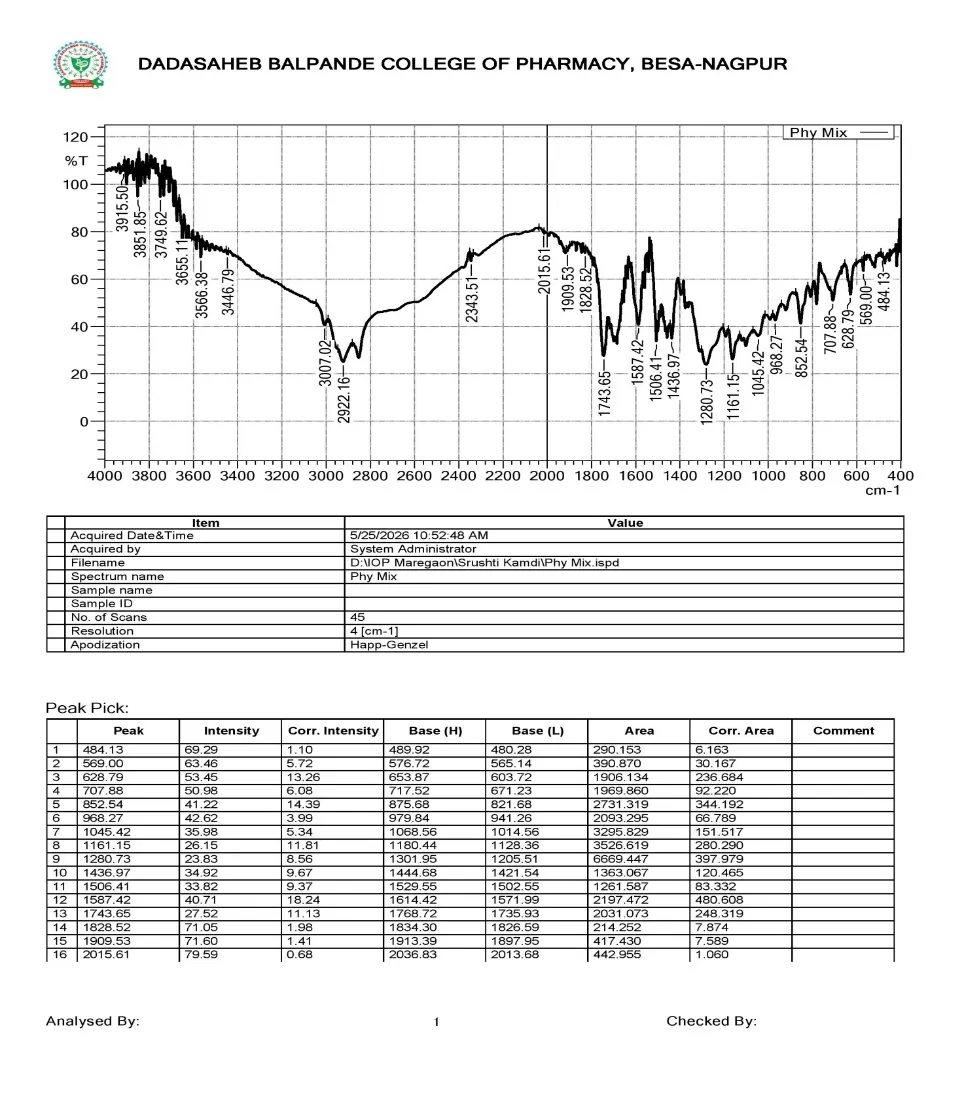
FTIR


Fig.11 : ATR – FTIR Spectra interpretation of Anti acne gel Showing characteristics functional group
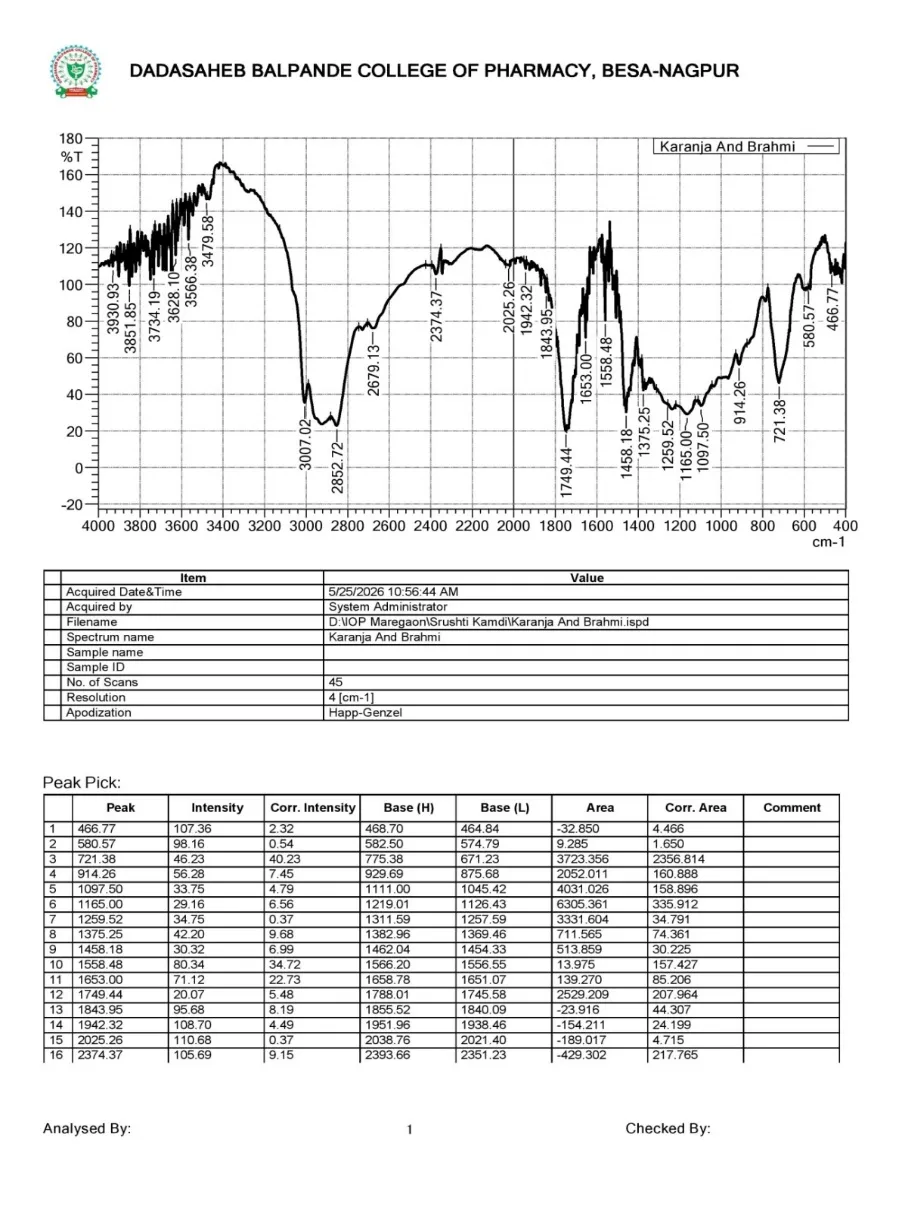


Fig.12 :-ATR – FTIR Spectra interpretation of Karanja & Brahmi Showing characteristics functional group.
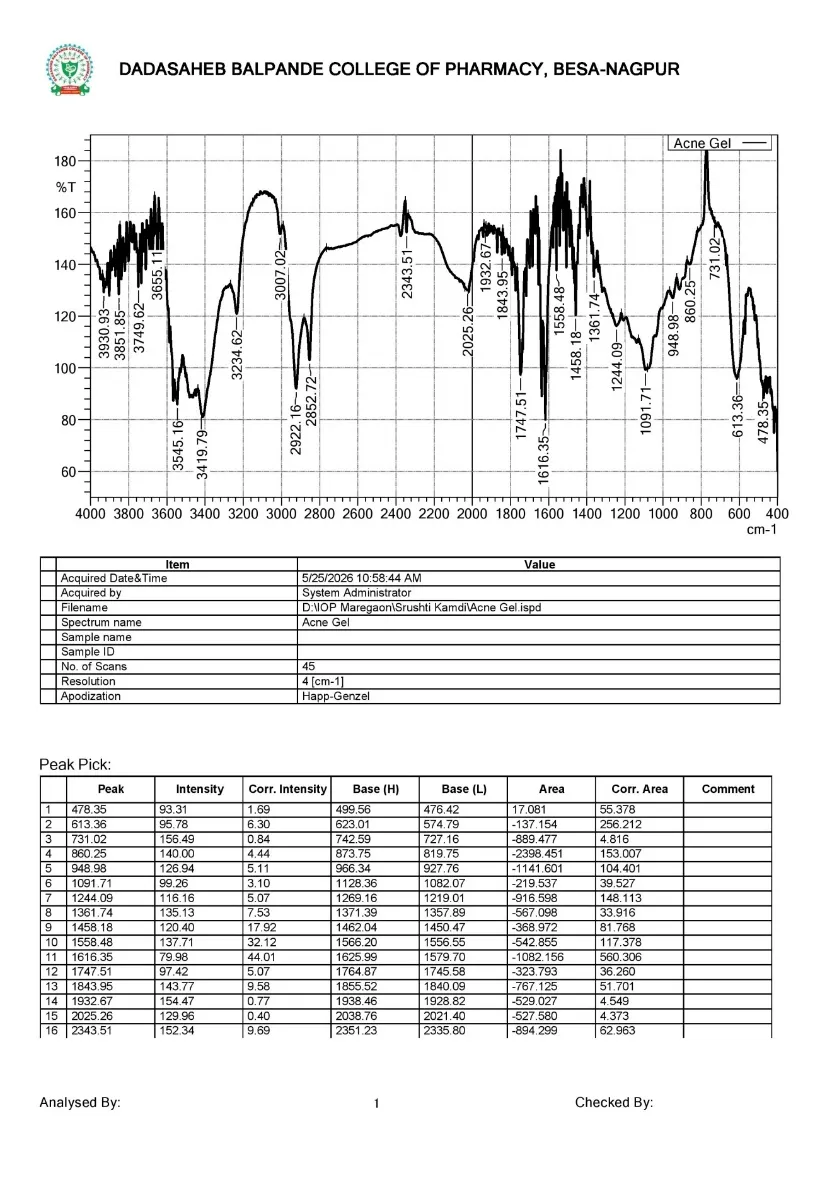


Fig. 13 :-ATR – FTIR Spectra interpretation of Anti acne gel Showing characteristics functional group.


CONCLUSION

The present study successfully formulated and evaluated an herbal anti-acne gel using Pongamia pinnata and Bacopa monnieri. Three formulations (F1, F2, and F3) were developed and assessed for their physicochemical properties.

Among all formulations, Batch F2 was identified as the optimized formulation due to its ideal pH, optimum viscosity, good spreadability, smooth texture, and uniform consistency. The results indicate that the formulated gel is stable, easy to apply, and suitable for topical use.

The presence of bioactive constituents in Karanja and Brahmi suggests potential antibacterial, anti-inflammatory, Its antioxidant properties, which could in reducing acne lesions and improving skin condition.

REFERENCES

  1. Maqbool MA, Ahmad M, et al. Semisolid dosage forms manufacturing: Tools, critical process parameters, strategies, optimization and recent advances. Indo American Journal of Pharmaceutical Research. 2017;7(11):882–900.
  2. Aulton ME, Taylor K. Aulton’s Pharmaceutics: The Design and Manufacture of Medicines. 5th ed. Elsevier; 2018.
  3. Christian R. Juhl 1 ID , Helle K. M. Bergholdt 2, Iben M. Miller 3, Gregor B. E. Jemec 3,4,Jørgen K. Kanters 1,* and Christina Ellervik 2,4,5,6: Received: 15 July 2018; Accepted: 7 August 2018; Published: 9 August 2018
  4. Sandip Suresh Khandagale, Prajakta Shivaji Bhasme, Vivek Dipak Shelar, Chaitanaya Laxman Ratnaparkhe and Samir Raju Sayyad

DOI: tps://doi.org/10.33545/2664763X.2023.v5.i2a.35

  1. Preethima G1*, Ananda V 1, D. Visagaperumal 1, Vineeth Chandy 1, Prashanthi P 2 : Received: 10-09-2019; Revised: 22-10-2019; Accepted: 03-11-2019.
  2. Ms. Bhakti S. Bhawane1, Ms. Komal L. Kharane2, Ms. Punam P. Korde3, Mrs. Meena Pawane4: E-ISSN: 2582-2160
  3. Bhatia, N., et al. (2014). Topical herbal formulations for acne. Journal of Clinical and Aesthetic Dermatology.
  4. Janet Purath, PhD, ANP-BC, Theresa Coyner, MSN, ANP-BC, DCNPSeptember 30, 2018.
  5. Bhat YJ, Latief I, Hassan I. Update on etiopathogenesis and treatment of Acne. Indian J Dermatol Venereol Leprol 2017;83:298-306  
  6. Mias C, Mengeaud V, Bessou-Touya S, Duplan H. Recent advances in understanding inflammatory acne: Deciphering the relationship between Cutibacterium acnes and Th17 inflammatory pathway. Journal of the European Academy of Dermatology and Venereology. 2023;37(Suppl 2):3–11
  7. 11.Melnik BC. Linking diet to acne metabolomics, inflammation, and comedogenesis: An update. Clinical, Cosmetic and Investigational Dermatology. 2015;8:371–388.
  8. Tan JK, Bhate K. A global perspective on the epidemiology of acne. British Journal of Dermatology. 2015;172(Suppl 1):3–12.
  9. Dreno B, Bagatin E, Blume-Peytavi U, Rocha M, Gollnick H. Female type of adult acne: Physiological and psychological considerations and management. Journal of the European Academy of Dermatology and Venereology. 2018;32(2):187–196.
  10. Adebamowo CA, Spiegelman D, Berkey CS, et al. Milk consumption and acne in adolescent girls. Dermatology Online Journal. 2006;12(4):1.
  11. Melnik BC. Evidence for acne-promoting effects of milk and other insulinotropic dairy products. Molecular Nutrition & Food Research. 2012;56(2):260–267
  12. Rahaman SMA, De D, Handa S, et al. Journal of the American Academy of Dermatology. 2016;75(4):768-773.
    DOI: 10.1016/j.jaad.2016.05.019
  13. Oge LK, Broussard A, Marshall MD. Acne vulgaris: Diagnosis and treatment. American Family Physician. 2019;100(8):475–484.
  14. Tuchayi SM, Makrantonaki E, Ganceviciene R, et al. Nature Reviews Disease Primers. 2015;1:15029.
    DOI: 10.1038/nrdp.2015.29.
  15. Christos C. Zouboulis, et al. Sebaceous gland: a central player in acne pathogenesis. J Eur Acad Dermatol Venereol. 2014;28(5):527-535.
    DOI: 10.1111/jdv.12204
  16. 20.Richard L. Gallo, et al. Acne vulgaris. Nature Reviews Disease Primers. 2015;1:15033.
    DOI: 10.1038/nrdp.2015.33
  17. Harper John C.. An update on the pathogenesis and management of acne vulgaris.
    J Am Acad Dermatol. 2004;51(1 Suppl):S36-S38.
    DOI: 10.1016/j.jaad.2004.01.050
  18. Diane Thiboutot, Harold E. Baldwin. New insights into the management of acne: an update from the Global Alliance to Improve Outcomes in Acne Group.
    J Am Acad Dermatol. 2009;60(5 Suppl):S1-S50.
    DOI: 10.1016/j.jaad.2009.01.019
  19. Albert M. Kligman, Otto H. Mills Jr.. Acne cosmetica.
    Arch Dermatol. 1972;106(6):843-850.
    DOI: 10.1001/archderm.1972.01620150053013
  20. Kligman, A. M., & Kligman, L. H. (1995). Acne vulgaris: pathogenesis and treatment. Journal of the American Academy of Dermatology, 33(6), 1017–1023.
  21. Amita H. Sutaria; Sadia Masood; Haitham M. Saleh; Joel Schlessinger. Last Update: August 17, 2023
  22. Cowan, M. M. (1999). Plant products as antimicrobial agents. Clinical Microbiology Reviews, 12(4), 564–582.
  23. Newman, D. J., & Cragg, G. M. (2020). Natural Products as Sources of New Drugs over the Nearly Four Decades from 1981 to 2019. Journal of Natural Products, 83(3), 770–803.
  24. Kirtikar, K. R., & Basu, B. D. (1999). Indian Medicinal Plants (Vol. 1). International Book Distributors.
  25. Warrier, P. K., Nambiar, V. P. K., & Ramankutty, C. (1995). Indian Medicinal Plants: A Compendium of 500 Species (Vol. 4). Orient Longman.
  26. Kadian, V., Kumar, S., Saini, K., Kakkar, V., & Rao, R. (2020). Dithranol: An Insight into its Novel Delivery Cargos for Psoriasis Management. Current Drug Research Reviews, 12(2), 82–96.
  27. Mahmood, A. A., et al. (2010). Evaluation of wound healing activity of Pongamia pinnata extracts. African Journal of Pharmacy and Pharmacology, 4(8), 551–555.
  28. Aimi Syamima Abdul Manap, Shantini Vijayabalan, Priya Madhavan, et al. Drug Target Insights (2019)
  29. Sivaramakrishna, M. N., et al. (2005). Evaluation of anti-inflammatory activity of Bacopa monnieri extracts. Journal of Ethnopharmacology, 100(1–2), 92–96.
  30. Russo, A., & Borrelli, F. (2005). Bacopa monniera, a reputed nootropic plant: an overview. Phytomedicine, 12(4), 305–317.

Sherratt, M. J. (2009). Tissue elasticity and the ageing elastic fibre. Age, 31(4), 305–325

Reference

  1. Maqbool MA, Ahmad M, et al. Semisolid dosage forms manufacturing: Tools, critical process parameters, strategies, optimization and recent advances. Indo American Journal of Pharmaceutical Research. 2017;7(11):882–900.
  2. Aulton ME, Taylor K. Aulton’s Pharmaceutics: The Design and Manufacture of Medicines. 5th ed. Elsevier; 2018.
  3. Christian R. Juhl 1 ID , Helle K. M. Bergholdt 2, Iben M. Miller 3, Gregor B. E. Jemec 3,4,Jørgen K. Kanters 1,* and Christina Ellervik 2,4,5,6: Received: 15 July 2018; Accepted: 7 August 2018; Published: 9 August 2018
  4. Sandip Suresh Khandagale, Prajakta Shivaji Bhasme, Vivek Dipak Shelar, Chaitanaya Laxman Ratnaparkhe and Samir Raju Sayyad

DOI: tps://doi.org/10.33545/2664763X.2023.v5.i2a.35

  1. Preethima G1*, Ananda V 1, D. Visagaperumal 1, Vineeth Chandy 1, Prashanthi P 2 : Received: 10-09-2019; Revised: 22-10-2019; Accepted: 03-11-2019.
  2. Ms. Bhakti S. Bhawane1, Ms. Komal L. Kharane2, Ms. Punam P. Korde3, Mrs. Meena Pawane4: E-ISSN: 2582-2160
  3. Bhatia, N., et al. (2014). Topical herbal formulations for acne. Journal of Clinical and Aesthetic Dermatology.
  4. Janet Purath, PhD, ANP-BC, Theresa Coyner, MSN, ANP-BC, DCNPSeptember 30, 2018.
  5. Bhat YJ, Latief I, Hassan I. Update on etiopathogenesis and treatment of Acne. Indian J Dermatol Venereol Leprol 2017;83:298-306  
  6. Mias C, Mengeaud V, Bessou-Touya S, Duplan H. Recent advances in understanding inflammatory acne: Deciphering the relationship between Cutibacterium acnes and Th17 inflammatory pathway. Journal of the European Academy of Dermatology and Venereology. 2023;37(Suppl 2):3–11
  7. 11.Melnik BC. Linking diet to acne metabolomics, inflammation, and comedogenesis: An update. Clinical, Cosmetic and Investigational Dermatology. 2015;8:371–388.
  8. Tan JK, Bhate K. A global perspective on the epidemiology of acne. British Journal of Dermatology. 2015;172(Suppl 1):3–12.
  9. Dreno B, Bagatin E, Blume-Peytavi U, Rocha M, Gollnick H. Female type of adult acne: Physiological and psychological considerations and management. Journal of the European Academy of Dermatology and Venereology. 2018;32(2):187–196.
  10. Adebamowo CA, Spiegelman D, Berkey CS, et al. Milk consumption and acne in adolescent girls. Dermatology Online Journal. 2006;12(4):1.
  11. Melnik BC. Evidence for acne-promoting effects of milk and other insulinotropic dairy products. Molecular Nutrition & Food Research. 2012;56(2):260–267
  12. Rahaman SMA, De D, Handa S, et al. Journal of the American Academy of Dermatology. 2016;75(4):768-773.
    DOI: 10.1016/j.jaad.2016.05.019
  13. Oge LK, Broussard A, Marshall MD. Acne vulgaris: Diagnosis and treatment. American Family Physician. 2019;100(8):475–484.
  14. Tuchayi SM, Makrantonaki E, Ganceviciene R, et al. Nature Reviews Disease Primers. 2015;1:15029.
    DOI: 10.1038/nrdp.2015.29.
  15. Christos C. Zouboulis, et al. Sebaceous gland: a central player in acne pathogenesis. J Eur Acad Dermatol Venereol. 2014;28(5):527-535.
    DOI: 10.1111/jdv.12204
  16. 20.Richard L. Gallo, et al. Acne vulgaris. Nature Reviews Disease Primers. 2015;1:15033.
    DOI: 10.1038/nrdp.2015.33
  17. Harper John C.. An update on the pathogenesis and management of acne vulgaris.
    J Am Acad Dermatol. 2004;51(1 Suppl):S36-S38.
    DOI: 10.1016/j.jaad.2004.01.050
  18. Diane Thiboutot, Harold E. Baldwin. New insights into the management of acne: an update from the Global Alliance to Improve Outcomes in Acne Group.
    J Am Acad Dermatol. 2009;60(5 Suppl):S1-S50.
    DOI: 10.1016/j.jaad.2009.01.019
  19. Albert M. Kligman, Otto H. Mills Jr.. Acne cosmetica.
    Arch Dermatol. 1972;106(6):843-850.
    DOI: 10.1001/archderm.1972.01620150053013
  20. Kligman, A. M., & Kligman, L. H. (1995). Acne vulgaris: pathogenesis and treatment. Journal of the American Academy of Dermatology, 33(6), 1017–1023.
  21. Amita H. Sutaria; Sadia Masood; Haitham M. Saleh; Joel Schlessinger. Last Update: August 17, 2023
  22. Cowan, M. M. (1999). Plant products as antimicrobial agents. Clinical Microbiology Reviews, 12(4), 564–582.
  23. Newman, D. J., & Cragg, G. M. (2020). Natural Products as Sources of New Drugs over the Nearly Four Decades from 1981 to 2019. Journal of Natural Products, 83(3), 770–803.
  24. Kirtikar, K. R., & Basu, B. D. (1999). Indian Medicinal Plants (Vol. 1). International Book Distributors.
  25. Warrier, P. K., Nambiar, V. P. K., & Ramankutty, C. (1995). Indian Medicinal Plants: A Compendium of 500 Species (Vol. 4). Orient Longman.
  26. Kadian, V., Kumar, S., Saini, K., Kakkar, V., & Rao, R. (2020). Dithranol: An Insight into its Novel Delivery Cargos for Psoriasis Management. Current Drug Research Reviews, 12(2), 82–96.
  27. Mahmood, A. A., et al. (2010). Evaluation of wound healing activity of Pongamia pinnata extracts. African Journal of Pharmacy and Pharmacology, 4(8), 551–555.
  28. Aimi Syamima Abdul Manap, Shantini Vijayabalan, Priya Madhavan, et al. Drug Target Insights (2019)
  29. Sivaramakrishna, M. N., et al. (2005). Evaluation of anti-inflammatory activity of Bacopa monnieri extracts. Journal of Ethnopharmacology, 100(1–2), 92–96.
  30. Russo, A., & Borrelli, F. (2005). Bacopa monniera, a reputed nootropic plant: an overview. Phytomedicine, 12(4), 305–317.
  31. Sherratt, M. J. (2009). Tissue elasticity and the ageing elastic fibre. Age, 31(4), 305–325.

Photo
Srushti Kamdi
Corresponding author

Department of Pharmacology, Institute of Pharmacy, Maregaon , Wani.

Photo
Anshika Y Bhati
Co-author

Department of Pharmacology, Institute of Pharmacy, Maregaon , Wani.

Photo
Khushal Darunkar
Co-author

Department of Pharmacology, Institute of Pharmacy, Maregaon , Wani.

Photo
Nilesh Chachda
Co-author

Department of Pharmacology, Institute of Pharmacy, Maregaon , Wani.

Srushti Kamdi, Anshika Bhati, Khushal Darunkar, Dr. Nilesh Chachda, Development And Evaluation of Anti Acne Gel Containing Karanja and Brahmi, Int. J. of Pharm. Sci., 2026, Vol 4, Issue 7, 4012-4023, https://doi.org/10.5281/zenodo.21394059

More related articles
Formulation And Evaluation of Cinnamon Based Nutra...
Gangidi Sireesha, Ruksar Jahan, K. Poojitha, J. Ruchitha, G. Sree...
Personalized Medicine: A Novel Approach In Healthc...
Madhuri Dhure, Rajratan Thorat, Prerana Bambale...
Inflammation Meets Hormonal Deficiency: Osteoporos...
Sushma M, Uday R, Nikhil H R, Gayathri S V, Dr. Manjunatha PM...
Synthesis, Characterization And Antimicrobial Evaluation Of Novel Quinazolines...
Dnyaneshwar Patil, Rajkumar Moon, Vijay Navghare, Pallavi Kamble...
To Study The Safety And Efficacy Of Injection Ceftriaxone Monotherapy Versus Inj...
Boddupally Swathi, Gangadhara Rao, Jakkula Vagdevi , Jetram Omprakash Reddy, Goreti Shivani...
Related Articles
Beyond Conventional Drug Delivery: The Expanding Role Of Microsponge Technology ...
Farisha P, Muhammed Midlaj A.P., Mohammed Irfan V., Muhammed Arif L., Dharshini R., Nisana Nasrin K....
A New Revolution for Cancer Diagnosis and Therapy...
Ritesh Nannaware, Dhananjay Ghodke, Sharad Mali, Shrikrishna Baokar...
Formulation And Evaluation of Poly Herbal Soap...
R. Sunitha, K.Manjeera, K.Keerthi, N. Sunitha, K. Bhuvaneswari...
Formulation And Evaluation of Cinnamon Based Nutraceutical Suspension Containing...
Gangidi Sireesha, Ruksar Jahan, K. Poojitha, J. Ruchitha, G. Sree Ramya, B. Shivani, Dr. Chandra She...
More related articles
Formulation And Evaluation of Cinnamon Based Nutraceutical Suspension Containing...
Gangidi Sireesha, Ruksar Jahan, K. Poojitha, J. Ruchitha, G. Sree Ramya, B. Shivani, Dr. Chandra She...
Personalized Medicine: A Novel Approach In Healthcare...
Madhuri Dhure, Rajratan Thorat, Prerana Bambale...
Inflammation Meets Hormonal Deficiency: Osteoporosis in Postmenopausal Women wit...
Sushma M, Uday R, Nikhil H R, Gayathri S V, Dr. Manjunatha PM...
Formulation And Evaluation of Cinnamon Based Nutraceutical Suspension Containing...
Gangidi Sireesha, Ruksar Jahan, K. Poojitha, J. Ruchitha, G. Sree Ramya, B. Shivani, Dr. Chandra She...
Personalized Medicine: A Novel Approach In Healthcare...
Madhuri Dhure, Rajratan Thorat, Prerana Bambale...
Inflammation Meets Hormonal Deficiency: Osteoporosis in Postmenopausal Women wit...
Sushma M, Uday R, Nikhil H R, Gayathri S V, Dr. Manjunatha PM...