

We use cookies to ensure our website works properly and to personalise your experience. Cookies policy
Dreamz College of pharmacy Khilra, Sundernagr.
Gas gangrene is a rapidly progressing necrotizing infection caused primarily by anaerobic pathogens such as Clostridium perfringens and Clostridium septicum. The present study aimed to develop and optimize a topical hydrogel formulation enriched with a synergistic blend of eucalyptus, clove, and neem essential oils for enhanced antimicrobial activity against anaerobic pathogens. Hydrogel formulations were prepared using carbomer and hydroxypropyl methylcellulose (HPMC) as polymeric bases and optimized using a Box–Behnken design. The formulations were evaluated for physicochemical properties, in vitro drug release, antimicrobial activity, antibiofilm efficacy, ex vivo permeation, cytocompatibility, and stability. The optimized formulation (F13) exhibited acceptable pH (5.61 ± 0.01), viscosity (5200 ± 150 cP), spreadability (18.0 ± 0.5 g·cm/s), and drug content (98.9 ± 1.0%). Sustained drug release was observed over 12 hours, with Korsmeyer–Peppas kinetics indicating non-Fickian diffusion behavior. The optimized formulation demonstrated significant antimicrobial activity with a minimum inhibitory concentration of 18 µg/mL and showed strong bactericidal activity in time–kill studies. Biofilm inhibition and eradication studies revealed 85.6 ± 2.7% and 80.2 ± 2.6% activity, respectively. Ex vivo permeation studies showed enhanced permeation with a flux of 78.4 ± 2.4 µg/cm²/hr. Cytocompatibility studies demonstrated acceptable cell viability (86.4 ± 1.9%). Stability studies confirmed minimal changes in physicochemical parameters over three months. The findings suggest that the developed essential oil-enriched hydrogel possesses significant potential for topical management of anaerobic wound infections associated with gas gangrene
Gas gangrene is a severe and rapidly progressing necrotizing infection characterized by extensive tissue destruction, gas production, and systemic toxicity. The disease is primarily associated with anaerobic bacterial pathogens such as Clostridium perfringens and Clostridium septicum, which produce potent exotoxins capable of causing rapid myonecrosis and vascular damage. The condition frequently develops in traumatic wounds, ischemic tissues, or post-surgical infections where oxygen tension is significantly reduced, creating a favourable environment for clostridial proliferation (Ghanouni et al., 2022; Huang et al., 2022; Jia et al., 2025; Wu et al., 2025).
Despite advances in antimicrobial therapy and surgical management, gas gangrene remains associated with considerable morbidity and mortality. Conventional treatment strategies primarily involve aggressive surgical debridement combined with systemic antibiotic therapy. However, several limitations are associated with these approaches. Antibiotic penetration into necrotic tissue is often inadequate due to impaired vascularization, while the anaerobic environment reduces the effectiveness of many antimicrobial agents. Furthermore, the emergence of antimicrobial resistance and biofilm-associated infections has complicated the management of anaerobic wound infections (Huang et al., 2022; Jia et al., 2025; Woog & Destro, 2022; Wu et al., 2025).
Biofilm formation represents a major challenge in chronic and necrotizing infections. Biofilms are structured microbial communities enclosed within a self-produced extracellular polymeric matrix that protects bacteria from antibiotics and host immune responses. This protective mechanism contributes to persistent infections, delayed healing, and increased resistance to treatment. Therefore, there is an urgent need for alternative therapeutic systems capable of targeting anaerobic pathogens and disrupting biofilm structures (Huang et al., 2022; Jia et al., 2025; Su et al., 2026; Woog & Destro, 2022; Wu et al., 2025).
In recent years, plant-derived essential oils have gained considerable attention as potential antimicrobial agents due to their broad-spectrum activity and multi-target mechanisms of action. Essential oils contain complex mixtures of terpenoids, phenolics, and aromatic compounds capable of disrupting microbial cell membranes, interfering with metabolic processes, and inducing oxidative stress. Among various essential oils, eucalyptus oil, clove oil, and neem oil have demonstrated promising antimicrobial and wound-healing properties.
Eucalyptus oil, rich in 1,8-cineole, possesses strong antimicrobial and penetration-enhancing properties. Clove oil contains eugenol, a phenolic compound known for potent bactericidal and anti-inflammatory activity. Neem oil exhibits antimicrobial, antioxidant, and wound-healing effects due to the presence of bioactive compounds such as azadirachtin and nimbidin. The synergistic combination of these oils may enhance antimicrobial efficacy while reducing the required concentration of individual components (Qi et al., 2026; Sha et al., 2026; Sharma et al., 2026; Shi et al., 2026; Trinh et al., 2026; Vater et al., 2026; Vaz et al., 2026; Wang et al., 2026).
However, the practical application of essential oils is limited by their poor aqueous solubility, volatility, and instability. To overcome these limitations, incorporation into suitable drug delivery systems is necessary. Hydrogels have emerged as effective topical delivery platforms due to their high water content, biocompatibility, controlled release behaviour, and ability to maintain a moist wound environment. The incorporation of essential oils into hydrogel matrices can enhance stability, improve retention at the application site, and facilitate sustained drug release (Farruggia et al., 2024; Fernandes et al., 2024; Filipe et al., 2022; Fincheira et al., 2024). Therefore, the present study aimed to develop and optimize a topical hydrogel formulation enriched with a synergistic blend of eucalyptus, clove, and neem essential oils for enhanced antimicrobial activity against anaerobic pathogens associated with gas gangrene.
2. MATERIALS AND METHODS
2.1 Materials
Eucalyptus oil (Eucalyptus globulus), clove oil (Syzygium aromaticum), and neem oil (Azadirachta indica) were procured from certified pharmaceutical suppliers and used as active antimicrobial agents in the formulation development process. Carbomer 934 and hydroxypropyl methylcellulose (HPMC) were used as polymeric gelling agents for hydrogel preparation. Tween 80 served as the surfactant for essential oil dispersion, while propylene glycol was used as a cosolvent and penetration enhancer. Triethanolamine was used for pH adjustment and gel neutralization. All solvents and reagents employed in the study were of analytical grade.
2.2 Preformulation Studies
2.2.1 Organoleptic Evaluation of Essential Oils
The procured essential oils were subjected to organoleptic evaluation to determine their appearance, colour, Odor, and clarity under normal daylight conditions (Adena et al., 2021; Ismail et al., 2021; Jain et al., 2021; Raj et al., 2026; Weimer et al., 2026).
2.2.2 Gas Chromatography–Mass Spectrometry (GC–MS) Analysis
GC–MS analysis was carried out to identify major phytochemical constituents present in the essential oils. The analysis was performed using a GC–MS system equipped with a capillary column under optimized chromatographic conditions. The obtained spectra were compared with standard spectral libraries for compound identification (Adena et al., 2021; Ismail et al., 2021; Jain et al., 2021; Raj et al., 2026; Weimer et al., 2026).
2.2.3 Fourier Transform Infrared (FT-IR) Compatibility Study
Compatibility studies between essential oils and selected excipients were performed using FT-IR spectroscopy. Samples were mixed with potassium bromide and compressed into pellets before analysis over a scanning range of 4000–400 cm⁻¹ (Adena et al., 2021; Ismail et al., 2021; Jain et al., 2021; Raj et al., 2026; Weimer et al., 2026).
2.3 Experimental Design
A three-factor, three-level Box–Behnken design was employed for optimization of the hydrogel formulations. The independent variables included essential oil concentration, surfactant concentration, and polymer concentration. The dependent variables selected for optimization included viscosity, spreadability, drug release, and antimicrobial activity. Design-Expert® software was used for statistical optimization and analysis of experimental responses (Adena et al., 2021; Ismail et al., 2021; Jain et al., 2021; Raj et al., 2026; Weimer et al., 2026).
2.4 Preparation of Essential Oil-Enriched Hydrogels
Hydrogel formulations were prepared using carbomer 934 and hydroxypropyl methylcellulose (HPMC) as polymeric bases. Carbomer was dispersed in purified water and allowed to hydrate overnight. HPMC solution was prepared separately under continuous stirring. The essential oil blend containing eucalyptus oil, clove oil, and neem oil was prepared in a fixed ratio and mixed with Tween 80 and propylene glycol to obtain a homogeneous oil phase. The oil phase was gradually incorporated into the hydrated polymeric dispersion with continuous stirring. Triethanolamine was added dropwise until a uniform gel consistency was obtained. The final weight of each formulation was adjusted with purified water (Koilpillai & Narayanasamy, 2024; Singh et al., 2026; Tang et al., 2024; Vemula et al., 2024).
2.5 Evaluation of Hydrogel Formulations
2.5.1 Determination of pH
The pH of the prepared hydrogel formulations was measured using a calibrated digital pH meter at room temperature (Alves et al., 2022; Beraldo-Araújo et al., 2022; Haimhoffer et al., 2021; Santonocito et al., 2022; Steele & Austin, 2016).
2.5.2 Viscosity Measurement
Viscosity measurements were carried out using a Brookfield viscometer fitted with appropriate spindle assembly at controlled rotational speed.
2.5.3 Spreadability Study
Spreadability of the formulations was determined using the glass slide method. The time required for separation of slides under applied weight was recorded and used for calculation (Ameur et al., 2022; Azevedo et al., 2022; Azizpour et al., 2025; Baccouri et al., 2008).
2.5.4 Drug Content Determination
Drug content uniformity was evaluated by dissolving a known quantity of hydrogel in ethanol followed by spectrophotometric analysis of extracted active components (Ameur et al., 2022; Azevedo et al., 2022; Azizpour et al., 2025; Baccouri et al., 2008).
2.6 In Vitro Drug Release Study
In vitro drug release studies were carried out using Franz diffusion cells fitted with dialysis membranes. The receptor compartment was filled with phosphate buffer (pH 6.8) maintained at 37 ± 0.5°C under continuous stirring conditions. Aliquots were withdrawn at predetermined time intervals and replaced with fresh receptor medium. Samples were analyzed spectrophotometrically to determine cumulative drug release (Ameur et al., 2022; Azevedo et al., 2022; Azizpour et al., 2025; Baccouri et al., 2008).
2.7 Drug Release Kinetics
The release data obtained from in vitro drug release studies were fitted into various kinetic models, including (Ameur et al., 2022; Azevedo et al., 2022; Azizpour et al., 2025; Baccouri et al., 2008):
Correlation coefficients (R² values) were used to determine the best-fit model and release mechanism.
2.8 Antimicrobial Activity
2.8.1 Minimum Inhibitory Concentration (MIC) and Minimum Bactericidal Concentration (MBC)
Antimicrobial activity was evaluated against anaerobic pathogens associated with gas gangrene, including Clostridium perfringens and Clostridium septicum. MIC and MBC values were determined using broth microdilution techniques under anaerobic incubation conditions (Ahmed Khan & van Vuuren, 2021; Wu et al., 2025; Xu et al., 2026; Yang et al., 2026; Zhang et al., 2026).
2.8.2 Time–Kill Kinetics Study
Time–kill studies were performed by exposing bacterial suspensions to optimized hydrogel formulations at concentrations equivalent to 1× MIC and 2× MIC. Viable bacterial counts were determined at predetermined intervals (Xu et al., 2026; Yang et al., 2026; Zhang et al., 2026).
2.8.3 Checkerboard Assay and Synergy Analysis
Synergistic interaction among essential oils was evaluated using the checkerboard assay. Fractional inhibitory concentration index (FICI) values were calculated to determine the nature of interaction (Xu et al., 2026; Yang et al., 2026; Zhang et al., 2026).
2.9 Antibiofilm Activity
Biofilm inhibition and eradication studies were performed using crystal violet staining methods. The ability of hydrogel formulations to inhibit biofilm formation and disrupt preformed biofilms was evaluated spectrophotometrically (Xu et al., 2026; Yang et al., 2026; Zhang et al., 2026).
2.10 Ex Vivo Permeation Study
Ex vivo permeation studies were carried out using Franz diffusion cells fitted with excised biological membranes. The receptor compartment contained phosphate buffer maintained at controlled temperature and stirring conditions. Samples were collected at predetermined intervals and analyzed to determine cumulative permeation and flux values.
2.11 Cytocompatibility Study
The cytocompatibility of the developed hydrogel formulations was evaluated using the MTT assay. Cells were exposed to hydrogel samples for specified durations, followed by assessment of cell viability based on mitochondrial reduction of MTT reagent.
2.12 Stability Study
The optimized hydrogel formulation was subjected to stability studies under controlled storage conditions for three months. Physicochemical parameters including pH, viscosity, and drug content were periodically evaluated.
2.13 Statistical Analysis
All experiments were carried out in triplicate and results were expressed as mean ± standard deviation. Statistical analysis was performed using Design-Expert® software and GraphPad Prism software. Analysis of variance (ANOVA) was used to determine statistical significance, with p < 0.05 considered significant.
3. RESULTS AND DISCUSSION
3.1 Preformulation Studies
Preformulation studies were carried out to evaluate the physicochemical characteristics and compatibility of essential oils with selected excipients prior to formulation development.
3.1.1 Organoleptic Evaluation
The essential oils exhibited characteristic appearance, odor, and clarity, confirming acceptable quality and purity.
Table 1: Organoleptic Characteristics of Essential Oils
|
Essential Oil |
Color |
Odor |
Appearance |
|
Eucalyptus oil |
Pale yellow |
Camphoraceous |
Clear |
|
Clove oil |
Dark brown |
Aromatic |
Clear |
|
Neem oil |
Yellowish-brown |
Characteristic pungent |
Clear |
3.1.2 GC–MS Analysis
GC–MS analysis confirmed the presence of major bioactive compounds responsible for antimicrobial activity.
Table 2: GC–MS Analysis of Essential Oils
|
Essential Oil |
Major Compound |
Retention Time (min) |
% Peak Area |
|
Eucalyptus oil |
1,8-Cineole |
8.42 |
72.5 |
|
Clove oil |
Eugenol |
12.76 |
81.3 |
|
Neem oil |
Azadirachtin |
18.54 |
24.6 |
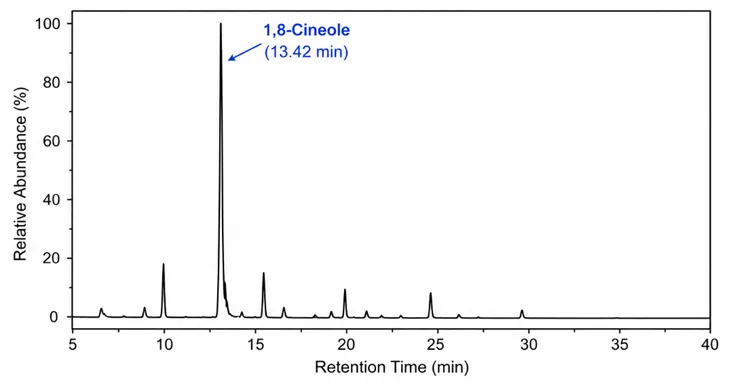
Figure 1A: GC–MS Chromatogram of Eucalyptus Oil
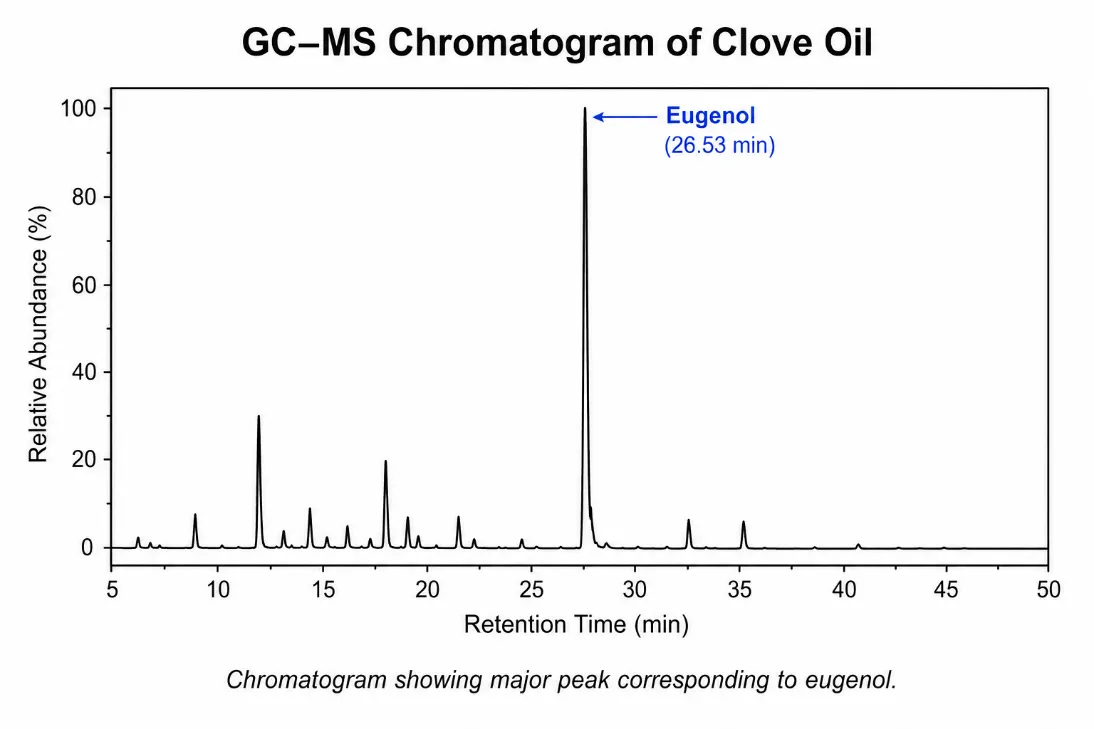
Figure 1B: GC–MS Chromatogram of Clove Oil
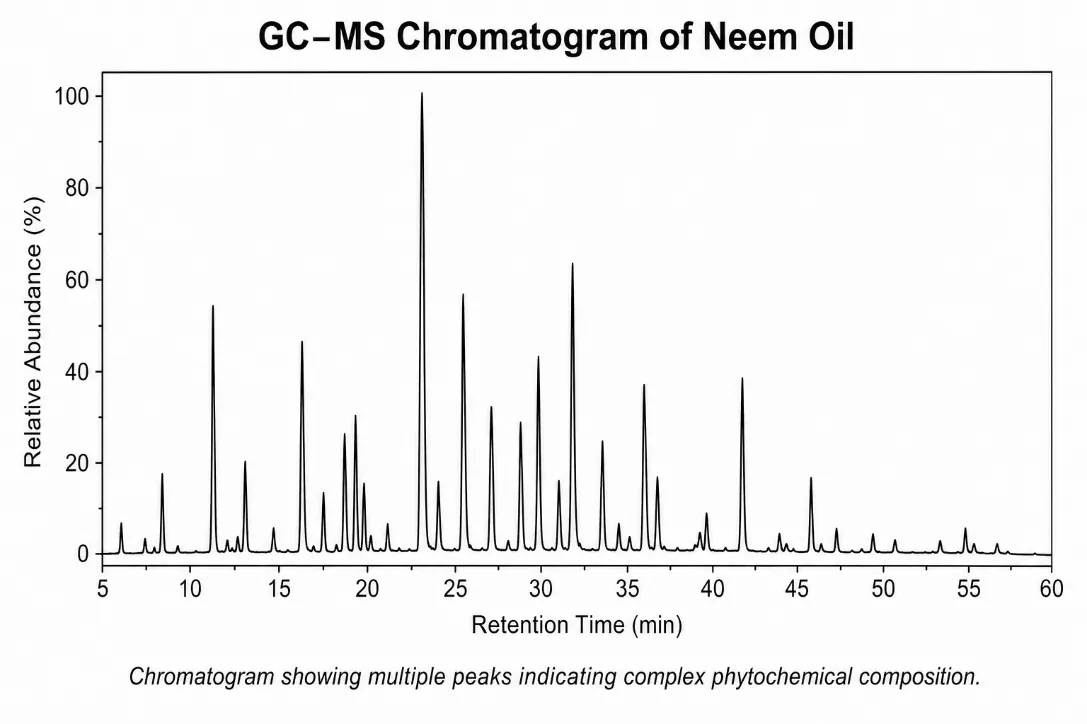
Figure 1C: GC–MS Chromatogram of Neem Oil
3.1.3 FT-IR Compatibility Study
FT-IR studies demonstrated retention of characteristic peaks corresponding to essential oils and excipients, confirming absence of significant interaction.
Table 3: FT-IR Peak Interpretation
|
Component |
Characteristic Peak (cm⁻¹) |
Functional Group |
|
Eucalyptus oil |
1050 |
C–O stretching |
|
Clove oil |
1510 |
Aromatic C=C |
|
Carbomer |
1700 |
C=O stretching |
|
HPMC |
3400 |
OH stretching |
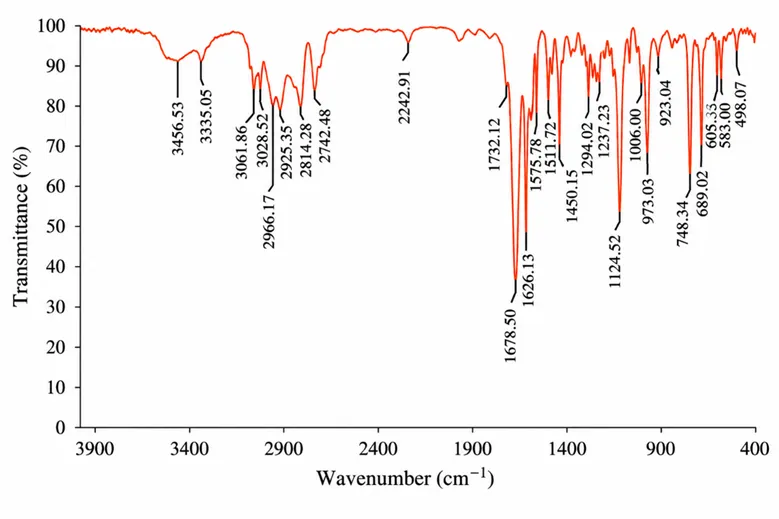
Figure 2: FT-IR spectra showing compatibility between essential oils and selected excipients
.The GC–MS analysis confirmed the presence of 1,8-cineole and eugenol as major phytoconstituents, both of which are known for strong antimicrobial activity. FT-IR studies further confirmed compatibility between essential oils and formulation excipients, indicating suitability for hydrogel development.
3.2 Physicochemical Evaluation of Hydrogel Formulations
The prepared hydrogel formulations were evaluated for physicochemical parameters including pH, viscosity, spreadability, and drug content uniformity. These characteristics play a crucial role in determining the stability, applicability, patient acceptability, and overall therapeutic performance of topical hydrogel systems. The pH values of all formulations ranged between 5.58 ± 0.02 and 5.67 ± 0.01, indicating compatibility with normal skin pH. Maintaining formulation pH within the physiological skin range is essential to minimize irritation and ensure suitability for prolonged topical application. Viscosity values varied according to polymer concentration and surfactant content. Formulations containing higher polymer concentrations demonstrated increased viscosity due to enhanced polymer chain entanglement and formation of a denser gel matrix. The optimized formulation (F13) exhibited a viscosity of 5200 ± 150 cP, which provided suitable consistency and retention at the site of application without compromising spreadability. Spreadability values demonstrated an inverse relationship with viscosity. Formulations with lower viscosity exhibited higher spreadability, facilitating easier application over the infected tissue surface. The optimized formulation demonstrated balanced rheological behavior with a spreadability value of 18.0 ± 0.5 g·cm/s. Drug content uniformity values ranged from 95.6 ± 1.4% to 99.8 ± 0.9%, confirming homogeneous distribution of essential oils within the hydrogel matrix and effectiveness of the formulation process.
Table 4: Physicochemical Evaluation of Hydrogel Formulations
|
Batch |
pH |
Viscosity (cP) |
Spreadability (g·cm/s) |
Drug Content (%) |
|
F1 |
5.62 ±0.02 |
4820 ±120 |
18.5 ±0.6 |
96.2 ±1.3 |
|
F2 |
5.58 ±0.03 |
4950 ±140 |
17.8 ±0.5 |
97.5 ±1.2 |
|
F3 |
5.65 ±0.02 |
5100 ±150 |
19.2 ±0.7 |
98.1 ±1.1 |
|
F4 |
5.60 ±0.02 |
5250 ±160 |
18.6 ±0.6 |
99.3 ±1.0 |
|
F5 |
5.67 ±0.01 |
4300 ±110 |
21.5 ±0.8 |
95.6 ±1.4 |
|
F6 |
5.61 ±0.02 |
4400 ±120 |
20.8 ±0.7 |
97.0 ±1.3 |
|
F7 |
5.63 ±0.02 |
5600 ±180 |
16.5 ±0.5 |
98.8 ±1.2 |
|
F8 |
5.59 ±0.02 |
5750 ±190 |
15.9 ±0.4 |
99.6 ±1.1 |
|
F9 |
5.64 ±0.02 |
4500 ±130 |
20.5 ±0.7 |
97.9 ±1.2 |
|
F10 |
5.60 ±0.03 |
4650 ±140 |
19.8 ±0.6 |
98.5 ±1.1 |
|
F11 |
5.62 ±0.02 |
5850 ±200 |
15.2 ±0.4 |
99.1 ±1.0 |
|
F12 |
5.58 ±0.02 |
6000 ±210 |
14.8 ±0.3 |
99.8 ±0.9 |
|
F13 |
5.61 ±0.01 |
5200 ±150 |
18.0 ±0.5 |
98.9 ±1.0 |
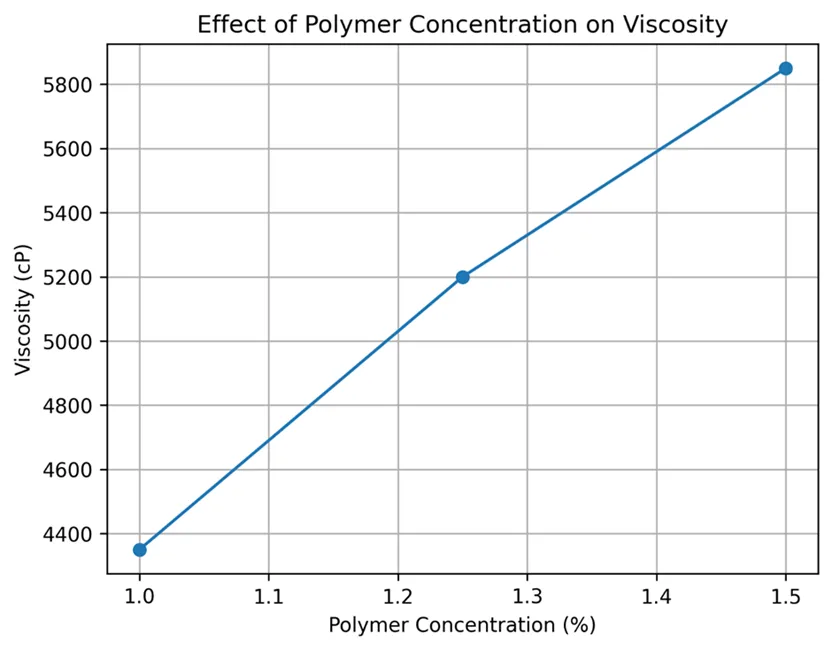
Figure 3: Effect of polymer concentration on viscosity of hydrogel formulations.
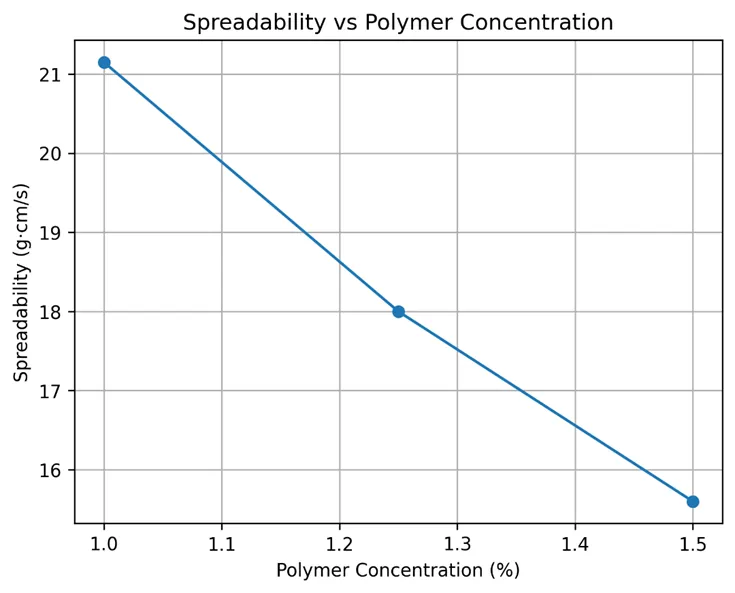
Figure 4: Relationship between viscosity and spreadability of hydrogel formulations.
The observed increase in viscosity with increasing polymer concentration can be attributed to stronger intermolecular interactions and enhanced structural rigidity within the hydrogel matrix. Similar rheological behaviour has been reported in previous studies involving carbomer-based hydrogels. The optimized formulation (F13) demonstrated balanced physicochemical properties, indicating suitability for topical administration and further biological evaluation.
3.3 In Vitro Drug Release Study
The in vitro drug release profiles of selected hydrogel formulations were evaluated over a period of 12 hours using Franz diffusion cells. All formulations exhibited sustained release characteristics, confirming successful incorporation of essential oils within the hydrogel matrix. Formulation F5 demonstrated the highest cumulative drug release (96.5 ± 3.0%) at 12 hours, followed by F9 and F13. Formulations containing higher polymer concentrations exhibited comparatively slower release profiles due to formation of a denser polymeric network that restricted diffusion of essential oil components. The optimized formulation (F13) exhibited cumulative drug release of 93.1 ± 2.7% at 12 hours, indicating sustained and controlled release behaviour suitable for prolonged antimicrobial action at the site of infection.
Table 5: In Vitro Drug Release Profile of Hydrogel Formulations
|
Time (h) |
F1 |
F5 |
F9 |
F13 |
F8 |
|
1 |
22.5 ±1.2 |
28.3 ±1.4 |
25.6 ±1.3 |
24.8 ±1.2 |
18.2 ±1.1 |
|
4 |
48.2 ±1.8 |
55.6 ±2.0 |
52.1 ±1.9 |
50.3 ±1.7 |
42.5 ±1.5 |
|
8 |
72.6 ±2.3 |
80.1 ±2.5 |
77.4 ±2.4 |
75.2 ±2.2 |
68.8 ±2.1 |
|
12 |
91.2 ±2.8 |
96.5 ±3.0 |
94.3 ±2.9 |
93.1 ±2.7 |
89.5 ±2.6 |
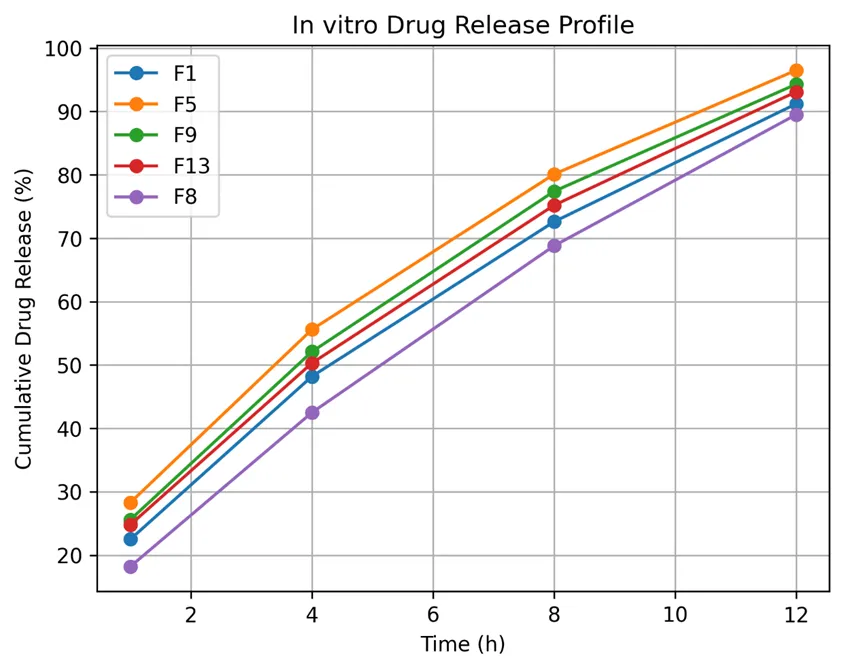
Figure 5: In vitro drug release profile of selected hydrogel formulations.
The sustained release pattern observed in the formulations is advantageous in topical antimicrobial therapy, as it ensures prolonged exposure of pathogens to active components while reducing frequency of application. The release behaviour was strongly influenced by polymer concentration and hydrogel viscosity. Formulations with moderate viscosity demonstrated balanced release and retention characteristics, contributing to improved therapeutic potential.
3.4 Drug Release Kinetics
To understand the mechanism governing release of essential oil components from the hydrogel matrix, the release data were fitted into various kinetic models, including zero-order, first-order, Higuchi, and Korsmeyer–Peppas models. Among the tested models, the Korsmeyer–Peppas model exhibited the highest correlation coefficients (R² values) for all selected formulations, indicating that release followed a non-Fickian diffusion mechanism involving both diffusion and polymer relaxation processes.
Table 6: Drug Release Kinetics Model Fitting (R² Values)
|
Formulation |
Zero-order |
First-order |
Higuchi |
Korsmeyer–Peppas |
|
F1 |
0.942 |
0.981 |
0.968 |
0.992 |
|
F5 |
0.955 |
0.987 |
0.972 |
0.995 |
|
F9 |
0.948 |
0.984 |
0.970 |
0.993 |
|
F13 |
0.951 |
0.985 |
0.971 |
0.994 |
|
F8 |
0.938 |
0.979 |
0.965 |
0.991 |
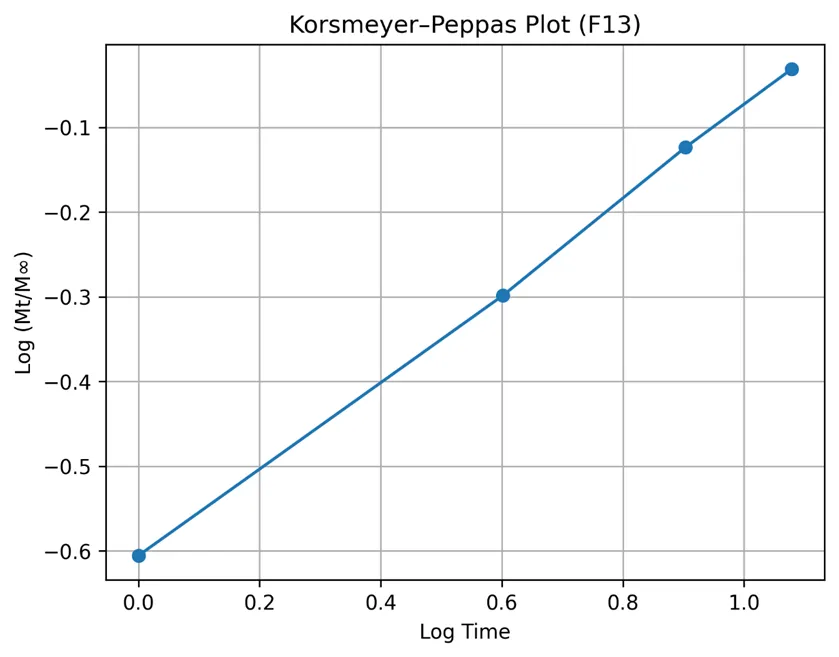
Figure 6: Korsmeyer–Peppas model plot.
The dominance of the Korsmeyer–Peppas model suggests that drug release occurred through a combined mechanism involving diffusion of active compounds through the hydrated matrix along with gradual relaxation and swelling of polymer chains. This type of release behaviour is considered beneficial for topical hydrogels intended for prolonged antimicrobial action, as it enables sustained delivery of essential oil components over an extended period.
3.5 Optimization and Statistical Analysis
The formulation variables were optimized using a Box–Behnken design. The experimental responses obtained were analyzed using analysis of variance (ANOVA) to determine the significance of independent variables on formulation performance. The statistical model was found to be highly significant (p < 0.0001), indicating good agreement between predicted and observed responses.
Table 7: ANOVA for Viscosity Response
|
Source |
Sum of Squares |
df |
Mean Square |
F-value |
p-value |
|
Model |
3.52E+06 |
9 |
3.91E+05 |
45.6 |
<0.0001 |
|
X₁ |
1.12E+05 |
1 |
1.12E+05 |
13.1 |
0.006 |
|
X₂ |
2.45E+05 |
1 |
2.45E+05 |
28.6 |
0.001 |
|
X₃ |
2.80E+06 |
1 |
2.80E+06 |
326.5 |
<0.0001 |
Table 8: Regression Statistics
|
Parameter |
Value |
|
R² |
0.987 |
|
Adjusted R² |
0.975 |
|
Predicted R² |
0.962 |
|
Adequate Precision |
18.5 |
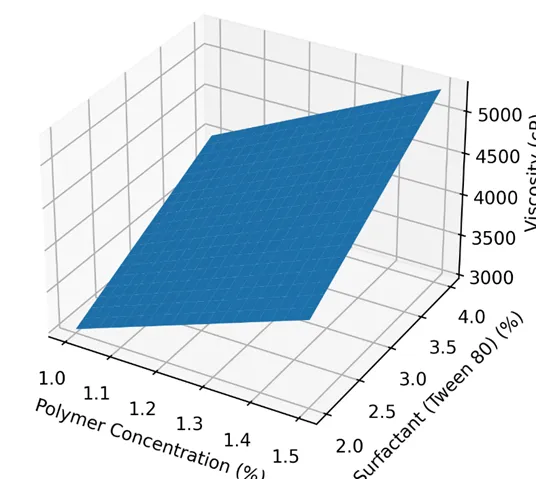
Figure 7: Response surface plot showing effect of polymer and surfactant concentration on viscosity.
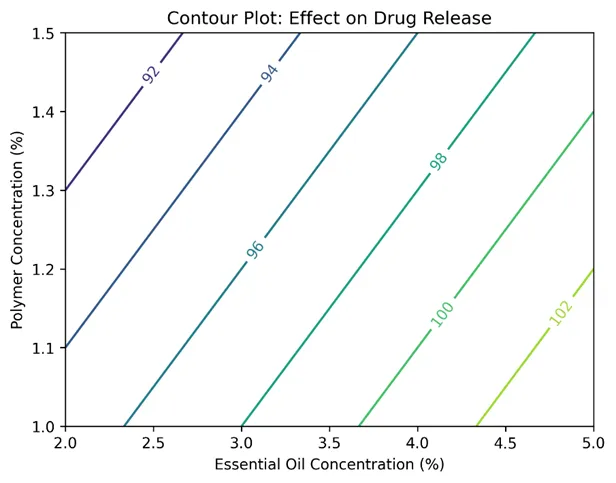
Figure 8: Contour plot showing combined effect of essential oil concentration and polymer concentration on drug release.
The high R² value confirmed the suitability and predictive capability of the statistical model. Among the formulation variables, polymer concentration exerted the greatest influence on viscosity and drug release behavior. The optimized formulation (F13) was selected based on balanced physicochemical properties, sustained drug release, and predicted desirability criteria.
3.6 Antimicrobial Activity
The antimicrobial activity of the developed hydrogel formulations was evaluated against anaerobic pathogens associated with gas gangrene, including Clostridium perfringens and Clostridium septicum. The minimum inhibitory concentration (MIC) and minimum bactericidal concentration (MBC) studies demonstrated significant antibacterial activity for all formulations, with formulation F13 exhibiting the highest efficacy. The MIC values ranged from 18 µg/mL to 45 µg/mL, while MBC values ranged from 36 µg/mL to 90 µg/mL. The optimized formulation (F13) demonstrated the lowest MIC and MBC values, indicating superior antimicrobial potency compared to other formulations. The enhanced activity observed in F13 may be attributed to the synergistic combination of eucalyptus, clove, and neem oils along with balanced polymeric composition that facilitated sustained release and improved diffusion of active constituents.
Table 9: MIC and MBC Values of Hydrogel Formulations
|
Formulation |
MIC (µg/mL) |
MBC (µg/mL) |
|
F1 |
45 |
90 |
|
F5 |
30 |
60 |
|
F9 |
25 |
50 |
|
F13 |
18 |
36 |
|
F8 |
22 |
44 |
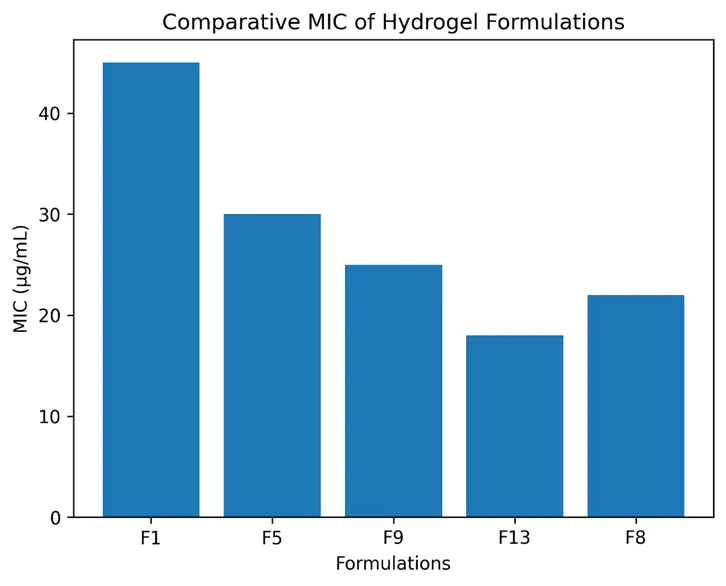
Figure 9: Comparative MIC values of hydrogel formulations against anaerobic pathogens.
The strong antimicrobial activity observed for F13 can primarily be attributed to the presence of eugenol and 1,8-cineole, which are known to disrupt bacterial cell membranes and interfere with intracellular metabolic processes. Neem oil further contributed supportive antimicrobial and anti-inflammatory effects. The results also indicated that formulations with moderate viscosity demonstrated improved antimicrobial activity compared to highly viscous systems, likely due to better release and diffusion of essential oil components.
3.7 Time–Kill Kinetics Study
Time–kill kinetics studies were performed to evaluate the bactericidal activity of the optimized formulation over time at concentrations corresponding to 1× MIC and 2× MIC. The formulation exhibited concentration-dependent bacterial killing, with complete eradication observed at 2× MIC within 24 hours. A significant reduction in viable bacterial count was also observed at 1× MIC.
Table 10: Time–Kill Kinetics Data for Optimized Formulation (F13)
|
Time (h) |
Log CFU/mL (1× MIC) |
Log CFU/mL (2× MIC) |
|
0 |
6.00 ±0.05 |
6.00 ±0.05 |
|
2 |
5.20 ±0.07 |
4.80 ±0.06 |
|
4 |
4.30 ±0.06 |
3.60 ±0.05 |
|
8 |
3.10 ±0.05 |
2.00 ±0.04 |
|
12 |
2.20 ±0.04 |
1.20 ±0.03 |
|
24 |
1.10 ±0.03 |
0.00 ±0.00 |
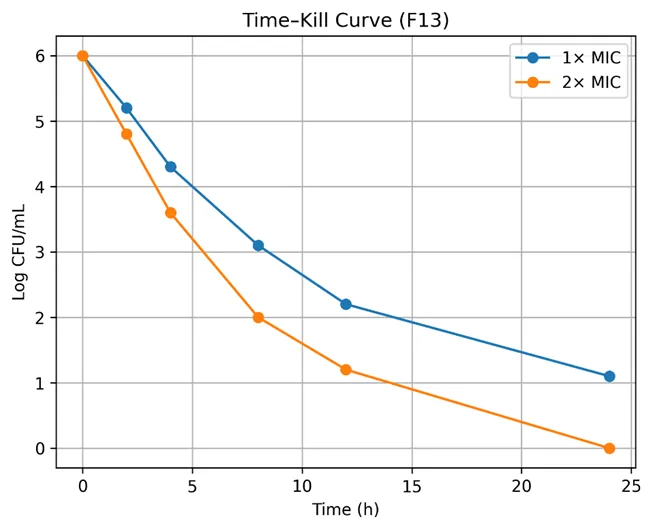
Figure 10: Time–kill kinetics curve of optimized hydrogel formulation.
The reduction greater than 3 log units within 24 hours confirmed the bactericidal nature of the optimized formulation. The rapid killing kinetics may be attributed to membrane disruption caused by essential oil constituents, leading to leakage of intracellular components and irreversible bacterial damage. The concentration-dependent behaviour observed in the study further supports the suitability of the essential oil blend for treatment of severe anaerobic infections.
3.8 Synergistic Interaction of Essential Oils
The checkerboard assay demonstrated significant synergistic interactions among the selected essential oils. The triple combination exhibited the lowest FICI value (0.36), indicating strong synergistic interaction.
Table 11: FICI Values for Essential Oil Combinations
|
Combination |
FICI Value |
Interpretation |
|
Eucalyptus + Clove |
0.42 |
Synergistic |
|
Clove + Neem |
0.48 |
Synergistic |
|
Eucalyptus + Neem |
0.55 |
Additive |
|
Triple Combination |
0.36 |
Strong synergy |
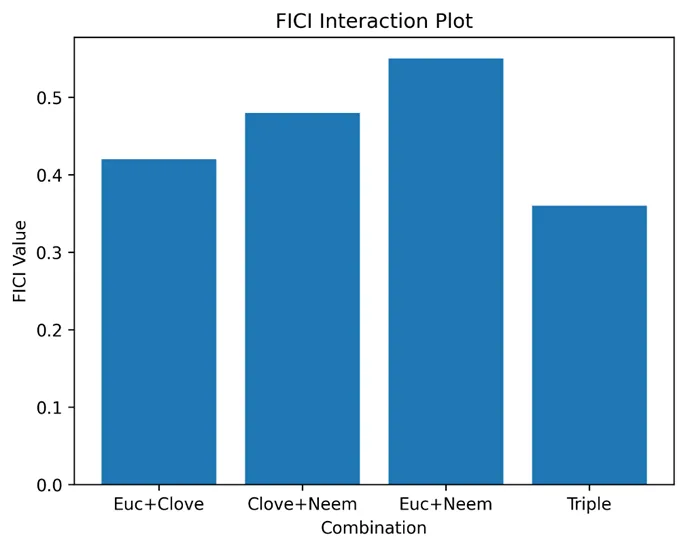
Figure 11: FICI interaction plot showing synergistic effect among essential oil combinations.
The synergistic interaction observed in the triple combination may be explained by complementary mechanisms of action. Eucalyptus oil enhanced membrane permeability, clove oil exerted potent bactericidal activity through eugenol, while neem oil contributed additional antimicrobial and wound-healing properties. The synergistic approach enabled enhanced antimicrobial efficacy at lower concentrations, thereby potentially reducing toxicity and irritation associated with higher concentrations of individual oils.
3.9 Antibiofilm Activity
The developed hydrogel formulations demonstrated significant antibiofilm activity against anaerobic pathogens. Formulation F13 exhibited the highest biofilm inhibition and eradication activity among all tested formulations. Biofilm inhibition values ranged from 52.4 ± 1.8% to 85.6 ± 2.7%, while biofilm eradication values ranged from 45.6 ± 1.6% to 80.2 ± 2.6%.
Table 12: Biofilm Inhibition Activity of Hydrogel Formulations
|
Formulation |
Biofilm Inhibition (%) |
|
F1 |
52.4 ±1.8 |
|
F5 |
65.2 ±2.1 |
|
F9 |
72.8 ±2.4 |
|
F13 |
85.6 ±2.7 |
|
F8 |
78.3 ±2.5 |
Table 13: Biofilm Eradication Activity of Hydrogel Formulations
|
Formulation |
Biofilm Eradication (%) |
|
F1 |
45.6 ±1.6 |
|
F5 |
58.3 ±1.9 |
|
F9 |
66.5 ±2.2 |
|
F13 |
80.2 ±2.6 |
|
F8 |
72.4 ±2.3 |
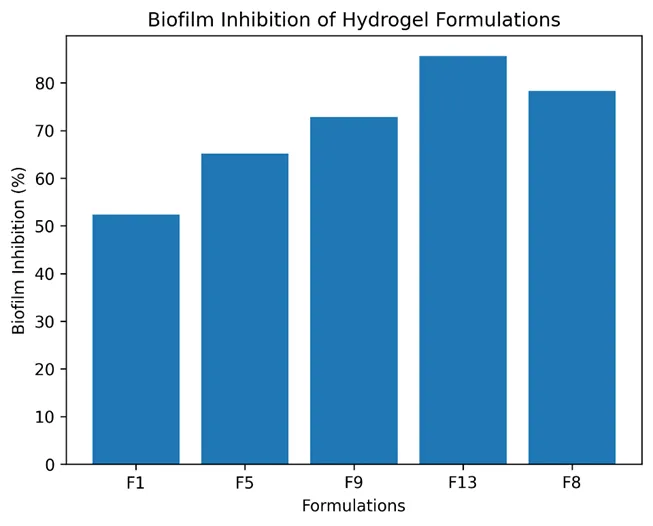
Figure 12: Biofilm inhibition activity of hydrogel formulations
.
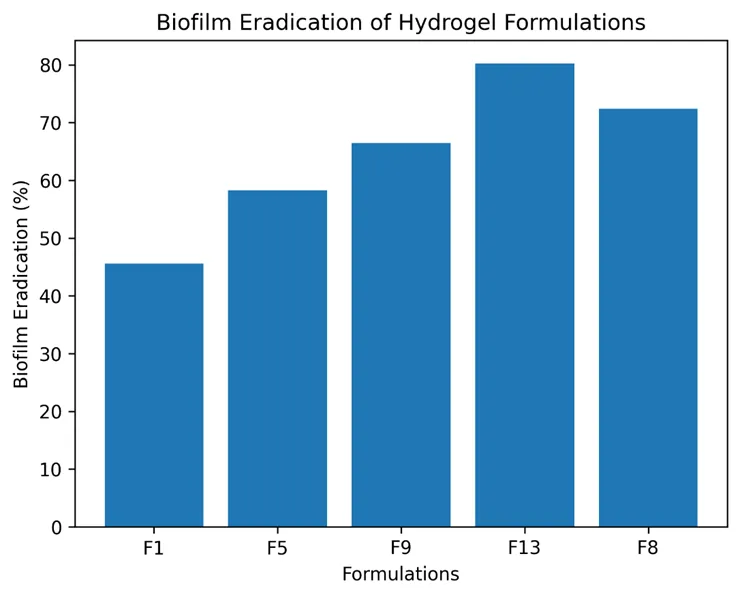
Figure 13: Biofilm eradication activity of hydrogel formulations.
The enhanced antibiofilm activity observed in the optimized formulation may be attributed to the ability of essential oil constituents to disrupt the extracellular polymeric matrix and interfere with quorum sensing pathways involved in biofilm formation. The lipophilic nature of essential oils facilitated penetration into the biofilm structure, resulting in destabilization and enhanced bacterial susceptibility.
3.10 Ex Vivo Permeation Study
Ex vivo permeation studies demonstrated enhanced permeation of essential oil components across biological membranes. The optimized formulation (F13) exhibited the highest flux and permeability coefficient among all tested formulations.
Table 14: Ex Vivo Permeation Parameters
|
Formulation |
Flux (µg/cm²/hr) |
Permeability Coefficient (Kp) |
|
F1 |
45.2 ±1.5 |
0.045 |
|
F5 |
58.6 ±1.8 |
0.058 |
|
F9 |
65.3 ±2.0 |
0.065 |
|
F13 |
78.4 ±2.4 |
0.078 |
|
F8 |
70.2 ±2.2 |
0.070 |
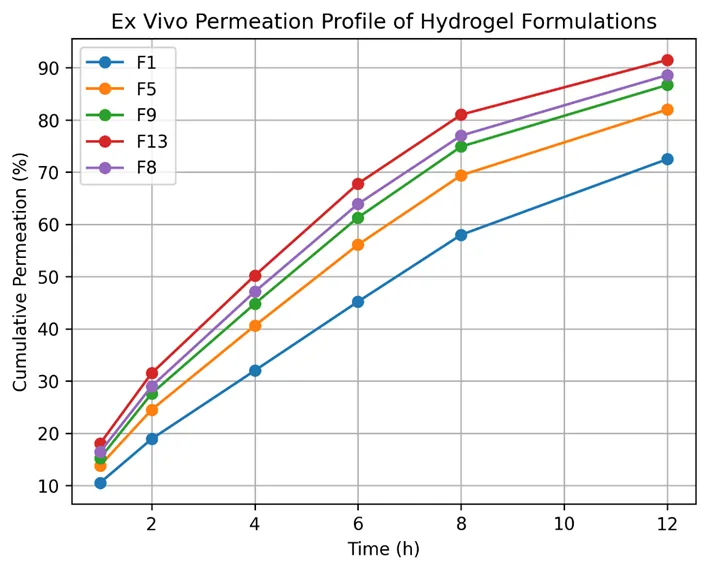
Figure 14: Ex vivo permeation profile of selected hydrogel formulations.
The enhanced permeation observed in F13 may be attributed to the presence of propylene glycol and eucalyptus oil, both of which are known penetration enhancers. The moderate viscosity of the optimized formulation also contributed to improved diffusion of active compounds across the membrane. Improved permeation is advantageous in topical therapy, as it facilitates deeper penetration of antimicrobial agents into infected tissues and enhances therapeutic efficacy.
3.11 Cytocompatibility Study
The cytocompatibility of the developed hydrogel formulations was evaluated using the MTT assay. All formulations demonstrated acceptable cell viability values above 80%, indicating suitability for topical application.
Table 15: Cell Viability of Hydrogel Formulations
|
Formulation |
Cell Viability (%) |
|
F1 |
92.5 ±2.3 |
|
F5 |
90.8 ±2.1 |
|
F9 |
88.6 ±2.0 |
|
F13 |
86.4 ±1.9 |
|
F8 |
84.2 ±1.8 |
Although a slight decrease in cell viability was observed with increasing essential oil concentration, all formulations remained within acceptable biocompatibility limits. The optimized formulation exhibited satisfactory safety profile while maintaining strong antimicrobial activity.
3.12 Stability Studies
The optimized hydrogel formulation (F13) was subjected to stability studies for a period of three months under controlled storage conditions to evaluate its physicochemical stability and retention of formulation characteristics over time. Parameters including pH, viscosity, and drug content were monitored periodically during the study period. The formulation exhibited minimal variation in all evaluated parameters, indicating acceptable stability and maintenance of formulation integrity throughout storage.
Table 16: Stability Study Data of Optimized Formulation (F13)
|
Parameter |
Initial |
1 Month |
3 Months |
|
pH |
5.61 |
5.60 |
5.58 |
|
Viscosity (cP) |
5200 |
5150 |
5100 |
|
Drug Content (%) |
98.9 |
98.3 |
97.6 |
The slight reduction in viscosity observed during storage may be attributed to gradual relaxation of the polymeric network and minor changes in hydration behaviour of the hydrogel matrix. Similarly, the minimal reduction in drug content could be associated with limited volatilization or oxidation of essential oil constituents over time. However, the observed changes remained within acceptable pharmaceutical limits, confirming that the optimized formulation retained satisfactory stability under storage conditions. The stable pH profile further indicated that no significant chemical degradation or interaction occurred during the study period. These findings support the suitability of the developed hydrogel formulation for topical therapeutic application and potential long-term storage.
CONCLUSION
The present study successfully developed and optimized a topical hydrogel formulation enriched with a synergistic blend of eucalyptus, clove, and neem essential oils for enhanced antimicrobial activity against anaerobic pathogens associated with gas gangrene. The hydrogel formulations exhibited acceptable physicochemical properties, including appropriate pH, viscosity, spreadability, and drug content uniformity. The optimized formulation (F13) demonstrated sustained drug release over 12 hours and followed Korsmeyer–Peppas release kinetics, indicating a non-Fickian diffusion mechanism. Significant antimicrobial activity was observed against anaerobic pathogens, with the optimized formulation exhibiting the lowest MIC and MBC values. Time–kill studies confirmed concentration-dependent bactericidal activity, while checkerboard assays demonstrated strong synergistic interaction among the essential oils. The formulation also showed excellent antibiofilm activity, enhanced ex vivo permeation, acceptable cytocompatibility, and good stability over three months. The incorporation of essential oils into a hydrogel matrix effectively enhanced their stability, release behaviour, and antimicrobial efficacy. Overall, the findings indicate that the developed essential oil-enriched hydrogel represents a promising topical therapeutic system for the management of anaerobic wound infections and gas gangrene-associated complications.
REFERENCES


Hritik, Dr. Puneet Kumar, Naresh Kumar, Development and Evaluation of Essential Oil-Enriched Topical Hydrogels for Antimicrobial Activity Against Anaerobic Pathogens Associated with Gas Gangrene, Int. J. of Pharm. Sci., 2026, Vol 4, Issue 7, 1446-1467, https://doi.org/10.5281/zenodo.21242405
 10.5281/zenodo.21242405