The integration of herbal bioactives into topical drug delivery systems has gained substantial momentum due to their multi-target therapeutic efficacy, lower incidence of adverse effects, and high patient compliance. Among various topical vehicles, hydrogels and emulgels represent ideal delivery systems because of their superior spreadability, cooling sensation, non-greasy nature, and favorable release kinetics. However, the formulation of herbal gels presents significant challenges, including the complex physicochemical nature of phytoconstituents, poor skin permeability of large hydrophilic or lipophilic molecules, and susceptibility to chemical degradation. To address these limitations, modern pharmaceutical research employs advanced analytical techniques for characterization, standardization, and evaluation. This review provides a comprehensive overview of the selection and classification of dermatologically active herbal extracts, the technology of gel formulation including novel polymer networks, and the deployment of advanced analytical tools, such as High-Performance Liquid Chromatography (HPLC), High-Performance Thin-Layer Chromatography (HPTLC), Fourier-Transform Infrared Spectroscopy (FTIR), Differential Scanning Calorimetry (DSC), advanced rheological profiling, and Confocal Laser Scanning Microscopy (CLSM)—to ensure the quality, safety, stability, and therapeutic efficacy of herbal gels. Finally, the regulatory challenges and future paradigms, including nanostructured herbal gels and artificial intelligence-driven optimization, are explored.
The human skin acts as a highly specialized, selective barrier that protects the body from environmental insults, regulates temperature, and prevents excessive transepidermal water loss (TEWL) [1]. However, this primary defensive barrier, particularly the stratum corneum, presents a formidable challenge for the delivery of therapeutic agents intended for dermatological conditions such as psoriasis, eczema, acne vulgaris, atopic dermatitis, and chronic wound healing [2]. Conventional topical formulations, such as ointments and creams, often suffer from poor patient compliance due to their greasy nature, low spreadability, and potential to cause follicular occlusion [3].
To overcome these limitations, hydrogels and emulgels have emerged as highly desirable vehicles for dermatological delivery. Gels are semi-solid systems consisting of a three-dimensional polymeric network filled with a liquid phase. They offer unique advantages, including high biocompatibility, ease of application, a cooling sensation upon evaporation, and controlled drug release profiles [4].
Concurrently, there is a global paradigm shift toward the utilization of herbal therapeutics. Phytoconstituents, such as flavonoids, polyphenols, terpenoids, and alkaloids, possess inherent multi-target mechanisms of action, offering synergistic anti-inflammatory, antioxidant, antimicrobial, and tissue-regenerative properties [5]. Despite these therapeutic benefits, raw herbal extracts are notoriously difficult to formulate. They contain complex mixtures of compounds with varying molecular weights, polarities, and chemical stabilities. Many potent phytoconstituents suffer from poor aqueous solubility, rapid photodegradation, or low skin permeability [6].
Consequently, the development of modern herbal gels requires rigorous scientific methodologies. It is no longer sufficient to formulate herbal preparations using empirical methods; instead, advanced analytical techniques must be employed to standardize herbal extracts, characterize the polymer-extract interactions, analyze rheological behaviors, and precisely quantify skin deposition and permeation pathways [7].
This review provides a critical evaluation of the formulation design of herbal gels and details the advanced analytical instrumentation utilized to ensure their quality, stability, and therapeutic delivery.
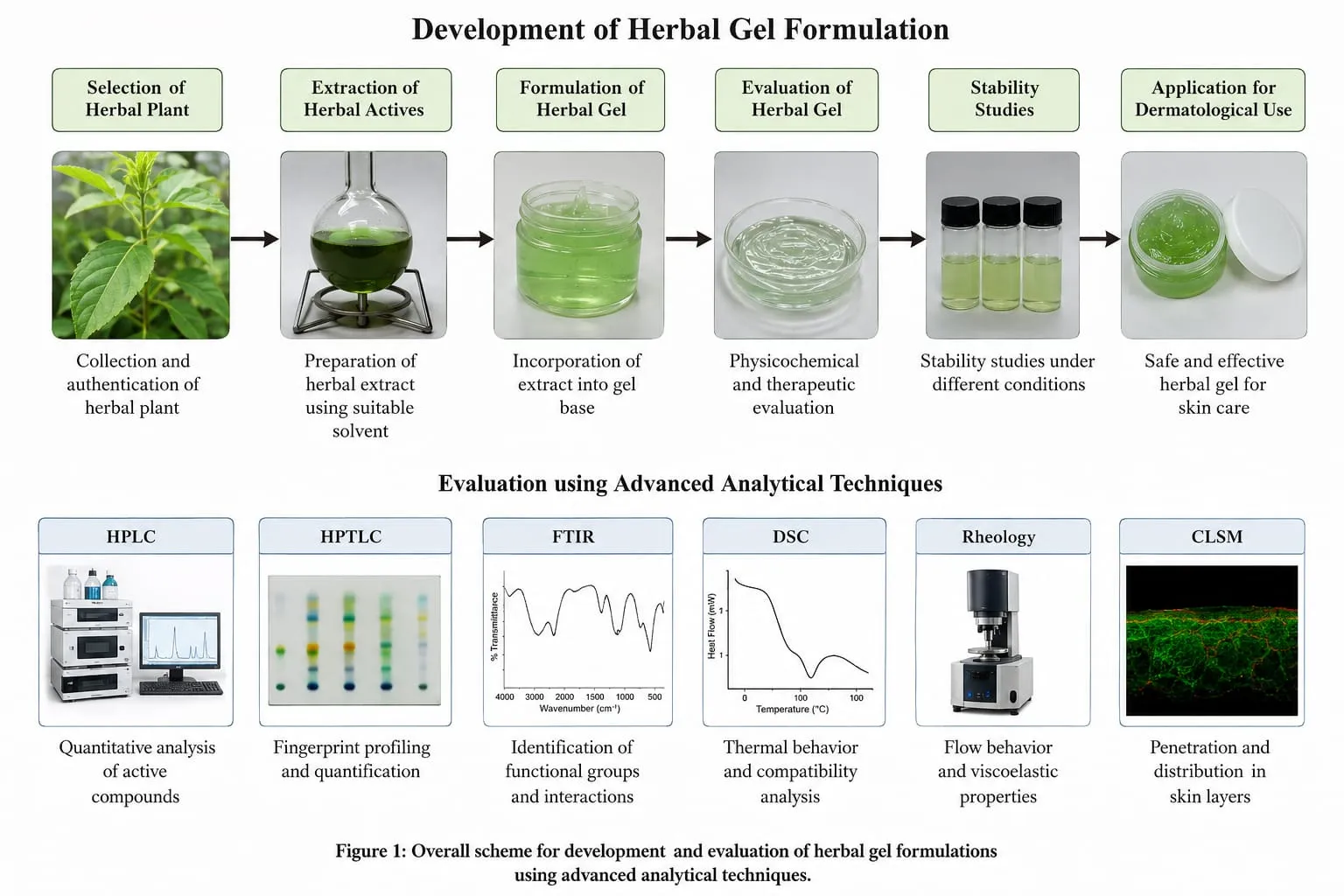
Figure 1: Development and evaluation process of herbal gel formulations.
II. Selection and Classification of Herbal Actives for Dermatology
The therapeutic efficacy of an herbal gel is directly correlated with the selection of the botanical source and the preservation of its active markers during extraction. Various phytoconstituents have been classified based on their chemical structures and dermatological applications, as summarized in Table I.
A. Major Classes of Phytoconstituents
Polyphenols and Flavonoids: Compounds such as epigallocatechin gallate (EGCG) from Camellia sinensis, curcumin from Curcuma longa, and quercetin found in various botanicals act as powerful antioxidants. They scavenge reactive oxygen species (ROS), downregulate pro-inflammatory cytokines (such as TNF-alpha, IL-1 beta, and IL-6) through the inhibition of the NF-kappa B pathway, and inhibit matrix metalloproteinases (MMPs) that degrade collagen [8], [9].
Terpenoids and Carotenoids: Lycopene, beta-carotene, and monoterpenes like thymol and carvacrol exhibit potent antimicrobial and wound-healing properties. Centelloids (asiaticoside, madecassoside) from Centella asiatica stimulate fibroblast proliferation and collagen synthesis, accelerating the remodeling phase of wound healing [10].
Alkaloids: Berberine and capsaicin modulate cutaneous nociceptors and possess strong anti-inflammatory and antimicrobial properties, making them highly valuable for managing psoriasis and neuropathic pain [11].
Polysaccharides: Aloe vera inner gel polysaccharides (mainly acemannan) exhibit humectant, soothing, and immunomodulatory properties by promoting macrophage activation and tissue hydration [12].
Table I: Key Herbal Actives, Sources, and Dermatological Targets
Plant Species (Common Name) Key Bioactive Markers Primary Dermatological Indication Proposed Mechanism of Action
Curcuma longa (Turmeric)
Curcuminoids (Curcumin)
Psoriasis, Wound healing, Acne
Inhibits NF-kappa B, downregulates TNF-alpha and IL-6
[8]
Centella asiatica (Gotu Kola)
Asiaticoside, Madecassoside
Wound healing, Scar reduction
Stimulates collagen Type I synthesis, fibroblast migration
Inhibits tyrosinase, reduces prostaglandin production
[12]
III. Gel Formulation Technology and Excipients
The transformation of a crude herbal extract into an elegant, stable, and therapeutically active topical gel requires a careful selection of gelling agents, permeation enhancers, and stabilizers.
A. Gelling Agents
Gelling agents form the structural scaffold of the formulation. They are broadly categorized as synthetic, semi-synthetic, or natural polymers:
Synthetic Polymers (Carbomers): Carbopol polymers (934, 940, 980, and Ultrez) are cross-linked polyacrylic acid derivatives highly favored in dermatological formulations [15]. They undergo a sol-to-gel transition upon neutralization with organic bases (such as triethanolamine). Carbomer hydrogels exhibit excellent optical clarity, high yield values, and superior pseudoplastic rheological behavior.
Semi-Synthetic Polymers (Cellulose Derivatives): Hydroxypropyl methylcellulose (HPMC), carboxymethylcellulose (CMC), and hydroxyethylcellulose (HEC) are non-ionic polymers resistant to pH-induced changes and electrolyte-mediated degradation. They are highly compatible with ionic herbal extracts containing high concentrations of salts or charged organic molecules [16].
Natural Polymers: Xanthan gum, sodium alginate, and chitosan are biocompatible, biodegradable, and non-toxic. Chitosan, a cationic biopolymer derived from chitin, possesses inherent antimicrobial and hemostatic properties, making it an exceptional candidate for active wound healing gels [17].
B. Permeation Enhancers
To overcome the barrier properties of the stratum corneum, permeation enhancers are incorporated to temporarily disrupt the highly ordered lipid bilayers. Natural terpenes (such as menthol, limonene, and cineole) are widely used in herbal gels. They act by fluidizing the intercellular lipid domain of the skin [18]. Synthetic enhancers, including propylene glycol, dry-chain fatty acids, and surfactants (such as Polysorbate 80), are often co-formulated to create synergistic permeation pathways without causing permanent tissue irritation.
C. Optimization Methodologies (QbD and DoE)
Modern formulation development discards the traditional "One-Factor-at-a-Time" (OFAT) approach in favor of Quality by Design (QbD) and Design of Experiments (DoE) [19]. Utilizing Response Surface Methodology (RSM), such as Central Composite Design (CCD) or Box-Behnken Design (BBD), formulation scientists can study the interaction of critical material attributes (CMAs)—such as polymer concentration, surfactant ratio, and permeation enhancer concentration—on critical quality attributes (CQAs), which include viscosity, spreadability, in vitro drug release rate, and transdermal flux.
IV. Advanced Analytical Techniques for Characterization
Characterizing herbal gels is complex due to the multi-component nature of plant extracts. Modern research utilizes a suite of sophisticated physical, rheological, and chemical analytical techniques to validate formulation quality.
pH Determination: The formulation must maintain a pH range compatible with human skin (4.5 to 6.5) to prevent irritation and barrier disruption [20].
Spreadability and Extrudability: Spreadability measures the ease with which the gel can be applied topically. It is quantified using parallel-plate assemblies where the spread diameter is determined as a function of applied weight. Extrudability measures the force required to expel the gel from its packaging tube.
B. Rheological Profiling and Viscoelastic Analysis
Rheological behavior governs raw material processing, packaging, shelf-life, and sensory characteristics during application. Advanced rotational rheometers equipped with cone-and-plate or parallel-plate geometries are utilized to conduct detailed rheological investigations:
Steady-State Shear Rheology: Herbal gels must exhibit pseudoplastic (shear-thinning) flow behavior [21]. At low shear rates (representing storage), high viscosity prevents sedimentation and syneresis. At high shear rates (representing application or pumping), the viscosity drops significantly to facilitate smooth spreading over the skin.
Thixotropy: This property describes the time-dependent recovery of gel structure after the shear force is removed. A well-designed thixotropic loop indicates that the formulation can reconstitute its structure post-application, preventing it from running off the skin surface.
Dynamic Oscillatory Rheology: By executing Amplitude Sweeps and Frequency Sweeps within the Linear Viscoelastic Region (LVR), scientists evaluate the Storage Modulus representing elastic behavior, and the Loss Modulus representing viscous behavior. For a stable gel network, must significantly exceed across the entire functional frequency spectrum, confirming a solid-like, structured network [21].
C. Spectroscopic and Thermal Characterization (Chemical Compatibility)
To verify that the bioactive herbal compounds remain chemically stable within the polymer matrix and do not form unwanted covalent complexes, spectroscopic and thermal assays are performed:
Fourier-Transform Infrared Spectroscopy (FTIR): FTIR-ATR (Attenuated Total Reflection) is employed to observe key functional groups of both the pure extract and the developed gel formulation [22]. The preservation of characteristic absorption bands—such as the phenolic O-H stretch, carbonyl C=O stretch, or aromatic C=C vibrations—without the emergence of unexpected peaks confirms chemical compatibility and the absence of deleterious interactions.
Differential Scanning Calorimetry (DSC): DSC measures the heat flow associated with thermal transitions of the components. The disappearance, shifts, or changes in the sharp endothermic melting peaks of pure phytoconstituents (e.g., crystalline curcumin in the gel thermogram suggest that the active ingredient is molecularly dispersed or solubilized within the amorphous polymer matrix, which often enhances its dissolution and skin permeation [23].
X-ray Diffraction (XRD): Powder XRD is utilized to confirm whether the crystalline bioactives have transitioned into an amorphous state within the hydrogel network. This transition is marked by the replacement of sharp Bragg reflections with a broad, amorphous halo, typically correlating with improved structural dissolution kinetics [24].
D. Advanced Chromatographic Fingerprinting and Quantitation
Standardizing and quantitating multiple active ingredients in an herbal gel requires high-resolution chromatographic techniques:
High-Performance Thin-Layer Chromatography (HPTLC): HPTLC offers rapid, cost-effective chromatographic fingerprinting of herbal gels. It allows for the visual resolution of multiple markers on a single plate under UV light or after derivatization with chromogenic reagents (such as anisaldehyde-sulfuric acid) [25]. Scanning densitometry enables the precise quantification of marker compounds (such as aloin in Aloe vera gels or madecassoside in Centella gels) with high specificity.
High-Performance Liquid Chromatography (HPLC): HPLC-DAD (Diode Array Detection) is the gold standard for quantitative analysis of phytoconstituents in pharmaceutical gels [26]. Isocratic or gradient elution profiles using reversed-phase columns are optimized to resolve complex mixture profiles. For example, simultaneously determining three active curcuminoids (curcumin, demethoxycurcumin, and bisdemethoxycurcumin) in a topical gel requires precise mobile phase optimization (e.g., acetonitrile and 0.1% orthophosphoric acid) to achieve clean chromatographic resolution and accurate peak integration.
Hyphenated Techniques (LC-MS/MS and GC-MS): For volatile oils (e.g., tea tree oil or lavender oil in gels), Gas Chromatography-Mass Spectrometry (GC-MS) is used to identify and quantify terpenes and sesquiterpenes [27]. Liquid Chromatography-Mass Spectrometry (LC-MS/MS) provides structural identification of trace degradation products or active metabolites within complex skin layers, utilizing electrospray ionization (ESI) and triple quadrupole mass analyzers.
E. In Vitro and Ex Vivo Deliverability Studies
Franz Diffusion Cell Studies: The evaluation of drug release and skin permeation is traditionally conducted using a vertical Franz diffusion cell apparatus [4]. The donor chamber contains the herbal gel, while the receptor chamber is filled with a physiological buffer (e.g., PBS pH 7.4) maintained to mimic skin surface conditions. Synthetic membranes (such as Strat-M) or excised animal skin (such as porcine ear skin or human cadaver skin) are clamped between the chambers. Aliquots are sampled at intervals and analyzed via HPLC to profile the cumulative drug permeated per unit area over time.
Mathematical Modeling of Release Kinetics: The release profiles are fitted to various mathematical equations (Zero-order, First-order, Higuchi, and Korsmeyer-Peppas models) to determine the mechanism of release [28]. Highly structured polymer hydrogels typically exhibit anomalous (non-Fickian) transport, where drug release is governed by a combination of polymer swelling/erosion and molecular diffusion.
Confocal Laser Scanning Microscopy (CLSM): To visually track the depth of skin penetration of phytoconstituents without mechanical sectioning, CLSM is employed. Fluorescent bioactives (such as curcumin, which exhibits green/yellow autofluorescence) or fluorescent probes (such as Rhodamine B or Fluorescein Isothiocyanate, FITC) co-incorporated into the gel are applied to the skin. CLSM generates optical, non-axial mucosal or dermal slices, visualizing the precise localization and penetration depths within the epidermal layers, hair follicles, and dermis [29].
V. Stability, Safety, and Biocompatibility Evaluation
Developing an analytically validated formulation requires demonstrating its long-term physical and chemical stability, alongside verified biosafety.
A. Accelerated Stability Testing
Herbal gels are subjected to stability protocols in accordance with the International Council for Harmonisation (ICH) Q1A (R2) guidelines. Samples are stored in climate-controlled chambers under accelerated conditions for up to 6 months [30]. At scheduled intervals, the formulations are evaluated for:
Physical Changes: Syneresis (water separation), phase separation (for emulgels), and changes in color, odor, or clarity.
Chemical Recovery: Quantifying the degradation kinetics of marker active compounds via HPLC.
Rheological Stability: Ensuring the preservation of the gel's viscoelastic profile and preventing catastrophic drops in viscosity over time.
B. Safety and Irritancy Profiling
Because herbal extracts can contain traces of heavy metals, pesticide residues, or irritating organic compounds, rigorous safety profiling is mandatory:
In Vitro Irritancy Assays: The Hen’s Egg Test on Chorioallantoic Membrane (HET-CAM) serves as an established alternative to animal testing to evaluate vascular irritation, hyperemia, and coagulation [31]. Modern reconstructed human epidermis (RHE) models (such as EpiDerm) are also utilized to measure cell viability (MTT assay) after gel exposure.
In Vivo Skin Irritation Studies: The primary skin irritation index (PII) is calculated using animal models (such as New Zealand White rabbits or Wistar rats) in accordance with OECD Guideline 404 (Acute Dermal Irritation/Corrosion) [32]. Erythema and edema scores are recorded over 72 hours to classify the formulation as non-irritant, mild, moderate, or severe.
VI. Current Challenges and Regulatory Landscape
Despite the therapeutic promise of herbal gels, translating these formulations from laboratory scale to commercialized phytopharmaceutical products presents unique hurdles:
A. Standardization of Complex Mixtures
Unlike synthetic, single-entity active pharmaceutical ingredients (APIs), herbal extracts contain hundreds of compounds. Sourcing variations driven by geographic location, climate conditions, soil composition, and harvesting periods can alter the therapeutic profile of the botanical raw material [33]. Establishing multi-marker fingerprinting templates across multiple batches is essential to ensure consistent clinical therapeutic efficacy.
B. Physicochemical Instability
Many phytoconstituents are highly sensitive to oxidation, thermal degradation, and photolysis. For instance, polyphenols can rapidly oxidize at alkaline pH, causing the gel to darken and lose potency. To mitigate this, formulations must incorporate natural antioxidants (such as Tocopherol) or chelating agents (such as EDTA), along with light-resistant packaging [34].
C. Regulatory Pipelines and Global Harmonization
The regulatory status of herbal topical formulations varies significantly across international jurisdictions:
United States FDA: Evaluated under the Botanical Drug Development Guidance, requiring rigorous clinical trial data or classified under the Dietary Supplement Health and Education Act (DSHEA) for cosmetic applications with limited structural claims [35].
European Medicines Agency (EMA): Governed under the Traditional Herbal Medicinal Products Directive (THMPD), which simplifies registration if a history of safe use for at least 30 years (including 15 years within the EU) is demonstrated.
India (AYUSH): Regulated under the Drugs and Cosmetics Act, requiring standardization and safety profiles based on classical texts or modern clinical evidence. This lack of international regulatory harmonization complicates global product development and distribution.
VII. Future Directions and Emerging Paradigms
To overcome the physical stability and skin-permeation challenges of conventional herbal hydrogels, several modern formulation paradigms are emerging:
A. Nanotechnology-Based Herbal Gels (Nano-Gels and Emulgels)
Integrating nanocarriers into gel bases represents a rapidly expanding field of topical drug delivery:
Phytosomes: Phytosomes are lipid-compatible molecular complexes formed by reacting standardized plant extracts with phospholipids (such as phosphatidylcholine). This complexation significantly improves the absorption and bioavailability of polar herbal extracts across lipid-rich biological membranes [36].
Transfersomes and Ethosomes: These highly deformable, elastic vesicular structures can squeeze through the narrow pores of the stratum corneum, carrying hydrophobic bioactives deep into the viable epidermis and dermis, under the influence of a transdermal hydration gradient [37].
Nanoemulgels: Formulating oil-in-water nanoemulsions, loaded with lipophilic plant oil extracts (e.g., neem oil or rosemary oil) and dispersing them within a hydrogel matrix combines the high stability of an emulsion with the viscosity and ease of application of a hydrogel [38].
B. Smart and Stimuli-Responsive Gels
Next-generation herbal gels utilize stimuli-responsive polymers that undergo sol-to-gel transitions in response to environmental cues:
Thermo-responsive Gels: Formulations based on Poloxamers (such as Pluronic F-127) exist as free-flowing liquids at room temperature, facilitating easy dispensing or spraying, but rapidly transition into structured, highly viscous gels upon contact with the skin, preventing run-off and providing sustained drug release [39].
pH-responsive Gels: Polymers that respond to the acidic mantle of inflamed or infected skin can trigger targeted release of local antimicrobial or anti-inflammatory phytoconstituents directly at the disease site.
C. Artificial Intelligence and Machine Learning in Gel Development
The combination of artificial intelligence (AI) and machine learning (ML) algorithms is transforming dermatological formulation science. Neural networks and deep learning models can predict critical gel characteristics—such as viscosity, spreadability, and skin permeation coefficients—using molecular structure descriptors of phytoconstituents and polymer chemistry parameters [40]. This computational approach dramatically reduces laboratory experimentation time, optimizing the design of stable and active phytotherapeutic gels.
CONCLUSION
The development of herbal gels for dermatological applications represents a promising intersection of traditional ethnopharmacology and modern pharmaceutical technology. By incorporating bioactive phytoconstituents into optimized polymeric hydrogels and emulgels, researchers can achieve targeted, sustained local drug delivery with reduced systemic side effects. The successful translation of these formulations from bench to bedside relies heavily on advanced analytical techniques. Dynamic rheology, advanced chromatographic fingerprinting (HPLC, HPTLC, LC-MS), vibrational spectroscopy, thermal analysis, and confocal imaging provide the precision tools necessary to standardize complex extracts, confirm formulation stability, and verify skin-permeation pathways. As nanotechnology and artificial intelligence continue to reshape formulation development, advanced analytical techniques will remain essential for ensuring that next-generation smart herbal gels meet the highest standards of safety, quality, and therapeutic efficacy.
CONFLICT OF INTEREST
The authors have no conflicts of interest.
REFERENCES
M. R. Prausnitz and R. Langer, "Transdermal drug delivery," Nat. Biotechnol., vol. 26, no. 11, pp. 1261–1268, 2008.
A. S. Benson, S. Raney, and V. Alahmed, "Dermatological barriers and topical drug formulations: An overview," J. Pharm. Sci., vol. 108, no. 3, pp. 1012–1025, 2019.
M. S. Roberts, Y. Mohammed, and M. N. Pastore, "Topical and transdermal drug delivery: From simple potions to smart nanoparticles," Clin. Pharmacol. Ther., vol. 102, no. 1, pp. 43–51, 2017.
V. M. S. Shah and C. R. Patil, "Hydrogels and emulgels as versatile vehicles for topical delivery of natural bioactives: A review," Int. J. Pharm., vol. 585, Art. no. 119560, 2020.
P. K. Mukherjee, Quality Control and Evaluation of Herbal Drugs, 1st ed. Amsterdam, Netherlands: Elsevier, 2019.
R. Rai, S. S. Al-Snafi, and K. R. Al-Kharusi, "Challenges in the formulation of herbal medicines: Solubility and stability aspects," Phytomedicine, vol. 68, Art. no. 153162, 2020.
Y. G. Patel, S. K. Singh, and M. L. Bhatt, "Role of HPLC and HPTLC in the standardization of herbal gel formulations: An analytical perspective," J. Chromatogr. B, vol. 1152, Art. no. 122240, 2020.
A. L. Aggarwal and B. B. Sung, "Curcumin: An anti-inflammatory agent with diverse dermatological targets," AAPS PharmSciTech, vol. 18, no. 4, pp. 1120–1132, 2017.
T. Esatbeyoglu, P. Huebbe, I. M. Ernst, and D. Sandmann, "Curcumin-from molecule to biological activity," Angew. Chem. Int. Ed., vol. 51, no. 22, pp. 5308–5332, 2012.
A. Shukla and A. M. Rasheed, "Centella asiatica in dermatology: An overview of its active constituents and clinical applications," Phytother. Res., vol. 34, no. 6, pp. 1211–1220, 2020.
H. Cao and X. R. Wang, "Berberine-loaded hydrogels for the topical management of psoriasis-like skin inflammation," Eur. J. Pharm. Sci., vol. 142, Art. no. 105152, 2020.
J. H. Hamman, "Composition and applications of Aloe vera leaf gel," Molecules, vol. 13, no. 8, pp. 1599–1616, 2008.
C. F. Carson, K. A. Hammer, and T. V. Riley, "Melaleuca alternifolia (Tea Tree) oil: A review of antimicrobial and other medicinal properties," Clin. Microbiol. Rev., vol. 19, no. 1, pp. 50–62, 2006.
Y. S. Kim, "Glabridin as a multifunctional cosmetic ingredient: Tyrosinase inhibition and anti-inflammatory roles," J. Cosmet. Dermatol., vol. 18, no. 5, pp. 1303–1311, 2019.
A. J. O'Lenick, "Carbomers in personal care: Structure, function, and applications," Cosmet. Toiletries, vol. 129, no. 3, pp. 45–52, 2014.
S. G. Joshi and M. C. Gohel, "Cellulose-derived polymers for topical gel formulations: A review of physicochemical properties," Carbohydr. Polym., vol. 209, pp. 190–201, 2019.
F. N. Croisier and C. Jerome, "Chitosan-based biomaterials for wound healing applications," Eur. Polym. J., vol. 49, no. 4, pp. 780–792, 2013.
A. Williams and A. C. Barry, "Penetration enhancers," Adv. Drug Deliv. Rev., vol. 56, no. 5, pp. 603–618, 2004.
P. X. Zhang and L. Y. Chen, "Application of Quality by Design (QbD) in the optimization of topical herbal gel formulations," AAPS PharmSciTech, vol. 21, no. 3, Art. no. 84, 2020.
M. J. Choi and H. I. Maibach, "Skin pH and its relation to skin barrier function," Skin Pharmacol. Physiol., vol. 18, no. 5, pp. 215–224, 2005.
T. G. Mezger, The Rheology Handbook: For Users of Rotational and Oscillatory Rheometers, 4th ed. Hanover, Germany: Vincentz Network, 2015.
S. J. G. Singh and R. B. Bodhe, "FTIR and DSC characterization of herbal formulations: Assessment of compatibility and stability," J. Pharm. Biomed. Anal., vol. 174, pp. 401–410, 2019.
M. L. Craig, "Thermal analysis of pharmaceutical hydrogels using differential scanning calorimetry," Thermochim. Acta, vol. 680, Art. no. 178350, 2019.
K. R. Patel and J. A. Shah, "X-ray diffraction studies of polymer-drug dispersions in topical gels," Int. J. Pharm. Investig., vol. 10, no. 2, pp. 102–109, 2020.
E. Reich and A. Schibli, High-Performance Thin-Layer Chromatography for the Analysis of Medicinal Plants, 1st ed. New York, NY, USA: Thieme, 2007.
L. R. Snyder, J. J. Kirkland, and J. W. Dolan, Introduction to Modern Liquid Chromatography, 3rd ed. Hoboken, NJ, USA: John Wiley & Sons, 2010.
K. A. Adams, Essential Oil Safety: A Guide for Health Care Professionals, 2nd ed. Edinburgh, UK: Churchill Livingstone, 2014.
P. Costa and J. M. S. Lobo, "Modeling and comparison of dissolution profiles," Eur. J. Pharm. Sci., vol. 13, no. 2, pp. 123–133, 2001.
M. N. Pastore, Y. N. Kalia, and M. S. Roberts, "Confocal laser scanning microscopy as an advanced tool to study cutaneous penetration pathways," Eur. J. Pharm. Biopharm., vol. 95, pp. 2–14, 2015.
ICH Harmonised Tripartite Guideline, "Stability Testing of New Drug Substances and Products Q1A(R2)," in International Conference on Harmonisation, Geneva, Switzerland, 2003.
N. P. Lupo and K. S. Spielmann, "Evaluation of the HET-CAM assay as an alternative to the Draize skin irritation test for topical formulations," Toxicol. in Vitro, vol. 52, pp. 112–119, 2018.
OECD, Test No. 404: Acute Dermal Irritation/Corrosion, OECD Guidelines for the Testing of Chemicals, Section 4, Paris, France: OECD Publishing, 2015.
K. S. Kumar and V. R. Sharma, "Challenges in standardization of multi-component herbal formulations," Phytomedicine, vol. 72, Art. no. 153215, 2020.
G. G. Rossi and A. M. Bianchi, "Degradation and stabilization of natural polyphenols in hydrophilic gels," Food Chem., vol. 312, Art. no. 126084, 2020.
U.S. Food and Drug Administration, Botanical Drug Development: Guidance for Industry, Silver Spring, MD, USA: FDA, 2016.
F. B. Bombardelli and S. B. Spelta, "Phytosomes: A novel carrier engine for herbal drugs to improve bioavailability," Fitoterapia, vol. 84, pp. 110–119, 2013.
G. Cevc and G. Blume, "New, highly efficient formulation of active ingredients for transdermal application: Elastic vesicles (transfersomes)," Biochim. Biophys. Acta, vol. 1105, no. 1, pp. 73–87, 1992.
A. S. Sengupta and J. K. Chatterjee, "Nanoemulgels: A modern breakthrough for topical delivery of hydrophobic herbal actives," J. Drug Deliv. Sci. Technol., vol. 55, Art. no. 101435, 2020.
A. S. B. Pippa and R. P. S. Saini, "Thermo-responsive hydrogel systems as smart carriers for topical bioactive delivery," Colloids Surf. B, vol. 182, Art. no. 110360, 2019.
M. A. Khan, "Artificial intelligence and machine learning in formulation design: Accelerating the optimization of dermatological gels," Drug Discovery Today, vol. 26, no. 8, pp. 1891–1902, 2021
Reference
M. R. Prausnitz and R. Langer, "Transdermal drug delivery," Nat. Biotechnol., vol. 26, no. 11, pp. 1261–1268, 2008.
A. S. Benson, S. Raney, and V. Alahmed, "Dermatological barriers and topical drug formulations: An overview," J. Pharm. Sci., vol. 108, no. 3, pp. 1012–1025, 2019.
M. S. Roberts, Y. Mohammed, and M. N. Pastore, "Topical and transdermal drug delivery: From simple potions to smart nanoparticles," Clin. Pharmacol. Ther., vol. 102, no. 1, pp. 43–51, 2017.
V. M. S. Shah and C. R. Patil, "Hydrogels and emulgels as versatile vehicles for topical delivery of natural bioactives: A review," Int. J. Pharm., vol. 585, Art. no. 119560, 2020.
P. K. Mukherjee, Quality Control and Evaluation of Herbal Drugs, 1st ed. Amsterdam, Netherlands: Elsevier, 2019.
R. Rai, S. S. Al-Snafi, and K. R. Al-Kharusi, "Challenges in the formulation of herbal medicines: Solubility and stability aspects," Phytomedicine, vol. 68, Art. no. 153162, 2020.
Y. G. Patel, S. K. Singh, and M. L. Bhatt, "Role of HPLC and HPTLC in the standardization of herbal gel formulations: An analytical perspective," J. Chromatogr. B, vol. 1152, Art. no. 122240, 2020.
A. L. Aggarwal and B. B. Sung, "Curcumin: An anti-inflammatory agent with diverse dermatological targets," AAPS PharmSciTech, vol. 18, no. 4, pp. 1120–1132, 2017.
T. Esatbeyoglu, P. Huebbe, I. M. Ernst, and D. Sandmann, "Curcumin-from molecule to biological activity," Angew. Chem. Int. Ed., vol. 51, no. 22, pp. 5308–5332, 2012.
A. Shukla and A. M. Rasheed, "Centella asiatica in dermatology: An overview of its active constituents and clinical applications," Phytother. Res., vol. 34, no. 6, pp. 1211–1220, 2020.
H. Cao and X. R. Wang, "Berberine-loaded hydrogels for the topical management of psoriasis-like skin inflammation," Eur. J. Pharm. Sci., vol. 142, Art. no. 105152, 2020.
J. H. Hamman, "Composition and applications of Aloe vera leaf gel," Molecules, vol. 13, no. 8, pp. 1599–1616, 2008.
C. F. Carson, K. A. Hammer, and T. V. Riley, "Melaleuca alternifolia (Tea Tree) oil: A review of antimicrobial and other medicinal properties," Clin. Microbiol. Rev., vol. 19, no. 1, pp. 50–62, 2006.
Y. S. Kim, "Glabridin as a multifunctional cosmetic ingredient: Tyrosinase inhibition and anti-inflammatory roles," J. Cosmet. Dermatol., vol. 18, no. 5, pp. 1303–1311, 2019.
A. J. O'Lenick, "Carbomers in personal care: Structure, function, and applications," Cosmet. Toiletries, vol. 129, no. 3, pp. 45–52, 2014.
S. G. Joshi and M. C. Gohel, "Cellulose-derived polymers for topical gel formulations: A review of physicochemical properties," Carbohydr. Polym., vol. 209, pp. 190–201, 2019.
F. N. Croisier and C. Jerome, "Chitosan-based biomaterials for wound healing applications," Eur. Polym. J., vol. 49, no. 4, pp. 780–792, 2013.
A. Williams and A. C. Barry, "Penetration enhancers," Adv. Drug Deliv. Rev., vol. 56, no. 5, pp. 603–618, 2004.
P. X. Zhang and L. Y. Chen, "Application of Quality by Design (QbD) in the optimization of topical herbal gel formulations," AAPS PharmSciTech, vol. 21, no. 3, Art. no. 84, 2020.
M. J. Choi and H. I. Maibach, "Skin pH and its relation to skin barrier function," Skin Pharmacol. Physiol., vol. 18, no. 5, pp. 215–224, 2005.
T. G. Mezger, The Rheology Handbook: For Users of Rotational and Oscillatory Rheometers, 4th ed. Hanover, Germany: Vincentz Network, 2015.
S. J. G. Singh and R. B. Bodhe, "FTIR and DSC characterization of herbal formulations: Assessment of compatibility and stability," J. Pharm. Biomed. Anal., vol. 174, pp. 401–410, 2019.
M. L. Craig, "Thermal analysis of pharmaceutical hydrogels using differential scanning calorimetry," Thermochim. Acta, vol. 680, Art. no. 178350, 2019.
K. R. Patel and J. A. Shah, "X-ray diffraction studies of polymer-drug dispersions in topical gels," Int. J. Pharm. Investig., vol. 10, no. 2, pp. 102–109, 2020.
E. Reich and A. Schibli, High-Performance Thin-Layer Chromatography for the Analysis of Medicinal Plants, 1st ed. New York, NY, USA: Thieme, 2007.
L. R. Snyder, J. J. Kirkland, and J. W. Dolan, Introduction to Modern Liquid Chromatography, 3rd ed. Hoboken, NJ, USA: John Wiley & Sons, 2010.
K. A. Adams, Essential Oil Safety: A Guide for Health Care Professionals, 2nd ed. Edinburgh, UK: Churchill Livingstone, 2014.
P. Costa and J. M. S. Lobo, "Modeling and comparison of dissolution profiles," Eur. J. Pharm. Sci., vol. 13, no. 2, pp. 123–133, 2001.
M. N. Pastore, Y. N. Kalia, and M. S. Roberts, "Confocal laser scanning microscopy as an advanced tool to study cutaneous penetration pathways," Eur. J. Pharm. Biopharm., vol. 95, pp. 2–14, 2015.
ICH Harmonised Tripartite Guideline, "Stability Testing of New Drug Substances and Products Q1A(R2)," in International Conference on Harmonisation, Geneva, Switzerland, 2003.
N. P. Lupo and K. S. Spielmann, "Evaluation of the HET-CAM assay as an alternative to the Draize skin irritation test for topical formulations," Toxicol. in Vitro, vol. 52, pp. 112–119, 2018.
OECD, Test No. 404: Acute Dermal Irritation/Corrosion, OECD Guidelines for the Testing of Chemicals, Section 4, Paris, France: OECD Publishing, 2015.
K. S. Kumar and V. R. Sharma, "Challenges in standardization of multi-component herbal formulations," Phytomedicine, vol. 72, Art. no. 153215, 2020.
G. G. Rossi and A. M. Bianchi, "Degradation and stabilization of natural polyphenols in hydrophilic gels," Food Chem., vol. 312, Art. no. 126084, 2020.
U.S. Food and Drug Administration, Botanical Drug Development: Guidance for Industry, Silver Spring, MD, USA: FDA, 2016.
F. B. Bombardelli and S. B. Spelta, "Phytosomes: A novel carrier engine for herbal drugs to improve bioavailability," Fitoterapia, vol. 84, pp. 110–119, 2013.
G. Cevc and G. Blume, "New, highly efficient formulation of active ingredients for transdermal application: Elastic vesicles (transfersomes)," Biochim. Biophys. Acta, vol. 1105, no. 1, pp. 73–87, 1992.
A. S. Sengupta and J. K. Chatterjee, "Nanoemulgels: A modern breakthrough for topical delivery of hydrophobic herbal actives," J. Drug Deliv. Sci. Technol., vol. 55, Art. no. 101435, 2020.
A. S. B. Pippa and R. P. S. Saini, "Thermo-responsive hydrogel systems as smart carriers for topical bioactive delivery," Colloids Surf. B, vol. 182, Art. no. 110360, 2019.
M. A. Khan, "Artificial intelligence and machine learning in formulation design: Accelerating the optimization of dermatological gels," Drug Discovery Today, vol. 26, no. 8, pp. 1891–1902, 2021
Ajeet Kumar Yadav
Corresponding author
Maharishi School of Pharmaceutical Sciences (MUIT) Lucknow, UP 226013
Vasim Khan
Co-author
Maharishi School of Pharmaceutical sciences Lucknow UP
Dr. Vipin Kesarwani
Co-author
Maharishi School of Pharmaceutical sciences Lucknow UP
Dr. Pavan Kumar
Co-author
Maharishi School of Pharmaceutical sciences Lucknow UP
Ajeet Kumar Yadav, Vasim Khan, Dr. Vipin Kesarwani, Dr. Pavan Kumar, Development and Evaluation of Herbal Gel Formulations Using Advanced Analytical Techniques for Dermatological Applications: A Comprehensive Review, Int. J. of Pharm. Sci., 2026, Vol 4, Issue 6, 7108-7118, https://doi.org/10.5281/zenodo.20991469



 10.5281/zenodo.20991469