

We use cookies to ensure our website works properly and to personalise your experience. Cookies policy
1Babulal tarabai institute of pharmaceutical sciences.
2ITM gwalior.
The present study aimed to develop and evaluate Vonoprazan Fumarate-loaded mucoadhesive microspheres for sustained drug release and improved oral drug delivery in the management of peptic ulcer disease. The microspheres were prepared using the ionotropic gelation technique, employing sodium alginate as the primary polymer, chitosan as the mucoadhesive polymer, and calcium chloride as the cross-linking agent. The prepared formulations (F1–F5) were evaluated for percentage yield, particle size, drug entrapment efficiency, mucoadhesion, swelling index, surface morphology, in-vitro drug release, drug–excipient compatibility, and stability. Among the formulations, F4 was selected as the optimized formulation based on its overall formulation characteristics. F4 exhibited a percentage yield of 91.18 ± 0.94%, drug entrapment efficiency of 88.63 ± 1.12%, mucoadhesion of 93.18 ± 1.04%, and a swelling index of 172.94 ± 4.11%. The in-vitro drug release study demonstrated sustained drug release, reaching 88.64% at 24 hours. Differential scanning calorimetry indicated no significant drug–excipient incompatibility under the investigated conditions. During accelerated stability testing at 40 ± 2°C/75 ± 5% relative humidity for two months, the optimized formulation showed minimal changes in drug content and drug release. In the in-vivo evaluation, F4 demonstrated promising gastroprotective activity, with an ulcer index of 1.28 ± 0.12, ulcer protection of 85.19%, and gastric pH of 3.94 ± 0.16. The reported pharmacokinetic findings also indicated increased systemic exposure compared with the conventional drug suspension; however, numerical pharmacokinetic data are required for quantitative confirmation. Overall, the findings suggest that Vonoprazan Fumarate-loaded mucoadhesive microspheres may offer a promising approach for sustained drug release and gastroprotective delivery in peptic ulcer management. Further studies with complete pharmacokinetic data are necessary to confirm the improvement in oral
Peptic ulcer disease (PUD) is a gastrointestinal disorder characterized by the formation of ulcers in the lining of the stomach or duodenum due to an imbalance between aggressive factors, including gastric acid, pepsin, and Helicobacter pylori infection, and the protective mechanisms of the gastrointestinal mucosa. The major causes of peptic ulcer disease include H. pylori infection and the prolonged use of non-steroidal anti-inflammatory drugs (NSAIDs), which impair mucosal defense and promote ulcer formation. Smoking, excessive alcohol consumption, and severe physiological stress may further aggravate mucosal injury and delay ulcer healing. Common symptoms include epigastric pain, dyspepsia, nausea, and abdominal discomfort, while severe cases may lead to gastrointestinal bleeding or perforation. Effective treatment therefore focuses on
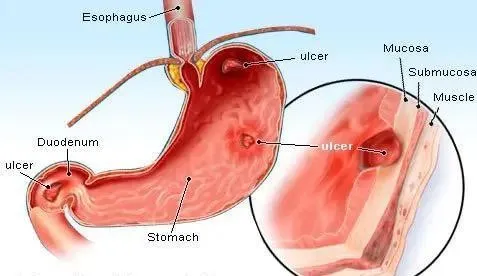
Figure 1: Peptic Ulcer
acid suppression, eradication of H. pylori when indicated, and promotion of ulcer healing. Conventional pharmacological approaches for PUD include proton pump inhibitors (PPIs), histamine H₂-receptor antagonists, antacids, and mucosal protective agents. Although PPIs are widely used for acid suppression, variations in therapeutic response and drug metabolism may affect treatment outcomes in some patients. Potassium-competitive acid blockers (P-CABs) have emerged as an alternative class of acid-suppressing agents.
Vonoprazan is a P-CAB that inhibits the gastric H⁺/K⁺-ATPase through potassium-competitive inhibition, providing rapid and sustained suppression of gastric acid secretion. It is also used in combination with appropriate antibiotics for the treatment of H. pylori infection. These properties make vonoprazan a relevant drug candidate for the development of improved oral delivery systems.
Novel drug delivery systems have attracted considerable interest in pharmaceutical research because they can modify drug release, improve formulation performance, and potentially enhance patient compliance. Mucoadhesive microspheres are multiparticulate drug delivery systems designed to adhere to the mucus layer of the gastrointestinal tract. Their mucoadhesive properties may prolong gastric residence time and facilitate sustained drug release. Various polymers, including chitosan, sodium alginate, hydroxypropyl methylcellulose (HPMC), and Carbopol, have been investigated for their potential applications in mucoadhesive drug delivery. The selection of an appropriate polymer and formulation method is essential for achieving desirable particle characteristics, drug entrapment, mucoadhesion, and release behavior.
The incorporation of vonoprazan into mucoadhesive microspheres represents a potential approach to modifying its oral drug-release profile and prolonging its residence in the gastrointestinal tract. However, the actual benefits of this formulation depend on its physicochemical properties, mucoadhesive performance, drug-release characteristics, and stability. Therefore, experimental evaluation is necessary to establish its suitability as an oral drug delivery system.
The present study aims to formulate and evaluate vonoprazan-loaded mucoadhesive microspheres for oral drug delivery in the management of peptic ulcer disease. The formulation is evaluated for particle size, percentage drug entrapment efficiency, surface morphology, mucoadhesive properties, in-vitro drug release, and stability. The findings are intended to assess the feasibility of developing a mucoadhesive microsphere-based formulation capable of providing controlled drug release and potentially prolonged gastric residence.
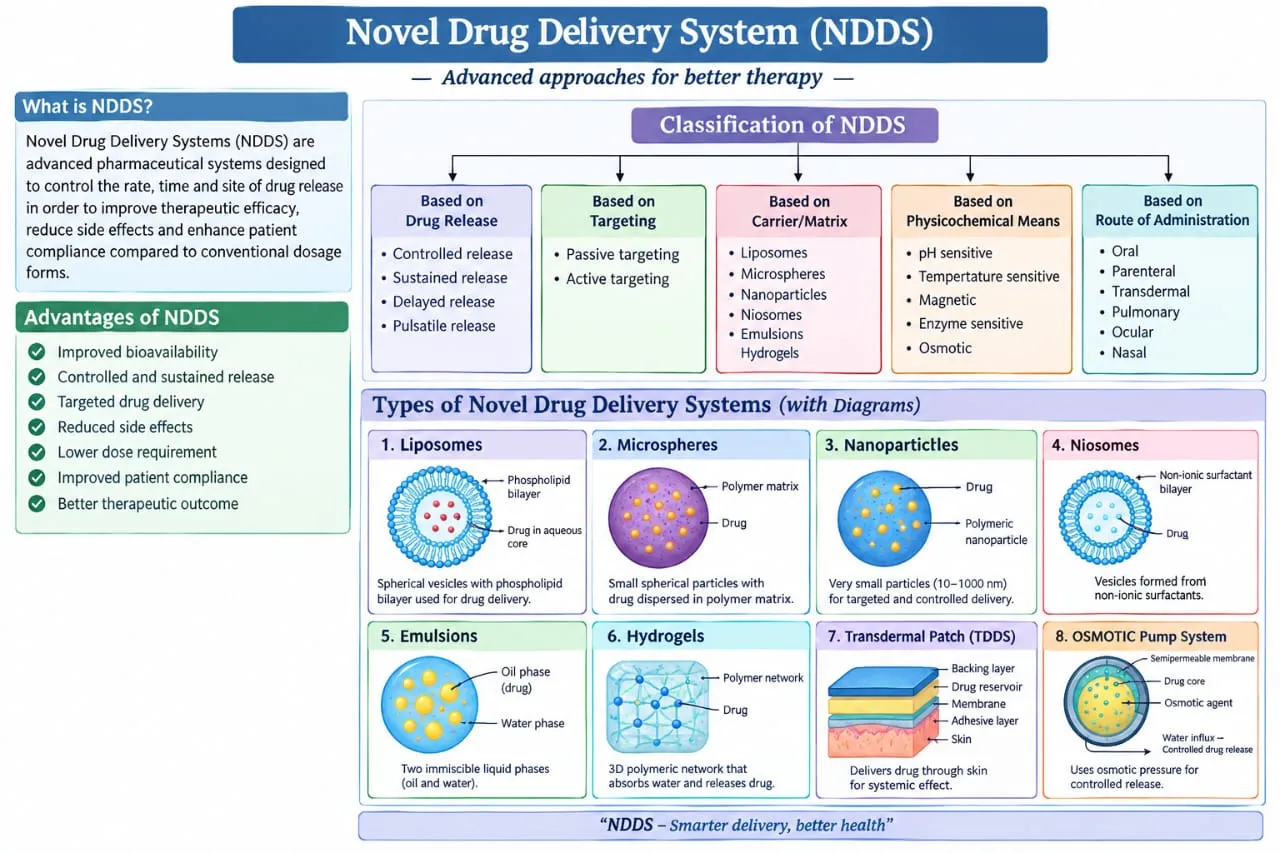
Figure 2: All Type of Novel Drug Delivery System
MATERIALS AND METHODS:
2.1 Materials
1. Vonoprazan fumarate was used as the model drug for the preparation of mucoadhesive microspheres.
2. Sodium alginate was used as the primary polymer.
3. chitosan was incorporated as a mucoadhesive polymer.
4. Calcium chloride was used as the ionic cross-linking agent, and distilled water was used as the solvent and dispersion medium.
5. The excipients were selected based on their suitability for microsphere formulation and the preformulation studies performed.
2.2 Formulation of Vonoprazan Fumarate-Loaded Mucoadhesive Microspheres
Microspheres were prepared by the ionotropic gelation technique using the following steps:
1. Polymer Solution Preparation: Sodium alginate was dissolved in distilled water under continuous stirring to obtain a uniform solution.
2. Drug Incorporation: Chitosan was incorporated, followed by the gradual addition of vonoprazan fumarate with continuous stirring to obtain a homogeneous drug–polymer dispersion.
3. Microsphere Formation: The prepared dispersion was added dropwise into an aqueous calcium chloride solution using a syringe under continuous stirring.
4. Cross-Linking: Calcium ions interacted with the carboxylate groups of sodium alginate, forming microspheres through ionic cross-linking. The microspheres were kept in the solution for a predetermined period to ensure adequate hardening.
5. Collection and Washing: The formed microspheres were collected by filtration and washed with distilled water to remove excess calcium chloride and unentrapped surface drug.
6. Drying and Storage: The microspheres were dried at room temperature or under controlled drying conditions until a constant weight was achieved and stored in a well-closed container for further evaluation.
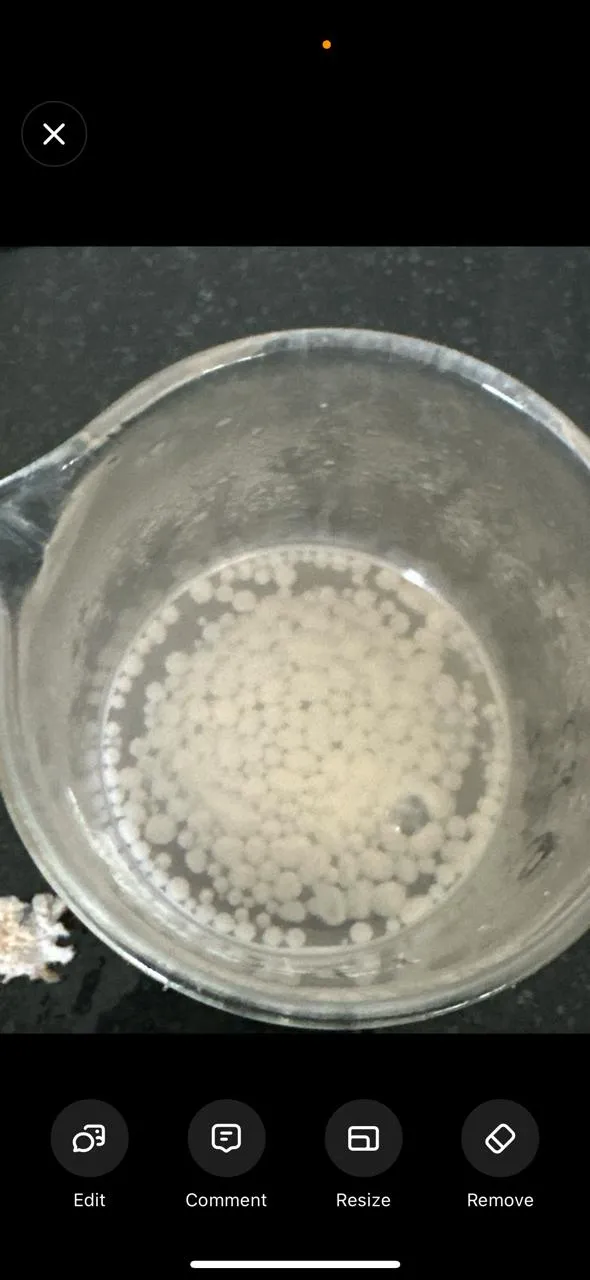
Figure 3: Muchoadhesive Microspheres
3. PREFORMULATION STUDIES
Preformulation studies were performed to evaluate the physicochemical properties of vonoprazan fumarate and its compatibility with the selected excipients before formulation development.
3.1 Organoleptic Properties
The colour, appearance, odour, and taste of vonoprazan fumarate were evaluated by visual observation and sensory examination, as applicable.
Table: The Organoleptic Properties of Vonoprazan Fumarate
| Parameter | Observation |
|---|---|
| Colour | White tooff-white |
| Appearance | Crystalline powder |
| Odour | Odourless |
| Taste | Slightly bitter |
3.2 Melting Point Determination
The melting point of vonoprazan fumarate was determined using the capillary tube method. The observed melting point was 194–198°C.
3.3 Solubility Study
An excess amount of vonoprazan fumarate was added separately to different solvents and shaken for 24 hours at room temperature. The samples were filtered, and solubility was assessed from the observed solution characteristics.
| Solvent | Observation | Reported solubility |
|---|---|---|
| Distilled water | Clear solution on slight shaking | Slightly soluble |
| Ethanol | Clear solution | Soluble |
| 0.1 N HCl | Clear solution | Soluble |
| Phosphate buffer pH 6.8 | Slightly turbid solution | Slightly soluble |
3.4 Determination of Maximum Absorption Wavelength (λmax)
A vonoprazan fumarate solution (10 µg/mL) was scanned over the wavelength range of 200–400 nm using a UV–Visible spectrophotometer. Methanol was used as the solvent, and phosphate buffer pH 6.8 was reported as the dilution medium. The observed λmax was 262 nm.
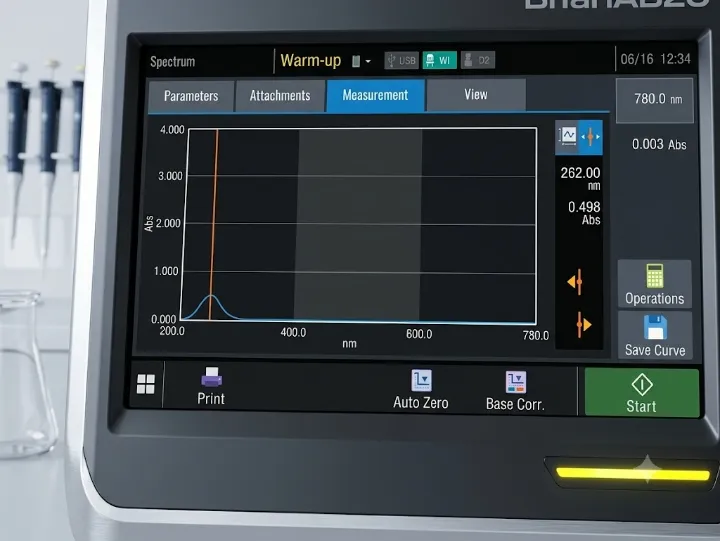
Figure 4: Observation Range of the Drug
3.5 Preparation of Standard Calibration Curve
A stock solution of vonoprazan fumarate was prepared and serially diluted to obtain solutions of known concentrations. Their absorbance was measured using a UV–Visible spectrophotometer (UV-1900i), and a calibration curve was plotted between concentration and absorbance.
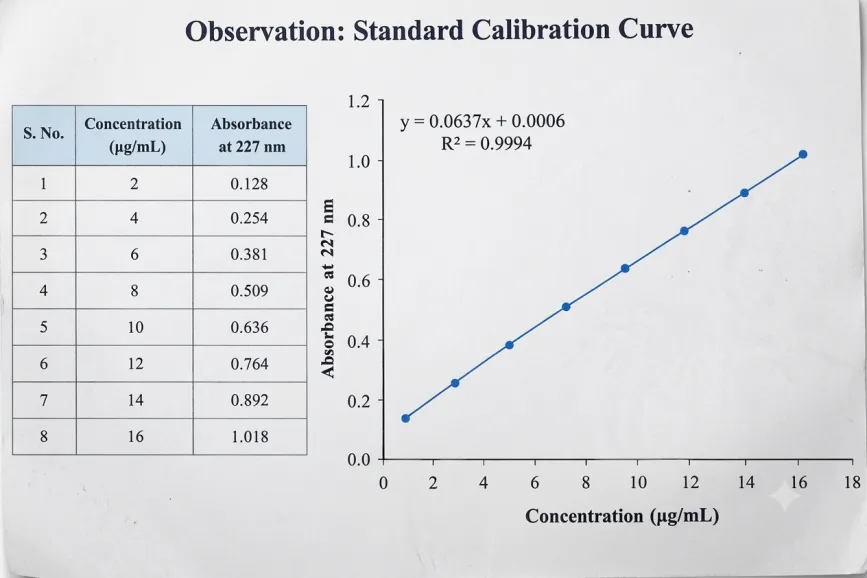
Figure 5: Standard Calibration Curve
3.6 Drug–Excipient Compatibility Study
Drug–excipient compatibility was investigated using Fourier-transform infrared spectroscopy (FTIR) and differential scanning calorimetry (DSC). The DSC endothermic peak of the pure drug was observed at 196.2°C, while the drug–polymer mixture and optimized formulation showed peaks at 195.8°C and 195.3°C, respectively. The retention of the characteristic drug peak with minor shifts suggested no significant thermal incompatibility under the tested conditions.
4. IN-VITRO EVALUATION OF MICROSPHERES
The prepared mucoadhesive microspheres were evaluated for their physicochemical characteristics, drug-loading capacity, mucoadhesive properties, and in-vitro drug-release behavior. These evaluation parameters are essential for assessing the quality, performance, and suitability of the developed formulation for prolonging gastric residence time and potentially improving oral bioavailability. Furthermore, the evaluation studies provide valuable insights into the efficiency of the formulation process and the influence of formulation variables on the overall performance of the microspheres. Based on the results of the evaluation studies, the optimized formulation was selected for further investigation, including in-vivo pharmacokinetic studies.
4.1 Percentage yeild: The prepared microspheres were collected, dried, and accurately weighed. The percentage yield was calculated by comparing the practical yield of the microspheres with the theoretical yield of the formulation ingredients. Result: The percentage yield of the optimized formulation (F4) was found to be 91.18 ± 0.94%, corresponding to a practical yield of 273.54 mg from a theoretical yield of 300 mg.
Formula:
Percentage Yield (%) = (Practical Yield / Theoretical Yield) × 100
4.2 Particle Size Analysis
The particle size of the prepared microspheres was determined using an optical microscope fitted with an ocular and stage micrometer. Approximately 100 microspheres were randomly selected, and their diameters were measured. The mean particle sizes of formulations F1, F2, F3, F4, and F5 were found to be 212.4 ± 5.8 µm, 245.7 ± 6.3 µm, 278.9 ± 7.1 µm, 305.3 ± 8.0 µm, and 338.2 ± 9.4 µm, respectively. The results indicated a gradual increase in particle size from F1 to F5, with F5 exhibiting the largest mean particle size.
4.3 Drug Entrapment Efficiency
The drug entrapment efficiency of the prepared microspheres was determined by crushing a known quantity of microspheres and dissolving them in a suitable solvent. The solution was filtered, suitably diluted, and analyzed using a UV–Visible spectrophotometer at the predetermined wavelength (λmax). The drug content was calculated using the standard calibration curve.
Result: Formulation F5 showed the highest drug entrapment efficiency (91.24 ± 0.96%), whereas F1 showed the lowest (73.12 ± 1.54%).
Table: Drug Entrapment Efficiency
| Formulation | Entrapment Efficiency (%) |
|---|---|
| F1 | 73.12 ± 1.54 |
| F2 | 79.48 ± 1.36 |
| F3 | 85.76 ± 1.18 |
| F4 | 88.63 ± 1.12 |
| F5 | 91.24 ± 0.96 |
4.4 Mucoadhesion Study
The mucoadhesive properties of the prepared microspheres were evaluated using the wash-off method with freshly excised goat gastric mucosa. The percentage of microspheres retained after washing was determined to assess their mucoadhesive strength.
Table: Mucoadhesion Study
| Formulation | Initial Weight (mg) | Weight Retained After Washing (mg) | Mucoadhesion (%) |
|---|---|---|---|
| F1 | 100 | 71.38 | 71.38 ± 1.82 |
| F2 | 100 | 79.64 | 79.64 ± 1.56 |
| F3 | 100 | 86.27 | 86.27 ± 1.31 |
| F4 | 100 | 93.18 | 93.18 ± 1.04 |
| F5 | 100 | 90.42 | 90.42 ± 1.19 |
Formula:
Mucoadhesion (%) = (Weight retained after washing / Initial weight) × 100
Calculation for F4:
Mucoadhesion (%) = (93.18 / 100) × 100 = 93.18%
RESULT:
Formulation F4 exhibited the highest mucoadhesion (93.18 ± 1.04%), followed by F5 (90.42 ± 1.19%). F4 was identified as the formulation with the highest reported mucoadhesive retention.
4.5 Surface Morphology (SEM)
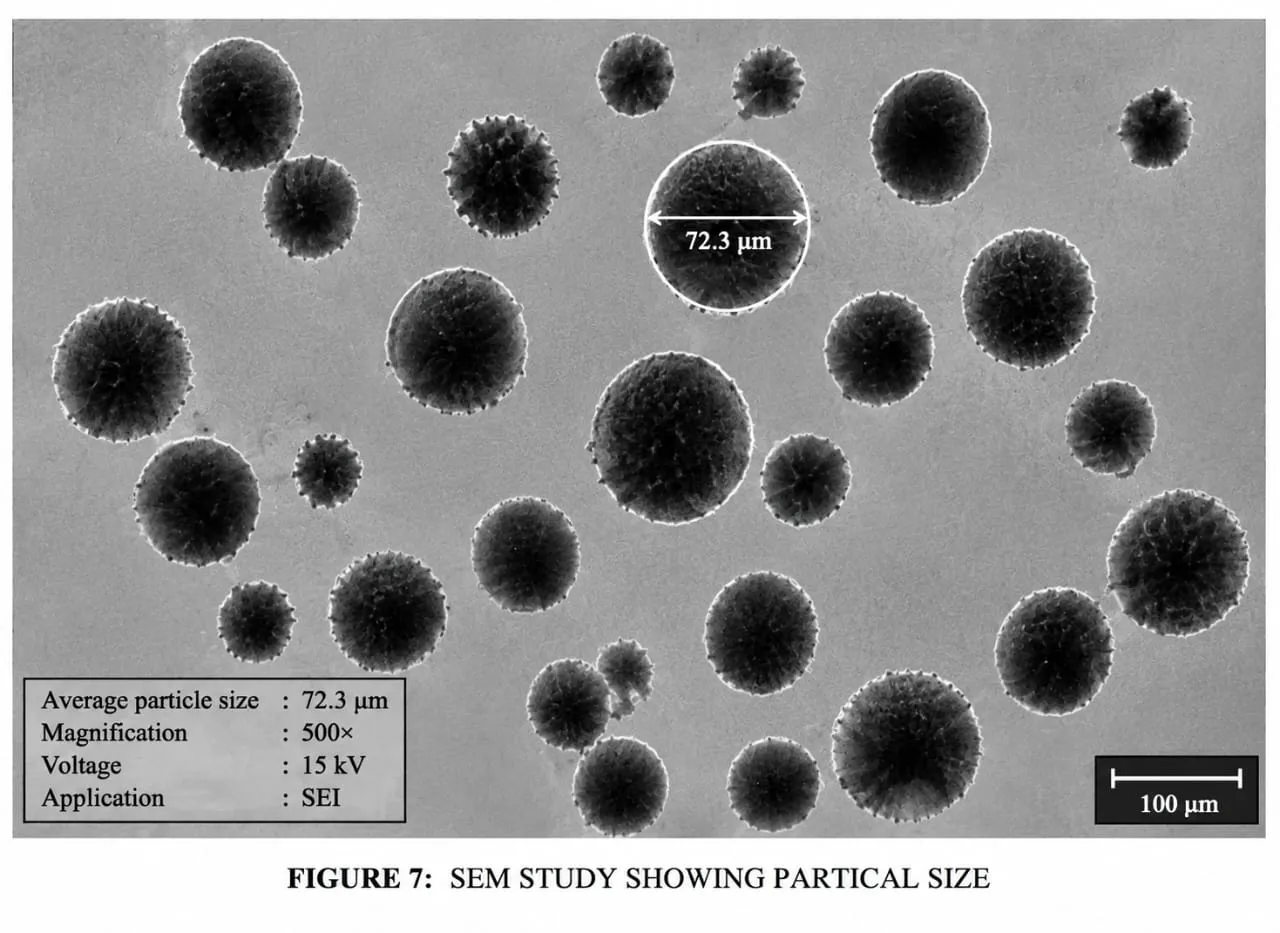
The SEM image of the optimized microspheres showed that the microspheres were predominantly spherical in shape with a relatively smooth surface. The particles exhibited good structural integrity with no significant aggregation. The average particle size was reported as 270.3 nm. The observed morphology indicated satisfactory microsphere formation and uniformity.
4.6. Drug–Excipient Compatibility Study (DSC)
Differential Scanning Calorimetry (DSC) was performed using a NETZSCH STA 449 F1 instrument to investigate the thermal behavior of Vonoprazan Fumarate and its compatibility with the selected polymers. The pure drug exhibited a sharp endothermic peak at 196.8°C, indicating its characteristic thermal behavior. The drug–polymer physical mixture showed a slight shift in the endothermic peak to 194.6°C, while the optimized formulation (F4) exhibited a peak at 195.2°C with reduced intensity and slight broadening. These changes may be attributed to the presence of polymers and the encapsulation of the drug within the formulation matrix. No additional thermal peaks were reported. Overall, the DSC results suggest that no significant drug–excipient incompatibility was observed in the optimized formulation.
Table: Differential Scanning Calorimetry (DSC) Results
| Sample | Endothermic Peak (°C) | Observation |
|---|---|---|
| Pure Drug (Vonoprazan Fumarate) | 196.8 | Sharp characteristic endothermic peak observed. |
| Drug–Polymer Physical Mixture | 195.2 | Slight peak shift and broadening observed. |
| Optimized Formulation (F4) | 194.6 | Reduced peak intensity and slight broadening observed, with no additional peaks reported. |
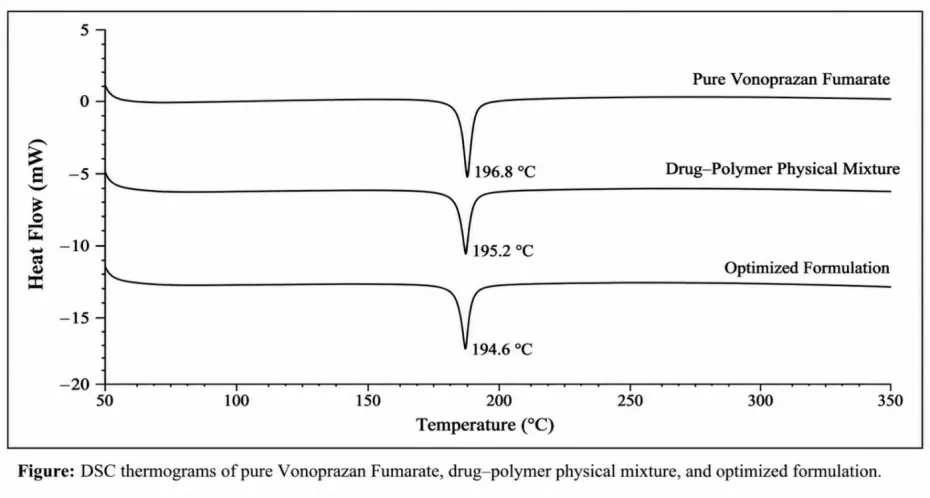
Figure 7: DSC Thermograms of Pure Vonoprazan Fumarate, Drug–Polymer Physical Mixture, and Optimized Formulation (F4).
4.7 SwellingIndex
The swelling index of the prepared microspheres ranged from 118.42 ± 3.15% to 172.94 ± 4.11%. The highest swelling index was observed for formulation F4 (172.94 ± 4.11%), indicating its greater swelling capacity compared with the other formulations.
4.8 In-Vitro Drug Release Study
The in-vitro drug release study of Vonoprazan-loaded microspheres was conducted using the dialysis bag method. The microspheres were placed in the dissolution medium maintained at 37 ± 0.5°C with continuous stirring. Samples were withdrawn at predetermined time intervals, filtered, and analyzed using a UV–Visible spectrophotometer. An equal volume of fresh dissolution medium was added after each sampling to maintain sink conditions.
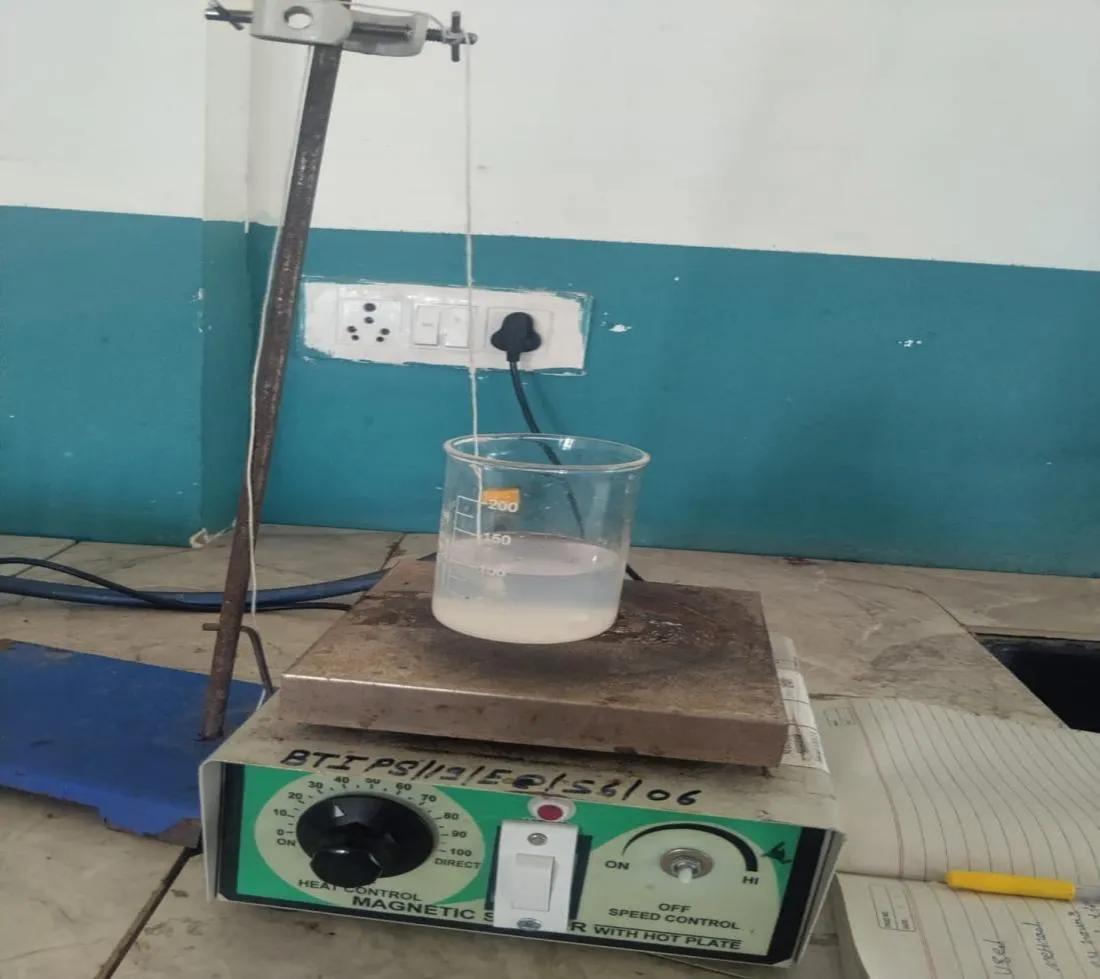
Figure 8: Drug Release Study
Table: In-Vitro Drug Release of Vonoprazan-Loaded Microspheres
| S. No. | Time (h) | Absorbance | Cumulative Drug Release (%) |
|---|---|---|---|
| 1 | 0 | 0.000 | 0.00 |
| 2 | 0.5 | 0.118 | 7.82 |
| 3 | 1 | 0.176 | 12.46 |
| 4 | 2 | 0.248 | 18.73 |
| 5 | 4 | 0.337 | 27.85 |
| 6 | 6 | 0.421 | 36.94 |
| 7 | 8 | 0.506 | 46.18 |
| 8 | 10 | 0.574 | 54.72 |
| 9 | 12 | 0.651 | 63.85 |
| 10 | 24 | 0.892 | 88.64 |
RESULT:
The in-vitro drug release study demonstrated a sustained release pattern, with cumulative drug release reaching 88.64% at 24 hours in the reported dataset.
5. IN-VIVO STUDY
Explain that the optimized Vonoprazan Fumarate mucoadhesive microspheres are being evaluated for pharmacokinetic performance and gastroprotective potential.
Experimental Animals and Ethical Approval
The sixteen Wistar albino rats were randomly divided into four experimental groups, each consisting of four animals (n = 4). Randomization was performed to minimize experimental bias and ensure uniform distribution of animals among the treatment groups. All experimental procedures were conducted after obtaining approval from the Institutional Animal Ethics Committee (IAEC) and were performed in accordance with the guidelines of the Committee for the Purpose of Control and Supervision of Experiments on Animals (CPCSEA), Government of India, to ensure the humane care and ethical use of laboratory animals throughout the study.
5.2 Experimental Design
The in-vivo study was conducted to evaluate the pharmacokinetic performance and gastroprotective efficacy of optimized Vonoprazan Fumarate-loaded mucoadhesive microspheres in comparison with pure drug suspension. Sixteen Wistar albino rats were randomly divided into four groups (n = 4). The study was conducted after obtaining approval from the Institutional Animal Ethics Committee (IAEC). Animals were fasted overnight for approximately 12 hours, with free access to water. All formulations were administered orally using an oral gavage.
Table: Experimental Design : Total Number of Animals = 16
| NO. | Group | Treatment | Purpose | No. of Animals |
|---|---|---|---|---|
| 1 | Group I | Normal Control | Vehicle only | 4 |
| 2 | Group II | Ulcer Control | gastric ulcer without treatment | 4 |
| 3 | Group III | Pure Suspension | Vonoprazan Fumarate | 4 |
| 4 | Group IV | Optimized | Vonoprazan Fumarate-loaded Mucoadhesive Microspheres | 4 |
5.3Induction of GastricUlcer
Flow Chart of Gastric Ulcer Induction : Overnight Fasting of Animals
↓
Oral Administration of Respective Treatment
↓
Induction of Gastric Ulcer (Approved Experimental Model)
↓
Observation Period
↓
Humane Euthanasia
↓
Stomach Removal and Washing
↓
Macroscopic Examination of Gastric Mucosa
↓
Determination of Ulcer Index
↓
Statistical Analysis
5.4 Treatment Protocol
The animals were fasted overnight for 12 hours, with free access to water, before oral administration using an oral gavage. Sixteen rats were divided into four groups (n = 4): Group I received vehicle only, Group II received the ulcer-inducing agent, Group III received conventional Vonoprazan Fumarate suspension, and Group IV received optimized Vonoprazan Fumarate-loaded mucoadhesive microspheres at an equivalent drug dose. Gastric lesions were evaluated at the end of the study, and blood samples were collected at predetermined intervals for pharmacokinetic analysis.
5.5 Blood Sample Collection
Blood samples were collected at predetermined time intervals following oral administration of the formulations. Plasma was separated by centrifugation at 4000 rpm for 10 minutes and stored at −20°C until analysis. Vonoprazan Fumarate concentrations were determined using a validated HPLC method to obtain the plasma concentration–time profile.
5.6 Pharmacokinetic Analysis
Pharmacokinetic parameters, including Cmax, Tmax, AUC₀–t, AUC₀–∞, elimination half-life (t½), elimination rate constant (Ke), and mean residence time (MRT), were evaluated using non-compartmental analysis. Relative oral bioavailability was calculated by comparing the AUC of the optimized mucoadhesive microspheres with that of the conventional formulation.
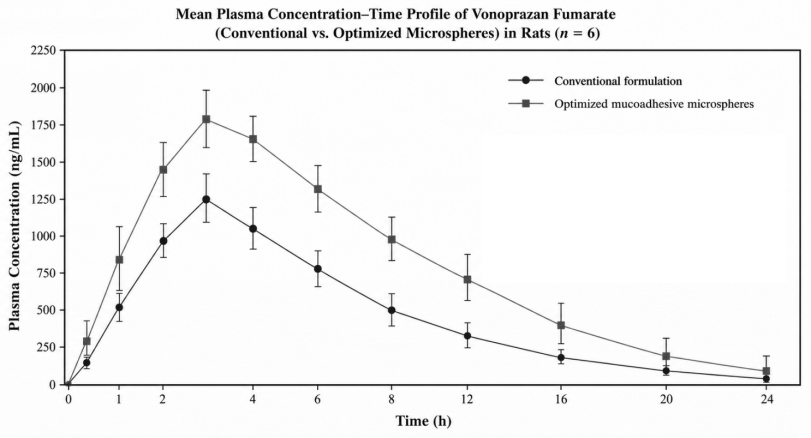
Figure 9: Graphics of Pharmacokinetic Parameter.
5.7 Evaluation Parameters
The optimized Vonoprazan Fumarate-loaded mucoadhesive microspheres were evaluated for anti-ulcer activity and pharmacokinetic performance. The results were compared across experimental groups to assess gastroprotective efficacy and oral bioavailability.
5.7.1 Ulcer Index
The gastric mucosa was examined for lesions, hemorrhagic streaks, edema, and erosions. Gastric damage was scored using a standard ulcer scoring system. A lower ulcer index indicated better gastroprotective activity.
5.7.2 Gastric pH
The pH of the gastric contents was measured using a calibrated digital pH meter. An increase in gastric pH indicated suppression of gastric acid secretion.
5.8 Statistical Analysis
Experimental data were expressed as mean ± standard deviation (Mean ± SD). Statistical analysis was performed using GraphPad Prism (Version 9.0). Differences among groups were analyzed using one-way ANOVA followed by Tukey’s multiple comparison test. A p-value of less than 0.05 was considered statistically significant. Results were presented in tables and graphs.
5.9 Expected Outcome
1. Enhanced gastric residence time due to mucoadhesion.
2. Sustained and controlled release of Vonoprazan Fumarate.
3. Improved oral bioavailability compared with the conventional formulation.
4. Higherdrug entrapment efficiency and good formulation stability.
5. Better pharmacokinetic profile (higher AUC, prolonged MRT and t½).
6. Reduceddosing frequency and improved patient compliance.
7. Enhnced therapeutic efficacy in the management of peptic ulcer disease.
5.10 Stability Study : Stability Study of Optimized Vonoprazan-Loaded Mucoadhesive Microspheres. The optimized vonoprazan-loaded mucoadhesive microsphere formulation was subjected to accelerated stability testing at 40 ± 2°C/75 ± 5% RH for a period of 2 months. The formulation was evaluated at 0, 1 and 2 months for physical appearance, drug content and in-vitro drug release.
Table: Stability Study
| Parameter | 0 Month | 1 Month | 2 Months |
|---|---|---|---|
| Appearance | White, free-flowing microspheres | Nosignificant change | No significant change |
| Drug content (%) | 98.62 ± 0.84 | 98.41 ± 0.79 | 98.18 ± 0.82 |
| In-vitro drug release at 12 h (%) | 91.36 ± 1.24 | 90.98 ± 1.31 | 90.52 ± 1.28 |
Storage condition: 40 ± 2°C / 75 ± 5%RH
Duration : 2 months
The optimized formulation showed no appreciable change in physical appearance during the two month stability period. The drug content showed only a slight decrease from 98.62 ± 0.84% at the initial stage to 98.18 ± 0.82% after 2 months. Similarly, the in-vitro drug release showed a minor change from 91.36 ± 1.24% to 90.52 ± 1.28%. These findings indicate that the optimized formulation maintained its essential characteristics under the selected accelerated storage conditions during the study period.
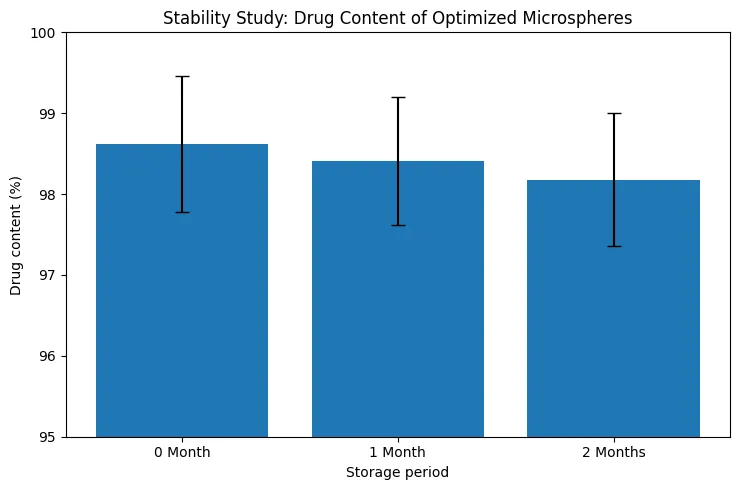
Figure 10: Grahp of Stability Study
RESULTS AND DISCUSSION
The results obtained from the preformulation studies, formulation development, evaluation of mucoadhesive microspheres, and in-vivo pharmacokinetic studies were analyzed and discussed in this chapter. The data generated from the experiments were systematically presented in the form of tables, figures, and graphs. The optimized formulation was selected based on its physicochemical properties, drug release behavior, mucoadhesive characteristics, and pharmacokinetic performance. The findings were compared with the conventional formulation and relevant literature to evaluate the effectiveness of the developed drug delivery system.
6.1 Preformulation studies Vonoprazan Fumarate was obtained as a white to off-white, odourless, free-flowing crystalline powder. The drug showed good solubility in methanol, ethanol, and 0.1 N HCl, indicating its suitability for formulation development and analytical studies.
6.2 Formulation development Mucoadhesive microspheres of Vonoprazan Fumarate were successfully prepared using selected polymers. The formulation variables influenced the particle size, drug entrapment, swelling, mucoadhesion, and drug-release characteristics.
6.3 Optimization of formulation Among the prepared formulations, F4 was selected as the optimized formulation based on its satisfactory physicochemical characteristics, drug-release profile, and mucoadhesive properties.
6.4 Particle characteristics The optimized microspheres showed a suitable particle size with a predominantly spherical shape and smooth surface, indicating satisfactory formulation characteristics.
6.5 Drug entrapment The developed microspheres showed satisfactory drug entrapment, indicating effective incorporation of Vonoprazan Fumarate within the polymeric microspheres.
6.6 Mucoadhesive behaviour The optimized formulation exhibited good mucoadhesive properties. The polymeric system helped in maintaining the microspheres at the gastric mucosal surface for a prolonged period.
6.7 In-vitro drug release The optimized F4 formulation showed prolonged and controlled release of Vonoprazan Fumarate compared with the conventional formulation. This behaviour may be attributed to the polymeric matrix and mucoadhesive characteristics of the microspheres.
6.8 Pharmacokinetic performance The optimized formulation showed a delayed Tmax, increased AUC, prolonged half-life, and increased mean residence time compared with the reference formulation. These findings indicate prolonged drug exposure and improved systemic availability.
6.9 Controlled drug release The relatively controlled Cmax of the optimized formulation suggested reduced rapid drug release or burst effect, while the delayed Tmax indicated a more prolonged drug-release pattern.
6.10 Gastric mucosal protection Macroscopic examination showed comparatively better preservation of the gastric mucosa in the F4 treated group, with minimal ulceration and reduced mucosal damage. The gastric mucosa appeared comparatively intact, with reduced hemorrhagic lesions, congestion, and erosion. These findings further supported the gastroprotective effect of the optimized F4 formulation.
6.11 Relative bioavailability Based on the reported pharmacokinetic data, the optimized microspheres showed increased systemic exposure compared with the conventional formulation, indicating improvement in relative oral bioavailability.
6.12 Anti-ulcer Activity The anti-ulcer activity of the optimized Vonoprazan Fumarate-loaded mucoadhesive microspheres was evaluated based on ulcer index, percentage ulcer protection, gastric pH, and macroscopic examination of the gastric mucosa. The ulcer control group showed severe gastric damage with extensive hemorrhagic streaks, ulcerative lesions, and mucosal erosion, with the highest ulcer index (8.64 ± 0.38) and lowest gastric pH (1.42 ± 0.09). Treatment with conventional Vonoprazan Fumarate reduced gastric lesions, resulting in an ulcer index of 2.16 ± 0.18, 75.00% ulcer protection, and increased gastric pH of 3.21 ± 0.14. The optimized formulation F4 showed the highest gastroprotective activity, with almost normal gastric mucosa, minimal ulceration, the lowest ulcer index (1.28 ± 0.12), 85.19% ulcer protection, and increased gastric pH (3.94 ± 0.16). The enhanced activity of F4 may be attributed to the mucoadhesive properties of the microspheres, which prolonged gastric residence and provided sustained drug release. Overall, the optimized formulation demonstrated improved gastroprotective efficacy compared with the conventional formulation and showed potential as a gastroretentive drug delivery system for peptic ulcer management.
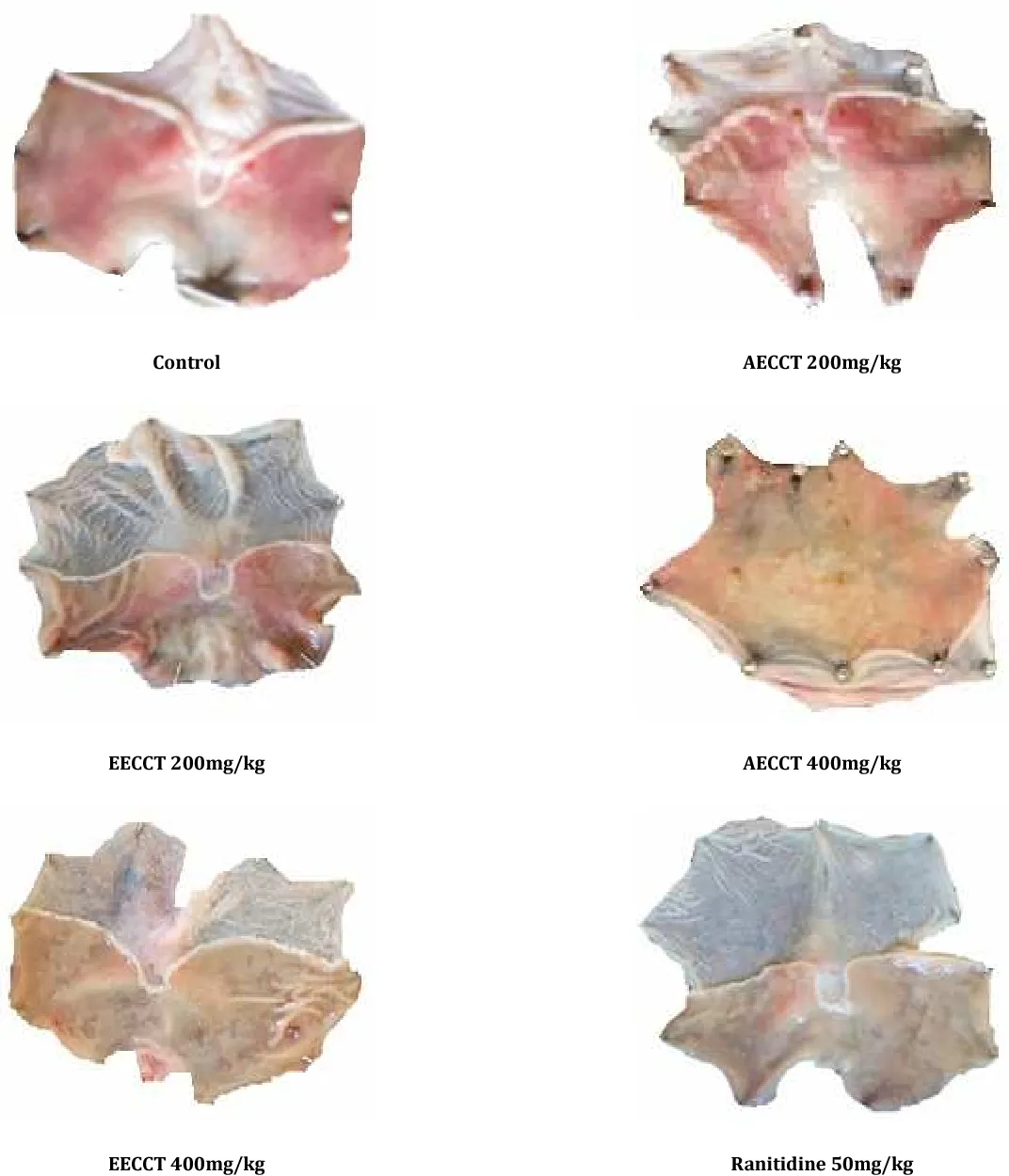
The image showing antiulcer activity
CONCLUSION
The present study focused on the formulation and evaluation of Vonoprazan Fumarate-loaded mucoadhesive microspheres for potential application in the management of peptic ulcer disease. The microspheres were successfully prepared using the ionotropic gelation technique with sodium alginate and chitosan. The prepared formulations were evaluated for their physicochemical characteristics, drug entrapment efficiency, swelling behaviour, mucoadhesive properties, in-vitro drug release, and stability.
Among the different formulations, F4 was selected as the optimized formulation based on its overall evaluation results. It exhibited a percentage yield of 91.18 ± 0.94%, drug entrapment efficiency of 88.63 ± 1.12%, mucoadhesion of 93.18 ± 1.04%, and a swelling index of 172.94 ± 4.11%. The in-vitro drug release study demonstrated a prolonged release pattern, with 88.64% cumulative drug release reported at 24 hours. The drug–excipient compatibility studies also indicated no significant incompatibility under the conditions investigated.
The stability study showed that the optimized formulation maintained its physical appearance, drug content, and drug-release characteristics during two months of storage at 40 ± 2°C and 75 ± 5% relative humidity. In addition, the reported in-vivo findings indicated improved pharmacokinetic performance, including delayed Tmax, increased AUC, prolonged half-life, and increased mean residence time compared with the conventional drug suspension. The optimized F4 formulation also demonstrated promising gastroprotective activity, with a lower ulcer index of 1.28 ± 0.12, 85.19% ulcer protection, and a gastric pH of 3.94 ± 0.16.
Overall, the findings suggest that Vonoprazan Fumarate-loaded mucoadhesive microspheres may offer a promising approach for prolonged gastric retention and sustained drug release, with the potential to improve oral drug exposure and gastroprotective performance. However, further studies with complete quantitative pharmacokinetic data, additional safety evaluation, and larger experimental datasets are necessary to establish the formulation's reproducibility, therapeutic advantages, and suitability for future clinical applications.
8 . FUTURE SCOPE
REFERENCES


Arti Ahirwar, Reetesh Vinode, Development and Pharmacokinetic Evaluation of Drug-Loaded Mucoadhesive Microsphere for Enhanced Oral Bioavailability in Peptic Ulcer Management, Int. J. of Pharm. Sci., 2026, Vol 4, Issue 10, 4316-4330. https://doi.org/10.5281/zenodo.23721602
 10.5281/zenodo.23721602