

We use cookies to ensure our website works properly and to personalise your experience. Cookies policy
1,5 Institute of Pharmacy, Harish Chandra PG College, Bawanbeegha, Varanasi
2,3,4 Asha Pharmacy College, Kusmura, Baragaon, Varanasi
Calcium channel blockers (CCBs) are among the most widely prescribed cardiovascular drugs for the management of hypertension, angina pectoris, cardiac arrhythmias, and other cardiovascular disorders. The increasing therapeutic use of these agents has highlighted the need for accurate, precise, sensitive, and regulatory-compliant analytical methods for their qualitative and quantitative estimation in pharmaceutical formulations and biological matrices. Over the past few decades, significant progress has been achieved in analytical method development through the adoption of advanced chromatographic, spectroscopic, and hyphenated techniques. Conventional methods such as UV–Visible spectrophotometry, derivative spectrophotometry, and spectrofluorimetry continue to be employed for routine quality control, whereas chromatographic techniques including high-performance liquid chromatography (HPLC), reverse-phase HPLC (RP-HPLC), ultra-performance liquid chromatography (UPLC), high-performance thin-layer chromatography (HPTLC), and liquid chromatography–tandem mass spectrometry (LC–MS/MS) have become indispensable for pharmaceutical analysis, impurity profiling, stability assessment, and bioanalytical applications.This review comprehensively summarizes the current analytical approaches used for the estimation of calcium channel blockers, with particular emphasis on analytical method development strategies, validation parameters based on the International Council for Harmonisation (ICH Q2(R2)) guideline, and regulatory expectations established by USP, BP, IP, USFDA, and EMA. The review also discusses recent advancements in pharmaceutical analytical science, including Analytical Quality by Design (AQbD), green analytical chemistry, Process Analytical Technology (PAT), artificial intelligence-assisted optimization, chemometrics, automation, and microfluidic analytical systems. Furthermore, major analytical challenges, existing research gaps, and future opportunities are critically evaluated. The integration of innovative analytical technologies with sustainable and risk-based approaches is expected to improve analytical efficiency, regulatory compliance, and pharmaceutical quality assurance. This review provides a comprehensive reference for researchers, analytical scientists, quality control professionals, and regulatory experts involved in the development, validation, and application of analytical methods for calcium channel blockers
2.1 Cardiovascular Diseases Overview
Cardiovascular diseases (CVDs) are the leading cause of mortality worldwide and represent a major public health challenge. They comprise a group of disorders affecting the heart and blood vessels, including hypertension, coronary artery disease, heart failure, stroke, and arrhythmias. According to the World Health Organization (WHO), CVDs account for approximately one-third of global deaths annually. The increasing prevalence of sedentary lifestyles, obesity, diabetes, smoking, and aging populations has significantly contributed to the rising incidence of cardiovascular disorders. Consequently, effective pharmacotherapy and reliable analytical techniques are essential to ensure the safety, efficacy, and quality of cardiovascular medications.
2.2 Hypertension and Angina
Hypertension is a chronic medical condition characterized by persistently elevated arterial blood pressure and is considered one of the major risk factors for cardiovascular morbidity and mortality. Uncontrolled hypertension may lead to stroke, myocardial infarction, heart failure, and chronic kidney disease. Angina pectoris, on the other hand, is characterized by chest pain resulting from reduced blood supply to the myocardium due to coronary artery disease. Both conditions require long-term pharmacological treatment, making accurate drug analysis and quality assurance crucial for therapeutic success.
2.3 Role of Calcium Channel Blockers (CCBs)
Calcium channel blockers (CCBs) are an important class of cardiovascular drugs that inhibit the influx of calcium ions through L-type voltage-gated calcium channels in cardiac and vascular smooth muscle cells. This mechanism promotes vasodilation, reduces myocardial oxygen demand, and lowers blood pressure. Based on their chemical structure, CCBs are classified into dihydropyridines and non-dihydropyridines, each possessing distinct pharmacological properties. Due to their efficacy and favorable safety profile, CCBs are widely prescribed for hypertension, angina, arrhythmias, and several other cardiovascular disorders.
2.4 Importance of Quantitative Analysis
Quantitative analysis plays a critical role throughout the pharmaceutical product lifecycle by ensuring accurate determination of drug concentration in bulk materials, finished dosage forms, and biological samples. Reliable estimation of calcium channel blockers is essential for quality control, formulation development, dissolution testing, pharmacokinetic studies, bioequivalence evaluation, impurity profiling, and stability assessment. Accurate analytical data are fundamental for maintaining product quality, regulatory compliance, and patient safety.
2.5 Need for Analytical Method Development
Analytical method development involves the systematic selection and optimization of analytical conditions to achieve accurate, precise, selective, and reproducible drug estimation. The diverse physicochemical characteristics of calcium channel blockers necessitate the use of different analytical techniques such as UV-visible spectrophotometry, HPLC, RP-HPLC, HPTLC, UPLC, and LC-MS/MS. Proper method development enhances analytical efficiency, reduces analysis time, improves sensitivity, and supports pharmaceutical research and quality assurance activities.
2.6 Need for Analytical Method Validation
Analytical method validation confirms that a developed method is suitable for its intended analytical application. Regulatory agencies such as the International Council for Harmonisation (ICH) recommend validation based on parameters including specificity, accuracy, precision, linearity, range, detection limit, quantitation limit, robustness, and system suitability. A validated analytical method ensures reliable analytical results, minimizes experimental variability, facilitates regulatory approval, and guarantees consistent pharmaceutical quality.
2.7 Scope of the Review
This review comprehensively summarizes the analytical methods developed for the estimation of calcium channel blockers in pharmaceutical formulations and biological matrices. It discusses conventional and advanced analytical techniques, method development strategies, validation approaches according to ICH Q2(R2) guidelines, comparative evaluation of published methods, recent technological advancements, current challenges, research gaps, and future perspectives. The review aims to provide a valuable reference for researchers, analytical scientists, quality control laboratories, and regulatory professionals engaged in pharmaceutical analysis.
3. Overview of Calcium Channel Blockers
3.1 History
Calcium channel blockers (CCBs) were introduced in the late 1960s as a major advancement in cardiovascular pharmacotherapy. The first clinically useful CCB, verapamil, was developed by Knoll Pharmaceuticals and initially investigated for its antianginal properties. Subsequently, nifedipine, the first dihydropyridine calcium channel blocker, was introduced in the 1970s and demonstrated potent vasodilatory activity, making it highly effective in the treatment of hypertension and angina pectoris. Continuous pharmaceutical research led to the development of newer generations of CCBs, including amlodipine, felodipine, nicardipine, nimodipine, isradipine, lacidipine, lercanidipine, and cilnidipine, which offer improved pharmacokinetic profiles, prolonged duration of action, enhanced vascular selectivity, and reduced adverse effects. Today, calcium channel blockers remain one of the most frequently prescribed classes of antihypertensive drugs worldwide.
3.2 Classification of Calcium Channel Blockers
Calcium channel blockers are primarily classified according to their chemical structure and pharmacological activity into two major categories: Dihydropyridines (DHPs) and Non-Dihydropyridines (Non-DHPs). Dihydropyridines predominantly act on vascular smooth muscle, producing peripheral vasodilation, whereas non-dihydropyridines exert significant effects on both vascular smooth muscle and cardiac conduction tissues, thereby reducing heart rate and myocardial contractility.
Table 1. Classification of Calcium Channel Blockers
|
Class |
Drugs |
Major Pharmacological Action |
Primary Clinical Uses |
|
Dihydropyridines (DHPs) |
Amlodipine, Nifedipine, Felodipine, Nicardipine, Nimodipine, Isradipine, Lacidipine, Lercanidipine, Cilnidipine |
Potent peripheral vasodilation with minimal effect on cardiac conduction |
Hypertension, chronic stable angina, vasospastic angina |
|
Non-Dihydropyridines (Non-DHPs) |
Verapamil, Diltiazem |
Decrease heart rate, myocardial contractility, and atrioventricular conduction |
Hypertension, angina, supraventricular arrhythmias |
3.2.1 Dihydropyridines (DHPs)
Dihydropyridine calcium channel blockers selectively inhibit L-type calcium channels in vascular smooth muscle, leading to arterial vasodilation and reduction of systemic vascular resistance. Due to their high vascular selectivity, these agents are considered first-line antihypertensive drugs.
Amlodipine : Amlodipine is a third-generation dihydropyridine with a long elimination half-life (30–50 h), allowing once-daily dosing. It is widely prescribed for hypertension, chronic stable angina, and vasospastic angina because of its sustained antihypertensive effect and favorable tolerability.
Nifedipine : Nifedipine was the first clinically successful dihydropyridine calcium channel blocker. It exhibits rapid onset of action and potent vasodilatory properties and is commonly used in hypertension, angina pectoris, and hypertensive emergencies (extended-release formulations are preferred for chronic therapy).
Felodipine : Felodipine is a highly vascular-selective calcium channel blocker with minimal effects on cardiac conduction. It is primarily indicated for hypertension and chronic stable angina due to its prolonged antihypertensive activity.
Nicardipine : Nicardipine possesses strong cerebral and coronary vasodilatory properties. It is widely used in hypertension, hypertensive crises, and neurological conditions requiring cerebral blood flow regulation, such as acute ischemic stroke.
Nimodipine : Nimodipine demonstrates high selectivity toward cerebral blood vessels and is primarily indicated for the prevention and treatment of cerebral vasospasm following subarachnoid hemorrhage.
Isradipine : Isradipine is a second-generation dihydropyridine characterized by effective blood pressure reduction with limited negative inotropic effects. It is mainly prescribed for mild-to-moderate hypertension.
Lacidipine : Lacidipine is a lipophilic calcium channel blocker with prolonged vascular action and antioxidant properties. It is primarily used for long-term management of essential hypertension.
Lercanidipine : Lercanidipine is a third-generation highly lipophilic calcium channel blocker exhibiting gradual onset and prolonged antihypertensive activity. Its improved vascular selectivity contributes to a lower incidence of peripheral edema.
Cilnidipine : Cilnidipine is a unique fourth-generation calcium channel blocker that blocks both L-type and N-type calcium channels, resulting in effective blood pressure reduction with suppression of sympathetic nerve activity. It is increasingly used for hypertension, particularly in patients with diabetic nephropathy and renal impairment.
3.2.2 Non-Dihydropyridines (Non-DHPs)
Non-dihydropyridine calcium channel blockers affect both vascular smooth muscle and cardiac muscle. In addition to lowering blood pressure, they reduce heart rate, atrioventricular conduction, and myocardial contractility, making them useful in arrhythmias and angina.
Verapamil : Verapamil is a phenylalkylamine calcium channel blocker with pronounced effects on the myocardium and cardiac conduction system. It is widely used in hypertension, chronic stable angina, supraventricular tachycardia, and atrial fibrillation due to its antiarrhythmic properties.
Diltiazem : Diltiazem belongs to the benzothiazepine class and exhibits intermediate pharmacological characteristics between dihydropyridines and verapamil. It provides balanced vasodilatory and cardiodepressant effects and is commonly prescribed for hypertension, angina pectoris, and supraventricular arrhythmias.
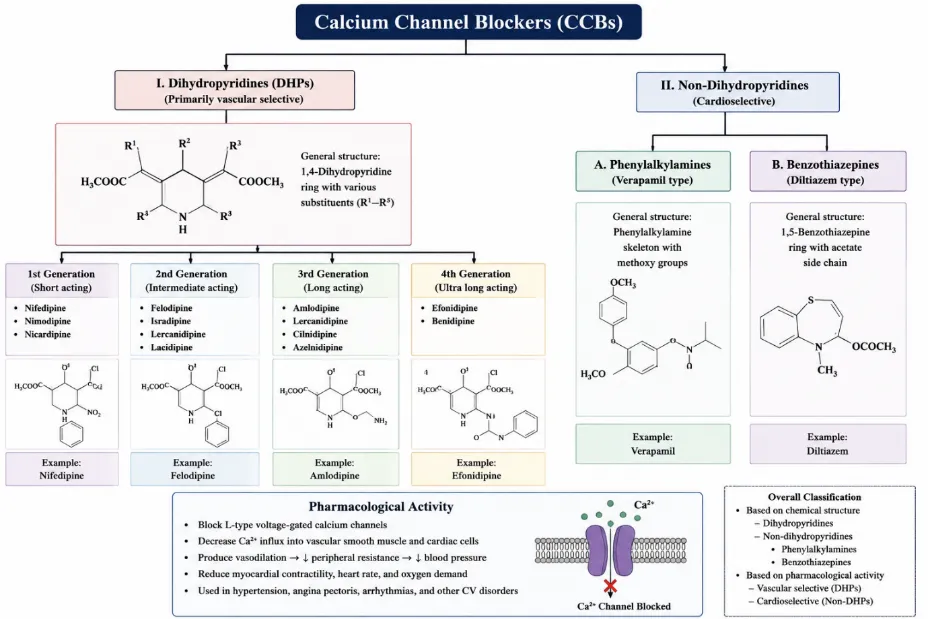
Figure 1. Classification of Calcium Channel Blockers Based on Chemical Structure and Pharmacological Activity.
3.3 Mechanism of Action
Calcium channel blockers (CCBs) exert their pharmacological action by selectively inhibiting L-type voltage-gated calcium channels located in vascular smooth muscle cells and cardiac myocytes. Blockade of these channels prevents the influx of extracellular calcium ions during membrane depolarization, resulting in reduced intracellular calcium concentration. Since calcium ions are essential for smooth muscle contraction and myocardial excitation-contraction coupling, inhibition of calcium entry leads to vasodilation, decreased myocardial contractility, reduced heart rate, and slowed atrioventricular (AV) nodal conduction.
Dihydropyridine (DHP) calcium channel blockers primarily act on vascular smooth muscle, producing peripheral arterial vasodilation and a consequent reduction in systemic vascular resistance and blood pressure. In contrast, non-dihydropyridine (Non-DHP) agents exhibit greater affinity for cardiac tissue, reducing heart rate, myocardial contractility, and AV nodal conduction, making them effective in the management of supraventricular arrhythmias and angina.
Overall, the therapeutic benefits of calcium channel blockers include decreased cardiac workload, improved coronary blood flow, reduced myocardial oxygen demand, and effective control of hypertension and ischemic heart disease.
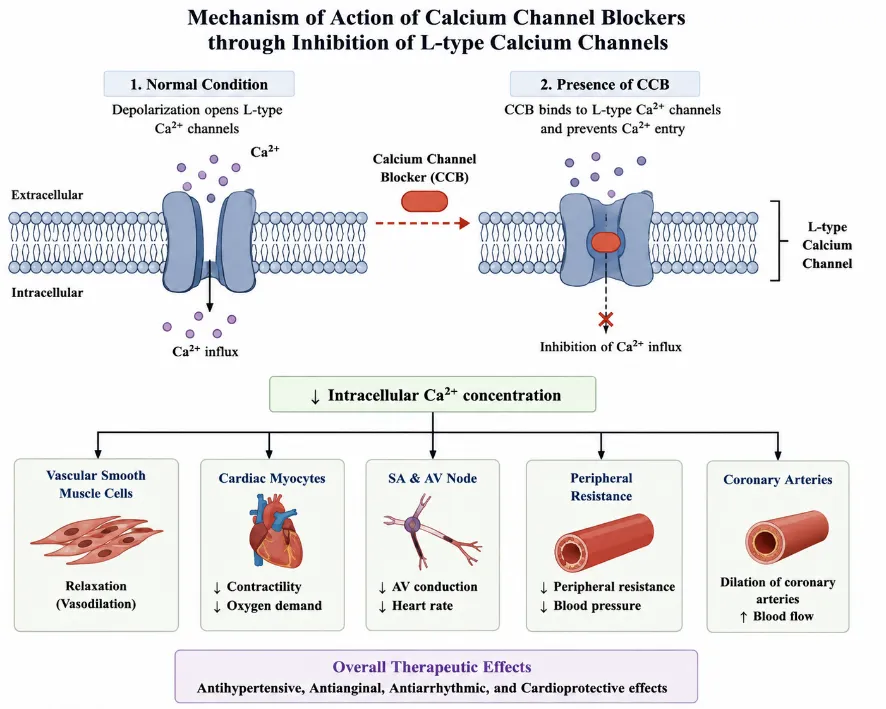
Figure 2. Mechanism of Action of Calcium Channel Blockers through Inhibition of L-type Calcium Channels.
3.4 Therapeutic Uses
Calcium channel blockers are widely prescribed for the management of several cardiovascular disorders due to their potent vasodilatory and cardioprotective effects.
3.4.1 Hypertension : CCBs are recommended as first-line antihypertensive agents in many international treatment guidelines. By relaxing arterial smooth muscle and decreasing peripheral vascular resistance, they effectively reduce systemic blood pressure. Long-acting dihydropyridines such as amlodipine and lercanidipine are commonly preferred for chronic hypertension.
3.4.2 Angina Pectoris : CCBs relieve anginal symptoms by decreasing myocardial oxygen demand through reduction of afterload and improving coronary blood flow via coronary vasodilation. They are effective in both chronic stable angina and vasospastic (Prinzmetal) angina.
3.4.3 Arrhythmias : Non-dihydropyridine calcium channel blockers, particularly verapamil and diltiazem, slow atrioventricular nodal conduction and reduce heart rate. They are commonly used in the treatment of supraventricular tachycardia, atrial fibrillation, and atrial flutter.
3.4.4 Coronary Artery Disease : By improving coronary perfusion and reducing myocardial oxygen consumption, calcium channel blockers help alleviate ischemic symptoms in patients with coronary artery disease. They are frequently used either alone or in combination with other antianginal medications.
3.4.5 Migraine Prophylaxis : Certain calcium channel blockers, especially verapamil, have demonstrated clinical utility in the prevention of migraine headaches by stabilizing vascular tone and reducing cerebral vasospasm. Although not considered first-line therapy, they may be beneficial in selected patients.
Table 2. Therapeutic Applications of Calcium Channel Blockers
|
Clinical Condition |
Therapeutic Role |
Commonly Used CCBs |
|
Hypertension |
Reduction of peripheral vascular resistance |
Amlodipine, Cilnidipine, Lercanidipine |
|
Stable Angina |
Reduction of myocardial oxygen demand |
Amlodipine, Nifedipine |
|
Vasospastic Angina |
Coronary vasodilation |
Nifedipine, Diltiazem |
|
Supraventricular Arrhythmias |
AV nodal conduction suppression |
Verapamil, Diltiazem |
|
Coronary Artery Disease |
Improvement of coronary blood flow |
Amlodipine, Verapamil |
|
Migraine Prophylaxis |
Prevention of cerebral vasospasm |
Verapamil |
3.5 Pharmacokinetic Profile
Although the pharmacokinetic properties differ among individual calcium channel blockers, they generally exhibit favorable oral bioavailability and extensive hepatic metabolism.
3.5.1 Absorption : Most calcium channel blockers are well absorbed following oral administration. However, their absolute bioavailability varies because of extensive first-pass hepatic metabolism. Extended-release formulations have been developed to provide prolonged therapeutic effects and improved patient compliance.
3.5.2 Distribution : Calcium channel blockers are highly lipophilic compounds with extensive tissue distribution and high plasma protein binding (typically >90%). Their volume of distribution varies depending on individual drug characteristics.
3.5.3 Metabolism : Most CCBs undergo extensive hepatic metabolism predominantly through the cytochrome P450 CYP3A4 enzyme system. Drug-drug interactions with CYP3A4 inhibitors or inducers may significantly alter plasma drug concentrations and therapeutic efficacy.
3.5.4 Elimination : Metabolites are primarily excreted through the kidneys, while a smaller fraction is eliminated via the biliary route. The elimination half-life varies considerably among different calcium channel blockers, ranging from approximately 2 hours for nifedipine to 30–50 hours for amlodipine, influencing dosing frequency.
Table 3. General Pharmacokinetic Characteristics of Calcium Channel Blockers
|
Parameter |
General Characteristics |
|
Route of administration |
Primarily oral |
|
Oral absorption |
Good |
|
Plasma protein binding |
High (>90% for most agents) |
|
Distribution |
Extensive tissue distribution |
|
Major metabolic pathway |
Hepatic metabolism (CYP3A4) |
|
Primary route of elimination |
Renal (metabolites) and biliary excretion |
|
Elimination half-life |
Drug dependent (approximately 2–50 h) |
3.6 Physicochemical Properties
The physicochemical properties of calcium channel blockers play a crucial role in analytical method development, chromatographic separation, formulation design, and stability evaluation. Parameters such as molecular weight, aqueous solubility, pKa, lipophilicity (Log P), and UV absorption maxima directly influence solvent selection, chromatographic conditions, extraction procedures, and detection wavelength during analytical method development.
3.6.1 Molecular Weight : The molecular weight of calcium channel blockers generally ranges from approximately 350 to 500 Da, depending on the chemical structure. Molecular weight influences diffusion characteristics, chromatographic retention behavior, and mass spectrometric analysis.
3.6.2 Solubility : Most calcium channel blockers exhibit poor to moderate aqueous solubility but are readily soluble in organic solvents such as methanol, ethanol, acetonitrile, and dimethyl sulfoxide (DMSO). Their limited water solubility often necessitates the use of organic solvent systems during analytical method development.
3.6.3 pKa : The pKa values of calcium channel blockers determine their degree of ionization at different pH conditions, significantly affecting chromatographic separation, extraction efficiency, and analytical sensitivity. Appropriate buffer selection is therefore essential during HPLC method optimization.
3.6.4 Log P : Most calcium channel blockers possess relatively high Log P values, reflecting their lipophilic nature. Increased lipophilicity enhances membrane permeability but also influences retention behavior in reverse-phase chromatographic systems.
3.6.5 UV λmax : Most calcium channel blockers exhibit characteristic UV absorption in the range of 230–365 nm, allowing sensitive detection by UV-visible spectrophotometry and HPLC-UV methods. The exact absorption maximum varies depending on the individual drug structure.
Table 4. General Physicochemical Characteristics of Calcium Channel Blockers
|
Property |
General Characteristics |
Analytical Significance |
|
Molecular weight |
Approximately 350–500 Da |
Influences chromatographic behavior and MS analysis |
|
Solubility |
Low water solubility; soluble in organic solvents |
Determines solvent selection and sample preparation |
|
pKa |
Drug dependent |
Affects ionization and buffer selection |
|
Log P |
Moderate to high |
Influences RP-HPLC retention and membrane permeability |
|
UV λmax |
Approximately 230–365 nm |
Selection of detection wavelength in UV/HPLC analysis |
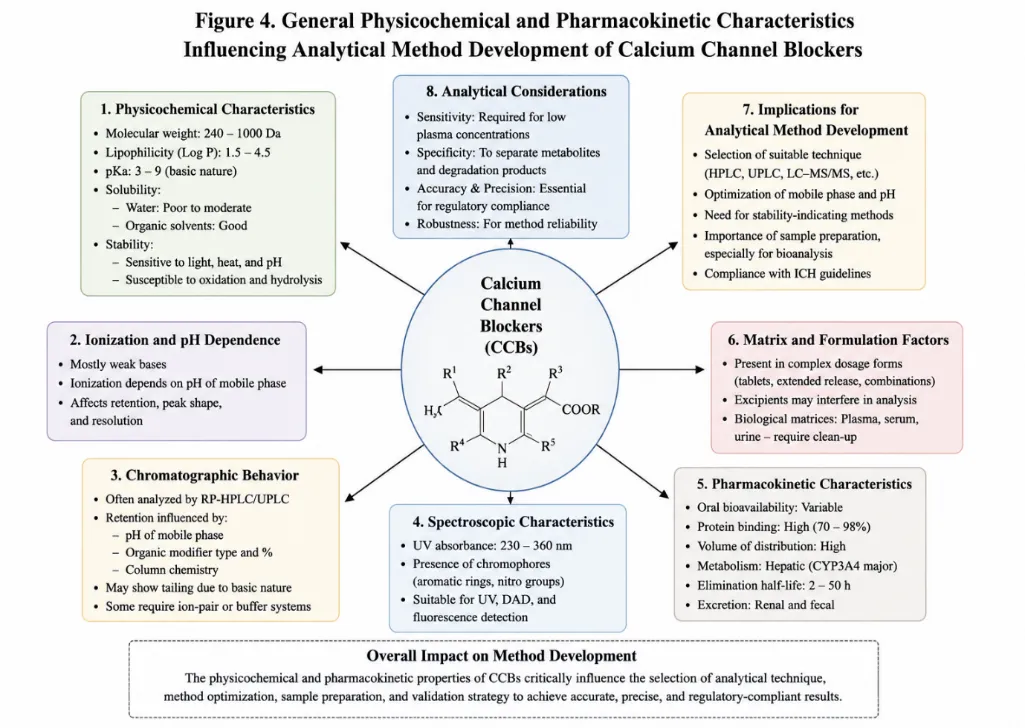
Figure 3. General Physicochemical and Pharmacokinetic Characteristics Influencing Analytical Method Development of Calcium Channel Blockers.
4. Importance of Analytical Method Development
Analytical method development is a fundamental component of pharmaceutical research, quality control, and regulatory compliance. It involves the systematic optimization of analytical conditions to ensure accurate, precise, sensitive, and reproducible estimation of pharmaceutical compounds in bulk drugs, dosage forms, and biological matrices. For calcium channel blockers, well-developed analytical methods are essential throughout the drug development lifecycle, from formulation development to post-marketing quality surveillance.
4.1 Drug Quality Assurance : Analytical method development plays a crucial role in ensuring the quality, safety, and efficacy of pharmaceutical products. Reliable analytical methods are employed to determine drug content, assess content uniformity, verify dosage accuracy, and detect degradation products. Routine quality control testing using validated analytical methods helps maintain batch-to-batch consistency and ensures that pharmaceutical products comply with established quality specifications.
4.2 Regulatory Requirements : Regulatory authorities such as the International Council for Harmonisation (ICH), United States Pharmacopeia (USP), British Pharmacopoeia (BP), Indian Pharmacopoeia (IP), United States Food and Drug Administration (USFDA), and the European Medicines Agency (EMA) require scientifically validated analytical methods for pharmaceutical product approval. Analytical methods must demonstrate acceptable performance characteristics, including accuracy, precision, specificity, linearity, robustness, and sensitivity, to satisfy regulatory expectations and support product registration.
4.3 Stability Studies : Stability-indicating analytical methods are essential for evaluating the chemical stability of calcium channel blockers under various environmental conditions, including acidic, alkaline, oxidative, thermal, photolytic, and humidity stress. These methods enable the identification and quantification of degradation products, support shelf-life determination, and ensure that pharmaceutical products remain safe and effective throughout their storage period.
4.4 Bioanalysis : Bioanalytical methods are used to quantify calcium channel blockers and their metabolites in biological matrices such as plasma, serum, urine, and tissues. Highly sensitive analytical techniques, particularly LC–MS/MS, are widely employed for therapeutic drug monitoring, pharmacokinetic investigations, bioavailability assessment, and bioequivalence studies due to their excellent sensitivity, selectivity, and reproducibility.
4.5 Dissolution Studies : Dissolution testing is an important quality control tool used to evaluate the drug release characteristics of pharmaceutical dosage forms. Accurate analytical methods are required to quantify the amount of calcium channel blocker released from tablets or capsules at predetermined time intervals. Dissolution studies assist in formulation optimization, quality assurance, and demonstration of product equivalence between different formulations.
4.6 Pharmacokinetic Studies : Analytical methods are indispensable in pharmacokinetic studies for determining drug concentrations in biological samples over time. Quantitative data generated through validated analytical methods facilitate the evaluation of pharmacokinetic parameters such as maximum plasma concentration (C_max), time to reach maximum concentration (T_max), area under the plasma concentration-time curve (AUC), elimination half-life (t_1/2), clearance, and volume of distribution. These studies are essential for dose optimization and therapeutic evaluation.
4.7 Impurity Profiling : Impurity profiling is a critical aspect of pharmaceutical quality assessment. Advanced analytical techniques such as HPLC, UPLC, and LC–MS/MS are employed to identify, separate, and quantify process-related impurities, degradation products, and residual contaminants. Comprehensive impurity profiling ensures compliance with ICH impurity guidelines, enhances product safety, and minimizes the risk of adverse effects associated with impurity exposure.
Table 5. Importance of Analytical Method Development in Pharmaceutical Analysis
|
Application |
Importance |
Common Analytical Techniques |
|
Drug Quality Assurance |
Ensures identity, purity, potency, and batch consistency |
UV, HPLC, RP-HPLC |
|
Regulatory Requirements |
Supports regulatory approval and compliance with ICH, USP, BP, IP, USFDA, and EMA guidelines |
HPLC, UPLC, LC–MS/MS |
|
Stability Studies |
Detects degradation products and establishes shelf life |
Stability-indicating HPLC, UPLC |
|
Bioanalysis |
Quantifies drugs in biological matrices for therapeutic monitoring |
LC–MS/MS, HPLC |
|
Dissolution Studies |
Evaluates drug release from dosage forms |
UV Spectrophotometry, HPLC |
|
Pharmacokinetic Studies |
Determines drug concentration for PK parameter estimation |
LC–MS/MS, UPLC |
|
Impurity Profiling |
Identifies and quantifies impurities and degradation products |
HPLC, UPLC, LC–MS/MS |
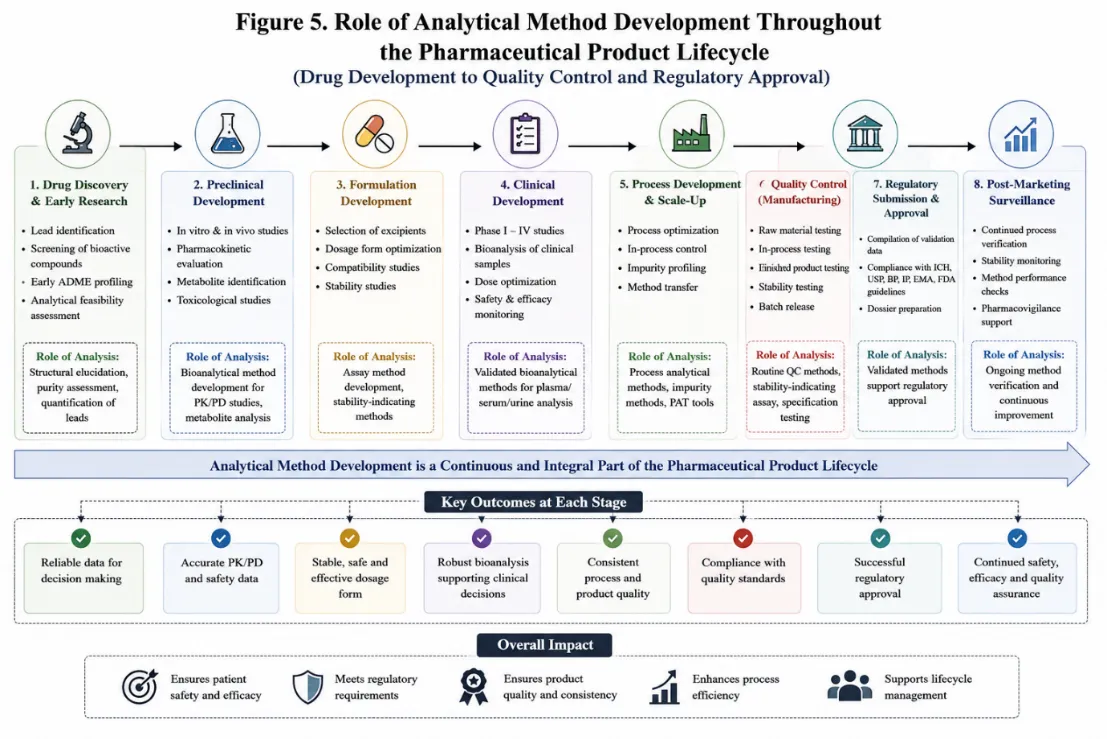
Figure 4. Role of Analytical Method Development Throughout the Pharmaceutical Product Lifecycle (Drug Development to Quality Control and Regulatory Approval).
5. Analytical Techniques for Estimation of Calcium Channel Blockers
Various analytical techniques have been developed for the qualitative and quantitative estimation of calcium channel blockers (CCBs) in bulk drugs, pharmaceutical formulations, and biological matrices. The selection of an appropriate analytical method depends on the physicochemical properties of the drug, required sensitivity, matrix complexity, regulatory requirements, and intended application. Among the available techniques, UV-visible spectrophotometry, derivative spectrophotometry, spectrofluorimetry, and high-performance liquid chromatography (HPLC) are widely employed because of their reliability, accuracy, and suitability for routine pharmaceutical analysis.
5.1 UV–Visible Spectrophotometry
UV–Visible spectrophotometry is one of the most widely used analytical techniques for the quantitative estimation of calcium channel blockers due to its simplicity, cost-effectiveness, and rapid analysis. It is extensively applied in routine quality control laboratories for assay determination, dissolution studies, and content uniformity testing of pharmaceutical dosage forms.
5.1.1 Principle : UV–Visible spectrophotometry is based on the absorption of ultraviolet (200–400 nm) or visible (400–800 nm) radiation by drug molecules containing chromophoric groups. According to the Beer–Lambert law, absorbance is directly proportional to the concentration of the analyte within a specific concentration range, enabling accurate quantitative estimation.
5.1.2 Instrumentation
A typical UV–Visible spectrophotometer consists of:
5.1.3 Solvents
The choice of solvent depends on the solubility and stability of the calcium channel blocker. Commonly used solvents include:
5.1.4 Applications
5.1.5 Advantages
5.1.6 Limitations
Table 6. Summary of UV–Visible Spectrophotometric Analysis
|
Parameter |
Description |
|
Principle |
Measurement of UV/Visible light absorption based on Beer–Lambert law |
|
Detection Range |
200–800 nm |
|
Common Solvents |
Methanol, Ethanol, Water, Acetonitrile, Buffers |
|
Major Applications |
Assay, Dissolution, Quality Control |
|
Major Advantages |
Simple, Rapid, Economical |
|
Major Limitations |
Low selectivity and sensitivity |
5.2 Derivative Spectrophotometry
Derivative spectrophotometry is an advanced modification of conventional UV spectroscopy in which the first, second, or higher-order derivatives of the absorption spectrum are measured. This technique improves spectral resolution and enables the simultaneous estimation of overlapping compounds without prior separation.
Derivative spectrophotometry has been successfully employed for the simultaneous estimation of calcium channel blockers in combined pharmaceutical formulations, where conventional UV methods may suffer from spectral interference. It is particularly useful for improving analytical selectivity and minimizing background noise.
Advantages
Limitations
Table 7. Characteristics of Derivative Spectrophotometry
|
Parameter |
Description |
|
Principle |
Measurement of derivative spectra |
|
Common Derivatives |
First, Second, Third order |
|
Major Application |
Simultaneous estimation of overlapping drugs |
|
Advantages |
Improved selectivity and spectral resolution |
|
Limitations |
Noise amplification and complex data analysis |
5.3 Spectrofluorimetry
Spectrofluorimetry is a highly sensitive analytical technique based on the measurement of fluorescence emitted by certain compounds after excitation at a specific wavelength. Several calcium channel blockers exhibit native fluorescence or can be chemically derivatized to produce fluorescent products, allowing their determination at very low concentrations.
Compared with UV spectroscopy, spectrofluorimetry offers superior sensitivity and selectivity, making it particularly suitable for bioanalytical applications and trace-level drug estimation. It has been extensively applied for pharmaceutical formulations, biological fluids, and pharmacokinetic investigations.
Applications
Advantages
Limitations
Table 8. Characteristics of Spectrofluorimetric Analysis
|
Parameter |
Description |
|
Principle |
Measurement of emitted fluorescence after excitation |
|
Sensitivity |
Very High |
|
Major Applications |
Bioanalysis, Plasma estimation, Quality Control |
|
Advantages |
Excellent sensitivity and selectivity |
|
Limitations |
Applicable only to fluorescent compounds |
5.4 High-Performance Liquid Chromatography (HPLC)
High-performance liquid chromatography (HPLC) is considered the gold standard analytical technique for the estimation of calcium channel blockers due to its high sensitivity, specificity, precision, and versatility. It is extensively employed for routine quality control, stability testing, impurity profiling, dissolution studies, and pharmaceutical formulation analysis.
5.4.1 Principle : HPLC is based on the differential distribution of analytes between a stationary phase packed inside a chromatographic column and a liquid mobile phase flowing under high pressure. Separation occurs according to differences in polarity, hydrophobicity, molecular size, and chemical interactions between analytes and the stationary phase.
5.4.2 Instrumentation
A typical HPLC system consists of:
5.4.3 Columns
The most commonly employed columns for calcium channel blocker analysis include:
Among these, C18 reverse-phase columns are the preferred choice due to their excellent separation efficiency and reproducibility.
5.4.4 Mobile Phases
Frequently used mobile phases include:
The pH of the mobile phase is optimized according to the ionization characteristics (pKa) of the analyte.
5.4.5 Detection Wavelengths
Most calcium channel blockers exhibit UV absorption between 230 and 365 nm, with the exact detection wavelength selected based on maximum absorbance (λmax) and analytical sensitivity.
5.4.6 Applications
Advantages
Limitations
Table 9. General Characteristics of HPLC for Estimation of Calcium Channel Blockers
|
Parameter |
Description |
|
Principle |
Separation based on differential partition between stationary and mobile phases |
|
Common Columns |
C18, C8, Phenyl |
|
Mobile Phase |
Methanol/Acetonitrile with Water or Buffer |
|
Detection |
UV/PDA/Fluorescence Detector |
|
Typical Detection Range |
230–365 nm |
|
Major Applications |
Assay, Stability, Dissolution, Impurity Profiling, Quality Control |
|
Advantages |
High accuracy, precision, and sensitivity |
|
Limitations |
Costly instrumentation and higher solvent consumption |
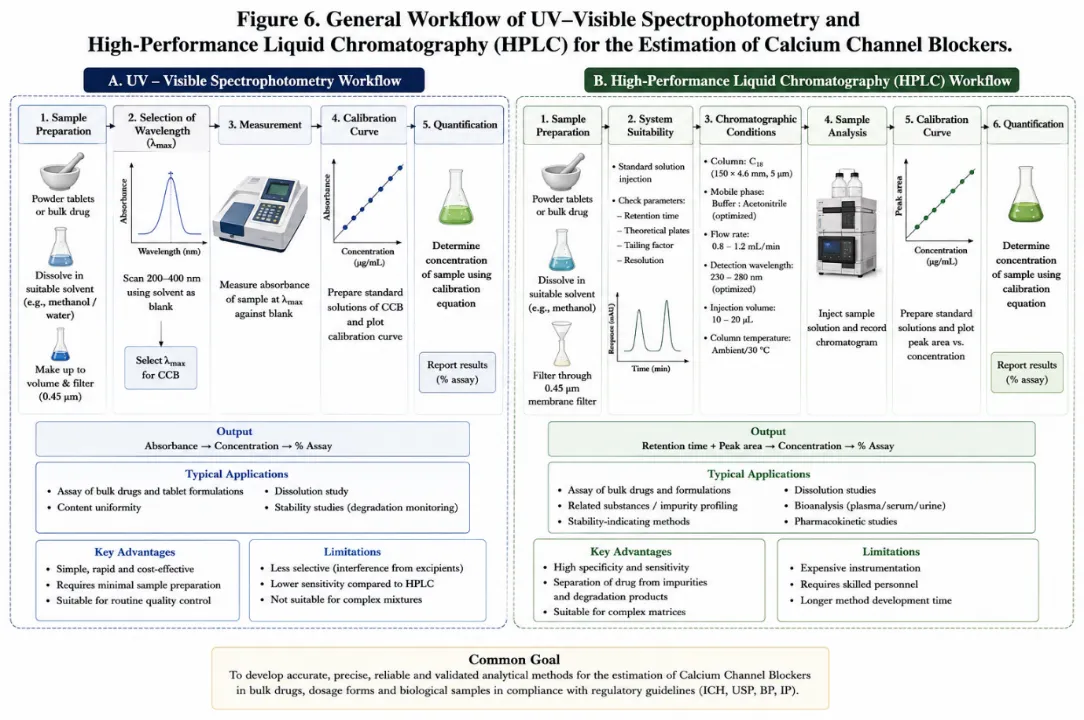
Figure 5. General Workflow of UV–Visible Spectrophotometry and High-Performance Liquid Chromatography (HPLC) for the Estimation of Calcium Channel Blockers.
5.5 Reverse-Phase High-Performance Liquid Chromatography (RP-HPLC)
Reverse-phase high-performance liquid chromatography (RP-HPLC) is the most widely employed analytical technique for the estimation of calcium channel blockers (CCBs) in pharmaceutical formulations and biological matrices. Owing to its high resolution, reproducibility, sensitivity, and compatibility with a wide range of compounds, RP-HPLC has become the preferred method for routine quality control, assay determination, impurity profiling, stability studies, and method validation.
In RP-HPLC, the stationary phase is non-polar (commonly C18 bonded silica), whereas the mobile phase consists of polar solvents such as water, methanol, acetonitrile, and appropriate buffer systems. Separation is achieved based on the hydrophobic interactions between analytes and the stationary phase. Since most calcium channel blockers possess moderate to high lipophilicity, RP-HPLC provides excellent chromatographic performance with symmetrical peak shapes and reproducible retention times.
Typical analytical conditions involve C18 columns (150–250 mm × 4.6 mm, 5 µm particle size), mobile phases containing methanol or acetonitrile with phosphate buffer, flow rates ranging from 0.8–1.5 mL/min, and UV detection between 230 and 365 nm. Method optimization generally focuses on improving peak resolution, reducing analysis time, and enhancing sensitivity while ensuring compliance with ICH validation requirements.
Table 10. Representative RP-HPLC Methods Reported for Calcium Channel Blockers
|
Drug |
Column |
Mobile Phase |
Detection (nm) |
Application |
|
Amlodipine |
C18 |
Acetonitrile : Phosphate Buffer |
237–240 |
Assay and tablet analysis |
|
Nifedipine |
C18 |
Methanol : Water |
235–238 |
Pharmaceutical formulations |
|
Felodipine |
C18 |
Acetonitrile : Buffer |
360–362 |
Assay and stability studies |
|
Nicardipine |
C18 |
Acetonitrile : Buffer |
239–240 |
Quality control |
|
Nimodipine |
C18 |
Methanol : Water |
235–238 |
Bulk and dosage forms |
|
Cilnidipine |
C18 |
Acetonitrile : Buffer |
240–242 |
Stability-indicating assay |
|
Verapamil |
C18 |
Methanol : Buffer |
278–280 |
Pharmaceutical analysis |
|
Diltiazem |
C18 |
Acetonitrile : Buffer |
236–238 |
Routine quality control |
Note: The above table presents representative analytical conditions commonly reported in the literature. Detailed chromatographic conditions may vary among published studies.
Advantages
Limitations
5.6 Ultra-Performance Liquid Chromatography (UPLC)
Ultra-performance liquid chromatography (UPLC) is an advanced chromatographic technique developed to improve analytical efficiency compared with conventional HPLC. UPLC employs columns packed with sub-2 µm particles and operates at higher pressures, resulting in superior chromatographic resolution, shorter analysis time, and enhanced analytical sensitivity.
UPLC has become increasingly popular for the estimation of calcium channel blockers due to its ability to provide rapid, accurate, and highly reproducible results while consuming significantly less mobile phase. The technique is particularly advantageous for high-throughput pharmaceutical analysis, impurity profiling, and stability studies.
Applications
Advantages
Limitations
Table 11. Comparison Between HPLC and UPLC
|
Parameter |
HPLC |
UPLC |
|
Particle size |
3–5 µm |
<2 µm |
|
Operating pressure |
Up to 400 bar |
Up to 1000 bar |
|
Analysis time |
Moderate |
Very short |
|
Resolution |
High |
Very high |
|
Solvent consumption |
Higher |
Lower |
|
Sensitivity |
High |
Higher |
5.7 High-Performance Thin-Layer Chromatography (HPTLC)
High-performance thin-layer chromatography (HPTLC) is an improved form of conventional thin-layer chromatography that provides enhanced separation efficiency, quantitative accuracy, and reproducibility. It is widely applied for routine quality control and simultaneous estimation of calcium channel blockers in pharmaceutical formulations.
In HPTLC, samples are applied as narrow bands on precoated silica gel plates, followed by chromatographic development using suitable mobile phases. After development, densitometric scanning is performed for quantitative analysis.
Applications
Advantages
Limitations
Table 12. General Characteristics of HPTLC
|
Parameter |
Description |
|
Stationary Phase |
Silica Gel 60 F254 Plate |
|
Sample Application |
Automatic band applicator |
|
Detection |
UV/Densitometric Scanner |
|
Major Applications |
Assay, Quality Control, Stability Studies |
|
Major Advantages |
Economical, Rapid, Multi-sample analysis |
|
Major Limitations |
Lower sensitivity compared with HPLC |
5.8 Liquid Chromatography–Tandem Mass Spectrometry (LC–MS/MS)
Liquid chromatography–tandem mass spectrometry (LC–MS/MS) is one of the most advanced analytical techniques available for the determination of calcium channel blockers in biological matrices. The combination of chromatographic separation with tandem mass spectrometric detection provides exceptional sensitivity, specificity, and selectivity, allowing quantification of drugs at nanogram or picogram levels.
Due to its outstanding analytical performance, LC–MS/MS is considered the gold standard for bioanalytical studies, pharmacokinetic investigations, therapeutic drug monitoring, and bioequivalence studies.
5.8.1 Bioanalysis : LC–MS/MS is extensively employed for quantitative determination of calcium channel blockers and their metabolites in plasma, serum, urine, and tissue samples. The technique offers excellent sensitivity, enabling accurate measurement even at trace concentration levels.
5.8.2 Plasma Estimation : Accurate plasma estimation is essential for therapeutic drug monitoring and clinical pharmacokinetic studies. Prior to LC–MS/MS analysis, plasma samples typically undergo protein precipitation, liquid-liquid extraction, or solid-phase extraction to eliminate endogenous matrix components and improve analytical accuracy.
5.8.3 Pharmacokinetic Studies
LC–MS/MS plays a vital role in pharmacokinetic evaluation by enabling accurate determination of plasma drug concentration over time. The generated data are used to calculate key pharmacokinetic parameters such as:
These parameters are essential for dose optimization, formulation development, and bioequivalence assessment.
Advantages
Limitations
Table 13. Applications of LC–MS/MS in Calcium Channel Blocker Analysis
|
Application |
Purpose |
|
Bioanalysis |
Quantification in biological matrices |
|
Plasma estimation |
Therapeutic drug monitoring |
|
Pharmacokinetic studies |
Determination of PK parameters |
|
Bioavailability studies |
Evaluation of drug absorption |
|
Bioequivalence studies |
Comparison of generic and reference products |
|
Metabolite identification |
Detection of drug metabolites |
|
Trace-level estimation |
High-sensitivity quantitative analysis |
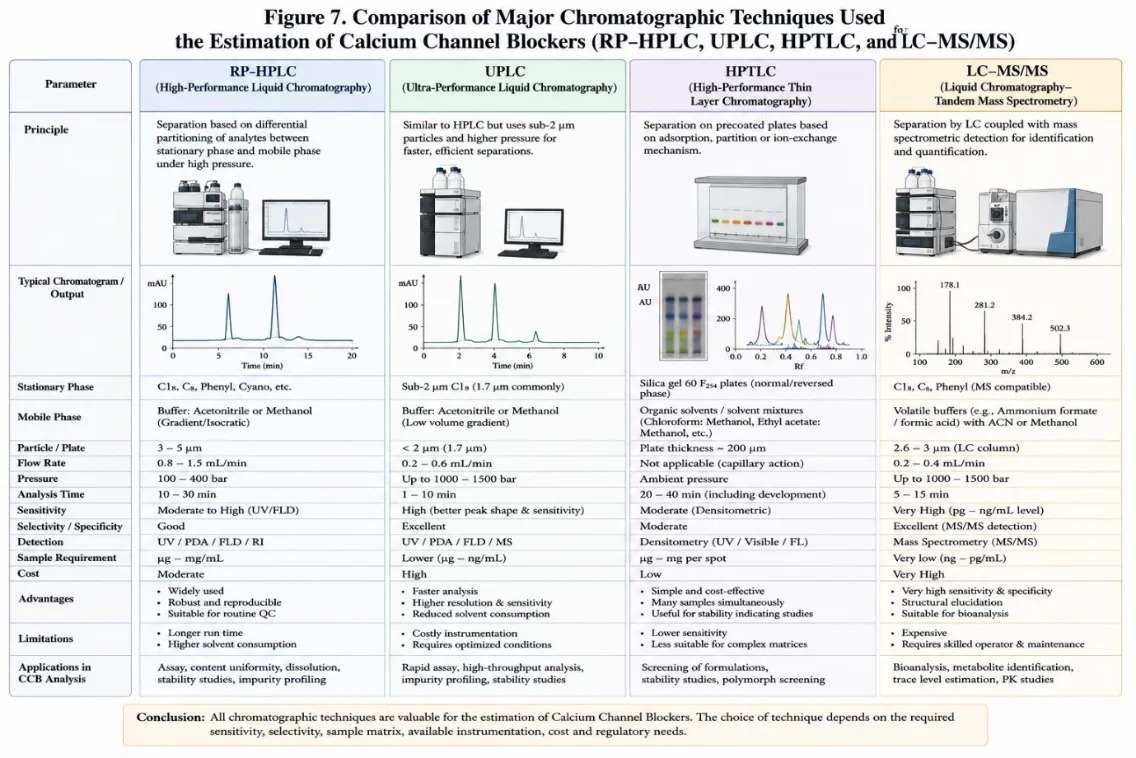
Figure 6. Comparison of Major Chromatographic Techniques Used for the Estimation of Calcium Channel Blockers (RP-HPLC, UPLC, HPTLC, and LC–MS/MS).
5.9 Gas Chromatography–Mass Spectrometry (GC–MS)
Gas chromatography–mass spectrometry (GC–MS) is a highly sensitive analytical technique that combines the separation capability of gas chromatography with the identification power of mass spectrometry. Although GC–MS is extensively used for the analysis of volatile and thermally stable compounds, its application in the estimation of calcium channel blockers (CCBs) is relatively limited because most CCBs are non-volatile, thermolabile, and possess relatively high molecular weights. In certain cases, chemical derivatization is required to improve volatility before GC–MS analysis.
Despite these limitations, GC–MS has been employed for metabolite identification, forensic toxicology, residual solvent analysis, and degradation product characterization.
Applications
Advantages
Limitations
Table-14. General Features of GC–MS
|
Parameter |
Description |
|
Principle |
Separation by gas chromatography followed by mass spectral detection |
|
Suitable Samples |
Volatile and thermally stable compounds |
|
Major Applications |
Metabolite analysis, residual solvent analysis, degradation studies |
|
Advantages |
High sensitivity and structural identification |
|
Limitations |
Limited use for most calcium channel blockers |
5.10 Capillary Electrophoresis (CE)
Capillary electrophoresis (CE) is an analytical separation technique based on the differential migration of charged analytes under the influence of a high-voltage electric field within a narrow fused-silica capillary. The technique offers high separation efficiency, rapid analysis, and minimal reagent consumption.
Although CE is less commonly used than HPLC for calcium channel blocker analysis, it has demonstrated excellent performance in the simultaneous estimation of structurally related compounds and impurity profiling.
Applications
Advantages
Limitations
Table 15. Characteristics of Capillary Electrophoresis
|
Parameter |
Description |
|
Principle |
Separation based on electrophoretic mobility |
|
Separation Medium |
Fused-silica capillary |
|
Major Applications |
Simultaneous estimation and impurity analysis |
|
Advantages |
Rapid, efficient, low solvent consumption |
|
Limitations |
Lower sensitivity than LC–MS/MS |
5.11 Electrochemical Methods
Electrochemical analytical techniques have emerged as promising alternatives for the determination of calcium channel blockers due to their high sensitivity, simplicity, rapid response, and relatively low operational cost. These methods are based on measuring electrical signals generated during oxidation or reduction reactions of drug molecules at the electrode surface.
Several electrochemical techniques, including cyclic voltammetry (CV), differential pulse voltammetry (DPV), square-wave voltammetry (SWV), and amperometry, have been successfully applied for quantitative estimation of calcium channel blockers.
Recent developments in nanomaterial-modified electrodes have further enhanced analytical sensitivity and selectivity, making electrochemical methods attractive for pharmaceutical analysis and point-of-care applications.
Applications
Advantages
Limitations
Table 16. Electrochemical Techniques Used for Calcium Channel Blocker Analysis
|
Technique |
Major Application |
|
Cyclic Voltammetry (CV) |
Electrochemical characterization |
|
Differential Pulse Voltammetry (DPV) |
Quantitative drug estimation |
|
Square-Wave Voltammetry (SWV) |
Trace-level analysis |
|
Amperometry |
Biosensor applications |
5.12 Stability-Indicating Analytical Methods
Stability-indicating analytical methods (SIAMs) are specifically designed to accurately quantify the active pharmaceutical ingredient while simultaneously separating and detecting degradation products, impurities, and excipients. These methods play a crucial role in pharmaceutical development by ensuring drug stability, product quality, and regulatory compliance.
For calcium channel blockers, stability-indicating methods are commonly developed using RP-HPLC, UPLC, and LC–MS/MS, owing to their superior selectivity and sensitivity. During method development, forced degradation studies are performed under various stress conditions to evaluate the intrinsic stability of the drug and establish the method's capability to resolve degradation products.
Common stress conditions include:
A properly validated stability-indicating method should demonstrate adequate resolution between the drug and degradation products, acceptable peak purity, precision, accuracy, and robustness according to ICH Q2(R2) and ICH Q1A(R2) guidelines.
Applications
Advantages
Limitations
Table 17. Common Stress Conditions Used in Stability-Indicating Method Development
|
Stress Condition |
Purpose |
|
Acidic Hydrolysis |
Evaluate acid-induced degradation |
|
Alkaline Hydrolysis |
Evaluate base-induced degradation |
|
Oxidative Degradation |
Assess oxidative stability |
|
Thermal Degradation |
Determine heat stability |
|
Photolytic Degradation |
Evaluate light sensitivity |
|
Humidity Stress |
Assess moisture-induced degradation |
Table 18. Comparative Summary of Analytical Techniques for Estimation of Calcium Channel Blockers
|
Technique |
Sensitivity |
Selectivity |
Typical Applications |
Major Limitation |
|
UV–Visible Spectrophotometry |
Moderate |
Moderate |
Routine assay, dissolution studies |
Limited selectivity |
|
Derivative Spectrophotometry |
Moderate |
High |
Simultaneous estimation |
Noise amplification |
|
Spectrofluorimetry |
High |
High |
Trace analysis, bioanalysis |
Applicable only to fluorescent compounds |
|
HPLC |
High |
High |
Assay, quality control, stability studies |
Higher solvent consumption |
|
RP-HPLC |
Very High |
Very High |
Routine pharmaceutical analysis |
Longer analysis time than UPLC |
|
UPLC |
Very High |
Very High |
Rapid quality control and impurity profiling |
Expensive instrumentation |
|
HPTLC |
Moderate |
Moderate |
Multi-sample pharmaceutical analysis |
Lower sensitivity |
|
LC–MS/MS |
Excellent |
Excellent |
Bioanalysis and pharmacokinetics |
High cost |
|
GC–MS |
High |
Excellent |
Metabolite and degradation studies |
Limited use for CCBs |
|
Capillary Electrophoresis |
High |
High |
Chiral separation and impurity analysis |
Lower routine usage |
|
Electrochemical Methods |
High |
Moderate–High |
Sensor development and trace analysis |
Electrode fouling |
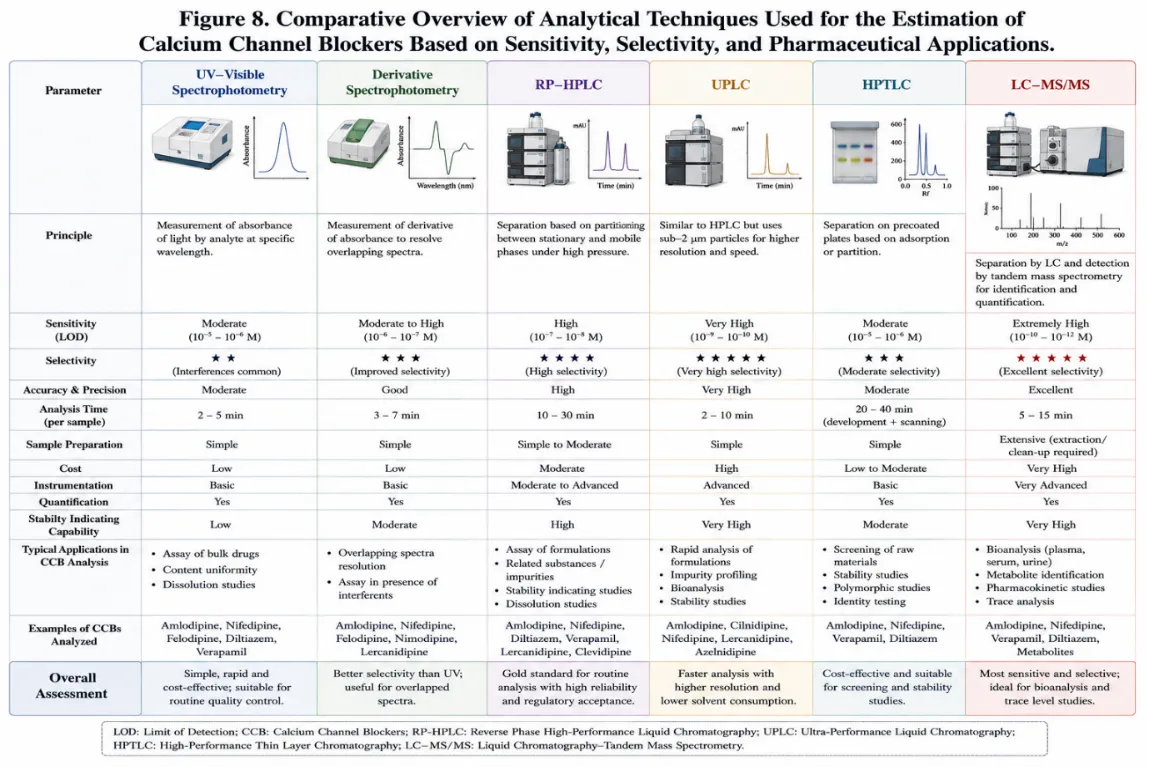
Figure 7. Comparative Overview of Analytical Techniques Used for the Estimation of Calcium Channel Blockers Based on Sensitivity, Selectivity, and Pharmaceutical Applications.
6. Analytical Method Development Strategy
Analytical method development is a systematic process aimed at establishing a reliable, accurate, precise, and reproducible analytical procedure for the quantitative estimation of pharmaceutical compounds. The strategy involves careful selection and optimization of analytical parameters to achieve efficient separation, accurate detection, and compliance with regulatory guidelines. For calcium channel blockers, method development is influenced by the physicochemical properties of the drug, intended application, and analytical technique employed.
6.1 Step 1: Drug Characterization : Drug characterization is the initial step in analytical method development. A comprehensive understanding of the physicochemical properties of the analyte facilitates the selection of appropriate analytical conditions.
Important parameters include:
Importance
6.2 Step 2: Selection of Analytical Technique : The analytical technique is selected according to the objective of analysis, sample type, required sensitivity, and regulatory expectations.
Common analytical techniques include:
Selection criteria
6.3 Step 3: Selection of Solvent : Selection of an appropriate solvent is essential to ensure complete drug dissolution, sample stability, and compatibility with the analytical system.
Common solvents
Factors affecting solvent selection
6.4 Step 4: Detection Wavelength Selection : The detection wavelength is selected based on the maximum absorbance (λmax) of the analyte to achieve optimum sensitivity and signal-to-noise ratio.
Selection procedure
Importance
6.5 Step 5: Column Selection : Column selection is one of the most critical factors influencing chromatographic separation. The stationary phase should provide adequate retention, peak symmetry, and resolution.
Common columns
Among these, C18 columns are most frequently employed for calcium channel blocker analysis.
Selection criteria
6.6 Step 6: Mobile Phase Optimization : Optimization of the mobile phase is performed to obtain adequate separation, acceptable peak shape, and reasonable retention time.
Common mobile phase components
Optimization parameters
6.7 Step 7: Flow Rate Optimization : The flow rate significantly influences retention time, chromatographic resolution, and analysis duration.
Typical flow rate
Optimization objectives
6.8 Step 8: Injection Volume : The injection volume should be optimized to achieve adequate detector response without causing peak distortion or column overloading.
Typical injection volume
Selection criteria
6.9 Step 9: System Suitability : System suitability testing confirms that the chromatographic system is functioning properly before routine sample analysis.
Common system suitability parameters
These parameters ensure the reliability and reproducibility of the developed analytical method.
6.10 Step 10: Method Optimization : Method optimization is the final stage of analytical method development in which all chromatographic variables are systematically adjusted to obtain the best analytical performance.
Parameters optimized
Expected outcomes
Table 19. Summary of Analytical Method Development Strategy
|
Step |
Activity |
Objective |
|
Step 1 |
Drug Characterization |
Understand physicochemical properties |
|
Step 2 |
Selection of Analytical Technique |
Choose suitable analytical method |
|
Step 3 |
Selection of Solvent |
Ensure solubility and compatibility |
|
Step 4 |
Detection Wavelength Selection |
Achieve maximum analytical sensitivity |
|
Step 5 |
Column Selection |
Obtain efficient chromatographic separation |
|
Step 6 |
Mobile Phase Optimization |
Improve resolution and peak shape |
|
Step 7 |
Flow Rate Optimization |
Optimize retention time and efficiency |
|
Step 8 |
Injection Volume |
Ensure reproducible detector response |
|
Step 9 |
System Suitability |
Verify system performance before analysis |
|
Step 10 |
Method Optimization |
Achieve robust, accurate, and precise analytical method |
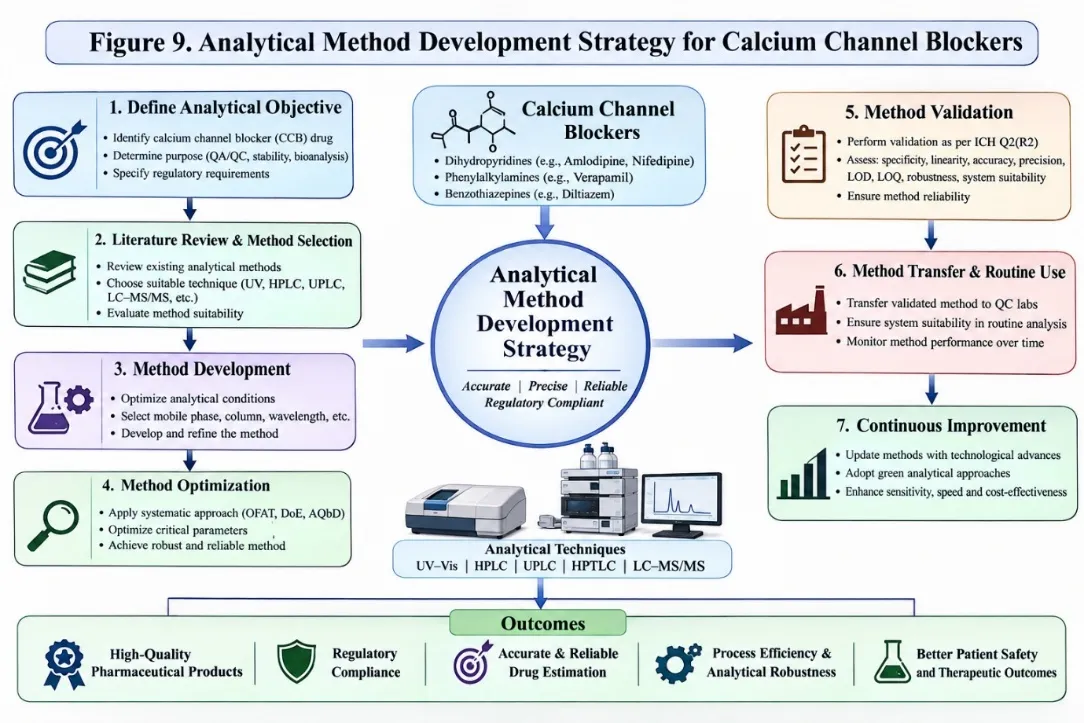
Figure 8. Analytical Method Development Strategy for Calcium Channel Blockers
7. Method Validation (ICH Q2(R2))
Analytical method validation is a documented process that demonstrates that an analytical procedure is suitable for its intended purpose. According to the International Council for Harmonisation (ICH) Q2(R2) guideline, validation ensures that analytical methods consistently produce reliable, accurate, and reproducible results. Validation is an essential requirement for pharmaceutical quality control, regulatory approval, stability studies, and routine analysis of calcium channel blockers.
7.1 Specificity : Specificity is the ability of an analytical method to accurately measure the analyte in the presence of impurities, degradation products, excipients, or other potential interfering substances.
Importance
Acceptance Criteria
7.2 Selectivity : Selectivity refers to the ability of the analytical method to distinguish the analyte from structurally similar compounds or matrix components.
Importance
Acceptance Criteria
7.3 Accuracy : Accuracy expresses the closeness of agreement between the measured value and the true value.
Accuracy is generally evaluated using recovery studies at different concentration levels (typically 80%, 100%, and 120% of the target concentration).
Acceptance Criteria
7.4 Precision : Precision indicates the degree of agreement among individual analytical results obtained from repeated measurements.
7.4.1 Repeatability : Repeatability (intra-day precision) evaluates method precision under identical operating conditions over a short time period.
Acceptance Criteria
7.4.2 Intermediate Precision : Intermediate precision evaluates analytical variability within the same laboratory using different analysts, instruments, or different days.
Acceptance Criteria
7.4.3 Reproducibility : Reproducibility evaluates method performance between different laboratories under defined conditions.
Importance
7.5 Linearity : Linearity is the ability of an analytical method to obtain test results that are directly proportional to analyte concentration within a specified range.
The calibration curve is prepared using multiple concentration levels and evaluated by linear regression analysis.
Acceptance Criteria
7.6 Range : Range represents the interval between the upper and lower concentrations over which the analytical method demonstrates acceptable accuracy, precision, and linearity.
The working range depends on the intended application of the analytical procedure.
7.7 Limit of Detection (LOD) : LOD is the lowest amount of analyte that can be detected but not necessarily quantified under the stated analytical conditions.
It is commonly calculated using:
LOD = 3.3 × (σ/S)
where,
Importance
7.8 Limit of Quantification (LOQ) : LOQ is the lowest concentration of analyte that can be quantitatively determined with acceptable accuracy and precision.
It is calculated using:
LOQ = 10 × (σ/S)
Importance
7.9 Robustness : Robustness measures the ability of an analytical method to remain unaffected by small but deliberate variations in analytical conditions.
Parameters commonly evaluated
Acceptance Criteria
7.10 Ruggedness : Ruggedness evaluates the reproducibility of an analytical method under normal operating conditions.
Typical variables include:
A rugged analytical method consistently produces reliable analytical results despite these variations.
7.11 Solution Stability : Solution stability studies determine whether standard and sample solutions remain chemically stable throughout the analytical period.
Stability is commonly evaluated at:
The analytical response should remain within acceptable limits during the specified storage period.
7.12 Forced Degradation Studies
Forced degradation studies evaluate the intrinsic stability of the drug by exposing it to various stress conditions. These studies demonstrate the stability-indicating capability of the analytical method and help identify potential degradation products.
7.12.1 Acid Degradation : Performed using dilute hydrochloric acid (HCl) under controlled conditions to evaluate acid-induced degradation.
7.12.2 Base Degradation : Performed using sodium hydroxide (NaOH) solution to determine alkaline stability.
7.12.3 Oxidative Degradation : Performed using hydrogen peroxide (H₂O₂) to assess oxidative susceptibility.
7.12.4 Thermal Degradation : Drug samples are exposed to elevated temperatures to evaluate heat stability.
7.12.5 Photolytic Degradation : Samples are exposed to UV and visible light according to ICH photostability guidelines to determine light sensitivity.
7.12.6 Humidity Studies : Samples are stored under controlled high-humidity conditions to evaluate moisture-induced degradation.
7.13 System Suitability Parameters : System suitability testing confirms that the chromatographic system is capable of producing reliable analytical results before routine sample analysis.
7.13.1 Tailing Factor : Evaluates chromatographic peak symmetry.
Typical Acceptance Criterion
7.13.2 Resolution (Rs) : Measures chromatographic separation between two adjacent peaks.
Typical Acceptance Criterion
7.13.3 Theoretical Plate Count (N) : Indicates column efficiency.
Typical Acceptance Criterion
7.13.4 Capacity Factor (k′) : Represents analyte retention relative to the mobile phase.
Typical Acceptance Criterion
Table 20-. ICH Q2(R2) Validation Parameters and Typical Acceptance Criteria
|
Validation Parameter |
Purpose |
Typical Acceptance Criteria* |
|
Specificity |
Absence of analytical interference |
No interfering peaks |
|
Selectivity |
Separation of analyte from matrix |
Adequate resolution |
|
Accuracy |
Closeness to true value |
Recovery 98–102% |
|
Precision |
Repeatability of results |
%RSD ≤ 2.0 |
|
Intermediate Precision |
Within-laboratory variability |
%RSD ≤ 2.0 |
|
Reproducibility |
Between-laboratory variability |
Comparable analytical results |
|
Linearity |
Concentration-response relationship |
R² ≥ 0.999 |
|
Range |
Working concentration interval |
As per intended application |
|
LOD |
Lowest detectable concentration |
Determined experimentally or statistically |
|
LOQ |
Lowest quantifiable concentration |
Determined experimentally or statistically |
|
Robustness |
Effect of deliberate variations |
No significant analytical change |
|
Ruggedness |
Method reproducibility |
Consistent analytical performance |
|
Solution Stability |
Stability during analysis |
Within predefined acceptance limits |
|
Forced Degradation |
Stability-indicating capability |
Successful separation of degradation products |
|
System Suitability |
Instrument performance verification |
Meets predefined chromatographic criteria |
*Acceptance criteria may vary depending on the analytical technique, regulatory guidance, and method-specific requirements.
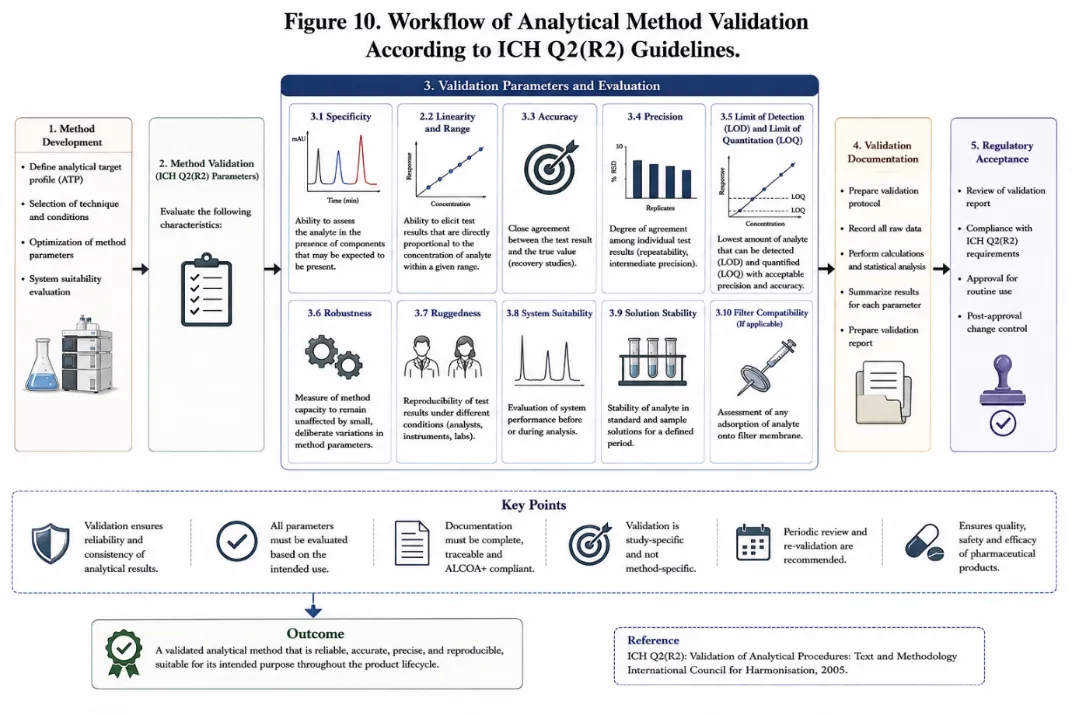
Figure 9. Workflow of Analytical Method Validation According to ICH Q2(R2) Guidelines.
8. Regulatory Guidelines
Regulatory guidelines provide a standardized framework for the development, validation, and routine application of analytical methods in the pharmaceutical industry. Compliance with internationally recognized regulatory standards ensures the generation of reliable, reproducible, and scientifically acceptable analytical data throughout the product lifecycle. For calcium channel blockers, analytical methods used for assay determination, impurity profiling, stability testing, and quality control should comply with the recommendations of regulatory agencies such as the International Council for Harmonisation (ICH), United States Pharmacopeia (USP), British Pharmacopoeia (BP), Indian Pharmacopoeia (IP), United States Food and Drug Administration (USFDA), and the European Medicines Agency (EMA)
8.1 International Council for Harmonisation (ICH Q2(R2))
The ICH Q2(R2) guideline provides internationally accepted recommendations for the validation of analytical procedures used in pharmaceutical analysis. It outlines the scientific principles and performance characteristics required to demonstrate that an analytical method is suitable for its intended purpose.
The guideline emphasizes validation parameters such as:
Compliance with ICH Q2(R2) ensures global regulatory acceptance and harmonization of analytical methods.
8.2 United States Pharmacopeia (USP)
The United States Pharmacopeia (USP) establishes legally recognized quality standards for pharmaceutical substances, dosage forms, and analytical procedures in the United States.
USP provides guidance on:
USP monographs serve as an important reference during pharmaceutical quality control and regulatory submissions.
8.3 British Pharmacopoeia (BP)
The British Pharmacopoeia (BP) is an official collection of pharmaceutical standards used in the United Kingdom and many Commonwealth countries.
BP includes:
The BP ensures the quality, consistency, and safety of pharmaceutical products throughout their shelf life.
8.4 Indian Pharmacopoeia (IP)
The Indian Pharmacopoeia (IP) provides legally enforceable quality standards for pharmaceutical products marketed in India.
The IP includes:
Compliance with IP specifications is mandatory for pharmaceutical manufacturers operating within India.
8.5 United States Food and Drug Administration (USFDA)
The USFDA regulates the approval, manufacture, quality control, and post-marketing surveillance of pharmaceutical products in the United States.
The agency recommends that analytical methods should:
USFDA guidance documents are widely followed during analytical method development and validation.
8.6 European Medicines Agency (EMA)
The European Medicines Agency (EMA) provides scientific and regulatory guidance for medicinal products within the European Union.
EMA recommendations focus on:
EMA guidance ensures that analytical methods generate reliable and reproducible results that meet European regulatory expectations.
Table 21. Major Regulatory Guidelines for Pharmaceutical Analytical Method Development and Validation
|
Regulatory Authority |
Primary Focus |
Major Application |
|
ICH Q2(R2) |
Analytical method validation |
Global harmonization of analytical procedures |
|
USP |
Official pharmacopeial standards |
Assay, dissolution, impurity testing, quality control |
|
BP |
Pharmaceutical quality specifications |
Identification, assay, dissolution, impurity limits |
|
IP |
Indian pharmaceutical standards |
Drug quality evaluation and regulatory compliance |
|
USFDA |
Drug approval and quality regulation |
Method validation, GMP compliance, regulatory submissions |
|
EMA |
European pharmaceutical regulation |
Analytical validation, stability studies, bioanalysis, quality assurance |
9. Recent Advances in Analytical Methods for Calcium Channel Blockers
Continuous advancements in analytical science have significantly improved the accuracy, sensitivity, efficiency, and sustainability of pharmaceutical analysis. Modern analytical technologies enable rapid method development, enhanced separation efficiency, reduced solvent consumption, and improved regulatory compliance. Recent innovations have also facilitated high-throughput analysis and automation, making analytical methods more robust and reliable.
9.1 UPLC–MS/MS
The integration of ultra-performance liquid chromatography with tandem mass spectrometry (UPLC–MS/MS) has revolutionized pharmaceutical analysis by providing exceptional sensitivity, selectivity, and rapid chromatographic separation. This hyphenated technique enables trace-level quantification of calcium channel blockers and their metabolites in complex biological matrices with minimal sample preparation. UPLC–MS/MS is extensively employed in bioanalysis, pharmacokinetic studies, therapeutic drug monitoring, and bioequivalence evaluation.
9.2 Green Analytical Chemistry
Green analytical chemistry aims to minimize the environmental impact of analytical procedures by reducing solvent consumption, hazardous chemical usage, energy requirements, and analytical waste. Recent analytical methods increasingly employ environmentally benign solvents, shorter chromatographic run times, miniaturized sample preparation techniques, and sustainable laboratory practices without compromising analytical performance.
9.3 Analytical Quality by Design (AQbD)
Analytical Quality by Design (AQbD) is a systematic, science-based approach that integrates risk assessment, experimental design, and lifecycle management into analytical method development. AQbD enhances method robustness, reliability, and regulatory flexibility by identifying critical analytical attributes and optimizing method parameters through statistically designed experiments.
9.4 Process Analytical Technology (PAT)
Process Analytical Technology (PAT) enables real-time monitoring and control of pharmaceutical manufacturing processes. The integration of analytical sensors and automated monitoring systems facilitates continuous quality assessment, rapid process adjustments, reduced manufacturing variability, and improved product consistency. PAT supports Quality by Design (QbD) principles and modern pharmaceutical manufacturing.
9.5 AI-Assisted Analytical Optimization
Artificial intelligence (AI) and machine learning algorithms are increasingly applied to optimize chromatographic conditions, predict retention behavior, automate data interpretation, and improve analytical decision-making. AI-assisted optimization reduces experimental trials, shortens method development time, and enhances analytical efficiency through predictive modeling and intelligent parameter selection.
9.6 Chemometrics
Chemometric techniques employ advanced statistical and mathematical tools to optimize analytical methods and interpret complex analytical datasets. Multivariate analysis, principal component analysis (PCA), partial least squares (PLS), and design of experiments (DoE) are widely used for chromatographic optimization, spectral interpretation, and simultaneous estimation of multiple analytes.
9.7 Automation
Automation has significantly improved the efficiency and reproducibility of pharmaceutical analysis. Modern analytical laboratories increasingly utilize automated sample preparation systems, autosamplers, robotic liquid handling, computerized data acquisition, and laboratory information management systems (LIMS) to reduce human error and increase analytical throughput.
9.8 Microfluidic Analytical Systems
Microfluidic analytical systems, commonly referred to as lab-on-a-chip technologies, integrate multiple analytical processes onto miniaturized platforms. These systems require minimal sample and reagent volumes while providing rapid analysis, improved portability, and reduced operational costs. Although their application in calcium channel blocker analysis remains limited, they represent a promising direction for future pharmaceutical analytical research.
Table 22. Recent Advances in Pharmaceutical Analytical Methods
|
Recent Advancement |
Major Benefits |
Potential Applications |
|
UPLC–MS/MS |
High sensitivity, rapid analysis |
Bioanalysis, pharmacokinetics, impurity profiling |
|
Green Analytical Chemistry |
Reduced environmental impact |
Sustainable analytical methods |
|
AQbD |
Robust and systematic method development |
Method optimization and lifecycle management |
|
PAT |
Real-time process monitoring |
Pharmaceutical manufacturing |
|
AI-Assisted Optimization |
Intelligent method optimization |
Chromatographic optimization and prediction |
|
Chemometrics |
Statistical data analysis |
Multivariate optimization and spectral analysis |
|
Automation |
Improved reproducibility and productivity |
High-throughput quality control |
|
Microfluidic Systems |
Miniaturization and rapid analysis |
Point-of-care and portable analytical devices |
10. Challenges
Despite significant progress in analytical technologies, the development and validation of analytical methods for calcium channel blockers continue to face several scientific and practical challenges. These challenges may affect method sensitivity, accuracy, reproducibility, regulatory acceptance, and overall analytical performance.
10.1 Low Drug Concentration : The determination of calcium channel blockers at very low concentrations, particularly in biological matrices, requires highly sensitive analytical techniques. Conventional analytical methods may not provide sufficient sensitivity for trace-level quantification.
10.2 Matrix Interference : Biological samples and complex pharmaceutical formulations contain endogenous compounds, excipients, and degradation products that may interfere with analyte detection. Effective sample preparation and highly selective analytical techniques are therefore essential.
10.3 Stability Issues : Many calcium channel blockers are susceptible to degradation under acidic, alkaline, oxidative, thermal, or photolytic conditions. Developing stability-indicating analytical methods capable of separating degradation products remains challenging.
10.4 Multi-Component Formulations : Several marketed pharmaceutical formulations contain calcium channel blockers in combination with antihypertensive or lipid-lowering agents. Simultaneous estimation of multiple active ingredients with adequate chromatographic resolution requires careful method optimization.
10.5 Simultaneous Estimation : Simultaneous analysis of structurally similar compounds often presents challenges due to overlapping chromatographic peaks and spectral interference. Advanced chromatographic and chemometric techniques are frequently required to achieve accurate separation.
10.6 Cost of Instrumentation : Advanced analytical instruments such as UPLC–MS/MS and high-resolution mass spectrometers require substantial capital investment, regular maintenance, and highly trained personnel, limiting their accessibility in many routine quality control laboratories.
10.7 Regulatory Compliance : Analytical methods must comply with continuously evolving regulatory expectations, including ICH, USFDA, EMA, USP, BP, and IP guidelines. Maintaining compliance throughout the analytical method lifecycle requires continuous monitoring and periodic method re-evaluation.
Table 23. Major Challenges in Analytical Method Development
|
Challenge |
Impact on Analytical Method |
|
Low drug concentration |
Reduced analytical sensitivity |
|
Matrix interference |
Inaccurate quantification |
|
Stability issues |
Difficulty in degradation product separation |
|
Multi-component formulations |
Complex chromatographic separation |
|
Simultaneous estimation |
Peak overlap and spectral interference |
|
High instrumentation cost |
Limited accessibility |
|
Regulatory compliance |
Continuous validation and documentation |
11. Research Gaps
Although considerable progress has been achieved in the development of analytical methods for calcium channel blockers, several important research gaps remain. Addressing these limitations will improve analytical performance, sustainability, and regulatory acceptance while supporting future pharmaceutical innovations.
11.1 Limited Green Analytical Methods : Most reported analytical methods continue to rely on hazardous organic solvents and generate considerable chemical waste. More environmentally sustainable analytical procedures are needed.
11.2 Lack of AQbD-Based Method Development : Only a limited number of published studies have implemented AQbD principles for systematic analytical method development, optimization, and lifecycle management.
11.3 Few Eco-Friendly Solvents : The use of environmentally benign solvents remains relatively uncommon in routine pharmaceutical analysis. Further investigation into greener solvent systems is warranted.
11.4 Limited Bioanalytical Validation : Although LC–MS/MS methods have been developed for selected calcium channel blockers, comprehensive bioanalytical validation data remain limited for several newer compounds.
11.5 Limited Impurity Profiling : Comprehensive impurity characterization and degradation product identification have not been extensively investigated for many recently introduced calcium channel blockers.
11.6 Insufficient Stability-Indicating Methods : There is still a need for more robust and universally applicable stability-indicating analytical methods capable of separating all potential degradation products under multiple stress conditions.
11.7 Limited LC–MS/MS Applications for Newer Calcium Channel Blockers : Most published LC–MS/MS methods focus on older calcium channel blockers such as amlodipine, nifedipine, verapamil, and diltiazem. Analytical studies involving newer agents remain relatively scarce.
11.8 Lack of AI-Driven Method Optimization : The integration of artificial intelligence and machine learning into analytical method development is still in its early stages. Further research is required to establish AI-assisted analytical optimization as a routine pharmaceutical practice.
Table 24. Current Research Gaps and Future Research Needs
|
Research Gap |
Future Research Direction |
|
Limited green analytical methods |
Development of environmentally sustainable analytical procedures |
|
Lack of AQbD implementation |
Wider adoption of AQbD-based method development |
|
Few eco-friendly solvents |
Investigation of green solvent systems |
|
Limited bioanalytical validation |
Expanded LC–MS/MS validation studies |
|
Limited impurity profiling |
Advanced impurity characterization using hyphenated techniques |
|
Insufficient stability-indicating methods |
Development of robust stability-indicating analytical methods |
|
Limited LC–MS/MS applications |
Bioanalysis of newer calcium channel blockers |
|
Lack of AI-assisted optimization |
Integration of AI and machine learning into analytical method development |
12. FUTURE PERSPECTIVES
The field of pharmaceutical analytical science is rapidly evolving with the integration of advanced chromatographic techniques, artificial intelligence, automation, and sustainable analytical practices. Future analytical methods for calcium channel blockers are expected to focus on improving sensitivity, reducing environmental impact, enhancing regulatory compliance, and enabling real-time quality monitoring. Emerging technologies will support the development of robust, efficient, and cost-effective analytical methods while accelerating pharmaceutical research and quality assurance.
12.1 Green Chromatography : Green chromatography is expected to become a major focus of future analytical research. The adoption of environmentally friendly solvents, reduced solvent consumption, shorter chromatographic run times, and energy-efficient analytical systems will minimize environmental impact while maintaining analytical performance. Sustainable analytical practices will also support global initiatives toward greener pharmaceutical manufacturing.
12.2 Artificial Intelligence in Method Development : Artificial intelligence (AI) is anticipated to transform analytical method development by enabling predictive optimization of chromatographic conditions, automated data interpretation, and intelligent decision-making. AI algorithms can significantly reduce experimental workload, improve method robustness, and accelerate analytical development through data-driven optimization.
12.3 Machine Learning-Assisted Optimization : Machine learning techniques will further enhance analytical method development by modeling complex relationships between analytical variables and predicting optimal chromatographic conditions. These approaches can improve method accuracy, reduce development time, and facilitate continuous analytical improvement.
12.4 Digital Laboratories : Digital laboratories integrating cloud computing, laboratory information management systems (LIMS), electronic laboratory notebooks (ELNs), and automated data processing are expected to improve analytical efficiency, traceability, and regulatory compliance. Digital transformation will enable seamless management of analytical workflows and data integrity.
12.5 Automated Validation : Automation of analytical method validation is expected to minimize manual intervention, reduce human error, and improve reproducibility. Automated validation software can facilitate rapid evaluation of validation parameters, statistical analysis, documentation, and regulatory reporting.
12.6 Miniaturized Analytical Systems : Miniaturized analytical platforms, including lab-on-a-chip and microfluidic technologies, are expected to provide rapid analysis with minimal sample and reagent consumption. These systems offer advantages such as portability, reduced operational costs, and high analytical efficiency, making them attractive for future pharmaceutical applications.
12.7 Portable Analytical Instruments : The development of compact and portable analytical instruments will enable on-site pharmaceutical quality assessment, field analysis, and point-of-care testing. Portable spectroscopy and miniaturized chromatographic systems are expected to expand analytical capabilities beyond conventional laboratories.
12.8 High-Throughput Analysis : Future analytical laboratories will increasingly adopt high-throughput analytical platforms capable of processing large numbers of samples with improved speed and precision. Such systems will enhance pharmaceutical quality control, stability testing, and bioanalytical investigations.
12.9 Continuous Analytical Monitoring : Continuous analytical monitoring through Process Analytical Technology (PAT) and real-time analytical sensors will improve process control, product consistency, and manufacturing efficiency. These technologies support continuous manufacturing and rapid quality assessment.
12.10 Quality by Design (QbD) : Quality by Design (QbD) principles will continue to play a pivotal role in analytical method development by promoting systematic optimization, risk assessment, and lifecycle management. Wider implementation of QbD will enhance analytical robustness, regulatory flexibility, and overall method reliability.
12.11 Analytical Lifecycle Management :
Analytical lifecycle management emphasizes the continuous improvement of analytical methods from development through routine application and post-approval changes. Lifecycle-based approaches ensure sustained method performance, regulatory compliance, and efficient quality management throughout the product lifecycle.
Table 25. Future Trends in Pharmaceutical Analytical Method Development
|
Future Perspective |
Expected Impact |
|
Green Chromatography |
Environmentally sustainable analytical methods |
|
Artificial Intelligence |
Intelligent method development and optimization |
|
Machine Learning |
Predictive chromatographic optimization |
|
Digital Laboratories |
Improved data integrity and workflow efficiency |
|
Automated Validation |
Faster, reproducible validation processes |
|
Miniaturized Analytical Systems |
Rapid analysis with minimal sample consumption |
|
Portable Analytical Instruments |
On-site pharmaceutical quality assessment |
|
High-Throughput Analysis |
Increased analytical productivity |
|
Continuous Analytical Monitoring |
Real-time process control and quality assurance |
|
Quality by Design (QbD) |
Robust and systematic analytical development |
|
Analytical Lifecycle Management |
Continuous improvement and regulatory compliance |
CONCLUSION
The analytical estimation of calcium channel blockers plays a critical role in ensuring the quality, safety, and efficacy of pharmaceutical products throughout their lifecycle. A wide range of analytical techniques, including UV–Visible spectrophotometry, derivative spectrophotometry, spectrofluorimetry, HPLC, RP-HPLC, UPLC, HPTLC, LC–MS/MS, GC–MS, capillary electrophoresis, and electrochemical methods, have been successfully employed for qualitative and quantitative analysis. Among these, chromatographic techniques—particularly RP-HPLC and LC–MS/MS—remain the most widely accepted owing to their superior sensitivity, specificity, and regulatory acceptance.
Analytical method development requires systematic optimization of critical experimental parameters, while method validation in accordance with ICH Q2(R2) guidelines ensures the reliability, accuracy, precision, robustness, and reproducibility of analytical procedures. Compliance with international regulatory standards, including USP, BP, IP, USFDA, and EMA, is essential for pharmaceutical quality assurance and successful regulatory submissions.
Recent technological advancements, such as UPLC–MS/MS, green analytical chemistry, AQbD, chemometrics, artificial intelligence, automation, and microfluidic analytical systems, have significantly enhanced analytical performance and efficiency. However, challenges related to matrix interference, trace-level drug estimation, complex formulations, instrumentation costs, and evolving regulatory requirements continue to drive further innovation in analytical science.
Future research should focus on the development of environmentally sustainable analytical methods, wider implementation of AQbD and analytical lifecycle management, integration of artificial intelligence and machine learning for intelligent method optimization, expansion of portable and miniaturized analytical technologies, and broader application of advanced bioanalytical techniques for newer calcium channel blockers. These advancements will contribute to more robust, efficient, and sustainable analytical methodologies, ultimately strengthening pharmaceutical quality control and supporting the continued development of safe and effective calcium channel blocker therapies.
REFERENCES

Pradumn Pratap Singh, Aman Amrit Raj, Chanchal Gupta, Mahzbee Bano, Pradeep Srivastava, Development And Validation of Analytical Methods for Estimation of Calcium Channel Blockers: A Comprehensive Review, Int. J. of Pharm. Sci., 2026, Vol 4, Issue 8, 1563-1604, https://doi.org/10.5281/zenodo.21870068
 10.5281/zenodo.21870068