View Article

Abstract

RP-HPLC analyzes Griseofulvin pills. Griseofulvin was separated at 25ºC at 0.7 ml/min using a Younglin (S.K) isocratic System UV Detector and C18 column (250mm×4.6 mm i.d, 5?m 260nm acetonitrile/water (pH 2.4) 80: Linearity (r2 = 0.997) was found from 20-100?. The Griseofulvin LOD and LOQ were 0.53?g/ml and 1.62?g/ml, respectively. Results confirmed procedure sensitivity. The drug delivered 99.58 percent Griseofulvin. For labeling, it estimated medication amounts. Griseofulvin recovered 97.74-101.80 at 80, 100, and 120%. Trials showed repeatability, accuracy, and RSD < 2. A low R.S.D. implies method accuracy and reproducibility. Changing mobile phase composition and flow rate to verify technique durability. In pharmaceutical formulation, tablet excipients did not impact chromatography. Assessing RP-HPLC ICH compliance.

Keywords

GRISEOFULVIN Tablet Dosage Form; RP-HPLC; Method Validation; Linearity; Accuracy; Precision; Robustness; LOD; LOQ

Introduction

× Popup Image

Introduction
Drug development requires analytical method development and validation. Consider accuracy, precision, sensitivity, selectivity, robustness, ruggedness, sample size, analyte concentration,time, cost, and equipment availability when choosing an analytical method.

Development of Methods

Some analysis uses art and literature. More effective approaches match samples and gear. Method specifications, instrumentation, and purpose must be chosen during development. Detect drug solubility, column, mobile phase, detectors, quantization. Development considers all method parameters. Many reasons exist to develop a new analysis method. Non-methodable matrix analytes exist. Some methods fail. Costly, time-consuming, energy-intensive, or unautomatable procedures exist. Some methods miss samples. Tech boosts ROI, analyte detection, limits, accuracy, and precision. Analytical methods may need legal or scientific alternatives. Select “analyteparameters” and tools. To maximize method, analyze analytes. Develop methods using only well-identified, documented, and pure analytical standards. Safety measures lower risks. Finally, instrumental, classical, and wet-chemical analyses are measured.Chemical gravimetric and volumetric analyses measure mass or solution. HPLC, NMR, and spectrophotometers measure electricity and radiation.

Development and Validation of RP-HPLC Method for Determination of Griseofulvin in Tablet Dosage form.

  1. RP-HPLC Method for Determination of Griseofulvin

Table 1.1: Instrument Specification

Instruments

Younglin (S.K)

Software

Autochro-3000

Injector

Rheodyne Injector

Column

C18 column with 250 mm × 4.6 mm id and 5µm particle size

Detector

UV detector

Injection volume

20µl

2.Reagents&Material
KDPP, orthophosphoric acid, HPLC-grade acetonitrile, water. Locally bought hetero Drugs Limited gliseofulvin. A precision weighing scale (Wensar Instruments, Hyderabad) and micro pipette (10-100 µl) were used in labs for the study. Hot air ovens can dry glassware cleaned with acetone, acetic anhydride, and hot water. A 25ºC working environment was maintained. Melting point analysis verified sample structure and purity.

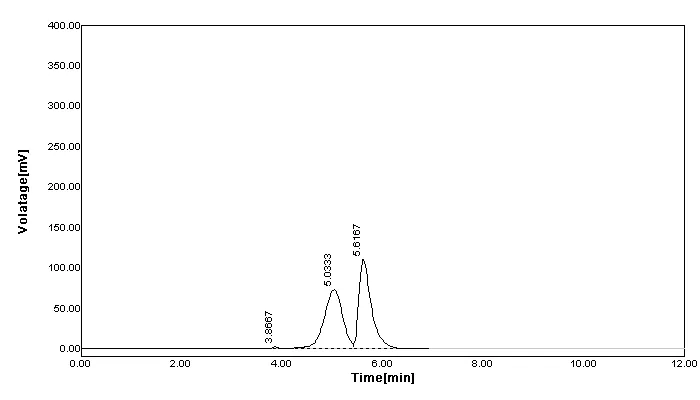
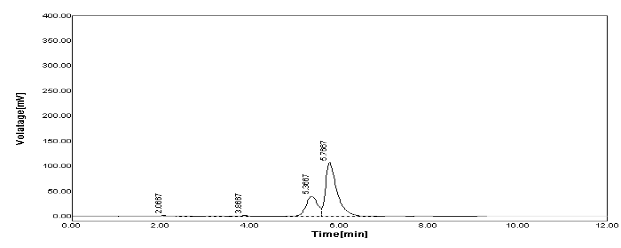
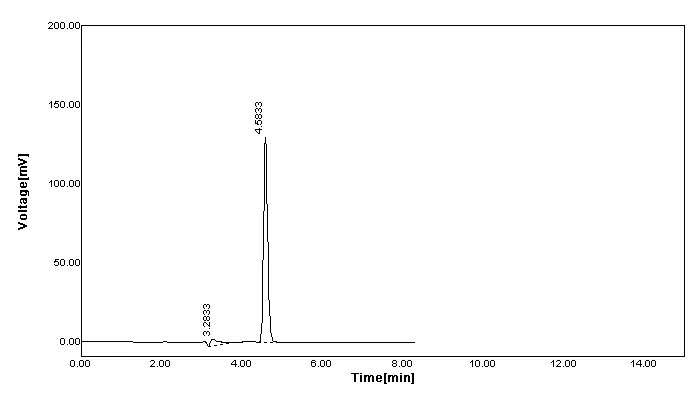
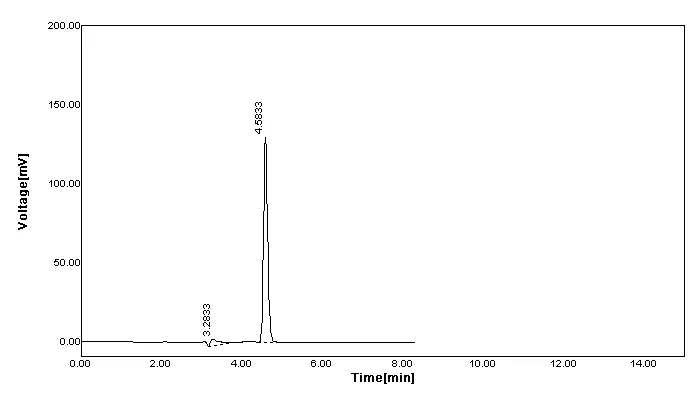
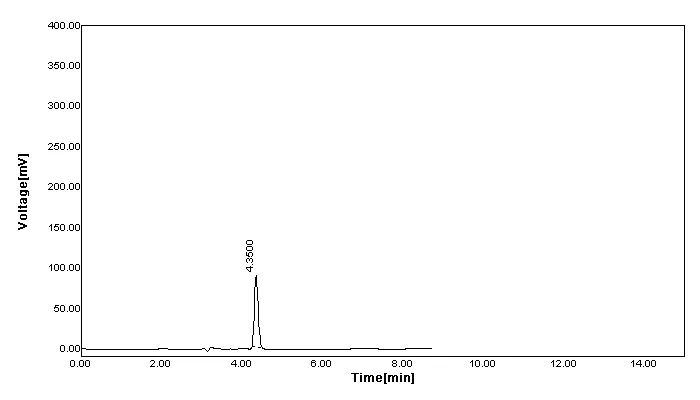
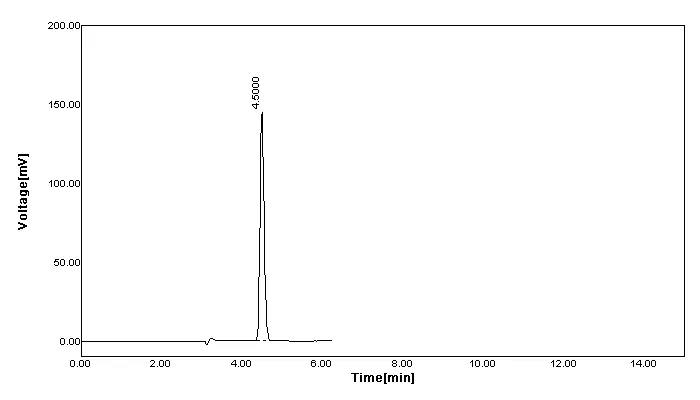
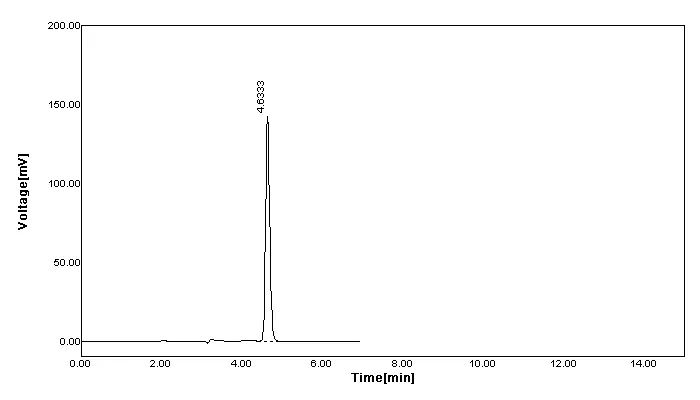
Table 1.2: Different Trials of Chromatographic Condition

Fig. No.

Column used

Mobile phase, Flow Rate and Wavelength

Inj. Vol.

Observation

Conclusion

1

Primesil C18 (250 ×4.6mm, 5.0μ)

Water: Acetonitrile (20:80), WL: 259nm, Flow rate 0.5ml, PH 2

20µl

Sharp peak were not obtained

Hence rejected

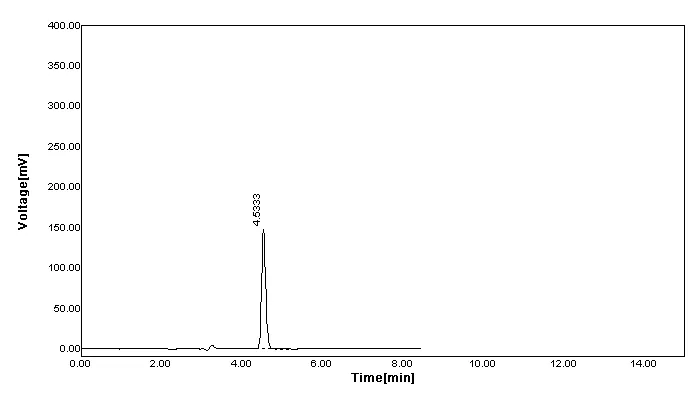
2

Primesil C18 (250 ×4.6mm, 5.0μ)

Water:Acetonitrile (10:90), WL: 261 nm, Flow rate 0.1ml, PH 2.5

20µl

Sharp peak were not obtained

Hence rejected

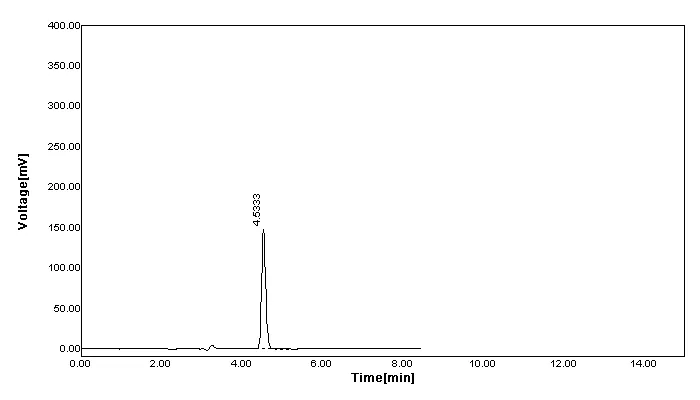
3

Primesil C18 (250 ×4.6mm, 5.0μ)

Water: Acetonitrile (20:80), WL: 260nm, Flow rate 0.7ml, PH 2.4

20µl

Sharp peak were obtained

Hence selected

4

Primesil C18 (250 ×4.6mm, 5.0μ)

Water:Acetonitrile (20:80), WL: 260nm, Flow rate 0.7ml, PH 2.4

20µl

Sharp peak were obtained

Hence selected

Figure 1.1: Chromatogram of Trial 1

Figure 1.2: Chromatogram of Trial 2
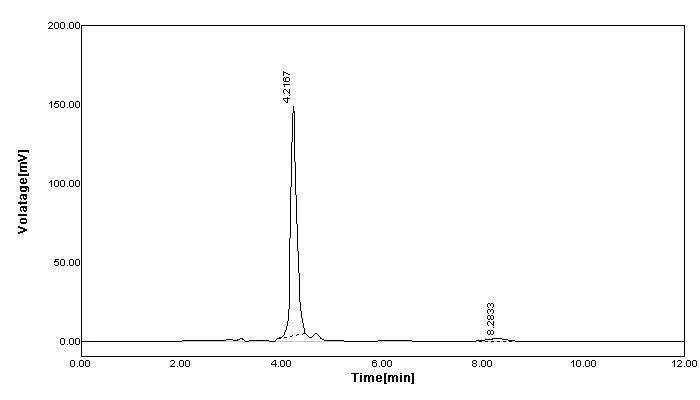
Figure 1.3: Chromatogram of Final Graph

3.HPLC Apparatus and Chromatographic Conditions

Chromatographic separation was achieved using a C-18 column (250mm × 4.6mm id.,5µm particle size) of Younglin (S.K) Gradient system that is equipped with UV Detector. Sonicator (Labindia Instruments).

Table 1.3:  Chromatographic Condition

Sr.no.

Parameter

Description

1

Stationary Phase

C18 column with 250 mm × 4.6 mm id and 5µm particle size

2

Mobile Phase

Acetonitrile: Water(80:20) pH2.4 adjusted with 0.05%OPA

3

Flow Rate

0.7 ml/min

4

Detection wavelength

260nm

5

Detector

UV detector

6

Injector

Rheodyne Injector

7

Injection volume

20µl

8

Column Temperature

Ambient

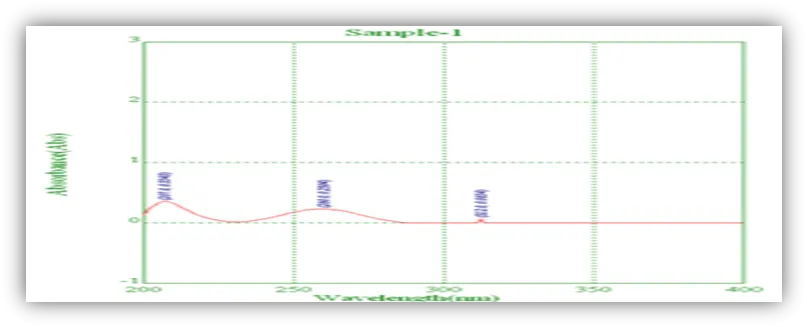
Figure 1.4: Overlaid Spectrum of Griseofulvin

4.Preparation of Sample Solutions:

Standard stock solution:

Griseofulvin, 10mg precisely weighed, was sonicated for 10 minutes in a 10ml volumetric flask with 10ml Mobile phase. A 1000 µg/ml standard stock solution is produced.

1) Mix 0.2 ml stock I with 10 ml mobile phase (20 µg/ml GRISEOFULVIN).

2) Mix 0.4 ml stock I with 10 ml mobile phase (40 µg/ml GRISEOFULVIN).

Step 3: Mix 0.6 ml stock I with 10 ml mobile phase (60 µg/ml GRISEOFULVIN).

4) Mix 0.8 ml stock I with 10 ml mobile phase (80µg/ml GRISEOFULVIN).

Step 5: Mix 1 ml stock I with 10 ml mobile phase (100 µg/ml GRISEOFULVIN).

5. Application Proposed Method to Marketed Formulation:

6.SamplePreparation:
Weighted and ground 20 pills. A 100.0 ml volumetric flask was filled with 10 mg of correctly weighed Griseofulvin tablet powder after 15 min of sonication with enough diluent. The sample was filtered using 0.45 µm Whatmann paper. Dilute 2.0 ml stock solution to 10.0 ml. Five surgeries were performed.After stationary phase equilibration, 20µl sample solutions were injected and chromatograms were obtained. Estimate Griseofulvin content from sample peak area and standard. For label claim, multiply Au x Wstd x Avg.Wt % by 100Wtab x L.C. Example peak area Standard peak area Wstd = stock Griseofulvin weight (mg).Weight of tablet powder.
Chromatogram and statistical data are shown in Figure 1.5 and Table 1.4.
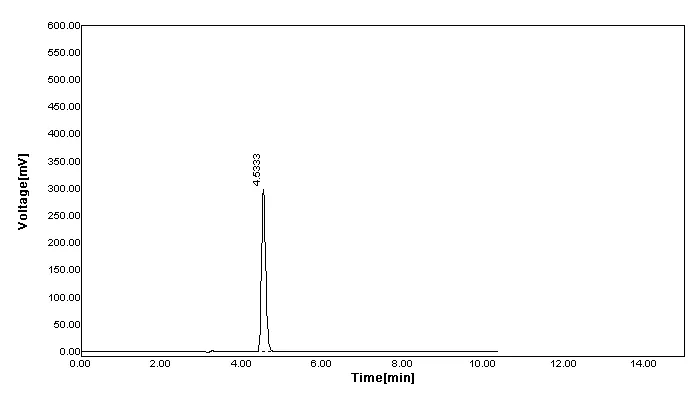
Figure 1.5: Chromatogram of Marketed Formulation of Griseofulvin

Table 1.4: Observation And Results of Estimation in Marketed Formulation

Sr No.

Conc.

Area

Amt. found

% lable claim

1

60

1610.11

59.49

99.15

2

60

1624.53

60.01

100.02


Mean

1617.32

99.58


SD

10.20

0.02


% RSD

0.63

0.02

N=2

7. Check Griseofulvin.

For separation, reverse phase HPLC was easier, harder, and more likely to generate well-resolved peaks at the proper retention period and pH. Improving Griseofulvinon HPLC resolution requires adjusting λ max, mobile phase, and flow rate.

Method accuracy is how well observational data match sample analytes. Sample concentrations were 80%, 100%, and 120%. Three samples per level yielded six ICH-legal results. Table 1.5 and Figures 1.6–1.8 show RSD % and chromatogram.

Table 1.5: Result of Recovery Study of Griseofulvin

N=2

Conc.

Amt added(µg/ml)

Amt found (µg/ml)

%recovery

Mean recovery

Mean added (µg/ml)

Mean found

%RSD


80%

16

36.21

101.32

15.99

16

36.99

1.90


16

37.78

98.63


100%

20

39.74

98.74

19.64

20

74.28

0.72


20

39.54

97.74


120%

24

43.96

99.59

24.17

24

44.20

1.55


24

44.42

101.80


Figure 1.6: RP-HPLC Chromatogram of Griseofulvin for Recovery Study at 80% level
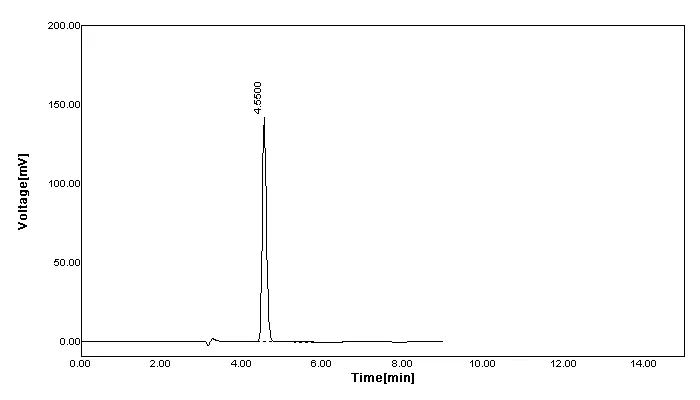
Figure 1.7: RP-HPLC Chromatogram of Griseofulvin for Recovery Study at 100% level
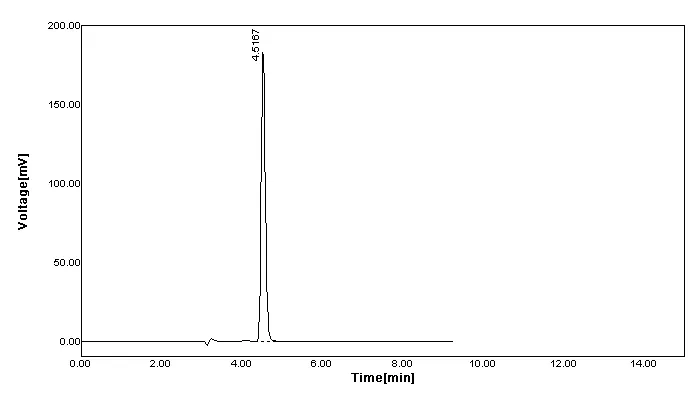
Figure 1.8: RP-HPLC Chromatogram of Griseofulvin for Recovery Study at 120% level

Acceptance Criteria: Mean % Recovery at each level should be between 98.0 % to 102.0%

Figure 1.9: Chromatogram of Interday Precision for Griseofulvin (40 MCG)

Homogeneous sample analysis. Precision of relative standard deviation. Three peak reference solution injection medication responses assessed system accuracy. Fig: 1.9,1.10, 1.11 & 1.12, 1.13, 1.14 shows inter-day and intra-day chromatograms, and Table: 1.6, & 1.7 indicates peak area RSD from three replicate injections for precision, three single-dose batch samples were processed. Intermediate precision labs have analysts, equipment, and intraday/interday precision.Griseofulvin was evaluated daily at 40, 60, and 80 µg/ml for interday and intraday precision. Three-day daily variation testing employed three concentrations. The results are in Table1.6&1.7.
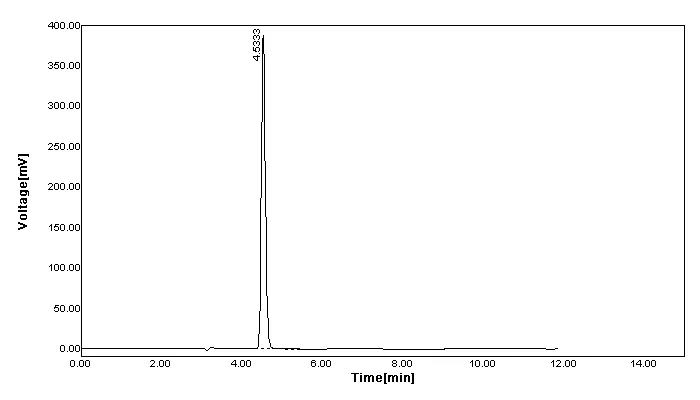
Figure 1.10: Chromatogram of Interday Precision for Griseofulvin (60 MCG)
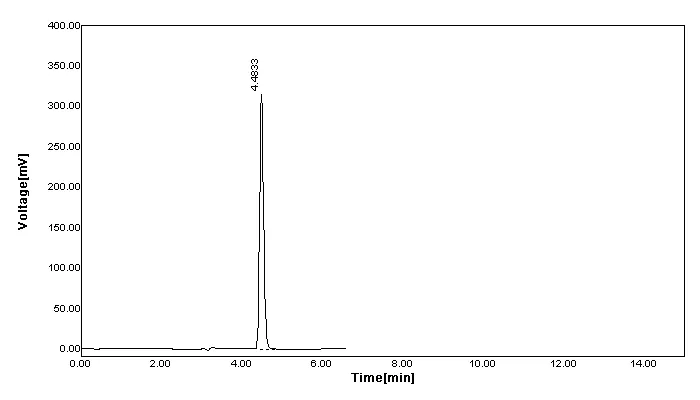
Figure 1.11: Chromatogram of Interday Precision for Griseofulvin (80 MCG)

Table 1.6: Interday Precision Study of Griseofulvin.

Conc.

(µg/ml)

Peak area

Mean area

S. D

%RSD

Trial 1

Trial 2

40

1050.04

1070.65

1060.35

14.57

1.37

60

1624.72

1652.5

1638.61

19.64

1.20

80

2156.3

2126.29

2141.30

21.22

0.99


    N=2

Figure 1.12: Chromatogram of Intraday Precision for Griseofulvin (40 MCG)
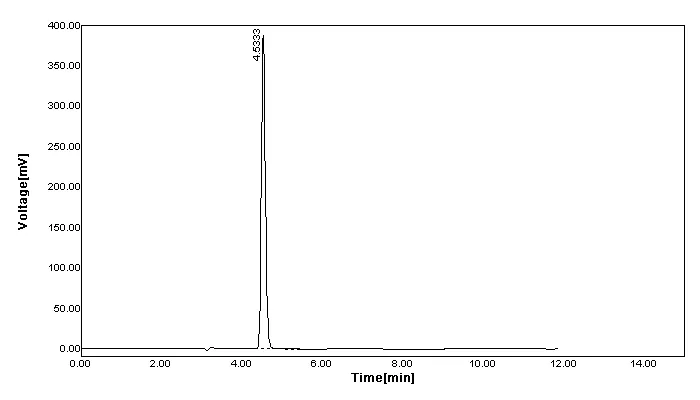
Figure 1.13: Chromatogram of Intraday Precision for Griseofulvin (60 MCG)
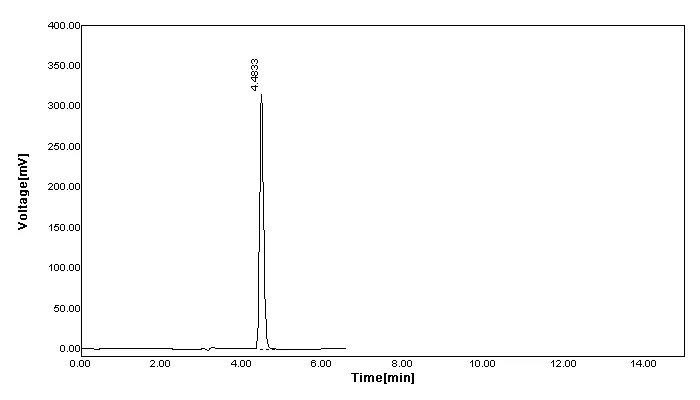
Figure 1.14: Chromatogram of Interday Precision for Griseofulvin (80 MCG)

Table 1.7: Intraday Precision Studies of Griseofulvin.

Conc.

(µg/ml)

Peak area

Mean area

S.D

%RSD

Trial 1

Trial 2

40

539.37

548.69

544.03

6.59

1.21

60

1535.21

1555.39

1545.36

14.27

0.92

80

2553.11

2560.32

2556.72

5.10

0.20


N=2

Acceptance Criteria: The %RSD of the peak area of Griseofulvin obtain from Three replicate injection should NMT 2%

1.Repeatability:

Table 1.8: Repeatability study of Griseofulvin

Sr. no.

Conc.

Peak area

Amt found

% amt found

1

40

1010.35

9.45

97.68

2

40

1032.13

6.65

24.13

3

40

1033.12

9.66

99.32


Mean

9.59

73.71


S.D.

0.12

42.95


%RSD

1.24

58.27

N=3

II: Range/Linearity

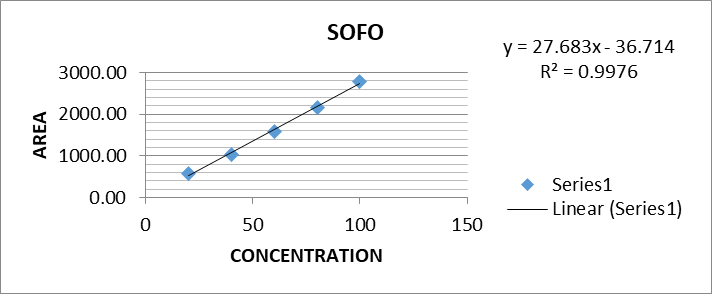
Figure 1.15: Calibration Curve of Griseofulvin

Table 1.9:  Linearity Studies of Griseofulvin

Sr.No.

Concentration

µg/ml

Area

%RSD

1

20

567.98

0.22

2

40

1034.08

0.56

3

60

1534.08

1.17

4

80

2164.20

0.32

5

100

2771.20

0.12

Figure 1.16:  Chromatogram of Linearity of Griseofulvin (20µg/ml)
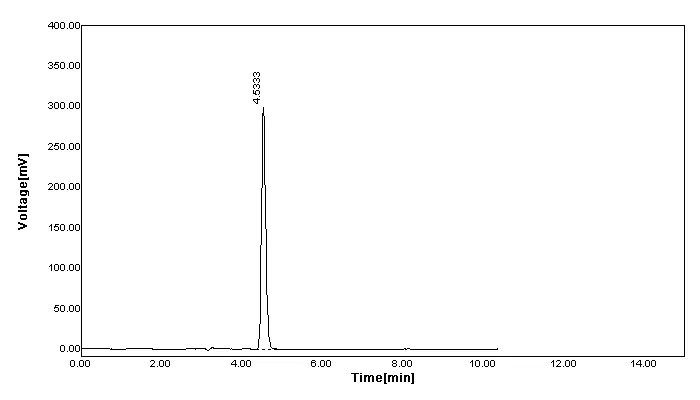
Figure 1.17: Chromatogram of Linearity for Griseofulvin (40µg/ml)
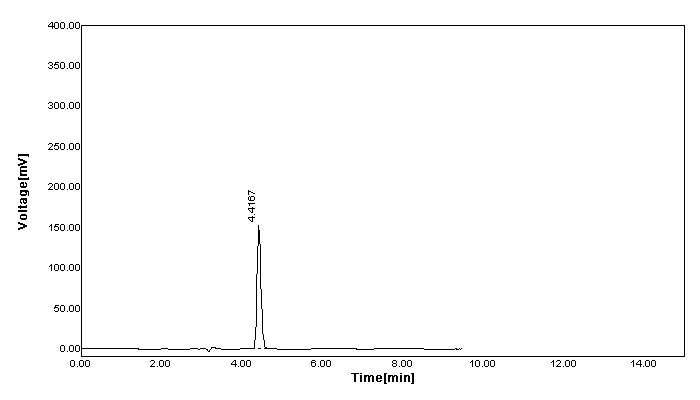
Figure 1.18: Chromatogram of Linearity for Griseofulvin (60µg/ml)
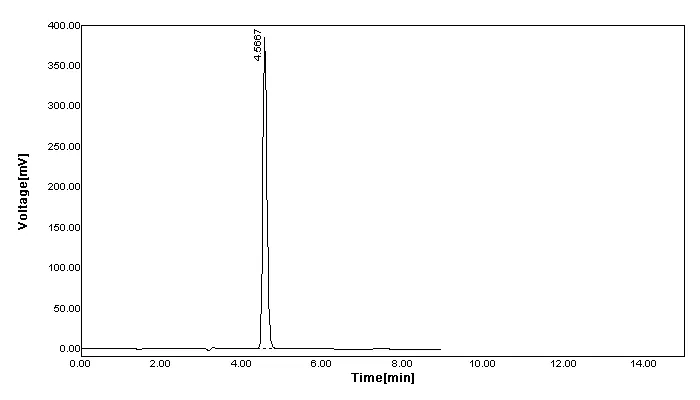
Figure 1.19: Chromatogram of Linearity for Griseofulvin (80µg/ml)
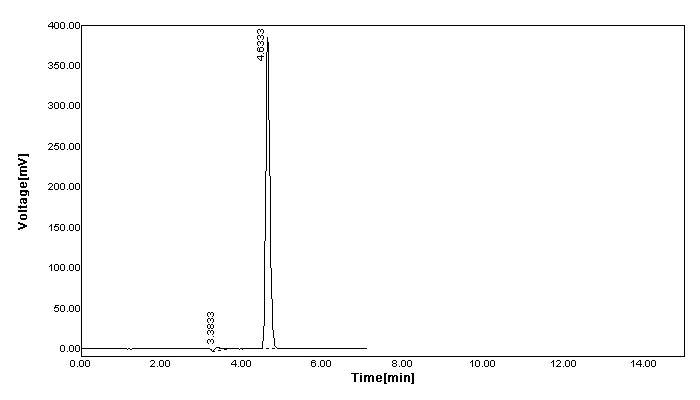
Figure 1.20: Chromatogram of Linearity for Griseofulvin (100µg/ml)

Table 1.10:  Linearity Results of Griseofulvin

Conc. µg/ml

20

40

60

80

100

Peak Area

567.08

1038.14

1570.72

2159.37

2769.52

Correlation

0.99

Table 1.11:  Calibration Parameter of Griseofulvin

Parameter

Result

Slop

27.68

Intercept

36.71

Correlation co-efficient

0.997


Acceptance Criteria: The Correlation coefficient (R2) shall be NLT 0.999 and % curve fitting NLT 99% for Griseofulvin.


III.Robustness

                                Table 1.12: Robustness Study of Griseofulvin

A: flow rate=0.6


B: flow rate=0.8

Sr. no.

Conc (µg/ml)

Peak area


Sr. no.

Conc (µg/ml)

Peak area

1

40

1038.71

1

40

1011.11

2

40

1040.1

2

40

1027.01


Mean

1039.41


Mean

1019.06


S.D.

0.98


S.D.

11.24


%RSD

0.09


%RSD

1.10

Mobile phase Volume 79+21


Mobile phase Volume81+19

Sr. no.

Conc.(µg/ml)

Peak area


Sr. no.

Conc (µg/ml)

Peak area

1

40

1006.7


1

40

1014.39

2

40

1011.22


2

40

1024.35


Mean

1008.96


Mean

1019.37


S.D.

3.20


SD

7.04


%RSD

0.32


%RSD

0.69

Wavelength Change=259


Wavelength change =261

Sr No.

Conce µg/ml

Peak Area


Sr. No.

Conc(µg/ml)

Peak Area

1

40

1030.75


1

40

1069.4

2

40

1023.65


2

40

1089.34


Mean

1027.20


Mean

1079.37


SD

5.02


SD

14.10


%RSD

0.49


%RSD

1.31


N=2

Figure 1.21: Chromatogram of Robustness (Flow Rate: 0.6 ml/min)
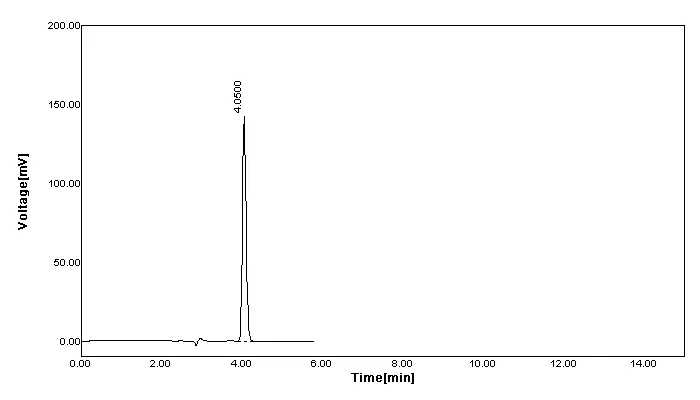
Figure 1.22:  Chromatogram of Robustness (Flow Rate: 0.8 ml/min)


Figure 1.23: Chromatogram of Robustness (Mobile Phase Composition-79:21)
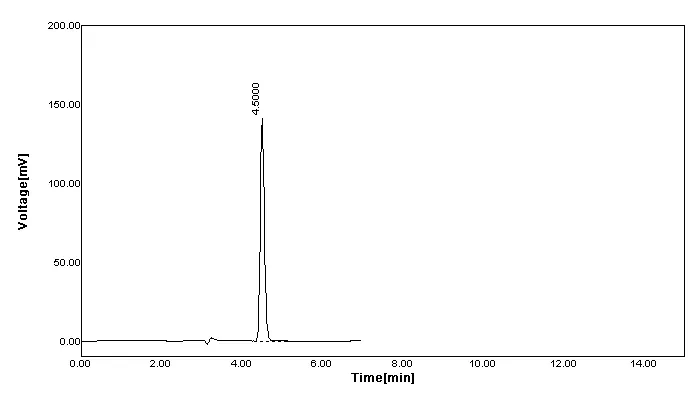
Figure 1.24:  Chromatogram of Robustness (Mobile Phase Composition-81:19)
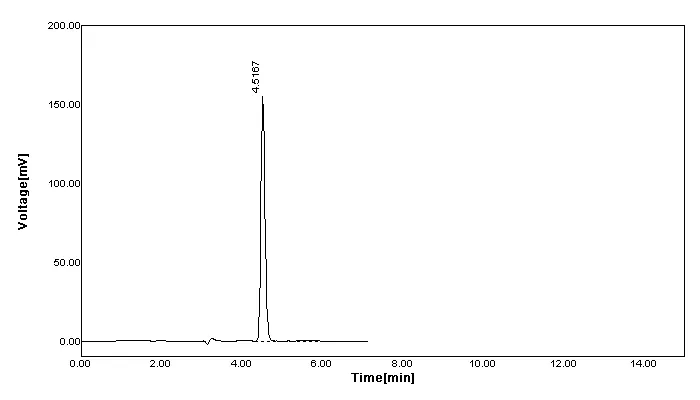
Figure 1.25: Chromatogram of Robustness (Wavelength 259)
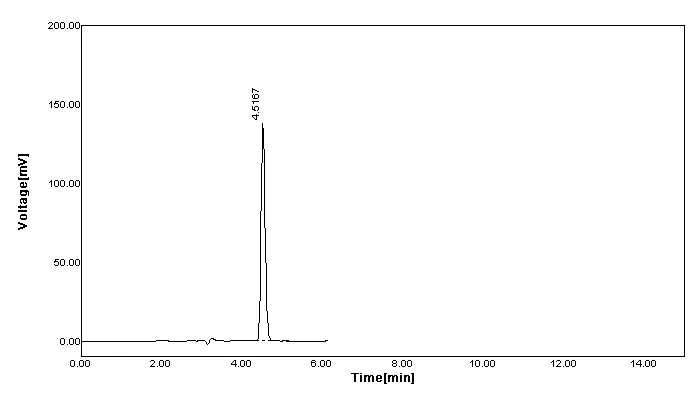
Figure 1.26: Chromatogram of Robustness (Wavelength 261)

Table 1.13: Summary of Validation Parameter

Parameter

Results

Linearity range (μg/ml)

20-100μg/ml

Linearity equation (Y = mX +C)

y = 27.68x - 36.71

Limit of detection (μg)

0.53μg/ml

Limit of quantitation (μg)

1.62μg/ml

% Recovery (n = 3)

99.58%

Precision (%R.S.D.)

Less than 2

Intra-day (n = 3)


Inter-day (n = 3)


Repeatability (n = 6)


0.20-1.21

0.99-1.37

73.71

Robustness


Robust


IV. LOD/LQ:

LOD is the lowest detectable analyte concentration.

To calculate LOD, use the formula: 3.3 σ/S, where σ is the response standard deviation, S is the calibration curve slope, and Griseofulvin is 0.53 µg/ml

Limit of Quantity Lowest accurately measured analyte concentration.

LOQ formula: 10 σ/S, where σ = response standard deviation, S = calibration curve slope, and Griseofulvin = 1.62 µg/ml.

Validating Parameters 

RP-HPLC Tablet Griseofulvin Determination Method Development and Validation.

CONCLUSION

RP-HPLC evaluation of pure and tablet Griseofulvin. RP-HPLC works faster, cheaper, and simpler than HPLC. Precision, durability, and accuracy improved by RP-HPLC. Griseofulvin can be tested in pharmaceutical formulations using these procedures.

Griseofulvin RP-HPLC development. Precision, robustness, and resistance were better with RP-HPLC. Griseofulvin Tablet analysis works using these methods.


REFERENCES

  1. Harvey D., Modern Analytical Chemistry, 1st edition, McGraw-Hill Publication, Kingsport-USA, 2000, 1-2.
  2. Ghulam A. S.,  HPLC method development and validation for pharmaceutical analysis. Pharmaceutical technology Europe, march 2004; 255-257.
  3. Skoog D.A., Holler F.J. and Nieman T.A., Principle of Instrumental Analysis, 5th edition, Thomson Publication, London, 2004, 1-3.
  4. Kealey D. and Haines P.J., Analytical Chemistry, 1st edition, Viva BokksPvt. Ltd., New Delhi, 2002, 218-223.
  5. Sethi, P.D., High Performance Liquid Chromatography, Quantitative analysis of pharmaceutical Formulation, 1st edition, CBS Publishers and Distributers, New Delhi, 2007, 443.
  6. Chatwal G.R. and Anand S., Instrumental Methods of Chemical Analysis, 5th edition, Himalaya Publishing House, New Delhi, 2005, 180-198.
  7. Kasture A. V., Wadodkar, S.G., Mahadik, K.R., and More, H.M., Pharmaceutical analysis Vol. II, 5th edition, Nirali publication, Pune, 2000, 7.
  8. Willard, H.H., Merit, L.L., Dean, J.A., and Settle, F.A., Instrumental Methods of Analysis, 7th edition., CBS Publishers and distributers, new Delhi, 2005, 163-164.
  9. “Indian Pharmacopoeia”, Vol. II, 1996, Govt. of India Ministry of health and family welfare, New Delhi, A-67.
  10. Sethi, P.D., High Performance Liquid Chromatography, Quantitative analysis of Pharmaceutical Formulation, 1st edition, CBS Publication, Banglore, 2001, Preface.
  11. Jeffery, G.H., Basset, J., Mendham, J., and Denney, R.C., Vogel’s Textbook of Quantitative Analysis, 5th edition, LongmanScintific and Technicals, Delhi, 1999, 220.
  12. Kasture, A. V., Wadodkar, S.G., Mahadik, K.R., and More, H.M., Pharmaceutical analysis Vol. II, 5th edition, Nirali publication, Pune, 2000, 10.
  13. Loddar R.A., Analytical Spectroscopy Research Group, Advanced Science & Technology Centre, University of Kentucky available from site: www.pharm.uky.edu/ASRG/HPLC/History.html.
  14. AhujaS,Rasmussen H.,  HPLC Method Development for Pharmaceutical. 1st ed. Academic Press; 2007.
  15. Munson J. W. Pharmaceutical Analysis modern methods. 1st ed., Marcel Dekker series of books 2001;30-50.
  16. Dong M. W.,Modern HPLC for practicing Scientist, John Wiley and sons, 2006;1-13.
  17. Skoog D.A, Nieman T.A, Holler F. J.,  Principles of instrumental analysis. 5th ed. London: Stanford University, Saunders College Publication; 1998.
  18. Sethi P.D., HPLC Quantitative Analysis of Pharmaceutical Formulations. 1st ed., CBS Publishers Distributors 1996; 38-43.
  19. Lindsay S.,  High Performance Liquid Chromatography. John Wiley and sons publication; 1997; 14.
  20. Synder LR, Kirkland JJ, Glajch JL.,  Practical HPLC method development. 2nd ed. Canada: John Wiley and Sons Inc.; 1997.
  21. Ahuja, S., Scypinski, S., Handbook of Modern Pharmaceutical Analysis, Academic press, Vol. 3, 349.
  22. Sethi, P.D., High Performance Liquid Chromatography, Quantitative analysis of Pharmaceutical Formulation, 1st edition, CBS Publication, Banglore, 2001, 5-11
  23. Information available from site http://www.ich.org/products...
  24. Information available from www.iirusa.com/AMD.
  25. Snyder L. R, Stadalius M.A., High Performace Liquid Chromatography: Advances and Perspectives. C. Horvath, ed., Academic Press, San Diego, CA, 1983; 3, 157-158.
  26. Willard M, Dean S., Instrumental method of analysis 7thed.,New Delhi CBS Publication and distributors 1986; 3-5, 684-689.
  27. Snyder L.R, Kirkland J.J, Glajch J. L., Practical HPLC method development. 2nd ed. Willey Interscience Publication; 1997; 105.
  28. “The United States Pharmacopoeia” 24/ National Formulary 19, The United States Pharmacopoeial Convection, Rockville, 2000, 2149-52.
  29. International conference on Hormonization (ICH), Draft guidelines on validation of analytical procedure- definition and terminology, Federal Register, 1995, 60, 11260.
  30. Skoog, D.A., Holler, F.J., and Nieman, T.A., Principles of Instrumental Analysis, 5th edition., Thomson Books, Delhi, 2001, 11-16.
  31. ICH Harmonized Tripartite Guideline, Validation of Analytical Procedures: Text and Methodology Q2 (R1); 2005; 1-16.
  32. United State Pharmacopoeia/National Formulary 23, 32nd ed., United State Pharmacopoeial Convention, Rockville, MD, 2005; 2748-2751.
  33. S. Madhavi1, a. Prameela rani 1., bioanalytical method development and validation for the determination of Griseofulvin from human plasma, International  Journal of  Pharmacy and  PharmaceuticalSci, Vol 9, Issue 3, 35-41.
  34. SasidharBhimana, GirijaSankarGuntuku, High Performance liquid chromatographic Method for the Determination of Griseofulvin in pharmaceutical dosage forms, Journal of  Comprehensive  Pharmacy  2016;3(4):136-142.
  35. Mohamed El-Kassem M Hassouna, Maha Mohammed AbdelrahmanandMahmoudAbdelfatah Mohamed, Assay and Dissolution MethodsDevelopment and Validation for Simultaneous Determination of Griseofulvin and Ledipasvir by RP-HPLC Method in Tablet Dosage Forms, Journal of Forensic Sciences &Criminal Investigation, and Research Article Volume 1 issue 3- January 2017.
  36. JeyabaskaranM,Prof.Rambabu C, Rajinikanth V., A new RP-HPLC method development and validation of Griseofulvin in bulk and pharmaceutical dosage forms, Journal of Pharmacreations Vol-1(4) 2014 [125-133].
  37. RavikumarVejendla, C.V.S. Subramanyam, G. Veerabhadram., estimation and validation of Griseofulvin in bulk and tablet dosage form by RP-HPLC, International Journal of Pharmacy 2016; 6(2): 121-127.
  38. P. Mohan Vikas, Dr. T. Satyanarayana, D. Vinod Kumar, E. Mounika, M. Sri Latha, R. Anusha and Y. Sathish, Development And Validation Of New RP-HPLC Method For The Determination Of Griseofulvin In Pure Form, World Journal of Pharmacy and Pharmaceutical Sciences, Vol 5, Issue 5, 2016, 775-781.
  39. B. Raj kumar, Dr.  k.v. Subrahmanyam.,a new validated RP-HPLC Method for the simultaneous determination of simeprevir and Griseofulvin in pharmaceutical dosage form IMJPR ,2007.
  40. Ashok chakravarthy v, sailajabbv, praveenkumar A., method development and validation of ultraviolet-visible spectroscopic method for the estimation of hepatitis-c drugs - daclatasvir and Griseofulvin in active pharmaceutical ingredient form, asian j pharm clin res, vol 9, suppl. 3, 2016, 61-66.
  41. Prashant M. Khedkar, Moreshwar P. Mahajan, Sanjay D. Sawant, Development and Validation of UV Spectrophotometric Method for the Estimation of Griseofulvin (SFS) in Bulk and Tablet Formulation, International Journal of Pharma Research & Review, Mar 2017;6(3):1-4.
  42. Amira F EI-Yazbi.., comparative validation of Griseofulvin determination in pharmaceuticals by several chromatographic, electrophoretic and spectrophotometric methods, Alexandria University, Wednesday, march 9th, 2016.
  43. V.R. Ghayathri, C. Vinodhini, s. Gayatri, K. Chitra, Drug profile of Griseofulvin – a nucleotide analogue inhibitor of the hepatitis C virus polymerase, World Journal of Pharmacy and Pharmaceutical Sciences, Vol 3, Issue 5, 2014. (1411-1416).
  44. “Griseofulvin (sovaldi) -Treatment – hepatitis C Online”. www.hepatitisc.uw.edu.Retrieved 8 January 2017.
  45. Gounder, Celine (9 December 2013). A-better-treatment-for-hepatitis-c. The New Yorker.
  46. "WHO Model List of Essential Medicines (19th List)” (pdf). World Health Organization. April 2015. Retrieved 8 December 2016

Reference

  1. Harvey D., Modern Analytical Chemistry, 1st edition, McGraw-Hill Publication, Kingsport-USA, 2000, 1-2.
  2. Ghulam A. S.,  HPLC method development and validation for pharmaceutical analysis. Pharmaceutical technology Europe, march 2004; 255-257.
  3. Skoog D.A., Holler F.J. and Nieman T.A., Principle of Instrumental Analysis, 5th edition, Thomson Publication, London, 2004, 1-3.
  4. Kealey D. and Haines P.J., Analytical Chemistry, 1st edition, Viva BokksPvt. Ltd., New Delhi, 2002, 218-223.
  5. Sethi, P.D., High Performance Liquid Chromatography, Quantitative analysis of pharmaceutical Formulation, 1st edition, CBS Publishers and Distributers, New Delhi, 2007, 443.
  6. Chatwal G.R. and Anand S., Instrumental Methods of Chemical Analysis, 5th edition, Himalaya Publishing House, New Delhi, 2005, 180-198.
  7. Kasture A. V., Wadodkar, S.G., Mahadik, K.R., and More, H.M., Pharmaceutical analysis Vol. II, 5th edition, Nirali publication, Pune, 2000, 7.
  8. Willard, H.H., Merit, L.L., Dean, J.A., and Settle, F.A., Instrumental Methods of Analysis, 7th edition., CBS Publishers and distributers, new Delhi, 2005, 163-164.
  9. “Indian Pharmacopoeia”, Vol. II, 1996, Govt. of India Ministry of health and family welfare, New Delhi, A-67.
  10. Sethi, P.D., High Performance Liquid Chromatography, Quantitative analysis of Pharmaceutical Formulation, 1st edition, CBS Publication, Banglore, 2001, Preface.
  11. Jeffery, G.H., Basset, J., Mendham, J., and Denney, R.C., Vogel’s Textbook of Quantitative Analysis, 5th edition, LongmanScintific and Technicals, Delhi, 1999, 220.
  12. Kasture, A. V., Wadodkar, S.G., Mahadik, K.R., and More, H.M., Pharmaceutical analysis Vol. II, 5th edition, Nirali publication, Pune, 2000, 10.
  13. Loddar R.A., Analytical Spectroscopy Research Group, Advanced Science & Technology Centre, University of Kentucky available from site: www.pharm.uky.edu/ASRG/HPLC/History.html.
  14. AhujaS,Rasmussen H.,  HPLC Method Development for Pharmaceutical. 1st ed. Academic Press; 2007.
  15. Munson J. W. Pharmaceutical Analysis modern methods. 1st ed., Marcel Dekker series of books 2001;30-50.
  16. Dong M. W.,Modern HPLC for practicing Scientist, John Wiley and sons, 2006;1-13.
  17. Skoog D.A, Nieman T.A, Holler F. J.,  Principles of instrumental analysis. 5th ed. London: Stanford University, Saunders College Publication; 1998.
  18. Sethi P.D., HPLC Quantitative Analysis of Pharmaceutical Formulations. 1st ed., CBS Publishers Distributors 1996; 38-43.
  19. Lindsay S.,  High Performance Liquid Chromatography. John Wiley and sons publication; 1997; 14.
  20. Synder LR, Kirkland JJ, Glajch JL.,  Practical HPLC method development. 2nd ed. Canada: John Wiley and Sons Inc.; 1997.
  21. Ahuja, S., Scypinski, S., Handbook of Modern Pharmaceutical Analysis, Academic press, Vol. 3, 349.
  22. Sethi, P.D., High Performance Liquid Chromatography, Quantitative analysis of Pharmaceutical Formulation, 1st edition, CBS Publication, Banglore, 2001, 5-11
  23. Information available from site http://www.ich.org/products...
  24. Information available from www.iirusa.com/AMD.
  25. Snyder L. R, Stadalius M.A., High Performace Liquid Chromatography: Advances and Perspectives. C. Horvath, ed., Academic Press, San Diego, CA, 1983; 3, 157-158.
  26. Willard M, Dean S., Instrumental method of analysis 7thed.,New Delhi CBS Publication and distributors 1986; 3-5, 684-689.
  27. Snyder L.R, Kirkland J.J, Glajch J. L., Practical HPLC method development. 2nd ed. Willey Interscience Publication; 1997; 105.
  28. “The United States Pharmacopoeia” 24/ National Formulary 19, The United States Pharmacopoeial Convection, Rockville, 2000, 2149-52.
  29. International conference on Hormonization (ICH), Draft guidelines on validation of analytical procedure- definition and terminology, Federal Register, 1995, 60, 11260.
  30. Skoog, D.A., Holler, F.J., and Nieman, T.A., Principles of Instrumental Analysis, 5th edition., Thomson Books, Delhi, 2001, 11-16.
  31. ICH Harmonized Tripartite Guideline, Validation of Analytical Procedures: Text and Methodology Q2 (R1); 2005; 1-16.
  32. United State Pharmacopoeia/National Formulary 23, 32nd ed., United State Pharmacopoeial Convention, Rockville, MD, 2005; 2748-2751.
  33. S. Madhavi1, a. Prameela rani 1., bioanalytical method development and validation for the determination of Griseofulvin from human plasma, International  Journal of  Pharmacy and  PharmaceuticalSci, Vol 9, Issue 3, 35-41.
  34. SasidharBhimana, GirijaSankarGuntuku, High Performance liquid chromatographic Method for the Determination of Griseofulvin in pharmaceutical dosage forms, Journal of  Comprehensive  Pharmacy  2016;3(4):136-142.
  35. Mohamed El-Kassem M Hassouna, Maha Mohammed AbdelrahmanandMahmoudAbdelfatah Mohamed, Assay and Dissolution MethodsDevelopment and Validation for Simultaneous Determination of Griseofulvin and Ledipasvir by RP-HPLC Method in Tablet Dosage Forms, Journal of Forensic Sciences &Criminal Investigation, and Research Article Volume 1 issue 3- January 2017.
  36. JeyabaskaranM,Prof.Rambabu C, Rajinikanth V., A new RP-HPLC method development and validation of Griseofulvin in bulk and pharmaceutical dosage forms, Journal of Pharmacreations Vol-1(4) 2014 [125-133].
  37. RavikumarVejendla, C.V.S. Subramanyam, G. Veerabhadram., estimation and validation of Griseofulvin in bulk and tablet dosage form by RP-HPLC, International Journal of Pharmacy 2016; 6(2): 121-127.
  38. P. Mohan Vikas, Dr. T. Satyanarayana, D. Vinod Kumar, E. Mounika, M. Sri Latha, R. Anusha and Y. Sathish, Development And Validation Of New RP-HPLC Method For The Determination Of Griseofulvin In Pure Form, World Journal of Pharmacy and Pharmaceutical Sciences, Vol 5, Issue 5, 2016, 775-781.
  39. B. Raj kumar, Dr.  k.v. Subrahmanyam.,a new validated RP-HPLC Method for the simultaneous determination of simeprevir and Griseofulvin in pharmaceutical dosage form IMJPR ,2007.
  40. Ashok chakravarthy v, sailajabbv, praveenkumar A., method development and validation of ultraviolet-visible spectroscopic method for the estimation of hepatitis-c drugs - daclatasvir and Griseofulvin in active pharmaceutical ingredient form, asian j pharm clin res, vol 9, suppl. 3, 2016, 61-66.
  41. Prashant M. Khedkar, Moreshwar P. Mahajan, Sanjay D. Sawant, Development and Validation of UV Spectrophotometric Method for the Estimation of Griseofulvin (SFS) in Bulk and Tablet Formulation, International Journal of Pharma Research & Review, Mar 2017;6(3):1-4.
  42. Amira F EI-Yazbi.., comparative validation of Griseofulvin determination in pharmaceuticals by several chromatographic, electrophoretic and spectrophotometric methods, Alexandria University, Wednesday, march 9th, 2016.
  43. V.R. Ghayathri, C. Vinodhini, s. Gayatri, K. Chitra, Drug profile of Griseofulvin – a nucleotide analogue inhibitor of the hepatitis C virus polymerase, World Journal of Pharmacy and Pharmaceutical Sciences, Vol 3, Issue 5, 2014. (1411-1416).
  44. “Griseofulvin (sovaldi) -Treatment – hepatitis C Online”. www.hepatitisc.uw.edu.Retrieved 8 January 2017.
  45. Gounder, Celine (9 December 2013). A-better-treatment-for-hepatitis-c. The New Yorker.
  46. "WHO Model List of Essential Medicines (19th List)” (pdf). World Health Organization. April 2015. Retrieved 8 December 2016

Photo
Govind Soni
Corresponding author

School of Pharmacy, Dr. A.P.J. Abdul Kalam University, Indore

Photo
Krishana Alanse
Co-author

School of Pharmacy, Dr. A.P.J. Abdul Kalam University, Indore

Photo
Vinita Mathankar
Co-author

School of Pharmacy, Dr. A.P.J. Abdul Kalam University, Indore

Photo
Rakesh Jatav
Co-author

School of Pharmacy, Dr. A.P.J. Abdul Kalam University, Indore

Krishana Alanse, Vinita Mathankar, Govind Soni, Rakesh Jatav, Development and Validation of RP-HPLC Method for the Determination of Griseofulvin in Tablet Dosage Form, Int. J. of Pharm. Sci., 2026, Vol 4, Issue 6, 517-533. https://doi.org/10.5281/zenodo.20268986

More related articles
Extraction Techniques in Modern Research: Conventi...
Manas Jyoti Kapil, Chayanika Talukdar, Suman Basak, Ananya Saha, ...
Establishment of Animal Research Facilities in Dru...
Muthuramu T., Ayisha Nidha V., Niya Thressia, Nabeel V .N., Alwin...
Novel Targeted Drug Delivery Strategies for Combat...
Dr. Shiv Shankar Hardenia, Dr. Dinesh Kumar Jain, Shivani Singh S...
Related Articles
Formulation And Evaluation of Herbal Antiseptic Cream Containing Tridax Procumb...
Giri Sanket , Dr. Rahane Rahulkumar , Dr. Kadam V. N , Patil Bhavesh , Najan Suraj , Nagare Pratik...
Evaluation of Knowledge about Dietary Preventive Measures of Cardiovascular Dise...
Dr. Md Sayeed Anwar, Dr. Shyam lal Yadav, Dr. Robin Singh, Dr. Sonu, Dr. Piyush Ranjan Gupta, Dr. La...
Extraction Techniques in Modern Research: Conventional Methods, Emerging Technol...
Manas Jyoti Kapil, Chayanika Talukdar, Suman Basak, Ananya Saha, Rishika Choudhury, Bipul Nath, Nee...
More related articles
Extraction Techniques in Modern Research: Conventional Methods, Emerging Technol...
Manas Jyoti Kapil, Chayanika Talukdar, Suman Basak, Ananya Saha, Rishika Choudhury, Bipul Nath, Nee...
Establishment of Animal Research Facilities in Drug Development/Research...
Muthuramu T., Ayisha Nidha V., Niya Thressia, Nabeel V .N., Alwin Antony, Risana Rafi ...
Novel Targeted Drug Delivery Strategies for Combating Antimicrobial Resistance i...
Dr. Shiv Shankar Hardenia, Dr. Dinesh Kumar Jain, Shivani Singh Solanki...
Extraction Techniques in Modern Research: Conventional Methods, Emerging Technol...
Manas Jyoti Kapil, Chayanika Talukdar, Suman Basak, Ananya Saha, Rishika Choudhury, Bipul Nath, Nee...
Establishment of Animal Research Facilities in Drug Development/Research...
Muthuramu T., Ayisha Nidha V., Niya Thressia, Nabeel V .N., Alwin Antony, Risana Rafi ...
Novel Targeted Drug Delivery Strategies for Combating Antimicrobial Resistance i...
Dr. Shiv Shankar Hardenia, Dr. Dinesh Kumar Jain, Shivani Singh Solanki...