View Article

Abstract

Nausea ,vomiting and digestive are common symptoms associated with various medical condition, treatment and physiological changes such as pregnancy and motion sickness. The use of herbal remedies for these conditions is gaining popularly due to their safety, efficacy. This study focus on the development and formulation of a herbal anti-emetic candy designed to alleviated nausea, vomiting and digestive using natural ingredients. Key words known for their anti-emetics and anti-digestive properties, such as Ginger(Zingiber Officinale), Amla (Phyllanthus emblica), Ajwain(Trachyspermum ammi) are selected based on their therapeutic potential. These ingredients are formulated into a palatable and convenient candy dosage form. The formulation process involves optimizing parameters such as flavor, texture, stability and bioavailability of active components. This research aims to provide and innovative, patient-friendly solution to manage nausea, vomiting and digestion, particularly in population such as children, pregnant women and individual undergoing chemotherapy, who obtain seek safer therapeutic option interventions in the field of natural medicine.

Keywords

Nausea, Vomiting, Digestive, Herbal candy.

Introduction

× Popup Image

Herbal pregnancy candy a natural and gentle solution for morning sickness relief, pregnancy is a time when extra care is needed for both the mother and child.

It is a state which involve maximum phase of morning sickness along with nausea, vomiting, spew up, weight loss show elevated level of symptoms. In the pregnancy, the women have many hormonal imbalances. The main hormone is estrogen and progesterone, the incresement of hormone (estrogen, and progesterone) that the sources of nausea and spew up in pregnancy women. Herbal candy has the property to improve the circulation of blood and it has anti-nausea and anti-vomiting and has rich quantity in antioxidant property. One of the main pharmacological function of herbal candy is the anti-emetics(Anti-Vomiting),support digestive property the herbal candies have two main roles in pregnancy stimulate brain and suppress vomiting. Herbal candy has not acute toxicity and it is taken as a food or medicine, the herbal candy is more suitable in all condition of pregnancy phase. In pregnancy phase the pregnant women have also a risk of diabetic patient in pregnancy phase the pregnant women have also a risk of diabetic so the jaggery is a good consideration risk of iron deficiency and blood pressure so the jaggery are useful in such condition.

Figure-1: Pregnancy Symtoms

Role of selected drug in herbal pregnancy candy:

The drug used in the herbal candy is based on their medicinal application.

  1. Ginger:

Ginger is a flowering plant that belongs to the Zingiberacae family.it is widely used for its rhizome, which is the underground stem that is commonly used as a spice and for its medicinal properties. Ginger has a long history of culinary and medicinal use in various culture around the world. Ginger is a natural anti-emetic, often used to alleviated nausea and vomiting. In herbal pregnancy candy, ginger can; Soothe the stomach, reduce inflammation, Alleviate morning sickness symptoms, Provide quick relief from vomiting.
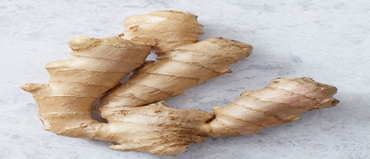
Figure-2: Ginger

  1. Jaggery:

It is a non-centrifugal sugar loaded with many essential vitamins and minerals that can be moderate amounts in a pregnancy diet. It also has an antioxidants property to use in the treatment of iron deficiency and regulating blood pressure and it also has an excellent source of iron that to treatment of anemia and blood loss in pregnancy phase.
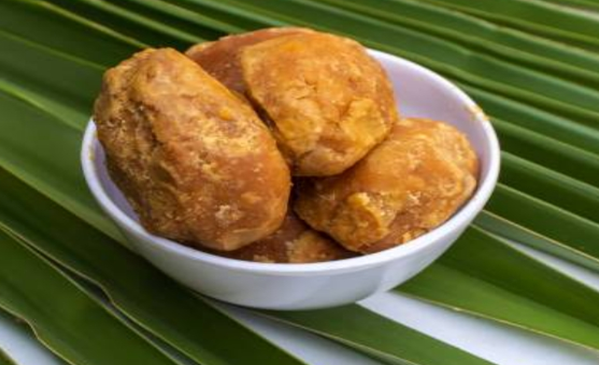
Figure-3: Jaggery

  1. Fennel: 

The fennel seed which are commonly known as Saunf in Hindi is a sweet and aromatic herb for medicinal purposes. Fennel seed is commonly used for the treatment of nausea and morning sickness that is common in the first trimester of pregnancy. It has anti-flatulent property which help in the relaxation of intestinal muscles.
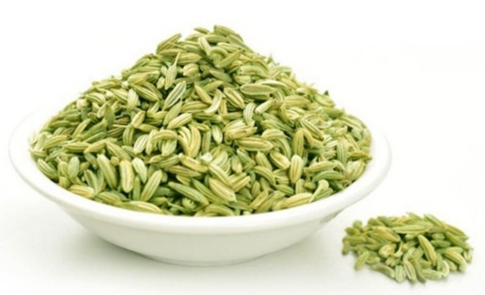
Figure-4: Fennel

  1. Amla:

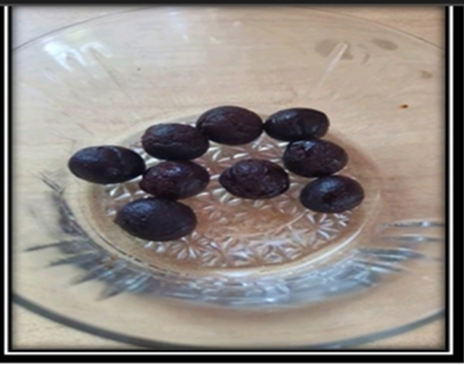
According to Ayurveda amla or the Indian gooseberry, has an inevitable role throughtful the pregnant period of a women. Its benefits are also passed to from our older generations. It is the main ingredients of many of the Ayurveda medicines like chyavanprasharishta, choornas, etc.                                     
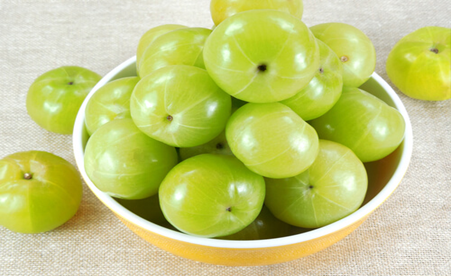
Figure-5: Amla

  1. Liquorice (Mulethi):

The active constituent of liquorice ,also known as liquorice, is a compound called glycyrrhizin (or glycyrrhizic acid ). Glycyrrhizin is a natural sweetner and is responsible for the charactercistics flavor of liqorice root. The structure of glycyrrhizin is quite complex and consists of a triterpene backbone with a glucuronic acid unit attached.
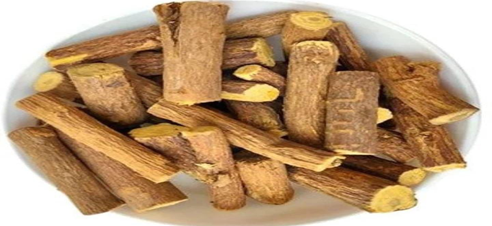
Figure-6: Liquorice

  1. Ajwain:

Ajwain also known as carom seeds, is a medicinal herb that has been used for centuries in traditional Indian medicines. It is also known for its unique taste and strong aroma, which adds depth and flavor to various dishes. Ajwain seeds are small, oval-shaped have a brownish color. They are often used in small quantities because of their intense flavor and aromatic quantities.
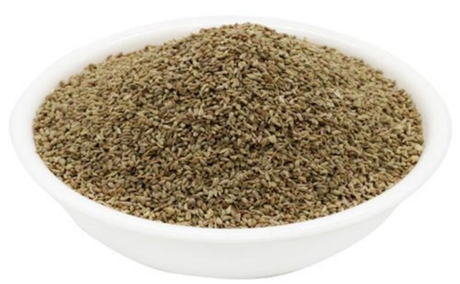
Figure-7: Ajwain

  1. Cardamom:

Green cardamom ,scientifically known as Elettaria Cardamom, is a spice native to the Indian subcontinent and is widely used in cuisines around the world. Known for its aromatic flavor and pleasant scent, it is a staple in both savory and sweet dishes.
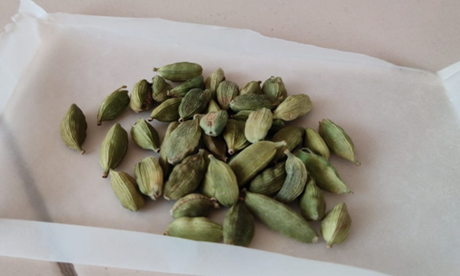
Figure-8: Cardamom

MATERIAL AND METHOD:

The selection of material in the preparation of candy is almost used herbal constituents. The material used in the aromatic herbal agent for their flavor and their extraction.

Table 1: Ingredients List.

Sr. no.

Ingredient

Biological name

Family

Quantity

Properties

1

Ginger

Zingiber Officinale

Zingiberaceae

2.5gm

Anti-emetic

2

Fennel

Foeniculum vulgare

Apiaceae

2gm

Fight nausea

3

Jaggery

Saccharum officinarum

Poaceae

30gm

Boost Immunity

4

Amla

Phyllanthus emblica

Phyllanthaceae

3gm

Antioxidant

5

Mulethi

Glycyrrhiza glabra

Fabaceae

1.5ml

Anti-inflammatory

6

Ajwain

Trachyspermun ammi

Apiaceae

3gm

Digestive aid

7

Cardamom

Elettaria cardamomum

Zingiberaceae

1.2ml

Flavouring agent

Procedure for making candy-(Methodology)
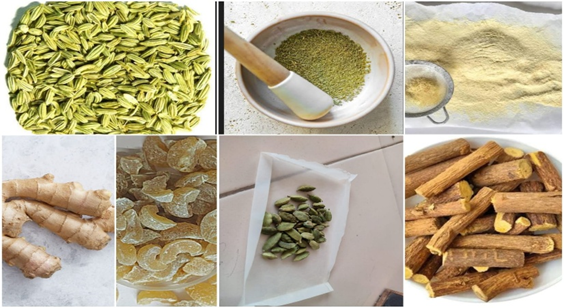
  • Select all herbal(aromatic) agent like- ginger, fennel, cardamom, ajwain, other ingredients.
  • Then extraction of cardamom, mulethi extracted their volatile oil.
  • Weight the all ingredients.
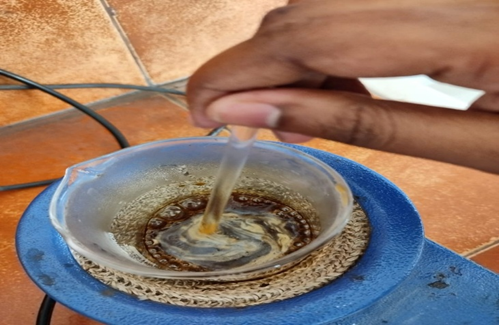
  • Heat the jaggery until it comes to a boil.
  • If a drop of jaggery solution crystalizes in water, stop boiling otherwise, it continues the process.
  • After heating process the all- external volatile oil mix according their requirement and taste.

Figure-9: Heating the Jaggery and Addition of Extracted Oil
  • Mix all other ingredients according their required quantity.
  • Then spread the prepared mixture on tray and cooled it.
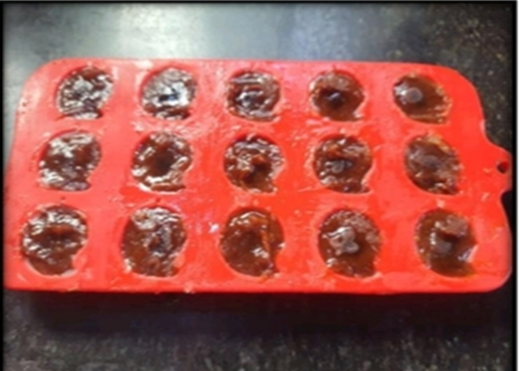
  • After the cooling process, transfer into moulding process the shape of candy is given.

Figure-9: Moulding process

Extraction of Mulethi:

Bioactive compound can be extracted from the mulethi using soxhlet and maceration.
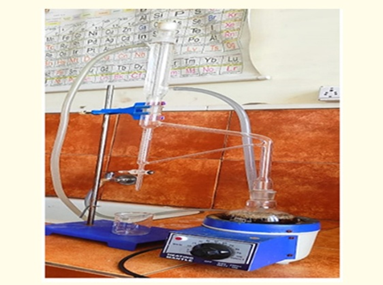
Figure-10: Extraction of mulethi

Extraction of cardamom:

Cardamom essential oil is extracted from the seed of cardamom plant; the oil is topically obtained through hydro distillation.
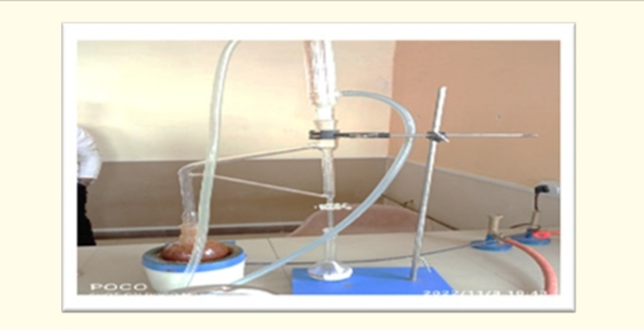
Figure-1: Extraction of Cardamom

Evaluation:

  • Appearance: The general appearance of candy is visual identity and its essential for consumer, acceptance for the control of uniformity, the aspect of visual experience by which object are recognized.
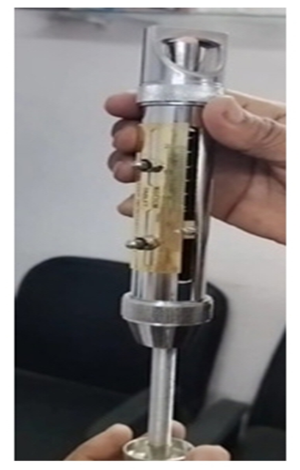
  • Hardness: The resistance of a material to localized plastic deformation caused by mechanical identation or abrasion. Hardness is a measure of how much a material resists changes in shape.
  • Thickness: The amount of ingredient used in the preparation of individual material, and it become thick due to material used and it also known as the diameter and the length of any material.
  • Weight variation: It is nothing but a defect in which weight differs for the define range given by the standard pharmacopoeias. It is important to confirm uniformity of dosage unit and product safety.
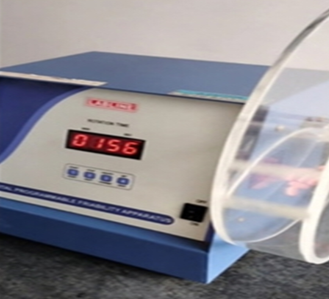
  • Friability: The tendency of a solid substance to break into smaller piece under strees or contract, specially by rubbing. It is important for determination of shock absorber for any substance and material.
  • Dissolution: The process in which a substance forms a solution, the dissolution of drug is important for bioavailability and therapeutic effectiveness.
  • Moisture content: It is quantity of water or moisture contained in a material, the weight of water contained in a certain object or material.
  • Drug content uniformity: The content uniformity is an important quantity measure of the final solid dosage form product. It is tested to measure the individual drug content require amount of API.

RESULT AND DISCUSSION

Appearance

The appearance of candy is simple and it is easier for consumer acceptance. The quality or state being thick.

Table-2 : Physical appearance test

Sr.no.

Parameter

Result

1

Colour

Brown

2

Flavour

Sweet

3

Shape

Spherical(round)

4

Consistency

Solid

Hardness

The hardness of candy also depends on the temperature.

Table-3 :Comparison of hardness with different sample

Sr. No.

Sample

Hardness (N)

Temperature

1

1

650

61

2

2

615

58

3

3

750

53

4

4

805

50

5

Average

765

55

Figure-12: Hardness of candy

Thickness

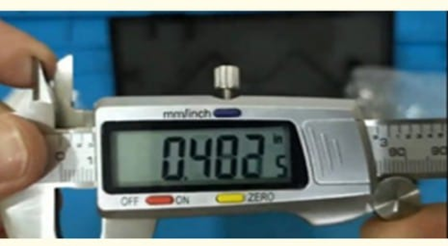
Thickness may be vary according to their shape and size. Thickness is the one of the important parameter of any type of candy.

Table-4: The amount of candy have decide the thickness

Sr. no.

Sample

Thickness

1

1

4.8 mm

2

2

4.5mm

3

3

5.2mm

4

4

5.6mm

5

Average

5mm

Figure-13: Thickness of candy

Weight Variation

The candy preparation there will be slight variation in weight and size. Not more than 1 to 2% variation in the weight.

Table-5: Some variation in the sample

Sample

Weight Variation

1

5.2gm

2

5.3gm

3

5.4gm

Friability

Candies that do not lose more than 0.5 to 1% of their weight are acceptable.

Table-6: The friability test of the sample

Sample

Initial weight

Final weight

Friability (%)

1

4.9gm

4.7gm

0.70%

2

5.2gm

5gm

0.76%

3

5.4gm

5.3gm

0.28%

Figure-14: Friability test of candy

Figure-15: Final product

CONCLUSION

The use of herbal candy in the pregnancy phase helping to reduce nausea, vomiting and morning sickness. Herbal candy is very beneficial for both mother and fetus because there is no use of excessive chemical constituent. Herb material are jaggery, ginger, fennel, amla, ajwain, and cardamom for flavour. Using volatile oil of all extracted herbal drug by the help of Soxhlet apparatus. The candy have anti-emetic, anti-nauseas, and support digestive management property which help into reduce the morning sickness.

REFERENCES

  1. Harahap RF, et al. “Pengaruh Pemberian Air Rebusan Jahe Terhadap Penurunan Mual dan M Muntah Pada Ibu Hamil Trimester I the effect of Ginger Stewing Water on Decreasing Nausea and Vomiting in First Trimester Pregnant Women”, Journal Ilmu Keperawatan 8 (2020):1.
  2. Pattanayak D and Das S. “Formulation development and optimization of medicated lozenges for paediatric use”. International Journal of Pharmaceutical Science and Research 3.1 (2012):138.
  3. Edwards WP. “SWEET AND CANDIES | Sugar confectionary”. Encyclopedia of food science and nutrition ,(2003): 5703-5710.
  4. Chappell D, et al “Arational approach to perioperative fluid management” Anesthesiology 109.4 (2008): 723-740.
  5. Riska Yanti Harahap (2022) Effectiveness of Ginger Candy Against Nausea and Vomiting for Pregnant Mothers, International Journal of Public Health Excellance (UoPHG).
  6. Rishu Kumar (2024) Development and Formulation of Herbal Anti-emetic Candy for Nausea and Vomiting, Practical Scientific Science(ISSN 2581-5423).
  7. Niska Anita (2020) Ginger Candy Reduce the Frequency of Vomiting of Pregnant Women, General of Enfermeria Clinica
  8. Phad S.H.,Kheman S.Y (2023) A Research of Formulation and Evaluation of Herbal Candy, International Journal of Multidisciplinary Research.
  9. Shreya Talreja, Soman Kumari, Prateek Shrivastava (2019) A Complete Pharmacognostic Review on Amla, World Journal of Pharmacy and Pharmaceutical Science(ISSN 2278-4357).
  10. Melani Adelia Efendi, Adelia Bunga (2025),The Effect of Ginger Decoction Intervention on Nausea and Vomiting in First Trimester Pregnancy, General Kesehatan Komunitas Indonesia.
  11. Allue IL and J. “The Effectiveness of Ginger in The Prevention of Nausea and Vomiting During Pregnancy and Chemotherapy”. Integrative Medicine Insights 7.1 (2016).
  12. Pasha H., et al “Study of the effect of mint oil on nausea and vomiting during pregnancy”. The Iranian Red Crescent Medical General 14.11 (2012): 727-730.
  13. Thomson M. “Effect of Ginger For Nausea and Vomiting in Early Pregnancy: A Meta-Analysis”. The Journal of America Board of Family Medicine 27.1 (2014): 155-222.
  14. Zhang Y., et al. “Familial Aggregation of Hyperemesis gravi-darum”. American Journal Obsteric Gynecologic 7 (2017) : 204-230.
  15. Obrink E., et al. “Post-operative Nausea and Vomiting : Update on predicting the Probability and Way Tominimize its Occur-rence, with focus on Ambulatory Surgery”, International Journal of Surgery 15 (2015): 100-106.
  16. Andani D., et al. : Efeltifitas Pemberian Jaha  Hangat Dalam Mengurangi Frekuensi Mual Munth Pada Ibu Hamil Trimester I (2017).
  17. Marlina H and Astina N P. “ Manfaat Permen Jahe dan Permen Mint Dalam Mengatasi Hipermesis Gravidarum Pada Ibu Hamil Di Wilayah Kerja Puskesmas Sidomulyo Pekanbaru” (2016).
  18. Vassnt lad and David Frawley, The Yoga of Herbs: An Ayurvedic Guide to Herbal Medicine, Lotus press (January 25, 1986). Page no.:255.
  19. Ahumada F, Aspee F, Wikman G, and et al. Withania Somnifera Extract. Its Effect on Arterial Blood Presure in Anaesthetized dogs. Phytotherapy Research 1919;5:111-114.
  20. C.K. Kokate, A.P. Purohit, S.B. Gokhle : Pharmacognosy, Twentieth edition, Nirali Prakashan.
  21. Zeeshan AS, Aqib Z, Saleha SK, et al. Design, development and phytochemical evaluation of a polyherbal formulation linkus syrup, Chinese Medicine. SciRes. 2014:5:104-12.
  22. Nagoba SN, et al “Studies on Candy based Ketoconazole Pediatric Tablet Lozenges”. International Journal of Research in Ayurveda and Pharmacy 2.1 (2011): 239-43.

Reference

  1. Harahap RF, et al. “Pengaruh Pemberian Air Rebusan Jahe Terhadap Penurunan Mual dan M Muntah Pada Ibu Hamil Trimester I the effect of Ginger Stewing Water on Decreasing Nausea and Vomiting in First Trimester Pregnant Women”, Journal Ilmu Keperawatan 8 (2020):1.
  2. Pattanayak D and Das S. “Formulation development and optimization of medicated lozenges for paediatric use”. International Journal of Pharmaceutical Science and Research 3.1 (2012):138.
  3. Edwards WP. “SWEET AND CANDIES | Sugar confectionary”. Encyclopedia of food science and nutrition ,(2003): 5703-5710.
  4. Chappell D, et al “Arational approach to perioperative fluid management” Anesthesiology 109.4 (2008): 723-740.
  5. Riska Yanti Harahap (2022) Effectiveness of Ginger Candy Against Nausea and Vomiting for Pregnant Mothers, International Journal of Public Health Excellance (UoPHG).
  6. Rishu Kumar (2024) Development and Formulation of Herbal Anti-emetic Candy for Nausea and Vomiting, Practical Scientific Science(ISSN 2581-5423).
  7. Niska Anita (2020) Ginger Candy Reduce the Frequency of Vomiting of Pregnant Women, General of Enfermeria Clinica
  8. Phad S.H.,Kheman S.Y (2023) A Research of Formulation and Evaluation of Herbal Candy, International Journal of Multidisciplinary Research.
  9. Shreya Talreja, Soman Kumari, Prateek Shrivastava (2019) A Complete Pharmacognostic Review on Amla, World Journal of Pharmacy and Pharmaceutical Science(ISSN 2278-4357).
  10. Melani Adelia Efendi, Adelia Bunga (2025),The Effect of Ginger Decoction Intervention on Nausea and Vomiting in First Trimester Pregnancy, General Kesehatan Komunitas Indonesia.
  11. Allue IL and J. “The Effectiveness of Ginger in The Prevention of Nausea and Vomiting During Pregnancy and Chemotherapy”. Integrative Medicine Insights 7.1 (2016).
  12. Pasha H., et al “Study of the effect of mint oil on nausea and vomiting during pregnancy”. The Iranian Red Crescent Medical General 14.11 (2012): 727-730.
  13. Thomson M. “Effect of Ginger For Nausea and Vomiting in Early Pregnancy: A Meta-Analysis”. The Journal of America Board of Family Medicine 27.1 (2014): 155-222.
  14. Zhang Y., et al. “Familial Aggregation of Hyperemesis gravi-darum”. American Journal Obsteric Gynecologic 7 (2017) : 204-230.
  15. Obrink E., et al. “Post-operative Nausea and Vomiting : Update on predicting the Probability and Way Tominimize its Occur-rence, with focus on Ambulatory Surgery”, International Journal of Surgery 15 (2015): 100-106.
  16. Andani D., et al. : Efeltifitas Pemberian Jaha  Hangat Dalam Mengurangi Frekuensi Mual Munth Pada Ibu Hamil Trimester I (2017).
  17. Marlina H and Astina N P. “ Manfaat Permen Jahe dan Permen Mint Dalam Mengatasi Hipermesis Gravidarum Pada Ibu Hamil Di Wilayah Kerja Puskesmas Sidomulyo Pekanbaru” (2016).
  18. Vassnt lad and David Frawley, The Yoga of Herbs: An Ayurvedic Guide to Herbal Medicine, Lotus press (January 25, 1986). Page no.:255.
  19. Ahumada F, Aspee F, Wikman G, and et al. Withania Somnifera Extract. Its Effect on Arterial Blood Presure in Anaesthetized dogs. Phytotherapy Research 1919;5:111-114.
  20. C.K. Kokate, A.P. Purohit, S.B. Gokhle : Pharmacognosy, Twentieth edition, Nirali Prakashan.
  21. Zeeshan AS, Aqib Z, Saleha SK, et al. Design, development and phytochemical evaluation of a polyherbal formulation linkus syrup, Chinese Medicine. SciRes. 2014:5:104-12.
  22. Nagoba SN, et al “Studies on Candy based Ketoconazole Pediatric Tablet Lozenges”. International Journal of Research in Ayurveda and Pharmacy 2.1 (2011): 239-43.

Photo
Shweta Ram
Corresponding author

Rungta Institute of Pharmaceutical Sciences and Research, Bhilai

Photo
Neha Sahu
Co-author

Rungta Institute of Pharmaceutical Sciences and Research, Bhilai

Photo
Khushbu Sahu
Co-author

Rungta Institute of Pharmaceutical Sciences and Research, Bhilai

Photo
Tarun Raj Sahu
Co-author

Rungta Institute of Pharmaceutical Sciences and Research, Bhilai

Photo
Garima Sahu
Co-author

Rungta Institute of Pharmaceutical Sciences and Research, Bhilai

Photo
Suchita Wamankar
Co-author

Rungta Institute of Pharmaceutical Sciences and Research, Bhilai

Photo
Dr. Gyanesh Kumar Sahu
Co-author

Rungta Institute of Pharmaceutical Sciences and Research, Bhilai

Neha Sahu, Khushbu Sahu, Tarun Raj Sahu, Garima Sahu, Shweta Ram, Suchita Wamankar, Dr. Gyanesh Kumar Sahu, Development of a Polyherbal Candy for Managing Nausea, Vomiting and Digestive Problems During Pregnancy, Int. J. of Pharm. Sci., 2026, Vol 4, Issue 3, 3973-3980. https://doi.org/10.5281/zenodo.19339051

More related articles
Next Generation Incretin Therapies in Obesity: Evo...
Sonale S, Gowtham Arumugam , Revanth R...
A Review on Diuretic Activity, Pharmacological Use...
Mohd Sahil, Sudhir Kumar, Kamal Kishore...
Formulation and Evaluation of Polyherbal Shampoo...
Priyanka Bandichhode, Predeep Chabukswar, Shruti Narayankar, Kris...
Formulation and Evaluation of Natural Herbal Face Wash Tablets Containing Sandal...
Pradeep Chabukswar, Priyanka Bandichhode, Shivani Biskite, Deepak Bhosale...
A Research on Formulation and Evaluation of Herbal Soap...
Gurude Sneha, Shivraj Suryawanshi, Hambire Shradha, Gudde Saraswati, Ghevare Omkar, Gangapure Sakshi...
Virtual Screening of Bioactive Constituents of Lagenaria siceraria as Potential ...
Dinesh Kawade, Gun Chourasia, Shashwati Motghare, Dipak Rinait, Alpana Asnani...
More related articles
Formulation and Evaluation of Polyherbal Shampoo...
Priyanka Bandichhode, Predeep Chabukswar, Shruti Narayankar, Krishnamurthy Kamalapurkar...
Formulation and Evaluation of Polyherbal Shampoo...
Priyanka Bandichhode, Predeep Chabukswar, Shruti Narayankar, Krishnamurthy Kamalapurkar...