

We use cookies to ensure our website works properly and to personalise your experience. Cookies policy
Department of Microbiology, Antyoday Institute of Sciences and Research Centre, Devgram.
Psychiatric disorders rarely exist in isolation from neuronal injury. Chronic stress, a ubiquitous feature of modern life, damages brain circuits in ways that make standard treatments less effective and often leads to treatment resistance. This review explores whether combining psychotropic medications with plant-derived phytochemicals can produce synergistic effects on neuronal regeneration, outcomes that exceed what either therapy could achieve alone. This review systematically examines five primary categories of psychopharmacological agents, including antipsychotics, antidepressants, mood stabilizers, anxiolytics, and stimulants, and assesses their impact on stress related neurotoxicity, highlighting both their protective and harmful effects. Simultaneously, this review evaluates the neuroprotective properties of several phytochemical classes, including flavonoids, polyphenols, terpenoids, and alkaloids. A key focus is placed on convergent signaling pathways, including the Nrf2/HO-1 antioxidant system, the PI3K/Akt/CREB/ BDNF neurotrophic cascade, GSK-3? modulation, and mitochondrial bioenergetics. The evidence supporting combination therapy is synthesized from laboratory investigations and human clinical assessments investigating antioxidant adjuncts. Obstacles to clinical application, including poor bioavailability, enzyme mediated drug interactions, and inconsistent standardization, are critically evaluated. The review concludes with a roadmap for validating the synergy hypothesis through molecular, behavioral, and pharmacokinetic investigations, offering a foundation for future research.
Psychiatric conditions continue to impose an enormous global burden. Depression, anxiety, and schizophrenia together contribute significantly to disability adjusted life years worldwide, affecting individuals across every age group and geographic region [1]. At the same time, neurological disorders represent a growing challenge for healthcare systems, driving urgent calls for innovative therapeutic approaches [2]. Despite significant advances in psychopharmacology, many patients fail to achieve complete remission. The reasons for this are increasingly clear: psychiatric disorders are not simply a matter of neurotransmitter imbalance. Rather, their pathobiology involves a complex interplay of chronic neuroinflammation, redox imbalance, mitochondrial compromise, and impaired synaptic plasticity [3].
At the heart of this pathological cascade is stress. When stress becomes chronic, it triggers sustained activation of the hypothalamic pituitary adrenal axis, flooding the brain with glucocorticoids that damage hippocampal neurons [4]. This stress related damage manifests as dendritic atrophy, reduced brain derived neurotrophic factor (BDNF) expression, and heightened microglial reactivity, changes that collectively erode neuronal resilience and limit therapeutic responsiveness [5].
Psychotropic drugs, while effective at modulating synaptic chemistry, often produce side effects that paradoxically worsen neuronal health. Haloperidol, a first generation antipsychotic, promotes oxidative stress by depleting glutathione and impairing mitochondrial complex I, ultimately triggering apoptosis [3]. In contrast, olanzapine possesses antioxidant properties, though its use is constrained by metabolic complications [6]. Antidepressants promote neurogenesis but exhibit
delayed efficacy, while anxiolytics and stimulants carry their own risks of dependence and excitotoxicity [7].
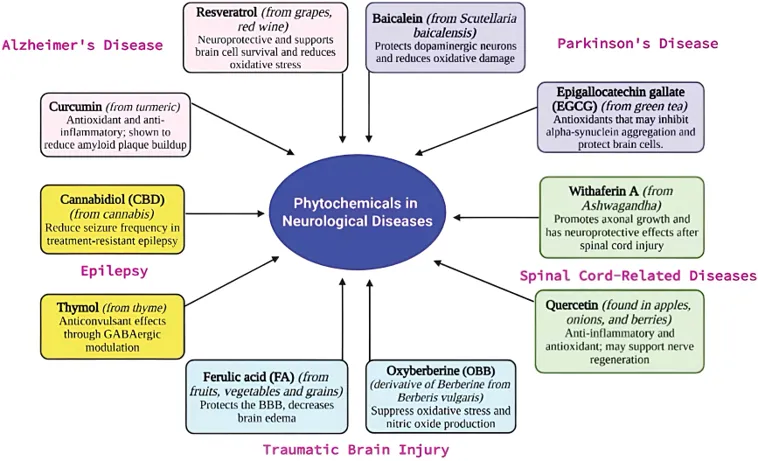
Figure 1: Commonly used photochemicals in the management of neurological diseases [6].
Given these limitations, recent years have seen a growing movement to integrate plant derived bioactive compounds into psychiatric care. Phytochemicals, including flavonoids, polyphenols, terpenoids, and alkaloids, offer a multifaceted approach to neuroprotection [8], [9]. Their mechanisms are diverse but converge on critical signaling pathways: activation of the Nrf2/HO-1 antioxidant system, stimulation of BDNF signaling, and inhibition of GSK-3β [10], [11].The central proposition of this review is that phytochemicals and psychotropics synergistically enhance neuronal regeneration, through BDNF dependent neurogenesis, synaptic remodeling, and mitochondrial recovery, achieving outcomes greater than either agent alone. This synergy is grounded in their convergence on overlapping signaling nodes, with phytochemicals neutralizing drug induced toxicity while amplifying neurotrophic benefits. The present work evaluates this hypothesis and outlines a translational research agenda.
2. Materials and Methods Search Strategy
A comprehensive literature search was done across PubMed, Google Scholar, Scopus, Web of Science, and ScienceDirect databases. Keywords included "stress induced neuronal damage," "psychotropic medications," "antipsychotic agents," "antidepressant drugs," "mood stabilizing agents," "anxiolytics," "stimulants," "phytochemicals," "BDNF," "Nrf2," "oxidative stress,""neurogenesis," "combination therapy," and "natural compounds." Only English language articles were considered. Both original research and review articles were screened for relevance to psychotropic and phytochemical interactions in the context of stress related neurotoxicity.
Inclusion Criteria: Articles examining the effects of psychotropics or phytochemicals on neuronal health, oxidative stress, neuroinflammation, neurogenesis, or synaptic plasticity, particularly in stress models.
Exclusion Criteria: Non English publications, conference abstracts, commentaries, and letters to the editor’s desk.
3. RESULTS AND DISCUSSION
3.1. Stress Induced Neuronal Damage: The Therapeutic Target
3.1.1. HPA Axis Overactivation and Neuroinflammation
Sustained psychological stress acts as a principal catalyst for psychiatric pathology. Persistent Hypothalamic-pituitary-adrenal (HPA) axis activation results in chronic cortisol exposure, which profoundly impacts hippocampal integrity [1]. Elevated glucocorticoids activate microglia and astrocytes, triggering the secretion of inflammatory mediators such as IL-1β, IL-6, and TNF-α [12]. This neuroinflammatory milieu contributes to synaptic dysfunction and reduced neurogenesis, creating a self perpetuating cycle of neuronal injury [13]. Inhibiting the NLRP3 inflammasome, a crucial stress-responsive inflammatory assembly, constitutes a viable therapeutic target [10].
3.1.2. Oxidative Stress and Mitochondrial Impairment
The brain is uniquely vulnerable to oxidative damage due to its high metabolic demand and lipid rich composition [7]. Chronic stress disrupts the delicate balance between reactive oxygen species (ROS) generation and antioxidant defenses, leading to lipid peroxidation, protein oxidation, and DNA damage. Mitochondrial dysfunction exacerbates this process, as impaired complex I activity results in increased ROS production and depleted glutathione levels, ultimately triggering apoptosis [3], [14].
3.1.3. BDNF Deficiency and Synaptic Failure
BDNF is indispensable for neuronal survival, synaptic plasticity, and adult neurogenesis. Stress reliably downregulates brain-derived neurotrophic factor (BDNF) transcription within the hippocampal and prefrontal cortex, diminishing dendritic spine arborization and impairing synaptic connectivity [4]. The BDNF/TrkB signaling axis, which engages the phosphatidylinositol 3-kinase (PI3K)/Akt and mitogen-activated protein kinase (MAPK)/ERK cascades, is fundamental for neurotrophic support [15]. Reinstatement of BDNF-mediated signaling represents therefore a critical therapeutic goal [11].
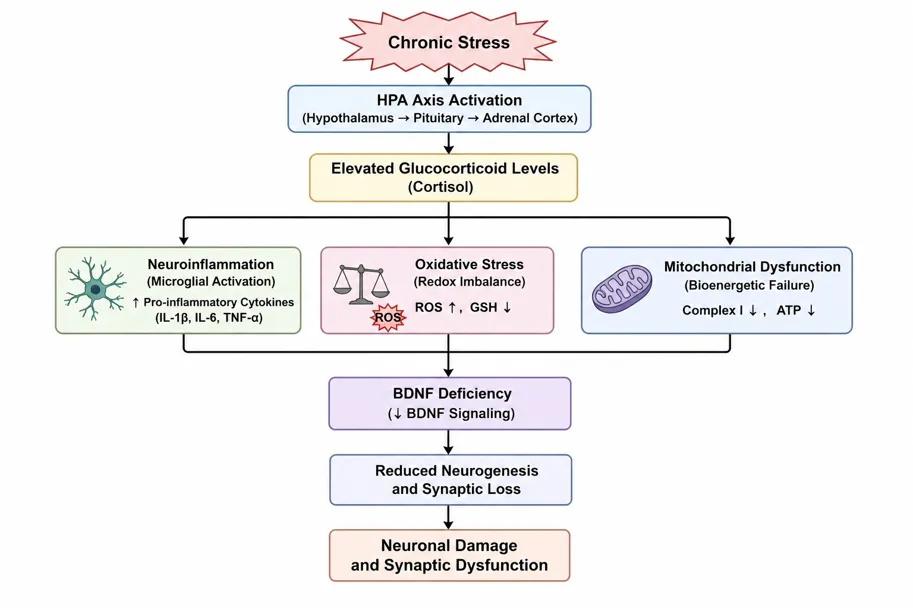
Figure 2: Pathophysiological cascade of stress induced neuronal damage.
3.2. Psychotropic Medications: Mechanisms and Adverse Effects
3.2.1. Antipsychotics
Antipsychotics remain the cornerstone of schizophrenia management. First generation neuroleptics, exemplified by haloperidol, function as strong D2 receptor blockers yet are linked to extrapyramidal side effects and neurotoxicity. Haloperidol induces ROS generation along with depletion of glutathione, leading to mitochondrial dysfunction and apoptosis [3], and also diminishes BDNF levels [16]. Second generation antipsychotics, including olanzapine, exhibit antioxidant properties but pose metabolic risks [6]. Notably, olanzapine functions as an inverse agonist at D2 receptors, thereby elevating intracellular cyclic AMP (cAMP), which may influence cellular survival pathways [17].
3.2.2. Antidepressants
Antidepressants, encompassing SSRIs, SNRIs, and TCAs, modulate monoamine transmission. Their efficacy is partly attributed to downstream BDNF upregulation and neurogenesis [15]. However, the therapeutic onset is delayed by weeks, and a significant subset of individuals remain refractory to treatment. Chronic use may also induce glial dysfunction as well as oxidative stress [18].
3.2.3. Mood Stabilizers
Mood stabilizers, such as lithium and valproate, are essential for bipolar disorder treatment. They modulate GSK-3β/β-catenin signaling and PI3K/Akt pathways, promoting neuroprotection and neurogenesis [5]. Lithium also elevates BDNF levels, though its narrow therapeutic index and renal and thyroid toxicities limit long term use [18].
3.2.4. Anxiolytics
Benzodiazepines, positive allosteric modulators at GABA-A receptors, are used for acute anxiety. Prolonged use leads to tolerance and cognitive decline [18], and chronic administration has been correlated with hippocampal volume loss and suppressed neurogenesis [1].
3.2.5. Stimulants
Stimulants like amphetamines and methylphenidate increase synaptic dopamine and noradrenaline. While effective for ADHD, chronic use poses neurotoxic risks through dopamine auto oxidation, which produces ROS and reactive quinones, contributing to dopaminergic degeneration [7]. This oxidative burden has been implicated in neuropsychiatric consequences [6].
3.3. Phytochemicals: The Regenerative Adjunct
3.3.1. Flavonoids
Flavonoids, including quercetin, EGCG, hesperidin, and apigenin, are abundant polyphenols with potent antioxidant and anti inflammatory actions [9], [19]. Quercetin modulates Nrf2/ARE, inhibits NF-κB, and activates SIRT1, promoting mitochondrial biogenesis [19]. EGCG safeguards neuronal cells by suppressing amyloid-beta aggregation and engaging PI3K/Akt pathways [12]. Hesperidin enhances neurogenesis through CREB BDNF activation and TLR4 suppression [15].
3.3.2. Polyphenols
Curcumin, a major turmeric polyphenol, activates Nrf2/HO-1, inhibits NF-κB, and enhances BDNF via ERK/CREB signaling [11], [20]. Resveratrol, found in grapes, activates SIRT1 and AMPK, promoting mitochondrial biosynthesis and mitochondrial autophagy via the PINK1/Parkin axis [14]. These actions confer significant neuroprotection against stress related damage.
3.3.3. Terpenoids
Terpenoids, such as ginkgolide B and ginsenosides, exhibit neuroprotective properties. Ginkgolide B upregulates BDNF while concurrently mitigating oxidative burden [15]. Ginsenosides enhance synaptic plasticity through PI3K/Akt and ERK modulation [21]. Withaferin A, derived from Withania somnifera, attenuates microglial activation and protects the blood brain barrier [20].
3.3.4. Alkaloids
Alkaloids, including berberine and huperzine A, demonstrate neuroprotective actions. Berberine inhibits acetylcholinesterase and promotes autophagy [7]. Huperzine A enhances NGF signaling and modulates amyloid precursor protein processing [5].
3.3.5. Ethnomedical Leads
Adaptogenic herbs such as Bacopa monnieri, Withania somnifera, and Rhodiola rosea have long been used to combat stress. Ethnomedical surveys have identified over 1,300 plant species with neuroprotective bioactivities, representing a rich repository for drug discovery [8]. Structural analogs of established phytochemicals offer promising avenues for enhanced bioavailability and efficacy [22].Figure 2 consolidates the hypothesized pathways by which psychotropic agents and phytochemicals jointly exert their neuroprotective effects.
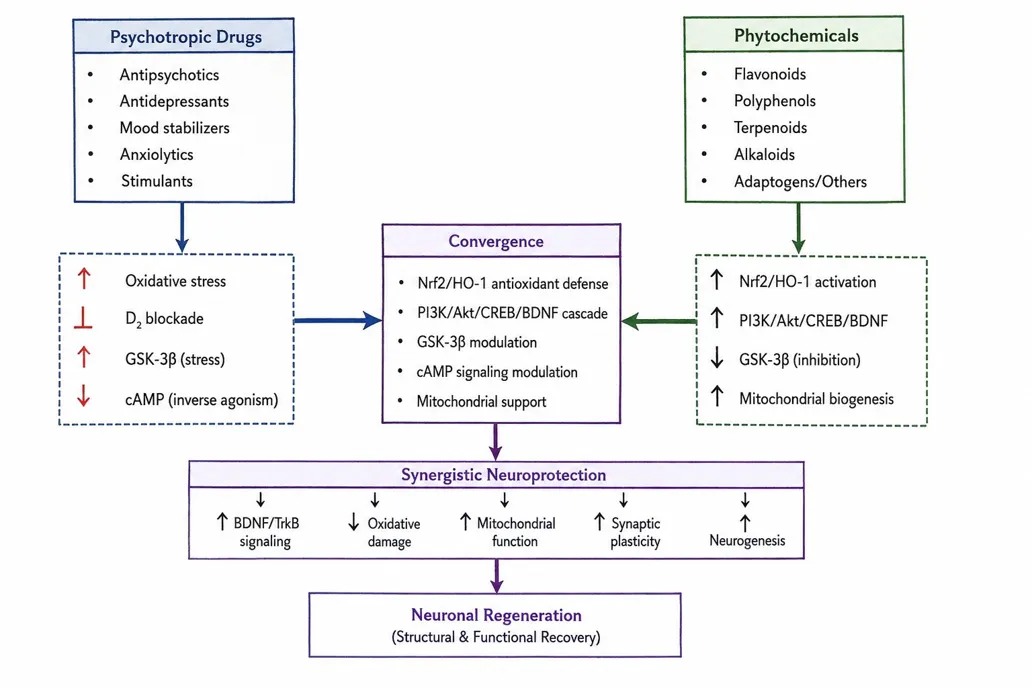
Figure 3: Convergent Molecular Pathways of Psychotropics and Phytochemicals in Counteracting Stress-Mediated Neuronal Damage.
3.4. Mechanistic Convergence: Basis for Synergy
3.4.1. Nrf2/HO-1 Axis
Phytochemicals including curcumin, resveratrol, and sulforaphane robustly activate Nrf2, enhancing glutathione and antioxidant enzymes [10]. Conversely, haloperidol impairs Nrf2 signaling and depletes glutathione [3]. Combining a phytochemical Nrf2 activator with an oxidative stress inducing psychotropic may neutralize the latter's neurotoxicity, representing a clear mechanism for synergy [16].
3.4.2. PI3K/Akt/CREB/BDNF Cascade
Phytochemicals like curcumin and quercetin upregulate BDNF via CREB phosphorylation [11], [19]. Psychotropics also enhance BDNF, albeit through distinct mechanisms. Antidepressants act via serotonergic pathways, while atypical antipsychotics engage 5-HT1A agonism [4]. Targeting these distinct nodes may yield additive neurotrophic effects.
3.4.3. GSK-3β/β-Catenin Modulation
GSK-3β overactivation is linked to stress induced tau hyperphosphorylation and synaptic deterioration [10]. Phytochemicals such as morin and thymoquinone inhibit GSK-3β, activating Wnt/β-catenin signaling [10]. Mood stabilizers, particularly lithium, also suppress GSK-3β [5], suggesting combinatorial modulation might prove to be more effective.
3.4.4. cAMP and D2 Receptor Signaling
Olanzapine, via inverse agonism at D2 receptors, elevates cAMP levels [17]. Elevated cAMP promotes neuronal differentiation. Plant-derived compounds, for instance forskolin, also increase cAMP by activating adenylate cyclase [17]. Combining agents that elevate cAMP may synergistically promote neurogenic signaling.
3.4.5. Mitochondrial Resilience
Typical antipsychotics impair mitochondrial complex I [3]. Phytochemicals including quercetin and resveratrol promote mitochondrial biosynthesis and mitochondrial autophagy via PINK1/Parkin [14]. Combination therapy could restore mitochondrial function more effectively than monotherapy.
3.4.6. Gut Brain Axis
Phytochemicals acting as phytopsychobiotics modulate gut microbiota, promoting short chain fatty acid production, which confers neuroprotective benefits [13]. These microbial metabolites can cross the blood brain barrier, supporting the hypothesis that phytochemicals may enhance psychotropic efficacy through gut mediated mechanisms [13].
3.5. Preclinical Evidence for Combination Therapy
3.5.1. Preclinical Evidence for Combination Therapy
A comprehensive literature assessment of phytomedicines in antipsychotic induced EPS identified numerous plant extracts that reduce catalepsy and orofacial dyskinesia within rodent experimental paradigms [16]. These include Ginkgo biloba and Withania somnifera, whose antioxidant properties counteract oxidative stress provoked by haloperidol. For instance, Ginkgo biloba reduces vacuous chewing behaviors and alters apoptotic markers within the rat central nervous system [16].
3.5.2. Phytochemical and Antidepressant Synergy
Curcumin has demonstrated antidepressant like effects via modulation of CREB and BDNF, suggesting potential synergy with conventional antidepressants [23]. Polyunsaturated omega-3 fatty acids have also shown adjunctive benefits in reducing depressive symptoms [24].
3.5.3. Phytochemical and Phytochemical Synergy
In a study on rat hippocampal neurons and microglial cells, the combination of EGCG, curcumin, and sulforaphane conferred greater protection against dopamine induced calcium deficits and LPS induced inflammation than any single compound [25]. These findings underscore the promise of multi target phytochemical combinations for maximal neuroprotection.
3.6. Clinical Evidence and Translational Challenges
3.6.1. Clinical Trials of Antioxidant Adjuncts
Randomized placebo-controlled investigations have evaluated antioxidant adjuncts. N-acetylcysteine, a glutathione precursor, reduced PANSS scores in chronic schizophrenia [3]. Ginkgo biloba administered alongside haloperidol improved SANS and SAPS scores [3]. However, results remain heterogeneous, emphasizing the need for standardized formulations.
3.6.2. Bioavailability and Pharmacokinetic Interactions
Poor bioavailability, rapid metabolism, and limited brain penetration hinder phytochemical translation [7]. Furthermore, phytochemicals may modulate P-glycoprotein and cytochrome P450 enzymes, altering psychotropic pharmacokinetics [6]. For example, St. John's Wort induces CYP3A4 and P-gp, reducing circulating concentrations of co administered drugs [6].
3.6.3. Standardization Issues
Variability in phytochemical composition across sources complicates consistent therapeutic outcomes. Rigorous quality control and standardized reference materials are essential [7].
3.7. Future Perspectives and Research Roadmap
3.7.1. Precision Medicine and Pharmacogenomics
Genetic variations, including BDNF Val66Met, may predict differential responses to phytochemical interventions [15]. Pharmacogenomics informed personalized strategies are critical to optimizing combination therapy.
3.7.2. Advanced Drug Delivery Systems
Nanotechnology based delivery systems, including nanoparticles and liposomes, enhance bioavailability and brain penetration of phytochemicals [26]. Intranasal delivery offers a non invasive route to circumvent the blood-brain barrier [26]. Structural analogs of phytochemicals may also improve pharmacokinetics [22].
3.7.3. Proposed Research Agenda
Future experiments should validate the synergy hypothesis using:
CONCLUSION
The convergence of psychotropics and phytochemicals on overlapping signaling networks provides a compelling rationale for combined therapeutic strategies for stress induced neuronal injury. Phytochemicals may offset the neurotoxicity of psychotropics while augmenting regenerative processes, suggesting true synergy. Although current evidence is preliminary, preclinical findings support this hypothesis. Major hurdles, including bioavailability, drug interactions, and standardization, must be addressed through rigorous experimental and human-based investigation. Subsequent investigations ought to incorporate pharmacogenomics and sophisticated drug delivery systems to harness the full efficacy of psychotropic and phytochemical combinations.
ACKNOWLEDGMENT
The author declares no external funding was received. The work was conducted independently without institutional or grant based assistance.
REFERENCES

Ashish Tule, Psychotropic and Phytochemical Synergy in Counteracting Stress Induced Neuronal Damage, Int. J. of Pharm. Sci., 2026, Vol 4, Issue 9, 826-835, https://doi.org/10.5281/zenodo.22654903
 10.5281/zenodo.22654903