

We use cookies to ensure our website works properly and to personalise your experience. Cookies policy
1Head of Department, Adsul College of Pharmacy, Chas, Ahilyanagar, Maharashtra-414005.
2Head of Department, Somayya Pharmacy College, Chandrapur, Maharashtra-442401.
3,8Lecturer, Somayya Pharmacy College, Chandrapur, Maharashtra-442401.
4Associate Professor, Shri Amolak Jain Vidya Prasarak Mandal's, College of Pharmaceutical Science & Research Center, Kada, Ashti, Beed, Maharashtra 414202.
5Assistant Professor, Central India College of Pharmacy, Lonara, Nagpur, Maharashtra-441111.
6,7Assistant Professor, Somayya Pharmacy College, Chandrapur, Maharashtra-442401.
9Lecture, Advika College of Pharmacy and Research Centre Ansing, Washim, Maharashtra-444507.
The gut microbiome has emerged as an important biological determinant of drug disposition and therapeutic response, challenging the conventional host-centered view of pharmacotherapy. The extensive metabolic capacity of intestinal microorganisms enables direct transformation of pharmaceutical compounds through diverse enzymatic pathways, including hydrolysis, reduction, deconjugation, and other biotransformation reactions. These processes can activate prodrugs, inactivate therapeutic agents, regenerate host-conjugated metabolites, or generate biologically active and potentially toxic products. In parallel, drugs can alter microbial composition, diversity, and metabolic activity, establishing a dynamic bidirectional relationship between pharmaceutical agents and the intestinal ecosystem. This review comprehensively examines drug–gut microbiome interactions, with particular emphasis on microbial drug biotransformation and its consequences for absorption, distribution, metabolism, excretion, pharmacokinetics, pharmacodynamics, therapeutic efficacy, and drug toxicity. The role of microbial metabolites in host–microbe signaling, immune
The human gastrointestinal tract harbours a highly complex and dynamic microbial ecosystem that contributes substantially to host physiology, metabolism, immune regulation, and maintenance of intestinal homeostasis. Collectively, these microorganisms and their genetic repertoire constitute the gut microbiome, which has increasingly been recognized as an important determinant of human health and disease.1 Although pharmacological responses have traditionally been interpreted primarily through the physicochemical properties of drugs, host genetic factors, drug-metabolizing enzymes, transporters, and receptor-mediated mechanisms,2 accumulating evidence indicates that intestinal microorganisms can also influence the fate and biological activity of therapeutic agents. Conversely, pharmaceutical agents can substantially modify microbial community structure and function, thereby creating a bidirectional relationship between pharmacotherapy and the gut microbiome. This emerging field, often described within the broader concept of pharmacomicrobiomics, provides a mechanistic framework for understanding interindividual variability in drug disposition, therapeutic response, and adverse drug reactions.3
Human Gut Microbiome as a Functional Organ
The terms microbiota and microbiome are related but conceptually distinct. Gut microbiota refers primarily to the collection of microorganisms inhabiting the gastrointestinal tract, whereas the gut microbiome encompasses both these microorganisms and their collective genetic and functional potential. The intestinal microbiota consists predominantly of bacteria, but also includes archaea, fungi, bacteriophages, and other viruses. Its composition is not uniform throughout the gastrointestinal tract; rather, microbial abundance and diversity vary according to anatomical location, oxygen availability, pH, nutrient availability, intestinal transit, host secretions, and interactions with the mucosal environment. The distal intestine, particularly the colon, supports an exceptionally dense and metabolically active microbial community.4
At the taxonomic level, intestinal bacteria are predominantly represented by members of the phyla Bacillota (formerly Firmicutes), Bacteroidota (formerly Bacteroidetes), Actinomycetota (formerly Actinobacteria), and Pseudomonadota (formerly Proteobacteria), although the relative abundance of individual taxa differs considerably between individuals. Genera such as Bacteroides, Faecalibacterium, Bifidobacterium, Roseburia, Lactobacillus, Akkermansia, and members of the Enterobacteriaceae are among the organisms frequently detected in human intestinal communities. Importantly, the functional characteristics of the microbiome cannot be inferred solely from taxonomic composition because phylogenetically unrelated microorganisms may possess overlapping metabolic functions, whereas closely related organisms may exhibit substantial differences in metabolic capabilities.5
The functional diversity of the gut microbiome arises from its extensive collective gene repertoire. Microorganisms participate in the metabolism of dietary components, bile acids, endogenous host substrates, xenobiotics, and pharmaceutical compounds. Microbial metabolic reactions generate a broad range of bioactive molecules, including short-chain fatty acids, secondary bile acids, indole derivatives, phenolic compounds, polyamines, and other small molecules capable of influencing host physiology. These microbial products can affect intestinal barrier integrity, immune signaling, energy metabolism, inflammatory pathways, and cellular signaling. Consequently, the gut microbiome can be viewed as a metabolically active biological compartment that interacts continuously with both endogenous molecules and exogenous chemical entities.6
The concept of the gut microbiome as a functional or metabolic organ is particularly relevant to pharmacotherapy. Unlike conventional host organs, however, the microbiome is a dynamic ecosystem whose metabolic capacity can change rapidly in response to diet, disease, age, geography, lifestyle, antibiotic exposure, and concomitant medications. This variability creates substantial differences in the microbial transformation of drugs between individuals. Microbial enzymes can convert pharmacologically active compounds into inactive, active, or toxic metabolites, while microbial metabolites can modify host enzymes, transporters, receptors, and signaling pathways involved in drug disposition. Thus, the metabolic capacity of the gut microbiome represents an additional biological determinant that should be considered alongside conventional host-mediated pharmacokinetic and pharmacodynamic mechanisms.7
Evolution of the Gut Microbiome–Drug Interaction Concept
Classical pharmacology has historically described drug disposition according to the processes of absorption, distribution, metabolism, and excretion (ADME), with particular emphasis on host-mediated mechanisms. Drug metabolism has traditionally been attributed primarily to hepatic and intestinal enzymes, including cytochrome P450 enzymes, UDP-glucuronosyltransferases, sulfotransferases, esterases, and other metabolic systems. Similarly, intestinal transporters and physicochemical properties of drugs have been considered major determinants of absorption and systemic exposure. Although these mechanisms remain fundamental to pharmacology, they do not completely explain the marked interindividual variability frequently observed in drug concentrations, efficacy, and toxicity.
Recognition of microbial participation in xenobiotic metabolism has progressively expanded the conventional pharmacological framework. Early observations demonstrated that intestinal microorganisms could chemically transform several therapeutic compounds, particularly through reactions such as reduction, hydrolysis, deconjugation, acetylation, and dealkylation. With the development of molecular microbiology, metagenomics, metabolomics, anaerobic culture systems, and advanced analytical technologies, it became possible to characterize the microbial genes, enzymes, and metabolic pathways responsible for these transformations with increasing precision.
Why Drug–Microbiome Interactions Matter?
Drug–microbiome interactions are clinically relevant because microbial activity can influence multiple stages of the pharmacological journey of a therapeutic compound. Following oral administration, a drug encounters the intestinal microbial ecosystem before or during its passage through the gastrointestinal tract.8 Microorganisms can modify the chemical structure of drugs, influence intestinal permeability, compete for metabolic substrates, alter transporter expression, modify host signaling pathways, and affect enterohepatic recycling. Consequently, microbial activity may influence the amount of drug reaching the systemic circulation and the concentration of pharmacologically active or toxic metabolites.9-11
At the level of absorption, microorganisms can directly degrade or transform drugs within the intestinal lumen, thereby changing the quantity of intact drug available for absorption. Microbial metabolites may additionally modify epithelial barrier integrity, mucus production, intestinal pH, and transporter activity, indirectly affecting drug uptake. These mechanisms can contribute to differences in oral bioavailability that cannot be adequately explained by conventional physicochemical properties alone.
The microbiome can also influence drug metabolism and systemic exposure. Microbial enzymes may perform reactions that complement or compete with host metabolic pathways. Deconjugation of biliary metabolites, for instance, can regenerate compounds capable of intestinal reabsorption and thereby modify enterohepatic circulation. Conversely, microbial inactivation or degradation can decrease exposure to pharmacologically active molecules. Microbial metabolites may also influence hepatic enzyme expression and activity through host signaling pathways, establishing functional communication between intestinal microbial metabolism and hepatic drug disposition.12
Effects on drug efficacy represent another important dimension of drug–microbiome interactions. Microbial transformation can either increase or decrease the concentration of the therapeutically active species. In some cases, microorganisms contribute to conversion of an inactive precursor into an active metabolite, whereas in other situations microbial metabolism can reduce the availability of the parent drug. The microbiome may also influence pharmacodynamic responses indirectly through immune regulation, inflammatory signaling, metabolic pathways, and microbial metabolites. These mechanisms are particularly relevant for therapies whose efficacy depends on interactions with the immune system or the intestinal environment.13
Drug–microbiome interactions are equally important for toxicity and adverse drug reactions. Microbial enzymes can generate metabolites with undesirable biological effects or reactivate compounds that would otherwise be eliminated through host conjugation. In addition, drug-induced alterations in microbial composition may impair intestinal homeostasis and promote inflammation, barrier dysfunction, or expansion of opportunistic microorganisms. Thus, the microbiome may contribute both directly and indirectly to adverse effects associated with pharmacotherapy.14-15
An important consequence of these interactions is interindividual variability in treatment response. Two patients receiving an identical dose of the same drug may exhibit different therapeutic outcomes because their microbial communities differ in taxonomic composition, functional gene content, metabolic activity, and resilience to pharmaceutical exposure. Factors such as diet, age, disease status, antibiotic use, concomitant medications, lifestyle, and geographical background can further modify microbial composition and function. Accordingly, the gut microbiome represents a potentially important source of unexplained variability in pharmacokinetics and pharmacodynamics.16-17
Table 1: Major Dimensions of Drug–Gut Microbiome Interactions and Their Potential Pharmacological Consequences
| Dimension of interaction | Principal mechanism | Potential pharmacological consequence |
|---|---|---|
| Drug absorption | Microbial degradation, transformation, altered intestinal permeability and transporter activity | Altered oral bioavailability |
| Drug metabolism | Microbial enzymatic transformation and formation of active/inactive metabolites | Modified systemic drug exposure |
| Enterohepatic circulation | Microbial deconjugation of biliary metabolites | Altered drug recycling and duration of exposure |
| Drug efficacy | Activation or inactivation of drug molecules; modulation of host signaling | Enhanced or reduced therapeutic response |
| Drug toxicity | Formation or regeneration of toxic metabolites | Increased adverse drug reactions |
| Host signaling | Microbial metabolites affecting immune, metabolic and receptor-mediated pathways | Altered pharmacodynamic response |
| Microbiome composition | Drug-induced antimicrobial or ecological effects | Dysbiosis and altered microbial function |
| Interindividual variability | Differences in microbial taxa, genes and metabolic capacity | Patient-specific drug response |
| Drug–drug–microbiome interactions | Concurrent medications modifying both drug disposition and microbial ecology | Complex and unpredictable therapeutic outcomes |
Gut Microbiome: Composition, Function and Metabolic Landscape
The gastrointestinal microbiome represents a highly organized microbial ecosystem characterized by substantial taxonomic, genetic, and metabolic diversity. Its biological importance extends beyond the maintenance of intestinal homeostasis because the collective metabolic activity of resident microorganisms can influence host physiology and modify the fate of endogenous and exogenous compounds. The gut microbiome contains a large and functionally diverse microbial gene pool that enables the utilization and transformation of substrates that are incompletely metabolized by the host. This metabolic capacity establishes continuous biochemical communication between microorganisms and host tissues and provides an important foundation for understanding microbial contributions to pharmacotherapy.19-20
Composition of the Gut Microbiome
The intestinal microbial community comprises bacteria, archaea, fungi, bacteriophages, and other viruses, with bacteria representing the most extensively characterized component. Microbial abundance and community structure vary considerably along the gastrointestinal tract because of differences in oxygen tension, pH, nutrient availability, intestinal transit, bile exposure, mucus composition, and host immune activity. The stomach and proximal small intestine generally contain lower microbial densities than the distal intestine, whereas the colon provides a comparatively stable anaerobic environment that supports a highly abundant and metabolically active microbial population.
At the bacterial level, members of the phyla Bacillota, Bacteroidota, Actinomycetota, and Pseudomonadota constitute major components of the human intestinal ecosystem, although their relative abundance differs substantially between individuals and populations. Other microbial groups, including members of Verrucomicrobiota, Spirochaetota, and Methanobacteriota, can also contribute to specific intestinal functions. Importantly, a healthy microbiome should not be interpreted as a fixed list of bacterial species. Rather, it represents a dynamic ecological network in which microbial populations continuously respond to dietary substrates, host-derived nutrients, environmental conditions, disease, and pharmaceutical exposure.21-25
Spatial Organization of Microbial Communities Along the Gastrointestinal Tract
The gut microbiome exhibits pronounced spatial organization. The stomach is characterized by a relatively low microbial biomass because of its acidic environment, whereas the small intestine experiences increasing microbial density toward the distal segments. In the colon, reduced oxygen availability, prolonged transit time, and continuous delivery of dietary and host-derived substrates support extensive anaerobic fermentation.
Functional Diversity and Microbial Metabolic Capacity
The functional significance of the gut microbiome is largely derived from its collective metabolic repertoire. Microorganisms possess enzymatic systems that enable them to metabolize carbohydrates, proteins, lipids, bile acids, host-derived glycans, xenobiotics, and pharmaceutical compounds. Through these reactions, the microbiome can produce chemically diverse metabolites that interact with intestinal epithelial cells, immune cells, hepatocytes, and other host tissues.
Microbial metabolism is particularly prominent in the processing of complex dietary carbohydrates that escape digestion by human enzymes. Fermentation of these substrates generates short-chain fatty acids (SCFAs), primarily acetate, propionate, and butyrate. These metabolites participate in energy metabolism, epithelial barrier maintenance, immune regulation, and intracellular signaling. Other microbial pathways generate indole derivatives from tryptophan, secondary bile acids from primary bile acids, phenolic metabolites from aromatic amino acids, and numerous nitrogen- and sulfur-containing compounds.26-28
Microbial Gene Repertoire and Metabolic Plasticity
The collective genetic content of the gut microbiome substantially exceeds the functional capacity encoded by the human genome for many metabolic processes. This expanded microbial gene repertoire provides the biochemical basis for degradation and transformation of a wide range of compounds. Metagenomic studies have demonstrated extensive variation in microbial genes between individuals, indicating that the functional potential of the microbiome is highly personalized.
Major Microbial Metabolic Pathways Relevant to Pharmacotherapy
The gut microbiome performs numerous biochemical reactions that can modify both endogenous and exogenous molecules. These pathways can be broadly classified according to the chemical transformation involved.29
Deconjugation is particularly important because intestinal microorganisms can remove conjugated groups introduced during host metabolism. Microbial β-glucuronidases and sulfatases can hydrolyze glucuronide and sulfate conjugates, respectively, potentially regenerating compounds that are available for intestinal reabsorption. This process can influence enterohepatic circulation and prolong or modify systemic exposure.
Reduction reactions represent another important microbial capability. Intestinal microorganisms can reduce nitro, azo, N-oxide, and other functional groups under anaerobic conditions. Such reactions may convert inactive compounds into active metabolites or alter the pharmacological properties of parent molecules.30
Hydrolysis can occur through microbial esterases, amidases, and related enzymes. Hydrolytic reactions may increase polarity, activate prodrugs, or produce metabolites with substantially different pharmacological characteristics.
Acetylation, deacetylation, methylation, demethylation, and other modifications can also occur through microbial metabolic pathways. Although the extent and clinical importance of individual reactions vary according to the drug and microbial community, these processes demonstrate the broad chemical capacity of the intestinal ecosystem.
Microbial Metabolites as Mediators of Host Physiology
The metabolic output of the gut microbiome includes numerous compounds that function as signaling molecules between microorganisms and the host. Among these, SCFAs are prominent products of carbohydrate fermentation. Acetate, propionate, and butyrate influence epithelial metabolism, immune activity, intestinal barrier function, and cellular signaling through both receptor-dependent and epigenetic mechanisms.31
Bile acid metabolism represents another major host–microbe interface. Primary bile acids synthesized by the liver undergo microbial transformation in the intestine to generate secondary bile acids with different physicochemical and biological properties. These molecules can activate host receptors, including the farnesoid X receptor (FXR) and Takeda G-protein-coupled receptor 5 (TGR5), thereby influencing metabolic and inflammatory pathways.
Microbial metabolism of tryptophan produces indole derivatives that can interact with the aryl hydrocarbon receptor (AhR) and influence mucosal and immune responses. Similarly, microbial transformation of aromatic amino acids produces phenolic metabolites, while metabolism of choline and related substrates can contribute to production of trimethylamine, which is subsequently converted by host enzymes into trimethylamine N-oxide.32-33
Table 2: Major Microbial Metabolic Pathways and Metabolites Relevant to Drug–Microbiome Interactions
| Microbial pathway or product | Representative microbial activity | Principal products | Potential relevance to pharmacotherapy |
|---|---|---|---|
| Deconjugation | β-Glucuronidase and sulfatase activity | Deconjugated compounds | Modulation of enterohepatic recycling and intestinal drug exposure |
| Reduction | Nitro-, azo- and N-oxide reduction | Reduced metabolites | Potential drug activation, inactivation or altered toxicity |
| Hydrolysis | Esterase and amidase activity | Hydrolyzed products | Modification of drug activity, solubility or absorption |
| Carbohydrate fermentation | Anaerobic fermentation | Acetate, propionate, butyrate | Regulation of epithelial, immune and metabolic pathways |
| Bile acid transformation | Deconjugation and secondary transformation | Secondary bile acids | Modulation of FXR/TGR5 signaling and host metabolism |
| Tryptophan metabolism | Microbial conversion of tryptophan | Indole derivatives | AhR-mediated host and immune signaling |
| Aromatic amino acid metabolism | Phenylalanine/tyrosine transformation | Phenolic metabolites | Potential effects on host metabolism and drug response |
| Choline metabolism | Microbial conversion of choline | Trimethylamine | Host conversion to TMAO and systemic metabolic effects |
| Polyamine metabolism | Microbial amino acid metabolism | Putrescine, spermidine and related compounds | Regulation of cellular and intestinal physiological processes |
| Xenobiotic transformation | Diverse microbial enzymatic reactions | Drug-derived metabolites | Modification of pharmacokinetics, efficacy and toxicity |
Gut Microbiome as a Dynamic Metabolic Interface for Pharmacotherapy
The gut microbiome can therefore be conceptualized as a dynamic metabolic interface positioned between orally administered compounds and the host. Its significance is determined not only by the abundance of microorganisms but also by the collective enzymatic repertoire, metabolic interactions among microbial species, availability of substrates, and host environmental conditions. This distinction is important because microbiome-mediated drug effects may arise from direct transformation of pharmaceutical compounds as well as indirect modification of host metabolic, immune, and signaling pathways.34-35
Microbial Biotransformation of Drugs
The intestinal microbiome possesses an extensive and chemically diverse enzymatic repertoire capable of transforming numerous xenobiotics, including pharmaceutical compounds. Microbial drug metabolism represents a major component of the interaction between orally administered medicines and the intestinal ecosystem and may occur before, during, or after conventional host-mediated metabolism. Unlike hepatic metabolism, which is relatively well characterized in terms of enzymatic pathways and organ-specific physiology, microbial biotransformation is distributed across a heterogeneous community of microorganisms whose abundance, functional genes, metabolic activity, and ecological interactions vary among individuals. Consequently, the same drug may undergo substantially different degrees of microbial transformation in different patients.
Mechanistic Basis of Microbial Drug Metabolism
Following oral administration, a drug enters an intestinal environment containing a dense and metabolically active microbial community. The extent of microbial transformation depends on several factors, including drug structure, residence time within the gastrointestinal tract, microbial abundance, substrate availability, enzyme expression, intestinal pH, redox conditions, and interactions with other compounds. Drugs that reach the distal intestine in substantial concentrations may be particularly susceptible to microbial transformation because of the high microbial biomass and extensive enzymatic diversity in the colon.
Microbial enzymes recognize specific chemical functionalities within pharmaceutical molecules and can catalyze reactions such as hydrolysis, reduction, deconjugation, acetylation, deacetylation, dealkylation, and other structural modifications. Importantly, microbial metabolism does not necessarily follow the same substrate specificity as mammalian metabolic enzymes. Consequently, compounds considered metabolically stable in conventional pharmacokinetic studies may undergo significant transformation after exposure to intestinal microorganisms.36
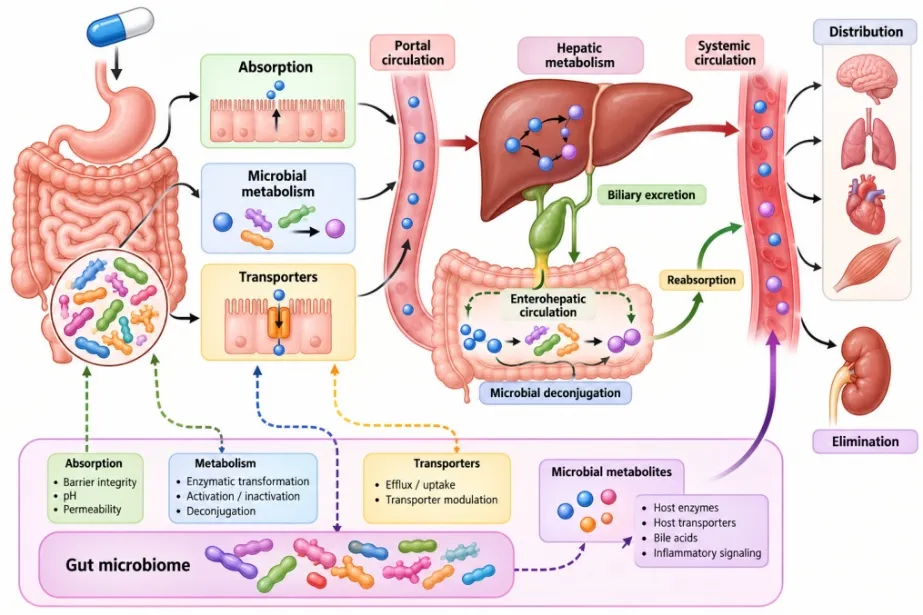
Figure 1: Gut Microbiome-Mediated Modulation of Drug ADME and Pharmacokinetics
Microbial Enzymes Involved in Drug Biotransformation
Several classes of microbial enzymes have been implicated in the transformation of pharmaceutical compounds. Their contribution depends on the drug structure and the composition and functional capacity of the resident microbial community.37-40
β-Glucuronidases
β-Glucuronidases are among the most pharmacologically important microbial enzymes because they hydrolyze glucuronide conjugates generated during host phase II metabolism. Hepatic and intestinal glucuronidation generally increases the polarity of xenobiotics and facilitates elimination through bile or urine. After biliary secretion into the intestine, microbial β-glucuronidases can remove the glucuronic acid moiety and regenerate the unconjugated compound.
Azoreductases
Azoreductases catalyze the reduction of azo bonds under conditions commonly encountered within the anaerobic intestine. Pharmaceutical compounds containing azo linkages may therefore undergo microbial cleavage to generate smaller metabolites. This reaction is particularly relevant to drugs designed as colon-targeted prodrugs, in which microbial reduction contributes to liberation of the pharmacologically active component.
Nitro- and N-Oxide Reductases
The anaerobic intestinal environment supports microbial reduction reactions involving nitro and N-oxide functional groups. These transformations may alter the biological activity and toxicity of pharmaceutical compounds. Depending on the chemical structure, reduction may generate metabolites with greater, lower, or qualitatively different pharmacological activity from the parent compound.
Esterases and Amidases
Microbial esterases and amidases can hydrolyze ester and amide bonds in pharmaceutical molecules. Such reactions may contribute to drug inactivation or, in the case of prodrugs, release active therapeutic species. The extent of these transformations depends on microbial enzyme expression and substrate accessibility.
Sulfatases
Microbial sulfatases can hydrolyze sulfate conjugates generated through host metabolism. Similar to glucuronide deconjugation, microbial sulfate hydrolysis can regenerate less polar compounds and potentially facilitate intestinal reabsorption. This mechanism may contribute to prolonged exposure to certain compounds and illustrates the importance of microbial deconjugation in enterohepatic processes.
Other Microbial Transformations
Gut microorganisms can also catalyze deacetylation, acetylation, demethylation, dehydroxylation, decarboxylation, and related reactions. The biological significance of these pathways varies considerably between drugs. Nevertheless, their collective activity demonstrates that the microbial community should be considered a chemically versatile metabolic compartment capable of modifying structurally diverse pharmaceutical agents.
Major Types of Microbial Drug Biotransformation
Microbial drug metabolism can be broadly categorized according to the chemical reaction involved.41-45
Hydrolysis
Hydrolytic reactions involve cleavage of ester, amide, or related bonds through microbial hydrolases. Hydrolysis can generate metabolites with altered polarity and biological activity. In pharmaceutical development, microbial hydrolysis is particularly relevant when evaluating compounds susceptible to intestinal degradation or when designing prodrugs intended for site-specific activation.
Reduction
Reduction is an important feature of intestinal microbial metabolism because the distal gut provides a predominantly anaerobic environment. Microorganisms can reduce azo, nitro, N-oxide, and other functional groups. Such reactions may activate prodrugs, deactivate therapeutic molecules, or generate metabolites with altered pharmacological or toxicological properties.
Deconjugation
Deconjugation involves removal of chemical groups introduced during host metabolism. β-glucuronidases and sulfatases are particularly important in this context. Deconjugation may regenerate the parent compound or another biologically active metabolite, thereby influencing intestinal exposure and enterohepatic circulation.
Acetylation and Deacetylation
Microbial acetyltransferases and deacetylases can modify the structure of pharmaceutical compounds. Depending on the substrate, these reactions may change molecular polarity, biological activity, or susceptibility to subsequent host metabolism.
Dealkylation and Related Transformations
Microbial dealkylation and other carbon–heteroatom modifications can generate metabolites with distinct pharmacological properties. Such reactions demonstrate that intestinal microbial metabolism may complement conventional hepatic metabolism and contribute to metabolic pathways that would otherwise be difficult to predict solely from host enzyme profiles.
Microbial Activation of Prodrugs
One of the most clinically significant consequences of microbial biotransformation is the activation of prodrugs. Prodrugs are pharmacologically inactive or less active compounds designed to undergo biochemical conversion into therapeutically active species. While many prodrugs rely primarily on host enzymes for activation, some are deliberately or unintentionally activated by intestinal microorganisms.46-48
Microbial activation can provide an opportunity for site-specific drug delivery. For example, compounds containing microbial-sensitive chemical linkages may remain relatively stable during transit through the upper gastrointestinal tract and undergo transformation after reaching regions containing high microbial biomass. This principle has been explored in the development of colon-targeted drug delivery systems.
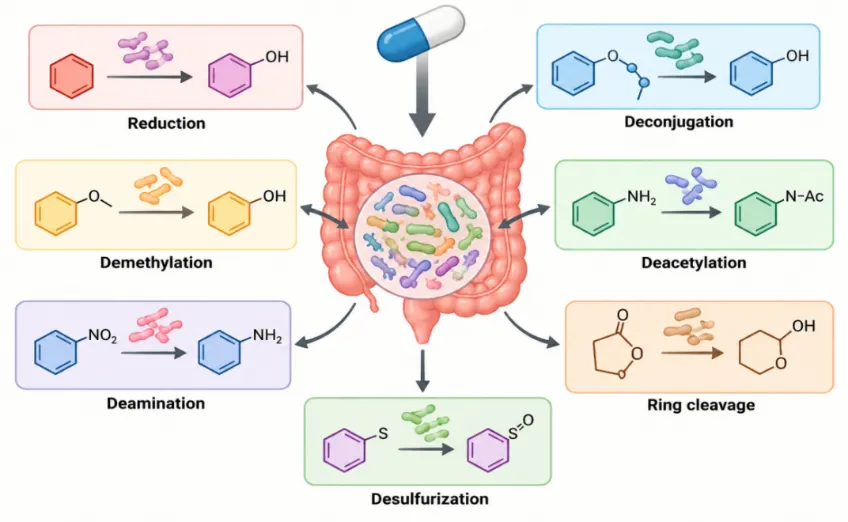
Figure 2: Major Pathways of Gut Microbial Drug Biotransformation
Microbial Inactivation of Therapeutic Drugs
Microbial metabolism may also reduce therapeutic activity by converting active drugs into less active or inactive products. This phenomenon can reduce the amount of pharmacologically active compound available to interact with its intended target.
A notable example is the microbial metabolism of digoxin. Specific intestinal microorganisms can reduce digoxin to metabolites with substantially lower pharmacological activity. Variation in the abundance of bacteria carrying the relevant metabolic machinery can therefore contribute to differences in digoxin exposure between individuals. This example demonstrates how bacterial metabolism can directly interfere with the expected pharmacological activity of a conventional therapeutic agent.
Microbial inactivation may be particularly important for orally administered drugs that remain in contact with intestinal microorganisms for prolonged periods. It also raises the possibility that changes in microbial composition caused by antibiotics or other medications may unexpectedly modify drug exposure.49
Microbial Reactivation of Host-Conjugated Drugs
A particularly important interaction occurs when host metabolism converts drugs into conjugated metabolites that are subsequently released into the intestinal lumen through biliary secretion. Although conjugation generally promotes elimination, microbial deconjugation can regenerate the parent compound or an active metabolite.
This process can be illustrated by the metabolism of irinotecan. The active metabolite SN-38 is converted by host UDP-glucuronosyltransferases to the inactive glucuronide SN-38G.
Formation of Pharmacologically Active or Toxic Metabolites
Microbial transformation does not necessarily result in simple activation or inactivation. In some circumstances, microorganisms produce metabolites that exhibit biological properties distinct from those of the parent compound. These metabolites may interact with host receptors, metabolic enzymes, transporters, or immune pathways.50
Table 3: Representative Drugs Influenced by Gut Microbial Biotransformation
| Drug | Therapeutic class | Major microbial process | Representative microbial activity | Potential pharmacological consequence |
|---|---|---|---|---|
| Digoxin | Cardiac glycoside | Reduction/inactivation | Microbial reduction of the drug | Reduced pharmacological activity and altered systemic exposure |
| Irinotecan | Anticancer agent | Deconjugation | β-Glucuronidase activity | Regeneration of SN-38 and contribution to intestinal toxicity |
| Sulfasalazine | Anti-inflammatory/antirheumatic agent | Azo-bond reduction | Microbial azoreductases | Release of therapeutically active components in the colon |
| Levodopa | Dopaminergic agent | Microbial decarboxylation | Tyrosine decarboxylase-producing bacteria | Reduced availability of levodopa for host-mediated conversion and CNS delivery |
| Mesalamine-related azo prodrugs | Anti-inflammatory therapy | Azo reduction | Colonic microbial enzymes | Site-specific liberation of active drug |
| Sorivudine-related interactions | Antiviral therapy | Microbial metabolite formation | Intestinal microbial metabolism | Potential alteration of downstream drug metabolism and toxicity |
| Acetaminophen | Analgesic/antipyretic | Microbiome-associated metabolic modulation | Multiple microbial pathways | Potential modification of metabolite profile and host toxicity |
| Methotrexate | Antimetabolite | Microbial transformation/modulation | Microbial enzymatic activity | Potential influence on intestinal exposure and toxicity |
Microbial Enzyme Abundance and Interindividual Variability
A central characteristic of microbial drug metabolism is its substantial interindividual variability. The presence of a particular metabolic pathway does not necessarily imply equivalent metabolic activity across individuals. Differences in microbial abundance, strain-level diversity, gene expression, substrate availability, and environmental conditions can all influence the rate of drug transformation.51-55
Microbial–Host Co-metabolism
Drug metabolism frequently involves sequential reactions performed by microorganisms and host tissues. A compound may initially undergo microbial transformation in the intestine and subsequently be absorbed and metabolized by hepatic or extrahepatic enzymes. Conversely, a drug may first undergo host conjugation and later undergo microbial deconjugation in the intestine.
Factors Determining the Extent of Microbial Drug Biotransformation
The magnitude of microbial drug metabolism depends on multiple interacting variables:
Chemical structure of the drug: Functional groups determine susceptibility to specific microbial enzymes.56-58
1. Microbial community composition: Different individuals possess different microbial metabolic capacities.
2. Microbial gene abundance: The number of microorganisms carrying relevant metabolic genes influences transformation potential.
3. Gene expression and enzyme activity: Genetic potential does not necessarily correspond to active metabolism.
4. Drug concentration: Substrate concentration can influence microbial metabolic kinetics.
5. Gastrointestinal transit: Longer residence time may increase microbial exposure.
6. Dietary composition: Available substrates can modify microbial competition and enzyme expression.
7. Concomitant medications: Other drugs can modify microbial composition or compete for metabolic pathways.
8. Antibiotic exposure: Microbial depletion can markedly alter drug transformation.
9. Host disease state: Changes in intestinal physiology and microbiome composition can alter microbial metabolism.
Pharmacological Significance of Microbial Biotransformation
Microbial drug biotransformation represents an additional metabolic dimension that extends conventional pharmacology beyond host-mediated ADME. Microorganisms can activate prodrugs, inactivate active compounds, regenerate host-conjugated drugs, generate pharmacologically active metabolites, and contribute to toxicity. These processes can influence both local intestinal pharmacology and systemic drug exposure.
Effects of the Gut Microbiome on Pharmacokinetics
Pharmacokinetics describes the absorption, distribution, metabolism, and excretion (ADME) of drugs within the body. Traditionally, these processes have been considered primarily dependent on host physiology; however, increasing evidence indicates that the gut microbiome can substantially modify drug disposition. Microorganisms can directly transform pharmaceutical compounds and indirectly influence intestinal permeability, drug transporters, host metabolic enzymes, bile acid metabolism, and enterohepatic circulation. Consequently, microbiome-mediated processes may contribute to variability in systemic drug exposure and treatment outcomes.59-60
Absorption
The gut microbiome can influence oral drug absorption through direct degradation or transformation of drug molecules and through modification of the intestinal environment. Microbial metabolites may alter epithelial barrier integrity, tight-junction function, intestinal pH, and transporter activity.
Distribution
Direct effects of gut microorganisms on drug distribution are less extensively characterized, but microbial metabolites can indirectly influence systemic distribution by modifying inflammatory pathways, plasma protein interactions, vascular signaling, and tissue metabolism. Microbial products entering portal and systemic circulation may therefore alter the physiological environment in which drugs are distributed.
Metabolism
Microbial metabolism represents one of the most important microbiome-mediated influences on pharmacokinetics. Intestinal microorganisms can perform reduction, hydrolysis, deconjugation, dealkylation, acetylation, and other reactions. These transformations can produce active, inactive, or toxic metabolites and may occur before absorption or following biliary secretion.
Enterohepatic Circulation and Elimination
Microbial deconjugation can strongly influence enterohepatic recycling. Host-conjugated drug metabolites secreted into bile may undergo microbial hydrolysis within the intestine, regenerating compounds that can be reabsorbed. This process may prolong drug exposure and modify pharmacokinetic profiles. The interaction between irinotecan and bacterial β-glucuronidase illustrates this mechanism, in which microbial deconjugation of SN-38 glucuronide contributes to intestinal exposure to active SN-38 and associated toxicity. Microorganisms can also alter elimination by converting drugs into metabolites with different absorption and excretion characteristics.
Microbiome and Pharmacokinetic Variability
Interindividual differences in microbial composition, microbial genes, enzyme activity, diet, disease, antibiotic exposure, and concomitant medications can produce substantial differences in drug metabolism. Consequently, patients receiving identical doses may experience different systemic drug concentrations and metabolite profiles.
Gut Microbiome, Drug Efficacy and Pharmacodynamics
Drug efficacy is determined not only by the concentration of a therapeutic agent but also by the biological environment in which drug–target interactions occur. The gut microbiome can influence both factors through direct drug transformation, production of bioactive metabolites, regulation of immune pathways, and modulation of host metabolic signaling. Therefore, microbiome-mediated changes may affect pharmacodynamic responses even when conventional drug concentrations remain within expected ranges.
Microbial Activation and Inactivation
Microorganisms can activate prodrugs by enzymatically converting them into pharmacologically active compounds. This mechanism has been exploited for colon-targeted drug delivery, in which microbial enzymes contribute to localized drug release.
Conversely, microbial transformation can reduce the activity of therapeutic agents. Digoxin, for example, can undergo microbial reduction to less active metabolites, potentially decreasing systemic exposure and therapeutic activity. Such processes demonstrate how microbial metabolic variability can contribute to differences in drug response.
Microbial Metabolites and Pharmacodynamic Responses
Microbial metabolites, including short-chain fatty acids, secondary bile acids, and indole derivatives, can interact with host receptors and signaling pathways. These molecules influence epithelial function, immune activity, inflammation, energy metabolism, and cellular responses. As a result, the microbiome may modify the biological environment in which a drug acts.
Microbiome and Cancer Therapy
The relationship between the gut microbiome and cancer pharmacotherapy has attracted considerable attention. Microbial composition can influence chemotherapy and immunotherapy through drug metabolism and modulation of antitumor immunity. Microorganisms and their metabolites can affect antigen presentation, T-cell activation, cytokine signaling, and other processes involved in therapeutic response.
Microbiome and Metabolic and Neurological Therapies
Metformin provides an important example of the reciprocal relationship between pharmacotherapy and the gut microbiome. Its administration can modify intestinal microbial communities, while microbiome-derived changes in metabolic and bile acid signaling may contribute to its overall pharmacological effects.
Interindividual Variability in Therapeutic Response
Differences in microbial species, strains, functional genes, enzyme activity, and metabolite production may contribute to patient-to-patient differences in therapeutic response. These characteristics are influenced by diet, disease, age, geographical factors, antibiotics, and other medications.61=62
Table 4: Major Mechanisms of Microbiome-Mediated Modulation of Drug Efficacy
| Mechanism | Pharmacological effect | Potential outcome |
|---|---|---|
| Prodrug activation | Formation of active drug | Enhanced/site-specific efficacy |
| Drug inactivation | Reduced active drug concentration | Decreased efficacy |
| Microbial metabolites | Altered host signaling | Modified pharmacodynamic response |
| Immune modulation | Changes in immune-cell activity | Altered response to immunotherapy |
| Altered drug exposure | Changes in absorption/metabolism | Variable therapeutic effect |
| Microbial variability | Differences in metabolic capacity | Interindividual response variability |
Drug Toxicity and Adverse Drug Reactions Mediated by the Gut Microbiome
The gut microbiome can influence drug safety by transforming pharmaceutical compounds, generating biologically active or toxic metabolites, reversing host detoxification reactions, and modifying intestinal and systemic inflammatory pathways. Consequently, adverse drug reactions may arise from interactions involving the drug, microbial enzymes, microbial metabolites, and host metabolic processes.63
Formation of Toxic Metabolites
Microbial enzymes can convert pharmaceutical compounds into metabolites with different biological properties from the parent drug. In some cases, these products may exhibit increased biological reactivity or toxicity. Such microbial metabolites may remain within the intestinal lumen or undergo absorption and exert systemic effects.
Microbial Reactivation of Host-Conjugated Compounds
A major mechanism of microbiome-associated toxicity is deconjugation of metabolites generated by host detoxification pathways. Microbial β-glucuronidases and sulfatases can remove conjugated groups and regenerate active compounds. Irinotecan represents an important example. Its active metabolite SN-38 is converted to SN-38 glucuronide by host glucuronidation. Following biliary secretion, intestinal bacterial β-glucuronidases can regenerate SN-38, increasing local intestinal exposure and contributing to irinotecan-associated diarrhea.
Drug-Induced Dysbiosis and Toxicity
Pharmaceutical agents can alter microbial composition and function. Antibiotics have particularly pronounced effects, but non-antibiotic drugs may also modify microbial communities. Drug-induced dysbiosis can reduce microbial diversity, alter metabolite production, increase inflammatory signaling, and impair intestinal barrier function.
Microbiome and Gastrointestinal Toxicity
Because the gut microbiome is located directly at the intestinal epithelial interface, microbial changes can strongly influence gastrointestinal toxicity. Chemotherapeutic agents, antibiotics, and NSAIDs may disrupt microbial and epithelial homeostasis, potentially promoting inflammation and barrier dysfunction. The resulting microbial and host responses may contribute to diarrhea, mucosal injury, altered intestinal permeability, and other treatment-associated gastrointestinal complications.
Microbiome and Systemic Toxicity
Microbial metabolites can enter portal and systemic circulation and influence distant organs. Through the gut–liver axis, microbial products can modify hepatic metabolism and inflammatory signaling, potentially affecting systemic drug toxicity. Microbial effects on immune pathways may similarly influence extraintestinal adverse reactions.
Microbiome-Associated Variability in Adverse Drug Reactions
Differences in microbial composition and metabolic capacity may partly explain why patients receiving the same drug and dose experience different adverse effects. Variation in microbial enzymes, microbial metabolites, intestinal barrier function, and drug-induced dysbiosis may all contribute to patient-specific susceptibility.64
Table 5: Major Mechanisms Linking the Gut Microbiome with Drug Toxicity
| Mechanism | Example/process | Potential consequence |
|---|---|---|
| Toxic metabolite formation | Microbial drug transformation | Direct or systemic toxicity |
| Deconjugation | β-Glucuronidase-mediated reactivation | Increased intestinal toxicity |
| Drug-induced dysbiosis | Altered microbial composition | Inflammation and barrier dysfunction |
| Microbial metabolite production | Circulating microbial metabolites | Extraintestinal effects |
| Immune modulation | Altered inflammatory signaling | Modified adverse responses |
| Microbial variability | Differences in enzyme abundance/activity | Patient-specific toxicity |
Microbiome-Targeted Strategies for Reducing Toxicity
The recognition of microbial contributions to toxicity has stimulated interest in selective modulation of microbial metabolic pathways. Inhibition of specific microbial enzymes responsible for toxic metabolite formation represents one potential strategy. Selective targeting may be preferable to broad microbial depletion because preservation of overall microbial diversity may be important for maintaining physiological and therapeutic functions.
Other approaches include drug structural modification, targeted delivery, microbiome-preserving treatment strategies, and controlled modulation of microbial communities. However, such interventions require careful evaluation because microbial pathways may contribute simultaneously to drug efficacy and toxicity.65
Host–Microbe Signaling and Pharmacological Response
The gut microbiome communicates continuously with host tissues through microbial metabolites, structural components, and signaling molecules. These interactions can influence drug response by modifying immune, metabolic, endocrine, and neuronal pathways. Thus, the pharmacological consequences of the microbiome extend beyond direct microbial transformation of drugs.66
Microbial Metabolites as Signaling Molecules
Short-chain fatty acids (SCFAs), secondary bile acids, indole derivatives, and other microbial metabolites interact with host receptors and transcriptional pathways. SCFAs can regulate epithelial integrity, immune activity, and cellular metabolism, whereas microbial bile acid transformation influences pathways mediated by FXR and TGR5. Tryptophan-derived indoles can activate the aryl hydrocarbon receptor (AhR), thereby affecting mucosal immunity and inflammatory responses.
Microbiome–Immune Interactions
Microbial communities influence innate and adaptive immune responses through microbial-associated molecular patterns and metabolites. These interactions can modify inflammatory signaling and immune-cell activity and may consequently influence the response to immunomodulatory and anticancer therapies.
Gut–Liver and Gut–Brain Axes
The gut–liver axis provides an important pathway through which microbial metabolites can influence hepatic metabolism and systemic drug disposition. Similarly, the gut–brain axis connects microbial activity with neurological and behavioral processes through metabolic, immune, endocrine, and neural mechanisms. These pathways may contribute to variability in pharmacological responses to hepatically metabolized and centrally acting drugs.
Drug-Induced Microbiome Dysbiosis
The relationship between drugs and the gut microbiome is bidirectional. While microorganisms can modify drug disposition, pharmaceutical agents can alter microbial composition, diversity, and metabolic activity. This drug-induced ecological disturbance, commonly described as dysbiosis, may influence subsequent treatment responses.
Antibiotics and Microbiome Disruption
Antibiotics can produce substantial reductions in microbial diversity and alter community structure. Broad-spectrum agents may additionally promote expansion of resistant organisms and reduce colonization resistance.
Non-antibiotic Medications
Several non-antimicrobial drugs, including proton-pump inhibitors, metformin, NSAIDs, and selected cardiovascular and psychotropic agents, have been associated with alterations in microbial communities. These effects may result from changes in intestinal environment, microbial susceptibility, host signaling, or nutrient availability.
Pharmacological Consequences
Drug-induced dysbiosis can modify microbial metabolism, intestinal barrier integrity, immune responses, and microbial metabolite production. These changes may subsequently influence drug efficacy, toxicity, and response to concomitant medications.
Therefore, microbiome alterations should be considered as a potential component of the pharmacological effects of long-term or combination therapies.
Disease–Microbiome–Drug Interactions
Disease states can substantially modify gut microbial composition and function, while pharmacotherapy can further alter the microbial ecosystem. The resulting disease–microbiome–drug interaction may influence both therapeutic response and adverse effects.
In cancer, microbial composition can influence chemotherapy and immune checkpoint inhibitor responses through drug metabolism and immune regulation. In diabetes, microbiome-derived metabolites and microbial changes associated with antidiabetic therapy may contribute to metabolic responses. In inflammatory and intestinal disorders, altered microbial communities may modify mucosal inflammation and the response to anti-inflammatory treatment.67
The gut–liver axis is particularly relevant in liver diseases because altered microbial metabolites and intestinal permeability can influence hepatic drug metabolism. Similarly, microbiome alterations associated with neurological disorders may influence centrally acting drugs through microbial metabolism and gut–brain signaling.
These interactions demonstrate that drug response should be interpreted within the combined context of disease status, host physiology, and microbial function.
Pharmacotherapy-Specific Drug–Microbiome Interactions
Drug–microbiome interactions differ substantially according to therapeutic class and mechanism of action. Anticancer drugs provide prominent examples because microbial metabolism and immune modulation can influence both efficacy and toxicity. Irinotecan illustrates microbial contribution to toxicity through bacterial β-glucuronidase-mediated regeneration of SN-38, whereas several immunotherapies are influenced by microbiome-associated immune responses.68-69
Among cardiovascular agents, digoxin demonstrates direct microbial inactivation, while other cardiovascular drugs may indirectly influence microbial composition and metabolism. In antidiabetic therapy, metformin is associated with significant alterations in intestinal microbial ecology and microbial metabolic pathways.
Neurological agents such as levodopa may undergo intestinal microbial metabolism that reduces drug availability. NSAIDs and other anti-inflammatory agents can both alter and be affected by the intestinal microbial environment.
These examples demonstrate that microbiome interactions are not restricted to a single therapeutic area and may represent a general determinant of pharmacological variability.
Pharmacogenomics Meets Pharmacometagenomics
Individual variability in drug response is traditionally investigated through pharmacogenomics, which examines how host genetic variation affects drug metabolism, transport, target interaction, and toxicity. However, genetic differences in the gut microbiome may provide an additional source of pharmacological variability.
Pharmacometagenomics investigates relationships between microbial genetic composition and drug response. Differences in microbial genes encoding drug-metabolizing enzymes can influence the formation or elimination of pharmacologically active and inactive metabolites.
Host genome + Microbial genome + Drug exposure → Pharmacological response
This integrated approach may improve prediction of treatment efficacy, toxicity, and patient-specific drug disposition.70-72
Microbiome-Integrated Precision Medicine
Precision medicine aims to tailor treatment according to individual biological characteristics. Incorporating microbiome information into this framework may improve prediction of drug response by considering microbial composition, functional genes, metabolic pathways, and metabolite profiles.
Modern approaches such as 16S rRNA sequencing, shotgun metagenomics, metatranscriptomics, metabolomics, and metaproteomics can provide complementary information regarding microbial identity and function. These data may support patient stratification according to predicted drug-metabolizing capacity or therapeutic responsiveness. Potential applications include microbiome-guided drug selection, individualized dosing, prediction of adverse reactions, and targeted modulation of microbial pathways. Therapeutic approaches may include probiotics, prebiotics, synbiotics, postbiotics, microbiota transplantation, and engineered microbial systems. Although promising, microbiome-integrated precision medicine requires standardized biomarkers and validation in well-controlled clinical studies before routine clinical implementation.73-74
Computational and Artificial Intelligence Approaches
The increasing availability of microbiome sequencing, metabolomics, pharmacokinetic, and clinical datasets has created opportunities for computational analysis of drug–microbiome interactions. Multi-omics integration can connect microbial genes with metabolic pathways, drug transformation, and clinical outcomes. Machine learning and artificial intelligence can potentially identify microbial signatures associated with drug efficacy or toxicity, predict microbial drug-metabolizing pathways, and classify patients according to their expected therapeutic response. Computational approaches may also facilitate discovery of microbial enzymes and metabolites that influence pharmaceutical compounds.
However, differences in datasets, microbiome sampling methods, population characteristics, and analytical pipelines remain important limitations. Robust external validation and interpretable models are therefore essential before AI-based microbiome predictions can be translated into clinical pharmacotherapy.75
Experimental and Analytical Approaches
Investigation of drug–microbiome interactions requires complementary experimental and analytical approaches. In vitro anaerobic cultures and fecal fermentation systems can identify microbial transformation of individual drugs, whereas animal models, including germ-free and gnotobiotic systems, can help establish causal relationships between microbial communities and drug responses.
Advanced experimental platforms such as intestinal organoids and gut-on-chip models provide opportunities to study microbial–epithelial interactions under controlled conditions. Analytical techniques including LC–MS/MS, GC–MS, NMR spectroscopy, 16S rRNA sequencing, shotgun metagenomics, metatranscriptomics, and metabolomics can characterize microbial composition, functional capacity, and drug-derived metabolites.76-79
CONCLUSION:
The gut microbiome represents a dynamic and metabolically active component of the human biological system that can substantially influence the fate and response to therapeutic agents. Microbial enzymes are capable of transforming drugs through diverse biochemical pathways, resulting in drug activation, inactivation, altered systemic exposure, regeneration of host-conjugated compounds, or formation of pharmacologically active and toxic metabolites. Consequently, microbiome-mediated processes can influence multiple components of pharmacokinetics and pharmacodynamics and may contribute to variability in therapeutic efficacy and adverse drug reactions.
Importantly, drug–microbiome interactions are bidirectional. Pharmaceutical agents can modify microbial composition, diversity, and metabolic function, while microbial metabolites can influence host immune, metabolic, hepatic, intestinal, and neurological pathways. This dynamic relationship provides a mechanistic basis for interactions among drugs, microorganisms, and host physiology and highlights the limitations of considering drug response solely from a host-centered perspective.
The emerging fields of pharmacomicrobiomics and pharmacometagenomics provide opportunities to incorporate microbial genetic and metabolic characteristics into conventional pharmacology. Integration of microbiome profiling with pharmacogenomics, pharmacokinetics, metabolomics, and artificial intelligence may facilitate identification of microbial biomarkers associated with therapeutic response and toxicity. Such advances could support patient stratification, individualized drug selection, dose optimization, and microbiome-targeted interventions.
Despite substantial progress, differences in microbiome composition, methodological heterogeneity, limited longitudinal clinical studies, and difficulties in establishing causality remain major barriers to clinical translation. Future research should therefore emphasize standardized methodologies, functional rather than purely taxonomic characterization, mechanistic validation, and well-designed prospective clinical studies. Ultimately, integrating the drug–host–microbiome axis into pharmacological research may enable a transition from conventional population-based treatment toward microbiome-informed precision pharmacotherapy, improving the predictability, efficacy, and safety of modern therapeutic interventions.
CONFLICT OF INTEREST:
The author declares that there is no conflict of interest.
REFERENCES

Shubham Padol, Dr. Mozes Durgawad, Kirti Gedam, Dr. Vishal Rasve, Anjali Patil, Dr. Sakshi Thawari, Sapana Raut, Saloni Faithfulwar, Sakshi Dhonge, Drug–GUT Microbiome Interactions in Modern Pharmacotherapy: From Microbial Biotransformation and Host–Microbe Signaling to Drug Efficacy, Toxicity, Pharmacokinetics, and Microbiome-Integrated Precision Medicine—A Comprehensive Review, Int. J. of Pharm. Sci., 2026, Vol 4, Issue 10, 4338-4359. https://doi.org/10.5281/zenodo.23721885
 10.5281/zenodo.23721885