

We use cookies to ensure our website works properly and to personalise your experience. Cookies policy
Amity University, Noida.
The global cannabidiol (CBD) oil industry is experiencing exponential growth, driven by its therapeutic potential in pain management, anxiety, and inflammation. However, this expansion has also led to increased scrutiny regarding product quality, safety, and regulatory compliance. Accurate detection and standardization of CBD content are essential, particularly as many commercial products suffer from label inaccuracies, contamination, and inconsistencies. Conventional separation methodologies such as ultra-performance liquid chromatography (UPLC) and gas-phase chromatography coupled with mass spectrometry (GC-MS) persist as benchmark methodologies owing to their exceptional detection capabilities and selectivity. However, these procedures frequently demand substantial resources, entail prolonged processing durations, and lack practicality for on-site or expedited assessment. As a result, developing technologies—encompassing mobile spectroscopic devices, lateral flow immunoassays, synthetic receptor polymers (SRPs), and bioelectrochemical sensing elements—are increasingly adopted for their rapidity, field-deployable nature, and negligible pre-analysis requirements. Approaches including plasmon-enhanced Raman spectrometry (PERS) and short-wavelength infrared (SWIR) spectrometry hold particular potential for preserving sample integrity during instantaneous examination. Furthermore, computational approaches like artificial neural networks (ANNs) and pattern recognition algorithms are being incorporated into analytical systems to augment information processing and outcome forecasting accuracy. Blockchain technologies and in-line process monitoring further support traceability and product integrity. Despite technical and regulatory challenges—including matrix interferences, global inconsistency in THC limits, and ethical concerns—these innovations collectively aim to address the demand for standardized, high-quality CBD oil products. This review provides a comprehensive evaluation of both conventional and novel detection technologies, comparing their applicability, performance metrics, and standardization potential in the evolving CBD market landscape.
The global CBD oil phenomenon represents a paradigm shift in both consumer health markets and regulatory landscapes, driven by exponential market growth—projected to surge from $62.05 billion in 2024 to over $78 billion in 2025, with forecasts reaching $207–215.9 billion by 2029–2030, propelled by a compound annual growth rate (CAGR) of 20–29%.1 This expansion is underpinned by evolving therapeutic applications, where accumulating preclinical and clinical evidence supports cannabidiol’s (CBD) efficacy in pain management, anxiety, sleep disorders, and inflammatory conditions, with consumer demand increasingly focused on mental health benefits, as evidenced by surveys indicating significant relief in anxiety (67%), depression (46%), and PTSD (41%) among users.2 The regulatory environment, however, remains fragmented: while the US FDA maintains a cautious stance, permitting only limited, prescription-based CBD products (such as Epidiolex for epilepsy), the European Medicines Agency (EMA) and national regulators like those in the UK and Canada have adopted more permissive frameworks for hemp-derived CBD in nutraceuticals and cosmetics, and India’s FSSAI is gradually clarifying its position as consumer interest grows.3 This regulatory patchwork, combined with the surge in e-commerce and retail channels, has led to a proliferation of CBD products, necessitating robust quality control and standardization protocols to ensure consumer safety and product integrity.4 The imperative for such controls is underscored by recurrent safety concerns, including the presence of psychotropic THC above legal thresholds, pesticide residues, heavy metals, residual solvents, microbial contamination, and adulterants such as synthetic cannabinoids, all of which have been implicated in major product recalls and scandals globally—highlighting the risks of inaccurate labeling, batch-to-batch inconsistency, and unverified efficacy claims.5 The investigative hurdles confronting cannabidiol extract assessment are multifaceted, originating from the intricate composition abundant in fats, aromatic hydrocarbons, and a varied spectrum of phytocannabinoids, each possessing unique molecular characteristics and biological effects.6 Additional complexities within the quantification domain arise from minimal target compound levels, structural parallels among analogous cannabinoid variants (including Δ⁸-tetrahydrocannabinol, Δ⁹-tetrahydrocannabinol, and cannabinol), alongside the necessity for exhaustive multi-component characterization. Established techniques, particularly liquid chromatography employing ultraviolet or photodiode array monitoring (LC-UV/PDA) and vapor-phase separation utilizing combustion or mass-based identification (GC-combustion/MS), persist as benchmark protocols owing to their discriminatory power, detection limits, and capacity for precise phytocannabinoid measurement and impurity screening.7 However, these techniques are not without limitations: they require time-consuming sample preparation, often involving derivatization for certain analytes in GC, and are constrained by high operational costs, the need for specialized expertise, and laboratory-bound infrastructure, which limits their throughput and accessibility for routine or on-site analysis.8 Moreover, while these methods excel in targeted analysis, they may struggle with the simultaneous detection of structurally similar compounds in complex matrices, and their applicability to rapid, high-throughput screening is limited.9 Considering these obstacles, an urgent imperative exists to investigate novel assessment methodologies capable of overcoming the constraints of established approaches and satisfying the requirements of a dynamically transforming sector.10 The scope of this review is to critically evaluate novel approaches beyond established chromatographic techniques, focusing on their performance metrics (sensitivity, specificity, speed, cost-effectiveness), applicability across different product types and regulatory environments, and potential for standardization.11 Emerging technologies such as immunochromatographic assays, portable spectroscopic devices, and advanced electroanalytical sensors offer promising alternatives, enabling rapid, user-friendly, and cost-effective analysis with minimal sample preparation and the potential for field deployment.12 Lateral flow immunoassay devices, such as these, utilize immunoreactive binding principles to deliver expedited approximate concentration data for cannabidiol and tetrahydrocannabinol, fulfilling requirements for immediate quality assessment and contaminant evaluation.13 Optical methodologies, encompassing shortwave-infrared (SWIR) and Raman scattering assessments, permit unaltered, concurrent evaluation of constituent distributions within cannabinoids and extraneous substances, whereas potentiometric transducers allow for discerning, tag-free identification possessing the potential for incorporation into field-deployable instrumentation.14 Each of these technologies has distinct advantages and limitations: while immunochromatography is rapid and user-friendly, it may lack the sensitivity and multi-analyte capability of chromatographic methods; spectroscopy offers high throughput and minimal sample preparation but requires robust calibration and may be affected by matrix effects; and electroanalytical sensors provide rapid, sensitive detection but are still in the early stages of validation for complex matrices.15 Figure 1 illustrates the stepwise process for cannabidiol (CBD) extraction from Cannabis, beginning with pre-treatments such as size reduction, drying, decarboxylation, solvent selection, defatting, and acid/base treatment. To achieve effective separation of cannabidiol, diverse extraction methodologies are employed, encompassing electromagnetic wave-facilitated, sound wave-aided, and pressurized carbon dioxide above critical state processes, alongside the utilization of molten salt and low-melting-point solvent systems. The final outcome is a purified cannabidiol extract, commonly used in pharmaceutical and therapeutic formulations.
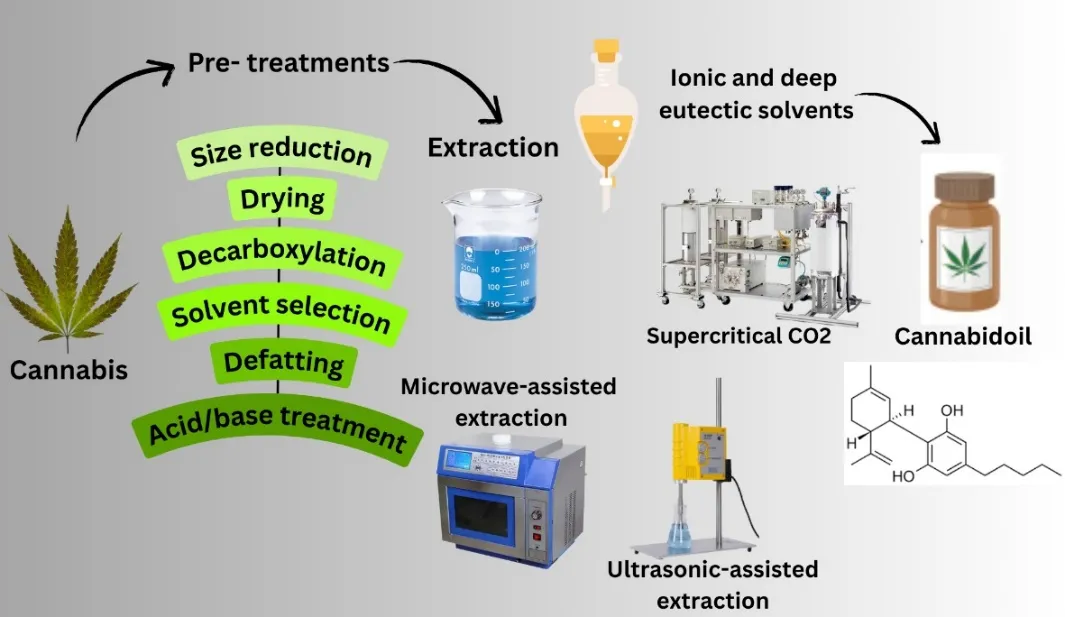
Figure1: Extraction Process of Cannabidiol (CBD) from Cannabis
Current Methods for CBD Detection: Techniques and Limitations
Chromatographic Techniques:
Contemporary approaches for identifying and measuring cannabidiol (CBD) within items sourced from cannabis plants, specifically in isolated cannabidiol oils, are chiefly dependent upon sophisticated separation-based analytical methods esteemed for their exceptional precision and selectivity.16 Liquid chromatography operating at elevated pressures, interfaced with ultraviolet spectral region or multiple-wavelength photometric assessment (LC-UV or LC-MWPA), represents the definitive benchmark methodology for evaluating cannabis-derived compounds owing to its capacity to reliably resolve, discern, and precisely measure cannabidiol concurrently with additional phytocannabinoids and contaminants present in intricate sample compositions.17 Correspondingly, the chromatographic technique coupled with mass spectrometry (GC-MS) demonstrates superior capability for chemical analysis, specifically concerning molecules that vaporize readily without decomposition, and is routinely utilized for the concurrent quantification of cannabis-derived compounds, aromatic hydrocarbons present in plants, and possible adulterants including leftover processing agents and agricultural chemicals.18 Analytical techniques employing high-performance liquid chromatography or gas chromatography have undergone thorough verification across diverse regulatory compliance and scientific investigation contexts, exhibiting consistent repeatability and adherence to globally recognized criteria, including those issued by the United States Pharmacopeia (USP), the European Pharmacopoeia (EP), and the International Council for Harmonisation (ICH).19 However, despite their analytical superiority, these chromatographic techniques are associated with several significant limitations: the processes are inherently destructive, as samples are typically altered or consumed during analysis, precluding further use or reanalysis of the original specimen; they are time-consuming, often requiring extensive sample preparation steps such as extraction, filtration, and, in the case of GC, derivatization to enhance volatility and detection of certain analytes; and they demand highly skilled operators with specialized training in both instrument handling and data interpretation to ensure accuracy and reliability.20 Additionally, these methods are laboratory-bound, necessitating expensive instrumentation and infrastructure, which limits their accessibility for routine or on-site quality control, especially in resource-limited settings or for manufacturers seeking rapid batch release.21 The throughput of these techniques is also constrained by the sequential nature of chromatographic separations, making them less suitable for high-throughput screening of large sample volumes.22 Furthermore, while HPLC and GC excel in targeted analysis, they may face challenges in resolving structurally similar cannabinoid isomers (such as Δ⁸-THC, Δ⁹-THC, and CBD) and in detecting trace-level contaminants in highly complex matrices without additional method optimization or sophisticated detection strategies.23 These limitations underscore the need for complementary or alternative analytical approaches that can address the growing demand for rapid, cost-effective, and user-friendly CBD detection methods in the expanding global market for CBD oil.18,24 This Figure2 illustrates the primary methods for cannabinoid production: plant extraction, chemical synthesis, and biotechnological production.
It also highlights the role of genetic engineering in enhancing cannabinoid yield from plants and microorganisms. These approaches support the development of consistent and scalable cannabinoid-based products.
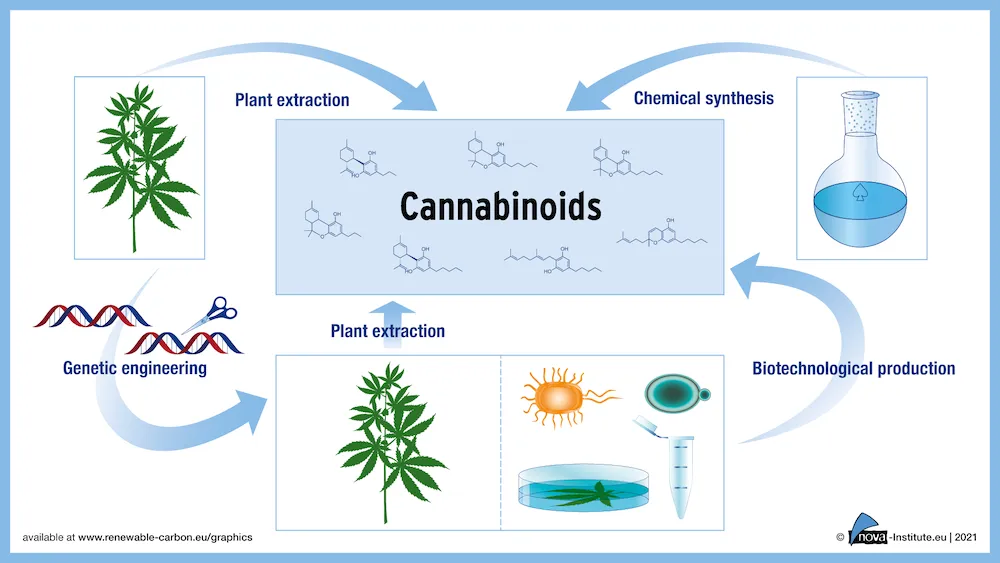
Figure 2: Cannabinoid Production Pathways
Spectroscopic Methods:
Methods for spectral analysis, particularly nuclear-level magnetic resonance and Fourier-transform-based infrared assessment, have proven to be highly effective assessment instruments for the non-invasive identification and detailed profiling of the phytocannabinoid cannabidiol and structurally similar constituents within plant-derived preparations originating from Cannabis sativa.25 Unlike chromatographic methods, which often require sample destruction and extensive preparation, NMR and FTIR allow for the direct analysis of intact samples, preserving material for further testing or validation—a critical advantage in quality control and research settings where sample conservation is paramount.26 Notably, its quantitative variant (Q-NMR) furnishes granular molecular insights and permits the concurrent characterization and measurement of multiple target cannabinoids, adulterants, and trace components via a unified analytical procedure, delivering a holistic profile of specimen constitution.27 FTIR spectroscopy, on the other hand, rapidly generates molecular fingerprints based on vibrational transitions, facilitating the identification of functional groups and the detection of major cannabinoids, adulterants, or contaminants in a matter of seconds.28 Both techniques are user-friendly, require minimal sample preparation, and are increasingly adopted for routine screening, process monitoring, and regulatory compliance in the cannabis industry.29 However, despite these advantages, the applicability of NMR and FTIR is constrained by their limited sensitivity, particularly when analyzing complex matrices such as CBD oil, which contains a diverse array of lipids, terpenes, and minor cannabinoids that can obscure spectral signals and complicate data interpretation.30 In such scenarios, the detection and quantification of low-abundance analytes or trace contaminants become challenging, often necessitating the use of more sensitive, targeted methods like HPLC or GC-MS for confirmatory analysis.31 Additionally, the accuracy of spectroscopic results can be influenced by matrix effects, sample homogeneity, and calibration standards, requiring robust method validation and careful data processing to ensure reliable outcomes.32 Despite these limitations, NMR and FTIR remain indispensable for rapid, non-destructive screening and as complementary techniques in the comprehensive quality assessment of CBD oil.33
Immunoassays:
Serological diagnostic platforms, specifically lateral flow tests (LFTs) employing colloidal gold nanomaterials and clonally uniform immunoglobulins, are gaining prominence as viable methodologies for the swift and economically efficient identification of phytocannabinoids, exemplified by cannabidiol (CBD), within diverse sample types, encompassing CBD extracts and commercial goods.34 These protocols are engineered to deliver non-numerical or approximately quantified outcomes in minutes, rendering them particularly apt for field-based preliminary assessment, standard quality assurance procedures, and primary lot evaluation across manufacturing and compliance environments.35 The foundational basis of immunological testing methods is predicated upon the highly selective interaction between monoclonal antibodies and designated substances, with signal intensification and detection frequently accomplished using colloidal gold particles; this permits straightforward assessment by individuals lacking specialized training and obviates requirements for costly instrumentation or elaborate specimen processing.36 Contemporary innovations illustrate the creation of monoclonal antibodies exhibiting targeted affinity for cannabidiol, supported by data indicating no binding interference with molecularly analogous substances like tetrahydrocannabinol, thus resolving a significant constraint inherent in prior immunoassay methodologies that exhibited non-specific binding with additional phytocannabinoids and associated metabolites.37 Nevertheless, notwithstanding such advancements, immunochemical tests do not comprehensively avoid reactivity interference concerns, specifically within intricate sample compositions or when detecting cannabis-derived compounds possessing highly analogous configurations, which can result in inaccurate positive or negative readings and undermine test dependability.38 Furthermore, while the sensitivity of these assays has been optimized for certain applications—with detection limits in the nanogram to microgram per milliliter range—they may still lack the precision and robustness of chromatographic methods such as HPLC or GC-MS, especially for trace-level detection or multi-analyte profiling.39 Nevertheless, the speed, simplicity, and cost-effectiveness of immunoassays make them an attractive alternative for rapid screening, provided that their limitations regarding cross-reactivity and sensitivity are carefully considered and addressed through rigorous validation and method development.40 This balance between rapidity and analytical robustness underscores the importance of ongoing innovation in immunoassay design to meet the evolving needs of the CBD industry and regulatory landscape.41 Table 1 illustrates a comprehensive comparison of conventional and emerging technologies for cannabis analysis, focusing on twelve essential parameters. The table systematically evaluates each technology’s principle, sensitivity, specificity, analysis time, cost, throughput, portability, ease of use, multi-analyte capability, suitability for standardization, key advantages, and major limitations. This comparison enables a clear understanding of the strengths and challenges associated with current and advanced cannabis testing methodologies.
Table 1: Comprehensive Comparison of Cannabis Testing Technologies
|
Parameter |
HPLC (Conventional) |
GC (Conventional) |
LC/MS (Emerging/Advanced) |
FT-IR (Conventional) |
TLC (Conventional) |
Portable Testers (Emerging) |
|
Analysis Time |
10–20 min/sample |
5–15 min/sample |
10–20 min/sample |
<5 min/sample |
30–60 min/sample |
1–5 min/sample32 |
|
Cost (Instrumentation) |
High |
High |
Very high |
Moderate |
Low |
Low15 |
|
Cost (Per Test) |
Moderate |
Moderate |
High |
Low |
Very low |
Low33 |
|
Ease of Use |
Moderate (requires training) |
Moderate (requires training) |
High (requires expertise) |
Easy |
Easy |
Very easy42 |
|
Key Advantages |
Robust, reliable, accurate |
Fast, robust, accurate |
Ultra-sensitive, broad scope |
Fast, simple, non-destructive |
Cheap, simple, visual |
Fast, portable, user-friendly36 |
|
Major Limitations/Challenges |
Cost, maintenance |
Destructive, decarboxylation |
Cost, complexity |
Low sensitivity, limited analytes |
Low accuracy, qualitative |
Low accuracy, limited analytes25 |
|
Multi-analyte Capability |
Yes (11+ cannabinoids) |
Yes |
Yes (100+ compounds) |
Limited (4 major) |
Limited |
Limited (2–3 cannabinoids)19 |
|
Portability |
No |
No |
No |
No |
Partial |
Yes18 |
|
Principle |
Liquid chromatography |
Gas chromatography |
Liquid chromatography + MS |
Infrared spectroscopy |
Thin-layer chromatography |
Spectrophotometry/colorimetry29 |
|
Sensitivity (LOD/LOQ for CBD) |
ng/mL (high) |
ng/mL (high) |
pg/mL (very high) |
mg/mL (moderate) |
mg/mL (low-moderate) |
mg/mL (moderate)43 |
|
Specificity/Selectivity |
High |
High |
Very high |
Moderate |
Low |
Low-moderate18 |
|
Suitability for Standardization/QC |
Excellent |
Excellent |
Excellent |
Good |
Poor |
Poor20 |
|
Throughput |
High (100+/day) |
High (100+/day) |
High (100+/day) |
High (rapid, but limited) |
Low |
Low39 |
Emerging Detection Technologies
Advanced Chromatography & Hyphenated Techniques:
Emerging detection technologies for cannabinoid analysis in CBD oil are rapidly advancing to address the limitations of conventional chromatographic methods, with a particular focus on enhanced resolution, sensitivity, and the ability to resolve complex matrices.44 Within this collection, ultra-high pressure liquid chromatography hyphenated with quadrupole time-of-flight mass spectrometry (UHPLC-QTOF-MS) is distinguished owing to its capability to deliver exceptionally precise, high-definition characterization of cannabinoid compositions and detection of contaminants.45 This integrated analytical approach capitalizes on the accelerated separation capabilities of ultrahigh-performance liquid chromatography, utilizing columns containing sub-two-micrometer stationary phase materials to achieve reduced analytical durations and enhanced chromatographic separation relative to standard high-performance liquid chromatography, and is combined with the exact mass measurement and discriminatory power of quadrupole time-of-flight mass spectrometry, facilitating the accurate determination and measurement of cannabinoids, their structural variants (including distinct tetrahydrocannabinol isomers such as Δ⁸-THC and Δ⁹-THC), and trace or unidentified cannabinoid compounds that may co-elute or exhibit analogous retention characteristics in traditional chromatographic platforms.46 The elevated resolution mass analyzer facilitates mass determinations precise to within five parts per million, a requisite capability for differentiating molecular isomers and identifying ultra-trace impurities—including agricultural chemicals, toxic elements, or designer cannabinoids—potentially occurring in marketed cannabidiol oil formulations.47 Additionally, the sequential application of divergent separation principles—such as reverse-phase partitioning alongside hydrophilic interactive separation—within two-dimensional liquid chromatography interfaced with mass spectrometry (2D-LC/MS) constitutes a major development, facilitating superior resolution of intricate cannabidiol oil compositions.48 This approach effectively increases peak capacity and reduces matrix interference, making it possible to resolve co-eluting compounds and to detect a broader range of analytes within a single analytical run.49 Both UHPLC-QTOF-MS and 2D-LC/MS are increasingly being adopted in research and quality control laboratories for comprehensive cannabinoid profiling, batch consistency monitoring, and regulatory compliance, as they provide robust, sensitive, and highly specific analytical solutions that are well-suited to the evolving needs of the CBD oil industry.50 These advanced chromatographic and hyphenated techniques are particularly valuable for addressing the challenges posed by the complex composition of CBD oils, which often contain a diverse array of cannabinoids, terpenes, lipids, and potential contaminants, and for supporting the development of standardized, high-quality products in a rapidly expanding global market.60
Novel Spectroscopic Approaches:
Innovative spectrometry techniques are fundamentally transforming the assessment and measurement of cannabidiol (CBD) within lipid-based substances, providing expeditious, preservation-free, and exceptionally precise analytical functions that augment or exceed established separation-based assays.61 Within this group, Surface-Enhanced Raman Scattering (SERS) has established itself as an exceptionally effective methodology for the exquisitely sensitive, unmodified measurement of cannabidiol and derivative cannabinoids.62 SERS exploits plasmon-mediated amplification of Raman scattering through interaction with noble metal substrates, principally nanoscale architectures composed of gold or silver, substantially intensifying the characteristically faint vibrational spectra inherent to analyte species.63 This yields sensitivity thresholds capable of reaching nanomolar and occasionally picomolar concentrations, facilitating the quantification of minor cannabinoid constituents and contaminants within intricate cannabidiol oil compositions absent elaborate processing or derivatization.64 Contemporary analytical investigations have validated the efficacy of surface-enhanced Raman spectroscopy in detecting and measuring cannabidiol concentrations within retail hemp extracts, while concurrently enabling the discrimination of pharmacologically analogous phytocannabinoids like tetrahydrocannabinol and cannabinol through their characteristic vibrational signatures.65 Concurrently, spectroscopy in the Near-Infrared range presents an expeditious, non-invasive methodology applicable to in-field and standardized assessment of cannabidiol-based oils.66 Near-infrared spectroscopic analysis employs the attenuation of electromagnetic radiation within the near-infrared spectral region by molecular moieties to yield distinct spectral signatures. These signatures may be quantitatively linked to cannabinoid compound concentrations through the application of sophisticated multivariate analytical methods and computational learning frameworks.67 The implementation of computational intelligence-guided adjustment methodologies has thereby elevated the precision and reliability of near-infrared spectroscopic forecasts, facilitating rapid, large-volume analysis of cannabidiol extract specimens within manufacturing plants, logistical hubs, or retail settings.68 Both SERS and NIR spectroscopy are increasingly recognized for their ability to streamline quality control processes, reduce analytical costs, and support regulatory compliance by providing rapid, reliable, and user-friendly solutions for cannabinoid analysis.69 These spectroscopic methods, when combined with advanced data analytics and automation, are poised to play a pivotal role in the future of CBD oil standardization and quality assurance, addressing the growing demand for efficient, scalable, and non-destructive analytical technologies in the global CBD market.70
Biosensors and Portable Devices:
Biosensors and portable analytical devices are rapidly transforming the landscape of cannabinoid detection by enabling rapid, on-site, and user-friendly analysis of CBD and THC in oil products, thereby addressing critical needs for quality control and consumer safety.32 Among the most promising innovations are electrochemical sensors, which exploit the specificity of CBD-targeting aptamers or functionalized nanomaterials to achieve selective and sensitive detection.43 Aptamers—short, single-stranded oligonucleotides engineered to bind with high affinity to CBD—can be immobilized on electrode surfaces and integrated with signal transduction mechanisms, such as redox-active labels or conducting polymers, to generate measurable electrical responses upon CBD binding.29 Recent advances in nanomaterial engineering, including the use of graphene, carbon nanotubes, or metal nanoparticles, have further enhanced sensor sensitivity and stability, allowing for the detection of CBD and THC at physiologically relevant concentrations and the accurate determination of THC/CBD ratios, which is crucial for regulatory compliance and product labeling.44 These electrochemical platforms are increasingly being miniaturized into portable devices, enabling real-time, field-based measurements with minimal sample preparation and without the need for sophisticated laboratory infrastructure.21 Complementing these developments are paper-based microfluidic devices, which leverage the capillary action of porous substrates to facilitate the rapid, low-cost, and disposable analysis of CBD oil samples.56 These kits often incorporate colorimetric or electrochemical detection modalities, making them accessible for consumer-level testing and routine screening in retail or production environments.28 The integration of smartphone-based image analysis and cloud-based data processing further extends the utility of paper-based microfluidics, allowing for immediate interpretation of results and remote quality monitoring.67 Together, electrochemical sensors and paper-based microfluidic devices represent a significant leap forward in decentralized cannabinoid analysis, providing scalable, cost-effective, and highly accessible solutions for ensuring product integrity, regulatory compliance, and consumer empowerment in the rapidly evolving CBD market.71
Molecularly Imprinted Polymers (MIPs):
Structurally templated macromolecular networks constitute a contemporary category of artificial recognition systems designed to replicate the pronounced selectivity and binding strength inherent to natural biorecognition agents, demonstrating expanding utility for the targeted isolation and detection of cannabidiol (CBD) within intricate sample compositions such as CBD oil.72 The technique of molecular templating entails assembling polymeric matrices from reactive subunits surrounding a target molecular pattern—here, cannabidiol—utilizing bifunctional connectors, with subsequent selective extraction of the pattern to generate molecular voids exhibiting geometric and functional congruence toward the analyte.56 These custom-engineered receptacles serve as discriminatory recognition loci, permitting molecularly imprinted polymers to isolate cannabidiol with high specificity amidst coexisting structurally analogous cannabinoid compounds and sample matrix constituents, including terpenoids, lipid fractions, and additional phytochemical derivatives.19 Incorporating molecularly imprinted polymers (MIPs) within solid-phase extraction (SPE) devices yields substantial enhancements in purification and enrichment processes, thus improving the precision and robustness of downstream detection methods such as high-performance liquid chromatography (HPLC), gas chromatography (GC), and mass spectrometry (MS).30 Beyond sample preparation, MIPs are also being incorporated into sensing platforms, such as electrochemical and optical sensors, where they act as selective recognition elements that can directly transduce the presence of CBD into measurable signals.10 For example, MIP-based electrochemical sensors utilize conductive polymers or nanomaterials decorated with CBD-imprinted cavities to achieve sensitive and specific detection, often with detection limits in the nanomolar range and minimal cross-reactivity with structurally similar cannabinoids like THC or CBN.29 Recent research has further explored the use of MIPs in conjunction with surface plasmon resonance (SPR), quartz crystal microbalance (QCM), and fluorescence-based detection systems, all of which benefit from the enhanced selectivity and robustness provided by the molecularly imprinted recognition layer.65 The development of MIPs with improved binding kinetics, stability, and reusability is an active area of research, driven by the need for cost-effective and scalable solutions for CBD analysis in quality control, regulatory compliance, and consumer safety applications.48 Notably, MIP-based technologies have been validated in real-world scenarios, such as the selective extraction of CBD from commercial oil products and the detection of CBD in biological fluids, demonstrating their practical utility and potential for integration into routine analytical workflows.40 As the demand for rapid, reliable, and selective cannabinoid analysis continues to grow, MIPs are poised to play a pivotal role in advancing the capabilities of analytical science and supporting the development of standardized, high-quality CBD products in a global market characterized by increasing regulatory scrutiny and consumer expectations for transparency and safety.73
Integration with AI/ML:
The integration of artificial intelligence (AI) and machine learning (ML) algorithms into cannabinoid analysis is rapidly transforming the landscape of CBD oil quality control by enabling advanced data interpretation, predictive analytics, and automation of complex analytical workflows.27 In the context of spectroscopic techniques such as near-infrared (NIR), Raman, or surface-enhanced Raman spectroscopy (SERS), AI/ML algorithms are being deployed to extract meaningful information from large and often noisy spectral datasets, allowing for the rapid, non-destructive, and accurate quantification of CBD and related cannabinoids in complex oil matrices.61 These algorithms, including supervised learning models such as partial least squares regression (PLSR), support vector machines (SVM), random forests, and deep neural networks, are trained on extensive libraries of reference spectra and corresponding chemical compositions, enabling them to recognize subtle spectral patterns and correlate them with specific analyte concentrations.17 This approach significantly reduces the need for manual peak assignment and calibration, streamlines the analytical process, and enhances the robustness of predictions even in the presence of matrix effects or batch-to-batch variability.29 Beyond spectral interpretation, AI/ML is also being applied to predictive quality control, where historical analytical data, process parameters, and environmental variables are combined to forecast product quality, detect anomalies, and optimize manufacturing processes in real time.63 For example, ML models can identify trends or deviations in cannabinoid profiles, predict the likelihood of contamination or adulteration, and recommend corrective actions to ensure batch consistency and regulatory compliance.18 The integration of AI/ML with portable or benchtop analytical devices further enables decentralized, on-site decision-making, empowering operators and quality assurance personnel with actionable insights without the need for specialized expertise.62 Recent real-world applications include the use of AI-driven NIR spectrometers for rapid batch screening in production facilities, the deployment of cloud-based analytics platforms for remote monitoring and data sharing across global supply chains, and the development of mobile applications that allow consumers to verify product authenticity and cannabinoid content using smartphone-based spectral analysis.74 As the volume and complexity of analytical data continue to grow, the adoption of AI/ML-based solutions is expected to accelerate, driving innovation in analytical science, improving the efficiency and reliability of quality control processes, and supporting the development of standardized, high-quality CBD products in a competitive and rapidly evolving market.27 Table 2 illustrates the applicability of standard analytical parameters across various pharmaceutical quality control applications, including routine potency assessment, contaminant screening, in-process monitoring, point-of-sale testing, and regulatory compliance. The table systematically evaluates each parameter’s suitability based on criteria such as equipment sophistication, sensitivity, regulatory requirements, and operational flexibility, reflecting current industry and pharmacopoeial standards. This comprehensive assessment ensures robust quality assurance by identifying which analytical methods are most appropriate for each specific laboratory task.
Table2: Comparative Suitability of Analytical Approaches for Pharmaceutical Quality Control Tasks
|
Task/Application |
Routine QC Lab Potency |
Contaminant Screening |
In-Process Monitoring |
Point-of-Sale/Field Testing |
Regulatory Testing |
|
Equipment Sophistication |
High (HPLC, UV-Vis) |
High (LC-MS, GC-MS) |
Moderate (NIR, PAT) |
Low (portable devices) |
High (validated, GMP)65 |
|
Sample Throughput |
Moderate |
Moderate |
High |
High |
Moderate28 |
|
Sensitivity |
High |
Very High |
Moderate |
Moderate |
Very High18 |
|
Specificity |
High |
Very High |
Moderate |
Moderate |
Very High19 |
|
Regulatory Compliance |
Required |
Required |
Recommended |
Not required |
Mandatory23 |
|
Turnaround Time |
Moderate |
Moderate |
Rapid |
Instant |
Moderate29 |
|
Training Requirements |
High |
High |
Moderate |
Low |
High34 |
|
Cost |
High |
Very High |
Moderate |
Low |
Very High11 |
|
Data Integrity |
High |
High |
Moderate |
Moderate |
Very High20 |
|
Application Flexibility |
Fixed (validated) |
Fixed (validated) |
Flexible |
Flexible |
Fixed (validated)17 |
Standardization Strategies for CBD Oil:
Analytical Standardization:
Standardization strategies for CBD oil are essential to ensure product consistency, consumer safety, and regulatory compliance, with analytical standardization serving as a foundational pillar in this process.75 Central to analytical standardization is the use of Certified Reference Materials (CRMs) for both CBD and major contaminants, including THC, pesticides, heavy metals, residual solvents, microbials, and synthetic cannabinoids. CRMs are characterized by their traceability to international measurement standards and provide the necessary benchmarks for method calibration, instrument validation, and proficiency testing across laboratories.34 The availability and proper use of CRMs are critical for establishing the accuracy, precision, and reliability of analytical results, as demonstrated in recent studies where CRMs for cannabinoids have been employed to validate HPLC and GC methods for CBD and THC quantification, ensuring that laboratories can achieve consistent and comparable outcomes even when analyzing complex oil matrices.55 In addition to reference materials, harmonized analytical protocols—such as those established by the United States Pharmacopeia (USP), the International Organization for Standardization (ISO), and the International Council for Harmonisation of Technical Requirements for Pharmaceuticals for Human Use (ICH)—are integral to analytical standardization.23 These guidelines specify rigorous requirements for method validation, including assessments of specificity, linearity, accuracy, precision (repeatability and intermediate precision), robustness, and range, as well as system suitability criteria to confirm that analytical systems are fit for purpose before routine use.54 For example, in method validation studies for CBD and THC analysis, researchers have systematically evaluated chromatographic conditions, such as mobile phase composition, flow rate, column selection, and detector wavelength, to optimize analyte separation and detection sensitivity.65 Robustness testing further ensures that analytical methods remain reliable under slight variations in operational parameters, a key consideration for routine quality control in commercial and regulatory environments.35 The adoption of standardized methods also facilitates multi-laboratory comparability and supports regulatory oversight by enabling the establishment of universally accepted quality thresholds for CBD oil products.49 Moreover, ongoing efforts by organizations such as AOAC INTERNATIONAL’s Cannabis Analytical Science Program (CASP) aim to develop consensus-based analytical standards and proficiency testing programs, further advancing the field toward global harmonization.64 Together, the integration of CRMs and harmonized protocols underpins the analytical standardization of CBD oil, providing a robust framework for quality assurance, regulatory compliance, and consumer trust in a rapidly evolving and increasingly scrutinized market.28
Process Control Technologies:
Process control technologies are increasingly vital in ensuring the consistent quality, safety, and traceability of CBD oil throughout its production lifecycle, with in-line near-infrared (NIR) sensors and blockchain-based traceability systems representing two of the most impactful innovations in this domain. In-line NIR sensors enable real-time, non-destructive monitoring of cannabinoid profiles, moisture content, and potential contaminants during critical stages of CBD extraction and formulation.19 These sensors are integrated directly into production lines, allowing for continuous data acquisition and immediate feedback to process operators. By leveraging chemometric algorithms and machine learning models, in-line NIR systems can rapidly analyze spectral data to quantify CBD, THC, and other cannabinoids, detect deviations from target specifications, and trigger automated process adjustments to maintain product consistency.20 Recent applications in industrial settings have demonstrated the utility of in-line NIR for optimizing solvent extraction efficiency, monitoring solvent removal, and ensuring homogeneous blending of carrier oils, all of which contribute to batch-to-batch reproducibility and compliance with regulatory standards.38 The ability to monitor critical quality attributes in real time reduces the risk of off-specification product, minimizes waste, and enhances overall process efficiency. Complementing these analytical advances, blockchain technology is being adopted to establish end-to-end traceability from cultivation to the final CBD product.43 Blockchain-based systems create immutable, decentralized records of every step in the supply chain, including seed sourcing, cultivation practices, harvest dates, extraction parameters, laboratory testing results, and distribution logistics.55 Each transaction or process event is cryptographically secured and time-stamped, ensuring data integrity and preventing unauthorized alterations. This level of transparency is particularly valuable in the highly regulated and scrutinized CBD market, where consumers, regulators, and industry stakeholders demand verifiable proof of product origin, quality, and compliance with safety standards.63 Real-world implementations have shown that blockchain traceability can facilitate rapid product recalls in the event of contamination or regulatory non-compliance, support fair trade and sustainability initiatives by documenting ethical sourcing, and empower consumers with access to detailed product histories via QR codes or mobile applications.22 Together, in-line NIR sensors and blockchain traceability systems provide a robust framework for process control and quality assurance, enabling manufacturers to deliver safe, consistent, and trustworthy CBD oil products while meeting the evolving demands of regulators and consumers in a competitive global marketplace.65
Regulatory Frameworks:
Regulatory frameworks governing CBD oil are complex and vary significantly across jurisdictions, reflecting diverse approaches to cannabis regulation, consumer safety, and market access. In the United States, the 2018 Farm Bill represents a pivotal regulatory milestone by federally legalizing hemp-derived products containing less than 0.3% Δ⁹-THC on a dry weight basis, while allowing states to impose additional restrictions or oversight.49 However, the U.S. Food and Drug Administration (FDA) has maintained a cautious stance on CBD as a dietary supplement or food additive, citing concerns over safety, efficacy, and the need for further research, which has resulted in a patchwork of state-level regulations and ongoing federal scrutiny.29 In contrast, the European Union’s regulatory landscape is shaped by the Novel Food Regulations, which classify CBD as a novel food ingredient requiring pre-market authorization based on rigorous safety assessments.66 This process involves submission of detailed dossiers to the European Food Safety Authority (EFSA), including toxicological, stability, and compositional data, and has led to a more centralized but often slower pathway to market approval for CBD products.27 Other regions, such as Canada and Australia, have adopted hybrid models that combine elements of both approaches, emphasizing product safety, quality control, and consumer protection through comprehensive regulatory oversight.55 Central to the implementation of these regulatory frameworks is the role of third-party testing, particularly by laboratories accredited to international standards such as ISO/IEC 17025.38 These accredited labs provide independent validation of product composition, purity, and safety, ensuring that CBD oils meet established regulatory thresholds for cannabinoid content, contaminants (including pesticides, heavy metals, residual solvents, and microbials), and labeling accuracy.44 Third-party testing not only enhances consumer trust and regulatory compliance but also supports product differentiation and market access by certifying adherence to global quality benchmarks.56 Real-world examples include the widespread use of ISO 17025-accredited laboratories in the U.S. and EU for batch testing and certification of CBD products, as well as the development of industry-led quality assurance programs that leverage third-party verification to address regulatory uncertainties and market fragmentation.66 Comparative analysis of global standards highlights the importance of harmonizing regulatory requirements, fostering international collaboration, and leveraging robust third-party testing to ensure the safety, efficacy, and consistency of CBD oil in an increasingly globalized and competitive marketplace.36
Challenges and Future Perspectives:
Technical Hurdles:
The detection and standardization of cannabidiol (CBD) in oil-based products are fraught with technical hurdles, chief among them being matrix interference caused by the complex physicochemical composition of CBD oil, which contains high concentrations of lipids, terpenes, and structurally similar cannabinoids.35 These matrix components often co-elute or produce overlapping spectral signals in chromatographic and spectroscopic analyses, leading to false positives/negatives, reduced sensitivity, and compromised accuracy—particularly when quantifying minor cannabinoids like cannabigerol (CBG), cannabinol (CBN), or trace Δ⁸-THC, which are increasingly recognized for their therapeutic potential but often exist at concentrations below 1% (w/w).60 For instance, lipid-rich matrices can foul chromatographic columns, adsorb analytes, or quench fluorescence signals, while terpenes may interfere with UV/Vis or mass spectrometric detection due to their similar absorption profiles or isobaric masses.72 Advanced separation techniques, such as two-dimensional liquid chromatography (2D-LC) and high-resolution mass spectrometry (HRMS), have partially mitigated these issues, but challenges persist in achieving reproducible quantification of low-abundance cannabinoids without time-consuming sample clean-up or derivatization.75 Simultaneously, the scalability of portable detection devices—such as handheld NIR spectrometers, electrochemical sensors, and immunochromatographic strips—remains a critical barrier to industrial adoption.24 While these devices offer rapid, on-site screening, their transition from pilot-scale validation to high-throughput manufacturing environments is hindered by limitations in sensitivity, reproducibility, and durability under continuous use.57 For example, portable NIR devices often require frequent recalibration to account for batch-to-batch variability in oil composition, and paper-based microfluidic kits may lack the precision needed for regulatory-grade quantification.42 Furthermore, the integration of these technologies into automated production lines demands robust hardware-software interfaces, real-time data analytics, and compliance with Good Manufacturing Practice (GMP) standards, which are still under development for many emerging platforms.21
Regulatory and Ethical Gaps:
Regulatory and ethical gaps in the cannabidiol (CBD) industry remain a significant concern, primarily due to the lack of uniform global standards and the need for harmonization of THC-limits across different jurisdictions.30 Currently, regulatory frameworks for CBD oil vary widely: in the United States, the 2018 Farm Bill permits hemp-derived products with less than 0.3% Δ⁹-THC by dry weight, while the European Union generally enforces a 0.2% THC threshold for hemp varieties; in other regions, such as Canada or Australia, THC limits and product classifications differ further, creating a fragmented legal landscape that complicates international trade, consumer safety, and product consistency.43 This regulatory divergence not only hampers market access for manufacturers but also exposes consumers to risks associated with mislabeled or non-compliant products.31 The absence of universally accepted analytical methods and standardized reporting formats exacerbates these challenges, as laboratories in different countries may employ disparate techniques—such as HPLC, GC-MS, or immunoassays—resulting in variable results and uncertainty regarding product compliance.22 Additionally, the lack of harmonized THC-limits can lead to inadvertent legal violations for companies operating across borders, highlighting the urgent need for multilateral agreements and the adoption of internationally recognized standards, such as those developed by ISO or the International Council for Harmonisation (ICH), to ensure consistency in testing, labeling, and enforcement.46 Furthermore, the ethical dimension of CBD production and analysis is increasingly coming to the fore, with growing consumer demand for transparency, sustainability, and social responsibility.63 The traditional reliance on organic solvents for cannabinoid extraction and sample preparation raises environmental and occupational health concerns, prompting a shift toward greener, more sustainable analytical technologies.62 Innovations such as solvent-free extraction methods—including supercritical CO₂ extraction, pressurized hot water extraction, and mechanical techniques—are gaining traction for their ability to minimize hazardous waste, reduce energy consumption, and improve process safety.19 These green technologies not only align with global sustainability goals but also enhance the appeal of CBD products to environmentally conscious consumers.59 The integration of renewable energy sources, closed-loop solvent recovery systems, and biodegradable packaging further underscores the industry’s commitment to reducing its ecological footprint.32 Moreover, the adoption of blockchain-based traceability platforms and third-party certification schemes can support ethical sourcing practices, fair labor standards, and the prevention of adulteration or contamination.68 Addressing regulatory and ethical gaps will require concerted efforts from policymakers, industry stakeholders, and scientific communities to develop harmonized standards, promote the adoption of sustainable technologies, and foster transparency throughout the supply chain.70 By bridging these gaps, the CBD industry can achieve greater legitimacy, consumer trust, and long-term viability in a competitive and rapidly evolving global market.75
Emerging Trends:
Emerging trends in the analytical and regulatory landscape of CBD oil are rapidly reshaping the industry, with innovations that promise to enhance detection capabilities, ensure product integrity, and address the complexities of a globalized market.38 Among the most transformative developments are lab-on-a-chip (LOC) systems designed for multi-analyte detection, which integrate microfluidic channels, miniaturized sensors, and advanced signal processing onto a single, portable platform.59 These systems enable the simultaneous quantification of CBD, minor cannabinoids, terpenes, and a wide range of contaminants—including pesticides, heavy metals, residual solvents, and synthetic adulterants—in a single analytical run.69 By leveraging microfluidic technology, LOC devices dramatically reduce sample and reagent volumes, accelerate analysis times, and enhance sensitivity and specificity through precise fluid control and on-chip separation mechanisms.23 Recent research has demonstrated the feasibility of LOC-based assays for cannabinoid profiling in CBD oil, with detection limits comparable to conventional laboratory techniques and the added advantage of field deployability.74 The integration of multiplexed detection modalities, such as electrochemical, optical, and mass spectrometric sensors, further expands the analytical scope of LOC systems, making them ideal for routine quality control, regulatory compliance, and point-of-use testing in diverse settings.51 Concurrently, CRISPR-based biosensors are emerging as a powerful tool for the genetic purity assessment of hemp strains, addressing a critical need for accurate strain identification and traceability in the face of increasing regulatory scrutiny and consumer demand for product transparency.59 CRISPR (Clustered Regularly Interspaced Short Palindromic Repeats) technology, when coupled with reporter systems such as fluorescent or electrochemical signals, enables the rapid, sequence-specific detection of genetic markers associated with hemp cultivars, cannabinoid biosynthesis pathways, or potential adulteration with non-compliant cannabis varieties.61 These biosensors offer unprecedented specificity and sensitivity for genetic analysis, allowing for the discrimination of closely related strains and the detection of trace-level genetic contaminants in complex plant matrices.62 Early-stage applications have shown promise for on-site strain verification, batch authentication, and compliance monitoring, supporting the development of standardized, high-quality hemp raw materials for CBD production.67 In parallel, AI-powered big-data platforms are revolutionizing market surveillance and counterfeit detection by aggregating and analyzing vast datasets from diverse sources, including analytical testing results, supply chain records, consumer feedback, and regulatory databases.72 Machine learning algorithms, trained on historical and real-time data, can identify patterns indicative of product adulteration, batch inconsistencies, or non-compliance with regulatory thresholds, enabling proactive risk assessment and targeted intervention.53 These platforms also facilitate the rapid identification of counterfeit or mislabeled products through digital fingerprinting, blockchain-based traceability, and predictive analytics, empowering regulators, manufacturers, and consumers with actionable insights.59 The integration of AI-driven analytics with portable detection technologies and genetic biosensors creates a robust ecosystem for quality assurance, market transparency, and consumer protection.48 Together, these emerging trends—lab-on-a-chip systems for multi-analyte detection, CRISPR-based biosensors for genetic purity assessment, and AI-powered big-data platforms for market surveillance—represent a paradigm shift in the standardization and regulation of CBD oil, driving innovation, efficiency, and trust in a rapidly evolving global industry.68
CONCLUSION
The detection and standardization of cannabidiol in CBD oil represent critical challenges at the intersection of analytical science, regulatory policy, and consumer safety. As the market grows, inconsistencies in cannabinoid content, presence of contaminants, and unverified product claims underscore the need for reliable, standardized testing methodologies. Conventional chromatographic methods such as HPLC and GC-MS offer robust solutions but are constrained by their complexity, cost, and laboratory dependency. Emerging technologies are closing these gaps by offering rapid, cost-effective, and field-deployable alternatives. Spectroscopic techniques like NIR and SERS allow for non-invasive analysis, while immunoassays and biosensors provide user-friendly solutions with potential for on-site testing. Additionally, molecularly imprinted polymers enhance selectivity in complex matrices, and AI/ML integration improves analytical precision and predictive quality control. In parallel, blockchain technology and in-line process monitoring are enhancing transparency and real-time quality assurance across the supply chain. However, challenges persist, including matrix interference, sensitivity limitations in portable devices, and regulatory fragmentation worldwide. To achieve comprehensive standardization, collaboration among scientists, regulators, and industry stakeholders is essential. Harmonizing analytical protocols, developing certified reference materials, and adopting sustainable practices are key to aligning the CBD industry with global safety and efficacy standards. Future innovations such as lab-on-a-chip systems and CRISPR-based genetic biosensors further promise to revolutionize detection and authentication in this domain. Ultimately, embracing these emerging technologies will facilitate the production of high-quality, trustworthy CBD products and support the industry's transition into a more regulated, science-driven, and consumer-centric marketplace.
REFERENCES

Dr. Annie Gupta, Lavanya Batra Emerging Technologies for the Detection and Standardization of Cannabidiol in CBD oil, Int. J. of Pharm. Sci., 2026, Vol 4, Issue 6, 5330-5352, https://doi.org/10.5281/zenodo.20772979
 10.5281/zenodo.20772979