

We use cookies to ensure our website works properly and to personalise your experience. Cookies policy
M. Pharm Pharmaceutics, Channabsweshwar Pharmacy college (degree), Latur
Curcumin, a polyphenolic compound derived from Curcuma longa, has demonstrated significant neuroprotective, antioxidant, anti-inflammatory, and anti-amyloid properties, making it a promising therapeutic candidate for the treatment of neurodegenerative disorders. However, its clinical applicability is restricted by poor aqueous solubility, extensive first-pass metabolism, low oral bioavailability, and limited blood–brain barrier (BBB) permeability. Self-nanoemulsifying drug delivery systems (SNEDDS) have emerged as an advanced nanotechnological approach to address these challenges by enhancing solubility, absorption, permeability and brain bioavailability of lipophilic compounds. The optimized SNEDDS formulation was developed usingvarious oil,surfactant ,and co-surfactant ,followed by characterization using droplet size analysis,polydispersity index ,zeta potential and in vitro dissolution studies . This review critically discusses recent advances and emerging trends in curcumin-loaded SNEDDS for brain disorders, with special emphasis on Alzheimer’s disease. Additionally, the transition from conventional nanoformulations to patient-centric dosage forms such as sublingual and orodispersible systems is highlighted. Current challenges, clinical translation barriers, and future research directions are also explored.
Neurodegenerative disorders constitute a major and rapidly escalating global health challenge, with Alzheimer’s disease (AD) being the most prevalent form of dementia. AD is characterized by progressive cognitive decline, memory impairment, behavioral disturbances, and loss of functional independence, primarily driven by amyloid-β (Aβ) plaque deposition, tau protein hyperphosphorylation, oxidative stress, mitochondrial dysfunction, and chronic neuroinflammation.28 Despite decades of research, currently available pharmacological
therapies are largely symptomatic and fail to halt or reverse disease progression.27 Moreover, conventional drug delivery approaches often suffer from poor penetration across the blood–brain barrier (BBB), systemic adverse effects, frequent dosing requirements, and poor patient adherence particularly in geriatric populations.25
One of the most critical obstacles in effective treatment of AD and other brain disorders is the presence of the BBB, which restricts the entry of nearly 98% of small-molecule drugs into the central nervous system.25 In addition, age-related physiological changes, swallowing difficulties (dysphagia), and cognitive impairment further complicate long-term oral therapy in Alzheimer’s patients.24 These challenges highlight the urgent need for multitargeted, brain-specific, and patient-centric therapeutic strategies that can enhance drug bioavailability, improve brain delivery, and ensure better treatment compliance.24
Curcumin, a naturally occurring polyphenolic compound isolated from Curcuma longa, has emerged as a promising neurotherapeutic candidate due to its broad spectrum of biological activities. Extensive preclinical studies have demonstrated that curcumin exerts antioxidant, anti-inflammatory, anti-amyloidogenic, metal-chelating, and neuroprotective effects, all of which are highly relevant to the complex pathophysiology of Alzheimer’s disease.28 Curcumin has been shown to inhibit Aβ aggregation, destabilize preformed amyloid fibrils, suppress neuroinflammatory cytokines, and modulate key signaling pathways involved in neuronal survival.27 These pleiotropic mechanisms make curcumin particularly attractive as a disease-modifying agent rather than a purely symptomatic treatment.18
However, despite its strong therapeutic potential, the clinical translation of curcumin remains severely limited. Curcumin exhibits extremely poor aqueous solubility, low intestinal permeability, rapid first-pass metabolism, and fast systemic elimination, resulting in negligible oral bioavailability and insufficient brain concentrations.15 These unfavorable physicochemical and pharmacokinetic properties have significantly restricted its effectiveness in clinical settings, thereby necessitating the development of advanced drug delivery systems capable of overcoming these barriers.16
In recent years, nanotechnology-based drug delivery systems have gained substantial.
attention as effective tools for improving the bioavailability and therapeutic performance of poorly soluble drugs.17Several nanotechnology -based approaches have been explored curcumin’s solubility,permeability and bioavailability ,including liposomes ,nanoparticals ,solid dispersion ,and self nanoemulsifying drug delivery systems (SNEDDS).16Among these, self-nanoemulsifying drug delivery systems (SNEDDS) have emerged as a particularly promising platform for oral and transmucosal delivery of lipophilic,
compounds like curcumin. SNEDDS are isotropic mixtures of oils, surfactants, and
co-surfactants that spontaneously form nano-sized oil-in-water emulsions upon contact with biological fluids.1 The resulting nanoemulsions provide a large interfacial surface area, enhanced drug solubilization, improved intestinal absorption, and potential lymphatic transport, thereby bypassing first-pass metabolism and increasing systemic exposure.6 Importantly, the nano-scale droplet size and lipidic nature of SNEDDS can facilitate enhanced interaction with biological membranes and may promote improved BBB permeation, making them highly suitable for brain-targeted drug delivery.24 Emerging
evidence suggests that curcumin-loaded SNEDDS can significantly enhance plasma concentration, prolong systemic circulation, and improve brain uptake compared to conventional curcumin formulations7 .
OVERVIEW OF SNEDDS : First SNEDDS Product in the Market.The first commercial SNEDDS-based product was developed by the pharmaceutical company Roche.Product Name: Neoral® (Cyclosporine A)
Beyond bioavailability enhancement, recent research trends emphasize a paradigm shift from formulation-centric approaches to patient-centric drug delivery systems, particularly for neurodegenerative disorders. Alzheimer’s patients frequently face difficulties in swallowing conventional tablets and often exhibit poor adherence due to cognitive impairment.24 In this context, integrating curcumin-loaded SNEDDS into patient-friendly dosage forms such as orodispersible tablets, sublingual tablets, and buccal systems offers significant therapeutic advantages. These dosage forms enable rapid drug release, bypass hepatic first-pass metabolism, provide faster onset of action, and enhance patient compliance, especially in elderly and neurologically compromised individuals.11
SNEDDS are isotropic mixtures of lipid, surfactant, and co-surfactant that spontaneously form nanoemulsions upon aqueous dilution in the gastrointestinal tract. They have unique advantages for the oral delivery of lipophilic drugs such as curcumin1 that shows
Increased solubility and dissolution rate Enhanced intestinal permeation Protection from enzymatic degradation
Potential lymphatic uptake, bypassing first-pass metabolism
An emulsion is a biphasic liquid system in which one immiscible liquid (such as oil) is dispersed as droplets within another liquid (such as water), stabilized by emulsifying agents to prevent phase separation. Emulsion exhibit droplet sizes typically in the micro range ( 1-2 micron) and are thermodynamically unstable .4
A nanoemulsion is a kinetically stable colloidal dispersion consisting of oil and water phases with droplet sizes typically ranging from 20 to 200 nm, stabilized by surfactants to enhance drug solubility and bioavailability.6
SNEDDS is an isotropic mixture of oils, surfactants, and co-surfactants that spontaneously forms a fine oil-in-water nanoemulsion with droplet sizes usually below < 100 nm upon dilution in gastrointestinal fluids, thereby improving the solubility and absorption of poorly water-soluble drugs.1
Comparative Parameter: Emulsion, Nano emulsion and SNEDDS.
|
Sr. No |
Emulsion |
Nanoemulsion |
SNEDDS |
|
1 |
Excellent Kinetic Stability |
Kinetically unstable |
Kinetically stable |
|
2 |
Thermodynamically unstable and will eventually phase |
Thermodynamically stable and no.phase separation |
Thermodynamically stable |
|
3 |
Emulsions appear cloudy |
Nanoemulsion are clear or translucent |
Microemulsion clear |
|
4 |
Appearance -milky or cloudy |
Appearance -Clear to slightly bluish |
Apperance -Clear |
|
5 |
Partical Size - 1 to 20 micron |
1 and 100 nm |
1 and 100 nm |
|
6 |
Viscosity -Usually thick and creamy in texture |
Low viscosity ,fluid like |
Low viscosity ,remains easily pourable |
Classification of Self-Emulsifying System : SEDDS , SMEDDS, SNEDDS:
SEDDS are isotropic mixtures of oils, surfactants, and sometimes co-solvents that spontaneously form coarse oil-in-water emulsions upon mild agitation in gastrointestinal fluids to enhance the solubility and absorption of poorly water-soluble drugs.They provide moderate bioavalability enhancement for BCS class 2 and 4 drugs.2
SMEDDS are lipid-based formulations composed of oils, surfactants, and co-surfactants that spontaneously produce transparent or slightly bluish microemulsions with droplet sizes typically below 100 nm when diluted in aqueous media,offering high thermodynamic stability and significant bioavlability enhancement .6
NEDDS are advanced lipid-based systems consisting of oils, surfactants, and co-surfactants that form fine nanoemulsions with droplet sizes generally below < 100 nm upon contact with gastrointestinal fluids, thereby improving drug solubility, bioavailability, and lymphatic transport.6
Self-emulsifying drug delivery systems (SEDDS) ,Self-microemulsifing drug delivery systems ( SMEDDS) ,and Self-nanoemulsifing drug delivery systems (SNEDDS) are lipid based formulation designed to enhanced the solubility ,permeability ,and bioavailability of poorly water soluble drug .
|
Sr.No |
SEDDS |
SMEDDS |
SNEDDS |
|
1 |
Globule Size: 200 nm to 5 |
Globule Size : 0-100nm |
Glouble Size : <100 nm |
|
2 |
Appearance of dispersion is turbid or cloudy |
Appearance of dispersion is optically clear to translucent |
Apperarance of dispersion is optically clear |
|
3 |
Required HLB value <12 |
Required HLB value >12 |
Required HLB value > 12 |
|
4 |
Concentration of Surfactant 30-40% |
Conc. of surfactant 40- 80 % |
Conc of surfactant 40-80 % |
|
5 |
Bioavailability - Low |
Enhanced |
High |
|
6 |
Stability- Unstable |
Stable |
Stable |
|
7 |
Interfacial tension -High |
Low |
Ultra Low |
|
8 |
Oral bioavailability -Low |
Moderate |
High |
|
9 |
Emulsion type -O/W, W/O, W/O/W, O/W/O |
O/W ,W/O ,cylindrical phases |
O/W , W/O Bicontinuos phase |
|
10 |
Absorption Rate -Slow |
Fast |
Very fast |
|
11 |
Membrane permeability - Minimal |
Intermediate |
Maximum |
SNEDDS may be systemically classified based on four principle criteria; (a) Physical state of the formulation, (b) droplet size generated upon aqueous dilution, (c) formulation strategy employed ,and (d) degree of functional modification. A Comprehensive overview of these categories ,along with their defining characteristics, key advantages ,and principle limitations.
Classification Based on Physical State :
The physical state of SNEDDS is one of the most fundamental classification criteria and directly influences formulation stability, manufacturing feasibility, and patient acceptability. Based on this criterion, SNEDDS are broadly categorized into liquid and solid systems.
A. Liquid SNEDDS
Liquid SNEDDS are homogeneous, clear mixtures of oils, surfactants, and co-surfactants.
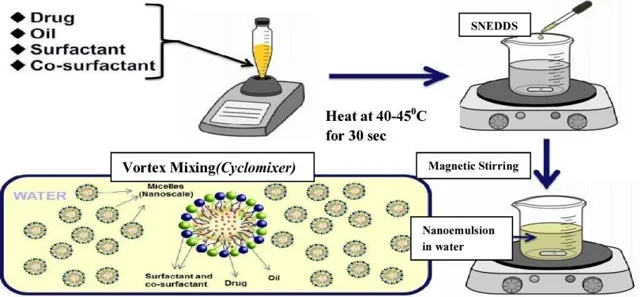
Fig 1: formation of liquid SNEDDS solution
B) Solid SNEDDS (S-SNEDDS)
Solid SNEDDS are produced by converting liquid SNEDDS into solid forms using suitable carriers.
Preparation techniques
Advantages
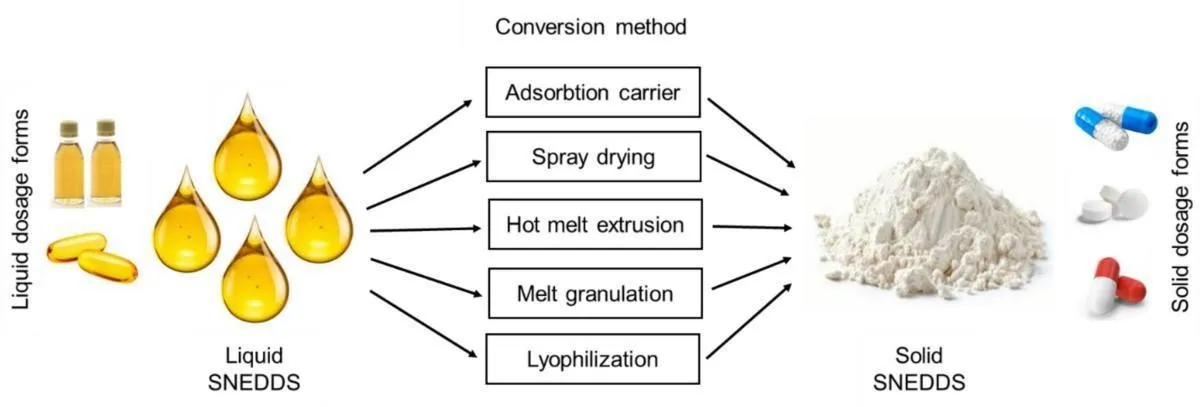
Fig 2 : Liquid to solid conversion of SNEDDS
Form nanoemulsions with droplet size <100 nm Provide higher surface area and faster absorption
Produce microemulsions with droplet size of 100–250 nm Slightly lower bioavailability compared to SNEDDS
Supersaturable SNEDDS incorporate precipitation inhibitors to maintain drug supersaturation following aqueous dilution.
Supersaturable SNEDDS incorporate precipitation inhibitors ,typically hydrophilic polymers such as hydroxypropyl methylcellulose (HPMC), polyvinylpyrrolidone (PVP), or polyvinyl alcohol (PVA) is into the isotropic oil phase to maintain the drug in a thermodynamically supersaturated state following aqueous dilution. This strategy leverages the transient supersaturation achieved during nanoemulsification to enhance the thermodynamic driving force for drug absorption across the intestinal membrane.5
Advantages
Targeted SNEDDS are surface-modified with ligands to enable site-specific delivery. Targeted SNEDDS are surface-engineered formulations in which the nanodroplet interface is decorated with specific ligands, antibodies, or receptor-recognizing moieties to confer active, site-directed drug delivery. This approach integrates the biopharmaceutical advantages of nanoemulsification with the pharmacological precision of receptor-mediated drug targeting, representing the most sophisticated category within the SNEDDS classification framework.24
Excipients Used in SNEDDS Formulation
Oils play a crucial role in SNEDDS formulations as they act as solubilizing agents for lipophilic drugs. The presence of oil enhances the self-emulsification process and promotes lymphatic transport of the drug, leading to improved intestinal absorption and bioavailability. Medium- and long-chain triglycerides are commonly preferred due to their high drug solubilization capacity. Conventional cooking oils are generally avoided because of their limited emulsification efficiency and lower drug-loading capability. Hydrogenated vegetable oils and semi-synthetic lipid excipients are frequently employed as they provide better emulsification performance and formulation stability.6
Surfactants are essential components of SNEDDS and are primarily responsible for reducing interfacial tension between the oil and aqueous phases. Non-ionic surfactants are most commonly used due to their high hydrophilic–lipophilic balance (HLB), low toxicity, and better gastrointestinal tolerance. These surfactants facilitate rapid and spontaneous nanoemulsion formation upon dilution. Compared to ionic surfactants, non-ionic surfactants
exhibit improved safety profiles and enhanced permeability across the intestinal membrane, making them suitable for oral delivery systems.2
Co-surfactants are incorporated to further reduce interfacial tension and improve the flexibility of the interfacial film. They enhance the efficiency of self-nanoemulsification and assist in the formation of stable nano-sized droplets. Typically, short- or medium-chain alcohols and glycols are used as co-surfactants. Their inclusion enables higher surfactant loading and contributes to spontaneous emulsification, resulting in improved formulation performance and stability.4
Common Excipients Used in SNEDDS :
|
Sr.No |
Excipient Category |
Function |
Example |
|
1 |
Oil Phase |
Solubilizes lipophilic drug and enhances absorption |
Oleic oil,Olive oil,Soybean oil,Castor oil,Caproyl 90 |
|
2 |
Surfactant |
Reduces interfacial tensionand aids emulsification |
Tween80,Tween 40,Span20,Span 80,Cremophor EL |
|
3 |
Co-surfactant |
Stabilizes nanoemulsion and enhances self-emulsification |
Propylene glycol ,PEG 400,PEG 600,Ethylene glycol ,Ethanol. |
Role of Curcumin-SNEDDS in Alzheimer’s Disease
Curcumin-loaded SNEDDS have shown:
Self-Nanoemulsifying Drug Delivery Systems (SNEDDS) enhance the oral and systemic delivery of poorly water-soluble drugs through a series of interconnected physicochemical and biological mechanisms. Upon exposure to aqueous gastrointestinal fluids under gentle agitation, SNEDDS spontaneously form fine oil-in-water nanoemulsions, thereby overcoming solubility- and permeability-related barriers that limit conventional drug delivery.1The led to an increase in drug solubility , bioavailability , as well as the permeability for the better therapeutic response.
SNEDDS are the isotropic mixture of oil ,surfactant and co-surfactant that improve drug delivery through a synergistic mechanism involving spontaneous nanoemulsification, enhanced solubilization, intestinal permeability modulation, lymphatic transport, and efflux inhibition. These combined actions significantly enhance oral bioavailability and brain targeting, positioning SNEDDS as a highly promising platform for the delivery of neurotherapeutics such as curcumin in Alzheimer’s disease.6
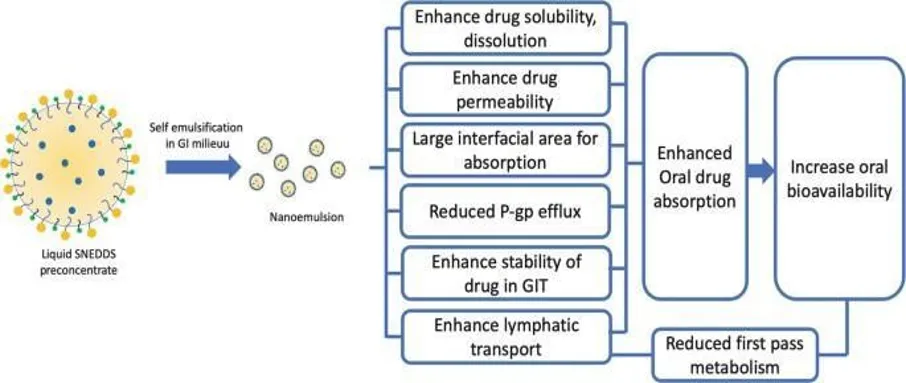
Fig 3: Self-Nanoemulsification drug delivery system
Preparation of SNEDDS : ( Liquid SNEDDS )
Selection of Excipients : The solubility of curcumin in various oil, surfactants and co-surfactant was determined using the screw capped vials These vial are subjected to mixing for 72 hr and after this centrifuge at 2500 rpm for 20 min .The supernatant was taken and diluted with methanol subjected to ulteaviolet (UV) and the best -performing excipients were selected for the formulation .7
Optimization of SNEDDS : The SNEDDS formulation was optimized based on pseudo-ternary phase diagrams, which helped determine the appropriate ratio of oil, surfactant ,and co-surfactant7
Formulation of SNEDDS : In the formulation of SNEDDS firstly add the Curcumin (API) and after add remaning excipient like a Oil ( Capryol 90 ) in which the curcumin are solubilize properly and then add surfactant (Tween 80) And add co-surfactant (TranscutolP).
Then selected oil ,surfactant ,and co-surfactant were mixed by vortexing for 5 min ,followed by gentle heating at 40 degree celcious to dissolve curcumin completely ,ensuring a homogeneous SNEDDS mixture
Application of Curcumin
Anticancer Activity : curcumin exhibits significant anticancer potential by inhibiting tumour cell proliferation ,angiogenesis ,and metastasis through modulating of multiple signaling pathways ,including NF-kB ,STAT3 , and MAPK .28
Antidiabetic Activity: Curcumin improves glycemic control by reducing oxidative stress, suppressing protein kinase C activation, and enhancing insulin sensitivity, thereby showing potential in diabetes management.28
Anti-arthritic Activity: Curcumin demonstrates strong anti-inflammatory and analgesic effects in rheumatoid arthritis by inhibiting cyclooxygenase enzymes and inflammatory mediators, with fewer adverse effects than conventional NSAIDs.28
Anti-inflammatory Activity: Curcumin suppresses pro-inflammatory cytokines such as TNF-α, IL-1β, IL-6, and IL-8 by inhibiting NF-κB activation, contributing to its broad therapeutic applicability.27
Wound Healing Activity: Curcumin accelerates wound repair by promoting collagen synthesis, re-epithelialization, granulation tissue formation, and growth factor expression.13 Anticoagulant Activity: Curcumin exhibits antithrombotic effect inhibiting platelet aggregation and modulating arachidonic acid-mediated coagulation pathways.28
Applications of Curcumin-Loaded SNEDDS in Alzheimer’s Disease
Enhanced Brain Bioavailability: Curcumin-loaded SNEDDS significantly improve oral bioavailability and facilitate enhanced brain delivery by increasing solubility, permeability, and systemic circulation time.7
Reduction of Amyloid-β Aggregation: SNEDDS-based curcumin formulations enhance the ability of curcumin to inhibit amyloid18-β plaque formation, a key pathological hallmark of Alzheimer’s disease.
Neuroprotective Effect: Curcumin SNEDDS provide neuroprotection by reducing oxidative stress, mitochondrial dysfunction, and neuronal apoptosis associated with neurodegeneration.23
Anti-inflammatory Action in CNS: SNEDDS-mediated delivery enhances curcumin’s capacity to suppress neuroinflammation by downregulating microglial activation and pro-inflammatory cytokines in the brain.18
Improved Blood–Brain Barrier Permeation: Nano-sized droplets formed by SNEDDS facilitate improved penetration across the blood25–brain barrier, overcoming a major limitation of conventional curcumin formulations.
Improved Cognitive Function: Preclinical studies suggest that curcumin-loaded SNEDDS improve learning and memory performance by modulating cholinergic function and reducing neuronal damage.26
Reduced Dose-Related Toxicity: Enhanced delivery efficiency allows therapeutic effects at lower doses, thereby minimizing systemic side effects and improving patient safety.19
Drug Content Uniformity:
Drug content analysis is performed to determine the amount of drug present in the SNEDDS formulation and to ensure uniform drug distribution. A predefined quantity of the formulation is diluted with a suitable solvent and analyzed using high-performance liquid chromatography (HPLC) or UV-visible spectrophotometry. This evaluation confirms formulation accuracy and dosage consistency.7
Droplet Size Analysis:
The mean droplet size and size distribution of SNEDDS are evaluated after dilution with distilled water. Dynamic light scattering (DLS) technique is commonly employed using a zeta sizer. Smaller droplet size indicates efficient self-nanoemulsification and improved drug absorption potential.6
Polydispersity Index (PDI):
PDI is measured to assess the uniformity of droplet size distribution within the nanoemulsion. Lower PDI values indicate homogeneous and stable SNEDDS formulations.6
Zeta Potential Measurement:
Zeta potential analysis is carried out to evaluate the surface charge and physical stability of the nanoemulsion. Adequate zeta potential values suggest resistance to droplet aggregation and improved formulation stability.6
Viscosity Measurement:
Viscosity of SNEDDS is measured using a Brookfield viscometer to assess flow behavior and suitability for oral or other routes of administration. Lower viscosity facilitates easy capsule filling and administration.7
Morphological Characterization:
The surface morphology and structural characteristics of SNEDDS droplets are examined using transmission electron microscopy (TEM) or scanning electron microscopy (SEM). These techniques provide visual confirmation of droplet size and spherical morphology.6
In vitro dissolution studies:
In-vitro drug release studies are performed using USP dissolution apparatus to evaluate the release profile of drug from SNEDDS. Suitable dissolution media are selected to simulate physiological conditions, and samples are analyzed at predetermined time intervals.7
Thermodynamic Stability Studies:
SNEDDS formulations are subjected to stress conditions such as centrifugation, heating–cooling cycles, and freeze–thaw cycles to assess physical stability and phase separation behavior.6
Centrifugation Test:
Centrifugation is performed to evaluate formulation stability by identifying phase separation or drug precipitation under accelerated conditions.6
Self-Emulsification Time:
The time required for spontaneous nanoemulsion formation upon dilution with aqueous media is measured to assess self-emulsification efficiency.1
CONCLUSION
Self-nanoemulsifying drug delivery system (SNEDDS)have emerged as one of the most effective and promising approaches for controlled and sustained drug delivery .These systems are widely explored because of their ability to enhance drug solubility ,permeability ,and bio-availability ,especially for poorly water-soluble drug .SNEDDS have been successfully utilized for drug targeting through multiple routes ,including oral ,pulmonary ,vaginal, ophthalmic ,and nasal delivery .6
The high drug loading capacity of SNEDDS ,along with improved stability,makes them suitable for achieving maximum therapeutic efficacy without compromising formulation integrity .7
Moreover ,SNEDDS offer advantages such as improved dissolution rate ,enhanced absorption
,and consistent drug release ,which collectively contribute to better clinical outcomes.An additional benefit of this delivery system is its cost -effectiveness and flexibility ,as SNEDDS can be prepared using various formulation strategies without affecting drug stability
,Therefore ,SNEDDS represent a versatile and efficient drug delivery platform with strong potential for future pharmaceutical and clinical application .6
REFERENCES






Shreya Pawar, Vijayendra S.M , Malsheete R.B, Ankita Bardapure, Kapale Maheshwari, Karbhari Vaishnavi., Emerging Trends in Curcumin -Loaded SNEDDS for Brain Disorder from Nanoformulation to Patient-Centric Dosage Form, Int. J. of Pharm. Sci., 2026, Vol 4, Issue 6, 3229-3243. https://doi.org/ 10.5281/zenodo.20671807
 10.5281/zenodo.20671807