

We use cookies to ensure our website works properly and to personalise your experience. Cookies policy
D. Y. Patil deemed to be University, School of Pharmacy, Nerul, Navi Mumbai.
The poor aqueous solubility of many active pharmaceutical ingredients (APIs) remains a significant challenge in drug development, often leading to low bioavailability and suboptimal therapeutic outcomes. Steviol glycosides, a class of natural sweeteners derived from Stevia rebaudiana, have recently emerged as promising excipients for enhancing the solubility and bioavailability of poorly water-soluble drugs. This review article provides a comprehensive overview of the physicochemical properties of steviol glycosides, their mechanisms of action in drug solubility enhancement, and their applications in pharmaceutical formulations. The article also discusses the safety, regulatory status, and future prospects of steviol glycosides as solubility enhancers. Supported by 30 references, this review highlights the potential of steviol glycosides to address the solubility challenges of poorly water-soluble drugs, offering insights for researchers and formulators in the pharmaceutical sciences
The solubility of a drug is a critical determinant of its bioavailability and therapeutic efficacy. According to the Biopharmaceutics Classification System (BCS), almost 40% of marketed drugs and 70-90% of drug candidates in development are classified as poorly water-soluble (Class II and IV) (1). These drugs often exhibit limited dissolution rates, leading to inadequate absorption and reduced bioavailability. To overcome these challenges, various strategies have been explored, including particle size reduction, solid dispersions, co-crystallization, and the use of solubilizing agents (2). Among these, complexation with natural excipients has gained significant attention due to its safety, biocompatibility, and regulatory acceptability.
Steviol glycosides, a group of diterpene glycosides extracted from the leaves of Stevia rebaudiana, are widely recognized as natural sweeteners. The most common steviol glycosides include stevioside, rebaudioside A, and rebaudioside C, which are 200-300 times sweeter than sucrose (3). Beyond their sweetening properties, steviol glycosides have demonstrated potential as pharmaceutical excipients, particularly in enhancing the solubility and bioavailability of poorly water-soluble drugs. This review explores the mechanisms by which steviol glycosides improve drug solubility, their applications in drug delivery systems, and their safety and regulatory considerations.
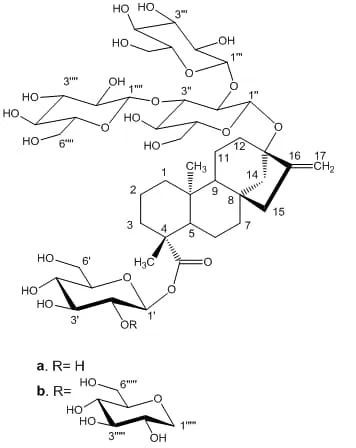
Fig 1: Chemical structure of Steviol Glycoside
2. Physicochemical Properties of Steviol Glycosides
Steviol glycosides are which are derived from plants which has a very sweet taste and are most commonly taken from leaves of Stevia rebaudiana. These substances come under the class of diterpene glycosides which contains a steviol aglycone backbone to which various sugar moieties, like rhamnose and glucose, are linked (3). Two main glycosides; Stevioside and rebaudioside A are when combined together, they have an ability to make up as much as 10% and 4% of the dry weight of the leaf, respectively. Steviol glycosides are non-caloric, non-cariogenic, and 200–300 times sweeter than sucrose, as they are not metabolised in the upper part of gastrointestinal system. They also do not trigger a glycaemic response in people (4). Steviol glycosides are white to light yellow granules which gets dissolve easily in ethanol and water, which results in the solution that is hundreds of times sweeter than sucrose. They have an ability to solubilise hydrophobic molecules and alter hydrophilic matrices like starch hydrogels due to their bola-form amphiphilic structure, which consists of both hydrophilic sugar residues and a hydrophobic steviol backbone (5).
Steviol Glycosides are mostly stable in forms of pH and heat under normal food processing conditions. For longer period of time (up to 180 days or more), they tend to maintain their stability at ambient temperature in acidic conditions (pH 2-4). But considerable breakdown takes place at high temperatures (80–100°C), particularly at lower pH levels. Decomposition rates may vary but these are often lower at neutral or slightly alkaline pH, whereas at 100°C and pH 3.0, they can reach up to 40% after a specific time interval. While rebaudioside A may be having more stablility in phosphoric acid solutions, it is reported that stevioside is generally more thermally stable than rebaudioside A in the solutions of citric acid. Degradation of ateviol glycosides occur very little in acidic drinks which are kept at room temperature for a year (6).
3. Mechanisms of Solubility Enhancement
3.1 Micelle Formation and Self-Assembly
Steviol glycosides have the ability to assemble itself into micelles with a shell which is hydrophilic and the core which is hydrophobic in an aqueous solution. Slightly or poorly soluble drugs or medications are encapsulated in the hydrophobic core. This leads to increase in the drugs' overall solubility in the water. At a critical micelle concentration (CMC), for instance, α-glucosyl stevia produces micelles, and its aggregation number rises from 2 (below CMC) to 12 (above CMC) (7).
The micelles are usually very small (nanometres) in size, having a core of shell like structure in which the glucose-based shell interacts with water and the hydrophobic diterpenoid core solubilises the drug. By further fine-tuning the hydrophobic domain, mixed micelles with bile salts or other surfactants can maximise drug loading and solubilisation (8).
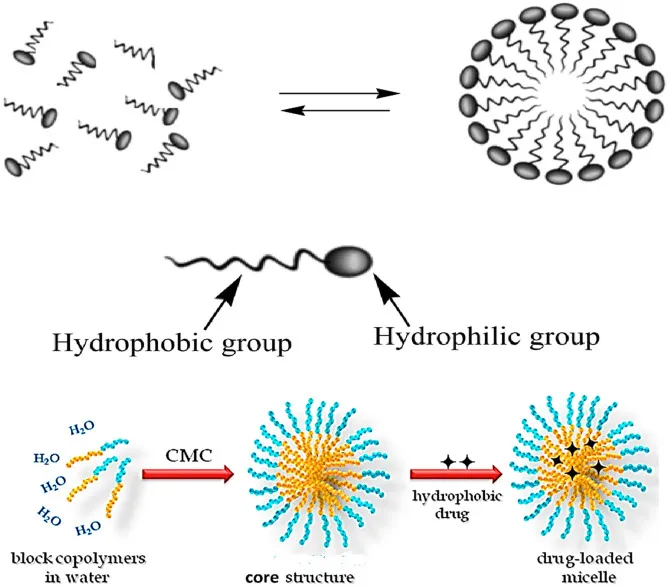
Fig 2: Formulation of drug loaded micelle
3.2 Complexation
Steviol glycosides can create inclusion complex with drugs through direct molecular interactions or by joining forces with other complexing agents, such as cyclodextrins. For example, combining Rebaudioside D (RebD) with γ-cyclodextrin improved its solubility by increasing the contact surface area and facilitating drug dispersion. By reducing precipitation and increasing dissolving rates, these complexes can stabilise the drug in a more soluble form(9).
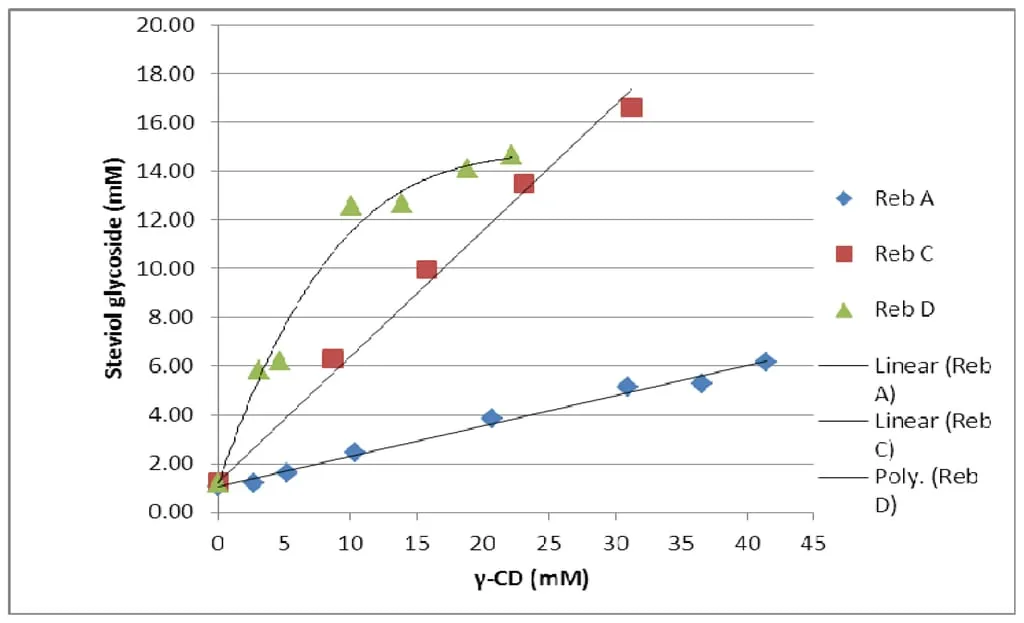
Fig 3: Phase solubility of three different steviol glycosides
3.3 Wettability and Dispersion:
When the drugs are added to steviol glycoside-based solid dispersions, the surface area/volume ratio increases, which leads to increased drug's wettability and its exposure to the dissolving medium (10). Rapid drug dispersion and dissolution are facilitated by the hydrophilic character of the glycoside shell, which allows the water to penetrate into the solid dispersion (11). This effect is most noticeable in solid dispersions, where the drug is molecularly distributed throughout the carrier matrix, resulting in a faster and more thorough dissolution as compared to crystalline drug form (12). This proposes that steviol glycosides can play an important role to overcome the limitations of dissolution rate which are generally associated with drugs which are poorly water soluble, specifically those belonging to BCS Class II.
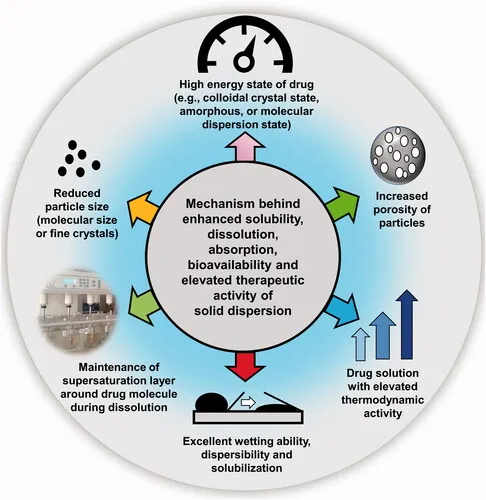
Fig 4: Exploring potential of solid dispersion for enhancing solubility
4. Applications in Pharmaceutical Formulation:
4.1 Solid Dispersion
Enhancement of Drug Solubility: To greatly increase the aqueous solubility of hydrophobic drugs, steviol glycosides can be added to solid dispersionas carrier. For example, solid dispersions of Phloretin with steviol glycosides, have been found to significantly improve solubility of drug and dissolution rates of drug, both of which are important parameters for oral bioavailability (12).
Steviol glycosides also have the ability to form an inclusion complex by combining with other substances that increase solubility such as, γ-cyclodextrin. It has been demonstrated by the phase solubility and spectroscopic characterisation that this method increases the solubility of the glycosides and co-formulated medications (13).
Steviol glycosides improve drug dispersion and stability in solid dispersions by dispersing the drug at the molecular or near-molecular level inside a hydrophilic matrix. This avoids drug aggregation and crystallisation, which results in more homogenous drug distribution and enhanced physical stability (14).
Solid dispersions which contain steviol glycosides can stabilise drugs which are unstable, preventing hydrolysis, oxidation, and other mechanisms of drug degradation, leading to improved shelf life and potency. Steviol glycosides can be used to customise drug release profiles in solid dispersions, allowing for both immediate-release and sustained-release formulations.
Methods of Incorporating Steviol Glycosides in Solid Dispersions:
Physical Mixing: Drugs and steviol glycosides are simply blended together. However, this is the most straightforward approach, it might not result in a significant improvement in solubility.
Melting/Fusion: Heating and solidification of the drug and steviol glycosides over their melting points. This may result in enhanced drug dispersion.
Solvent Evaporation: Steviol glycosides and the drug are dissolved in a common solvent, and the solvent is then evaporated or removed. This technique may lead to more homogenous mixing of components.
Spray Drying: Fine solid particles are formed as a result of automisation of solution of a drug and steviol glycoside into a hot gas stream.
Extrusion: Forcing a mixture of the drug and steviol glycosides through an orifice under controlled conditions.
4.2 Nanosuspensions
Stabiliser in Nanosuspension Systems: Steviol glycosides can function as natural stabilisers, co-surfactants, and wetting agents in nanosuspensions. The glycosidic structure of steviol glycosides allows them to adsorb onto the surface of drug nanoparticles, providing steric as well as electrostatic stability. This reduces aggregation and Ostwald ripening, which results in physically stable nanosuspensions. The sugar moieties which have hydrophilic nature interfaces with the aqueous phase, and the steviol backbone having hydrophobic nature can associate with the drug particle surface, increasing wettability and dispersion (15).
Improved Drug Solubility and Dissolution: Exposure of drug to dissolution medium is significantly increased by nanosuspension, allowing for faster and more complete dissolution. Steviol glycosides, boosts wettability and takes part in micelle-like formations, which further enhance the dissolving rate of hydrophobic drugs in the nanoscale (16).
Improvement of Bioavailability: Increasing dissolution rates of drugs particularly with low solubility and/or permeability (BCS Class II and IV) enhances oral and topical bioavailibility. Nanosuspensions stabilised with steviol glycosides can help to reach therapeutic plasma concentrations quickly, and hence allowing for dose reduction and increased efficacy (15)
Safety and biocompatibility: Steviol glycosides are obtained naturally, non-toxic, and have already which makes it safe for use in food as additives. This makes them ideal for pharmaceutical uses. The use of steviol glycosides as stabilisers may minimize the requirement for synthetic surfactants, as surfectants may cause toxicity and irritation (17).
4.3 Self-Micro Emulsifying Drug Delivery System:
Co-surfactant: As steviol glycosides are of an amphiphilic nature, they can act as surfactants or co-surfactants, to stabilise the oil-water interface which helps to form microemulsion. Their use may reduce the requirement for synthetic surfactants, making more biocompatible compositions and appealing to natural product-based medications.
Enhanced Solubility and Bioavailability: SMEDDS which contains steviol glycosides can considerably boost the solubility of drug and oral bioavailability of drug by increasing dispersion of hydrophobic drug in the gastrointestinal system. This microemulsion produced can bypass the dissolution stage, allowing medications to be absorbed more efficiently and reliably (18)
Improved Stability and Protection: SMEDDS can prevent degradation of the drugs in the gastrointestinal tract, both chemically and enzymatically, by encapsulating them within oil droplets which are stabilized by steviol glycosides. This significantly increases the shelf life and therapeutic efficacy of sensitive drugs.
Ease of Manufacturing and Administration: SMEDDS can be filled in soft gelatin capsules for oral administration, are physically stable and easy to manufacture. For droplet formation, they are less dependent on bile salts, actually leading to more consistent drug absorption compared to conventional SEDDS.
5. Safety and Regulatory Considerations
The Acceptable Daily Intake (ADI) for steviol glycosides is 4mg/kg body weight per day which can also be expressed as steviol equivalents. Hence, formulators must maintain overall exposure from drug formulations and food sources within this limit. Steviol glycosides gets hydrolysed to steviol in gut region which is then absorbed, conjugates in liver and gets excreted renally. Complexation of steviol glycoside with any drug must not interfare with this pathway or lead to accumulation of steviol in the body. Preclinical studies should confirm that no other metabolites arise from drug-glycoside interaction (19) Regulatory bodies like FDA, EFSA, JECFA requires more than 95% of purity for steviol glycosides. Impurities like pesticides, residual solvents, etc must be within pharmacopeial limits and Certificatesod Analysis (CoA) for raw materials need to be submitted. Another factor to be considered for the safety is stability of steviol glycosides. Steviol glycosides degrade at pH > 9 or if they are exposed to high temperature for longer period of time. Hence, complexation formulation should maintain pH between 3 to 9 and avoid high processing conditions to prevet decomposition of steviol glycosides (20)
For the approval from various Regulatory Authorities, drug formulations which are prepared using complexation with steviol glycosides are requires adherence to region specific guidelines. In the United States, FDA recognizes steviol glycosides as Generally Recognized as Safe (GRAS) for use in pharmaceuticals or as food additives expect in infants. For New Drug Application (NDAs), formulators must provide robust dissolution data which gives reproducible results to prove that steviol glycoside-drug complex are efficient and safe for the use. European Food Safety Authority (EFSA) has more strict specifications for enzymatically modified glycosides. It requires separate purity assessment data and post marketing surveillance to monitor the adverse effects. Various guidelines of International Council for Harmonization (ICH) dictate critical quality parameters globally. Q3D limits elemental impurities while Q11 ensures systemic development of drug substances and M7 addresses the mutagenic risk from process related impurities (20).
6. Future Perspectives
Beyond their well-established application as sweeteners the potential of steviol glycosides is being intensively investigated by ongoing research. The main focus area of research is to improve the taste profile of steviol glycoside, especially the reducing or eliminating of the residual sweetness and bitter aftertaste that some steviol glycosides can have (21). Through enzymatic modification, the more sucrose-like flavour has been proved to be achievable which involves addition of more sugar residues to the steviol glycoside molecule. Additionally, ongoing research is still being carried out on new steviol glycosides, including trace amounts of the Stevia plant, some of which have better flavour profiles. The large-scale synthesis and scale-up of particular steviol glycosides is becoming more and more dependent on developments in techniques of biotechnological production, such as enzymatic conversion and fermentation. These developments may result in enhanced economical and sustainable manufacture of superior steviol glycosides for use in formulation (22). Also, metabolic engineering is being researched to alter biosynthesis pathway of in Stevia rebaudiana in order to increase production of several glycosides with desider properties. New formulations that improve the solubility and bioavailability of poorly soluble drugs include self-nanomicellizing solid dispersions and complexes with other substances like hydroxycinnamic acids and self-nanomicellizing solid dispersions. Another new field that may improve drug distribution is the use of steviol glycosides in nano-formulations (23).
REFERENCES


Vedant Kabra, Dr. Ganesh Deshmukh, Enhancing Solubility of Poorly Water-Soluble Drugs through Complexation with Steviol Glycosides, Int. J. of Pharm. Sci., 2026, Vol 4, Issue 6, 5408-5416, https://doi.org/10.5281/zenodo.20773297
 10.5281/zenodo.20773297