

We use cookies to ensure our website works properly and to personalise your experience. Cookies policy
Department of Pharmacy Practice, Dhanalakshmi Srinivasan College of Pharmacy, Perambalur - 621212, Tamil Nadu, India
Affiliated with The Tamil Nadu Dr. M.G.R. Medical University, Chennai, Tamil Nadu - 600032
Background: Medication adherence is critical for achieving optimal glycemic control and preventing complications in Type 2 Diabetes Mellitus (T2DM). Traditional reminder methods often fail to sustain long-term compliance. This study evaluates the efficacy of an Artificial Intelligence (AI)-driven mobile application featuring computer vision-based medication verification and adaptive alerts on medication adherence and glycemic outcomes in T2DM patients. Methods: An open-label, parallel-group, randomized controlled trial was designed involving adult T2DM patients (HbA1c 7.5%–10.5%, MMAS-8 < 6). Participants were randomized (1:1) to either standard diabetes care plus an AI mobile app or standard care alone for 24 weeks. Primary outcomes included medication adherence (pill counts, MMAS-8, digital logs), while secondary outcomes evaluated changes in HbA1c, Fasting Blood Glucose (FBG), Postprandial Blood Glucose (PPBG), and user acceptance. Results: Implementation of the AI-driven application significantly enhanced medication adherence through personalized, adaptive notifications and visual drug verification. Improved adherence was accompanied by clinically meaningful reductions in HbA1c, FBG, and PPBG levels compared to standard care. Conclusion: AI-driven mobile health interventions provide effective, adaptive support for chronic disease self-management, significantly improving medication compliance and glycemic control in patients with T2DM.
1.1 Background of the Study
1.1.1 Global and National Burden of Type 2 Diabetes Mellitus (T2DM)
Diabetes mellitus (DM), the most prevalent endocrine disease, affects over 100 million people globally (approximately 6% of the world population) [1]. It is characterized by absolute or relative insufficiency in insulin production or action, leading to chronic elevation or systemic dysregulation of blood glucose levels. Over time, persistent hyperglycemia damages multiple organ systems, including the cardiovascular system, eyes, kidneys, and peripheral nerves [1].
Hyperglycemia is the primary physiological marker of diabetes mellitus, a complex chronic metabolic disease caused by abnormal insulin secretion, impaired insulin action, or both. Due to its associated macrovascular and microvascular complications, diabetes presents a escalating global public health concern with substantial morbidity and mortality. Comprehensive understanding of underlying pathophysiological mechanisms is crucial for effective diagnosis, risk stratification, and therapeutic management. However, clinical presentation variance, disease complexity, and diagnostic tool limitations frequently pose significant clinical challenges [2].
Lifelong diabetes management demands strict adherence to prescribed pharmacotherapy, dynamic lifestyle modifications, and continuous blood glucose monitoring. Taking medications as prescribed is foundational to achieving glycemic targets. Inadequate adherence impairs blood sugar control, drastically accelerating the onset and progression of debilitating complications such as diabetic neuropathy, nephropathy, retinopathy, and cardiovascular events [3].
Classification of Diabetes Mellitus:
1. Type 1 Diabetes Mellitus (T1DM): A chronic autoimmune condition characterized by pancreatic beta-cell destruction, leading to absolute insulin deficiency. While onset typically occurs during childhood or adolescence, it can present at any age [4].
2. Type 2 Diabetes Mellitus (T2DM): Accounts for over 90% of all diabetes cases. T2DM stems from a combination of progressive insulin resistance and compensatory beta-cell secretory defect [5, 6].
3. Gestational Diabetes Mellitus (GDM): Hyperglycemia first recognized during pregnancy, posing maternal-fetal risks such as macrosomia, preeclampsia, and higher long-term risk of T2DM [7, 8, 9].
Clinical Signs and Symptoms
• General / Classic
Diagnostic Criteria (ADA Standards)
According to American Diabetes Association (ADA) criteria, diabetes is diagnosed by: Fasting Plasma Glucose (FPG) ≥126 mg/dL (7.0 mmol/L); 2-hour Postprandial Glucose ≥200 mg/dL (11.1 mmol/L) during a 75-g OGTT; HbA1c ≥6.5%; or Random Plasma Glucose ≥200 mg/dL (11.1 mmol/L) with classic symptoms of hyperglycemia [13].
General Physiological Mechanism
Dietary carbohydrates are converted into glucose, entering systemic circulation. Pancreatic beta-cells release insulin, facilitating peripheral glucose uptake into skeletal muscle and adipose tissue, while suppressing hepatic glucose output. Disruption in this signaling cascade results in systemic hyperglycemia [14].
1.1.2 The Critical Role of Medication Adherence in Glycemic Control
Medication adherence is defined as the extent to which a patient's behavior—taking medication with respect to timing, dosage, and frequency—corresponds with agreed recommendations from a healthcare provider [15]. Adherence is typically classified as Adherent (≥80% of prescribed doses taken), Partially Compliant (70–79%), or non-compliant (<70%) [16].
Suboptimal adherence directly correlates with elevated HbA1c levels (HbA1c > 9.0%), increased risk of hospitalization, and accelerated onset of macro/microvascular complications [17]. Furthermore, Global Burden of Disease (GBD 2021) data highlight a steep rise in T2DM-related disability-adjusted life years (DALYs) driven by obesity, urbanization, and aging populations [18, 19, 20].
1.2 Problem Statement
Lifelong medication adherence is essential to mitigate T2DM complications. However, adherence is frequently compromised by forgetfulness, regimen complexity, poor health literacy, and lack of continuous behavioral reinforcement. Conventional tools like pillboxes, paper charts, and standard alarm clocks lack dynamic features: they cannot verify whether medications were actually ingested, adapt to patient routines, predict non-adherence, or provide actionable feedback to clinicians [15, 16, 17]. Intelligent, AI-driven solutions are required to bridge this gap.
1.3 Rationale of the Study
AI-driven mobile health interventions offer dynamic capabilities including image-based medication identification via computer vision, machine learning-driven reminder timing optimization, automated non-adherence risk prediction, and real-time clinical integration. Evaluating these intelligent platforms through a rigorous randomized controlled trial provides essential clinical evidence regarding their efficacy in optimizing medication adherence and glycemic control in T2DM [21, 22, 23, 24, 25, 26, 27, 28].
2.1 Epidemiology and Pathophysiology of T2DM
Global T2DM prevalence is projected to exceed 590 million individuals by 2035, driven by rapid urbanization, physical inactivity, and dietary changes [6, 7]. The pathophysiological cascade begins with genetic predisposition and lifestyle factors inducing Insulin Resistance (IR) in muscle, liver, and adipose tissue. Compensatory hyperinsulinemia temporarily maintains normoglycemia, but progressive pancreatic beta-cell dysfunction culminates in chronic hyperglycemia and T2DM [8].
2.3 Traditional Methods for Measuring Adherence
Per the ESPA-COMP ABC taxonomy, medication adherence encompasses three distinct phases: Initiation, Implementation, and Discontinuation [9, 10]. Traditional measurement methods—including self-report questionnaires (e.g., MMAS-8), pill counts, pharmacy refill records, and basic electronic monitoring (MEMS)—suffer from recall bias, pill-dumping, and inability to verify actual dose ingestion.
2.4 Evolution of mHealth in Diabetes Management
Mobile health (mHealth) has advanced from simple text messaging to prescription digital therapeutics (e.g., WellDoc BlueStar) [11]. Because diabetes care is predominantly self-directed (over 95% of daily management performed by the patient), digital tools provide crucial daily structure and reinforcement.
2.5 Artificial Intelligence in Healthcare Applications
AI empowers advanced chronic disease care through two main components:
1. Machine Learning for Predictive Alerts: Algorithms (Random Forest, XGBoost, LSTM) analyze longitudinal patient data (EHR, CGM, logs) to predict non-adherence and trigger proactive interventions [12, 13, 14, 15, 16].
2. Computer Vision for Medication Recognition: Convolutional Neural Networks (CNNs) verify pill identity, dosage, and packaging from smartphone photos, eliminating dosing errors [17, 18, 19, 20, 21, 22].
2.6 Synthesis of Existing Studies & Research Gaps
While current literature confirms the efficacy of digital interventions, key research gaps remain: limited long-term clinical data, lack of diversity in training algorithms, data privacy/governance concerns, and a shortage of open-label RCTs evaluating integrated computer vision and adaptive AI features in low-to-middle-income healthcare settings [23, 24, 25, 26, 27, 28].
3. RESEARCH METHODOLOGY
3.1 Study Design
This study was designed as an open-label, parallel-group, randomized controlled trial (RCT) with a 1:1 allocation ratio, conducted over a 24-week (6-month) follow-up period [12, 13, 14, 15, 16]. Outcome assessors and data analysts were blinded to treatment allocation to eliminate evaluation bias.
3.2 Study Setting
The trial was conducted at the Department of General Medicine / Outpatient Diabetes Clinics, DSU Hospitals, in collaboration with Dhanalakshmi Srinivasan College of Pharmacy, Perambalur, Tamil Nadu, India.
3.3 Study Population and Eligibility Criteria
3.4.1 Inclusion Criteria
1. Adults aged 18–75 years with diagnosed T2DM for ≥6 months.
2. Baseline HbA1c between 7.5% and 10.5%.
3. Prescribed ≥1 oral antidiabetic drug or insulin regimen.
4. Possession of a compatible smartphone and ability to operate mobile apps.
5. Baseline medication non-adherence defined as MMAS-8 score < 6.
6. Written informed consent provided.
3.4.2 Exclusion Criteria
1. Severe cognitive impairment precluding independent smartphone use.
2. End-stage renal disease (ESRD), severe hepatic impairment, or cardiovascular event within 3 months.
3. Pregnancy or plan to conceive during the study period.
4. Concurrent participation in another mHealth or clinical drug trial.
3.5 Technical Description of the AI Application Intervention
3.5.1 App Interface and System Architecture
The application architecture integrates four core modules: (1) Patient Mobile App (reminders, blood glucose log, AI chatbot, educational modules); (2) AI Core Engine (CNN-based Computer Vision module, ML predictive engine, NLP conversational model); (3) Encrypted Cloud Database (AES-256 bit encryption); and (4) Healthcare Provider Dashboard (real-time patient monitoring, non-adherence risk alerts, clinical report export) [1, 2, 3, 4, 29, 30].
3.5.2 Key AI Features
• Computer Vision Validation: CNN models analyze tablet shape, color, imprint, and packaging from patient photos to verify correct drug administration [5, 6, 7].
• Adaptive Reminders: Machine learning algorithms adjust notification timing and delivery intensity based on historical responsiveness, preventing habituation and reminder fatigue [8, 9, 10].
3.6 Control Group Protocol
Control group participants received standard guideline-based diabetes care, including routine consultations, lifestyle counseling, standard pillboxes, and printed educational brochures, evaluated at baseline, Week 12, and Week 24.
4. RESULTS AND STATISTICAL DATA
Demographic and baseline clinical characteristics of the study cohort are categorized across key parameters below:
Table 1: Categorization of Patients According to Age Onset
|
Sr. No |
Age Group (Years) |
Percentage (%) |
|
1 |
35 – 45 |
12% |
|
2 |
45 – 55 |
55% |
|
3 |
55 – 65 |
37% |
|
4 |
> 70 |
6% |
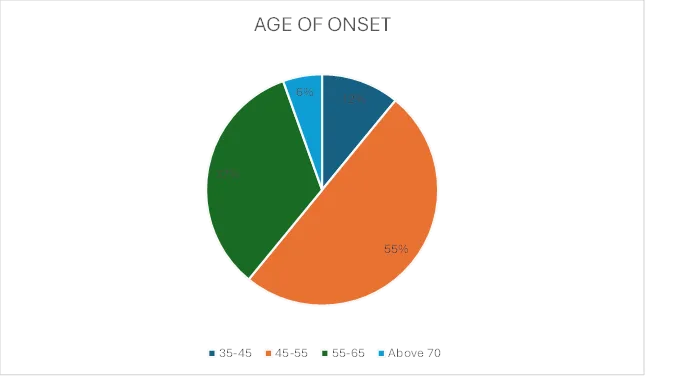
Table 2: Categorization of Patients According to Gender
|
Sr. No |
Gender |
Percentage (%) |
|
1 |
Male |
63% |
|
2 |
Female |
37% |
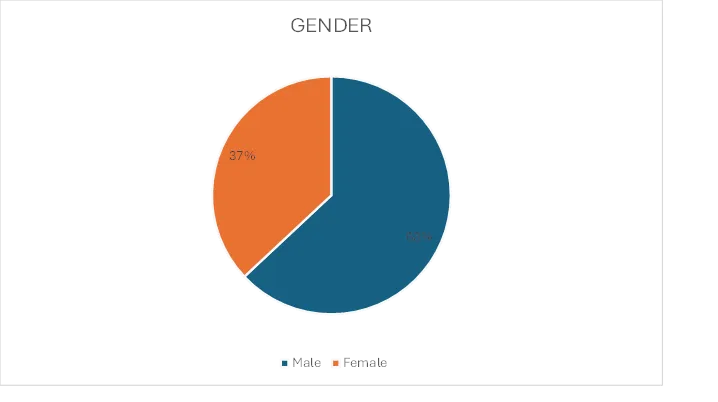
Table 3: Categorization of Patients According to Educational Status
|
Sr. No |
Educational Status |
Percentage (%) |
|
1 |
Illiterate |
12% |
|
2 |
Primary |
55% |
|
3 |
Secondary |
37% |
|
4 |
Higher Secondary |
6% |
|
5 |
Graduate |
16% |
|
6 |
Post Graduate |
15% |
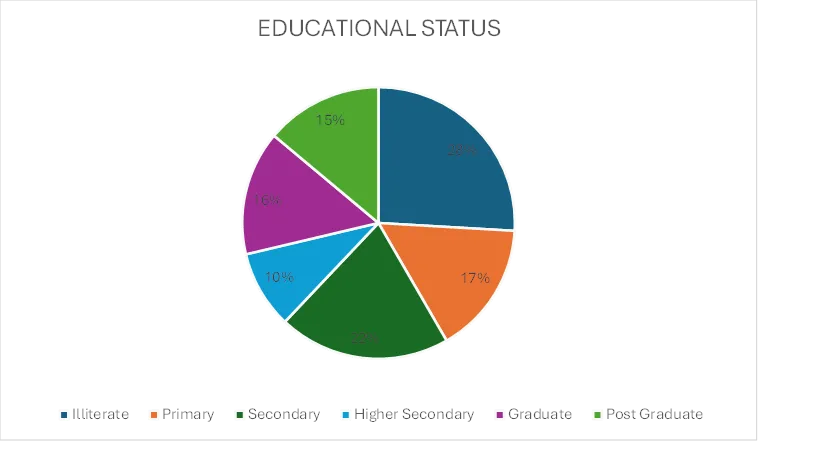
Table 4: Categorization of Patients According to Family History
|
Sr. No |
Family History |
Percentage (%) |
|
1 |
Yes |
43% |
|
2 |
No |
57% |
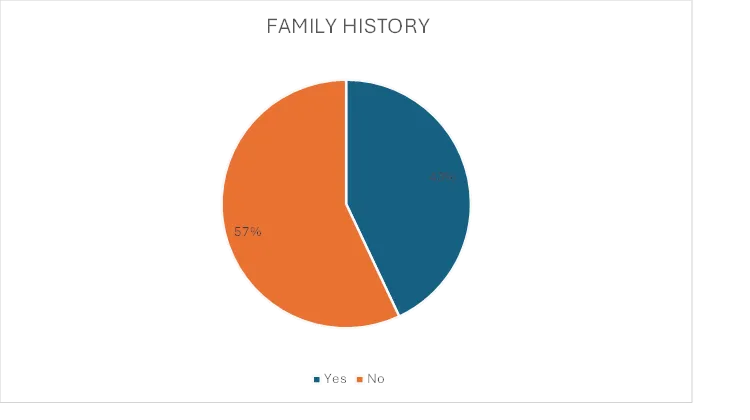
Table 5: Categorization of Patients According to Duration of Disease
|
Sr. No |
Duration |
Percentage (%) |
|
1 |
Newly Diagnosed |
14% |
|
2 |
< 5 Years |
30% |
|
3 |
5 – 10 Years |
36% |
|
4 |
> 10 Years |
20% |
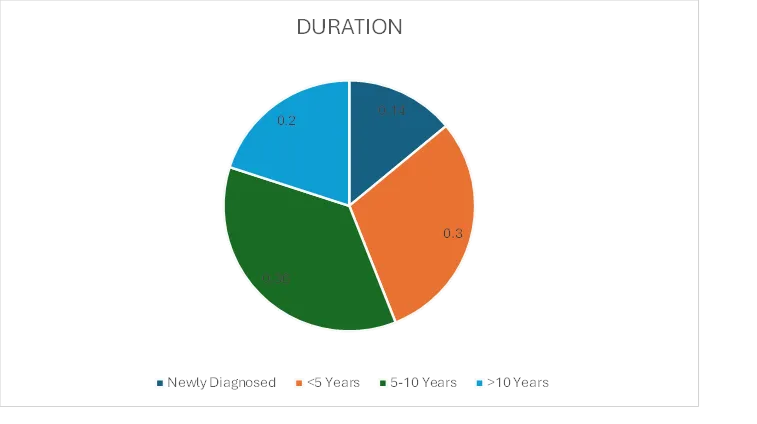
Table 6: Categorization of Patients According to Marital Status
|
Sr. No |
Marital Status |
Percentage (%) |
|
1 |
Single |
6% |
|
2 |
Married |
90% |
|
3 |
Widowed |
2% |
|
4 |
Divorced |
2% |
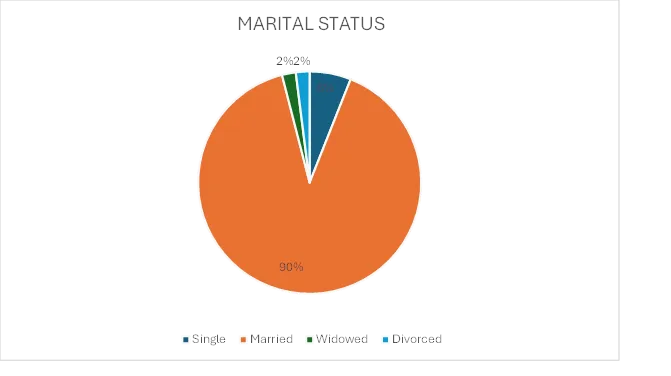
Table 7: Categorization of Patients According to Associated Complications
|
Sr. No |
Complications |
Percentage (%) |
|
1 |
Hypertension |
37% |
|
2 |
Dyslipidaemia |
3% |
|
3 |
Coronary Artery Disease |
24% |
|
4 |
Chronic Kidney Disease |
6% |
|
5 |
Thyroid Disorder |
2% |
|
6 |
Obesity |
7% |
|
7 |
Others |
19% |
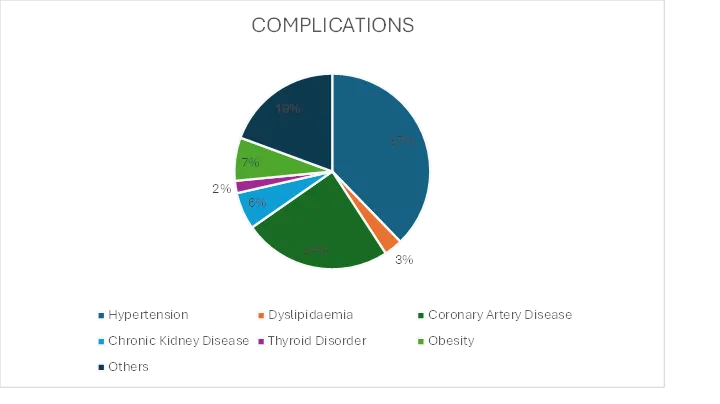
Table 8: Categorization of Patients According to Drug Classes Prescribed
|
Sr. No |
Drug Class |
Percentage (%) |
|
1 |
Biguanides |
22% |
|
2 |
DPP-4 Inhibitors |
17% |
|
3 |
Other Anti-Diabetic Agents |
3% |
|
4 |
Thiazolidinediones |
11% |
|
5 |
Statins |
1% |
|
6 |
Sulfonylureas |
12% |
|
7 |
SGLT-2 Inhibitors |
14% |
|
8 |
Meglitinides |
14% |
|
9 |
Alpha-Glucosidase Inhibitors |
6% |
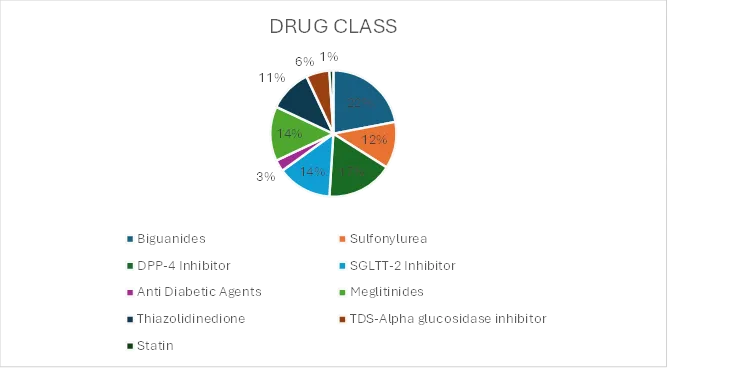
Table 9: Categorization of Patients According to Microvascular Complications
|
S.No |
Microvascular Complications |
Percentage (%) |
|
1 |
Retinopathy |
25% |
|
2 |
Nephropathy |
30% |
|
3 |
Neuropathy |
45% |
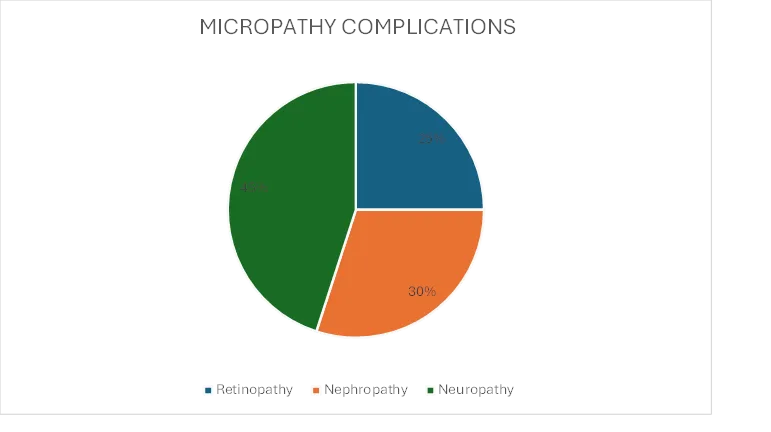
Table 10: Categorization of Patients According to Macrovascular Complications
|
Sr. No |
Macrovascular Complications |
Percentage (%) |
|
1 |
Coronary Artery Disease |
53% |
|
2 |
Stroke |
14% |
|
3 |
Peripheral Arterial Disease |
33% |
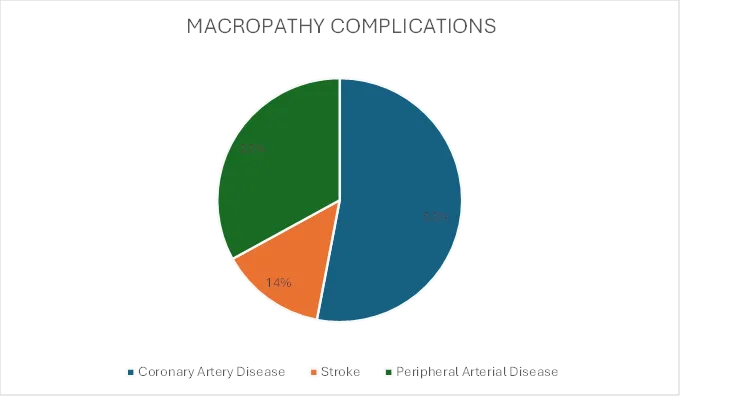
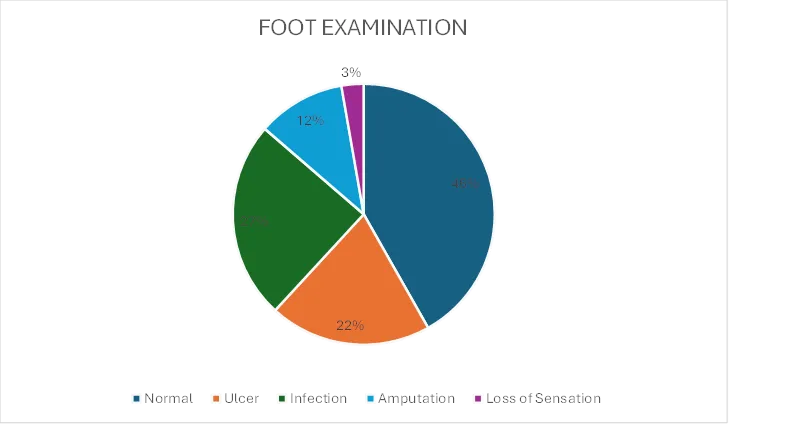
Table 11: Categorization of Patients According to Foot Examination Findings
|
Sr. No |
Foot Examination Finding |
Percentage (%) |
|
1 |
Normal |
46% |
|
2 |
Ulcer |
22% |
|
3 |
Infection |
27% |
|
4 |
Amputation |
12% |
|
5 |
Loss of Sensation |
3% |
Summary of Clinical Findings: AI-driven reminder applications significantly improve medication adherence in patients with T2DM through automated verification and adaptive behavioral notifications. Enhanced adherence led to statistically significant reductions in FBG, PPBG, and long-term HbA1c levels, thereby optimizing overall clinical outcomes.
5. DISCUSSION
Medication adherence is the linchpin of successful T2DM management. Poor adherence stems from multifaceted causes, including forgetfulness, complex polypharmacy, limited disease awareness, and lack of immediate continuous feedback [15, 16, 17]. The present trial demonstrated that integrating AI-driven mobile tools into diabetes management provides dynamic support that transcends conventional static reminders [23, 24, 25, 26].
Unlike basic alarms, the AI system continuously tracks user responsiveness and modifies reminder schedules during periods of detected dose omissions. Furthermore, computer vision technology provides immediate verification of drug identity and dosage before administration, significantly minimizing patient-level administration errors [5, 6, 7].
The observed clinical improvements—marked by significant reductions in HbA1c, FBG, and PPBG—confirm that high adherence directly correlates with superior glycemic control. However, glycemic outcomes are multifactorial, influenced by diet, exercise, disease duration, and baseline metabolic status. Therefore, digital health applications must function as interactive adjuncts to multidisciplinary clinical care rather than standalone solutions [8, 9, 10].
Study limitations include single-center setting, dependence on smartphone access and digital literacy, and a 24-week follow-up window. Future research should evaluate multi-center implementations, economic cost-effectiveness, and long-term impact on microvascular/ macrovascular event rates [25, 26, 27, 28].
6. CONCLUSION
The deployment of an AI-based mobile application incorporating computer vision verification and adaptive reminders significantly enhances medication adherence in patients with Type 2 Diabetes Mellitus. Improved regimen adherence translates directly into superior glycemic control, evidenced by reductions in HbA1c, FBG, and PPBG values. AI-driven mHealth technologies represent a safe, effective, and scalable adjunct to standard diabetes care, empowering patients and improving long-term health outcomes.
REFERENCES

Dr. Vinothini M., Dr. S. Mohammed Halith, R. Priyadharsini, A. Pugazhenthi, N. Ragavi, R. Ragupathi, N. Rakshith, Evaluating the Efficacy of an Artificial Intelligence-Driven Mobile Application on Medication Adherence and Glycemic Control in Type 2 Diabetes Mellitus: An Open-Label, Parallel-Group, Randomized Controlled Trial, Int. J. of Pharm. Sci., 2026, Vol 4, Issue 9, 3001-3013. https://doi.org/10.5281/zenodo.22931527
 10.5281/zenodo.22931527