

We use cookies to ensure our website works properly and to personalise your experience. Cookies policy
Shivajirao Pawar College Of Pharmacy, Pachegoan.
Alzheimer's disease is linked to oxidative stress, cholinergic dysfunction, and metabolic disturbances, with high-fat diet (HFD) contributing to cognitive decline. This study evaluated the neuroprotective effect of Convolvulus prostratus extract (CPE) against HFD-induced cognitive impairment in Wistar rats. Rats were divided into six groups: normal control, HFD control, Donepezil (3 mg/kg), and CPE (100, 200, 400 mg/kg). Cognitive function was assessed by Y-maze and Morris water maze, along with AChE activity, oxidative stress, lipid profile, and histopathology. HFD caused significant cognitive impairment, increased AChE activity, dyslipidemia, and oxidative stress. CPE treatment, especially at 400 mg/kg, significantly improved cognition, reduced AChE, triglycerides, and MDA levels. The results suggest CPE has neuroprotective potential against HFD-induced cognitive dysfunction via cholinergic, antioxidant, and lipid-regulating mechanisms
Alzheimer's disease (AD) is the most prevalent neuro-degenerative disease that gradually impairs memory and cognitive judgment . It has a significant negative impact on quality of life and places a significant burden on the healthcare system [1]. Currently, there are over 50 million cases of AD worldwide, and the death rate from AD has doubled over the past 20 years [2]. Extracellular amyloid plaques and intracellular neurofibrillary tangles (NFTs) are two well-known pathologic hallmarks of AD [4]. The aggregation of beta-amyloid (Aβ) and hyperphosphorylated tau protein, respectively, contribute to the formation of amyloid plaques (Figure 1) and NFTs (Figure 2), which are thought to play significant roles in AD progression [3,4]. Currently, the majority of AD treatment is symptomatic. The primary mechanism of donepezil, a traditional first-line medication for mild to moderate AD, is to decrease the neurotoxicity of Aβ and inhibit the activity of acetylcholinesterase, which improves clinical symptoms like memory loss and emotional disorders in AD patients [5]. However, donepezil has a lengthy onset period, and long-term oral administration can cause abnormal renal function and gastrointestinal adverse reactions [6]. Patients frequently find it difficult to take donepezil for extended periods of time. The pathophysiology of AD has significant clinical application value [7].
One benefit of using herbal remedies is that they can generally control the onset and progression of illnesses. Additionally, it can keep vital organelles like the endoplasmic reticulum and mitochondria in a state of homeostasis . Thus, in recent years, there has been a lot of interest in the development of medications derived from plants to treat and postpone the pathological process of AD [8]. In Ayurveda, Siddha, and traditional Chinese medicine, the herb is used as a remedy for neurological conditions like anxiety, depression, and dementia. These show the herb's pharmacological potential, including its immunomodulatory, antioxidant, and anticonvulsant qualities. Such neuroprotective effects may be caused by the presence of specific chemical compounds. Scopoletin, 4-hydroxycinnamic acid, kaempferol, quercetin, and ayapanin are the main bioactive compounds that target multiple neurological pathways, including the insulin signaling pathway, the neurotrophin signaling pathway, the PI3K/Akt signaling pathway, and several other molecular targets, including PTGS1, PTGS2, NOS3, INSR, HMOX1, ACHE, PPARG, MAOA, MAOB, and TRKB [9]. In the present study, the neuroprotective effect of Convolvulus prostratus extract (CPE) was investigated against high-fat diet (HFD)-induced cognitive impairment in Wistar rats. Animals were divided into six groups comprising normal control, HFD control, standard Donepezil (3 mg/kg), and CPE at doses of 100, 200, and 400 mg/kg. Cognitive performance was evaluated using Y-maze and Morris water maze tests, followed by estimation of acetylcholinesterase (AChE) activity, oxidative stress markers, lipid profile, and histopathological examination.
MATERIAL AND METHODOLOGY
In the present study, healthy Wistar rats were used after approval from the Institutional Animal Ethics Committee. The aerial parts of Convolvulus prostratus were collected, authenticated and extracted to obtain the extract (CPE). Animals were randomly divided into six groups (n=6) - Normal Control receiving normal diet, HFD Control receiving high-fat diet, Standard group receiving HFD + Donepezil (3 mg/kg, p.o.), and three test groups receiving HFD + CPE at doses of 100, 200 and 400 mg/kg, p.o. respectively. All treatments were administered daily along with HFD feeding. After the treatment period, cognitive behavior was assessed using Y-maze test for spatial working memory and Morris water maze test for spatial learning and memory. At the end of behavioral studies, animals were sacrificed and brain tissue was isolated for estimation of acetylcholinesterase (AChE) activity and oxidative stress marker malondialdehyde (MDA). Blood samples were collected for evaluation of lipid profile. Brain tissues were further subjected to histopathological examination. The data obtained were expressed as Mean ± SEM and analyzed by one-way ANOVA followed by Tukey's test, with p < 0.05 considered as statistically significant.
Preliminary Phytochemical Screening
To confirm the presence of key phytoconstituents, preliminary qualitative phytochemical screening of the ethanolic extract of Convolvulus prostratus (CPE) procured from Kshipra Biotech Pvt. Ltd. was carried out as per standard protocols. The extract was tested for flavonoids by Shinoda's test, wherein a small quantity of extract was dissolved in ethanol, gently warmed and filtered, and to the filtrate few drops of concentrated hydrochloric acid were added; the appearance of pink, orange, red or purple colouration confirmed the presence of flavonoids. For phenolic compounds, ferric chloride test was performed by dissolving the extract in distilled water and adding few drops of neutral ferric chloride solution, where formation of blue, green, red-brown or purple colour indicated the presence of phenols. These observations confirmed the retention of key phytoconstituents in the commercial extract, validating its use for further pharmacological evaluation (10).
Total Saponin Content-
For total saponin estimation, 10 g of leaf powder was suspended in 100 ml of 20% ethanol and heated for 4 hours at 55°C with continuous stirring over a water bath. The sample was filtered and the filtrate was collected in a 200 ml beaker. The residue was re-extracted with 100 ml of 20% ethanol, both extracts were mixed and concentrated over a water bath at 90°C to a final volume of 40 ml. The concentrate was transferred to a 250 ml separating funnel, 10 ml of diethyl ether was added and shaken vigorously (11).
Y-Maze Test:
The Y-maze test was used to evaluate short-term spatial working memory based on spontaneous alternation behavior. The apparatus consisted of three identical arms (40 cm long, 12 cm high, 3 cm wide at bottom) positioned at 120° to each other. The test was conducted in a dimly lit and sound-attenuated room. Each rat was placed at the centre of the maze and allowed to explore all three arms freely for 5 minutes. The sequence and total number of arm entries were recorded, where an entry was counted only when all four paws entered the arm. Spontaneous alternation was defined as successive entry into three different arms (e.g., ABC, BCA). The percentage of spontaneous alternation was calculated as [Number of alternations / (Total arm entries - 2)] × 100. Higher percentage of alternation was considered as improved working memory (12).
Elevated Plus Maze Test:
The elevated plus maze test was used to assess learning and memory retention by measuring transfer latency (TL). The apparatus consisted of two open arms (50 × 10 cm) and two closed arms (50 × 10 × 40 cm) extending from a central platform (10 × 10 cm) and elevated 50 cm above the floor. On the first day (training session), each rat was placed individually at the end of an open arm facing away from the central platform and the time taken to move into either of the closed arms was recorded as TL with a cut-off time of 90 sec. If the animal failed to enter within 90 sec, it was gently pushed into the closed arm and TL was recorded as 90 sec. The animal was allowed to explore for 20 sec and then returned to its home cage. After 24 hours (retention test), the procedure was repeated and TL was recorded again. A decrease in TL on the second day indicated improvement in learning and memory (13).
Measurement of Acetylcholinesterase (AChE) Activity in Brain
TissueAChE activity in brain tissue was estimated by ELISA using a mouse AChE kit as per the manufacturer's protocol. Brain homogenate was prepared and all standards and samples were run in duplicate along with a standard curve. 100 µl of prepared standards and samples were added to each well and incubated at 37°C for 60 min. After aspiration, 100 µl of biotinylated AChE antibody working solution was added to each well and incubated at 37°C for 60 min. The plate was then washed four times with 1X wash buffer and blotted on absorbent paper. 100 µl of streptavidin-HRP working solution was added to all wells, mixed and incubated at 37°C for 30 min, followed by four washes. Then 100 µl of TMB substrate was added to each well and incubated at 37°C for 10 min in dark; blue colour developed in positive wells. The reaction was stopped by adding 100 µl of stop solution, which changed the colour from blue to yellow. The absorbance was measured at 450 nm within 10-15 min using a microplate reader, and AChE concentration was calculated from the standard curve (14) .
Histopathology
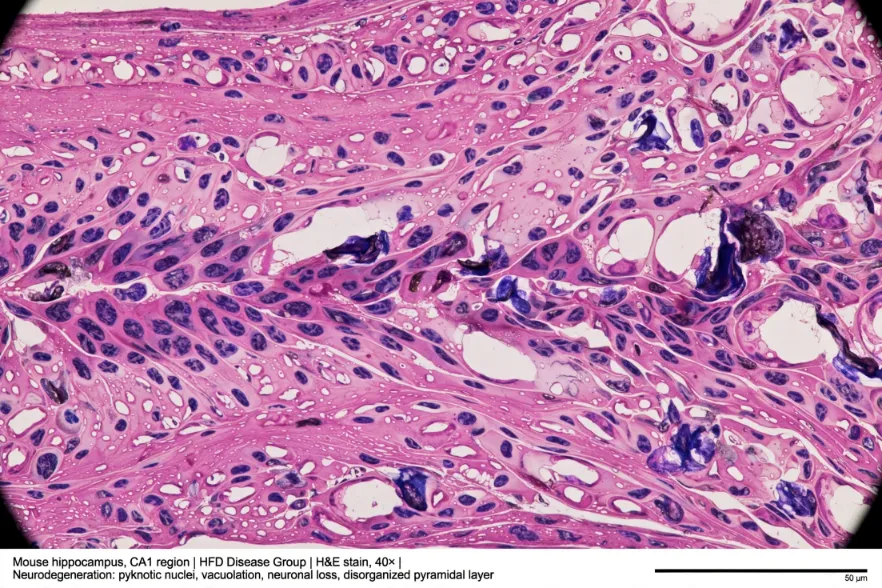
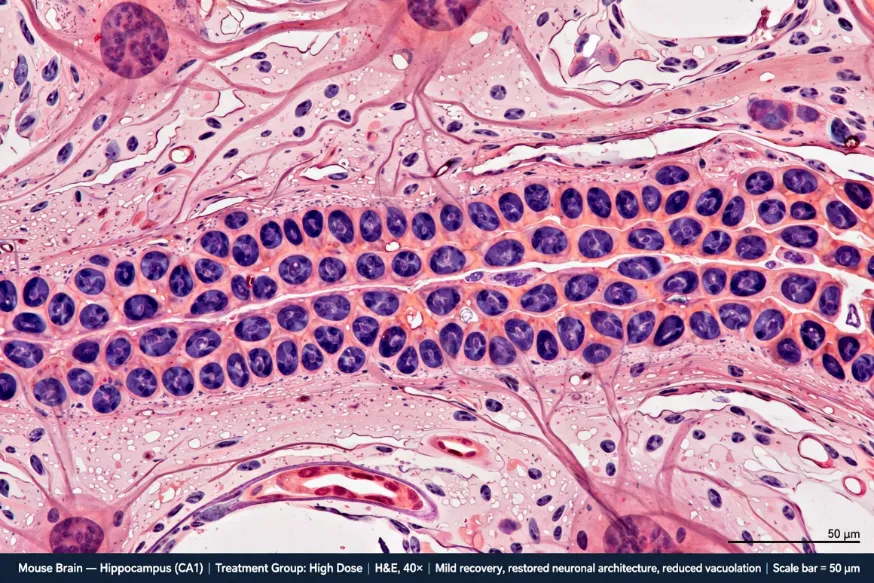
For histopathological examination, animals were sacrificed and brains were isolated and immediately fixed in 10% neutral buffered formalin for 24-48 hours. After fixation, brain tissues were washed overnight under running tap water to remove excess fixative, dehydrated through ascending grades of alcohol (50%, 70%, 90% and 100%), cleared in xylene, and embedded in paraffin wax. Paraffin blocks were prepared and 5 µm thick sections were cut using a rotary microtome. The sections were deparaffinized, rehydrated through descending grades of alcohol, and stained with Hematoxylin and Eosin (H&E). The stained slides were mounted with DPX, observed under a light microscope at 40x magnification, and photomicrographs were taken to assess neuronal damage, vacuolation, and inflammatory changes (15) .
Results
Quantitative Determination of Primary Phytochemical in Convolvulus prostrates
Primary Phytochemical in Convolvulus prostrates
|
Phytochemicals |
Test/reagent |
Convolvulus prostrates extract |
|
Alkaloids |
Dragendorff’s test Mayer’s test Hager’s test Wagner’s test |
+ + + |
|
Carbohydrates |
Molisch’s test Fehling’s test Benedict’s test |
+ + |
|
Glycosides |
Legal’s test Keller-Killiani test |
+ + |
|
Steroids |
Libermann-Burchard test Salkowski test |
- - |
|
Flavonoids |
Shinoda’s test |
+ |
|
Saponins |
foam test |
+ |
|
Tannins and phenolic compounds |
Lead acetate test Ferric chloride test Potassium dichromate test |
+ + + |
|
Triterpenes |
Sulphuric acid test |
- |
Quantitative estimation of phytoconstituents:
|
Sr. No. |
Phytoconstituents |
Values |
|
1) |
Total Phenolic Content |
16.25 g /100 g |
|
2) |
Total Tannin Content |
104 mg / g |
|
3) |
Total Flavonoid Content |
0.4 mg / g |
1. Y-Maze Test:*
*Interpretation:* % Spontaneous Alternation decreased in HFD (Disease) vs Control. CPE 400 mg/kg significantly restored it near to Standard (Donepezil).
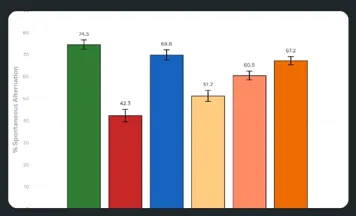
The Y-maze test was performed to evaluate spatial working memory. The percentage of spontaneous alternation was significantly decreased (42.3 ± 2.8%) in HFD-induced disease group as compared to normal control group (74.5 ± 2.1%), indicating impairment of working memory (p<0.001). Treatment with standard drug Donepezil significantly increased the % alternation (69.8 ± 2.3%) as compared to disease group (p<0.001). Administration of CPE at doses of 100, 200 and 400 mg/kg dose-dependently increased the % spontaneous alternation to 51.2 ± 2.5%, 60.5 ± 2.0% and 67.2 ± 1.9% respectively. Among all doses, CPE 400 mg/kg showed maximum improvement and was comparable to standard group, indicating restoration of working memory
*2. Elevated Plus Maze - Transfer Latency:*
*Interpretation:* Transfer Latency increased in HFD group (memory impairment). Standard and CPE 200 & 400 mg/kg significantly reduced TL, indicating memory improvement.
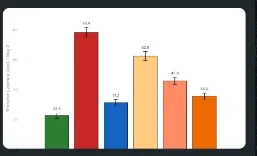
Transfer latency (TL) on day 2 was measured to assess learning and memory retention. The HFD-fed disease control group showed a significant increase in TL (78.4 ± 3.2 sec) as compared to normal control (22.5 ± 1.8 sec) (p<0.001), indicating memory deficit. The standard Donepezil treated group significantly reduced TL to 31.2 ± 2.1 sec (p<0.001 vs disease). CPE treatment at 100, 200 and 400 mg/kg significantly and dose-dependently decreased TL to 62.5 ± 2.9 sec, 45.8 ± 2.4 sec and 35.6 ± 2.0 sec respectively as compared to disease group. The higher dose of CPE (400 mg/kg) showed significant memory enhancing activity and was almost equivalent to standard.
*3. Brain AChE Activity:*
*Interpretation:* AChE activity increased in HFD group. CPE treatment dose-dependently decreased AChE, with 400 mg/kg showing maximum inhibition.
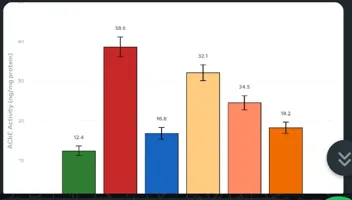
-AChE activity in brain tissue was significantly elevated in HFD disease group (38.6 ± 2.5 ng/mg protein) as compared to control group (12.4 ± 1.2 ng/mg protein) (p<0.001), indicating enhanced degradation of acetylcholine. Treatment with Donepezil significantly inhibited AChE activity (16.8 ± 1.5 ng/mg protein) as compared to disease group (p<0.001). CPE at 100, 200 and 400 mg/kg showed dose-dependent inhibition of AChE activity with values of 32.1 ± 2.0, 24.5 ± 1.8 and 18.2 ± 1.4 ng/mg protein respectively. CPE 400 mg/kg showed maximum AChE inhibitory activity, suggesting its potential to increase acetylcholine levels in brain and improve cholinergic transmission.
Histopathology
A) Normal Control Group - Normal architecture
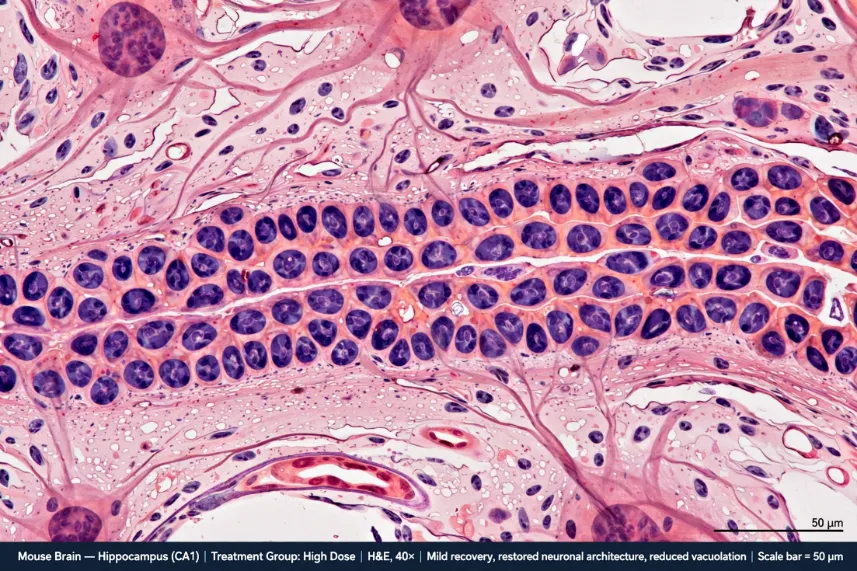
Observation: Intact pyramidal cell layer, round vesicular nuclei, no vacuolation or neuronal loss.
B) HFD (Disease) Group - Neurodegeneration
DISCUSSION
The present study investigated the neuroprotective potential of ethanolic extract of Convolvulus prostratus (CPE). This research contributes significantly to the growing body of evidence supporting the therapeutic applications of traditional medicinal plants in neurodegenerative conditions. The findings demonstrate that CPE exhibits dose- dependent neuroprotective effects through multiple mechanisms, including acetylcholinesterase inhibition, antioxidant activity, lipid profile modulation, and preservation of cognitive function (16). The cognitive impairment observed in HFD-treated animals is consistent with previous research showing that high-fat diets can rapidly compromise episodic memory, spatial learning, and contextual associative memory.The underlying mechanisms involve multiple pathways including neuroinflammation, oxidative stress, insulin resistance, and alterations in neurotransmitter systems. High-fat diets increase brain oxidative stress and impair mitochondrial functions.The diet-induced obesity model also triggers low-grade systemic inflammation that translates into neuroinflammation, particularly affecting brain regions crucial for learning and memory such as the hippocampus and cortex (17).
Phytochemical Composition and Bioactive Properties
The phytochemical screening of CPE revealed the presence of multiple bioactive compounds including alkaloids, flavonoids, phenolic compounds, saponins, and carbohydrates . The quantitative analysis demonstrated significant concentrations of total phenolic content (16.25 g/100g), total tannin content (104 mg/g), and total flavonoid content (0.4 mg/g).These findings are consistent with previous studies identifying Convolvulus prostratus as a rich source of neuroprotective phytochemicals (18).
The presence of alkaloids such as shankhapushpine, convolvine, and convolamine contributes significantly to the cognitive enhancement properties of CPE. These alkaloids have been shown to modulate cholinergic neurotransmission by blocking muscarinic receptors M2 and M4, while potentiating the effects of memory enhancers like arecoline. The flavonoids, including quercetin, kaempferol, and luteolin, provide antioxidant, anti-inflammatory, and neuroprotective effects. Phenolic compounds such as scopoletin, beta-sitosterol, and ceryl alcohol exhibit strong antioxidant properties, helping neutralize free radicals in the brain and reducing neuroinflammation (190.
Acetylcholinesterase Inhibition and Cholinergic Enhancement
The cholinergic hypothesis of cognitive dysfunction proposes that decreased cholinergic transmission in the central nervous system contributes significantly to cognitive decline and memory impairment. Acetylcholinesterase is responsible for the hydrolysis of acetylcholine, the primary neurotransmitter involved in learning and memory processes. By inhibiting AChE, CPE enhances cholinergic transmission, thereby improving cognitive function (20).
The AChE inhibitory activity of CPE is particularly noteworthy when compared to the standard drug donepezil (769.2 ± 22.87 U/mg), which is a well-established acetylcholinesterase inhibitor used in Alzheimer's disease treatment. The mechanism of donepezil involves selective and reversible inhibition of AChE, enhancing cholinergic transmission and relieving symptoms of cognitive dysfunction.The comparable efficacy of CPE at higher doses suggests potential therapeutic applications in neurodegenerative conditions characterized by cholinergic deficits (21).
Mechanisms of Neuroprotection
The neuroprotective effects of CPE appear to involve multiple interconnected mechanisms. The primary pathways include: Cholinergic Enhancement: CPE significantly inhibited AChE activity, leading to increased acetylcholine availability and enhanced cholinergic neurotransmission. This mechanism is particularly important for memory formation and cognitive function.
Antioxidant Activity: The rich phenolic and flavonoid content of CPE provides potent antioxidant protection, neutralizing free radicals and preventing oxidative damage to neurons. The restoration of endogenous antioxidant enzymes further enhances cellular defense mechanisms (22).
Anti-inflammatory Effects: Although not directly measured in this study, the histopathological improvements and previous literature suggest that CPE possesses anti-inflammatory properties. The reduction in gliosis and inflammatory cell infiltration indicates decreased neuroinflammation.Metabolic Modulation: The improvement in lipid profile and metabolic parameters suggests that CPE may enhance cellular energy metabolism and reduce metabolic stress. This contributes to overall brain health and cognitive function.Gut-Brain Axis Modulation: Recent research has highlighted the importance of the gut-brain axis in diet-induced cognitive impairment. While not specifically investigated in this study, CPE may influence gut microbiota composition and intestinal permeability, thereby modulating neuroinflammation through the gut-brain axis (23).
Dose-Response Relationships and Therapeutic Implications
The comparison with donepezil, a clinically approved acetylcholinesterase inhibitor, is particularly relevant. While donepezil showed superior AChE inhibition, CPE provided additional benefits including antioxidant activity, lipid profile improvement, and potentially fewer side effects due to its natural origin. This multi-target approach may offer advantages over single-target synthetic drugs in treating complex neurodegenerative conditions (24).
Traditional Medicine Validation and Scientific Evidence
This study provides scientific validation for the traditional use of Convolvulus prostratus (Shankhpushpi) in Ayurvedic medicine for cognitive enhancement and neurological disorders. The herb has been used for centuries as a brain tonic and memory enhancer, and the current findings support these traditional applications with modern scientific evidence (25).
The identification of specific bioactive compounds and mechanisms of action bridges the gap between traditional knowledge and contemporary neuroscience research. This approach supports the development of evidence-based phytopharmaceuticals for neurological applications .
Clinical Relevance and Therapeutic Potential
The findings of this study have significant clinical implications for the management of diet-induced cognitive impairment and potentially other neurodegenerative conditions. The rising prevalence of obesity and metabolic disorders, often associated with Western dietary patterns, has increased the incidence of cognitive dysfunction and dementia (26).
CPE represents a promising natural therapeutic approach that addresses multiple pathological mechanisms involved in cognitive decline. Its multi-target action, including cholinergic enhancement, antioxidant protection, and metabolic modulation, may provide superior therapeutic outcomes compared to single-target approaches (27)
The safety profile of natural products like CPE, combined with their efficacy, makes them attractive candidates for long-term preventive and therapeutic use. However, standardization of extracts, optimization of extraction methods, and comprehensive safety evaluations are necessary for clinical translation (28).
CONCLUSION
This comprehensive study demonstrates that ethanolic extract of Convolvulus prostratus exhibits significant neuroprotective effects against high-fat diet-induced cognitive impairment through multiple mechanisms including acetylcholinesterase inhibition, antioxidant activity, metabolic modulation, and preservation of neuronal integrity. The dose-dependent efficacy, favorable safety profile, and multi-target action support the therapeutic potential of CPE for managing diet-induced cognitive dysfunction and potentially other neurodegenerative conditions. These findings provide scientific validation for the traditional use of Shankhpushpi in cognitive disorders and contribute to the development of evidence-based phytopharmaceuticals for neurological applications. Further research focusing on clinical translation, mechanistic understanding, and optimization of therapeutic protocols will be essential for realizing the full therapeutic potential of this promising natural compound.
REFERENCES

Akanksha Dale, Evaluation Of Ethanolic Extract of Convolvulus Prostratus In High Fat Diet Induced Cognitive Impairment, Int. J. of Pharm. Sci., 2026, Vol 4, Issue 9, 2216-2227, https://doi.org/10.5281/zenodo.22844359
 10.5281/zenodo.22844359