

We use cookies to ensure our website works properly and to personalise your experience. Cookies policy
Department Of Pharmacy, Institute of Technology and Management, Gida Gorakhpur...
This study evaluated the anti-cataractogenic potential of Tamarindus indica leaf extract against galactose-induced cataracts in Swiss albino rats. Cataracts, the leading cause of blindness worldwide, involve lens opacification often accelerated by oxidative stress. The galactose-induced cataract model mimics early diabetic cataract formation through osmotic stress and oxidative damage. Male Swiss albino rats were divided into five groups: normal control, galactose-induced cataract (inducer), two test groups receiving 100 mg/kg and 200 mg/kg Tamarindus indica leaf extract with galactose, and a standard control group receiving vitamin E with galactose. Treatments were administered orally for 21 days. Biochemical analysis revealed significantly reduced glutathione (GSH) levels in the galactose control group compared to normal controls, indicating oxidative stress. Treatment with Tamarindus indica extract restored GSH levels dose-dependently, with effects comparable to vitamin E at the higher dose. The extract also improved protein levels and reduced malondialdehyde (MDA) levels in lens homogenates. Photographic evaluation demonstrated the extract's protective effects against lens opacification. The study suggests Tamarindus indica leaf extract exerts anti-cataractogenic effects by enhancing antioxidant defenses, reducing protein insolubilization and lipid peroxidation in the lens. These findings indicate Tamarindus indica's potential as a natural antioxidant agent for cataract prevention and management, though further research is needed to elucidate its precise mechanisms of action and clinical applicability.
Cataract, defined as the clouding or opacification of the crystalline lens, remains the leading cause of blindness worldwide, accounting for nearly 51% of global blindness cases [1]. Cataract formation leads to progressive visual impairment, significantly affecting quality of life and productivity. Although aging is the primary risk factor, metabolic diseases such as diabetes mellitus accelerate cataractogenesis due to hyperglycemia-induced biochemical changes in the lens [2]. The pathological hallmarks of diabetic cataracts include the accumulation of sugar alcohols, increased oxidative stress, and protein aggregation within the lens fibers, ultimately disrupting lens transparency [3].
Among the models used to study cataract pathophysiology, the galactose-induced cataract model is widely recognized for mimicking the early stages of diabetic cataract formation. In this model, excess galactose in the bloodstream is metabolized via aldose reductase to galactitol, a polyol that accumulates in the lens fibers, causing osmotic stress, swelling, and oxidative damage [4]. This accumulation triggers reactive oxygen species (ROS) generation, lipid peroxidation, and a decline in antioxidant defenses such as glutathione (GSH), superoxide dismutase (SOD), and catalase (CAT), thereby accelerating lens opacification[5]. Consequently, antioxidants have been extensively investigated as therapeutic agents to delay or prevent cataractogenesis.
Vitamin E, a potent lipophilic antioxidant, is commonly used as a positive control in experimental cataract models due to its ability to protect lens membrane lipids from peroxidative damage[6]. However, despite promising results, synthetic antioxidants have limitations related to bioavailability and side effects, highlighting the need to explore natural compounds with antioxidant properties for safer and more effective cataract prevention.
The use of traditional medicine is widespread and plants are large source of natural antioxidants that might serve as leads for the development of novel drugs [7]. Some of the plants were scientifically proved for slowing the progression of cataract and some are not yet. Tamarindus indica Linn. belonging to the family Fabaceae, it is a tree widely distributed in India. The leaves are reported to have antioxidants, and used in eye diseases [8].
Tamarindus indica L., commonly known as tamarind, is a tropical tree whose leaves, fruits, and seeds have been traditionally used in folk medicine for their anti-inflammatory, antimicrobial, and antioxidant activities [9]. Phytochemical analyses reveal that tamarind leaves contain flavonoids, phenolic acids, tannins, and vitamins, compounds known to exhibit free radical scavenging and enzyme modulatory effects [10]. Several studies have reported the antioxidant potential of Tamarindus indica leaf extracts, suggesting its possible role in managing oxidative stress-related disorders[11]. However, limited scientific data are available regarding its effect on cataract prevention, particularly in the context of sugar-induced oxidative damage.
This study aims to evaluate the anti-cataractogenic potential of the ethanolic extract of Tamarindus indica leaves against galactose-induced cataracts in swiss albino rats. By assessing biochemical markers of oxidative stress, cataract progression, and histopathological changes, this research seeks to establish the therapeutic value of Tamarindus indica as a natural antioxidant agent in cataract management.
MATERIAL AND METHODS
Plant material: The fresh leaves of Tamarindus indica L. were collected from the village of Gorakhpur District, in the month of December. The collected plant material was authenticated by a botanist from the Head of department of Botany, Kartik Oraon College, and a voucher specimen (Voucher No.KOG/BOT(ident)2025/9) was deposited in the departmental herbarium for future reference.
Drugs: Drugs vitamin E, Galactose and chemicals were obtained from oxford lab fine chem llp.
Extraction of plant material: Fresh leaves of Tamarindus indica were collected, washed thoroughly with tap water followed by distilled water to remove adhering dust and debris, and then shade-dried at room temperature for 10–15 days. The dried leaves were then pulverized into a coarse powder using a mechanical grinder and stored in an airtight container for further use.
About 200 g of the powdered leaf material was subjected to Soxhlet extraction using 95% ethanol as the solvent. The extraction process was carried out for approximately 6–8 hours until the solvent in the siphon tube became colorless, indicating exhaustive extraction. The obtained ethanolic extract was filtered and concentrated using a rotary evaporator under reduced pressure at a temperature of 40–50°C to obtain a thick, semisolid mass. The extract was then stored in a desiccator to remove any remaining solvent and prevent moisture absorption. The percentage yield of the extract was calculated based on the initial weight of the plant material used.
EXPERIMENTAL ANIMALS
Healthy Male swiss albino rats (110–130± g), were selected for the study. The animals were obtained from the central animal house of [ITM,GIDA], which maintains a breeding and maintenance facility approved by CPCSEA. The experimental protocol was approved by the Institutional Animal Ethics Committee (IAEC),in accordance with CPCSEA guidelines. All experiments were conducted humanely and in compliance with ARRIVE guidelines.
Rats were housed in polypropylene cages (6 animals per cage) with sterilized rice husk bedding. The animal room was maintained at a temperature of 22±2°C, relative humidity 55±5%, and a 12-hour light/dark cycle. The rats were provided with a standard pellet diet and clean drinking water ad libitum. Bedding was changed twice weekly.
EXPERIMENTAL DESIGN
In the present study, animals were divided into five groups, each comprising six rats, and were treated for a duration of 21 days. Group I served as the normal control and received a standard laboratory diet orally. Group II was designated as the inducer group and received a 30% galactose-enriched diet orally to induce cataract formation. Group III, the test group I (low dose), was administered Tamarindus indica leaf extract at a dose of 100 mg/kg body weight orally along with a 30% galactose diet. Group IV, the test group II (high dose), received Tamarindus indica leaf extract at a dose of 200 mg/kg body weight orally along with a 30% galactose diet. Group V served as the standard control and was treated with a known anticataract agent at a dose of 50 mg/kg body weight orally along with the 30% galactose diet. All treatments were administered daily for a continuous period of 21 days.
|
Group |
Treatment |
Dose |
Duration |
|
I |
Normal control |
Standard diet(p.o) |
21 days |
|
II |
Inducer |
30% galactose diet(p.o) |
21 days |
|
III |
Test group I (low dose) |
100 mg/kg, p.o. along with galactose 30% (p.o) |
21 days |
|
IV |
Test group II (high dose) |
200 mg/kg, p.o. along with galactose 30% (p.o) |
21 days |
|
V |
Standard control |
50 mg/kg, p.o.along with galactose 30% (p.o) |
21 days |
Biochemical estimation: The degree of oxidative stress was assessed by measuring the MDA levels by wilbur’s method[12]. The protein estimation was done by protein by lowry method[13]. GSH levels was measured by willman’s method[14].
Photographic evaluation: Firstly the rat cataract induction was seen in eyes, thenafter the lens were placed on the plane paper and photography was done by different different angle.
Statistical analysis: Results were expressed as mean ± SEM. The data were analyzed by using one way analysis of variance (ANOVA) followed by Dunnet’s t test. P values < 0.05 were considered as significant.
RESULT
The total glutathione (GSH) levels in the lens homogenate were significantly reduced (p < 0.001) in the galactose control group (Group II) compared to the normal control group (Group I), indicating oxidative stress and lens damage due to galactose-induced cataractogenesis.
Treatment with Tamarindus indica leaf extract at both dose levels (Group III and Group IV) significantly restored the GSH levels in a dose-dependent manner compared to the galactose control group (p < 0.01 and p < 0.001, respectively). The effect was comparable to the standard group treated with ascorbic acid (Group V), showing no significant difference (p > 0.05) between the high dose extract group and standard-treated group.
These findings suggest that Tamarindus indica exerts a protective effect against cataract formation by enhancing the antioxidant defense system in the lens.
DISCUSSION
Oxidative stress has been suggested as a common underlying mechanism of cataractogenesis, Studies are ongoing to explore the potential of antioxidant agents against cataractogenesis in various experimental models of cataract. Among these models, the galactose induced cataract is commonly used, as the model is reasonable to assume that factors initiating galactose cataracts in young rats are similar to those involved in the human galactose cataract model [15]. Furthermore, the galactose produces a large amount of its reduced form, galactitol, inside the lens that leads to osmotic stress. Accumulation of high concentration of polyols in the lens leads to an increase in the intracellular ionic strength resulting in excessive hydration, eventually loss of membrane integrity and leakage of free amino acids, glutathione and myo-inositol etc[16].
CONCLUSION
Our study has demonstrated that leaves of Tamarindus indica L. extract offers protection from cataract induction by reducing lens protein insolubilization and lens peroxidation and by increasing lens antioxidant status. Consequently, a reduction in lens apoptosis and epithelial proliferation occurred. The study also reports that administration of the extract after the onset of cataract may reduce cataract progression.
Table: Biochemical Estimations of Lens Homogenates
|
Study Groups |
Protein Levels |
MDA Levels |
GSH Levels |
|
Normal Control |
7.2 |
1.2 |
9.8 |
|
Inducer |
3.1 |
4.6 |
3.2 |
|
Test Group I (low dose)100 mg/kg |
4.9 |
3.2 |
6.4 |
|
Test Group II(low dose)100 mg/kg |
6.3 |
2.0 |
8.1 |
|
Standard Control |
6.8 |
1.7 |
8.7 |
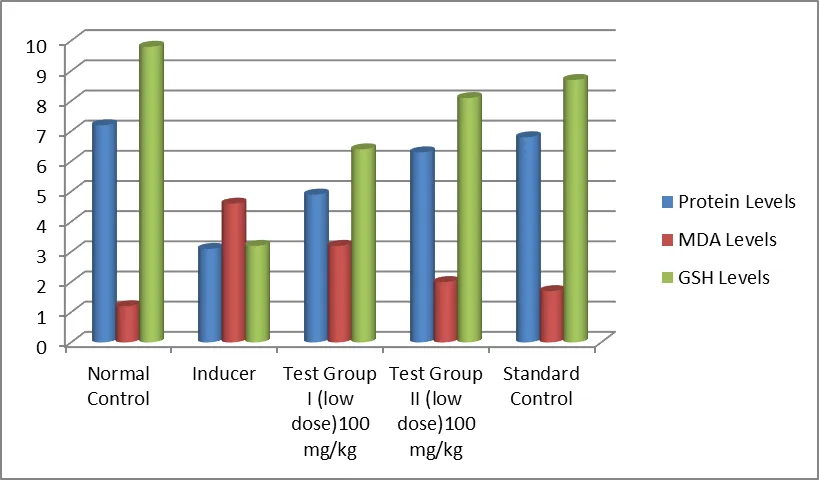
Graph: Biochemical Estimations of Lens Homogenates
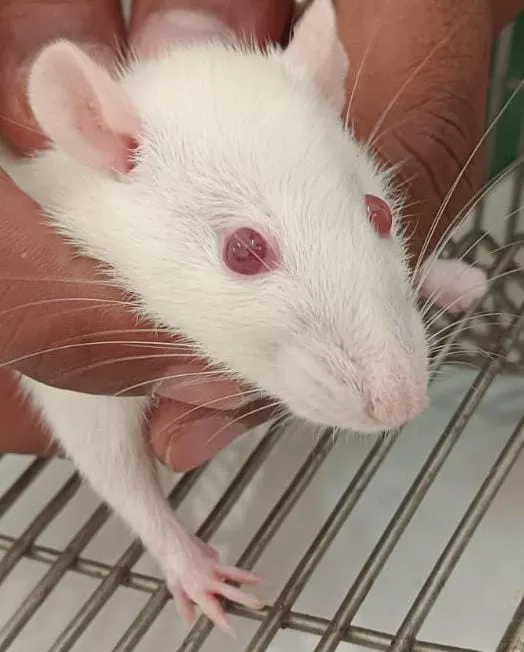
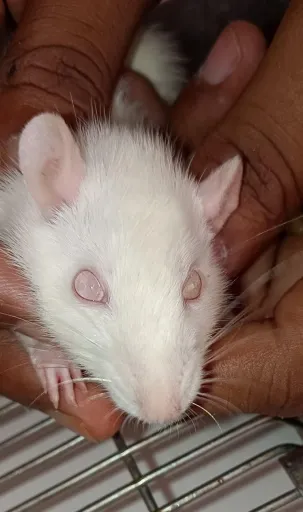
Fig normal and cataract eye
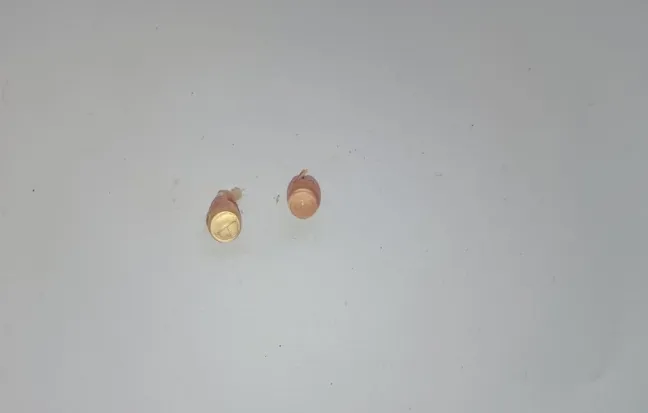
Fig: cataract and normal lens
REFERENCES


Rahul Srivastava, Dr. Jyoti Yadav, Dr. Nidhi Gupta, Evaluation Of Tamarindus Indica Leaf Extract as A Potential Anti-Cataract Agent in Swiss Albino Rats, Int. J. of Pharm. Sci., 2026, Vol 4, Issue 6, 1949-1954, https://doi.org/10.5281/zenodo.20592420
 10.5281/zenodo.20592420