

We use cookies to ensure our website works properly and to personalise your experience. Cookies policy
1Research Scholar, Bachelor Of Pharmacy, Aspm’s K T Patil College Of Pharmacy, Dharashiv, Maharashtra, India.
2Department Of Pharmaceutics, Aspm’s K T Patil College Of Pharmacy, Dharashiv, Maharashtra, India
Pectin is a structurally complex, ?-(1?4)-linked D-galacturonic acid polysaccharide widely valued for its gelling, emulsifying, and stabilizing properties across the pharmaceutical, food and cosmetic industries. Citrus processing generates enormous volumes of peel waste, and orange peel (Citrus sinensis) typically yielding 20–30% pectin on a dry-weight basis represents an underexploited, sustainable source for its recovery. The present study extracted pectin from orange peel using a citric acid–assisted, hot-acid extraction method followed by ethanol precipitation, and evaluated the product through qualitative identification tests (stiff-gel, ethanol precipitation, iodine, acidity, calcium chloride, and ruthenium red reactions), titrimetric purity assessment, and FTIR spectroscopy. Titrimetric analysis of a representative trial yielded a galacturonic acid content of 89.33%, a degree of esterification of 56.5%, and a methoxyl content of 8.06%, classifying the extracted polymer as high-methoxy (HM) pectin consistent with USP–NF benchmarks. FTIR spectra showed characteristic absorption bands at 1750.08 cm?¹ and 1607.38 cm?¹, corresponding to esterified and non-esterified carboxyl groups respectively, along with a glycosidic C–O–C band at 1109.83 cm?¹, confirming the polysaccharide's identity and partial esterification. These findings demonstrate that orange peel is a viable, high-purity source of pharmaceutical and food-grade pectin and support its extraction as a strategy for sustainable agro-waste valorization.
Higher plants major cell walls and middle lamella contain a significant amount of pectin, a naturally occurring complex polysaccharide that is structurally based on α-(1→4)-linked D-galacturonic acid units, which give it its distinctive chemical identity. Beyond its structural function in plants, where it serves as a biological "glue" to hold cells together, pectin's exceptional physicochemical qualities most notably, its ability to create gels and stabilize dispersed systems have garnered significant scientific and commercial interest.[1] Pectin's functional qualities have made it a workhorse ingredient in a variety of industries. In food manufacturing, it is frequently used as a gelling agent, emulsifier, stabilizer, and thickening agent; its biocompatibility has expanded its appeal into pharmaceutical applications, including binder, emulsifier, stabilizer, active pharmaceutical ingredient, and pharmaceutical excipient; cosmetic formulations[2] and more recently environmental applications like heavy metal adsorption from contaminated water.
Millions of tons of citrus are produced annually worldwide, and about half of all processed fruit ends up as peel and pomace that needs to be managed in some way. Historically, this waste stream has been thrown away or used for low-value purposes like animal feed, which represents a significant lost opportunity. Citrus sinensis orange peel, which normally yields 20–30% pectin on a dry weight basis is well known for being a rich and commercially appealing source of pectin.[3] Orange peel pectin extraction has become strategically significant because to the growing demand for pectin in the food, pharmaceutical, and cosmetic industries as well as pressure to manage agro-industrial waste sustainably. This process turns discarded biomass into economic value while advancing the objectives of the circular economy.[4]
MATERIAL AND METHOD:
MATERIAL
Orange peel (Citrus sinensis) pectin is extracted using a unique set of ingredients, each of which has a distinct physicochemical purpose. The main raw material is orange peel, which has pectin naturally incorporated in the plant cell wall as protopectin coupled to cellulose and hemicellulose. Proper drying and peel size reduction enhance surface area, which improves extraction effectiveness.[5,6] Citric acid provides the acidic medium, generally maintained at pH 1.5–2, required to hydrolyze protopectin into its soluble form, as the increased hydrogen ion concentration accelerates conversion of insoluble pectic substances into extractable pectin.[5,7,8] Sodium hydroxide is used selectively for pH adjustment and neutralization, with excessive use avoided since prolonged alkali exposure can promote de-esterification and degradation of the pectin backbone.[9] Potassium bromide is employed in the preparation of pellets for FTIR spectroscopy, enabling identification of characteristic functional groups such as carboxyl and hydroxyl moieties in the extracted polymer.[7] Distilled water functions as the principal solvent throughout extraction, ensuring purity and consistency of the reaction medium.[6,7] Finally, ethanol (95%) is used during the precipitation stage, where it reduces pectin solubility in the aqueous extract and facilitates its separation as a jelly-like precipitate, which is subsequently washed and dried.[7]
METHOD
PROCEDURE FOR EXTRACTION OF PECTIN FROM ORANGE PEELS:
Fresh orange peels were collected from recently processed fruits to ensure maximum freshness and pectin integrity. Approximately 900 g of peel material was accurately weighed using a digital balance to maintain experimental precision. the collected peels were thoroughly washed with distilled water to eliminate adhering dirt, pesticides, and other surface contaminants that might interfere with extraction efficiency or affect the purity of the final product. Proper cleaning at this stage is crucial, as impurities can hinder downstream processing and reduce the quality of extracted pectin. The cleaned orange peels were manually cut into small, uniform pieces using a sterile knife. This step plays a significant role in increasing the surface area available for drying and extraction. Smaller particle size allows for better penetration of heat and solvents, leading to improved moisture removal and enhanced mass transfer during extraction. Uniformity in size ensures consistent drying and extraction across all samples, thereby improving reproducibility of results.[10,11]
The drying of freshly cut orange peels was conducted in a hot air oven at a controlled temperature of 60°C until it dries, it indicates effective moisture removal, which is vital for multiple reasons: it prevents microbial growth, enhances shelf life, and concentrates pectin content. The drying process is critical in maintaining the structural integrity and functional properties of pectin, as excessively high temperatures could lead to thermal degradation of pectin and other valuable bioactive compounds. Thus, careful temperature control is essential for effective drying and preservation of the peels' beneficial components.[12,13]
After the drying process, orange peels were removed from the hot air oven and allowed to cool naturally at room temperature, which is crucial to prevent thermal shock that can alter the structural properties of the dried peels.[14] This cooling phase also mitigates the risk of moisture condensation, which could reintroduce unwanted humidity to the material.[15] Rather than grinding the dried peels into smaller particles, which typically enhances extraction efficiency by increasing the surface area, the natural structure of the peels was preserved in this study. This approach aimed to investigate the extraction behaviour under controlled size conditions and analyse pectin release without mechanical disruption.[16,17] Consequently, once cooled, the dried orange peels were prepared for direct use in the extraction process, without additional size reduction.
The extraction process of pectin from dried orange peel involves a series of methodical steps to optimize yield and quality. Two clean 400 mL beakers are utilized, each containing 100 g of dried orange peel, ensuring uniformity in the extraction. Warm distilled water is added until the peel is fully immersed, a critical choice to prevent contamination from impurities or salts that could compromise the results. The mixture is heated to a controlled temperature of 60°C for 20 minutes. Maintaining this temperature is vital for effective extraction without damaging heat-sensitive components in the peel. During this incubation period, the mixture is stirred occasionally to promote even heat distribution and enhance the contact between the water and the solid peel, thereby improving mass transfer efficiency.[18] Warm water soaking is crucial as it softens the plant's cell walls, enhancing their permeability. This disruption allows intracellular components to escape into the solvent, facilitating the leaching of water-soluble substances, including pectin precursors, into the liquid. Additionally, this process effectively hydrates the dried orange peel, which is essential for the efficient extraction of pectin in the following stages. Overall, these meticulously controlled conditions and methods play a significant role in optimizing the extraction of pectin from the orange peel.[19,20]
After completion of the soaking process, the mixture was subjected to filtration in order to separate the liquid extract from the remaining solid residue. The filtration was carried out using a clean nylon cloth, which acts as a suitable filtering medium by allowing the liquid to pass through while retaining the solid particles.[18] Care was taken during filtration to avoid the loss of fine particles and to ensure maximum recovery of the extract. Gentle squeezing of the nylon cloth may have been performed to extract as much liquid as possible without forcing solid impurities into the filtrate. As a result of the filtration process, approximately 200 mL of slurry or filtrate was obtained. This liquid fraction contains dissolved pectin along with other water-soluble components such as sugars, organic acids, and minor soluble compounds present in the orange peel. This filtrate serves as the primary extract for further processing and analysis.[21,22]
A 1% citric acid solution was prepared and gradually added to the filtrate while monitoring the pH. The addition continued until the pH reached 2–3, optimal for pectin extraction, requiring about 300 mL of citric acid solution for a total volume of around 500 mL. Acidification is critical in converting insoluble protopectin in plant cell walls into soluble pectin and aids in breaking down complex polysaccharide structures, enhancing yield and extraction efficiency.[23,24]
The acidified solution was subjected to controlled heating at a temperature range of 60–80°C for 30 minutes with continuous stirring. This step promotes the solubilization of pectin by accelerating the breakdown of plant cell wall components. Heat facilitates diffusion of pectin into the solution and improves extraction kinetics. Continuous stirring ensures uniform temperature distribution and prevents localized overheating, which could degrade pectin.[25,26]
After completion of heating, the solution was allowed to cool slightly to avoid rapid evaporation of alcohol during the next step. Ethanol (95%) was added in a ratio of 2:1 (alcohol to solution). Upon addition, a gelatinous and cloudy precipitate of pectin formed immediately.
This occurs because pectin is insoluble in alcohol, leading to its separation from the aqueous phase. The precipitation step is critical for isolating pectin in a recoverable form and removing soluble impurities.[27,28]
The mixture containing precipitated pectin was transferred into centrifuge tubes. The tubes were filled with equal volumes to ensure proper balancing. Tubes were placed opposite each other in the centrifuge rotor. The centrifuge was operated at 3400 rpm for 10–15 minutes.
Observation: A thick pectin pellet settled at the bottom of the tubes. The supernatant (clear liquid) remained above the pellet.
After Centrifugation: The tubes were removed carefully. The supernatant was decanted slowly without disturbing the pellet.[29,30,32]
The crude pectin collected from the bottom of the centrifuge tubes appears as a semi-solid, gel-like mass, typically light brown or cream in colour. This material reflects the extracted pectin product, containing residual moisture and small impurities such as sugars, acids, and pigments sourced from the plant and extraction medium. These impurities can significantly affect the physicochemical properties of the final product. The gel-like consistency signifies successful pectin precipitation following alcohol treatment, as pectin is insoluble in alcohol, leading to a coagulated network structure formed by polysaccharide chains. Variations in colour, influenced by source material and extraction conditions, indicate differing purity levels; lighter colours suggest better purity with minimal degradation, while darker hues may indicate oxidized compounds or excess impurities. Proper handling during collection is critical to prevent material loss and preserve pectin's structural integrity, as mishandling can result in fragmentation, contamination, or decreased yield, subsequently impacting extraction efficiency.[31]
The wet pectin was transferred onto a clean petri dish or glass tray and dried: In a hot air oven at 50–60°C for 6 –7 hours.[32]
The detailed process of preparing dried pectin involves several critical steps. Initially, the pectin is scraped from the dish and crushed using a mortar and pestle, resulting in a fine powder. Dried pectin becomes hard and brittle, enabling effective mechanical size reduction. Grinding it into a fine powder increases its surface area, which enhances its solubility and usability across various applications, including food processing, pharmaceuticals, and research. Achieving a uniform particle size is essential for maintaining consistency in formulations that require precise measurements, thereby improving the overall quality and usability of the final product.[14,16]
Post-processing, the pectin powder is stored in an airtight container to prevent moisture absorption and contamination, which is crucial for maintaining its stability and quality. Given that pectin is hygroscopic, it can easily absorb moisture from the environment, leading to clumping, microbial growth, and reduced functionality. Proper storage in airtight containers safeguards against humidity, air exposure, and contaminants, with recommendations to keep the container in a cool, dry place, away from direct sunlight, to preserve its chemical and physical properties over time.[15,32]
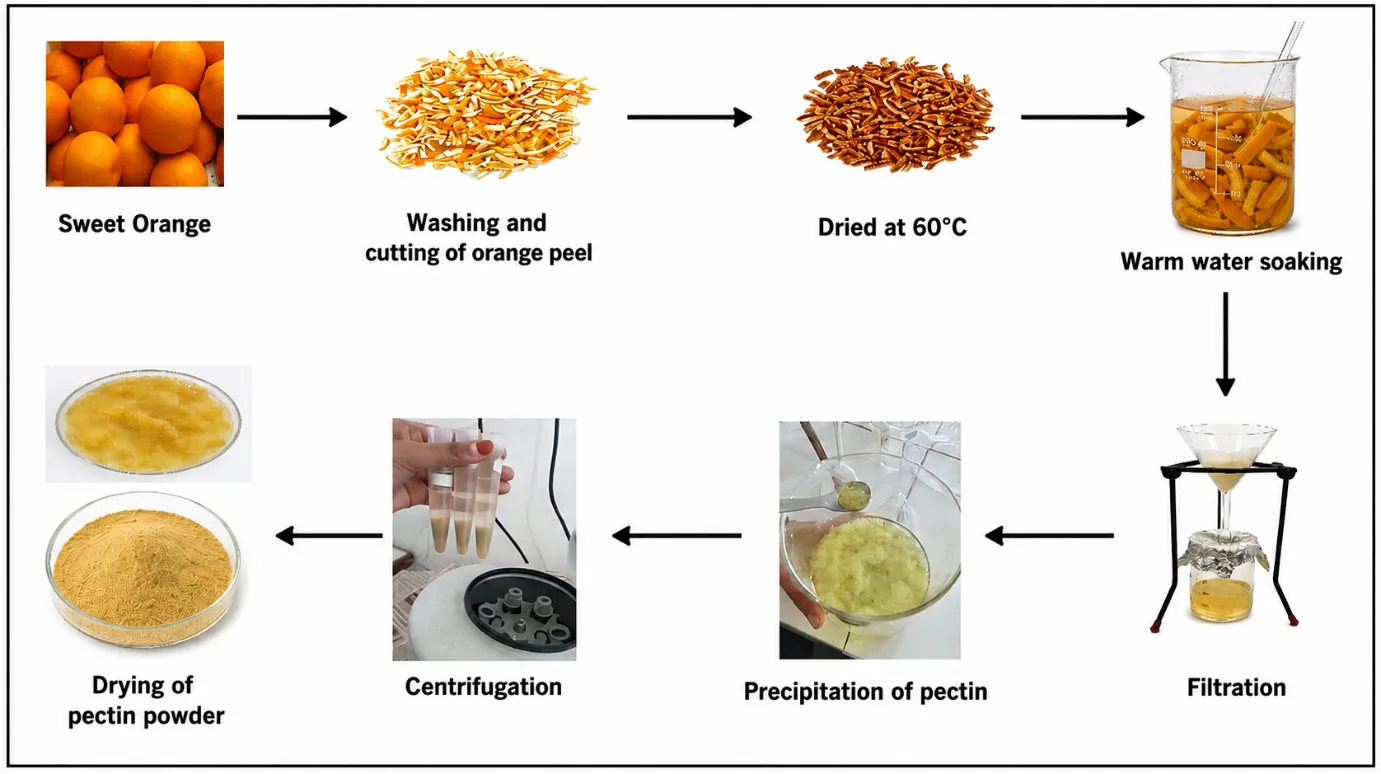
Fig.1 Schematic Workflow Of Pectin Extraction From Orange Peel Waste
EVALUATION OF EXTRACTED PECTIN
IDENTIFICATION TESTS
The extracted pectin was subjected to a series of qualitative chemical tests and instrumental analysis to confirm its identity, purity, and structural integrity. These tests were selected based on the characteristic physicochemical properties of pectin, a heteropolysaccharide composed predominantly of α-(1→4)-linked D-galacturonic acid units, partially esterified with methanol and containing free hydroxyl and carboxyl groups. The test battery was intended to establish the presence of pectin, the absence of starch as a common co-extracted impurity, the acidic polysaccharide nature of the sample, and, by FTIR analysis, the preservation of functional groups consistent with reference pectin spectra.[33,34]
Approximately 1 g of the dried extracted pectin was transferred into a suitable vessel, and 9 mL of distilled water was added. The mixture was heated on a steam bath with occasional stirring until a homogeneous solution was obtained, while replacing any water lost through evaporation. The hot solution was then allowed to cool to room temperature without disturbance. Formation of a firm or stiff gel on cooling was recorded as a positive identification reaction for pectin.[34]
A portion of the extracted pectin was dissolved in distilled water to prepare an aqueous solution. An equal volume of 95% ethanol was added gradually with continuous mixing, and the mixture was allowed to stand for approximately 10–15 min at room temperature. The formation of a white, gelatinous or flocculent precipitate was observed and recorded as a positive reaction for pectin. The precipitate was separated by filtration or centrifugation and washed with 95% ethanol to remove soluble sugars and other low-molecular-weight substances. This test was based on the characteristic precipitation of pectin from aqueous solution by concentrated ethanol.[35]
The iodine test was performed as a qualitative evaluation test to detect starch contamination or co-extracted starch in the isolated pectin sample. An aliquot of the aqueous pectin solution was treated with iodine solution and the colour change was observed. The development of a blue, blue-black, or violet colour was considered a positive reaction, indicating the possible presence of starch, particularly amylose, due to the formation of an iodine–starch complex. In contrast, retention of the yellow-brown colour of iodine without the development of a blue colour was considered a negative reaction, indicating that starch was not detectable under the experimental conditions. Since pectin does not produce the characteristic blue-black iodine–starch complex, this test was used primarily to assess the purity of the extracted pectin rather than to provide definitive confirmation of its identity. A negative iodine reaction supported the differentiation of the acidic polysaccharide pectin from starch, which may be present as a plant-material impurity.[36]
An aqueous solution of pectin sample was acidic to blue litmus paper.[36]
A small amount of the prepared aqueous pectin solution was transferred into a clean test tube, and a few drops of calcium chloride (CaCl?) solution were added gradually. The mixture was gently shaken to ensure uniform mixing and then allowed to stand for a short period. The formation of a gelatinous precipitate, gel, or increase in viscosity was observed and recorded as a positive calcium chloride reaction. This response occurs because calcium ions interact with the negatively charged carboxylate groups of pectin and form ionic cross-links between adjacent pectin chains, producing a calcium–pectate network. The test therefore provided supportive evidence for the presence of pectin, particularly pectin with a relatively low degree of methylesterification, which is more responsive to calcium-induced gelation.[1,37]
A small quantity of the aqueous pectin solution was transferred into a clean test tube, and a few drops of ruthenium red solution were added. The mixture was gently shaken and allowed to stand briefly before observation. Development of a pink, red, or reddish gelatinous precipitate was considered a positive reaction for pectic substances. The colour development was attributed to the interaction of the cationic ruthenium red dye with the negatively charged carboxyl groups of galacturonic acid residues in pectin. Therefore, the test provided qualitative support for the presence of pectin in the extracted sample.[38]
Purity assessment is a critical step in pectin characterization, since crude precipitated pectin obtained through acid extraction and alcohol precipitation is rarely a single pure compound it typically co-precipitates with residual proteins, starch, ash, moisture, and neutral sugars picked up during extraction.[1,2] Purity is therefore evaluated indirectly through a set of standardized physicochemical parameters rather than through direct isolation of "pure" pectin. Three parameters form the core of this assessment: galacturonic acid (GalA) content, which measures the proportion of the true polygalacturonide backbone relative to total sample mass; degree of esterification (DE), which measures what fraction of the GalA carboxyl groups are methyl-esterified; and methoxy (MeO) content, which measures the mass proportion of methoxy groups contributed by that esterification.[3,31,34] Together, these parameters not only confirm sample purity but also determine functional classification (HM vs LM pectin) and downstream gelling behavior, making them standard requirements in both pharmacopeial and food-grade pectin specifications.[34]
Pectin purity was assessed by titrimetric estimation of galacturonic acid content, based on the stoichiometric reaction between the free and esterified carboxyl groups of pectin and standardized sodium hydroxide.[1,3,33] A 0.5 g dried pectin sample was moistened with 60% ethanol — which improves particle dispersion and prevents clumping,[40] then dissolved in distilled water. The free carboxyl groups were first neutralized by titration with 0.1 N NaOH using phenolphthalein indicator, and the volume consumed was recorded as V?. A measured excess of 0.1 N NaOH (20 mL) was then added to saponify the esterified carboxyl groups, and the mixture was allowed to stand for 30 minutes. The unreacted alkali was neutralized with 20mL of 0.1 N HCl and back-titrated with 0.1 N NaOH to the phenolphthalein endpoint, giving V?.[3,34] Total galacturonic acid content was calculated as:
GalA (%) = [(V? + V?) × N × 0.1942 / W] × 100
Where,
N = Normality of NaOH
W = Sample weight (g)
0.1942 = Gram-equivalent factor for galacturonic acid
A value consistent with the equivalence factor used in the USP–NF compendial assay.[34]
A representative trial (V? = 10 mL, V? = 13 mL, N = 0.1, W = 0.5 g) yielded 89.33% galacturonic acid, benchmark reported in extraction literature, indicating a high-purity extract suitable for pharmaceutical, food, and industrial application.[1,34,39]
DE was derived arithmetically from the same titration data used for galacturonic acid estimation, since both the free and esterified carboxyl fractions originate from a single titration sequence.[3] Using the relationship between esterified and total carboxyl groups
DE (%) = [V? / (V? + V?)] × 100
Where,
V? = Free-acid titer
V? = Saponification (esterified-acid) titer.
For the representative trial (V? = 10 mL, V? = 13 mL):
DE (%) = [13 / (10 + 13)] × 100 = 56.5%
Since DE exceeded 50%, the extracted pectin was classified as high-methoxy (HM) pectin, expected to gel through sugar–acid hydrogen bonding rather than calcium-mediated crosslinking, consistent with the egg-box model of LM pectin gelation.[3,37]
MeO content was calculated from the saponification titer (V?) obtained during the same assay, using the USP–NF equivalence factor for the methoxy group.[34]
MeO (%) = (V? × N × 31 × 100) / (W × 1000)
Where,
V? = Saponification titer (mL)
N = Normality of NaOH
W = Sample weight (g)
Molecular weight of the methoxy group (–OCH?) = 31
For the representative trial (V? = 13 mL, N = 0.1, W = 0.5 g)
MeO (%) = (13 × 0.1 × 31 × 100) / (0.5 × 1000) = 8.06%
This value exceeds the USP–NF minimum requirement of 6.7% methoxy groups on a dried basis [34], further supporting the classification of the sample as high-methoxy Pectin.
Fourier-transform infrared (FTIR) spectroscopy was performed on the dried pectin sample to confirm the presence of characteristic functional groups and to support the identification and purity findings obtained from the preceding chemical and titrimetric tests.[33,34] The sample was prepared as a potassium bromide (KBr) pellet, a technique selected for its suitability in resolving the carboxyl and hydroxyl functionalities of the extracted polymer.[7] Spectra were acquired on a JASCO FT/IR-4100 Type A spectrophotometer (Serial No. C224661016) over the wavenumber range 4000–400 cm?¹ at a resolution of 4 cm?¹, using a TGS detector. The spectrum was recorded in percent transmittance (%T), and the resulting absorption bands were assigned to the hydroxyl, carbonyl, methyl ester, and glycosidic functionalities characteristic of the α-(1→4)-linked D-galacturonic acid backbone of pectin.
The FTIR spectrum of the extracted orange peel pectin (Fig. 2) displayed several well-resolved absorption bands consistent with its expected polysaccharide structure (Table 1).
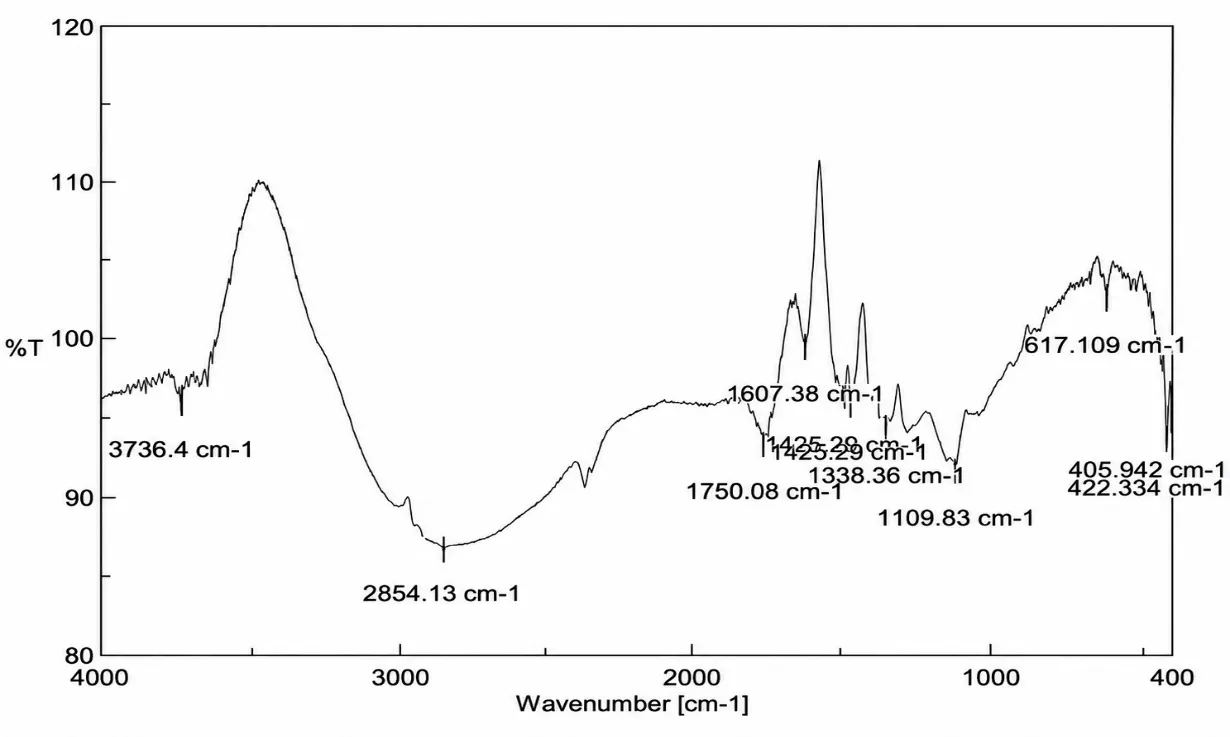
Fig.2 FTIR spectrum of extracted orange peel pectin (KBr pellet, 4000–400 cm?¹)
Table 1. FTIR peak assignments for extracted orange peel pectin
|
Wavenumber (cm-1) |
Functional group |
Interpretation |
|
3736.4 |
O–H stretching |
Hydroxyl groups and hydrogen bonding in the polysaccharide |
|
2854.13 |
C–H stretching |
Aliphatic C–H groups, including methyl groups |
|
1750.08 |
C=O stretching of esterified carboxyl groups |
Methyl-esterified galacturonic acid units |
|
1607.38 |
COO? asymmetric stretching / free carboxyl groups |
Non-esterified galacturonic acid units |
|
1475.28/ 1455.99 |
CH? bending / O–CH? asymmetric bending |
Methyl ester group |
|
1338.36 |
O–H in-plane bending / C–H bending |
presence of hydroxyl-containing polysaccharide groups |
|
1109.83 |
C–O–C stretching |
Glycosidic linkage |
|
617.109/422.334/ 405.942 |
Skeletal/ring deformation |
Fingerprint region, pyranose ring |
The most diagnostically significant features of the spectrum were the absorptions at 1750.08 cm?¹ and 1607.38 cm?¹, assigned respectively to the C=O stretching vibration of esterified carboxyl groups and the asymmetric stretching vibration of ionized carboxylate groups (COO-).[33,34] The simultaneous presence of both bands indicates that the extracted pectin contains both methyl-esterified and non-esterified or ionized galacturonic acid residues, consistent with partial esterification of the polygalacturonic acid backbone. This finding qualitatively supports the titrimetric degree-of-esterification result, which classified the sample as high-methoxy pectin because its DE exceeded 50%. However, quantitative comparison of the FTIR and titrimetric results would require baseline-corrected peak areas or calibrated absorbance ratios, which were not determined in the present analysis. The band at 1109.83 cm?¹ can be attributed to C–O and C–O–C stretching vibrations associated with the glycosidic and polysaccharide backbone. The low-wavenumber bands at 617.109, 422.334, and 405.942 cm?¹ may represent skeletal or ring-deformation vibrations, but they should be considered supporting features rather than definitive diagnostic bands for pectin. Collectively, the observed absorptions are consistent with reported FTIR spectra of pectin and support the presence of a partially esterified pectic polysaccharide.[33] A claim of conformity with USP–NF identification criteria should be made only if the spectrum was evaluated using the specified USP–NF procedure and reference standard.[34]
CONCLUSION
The present study successfully demonstrates that orange peel (Citrus sinensis), a widely discarded agro-industrial by-product, can serve as a rich and reliable source of pharmaceutical-grade pectin. Citric acid-assisted hot extraction followed by ethanol precipitation yielded a product that satisfied all qualitative identification tests for pectic substances and gave a galacturonic acid content of 89.33%, placing it well within the high-purity range reported in the literature. Titrimetric evaluation established a degree of esterification of 56.5% and a methoxy content of 8.06% — both exceeding the USP–NF minimum threshold — confirming the extracted material as high-methoxy (HM) pectin, expected to gel predominantly through sugar–acid hydrogen bonding. FTIR spectroscopy corroborated these findings, showing well-resolved bands corresponding to esterified and free carboxyl groups, hydroxyl functionalities, and the glycosidic backbone, consistent with reference pectin spectra. Taken together, these results confirm that orange peel pectin extracted under the optimized conditions used in this study (pH 2–3, 60–80°C) is structurally and chemically comparable to commercial pectin standards. Beyond its analytical value, this work underscores the broader significance of orange peel valorization converting a low-value waste stream into a functional, high-purity biopolymer supports circular-economy principles and offers a sustainable route to meeting rising pectin demand across the food, pharmaceutical, and cosmetic sectors. Further work including yield optimization, molecular weight characterization, and comparison across extraction methods would strengthen the case for scale-up.
REFERENCES


Mahek Shaikh*, Sharad Mali., Extraction And Evaluation Of Pectin From Orange Peels By Acid Extraction , Int. J. of Pharm. Sci., 2026, Vol 4, Issue 8, 5249-5262. https://doi.org/ 10.5281/zenodo.22208993
 10.5281/zenodo.22208993