

We use cookies to ensure our website works properly and to personalise your experience. Cookies policy
Kasturi Shikshan Sanstha College of Pharmacy, Shikrapur, Pune-412208.
Oral thin films are innovative oral drug delivery systems designed to dissolve rapidly in the oral cavity without the need for water. These films improve patient compliance and provide faster onset of action compared to conventional dosage forms such as tablets and capsules.The present research work focuses on the formulation and evaluation of Herbal Oral Thin Film containing Tulsi (Ocimum sanctum) and Ginger (Zingiber officinale) extracts. Tulsi is a well- known medicinal herb possessing antimicrobial, antioxidant, anti- inflammatory, and immunomodulatory properties. Ginger is widely used for its antiemetic, digestive, antioxidant, and anti-inflammatory activities.The oral thin film was prepared using the solvent casting method. Hydroxy Propyl Methyl Cellulose (HPMC) was used as a film-forming polymer, while PEG 400 was used as a plasticizer to improve flexibility of the film. Stevia was used as a sweetening agent and tartaric acid was added as a saliva stimulating agent.The prepared films were evaluated for various physicochemical parameters such as appearance, thickness, weight variation, folding endurance, surface pH, disintegration time, moisture content, tensile strength, and drug content uniformity.The prepared formulation showed satisfactory physical appearance, good flexibility, neutral surface pH, and rapid disintegration. The study concluded that the formulated Herbal Oral Thin Film containing Tulsi and Ginger extracts can be considered as a promising herbal drug delivery system with improved patient acceptability and therapeutic effectiveness..
Mouth ulcer, also known as recurrent aphthous stomatitis (RAS), is one of the most common inflammatory conditions affecting the oral mucosa. It is characterized by painful ulcerative lesions occurring on the tongue, inner cheeks, lips, soft palate, and gums. These ulcers are usually round or oval with a yellowish-white center surrounded by an erythematous border. Patients suffering from mouth ulcers experience pain, burning sensation, difficulty in eating, speaking, and swallowing, which affects their quality of life.
The exact etiology of mouth ulcers is not completely understood, but several factors such as stress, nutritional deficiencies, microbial infection, trauma, hormonal changes, food allergies, gastrointestinal disorders, and reduced immunity are associated with their occurrence. Conventional therapies for mouth ulcers include topical corticosteroids, antiseptic mouthwashes, analgesic gels, and antibiotics. However, prolonged use of these medications may cause side effects including irritation, dryness of mouth, altered taste sensation, and recurrence of ulcers after stopping treatment. Therefore, there is a growing interest in herbal formulations due to their safety, efficacy, affordability, and minimal adverse effects.
Oral thin film technology is considered an advanced drug delivery system designed to deliver drugs directly through the oral mucosa. Oral thin films are thin, flexible polymeric strips that rapidly dissolve or adhere in the oral cavity, releasing the active ingredients at the site of action. These films provide several advantages such as rapid onset of action, improved bioavailability, bypass of first-pass metabolism, ease of administration, portability, and enhanced patient compliance. Oral thin films are especially useful for pediatric and geriatric patients who may have difficulty swallowing conventional dosage forms.
The present project aims to formulate and evaluate an oral thin film patch containing Tulsi and Ginger extracts for the effective management of mouth ulcers. The synergistic combination of these herbal drugs may provide antimicrobial, anti-inflammatory, analgesic, and wound healing effects in a convenient and patient-friendly dosage form1
Mouth Ulcer:
The oral cavity plays an important role in maintaining overall health by participating in essential functions such as mastication, swallowing, speech, and taste sensation. Any disorder affecting the oral mucosa can significantly disturb these normal physiological activities and reduce the quality of life of an individual. Among the various oral disorders, mouth ulcer is considered one of the most common and painful conditions affecting people of all age groups.
Mouth ulcer, also known as aphthous ulcer or canker sore, is a localized inflammatory lesion of the oral mucosa characterized by the loss of epithelial lining within the mouth. These ulcers usually appear as small, round or oval lesions with a whitish or yellowish center surrounded by an erythematous red border. They commonly occur on the inner lining of cheeks, lips, tongue, floor of the mouth, soft palate, and gums. Mouth ulcers may occur as single or multiple lesions and are often associated with pain, burning sensation, irritation, and discomfort during eating, drinking, speaking, and swallowing.
Mouth ulcers are among the most frequently encountered oral mucosal lesions in clinical practice. Although most ulcers are self-limiting and heal naturally within one to two weeks, recurrent and severe ulcers may adversely affect nutrition, oral hygiene, and daily activities of the patient. The exact cause of mouth ulcer formation is not completely understood; however, several local and systemic factors are believed to contribute to their development. Mechanical trauma caused by accidental cheek biting, sharp teeth, aggressive brushing, or dental appliances can damage the oral mucosa and initiate ulcer formation. Nutritional deficiencies such as lack of vitamin B12, folic acid, iron, and zinc are also considered important predisposing factors.[12]
Psychological stress and anxiety have been strongly associated with recurrent oral ulcers because stress can alter immune response and increase inflammatory reactions within the oral cavity. Hormonal changes during menstruation or pregnancy may also increase susceptibility to ulcer formation in some individuals. In addition, microbial infections, food allergies, gastrointestinal disorders, and weakened immune function can contribute to the occurrence of mouth ulcers. Certain systemic diseases such as Crohn’s disease, ulcerative colitis, diabetes mellitus, and immunodeficiency disorders are also associated with recurrent oral ulceration.

Fig.No.1.1: Mouth Ulcer
Pathogenesis:
The pathogenesis of mouth ulcers involves inflammation and destruction of the superficial epithelial layer of the oral mucosa. Injury or irritation triggers the release of inflammatory mediators such as histamine, prostaglandins, cytokines, and tumor necrosis factor, leading to redness, swelling, pain, and ulcer formation. The exposed nerve endings within the ulcerated region are responsible for severe pain and discomfort experienced by the patient. Healing occurs through regeneration of epithelial tissue and restoration of mucosal integrity .[13]
Mouth ulcers not only produce local discomfort but may also interfere with food intake and nutrition due to pain during mastication and swallowing. Recurrent ulcers can affect the psychological and social well-being of patients, especially when associated with persistent pain and difficulty in communication. Therefore, effective management of mouth ulcers is essential to reduce pain, control inflammation, prevent microbial infection, and accelerate healing of damaged oral tissue.
Conventional treatment of mouth ulcers generally includes topical corticosteroids, antiseptic mouthwashes, analgesic preparations, antibiotics, and vitamin supplements. Although these therapies provide symptomatic relief, prolonged use may cause side effects such as oral irritation, dryness, altered taste sensation, and recurrence of ulcers after discontinuation of therapy. Because of these limitations, the use of herbal medicines and novel drug delivery systems has gained considerable attention in recent years.
Herbal drugs possess antimicrobial, anti-inflammatory, antioxidant, analgesic, and wound healing properties with comparatively fewer adverse effects. Medicinal plants such as Tulsi and Ginger have been widely used in traditional systems of medicine for the treatment of inflammatory and infectious conditions of the oral cavity. These herbal agents may provide safer and more effective management of mouth ulcers when incorporated into advanced drug delivery systems such as oral thin films. [19].
Thus, mouth ulcer remains an important oral health problem requiring effective and patient- friendly treatment approaches to improve healing, reduce pain, and enhance the overall quality of life of affected individuals.
Causes of Mouth Ulcer:
Mouth ulcers may develop due to several local, systemic, nutritional, and environmental factors that damage or irritate the oral mucosa. In many cases, more than one factor may be responsible for ulcer formation.1
1. Mechanical Trauma
Physical injury to the oral mucosa is a common cause of mouth ulcers. Accidental cheek or tongue biting, sharp or broken teeth, hard toothbrushes, orthodontic braces, and ill-fitting dentures can damage the oral lining and lead to ulcer formation.
2. Nutritional Deficiency
Deficiency of important nutrients such as vitamin B12, iron, folic acid, and zinc weaken the mucosal tissue and reduces its healing capacity, increasing the risk of recurrent mouth ulcers.
3. Stress and Anxiety
Psychological stress, emotional disturbances, anxiety, and lack of sleep can affect the immune system and trigger inflammatory reactions in the oral cavity, leading to ulcer formation.
4. Hormonal Changes
Hormonal imbalance during menstruation, pregnancy, puberty, or menopause may increase susceptibility to mouth ulcers, especially in females.
5. Microbial Infection
Bacterial, viral, and fungal infections may irritate the oral mucosa and produce inflammatory lesions or ulcers within the mouth.
6. Food Allergy and Irritation
Consumption of spicy foods, acidic foods, citrus fruits, and very hot beverages may irritate sensitive oral tissues and trigger ulcer formation in some individuals.
7. Immune System Disorders
Abnormal immune response or weakened immunity can damage healthy oral mucosal cells, resulting in recurrent aphthous ulcers.
Types of Mouth Ulcer:
Mouth ulcers are mainly classified into three major types based on their size, number, severity, and healing pattern. These include minor aphthous ulcers, major aphthous ulcers, and herpetiform ulcers.
1.Minor Aphthous Ulcer
Minor aphthous ulcer is the most common type of mouth ulcer. These ulcers are small, shallow, round or oval lesions usually less than 1 cm in diameter. They commonly appear on the inner lips, cheeks, tongue, or soft palate. [20]
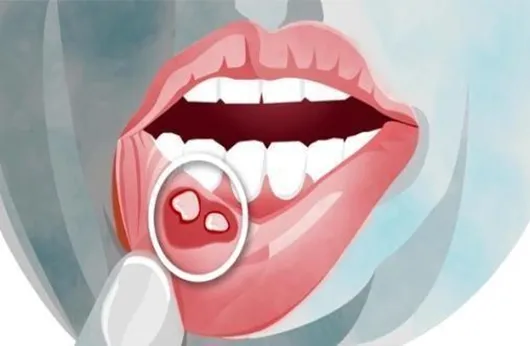
Fig.No.1.2: Minor Alphatous Ulcer
Characteristics:
• Painful in nature
• Surrounded by red inflammatory border
• Heal within 7–14 days
• Usually heal without scar formation
• Minor ulcers may occur singly or in small numbers and are generally associated with stress, minor trauma, or nutritional deficiencies.
2.Major Aphthous Ulcer
Major aphthous ulcer is a more severe and deeper form of oral ulceration. These ulcers are larger than 1 cm and may extend deeper into the mucosal tissues. [2]
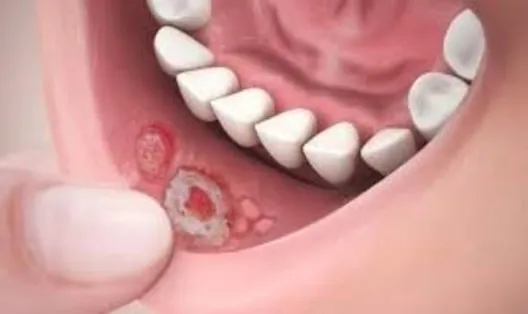
Fig.No.1.3: Major Alphatous Ulcer
Characteristics:
• Large and deep ulcers
• Severe pain and inflammation
• Difficulty in eating and swallowing
• Healing may take several weeks
• May leave scar after healing
• Major ulcers are less common but more persistent and recurrent than minor ulcers. 1.
3.Herpetiform Ulcer
Herpetiform ulcer is a rare type of mouth ulcer characterized by the presence of multiple small pinpoint ulcers occurring in clusters. These ulcers resemble herpes lesions but are not caused by herpes virus infection. [17]

Fig.No.1.4: Herpetiform Ulcer
Characteristics:
• Numerous tiny ulcers
• Extremely painful
• Ulcers may merge to form larger lesions
• Recurrent in nature
• Commonly affect adults
• Healing usually occurs within 1–2 weeks, but recurrence is common.
Pathogenesis of Mouth Ulcer: [6]
Causative Factors
(Trauma, Stress, Infection, Nutritional Deficiency)
↓
Damage to Oral Mucosa
↓
Activation of Immune Response
↓
Release of Inflam
(Histamine, Cytokines, Prostaglandins)
↓
Inflammation and Redness
↓
Destruction of Epithelial Cells
↓
Formation of Ulcerative Lesion
↓
Pain, Burning Sensation, Irritation
↓
Tissue Repair and Healing
↓
Regeneration of Oral Mucosa
Fig No.1.5: Pathogenesis of Ulcer
Sign and Symptoms:
The signs and symptoms may vary depending on the severity and type of ulcer.One of the most common symptoms is the presence of a painful sore inside the mouth. The ulcer usually appears as a round or oval lesion with a white or yellowish center surrounded by a red inflammatory border. Patients often experience a burning or tingling sensation before the ulcer becomes fully visible. [7]
Painful sore inside the mouth
Burning or tingling sensation
Redness and inflammation around ulcer
White or yellow ulcer center
Difficulty in eating and swallowing
Pain during speaking
Irritation while eating spicy food
Excess salivation
Mild swelling around affected area Bad breath in some cases
Diagnosis:
Diagnosis of mouth ulcer is mainly based on clinical examination and patient history. The dentist or physician examines the size, shape, location, color, and duration of the ulcer along with associated symptoms such as pain, burning sensation, and difficulty in eating or swallowing.
Common diagnostic methods include:
Diagnosis of Mouth Ulcer
1.Clinical Examination
Doctor or dentist examines the mouth ulcer for its size, shape, color, and location.
2.Patient History
Information about pain, duration, food habits, stress, and recurrent ulcers is collected.
3.Blood Tests
Blood tests are performed to detect:
• Vitamin deficiency
• Iron deficiency
• Anemia
• Infection
4.Microbial Test
Performed when bacterial, viral, or fungal infection is suspected.
5.Allergy Testing
Used to identify food allergy or hypersensitivity causing ulcers.
6.Biopsy
In severe or non-healing ulcers, a small tissue sample is examined to rule out cancer or serious diseases [8]
Characteristics:
• Numerous tiny ulcers
• Extremely painful
• Ulcers may merge to form larger lesions
• Recurrent in nature
• Commonly affect adults
• Healing usually occurs within 1–2 weeks, but recurrence is common.
Treatment of Mouth Ulcer:
Treatment of mouth ulcer mainly focuses on relieving pain, reducing inflammation, preventing infection, and promoting rapid healing of the damaged oral mucosa. The treatment depends on the severity, size, and cause of the ulcer.
1.Topical Medications
Topical preparations are commonly used because they provide direct action at the ulcer site. These medications reduce pain, inflammation, and irritation.
Examples:
• Analgesic gels
• Corticosteroid ointments
• Protective oral pastes
• These formulations form a protective layer over the ulcer and help in faster healing. [11]
2.Antiseptic Mouthwash
Antiseptic mouthwashes help reduce microbial growth and maintain oral hygiene. They prevent secondary infection and decrease inflammation around the ulcer.
Common examples:
• Chlorhexidine mouthwash
• Benzydamine mouthwash
• Regular use improves cleanliness of the oral cavity and supports healing. [10]
3.Pain Relievers
Pain and burning sensation associated with mouth ulcers can be controlled using analgesics and anti-inflammatory drugs.
Examples:
• Paracetamol
• Ibuprofen
These drugs help improve patient comfort during eating and speaking.
4.Vitamin and Nutritional Supplements
Mouth ulcers caused by nutritional deficiencies are treated by supplementation of essential nutrients such as:
• Vitamin B12
• Iron
• Folic acid
• Zinc
Correction of nutritional deficiency helps prevent recurrence of ulcers and improves tissue repair. [12]
5.Antibiotics and Antifungal Therapy
If bacterial or fungal infection is present, suitable antimicrobial agents are prescribed to control infection and promote healing.
6.Herbal Treatment
Herbal medicines are widely used due to their safety and fewer side effects. Medicinal herbs possess antimicrobial, anti-inflammatory, antioxidant, analgesic, and wound healing properties.
Common herbal remedies include:
• Tulsi
• Ginger
• Aloe vera
• Turmeric
These herbs help reduce pain, swelling, and microbial growth while accelerating ulcer healing.
7.Oral Thin Film Therapy
Oral thin films are modern drug delivery systems that provide localized treatment directly at the ulcer site. These films rapidly adhere or dissolve in the oral cavity and release medicament in a controlled manner. [13]
Advantages:
• Rapid drug release
• Improved patient compliance
• Better retention at ulcer site
• Faster healing action
8.Home Care and Prevention
Proper oral care plays an important role in healing and prevention of recurrence. Preventive measures include:
• Maintaining oral hygiene
• Avoiding spicy and acidic foods
• Drinking adequate water
• Reducing stress
• Avoiding tobacco and alcohol
• Using soft toothbrush
Need of Herbal Oral Thin Film Formulation [13,17]
To provide rapid onset of action.
To improve patient compliance
To avoid difficulty in swallowing tablets and capsules
To provide localized drug delivery in oral cavity
To improve bioavailability of herbal drugs
To bypass first-pass metabolism
To reduce pain and inflammation effectively
To enhance wound healing of mouth ulcers
To reduce microbial infection
To minimize side effects associated with synthetic drugs
To develop a convenient and portable dosage form
To provide safer and economical herbal therapy
Oral Thin Film (OTF)
Oral Thin Film (OTF) is a thin, flexible, fast-dissolving strip designed to release active ingredients rapidly when placed on the tongue or inside the oral cavity. These films dissolve quickly in saliva without the need for water and provide rapid onset of action.
OTFs are modern drug delivery systems widely used in pharmaceutical formulations because of their convenience, improved patient compliance, and fast therapeutic action. [12]
Characteristics of Oral Thin Film:
Important characteristics of Oral Thin Films include
o Smooth texture
o Fast drug release
o Easy administration
o Portable dosage form
Need of Oral Thin Film: [13]
• To provide rapid drug release and faster therapeutic action.
• To improve patient compliance in paediatric and geriatric patients.
• To overcome swallowing difficulty associated with tablets and capsules.
• To provide direct local action inside the oral cavity.
• To develop a convenient dosage form that does not require water for administration.
Structure of Oral Thin Film:
An Oral Thin Film mainly contains:
Table No 1.1: Structure of Oral Thin Film
|
Component |
Function |
|
Polymers |
Form the film structure |
|
Plasticizer |
Improve flexibility |
|
Active ingredient |
Therapeutic effect |
|
Sweetener |
Improve taste |
|
Saliva stimulant |
Enhance rapid disintegration |
Composition of Oral Thin Film:
Oral thin films mainly contain the following components:
a) Film Forming Polymer [10]
Used for preparation of thin film structure. Example:
• HPMC
• PVA
• Pullulan
b) Plasticizer [9]
Improves flexibility and prevents brittleness.
Example:
• PEG 400
• Glycerin
c) Active Ingredient
Provides therapeutic activity.
Example:
• Tulsi extract
• Ginger extract
d) Sweetening Agent
Improves taste and patient acceptability. Example:
• Stevia
• Honey
e) Saliva Stimulating Agent
Enhances rapid disintegration.
Example:
• Lactic acid
• Tartaric acid
• Citric acid
Mechanism of Herbal Oral Thin Film for Mouth Ulcer:
Application of oral thin film Film Placed on Tongue / Ulcer Site
↓
Contact with Saliva
↓
Film Hydration
↓
Rapid Swelling of Polymer
↓
Fast Film Disintegration
↓
Release of Tulsi & Ginger Extracts
↓
Penetration into Oral Mucosal Tissue
↓
Tulsi → Antimicrobial Activity Ginger → Anti- inflammatory
& Soothing Action Reduction in Pain & Irritation
↓
Prevention of Microbial Growth
↓
Acceleration of Healing
↓
Relief from Mouth Ulcer
Fig No 1.6: Mechanism of Herbal Oral Thin Film for Mouth Ulcer [4,5]
MATERIAL AND METHOD
Role of selected drugs in herbal oral film:
1)Ocimum Sanctum [4]
Role: Reduce inflammation, Microbial infection, Promotes faster healing of mouth ulcers due to its antimicrobial and wound healing properties.
Biological name: Ocimum Sanctum
Kingdom: Plantaea
Division: Magnoliophyta
Order: Lamiales
Family: Lamiaceae
Genus: Ocimum
Species: Ocimum sanctum
Uses: [5,6,16]
1. Used as antimicrobial agent
2. Used in treatment of cough and cold
3. Used for anti-inflammatory activity
4. Used in fever management
5. Used as antioxidant agent
6. Used in wound healing
7. Used to improve immunity
8. Used in oral ulcers and oral infections
9. Used in stress relief and adaptogenic therapy
10. Used in Ayurvedic and herbal formulations

Fig No 6.1: Ocimum Sanctum
2)Zingiber Officinale [7,8]
Role: Anti-inflammatory, Analgesic, and antimicrobial agent that helps reduce pain, irritation, and promotes faster healing of mouth ulcers.
Kingdom: Plantae
Division: Magnoliophyta
Class: Liliopsida
Order: Zingiberales
Family: Zingiberaceae
Genus: Zingiber
Species: Zingiber officinale
Uses:
1. Used as an anti-inflammatory agent
2. Used for pain relief
3. Used as an antimicrobial agent
4. Used in cough and cold
5. Used in digestive disorders
6. Used to reduce nausea and vomiting
7. Used in wound healing
8. Used in treatment of mouth ulcers
9. Used as an antioxidant agent
10. Used in herbal and Ayurvedic formulations

Fig No6.2: Zingiber Officinale
3)Honey
Role: Antimicrobial and Wound healing agent that helps soothe irritation and promotes faster healing of mouth ulcers.
Kingdom: Animalia Phylum: Arthropoda
Class: Insecta
Order: Hymenoptera Family: Apidae
Genus: Apis
Uses:
1. Used as a natural sweetening agent
2. Used in cough and cold treatment
3. Used in wound healing
4. Used as an antimicrobial agent
5. Used in oral ulcer treatment
6. Used in skincare preparations
7. Used in herbal formulations
8. Used to soothe throat irritation

Fig. No 6.3: Honey
4)Glycerine
Role: Glycerine acts as a plasticizer that improves the flexibility, softness, and folding endurance of oral thin films and prevents brittleness or cracking of the film.
Chemical Name:
Glycerin / Glycerol
Chemical Formula:
C₃H₈O₃
Category:
Plasticizer
Humectant

Fig. No 6.4: Glycerine
Glycerin is a clear, colorless, odorless, and sweet-tasting viscous liquid widely used in pharmaceutical and cosmetic formulations. It is highly soluble in water and helps improve flexibility and softness of formulations.
Properties of Glycerin:
• Colorless liquid
• Hygroscopic in nature
• Sweet taste
• Water soluble
• Non-toxic
Uses of Glycerin:
1. Used as a plasticizer in oral thin films
2. Used as moisturizing agent
3. Used in pharmaceutical syrups
4. Used in cosmetic formulations
5. Used to improve flexibility of films
5)HPMC [10]
Role: HPMC acts as a film-forming polymer that provides strength, flexibility, smoothness, and uniformity to the oral thin film formulation.
Chemical Name:
Hydroxypropyl Methylcellulose (HPMC)
Category:
• Film forming polymer
• Pharmaceutical excipient
HPMC is a semi-synthetic, non-toxic, water-soluble polymer widely used in pharmaceutical formulations. It forms clear, flexible, and smooth films, making it suitable for oral thin film preparation.
Properties of HPMC
• White or cream-colored powder
• Odorless and tasteless
• Water soluble
• Non-toxic and biocompatible
• Good film-forming property
Uses of HPMC:
1. Used as film forming agent
2. Used in oral thin film formulations
3. Used in tablet coating
4. Used as binder in tablets
5. Used in controlled drug delivery systems
6. Used as thickening agent

Fig.No 6.5: HPMC
6)Lactic acid
Role: Lactic acid helps stimulate saliva secretion, improve film disintegration, and maintain suitable pH of the oral thin film formulation.
Chemical Name Lactic Acid Chemical Formula C3H6O3
Category
Saliva stimulating agent
Acidifying agent
Lactic acid is a colorless or slightly yellow organic acid commonly used in pharmaceutical, food, and cosmetic formulations. It is soluble in water and helps maintain suitable pH in formulations.
Properties of Lactic Acid:
Colorless liquid
Mild acidic odor
Water soluble
Hygroscopic in nature
Non-volatile acid
Uses of Lactic Acid:
1. Used as saliva stimulating agent
2. Used to maintain pH of formulation
3. Used in oral thin films
4. Used in cosmetic preparations
5. Used as preservative and acidifying agent
6. Used in pharmaceutical formulations

Fig.No 6.6: Lactic Acid
Formulation Table:
Table No.6.1: Formulation Table
|
Sr.no. |
Ingredients |
Quantity |
Role |
|
1. |
Ocimum Sanctum |
200mg |
Herbal active ingredient |
|
2. |
Zingiber officinale |
200mg |
Herbal active ingredient |
|
3. |
HPMC |
2gm |
Film forming polymer |
|
4. |
Glycerine |
0.5ml |
Plasticizer |
|
5. |
Honey |
0.5ml |
Sweetener |
|
6. |
Lactic acid |
50mg |
Saliva stimulant |
|
7. |
Distilled water |
20-25ml |
Solvent |
Procedure
1.Collection and Preparation of Plant Material
Fresh Tulsi leaves and Ginger rhizomes were collected from a suitable source and authenticated properly. The collected materials were washed thoroughly with tap water followed by distilled water to remove dirt, dust, and other impurities. The cleaned materials were shade dried at room temperature for about 7–10 days to remove moisture content. Further drying was carried out in a hot air oven at suitable temperature until complete drying occurred. The dried plant materials were crushed separately using a grinder to obtain coarse powder. The powdered materials were passed through sieve no. 60 to obtain uniform particle size and stored in clean, airtight containers until extraction.
2.Extraction by Soxhlet Apparatus [3]
Accurately weighed quantities of Tulsi powder and Ginger powder were taken separately for extraction. The powdered material was wrapped in filter paper and placed inside the Soxhlet thimble carefully to avoid leakage of powder particles.
About 70% ethanol was used as extraction solvent and poured into a round bottom flask attached to the Soxhlet apparatus. The apparatus was assembled properly with condenser, extraction chamber, and heating mantle.
The solvent present in the flask was heated continuously. On heating, ethanol vapours travelled upward through the distillation arm and entered the condenser, where cooling converted vapours into liquid form. The condensed solvent entered the extraction chamber containing herbal powder.
The solvent remained in contact with the powder and extracted the active phytoconstituents from the crude drug. When the solvent level in the extraction chamber reached the top of the siphon tube, the extract-containing solvent automatically siphoned back into the round bottom flask.
This extraction cycle was repeated continuously for several hours until complete extraction was achieved. After completion of extraction, the obtained extract was filtered to remove unwanted particles and concentrated by evaporation on a water bath to obtain semi-solid concentrated extract.
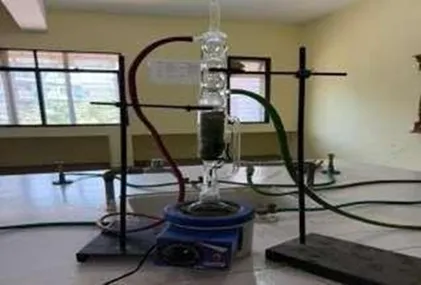
Fig. No 7.1: Soxhlet apparatus
3.Preparation of Polymeric Solution [9]
Required quantity of HPMC polymer was accurately weighed and dissolved slowly in distilled water with continuous stirring using a magnetic stirrer. Stirring was continued until a clear, smooth, and uniform polymeric solution was obtained.Glycerin was added as a plasticizer to improve flexibility and folding endurance of the film. Lactic acid and other excipients were added to the polymeric solution and mixed properly to obtain a homogeneous mixture.
4.Incorporation of Herbal Extract [9]
The concentrated Tulsi and Ginger extracts were added slowly into the prepared polymeric solution with continuous stirring to ensure uniform distribution of herbal constituents throughout the formulation.The final solution was stirred properly to obtain a homogeneous casting solution. The solution was then kept undisturbed for some time to remove entrapped air bubbles and obtain bubble- free formulation.
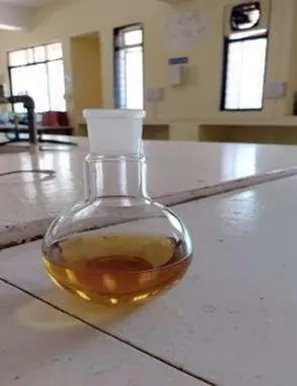
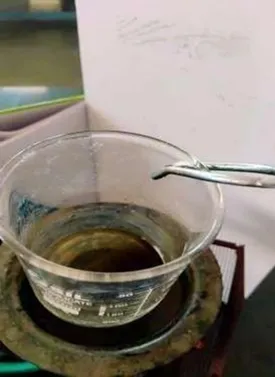
Fig No 7.2: Ginger extract Fig No 7.3: Tulsi extrac
5.Preparation of Oral Thin Film by Solvent Casting Method [3,9,10]
The prepared casting solution was poured carefully into clean and dry petri plates. The solution was spread uniformly to obtain films of uniform thickness.
The petri plates containing formulation were dried at room temperature or in a hot air oven at controlled temperature until complete drying of films occurred.
After complete drying, the formed films were carefully peeled off from the petri plates without damaging the surface.

Fig No 7.4: Casting method
Phytochemicals screening of herbal extract: [15]
Table No 7.1: Phytochemicals screening of herbal extract
|
Sr.no. |
Phytochemicals |
Procedure |
Inference |
|
|
1. |
Alkaloids |
Sample solution treated with picric acid |
Yellow obtained(positive) |
precipitate |
|
2. |
Flavonoids |
Sample solution treated with ferric chloride solution |
Green colour (Positive) |
obtained |
|
3. |
Carbohydrates |
Sample treated with α- naphthol and conc. H2SO4 |
Violet ring formed |
|
|
4. |
Steroids |
Sample mixed with chloroform and concentrated H2SO4 |
Reddish brown layer observed (Positive) |
|
|
5. |
Tannins |
Ferric chloride added to sample solution |
Blue-black colour (Positive) |
observed |
|
6. |
Glycosides |
Sample treated with glacial acetic acid and ferric chloride |
Brown ring formed (Positive) |
|
|
7. |
Saponins |
Sample shaken with distilled water |
Stable foam formed (Positive) |
|
|
8. |
Phenols |
Ferric chloride solution added to sample |
Dark blue colour (Positive) |
observed |
Evaluation Tests of Oral Thin Film: [18]
Table No 7.2: Evaluation Test of Oral Thin Film
|
Sr.no |
Evaluation Test |
Purpose |
Procedure |
Acceptable Result |
|
1. |
Thickness Test |
To check uniformity of film thickness |
Measure thickness at different points using Vernier caliper or micrometer screw gauge |
Uniform thickness with minimal variation |
|
2. |
Weight variation |
To ensure uniform mass of films |
Weigh 3–5 films individually and calculate average weight |
All films should show similar weight |
|
3. |
Folding Endurance |
To check flexibility of film |
Repeatedly fold the film at same place until it breaks and count folds |
High folding endurance (≥ 100 folds preferred) |
|
4. |
Surface pH |
To avoid oral irritation |
Place film in distilled water and measure pH using pH meter or strip |
Near neutral pH (6–7) |
|
5. |
Disintegration Time |
To measure how fast film breaks down |
Place film in water and record time taken for complete disintegration |
Fast disintegration (seconds to minutes) |
|
6. |
Drug Content Uniformity |
To ensure uniform drug distribution |
Dissolve film and analyze drug content using UV spectrophotometer |
85–115% of labeled amount |
|
7. |
Tensile Strength |
To determine mechanical strength |
Use tensile strength apparatus to apply force until film breaks |
Sufficient strength without tearing easily |
|
8.
|
Moisture Content |
To check water content in film |
Dry film in desiccator and calculate weight difference |
Low moisture content preferred |
|
9. |
Swelling Index |
To measure swelling behavior |
Immerse film in buffer solution and measure weight gain |
Controlled swelling |
|
10. |
In vitro Drug Release |
To study drug release pattern |
Use dissolution apparatus and measure drug release over time |
Controlled and complete release |
RESULT
1.Formulation of Herbal Oral Thin Film
The herbal oral thin film was successfully prepared using natural herbal extracts such as Tulsi (Ocimum sanctum) and Ginger (Zingiber officinale) along with suitable film-forming polymers and plasticizers. Hydroxypropyl methylcellulose (HPMC) was used as the film-forming agent, while glycerin/PEG-400 was incorporated as a plasticizer to improve flexibility and folding endurance of the film.
The prepared formulation showed uniform mixing of herbal extracts without formation of air bubbles or precipitation. The solvent casting method was found to be simple, economical, and effective for the preparation of oral thin films. The obtained films were smooth, transparent, and easy to peel from the casting surface.
2.Physical Evaluation of Herbal Oral Thin Film
The prepared herbal oral thin films were evaluated for various physical parameters such as appearance, texture, thickness, flexibility, surface uniformity, and disintegration time.
• Appearance: Films were smooth, transparent, and free from cracks.
Colour: Light yellowish to pale brown colour due to herbal extracts. Texture: Soft and flexible texture was observed.
• Thickness: Uniform thickness was obtained throughout the film.
• Folding Endurance: Films showed good flexibility without breaking upon repeated folding.
• Disintegration Time: The films disintegrated rapidly in saliva, indicating suitability for buccal administration.
• Surface pH: Surface pH was found near neutral, reducing the possibility of oral irritation.
The films exhibited satisfactory organoleptic and mechanical properties suitable for oral administration
CONCLUSION
The present study was successfully carried out for the formulation and evaluation of herbal oral thin film containing Tulsi and Ginger extract for the treatment of mouth ulcer. Herbal extracts were prepared successfully by Soxhlet extraction method using 70% ethanol as solvent. The oral thin films were formulated by solvent casting technique using HPMC as film-forming polymer and glycerin as plasticizer.[4]
The prepared films showed satisfactory physicochemical properties such as good appearance, flexibility, uniform thickness, acceptable surface pH, proper folding endurance, and satisfactory drug content uniformity. The films also exhibited rapid disintegration and effective in-vitro drug release behavior.[16]
Tulsi and Ginger possess antimicrobial, anti-inflammatory, antioxidant, analgesic, and wound healing properties which may help reduce pain, inflammation, microbial infection, and promote faster healing of mouth ulcers. The oral thin film formulation provided localized drug delivery directly at the ulcer site and improved patient compliance due to ease of administration and rapid action.[20]
Thus, the formulated herbal oral thin film can be considered a promising, safe, effective, and patient-friendly approach for the management of mouth ulcers.
REFERENCES


Pratibha Makar, Mayur Gadakh, Sanskruti Palande, Dr. Vijaykumar Kale, Dr. Mahesh Thakare, Formulate And Evaluate an Herbal Oral Thin Film for The Effective Management of Mouth Ulcer, Int. J. of Pharm. Sci., 2026, Vol 4, Issue 6, 5594-5611, https://doi.org/10.5281/zenodo.20796655
 10.5281/zenodo.20796655