

We use cookies to ensure our website works properly and to personalise your experience. Cookies policy
1Student, Siddhi Collage of Pharmacy, Chikhali, Pune
2Student, Siddhi Collage of Pharmacy, Chikhali, Pune
3Assistant professor, Siddhi Collage of Pharmacy, Chikhali, Pune
4Principle, Siddhi Collage of Pharmacy, Chikhali,Pune
The present study aimed to formulate and evaluate an anti-aging cream containing Butterfly Pea Flower (Clitoria ternatea) and Papaya Peel (Carica papaya) extracts. The cream was prepared using the oil-in-water emulsion method and evaluated for pH, viscosity, spreadability, homogeneity, washability, irritancy, and physical appearance. The Butterfly Pea Flower and Papaya peel extracts showed antioxidant, moisturizing, and skin rejuvenating properties. Among all formulations, F2 showed the best results with ideal pH, good spreadability, smooth texture, non-greasy nature, and no skin irritation. The study concluded that the formulated anti-aging cream is safe, stable, and effective for improving skin appearance and reducing signs of aging
Skin aging is a complex biological process influenced by internal factors such as genetics and hormone changes, as well as external factors such as ultra violet radiation (UV), pollution, and lifestyles. These factors cause visible signs such as wrinkles, fine lines, drying, loss of elasticity and pigmentation. The primary mechanism of skin aging is the production of reactive oxygen species (ROS), which cause oxidative stress and damage to collagen, elastin and skin cells. [1][2][4]
Topical anti-aging creams are widely used to delay these effects by improving skin moisture, stimulating collagen synthesis and protecting against oxidative damage. In recent years, interest in cosmetics has increased due to their safety, efficacy and low side effects compared to synthetic agents. [2][4]
Butterfly pea flowers (Clitoria ternatea) are rich sources of anthocyanins, flavonoids, and phenol compounds. These bioactive elements have strong antioxidant properties that help neutralize free atoms and protect the skin from oxidative damage. The study reported significant antioxidant activity in Clitoria ternatea, supporting its use in cosmetics and dermatology [5][10][11]
Papaya peel (Carica papaya) is a natural resource largely unexploited, including enzymes such as papaya, vitamins A, C, and E, as well as phenol compounds. These components help to exfoliate, promote the circulation of skin cells, improve collagen production and improve the overall texture of the skin. The antioxidant and therapeutic properties of papaya are widely documented. [6][12][13]
The combination of butterfly pea flower and papaya peel extract in the cream can have a synergistic effect, enhance antioxidant protection, improve skin regeneration and reduce signs of aging. Consequently, the formulation and evaluation of such anti-aging creams is of great interest to modern cosmetic research.
ANATOMY OF SKIN
The skin is the largest organ of the human body and acts as a protective barrier against physical, chemical, and microbial agents. [7][9]
Fig No. 1
1. Epidermis
Outermost layer composed mainly of keratinocytes. Provides barrier function against environmental damage. Contains melanocytes responsible for pigmentation.
2. Dermis
Middle layer rich in collagen and elastin fibers. Provides strength, elasticity, and structural support. Contains blood vessels, nerves, and fibroblasts.
3. Hypodermis (Subcutaneous Layer)
Innermost layer composed of adipose tissue. Provides insulation, cushioning, and energy storage With aging, collagen production decreases and elastin fibers degrade, leading to loss of firmness and wrinkle formation.
Advantages of Anti-Aging Cream
1. Strong Antioxidant Protection Contains flavonoids, anthocyanins, and vitamin C Neutralizes reactive oxygen species (ROS) Prevents premature aging and cellular damage. [3][5]
2. Natural Collagen Boosting Effect Promotes collagen and elastin synthesis Improves skin firmness and elasticity. Reduces fine lines and wrinkles. [3][4]
3. Gentle Exfoliation and Skin Renewal Papain enzyme from papaya peel removes dead skin cells Enhances cell turnover Improves skin smoothness and radiance. [6][12][13]
4. Improved Skin Hydration Helps retain moisture in the skin reduces dryness and roughness strengthens skin barrier function. [14][18]
5. Anti-Inflammatory Properties reduces redness, irritation, and swelling Suitable for sensitive skin conditions. [4][6]
6. Multifunctional Synergistic Effect Combination provides antioxidant + exfoliating + rejuvenating effects more effective than single herbal ingredient formulations. [4][19]
3. MATERIALS
1.Butterfiy Pea Flower Extract
Table No.1
|
Family |
Fabaceae |
|
Common name |
Butterfly Pea Aparajita |
|
Part Used |
Flowers (main petals) |
|
Cosmetic role |
Natural antioxidant |
|
Key constituents
|
Anthocyanins, Flavonoids, Phenolics |
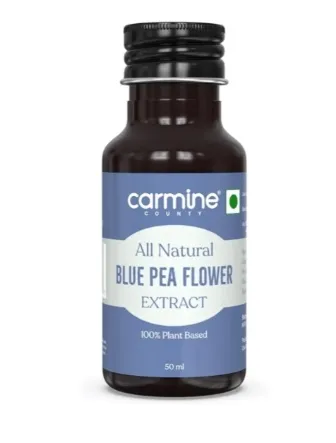
Fig No. 2
Butterfly pea flower is used in anti-aging creams mainly for its strong antioxidant activity, which protects skin from free radical damage and delays wrinkles. It helps maintain collagen and elastin, improving skin firmness and elasticity. The extract also shows anti-inflammatory and antimicrobial properties, keeping skin healthy and irritation-free. Additionally, it provides hydration and skin brightening effects, giving a smooth and youthful appearance. [5][10][11]
2. Papaya Peel Extract
Table No.2
|
Family |
Caricaceace |
|
Common name |
Pawpaw |
|
Part used |
Fruits and peel |
|
Cosmetic role |
Promotes skin renewal |
|
Key constituents |
VitaminC, vitaminA, Flavonoids, Papain enzyme |
Papaya peel extract is widely used in anti-aging creams due to its rich content of antioxidants, flavonoids, and vitamin C, which help neutralize free radicals and delay skin aging. It also exhibits anti-inflammatory properties, reducing skin irritation and supporting skin barrier repair. Additionally, papaya peel contains enzymes like papain that promote mild exfoliation, improving skin texture and brightness. Its antimicrobial activity further protects the skin from infections and maintains healthy, youthful skin. [6][12][13]
3. Almond oil
Table No.3
|
Biological source |
Apis mellifera Linn |
|
Family |
Apidae |
|
Species |
Apis |
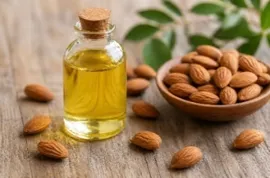
Fig No. 4
Almond oil is rich in vitamins and antioxidants that nourish and protect the skin. It has anti-inflammatory properties that soothe irritation, helps reverse sun damage, provides deep moisturization. [14]
4.Bees wax
Table No.4
|
Source |
Plant-based or Synthetic glycol |
|
Colour |
Colourless |
|
Constituents |
Propane-1,2-diol |
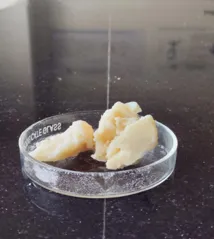
Fig No. 5
Beeswax is a natural ingredient used as an emollient and protective agent in anti-aging creams. It forms a barrier on the skin, preventing moisture loss and improving hydration, which helps reduce wrinkles. It also contains vitamin A that supports skin repair and regeneration. Additionally, its anti-inflammatory and antioxidant properties protect the skin from damage. Beeswax also acts as a thickening agent, improving cream stability. [15][19]
5.Stearic acid
Table No.5
|
Biological source |
Prunus amygdalus Rosaceae |
|
Family |
Rosaceae |
|
Species |
P. amygdalus |
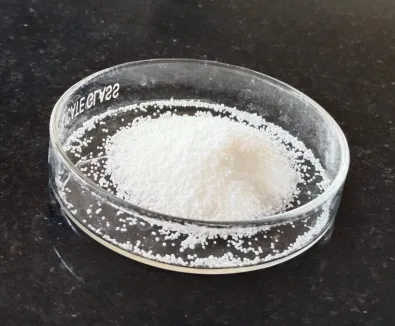
Fig No. 6
Stearic acid is a fatty acid commonly used in anti-aging creams as an emulsifier and thickening agent, helping to stabilize oil-water mixtures and improve texture. It acts as an emollient, softening the skin and reducing dryness, which can minimize the appearance of fine lines. It also supports the skin barrier, protecting against moisture loss and environmental damage. [15][16][17][18]
6.Cetyl Alcohol
Table No. 6
|
Source |
Coconut or Plam oil |
|
Colour |
White waxy flakes |
|
Constituents |
Hexadecanol |
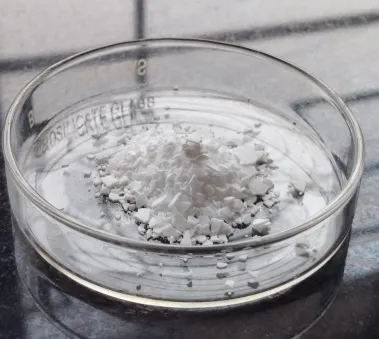
Fig No. 7
Cetyl alcohol is a fatty alcohol used in anti-aging creams as an emollient, emulsifier, and thickening agent. It helps to soften and smooth the skin, improving hydration and reducing dryness that can lead to fine lines. It also stabilizes formulations by maintaining the oil-water balance and enhancing cream consistency. Additionally, it supports the skin barrier, preventing moisture loss and improving overall skin texture. [15][16][18]
7.Liquid Paraffin
Table No.7
|
Source |
Derived for petroleum |
|
Colour |
Colourless |
|
Constituent |
Mainly a mixture of saturated hydrocarbons |
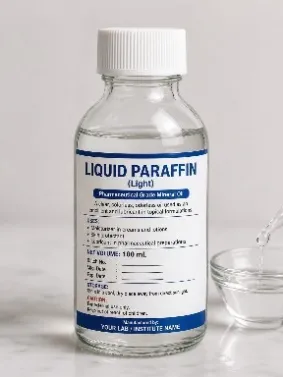
Fig No. 8
Liquid paraffin (mineral oil) is widely used in anti-aging creams as an occlusive moisturizer, forming a protective layer on the skin that reduces transepidermal water loss and keeps skin hydrated. This improves skin smoothness and helps reduce the appearance of fine lines and wrinkles. It is non-irritating, stable, and effective for dry or sensitive skin, supporting the skin barrier function. [15][19]
8.Glycerine
Table No.8
|
Source |
Derived From plant oils such as coconut or plam oil |
|
Colour |
Colourless |
|
Constituents |
Glycerol |
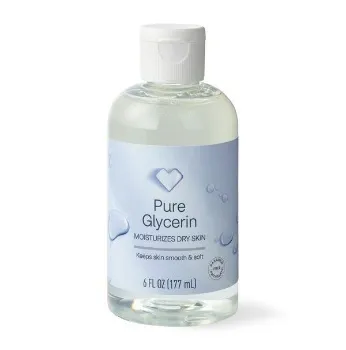
Fig No. 9
Glycerine (glycerol) is a powerful humectant used in anti-aging creams that attracts and retains moisture in the skin, improving hydration and elasticity. This helps reduce dryness and the appearance of fine lines and wrinkles. It also strengthens the skin barrier and provides a smooth, soft texture. [15][18]
9.Propylene glycol
Table No.9
|
Source |
Plant-based or Synthetic glycol |
|
Colour |
Colourless |
|
Constituents |
Propane-1,2-diol |
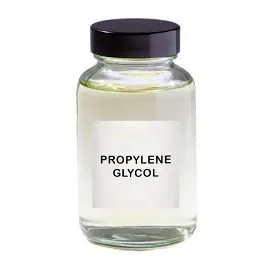
Fig No. 10
Propylene glycol is used in anti-aging creams as a humectant and penetration enhancer, helping the skin retain moisture and improving the absorption of active ingredients. It keeps the skin hydrated, smooth, and soft, which helps reduce the appearance of fine lines and dryness. It also acts as a solvent, improving formulation stability. [20]
10.Methyl Paraben
Table No. 10
|
Source |
Synthetic (chemically prepared from p-hydroxybenzoic acid). |
|
Colour |
White Powder |
|
Constituents |
Methyl ester of p-hydroxybenzoic acid. |
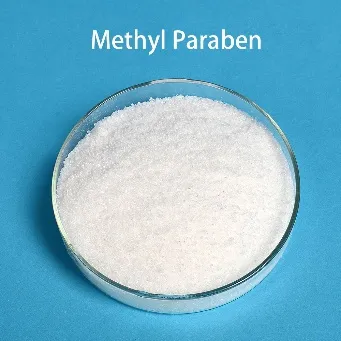
Fig No. 11
Methyl paraben is widely used in anti-aging creams as a preservative, preventing the growth of bacteria and fungi and thereby increasing product shelf life. It helps maintain the safety and stability of the formulation without affecting its efficacy. It is effective at low concentrations and is generally well tolerated in cosmetic use. [21]
11.Propyl Paraben
Table No.11
|
Source |
Synthetic (derived from p-hydroxybenzoic acid). |
|
Colour |
White Crystalline Powder |
|
Constituents |
Propyl ester of p-hydroxybenzoic acid. |
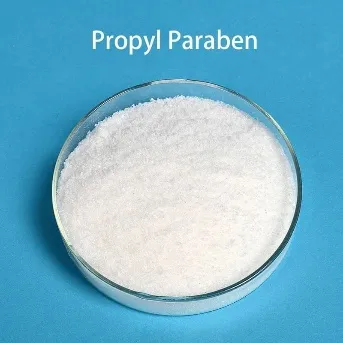
Fig No. 12
Propyl paraben is used in anti-aging creams as a preservative, helping to prevent the growth of bacteria and fungi and thus extending the product’s shelf life. It is especially effective against molds and yeasts and is often used with methyl paraben for broader antimicrobial protection. It maintains the stability and safety of the formulation without affecting its performance. [21]
12.Triethanolamide
Table No.12
|
Source |
Derived from petrochemical feedstocks |
|
Colour |
Clear, viscous liquid |
|
Constituents |
1-tertiary amine group,3-hydroxyl group |
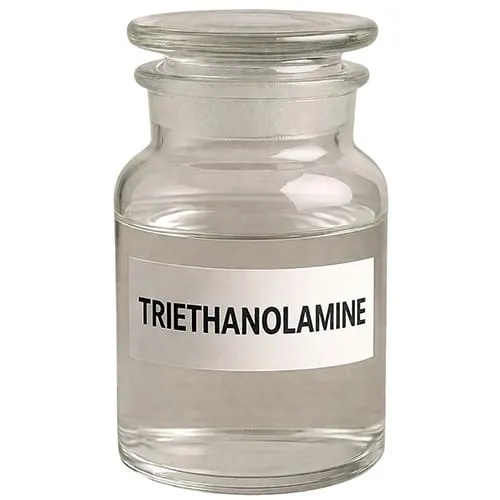
Fig No. 13
Triethanolamine is used in anti-aging creams as a pH adjuster and emulsifying agent, helping to stabilize formulations and maintain suitable skin pH. It reacts with fatty acids (e.g., stearic acid) to form stable emulsions, improving cream texture and consistency. This ensures better application and uniform distribution of active ingredients on the skin. [15][18]
13. Carbopol 940
Table No.13
|
Source |
Synthetic polymer derived from acrylic acid |
|
Colour |
White ,fluffy powder |
|
Constituents |
Acrylic acid polymer |
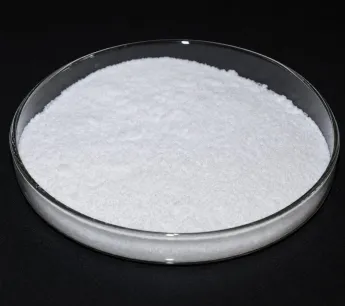
Fig No. 14
Carbopol 940 is a synthetic high-molecular-weight polymer used as a thickening and gelling agent in anti-aging cream formulations. It improves viscosity, stability, smooth texture, spreadability, and helps maintain uniform consistency of the cream. [15][17][18]
14.Distilled Water
Table No.14
|
Source |
Purified water |
|
Colour |
Colourless |
|
Constituents |
H₂O |
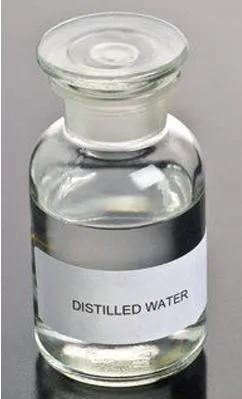
Fig No. 15
Uses: Solvent and vehicle for aqueous ingredients in cream formulation.
4. FORMULATION TABLE [15-19,24-27]
Table No.15
|
Sr. No |
Ingredients |
Uses |
Quantity F1 F2 F3 |
||
|
1. |
Papaya peel extract |
Enzymatic exfoliation,anti aging |
0.75ml |
0.50ml |
1.25ml |
|
2. |
Butterfly pea extract |
Antioxidant,anti-wrinkle |
0.50ml |
0.125ml |
0.75ml |
|
3. |
Stearic acid |
Emulsifier |
2.50g |
2.50g |
2.50g |
|
4. |
Cetyl alcohol |
Co-Emulsifier |
0.75g |
0.75g |
0.75g |
|
5. |
Beeswax |
Consistency agent |
1.00g |
1.00g |
1.00g |
|
6. |
Liquid paraffin |
Oil phase |
2.35ml |
2.35ml |
2.35ml |
|
7. |
Almond oil |
Oil phase |
1.35ml |
1.35ml |
1.35ml |
|
8. |
Glycerin |
Humectant |
1.20ml |
1.20ml |
1.20ml |
|
9. |
Propylene glycol |
Penetration enhancer |
0.75ml |
0.75ml |
0.75ml |
|
10 |
Triethanolamide |
Neutralizer |
0.95ml |
0.95ml |
0.95ml |
|
11. |
Methyl paraben |
Preservative |
0.045g |
0.045g |
0.045g |
|
12. |
Proply paraben |
Preservative |
0.005g |
0.005g |
0.005g |
|
13. |
Carbopol 940 |
Viscosity enhancer |
0.125g |
0.125g |
0.125g |
|
14. |
Distilled water |
Vehical |
12.0ml |
12.2ml |
11.5ml |
|
|
Total quantity |
|
25g |
25g |
25g |
5. METHOD OF PREPARATION [17,18,24-27]
→ Collect fresh, ripe papaya peels.
→ Wash the peels thoroughly with clean water to remove dirt and contaminants.
→ Pat dry using a clean cloth to remove surface moisture.
→ Ensure no excess water remains.
→ Cut the peels into small pieces for easy grinding.
→ Transfer the pieces into a blender.
→ Blend without adding water until a thick paste is formed.
→ Transfer the paste into a muslin cloth or fine filter.
→ Squeeze to extract the liquid.
→ Collect the filtrate in a clean container.
→ This liquid is pure papaya peel extract.
➤ Procedure: Take all Phase A ingredients in a beaker Heat to 70–75°C Stir until all ingredients melt completely → clear oil phase
➤ Procedure: Take Phase B ingredients in another beaker Heat to 70–75°C Stir until methyl paraben dissolves completely
➤ Procedure: Take small amount of distilled water (from Phase B) Sprinkle Carbopol slowly with continuous stirring Allow to hydrate and swell (10–15 min)
Do NOT heat directly Ensure lump-free smooth dispersion
Add Phase C (Carbopol dispersion) → into Phase B (Maintain temperature at ~70°C)
Slowly add Phase A → into Phase B with continuous stirring Forms oil-in-water emulsion
Add Triethanolamine slowly.
Functions: Forms TEA-stearate (emulsifier)
Neutralizes Carbopol → gel formation → viscosity increase
Add: Papaya peel extract (liquid) ,Butterfly pea extract (liquid) Mix gently
Continue mixing the cream using a magnetic stirrer at 500 rpm for 10–15 minutes.
Ensure proper emulsification and uniform distribution of all ingredients.
Avoid excessive speed to prevent formation of air bubbles and foam.
A smooth, homogeneous cream is obtained after complete mixing.
6. EVALUATION PARAMETERS [23-33]
Instrument: Visual inspection
Purpose: To check colour, odour, texture, and homogeneity
Acceptable Range: Smooth, uniform cream without lumps or phase separation
Procedure: Observe formulation visually under normal light.
Instrument: Digital pH meter.
Purpose: To determine skin compatibility.
Acceptable Range: 5.5–7.0Procedure: Disperse 1 g cream in 10 mL distilled water and measure pH
Instrument: Brookfield Viscometer.
Purpose: To determine consistency and flow property.
Acceptable Range: Uniform semisolid viscosity.
Procedure: Measure viscosity using suitable spindle at specific rpm.
Instrument: Glass slides and weight.
Purpose: To determine ease of spreading.
Acceptable Range: Good spreadability with less time.
Procedure: Place cream between glass slides and measure spreading time.
Instrument: Visual inspection.
Purpose: To check uniformity of formulation.
Acceptable Range: Uniform smooth texture.
Procedure: Rub cream between fingers and observe particles or roughness.
Instrument: Water and visual observation.
Purpose: To determine ease of removal from skin.
Acceptable Range: Easily washable.
Procedure: Apply cream on skin and wash with water.
Instrument: Visual observation.
Purpose: To determine skin irritation potential.
Acceptable Range: No redness, itching, or irritation.
Procedure: Apply cream on skin for 24 h and observe reactions.
Instrument: Refrigerator.
Purpose: To evaluate formulation stability during storage.
Acceptable Range: No colour change or phase separation.
Procedure: Store at different temperatures and observe changes periodically.
Instrument: Glass slide/Skin surface.
Purpose: To determine greasiness and after-feel.
Acceptable Range: Smooth and non-greasy smear.
Procedure: Apply cream and observe film formation and texture.
7. RESULT AND DISCUSSION
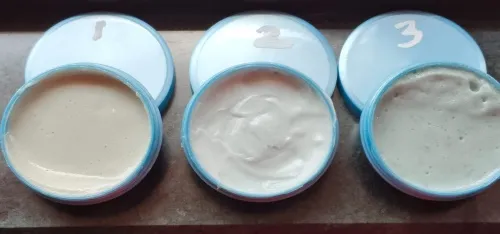
Fig No. 16
Table No.16
|
Sr.No |
Parameters |
F1 |
F2 |
F3 |
|
1. |
Colour |
Bluish White |
Bluish White |
Bluish White |
|
2. |
Odour |
Pleasant Fregrance |
Pleasant Fregeance |
Pleasant Fregrance |
|
3. |
Appearance |
Good |
Great |
Better |
Discussion: From the above observation table we can conclude that F2 have ideal physical characteristics.
2.PH determination
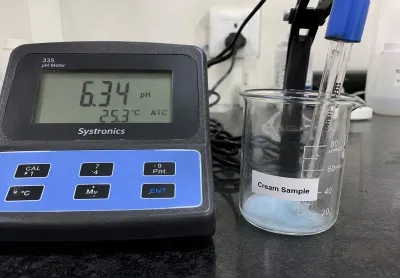
Fig No. 17
Table No.17
|
Sr.No |
Parameter |
F1 |
F2 |
F3 |
|
1. |
pH |
6.66 |
6.34 |
7.1 |
Discussion: All formulations showed pH values in the range of 6.66–7.1, which are within the normal skin pH range (5.5-7.0). This indicates that the formulations are non-irritant and suitable for topical application. F2 exhibited an ideal pH closest to that of normal skin.
3.Viscosity
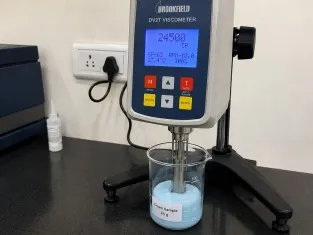
Fig No. 18
Table No.18
|
Sr.No |
Parameters |
F1 |
F2 |
F3 |
|
1. |
Consistency |
Moderate |
Excellent |
High |
|
2. |
Viscosity |
Lower Viscosity, more flowable |
Optimum viscosity with good spreadability |
Less uniform texture |
|
3. |
Appearance |
Good |
Excellent |
Satisfactory |
Discussion: The viscosity value observed for F2 was found to be most suitable for cosmetic cream formulation, providing balanced consistency and ease of application.
4.Spreadabilty
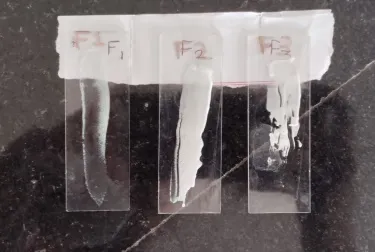
Fig 19
Table No.19
|
Sr.No |
Parameter |
F1 |
F2 |
F3 |
|
1. |
Spreadabilty |
Spreads easily |
Spreads well |
Spreads well |
Discussion: The spreadabilty of the formulations decreased in the order F2 > F1> F3. F2 showed the best spreadabilty, suggesting a smoother texture and easier application, likely due to a balanced oilto-emulsifier ratio. Good spreadabilty is crucial for uniform sunscreen coverage and pleasant skin feel.
5.Washibility
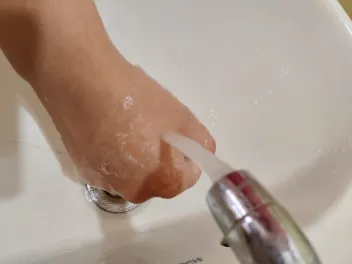
Fig No. 20
Table No.20
|
Sr.No |
Parameter |
F1 |
F2 |
F3 |
|
1. |
Washibilty |
Good |
Excellent |
Moderate |
Discussion: Formulation F2 was easily washable, indicating proper emulsification and stability of the formulation. F1 and F3 required more effort to wash off, possibly due to higher oil content or lower emulsifier efficiency. An easily washable formulation improves user comfort and acceptability.
6.Irritancy test:
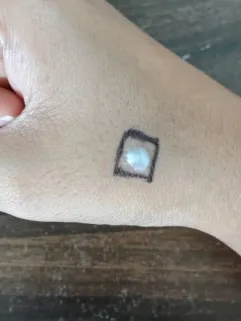
Fig No.21
Table No.21
|
Sr.No |
Parameter |
F1 |
F2 |
F3 |
|
1. |
Irritancy |
Nil |
Nil |
Mild |
Discussion: No signs of redness or itching were observed for F2 and F1, indicating they are non-irritant to the skin. Mild irritation in F3 might be due to a higher concentration of certain essential oils or actives. Thus, F2 is considered safe for regular use.
7.Smear Test:
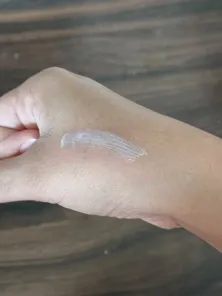
Fig No. 22
Table No.22
|
Sr.No |
Parameter |
F1 |
F2 |
F3 |
|
1. |
Appearance |
Thick and greasy |
Smooth and uniform |
Slightly rough |
|
2. |
Easy to Application |
Greasy |
Non-greasy |
Average |
|
3. |
Smear Type |
Satisfactory |
Excellent |
Good |
Discussion: All formulations, F2 showed the best performance due to its smooth texture, uniform smear, non-greasy nature, and excellent spreadability. F3 showed moderate properties, while F1 was comparatively thicker and greasy, making application difficult. Therefore, F2 was considered the optimized and most acceptable formulation.
8.Homogeneity:
Table No.23
|
Sr.No |
Parameter |
F1 |
F2 |
F3 |
|
1. |
Homogeneity |
Good |
Excellent |
Not Good |
Discussion: All formulations were homogeneous, but F2 showed the best uniformity with no visible lumps or phase separation. Good homogeneity ensures consistent distribution of active ingredients and stability over storage.
8. DISCUSSION
The present study successfully formulated and evaluated an anti-aging cream containing Butterfly Pea Flower and Papaya Peel extracts. The formulations showed satisfactory physicochemical properties and were suitable for topical application. The Butterfly pea Flower and Papaya Peel extracts provided antioxidant, moisturizing, exfoliating, and skin rejuvenating effects due to the presence of anthocyanins, flavonoids, vitamins, and papain enzyme.
Among all formulations, F2 showed the best overall performance with ideal pH, excellent spreadability, smooth texture, good homogeneity, easy washability, optimum viscosity, and non-irritant nature. The balanced concentration of extracts and excipients in F2 contributed to better stability and user acceptability compared to F1 and F3.
The results indicate that the combination of Butterfly Pea Flower and Papaya Peel extracts has significant potential in cosmetic preparations for reducing signs of aging such as dryness, roughness, and fine lines. Therefore, the formulated anti-aging cream can be considered a safe, stable, and effective skincare formulation for improving skin appearance and maintaining healthy skin.
REFERENCES




Radhika Ghumade, Khushbu Choudhary, Seema Munjewar, P.N. Sable, Formulation and Evaluation of Anti-Aging Cream Containing Butterfly Pea Flower and Papaya Peel Extract, Int. J. of Pharm. Sci., 2026, Vol 4, Issue 6, 6713-6727. https://doi.org/10.5281/zenodo.20927902
 10.5281/zenodo.20927902