

We use cookies to ensure our website works properly and to personalise your experience. Cookies policy
MDA School of Pharmacy, Kolpa, Latur, Maharashtra 413531.
The present study was aimed at the formulation and evaluation of Antihistaminic nanogel for the effective treatment of skin disorders by enhancing drug delivery and therapeutic efficacy. Pre-formulation studies confirmed that the drug possesses suitable physicochemical properties, including good solubility, acceptable organoleptic characteristics, and high purity, making it appropriate for topical formulation. Nanoparticles were prepared using the solvent evaporation technique employing chitosan as a polymer and a surfactant system consisting of Tween 80 and Span 20. The prepared nanoparticles were further incorporated into a Carbopol 940 gel base to develop nanogel formulations (F1–F9). The formulations were systematically optimized by varying polymer and surfactant concentrations. The developed nanogels were evaluated for various physicochemical parameters such as appearance, pH, viscosity, drug content, particle size, spreadability, extrudability, and in-vitro drug release. All formulations exhibited acceptable characteristics; however, significant differences were observed based on formulation variables. The optimized formulation (F9) demonstrated superior performance with excellent clarity, appropriate pH (6.73 ± 0.06), high viscosity (4850 ± 50 cP), maximum drug content (99.23 ± 0.25%), smallest particle size (120 ± 2 nm), and lowest polydispersity index (0.21 ± 0.01). It also exhibited enhanced spreadability and excellent extrudability. The in-vitro drug release study revealed a sustained release profile with maximum drug release of 98.2 ± 0.8% over 12 hours. Stability studies confirmed that the optimized formulation remained stable under both room temperature and accelerated conditions without significant changes in physicochemical properties. In conclusion, the developed Hydroxyzine Dihydrochloride nanogel, particularly formulation F9, proved to be a promising topical drug delivery system with improved drug release, enhanced skin penetration, and better patient compliance, making it suitable for the treatment of skin disorders.
Skin disorders such as allergic dermatitis, eczema, urticaria, pruritus, and inflammatory skin conditions affect millions of people worldwide and significantly impair quality of life. These conditions are often associated with itching, redness, inflammation, and hypersensitivity reactions resulting from the release of histamine and other inflammatory mediators. Antihistaminic drugs play an important role in the management of such disorders by blocking histamine1 H1 receptors and reducing allergic symptoms. However, conventional oral antihistaminic therapy is often associated with systemic side effects, variable bioavailability, and frequent dosing requirements, which may limit therapeutic effectiveness and patient compliance.2
Hydroxyzine Dihydrochloride is a first-generation antihistaminic agent widely used for the treatment of allergic skin conditions, pruritus, urticaria, and other hypersensitivity disorders. It exhibits potent antipruritic, anti-inflammatory, and antihistaminic activities. Despite its therapeutic efficacy,3 oral administration of Hydroxyzine may produce undesirable effects such as drowsiness, sedation, and gastrointestinal disturbances. Therefore, topical delivery of Hydroxyzine offers a promising alternative approach by providing localized drug action at the site of application while minimizing systemic exposure and associated adverse effects.
Nanotechnology-based drug delivery systems have gained considerable attention in recent years due to their ability to enhance drug solubility, stability, permeation, and therapeutic efficacy. Nanoparticles possess a large surface area and small particle size, which facilitate close contact with the skin and improve drug penetration through the stratum corneum. Incorporation of nanoparticles into a gel matrix results in the formation of a nanogel, a novel drug delivery system that combines the advantages of nanoparticles and hydrogels. Nanogels provide controlled drug release, prolonged residence time, enhanced skin retention, and improved patient acceptability.4-8
Among various polymers, chitosan has emerged as a promising material for nanogel formulation because of its biocompatibility, biodegradability, bioadhesive properties, and permeation-enhancing ability. Chitosan-based nanoparticles can improve drug encapsulation efficiency and facilitate sustained drug release. Carbopol 940 is widely employed as a gelling agent due to its excellent viscosity-modifying and gel-forming characteristics, making it suitable for topical pharmaceutical preparations. The incorporation of surfactants such as Tween 80 and Span 20 further enhances nanoparticle stability and promotes uniform drug distribution within the formulation.7-10The present study was undertaken to formulate and evaluate Hydroxyzine Dihydrochloride-loaded nanogel for improved dermal delivery in the management of skin disorders. The nanogel was prepared using the solvent evaporation technique and evaluated for various physicochemical parameters, including particle size, pH, viscosity, drug content, spreadability, extrudability, in vitro drug release, and stability.11-14 The developed nanogel system aims to enhance drug penetration, provide sustained drug release, improve therapeutic efficacy, and minimize systemic side effects associated with conventional therapy. Therefore, Hydroxyzine Dihydrochloride nanogel may represent a promising and patient-friendly approach for the effective treatment of allergic and inflammatory skin disorders.
MATERIALS AND METHODS:
MATERIALS:
Hydroxyzine Dihydrochloride was procured from Sigma-Aldrich Pvt. Ltd., India, and used as the active pharmaceutical ingredient. Chitosan, employed as the nanogel-forming polymer, was obtained from HiMedia Laboratories Pvt. Ltd., Mumbai, India. Carbopol 940 was supplied by Lubrizol Advanced Materials, USA, and used as the gelling agent. Tween 80 and Span 20, used as surfactant and co-surfactant respectively, were purchased from Loba Chemie Pvt. Ltd., Mumbai, India. Ethanol and acetic acid were procured from Merck Specialities Pvt. Ltd., Mumbai, India, and utilized as solvent and chitosan solvent, respectively. Triethanolamine was obtained from Loba Chemie Pvt. Ltd., Mumbai, India, and used as a neutralizing agent. Phosphate buffer solutions (pH 6.8 and 7.4) were prepared in the laboratory and used for in vitro release studies. All chemicals and reagents used in the study were of analytical grade and were used without further purification.
METHODS:
Pre-formulation Studies
Pre-formulation studies were conducted to evaluate the physicochemical characteristics of Hydroxyzine Dihydrochloride prior to formulation development. Organoleptic properties such as color, odor, and appearance were examined by visual inspection. The melting point of the drug was determined using the capillary method to assess its purity and identity. Solubility studies were performed in distilled water, ethanol, methanol, and phosphate buffer solutions (pH 6.8 and 7.4) by adding an excess amount of drug to each solvent and shaking the mixtures for 24 h at room temperature. The solutions were filtered and analyzed spectrophotometrically to determine drug solubility.15-18
Preparation of Calibration Curve
A standard stock solution of Hydroxyzine Dihydrochloride (100 μg/mL) was prepared by dissolving an accurately weighed quantity of the drug in ethanol. Appropriate dilutions were made to obtain concentrations ranging from 10–60 μg/mL. The absorbance of each solution was measured using a UV–Visible spectrophotometer at the predetermined λmax. A calibration curve was constructed by plotting concentration against absorbance, and the regression equation was calculated for quantitative analysis of drug content, entrapment efficiency, and in vitro release studies.19-20
Fourier Transform Infrared (FTIR) Analysis
FTIR spectroscopy was employed to identify the characteristic functional groups of Hydroxyzine Dihydrochloride and to investigate its compatibility with formulation excipients. FTIR spectra of the pure drug and excipients, including chitosan, Carbopol 940, Tween 80, and Span 20, were recorded using the KBr pellet technique. The samples were scanned over the spectral range of 4000–400 cm⁻¹, and the obtained spectra were analyzed for characteristic absorption peaks corresponding to functional groups present in the drug and excipients.21
Drug–Excipient Compatibility Study
Drug–excipient compatibility studies were carried out using FTIR spectroscopy. Physical mixtures of Hydroxyzine Dihydrochloride with selected excipients were prepared and analyzed. The FTIR spectra of the mixtures were compared with those of the pure drug to identify any possible interactions through peak shifting, disappearance, or appearance of new peaks. The absence of significant spectral changes indicated compatibility between the drug and excipients, confirming their suitability for nanogel formulation.22-25
Selection of Excipients
The excipients were selected based on the results of pre-formulation and compatibility studies. Chitosan was chosen as the nanogel-forming polymer owing to its biocompatibility, biodegradability, and permeation-enhancing properties. Carbopol 940 was employed as the gelling agent to impart suitable viscosity and consistency to the formulation. Tween 80 and Span 20 were selected as surfactant and co-surfactant, respectively, to stabilize the nano-dispersed system. Ethanol served as a solvent and penetration enhancer, while triethanolamine was used for pH adjustment and gel neutralization. Distilled water was used as the aqueous vehicle for the preparation of the nanogel formulation.26-27
Preparation of Hydroxyzine Dihydrochloride Nanoparticles
Hydroxyzine Dihydrochloride-loaded nanoparticles were prepared using the solvent evaporation technique. Briefly, the drug and chitosan were dissolved in ethanol to form the organic phase, while an aqueous phase containing Tween 80 and Span 20 was prepared separately. The organic phase was added dropwise to the aqueous phase under continuous magnetic stirring to form an emulsion. The resulting dispersion was subjected to ultrasonication to reduce particle size and improve uniformity. The organic solvent was subsequently evaporated under continuous stirring at room temperature, leading to the formation of nanoparticles. The nanoparticle suspension was centrifuged to separate unentrapped drug and obtain a uniform nanoparticulate system, which was used for further formulation studies.28-30
Preparation of Hydroxyzine Dihydrochloride Nanogel
Hydroxyzine Dihydrochloride nanogel was prepared by incorporating the optimized nanoparticle suspension into a Carbopol 940 gel base. Carbopol 940 was dispersed in distilled water and allowed to hydrate completely. The dispersion was neutralized using triethanolamine to obtain a clear gel of suitable viscosity. The nanoparticle suspension was then added gradually to the gel base under continuous stirring to ensure uniform distribution. Ethanol was incorporated as a penetration enhancer. The formulation was mixed thoroughly until a homogeneous nanogel was obtained. Different formulations (F1–F9) were prepared by varying the concentrations of chitosan, Tween 80, and Span 20 while maintaining a constant drug concentration. The composition of all formulations is presented in Table 1.28-32
Table 1: Formulation Composition of Hydroxyzine Dihydrochloride Nanogel (F1–F9)
|
Ingredients |
F1 |
F2 |
F3 |
F4 |
F5 |
F6 |
F7 |
F8 |
F9 |
|
Hydroxyzine Dihydrochloride (mg) |
100 |
100 |
100 |
100 |
100 |
100 |
100 |
100 |
100 |
|
Chitosan (% w/v) |
0.5 |
1.0 |
1.5 |
0.5 |
1.0 |
1.5 |
0.5 |
1.0 |
1.5 |
|
Tween 80 (% v/v) |
0.5 |
0.5 |
0.5 |
1.0 |
1.0 |
1.0 |
1.5 |
1.5 |
1.5 |
|
Span 20 (% v/v) |
0.5 |
1.0 |
1.5 |
0.5 |
1.0 |
1.5 |
0.5 |
1.0 |
1.5 |
|
Ethanol (% v/v) |
5 |
5 |
5 |
5 |
5 |
5 |
5 |
5 |
5 |
|
Carbopol 940 (% w/v) |
1 |
1 |
1 |
1 |
1 |
1 |
1 |
1 |
1 |
|
Triethanolamine (q.s.) |
q.s. |
q.s. |
q.s. |
q.s. |
q.s. |
q.s. |
q.s. |
q.s. |
q.s. |
|
Distilled Water (ml) |
up to 100 |
up to 100 |
up to 100 |
up to 100 |
up to 100 |
up to 100 |
up to 100 |
up to 100 |
up to 100 |
Evaluation of Hydroxyzine Dihydrochloride Nanogel32-38
Physical Appearance
The prepared nanogel formulations were evaluated isually for color, clarity, homogeneity, consistency, and the presence of any visible aggregates or phase separation.
pH Determination
The pH of each formulation was measured using a calibrated digital pH meter. A small quantity of nanogel was dispersed in distilled water, and the pH was recorded after obtaining a stable reading.
Viscosity Measurement
The viscosity of the nanogel formulations was determined using a Brookfield viscometer at controlled temperature conditions using an appropriate spindle and rotational speed.
Drug Content Analysis
Drug content was determined by dissolving an accurately weighed quantity of nanogel in a suitable solvent, followed by filtration and spectrophotometric analysis at the predetermined λmax of Hydroxyzine Dihydrochloride. Drug content was calculated using the previously established calibration curve.
Particle Size Analysis
The mean particle size and polydispersity index (PDI) of the nanoparticles incorporated within the nanogel were determined using dynamic light scattering (DLS). Samples were suitably diluted with distilled water before analysis.
In Vitro Drug Release Study
In vitro drug release studies were performed using a Franz diffusion cell fitted with a dialysis membrane. The receptor compartment was filled with phosphate buffer (pH 6.8 or 7.4) maintained at 37 ± 0.5°C under continuous stirring. Samples were withdrawn at predetermined intervals and analyzed spectrophotometrically. The cumulative percentage drug release was calculated and plotted against time.
Stability Study
The optimized nanogel formulation was subjected to stability testing under room temperature and accelerated storage conditions (40 ± 2°C/75 ± 5% RH). Samples were evaluated periodically for changes in appearance, pH, viscosity, and drug content.
Spreadability
Spreadability was determined using the glass slide method. A fixed quantity of nanogel was placed between two glass slides, and the time required for the upper slide to move a specified distance under an applied weight was recorded.
Extrudability
Extrudability was evaluated by measuring the ease with which the nanogel could be extruded from a collapsible tube under the application of a constant force. The extrusion behavior was assessed as an indicator of formulation applicability and patient convenience.
RESULTS AND DISCUSSION:
Pre-formulation Studies:
Organoleptic Properties
The organoleptic evaluation of Hydroxyzine Dihydrochloride revealed that the drug existed as a white to off-white crystalline powder with a characteristic odor and bitter taste. The observed properties were consistent with standard pharmacopoeial specifications, confirming the identity and purity of the drug sample. The absence of discoloration or foreign particles indicated good quality and stability of the API. Since the formulation was intended for topical application, the bitter taste of the drug was not expected to affect patient compliance. The crystalline appearance further suggested good physicochemical stability, making the drug suitable for nanogel formulation.
Melting Point Determination
The melting point of Hydroxyzine Dihydrochloride was found to be in the range of 226–229°C, which closely matched the reported melting point range of 225–230°C. The narrow melting range indicated a high degree of purity and the absence of significant impurities. This result confirmed the integrity of the drug and demonstrated its suitability for formulation development. The thermal stability observed is advantageous during the preparation and storage of nanoparticle-based topical formulations.
Solubility Study
The solubility study demonstrated that Hydroxyzine Dihydrochloride was freely soluble in distilled water and phosphate buffer solutions (pH 6.8 and 7.4), while exhibiting good solubility in ethanol and methanol. The high aqueous solubility of the drug is beneficial for topical delivery systems as it facilitates rapid dissolution and diffusion at the application site. The solubility profile also supported the use of ethanol as a suitable solvent and penetration enhancer during nanoparticle preparation. These findings confirmed the suitability of Hydroxyzine Dihydrochloride for incorporation into a hydrophilic nanogel system intended for dermal drug delivery.
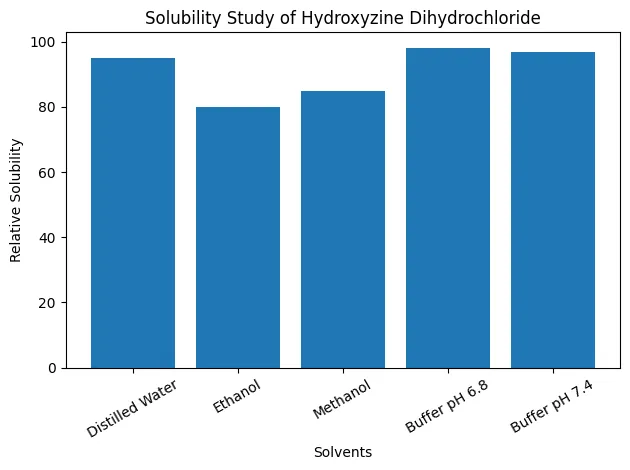
Figure 1: The solubility study of Hydroxyzine Dihydrochloride in different solvents
Overall, the pre-formulation studies established that Hydroxyzine Dihydrochloride possesses favorable physicochemical characteristics, including high purity, acceptable organoleptic properties, and good aqueous solubility. These attributes provided a strong foundation for the successful development of nanoparticle-loaded nanogel formulations.
Analytical Method Development
Determination of λmax
The UV spectrophotometric analysis of Hydroxyzine Dihydrochloride showed a maximum absorbance (λmax) at 231 nm in ethanol. The sharp and distinct absorption peak obtained at this wavelength indicated the suitability of the analytical method for quantitative estimation of the drug. The selected wavelength was therefore used for all subsequent analytical studies, including drug content determination and in vitro drug release analysis.
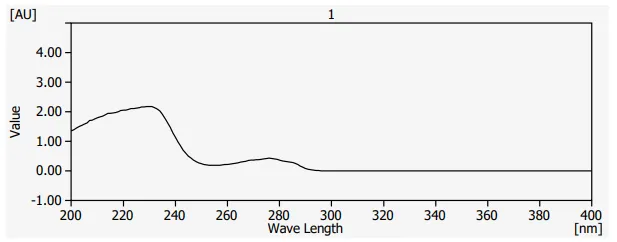
Figure 2: Maximum wavelength detection of Hydroxyzine Dihydrochloride
Calibration Curve of Hydroxyzine Dihydrochloride
The calibration curve of Hydroxyzine Dihydrochloride was constructed in the concentration range of 10–60 µg/mL. A linear relationship between concentration and absorbance was observed, with the regression equation y = 0.0144x + 0.0969 and a correlation coefficient (R²) of 0.9997. The high R² value indicated excellent linearity within the studied concentration range and confirmed compliance with Beer–Lambert’s law.
The absorbance increased proportionally with drug concentration, demonstrating the reliability and accuracy of the UV spectrophotometric method. The developed analytical method was found to be simple, precise, and reproducible for quantitative estimation of Hydroxyzine Dihydrochloride in various formulation studies. The excellent linearity obtained ensured accurate determination of drug content, entrapment efficiency, and cumulative drug release during the evaluation of the developed nanogel formulations.
The analytical results confirmed that the UV spectrophotometric method at 231 nm is suitable for routine analysis of Hydroxyzine Dihydrochloride and can be effectively employed throughout the formulation development and evaluation process.
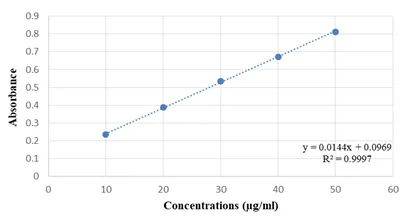
Figure 3: Standard Curve for Hydroxyzine Dihydrochloride
FTIR Analysis
FTIR Spectrum of Hydroxyzine Dihydrochloride
The FTIR spectrum of Hydroxyzine Dihydrochloride exhibited characteristic absorption peaks corresponding to its functional groups. Prominent peaks were observed at 2896.43 cm⁻¹ and 2831.02 cm⁻¹ due to C–H stretching vibrations, while the peak at 1663.68 cm⁻¹ was attributed to aromatic C=O stretching. The characteristic peak at 1560.18 cm⁻¹ indicated C=N stretching, and the peak at 1508.80 cm⁻¹ corresponded to aromatic C=C stretching vibrations. The absorption band at 971.03 cm⁻¹ was assigned to =C–H bending of sp² hybridized carbon atoms. These characteristic peaks confirmed the identity and structural integrity of Hydroxyzine Dihydrochloride.
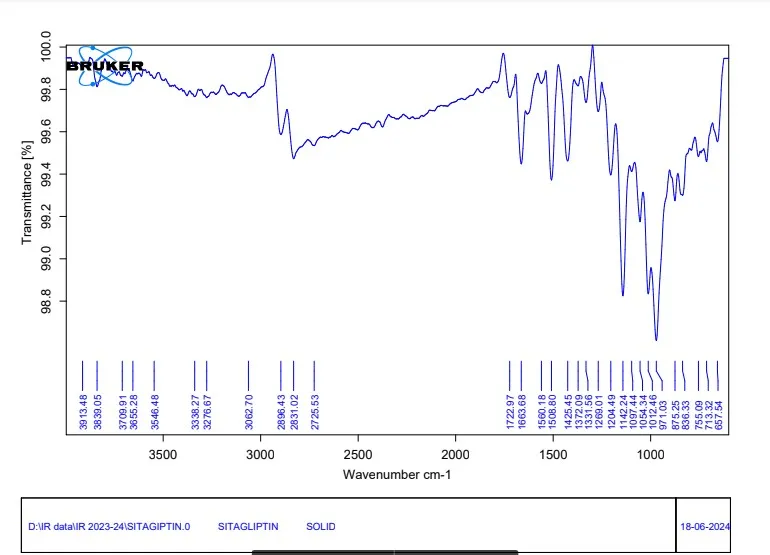
Figure 4: FTIR Spectra of Hydroxyzine Dihydrochloride
Drug–Excipient Compatibility Study
The FTIR spectrum of the physical mixture containing Hydroxyzine Dihydrochloride and selected excipients retained all the characteristic peaks of the pure drug without significant shifting, disappearance, or formation of new peaks. Minor variations in peak intensity were attributed to physical mixing effects. The preservation of the major functional group peaks indicated the absence of chemical interactions between the drug and excipients. Therefore, the FTIR study confirmed the compatibility of Hydroxyzine Dihydrochloride with chitosan, Carbopol 940, Tween 80, and Span 20, supporting their suitability for nanogel formulation.
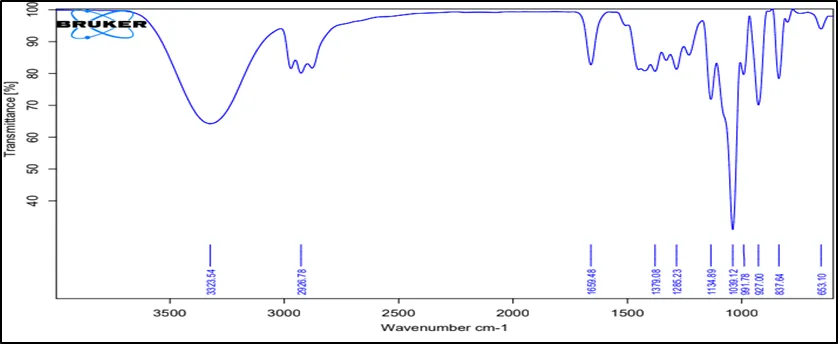
Figure 5: FTIR Spectra of Physical Mixture
Differential Scanning Calorimetry (DSC)
DSC Thermogram of Hydroxyzine Dihydrochloride
The DSC thermogram of pure Hydroxyzine Dihydrochloride exhibited a sharp endothermic peak at 226–229°C, corresponding to its melting point. The presence of a sharp and intense melting endotherm indicated the crystalline nature and high purity of the drug. No additional thermal events such as degradation or polymorphic transitions were observed throughout the scanning range, demonstrating the thermal stability of Hydroxyzine Dihydrochloride. The observed melting temperature was consistent with reported literature values, confirming the authenticity of the drug sample.
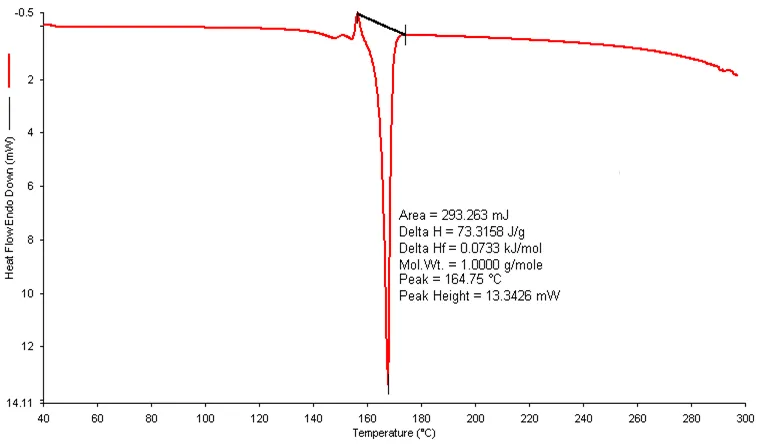
Figure 6: DSC Thermogram of Hydroxyzine Dihydrochloride
DSC Thermogram of Drug–Excipient Physical Mixture
The DSC thermogram of the drug–excipient physical mixture showed a characteristic endothermic peak of Hydroxyzine Dihydrochloride at approximately 224–227°C, which was comparable to that of the pure drug. A slight reduction in peak intensity was observed, which could be attributed to dilution of the drug within the excipient matrix. Minor thermal transitions observed at lower temperatures were associated with the thermal behavior of excipients such as chitosan and Carbopol. Importantly, no significant shift, disappearance, or emergence of new peaks was detected.
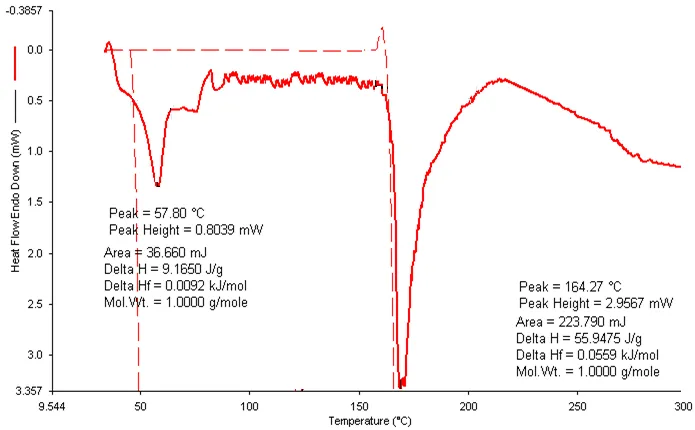
Figure 7: DSC Thermogram of Hydroxyzine Dihydrochloride and other excipients (physical mixture)
The FTIR and DSC studies collectively demonstrated the compatibility of Hydroxyzine Dihydrochloride with the selected formulation excipients. FTIR analysis confirmed the retention of characteristic functional group peaks of the drug in the physical mixture, indicating the absence of chemical interactions. Similarly, DSC analysis showed that the characteristic melting endotherm of Hydroxyzine Dihydrochloride was retained in the presence of excipients, confirming the preservation of its crystalline structure and thermal stability.
The slight reduction in DSC peak intensity observed in the physical mixture was attributed to physical dilution rather than chemical incompatibility. No significant peak shifts, degradation patterns, or new thermal events were detected. These findings indicate that chitosan, Carbopol 940, Tween 80, and Span 20 are compatible with Hydroxyzine Dihydrochloride and can be safely utilized in the development of nanoparticle-loaded nanogel formulations. The compatibility and thermal stability demonstrated by these studies support the successful formulation of Hydroxyzine Dihydrochloride nanogel for enhanced dermal drug delivery.
Selection of Suitable Excipients
Evaluation of Chitosan
Chitosan was selected as the primary polymer based on its excellent biocompatibility, biodegradability, and bioadhesive characteristics. The results demonstrated that chitosan played a vital role in nanoparticle formation and significantly enhanced drug permeation through the skin. Its ability to provide controlled drug release and improve formulation stability further supported its selection. The polymer also facilitated uniform drug distribution within the nanogel matrix, making it an ideal carrier for topical drug delivery applications.
Evaluation of Carbopol 940
Carbopol 940 was selected as the gelling agent due to its superior gel-forming ability and viscosity-enhancing properties. The results indicated that Carbopol produced a clear and stable gel with desirable consistency and spreadability. The polymer imparted adequate mechanical strength to the formulation and improved retention of the nanogel at the site of application. Its compatibility with chitosan further contributed to the formation of a stable and effective topical delivery system.
Evaluation of Surfactant System
The surfactant system comprising Tween 80 and Span 20 was found to be highly effective in the preparation and stabilization of nanoparticles. Tween 80, a hydrophilic surfactant, and Span 20, a lipophilic co-surfactant, provided an optimal hydrophilic–lipophilic balance required for stable nano-dispersion formation. The surfactants efficiently reduced interfacial tension, resulting in improved emulsification, smaller particle size, and enhanced formulation stability. Their combined action contributed to uniform drug distribution and sustained drug release behavior.
Evaluation of Ethanol
Ethanol served as both a solvent and penetration enhancer in the formulation. The results showed that ethanol effectively dissolved Hydroxyzine Dihydrochloride and promoted its uniform incorporation into the nanoparticle system. In addition, ethanol enhanced dermal permeation by temporarily disrupting the lipid barrier of the stratum corneum, thereby facilitating improved drug transport into deeper skin layers. Its inclusion contributed significantly to the overall effectiveness of the nanogel formulation.
Evaluation of Selected Excipients
The overall assessment demonstrated that the selected excipients were highly suitable for the development of Hydroxyzine Dihydrochloride nanogel. Chitosan provided controlled drug release and permeation enhancement, Carbopol 940 imparted desirable rheological properties, Tween 80 and Span 20 stabilized the nanoparticle system, and ethanol improved drug solubility and skin penetration. The synergistic action of these excipients resulted in enhanced formulation stability, improved drug delivery, and better patient acceptability. These findings confirmed the suitability of the selected excipients for further formulation optimization and evaluation.
Preparation of Hydroxyzine Dihydrochloride Nanoparticles
Hydroxyzine Dihydrochloride-loaded nanoparticles were successfully prepared by the solvent evaporation technique. The resulting nanoparticle dispersions appeared homogeneous and free from visible aggregation, indicating successful nanoparticle formation. The process involved emulsification of the organic phase containing the drug and chitosan into an aqueous surfactant phase, followed by ultrasonication and solvent evaporation.
The solvent evaporation method proved effective in producing nanoparticles with uniform distribution and satisfactory stability. Chitosan served as the nanoparticle-forming polymer and provided structural integrity to the particles, while Tween 80 and Span 20 facilitated efficient emulsification and stabilization of the system. Ultrasonication significantly reduced particle size and improved dispersion uniformity.
The formulation variables, particularly polymer and surfactant concentrations, influenced nanoparticle characteristics. Increasing chitosan concentration improved drug entrapment and nanoparticle stability, whereas higher surfactant concentrations enhanced emulsification efficiency and prevented particle aggregation. The optimized process yielded stable nanoparticles suitable for incorporation into the gel base for topical delivery.
Formulation of Hydroxyzine Dihydrochloride Nanogel
Hydroxyzine Dihydrochloride-loaded nanoparticles were successfully incorporated into a Carbopol 940 gel base to develop nanogel formulations (F1–F9). All formulations exhibited a smooth texture, uniform consistency, and satisfactory homogeneity without any signs of phase separation. The incorporation of nanoparticles into the hydrated Carbopol matrix resulted in stable nanogel systems suitable for topical application. Ethanol acted as a permeation enhancer and improved the overall spreadability of the formulations. The successful formulation of nanogel confirmed the compatibility of nanoparticles with the gel matrix and demonstrated the suitability of Carbopol 940 as a carrier for dermal delivery.
Effect of Formulation Variables on Nanogel Performance
Effect of Chitosan Concentration
Chitosan concentration significantly influenced the physicochemical characteristics of the nanogel formulations. An increase in polymer concentration from 0.5% to 1.5% resulted in enhanced nanoparticle stability, improved drug entrapment, and increased viscosity. The formation of a denser polymeric matrix also contributed to controlled drug release and prolonged retention of the formulation on the skin surface. However, excessive polymer concentration may increase viscosity and potentially retard drug diffusion.
Effect of Surfactant Concentration
The concentration of Tween 80 and Span 20 played a crucial role in nanoparticle formation and stabilization. Higher surfactant levels improved emulsification efficiency, reduced particle aggregation, and produced nanoparticles with smaller particle size and narrow size distribution. Formulations containing higher surfactant concentrations demonstrated superior clarity, stability, and homogeneity due to effective reduction of interfacial tension.
Effect of Carbopol 940
Carbopol 940 provided the desired gel consistency and rheological properties necessary for topical application. The polymer formed a stable three-dimensional network that effectively entrapped nanoparticles and facilitated controlled drug release. The selected concentration (1% w/v) produced gels with optimum viscosity, spreadability, and physical stability.
Role of Ethanol
Ethanol enhanced the solubility of Hydroxyzine Dihydrochloride and improved its permeation through the skin by modifying the lipid structure of the stratum corneum. In addition, ethanol contributed to the smooth texture and uniform appearance of the nanogel formulations, thereby improving overall formulation performance.
Comparative Analysis of Nanogel Formulations (F1–F9)
All formulations exhibited acceptable physicochemical properties and satisfactory stability. However, variations in polymer and surfactant concentrations influenced their overall performance. Formulations F1–F3 showed comparatively lower stability due to lower surfactant content, while F4–F6 demonstrated balanced characteristics with improved homogeneity and viscosity. Formulations F7–F9 exhibited superior stability, clarity, and nanoparticle dispersion as a result of higher surfactant concentrations. Among all batches, formulations F6 and F9 showed promising characteristics; however, F9 demonstrated the most favorable combination of stability, drug loading, particle size, and rheological properties, making it the optimized formulation.
Evaluation of Hydroxyzine Dihydrochloride Nanogel
Appearance
All formulations were found to be colorless, smooth, and homogeneous without visible aggregates or phase separation. The clarity of formulations improved with increasing surfactant concentration. Formulations F7–F9 exhibited excellent transparency and homogeneity, indicating efficient nanoparticle stabilization within the gel matrix. Among all formulations, F9 displayed the best aesthetic appearance and consistency, suggesting superior formulation quality.
pH Determination
The pH values of all formulations ranged from 5.40 ± 0.10 to 6.73 ± 0.06, which falls within the acceptable physiological skin pH range. The results indicate that the formulations are unlikely to cause irritation upon topical application. A gradual increase in pH was observed with increasing polymer and surfactant concentration, possibly due to enhanced neutralization of Carbopol by triethanolamine. Formulation F9 exhibited a pH of 6.73 ± 0.06, which is closest to the normal skin pH and therefore considered ideal for dermal application.
Viscosity Measurement
The viscosity of the formulations increased progressively from F1 to F9, ranging from 3250 ± 50 cP to 4850 ± 50 cP. This increase can be attributed to higher concentrations of chitosan and surfactants, which promoted the formation of a stronger gel network. Adequate viscosity is essential for prolonged residence time and controlled drug release. Formulation F9 exhibited the highest viscosity, indicating superior structural integrity while maintaining acceptable spreadability for topical use.
Drug Content Determination
All formulations showed satisfactory drug content, indicating uniform drug distribution throughout the gel matrix. Drug content increased with increasing polymer concentration, reflecting improved encapsulation efficiency and reduced drug loss during formulation. The highest drug content was observed for formulation F9 (99.23 ± 0.25%), demonstrating efficient drug loading and excellent formulation uniformity. These results confirm the effectiveness of the selected formulation variables in maximizing drug incorporation.
Particle Size Analysis
Particle size analysis revealed a progressive decrease in particle size from F1 to F9, accompanied by a reduction in polydispersity index (PDI). The decrease in particle size is attributed to improved emulsification efficiency resulting from higher surfactant concentrations. Smaller particle sizes are advantageous for dermal delivery as they enhance skin penetration and improve drug bioavailability. Formulation F9 exhibited the smallest particle size (120 ± 2 nm) and the lowest PDI (0.21 ± 0.01), indicating a highly uniform and stable nanoparticulate system.
The evaluation studies demonstrated that the formulation variables significantly influenced the performance of Hydroxyzine Dihydrochloride nanogels. Increasing concentrations of chitosan and surfactants improved drug loading, nanoparticle stability, viscosity, and homogeneity while reducing particle size. All formulations exhibited acceptable pH values and desirable physicochemical properties for topical application.
Among the developed formulations, F9 showed superior performance with excellent appearance, optimum pH, highest viscosity, maximum drug content, smallest particle size, and lowest PDI. These characteristics indicate enhanced formulation stability, improved skin permeation potential, and controlled drug release behavior. Therefore, formulation F9 was selected as the optimized nanogel formulation for further evaluation, including spreadability, extrudability, in vitro drug release, and stability studies.
Table 2: Evaluation of Hydroxyzine Dihydrochloride Nanogel Formulations (F1–F9)
|
Formulation |
Appearance |
pH (Mean ± SD) |
Viscosity (cP) (Mean ± SD) |
Drug Content (%) (Mean ± SD) |
Particle Size (nm) (Mean ± SD) |
PDI (Mean ± SD) |
|
F1 |
Colorless, Slightly Turbid, Good Homogeneity |
5.40 ± 0.10 |
3250 ± 50 |
91.56 ± 0.40 |
245 ± 5 |
0.42 ± 0.02 |
|
F2 |
Colorless, Slightly Turbid, Good Homogeneity |
5.60 ± 0.10 |
3450 ± 50 |
92.80 ± 0.30 |
220 ± 4 |
0.38 ± 0.02 |
|
F3 |
Colorless, Moderately Clear, Good Homogeneity |
5.80 ± 0.10 |
3650 ± 50 |
93.90 ± 0.30 |
205 ± 3 |
0.35 ± 0.01 |
|
F4 |
Colorless, Clear, Very Good Homogeneity |
6.03 ± 0.06 |
3850 ± 50 |
94.83 ± 0.35 |
190 ± 4 |
0.32 ± 0.02 |
|
F5 |
Colorless, Clear, Very Good Homogeneity |
6.20 ± 0.10 |
4050 ± 50 |
95.83 ± 0.25 |
175 ± 3 |
0.30 ± 0.01 |
|
F6 |
Colorless, Clear, Excellent Homogeneity |
6.40 ± 0.10 |
4250 ± 50 |
96.83 ± 0.35 |
160 ± 3 |
0.28 ± 0.01 |
|
F7 |
Colorless, Clear, Excellent Homogeneity |
6.50 ± 0.10 |
4450 ± 50 |
97.60 ± 0.40 |
145 ± 2 |
0.25 ± 0.01 |
|
F8 |
Colorless, Clear, Excellent Homogeneity |
6.60 ± 0.10 |
4650 ± 50 |
98.43 ± 0.35 |
135 ± 2 |
0.23 ± 0.01 |
|
F9 |
Colorless, Highly Clear, Excellent Homogeneity |
6.73 ± 0.06 |
4850 ± 50 |
99.23 ± 0.25 |
120 ± 2 |
0.21 ± 0.01 |
Among all formulations, F9 demonstrated the most desirable physicochemical characteristics, including optimum skin-compatible pH, highest drug content, maximum viscosity, smallest particle size, and lowest PDI. These results indicate superior nanoparticle stability, enhanced drug loading, and improved potential for dermal delivery, making F9 the optimized Hydroxyzine Dihydrochloride nanogel formulation.
In Vitro Drug Release Study
The in vitro drug release study demonstrated that all Hydroxyzine Dihydrochloride nanogel formulations exhibited a sustained release pattern over 12 h. Drug release increased progressively from F1 to F9, indicating the influence of polymer and surfactant concentrations on release behavior. Formulations containing higher surfactant concentrations showed improved drug diffusion due to enhanced solubilization and reduced particle size. Among all formulations, F9 exhibited the highest cumulative drug release (98.2 ± 0.8% at 12 h), suggesting efficient drug diffusion and sustained release characteristics. The release profile indicated a diffusion-controlled mechanism and confirmed the suitability of the nanogel system for prolonged topical drug delivery.
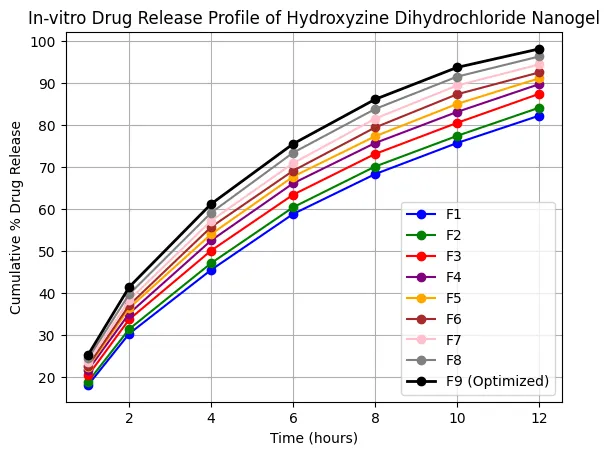
Figure 8: In-vitro Drug Release Profile of Hydroxyzine Dihydrochloride Nanogel (F1–F9)
Stability Study
The optimized formulation F9 was subjected to stability studies under room temperature and accelerated storage conditions for one month. No significant changes were observed in appearance, pH, viscosity, or drug content during the study period. Minor variations recorded were within acceptable limits, indicating excellent physical and chemical stability of the formulation. The results confirmed that F9 retained its integrity and performance under different storage conditions, demonstrating its suitability for long-term use.
Spreadability
All formulations exhibited satisfactory spreadability, which is essential for uniform application on the skin. Spreadability increased gradually from F1 to F9, reflecting the effect of optimized polymer and surfactant concentrations on gel consistency. Formulation F9 showed the highest spreadability value (15.63 ± 0.15 g·cm/sec), indicating excellent ease of application and uniform distribution over the skin surface. Improved spreadability is expected to enhance patient compliance and therapeutic effectiveness.
Extrudability
The extrudability study revealed that all formulations could be easily extruded from collapsible tubes without excessive force. The force required for extrusion decreased from F1 to F9, indicating improved flow properties and formulation consistency. Formulation F9 exhibited the best extrudability, requiring the least extrusion force (387.6 ± 2.5 g). This result suggests superior user convenience and ease of administration, which are important factors for topical formulations.
The developed Hydroxyzine Dihydrochloride nanogel formulations demonstrated satisfactory physicochemical characteristics and performance. Increasing polymer and surfactant concentrations improved drug loading, particle size distribution, spreadability, and drug release behavior. Among all formulations, F9 showed superior performance with optimum pH, highest drug content, smallest particle size, maximum drug release, excellent spreadability, and superior stability. These findings confirm that F9 is the optimized formulation and represents a promising nanogel system for enhanced dermal delivery of Hydroxyzine Dihydrochloride in the management of skin disorders.
CONCLUSION
The present study successfully formulated and evaluated Hydroxyzine Dihydrochloride-loaded nanogel for improved dermal delivery in the management of skin disorders. Pre-formulation studies confirmed the purity, identity, and favorable physicochemical properties of the drug, while FTIR and DSC analyses demonstrated compatibility between the drug and selected excipients. Hydroxyzine Dihydrochloride nanoparticles were successfully prepared using the solvent evaporation technique and incorporated into a Carbopol 940 gel base to obtain stable and homogeneous nanogel formulations. All developed formulations exhibited acceptable physicochemical characteristics, including suitable pH, viscosity, drug content, spreadability, extrudability, and stability. The formulation variables, particularly chitosan and surfactant concentrations, significantly influenced nanoparticle formation, drug release, and overall formulation performance. Among all formulations, F9 demonstrated superior characteristics with optimum pH (6.73 ± 0.06), highest drug content (99.23 ± 0.25%), smallest particle size (120 ± 2 nm), low polydispersity index (0.21 ± 0.01), excellent spreadability, superior extrudability, and maximum cumulative drug release (98.2 ± 0.8% within 12 h). The optimized formulation also remained stable under both room temperature and accelerated storage conditions, indicating good physical and chemical stability. The sustained drug release profile and enhanced physicochemical properties suggest that the developed nanogel can effectively improve skin penetration and local drug retention while minimizing systemic exposure. Overall, the findings of this study demonstrate that Hydroxyzine Dihydrochloride nanogel is a promising topical drug delivery system for the treatment of allergic and inflammatory skin disorders. The optimized formulation offers improved dermal delivery, controlled drug release, enhanced therapeutic efficacy, and better patient compliance. Further in vivo and clinical studies are recommended to establish its therapeutic potential and safety for long-term use.
CONFLICTS OF INTERESTS:
All authors have declared no conflict of interest.
REFERENCES

Preeti Darode, Dr. Amol Shinde, Dr. Ravi Kurhade, Kishor Rajmalle, Formulation And Evaluation of Antihistaminic Nanogel for Improved Dermal Delivery in the Management of Skin Disorders, Int. J. of Pharm. Sci., 2026, Vol 4, Issue 6, 3012-3029, https://doi.org/10.5281/zenodo.20645953
 10.5281/zenodo.20645953