

We use cookies to ensure our website works properly and to personalise your experience. Cookies policy
Krishnarao Bhegade Institute of Pharmaceutical Education and Research, Talegaon Dabhade, Pune, Maharashtra, India.
Curcumin, a bioactive phytoconstituent isolated from Curcuma longa, has gained considerable attention because of its anti-inflammatory, antioxidant, antimicrobial, and wound-healing activities (1,2). Despite its broad therapeutic potential, its pharmaceutical application is limited by poor aqueous solubility, low bioavailability, and reduced stability under physiological conditions (3,4). The present study was aimed at the formulation and evaluation of a curcumin gel intended for topical application using suitable excipients. Curcumin gel was prepared using Carbopol 934 as a gelling agent, propylene glycol as a penetration enhancer and solubilizing agent, methyl paraben as a preservative, triethanolamine as a neutralizing agent, and rose oil as a fragrance component. The prepared formulation was evaluated for different physicochemical parameters including appearance, pH, spreadability, consistency, homogeneity, grittiness, washability, texture, and viscosity. The developed gel exhibited an orange-yellow semisolid appearance with a pH value of 6, spreadability of 4 cm, and viscosity of 3249.1 mPa·s. The formulation demonstrated satisfactory physical properties and acceptable topical characteristics. The findings suggest that curcumin can be effectively incorporated into a topical gel system and may serve as a suitable approach for localized drug delivery applications
Curcumin, a naturally derived bioactive constituent obtained from the rhizomes of Curcuma longa, has attracted considerable interest in pharmaceutical research because of its broad spectrum of biological activities. Several studies have demonstrated that curcumin exhibits anti-inflammatory, antioxidant, antimicrobial, and wound-healing properties, which contribute to its potential application in the management of various skin conditions and tissue repair processes (1,2). Owing to these therapeutic properties, curcumin has been investigated extensively for incorporation into different drug delivery systems.Although curcumin possesses promising pharmacological effects, its practical therapeutic use is restricted by several limitations, including poor water solubility, low chemical stability, and limited bioavailability (3,7). These factors reduce the amount of active drug available at the target site and may negatively influence its overall therapeutic performance (9). Therefore, the development of suitable pharmaceutical formulations remains essential to improve its delivery and effectiveness.Topical administration is considered an effective approach for localized treatment because it delivers the drug directly to the affected site while reducing unwanted systemic exposure (4,8). This route also improves patient convenience and avoids hepatic first-pass metabolism. Among the various topical dosage forms available, gels are widely accepted because they possess desirable characteristics such as easy application, improved spreadability, non-greasy texture, and better patient acceptability (6,11).Carbopol polymers are frequently employed in topical formulations because they can provide suitable viscosity, consistency, and formulation stability (8). Previous studies have suggested that gel-based systems containing curcumin may improve local drug retention and support enhanced therapeutic activity (10,12). Moreover, several advanced formulation strategies including hydrogels, nanoemulgels, nanocrystals, and nanoparticle-based systems have been explored to improve topical delivery and overcome limitations associated with conventional curcumin formulations (13–17).Therefore, the present investigation was undertaken to formulate and evaluate a curcumin gel using Carbopol 934 with the aim of developing a formulation possessing suitable physicochemical properties for topical administration.
MATERIALS AND METHODS
Materials Used
|
Sr. No. |
Material |
Category / Role |
Purpose in Formulation |
|
1 |
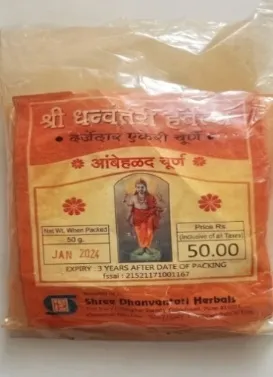
Curcumin
|
Active Pharmaceutical Ingredient |
Provides anti-inflammatory, antioxidant, antimicrobial, and wound-healing properties for topical drug delivery applications (1,2) |
|
2 |
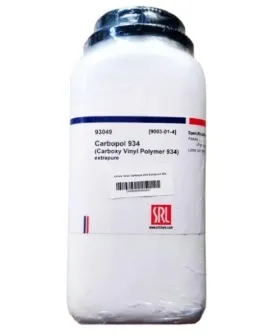
Carbopol 934
|
Gelling Agent |
Helps in gel formation by providing suitable viscosity, consistency, and stability to the formulation (8) |
|
3 |
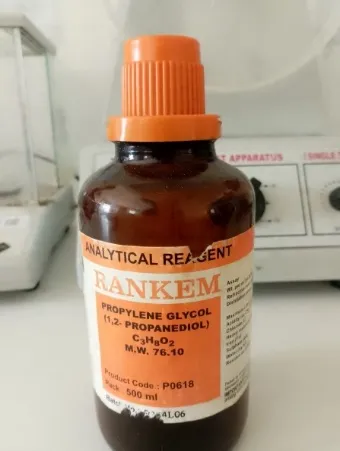
Propylene Glycol
|
Solubilizing & Penetration Enhancer |
Improves curcumin solubility and enhances diffusion through the skin while promoting uniform distribution (9,15) |
|
4 |
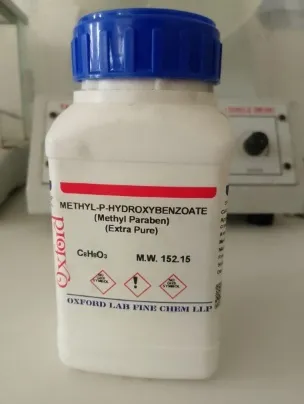
Methyl Paraben
|
Preservative |
Prevents microbial contamination and improves stability and storage characteristics. |
|
5 |
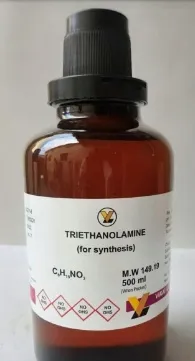
Triethanolamine (TEA)
|
Neutralizing Agent |
Converts Carbopol dispersion into a gel matrix and helps achieve desired gel consistency (8) |
|
6 |
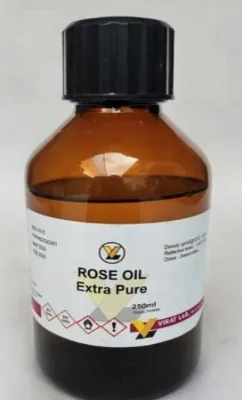
Rose Oil
|
Fragrance Agent |
Improves odor and enhances the overall acceptability of the gel formulation. |
|
7 |
Distilled Water |
Vehicle |
Acts as a medium for dispersion and mixing of ingredients to prepare a uniform gel. |
List of Materials Used
|
Sr. No. |
Material |
Category |
Source |
|
1 |
Curcumin |
Active ingredient |
Purchased from local market |
|
2 |
Carbopol 934 |
Gelling agent |
Pharmaceutics laboratory |
|
3 |
Propylene glycol |
Solubilizing agent |
Pharmaceutics laboratory |
|
4 |
Methyl paraben |
Preservative |
Pharmaceutics laboratory |
|
5 |
Triethanolamine (TEA) |
Neutralizing agent |
Pharmaceutics laboratory |
|
6 |
Rose oil |
Fragrance agent |
Pharmaceutics laboratory |
|
7 |
Distilled water |
Vehicle |
Pharmaceutics laboratory |
Procedure for Preparation of Curcumin Gel
|
Sr. No. |
Ingredients |
Quantity |
|
1 |
Curcumin |
1 g |
|
2 |
Carbopol 934 |
2 g |
|
3 |
Propylene glycol |
10 ml |
|
4 |
Methyl paraben |
0.1 g |
|
5 |
Rose oil |
q.s. |
|
6 |
Triethanolamine (TEA) |
q.s. |
|
7 |
Distilled water |
q.s. to 100 g |
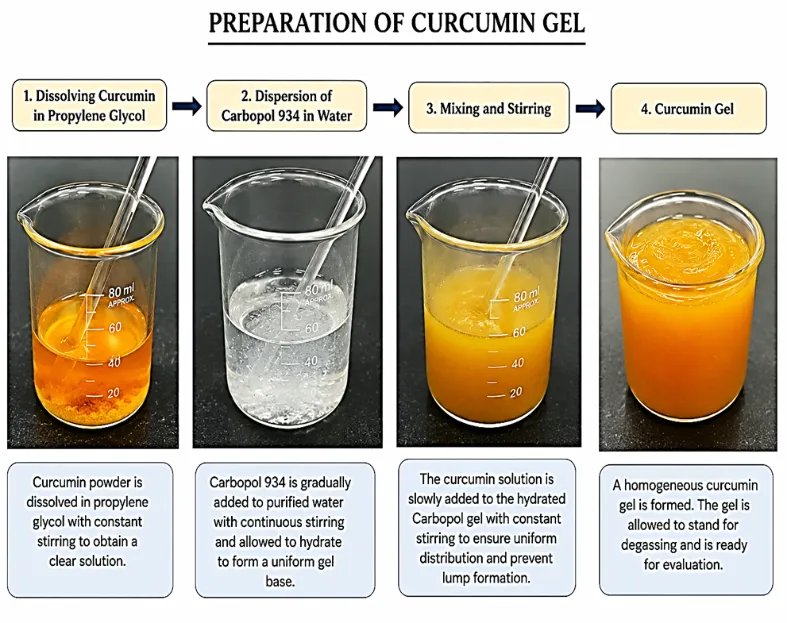
The curcumin gel was prepared by using the following procedure:
Step 1: Preparation of Carbopol Base
o Approximately 60–70 ml of distilled water was taken in a clean beaker.
o Carbopol 934 was added slowly with continuous stirring to avoid formation of lumps.
o The mixture was stirred properly for 10–15 minutes and then kept aside for about 30 minutes for complete hydration (8).
Step 2: Preparation of Drug Solution
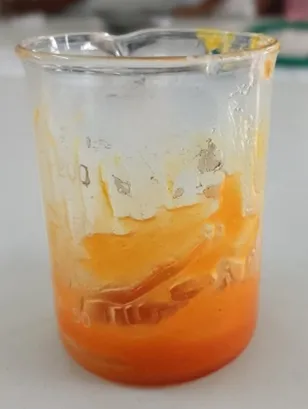
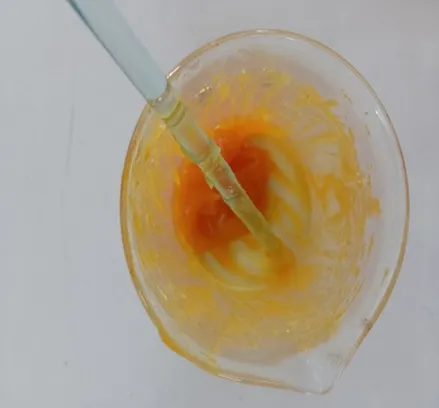
o Curcumin, propylene glycol, methyl paraben, and rose oil were taken in another beaker.
o The ingredients were mixed properly and stirred continuously to obtain a uniform mixture (1,9).
Step 3: Incorporation of Drug Solution
o The prepared drug solution was slowly added to the hydrated Carbopol base.
o The mixture was stirred continuously to obtain uniform mixing and proper dispersion.
Step 4: Addition of Triethanolamine
o Triethanolamine (TEA) was added slowly in small quantities with continuous stirring.
o Addition was continued until the required gel consistency and appearance were obtained (8).
Step 5: Final Adjustment
o Distilled water was added to make the final volume up to 100 g.
o The prepared gel was mixed properly and kept undisturbed for some time to remove air bubbles and obtain a smooth gel formulation (4,8).
RESULTS AND DISCUSSION
Results of Evaluation Parameters
The prepared curcumin gel was evaluated for different physical parameters and the obtained results are shown below.
|
Sr. No. |
Evaluation Parameter |
Observation/Result |
|
1 |
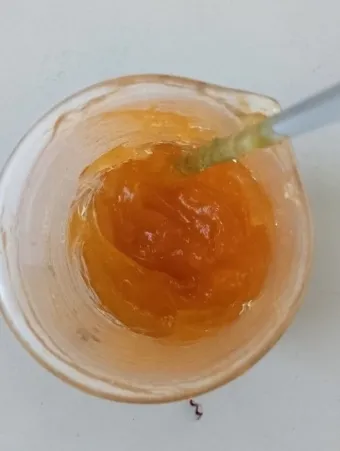
Appearance
|
Visual examination of the prepared gel indicated an orange-yellow semisolid formulation due to the presence of curcumin. The formulation exhibited acceptable physical characteristics and no significant phase separation was observed, suggesting good formulation stability (8). |
|
2 |
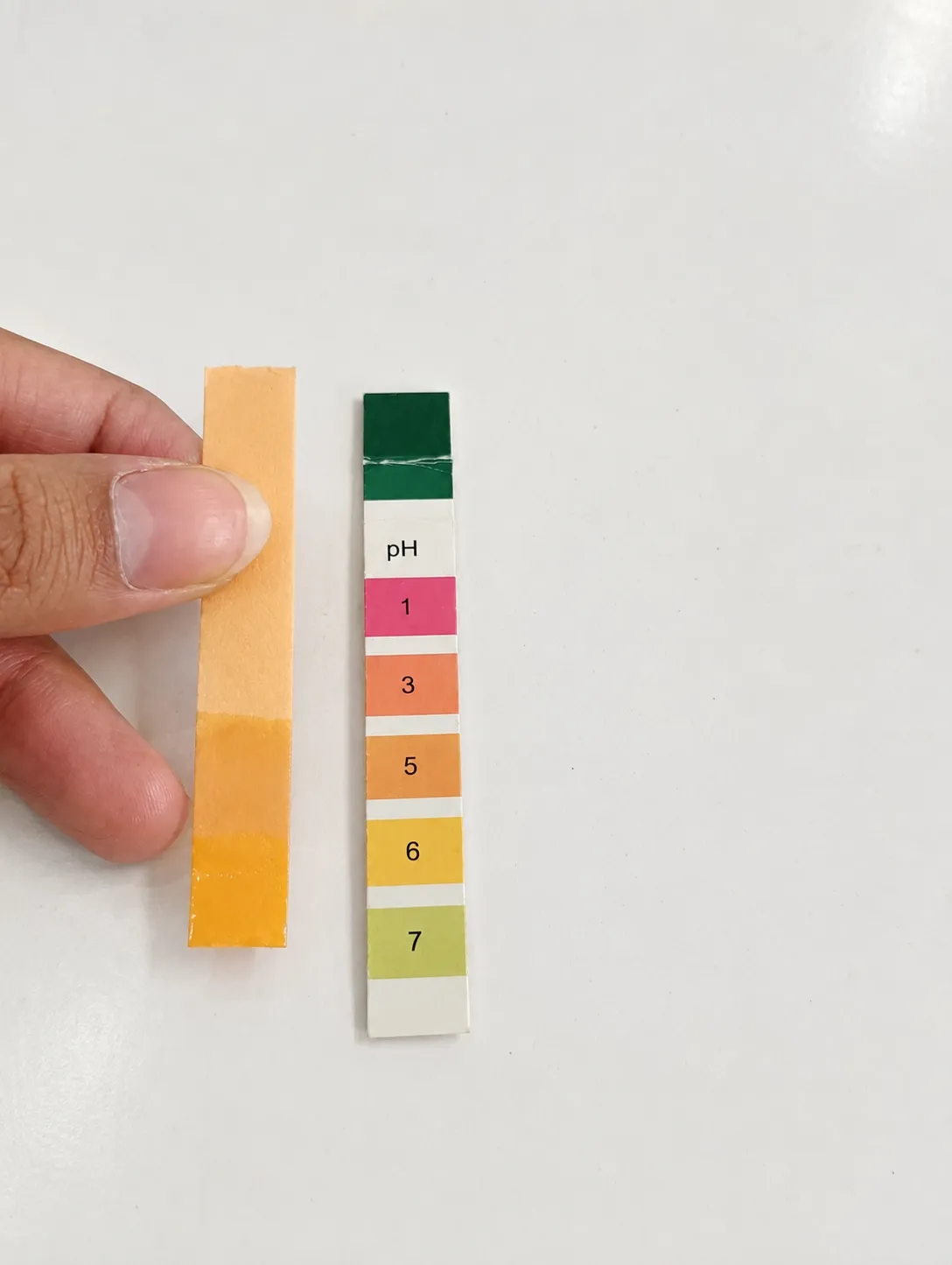
pH
|
The pH of the prepared gel was found to be 6, which falls within an acceptable range for topical application. Maintenance of suitable pH may reduce the possibility of skin irritation and enhance compatibility with skin tissues (4,7). |
|
3 |
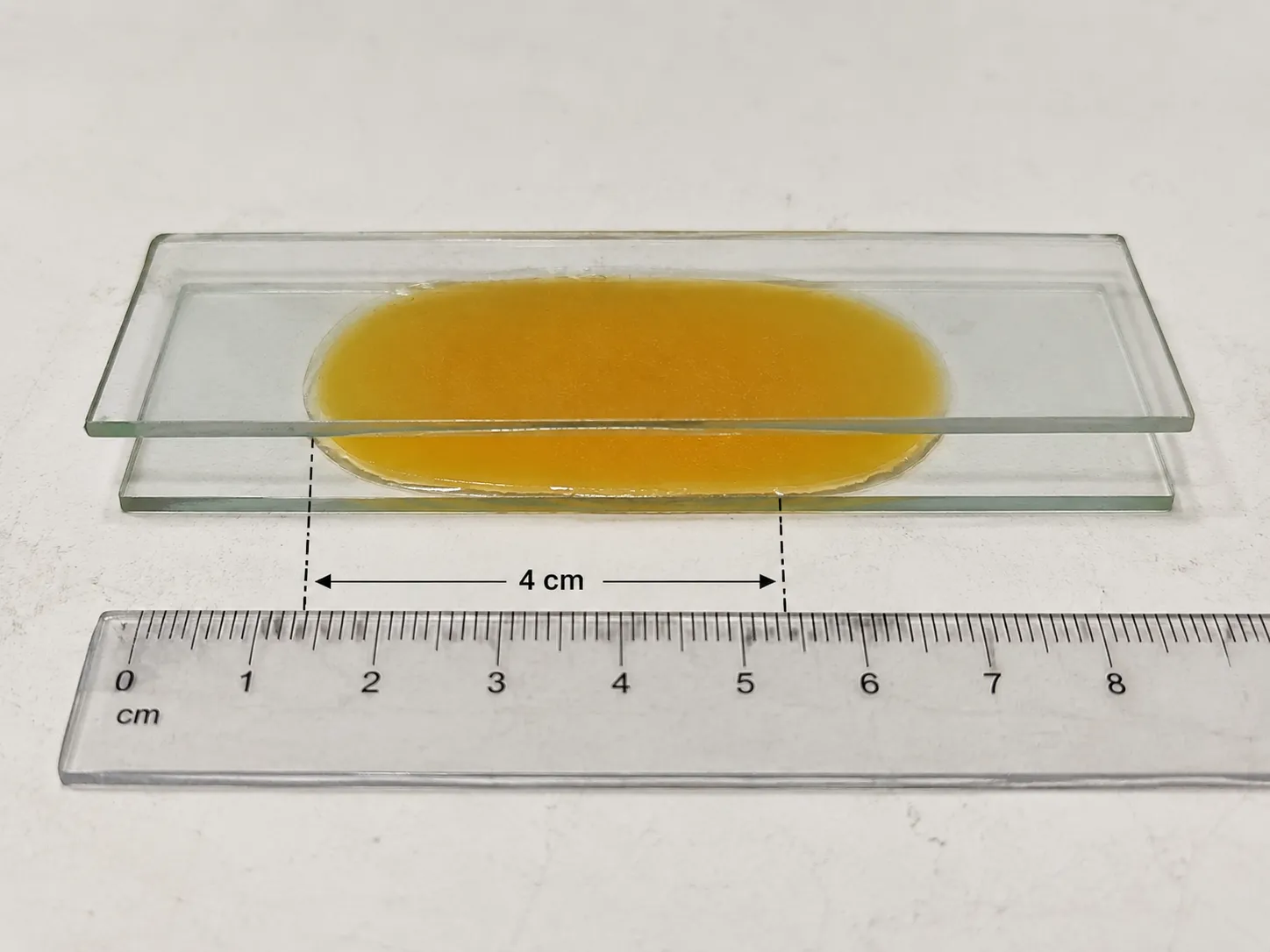
Spreadability
|
The prepared gel exhibited a spreadability value of 4 cm, indicating satisfactory spreading characteristics. Adequate spreadability may facilitate uniform application over the skin surface and improve patient acceptability (6,11). |
|
4 |
Consistency
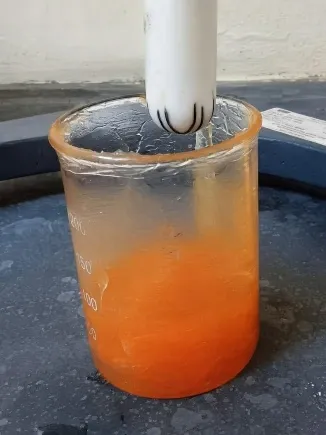
|
The developed formulation demonstrated good consistency and fairly homogeneous characteristics. Uniform distribution of ingredients throughout the formulation was observed, although slight particulate matter was present. |
|
5 |
Homogeneity |
Fairly homogeneous |
|
6 |
Grittiness |
Slight particles present |
|
7 |
Washability |
Easily washable |
|
8 |
Texture
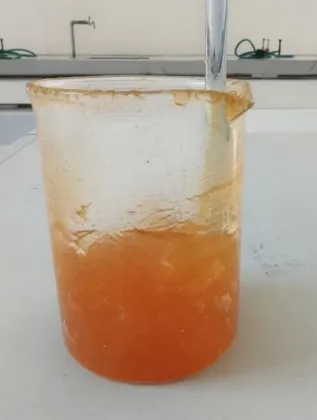
|
Slightly coarse but acceptable |
|
9 |
Viscosity
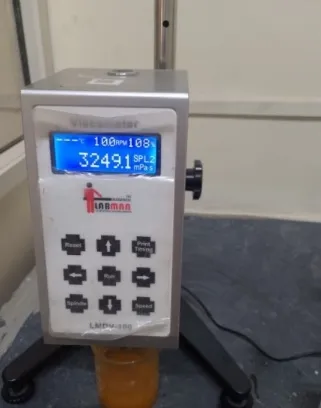
|
The viscosity of the prepared formulation was found to be 3249.1 mPa·s, indicating appropriate flow behavior and suitable consistency for topical administration (8).
|
Overall Discussion
The prepared curcumin gel demonstrated satisfactory physicochemical characteristics with suitable pH, spreadability, and viscosity. The formulation exhibited acceptable consistency and topical properties, indicating its potential suitability for localized drug delivery applications (10,12).
CONCLUSION
The present investigation was carried out to formulate and evaluate a curcumin gel intended for topical application. The developed formulation demonstrated satisfactory physicochemical characteristics including acceptable appearance, suitable pH, good spreadability, appropriate viscosity, and desirable consistency. The prepared gel also exhibited acceptable homogeneity and washability properties. Although slight grittiness was observed due to the presence of small particles, the overall quality of the formulation remained satisfactory. The obtained findings indicate that curcumin can be successfully incorporated into a topical gel formulation and may serve as a promising approach for localized drug delivery applications (10,12).
REFERENCES
Journal of Pharmaceutical Sciences. 2021;10(4):201–209.
Journal of Pharmaceutical Sciences. 2021;10(4):201–209.


Apurva Kamble, Reshma Dhakate, Formulation and Evaluation of Curcumin Gel for Topical Application, Int. J. of Pharm. Sci., 2026, Vol 4, Issue 6, 737-744, https://doi.org/10.5281/zenodo.20526494
 10.5281/zenodo.20526494