View Article

Abstract

Peptic ulcer is one of the most common conditions of the digestive system, which is caused by erosion of the lining of stomach or duodenal mucosa and is usually related to Helicobacter pylori infection. Cimetidine belongs to the group of H?-receptors antagonists that lower gastric acid production. Amoxicillin is the broad-spectrum antibiotic that fights H. pylori bacteria. Standard oral dosage forms of Cimetidine and Amoxicillin have a number of disadvantages such as rapid gastric emptying, short gastric residence time, multiple dosing, incomplete absorption and therefore decreased bioavailability of the drugs. Thus, the purpose of the current study was the development and evaluation of floating beads with controlled delivery of Cimetidine and Amoxicillin. Floating beads were produced by ionotropic gelation technique using sodium alginate and HPMC as the polymers, calcium chloride as the cross-linking agent and sodium bicarbonate as the gas-forming agent. Six formulations (F1-F6) were produced and their evaluation was performed in terms of different physicochemical and gastroretentive characteristics such as particle size, yield percentage, drug entrapment efficiency, floating lag-time, floating time, swelling index, drug content, in vitro drug release and drug release kinetics. The compatibility of Cimetidine and Amoxicillin with the selected polymers and excipients was validated by FTIR studies and there was no drug–excipient interaction. F4 formulation showed superior properties in terms of having the smallest particle size (1.31 mm), highest entrapment efficiency (94.8%), least floating lag time (35 seconds), and total floating period more than 12 hours. Swelling and sustained drug release property were superior in the optimized formulation where 92.8% of the drug was released in 12 hours. Drug release kinetic study showed the best correlation with Korsmeyer-Peppas model indicating diffusion-controlled release with polymer swelling and matrix relaxation. Three months of accelerated stability testing of the optimized formulation indicated no significant change in physical appearance, drug content, floating properties, and drug release profile. It can be concluded that the optimized formulation has excellent stability at 40°C and 75% humidity for three months. The developed gastroretentive floating bead system could provide prolonged retention in the stomach and controlled drug release effectively which can be considered as a better alternative to traditional oral therapy for the treatment of peptic ulcer disease and H. pylori infection.

Keywords

Floating beads, Gastroretentive drug delivery system, Controlled release, Cimetidine, Amoxicillin, Peptic ulcer disease

Introduction

× Popup Image

The peptic ulcer disease is a widespread gastrointestinal condition in which ulcers develop in the mucous membrane of the stomach or duodenum due to a mismatch between aggressive factors such as stomach acid, pepsin, and H. pylori infection and the protective measures of the gastrointestinal tract. This disease is a serious health problem that continues to exist throughout the world. The clinical features include epigastric pain, nausea, vomiting, bloating, and pain, whereas complications of the disease are represented by gastrointestinal bleeding, perforation, and gastric obstruction. There are numerous etiological factors that cause PUD. However, among them, H. pylori infection and NSAID intake are the main causes. This bacterium invades the stomach and destroys its protective layer, causing inflammation and increasing the amount of acid. Management of peptic ulcers is mainly through the suppression of acid secretion and eradication of Helicobacter pylori infection. Cimetidine, an antihistamine that is a histamine H2 receptor blocker, is extensively used in reducing acid secretion in the stomach by inhibiting the stimulatory action of histamine on parietal cells. Amoxicillin, a β-lactam antibiotic, is frequently used for the purpose of eradicating H. pylori due to its good antibacterial properties and low toxicity. A combination of Cimetidine and Amoxicillin will provide good ulcer healing and eradication of bacteria. However, conventional oral preparations have the disadvantages of short gastric residence, quick gastric emptying, variations in plasma concentration, and incomplete release of the drug.
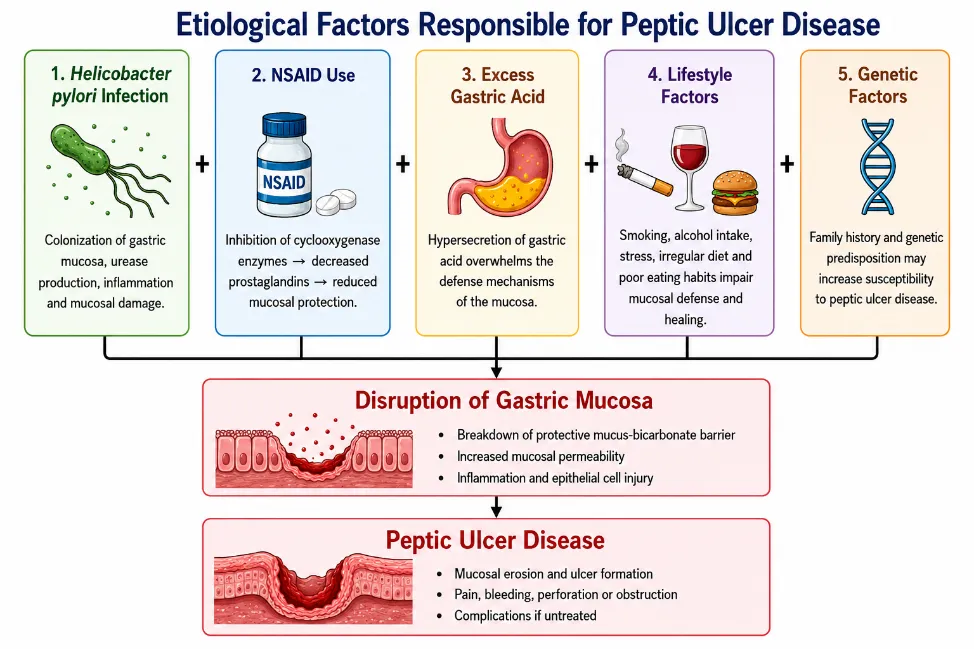


Fig 1: Etiology of Peptic Ulcer Disease


In order to circumvent the above drawbacks, gastroretentive drug delivery systems (GRDDS) have been designed to delay the gastric retention of dosage forms and increase the availability of the drug in the area of action. GRDDS are especially useful for those drugs which act locally in the stomach, have a narrow absorption window or those drugs whose efficacy increases on prolonged residence in the stomach. Such drug delivery systems not only increase the bioavailability but also decrease the dosing regimen and facilitate sustained release of the drugs. Among all the gastroretentive systems, floating drug delivery systems have received much attention owing to their buoyancy on gastric fluids for prolonged periods without interfering with normal gastric emptying. Floating beads constitute a sophisticated multiparticulate gastroretentive delivery system that floats on the gastric contents and release the drugs in a sustained manner. They are usually prepared using hydrophilic polymers such as sodium alginate, HPMC, and Carbopol. Sodium alginate forms calcium alginate gel matrices through ionotropic gelation, while HPMC and Carbopol contribute to swelling, matrix integrity, and sustained drug release. The incorporation of gas-generating agents further enhances buoyancy by reducing bead density. Floating beads offer several advantages, including prolonged gastric retention, improved drug bioavailability, reduced risk of dose dumping, uniform distribution within the stomach, and enhanced patient compliance.

Therefore, the present study focuses on the development and evaluation of controlled-release floating beads containing Cimetidine and Amoxicillin using suitable polymers and gastroretentive technology. The formulation is intended to provide prolonged gastric residence, sustained drug release, enhanced eradication of H. pylori, improved ulcer healing, and better therapeutic efficacy in the management of peptic ulcer disease.

  1. MATERIAL AND METHOD

2.1 Material

Cimetidine and Amoxicillin used in the present study were procured from CDH Fine Chem Ltd., New Delhi, India. Sodium Alginate and Ethanol were obtained from Loba Chemie Pvt. Ltd., Mumbai, India. Hydroxypropyl Methylcellulose (HPMC) was purchased from Colorcon Asia Pvt. Ltd., India, while Carbopol was obtained from Lubrizol Pvt. Ltd., India. Sodium Bicarbonate was procured from Merck Pvt. Ltd., India. Calcium Chloride and Phosphate Buffer Solution were purchased from CDH Fine Chem Ltd., New Delhi, India. Hydrochloric Acid, Sodium Hydroxide, and Methanol were obtained from Rankem Chemicals, India. All chemicals and reagents employed were of analytical grade.

    1. Solubility Study

Solubility behavior of amoxicillin and cimetidine was checked in different solvents. When choosing an appropriate dissolve media and formulation approach, solubility statistics are crucial. Each medication was added in excess to a solution of hydrochloric acid, methanol, ethanol, and distilled water. To examine solubility properties, the mixtures were filtered after being constantly shaken for a full day at room temperature Sadhu PK et al. [65]

2.3 Compatibility Study Using FTIR

FTIR was used to investigate drug-excipient compatibility. Purpose of study was to find any potential interactions between amoxicillin, cimetidine, and the excipients. An FTIR spectrophotometer operating in the 4000–400 cm⁻¹ range was used to record the FTIR spectra of both pure pharmaceuticals and physical mixes of medications with polymers. Find any alterations, shifts, or removal of peaks that would indicate drug–excipient interactions, the distinctive peaks found in the spectra were examined. The medications' compatibility with certain formulation components was validated by the lack of notable alterations in distinctive peaks Manan MJA et al. [37]

    1. Method of Preparation

Controlled release floating beads were prepared by ionotropic gelation technique because of its simplicity, mild processing conditions, and suitability for gastroretentive formulations.


Table 1: Composition of Floating Bead Formulations

Ingredients

F1

F2

F3

F4

F5

F6

Cimetidine (mg)

200

200

200

200

200

200

Amoxicillin (mg)

250

250

250

250

250

250

Sodium Alginate (%)

2

2.5

3

3.5

4

4.5

HPMC (%)

0.5

0.5

1

1

1.5

2

Carbopol (%)

0.25

0.5

0.5

0.75

1

1.25

Sodium Bicarbonate (%)

0.5

0.5

1

1

1

1.5

Calcium Chloride (%)

5

5

5

5

5

5


Known amounts of sodium alginate, HPMC, and Carbopol were uniformly mixed in distilled water by constant stirring to get the homogenous polymeric solution. After that, known amounts of amoxicillin and cimetidine were added to the polymeric solution with constant stirring in order to assure an even distribution of the drug within the polymeric matrix. Sodium bicarbonate (NaHCO₃) was used as the effervescent agent, which would provide a buoyancy effect for the beads. The formed dispersion was constantly stirred until the lump-free and homogenous dispersion was obtained. The prepared dispersion of the drug and polymers was introduced into the syringe with appropriate needle and dropped from it in the calcium chloride solution with constant stirring. Upon mixing with the calcium chloride solution, interaction between calcium ions and sodium alginate occurred; thus, gelation of beads took place as a result of ionic cross-linking. From this point, the beads were filtered and washed using distilled water to get rid of any extra calcium ions present on their surfaces. Drying of the beads was done either using ambient temperatures or a hot-air oven kept at a certain temperature until a steady mass was obtained. The floating beads were finally stored under airtight conditions.


Fig 2: Floating Beads

    1. Evaluation of Floating Beads
      1. Particle Size Analysis

The prepared floating beads average size and size distribution were ascertained by particle size analysis. Particle size has a major impact on the formulation's buoyancy, swelling behavior, drug entrapment effectiveness, and release profile. A small number of floating beads were chosen at random and examined using an optical microscope equipped with a calibrated ocular micrometer in order to determine the particle size. Because it guarantees constant treatment efficacy, enhanced floating properties, and repeatable drug release behavior, uniform particle size distribution is crucial Manan MJA et al. [37]


      1. Percentage Yield

To assess the effectiveness of the formulation process and the quantity of material recovered following the manufacture of floating beads, percentage yield was calculated. The prepared beads were gathered, thoroughly dried, and precisely weighed. The theoretical yield of the formulation and the actual yield were compared.

% Yield = Practical Yield Theoretical Yield
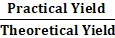
  × 100


A higher percentage yield indicates minimal loss of materials during formulation and better efficiency of the preparation method Nasef AM et al. [48]

      1. Drug Entrapment Efficiency

To ascertain how much cimetidine and amoxicillin were successfully integrated into the floating beads, drug entrapment efficiency was assessed. Floating beads that had been precisely weighed were crushed and dissolved in an appropriate solvent. To ascertain the true drug concentration of the beads, the resultant solution was filtered and subjected to spectrometric analysis Mohamed AI et al. [43]

EE (%) = Actual Drug Content Theoretical Drug Content

  × 100


      1. Floating Lag Time

The time it takes for the floating beads to rise to the surface of the dissolving solution following injection in simulated stomach fluid is known as the "Floating Lag Time" period. This experiment aimed at determining how long it took the floating beads to float in 0.lN HC1. Because it shows the beginning of buoyancy and the efficacy of the gastroretentive system, floating lag time is a crucial metric. For quick buoyancy under stomach circumstances, the optimal floating formulation should have the shortest floating lag time SK SA et al. [81]


      1. Total Floating Time

The term "total floating time" describes how long the floating beads remain buoyant on the surface of the stomach fluid. The prepared beads were submerged in simulated stomach fluid, and the amount of time they floated was noted. Greater gastroretentive capacity and longer stomach residence time of the formulation are indicated by a longer floating period Patial K et al. [59]

      1. Swelling Study

To assess the floating beads' capacity to absorb water and their hydration behavior, swelling experiments were conducted. For a predetermined amount of time, precisely weighed dry beads were submerged in gastric fluid simulation. The beads were taken out after swelling: Nayaka H et al. [50]

Swelling Index = (Wt - W0) W0

 × 100


Where: Wt = Weight of swollen beads

W0 = lnitial weight of dried beads

      1. In-vitro Drug Release Study

In vitro drug reIease assays were performed to evaluate the sustained reIease behavior of amoxicillin and cimetidine from the floating beads. dissolving studies were conducted using USP dissolving equipment with simulated gastric fluid (0.l N HC1) maintained at 37 ± 0.5°C. Spectrophotometry was used to measure the drug release after samples were removed at a scheduled period. These studies help determine the formulation's overall performance, release profile, and sustained release characteristics.

      1. Drug Release Kinetics

By fitting the in vitro drug release data into different kinetic models, such as Zero-order, First-order, Higuchi, Korsmeyer–Peppas, and Hixson–Crowell models, the release kinetics of Metformin Hydrochloride and Repaglinide from the produced transdermal patches were assessed. Determining the mechanism and pattern of drug release from the polymeric matrix was the aim of kinetic analysis.

      1. Stability Study

To ascertain stability of optimized floating bead compositions under certain storage circumstances, stability experiments were conducted. For a specific amount of time, the optimized formulations were kept in stability chambers with right humidity and temperature. Stability studies are crucial for forecasting shelf life, guaranteeing product quality, and assessing how storage conditions affect formulation performance Singh A et al. [77]

  1. RESULT AND DISCUSSION
    1. Solubility Study

Solubility studies were done in various solvents to determine solubility characteristics of the drugs.


Table 2: Solubility Profile of Cimetidine

Cimetidine

S. No.

Solvent

Solvent Volume (mL)

Quantity Dissolved at Saturation (mg)

Solubility (mg/mL)

1

Distilled Water

10

600

60

2

Methanol

10

500

50

3

Ethanol

10

150

15

4

0.1 N HCl

10

700

70

5

Phosphate Buffer pH 7.4

10

450

45


Table 3: Solubility Profile of Amoxicillin

Amoxicillin

S. No.

Solvent

Solvent Volume (mL)

Quantity Dissolved at Saturation (mg)

Solubility (mg/mL)

1

Distilled Water

10

800

80

2

Methanol

10

120

12

3

Ethanol

10

60

6

4

0.1 N HCl

10

400

40

5

Phosphate Buffer pH 7.4

10

150

15


3.2 FTIR Compatibility Study

FTIR studies were done to determine compatibility b/w drugs and polymers.


Fig 3: FTIR of Cimetidine


Fig 4: FTIR of Amoxicillin
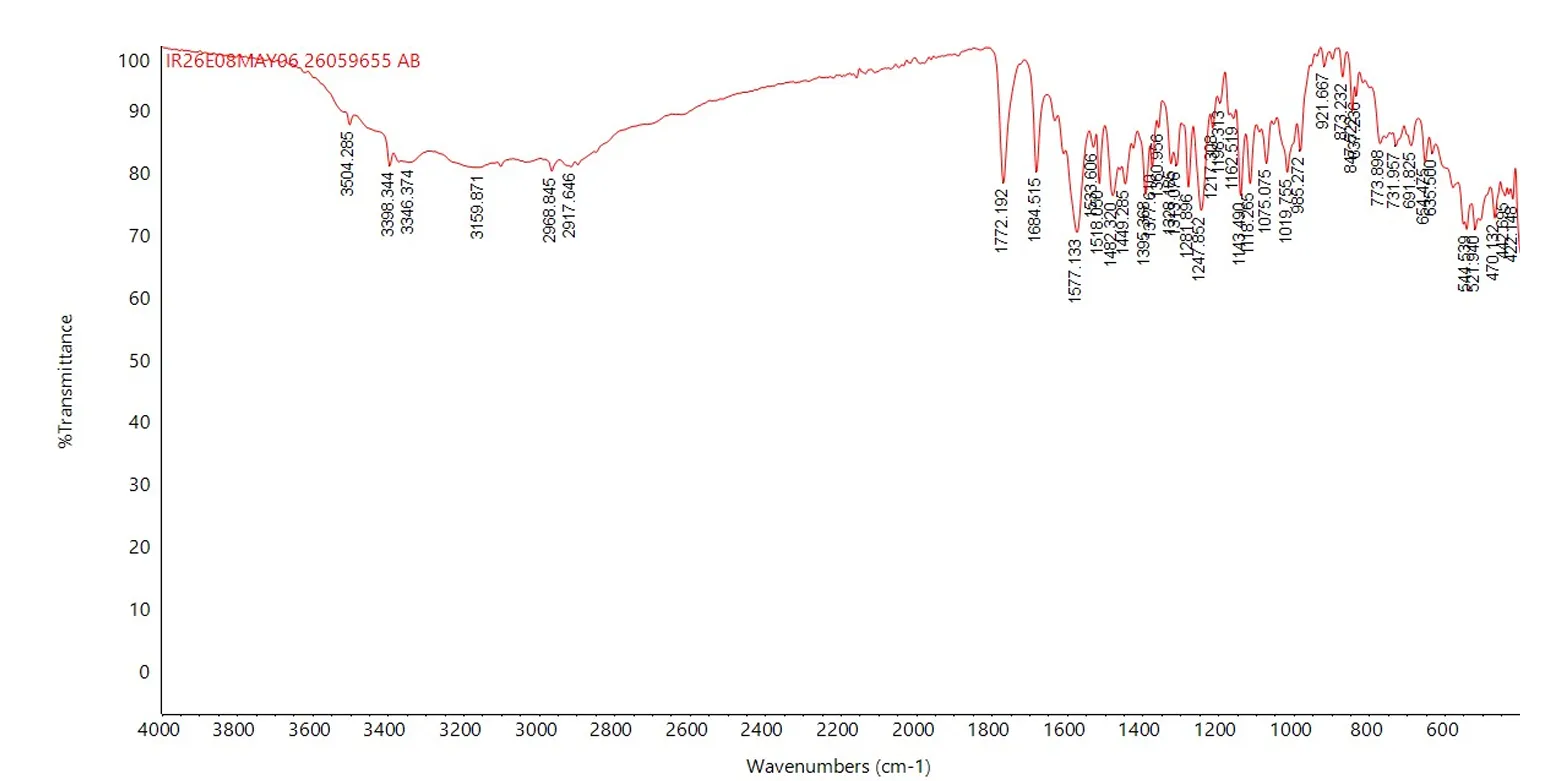


Fig 5: FTIR of Drug and Excipient


3.3. Evaluation of Floating Beads

3.3.1. Particle Size Analysis

Average particle size of floating beads was determined using digital Vernier caliper. The particle size of formulation range between 1.10 mm to 1.45 mm.

3.3.2 Percentage YieId

% yield of floating bead formulations was determined to evaluate efficiency of preparation method and result ranges between 82.4 % to 89.5 %.

3.3.3 Drug Entrapment Efficiency

EE % was evaluated to determine incorporation of drugs into floating beads. The entrapment efficiency ranges between 81.2 % to 90.4 %.


Table 4: Particle Size of Floating Beads

Formulation

Particle Size (mm)

Percentage Yield (%)

Entrapment Efficiency (%)

F1

l.10

82.4

81.2

F2

l.18

84.1

84.5

F3

l.24

86.7

89.3

F4

l.31

89.5

94.8

F5

l.39

87.8

92.6

F6

l.45

85.9

90.4


3.3.4 Floating Lag Time

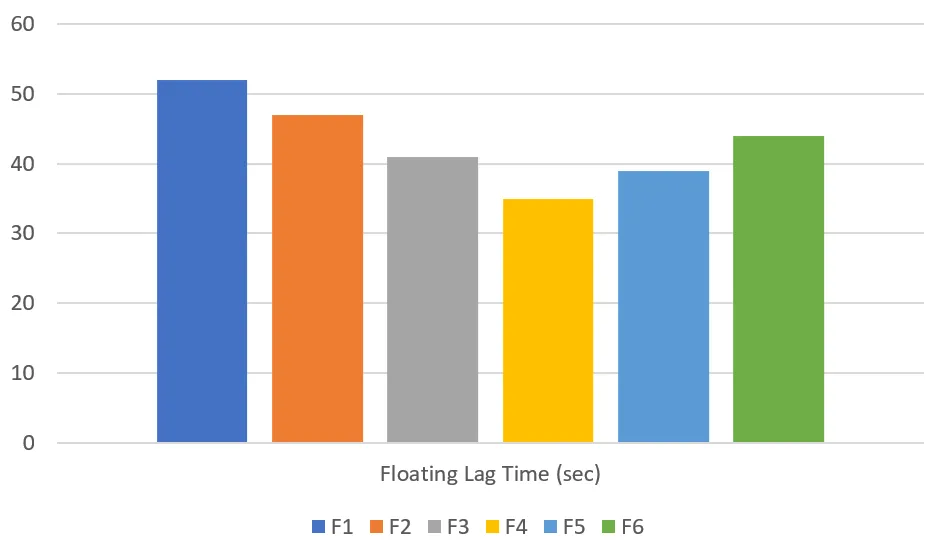
Floating Iag time of floating bead formulations was determined to evaluate the onset of buoyancy in simulated gastric fluid. The floating lag time shown by the formulation lies between 41-52 sec.

3.3.5 Total Floating Time

TotaI floating time was determined to evaluate the time for which  floating beads remained floating in simulated gastric fluid. F4 shows best floating duration of 12 hours.

3.3.6 Swelling Study

Swelling studies were done to determine hydration character of the floating beads.


Table 5: Floating Lag Time of Floating Beads

Formulation

Floating Lag Time (sec)

Total Floating Time (hr)

Swelling Index (%)

F1

52

8

58.4

F2

47

9

64.7

F3

41

l 0

71.3

F4

35

l 2

79.5

F5

39

l l

76.2

F6

44

l 0

73.6


Fig 6: Floating Lag Time of Floating Beads


Fig 7: Total Floating Time of Floating Beads
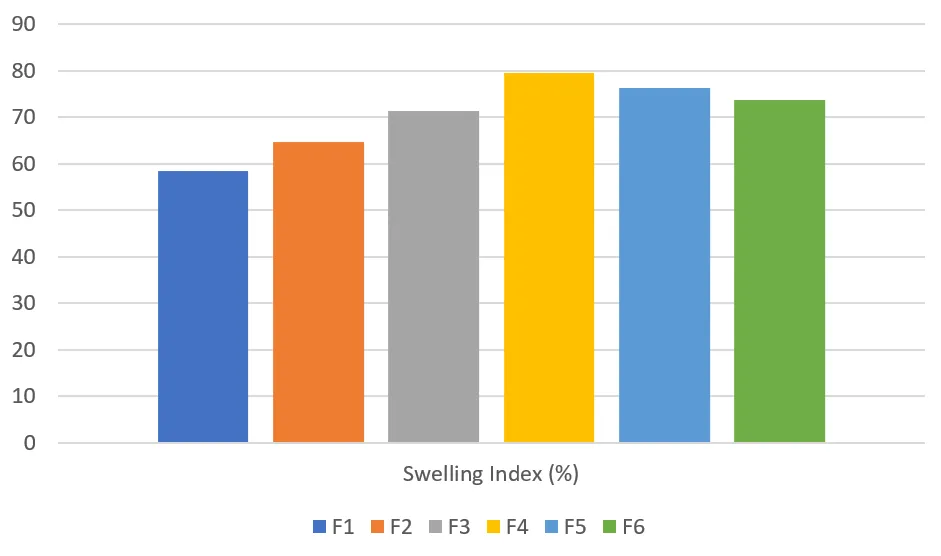


Fig 8: Swelling Index of Floating Beads


3.3.7. ln-vitro Drug Release Study

ln-vitro dissolution studies were done to check sustained drug release character of floating bead formulations in simulated gastric fluid.


Table 7: Percentage Drug Release of Floating Beads

Time (hr)

F1

F2

F3

F4

F5

F6

1

22.4 %

20.6 %

18.9 %

16.5 %

15.2 %

14.3 %

2

35.7 %

33.2 %

30.4 %

27.6 %

25.9 %

24.5 %

4

56.2 %

52.8 %

49.5 %

45.7 %

43.1 %

40.6 %

6

72.4 %

69.3 %

65.7 %

61.5 %

58.8 %

55.4 %

8

88.1 %

84.6 %

80.3 %

76.9 %

73.4 %

70.8 %

12

98.4 %

96.3 %

94.7 %

92.8 %

90.5 %

88.2 %


Fig 9: Percentage Drug Release of Floating Beads


 Discussion

All formulations demonstrated sustained drug reIease. Drug reIease was slowed by an increase in polymer content because a thicker gel barrier formed around the beads. Formulation F4 was the most effective since it demonstrated outstanding buoyancy and trapping efficiency along with regulated and sustained drug reIease over a l2-hour period.

3.3.8. Drug Release Kinetics


Table 8: Drug Release Kinetics

Kinetic Model

Regression Equation

R² Value

Zero Order

y = 7.0275x + 14.849

0.9688

First Order

y = -0.0957x + 2.0802

0.9741

Higuchi Model

y = 31.959x − 16.571

0.9962

Hixson–Crowell Model

y = -0.2228x + 4.6398

0.9974

Korsmeyer–Peppas Model

y = 0.7199x + 1.2317

0.9991


The optimized floating beads of amoxicillin and cimetidine followed the Korsmeyer–Peppas model (R² = 0.9991), according to the release kinetics investigation, suggesting that drug release happened via a non-Fickian (anomalous) diffusion process. The Higuchi (0.9962) and Hixson-Crowell (0.9974) models' strong R² values further demonstrated that the sustained drug release behavior was influenced by both progressive bead erosion and diffusion through the hydrated polymer matrix. These results suggest that the produced floating beads can improve the gastroretentive performance and therapeutic efficacy of cimetidine and amoxicillin by releasing them in the stomach environment in a controlled and sustained manner.

3.3.9. Stability Study

A three-month stability study was conducted for the formulated optimized F4 under accelerated conditions of temperature (40±2°C) and relative humidity (75±5%) to examine the effects of storage on the physicochemical properties, buoyancy performance, and release characteristics of floating beads.


Table 9: Stability Study of Optimized Formulation (F4)

Parameter

Initial

After l Month

After 3 Months

Appearance

No change

No change

No change

FLT (sec)

35

36

37

TLT (hr)

12.0

11.9

11.8

In-Vitro Drug release

92.8

92.1

91.6


DISCUSSION

F4 demonstrated good compatibility and stability of formulation components during the storage period, as evidenced by no appreciable changes in physical appearance. After one and three months of accelerated stability testing, there were slight changes in drug content, FLT, TLT and cumulative drug release, but these were within acceptable bounds. Over the course of the research, the formulation maintained sustained drug release behaviour and good buoyant properties. The outcomes demonstrated that the optimized floating beads formulation was acceptable for extended storage without appreciable loss of formulation performance and had high stability under accelerated storage circumstances.

CONCLUSION

The goal of the current study was to create and assess gastroretentive floating beads that contain amoxicillin and cimetidine for controlled medication administration in the management of Helicobacter pylori-related peptic ulcer disease. The prepared floating beads met the necessary quality parameters, including particle size, percentage yield, drug entrapment efficiency, floating lag time, total floating time, swelling index, drug content, and in-vitro drug release behavior, according to the results obtained. Studies on FTIR compatibility verified that there were no notable interactions between the medications and particular excipients, demonstrating the formulation's potential for gastroretentive administration. In order to improve gastric retention and local medication availability in the stomach, the floating beads demonstrated exceptional buoyancy qualities with a quick floating onset and extended floating duration. Because of its outstanding entrapment efficiency, exceptional floating qualities, favorable swelling features, and greatest cumulative drug release of 92.8% over 12 hours, F4 was determined to be the optimal formulation among the developed formulations. The improved formulation mostly followed the Korsmeyer–Peppas model, according to drug release kinetic studies, indicating a diffusion-controlled release mechanism regulated by polymer swelling and matrix relaxation. Additionally, the formulation showed regulated and sustained release behavior, which is ideal for long-term gastroretentive treatment. The stability of the improved formulation was confirmed by stability experiments, which showed no appreciable changes in appearance, drug content, floating properties, or drug release profile over the storage term. For the treatment of Helicobacter pylori infection and peptic ulcer disease, formulation F4 can therefore be regarded as a promising gastroretentive floating bead delivery system that offers extended gastric residence, controlled release of Cimetidine and Amoxicillin, improved therapeutic efficacy, decreased dosing frequency, and improved patient compliance. To determine the new floating bead formulation's long-term safety, therapeutic efficacy, and commercial viability, more in-vivo pharmacokinetic, pharmacodynamic, and clinical research is necessary.

REFERENCES

  1. Abbas G, Hanif M. pH-Sensitive pectin polymeric rafts for controlled-release delivery of Pantoprazole sodium sesquihydrate. J Appl Polym Sci. 2016;134:1-9.
  2. Agarwal S, Zamil F, Singh L, Saxena AMIT. Formulation and evaluation of floating beads of Diltiazem HCl. Int J Curr Pharm Res. 2016;8(3):38-42.
  3. Ahmad S, Singh V, Kushwaha SK. Gastro retentive drug delivery system: a review. Asian J Res Chem. 2023;16(6):453–458.
  4. Anyanwu NC et al. Development and Evaluation of In Situ Gelling Gastroretentive Formulations of Meloxicam. 2017.
  5. Arora S, Ali J, Ahuja A, Khar RK, Baboota S. Floating drug delivery systems: a review. AAPS PharmSciTech. 2005;6:372-390.
  6. Asija R, Choudhary B, Goyal AK. Floating Drug Delivery System-A Review. Tropical Journal of Pharmaceutical and Life Sciences. 2023 Dec 10;10(6):96-100.
  7. Awasthi R, et al. Advances in gastroretentive drug delivery technologies. Drug Deliv Transl Res. 2021.
  8. Barani M, Rajaram RP, Senthilvasan AK, Gunasekaran A, Mohan B, Vaikundam K, Dakshinamoorthy R, Natarajan G. A REVIEW ON THE PREPARATION AND CHARACTERIZATION OF SODIUM ALGINATES BEADS. World Journal of Pharmaceutical Research.;15(6):824-33.
  9. Baviskar P, Patil P, Saudagar RB. Formulation development and evaluation of floating wax beads of Olopatadine hydrochloride. J Drug Deliv Ther. 2019;9:569-576.
  10. Behera S, Ghatuary CK, Nayak AK, Hasnain MS. Floating alginate beads: formulation and evaluation. Polym Plast Technol Mater. 2024;63(8):975–989.
  11. Bhowmik D, Gopinath H, Kumar BP, Duraivel S, Kumar KS. Controlled release drug delivery systems. Pharma Innovation. 2012;1:24-32.
  12. Bhuyar SR, Auti MM, Bhise SA. Innovations and advancements in floating tablet drug delivery systems: a comprehensive review. Pharm Pharmacol Int J. 2024;12(5):195-200.
  13. Blynskaya EV, Tishkov SV, Vinogradov VP, Alekseev KV, Marakhova AI, Vetcher AA. Polymeric excipients in the technology of floating drug delivery systems. Pharmaceutics. 2022;14(12):2779.
  14. Bruschi ML, de Freitas O. Oral bioadhesive drug delivery systems. Drug Dev Ind Pharm. 2005;31:293-310.
  15. Chapke SG, Jadhao UT, Sayyed AA, et al. Floating alginate beads of tramadol hydrochloride. Int J Dev Res. 2024;14:28726.
  16. Chemate SZ, Godge GR, Pawa KK, Rupnar KA. Preparation and evaluation of hollow calcium pectinate beads for floating-pulsatile drug delivery. Turk J Pharm Sci. 2016;13(1):91-102.
  17. Chaurasia H et al. Development and Characterization of Floating Alginate Beads for Gastroretentive Drug Delivery System. 2011.
  18. Dhingani G, Jadav B. A study of middle ear diseases in children with congenital bilateral severe to profound sensor neural hearing loss. Indian J Otolaryngol Head Neck Surg. 2022;74:4276-4280.
  19. Dhople N, Dandag P, Gadad AP, Pandey CK, Masthiholimath VS. Formulation and evaluation of Itopride hydrochloride floating beads for gastroretentive delivery. Int J Pharm Sci Nanotechnol. 2013;6(4):2269-2280.
  20. Gamo FJ, Sanz LM, Vidal J, De Cozar C, Alvarez E, Lavandera JL, Vanderwall DE, et al. Thousands of chemical starting points for antimalarial lead identification. Nature. 2010;465(7296):305-310.
  21. Gupta V et al. A Novel Drug Delivery System: Floating Microspheres. 2021.
  22. Gundeti MS, Bhurke LW, Mundada PS, Murudkar S, Surve A, Sharma R, et al. AYUSH 64, a polyherbal Ayurvedic formulation in influenza-like illness-results of a pilot study. J Ayurveda Integr Med. 2022;13:100325.
  23. Gupta P, Kumar M, Kaushik D. Pantoprazole sodium loaded micro-balloons for the systemic approach: in vitro and in vivo evaluation. Adv Pharm Bull. 2017;7(3):461.
  24. Hebbar G, Rajendra A, Srinatha A. Porous floating beads of Ornidazole: formulation and in vitro characterization. Manipal J Pharm Sci. 2020;6(1):4.
  25. Hsu YT, Kao CY, Ho MH, Lee SP. To control floating drug delivery system in a simulated gastric environment by adjusting the shell layer formulation. Biomater Res. 2021;25:1-12.
  26. Huanbutta K, Sriamornsak P, Kittanaphon T, Suwanpitak K, Klinkesorn N, Sangnim T. Development of a zero-order kinetics drug release floating tablet with anti-flip-up design fabricated by 3D-printing technique. J Pharm Investig. 2021;51:213-222.
  27. Israr M, Pugliese N, Farid A, Ghazanfar S, Di Cerbo A, Muhammad M, Khan KA. Preparation and characterization of controlled-release floating bilayer tablets of Esomeprazole and Clarithromycin. Molecules. 2022;27:3242.
  28. Jagdale SC et al. Formulation and Evaluation of Gastroretentive Drug Delivery System. 2009.
  29. Jagtap YM, Bhujbal RK, Ranpise NS. Floating Microspheres: A Review. Braz J Pharm Sci. 2012.
  30. Kahya N. pH responsive amoxicillin release from biopolymeric beads. Polymers from Renewable Resources. 2026 May;17(2):87-103.
  31. Kumar et al. A Review on Gastro-Retentive Floating Microspheres. 2021.
  32. Kim DH, Lee SW, Lee JH, Park JW, Park SM, Maeng HJ, et al. Development of gastroretentive floating combination tablets containing Amoxicillin trihydrate and Levofloxacin for eradicating resistant Helicobacter pylori. Pharmaceutics. 2024;16(10):1242.
  33. Kothule S, Aher S, Bachhav R. Gastro-retentive Drug Delivery System: A Review. Int J Pharm Sci. 2023;2(1):75-85.
  34. Lin X, Fu H, Hou Z, Si Y, Shan W, Yang Y. Three-dimensional printing of gastro-floating tablets using polyethylene glycol diacrylate-based photo curable printing material. Int J Pharm. 2021;603:120674.
  35. Liu H, Gan C, Shi H, Qu K, Jing L, Lu M, Zeng W. Gastric floating pill enhances the bioavailability and drug efficacy of dihydromyricetin in vivo. J Drug Deliv Sci Technol. 2021;61:102279.
  36. Manan MJA, Khan M, Safwan AKM, Hussain SA, Zakaria ZA. Anti-ulcer activity of Ficus religiosa stem bark ethanolic extract in rats. J Med Plants Res. 2011;5(3):354-359.
  37. Mandal UK, Chatterjee B and Faria GS. Gastro-retentive drug delivery systems and their in vivo success: A recent update. Asian J Pharm Sci. 2016;11(5):575-84.
  38. Mane S, Bathe R, Awatade S. Formulation and evaluation of fast disintegrating tablets of Atenolol using natural and synthetic superdisintegrants. J Drug Deliv Ther. 2019;9:150-158.
  39. Manish G, Vimukta S. Targeted drug delivery system: a review. Res J Chem Sci. 2011;1:135-138.
  40. Manubolu K, Munna S, Bonnoth CK, Mohan GR. Design and optimization of floating microspheres using natural polymer. Int J Life Sci Pharm Res. 2021;11(1):166-183.
  41. Melocchi A, Uboldi M, Inverardi N, Briatico-Vangosa F, Baldi F, Pandini S, Gazzaniga A. Expandable drug delivery system for gastric retention based on shape memory polymers: development via 4D printing and extrusion. Int J Pharm. 2019;571:118700.
  42. Mohamed AI, Herry MI, Kassem MA, El-Nabarawi A, El Khatib MM. Preparation and evaluation of once-daily floating gmo-alginate microspheres containing famotidine. International Journal of Applied Pharmaceutics. 2023;15(1):298-307.
  43. Mohapatra DK, Roy H, Pattanayak D, Nandi S, Senapati P. Design and in vitro evaluation of cefuroxime axetil floating microbeads for the treatment of hospital acquired infection. Int. J. Pharm. Sci. and health care. 2012;2(2):36-51.
  44. More S, Gavali K, Doke O, Kasgawade P. Gastroretentive drug delivery system. J Drug Deliv Ther. 2018;8:24-35.
  45. Naiel BH, El-Subruiti GM, Khalifa NE, Eltaweil AS, Omer AM. Construction of gastroretentive aminated chitosan coated (sunflower oil/alginate/i-carrageenan) floatable polymeric beads for prolonged release of Amoxicillin trihydrate. J Drug Deliv Sci Technol. 2023;84:104534. (CoLab)
  46. Najm AS, Ali WK. Preparation and in-vitro evaluation of Cinnarizine raft forming chewable tablets. Al Mustansiriyah J Pharm Sci. 2019;19(3):42-53.
  47. Nasef AM, Gardouh AR, Ghorab MM. Formulation and in-vitro evaluation of Pantoprazole loaded pH-sensitive polymeric nanoparticles. Future J Pharm Sci. 2017;3(2):103-117.
  48. Nayak AK, Malakar J, Sen KK. Gastroretentive drug delivery technologies: current approaches and future potential. J Pharm Educ Res. 2010;1:1-12.
  49. Nayaka H, Nanjundaiah M, Siddaraju, Dharmesh SM. Gastro protective effect of ginger rhizome extract: role of gallic acid and cinnamic acid in H+, K+ATPase/H. pylori inhibition and antioxidative mechanism. Evid Based Complement Altern Med. 2009;1:1-13.
  50. Pachuau L. Recent developments in floating drug delivery systems. J Drug Deliv Sci Technol. 2021;61:102316.
  51. Pawar KS et al. An Updated Review on Floating Microspheres for Gastro-Retentive Drug Delivery System. 2025.
  52. Pandey A, Anand A, Jaiswal S and Singh AK. A research article on formulation and evaluation of floating beads of Pantoprazole sodium for peptic ulcer disease. World J Pharm Pharm Sci. 2024;13(3).
  53. Pandey SK, Pudasaini J, Parajuli N, Singh RE, et al. Formulation and evaluation of floating tablet of Nimesulide by direct compression method. Magna Sci Adv Res Rev. 2024;10(1):153-161.
  54. Pardeshi M, Barhate S, Bari M, Shaikh S. Floating beads of propranolol hydrochloride. Asian J Res Pharm Sci. 2024;14(2).
  55. Parida SK, Mehta FF, Mishra A, Sharma S, Mannam R, Pillai RR, Mandha M, Kumar Reddy BB. IN VIVO EVALUATION OF FLOATING IONOTROPIC AMOXICILLIN MICROSPHERES FOR ENHANCED HELICOBACTER PYLORI ERADICATION IN ALBINO RATS. Journal of Experimental Zoology India. 2026 Jan 1;29(1).
  56. Patel M et al. Design, Preparation and In Vitro Evaluation of Gastroretentive Floating Tablets. 2023.
  57. Patel V. Formulation and evaluation of delayed release Pantoprazole tablets. Asian J Res Pharm Sci. 2013;3(2):95-106.
  58. Patel RI et al. Gastro-retentive Drug Delivery Systems: Modern Insights. 2025.
  59. Raj BS, Pancholi J, Samraj PI. Design and evaluation of floating microspheres of Pantoprazole sodium. Pharm Biosci J. 2015;09-17.
  60. Rajput DS, Basha SM, Xin Q, Gadekallu TR, Kaluri R, Lakshmanna K, Maddikunta PKR. Providing diagnosis on diabetes using cloud computing environment to the people living in rural areas of India. J Ambient Intell Humaniz Comput. 2022;1-12.
  61. Ratnaparkhi MP, Gupta JP. Sustained release oral drug delivery system-an overview. Int J Pharma Res Rev. 2013;3:10-22.
  62. Raut ID, Bandgar SA, Shah RR, Chougule DD. Formulation and evaluation of gastric floating tablet of Domperidone. Asian J Res Pharm Sci. 2014;4(1):22-25.
  63. Reddy MS, Jalajakshi B. Formulation and evaluation sustained release mucoadhesive gastroretentive Pantoprazole sodium sesquihydrate tablets for anti-ulcer. J Drug Deliv Ther. 2018;8(6-S):304-310.
  64. Sadhu PK, Baji AA, Shah NV, Seth AK, Dash DK, Aundhia CJ, Kumari M. An approaches and patents on controlled release gastroretentive drug delivery system-a review. Int J Pharm Res. 2020;12:2047-2059.
  65. Sahoo SK, Sahoo HB, Priyadarshini D, Soundarya G, Kishore Kumar C, Usha Rani K. Antiulcer activity of ethanolic extract of Salvadora indica leaves on albino rats. J Clin Diagn Res. 2016;10(9):07.
  66. Samir KS, Barhate SD. Formulation development and evaluation of sustained release floating beads of aspirin. Research Journal of Pharmaceutical Dosage Forms and Technology. 2025 Apr 1;17(2):97-101.
  67. Singh et al. Floating Microspheres: Review and Applications. 2025.
  68. Saqib MN, Ahammed S, Liu F, Zhong F. Customization of liquid-core sodium alginate beads by molecular engineering. Carbohydr Polym. 2022;284:119047.
  69. Setia M, Kumar K, Teotia D. Gastro-retentive floating beads a new trend of drug delivery system. J Drug Deliv Ther. 2018;8(3):169-180.
  70. Shah HP, Prajapati ST, Patel CN. Gastroretentive drug delivery systems: from conception to commercial success. J Crit Rev. 2017;4(2):10.
  71. Shahnawaz A, et al. Advances in gastroretentive drug delivery systems. Int J Pharm Sci Rev Res. 2023.
  72. Sharma N, Agarwal D, Gupta MK, Khinchi M. A comprehensive review on floating drug delivery system. Int J Res Pharm Biomed Sci. 2011;2:428-441.
  73. Sharma et al. Floating Microbeads for Gastroretentive Drug Delivery: A Review. 2026.
  74. Sharma P, Kaundal C, Agarwal S. Design and Development of Rebamipide Solid Dispersion-Loaded Floating Beads for Ameliorated. Ind. J. Pharm. Edu. Res. 2024;58(3s):s861-71.
  75. Shraddha MP, Bobade NN, Pande SD, Atram SC, Wankhade VP. Gastro-Retentive Floating Drug Delivery System: A Comprehensive Review. Asian Journal of Pharmaceutical Research and Development. 2026 Apr 15;14(2):70-9.
  76. Singh A, Tiwari P, Saxena P, Jough SS, Srivastava A, Kumar D. Formulation and evaluation of Pantoprazole buccal patches: a review. World J Pharm Res. 2017;6(5):1471-1484.
  77. Singh J, Fateh MV. Prospective of natural polymers in gastroretentive floating drug delivery system: a review. EPRA Int J Res Dev. 2023;8(1):157-164.
  78. Singh et al. Floating Microspheres: Review and Applications. 2025.
  79. Siva Gangi Reddy N, Madhusudana Rao K, Park SY, Kim T, Chung I. Fabrication of aminosilanized halloysite based floating biopolymer composites for sustained gastro retentive release of curcumin. Macromol Res. 2019;27:490-496.
  80. SK SA, Abd El Karim MAK, Elhasan SM. Formulation and optimization of Ciprofloxacin hydrochloride 500 mg floating tablets. Omdurman J Pharm Sci. 2022;2:117-131.
  81. Srikar G et al. Floating Microspheres: A Prevailing Trend in the Development of Gastroretentive Drug Delivery System. 2018.
  82. Thakur S, Ramya K, Shah DK, Raj K. Floating drug delivery system: a review. J Drug Deliv Ther. 2021;11(3-S):125–130.
  83. Treesinchai S, Puttipipatkhachorn S, Pitaksuteepong T, Sungthongjeen S. Development of curcumin floating beads with low density materials and solubilizers. J Drug Deliv Sci Technol. 2019;51:542-551.
  84. Tripathi J, Thapa P, Maharjan R and Jeong SH. Current State and Future Perspectives on Gastroretentive Drug Delivery Systems. Pharmaceutics. 2019;11(4):1-22.
  85. Vallamsetti SD, Nimisha M. Formulation and evaluation of floating beads of Famotidine. Int J Pharm Sci Rev Res. 2014;24:192-198.
  86. Vasave VS. A Review on: Floating Drug Delivery System. World J Pharm Res. 2023;12(2):641-669.
  87. Verma S, et al. Floating drug delivery system via hot melt extrusion technique: a review. J Pharm Sci Innov. 2016;5(5):161-7.
  88. Vrettos NN et al. Gastroretentive Technologies in Tandem with Controlled Release Systems. 2021.
  89. Yuan XG, Xie C, Chen J, Xie Y, Zhang KH, Lu NH. Seasonal changes in gastric mucosal factors associated with peptic ulcer bleeding. Exp Ther Med. 2015;9(1):125-130.
  90. Zhang Y, Ling YC, Zhang Y, Shang K, Yoo SB. High-density wafer-scale 3-D silicon-photonic integrated circuits. IEEE J Sel Top Quantum Electron. 2018;24:1-10.

Reference

  1. Abbas G, Hanif M. pH-Sensitive pectin polymeric rafts for controlled-release delivery of Pantoprazole sodium sesquihydrate. J Appl Polym Sci. 2016;134:1-9.
  2. Agarwal S, Zamil F, Singh L, Saxena AMIT. Formulation and evaluation of floating beads of Diltiazem HCl. Int J Curr Pharm Res. 2016;8(3):38-42.
  3. Ahmad S, Singh V, Kushwaha SK. Gastro retentive drug delivery system: a review. Asian J Res Chem. 2023;16(6):453–458.
  4. Anyanwu NC et al. Development and Evaluation of In Situ Gelling Gastroretentive Formulations of Meloxicam. 2017.
  5. Arora S, Ali J, Ahuja A, Khar RK, Baboota S. Floating drug delivery systems: a review. AAPS PharmSciTech. 2005;6:372-390.
  6. Asija R, Choudhary B, Goyal AK. Floating Drug Delivery System-A Review. Tropical Journal of Pharmaceutical and Life Sciences. 2023 Dec 10;10(6):96-100.
  7. Awasthi R, et al. Advances in gastroretentive drug delivery technologies. Drug Deliv Transl Res. 2021.
  8. Barani M, Rajaram RP, Senthilvasan AK, Gunasekaran A, Mohan B, Vaikundam K, Dakshinamoorthy R, Natarajan G. A REVIEW ON THE PREPARATION AND CHARACTERIZATION OF SODIUM ALGINATES BEADS. World Journal of Pharmaceutical Research.;15(6):824-33.
  9. Baviskar P, Patil P, Saudagar RB. Formulation development and evaluation of floating wax beads of Olopatadine hydrochloride. J Drug Deliv Ther. 2019;9:569-576.
  10. Behera S, Ghatuary CK, Nayak AK, Hasnain MS. Floating alginate beads: formulation and evaluation. Polym Plast Technol Mater. 2024;63(8):975–989.
  11. Bhowmik D, Gopinath H, Kumar BP, Duraivel S, Kumar KS. Controlled release drug delivery systems. Pharma Innovation. 2012;1:24-32.
  12. Bhuyar SR, Auti MM, Bhise SA. Innovations and advancements in floating tablet drug delivery systems: a comprehensive review. Pharm Pharmacol Int J. 2024;12(5):195-200.
  13. Blynskaya EV, Tishkov SV, Vinogradov VP, Alekseev KV, Marakhova AI, Vetcher AA. Polymeric excipients in the technology of floating drug delivery systems. Pharmaceutics. 2022;14(12):2779.
  14. Bruschi ML, de Freitas O. Oral bioadhesive drug delivery systems. Drug Dev Ind Pharm. 2005;31:293-310.
  15. Chapke SG, Jadhao UT, Sayyed AA, et al. Floating alginate beads of tramadol hydrochloride. Int J Dev Res. 2024;14:28726.
  16. Chemate SZ, Godge GR, Pawa KK, Rupnar KA. Preparation and evaluation of hollow calcium pectinate beads for floating-pulsatile drug delivery. Turk J Pharm Sci. 2016;13(1):91-102.
  17. Chaurasia H et al. Development and Characterization of Floating Alginate Beads for Gastroretentive Drug Delivery System. 2011.
  18. Dhingani G, Jadav B. A study of middle ear diseases in children with congenital bilateral severe to profound sensor neural hearing loss. Indian J Otolaryngol Head Neck Surg. 2022;74:4276-4280.
  19. Dhople N, Dandag P, Gadad AP, Pandey CK, Masthiholimath VS. Formulation and evaluation of Itopride hydrochloride floating beads for gastroretentive delivery. Int J Pharm Sci Nanotechnol. 2013;6(4):2269-2280.
  20. Gamo FJ, Sanz LM, Vidal J, De Cozar C, Alvarez E, Lavandera JL, Vanderwall DE, et al. Thousands of chemical starting points for antimalarial lead identification. Nature. 2010;465(7296):305-310.
  21. Gupta V et al. A Novel Drug Delivery System: Floating Microspheres. 2021.
  22. Gundeti MS, Bhurke LW, Mundada PS, Murudkar S, Surve A, Sharma R, et al. AYUSH 64, a polyherbal Ayurvedic formulation in influenza-like illness-results of a pilot study. J Ayurveda Integr Med. 2022;13:100325.
  23. Gupta P, Kumar M, Kaushik D. Pantoprazole sodium loaded micro-balloons for the systemic approach: in vitro and in vivo evaluation. Adv Pharm Bull. 2017;7(3):461.
  24. Hebbar G, Rajendra A, Srinatha A. Porous floating beads of Ornidazole: formulation and in vitro characterization. Manipal J Pharm Sci. 2020;6(1):4.
  25. Hsu YT, Kao CY, Ho MH, Lee SP. To control floating drug delivery system in a simulated gastric environment by adjusting the shell layer formulation. Biomater Res. 2021;25:1-12.
  26. Huanbutta K, Sriamornsak P, Kittanaphon T, Suwanpitak K, Klinkesorn N, Sangnim T. Development of a zero-order kinetics drug release floating tablet with anti-flip-up design fabricated by 3D-printing technique. J Pharm Investig. 2021;51:213-222.
  27. Israr M, Pugliese N, Farid A, Ghazanfar S, Di Cerbo A, Muhammad M, Khan KA. Preparation and characterization of controlled-release floating bilayer tablets of Esomeprazole and Clarithromycin. Molecules. 2022;27:3242.
  28. Jagdale SC et al. Formulation and Evaluation of Gastroretentive Drug Delivery System. 2009.
  29. Jagtap YM, Bhujbal RK, Ranpise NS. Floating Microspheres: A Review. Braz J Pharm Sci. 2012.
  30. Kahya N. pH responsive amoxicillin release from biopolymeric beads. Polymers from Renewable Resources. 2026 May;17(2):87-103.
  31. Kumar et al. A Review on Gastro-Retentive Floating Microspheres. 2021.
  32. Kim DH, Lee SW, Lee JH, Park JW, Park SM, Maeng HJ, et al. Development of gastroretentive floating combination tablets containing Amoxicillin trihydrate and Levofloxacin for eradicating resistant Helicobacter pylori. Pharmaceutics. 2024;16(10):1242.
  33. Kothule S, Aher S, Bachhav R. Gastro-retentive Drug Delivery System: A Review. Int J Pharm Sci. 2023;2(1):75-85.
  34. Lin X, Fu H, Hou Z, Si Y, Shan W, Yang Y. Three-dimensional printing of gastro-floating tablets using polyethylene glycol diacrylate-based photo curable printing material. Int J Pharm. 2021;603:120674.
  35. Liu H, Gan C, Shi H, Qu K, Jing L, Lu M, Zeng W. Gastric floating pill enhances the bioavailability and drug efficacy of dihydromyricetin in vivo. J Drug Deliv Sci Technol. 2021;61:102279.
  36. Manan MJA, Khan M, Safwan AKM, Hussain SA, Zakaria ZA. Anti-ulcer activity of Ficus religiosa stem bark ethanolic extract in rats. J Med Plants Res. 2011;5(3):354-359.
  37. Mandal UK, Chatterjee B and Faria GS. Gastro-retentive drug delivery systems and their in vivo success: A recent update. Asian J Pharm Sci. 2016;11(5):575-84.
  38. Mane S, Bathe R, Awatade S. Formulation and evaluation of fast disintegrating tablets of Atenolol using natural and synthetic superdisintegrants. J Drug Deliv Ther. 2019;9:150-158.
  39. Manish G, Vimukta S. Targeted drug delivery system: a review. Res J Chem Sci. 2011;1:135-138.
  40. Manubolu K, Munna S, Bonnoth CK, Mohan GR. Design and optimization of floating microspheres using natural polymer. Int J Life Sci Pharm Res. 2021;11(1):166-183.
  41. Melocchi A, Uboldi M, Inverardi N, Briatico-Vangosa F, Baldi F, Pandini S, Gazzaniga A. Expandable drug delivery system for gastric retention based on shape memory polymers: development via 4D printing and extrusion. Int J Pharm. 2019;571:118700.
  42. Mohamed AI, Herry MI, Kassem MA, El-Nabarawi A, El Khatib MM. Preparation and evaluation of once-daily floating gmo-alginate microspheres containing famotidine. International Journal of Applied Pharmaceutics. 2023;15(1):298-307.
  43. Mohapatra DK, Roy H, Pattanayak D, Nandi S, Senapati P. Design and in vitro evaluation of cefuroxime axetil floating microbeads for the treatment of hospital acquired infection. Int. J. Pharm. Sci. and health care. 2012;2(2):36-51.
  44. More S, Gavali K, Doke O, Kasgawade P. Gastroretentive drug delivery system. J Drug Deliv Ther. 2018;8:24-35.
  45. Naiel BH, El-Subruiti GM, Khalifa NE, Eltaweil AS, Omer AM. Construction of gastroretentive aminated chitosan coated (sunflower oil/alginate/i-carrageenan) floatable polymeric beads for prolonged release of Amoxicillin trihydrate. J Drug Deliv Sci Technol. 2023;84:104534. (CoLab)
  46. Najm AS, Ali WK. Preparation and in-vitro evaluation of Cinnarizine raft forming chewable tablets. Al Mustansiriyah J Pharm Sci. 2019;19(3):42-53.
  47. Nasef AM, Gardouh AR, Ghorab MM. Formulation and in-vitro evaluation of Pantoprazole loaded pH-sensitive polymeric nanoparticles. Future J Pharm Sci. 2017;3(2):103-117.
  48. Nayak AK, Malakar J, Sen KK. Gastroretentive drug delivery technologies: current approaches and future potential. J Pharm Educ Res. 2010;1:1-12.
  49. Nayaka H, Nanjundaiah M, Siddaraju, Dharmesh SM. Gastro protective effect of ginger rhizome extract: role of gallic acid and cinnamic acid in H+, K+ATPase/H. pylori inhibition and antioxidative mechanism. Evid Based Complement Altern Med. 2009;1:1-13.
  50. Pachuau L. Recent developments in floating drug delivery systems. J Drug Deliv Sci Technol. 2021;61:102316.
  51. Pawar KS et al. An Updated Review on Floating Microspheres for Gastro-Retentive Drug Delivery System. 2025.
  52. Pandey A, Anand A, Jaiswal S and Singh AK. A research article on formulation and evaluation of floating beads of Pantoprazole sodium for peptic ulcer disease. World J Pharm Pharm Sci. 2024;13(3).
  53. Pandey SK, Pudasaini J, Parajuli N, Singh RE, et al. Formulation and evaluation of floating tablet of Nimesulide by direct compression method. Magna Sci Adv Res Rev. 2024;10(1):153-161.
  54. Pardeshi M, Barhate S, Bari M, Shaikh S. Floating beads of propranolol hydrochloride. Asian J Res Pharm Sci. 2024;14(2).
  55. Parida SK, Mehta FF, Mishra A, Sharma S, Mannam R, Pillai RR, Mandha M, Kumar Reddy BB. IN VIVO EVALUATION OF FLOATING IONOTROPIC AMOXICILLIN MICROSPHERES FOR ENHANCED HELICOBACTER PYLORI ERADICATION IN ALBINO RATS. Journal of Experimental Zoology India. 2026 Jan 1;29(1).
  56. Patel M et al. Design, Preparation and In Vitro Evaluation of Gastroretentive Floating Tablets. 2023.
  57. Patel V. Formulation and evaluation of delayed release Pantoprazole tablets. Asian J Res Pharm Sci. 2013;3(2):95-106.
  58. Patel RI et al. Gastro-retentive Drug Delivery Systems: Modern Insights. 2025.
  59. Raj BS, Pancholi J, Samraj PI. Design and evaluation of floating microspheres of Pantoprazole sodium. Pharm Biosci J. 2015;09-17.
  60. Rajput DS, Basha SM, Xin Q, Gadekallu TR, Kaluri R, Lakshmanna K, Maddikunta PKR. Providing diagnosis on diabetes using cloud computing environment to the people living in rural areas of India. J Ambient Intell Humaniz Comput. 2022;1-12.
  61. Ratnaparkhi MP, Gupta JP. Sustained release oral drug delivery system-an overview. Int J Pharma Res Rev. 2013;3:10-22.
  62. Raut ID, Bandgar SA, Shah RR, Chougule DD. Formulation and evaluation of gastric floating tablet of Domperidone. Asian J Res Pharm Sci. 2014;4(1):22-25.
  63. Reddy MS, Jalajakshi B. Formulation and evaluation sustained release mucoadhesive gastroretentive Pantoprazole sodium sesquihydrate tablets for anti-ulcer. J Drug Deliv Ther. 2018;8(6-S):304-310.
  64. Sadhu PK, Baji AA, Shah NV, Seth AK, Dash DK, Aundhia CJ, Kumari M. An approaches and patents on controlled release gastroretentive drug delivery system-a review. Int J Pharm Res. 2020;12:2047-2059.
  65. Sahoo SK, Sahoo HB, Priyadarshini D, Soundarya G, Kishore Kumar C, Usha Rani K. Antiulcer activity of ethanolic extract of Salvadora indica leaves on albino rats. J Clin Diagn Res. 2016;10(9):07.
  66. Samir KS, Barhate SD. Formulation development and evaluation of sustained release floating beads of aspirin. Research Journal of Pharmaceutical Dosage Forms and Technology. 2025 Apr 1;17(2):97-101.
  67. Singh et al. Floating Microspheres: Review and Applications. 2025.
  68. Saqib MN, Ahammed S, Liu F, Zhong F. Customization of liquid-core sodium alginate beads by molecular engineering. Carbohydr Polym. 2022;284:119047.
  69. Setia M, Kumar K, Teotia D. Gastro-retentive floating beads a new trend of drug delivery system. J Drug Deliv Ther. 2018;8(3):169-180.
  70. Shah HP, Prajapati ST, Patel CN. Gastroretentive drug delivery systems: from conception to commercial success. J Crit Rev. 2017;4(2):10.
  71. Shahnawaz A, et al. Advances in gastroretentive drug delivery systems. Int J Pharm Sci Rev Res. 2023.
  72. Sharma N, Agarwal D, Gupta MK, Khinchi M. A comprehensive review on floating drug delivery system. Int J Res Pharm Biomed Sci. 2011;2:428-441.
  73. Sharma et al. Floating Microbeads for Gastroretentive Drug Delivery: A Review. 2026.
  74. Sharma P, Kaundal C, Agarwal S. Design and Development of Rebamipide Solid Dispersion-Loaded Floating Beads for Ameliorated. Ind. J. Pharm. Edu. Res. 2024;58(3s):s861-71.
  75. Shraddha MP, Bobade NN, Pande SD, Atram SC, Wankhade VP. Gastro-Retentive Floating Drug Delivery System: A Comprehensive Review. Asian Journal of Pharmaceutical Research and Development. 2026 Apr 15;14(2):70-9.
  76. Singh A, Tiwari P, Saxena P, Jough SS, Srivastava A, Kumar D. Formulation and evaluation of Pantoprazole buccal patches: a review. World J Pharm Res. 2017;6(5):1471-1484.
  77. Singh J, Fateh MV. Prospective of natural polymers in gastroretentive floating drug delivery system: a review. EPRA Int J Res Dev. 2023;8(1):157-164.
  78. Singh et al. Floating Microspheres: Review and Applications. 2025.
  79. Siva Gangi Reddy N, Madhusudana Rao K, Park SY, Kim T, Chung I. Fabrication of aminosilanized halloysite based floating biopolymer composites for sustained gastro retentive release of curcumin. Macromol Res. 2019;27:490-496.
  80. SK SA, Abd El Karim MAK, Elhasan SM. Formulation and optimization of Ciprofloxacin hydrochloride 500 mg floating tablets. Omdurman J Pharm Sci. 2022;2:117-131.
  81. Srikar G et al. Floating Microspheres: A Prevailing Trend in the Development of Gastroretentive Drug Delivery System. 2018.
  82. Thakur S, Ramya K, Shah DK, Raj K. Floating drug delivery system: a review. J Drug Deliv Ther. 2021;11(3-S):125–130.
  83. Treesinchai S, Puttipipatkhachorn S, Pitaksuteepong T, Sungthongjeen S. Development of curcumin floating beads with low density materials and solubilizers. J Drug Deliv Sci Technol. 2019;51:542-551.
  84. Tripathi J, Thapa P, Maharjan R and Jeong SH. Current State and Future Perspectives on Gastroretentive Drug Delivery Systems. Pharmaceutics. 2019;11(4):1-22.
  85. Vallamsetti SD, Nimisha M. Formulation and evaluation of floating beads of Famotidine. Int J Pharm Sci Rev Res. 2014;24:192-198.
  86. Vasave VS. A Review on: Floating Drug Delivery System. World J Pharm Res. 2023;12(2):641-669.
  87. Verma S, et al. Floating drug delivery system via hot melt extrusion technique: a review. J Pharm Sci Innov. 2016;5(5):161-7.
  88. Vrettos NN et al. Gastroretentive Technologies in Tandem with Controlled Release Systems. 2021.
  89. Yuan XG, Xie C, Chen J, Xie Y, Zhang KH, Lu NH. Seasonal changes in gastric mucosal factors associated with peptic ulcer bleeding. Exp Ther Med. 2015;9(1):125-130.
  90. Zhang Y, Ling YC, Zhang Y, Shang K, Yoo SB. High-density wafer-scale 3-D silicon-photonic integrated circuits. IEEE J Sel Top Quantum Electron. 2018;24:1-10.

Photo
Anand Rathore
Corresponding author

J. S. Singh Institute of pharmacy, Sitapur, Uttar Pradesh India-261207.

Photo
Bhumika Yogi
Co-author

J. S. Singh Institute of pharmacy, Sitapur, Uttar Pradesh India-261207.

Photo
Sujeet Kumar Gupta
Co-author

J. S. Singh Institute of pharmacy, Sitapur, Uttar Pradesh India-261207.

Photo
Abhishek Mishra
Co-author

J. S. Singh Institute of pharmacy, Sitapur, Uttar Pradesh India-261207.

Photo
Ramnivas
Co-author

J. S. Singh Institute of pharmacy, Sitapur, Uttar Pradesh India-261207.

Photo
Aman Kumar Singh
Co-author

J. S. Singh Institute of pharmacy, Sitapur, Uttar Pradesh India-261207.

Anand Rathore, Bhumika Yogi, Sujeet Kumar Gupta, Abhishek Mishra, Ramnivas, Aman Kumar Singh, Formulation And Evaluation of Floating Beads for Controlled Delivery of Cimetidine and Amoxicillin, Int. J. of Pharm. Sci., 2026, Vol 4, Issue 7, 280-295, https://doi.org/10.5281/zenodo.21131814

More related articles
Development And Validation of Novel Eco-Friendly U...
Anitha Thomas, Vipin Joseph, K S Aiswarya, Aparna N T, Amal R, Ak...
Formulation Design And Optimization Of Ketoprofen-...
Shripad Harkal, Ramesh Ingole, Ravi Pimple...
Biological Treatments for Incurable Diseases by Using Stem Cells...
Narsapuram Bharathi, Kurakula Manga, Aliya Siddiqua, Buddi Pravalika, Sania Tabassum, Annamaina Sai ...
Method Development and Validation for Estimation of Prednisolone in Pharmaceutic...
Vaishnavi Jadhav, Shital Role, Jadhav Sarika , Dr. Wasmate D. N....
Method Development and Validation for Estimation of Prednisolone in Pharmaceutic...
Vaishnavi Jadhav, Shital Role, Jadhav Sarika , Dr. Wasmate D. N....
Related Articles
Spherical Cocrystal Technology - Role of Polymers in Enhancing Physicochemical a...
Gaytri Mapari, Sachidanand Angadi, Vandana Patil, Reshama Patil, Neha Bombilwar...
Formulation And Evalution of Herbal Steam Vapour Pods...
Srushti Kasar, Rini Punathil , Ravindra Amale, Tejashree Tandel , Sham Sor...
Revolutionizing Drug Discovery and Pharmacovigilance Through Artificial Intellig...
Darshan K R, Prathamesh Chavan, Parth Thorat, Gayatri Dhamane, Yash Vispute, Shubham Shivangekar...
Development And Validation of Novel Eco-Friendly UV Spectrophotometric Method fo...
Anitha Thomas, Vipin Joseph, K S Aiswarya, Aparna N T, Amal R, Akshaya C T, ...