

We use cookies to ensure our website works properly and to personalise your experience. Cookies policy
Dr. D. Y. Patil College of Pharmacy, Akurdi.
Floating drug delivery systems (FDDS) are gastroretentive dosage forms designed to prolong gastric residence time and provide controlled drug release, thereby improving therapeutic efficacy and patient compliance. The present study aimed to formulate and evaluate gastroretentive floating matrix tablets of Pirfenidone, an antifibrotic drug used in the treatment of idiopathic pulmonary fibrosis, which possesses a short biological half-life and requires frequent administration. Floating matrix tablets were prepared by the direct compression method using Hydroxypropyl Methylcellulose (HPMC K100M) and Carbopol 934P as matrix-forming polymers, sodium bicarbonate as a gas-generating agent, citric acid as an acidifying agent, and microcrystalline cellulose as a diluent. Nine formulations (F1–F9) were developed by varying the concentration of HPMC K100M while maintaining other excipients at constant levels. The prepared powder blends were evaluated for pre-compression parameters, including angle of repose, bulk density, tapped density, Carr’s index, and Hausner ratio, which indicated satisfactory flow properties suitable for direct compression. Post-compression evaluation demonstrated acceptable tablet hardness, thickness, friability, weight variation, and drug content uniformity within pharmacopeial limits. Buoyancy studies revealed that increasing polymer concentration reduced floating lag time and prolonged total floating duration. Swelling studies showed enhanced hydration and matrix integrity with higher polymer levels. In vitro dissolution studies indicated sustained drug release profiles, with formulation F7 exhibiting optimum performance, including a floating lag time of 35 seconds, buoyancy exceeding 24 hours, and 99.1% drug release over 24 hours. Release kinetic analysis showed the highest correlation with the Korsmeyer–Peppas model (R² = 0.995) with a release exponent (n) of 0.69, indicating a non-Fickian diffusion mechanism. The study concluded that formulation F7 is a promising gastroretentive floating matrix tablet for sustained delivery of Pirfenidone and improved patient compliance.
Oral drug delivery remains the most preferred route of administration owing to its convenience, patient compliance, cost-effectiveness, and ease of manufacturing. However, conventional oral dosage forms often exhibit limitations such as short gastrointestinal residence time and unpredictable drug absorption, leading to reduced bioavailability and frequent dosing requirements. To overcome these limitations, gastroretentive drug delivery systems (GRDDS) have been developed to prolong the gastric residence time of dosage forms and enhance drug absorption in the upper gastrointestinal tract (1,2).
Floating drug delivery systems (FDDS) are an important category of gastroretentive systems that remain buoyant on gastric fluids due to their lower density than gastric contents. These systems provide prolonged gastric retention, controlled drug release, improved bioavailability, and enhanced therapeutic efficacy. FDDS are particularly beneficial for drugs that exhibit a narrow absorption window in the upper gastrointestinal tract, are unstable in intestinal pH, or require local action in the stomach (3,4).
Pirfenidone is an orally active antifibrotic and anti-inflammatory agent used in the treatment of idiopathic pulmonary fibrosis (IPF). The drug exhibits a relatively short elimination half-life of approximately 2–3 hours and requires multiple daily dosing to maintain therapeutic plasma concentrations. Frequent dosing may lead to reduced patient compliance and fluctuations in plasma drug levels. Therefore, the development of a floating drug delivery system for Pirfenidone may offer prolonged gastric residence time, sustained drug release, reduced dosing frequency, and improved therapeutic outcomes (5,6).
The present study focuses on the formulation and evaluation of floating matrix tablets of Pirfenidone using hydrophilic polymers and gas-generating agents to achieve prolonged gastric retention and controlled drug release.
Drug Profile of Pirfenidone
|
Parameter |
Description |
|
Generic Name |
Pirfenidone |
|
Chemical Name |
5-Methyl-1-phenyl-2-(1H)-pyridone |
|
Molecular Formula |
C12H11NO |
|
Molecular Weight |
185.22 g/mol |
|
Category |
Antifibrotic Agent |
|
Therapeutic Use |
Treatment of Idiopathic Pulmonary Fibrosis (IPF) |
|
Mechanism of Action |
Inhibits fibroblast proliferation and reduces the production of fibrosis-associated proteins and cytokines |
|
Route of Administration |
Oral |
|
Half-life |
Approximately 2–3 hours |
|
Bioavailability |
Approximately 80% |
|
Protein Binding |
Approximately 50–58% |
|
Melting Point |
109–110°C |
|
Solubility |
Slightly soluble in water; freely soluble in organic solvents |
|
BCS Classification |
Class II (reported in several studies due to low solubility and high permeability) |
|
Dose |
267 mg and 801 mg tablets/capsules |
|
Marketed Product |
Esbriet |
Pirfenidone is a pyridone derivative possessing antifibrotic, anti-inflammatory, and antioxidant activities. The drug exerts its therapeutic effect by inhibiting transforming growth factor-beta (TGF-β) mediated collagen synthesis and reducing the production of inflammatory cytokines such as tumor necrosis factor-alpha (TNF-α). These actions contribute to slowing the progression of idiopathic pulmonary fibrosis and preserving lung function (5,7).
Following oral administration, Pirfenidone is rapidly absorbed from the gastrointestinal tract and reaches peak plasma concentrations within 30 minutes to 4 hours. Due to its relatively short biological half-life, the drug requires administration three times daily, which may negatively affect patient adherence. A sustained-release floating dosage form may provide prolonged drug release and maintain therapeutic plasma concentrations for an extended period (6,8).
Rationale for Floating Drug Delivery System of Pirfenidone
Pirfenidone is a suitable candidate for the development of a floating drug delivery system because of its pharmacokinetic characteristics and therapeutic requirements. The drug possesses a relatively short elimination half-life of approximately 2–3 hours, necessitating multiple daily dosing to achieve effective plasma concentrations. Frequent administration may lead to poor patient compliance, especially in chronic diseases such as idiopathic pulmonary fibrosis where long-term therapy is required (6,8).
Floating drug delivery systems can remain buoyant in gastric fluid for prolonged periods and release the drug in a controlled manner. The incorporation of hydrophilic polymers such as hydroxypropyl methylcellulose (HPMC), carbopol, and sodium alginate, along with gas-generating agents such as sodium bicarbonate, facilitates tablet flotation and sustained drug release. Such systems may increase gastric residence time, reduce fluctuations in plasma drug concentration, and enhance therapeutic efficacy (3,4).
The major advantages of formulating Pirfenidone as a floating matrix tablet include:
Therefore, the development of a gastroretentive floating matrix tablet of Pirfenidone represents a promising strategy for achieving prolonged drug release and improved patient adherence while maintaining therapeutic efficacy.
Aim
To formulate and evaluate gastroretentive floating matrix tablets of Pirfenidone for prolonged gastric residence and sustained drug release, thereby reducing dosing frequency and improving therapeutic efficacy in the management of idiopathic pulmonary fibrosis.
Objectives
Materials
The following materials were used for the formulation of floating matrix tablets of Pirfenidone:
|
Material |
Category |
Function |
|
Pirfenidone |
Active Pharmaceutical Ingredient |
Antifibrotic drug |
|
Hydroxypropyl Methylcellulose (HPMC K100M) |
Hydrophilic polymer |
Matrix-forming and release-retarding agent |
|
Carbopol 934P |
Polymer |
Swelling and mucoadhesive polymer |
|
Sodium Bicarbonate |
Gas-generating agent |
Provides buoyancy |
|
Citric Acid |
Acidifying agent |
Enhances carbon dioxide generation |
|
Microcrystalline Cellulose (MCC PH-102) |
Diluent |
Improves compressibility |
|
Talc |
Glidant |
Improves powder flow |
|
Magnesium Stearate |
Lubricant |
Reduces friction during compression |
Hydroxypropyl methylcellulose (HPMC) is widely used in floating drug delivery systems because of its ability to hydrate rapidly and form a gel barrier around the tablet, thereby controlling drug release and maintaining tablet buoyancy. Sodium bicarbonate, in the presence of gastric fluid, generates carbon dioxide gas which becomes entrapped within the hydrated polymer matrix, reducing tablet density and enabling flotation (9,10).
Carbopol 934P was incorporated as a swelling polymer to enhance matrix integrity and sustain drug release. Microcrystalline cellulose was employed as a directly compressible diluent to improve powder flow and tablet hardness, while talc and magnesium stearate were used as glidant and lubricant, respectively, during tablet compression (11,12).
Methodology
1. Preparation of Floating Matrix Tablets
Floating matrix tablets of Pirfenidone were prepared by the direct compression method. All ingredients were accurately weighed according to the formulation composition. Pirfenidone, HPMC K100M, Carbopol 934P, sodium bicarbonate, citric acid, and microcrystalline cellulose were passed through sieve no. 60 and mixed uniformly for 15 minutes. Talc and magnesium stearate were then added and blended for an additional 5 minutes. The final powder blend was compressed using a rotary tablet compression machine equipped with flat-faced punches to obtain floating matrix tablets (13,14).
2. Pre-compression Evaluation of Powder Blend
Before tablet compression, the powder blend was evaluated for flow properties.
2.1 Angle of Repose
The angle of repose was determined by the fixed funnel method. The powder blend was allowed to flow through a funnel onto a flat surface, and the angle formed by the powder cone was calculated using the following equation (15):
θ=tan−1(h/r)
Where:
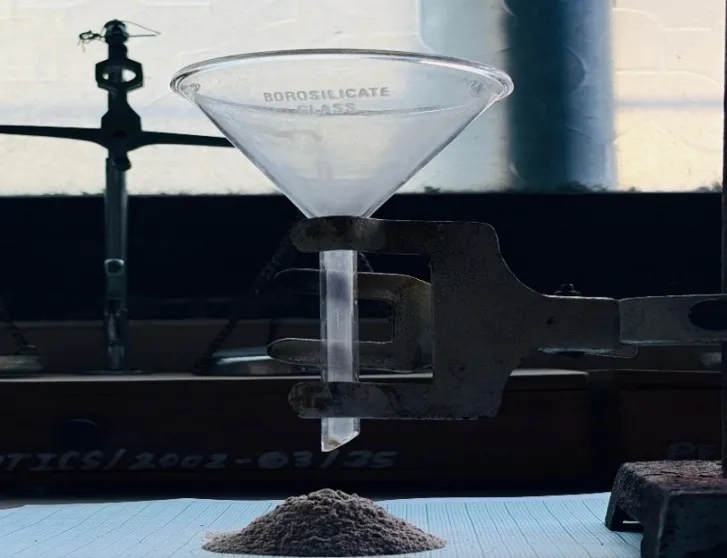
Fig 1: Angle of Repose
2.2 Bulk Density
Bulk density was determined by measuring the volume occupied by a known quantity of powder before tapping (16).
Bulk Density (BD)=M/Vb
2.3 Tapped Density
Tapped density was measured by mechanically tapping a graduated cylinder containing the powder blend until a constant volume was obtained (16).
Tapped Density (TD)=M/Vt
2.4 Carr's Compressibility Index
Compressibility index was calculated using the following equation (17):
Carr’s Index (%)=Tapped Density−Bulk Density/Tapped Density×100
Where:
2.5 Hausner Ratio
Hausner ratio was calculated using the following formula (17):
Hausner Ratio (HR)=Tapped Density/Bulk Density
3. Post-compression Evaluation
The compressed tablets were evaluated for physical quality parameters according to pharmacopeial guidelines.
3.1 Weight Variation
Twenty tablets were randomly selected and individually weighed. The average weight was calculated and compared with pharmacopeial limits (18).
3.2 Thickness
Tablet thickness was measured using a digital Vernier caliper and expressed in millimeters (18).
3.3 Hardness
Tablet hardness was determined using a Monsanto hardness tester and expressed in kilograms per square centimeter (kg/cm²) (19).
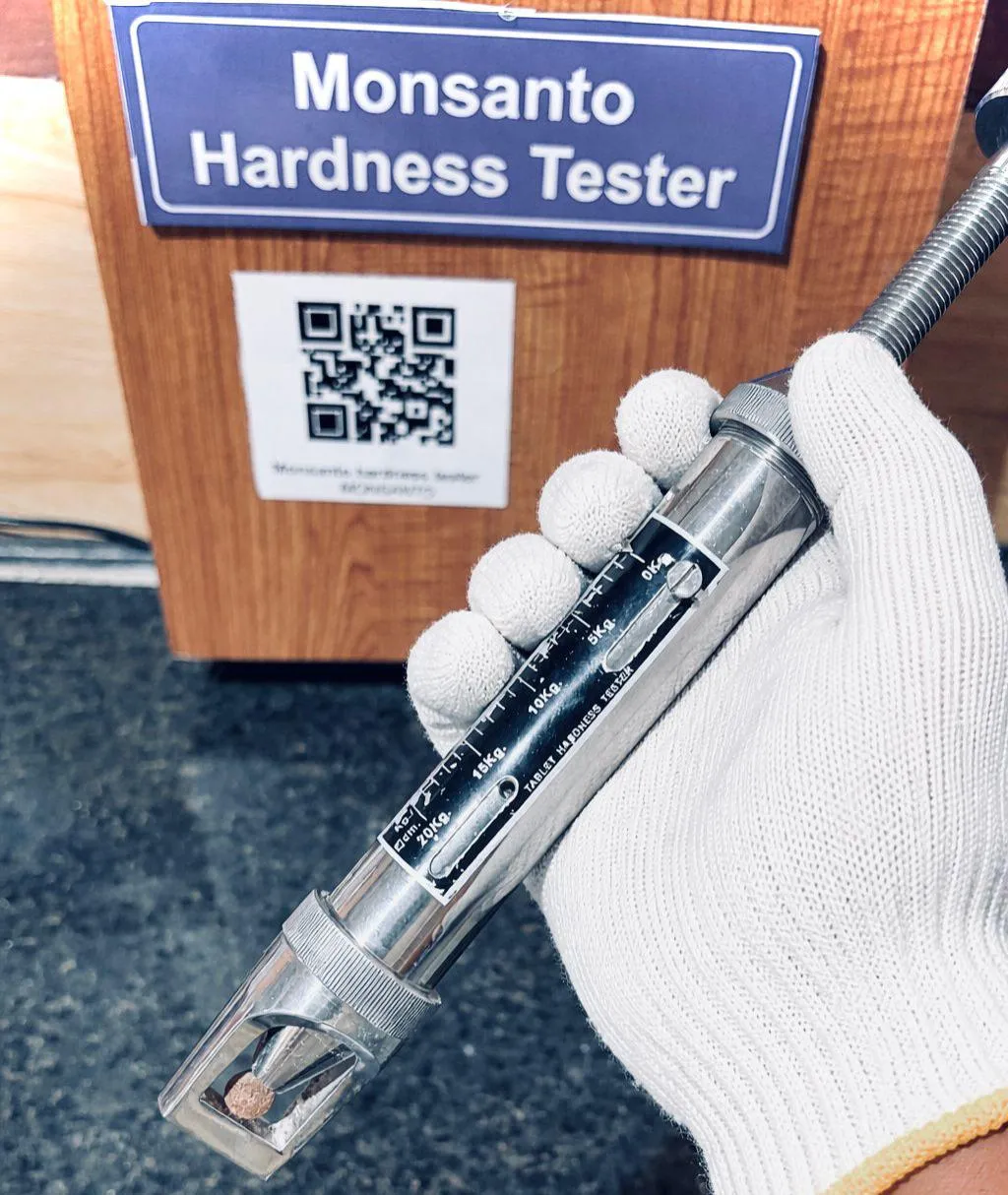
Fig 2: Hardness Tester
3.4 Friability
Friability testing was carried out using a Roche friabilator operated at 25 rpm for 4 minutes. Percentage friability was calculated using the equation (19):
Friability (%)=W1−W2/W1×100
Where:
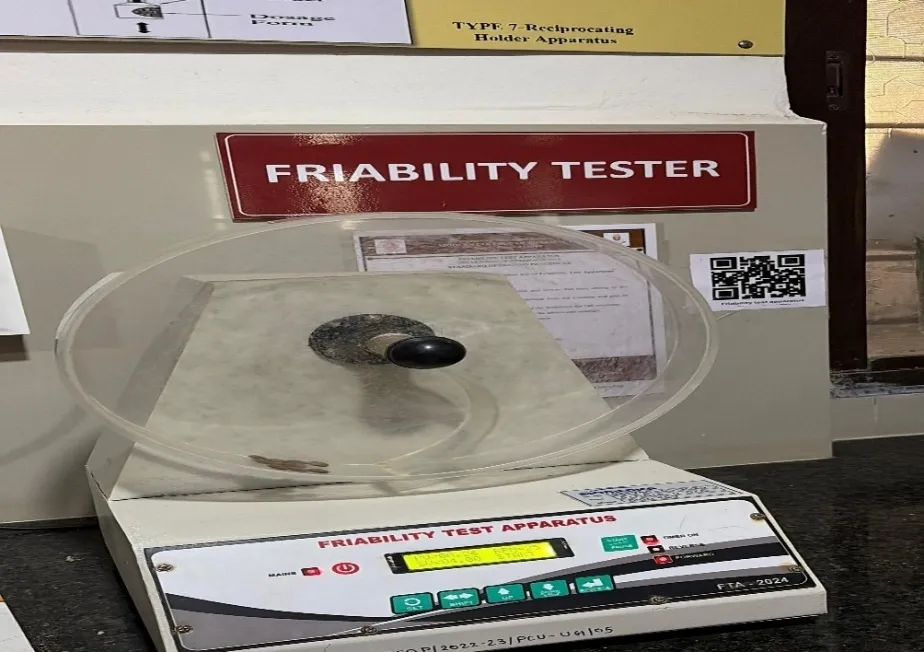
Fig 3: Friability Tester
3.5 Drug Content Uniformity
Powder equivalent to one tablet was dissolved in 0.1 N hydrochloric acid and analyzed spectrophotometrically at the predetermined wavelength of Pirfenidone. Drug content was calculated using a calibration curve (20).
4. Floating Behavior Studies
4.1 Floating Lag Time
Floating lag time was determined by placing tablets in 900 mL of 0.1 N HCl maintained at 37 ± 0.5°C. The time required for the tablet to rise to the surface was recorded (21).
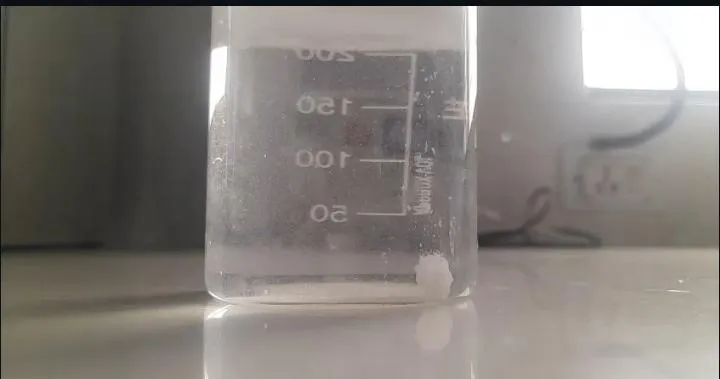
Fig 4: Floating Lag Time
4.2 Total Floating Time
The duration for which the tablet remained continuously buoyant on the surface of the dissolution medium was recorded (21).
5. Swelling Index Study
The swelling behavior of tablets was studied in 0.1 N HCl at predetermined time intervals. Tablets were removed, blotted to remove excess fluid, and weighed. Swelling index was calculated using the following equation (22):
Swelling Index (SI)=Wt−W0/W0×100
Where:
6. In Vitro Drug Release Study
Drug release studies were performed using USP Dissolution Apparatus II (Paddle Method) at 50 rpm in 900 mL of 0.1 N HCl maintained at 37 ± 0.5°C. Samples were withdrawn at predetermined intervals and analyzed spectrophotometrically after suitable dilution. Fresh dissolution medium was added after each withdrawal to maintain sink conditions (23,24).
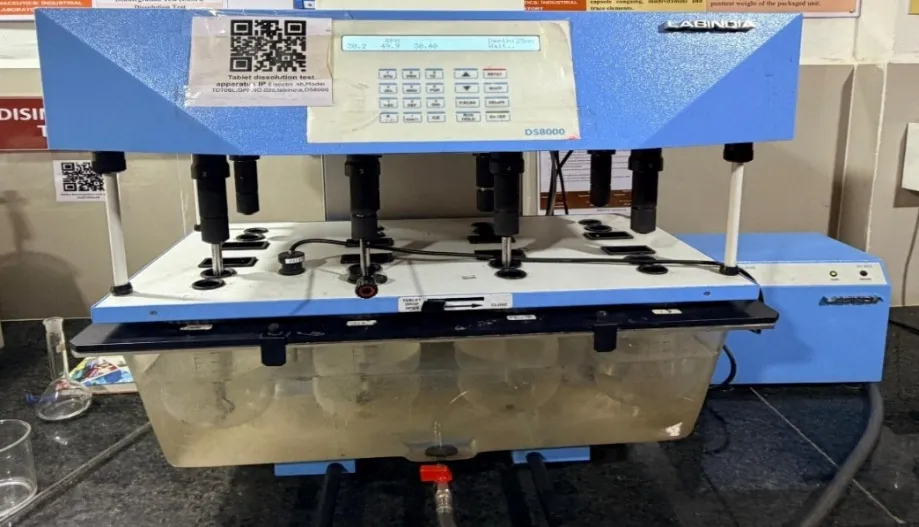
Fig 5: In Vitro Drug Release
Study
7. Release Kinetics
The dissolution data obtained from the optimized formulation were fitted into various kinetic models including:
The model exhibiting the highest correlation coefficient (R²) was considered the best-fit model for describing the drug release mechanism (25).
Formulation Table (F1–F9)
Table 1. Composition of Pirfenidone Floating Matrix Tablets (mg/tablet)
|
Ingredients (mg) |
F1 |
F2 |
F3 |
F4 |
F5 |
F6 |
F7 |
F8 |
F9 |
|
Pirfenidone |
200 |
200 |
200 |
200 |
200 |
200 |
200 |
200 |
200 |
|
HPMC K100M |
50 |
75 |
100 |
125 |
150 |
175 |
200 |
225 |
250 |
|
Carbopol 934P |
20 |
20 |
20 |
20 |
20 |
20 |
20 |
20 |
20 |
|
Sodium Bicarbonate |
40 |
40 |
40 |
40 |
40 |
40 |
40 |
40 |
40 |
|
Citric Acid |
15 |
15 |
15 |
15 |
15 |
15 |
15 |
15 |
15 |
|
MCC PH-102 |
165 |
140 |
115 |
90 |
65 |
40 |
15 |
10 |
5 |
|
Talc |
5 |
5 |
5 |
5 |
5 |
5 |
5 |
5 |
5 |
|
Magnesium Stearate |
5 |
5 |
5 |
5 |
5 |
5 |
5 |
5 |
5 |
|
Total Weight (mg) |
500 |
500 |
500 |
500 |
500 |
500 |
500 |
520 |
535 |
Results and Discussion
Pre-compression Evaluation
Table 2. Pre-compression Parameters
|
Formulation |
Angle of Repose (°) |
Bulk Density (g/cm³) |
Tapped Density (g/cm³) |
Carr's Index (%) |
Hausner Ratio |
|
F1 |
27.4 ± 0.4 |
0.45 ± 0.01 |
0.52 ± 0.02 |
13.46 |
1.15 |
|
F2 |
26.8 ± 0.5 |
0.46 ± 0.01 |
0.53 ± 0.01 |
13.20 |
1.15 |
|
F3 |
27.1 ± 0.3 |
0.45 ± 0.02 |
0.52 ± 0.01 |
13.46 |
1.15 |
|
F4 |
26.5 ± 0.4 |
0.46 ± 0.01 |
0.53 ± 0.01 |
13.20 |
1.15 |
|
F5 |
25.8 ± 0.2 |
0.47 ± 0.02 |
0.54 ± 0.01 |
12.96 |
1.14 |
|
F6 |
25.4 ± 0.3 |
0.48 ± 0.01 |
0.55 ± 0.02 |
12.72 |
1.14 |
|
F7 |
25.1 ± 0.4 |
0.48 ± 0.01 |
0.55 ± 0.01 |
12.72 |
1.14 |
|
F8 |
24.8 ± 0.3 |
0.49 ± 0.01 |
0.56 ± 0.02 |
12.50 |
1.14 |
|
F9 |
24.5 ± 0.4 |
0.49 ± 0.02 |
0.56 ± 0.01 |
12.50 |
1.14 |
All formulations exhibited good flow properties with Carr's index below 15% and Hausner ratio below 1.25, indicating suitability for direct compression.
Post-compression Evaluation
Table 3. Post-compression Parameters
|
Formulation |
Weight Variation (mg) |
Hardness (kg/cm²) |
Thickness (mm) |
Friability (%) |
Drug Content (%) |
|
F1 |
500 ± 3 |
5.2 ± 0.2 |
4.2 ± 0.1 |
0.68 |
98.2 ± 0.4 |
|
F2 |
500 ± 4 |
5.3 ± 0.1 |
4.3 ± 0.1 |
0.64 |
98.8 ± 0.5 |
|
F3 |
500 ± 2 |
5.4 ± 0.2 |
4.3 ± 0.1 |
0.61 |
99.1 ± 0.3 |
|
F4 |
500 ± 3 |
5.6 ± 0.2 |
4.4 ± 0.1 |
0.58 |
99.4 ± 0.4 |
|
F5 |
500 ± 4 |
5.8 ± 0.2 |
4.5 ± 0.1 |
0.54 |
99.6 ± 0.2 |
|
F6 |
500 ± 3 |
5.9 ± 0.1 |
4.5 ± 0.1 |
0.52 |
99.8 ± 0.3 |
|
F7 |
500 ± 2 |
6.0 ± 0.2 |
4.6 ± 0.1 |
0.49 |
100.1 ± 0.4 |
|
F8 |
520 ± 3 |
6.1 ± 0.1 |
4.7 ± 0.1 |
0.47 |
99.7 ± 0.5 |
|
F9 |
535 ± 4 |
6.2 ± 0.2 |
4.8 ± 0.1 |
0.44 |
99.3 ± 0.4 |
All formulations complied with pharmacopeial specifications for tablet quality attributes.
Buoyancy Studies
Table 4. Buoyancy Characteristics
|
Formulation |
Floating Lag Time (sec) |
Total Floating Time (hrs) |
|
F1 |
78 ± 2 |
8 |
|
F2 |
71 ± 3 |
10 |
|
F3 |
65 ± 2 |
12 |
|
F4 |
59 ± 2 |
14 |
|
F5 |
48 ± 3 |
18 |
|
F6 |
42 ± 2 |
20 |
|
F7 |
35 ± 2 |
>24 |
|
F8 |
32 ± 3 |
>24 |
|
F9 |
30 ± 2 |
>24 |
Increasing polymer concentration reduced floating lag time and prolonged buoyancy.
Swelling Index
Table 5. Swelling Index (%)
|
Formulation |
2 hrs |
4 hrs |
6 hrs |
8 hrs |
|
F1 |
62 |
89 |
110 |
124 |
|
F3 |
78 |
118 |
149 |
171 |
|
F5 |
94 |
142 |
186 |
215 |
|
F7 |
118 |
176 |
229 |
268 |
|
F9 |
131 |
194 |
251 |
291 |
Higher HPMC concentration resulted in greater swelling and matrix integrity.
In-vitro Dissolution Study
Table 6. Cumulative Drug Release (%)
|
Time (hrs) |
F1 |
F3 |
F5 |
F7 |
F9 |
|
1 |
28.6 |
22.4 |
18.9 |
14.8 |
12.5 |
|
2 |
42.1 |
35.6 |
29.4 |
24.3 |
20.2 |
|
4 |
65.4 |
54.2 |
46.8 |
38.6 |
33.5 |
|
6 |
82.5 |
69.3 |
60.4 |
52.2 |
45.1 |
|
8 |
95.8 |
81.6 |
74.5 |
65.4 |
58.7 |
|
10 |
- |
92.4 |
86.1 |
76.9 |
69.3 |
|
12 |
- |
98.7 |
94.8 |
88.4 |
79.8 |
|
24 |
- |
- |
- |
99.1 |
96.5 |
Formulation F7 demonstrated sustained drug release extending up to 24 hours and was selected as the optimized formulation.
Release Kinetics
Table 7. Release Kinetic Analysis of Optimized Formulation (F7)
|
Model |
R² Value |
|
Zero Order |
0.991 |
|
First Order |
0.912 |
|
Higuchi |
0.986 |
|
Korsmeyer–Peppas |
0.995 |
Peppas Release Exponent (n) = 0.69
The optimized formulation exhibited the highest correlation with the Korsmeyer–Peppas model, indicating anomalous (non-Fickian) diffusion involving both diffusion and polymer relaxation mechanisms.
CONCLUSION
Floating matrix tablets of Pirfenidone were successfully formulated using HPMC K100M, Carbopol 934P, and sodium bicarbonate by the direct compression method. All formulations demonstrated acceptable pre-compression and post-compression characteristics. The buoyancy studies confirmed prolonged floating behavior, while swelling studies showed effective hydration and matrix formation. Among all formulations, F7 exhibited optimum floating lag time, prolonged buoyancy exceeding 24 hours, satisfactory drug content, and sustained drug release for 24 hours. Release kinetic analysis indicated that drug release followed the Korsmeyer–Peppas model with a non-Fickian diffusion mechanism. Therefore, formulation F7 can be considered a promising gastroretentive floating matrix tablet of Pirfenidone for prolonged drug delivery and improved patient compliance.
REFERENCES




Mahesh Reddy, Tanishq Padale, Sakshi Dive, Shweta Jadhav, Formulation And Evaluation of Floating Drug Delivery System of Pirfenidone, Int. J. of Pharm. Sci., 2026, Vol 4, Issue 6, 7149-7161. https://doi.org/ 10.5281/zenodo.21022966
 10.5281/zenodo.21022966