

We use cookies to ensure our website works properly and to personalise your experience. Cookies policy
Department of Pharmacognosy, Gandhi Natha Rangji College of Diploma Pharmacy, Solapur, Maharashtra, India
The growing demand for natural and multifunctional cosmeceuticals has increased interest in formulations containing bioactive ingredients with moisturizing, antioxidant, and skin-protective properties. Goat milk is a rich source of lactic acid, fatty acids, proteins, vitamins, and minerals that help maintain skin hydration, mild exfoliation, and barrier function. Moringa oleifera leaf extract contains flavonoids, phenolic compounds, carotenoids, and amino acids that provide antioxidant and anti-inflammatory effects. This study aimed to formulate and evaluate an oil-in-water goat milk lotion fortified with Moringa oleifera extract for skin nourishment. Three formulations (F1, F2, and F3) were prepared using the hot emulsification method with a stearic acid–triethanolamine system. Phytochemical screening confirmed the presence of alkaloids, phenols, tannins, flavonoids, steroids, terpenoids, and amino acids in the extract. Among the formulations, F2 showed the best physicochemical stability and sensory properties. The optimized lotion exhibited a skin-compatible pH of 5.5, good homogeneity, easy spreadability and washability, non-greasy texture, and no skin irritation. Stability studies and centrifugation testing showed no phase separation or significant changes in colour, odour, texture, or consistency over 12 weeks. The study concludes that the formulated lotion is stable, safe, and suitable for potential cosmeceutical applications.
1.1 Overview of the Cosmeceutical Paradigm and Cosmetics
The Greek word kosmetikos, which means "skilled in adornment," is where the word "cosmetics" originates.33,38 It refers to materials that are applied to the human body to cleanse, beautify, or change look without having a systemic pharmacological effect. Simple aesthetic goods have given way to functional formulations that occupy the conceptual boundary between cosmetics and pharmaceuticals in the worldwide cosmetic sector, which is now commonly referred to as "cosmeceuticals." Cosmeceuticals are topically applied formulations that provide evidence-based medicinal and cosmetic benefits, usually by including bioactive substances with observable biological effect on skin physiology.33,38
Due to established concerns about petrochemical emollients, synthetic UV filters, and synthetic preservatives (parabens, formaldehyde-releasers), consumer tastes have gradually shifted toward natural, plant-derived, and "clean-label" formulations.33,36 This shift has increased interest in organically sourced bioactives as multipurpose cosmeceutical ingredients, especially dairy-derived proteins and botanical phytochemicals. The cosmetics industry in India is monitored by the Central Drugs Standard Control Organization (CDSCO) as per the Drugs and Cosmetics Act of 1940.31 The quality standards of such drugs and cosmetic products are managed by the Bureau of Indian Standards (BIS).30
An antioxidant network that neutralises reactive oxygen species (ROS) produced by photochemical and environmental stress, emollient lipids that restore barrier lipid architecture, humectants that attract and retain moisture within the stratum corneum, and anti-inflammatory compounds that lessen subclinical cutaneous irritation are all necessary for the logical design of a cosmeceutical lotion. By combining goat milk powder and Moringa oleifera leaf extract into a stable O/W lotion base, the current study satisfies this multipurpose requirement.32,34,40
1.2 The Skin's Structure and Physiology
The skin is the largest organ of the human body that constitutes about 15% of the body weight of an individual, while its surface area extends to 1.5 to 2.0 m² for an adult. It performs several essential functions like protection, sensation, thermoregulation, metabolism, and immune responses because it is an interface between the external and internal milieus.39,40 Since the physicochemical characteristics of the skin directly control the penetration, distribution, and bioavailability of topically applied bioactives, an understanding of skin anatomy is necessary for the rational design of topical cosmeceutical formulations.39,40
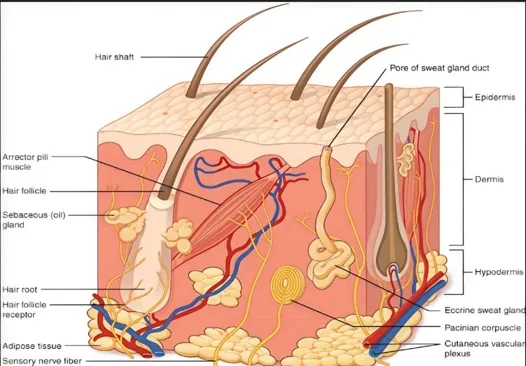
Figure 1: Cross-sectional anatomy of human skin showing the epidermis, dermis, hypodermis, and associated appendages.
The outermost layer of the skin is the epidermis, the middle layer is called the dermis, while the deep layer of the skin is termed the hypodermis, also referred to as the subcutaneous tissue. The stratified squamous epithelial structure called the epidermis contains mainly keratinocytes that have been differentiated through centripetal process, starting from proliferative stratum basale up to terminally differentiated, desquamating stratum corneum (SC). The main protective and permeability barriers of the skin include the SC comprising of ten to fifteen flattened, anucleate corneocytes enveloped by lamellar lipids composed of ceramides, cholesterol, and free fatty acids.34,40 The vascularized dermis, which is considered the connective tissue stroma, supplies mechanical and nutritional support for the overlying epidermis through a combination of collagen and elastic fibers, blood vessels, lymphatics, and adnexal organs.
The skin's primary physiological functions that are pertinent to cosmetic science include: barrier protection against microbial entry, UV radiation, and mechanical insult; thermoregulation through sweat secretion and vascular regulation; sensory transduction through nociceptors and cutaneous mechanoreceptors; vitamin D3 biosynthesis through UV-B-dependent photolysis of 7-dehydrocholesterol; and active immunological surveillance through dermal dendritic cells and Langerhans cells. The pathophysiology of dry skin, eczema, contact dermatitis, and accelerated photoaging is based on disruption of any of these systems, especially barrier competence and water homeostasis.32,34
1.3 Trans-Epidermal Water Loss (TEWL), Skin Nourishment, and Moisturization
The stratum corneum's ability to retain water, which under normal circumstances maintains a water content of 10–20%, controls skin moisturization. The dry skin phenotype is characterized by clinically rough, scaly, and inelastic skin when SC hydration is below this threshold. The critical biophysical indicator of barrier competence is trans-epidermal water loss (TEWL), which is the passive diffusion of water vapor by means of intact skin barrier. High TEWL is associated with inflammatory dermatoses, skin aging, and environmental insults.32,34
The natural moisturizing factor (NMF), which is a complex hygroscopic composition of free amino acids (pyrrolidone carboxylic acid, urocanic acid), lactate, urea, and inorganic ions obtained through the degradation of filaggrin, and the intercellular lipid lamellae, consisting of ceramides, cholesterol, and free fatty acids in a bilayer structure preventing TEWL, are the two main components that control SC hydration. Topical moisturizers influence SC hydration by four synergistic methods: i) occlusion, where occlusives, such as petrolatum and mineral oils, form hydrophobic layer preventing TEWL; ii) humectants, where hygroscopic compounds, such as lactic acid and glycerol, attract moisture from the surroundings and deeper epidermis; iii) emolliency, where lipid emollients replenish the corneocyte matrix spaces and smooth the surface of the SC; iv) barrier repair, where the formulation enriched in ceramides promotes the recovery of lipid lamellae structure. In the present formulation, both biological activities of goat milk and Moringa extract have been integrated into one O/W emulsion base to simultaneously trigger all four mechanisms of action32,34
1.4 Goat Milk (Capra hircus): Dermatological Significance and Biochemical Makeup
Goat milk (Capra hircus) has been valued for its many skin-beneficial qualities in many cultures, from modern cosmetic science to ancient Egyptian beauty practices credited to Cleopatra. Goat milk has a number of compositionally different characteristics from bovine milk that provide notable dermatological benefits when applied topically.1,4,24
Goat milk's biochemical characteristics include: (i) a high concentration of medium-chain fatty acids (MCFAs), especially caprylic (C8:0), capric (C10:0), and caproic (C6:0) acids, which have antimicrobial properties and speed up stratum corneum penetration; (ii) tiny fat globules with an average diameter of 2 µm that provide natural homogenization, superior emulsification, and improved skin absorption; (iii) a variety of proteins and bioactive peptides with collagen-stimulating, antioxidant, ACE-inhibitory, and antimicrobial properties; (iv) vitamins A (retinol), B?, and B?? at concentrations higher than those found in cow's milk; and (vi) vital minerals like calcium, zinc, and selenium that serve as enzymatic cofactors for superoxide dismutase and glutathione peroxidase. Goat milk is notably less allergenic and more suited for formulations for sensitive skin due to the lack of αs1-casein, the main allergen found in bovine milk.1,18,24,25
Goat milk contributes the following to cosmetic formulations: (a) multi-mechanism moisturization that combines humectant (lactic acid), emollient (MCFAs), and barrier-supporting (phospholipids) properties; (b) gentle AHA-mediated exfoliation that improves skin texture without the irritation risk of synthetic AHAs; (c) antioxidant protection through vitamins and mineral cofactors; and (d) natural emulsification made possible by phospholipid surfactants and small fat globules. Goat milk powder at 5% w/w was chosen as the main moisturizing and skin-nourishing bioactive in the current formulation because of these qualities taken together.1,5,25
1.5 Moringa oleifera: Skin-Protective Properties and Phytochemistry
The "miracle tree," Moringa oleifera Lam. (family Moringaceae), is a rapid-growing, drought-tolerant shrub that originated in the sub-Himalayan regions of the Indian subcontinent and has since spread widely over tropical Africa, Latin America, and Southeast Asia. Ayurvedic, Unani, and Siddha medical traditions have long praised the leaves as a rich source of nutrients and therapeutic substances; modern phytochemical study has confirmed this ancient praise.2,6,12,15,21
The phytochemical composition of leaves from M. oleifera is known for having a wide range of secondary metabolites that have been observed to have properties that protect the skin from damage. The flavonoid content in these compounds, especially quercetin, which is an inhibitor of xanthine oxidase and matrix metalloproteinases, and kaempferol, endow them with excellent antioxidant and anti-inflammatory properties. Other compounds in the group are phenolic acids such as chlorogenic acid and ferulic acid. β-carotene, lutein, and α-tocopherol are examples of carotenoids that support the lipid-soluble antioxidant defense system. Essential amino acids, which are found in higher amounts than other plant sources, aid in the production of keratin, collagen and elastin, and wound healing. Additionally, by altering the metabolism of arachidonic acid at the epidermal level, plant sterols in Moringa leaves provide emollient and anti-inflammatory benefits22,23
Cosmetically speaking, Moringa extract resolves three main skin concerns: (i) oxidative stress, whereby the abundance of polyphenols contained within the extract counteracts reactive oxygen species (ROS) induced by UV exposure and metabolic reactions responsible for photoaging, which in turn prevents damage to the protein and lipid content of the skin; (ii) inflammation, insofar as flavonoids block cyclooxygenase -2 (COX-2), nuclear factor κB (NF-κB) stimulation, and secretion of interleukin 1-β (IL-1β) and tumor necrosis factor α (TNF-α); and (iii) microbial The broad-spectrum antibacterial action of isothiocyanates and phenolic compounds lessens the need for artificial preservatives. The current study's hydroalcoholic extraction system (70% ethanol:water, 70:30 v/v) maximizes bioactive recovery by ensuring effective co-extraction of both polar (phenolic acids, amino acids) and moderately polar (flavonoids, glucosinolates) elements.9,17
1.6 Goat Milk with Moringa Extract's Combined Dermatological Advantages
Goat milk and moringa extract work together to provide a synergistic cosmeceutical bioactive system that uses complimentary but different processes to treat the entire spectrum of skin nourishment.1
Deep Moisturisation and Decreased TEWL: The goat milk AHA, protein, and MCFA components together with the Moringa essential fatty acid content improve the stratum corneum’s water-retention properties and ability to form an occlusive barrier, thereby decreasing TEWL.2
Gentle Exfoliation and Radiance Enhancement: Quercetin from Moringa suppresses tyrosinase activity and melanin biosynthesis, while naturally occurring lactic acid from goat milk catalyzes controlled corneodesmosmal dissolution. Together, these effects improve skin texture, tone uniformity, and luminosity.15
Anti-inflammatory and Soothing Properties: The anti-inflammatory properties and soothing effects of the goat milk biopeptides as well as MCFAs work in conjunction with the inhibition of the COX-2 and NF-κB pathways by the flavonoids in the Moringa extract in order to limit cutaneous irritation.24
Barrier Integrity and Skin Elasticity: Phospholipids and EFAs from both sources help restore skin integrity and provide increased elasticity.25
Anti-Aging and Photoprotective Effects: Goat milk retinol, vitamins, and Moringa polyphenols form a synergistic antioxidant network that scavenges UV-induced ROS, prevents MMP-mediated collagen degradation, and lessens photochemical cross-linking of dermal proteins, thereby reducing the development of wrinkles and fine lines.1
Skin regeneration and wound healing: Collagen fiber formation and skin repair are catalyzed by the action of amino acids and minerals, which support cell proliferation, together with moringa’s terpenes and phenols.21
Safety and hypoallergenic: There is no presence of the alpha-s1-casein protein in goat milk and there have been numerous studies that prove the tolerance of moringa on the skin. This has been validated by a patch test for 24 hours in the present study.25
1.7 Justification for Choosing the Oil-in-Water Lotion System
Lotions are fluid topical emulsions that are distinguishable from creams by having a lower oil-phase concentration and a significantly larger water content (usually >70%). This results in a light, freely flowing preparation that can be applied across wide portions of the body. For the current formulation, the O/W emulsion architecture—which disperses discrete oil droplets within a continuous hydrophilic aqueous phase—was chosen for the following practical and scientific reasons:33,35
Aqueous Bioactive Compatibility: In case of goat milk powder dissolved in an aqueous medium and the hydro-alcoholic extract of moringa, both are hydrophilic in nature and need an aqueous medium for proper dissolution.
Light and Non-Greasy Emollient Effect on Skin: As a consequence of the hydrophilic property of the external phase of an O/W emulsion, the greasiness that would otherwise be felt by the user is avoided.
Effective Hydration with Decreased TEWL: The emulsified oil phase creates a semi-occlusive layer that modulates TEWL, in line with the formulation's physiological moisturization goals, while the high aqueous percentage gives the SC instant surface hydration.
Manufacturing Simplicity and Scalability: Using standard cosmetic manufacturing equipment, O/W emulsions based on stearic acid–TEA soap emulsification can be easily manufactured and scaled to commercial batch quantities with little process change.
Regulatory Compliance and Stability: The O/W formulation possesses natural stability to pH, high compatibility with several preservatives, and conforms to BIS IS 6608 standards for cosmetic lotions and creams.33,35
The complementarity of their bioactive profiles, their mutual improvement of formulation stability and skin compatibility, and the well-established consumer demand for evidence-based natural cosmeceuticals all contribute to the scientific justification for combining goat milk and moringa extract in an O/W lotion base. The goal of the current work was to convert this scientific justification into a stable, repeatable, and thoroughly characterized formulation that may be used for additional clinical and commercial development.30,35
2. MATERIALS AND METHODS
All procedures were conducted in the Department of Pharmacognosy, Gandhi Natha Rangji College of Diploma Pharmacy, Solapur, under controlled laboratory conditions following Good Manufacturing Practice (GMP) principles applicable to cosmetic formulation development. 26,27,28 The formulation was prepared in 50 g batches. Freshly authenticated Moringa oleifera leaves were sourced locally; goat milk powder and all excipients were procured from certified chemical suppliers and met IP/BP/USP grade specifications.26,27,28
2.1 Materials
The chemicals, excipients, and active ingredients used in the preparation of the goat milk lotion fortified with Moringa extract are listed in Table 1, categorised by their functional role in the formulation.35,36
Table 1: Materials Used in Formulation of Goat Milk Lotion Fortified with Moringa Extract2,6,15,21,22
|
Ingredient |
Category / Phase |
Quantity (g/50 g batch) |
Grade / Source |
Functional Role |
|
Stearic Acid |
Oil Phase |
4.0 |
IP/USP |
Primary emulsifier; thickening agent |
|
Cetyl Alcohol |
Oil Phase |
1.5 |
IP/USP |
Co-emulsifier; viscosity enhancer; emollient |
|
Lanolin |
Oil Phase |
2.0 |
IP/USP |
Emollient; TEWL barrier; co-emulsifier |
|
Liquid Paraffin |
Oil Phase |
5.0 |
IP/USP |
Occlusive moisturiser; primary oil-phase vehicle |
|
Vitamin E (α-Tocopherol) |
Oil Phase |
2.5 |
IP/USP |
Antioxidant; skin-conditioning active |
|
Glycerin |
Aqueous Phase |
3.0 |
IP/USP |
Humectant; moisture-retention agent |
|
Triethanolamine (TEA) |
Aqueous Phase |
1.0 |
IP/USP |
Emulsification catalyst; pH adjuster |
|
Disodium EDTA |
Aqueous Phase |
0.05 |
IP/USP |
Chelating agent; preservative potentiator |
|
Goat Milk Powder |
Active Ingredient |
2.0 |
Food-grade |
Skin nourishment; AHAs; proteins; vitamins |
|
Moringa extract |
Active Ingredient |
2.0 |
In-house prepared |
Antioxidant; anti-inflammatory; antimicrobial |
|
70% Ethanol (F2) |
Preservative (F2) |
2.5 |
Reagent grade |
Broad-spectrum antimicrobial; co-solvent |
|
Methylparaben (F3) |
Preservative (F3) |
0.18 |
IP/BP |
Aqueous-phase antimicrobial |
|
Propylparaben (F3) |
Preservative (F3) |
0.02 |
IP/BP |
Lipid-phase antimicrobial |
|
Distilled Water |
Aqueous Vehicle |
q.s. to 50 g |
Purified IP |
Primary aqueous continuous phase |
2.2 Instruments and Equipment
The instruments and equipment employed during formulation preparation and evaluation are listed in Table 2. All equipment was cleaned, calibrated, and sanitised prior to use in accordance with GMP principles.26,27
Table 2: List of Instruments and Equipment Used in Formulation and Evaluation29,30
|
Sr. |
Instrument / Equipment |
Specification |
Purpose |
|
1 |
Analytical Balance |
Precision ±0.001 g (4-decimal) |
Accurate weighing of all formulation ingredients |
|
2 |
Water Bath (thermostatically controlled) |
Temperature range: 30–100°C, ±1°C precision |
Simultaneous heating of oil and aqueous phases to 70–75°C |
|
3 |
Glass Beakers (250 mL & 100 mL) |
Borosilicate glass, graduated |
Preparation of oil phase and aqueous phase in separate vessels |
|
4 |
Magnetic Stirrer with Hot Plate |
Variable speed: 100–1500 rpm |
Continuous stirring during emulsification and cool-down phase |
|
5 |
Blender |
Variable speed |
Uniform mixing and homogenisation during emulsification |
|
6 |
Digital Thermometer / Thermocouple |
Range 0–150°C, ±0.1°C accuracy |
Continuous monitoring of phase temperatures during preparation |
|
7 |
Digital pH Meter (calibrated) |
3 - point calibration (pH 4.0, 7.0, 10.0) |
Accurate pH measurement of final formulation |
|
8 |
Centrifuge |
3000–5000 rpm, swing-bucket rotor |
Emulsion stability testing (centrifugation method) |
|
9 |
Stability Chamber / Refrigerator |
25±2°C / 40±2°C; 60–75% RH |
Accelerated and room-temperature stability storage |
|
10 |
Glass Stirring Rods & Spatulas |
Borosilicate; stainless steel |
Manual mixing; transfer of semi-solid ingredients |
|
11 |
Measuring Cylinders (10–50 mL) |
Graduated glass, ±0.5 mL accuracy |
Volumetric measurement of liquid ingredients |
|
12 |
Muslin Cloth |
100% cotton, sterile (double-layer) |
Straining reconstituted goat milk powder solution |
|
13 |
Pasteur Pipette / Dropper |
Glass, 1–2 mL capacity |
Dropwise addition of TEA and pH-adjusting solutions |
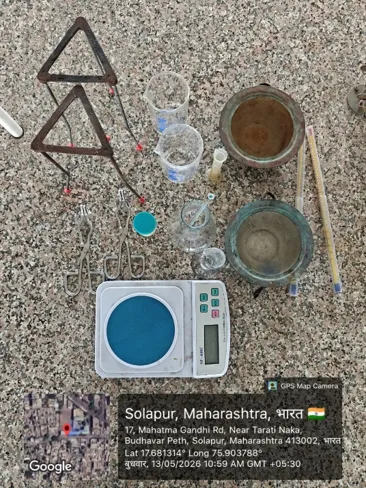
Figure 4: Instruments and equipment used in the preparation and evaluation of the goat milk lotion fortified with Moringa extract.
2.3 Preparation of Moringa oleifera Hydroalcoholic Extract
2.3.1 Collection & Authentication of Plant Material
Fresh mature leaves of Moringa oleifera were obtained from indigenous trees in Solapur, Maharashtra, India, and were identified on the basis of botanical standards.21 The leaves were washed under distilled water to ensure that all impurities were removed, followed by shade drying at room temperature (25-30°C) for 10 days, taking care to avoid exposure to direct sunlight in order to prevent degradation of phytoconstituents like chlorogenic acid and kaempferol.2,15,21
2.3.2 Extraction Procedure: Hydroalcoholic Maceration
It should be noted that maceration was chosen as the extraction technique because of its suitability for the extraction of different classes of bioactive compounds under mild conditions.9,17 The hydroalcoholic extraction solvent system (70% ethanol + 30% distilled water, v/v) was used due to the appropriate polarity provided by this dual solvent system for extracting different groups of substances, such as polar phenols, amino acids, glycosides, flavonoids, and glucosinolates.9,17,21
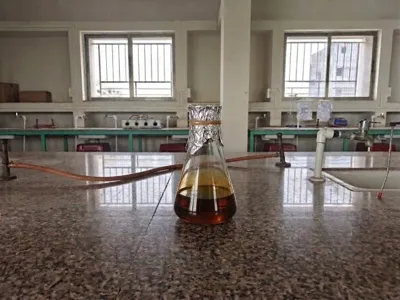
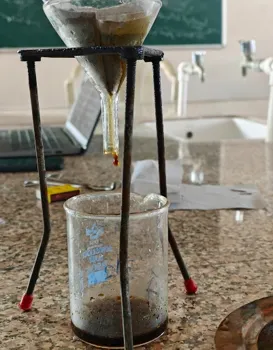
Figure 5: Extraction procedure showing maceration flask with hydroalcoholic extract (top) and filtration through muslin cloth (bottom).
The sequential extraction procedure was as follows:
Collection of Moringa oleifera leaves
↓
Washing with distilled water (remove surface impurities)
↓
Shade drying at 25–30°C for 10 days
↓
Grinding and sieving (40-mesh)
↓
Weighing of dried leaf powder ( 5 g )
↓
Addition of 70% hydroethanolic solvent (ethanol: water 70:30 v/v) — 50 mL
↓
Maceration with periodic stirring for 48–72 hours
↓
Filtration through two layer sterile muslin cloth
↓
Concentration of filtrate on water bath at 40–50°C
↓
absolute evaporation of ethanol under gentle heating
↓
Semisolid hydroalcoholic extract acquired
↓
Storage in airtight amber-coloured container at 4°C until use
The yield of extract was recorded and the concentration evaluated at 1%, 2%, and 3% w/w in preliminary trials. The 2% w/w concentration was selected as the optimal incorporation level based on observed activity, formulation stability, & the absence of unacceptable colour change in the lotion.9,17
2.4 Formulation Design
Three formulations of lotions (F1, F2, F3) have been formulated using similar amounts of the active compounds (goat milk powder and Moringa extract), while having differences in the method of preservation. This experimental design helped achieve the objective of evaluating the effects of the preservatives used on stability, sensory evaluation, and dermal toxicity of the formulated lotion, resulting in an optimum formulation that can be further investigated. Table 4 shows the composition of all three formulation samples..29,30,35
Table 4: Formulation Table — Ingredient Quantities for Batches F1, F2, and F3 (Per 50 g Batch)
|
Ingredient |
Functional Role |
F1 (g) |
F2 (g) |
F3 (g) |
Phase / Remarks |
|
Stearic Acid |
Emulsifier; thickener |
4.0 |
4.0 |
4.0 |
Oil phase |
|
Cetyl Alcohol |
Co-emulsifier; viscosity enhancer |
1.5 |
1.5 |
1.5 |
Oil phase |
|
Lanolin |
Emollient; barrier agent |
2.0 |
2.0 |
2.0 |
Oil phase |
|
Liquid Paraffin |
Occlusive moisturiser |
5.0 |
5.0 |
5.0 |
Oil phase |
|
Vitamin E (α-Tocopherol) |
Antioxidant; skin-conditioner |
2.5 |
2.5 |
2.5 |
Oil phase |
|
Glycerin |
Humectant |
3.0 |
3.0 |
3.0 |
Aqueous phase |
|
Triethanolamine (TEA) |
pH adjuster; emulsification catalyst |
1.0 |
1.0 |
1.0 |
Added at ~65°C during emulsification |
|
Disodium EDTA |
Chelating agent |
0.05 |
0.05 |
0.05 |
Aqueous phase |
|
Goat Milk Powder |
Primary moisturising active |
2.0 |
2.0 |
2.0 |
Cool-down phase (<40°C) |
|
Moringa Extract |
Antioxidant; anti-inflammatory active |
2.0 |
2.0 |
2.0 |
Cool-down phase (<40°C) |
|
70% Ethanol |
Preservative (F2 only) |
Nil |
2.5 |
Nil |
F2: broad-spectrum antimicrobial |
|
Methylparaben |
Preservative (F3 only) |
Nil |
Nil |
0.18 |
F3: aqueous-phase antimicrobial |
|
Propylparaben |
Preservative (F3 only) |
Nil |
Nil |
0.02 |
F3: lipid-phase antimicrobial |
|
Distilled Water |
Aqueous vehicle |
q.s. |
q.s. |
q.s. |
q.s. to 50 g total batch weight |
F1: Control Batch - no preservative; checks inherent base stability. F2: Optimized Test Batch – preservation by 70% Ethanol; Ethanol itself acts as a co-solvent aiding distribution of Moringa Extract. F3: Comparative Batch - conventional paraben system consisting of methylparaben 0.18% and propylparaben 0.02% w/w33,35,36
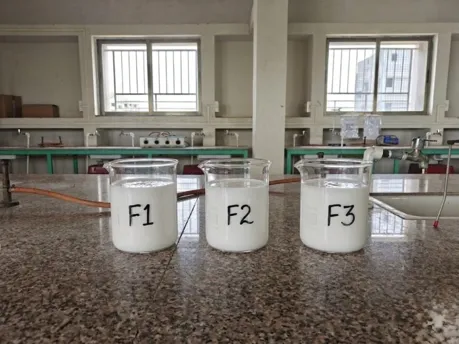
Figure 6: Freshly prepared formulation batches F1, F2, and F3 in labelled glass beakers, illustrating comparable initial macroscopic appearance throughout all three formulations.
2.5 Lotion Preperation method
The stable O/W emulsion was developed using the in situ soap emulsification technique utilizing the combination of stearic acid and triethanolamine (TEA), whereby the lotion was prepared by the conventional hot process emulsification technique.35,36 Due to the formation of triethanolamine stearate, which is a water-soluble anionic soap-type emulsifier, from stearic acid (oil phase) and TEA added during emulsification in situ at the oil-water interface, this emulsification process is particularly suitable for the present formulation, leading to formation of stable and finely-dispersed emulsion. In order to prevent degradation of proteins, lactic acid, and polyphenols due to heat effect, temperature sensitive bioactives were added during cool-down of the mixture (<40°C).35
Stage I: Preliminary preparation
Glass ware was cleaned and dried, and all ingredients were weighed carefully. Goat milk powder was dissolved in distilled water and filtered. Extraction of moringa was done separately. Water bath was heated to 70-75oC, and pH meter was calibrated.
Stage II: Oil Phase Preparation
Stearic acid, cetyl alcohol, liquid paraffin, and lanolin were heated at 70–75°C with stirring until completely melted. Vitamin E was added and mixed uniformly while maintaining the same temperature.
Stage III: Aqueous Phase Preparation
Distilled water, glycerin, and disodium EDTA were heated at 70–75°C with stirring until a clear solution was obtained. TEA was not added at this stage.
Stage IV: Emulsification
Both phases were maintained at the same temperature (70–75°C). The oil phase was gradually added to the aqueous phase with continuous stirring to form an emulsion. TEA was then added dropwise at about 65°C, producing whitening and thickening due to triethanolamine stearate formation. Stirring was continued until a uniform lotion was formed.
Stage V: Cooling and Addition of Active Ingredients
The emulsion was cooled under continuous stirring. Below 40°C, goat milk solution and Moringa extract were added sequentially and mixed uniformly. The pH was adjusted to 5.5–6.5 if required.
Stage VI: Preservation and Packaging
Preservatives were added according to formulation type and mixed thoroughly. The final lotion was filled into labelled amber HDPE jars, sealed properly, and stored under room, refrigerated, and accelerated stability conditions.1,21,2
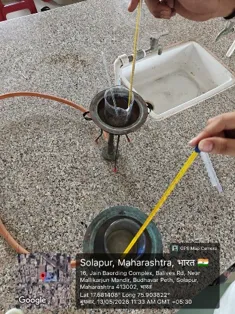
2.6 Physicochemical Evaluation Methods
|
No. |
Parameter |
Method / Instrument |
Result |
|
1 |
pH |
Calibrated digital pH meter (3-point calibration); pH paper confirmation. 1 g lotion dispersed in 10 mL distilled water |
The optimized batch F2 showed a pH of 5.5, indicating good skin compatibility and stable emulsion characteristics suitable for topical application. |
|
2 |
Homogeneity |
Visual inspection and tactile assessment. Small quantity applied on glass slide and dorsal hand surface; examined for lumps, aggregates, grit |
The optimized batch F2 exhibited excellent homogeneity with a smooth, uniform, and stable lotion without lumps or phase separation. |
|
3 |
Spreadability |
Glass slide method: ~0.5 g lotion between two glass slides; 100 g weight applied for 5 min; extent and uniformity of spreading assessed |
The optimized batch F2 exhibited satisfactory spreadability with smooth application and uniform film formation on the skin. |
|
4 |
Washability |
Application on dorsal hand surface; rinsing with plain tap water (without soap); residue and skin feel assessed |
The optimized batch F2 showed good washability with easy removal by water and a clean, non-sticky skin feel characteristic of an oil-in-water emulsion. |
|
5 |
Non-Greasy Test |
Tactile assessment 2 minutes post-application on dorsal hand; presence/absence of greasy or oily after-feel assessed |
The optimized batch F2 exhibited excellent non-greasy properties with a smooth, soft, and pleasant skin feel after application. |
|
6 |
Irritancy / Patch Test |
Application to inner forearm/ behind ear of healthy volunteer; observation at 30 min, 1 hour, and 24 hours post-application |
The optimized batch F2 showed no signs of skin irritation, confirming its good dermal safety and biocompatibility for topical application. |
|
7 |
Centrifugation Stability |
Lotion transferred to centrifuge tubes; centrifuged at 3000 rpm for 30 minutes; visual inspection for phase separation, creaming, sedimentation |
The optimized batch F2 exhibited excellent physical stability with no phase separation or creaming after centrifugation, confirming stable emulsion characteristics. |
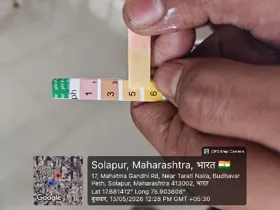
pH test |
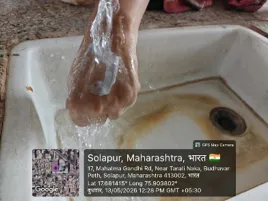
Washability test |
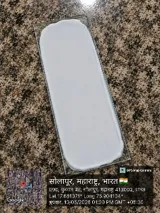
Spreadability test |
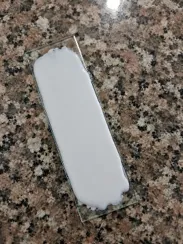
Homogeinity test |

Non irritancy test |
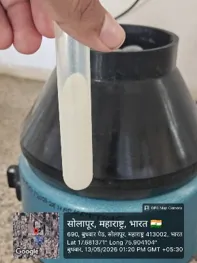
Centrifgation test |
2.7 Accelerated Stability Study
Table 12: Accelerated Stability Study — Optimized Batch F2 (ICH Q1A(R2), 0–12 Weeks)
|
Sr.No. |
Parameter |
Week 0 (Initial) |
Week 4 |
Week 8 |
Week 12 |
|
1 |
Colour |
Pale creamy white |
No significant change |
No significant change |
No significant change |
|
2 |
Odour |
Characteristic, pleasant |
Stable |
Stable |
Stable |
|
3 |
Texture |
Smooth |
Smooth |
Smooth |
Smooth |
|
4 |
Consistency |
Uniform semi-solid |
Uniform |
Uniform |
Uniform |
|
5 |
Homogeneity |
Homogeneous |
Maintained |
Maintained |
Maintained |
|
6 |
Phase Separation |
Not observed |
Not observed |
Not observed |
Not observed |
Accelerated stability testing of formulation F2 was conducted as per ICH and BIS guidelines under room and accelerated conditions. Samples were evaluated at 0, 4, 8, and 12 weeks for key physical parameters. Comparison with F1 and F3 at Week 4 aided selection of the optimized formulation. The study predicts long-term stability and storage compatibility.29,30
4. CONCLUSION
This study presents the successful development of a stable and skin-compatible oil-in-water lotion combining goat milk powder and Moringa oleifera leaf extract. Among the three formulations, F2 (with 70% ethanol) was identified as the optimized formulation due to its superior stability, desirable sensory characteristics, and safe dermal profile. The phytochemical analysis confirmed that active ingredients like phenolic compounds, flavonoids, tannins, and alkaloids were present. This confirmed the antioxidants and protective effect on the skin by the preparation.
A proper pH of 5.5, creamy texture, easy spreadability, nongreasy nature, and no irritant effect on the skin have been established. The stability of the lotion has been established by conducting tests like centrifugation and accelerated stability studies. Thus, the combination of the ingredients gives an ideal natural cosmeceutical product.
5. FUTURE SCOPE
Future lines of investigation towards standardization of this formula may involve:
(i) Quantification of important Moringa bioactive compounds (quercetin, kaempferol, and chlorogenic acid) through HPLC,
(ii) Conducting clinical trials on TEWL, hydration, and elasticity of human skin utilizing biophysical techniques like Corneometer and Tewameter,
(iii) Microbiological testing in adherence with the recommendations of the USP Antimicrobial Effectiveness Testing guideline,
(iv) Encapsulation in nano-particles for improved photostability and skin permeability,
(v) Development of additional cosmeceuticals employing the same bioactive compounds, for example, body butters, eye creams, and face serums, and
(vi) Techno-economical study for commercial potentiality.
REFERENCES

Aniruddha Kurulakar, Smeeta Patil, Kshitij Shinde, Shrutika Yangul, Pranali Mahindrakar, Shruti Mathapati, Riya Baldawa, Formulation and Evaluation of Goat Milk Lotion Fortified with Moringa oleifera Leaf Extract, Int. J. of Pharm. Sci., 2026, Vol 4, Issue 7, 4362-4376. https://doi.org/10.5281/zenodo.21483894
 10.5281/zenodo.21483894