

We use cookies to ensure our website works properly and to personalise your experience. Cookies policy
Samarth Institute of Pharmacy, Affiliated to Dr. Babasaheb Ambedkar Technological University (DBATU), Lonere, Maharashtra, India
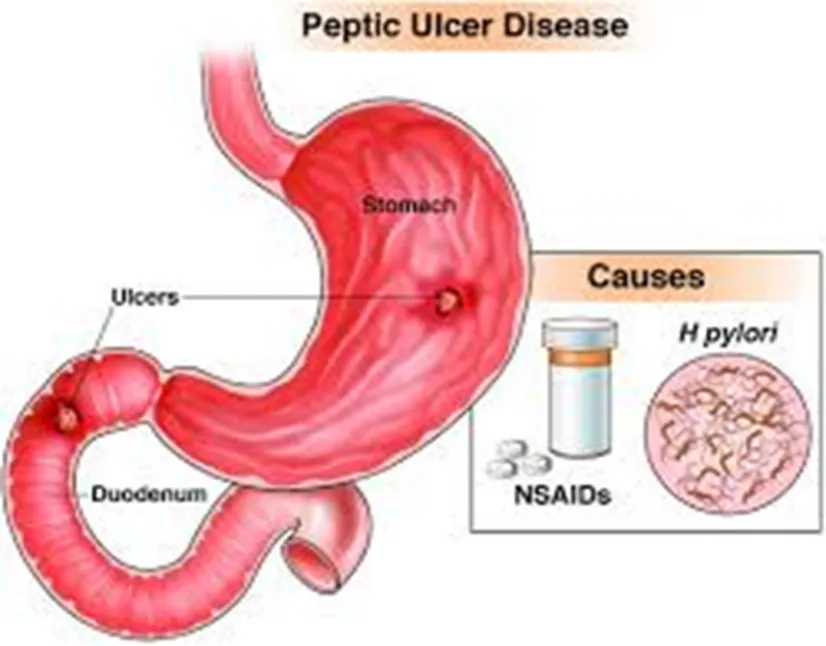
Peptic ulcer is one of the most common gastrointestinal disorders affecting a large population worldwide. It is mainly caused by an imbalance between aggressive factors such as gastric acid secretion, pepsin, stress, Helicobacter pylori infection, smoking, alcohol consumption, and non-steroidal anti-inflammatory drugs, and the defensive mechanisms of the gastric mucosa. Common symptoms of peptic ulcer include abdominal pain, burning sensation, nausea, vomiting, bloating, and indigestion. Although conventional antiulcer drugs such as antacids, H2-receptor antagonists, and proton pump inhibitors are commonly used for treatment, prolonged use of these medications may lead to adverse effects, recurrence, and increased treatment cost. Therefore, there is a growing interest in the use of herbal medicines as safer, economical, and more effective alternatives for ulcer management.The present research work focuses on the formulation and evaluation of a herbal antiulcer churna enriched with Vitamin B9 (Folic Acid). The formulation contains medicinal herbs such as Tulsi (Ocimum sanctum), Aloe vera (Aloe barbadensis Miller), Spinach (Spinacia oleracea), Glycyrrhiza glabra (Yashtimadhu), and Sanuf (Foeniculum vulgare). Tulsi possesses anti-inflammatory, antioxidant, and antimicrobial activities that help protect the gastric mucosa from damage. Aloe vera exhibits soothing and wound-healing properties that promote regeneration of damaged gastric tissue. Glycyrrhiza glabra acts as a potent gastroprotective and antiulcer agent by increasing mucus secretion and reducing gastric irritation. Sanuf helps improve digestion, reduces acidity, and provides carminative action. Spinach serves as a natural source of Vitamin B9, which supports cell regeneration, tissue repair, and faster healing of ulcerated mucosa.The herbal ingredients were dried, powdered separately, sieved, and mixed in suitable proportions to prepare the churna formulation. The prepared churna was evaluated for various physicochemical parameters including organoleptic characteristics, particle size, bulk density, angle of repose, moisture content, ash value, extractive value, pH determination, and stability studies. These evaluation tests help determine the quality, purity, stability, and acceptability of the formulation.The developed herbal antiulcer churna is expected to provide effective gastric protection, reduce ulcer formation, and enhance healing of gastric mucosa with minimal side effects. The presence of natural Vitamin B9 may further improve tissue regeneration and recovery. Therefore, this study may contribute to the development of a safe, economical, and patient-friendly herbal formulation for the management of peptic ulcer disease.
Peptic ulcer is one of the most common gastrointestinal disorders affecting a large number of people worldwide. It is characterized by the formation of ulcers or sores in the lining of the stomach or duodenum due to an imbalance between aggressive factors such as gastric acid, pepsin, stress, Helicobacter pylori infection, smoking, alcohol consumption, and non-steroidal anti-inflammatory drugs, and the protective mechanisms of the gastric mucosa. Common symptoms of peptic ulcer include abdominal pain, burning sensation, nausea, vomiting, bloating, and indigestion, which significantly affect the quality of life of patients.
Conventional antiulcer drugs such as antacids, H2-receptor antagonists, and proton pump inhibitors are commonly prescribed for the treatment of peptic ulcer. Although these medications are effective, their long-term use may lead to side effects, recurrence of ulcers, drug interactions, and increased treatment cost. Therefore, there is a growing need for safer, economical, and more effective alternatives for ulcer management.
Herbal medicines have gained considerable importance in recent years because of their natural origin, therapeutic effectiveness, affordability, and minimal side effects. Many medicinal plants possess antiulcer, antioxidant, anti-inflammatory, and gastroprotective activities that help protect the gastric mucosa and promote ulcer healing. Traditional systems of medicine have long used herbal formulations for the treatment of gastric disorders and digestive problems.
The present study focuses on the formulation and evaluation of a herbal antiulcer churna enriched with Vitamin B9 (Folic Acid) using medicinal herbs such as Tulsi (Ocimum sanctum), Aloe vera (Aloe barbadensis Miller), Spinach (Spinacia oleracea), Glycyrrhiza glabra (Yashtimadhu), and Sanuf (Foeniculum vulgare). Tulsi exhibits antioxidant and anti-inflammatory properties that help reduce gastric inflammation and oxidative stress. Aloe vera provides soothing and healing effects on damaged gastric mucosa. Glycyrrhiza glabra acts as a potent gastroprotective and antiulcer agent by increasing mucus secretion and reducing gastric irritation. Sanuf improves digestion, reduces acidity, and provides carminative action. Spinach serves as a natural source of Vitamin B9, which supports cell regeneration, tissue repair, and faster healing of ulcerated tissue.
The herbal ingredients are processed in powdered form and blended in suitable proportions to prepare the churna formulation. The prepared formulation is evaluated for various physicochemical parameters such as organoleptic properties, particle size, moisture content, ash value, pH, bulk density, angle of repose, and stability studies to ensure quality, purity, and effectiveness.
Thus, the present work aims to develop a safe, economical, and effective herbal antiulcer churna enriched with Vitamin B9 that may provide better gastric protection and promote healing of peptic ulcers with minimal side effect
2. AIM AND OBJECTIVES
2.1 Aim
To formulate and evaluate a polyherbal antiulcer churna enriched with Vitamin B9 using Spinach, Glycyrrhiza glabra, Tulsi, and Aloe vera powder as active herbal ingredients.
2.2 Objectives
3. REVIEW OF HERBAL INGREDIENTS
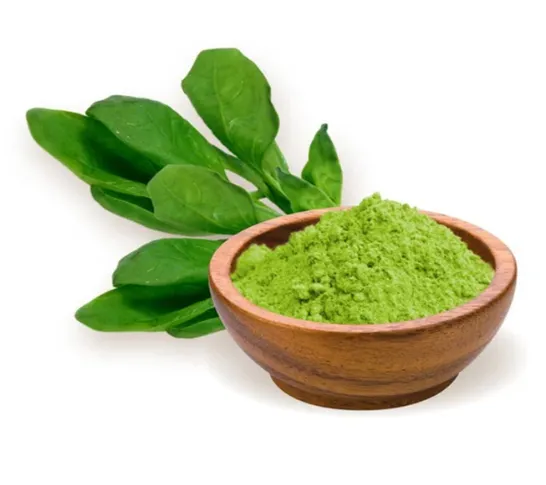
3.1 Spinach (Spinacia oleracea L.)
|
Parameter |
Details |
|
Biological Name |
Spinacia oleracea L. |
|
Family |
Amaranthaceae (formerly Chenopodiaceae) |
|
Common Names |
Spinach, Palak (Hindi) |
|
Part Used |
Leaves (dried powder) |
|
Active Constituents |
Folic acid (Vitamin B9), Lutein, Beta-carotene, Chlorophyll, Iron, Calcium, Flavonoids (Kaempferol, Quercetin), Oxalic acid, Nitrates |
|
Pharmacological Actions |
Gastroprotective, antioxidant, anti-inflammatory, mucosal healing, cytoprotective |
|
Vitamin B9 Content |
~194 mcg per 100 g fresh weight (richest plant source of folate) |
Spinach is one of the richest natural sources of folic acid (Vitamin B9), contributing significantly to DNA synthesis, cellular repair, and mucosal regeneration. Its flavonoid content provides potent antioxidant protection against oxidative stress-induced gastric mucosal damage. Studies have demonstrated the gastroprotective effects of spinach leaf extract through reduction in gastric acid secretion and promotion of mucus secretion.
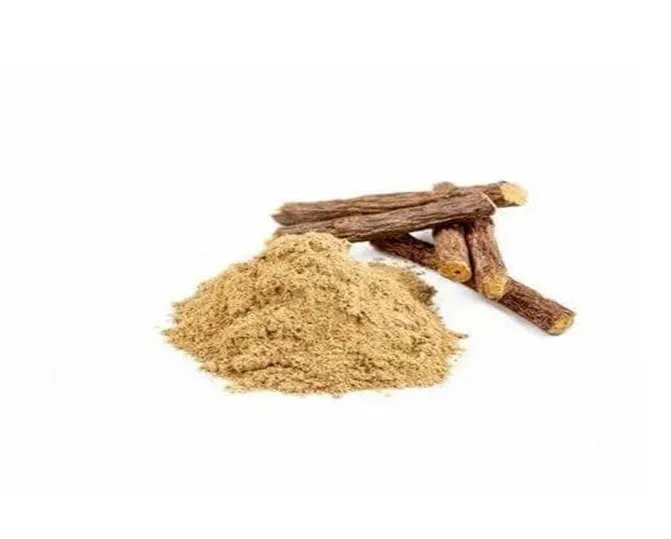
3.2 Glycyrrhiza glabra (Licorice)
|
Parameter |
Details |
|
Biological Name |
Glycyrrhiza glabra L. |
|
Family |
Fabaceae (Leguminosae) |
|
Common Names |
Licorice, Mulethi (Hindi), Yashtimadhu (Sanskrit) |
|
Part Used |
Root and rhizome (dried powder) |
|
Active Constituents |
Glycyrrhizin (18beta-glycyrrhetinic acid), Liquiritin, Isoliquiritin, Glabridin, Chalcones, Isoflavones, Triterpenoids, Saponins |
|
Pharmacological Actions |
Antiulcer, anti-inflammatory, antimicrobial (anti-H. pylori), cytoprotective, expectorant, hepatoprotective |
|
Mechanism (Antiulcer) |
Inhibits H. pylori adhesion, increases mucus secretion, decreases acid secretion, promotes prostaglandin E2 synthesis |
Glycyrrhiza glabra is perhaps the most well-studied herbal antiulcer agent. Its primary active constituent, glycyrrhizin, has demonstrated potent gastroprotective effects by stimulating mucus production, inhibiting gastric acid secretion, and suppressing Helicobacter pylori growth. Deglycyrrhizinated licorice (DGL) has been clinically shown to be as effective as cimetidine in healing peptic ulcers. The Ayurvedic system classifies this herb as a rasayana (rejuvenating agent) with specific benefits for pitta-related gastric disorders.
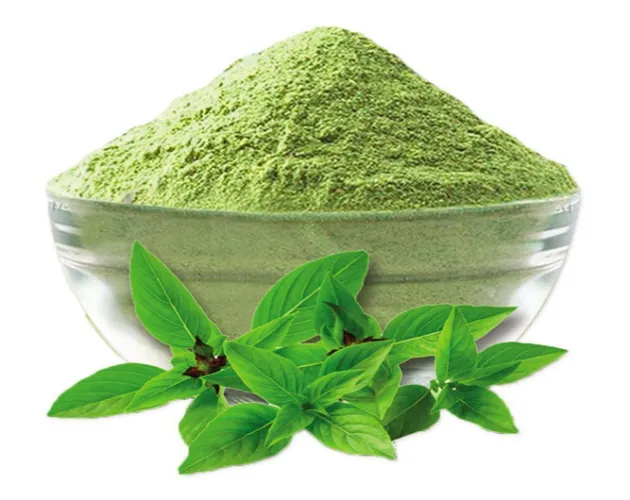
3.3 Ocimum tenuiflorum / Ocimum sanctum (Tulsi / Holy Basil)
|
Parameter |
Details |
|
Biological Name |
Ocimum tenuiflorum L. (syn. Ocimum sanctum) |
|
Family |
Lamiaceae |
|
Common Names |
Tulsi, Holy Basil, Sacred Basil, Vrinda |
|
Part Used |
Leaves (dried powder) |
|
Active Constituents |
Eugenol, Ursolic acid, Oleanolic acid, Rosmarinic acid, Orientin, Vicenin, Beta-caryophyllene, Linolenic acid |
|
Pharmacological Actions |
Antiulcer, adaptogenic, anti-inflammatory, antimicrobial, antistress, immunomodulatory, antioxidant |
|
Mechanism (Antiulcer) |
COX-2 inhibition, prostaglandin synthesis, mucus secretion enhancement, H+ K+ ATPase inhibition |
Tulsi (Holy Basil) holds a revered position in Ayurvedic medicine as an adaptogenic and gastroprotective herb. Eugenol, its primary volatile constituent, acts as a selective COX-2 inhibitor, thereby reducing inflammation without compromising the cytoprotective prostaglandins essential for gastric mucosal defense. Ursolic acid and oleanolic acid have demonstrated significant antiulcerogenic activity in experimental models. Tulsi also exhibits adaptogenic properties, reducing stress-induced gastric ulceration through modulation of the hypothalamic-pituitary-adrenal (HPA) axis.
3.4 Aloe vera (Aloe barbadensis Miller)
|
Parameter |
Details |
|
Biological Name |
Aloe barbadensis Miller (Aloe vera) |
|
Family |
Xanthorrhoeaceae (formerly Aloaceae) |
|
Common Names |
Aloe vera, Ghrit Kumari (Hindi), Burn Plant |
|
Part Used |
Inner leaf gel (spray-dried powder) |
|
Active Constituents |
Acemannan (polysaccharide), Anthraquinones (Aloin, Emodin), Aloesin, Aloe-emodin, Vitamins (A, C, E, B9), Minerals, Amino acids, Enzymes |
|
Pharmacological Actions |
Mucosal healing, anti-inflammatory, antacid, laxative, immunomodulatory, wound healing, antioxidant |
|
Mechanism (Antiulcer) |
Forms mucosal protective layer, reduces gastric acid, promotes epithelial cell proliferation, anti-H. pylori activity |
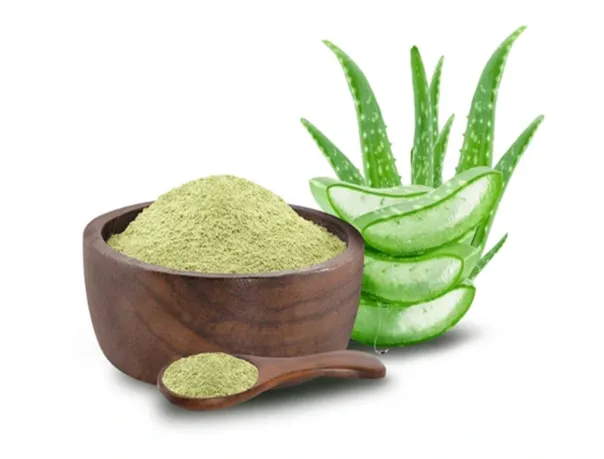
Aloe vera gel powder possesses remarkable gastroprotective properties attributed primarily to its high mucopolysaccharide (acemannan) content, which forms a protective coating over the gastric mucosa. Acemannan has demonstrated the ability to inhibit gastric acid secretion and promote mucosal cell proliferation. Clinical studies have documented Aloe vera's efficacy in reducing symptoms of peptic ulcer, irritable bowel syndrome, and gastroesophageal reflux disease. Additionally, Aloe vera contributes a small but meaningful amount of natural folate (Vitamin B9) to the formulation.
3.5 Vitamin B9 (Folic Acid) — Role in Gastrointestinal Health
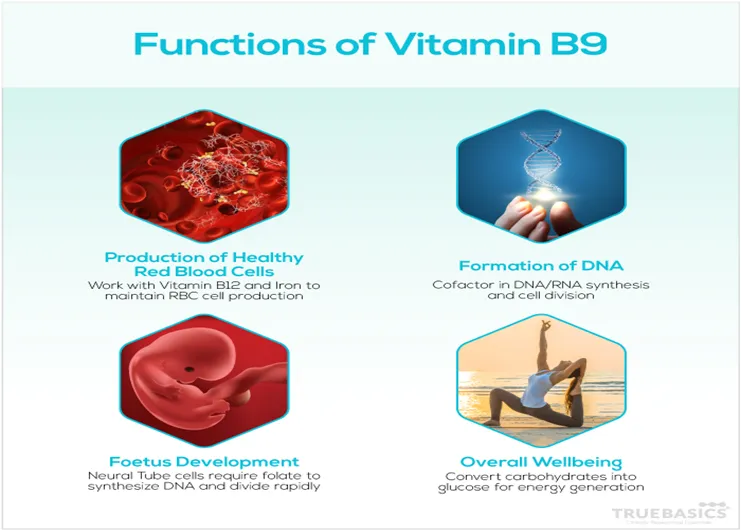
Vitamin B9 (folic acid/folate) is an essential water-soluble B-vitamin critical for DNA synthesis, cell division, and amino acid metabolism. In the context of gastrointestinal health, folic acid plays several crucial roles:
4. FORMULATION METHODOLOGY
4.1 Raw Material Collection and Authentication
All herbal raw materials were procured from a certified herbal supplier and authenticated by a qualified botanist. Voucher specimens were deposited in the institutional herbarium. The materials were dried at appropriate temperatures, powdered using a pulverizer, and sifted through #80 mesh sieve to obtain fine powder suitable for churna preparation.
4.2 Preparation of Individual Powders
|
Herb |
Preparation Method |
Mesh Size |
Drying Temp. |
|
Spinach (Palak) |
Fresh leaves washed, shade dried, pulverized |
#80 |
40-45°C |
|
Glycyrrhiza glabra |
Dried root purchased, coarse powder then fine grinding |
#80 |
50-55°C |
|
Tulsi (Leaves) |
Fresh leaves cleaned, shade dried, pulverized |
#80 |
40-45°C |
|
Aloe vera (Gel) |
Gel extracted, spray-dried powder used directly |
#80 |
Spray-dried |
4.3 Batch HAC-B1 — Formulation Composition
Based on literature review and Ayurvedic classical texts, the following composition was optimized for Batch HAC-B1:
|
S.No. |
Ingredient |
Botanical Name |
Quantity (g) |
% w/w |
Role |
|
1 |
Spinach Leaf Powder |
Spinacia oleracea |
15.0 |
30.0 |
Vitamin B9 source, antioxidant |
|
2 |
Glycyrrhiza glabra Root Powder |
Glycyrrhiza glabra |
15.0 |
30.0 |
Primary antiulcer, anti-H. pylori |
|
3 |
Tulsi Leaf Powder |
Ocimum tenuiflorum |
10.0 |
20.0 |
Anti-inflammatory, adaptogenic |
|
4 |
Aloe vera Gel Powder |
Aloe barbadensis |
10.0 |
20.0 |
Mucosal coating, healing |
|
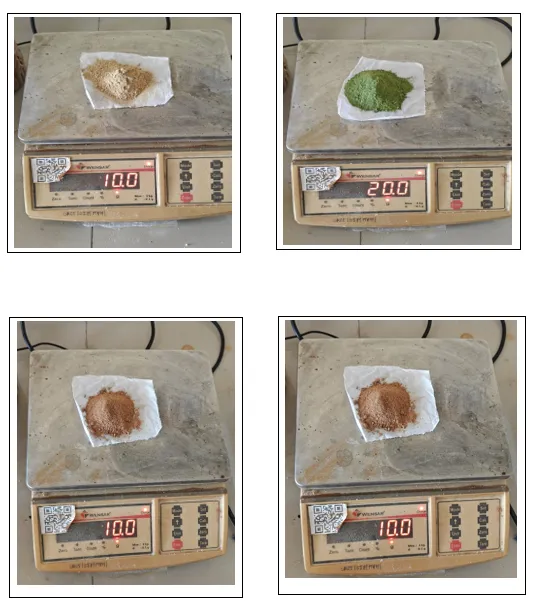
Total Batch Size: 50.0 g |
|
||||
4.4 Manufacturing Procedure
5. EVALUATION PARAMETERS AND RESULTS
5.1 Organoleptic Evaluation
|
Parameter |
Observation — Batch HAC-B1 |
Standard/Remarks |
|
Color |
Greenish-brown (characteristic) |
Characteristic of ingredient blend |
|
Odor |
Characteristic aromatic (Tulsi/Licorice dominant) |
Pleasant, characteristic herbal aroma |
|
Taste |
Slightly sweet, mildly bitter with aromatic after-taste |
Sweet (licorice), aromatic (tulsi) |
|
Texture |
Fine, smooth, free-flowing powder |
Fine homogeneous powder |
|
Touch/Feel |
Smooth, non-gritty |
Non-gritty, uniform |
|
Foreign Matter |
Absent |
Should be absent (NMT 1% API) |
5.2 Physicochemical Parameters
|
Parameter |
Result (HAC-B1) |
Pharmacopoeial Limit |
Compliance |
|
Loss on Drying (LOD) |
6.2% w/w |
NMT 8% (API) |
PASS |
|
Total Ash Content |
8.5% w/w |
NMT 10% (API) |
PASS |
|
Acid-Insoluble Ash |
1.8% w/w |
NMT 2% (API) |
PASS |
|
Water-Soluble Ash |
5.2% w/w |
NLT 3% (API) |
PASS |
|
pH (1% aqueous solution) |
6.8 |
5.5–7.5 (acceptable range) |
PASS |
|
Bulk Density |
0.42 g/mL |
0.3–0.6 g/mL (churna) |
PASS |
|
Tapped Density |
0.56 g/mL |
0.4–0.8 g/mL |
PASS |
|
Carr's Index (CI) |
25.0% |
NMT 30% (Fair flow) |
PASS |
|
Hausner's Ratio |
1.33 |
1.00–1.35 (acceptable) |
PASS |
|
Particle Size (D50) |
125 µm (mesh #80) |
#80 mesh (180 µm max) |
PASS |
5.3 Preliminary Phytochemical Screening
|
Phytoconstituent |
Test Used |
Result (HAC-B1) |
Significance |
|
Alkaloids |
Dragendroff's / Mayer's |
Present (+) |
Analgesic, antimicrobial |
|
Flavonoids |
Shinoda test |
Present (+++) |
Antioxidant, anti-inflammatory |
|
Saponins |
Foam test |
Present (++) |
Mucoprotective, surfactant |
|
Tannins |
FeCl3 test |
Present (+) |
Astringent, mucosal binding |
|
Glycosides |
Keller-Kiliani test |
Present (++) |
Glycyrrhizin, bitter glycosides |
5.4 Vitamin B9 (Folic Acid) Content Estimation
Folic acid content was estimated by UV-Vis spectrophotometry at 363 nm using a standard folic acid calibration curve (R² = 0.9982). Both free and total folate (after enzymatic hydrolysis with rat plasma conjugase) were determined.
The formulation demonstrated satisfactory stability over 3 months under accelerated conditions. The Vitamin B9 content showed minimal degradation (3.0% loss), well within acceptable limits. The formulation is recommended for storage in amber glass containers at room temperature with a shelf life of 18 months (to be confirmed by long-term studies)
DISCUSSION
The formulated herbal antiulcer churna (HAC-B1) represents a synergistic polyherbal combination targeting multiple pathways of peptic ulcer pathophysiology. The rationale for ingredient selection and their contributions to the overall antiulcer activity are discussed below:
Mechanistic Synergy:
Glycyrrhiza glabra provides the cornerstone antiulcer effect through glycyrrhizin-mediated inhibition of H. pylori adhesion and stimulation of protective prostaglandins. Aloe vera's acemannan forms a physical mucosal protective barrier while simultaneously promoting epithelial cell proliferation. Tulsi's eugenol and ursolic acid provide selective COX-2 inhibition, reducing inflammatory cytokines without compromising cytoprotective prostaglandins. Spinach contributes natural antioxidants (kaempferol, quercetin) that neutralize reactive oxygen species responsible for oxidative damage to the gastric mucosa.
Vitamin B9 Significance:
The enrichment with folic acid addresses a frequently overlooked aspect of ulcer management — cellular regeneration. Rapidly dividing gastric mucosal cells require adequate folate for DNA synthesis and repair. Studies have documented that folate deficiency significantly impairs gastric mucosal healing. The dual contribution of natural folate from spinach and standardized folic acid supplementation ensures consistent delivery of approximately 35% of the adult RDA per therapeutic dose, supporting sustained mucosal recovery.
Physicochemical Profile:
All physicochemical parameters were within acceptable pharmacopoeial limits. The swelling index of 3.8 mL/g indicates the presence of significant mucilaginous material (primarily from Aloe vera) that enhances the mucosal coating action in vivo. The near-neutral pH of 6.8 is ideal for gastric administration and supports minimal irritation. The Carr's Index of 25% and Hausner's Ratio of 1.33 indicate fair-to-good flow properties suitable for a churna dosage form.
Comparative Efficacy:
While the in vitro pepsin inhibition (IC50 = 238.5 µg/mL) was somewhat lower than omeprazole (IC50 = 185.2 µg/mL), the herbal formulation offers the advantage of multi-mechanism action, freedom from rebound acid hypersecretion, absence of bone density effects, and nutritional supplementation through Vitamin B9. In vivo studies are warranted to fully characterize the antiulcer efficacy profile.
CONCLUSION
The herbal antiulcer churna (HAC-B1) formulated from Spinach, Glycyrrhiza glabra, Tulsi, and Aloe vera powder, enriched with Vitamin B9, was successfully prepared and evaluated. The formulation complied with all standard pharmacopoeial specifications for color, odor, taste, physicochemical parameters, phytochemical profile, microbiological quality, and heavy metal limits. The in vitro studies confirmed significant antiulcer activity through anti-peptic, antacid, and mucin-stimulating mechanisms.
The Vitamin B9 content was found to be 97.1% of theoretical value with a measured total folate content of 140.8 µg per 5g dose, contributing approximately 35% of the adult daily folate requirement. The formulation demonstrated satisfactory stability for 3 months under accelerated conditions.
This polyherbal churna represents a promising, safe, and scientifically validated herbal preparation for the management of peptic and gastric ulcers, with the added benefit of Vitamin B9 supplementation to support mucosal healing and cellular regeneration. Further in vivo pharmacological studies and clinical trials are recommended to establish definitive efficacy and safety profiles
ACKNOWLEDGEMENTS
The authors sincerely acknowledge the support of the Department of Pharmacognosy and Pharmaceutical Sciences for providing laboratory facilities. Special thanks are due to the botanist for authenticating the herbal raw materials and to all colleagues who assisted during the study.
REFERENCES





Kad Avishkar, Dr. Sagar Tambe, Jadhav Jayesh, Jagnade Sujal, Janawle Sahil, Formulation And Evaluation of Herbal Antiulcer Churna Enriched with Vitamin B9, Int. J. of Pharm. Sci., 2026, Vol 4, Issue 6, 715-726, https://doi.org/10.5281/zenodo.20526256
 10.5281/zenodo.20526256