

We use cookies to ensure our website works properly and to personalise your experience. Cookies policy
School of Pharmacy, Rai University, Ahmedabad, Gujarat
Henna (Lawsonia inermis) has been traditionally used as a natural hair dye for centuries, offering a safe and eco-friendly alternative to chemical-based dyes. The increasing concerns regarding the adverse effects of synthetic hair dyes—such as skin irritation, allergic dermatitis, and potential carcinogenicity—have renewed interest in plant-based formulations. This review critically evaluates the phytochemistry, formulation strategies, validation, and safety aspects of henna hair dye. The active dyeing principle, lawsone (2-hydroxy-1,4-naphthoquinone), binds irreversibly to hair keratin, imparting an orange-red to brown shade. Modern approaches include combining henna with herbal adjuncts (indigo, amla, hibiscus) to improve shade diversity and consumer acceptability. Validation studies underscore the importance of standardized physicochemical evaluation, phytochemical profiling, stability testing, and safety assessment. Comparative analysis reveals henna is safer than synthetic dyes, though limitations exist in shade range and long-term stability. Regulatory guidelines for herbal cosmetics remain fragmented, with insufficient global harmonization. Future research should focus on advanced formulations, nanotechnology-based delivery systems, and clinical validation to establish henna as a standardized, globally accepted hair dye.
Hair coloring, or dyeing, is the process of changing the color of one's hair [1]. The main reasons for this are cosmetic: to hide white or grey hair, to switch to a hue that is thought to be more elegant or perfect, or to restore the original color of hair after it has been discolored via solar bleaching or hairdressing techniques. Hair color acts as an extra coat for your tresses [2]. This makes the hair appear fuller and more voluminous. In this case, choosing a semi-permanent hair color is always a great idea because it gives your hair strength and a healthier appearance [3]. Every day, our tresses are subjected to unique environmental elements such as dirty air, grime, extreme heat, and temperature fluctuations, among others. In the end, these might damage our hair [4]. Your natural hair is shielded from such environmental hazards when you get your hair dyed [5]. In the past, natural organic materials were combined with metals, such as copper and iron, to create sunglasses that were richer or more durable [6]. Nonstop use of such substances on natural hair causes multiple negative effects, including skin infection, hypersensitive reaction, hair loss, dry scalp, erythema, and skin cancer [7]. According to a neighbourhood market survey, the majority of the marketed natural formulations in India, despite claiming to be herbal, safe, and powerful, may actually contain the dangerous synthetic agent, Paraphenylenediamine (PPD), at 20-25% concentrations, which is the main ingredient of business artificial dyes [8]. Natural dyes are colors produced from plants, animals, or insects that have not undergone chemical processing. Henna has long been used to color fingers and hair in India [9].
It is said that half of the population will have 50% grey hair by the age of fifty, and the primary cause of premature graying is inherited [10]. Many unique plant extracts were utilized for hair dyeing in Europe and Asia prior to the introduction of modern dyes [11]. The use of herbal dyes for food and textile coloring has been reintroduced and examined within current eco-conservation technologies [12]. The use of these chemicals might cause unattractive side effects such as skin irritation, allergic reactions, hair breakage, skin discoloration, rapid hair color change, and so on [13]. As a result, the market for hair dyes is quite demanding [14]. The appeal of a person's skin and hair is mostly determined on their health, diet, lifestyle, activity level, climate, and renovation [15]. Hair dyeing is a medieval procedure that involves the treatment of hair with various chemical ingredients [16].
These days, natural colors are utilized instead of chemical-based hair dyes, which clog pores and skin and cause a variety of skin-related conditions [16]. For healthy hair, non-toxic herbal supplements are employed [17]. Due to its herbal benefits and lack of adverse effects, the demand for natural-based herbal hair coloring is growing quickly [18]. Artificial hair dyes that are sold in stores utilize a mixture of ammonia and peroxide, which damages and changes the shape of hair while also causing allergies [19]. Plant extracts, which have been used in traditional medicine for millennia, are used by approximately 80% of the world's population for primary care [21]. Researchers have been exploring nature for new methods since antiquity, and beneficial products can be derived from any part of the plant, such as bark, leaves, vegetation, seeds, and so on.
In the traditional systems of Unani, Ayurveda, Homeopathy, and Siddha, almost 90% of prescriptions were based on flora pills [22]. Plant-based pills are easily accessible, less expensive, safer, and more environmentally friendly, with few adverse effects [23]. The ancients also employed saffron, indigo, and alfalfa [24]. Herbal dyes, on the other hand, are best for temporarily coating the hair and people who like chemically altered tresses [25]. Genetics, pressure, dietary deficit, and illness are all factors that contribute to hair graying [26]. Plant life has traditionally been employed for hair coloring, health promotion, and anti-aging characteristics [27]. Plant-based drugs are easy to obtain, less expensive, safe, and efficient, with little adverse effects [28]. Hair dye comes in three types: temporary, semi-permanent, and permanent [29]. Amla, Bhringraj, Henna, Nilika, Tulsi, Aloe vera, and Mentha are well-known ayurvedic herbal capsules that have traditionally been used as hair colorants and for hair growth [30]. Henna can be mixed with indigo, often known as an original material dye, to create distinctive light brown to black hair dye shades [31]. Numerous herbs, including Kikar, Bihi, Bhringraj, Patnag, Akhrot, Narra, Jaborandi, Jatamansi, Amla, Kuth, Giloe, and Behera, can be used as an excellent component in hair care products that are mostly used for hair coloring [32].
Attempts have been made in the current research to increase natural hair dye without any chemical, containing a few traditionally used herbs and modifiers, and compare it with an advertised only natural hair dye, since the global situation is now moving closer to the use of safer, secure herbal products with traditional use [33].
Paraphenylenediamine (PPD), an important component of many synthetic hair dyes, is thought to cause allergic skin rashes in many people [34]. It also produces dermatitis around the lips, as well as reddening and swelling of the scalp and face [35]. Tannins improve the color and fastness of dyes by creating an affinity between them and hair [36]. Natural hair colorants, which are currently being sold, include henna and plant additions that must be applied in the form of a paste. However, such setups have various disadvantages, including extended teaching time, untidy software, poor rinsability, loss of trendy coloring, and limited color shades [37]. Formulations marketed as natural hair colorants also contain artificial colors and chemicals [38]. Artificial hair colorants use chemical compounds such as 1-3% phenylenediamine, ammonia, peroxide, and coal tar colors, which may be able to remove, alter, or protect natural hair color [39].
Inorganic salts such as aluminum sulphate, copper sulfate, lead acetate, and potassium dichromate serve as mordants while also improving and protecting the color created by the dye [40]. Use of these chemical substances might result in undesirable side effects such as transitory skin infection and hypersensitivity, hair breakage, skin discoloration, unexpected hair coloration, and cancer [41]. Because traditional attempt was made in this study to formulate a gel for hair dye using natural extracts and various components from plant sources, with proper coloring assets that are safe and ready to use [42]. Skin and hair beauty are mostly determined by an individual's health, food, habits, job routine, weather conditions, and care. Synthetic hair dyes, which are available in the market, use a combination of peroxide and Ammonia, which alters the structure of hair and damages it, and also causes allergic reactions [43].
Plants have long been used to color hair, stimulate growth, and prevent aging. According to a local market survey, the majority of marketed herbal formulations in India, despite claims to be natural, safe, and effective, may contain the harmful synthetic agent, paraphenylenediamine (PPD), at 20-25% concentrations, which is the main ingredient of commercial synthetic dyes. As the global landscape shifts toward the use of safer, nontoxic natural products with traditional applications, attempts were made in the current study to develop a chemical-free herbal hair dye containing a few traditionally used herbs and modifiers, and compare it to a marketed purely herbal hair dye [44].
Natural herbal dyes are increasingly chosen over chemical-based hair dyes, which can cause skin and other skin-related disorders. Today, most people are concerned with their appearance, and hair plays a vital role in this. Herbal medications with no side effects are used for healthy hair. Nearly 70% of those over the age of 50 suffer from baldness and graying hair. In certain circumstances, these signs of aging appear earlier. Graying begins on the skin of the head around the age of 40, starting with the temples and progressing to the beard, mustache, and finally the chest. The age at which graying begins is heavily determined by heredity. However, premature depigmentation in adults is mostly caused by a number of other reasons, including disease, certain medicines, shock, and so on. Since ancient times, people have used natural dyes to dye carpets, rugs, and garments by extracting roots, stems, barks, leaves, berries, and flowers from diverse dye-yielding plants [45].
The demand for herbal-based natural medications is fast expanding due to its inherent goodness and lack of adverse effects. They are well-known Ayurvedic herbal medications that have traditionally been used to color hair and promote hair growth. Before modern dyes were invented, several different plant extracts were used to dye hair in Europe and Asia. Indigo, the original fabric dye, could be used with henna to create various light brown to black tones of hair dye. These substances might cause undesirable side effects such as skin irritation, allergies, hair breakage, skin discoloration, unexpected hair color, and so on. Continuous application of such substances to natural hair causes a variety of negative effects, including skin irritation, allergies, hair loss, dry scalp, erythema, and even skin cancer. In India, henna has traditionally been used to color palms and hair. Antioxidants prevent the pigment from oxidizing in the air. The most usually used is sodium sulfite [56].
Alkalizers are used to adjust the pH of the dye formula since the dye performs best in a strongly alkaline environment. Ammonium hydroxide is a commonly used alkalizer. Aside from these basic ingredients, several more substances are added to add particular characteristics to a manufacturer's mix. To color human hair using oxidative dye technology, the hair is typically treated with a combination of oxidative hair coloring chemicals and an oxidizing agent. Hydrogen peroxide is the most often used oxidizing agent. However, in addition to oxidizing the oxidative coloring chemicals, hydrogen peroxide treatment of the hair can solubilize and decolorize the colored melanin component in the hair, resulting in undesirable hair properties such as brittleness and hair breakage. The composition of herbal dyes and hair coloring mordants can be used to apply a wide range of hair hues. However, significant improvement is required in the areas of color saturation, color development, accurate initial color consistency, wash fastness, hair conditioning without causing hair damage, and skin irritation [47].
An alternative to the current black dye is desperately needed due to its harmful effects, side effects, environmental contamination, and production risks.
2. Types of Hair Mask
2.1 Temporary Mask
• The hair is shaded for temporarily using these kinds of hues.
• The colorants would not seep into the hair or its surroundings.
• After shampooing, it might be easy to rinse off water.
• A puffer spray is sometimes used for temporary hair coloring in order to apply fine floor metals.
• Simple coloring substances are rinsed in aqueous or hydro alcoholic solutions.
2.2 Semi-Permanent Mask
• Nitro phenylenediamine, nitroaminophene, or both Aminoantrhaquinone are examples of semi-permanent dyes.
• The most widely used base is shampoo.
• Adding a solvent may improve colorants' overall performance.
• The majority of them are primary dyes, which have a natural affinity for hair due to their cationic nature.
2.3 Permanent Mask
• Maximum popular hair dye merchandise.
• The dyes are shaped throughout the dyeing technique and aren't present, as such in the solution before application.
• They motive some hair damage.
• Permanent dye systems are capable of dye hair a lighter colour than the original.
• comprises elements; Dye intermediate, An Oxidizing agent.
2.4 Advantages
• The herbal appearance of using actual human hair fiber.
• It is possible to style it like natural hair.
• Capable of perm and coloring.
• Motions similar to those of natural hair.
• Considerably less vulnerable to heat damage.
2.5 Disadvantages
• More expensive.
• Seek further care and protection.
• It needs to be styled.
• After application, the weight may increase, which could lead to irritation.
• More susceptible to environmental damage and fading of daylight.
2.6 Different hair mask products available in market
|
Sr. No. |
Synthetic Hair mask Product |
Chemical Ingredient |
|
1 |
Godrej Expert Rich Crème |
Hydrogen Peroxide |
|
2 |
L’Oréal Paris Excellence Crème Hair Color |
Para-phenylenediamine (PPD) |
|
3 |
Revlon Top Speed Hair Color |
Para-phenylenediamine (PPD) |
|
4 |
Schwarzkopf Essensity Ammonia-Free Permanent Color |
Resorcinol |
|
5 |
Bblunt Salon Secret Crème Hair Colour |
Sodium Sulfite |
|
6 |
Streax Ultralights Highlighting Kit |
Potassium Persulphate |
2.7 Problems occurs in artificial hair mask
Almost all synthetic hair dyes contain ammonia, para-phenylenediamine (PPD), hydrogen peroxide, resorcinol, and parabens. They play an important part in the development of hair colors. Although PPD is used for dark color shades, it should not be used repeatedly for an extended period of time. Rhabdomyolysis, renal failure, and respiratory failure are among the deadly consequences of hair dye toxicity that can be predicted by PPD. Ammonia, Paraben, and Hydrogen Peroxide are all hazardous chemicals found in hair dyes that can be damaging to the human body. To allow the color to enter the hair shaft, ammonia-containing hair dye is used to break down the cuticle. Despite its beneficial properties, it has a number of adverse effects, including brittle and frizzy hair, lung irritation, and cortical damage. Along with PPD and ammonia, paraben, hydrogen peroxide, and resorcinol have a variety of hazardous consequences on the human body, including hormonal instability, fertility issues, scalp irritation, drying of hair, flaking, and even hair loss. These chemicals cause eye and lung irritation, hair breakage, dandruff, chemical burns, and, in some cases, cancer [48].
3. Approval of Natural Hair Dye to Replace Chemicals used in Synthetic Hair Mask
Natural, chemical-free hair dyeing differs from synthetic, chemical-based hair dyes. Natural hair dyes are extensively used over the world since they have relatively few hazardous side effects. Due to the hazardous effects of synthetic hair dye, consumers now prefer natural hair dye. Natural hair dyes comprise extracts of several herbs and plants, including Henna, Amla, Aloevera, Nilika, Hibiscus, Peppermint, Kikar, Bihi, Bhringraj, Patnag, Akhrot, Narra, Jaborandi, Jatamansi, Kuth, Giloe, and Behera. Jaborandi, Jatamansi, Kuth, Giloe, and Behera.
3.1. Henna powder
Lawsonia inermis Linn., commonly known as Henna (Figure 1 A), belongs to the family Lythraceae of the Kingdom Plantae (Plants). It is classified under the Subkingdom Tracheobionta (Vascular Plants) and the Division Magnoliophyta (Angiosperms or Flowering Plants). The plant falls under the Class Magnoliopsida (Dicotyledons) and the Subclass Myrtidae, within the Order Myrtales. The Genus of the plant is Lawsonia L., and the Species is Lawsonia inermis L.
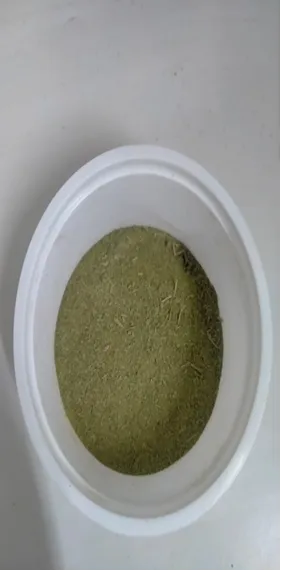
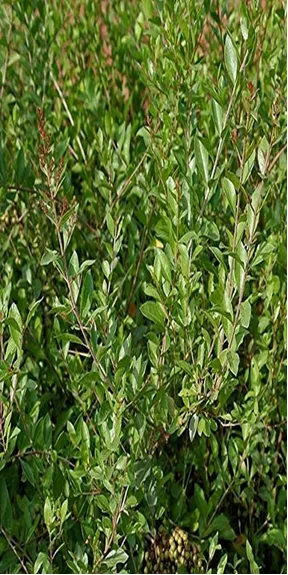
Fig.1 HENNA POWDER Fig.2 HENNA LEAVES
Constituents and Uses
Henna (Lawsonia inermis Linn.) contains lawsone, tannins, flavonoids, gallic acid, and mucilage, which give it coloring, conditioning, and antimicrobial properties. It is widely used as a natural hair dye that strengthens hair, adds shine, controls dandruff, soothes scalp irritation, and forms a protective coating to reduce breakage. Traditionally, it is also believed to delay premature greying and promote overall scalp health, making it a valuable ingredient in herbal hair care formulations [50].
3.2. Flax seed
Linum usitatissimum Linn, commonly known as flax or linseed (Figure 1 B), belongs to the kingdom Plantae (Plants) and subkingdom Trophobiont (Vascular Plants). It falls under the subdivision Spermatophyta (Seed Plants) and division Magnoliophyta. The plant is classified under the class Magnoliopsida (Dicotyledons), subclass Rosidae, order Linales, and family Liliaceae. The genus is Linum L., and the species is Linum usitatissimum L.
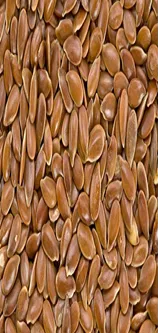
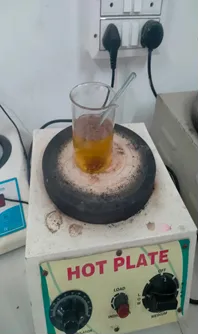
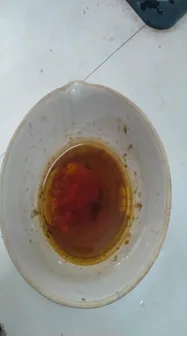
Fig.3 FLAX SEED FLAX SEED JELLY
Constituents and Uses
Flax seeds (Linum usitatissimum) are rich in alpha-linolenic acid (omega-3 fatty acid), lignans, mucilage, proteins, vitamins (E, B-complex), and minerals such as zinc and magnesium. These constituents nourish the scalp, strengthen hair follicles, and act as antioxidants. The mucilage provides a natural conditioning effect, making hair smooth and manageable, while omega-3 fatty acids help reduce dandruff, dryness, and scalp irritation. Overall, flax seeds improve hair texture, add shine, and promote healthy hair growth [51].
3.3 Neem Powder
Azadirachta indica, commonly known as Neem (Figure 1 C), belongs to the family Meliaceae of the kingdom Plantae. It is classified under the division Magnoliophyta and the class Magnoliopsida. The plant is a member of the order Sapindales, and its scientific genus and species are Azadirachta indica.
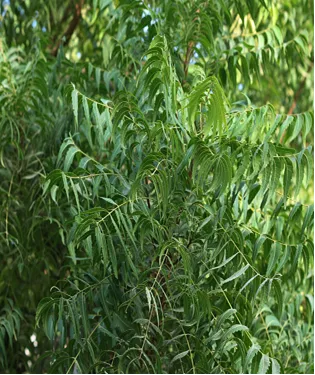
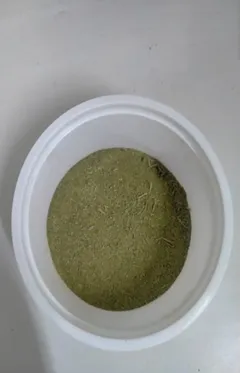
Fig. 4 NEEM LEAVES Fig. 5 NEEM POWDER
Constituents and Uses
Neem contains nimbin, nimbidin, azadirachtin, flavonoids, and fatty acids. It acts as a natural antimicrobial and antifungal agent, reduces dandruff, soothes scalp irritation, strengthens hair roots, and promotes healthy hair growth [52].
3.4 Hibiscus Powder
Hibiscus rosa-sinensis belongs to the family Malvaceae (Figure 1 E). It is a member of the Kingdom Plantae under the Subkingdom Viridiplantae. It falls within the Division Tracheophyta and Subdivision Spermatophytina, which include vascular and seed-bearing plants. The species is classified under the Class Magnoliopsida, representing dicotyledonous plants. It belongs to the Genus Hibiscus L, with the species name rosa-sinensis L, widely recognized for its ornamental and medicinal importance.
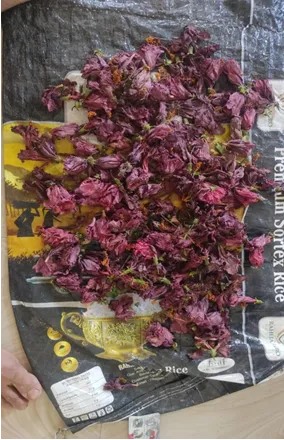
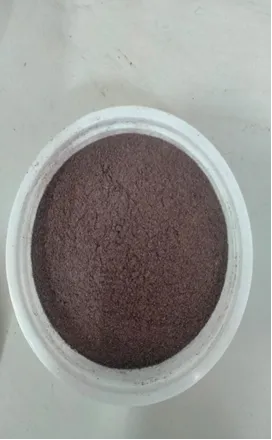
Fig. 5 HIBISCUSS Fig. 6 HIBISCUSS POWDER
Constituents and Uses
Hibiscus is rich in flavonoids, anthocyanins, vitamin C, amino acids, and mucilage. It promotes hair development, Stop premature graying, strengthens hair roots, conditions and softens hair, decreases hair loss, and adds natural shine and volume. It also helps in scalp health by controlling dryness and dandruff [54].
3.5 Amla Powder
Indian Gooseberry, botanically known as Emblica officinalis Gaertn., belongs to the family Euphorbiaceae (Figure 1 F). It is classified under the Kingdom Plantae, Subkingdom Angiosperm, and Division Tracheophytes. The plant falls within the Class Eudicot and the Order Malpighiales. Its Genus is Phyllanthus, and the Species is emblica, making it an important medicinal plant widely known for its rich vitamin C content and antioxidant properties.
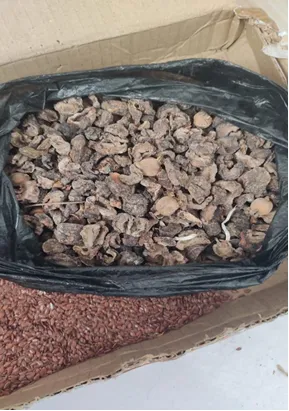
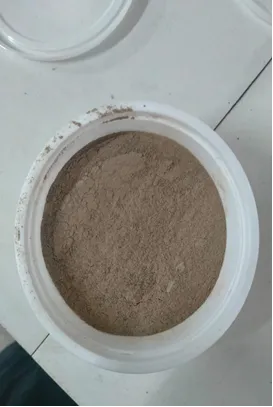
Fig. 7 AMLA Fig. 8 AMLA POWDER
Constituents and Uses
Amla (Indian Gooseberry) is rich in vitamins C and A, polyphenols, amino acids, proteins, carbohydrates, and minerals like calcium, potassium, magnesium, and iron, along with carotene, alkaloids, and gallotannins. Amla is commonly used to boost hair and scalp health due to its nutrient profile. It strengthens the scalp and hair, minimizes premature graying, stimulates hair growth, and lowers hair fall. Amla also treats dandruff, dry scalp, parasitic infections like lice, and fungal or bacterial scalp infections, while improving the overall appearance.
Method of preparation
The herbal mask can be prepared by the proposed methods:
1. Weighing of ingredients
All the required ingredients for hair mask preparation were accurately weighed individually by using digital balance.
2. Preparation of Flax seed Gel
Take flax seeds and boil them in sufficient water.
Stir until a thick, gel-like consistency forms.
Filter the gel and keep aside to use as a natural base.
3. Preparation of Powders
Shade dry curry leaves and grind into a fine powder.
Ensure neem, hibiscus, amla, henna, and are fine and lump-free.
Sieve if necessary for uniform texture.
4. Mixing of Dry Ingredients
In a clean bowl, mix henna powder, neem powder, hibiscus powder, amla powder.
Blend thoroughly to ensure even distribution.
5. Incorporation of Gel and Oils
Slowly add the flaxseed gel to the powder mixture and stir until a smooth paste is formed.
Add aloe vera gel for consistency and moisturizing effect.
Mix in coconut oil, gradually with continuous stirring.
6. Adjustment of Consistency
Add a little warm water if needed to achieve a smooth, spreadable paste.
Ensure no lumps remain.
7. Final Product
Transfer the prepared mask into an airtight container.
Store in a cool, dry place.
4. CONCLUSION
An herbal hair mask has been created. Frequent application of this pack leads to hair with color treatment becoming manageable and frizz-free. Herbal hair mask is the most delicate manner to color hair. The harmless nature of cosmetics made from herbs is one of their benefits. In order to meet the demands of the expanding global market, herbal formulations are highly sought for. It is an obvious attempt to create a herbal hair pack with the benefits of several plant powders that are great for hair maintenance. Amla, Hibiscus and other ingredients in hair dye nourish the epidermis of the scalp and hair. Stress, aging, pollution, and harsh conditions may adversely affect hair quality.
Natural remedies are widely accepted with open hands nowadays as they are safer with minimal side effects as compared to the chemical-based products. This hair formulation provides vital nourishment to the skin. It helps to treat dandruff by removal of excess oil from scalp. To help the dye go deeper, last longer, and offer better hues, future studies should examine new methods to create henna-based mask, such as the use of nanotechnology and specific carriers. Proper testing shall be utilized to confirm the safety of these goods and its natural constituents. Investigating the molecular connection between henna's major hue, lawsone, and hair. Additionally, it can assist us comprehend how the dye functions. Henna-based products will become more reputable and widely used in the cosmetics business if stable, eco-friendly, and intuitive herbal dyes that are verified to be safe and effective in clinical testing are developed.
REFERENCES


Pratyush Kumar Brahma, Vikash Kumar, Ankit Bhakar, Almash Shekh, Sarif Ansari, Formulation and Evaluation of Herbal Based Hair Mask, Int. J. of Pharm. Sci., 2026, Vol 4, Issue 6, 265-278. https://doi.org/10.5281/zenodo.20490685
 10.5281/zenodo.20490685