

We use cookies to ensure our website works properly and to personalise your experience. Cookies policy
Siddhi College of Pharmacy, Chikhali, Pune
The present study focuses on the formulation and evaluation of an herbal lip balm using natural ingredients such as rose water, beeswax, vitamin E, and beetroot. These ingredients were selected because of their moisturizing, nourishing, and healing properties. Rose Water helps to soften and nourish the lips, beeswax and provide hydration and protection, vitamin E acts as an antioxidant, and beetroot gives a natural colour to the lip balm.The lip balm was prepared by homogenous mixing of all the ingredients to obtain a smooth and uniform formulation. The prepared lip balm was evaluated for various parameters including physical stability, pH, melting point, and spread ability. The pH of the formulation was found to be 5.5 to 6.5, which is suitable for lip application, and the melting point was observed to be 63 to 65°C, indicating good stability of the product.Lip balms provide a natural way to promote healthy and moisturized lips. Colouring lips is the ancient practice to increase the beauty of lips and to give shine to the face. Current cosmetic lip products are based on use of toxic chemical ingredients with various adverse effect. That's why it leads to study natural ingredients used to production of natural lip balm. This lip balm is formulated according to the scientific procedure and evaluated as per standard requirements.
Herbal products are considered safer compared to synthetic products because they are made from natural ingredients and usually have fewer side effects on human health. In recent years, herbal preparations such as herbal tablets, tonics, shampoos, pastes, cosmetics, and lipsticks have become increasingly popular among consumers. Many people prefer herbal medicines and cosmetic products because they believe natural ingredients are safer and more beneficial for the body. In addition, the increasing side effects of synthetic products have encouraged people to shift toward herbal alternatives.[1]
Cosmetics are substances used to enhance the appearance of the human body. They include products such as skin care creams, lotions, powders, perfumes, lipsticks, nail polish, eye makeup, hair colours, hair sprays, and gels. The word cosmetics is derived from the Greek word “Cosmetics,” which means skill in beautifying or arranging. Cosmetics are scientifically prepared substances that help cleanse the body, protect the skin, improve appearance, and cover imperfections. Today, cosmetics have become an important part of daily life, especially for maintaining personal care and beauty.[1]
In modern times, there is a growing trend toward using natural and herbal cosmetic products. Many conventional cosmetic products contain synthetic chemicals such as parabens, artificial waxes, hydrogenated oils, artificial colours, and fragrances, which may cause harmful effects on the skin. Therefore, people are becoming more aware and are choosing natural products that are safer and more environmentally friendly.[1]
Lips are one of the most sensitive parts of the human body and do not contain oil glands. Because of this, they easily become dry, cracked, or chapped. Lip balms are commonly used to protect and moisturize the lips by forming a protective layer that prevents moisture loss. Herbal lip balms are prepared using natural ingredients that help nourish, moisturize, and protect the lips without causing harmful side effects.[2]
Natural ingredients such as beetroot, beeswax, vitamin E, and almond oil are commonly used in herbal lip balm formulations. Beetroot acts as a natural colouring agent and is rich in antioxidants with anti-inflammatory properties. Beeswax provides moisture, acts as a natural emulsifier, and protects the lips from environmental damage. Vitamin E is a powerful antioxidant that helps.
maintain soft and healthy lips, while almond oil deeply moisturizes the skin and improves lip texture. [3,2]
Cocoa Butter: It provides deep miniaturization and forms a protective barrier on the lips due to its rich antioxidant and fatty acid content.[2]
Therefore; the present project focuses on the formulation and evaluation of herbal lip balm using natural ingredients. The aim is to prepare a safe, effective, and natural lip care product that helps maintain soft, healthy, and moisturized lips while minimizing the harmful effects associated with synthetic cosmetic products.[3,2]
AIM & OBJECTIVES
The aim of this project is to Formulation and Evaluate an herbal lip balm using natural and plant-based ingredients such as beeswax, cocoa butter, coconut oil, and beetroot extract. The purpose of this formulation is to develop a safe and effective lip care product that can moisturize, nourish, protect, and heal the lips. Many lip care products available in the market contain synthetic chemicals that may cause dryness, irritation, or other side effects. Therefore, this project focuses on using natural ingredients which are gentle on the skin and provide better care for the lips. The herbal lip balm will also help improve the appearance of the lips by giving a natural colour and smooth texture. In addition, the prepared lip balm will be evaluated for different properties such as pH, melting point, spread ability, consistency, and stability to ensure that the product is safe, effective, and suitable for regular use.[3,2]
SCOPE OF RESEARCH
Herbal Lip Balm
The scope for research in herbal lip balm is wide due to increasing demand for natural and chemical free cosmetic products. With growing awareness about the harmful effects of synthetic ingredients, herbal lip balm offers a safe, eco-friendly, and skin friendly alternative.[1,4]
Research can be focused on formulating lip balms using various herbal ingredients such as beeswax, shear butter, cocoa butter, coconut oil, almond oil, and plant extracts. Different combinations can be studied to improve texture, stability, and effectiveness.[2]
2. Evaluation of Therapeutic Properties:
Herbal ingredients possess medicinal properties like anti-inflammatory, antimicrobial, antioxidant, and moisturizing effects. Research can evaluate how these properties help in treating dry, chapped, and damaged lips.[4]
3. Stability and Shelf-Life Studies
Further research can be conducted on the stability of herbal lip balms under different storage conditions. It helps in determining shelf life, product safety, and effectiveness over time.[5]
4. Comparative Study with Synthetic Products
Research can compare herbal lip balms with commercial synthetic lip balms in terms of safety, side effects, hydration level, and user satisfaction.[5]
5. Consumer Acceptability Studies
Studies can be conducted to analyse consumer preferences regarding fragrance, texture, colour, and effectiveness of herbal lip balms.[1]
6. Innovation in Herbal Ingredients
New plants-based ingredients and extracts can be explored for better results, such as aloe Vera, rose extract, turmeric, and green tea.[4]
7. Eco-Friendly Packaging
Scope also includes research on biodegradable and sustainable packaging materials to make the product environmentally friendly.[1]
8. Cost-Effectiveness and Market Potential
Research can analyse production cost, affordability, and market demand to promote herbal lip balm as a commercial product.[4]
MATERIALS & METHODS
The preparation of herbal lip balm requires natural and safe ingredients that help in moisturizing, protecting, and nourishing the lips. These ingredients are mainly obtained from natural sources such as plants and natural waxes. The use of herbal ingredients makes the product safer and reduces the chances of harmful side effects compared to synthetic cosmetic products.
The main ingredients used in the preparation of herbal lip balm include
Each ingredient plays an important role in improving the quality and effectiveness of the lip balm.
Beeswax is used as a base ingredient in the formulation. It helps to give structure and firmness to the lip balm and also forms a protective layer on the lips which prevents moisture loss. It improves the texture and stability of the final product.
Cocoa butter is used because of its excellent moisturizing and nourishing properties. It contains natural fats that help to keep the lips soft, smooth, and hydrated for a long time.
Coconut oil is another important ingredient used in the formulation. It acts as a natural moisturizer and helps to prevent dryness and cracking of the lips. It also provides a soothing effect and improves the spread ability of the lip balm.
Aloe Vera gel is added because of its healing and soothing properties. It helps in repairing damaged or chapped lips and provides relief from irritation.
Beetroot extract is used as a natural colouring agent. It provides a light pink or reddish colour to the lip balm without the use of artificial dyes. It also contains natural antioxidants which are beneficial for the skin.
Vitamin E oil is often added as an antioxidant. It helps to protect the lip balm from oxidation and also nourishes the lips by keeping them healthy and hydrated.
Rose oil or other natural flavouring agents are added to provide a pleasant fragrance and improve the overall appeal of the product.
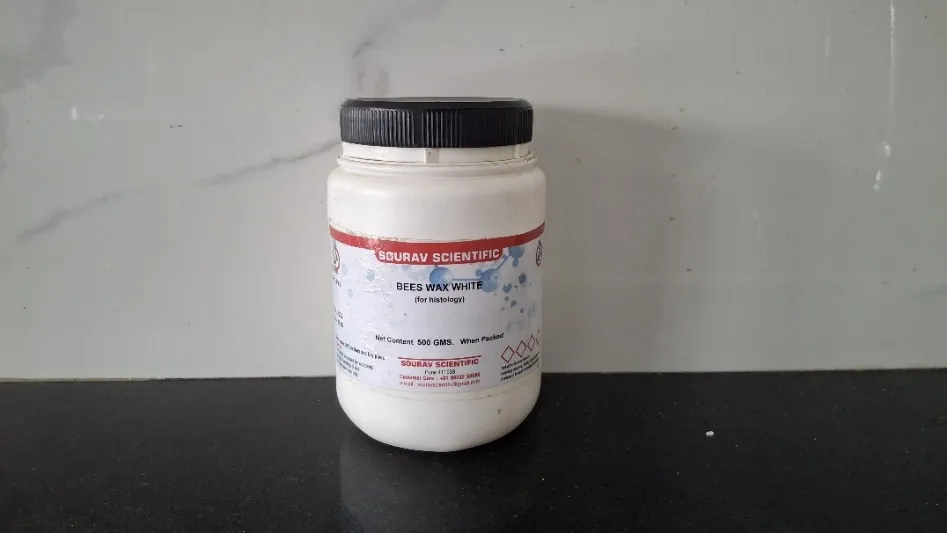
Figure no.1 Beeswax
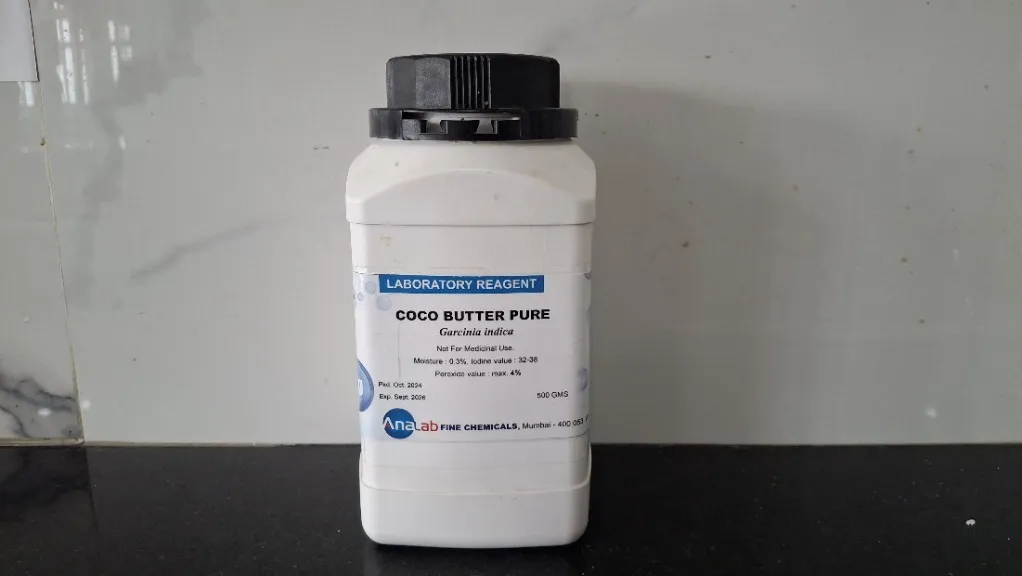
Figure no.2 Cocoa Butter
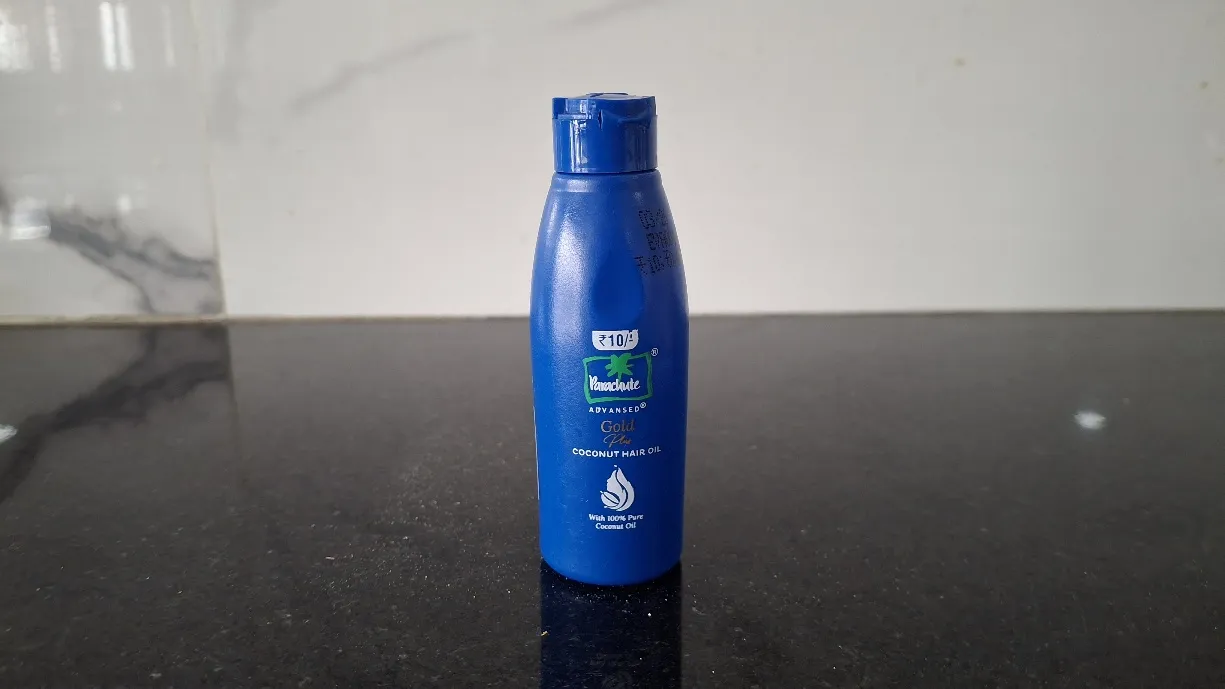
Figure no.3 Coconut Oil
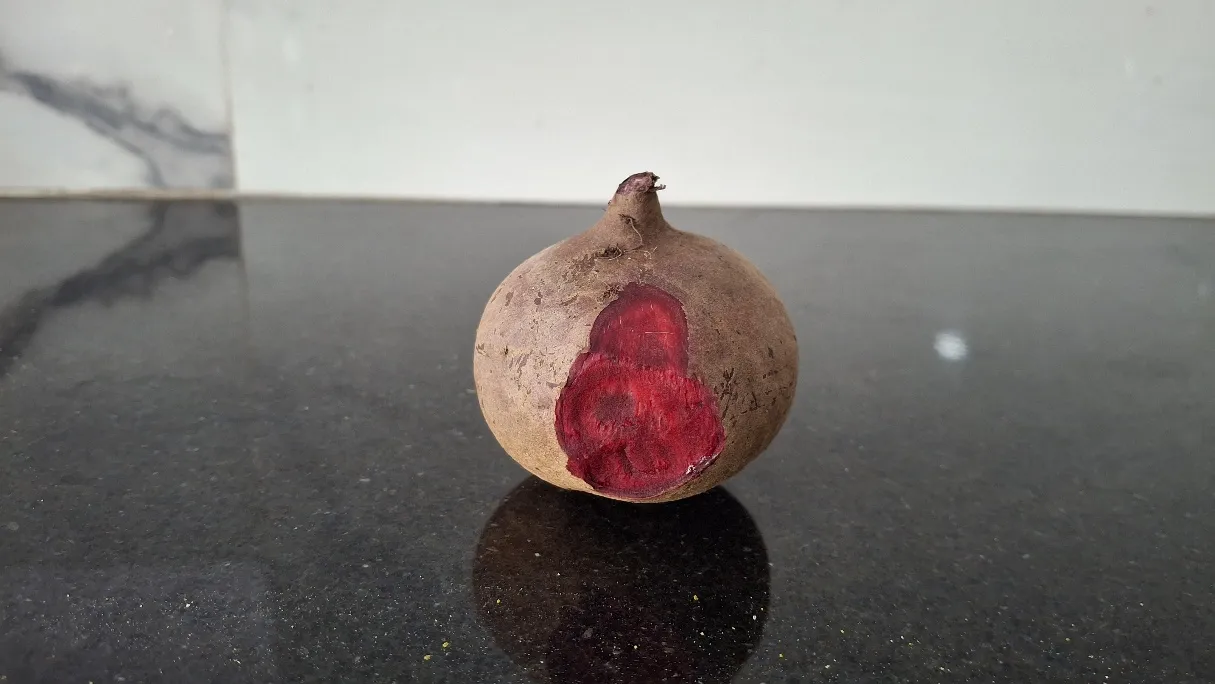
Figure no.4 Beetroot
5. Vitamin E Oil:
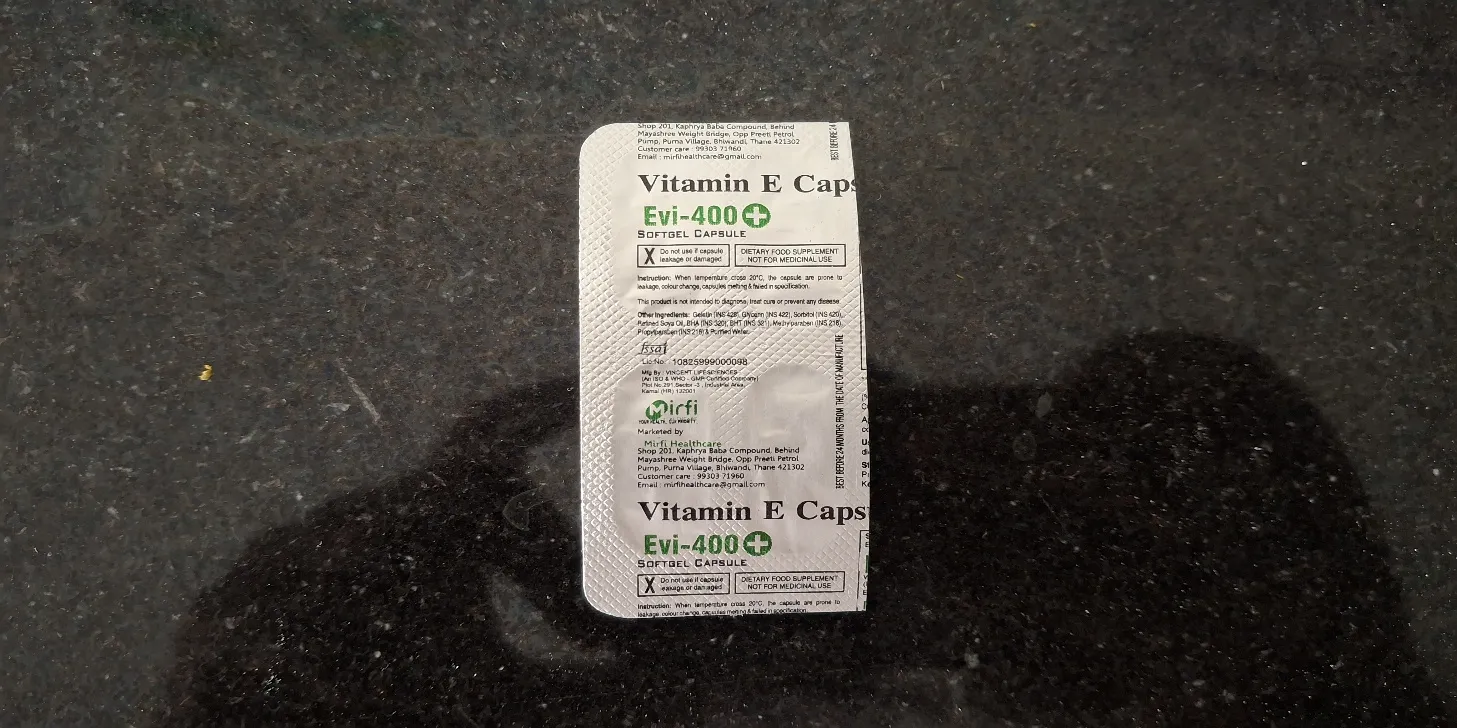
figure no.5 Vitamin E Oil Capsules
6. Rose Oil:
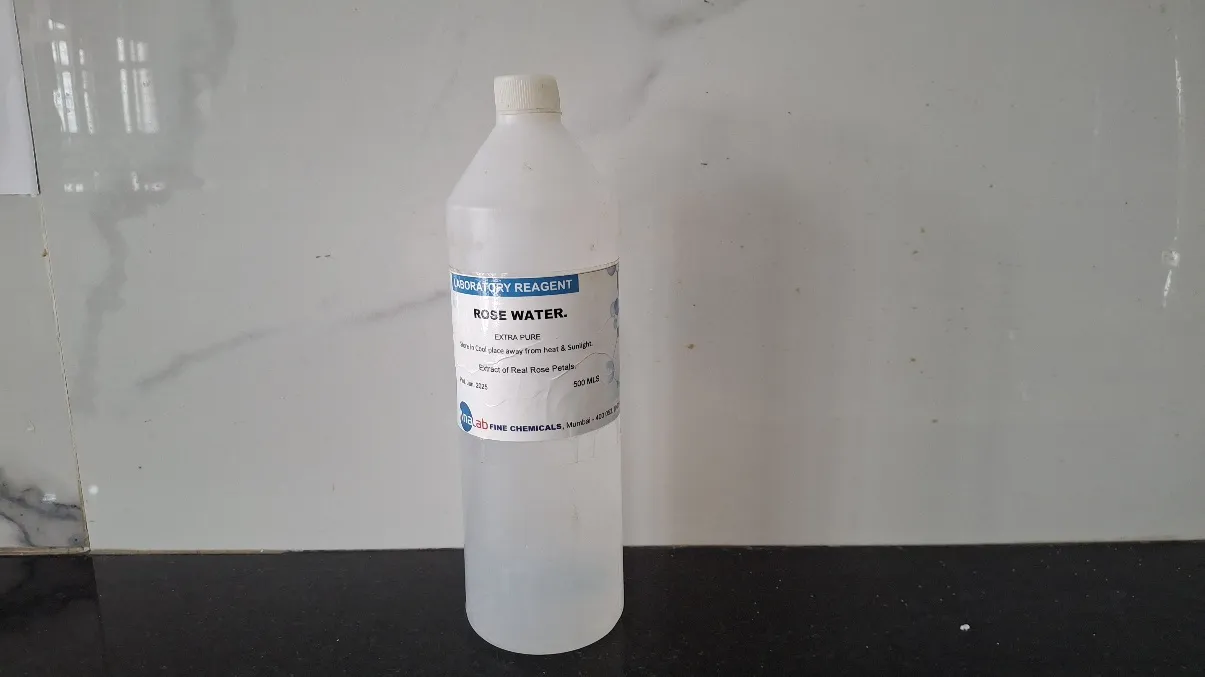
Figure no.6.Rose Water
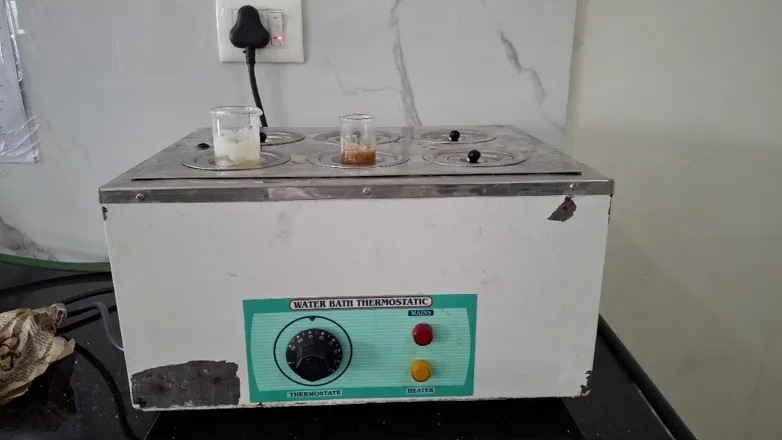
Figure no.7 Sample place on Water bath.
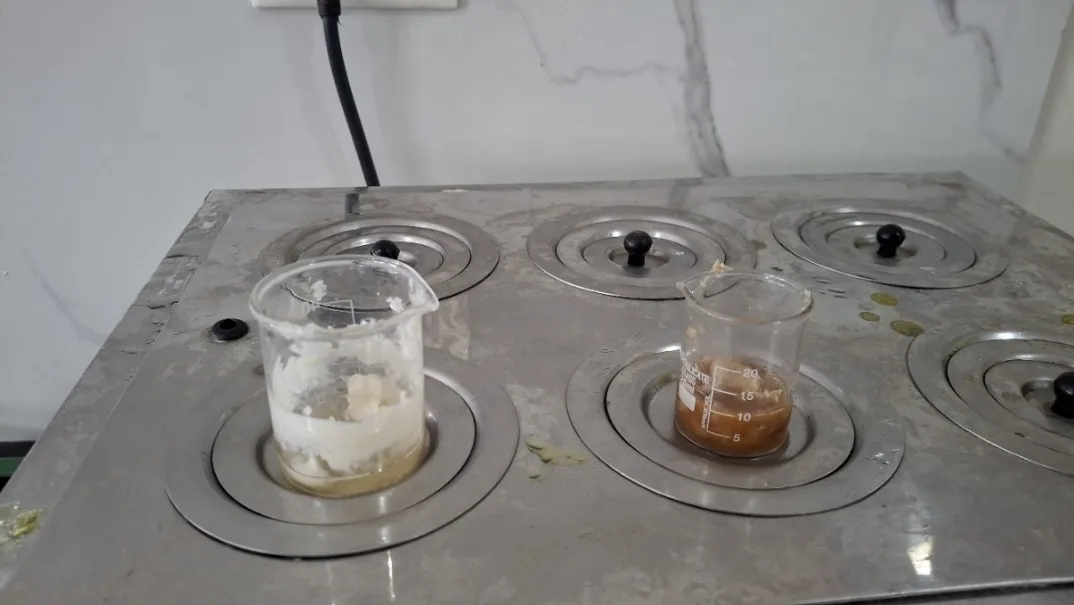
Figure no.8 Beeswax & Coco Butter melting.
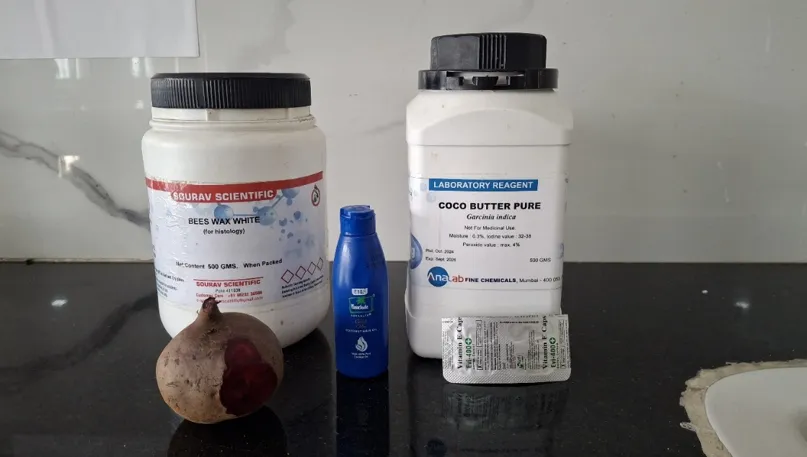
Figure no.9 All ingredients.
FORMULATION DEVELOPMENTS
Table No 1
|
Sr. no. |
Ingredients |
Quantity |
Uses |
|
1. |
Bees Wax |
3gm |
Impact Glossiness and Hardness |
|
2. |
Beetroot |
0.5 gm |
Colouring Agent |
|
3. |
Coconut Oil |
3 ml |
Moisturizing Agent |
|
4. |
Vitamin-E |
1 capsule (0.5)gm |
Antioxidant, Maintain the stability |
|
5. |
Rose Water |
0.5 ml |
Flavouring Agent |
|
6. |
Coco Butter |
2.5 gm |
Nourishing texture |
Herbal lip balms are formulated using the fusion method, which involves melting solid components and blending them with liquid components to create a homogeneous mixture.
Base (Waxes): White Beeswax (62 to 64°C melting point) is essential (3 to 10% of total formulation) for structure, along with camellia wax or carnauba wax to increase the melting point.
Butters/Oils (Emollients): Cocoa butter, Coconut oil, (2ml), are used for deep miniaturization.
Herbal Additives/Actives: Beetroot extract (colouring agent), Vitamin E oil (stabilizer).
The equipment used for the preparation of herbal lip balm are simple laboratory tools that help in accurate measurement and proper mixing of the ingredients.
These include:
These tools help ensure that the ingredients are mixed properly and the formulation process is carried out safely and effectively.
Procedure:
Ideal Characteristics:
Texture: Smooth, no grainy feeling.
Consistency: Stable at high temperatures and easy to apply.
Safety: Nontoxic, nonirritant, and noncomedogenic.
Moisturizing Effect: Should last for several hours.
EVALUATION OF TESTS
1. Organoleptic Evaluation:
In this test, the lip balm is examined based on its physical characteristics such as colour, order appearance, and texture. The product should have a pleasant smell, smooth texture, and an attractive appearance.
2. pH Test:
The pH of the lip balm is checked to ensure that it is suitable for application on the skin. The ideal pH range for lip care products is generally between 4.5 and 5.5, which is compatible with the natural pH of the skin.
3. Stability Test:
The prepared lip balm is stored at different temperatures for a certain period of time. During this period, the product is observed for any changes in colour, odour ,texture or consistency. This test helps in determining the shelf life and stability of the formulation.
4. Melting Point Test:
The melting point of the lip balm is determined to check its stability at room temperature. A suitable melting point ensures that the lip balm does not melt easily during storage or normal use.
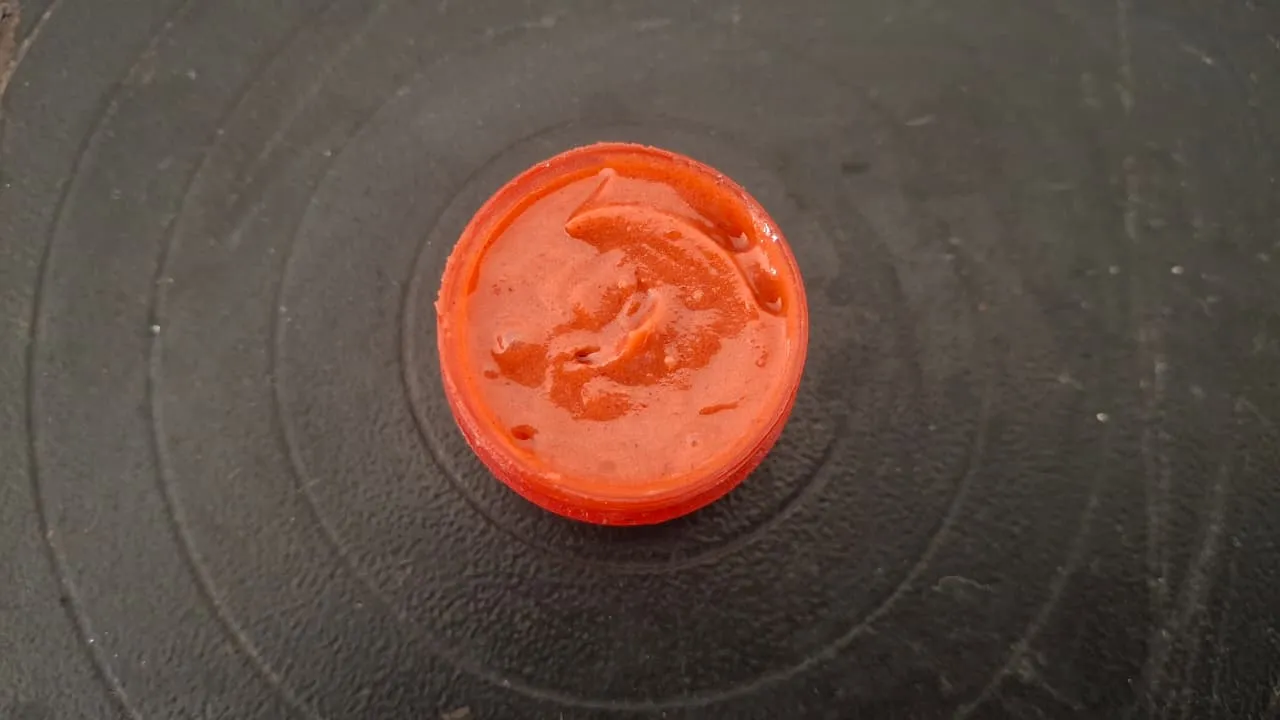
Figure no.10 Melting point test at Room temperature
5. Spread ability Test:
This test is carried out to determine how easily the lip balm spreads when applied on the lips. A good lip balm should spread smoothly without causing discomfort.
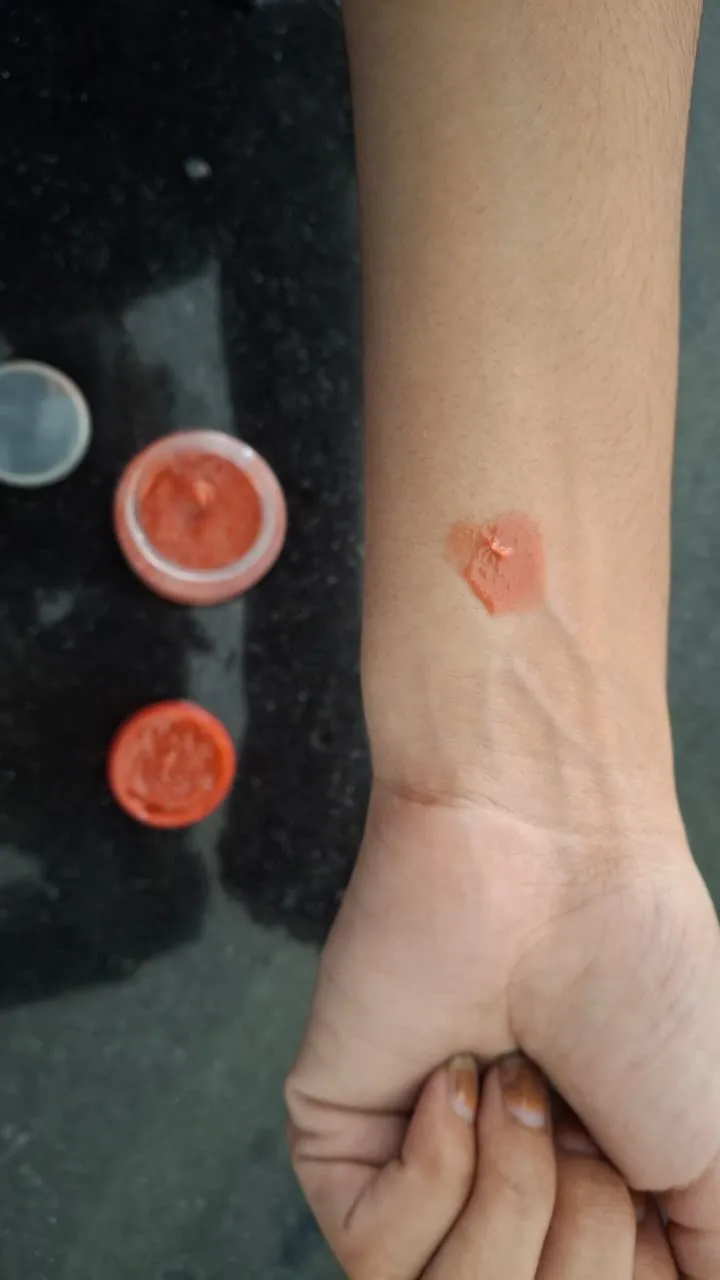
Figure no.11 Spread ability
6. Skin Irritation Test:
A small amount of the prepared lip balm is applied on a small area of skin to check for any signs of irritation, redness, or allergic reaction. This test ensures that the product is safe for use on the lips .
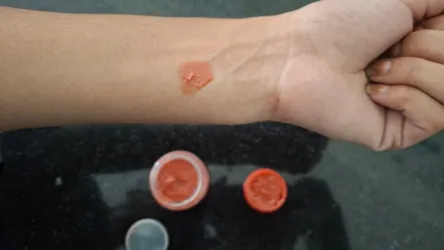
Figure no.12 Skin Irritation
COMPATIBILITY STUDIES
A compatibility study was carried out to ensure that all the ingredients used in the formulation of the herbal lip balm are compatible with each other and do not produce any undesirable physical or chemical reactions. Compatibility studies are an important step in the formulation of any cosmetic or pharmaceutical preparation because they help in determining whether the selected ingredients can be safely combined to produce a stable and effective product.
If the ingredients are not compatible, they may cause problems such as colour change, phase separation, unpleasant odour, or degradation of the formulation, which can affect the quality, safety, and performance of the final product.
In the present study, natural ingredients such as beeswax, cocoa butter, coconut oil, beetroot extract, and vitamin E oil were selected for the preparation of the herbal lip balm. These ingredients were chosen because of their moisturizing, nourishing, and protective properties for the lips. Beeswax acts as a natural base and helps in providing firmness and structure to the lip balm. Cocoa butter and coconut oil serve as excellent emollients that help in softening and moisturizing the lips. while beetroot extract is used as a natural colouring agent to provide an attractive tint to the lip balm. Vitamin E oil is added as an antioxidant that helps in preventing oxidation and improves the stability of the formulation.
To perform the compatibility study, small quantities of all the selected ingredients were mixed together in appropriate proportions. The mixture was carefully observed for any visible physical or chemical changes. Particular attention was given to parameters such as change in color, development of unpleasant odor, formation of precipitate, and separation of phases. These observations are important because any change in these parameters may indicate incompatibility between the ingredients.
The prepared mixture was then kept at room temperature for a specific period of time and monitored regularly. During this observation period, the mixture remained stable and no noticeable changes such as discoloration, phase separation, precipitation, or degradation were observed. The texture and appearance of the mixture remained uniform and consistent throughout the study period.
The absence of any undesirable changes during the compatibility study indicates that the ingredients used in the formulation are stable and compatible with each other. This confirms that the selected natural components can be safely combined to prepare a stable and effective herbal lip balm.
Therefore, based on the observations made during the compatibility study, it can be concluded that all the selected ingredients are compatible and suitable for the formulation of herbal lip balm. This study ensures that the final product will maintain its stability, quality, and effectiveness during storage and use.
Table no: 2
|
Sr.no. |
Parameter |
Observation |
|
1 |
Colour Change |
Not observed |
|
2 |
Odour Change |
Not observed |
|
3 |
Phase Separation |
Not observed |
|
4 |
Precipitation |
Not observed |
|
5 |
Texture Change |
Not observed |
|
6 |
Physical Stability |
Stable |
The compatibility study indicated that all the ingredients used in the formulation were compatible with each other. No significant changes in colour, odour, texture, precipitation, or phase separation were observed during the study period. The formulation remained physically stable and maintained its uniform appearance. Therefore, the selected ingredients were found to be suitable for the preparation of a stable and effective herbal lip balm
RESULT
The herbal lip balm was prepared successfully using natural ingredients such as beeswax, cocoa butter, coconut oil, beetroot extract, and vitamin E oil. After preparation, the lip balm was observed carefully to check its appearance, texture, and overall quality.
The prepared lip balm showed a smooth and uniform texture. It had a pleasant smell and an attractive light reddish colour, which was obtained naturally from beetroot extract. The lip balm spread easily when applied and felt soft and moisturizing on the lips. It did not feel sticky or too hard, which makes it comfortable to use.
During the evaluation, the lip balm was applied on the skin to check for any irritation or discomfort. No irritation, redness, or allergic reaction was observed, which indicates that the formulation is safe for use on the lips. The lip balm also had a suitable melting point, meaning it remained solid at normal room temperature but softened slightly when applied, making it easy to spread.
The stability of the lip balm was also observed by keeping it at room temperature for some time. During this period, there were no noticeable changes in its color, smell, or texture. The formulation remained stable and did not show any separation of ingredients.
From these observations, it can be concluded that the prepared herbal lip balm has good quality, stability, and effectiveness. The use of natural ingredients makes it safe, moisturizing, and suitable for regular use to protect and nourish the lips.
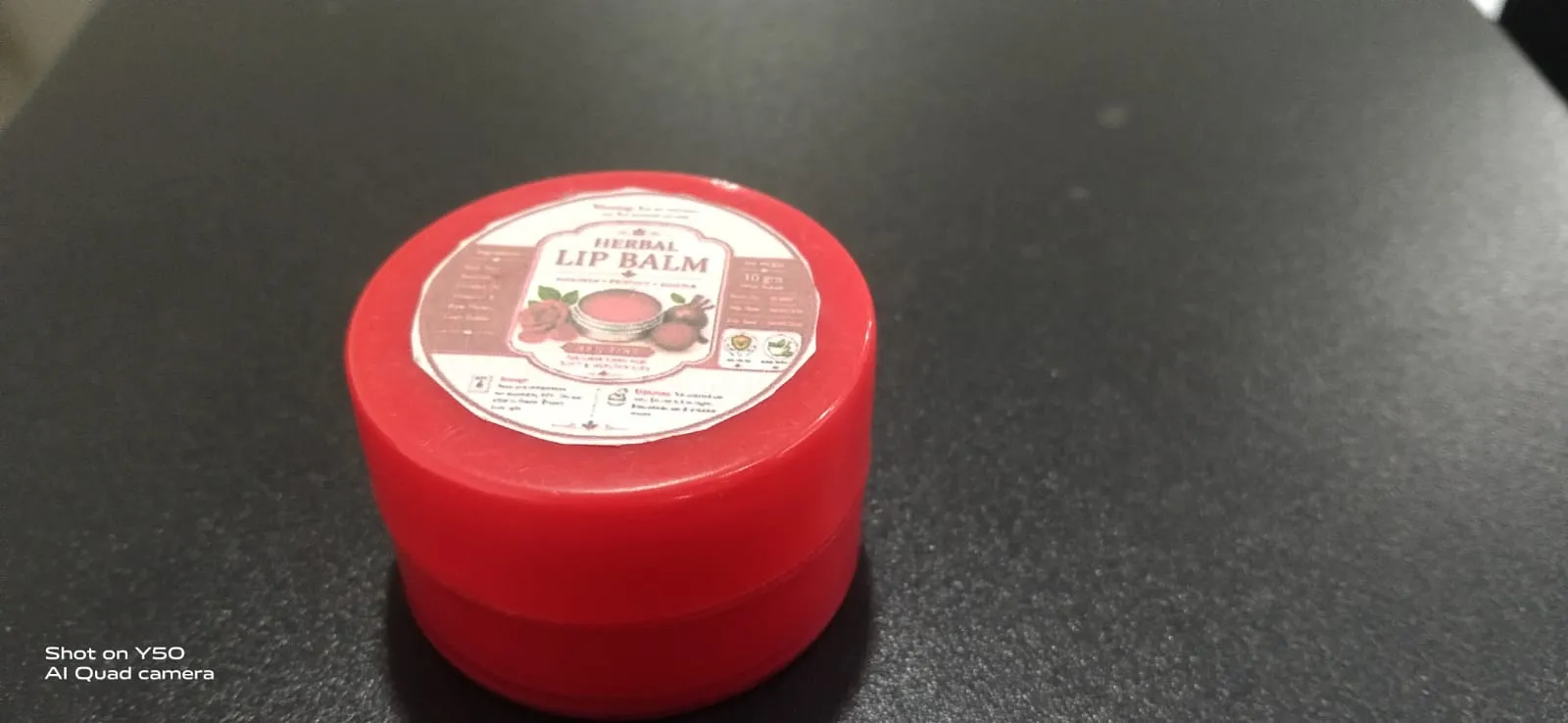
Fig No 13. Prepared Lip Balm
Table no: 3
|
Sr. No |
Evaluation Parameter |
Observation / Result |
|
1 |
Colour |
Light reddish Pink |
|
2 |
Odour |
Pleasant |
|
3 |
Appearance |
Smooth and Uniform |
|
4 |
Texture |
Smooth and Soft |
|
5 |
pH |
5.5–6.5 |
|
6 |
Melting Point |
63–65°C |
|
7 |
Spreadability |
Good |
|
8 |
Consistency |
Good and Homogeneous |
|
9 |
Skin irritation Test |
No irritation Obsessed |
|
10 |
Stability Study |
Stable and Room temperature |
|
11 |
Phase Separation |
Not Observed |
|
12 |
Moisturizing Property |
Satisfactory |
DISCUSSION
In the present study, an herbal lip balm was prepared using natural ingredients such as beeswax, cocoa butter, coconut oil, beetroot extract, and vitamin E oil. These ingredients were selected because they help to moisturize, protect, and nourish the lips.
CONCLUSION
In the present study,an herbal lip balm was prepared using natural ingredients like beeswax, cocoa butter, coconut oil, beetroot extract, and vitamin E oil. These ingredients were selected because they help to moisturize, protect, and nourish the lips.
The prepared lip balm had a smooth texture, pleasant smell, and a natural colour from beetroot extract. It was easy to apply and spread well on the lips. The lip balm helped to keep the lips soft and moisturized. During the evaluation, no irritation or discomfort was observed when it was applied on the skin, which shows that it is safe for use
The lip balm was also observed for stability, and it remained stable at room temperature without any change in colour, smell, or texture. This indicates that the ingredients used in the formulation are suitable and compatible with each other.
Overall, the study shows that herbal lip balm made from natural ingredients is safe, effective, and beneficial for lip care. It helps to protect the lips from dryness and keeps them soft and healthy. Using herbal ingredients also reduces the chances of side effects and makes the product more natural and skin friendly.
REFERENCES




Prachi Dole*, Sainath Korde, Megha Hange, P. N. Sable, Formulation and Evaluation of Herbal Lip Balm, Int. J. of Pharm. Sci., 2026, Vol 4, Issue 6, 5431-5446. https://doi.org/10.5281/zenodo.20776645
 10.5281/zenodo.20776645