

We use cookies to ensure our website works properly and to personalise your experience. Cookies policy
Shri Gurudev Institute of Pharmaceutical Education & Research, Gondia, Maharashtra, India 441614
This study aims to formulate herbal toothpaste comprising Leucas Biflora extracts combined with extracts of tulsi, clove oil, and charcoal for oral health care applications. With the increase in the concern about the long-term use of oral care products made up of chemicals, plants having more safety and medicinal properties have been studied. Ethanolic extracts of Leucas Biflora, tulsi & neem were prepared using Soxhlet extraction method and used in toothpaste formulations. Physicochemical characteristics of the formulated toothpaste such as color, smell, consistency, pH, uniformity, flow, foaming ability, moisture, and extrusion from the tube have been evaluated.The agar cup plate method was employed to determine the antibacterial activity of the toothpaste formulations against Escherichia coli and Staphylococcus aureus. All formulations demonstrate good physical attributes and antibacterial properties against the test organism. Amongst all the formulations, F4 has been found to perform better in terms of good physiochemical characteristics and high antibacterial property.This can be attributed to the increased amount of Leucas Biflora extract utilised in the formulation. It can be said that the developed herbal toothpaste formulation is a good alternative as a natural oral care product.
The oral cavity remains continuously exposed to food particles, microorganisms, and environmental contaminants, creating favourable conditions for microbial growth and plaque deposition. Poor oral hygiene practices may therefore contribute to the development of dental caries, gingivitis, periodontal infections, halitosis, and other disorders affecting oral tissues.[1,2] Since these conditions can influence both oral and systemic health, regular cleaning of teeth using suitable oral care products is considered important for maintaining healthy gums and dentition.[2]
Toothpaste is one of the most frequently used oral hygiene products during daily brushing practices. In addition to cleansing tooth surfaces, dentifrices are expected to assist in reducing microbial accumulation, improving oral freshness, and maintaining the overall condition of the oral cavity. Many commercially available toothpaste formulations contain synthetic foaming agents, preservatives, artificial sweeteners, detergents, and flavouring substances that improve product stability and cleansing performance.[3] However, increasing consumer awareness regarding undesirable reactions associated with prolonged use of certain synthetic ingredients has encouraged greater interest in herbal alternatives for oral healthcare applications.[4]
Interest in herbal dentifrices has increased because several medicinal plants possess biological activities relevant to oral hygiene management. Various phytoconstituents present in medicinal plants may exhibit antimicrobial, antioxidant, anti-inflammatory, and soothing properties that could support oral hygiene maintenance. [5,6] Compared with synthetic preparations, herbal formulations are often preferred due to their natural origin, better patient acceptability, and comparatively lower probability of adverse effects. As a result, several herbal ingredients are currently being explored for incorporation into dentifrice formulations intended for routine oral care. [5,7]
Among the medicinal plants used in traditional Indian medicine, Leucas Biflora has gained attention because of its reported pharmacological activities. The plant, commonly referred to as burumbi in Ayurveda, has traditionally been utilized in conditions associated with pain, swelling, and inflammation.[8,9] Phytochemical investigations of the plant have identified the presence of flavonoids, phenolic compounds, terpenoids, and other secondary metabolites which may contribute to its biological activity.[8] Earlier scientific reports describing antioxidant and antimicrobial properties of Leucas Biflora suggest that the plant may possess potential usefulness in oral care preparations designed to control microbial growth.[9]
The present formulation also included additional herbal ingredients to improve the overall therapeutic and cleansing characteristics of the toothpaste. Ocimum sanctum has been extensively used in traditional medicine and is known for its antimicrobial and antioxidant properties. [10,11] Clove oil has long been used into oral care preparations because eugenol-containing volatile oil exhibits soothing and antimicrobial properties.[12] Activated charcoal was incorporated to improve the cleansing efficiency of the formulation and enhance removal of deposited surface impurities. [13]
Although numerous herbal dentifrices are available commercially, comparatively fewer studies have investigated toothpaste formulations prepared specifically using Leucas Biflora as a principal active ingredient. Most reported herbal toothpaste studies primarily focus on ingredients such as neem, babool, tulsi, or clove, whereas scientific information regarding the formulation and evaluation of burumbi-based toothpaste remains limited. Exploration of such medicinal plants may therefore contribute toward the development of alternative plant-based oral care products with improved therapeutic value.
PLANT PROFILE:
Leucas Biflora (burumbi) is a perennial medicinal herb belonging to the family Lamiaceae. [14]The plant possesses narrow lance-shaped leaves, branched stems and white flower. It is mainly grow in dry and sandy areas of India. Medicinal importance of plant is mainly due active compounds such as phenolic acid, steroids, flavonoids, terpenoids, and essential oils.[15,16] Different parts of the plant, especially the roots, leaves, and aerial portions, are major used in herbal preparation.[15] Many herbal formulation including churna, medicated oils, tablets, capsules, decoctions, and ointments, are available in the market. These preparations are commonly used to provide comfort in muscular and joint problem. It also preferred during massage therapy for their soothing effect. [17]
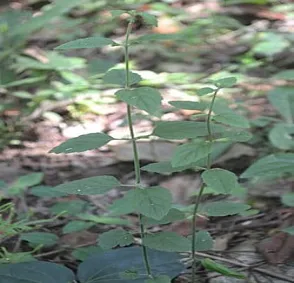
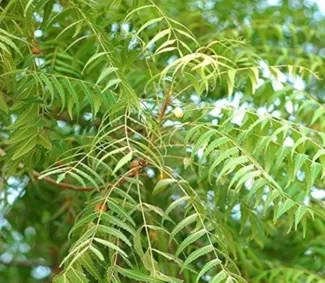
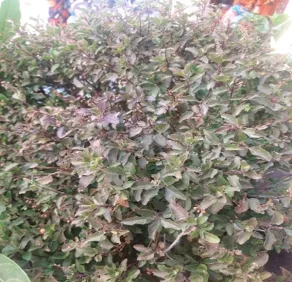
Fig 1: Leucas Biflora Fig 2: Azadirachta indica Fig 3: Ocimum sanctum
Ocimum sanctum (Tulsi) is medicinal herb belonging to family Lamiaceae widely cultivated in India. It is an upright sub-shrub measuring 30-60 cm in height, featuring simple opposite leaves that can be green or purple, have a strong fragrance, and a hairy stem; the leaves are ovate, up to 5 cm long, and typically have a slightly toothed edge.[18]Traditionally, the plant has been used in Ayurveda for the treatment of coughs, digestive issues, heart diseases, asthma, respiratory problems, pain, skin conditions, kidney stones, eye infections, and psychiatric disorders. Scientific studies have also reported antimicrobial, antioxidant, anti-inflammatory, and immunomodulatory activities of tulsi. [18, 19]Leaves are the most commonly used part in herbal preparations.
Azadirachta indica (Neem) is a plant that has been used for medicinal purposes in India for>4000 year. The leaves, steams, flower, fruits, seeds & oils of this plant have been used to curve various conditions such as wounds cough, fever, skin diseases & diabetes. Neem leaves have antibacterial, anti-inflammatory, antifungal, antiseptic, antitumor, antihyperglycemic, antiulcer, and antiviral effects [24]. In addition, neem leaves have the ability to reduce the number of Streptococcus mutans, a common plaque-forming bacteria found in the oral cavity [25].The use of neem plants as herbal medicine is less common in Indonesia. The number of studies on the use of neem leaves in Indonesia is few, which may be due to the limited findings that support the use of this plant as an herbal medicine [26]. The present study aimed to evaluate the effect of an herbal toothpaste containing neem leaves extract on gingivitis. We hope that the findings of this study will help in spreading awareness among the Indonesian population about the benefits of neem plants, especially as an antibacterial agent that can prevent the occurrence of dental and oral diseases.
MATERIAL AND METHODS:
Sample Collection:
The leaves of Leucas Biflora & Tulsi, Neem were gathered from the medicinal garden located on the campus of Shri Gurudev Instituted of Pharmaceutical Education & Research. Authetify by Dr. Dongarwar sir from the Department of Botany at Nagpur University in Maharashtra, India, identified and verified the plant.
Chemicals:
Calcium Carbonate, Sodium Lauryl Sulphate, Charcoal, Sodium Chloride, Peppermint oil, Clove oil, Honey, and Glycerine were obtained from the laboratory of Shri gurudev instituted of pharmaceutical education and research chulod, Gondia, located in the state of Maharashtra, India.
Preparation and extraction of Herbal extract:
The leaves of Leucas Biflora, neem and tulsi were gathered and dried using a hot air oven. Once dried, the leaves were ground into a powder using a mortar and pestle. Approximately 10 grams of the powdered sample were extracted with a soxhlet apparatus in ethanol at room temperature. The obtained extract was then filtered through Whatman filter paper and concentrated by evaporation. It was kept in the refrigerator for future use. [20, 21]
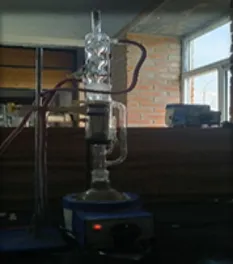
Fig: 4 Soxhlet extractions
Phytochemical screening:
Preliminary phytochemical screening of the ethanolic extracts of Leucas Biflora, neem and tulsi was carried out using standard qualitative chemical tests to identify the presence of various phytoconstituents such as alkaloids, carbohydrates, proteins, amino acids, flavonoids, tannins, saponins, steroids, glycosides, and fats. The colour changes or precipitated formation observed during the test indicated the presence or absence of the respective Phytochemical in the extracts as given in table no.2 [22]
Formulation of herbal toothpaste:
The herbal toothpaste was prepared by dry gum method. All the components were weighed accurately, whereas the powdered materials were sieved through sieve no. 80. Calcium Carbonate, Sodium Chloride, Sodium Lauryl Sulphate, and Charcoal were combined together using Mortar and Pestle. Paste base was formed by adding Honey and Glycerin to this combination with continuous mixing to avoid lumps.[20,21]Extracts of Leucas biflora and neem, Tulsi were then added to the paste base, along with Peppermint Oil and Clove Oil for flavor and medicinal purposes. The prepared toothpaste was stored in air tight container until further use. [20]
Table 1: Composition of toothpaste
|
Sr no |
Ingredient |
F1 |
F2 |
F3 |
F4 |
Role |
|
1 |
Leucas biflora extract |
0.5gm |
0.6 gm |
0.8 gm |
1gm |
Antibacterial agent Anti- inflammatory |
|
2 |
Tulsi leaves extract |
0.5gm |
0.3 gm |
0.2gm |
0.2gm |
Antifungal activity |
|
3 |
Neem leaves extract |
0.5gm |
0.3gm |
0.2gm |
0.1gm |
Antiseptic, Antiulcer |
|
4 |
Clove oil |
0.5ml |
0.5 ml |
0.5 ml |
0.5 ml |
Effective for dental cavity |
|
5 |
Charcoal |
0.3gm |
0.2 gm |
0.2 gm |
0.1 gm |
Whiten the teeth |
|
6 |
Sodium lauryl sulphate |
2.0gm |
2.0gm |
2.0 gm |
2.0 gm |
Foaming agent |
|
7 |
Calcium carbonate |
13.4gm |
13.6gm |
13.4 gm |
13.4 gm |
Abrasives |
|
8 |
Sodium chloride |
0.5gm |
0.5 gm |
0.5 gm |
0.5 gm |
Preservative |
|
9 |
Peppermint oil |
1 ml |
1 ml |
1 ml |
1.0ml |
Flavouring agent |
|
10 |
Honey |
0.3ml |
0.3 ml |
0.4 ml |
0.4 ml |
Sweetening agent |
|
11 |
Glycerin |
6ml |
6 ml |
6 ml |
6 ml |
Humectant |
Evaluation of Herbal Toothpaste:
Organoleptic Evaluation:
Organoleptic evaluation of the prepared herbal toothpaste was determined by parameters such as colour, odour, taste, and texture. The formulation was observed visually for its appearance. The odour and taste were assessed by sensory organ while texture were evaluated by rubbing the toothpaste between the fingers to detect the presence of any coarse particles.[23]
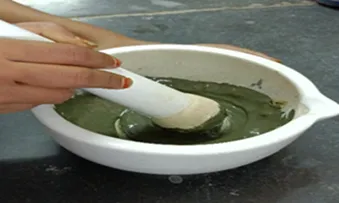
Fig 4: Organoleptic evaluation of Herbal toothpaste
pH:
A 50% aqueous suspension was prepared by taking 10 gm of herbal toothpaste in 10 ml distilled water continuously stirred to form uniform suspension. The calibrated digital pH meter was dipped in suspension to determine the pH measured in triplicate.[23]
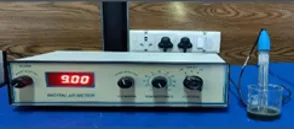
Fig 5: pH
Homogeneity:
The toothpaste should be dispensed as a uniform portion from the collapsible tube or another appropriate container by exerting a normal force at 27 degrees Celsius. In addition, most of the contents should be rolled out of the container after being extruded from the crimp.[24]
Sharp and edge abrasive particles:
To detect presence of sharp and abrasive particle, place the toothpaste on finger and rubbed against butter paper at distance of 15-20cm.This procedure was repeated 10 times to confirm no such particle present in the toothpaste.[24]
Foamability:
The foaming property of the herbal toothpaste was checked by adding a small quantity (2g) of the formulation to water (5ml) in a measuring cylinder and shaking it properly. The volume of foam was noted. Formation of stable foam showed that the toothpaste possessed good cleaning efficiency and acceptable foaming characteristics.[23]
Foaming power = volume in ml of foam in water-volume in ml of water.
=V1-V2
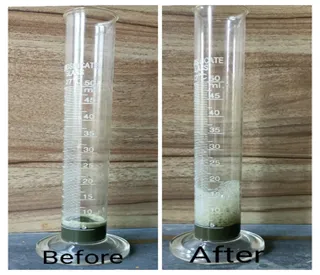
Fig 5: Foamability
Determination of moisture content:
A known quantity (5gm) of herbal toothpaste was placed in clean porcelain dish and heated in hot air oven at 105 degrees Celsius until constant weight was obtained. The sample was taken out after drying then kept in dessicator until cooled to record the weight. The decrease in weight after heating indicate the presence of moisture.[23]
Calculation: % moisture content =100*M1/M
M1=loss of weight on drying
M=mass of the material taken for the test
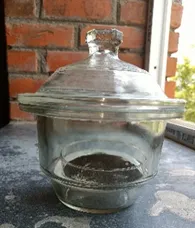
Fig 6: Dessicator
Determination of spread ability:
The spread ability of toothpaste was determine by placing 2g of formulation between two glass slides. A slight pressure was applied to move the slide in opposite direction. the ease with which upper slide moved over the lower slide was observed and distance the toothpaste spread (in cm) was recorded. The experiment was done in triplicate manner.[23]
Formula was used to calculate spreadability:
S=M*L/T
S=spreadability
M=weight taken in the slide
L=length moved by the slide
T=time taken to separate the upper slide by lower slide
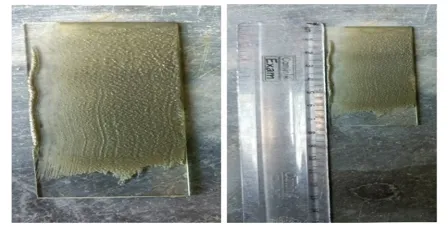
Fig 7: Spread ability
Tube extrudability:
Tube extrudability of herbal toothpaste was determined by filling the formulation in collapsible tube, and pressure was applied using a finger to the tube. The quantity of paste that was came out through the tip was measured in triplicate and average is noted. [24]
Formula:
%Extrudability = Weight of tube extruded*100/ Net weight of formulation in the tube
Collection of test organism: Clinical sample of gram-positive Staphylococcus aureus and gram-negative Escherichia coli were obtained from Vishaka clinical laboratory, Ramdaspeth, Nagpur, Maharashtra, India. The collected bacterial strain was used to evaluate the herbal toothpaste formulation.
Antibacterial activity:
An in vitro antibacterial examination of the formulated toothpaste containing pluchea extract was conducted using the cup plate method against the bacterial strains Gram-positive Staphylococcus aureus and Gram-negative E. coli. A broth culture (0.75 ml) was introduced into nutrient agar medium at 45°C, thoroughly mixed, and then poured into a sterile Petri dish. After allowing the media to solidify, 6mm wells were created using a sterile metal borer.The test formulation was introduced into the well and plates were incubated at 37 degree celsius for 24 hours. After incubation,the diameter of the zone of inhibition of each formulation was measured in millimeters to determine the antibacterial activity.[23]
RESULT:
Table 2: Phytochemical test:
|
Sr no |
Phytochemical test |
Tulsi extract |
Leucas Biflora extract |
Neem extract |
|
1 |
Alkaloid |
+ve |
+ve |
-ve |
|
2 |
Carbohydrate |
-ve |
+ve |
+ve |
|
3 |
Protein and amino acid |
+ve |
+ve |
+ve |
|
4 |
Saponin test |
+ve |
-ve |
-ve |
|
5 |
Tannin |
+ve |
-ve |
-ve |
|
6 |
Steroid |
+ve |
+ve |
+ve |
|
7 |
Flavonoid |
-ve |
+ve |
+ve |
|
8 |
Glycoside |
-ve |
-ve |
-ve |
|
9 |
Fats |
-ve |
+ve |
-ve |
Table 3: Physical evaluation of formulation:
|
Parameter |
F1 |
F2 |
F3 |
F4 |
|
Colour |
Dark green |
Green |
Dark green |
Dark green |
|
Odour |
Pleasant |
Pleasant |
Pleasant |
Pleasant |
|
Taste |
Slightly sweet |
Slightly sweet |
Sweet |
Sweet |
|
Texture |
Smooth |
Smooth |
Smooth |
Smooth |
Table 4: Evaluation test :
|
Parameters |
F1 |
F2 |
F3 |
F4 |
|
pH |
9.00 |
9.63 |
9.44 |
9.51 |
|
Homogeneity |
Good |
Good |
Good |
Good |
|
Abrasiveness |
Good abrasive |
Good abrasive |
Good abrasive |
Good abrasive |
|
Moisture content |
20.5% |
16.4% |
17.2% |
18.4% |
|
Spredability |
5.5 |
5.7 |
5.3 |
5.4 |
|
Foamability |
12 |
10 |
11 |
12 |
|
Tube extrudability |
90.38% |
90.83% |
90% |
90.41% |
Table 5: Antibacterial activity herbal toothpaste:
|
Test sample Concentration 30 ug/ml |
Zone of inhibition (mm) E coli |
Zone of inhibition (mm) Staphylococcus aureus |
|
F 1 |
12 mm |
20mm |
|
F2 |
17 mm |
10 mm |
|
F3 |
15 mm |
16 mm |
|
F 4 |
15 mm |
22 mm |
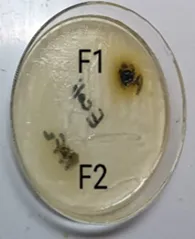
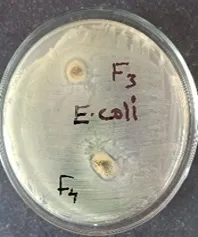
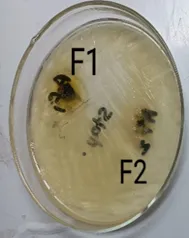
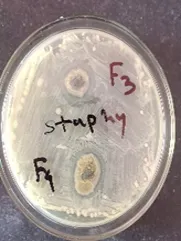
Fig 8: Antibacterial testing of herbal toothpaste by Ecoli and staphylococcus aureus
CONCLUSION:
The present study was successfully carried out to formulate and evaluate herbal toothpaste containing Leucas biflora extract along with other herbal ingredients. The prepared formulations showed satisfactory physicochemical properties such as good appearance, acceptable pH, smooth texture, foamability, spreadability, and homogeneity. The antimicrobial study confirmed that the formulated toothpaste was effective against dental caries caused by bacteria. Among all the formulations, F4 showed better overall performance and higher antibacterial activity compared to the other formulations. The results of the study suggest that the prepared herbal toothpaste may serve as a safe and effective alternative to chemical-based toothpaste for maintaining oral hygiene. Further studies can be carried out to evaluate its long-term stability, safety, and clinical effectiveness for future commercial application.
REFERENCES


Puja Basule, Abhineet Ujawaney, Digamber Rahangdale, Dr. Bhumeshkumar Wanjari, Formulation and Evaluation of Herbal Toothpaste by using Leucas Biflora leaves extract, Int. J. of Pharm. Sci., 2026, Vol 4, Issue 6, 1156-1165. https://doi.org/10.5281/zenodo.20550769
 10.5281/zenodo.20550769