

We use cookies to ensure our website works properly and to personalise your experience. Cookies policy
Department of Pharmaceutics, Shree Dev Bhoomi Institute of Education Science and Technology, Veer Madho Singh Bhandari Uttarakhand Technical University, Dehradun, Uttarakhand
Alpha-lipoic acid (ALA), also known as thioctic acid, is a naturally occurring disulfide compound that exhibits strong amphipathic antioxidant properties, enabling it to function effectively in both aqueous and lipid biological environments. It plays a crucial role in mitochondrial energy metabolism and has been extensively studied for its wide range of pharmacological activities, including anti-aging, neuroprotective, anti-inflammatory, and dermatological benefits. In skin-related applications, ALA has demonstrated potential in reducing oxidative stress-induced damage, improving skin elasticity, and delaying visible signs of aging such as wrinkles and hyperpigmentation. Despite its significant therapeutic and cosmetic potential, the clinical application of ALA is severely constrained by several physicochemical and pharmacokinetic limitations. These include poor aqueous solubility, high susceptibility to oxidation, photodegradation under light exposure, thermal instability, and a relatively short biological half-life. Moreover, its limited permeability through the stratum corneum further reduces its effectiveness in topical delivery systems, necessitating advanced formulation strategies to enhance its stability and bioavailability. In recent years, liposomal drug delivery systems have emerged as a highly promising approach to address these challenges. Liposomes are vesicular carriers composed of phospholipid bilayers that can encapsulate both hydrophilic and lipophilic compounds, thereby improving drug stability, solubility, and controlled release characteristics. Liposomal incorporation of ALA significantly enhances its dermal penetration by facilitating fusion with skin lipid layers, improving retention within deeper epidermal structures, and protecting the active compound from environmental degradation. When formulated into cream-based semisolid systems, liposomal ALA enables sustained and localized delivery, making it highly suitable for dermatological and cosmeceutical applications. However, despite these advantages, liposomal formulations are inherently associated with several stability challenges that limit their long-term effectiveness and commercial scalability. These include oxidative degradation of phospholipids, hydrolytic breakdown, leakage of encapsulated drug from vesicles, aggregation and fusion of liposomes, changes in particle size distribution, phase separation within the cream matrix, and reduced entrapment efficiency over time. Environmental factors such as temperature fluctuations, light exposure, and oxygen availability further exacerbate these instability issues, leading to reduced shelf-life and compromised therapeutic performance.
Alpha-lipoic acid (ALA), also known as thioctic acid, is a naturally occurring disulfide compound that plays a central role in mitochondrial oxidative metabolism. It is widely recognized as a universal antioxidant due to its ability to function in both aqueous and lipid biological environments. ALA neutralizes reactive oxygen species (ROS), regenerates endogenous antioxidants such as glutathione, vitamin C, and vitamin E, and also exhibits metal-chelating properties that further reduce oxidative stress at the cellular level [1, 2]. Because of these multifunctional properties, ALA has attracted significant attention in dermatology, neurology, and anti-aging research.
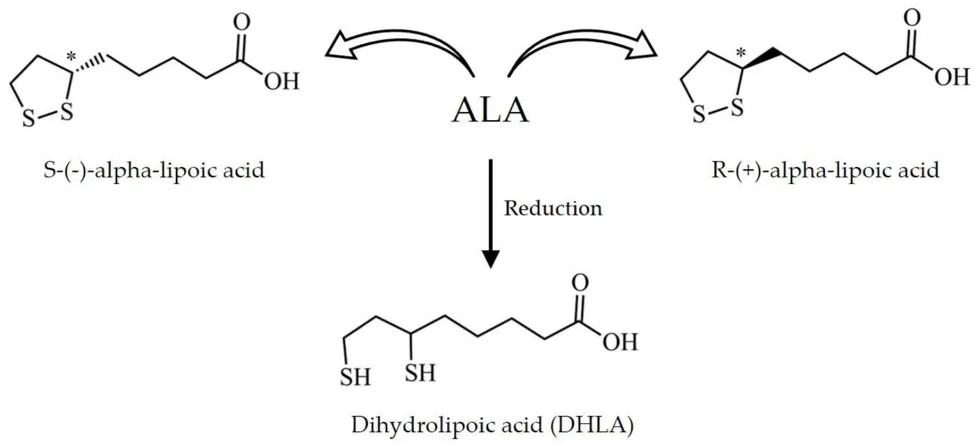
Figure 1: Alpha-Lipoic Acid as an Antioxidant Strategy for Managing Neuropathic Pain
In dermatological applications, oxidative stress is considered one of the primary mechanisms responsible for skin aging, inflammation, and barrier dysfunction. ALA has been shown to improve skin texture, reduce fine lines, and enhance overall dermal antioxidant defense. However, its therapeutic effectiveness is significantly limited by its unfavorable physicochemical characteristics. ALA is highly unstable in the presence of heat, light, and oxygen, and it undergoes rapid degradation in physiological environments, which reduces its bioavailability and therapeutic efficiency [3]. Additionally, its poor aqueous solubility and limited partitioning into biological membranes further restrict its effective delivery, particularly in topical applications where penetration through the stratum corneum is a major barrier.
Another important limitation of ALA is its short biological half-life, which results in rapid clearance from systemic circulation and reduces sustained therapeutic action. These challenges collectively necessitate the development of advanced drug delivery systems capable of improving stability, enhancing permeation, and providing controlled release. Conventional formulations such as creams, gels, and oral tablets have shown limited success in overcoming these issues due to insufficient protection of ALA from environmental degradation and poor dermal absorption.
To address these limitations, lipid-based nanocarriers—particularly liposomes—have been extensively explored as novel delivery systems for ALA. Liposomes are spherical vesicles composed of phospholipid bilayers that can encapsulate both hydrophilic and lipophilic drugs, thereby improving solubility, stability, and bioavailability. In topical drug delivery, liposomes offer additional advantages by mimicking the lipid composition of the stratum corneum, thereby enhancing skin penetration and retention of active compounds [5, 6].
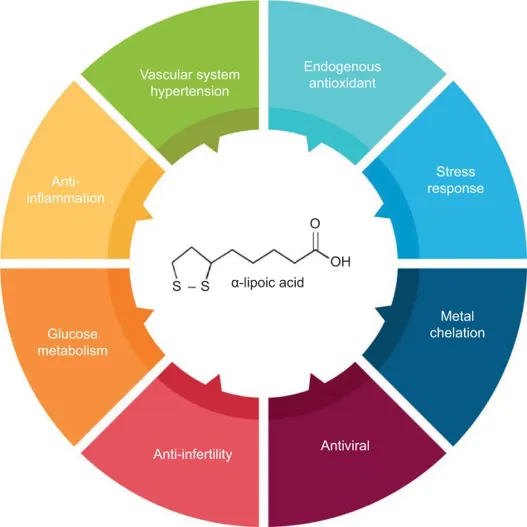
Figure 2: Recent developments in encapsulation of α-lipoic acid for enhanced
Recent studies have demonstrated that liposomal encapsulation significantly improves the stability and dermal delivery of ALA by protecting it from oxidative degradation and enhancing its permeation through skin layers. Liposomal systems also provide sustained release characteristics, allowing prolonged antioxidant activity in the skin. Furthermore, incorporation of ALA into liposomal carriers has been shown to improve its localization within epidermal and dermal layers, thereby increasing its therapeutic efficiency in anti-aging and skin-rejuvenation formulations [11, 8].
Despite these advantages, liposomal systems are not without limitations, particularly in terms of long-term stability, vesicle aggregation, and drug leakage. These challenges continue to drive ongoing research into improving lipid composition, formulation techniques, and stabilization strategies to enhance the performance of liposomal ALA-based topical formulations.
2. LIPOSOMES AS DRUG DELIVERY SYSTEMS
Liposomes are microscopic, spherical vesicular systems composed primarily of one or more phospholipid bilayers surrounding an aqueous core. Structurally, they closely resemble biological membranes, which makes them highly biocompatible and suitable for pharmaceutical and cosmetic applications. The amphiphilic nature of phospholipids allows liposomes to encapsulate both hydrophilic and lipophilic drugs simultaneously—hydrophilic molecules are entrapped within the aqueous core, whereas lipophilic compounds are incorporated into the lipid bilayer. This unique structural organization makes liposomes one of the most versatile nanocarrier systems for drug delivery [5, 8].
From a dermatological and topical drug delivery perspective, liposomes offer significant advantages due to their ability to interact with the lipid matrix of the stratum corneum. Upon application to the skin, liposomes can fuse with epidermal lipids, release their encapsulated drug in a controlled manner, and enhance penetration into deeper skin layers. This property is particularly valuable for poorly permeable drugs such as alpha-lipoic acid (ALA), where enhanced dermal transport is essential for therapeutic efficacy [6, 11].
One of the most important advantages of liposomal drug delivery systems is their excellent biocompatibility and biodegradability. Since liposomes are mainly composed of naturally occurring phospholipids and cholesterol, they are generally non-toxic and well tolerated by biological systems. This reduces the risk of irritation, hypersensitivity, or systemic toxicity, making them especially suitable for topical and cosmetic formulations intended for long-term use [7].
Another key benefit of liposomal systems is their ability to provide controlled and sustained drug release. By modulating lipid composition, vesicle size, and bilayer rigidity, it is possible to tailor the release profile of the encapsulated drug. This ensures prolonged therapeutic action, reduced dosing frequency, and improved patient compliance. In topical formulations, sustained release also helps maintain a stable concentration of active ingredients within the skin over an extended period[6].
Liposomes also contribute to reduced irritation and improved safety profiles, particularly for active pharmaceutical ingredients that may otherwise cause skin sensitivity. The encapsulation of drugs within phospholipid vesicles prevents direct contact with skin proteins, thereby minimizing irritation and enhancing tolerability. This makes liposomal formulations highly suitable for dermatological conditions requiring long-term treatment [8].
Despite these advantages, the major limitation of liposomal drug delivery systems lies in their physicochemical and storage stability. Liposomes are thermodynamically unstable systems and are prone to degradation phenomena such as phospholipid oxidation, hydrolysis, vesicle fusion, aggregation, and leakage of encapsulated drugs. These instability issues can significantly affect particle size distribution, entrapment efficiency, and overall therapeutic performance during storage and commercialization [10, 9]. Consequently, maintaining long-term stability remains one of the primary challenges in translating liposomal formulations from laboratory research to industrial-scale products.
3. RATIONALE FOR LIPOSOMAL ALA CREAM
Alpha-lipoic acid (ALA) is a unique amphipathic molecule exhibiting both lipophilic and hydrophilic characteristics. Despite this dual solubility, its practical application in topical formulations is limited due to its extreme chemical instability and rapid degradation under environmental stress conditions such as light exposure, elevated temperature, and oxidative environments. These limitations significantly reduce its therapeutic effectiveness when applied directly in conventional cream or gel formulations [1, 2].
The incorporation of ALA into liposomal drug delivery systems provides a scientifically rational and technologically advanced approach to overcome these challenges. Liposomes, composed of phospholipid bilayers similar to biological membranes, offer a protective microenvironment that shields ALA from external oxidative and photolytic degradation. By encapsulating ALA within the lipid bilayer or aqueous core depending on its partitioning behavior, liposomes effectively stabilize the molecule and prevent premature degradation, thereby enhancing its chemical stability and shelf-life [6, 8].
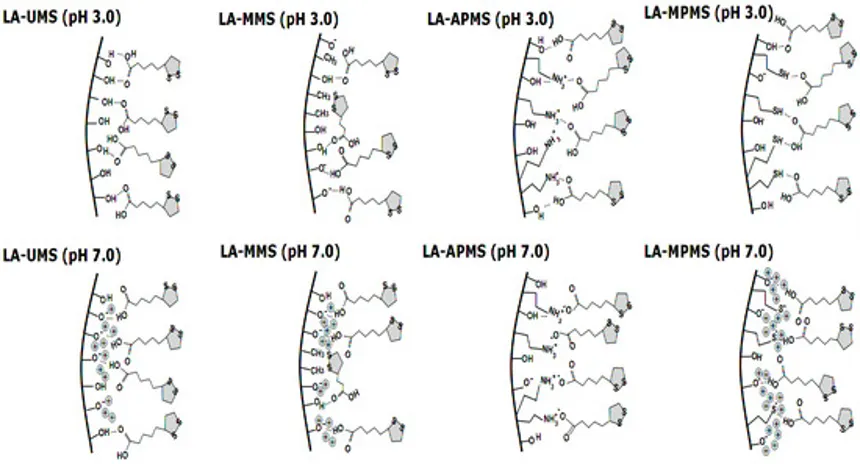
Figure 3: Development of Novel Silica-Based Formulation of α-Lipoic Acid
Another major rationale for liposomal encapsulation of ALA is the improvement in dermal retention and targeted delivery within skin layers. Upon topical application, liposomes interact with the lipid-rich environment of the stratum corneum, facilitating fusion, adsorption, or lipid exchange mechanisms. This interaction enhances the penetration of ALA into deeper epidermal and dermal layers, ensuring localized antioxidant activity where oxidative stress is most prominent. As a result, liposomal ALA demonstrates improved residence time in the skin compared to conventional formulations, leading to sustained pharmacological action [11, 12].
Controlled and sustained release is another critical advantage of liposomal ALA creams. Liposomes act as reservoir systems, gradually releasing the encapsulated drug over time. This prolonged release pattern ensures a steady concentration of ALA in the skin, reducing the need for frequent application and improving patient compliance. The release kinetics can be modulated by adjusting lipid composition, cholesterol content, and vesicle size, thereby allowing formulation scientists to tailor the delivery profile according to therapeutic requirements [6].
In addition to improved stability and controlled release, liposomal incorporation significantly enhances the biological activity of ALA. By increasing its penetration into skin layers, liposomes improve the interaction of ALA with cellular antioxidant pathways, leading to enhanced scavenging of reactive oxygen species (ROS). This results in improved protection against oxidative stress-induced skin damage, including photoaging, inflammation, and collagen degradation [2, 3].
Furthermore, one of the major challenges in topical delivery of ALA is its poor partitioning into the stratum corneum, which acts as a primary barrier to drug penetration. Liposomes address this limitation by improving lipid affinity and facilitating transport through intercellular lipid channels. Their structural similarity to biological membranes allows them to merge with skin lipids, thereby enhancing permeation efficiency and improving the overall bioavailability of ALA at the target site [12].
Overall, the rationale for formulating liposomal ALA cream lies in its ability to simultaneously address multiple challenges associated with conventional ALA delivery—namely instability, poor permeability, limited retention, and rapid degradation—while significantly enhancing therapeutic efficacy and dermatological performance.
4. FORMULATION OF LIPOSOMAL ALA CREAM
The formulation of liposomal α-lipoic acid (ALA) cream involves a systematic integration of vesicular nanocarriers (liposomes) into a semisolid topical base. The primary objective of this formulation strategy is to enhance the physicochemical stability of ALA, improve dermal penetration, and achieve controlled release within skin layers. The selection of formulation components plays a crucial role in determining vesicle stability, encapsulation efficiency, and overall therapeutic performance [8, 6].
4.1 Components of Liposomal ALA Cream
4.1.1 Phospholipids
Phospholipids form the fundamental structural framework of liposomes by assembling into bilayer membranes. The most commonly used phospholipids in liposomal ALA formulations include Soy Phosphatidylcholine (SPC) and Egg Phosphatidylcholine (EPC). These naturally derived phospholipids are preferred due to their excellent biocompatibility, biodegradability, and similarity to biological membrane lipids.
Soy phosphatidylcholine is widely used because of its high availability, cost-effectiveness, and favorable phase transition properties, which contribute to stable vesicle formation. Egg phosphatidylcholine, on the other hand, contains a higher proportion of saturated fatty acids, which can improve membrane rigidity and reduce leakage of encapsulated drug. The choice between SPC and EPC significantly influences vesicle fluidity, stability, and drug retention capacity [7, 10].
4.1.2 Cholesterol
Cholesterol is an essential membrane stabilizer incorporated into liposomal systems to enhance structural integrity and reduce permeability of the lipid bilayer. It intercalates between phospholipid molecules, thereby decreasing membrane fluidity at higher temperatures and preventing leakage of encapsulated α-lipoic acid.
In liposomal ALA formulations, cholesterol plays a critical role in improving vesicle rigidity, reducing fusion or aggregation of liposomes, and enhancing long-term stability. An optimal cholesterol concentration ensures a balance between membrane flexibility and mechanical strength, which is crucial for maintaining controlled drug release behavior [6, 9].
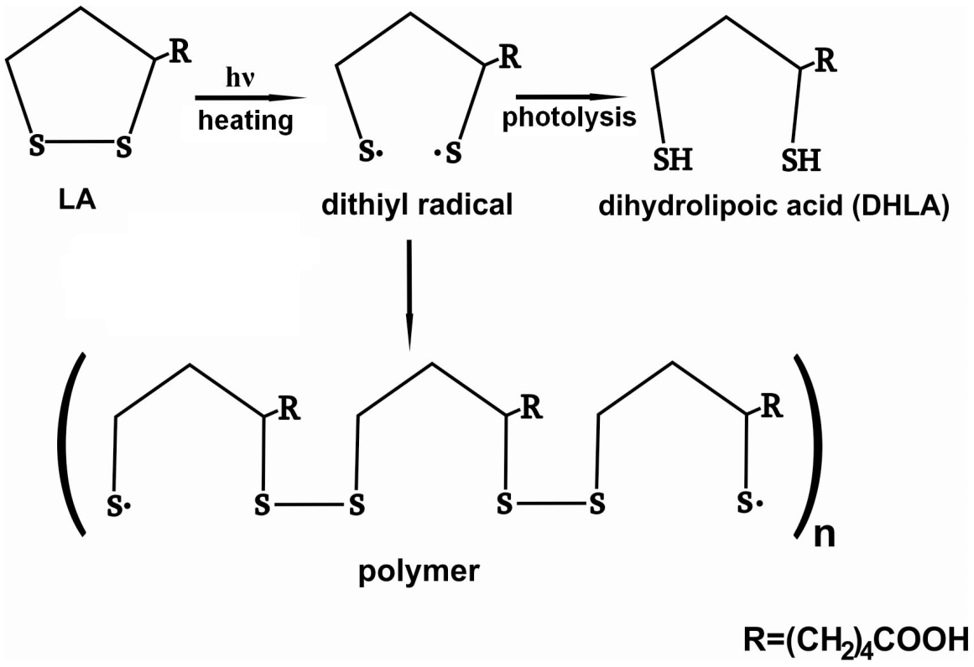
Figure 4: Development of Novel Silica-Based Formulation of α-Lipoic Acid
4.1.3Antioxidants
Since both phospholipids and α-lipoic acid are highly susceptible to oxidative degradation, the incorporation of antioxidants is essential for improving formulation stability. Lipid peroxidation is one of the major causes of liposomal instability, leading to vesicle breakdown and drug leakage.
Vitamin E (tocopherol) and Butylated Hydroxytoluene (BHT) are commonly used antioxidants in liposomal formulations. Vitamin E, being lipid-soluble, integrates into the phospholipid bilayer and provides protection against oxidative stress, while BHT acts as a synthetic antioxidant that prevents free radical-mediated degradation of lipids. The combined use of antioxidants significantly enhances the chemical stability and shelf-life of liposomal ALA formulations [7, 10].
4.1.4 Cryoprotectants / Stabilizers
Cryoprotectants are particularly important in freeze-dried (lyophilized) liposomal systems, where they protect vesicular structure during freezing and drying processes. Without cryoprotectants, liposomes may undergo fusion, aggregation, or irreversible structural collapse due to ice crystal formation.
Trehalose and sucrose are widely used cryoprotectants due to their ability to form hydrogen bonds with phospholipid head groups, thereby preserving membrane integrity during dehydration. These sugars stabilize the bilayer structure and prevent leakage of encapsulated ALA upon rehydration. Their inclusion is essential for improving long-term storage stability and maintaining consistent drug delivery performance [18, 9].
4.1.5 Cream Base (Semisolid Vehicle)
The final liposomal dispersion is incorporated into a topical semisolid base, typically an oil-in-water (O/W) emulsion system. This base enhances patient compliance, ease of application, and skin spreadability while maintaining the stability of liposomal vesicles.
Common excipients used in cream bases include cetyl alcohol (emollient and consistency agent), stearic acid (thickening and emulsifying agent), and carbomers (gelling agents that provide viscosity and stability). The O/W emulsion system ensures that liposomal vesicles are uniformly distributed within the formulation, allowing controlled release and enhanced skin hydration. The compatibility between liposomes and the cream base is critical to avoid vesicle rupture or aggregation during storage and application [11, 7].
The combination of phospholipids, cholesterol, antioxidants, cryoprotectants, and a semisolid cream base results in a stable and effective liposomal ALA delivery system. Each component contributes uniquely to vesicle stability, drug protection, and controlled dermal delivery. However, achieving optimal balance among these excipients is essential to overcome challenges such as oxidation, leakage, and phase instability, which remain key concerns in commercial-scale formulation development.
5. EVALUATION PARAMETERS OF LIPOSOMAL ALA CREAM
The evaluation of liposomal α-lipoic acid (ALA) cream is a critical step in ensuring its physicochemical stability, biological performance, and suitability for topical application. Since liposomal systems are complex colloidal carriers incorporated into semisolid bases, a comprehensive evaluation is required to assess vesicle integrity, drug release behavior, and long-term stability. These parameters collectively determine the therapeutic efficacy and commercial viability of the formulation [8, 9].
5.1 Vesicle Characterization
Vesicle characterization is essential to evaluate the structural integrity, stability, and performance of liposomal carriers.
5.1.1 Particle Size (100–300 nm Ideal for Dermal Delivery)
Particle size plays a critical role in skin penetration and drug delivery efficiency. Liposomes in the range of 100–300 nm are considered optimal for dermal application as they can penetrate the stratum corneum more effectively and interact with skin lipid layers. Smaller vesicles generally exhibit better skin deposition and controlled release properties [8].
5.1.2 Polydispersity Index (PDI)
PDI indicates the uniformity of vesicle size distribution. A lower PDI (<0.3) suggests a homogeneous population of liposomes, which is desirable for reproducible drug delivery and stability. A high PDI reflects broad size distribution, which may lead to instability, aggregation, and inconsistent drug release [9].
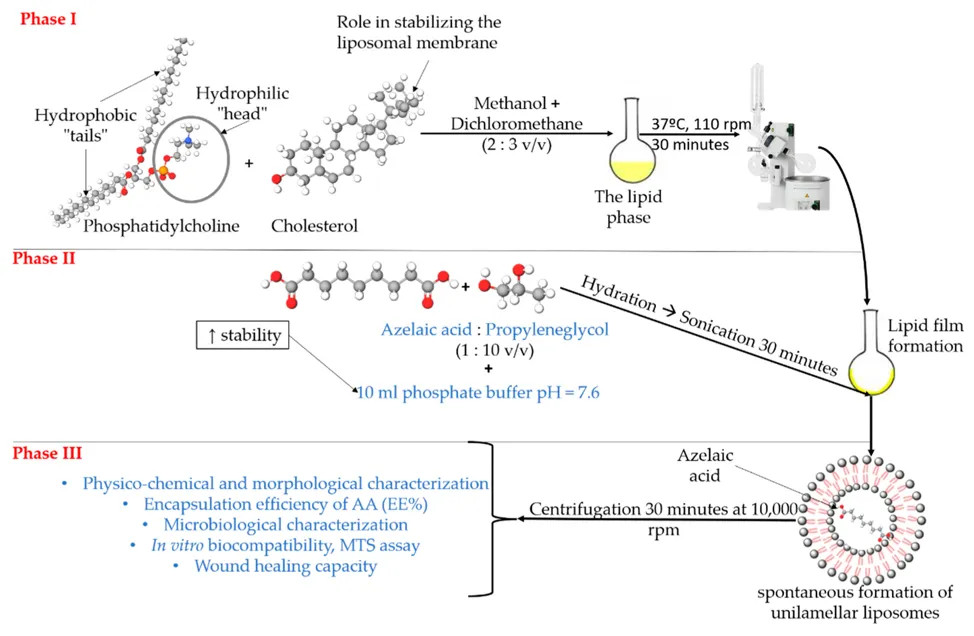
Figure 5: Novel Liposomal Formulation with Azelaic Acid: Preparation
5.1.3 Zeta Potential (Stability Indicator)
Zeta potential measures the surface charge of liposomes and is a key indicator of physical stability. High absolute zeta potential values (±30 mV or higher) indicate strong electrostatic repulsion between vesicles, reducing aggregation and fusion. In liposomal ALA systems, zeta potential is critical for predicting long-term colloidal stability [6].
5.1.4 Entrapment Efficiency (% EE of ALA)
Entrapment efficiency reflects the percentage of drug successfully encapsulated within liposomes. High entrapment efficiency ensures better drug loading and sustained release. It is influenced by lipid concentration, cholesterol ratio, preparation method, and drug–lipid interactions. A higher %EE is desirable for achieving therapeutic effectiveness and formulation stability [7].
5.2 Drug Content and Release Studies
5.2.1 UV or HPLC Estimation of ALA
Drug content analysis ensures uniform distribution of ALA within the formulation. UV spectroscopy or High-Performance Liquid Chromatography (HPLC) is commonly used for quantification. HPLC is preferred due to its higher specificity and sensitivity, especially in complex lipid-based systems where interference may occur [2].
5.2.2 In Vitro Diffusion Using Franz Diffusion Cell
In vitro drug release studies are performed using Franz diffusion cells to simulate skin permeation behavior. The formulation is placed on a synthetic or biological membrane, and drug diffusion into the receptor medium is monitored over time. This method helps evaluate the permeation efficiency and release profile of liposomal ALA from the cream base [11].
5.2.3 Controlled Release Kinetics (Higuchi Model Often Observed)
The release kinetics of liposomal formulations often follow the Higuchi model, indicating diffusion-controlled release from a matrix system. This model suggests that drug release is proportional to the square root of time, reflecting sustained and controlled delivery behavior, which is highly desirable for topical antioxidant therapy [9].
5.3 Stability Studies
Stability evaluation is essential to determine the shelf-life and commercial viability of liposomal ALA cream.
5.3.1 Accelerated Stability (40°C / 75% RH)
Accelerated stability testing is conducted under ICH guidelines to predict long-term stability in a shorter time frame. Exposure to elevated temperature and humidity helps identify potential degradation pathways such as lipid oxidation, vesicle fusion, and drug leakage [28].
5.3.2 Refrigerated Storage (4–8°C)
Refrigerated storage studies assess the stability of liposomes under controlled low-temperature conditions. Liposomal formulations generally show improved stability at refrigerated temperatures due to reduced lipid oxidation and slower molecular motion, which minimizes vesicle degradation.
5.3.3 Centrifugation Test for Phase Separation
Centrifugation studies are used to evaluate physical stability by applying high centrifugal force to detect phase separation, creaming, or aggregation. A stable formulation should remain uniform without visible separation after centrifugation, indicating good structural integrity of liposomes within the cream base [8].
6. STABILITY CHALLENGES IN LIPOSOMAL ALA CREAM
Despite their significant advantages in enhancing dermal delivery and improving the stability of active pharmaceutical ingredients, liposomal α-lipoic acid (ALA) creams are inherently associated with multiple stability challenges. These limitations arise due to the thermodynamically unstable nature of liposomes, the chemical sensitivity of phospholipids, and the oxidative susceptibility of ALA itself. Together, these factors significantly influence the shelf-life, therapeutic efficiency, and commercial feasibility of the formulation [6, 9].
6.1 Chemical Instability
Chemical instability represents one of the most critical challenges in liposomal ALA formulations. Liposomes are primarily composed of phospholipids, which are highly susceptible to oxidative and hydrolytic degradation. Phospholipid oxidation occurs when unsaturated fatty acid chains react with oxygen, leading to the formation of peroxides and breakdown products that compromise membrane integrity. This process ultimately results in leakage of encapsulated drug and reduced vesicle stability [7].
In addition to oxidation, hydrolysis of ester bonds in phospholipids can occur in the presence of moisture, leading to the formation of lysophospholipids and free fatty acids. This degradation weakens the bilayer structure and promotes vesicle instability. Furthermore, degradation of unsaturated fatty acids accelerates membrane rigidity loss and increases permeability, further contributing to drug leakage and reduced formulation efficiency [10].
Alpha-lipoic acid itself is also chemically unstable. It is highly sensitive to oxidative environments and can undergo degradation into inactive dithiol and other by-products under exposure to heat, light, and oxygen. This dual instability—of both the drug and lipid carrier—makes chemical stabilization a major formulation challenge in liposomal ALA systems [2].
6.2 Physical Instability
Physical instability in liposomal systems refers to changes in vesicle structure, size distribution, and integrity over time. One of the most common issues is aggregation and fusion of vesicles, which occurs due to weak repulsive forces between liposomes. This leads to an increase in particle size and broadening of size distribution, ultimately affecting uniformity and drug release behavior[9].
Leakage of encapsulated ALA is another major concern. Over time, the permeability of the lipid bilayer may increase due to structural rearrangements, resulting in gradual escape of the drug from vesicles. This reduces entrapment efficiency and compromises sustained release properties, which are essential for topical antioxidant therapy.
An increase in particle size over time is frequently observed due to vesicle fusion and aggregation. This phenomenon negatively impacts skin penetration efficiency and reduces formulation stability. Additionally, when liposomal dispersions are incorporated into cream bases, phase separation may occur due to incompatibility between vesicles and the semisolid emulsion system, leading to non-uniform distribution and reduced therapeutic consistency [8].
6.3 Environmental Sensitivity
Liposomes are highly sensitive to external environmental conditions, which significantly influence their stability. Temperature fluctuations are particularly detrimental, as elevated temperatures increase lipid fluidity and accelerate oxidation and hydrolysis reactions. Conversely, very low temperatures may induce phase transitions in phospholipids, leading to vesicle rupture or leakage upon thawing [6].
Light exposure is another major destabilizing factor. Photodegradation of both phospholipids and ALA can occur under UV or visible light, resulting in loss of structural integrity and reduced antioxidant activity. Therefore, liposomal ALA formulations often require opaque or light-resistant packaging to minimize degradation.
pH variations also affect liposomal stability. Extreme acidic or alkaline conditions can accelerate hydrolysis of phospholipids and destabilize vesicle membranes. Since topical formulations are applied to skin with slightly acidic pH, maintaining formulation pH within the physiological range is essential for stability and compatibility.
Oxygen exposure further accelerates oxidative degradation of both ALA and phospholipid components. Continuous exposure to atmospheric oxygen leads to lipid peroxidation, resulting in compromised membrane integrity and reduced formulation efficacy [7].
6.4 Storage Limitations
Long-term storage stability remains one of the most significant challenges in the development of liposomal ALA cream. Even when optimized formulations are prepared using stabilizers and antioxidants, gradual deterioration of vesicle structure is commonly observed over time.
One of the primary issues is reduced entrapment efficiency during storage. This occurs due to slow leakage of ALA from liposomal vesicles, leading to a decline in drug loading capacity and therapeutic potency. Additionally, vesicle deformation may occur at elevated temperatures, resulting in changes in shape, size, and membrane integrity.
Loss of structural integrity during prolonged storage is also frequently reported. This includes vesicle fusion, aggregation, and collapse of lipid bilayers, particularly under non-refrigerated conditions. These changes directly impact the reproducibility, efficacy, and shelf-life of the formulation, making storage optimization a critical aspect of product development [10, 9].
7. STRATEGIES TO IMPROVE STABILITY
The instability of liposomal α-lipoic acid (ALA) formulations remains a major barrier to their successful clinical and commercial application. To address challenges such as lipid oxidation, vesicle aggregation, drug leakage, and environmental sensitivity, several formulation-based and engineering strategies have been developed. These approaches aim to enhance both physicochemical stability and long-term shelf-life while maintaining optimal drug delivery performance [7, 9].
7.1 Lipid Optimization
One of the most effective approaches to improve liposomal stability is the careful selection and optimization of lipid components. The use of saturated phospholipids instead of unsaturated phospholipids significantly reduces susceptibility to oxidative degradation. Saturated lipids contain no double bonds, making them less prone to lipid peroxidation, thereby enhancing membrane integrity and stability during storage [10].
In addition, the incorporation of cholesterol plays a critical role in stabilizing the lipid bilayer. Cholesterol intercalates between phospholipid molecules, reducing membrane fluidity at higher temperatures and preventing leakage of encapsulated α-lipoic acid. This results in improved mechanical strength, reduced permeability, and enhanced structural rigidity of liposomal vesicles, thereby increasing their resistance to environmental stress [6, 7].
7.2 Surface Modification
Surface modification techniques are widely employed to improve the colloidal stability and functional performance of liposomes.
7.2.1 PEGylation (Polyethylene glycol modification) is one such strategy that provides steric stabilization by forming a hydrophilic protective layer around the liposomal surface. This reduces opsonization, prevents aggregation, and enhances systemic and topical stability by minimizing vesicle–vesicle interactions. PEGylated liposomes demonstrate improved resistance to enzymatic degradation and extended circulation or retention time in biological systems [21].
7.2.2 Chitosan coating is another promising approach for improving liposomal stability in topical formulations. Chitosan, a positively charged biopolymer, interacts electrostatically with negatively charged phospholipid surfaces, forming a protective coating around liposomes. This not only enhances physical stability but also provides mucoadhesive properties, improved skin retention, and controlled drug release. Chitosan-coated liposomes have shown superior performance in maintaining vesicle integrity under physiological and storage conditions [11].
7.2.3 Lyophilization (Freeze-Drying)
Lyophilization is one of the most widely used techniques to improve the long-term stability of liposomal formulations. In this process, water is removed from liposomal dispersions under low temperature and vacuum conditions, converting them into dry powder forms that are more stable during storage.
Freeze-dried liposomes exhibit significantly improved chemical and physical stability compared to aqueous dispersions. However, the process can induce stress on vesicle membranes, leading to aggregation or fusion if not properly protected. Therefore, cryoprotectants such as sucrose and trehalose are essential additives. These sugars stabilize the lipid bilayer by replacing water molecules and forming hydrogen bonds with phospholipid head groups, thereby preserving vesicle structure during freezing and drying cycles [18, 9].
Upon reconstitution, properly lyophilized liposomes retain their original size distribution, entrapment efficiency, and drug release characteristics, making this technique highly valuable for improving shelf-life of liposomal ALA systems.
7.2.4 Antioxidant Incorporation
Since oxidative degradation is a major cause of instability in liposomal systems, incorporation of antioxidants is a crucial strategy for stabilization. Lipid-soluble antioxidants such as Vitamin E (tocopherol) and ascorbyl palmitate are commonly used to protect phospholipid bilayers from peroxidation. These antioxidants integrate into the lipid membrane and scavenge free radicals, thereby preventing oxidative chain reactions [7].
Butylated hydroxytoluene (BHT), a synthetic antioxidant, is also widely used due to its strong free radical scavenging ability and effectiveness in preventing lipid oxidation. The combined use of natural and synthetic antioxidants significantly enhances the chemical stability of both phospholipids and encapsulated α-lipoic acid, ensuring prolonged formulation integrity and efficacy.
7.2.5 Alternative Lipid Carriers
In recent years, alternative lipid-based nanocarriers have been developed to overcome the inherent limitations of conventional liposomes. Among these, Nanostructured Lipid Carriers (NLCs) and Solid Lipid Nanoparticles (SLNs) have gained significant attention.
SLNs are composed of solid lipids that remain in a solid state at both room and body temperatures, providing enhanced physical stability and controlled drug release. However, they may suffer from limited drug loading capacity due to their highly ordered crystalline structure.
NLCs, on the other hand, represent a second-generation lipid carrier system that combines solid and liquid lipids. This imperfect lipid matrix improves drug loading capacity, reduces drug expulsion during storage, and enhances long-term stability compared to conventional liposomes. Studies have shown that NLCs provide superior protection against oxidative degradation and offer more stable delivery systems for unstable molecules like α-lipoic acid [14, 15].
7.2.6 Conclusion of Stability Strategies
Overall, the stability of liposomal α-lipoic acid cream can be significantly enhanced through a multi-dimensional formulation approach involving lipid optimization, surface modification, lyophilization, antioxidant incorporation, and exploration of advanced lipid nanocarriers. A combination of these strategies is often required to overcome the complex instability mechanisms associated with both liposomes and ALA, ensuring improved therapeutic performance and commercial viability.
8. RECENT ADVANCES
In recent years, significant advancements in nanotechnology-based drug delivery systems have led to improved strategies for enhancing the stability, bioavailability, and therapeutic efficiency of α-lipoic acid (ALA). These innovations primarily focus on overcoming the limitations of conventional liposomal systems, particularly issues related to chemical instability, vesicle leakage, and limited long-term storage stability. Modern research has shifted toward hybrid and modified nanocarriers that provide superior performance in topical and dermal applications [9, 7].
8.1 Chitosan-Coated Liposomes for Enhanced Dermal Retention
One of the most promising advancements is the development of chitosan-coated liposomes. Chitosan, a natural cationic polysaccharide, is widely used to modify liposomal surfaces due to its biocompatibility, biodegradability, and strong mucoadhesive properties. When applied to liposomes, chitosan forms a positively charged polymeric layer around the vesicles, enhancing their interaction with the negatively charged skin surface.
This modification significantly improves dermal retention, prolongs residence time on the skin, and reduces drug loss due to rapid diffusion or degradation. Additionally, chitosan coating provides an additional protective barrier against oxidative stress, thereby improving the stability of encapsulated ALA and enhancing its sustained release profile [11, 23].
8.2 Nanostructured Lipid Carriers (NLCs) for Improved Stability
Nanostructured Lipid Carriers (NLCs) represent a second-generation lipid nanoparticle system that has demonstrated superior performance compared to conventional liposomes. NLCs are composed of a mixture of solid and liquid lipids, creating an imperfect lipid matrix that enhances drug loading capacity and reduces drug expulsion during storage.
For unstable compounds such as ALA, NLCs offer improved protection against chemical degradation and oxidation. Their solid lipid framework ensures better physical stability, while the presence of liquid lipids enhances drug solubility and release characteristics. Studies have shown that NLC-based ALA formulations exhibit higher entrapment efficiency, prolonged release, and improved long-term stability compared to traditional liposomal systems [14, 15].
8.3 Solid Self-Emulsifying Drug Delivery Systems (S-SEDDS)
Solid self-emulsifying drug delivery systems (S-SEDDS) have emerged as another innovative approach to enhance the solubility and stability of poorly water-soluble drugs like ALA. These systems consist of oils, surfactants, and co-surfactants that spontaneously form fine oil-in-water emulsions upon contact with gastrointestinal fluids or skin moisture.
In topical applications, S-SEDDS improve drug dispersion, enhance permeation through the stratum corneum, and protect ALA from environmental degradation. By converting liquid self-emulsifying systems into solid dosage forms, these systems also offer improved stability, ease of handling, and better patient compliance [24].
8.4 Hybrid Liposomal Gels for Prolonged Skin Retention
Hybrid liposomal gels represent an advanced formulation strategy where liposomes are incorporated into gel-based systems such as carbomer, hydroxypropyl methylcellulose (HPMC), or other polymeric matrices. This combination enhances both the structural stability of liposomes and the rheological properties of the formulation.
Hybrid gels provide a dual advantage: the liposomal system ensures controlled drug delivery at the cellular level, while the gel matrix improves viscosity, spreadability, and skin adhesion. This results in prolonged retention time on the skin surface and sustained release of ALA, making it particularly suitable for anti-aging and antioxidant dermatological therapies [11, 6].
8.5 Impact of Recent Advances
Collectively, these advanced nanocarrier systems have significantly improved the performance of α-lipoic acid formulations. Compared to conventional liposomes, modified and hybrid systems demonstrate enhanced stability, improved dermal penetration, higher bioavailability, and better controlled release profiles. These innovations represent a major step forward in the development of next-generation cosmeceutical and dermatological products based on ALA.
9. CONCLUSION
Liposomal α-lipoic acid (ALA) cream represents a highly promising and advanced approach for topical antioxidant therapy, offering multiple therapeutic advantages over conventional formulations. By encapsulating ALA within phospholipid bilayer vesicles, liposomal systems significantly enhance skin penetration, improve localization of the drug within deeper epidermal and dermal layers, and provide controlled and sustained release. These features collectively result in improved antioxidant activity, better protection against oxidative stress, and enhanced overall therapeutic efficacy in dermatological applications such as anti-aging, photoprotection, and skin rejuvenation.
Despite these significant advantages, formulation stability remains the most critical and limiting factor affecting the successful development and commercialization of liposomal ALA creams. Liposomes are inherently thermodynamically unstable systems, and their performance is highly dependent on maintaining structural integrity over time. Chemical degradation of phospholipids through oxidation and hydrolysis, along with the intrinsic instability of α-lipoic acid itself, leads to reduced entrapment efficiency and loss of drug potency. Additionally, physical instability phenomena such as vesicle aggregation, fusion, leakage of encapsulated drug, and particle size enlargement further compromise formulation uniformity and performance.
Environmental factors such as temperature fluctuations, light exposure, oxygen availability, and pH variations further accelerate degradation processes, significantly affecting the shelf-life and reliability of the formulation. These combined chemical, physical, and environmental instability issues present major challenges in maintaining consistent product quality during storage and real-world usage.
To address these limitations, several advanced stabilization strategies have been explored, including lipid composition optimization (use of saturated phospholipids and cholesterol), surface modification techniques such as PEGylation and chitosan coating, and lyophilization (freeze-drying) with appropriate cryoprotectants. These approaches have shown significant potential in improving vesicle stability, reducing drug leakage, and enhancing long-term preservation of liposomal integrity.
Looking ahead, future research should focus on the development of hybrid lipid-based systems, such as liposome–nanostructured lipid carrier (NLC) combinations, which may offer superior stability and drug loading capacity compared to conventional liposomes. Additionally, emphasis must be placed on scaling up production processes while maintaining reproducibility, stability, and cost-effectiveness. Bridging the gap between laboratory-scale formulations and industrial-scale manufacturing will be essential for translating liposomal ALA creams into clinically effective and commercially viable dermatological products.
REFERENCES


Anshuman Anand, Vandana Sahani, Dr. Shivanand Patil, Formulation and Evaluation of Liposomal ?-Lipoic Acid (ALA) Cream and Stability Challenges: A Critical Review, Int. J. of Pharm. Sci., 2026, Vol 4, Issue 9, 1596-1611. https://doi.org/10.5281/zenodo.22737251
 10.5281/zenodo.22737251