

We use cookies to ensure our website works properly and to personalise your experience. Cookies policy
DJPS College of Pharmacy, Pathri.
This study focuses on the development and evaluation of a multivitamin herbal jelly chocolate, all herbs are extracted by decoction and powder obtained after drying (Concentration) of extract which is used for preparation of jelly, selected herbal ingredients provide a balanced mix of vitamins, minerals, antioxidants, and dietary fibre. Jelly is prepared by boil and set Method (also known as the traditional long-cook method in scientific terminology) in which agar-agar is used as gealing agent. The preparation method is straightforward, adaptable for small-scale or home production, and can also be scaled up for commercial manufacturing. Using agar-agar as the gelling agent offers a vegetarian-friendly, stable texture, while natural preservatives help maintain product safety and extend shelf life.Jelly was evaluated by Physical Appearance, pH Test, Pourability of the mixture, Taste evaluation, Texture analysis and In-vitro dissolution study. Results of optimized trial was found to be read colour with sweet taste having 5.5 pH and good flow of pourability test of mixture, texture of jelly is Firm and slightly elastic. In Vitro Dissolution Test was carried out with help of USP paddle type apparatus and in vitro drug release was found to be 75% in 30 min
Micronutrient deficiencies, often termed "hidden hunger," remain a critical global health challenge, driving a significant surge in consumer demand for functional foods and nutraceuticals[1]. Although conventional oral dosage forms like tablets and capsules efficiently deliver essential multivitamins, they frequently suffer from poor patient compliance due to pill fatigue, unpalatable metallic tastes, and dysphagia—particularly among pediatric and geriatric populations. To overcome these limitations, medicated confectionery systems, such as jelly chocolates, have emerged as highly innovative and patient-compliant vehicles for active nutrient delivery.
Vitamins are organic substances that can be gotten from diet and are necessary in trace levels for healthy metabolism. The majority of vitamins play critical roles in health, meaning that a lack of any specific one usually results in a distinct deficiency disease. Over decades, researchers have analyzed these conditions using both animal laboratory models and broader human populations. By measuring the precise daily amounts needed to completely ward off these diseases—or to keep the body's internal nutrient stores at a safe, healthy level—health organizations are able to calculate official nutritional requirements and set the standard reference guidelines for daily dietary intakes[2]
Antioxidants serve as a vital mechanism against free radical-mediated oxidative damage, playing an indispensable role in preserving physiological health and overall well-being. Every endogenous biomolecule is susceptible to free radical attacks, which can compromise cellular function, trigger cell death, and ultimately drive the pathogenesis of various disease states[3,4].
Minerals represent essential micronutrients indispensable for modulating human physiological homeostasis. They are integral to processes such as skeletal development, enzymatic catalysis, neurological signaling, and immunological defense. Consequently, both inadequate intake and excessive accumulation of these elements can precipitate severe clinical complications[5].
The term "dietary fiber" was originally coined by Hipsley in 1953 to describe the indigestible plant cell wall constituents, including lignin and non-starch polysaccharides such as cellulose and hemicellulose Dietary fiber refers to plant-derived carbohydrates, mostly polysaccharides, that resist enzymatic digestion in the human body[6,7].
Oral medication delivery is the most versatile and historically preferred method, offering excellent patient compliance compared to other administration routes[8]. jellies are characterized as transparent or translucent, non-oily, semi-solid formulations. These preparations are highly versatile and engineered for both internal administration and external topical application[9]. Multivitamin jellies can effectively bridge minor nutritional gaps, used to treated as a short-term supplement deficiency. children are highly appealing towards jelly due to their taste, relying on them requires careful management to avoid health complications[10].
This research explores the development, quality control standardization, and organoleptic evaluation of a hybrid multivitamin herbal jelly chocolate delivery system.
MATERIALS AND METHODS:
Material
Table 1 : List of herbal Materials.
|
Sr. No |
Name of Sources |
Biological Source |
Chemical Constituents |
Uses |
Images |
|
|
Tulsi[11,12]
|
It consists of fresh and dried leaves of Ocimum Sactum belong to the family Lamiaceae.
) |
Volatile Oil, Phenolic Compound, Flavonoids, Vitamin A, Vitamin K, Vitamin E, Gallic acid, Eugenol, Camphor, Polysaccharide |
Antitissuve, Antibacterial, Stimulant, Insecticidal, antioxidant properties and reduces blood glucose levels |
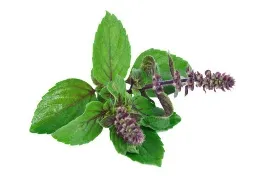
|
|
|
Cinnamon[13–15]
|
Dried inner bark of shoots of coppiced trees of Cinnamomum Zeylanicum belong to the family of Lauraceae |
0.5-1% volatile oils, 1.2% tannins, mucilage, calciumaxalate, starch, mannitol and cinnamom oils Cinnamyl aldehyde, Carbohydrates, Tannin, Vitamin A, and Vitamin K. |
used as Toothache, Antioxidants, Aromatic, Flavouring agent |
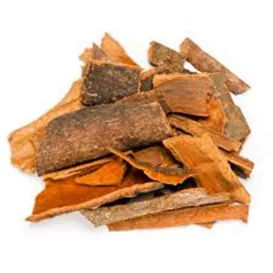
|
|
|
Cardamom[16,17]
|
Derived from the seed of plants within the Elettaria and Amomum belong to the family of Zingiberacea |
1,8 cineole and alpha-terpinyl acetate, Tannin, Starch, Alkaloids, Flavonoids, Terpenoids, Proteins, Vitamin C, Vitamin B6, Volatile oil. |
anti-oxidant, anti-inflammatory and Flavoring agent.
|
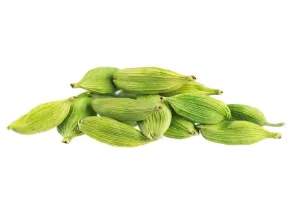
|
|
|
Beet root[18,19] |
It is obtained from the plant beta Vulgaris belong to the family of Chenopodiaceae, originates from both Asia and Europe. |
Water, Carbohydrates and bioactive Compounds like nitrates, Polyphenols, Vitamin B6, Vitamin B9, Vitamin C, Terpenoids, Phenolic acid, Tannin. |
anti-oxidant and anti-inflammatory |
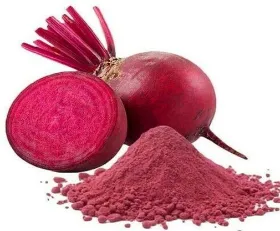
|
|
|
Lemon[20–22]
|
The fresh or dried pericarp of the fruit or Citrus Limon belong to the family of Rutaceae. |
Volatile oil, Vitamins, Polyphenols, Vitamin C, Vitamin B6, Flavonoids, Carbohydrates, Carotenoids, Fibre and Folate. |
improve digestion, Flavouring agent |
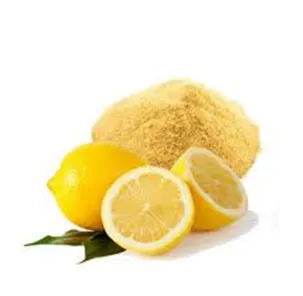
|
|
|
Moringa[23–25]
|
It can consist of dried long, slender of Moringa Oleifera belong to the family Moringaceae. |
Isothiocyanates, Nitrate, Quercetin, Vitamin A, Vitamin C, Vitamin E, Vitamin B complex, Flavonoids |
strengthen the immune system |
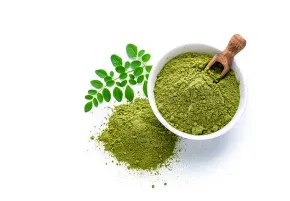
|
|
|
Orange Peel[26,27]
|
It consists Dried peels of orange of Citrus Sinesis belong to the family Rutaceae. |
Essential oil, Flavonoid, Steriod, Vitamin B1, B2, B3, B5, B6, Vitamin C, Vitamin A, Folic acid, Potassium, Pectin, Flavonoids |
Antioxidant, Anticancer, Antimicrobial, Anti-inflammatory |
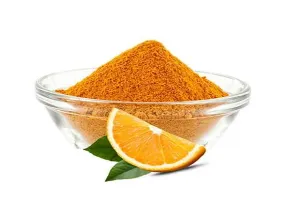
|
|
|
Carrot[28–30]
|
It consists of root of Daucus Carota belong to the family Apiaceae. |
Vitamin A, K, C, B6, Minerals, lutein, B-carotene, Carotenoid, Flavonoids, Phenolic group, Fat, Proteins, carbohydrates, Thiamine |
Support eye, Boost immunity, Improves digestion |
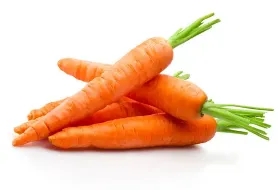
|
|
|
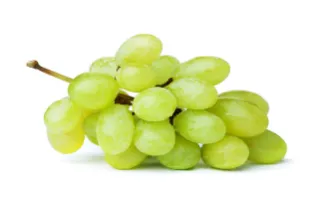
Grapes[31,32]
|
Various species of the Vitis Genus, most notably Vitis Vinifera belong to the family Vitaceae. |
A complex of water, simple sugars and organic acid, Vitamin C, Vitamin K, Vitamin B6, Flavonoid, Glucoside, Poly phenol. |
laxative, carminative property, anti-aging |
|
|
|
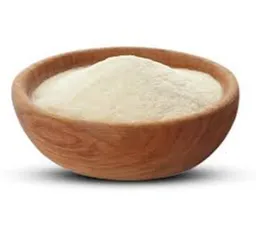
Agar Agar[33–35]
|
Agar is phycocolloid obtained from the red algae, primarily from Gelidium and Gracilaria species belong to the family Gelidiaceae.
|
Agarose, Agaropectin, Minor sugar and proteins, D-galactoses, L-galactoses, Agarobiose.
|
as laxative, emulsifying agent, usead as jelling agent. |
|
|
|
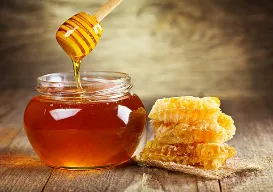
Honey[36–38]
|
Honey is the sugary substance/secretion deposited in the honey comb by the have been apismillifera and other species of apis belonging to family Apidae.
|
It contains glucose 30-40%, fructose 40-50%, some small quantities of sucrose, dextrin, formic acid, also contains proteins, enzymes, vitamins, colouring matter. |
Antiseptic, anti-bacterial, sweetening agent |
|
|
|
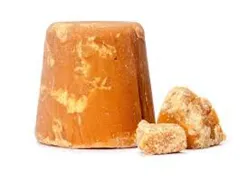
Jaggrey[39,40]
|
Primary produce from sap of sugarcane of Saccharum Officinarum belong to the family Poaceae.
|
Sucrose, Glucose, Iron, Calcium, Phosphorus, Fructose, Protein, Fat, Minral, Vitamins.
|
Sweetener, anti-oxidant and anti-carcinogenic property.
|
|
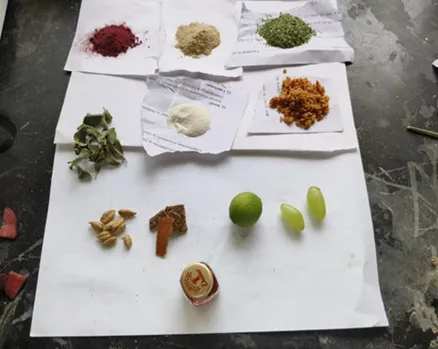
Figure 1: Herbs used in formulation
Table 2: List of Equipment and glassware.
|
Sr.No |
Equipment and glassware. |
|
|
Beaker |
|
|
Measuring Cylinder |
|
|
Petri Disc |
|
|
Spatula |
|
|
Fennel |
|
|
Mortal and Prestel |
|
|
Filter paper |
|
|
Digital Balance |
|
|
Heating Mentle |
|
|
pH Meter |
|
|
Texture Analysis |
|
|
Dissolution Apparatus |
|
|
Sensory Panel |
Method:
Methods are divided into two parts one is extraction and formation of its powder of herbal ingredients from herb (Decoction Method) and second is formulation of powders herbal extract immerged jelly boil and set Method (also known as the traditional long-cook method in scientific terminology).
Decoction Method-
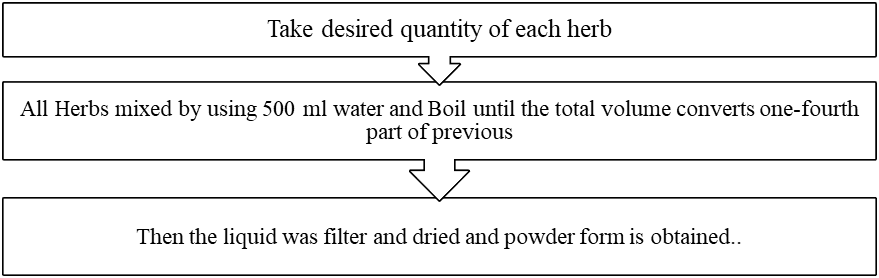
Figure 2: Decoction flow
Decoction is a conventional pharmaceutical extraction method where a crude, raw drug is boiled in a specified volume of water for a defined period, then cooled and filtered to isolate its soluble chemical constituents[41] .
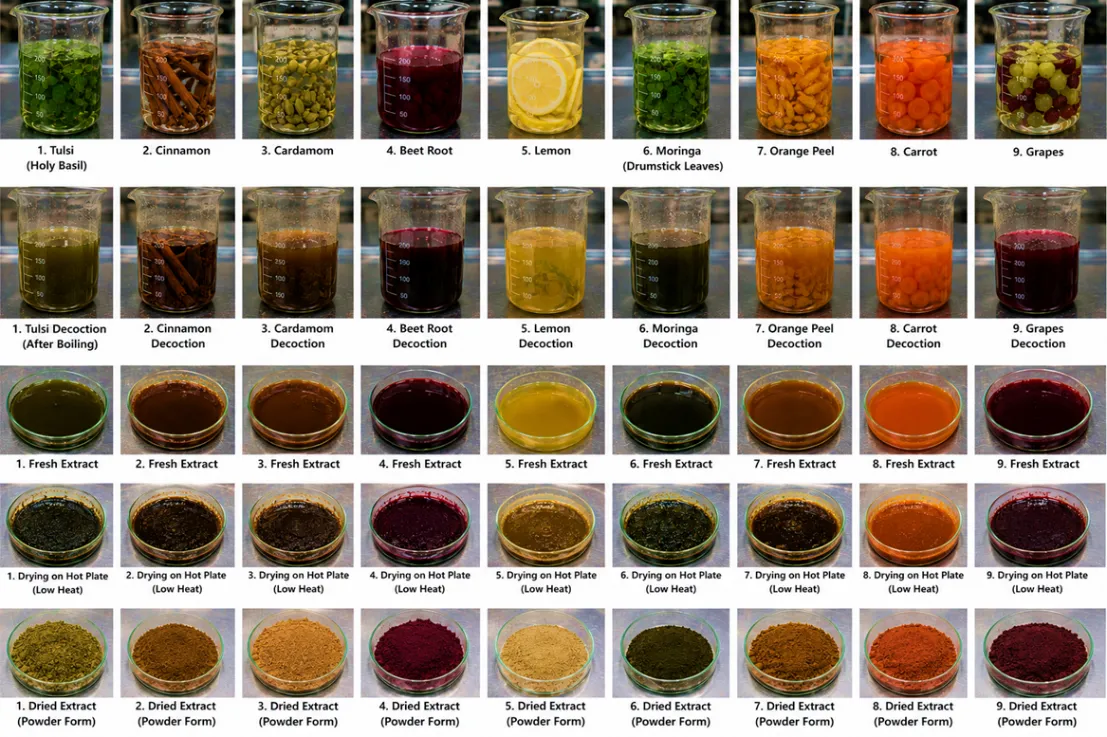
Figure 1: Drying (Concentration) of extract and powder formation of extract
Method of Preparation for Multivitamin Jelli
Boil and set Method (also known as the traditional long-cook method in scientific terminology) is used for prepration of jelly[42].
Table 3:FORMULATION TABLE
|
Sr. No |
Ingredients |
Quantity (F1) |
Quantity (F2) |
Quantity (F3) |
|
1 |
Tulsi |
2gm |
2gm |
4gm |
|
2 |
Cinnamon |
1gm |
1gm |
1gm |
|
3 |
Cardamom |
1gm |
1gm |
2gm |
|
4 |
Beet root |
2gm |
2gm |
4gm |
|
5 |
Lemon |
1ml |
1ml |
2ml |
|
6 |
Moringa |
1gm |
2gm |
3gm |
|
7 |
Orange peel |
1gm |
2gm |
2gm |
|
8 |
Carrot |
1gm |
1gm |
2gm |
|
9 |
Grapes |
2gm |
1.5gm |
2gm |
|
10 |
Agar agar |
2gm |
4gm |
3gm |
|
11 |
Honey |
5ml |
7ml |
15ml |
|
12 |
Jaggrey |
10gm |
12gm |
15gm |
|
13 |
Sodium benzoate |
1gm |
1gm |
1gm |
|
14 |
Water |
q.s. |
q.s. |
q.s. |
Pre formulation study:
Evaluation Parameters of Multivitamin jelly
Following parameters are analysed to evaluate multivitamin jelly.
Physical Appearance[43].
For the most part, the medicated jelly may be physically inspected for appearance, including clarity, texture, transparency, and consistency, in an essentially significant manner.
pH test[44] .
At room temperature, the jellies pH was measured with a digital pH meter. To do this, 50 milliliters of distilled water should be combined with 0.5 grams of jelly to create a 1% solution, and the pH should be recorded. Both stability and flavour are impacted by the finished jelly’s pH level.
Pourability of the mixture[44].
It should be simple to pour the jelly formulation mixture into the moulds. Trisodium citrate and other buffer salts, also known as retarders, are crucial in this process because they interfere sterically with the pectin molecules’ approach during the hot phase and elevate the pH level prior to the addition of acid, preventing pre-gelation. The longer the setting period, which gives enough time for the jelly to set and pour, and the lower the setting temperature, the greater the buffer salt, or retarder, concentration.
Taste evaluation[45]
The volunteers evaluated the tastes. Experts on the taste panel should be given five grams of the improved formulation, and they should be instructed to put the gel in their mouths for five seconds. They were questioned about the flavour.
Texture analysis[9]
This method involves using two fingers to push the gel surface. The geometry of a finger pushed into the material was replicated using a hemispherical probe with a 12 mm diameter. A load cell that analyses sample response as a function of probe penetration is directly attached to the traveling probe.
In-vitro dissolution study[46]
The USP paddle type apparatus was maintained at 370C ± 0.50C and 50 rpm for the in-vitro dissolution investigation using 900ml of dissolving liquid. After 10, 20, 30, 40, 50, 60, 90, and 120 minutes, 5 ml of the sample should be removed and diluted with 10 ml in a volumetric flask. The sink condition is then maintained by replacing the sample with new medium. Using a UV spectrophotometer or an appropriate analytical technique, the drug content of the sample was ascertained. After taking absorbance, the percentage of drug release was then computed.
RESULTS AND DISCUSSION:
Physical Appearance:
The physical appearance of multivitamin jelly chocolate such as colour, odour and taste were studied and results mentioned in below table.
Table 4 : Result of Physical Appearance of formulation.
|
Sr. No. |
Physical Appearance |
F1 |
F2 |
F3 |
|
1 |
Colour |
Red, Amber |
Red, Amber |
Red, Amber |
|
2 |
Odour |
Pleasant |
Pleasant |
Pleasant |
|
3 |
Taste |
Sweet |
Sweet |
Sweet |
pH Determination:
The pH of all prepare batches of multivitamin herbal jelly chocolate were determined by using digital pH meter and observe pH is given in below table.
Table 5 : Obtained pH of formulation.
|
Sr. No. |
Formulation Code |
pH |
|
1 |
F1 |
4.2 |
|
2 |
F2 |
5 |
|
3 |
F3 |
5.5 |
Pourability Test of Mixture:
Results are mention in below table.
Table 6 : Results of Pourability Test of Mixture
|
Sr. No |
Formulation Code |
Observation |
|
1 |
F1 |
Good flow |
|
2 |
F2 |
Good flow |
|
3 |
F3 |
Good flow |
Taste Evaluation:
Taste of formulation found to be
Table 7 : Results of Taste Evaluation
|
Sr. No. |
Formulation Code |
Observation |
|
1 |
F1 |
Pleasing flavour, slightly sweetness |
|
2 |
F2 |
Pleasing flavour, slightly sweetness |
|
3 |
F3 |
Pleasing flavour, slightly sweetness |
Texture Analysis:
Results of texture analysis was given in below table
Table 8 : Results of texture analysis
|
Sr. No. |
Formulation Code |
Observation |
|
1 |
F1 |
Firm, slightly elastic |
|
2 |
F2 |
Firm, slightly elastic |
|
3 |
F3 |
Firm, slightly elastic |
In Vitro Dissolution Test:
Result of in vitro dissolution test are mention in below table.
Table9 : Result of in vitro dissolution test
|
Sr. No. |
Formulation Code |
Observation |
|
1 |
F1 |
60% in 30 min. |
|
2 |
F2 |
65% in 30 min. |
|
3 |
F3 |
75% in 30 min. |
DISCUSSION
“Formulation and Evaluation of Multivitamin Herbal Jelly Chocolate”, which focuses on developing a nutritious and herbal-based jelly chocolate as an alternative to conventional multivitamin tablets and capsules. The project explains the importance of vitamins, multivitamins, and oral medicated jellies, highlighting their advantages such as easy administration, better patient compliance, pleasant taste, and suitability for pediatric and geriatric patients. The formulation combines several herbal ingredients including tulsi, cinnamon, cardamom, beetroot, lemon, moringa, orange peel, carrot, grapes, agar-agar, honey, jaggery, and sodium benzoate, each selected for their nutritional, antioxidant, antimicrobial, and immunity-boosting properties. The report also provides detailed literature reviews, drug and excipient profiles, chemical constituents, uses, organoleptic characteristics, and storage conditions of all ingredients.
Various evaluation parameters such as physical appearance, pH, pourability, taste, texture, and in-vitro dissolution studies were performed on different formulations (F1, F2, and F3). The results showed that the prepared jelly chocolates had a pleasant taste, good texture, acceptable pH, and effective dissolution properties, with formulation F3 showing the highest drug release. The conclusion states that the developed multivitamin herbal jelly chocolate is a healthy, natural, and palatable nutraceutical product that can improve immunity and overall health while offering a convenient and chewable dosage form for both children and adults. The report also emphasizes that the formulation can serve as a safer and more holistic alternative to synthetic supplements and has potential for commercial production
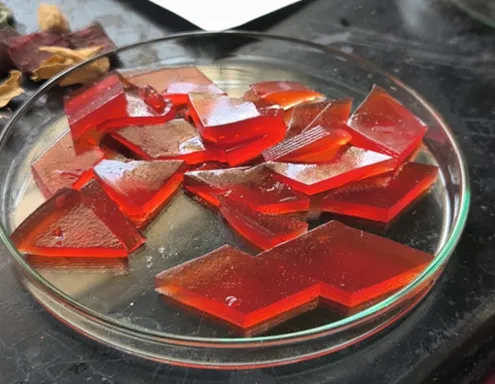
Figure 5 : Optimised Jelly formulation (F3)
The development of multivitamin jelly chocolate using tulsi, cinnamon, cardamom, moringa powder, beetroot powder, orange peel powder, Lemon, carrot, grapes, jaggery, honey, agar-agar and Sodium benzoate offers a fresh and natural approach to dietary supplementation. These jelly
chocolates are notable for their high nutritional value, pleasant taste, and chewable form, making them suitable for both children and adults. The carefully selected ingredients provide a balanced mix of vitamins, minerals, antioxidants, and dietary fiber. By incorporating traditional, nutrient-dense components like moringa and jaggery, the jelly chocolate presents a more holistic alternative to conventional synthetic multivitamin tablets. Additionally, the exclusion of artificial Flavors, colors, and refined sugars aligns with the rising consumer preference for clean-label, natural health products. The preparation method is straightforward, adaptable for small-scale or home production, and can also be scaled up for commercial manufacturing. Using agar-agar as the gelling agent offers a vegetarian-friendly, stable texture, while natural preservatives help maintain product safety and extend shelf life.
ACKNOWLEDGEMENT:
The authors are thankful to DJPS Agriculture college, Pathri, Parbhani , Maharashtra. for providing the herb sample. The authors also thank DJPS Colleage of Pharmacy, Pohetakli, Pathri, Parbhani , Maharashtra for technical support and providing research facilities All outputs were reviewed, edited, and verified by the authors, who take sole responsibility for the integrity of the published work.
REFERENCES

Mogare Vidya, Shrikhande B., Dr. Ramesh Ingole, R. Mohite, V. Mundkar, D. Magar, N. Funne, Formulation And Evaluation of Multi Vitamin Herbal Jelly Chocolate, Int. J. of Pharm. Sci., 2026, Vol 4, Issue 6, 2371-2381, https://doi.org/10.5281/zenodo.20610403
 10.5281/zenodo.20610403