View Article

Abstract

The aim of the present research was to formulate and evaluate the Polyherbal moisturizing Cream. Containing plant extracts prepared by using oil in water method for the purpose of brightening and moisturizing the skin. The moisturizing cream is prepared by using the Dragon Fruit extract, Beetroot extract and extract of turmeric, orange peel, sandal wood, aloe vera, rose water. Stability parameters like visual appearance, nature, viscosity and fragrance of the formulated cream showed that there was no significant variation during the study period of research. The herbal extract containing moisturizing cream gives the moisturized and brightening effect due to slow evaporation of water present in the emulsion and intended for application on skin.

Keywords

Polyherbal moisturizing Cream.Dragon Fruit Beetroot extract turmeric, orange peel, sandal wood, aloe vera, rose water. brightening effect moisturizing the skin

Introduction

× Popup Image

The skin is the largest and most accessible organ of the human body, covering approximately 2 m² and accounting for 16% of body weight. It receives nearly one-third of the body’s blood supply. Most topical formulations are applied to the skin; hence, understanding its anatomy, physiology, and biochemistry is essential. Skin pH ranges from 4 to 5.6, contributing to defense against microbial growth.[1]

Anatomy and Physiology of Skin

The skin has three primary layers:

Epidermis: The outermost layer composed mainly of keratinocytes, which produce keratin for strength and waterproofing. It also contains melanocytes (melanin), Merkel cells (touch sensation), and Langerhans cells (immune function). It is divided into sublayers including the stratum corneum, granular, spinous, and basal layers.

Dermis: Lies beneath the epidermis and contains sensory receptors, collagen, and elastin fibers, giving strength and elasticity. It also aids in Vitamin D synthesis.

Hypodermis (Subcutaneous tissue): Composed of loose connective tissue, fibroblasts, adipose cells, and macrophages. It provides insulation and energy storage.

Functions of the Skin

Acts as a barrier against mechanical and chemical injury

Prevents water loss

Protects against UV radiation

Functions as a sensory and thermoregulatory organ

Plays a role in immune response

Dry Skin (Xerosis)

Dry skin is characterized by reduced moisture and oil content in the epidermis, leading to scaling, itching, and cracking. Causes include frequent hot baths, low humidity, skin disorders (e.g., eczema, psoriasis), systemic conditions (e.g., diabetes, kidney disease), certain medications, and dehydration.

Symptoms: Rough texture, fine lines or cracks, and dull or ashy appearance.

Topical Drug Delivery System (TDDS)

TDDS aims to deliver therapeutic drug concentrations to the targeted skin site. The skin is an ideal route for local drug administration, especially for treating cutaneous conditions like acne and psoriasis. Topical formulations include semi-solids (creams, ointments), sprays, foams, powders, and medicated patches. These may be:

External topicals: Applied directly to the skin surface

Internal topicals: Applied to mucous membranes (oral, vaginal, or rectal) for localized effects

The objectives of the study:

  1. To prepare extract from Hylocereus undatus Haw, Beta Vulgaris, Curcuma longa, aurantium Linn, Santalum spp and Aloe barbadensis miller.
  2. To check the viscosity of various formulated creams.
  3. To formulate Polyherbal Moisturizing Cream containing all the extratcts.
  4. To perform physical characterization, stability study, and antimicrobial activities against bacterial strain such as Staphylococcus aureus ,pH,Spredibility, stability study, and antioxidant, antimicrobial activities against bacterial strain such as Staphylococcus aureus.
  5. To evaluate the safety of prepared Polyherbal Cream by skin irritation study.

MATERIAL AND METHOD:

Plant Material:

  1. Dragon Fruit (Hylocereus undatus)

Dragon fruit, from the Cactaceae family, is rich in flavonoids, phytoalbumins, vitamin C, and essential B-complex vitamins (B1, B2, B3), along with minerals like iron, calcium, and phosphorus. Composed of nearly 80% water, it is a nutrient-dense fruit with antioxidant, anti-aging, and skin-nourishing properties.

The peel contains a high concentration of flavonoids, while the seeds are rich in unsaturated fats, which help reduce bad cholesterol. The high vitamin C content supports collagen synthesis, enhancing skin elasticity and reducing wrinkles. Dragon fruit also offers natural hydration, resulting in softer, brighter, and younger-looking skin.

Due to its antioxidant and anti-inflammatory properties, it protects the skin from free radical damage and environmental stressors. With both nutritional and topical application benefits, dragon fruit proves to be a valuable ingredient in skincare formulations.[4][3]

  1. Beetroot

Beetroot (Beta vulgaris) is also known as Chukander. The natural grouping of beetroot as an herbaceous biennial from Chenopodiaceae family. It is low in caloric value but high in sugar content. It is basically a winter season crop that is grown worldwide. Beetroot is rich in many vitamins like vitamin A, B and C and many minerals like Ca, Mg, Cu, Na, Fe, P and also rich in antioxidant properties. Improves skin glow and hydration- Promotes blood circulation [5]

Beetroot is recognized for its holistic benefits, especially for skin health. Traditionally, it has been associated with beauty and wellness; in ancient Greek mythology, it was believed that Aphrodite, the goddess of beauty and love, consumed beetroot juice to enhance and maintain her charm.

Beetroot is rich in nutrients that support internal cleansing. Regular intake helps detoxify the blood by eliminating toxins and excess fluids, which contributes to clearer and healthier skin. Its natural anti-inflammatory properties help prevent common skin issues such as acne, boils, and other inflammatory conditions by reducing skin irritation and preventing breakouts.

Topical application of beetroot juice helps in maintaining skin hydration and softness. Its antioxidant content supports skin regeneration by eliminating dead cells and promoting the growth of new ones, resulting in a fresh and glowing complexion. Moreover, the antioxidants help protect the skin from premature aging by neutralizing free radicals—one of the major contributors to wrinkles and fine lines.

Another notable component, lycopene, enhances skin elasticity and provides mild sun protection, acting as a natural sunscreen. Overall, beetroot is a potent skin revitalizer when used both topically and internally.[6]

  1. Sandalwood (Santalum album)

Sandalwood has been widely used in Ayurvedic and cosmetic formulations for its calming and skin-soothing effects. It contains natural oils that nourish the skin and help maintain an even tone. Its antimicrobial and anti-inflammatory properties make it effective in treating acne, blemishes, and skin irritation. When applied topically, sandalwood paste can cool the skin, reduce inflammation, and support healing of minor wounds. It also helps in reducing tan, pigmentation, and gives a radiant glow to the skin.[7]

  1. Turmeric (Curcuma longa)

Turmeric is a renowned medicinal herb known for its powerful antioxidant and anti- inflammatory activity, largely due to its active compound curcumin. It helps combat skin conditions such as acne, eczema, and psoriasis. Turmeric aids in brightening the complexion, reducing scars and blemishes, and promoting an even skin tone. Itsantiseptic nature makes it effective in preventing bacterial growth on the skin, while its antioxidant action delays signs of aging such as wrinkles and fine lines.[7][8]

  1. Orange Peel (Citrus aurantium or Citrus sinensis)

Orange peel is a rich source of Vitamin C, flavonoids, and essential oils. It acts as a natural exfoliant and helps in removing dead skin cells, excess oil, and impurities. Its astringent property tightens the skin and reduces the appearance of pores. The high antioxidant content helps in brightening dull skin and reducing dark spots and pigmentation. Additionally, it helps balance oily skin and provides a refreshing effect when used in skincare formulations.[9]

  1. Aloe Vera (Aloe barbadensis Miller)

Aloe Vera is widely used for its hydrating, cooling, and healing properties. The gel extracted from its leaves is rich in vitamins, enzymes, amino acids, and polysaccharides, which help moisturize and soothe irritated skin. It is particularly effective in calming sunburn, reducing redness, and promoting skin repair. Aloe vera also supports collagen synthesis, helping in skin regeneration and minimizing signs of aging. Its antibacterial and antifungal properties make it suitable for acne-prone skin.[7]

  1. Rose Water (Rosa damascena)

Rose water is a gentle and aromatic extract known for its toning and revitalizing effects on the skin. It helps maintain the skin’s natural pH balance and controls excess oil while hydrating and refreshing the skin. Its anti-inflammatory properties soothe redness, irritation, and puffiness. Rich in antioxidants, rose water also provides mild antimicrobial protection and supports skin regeneration, making it suitable for sensitive and mature skin types.[14]

2. Excipients

i) Methylparaben   

Methylparaben serves as the primary preservative, offering broad-spectrum antimicrobial activity against bacteria, fungi, and yeast. Its inclusion ensures microbial safety throughout the shelf life of the cream, particularly important in formulations containing aqueous herbal extracts.

ii) Glycerine

Glycerine acts as a humectant, retaining moisture both in the product and on the skin, while also helping to lower water activity, thereby indirectly contributing to microbial control and preventing desiccation of the formulation..

iii) Stearic acid

Stearic acid functions as a co-emulsifier and stabilizer, supporting the formation of a stable oil-in-water emulsion and improving the product's texture and consistency

iv) Cetyl alcohol,

Cetyl Alcohol, fatty alcohol, enhances the viscosity and feel of the cream, while also assisting in stabilizing the emulsion and improving moisture retention.

V) Triethanolamine (TEA)

Triethanolamine is included as a pH-adjusting agent and emulsifier; it neutralizes stearic acid to facilitate stable emulsion formation and maintains the formulation at a skin-friendly pH, which is also essential for the optimal performance of preservatives like methylparaben[8]

Methods of preparation of extraction

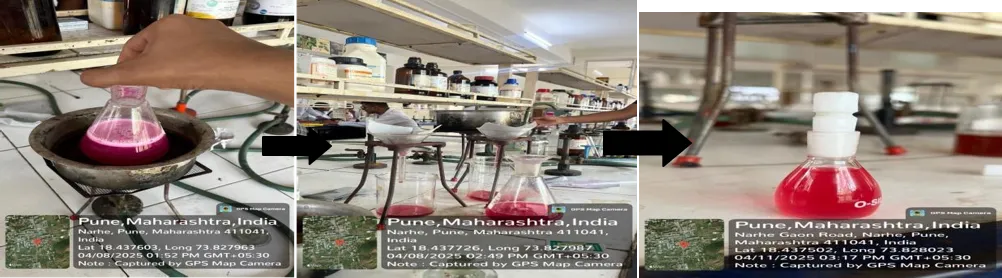
A. Dragon fruit moderately course powder taken into beaker.

B. It is boiled on low heat until water is reduced by ¼ volume.

C. The mixture is filter and decoction as final product is collected.

D. Same procedure is applied to turmeric, orange peel and sandalwood.

1. DRAGONFRUIT EXTRACTION :
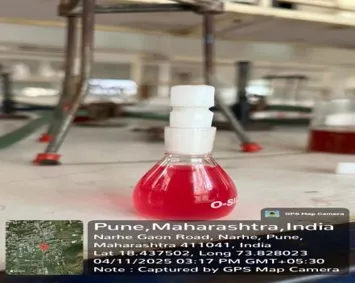
    1. Crude powder weight accurately 5 g for 100 ml Water
    2. The powder is boiled in specific volume of water (1:4)
    3. Boil for a defined time.
    4. Volume is reduced to 1/4th of the original
    5. Cooled and strained / filtrate collected.

2. SANDALWOOD EXTRACTION :

Sandalwood has an anti-tanning and anti-aging property. It also helps skin in many ways like toning effect, emollient, antibacterial properties, cooling astringent property, soothing and healing property.
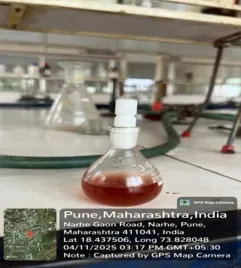
The preparation method is that red sandalwood powder is soaked in different solvents (water or 95% ethanol or n-hexane).

  1. Crude powder weight accurately 5 g for 100 ml Water
  2. The powder is boiled in specific volume of water (1:4)
  3. Boil for a defined time.
  4. Volume is reduced to 1/4th of the original
  5. Cooled and strained / filtrate collected.

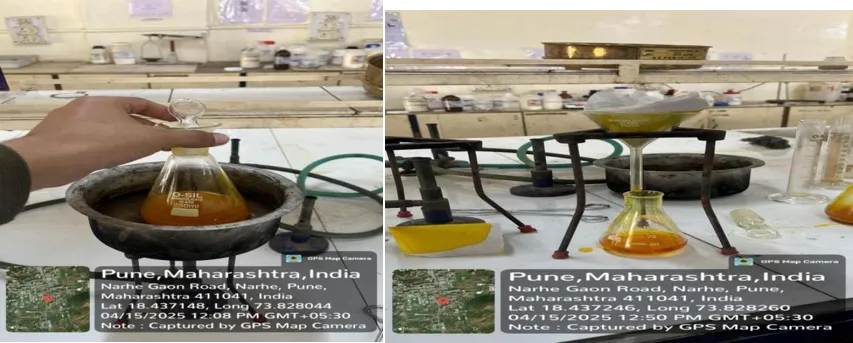
3. TURMERIC EXTRACTION : in alcohol

    1. Crude powder weight accurately 5 g for 100 ml ETHANOL
    2. The powder is boiled in specific volume of water (1:4)
    3. Boil for a defined time
    4. Volume is reduced to 1/4th of the original
    5. Cooled and strained / filtrate collected.

4. BEETROOT EXTRACTION : In water

The preparation method is that Beetroot powder is soaked in water overnight and Decoction is performed.
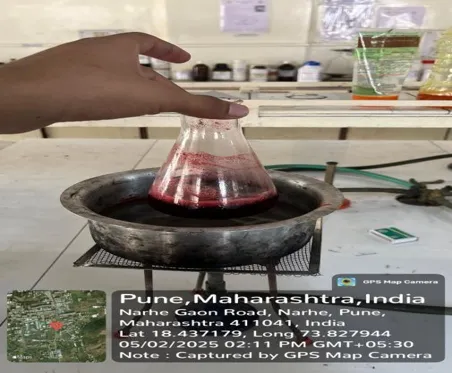
    1. Crude powder weight accurately 5 g for 100 ml ETHANOL
    2. The powder is boiled in specific volume of water (1:4)
    3. Boil for a defined time
    4. Volume is reduced to 1/4th of the original
    5. Cooled and strained / filtrate collected.

METHODOLOGY

  1. All ingredients of the oil phase and water phase were measured separately and taken in clean beakers or porcelain dishes.
  2. The oil phase, consisting of stearic acid and cetyl alcohol, was melted at 70–75°C using a water bath.
  3. Simultaneously, the water phase, containing glycerin, triethanolamine, propyl paraben, and purified water, was heated to the same temperature (70–75°C).
  4. Once both phases reached the desired temperature, the oil phase was slowly added to the water phase with continuous stirring to initiate emulsification.
  5. Using a mortar and pestle, stirring was continued thoroughly. Initially, the emulsification rate is slow, but it gradually increases as the mixture becomes more homogeneous.
  6. After a uniform cream is formed, the mixture was allowed to cool to room temperature while stirring occasionally.
  7. Once cooled, perfume was added to the formulation and mixed uniformly.
  8. The final cream was transferred into a suitable air-tight container and stored for further evaluation.

FORMULATION TABLE :

Sr. No.

Ingredient

F1

F2

F3

F4

F5

Quantity (20gm)

Role of Ingredients

1.

Dragon fruit extract

2ml

3ml

2.5ml

3ml

2ml

2ml

Antioxidant

2.

Sandalwood extract

1ml

1ml

2ml

2ml

1.5ml

2ml

Reduce Skin Tanning

3.

Orange peel extract

1ml

1ml

1ml

1ml

2ml

1ml

Lightening Skin.

4.

Turmeric extract

1ml

1ml

1.5ml

1ml

1.5ml

1ml

Brightening Skin.

5.

Beetroot extract

1ml

1ml

1ml

1ml

2ml

2ml

Nutritional Benefits.

6.

Stearic acid

1.5gm

1.6gm

1.6gm

1.7gm

1.7gm

2gm

Base.

7.

Cetyl alcohol

0.4gm

0.5gm

0.5gm

0.6gm

0.7gm

0.7gm

Emolient

8.

Triethanolamine

0.2ml

0.2ml

0.2ml

0.2ml

0.3ml

0.4ml

Emulsifying agent

9.

Methyl paraben

0.02gm

0.02gm

0.02gm

0.02gm

0.02gm

0.04gm

Preservative

10.

Alovera gel

1gm

q.s

q.s

q.s

q.s

q.s

Moisturizer

11.

Glycerine

0.5m

0.5ml

1ml

1ml

1.5ml

1.5ml

Humectant

12.

Rose water

3ml

2ml

2ml

3ml

2ml

2ml

Fragrance/ Vehicle

EVALUATION TEST OF CREAM :

The Evaluation Tests of the formulation was carried out as follows.

PHYSICAL PROPERTIES

Appearance: The appearance of the cream was judged by its Color, Odour and Texture.

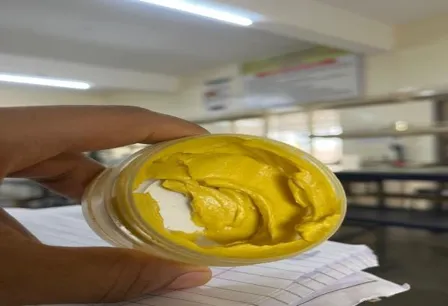
Colour : Yellow

Odour : Aromatic

Texture : Smooth and Soft

Spreadability Test:

500mg of the cream was sandwiched between 2 slides A weight of 100gm was placed on upper slide. The Weight was removed and extra cream was scrapped off. The Lower slide was fixed on board of apparatus and upper slide was fixed with non-Flexible string on which 20g load was applied. Time take by upper slide to slip off was noted down and the spread ability was tested.

Homogeneity: 

This test for the gel was done by physical touch with hands.

Removal : The removal of the gel applied on skin was done by washing under tap water with minimal force to remove the gel.

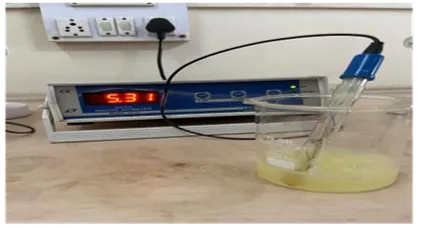
pH of the Cream: The pH meter was calibrated using standard buffer solution, About 0.5g of the cream was weighed and dissolved in 50.0 ml of distilled water and its pH was measured. Measured ph was 5.31
Viscosity:

The viscosity of the prepared polyherbal moisturizing cream was evaluated to determine its flow characteristics, spreadability, and consistency. Viscosity directly affects the application behavior and consumer acceptability of topical formulations. The measurement was carried out using a Brookfield Viscometer (or mention the viscometer used, if different) at room temperature (25 ± 1°C). The sample was placed in a suitable container, and the viscosity was measured using an appropriate spindle (e.g., spindle no. 64) at a specific rotation speed (e.g., 10, 20, and 50 rpm). The readings were noted in centipoise (cP). A consistent and desirable viscosity indicates a stable emulsion system, which is neither too runny nor too stiff, ensuring ease of application and uniform distribution on the skin surface.

Viscosity of the formulation was determined by Brookfield Viscometer, measured viscocity was found to be 66278mPa.s

IRRITANCY TEST :  

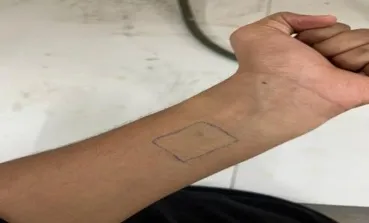
Mark an area (1sq.cm) on the left hand dorsal surface. The cream was applied to the specified area and time was noted. Irritancy, erythema, oedema, was checked if any for regular intervals up to 24 hrs and reported.

Stability testing: 

Accelerated stability testing was performed on the two most stable formulations (Formulation 4 and Formulation 5). The samples were stored at room temperature for an initial observation period of 7 days, and subsequently at an elevated temperature of 40 ± 1°C for a duration of 20 days. Both formulations were evaluated at room and accelerated conditions, and observations were recorded on the 0th, 5th, 10th, 15th, and 20th day. The formulations were assessed for various physicochemical parameters to monitor their stability over time.
Washability:

The cream was applied on the hand and observed under the running water, and the washability is observed.

Dye test:

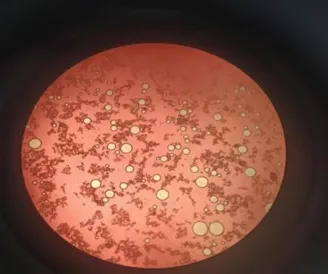
The scarlet red dye is mixed with the cream. Place a drop of the cream on a microscopic slide then covers it with a cover slip, and examines it under a microscope. If the disperse globules appear red the ground colourless. The cream is o/w type. The reverse condition occurs in w/o type cream i.e. the disperse globules appear colourless.
Antimicrobial test :

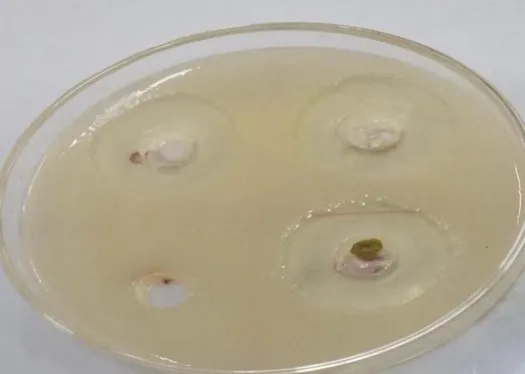
The antimicrobial activity of the formulated polyherbal moisturizing cream was evaluated using the Cup Plate Method. Nutrient agar media was prepared, poured into sterile Petri plates, and allowed to solidify. A blank plate (control) and a sample plate were used for comparison. The cream samples were aseptically transferred onto the surface of the agar in a cross-pattern, and sterile cups (wells) were also made for precise application.

The plates were then incubated at 37 ± 1°C for 24 hours. After incubation, the plates were observed for zones of inhibition around the sample application area. The diameter of the clear zone (in millimeters) was measured to determine the extent of microbial growth inhibition, which reflects the antimicrobial efficacy of the cream formulations.
RESULTS:

Parameters

Observation

Appearance

Colour

Odour

Texture

Yellow Aromatic odour Smooth and soft

pH

5.31

Spreadability Test

Easily spreadable

Skin Irritatation

No irritant

Viscosity Test

66278mPa.s

Dye Test

O/W type emulsion

Antimicrobial Test

No growth of bacteria

CONCLUSION :

  • The prepared moisturising & brightening cream, formulated with stearic acid base, dragon fruit extract, sandalwood extract, aloe vera gel extract proved to be a promising solution for brightening & moisturizing skin.
  • Its natural ingredients and beneficial properties make it a suitable alternative to chemical-based products.
  • From the antimicrobial evaluation it was found that there was no microbial growth on the product.
  • Thus, we can conclude that the prepared moisturising & brightening cream is effective for skin.
  • The moisturizing creams are more moisturizing as they provide an oily barrier which reduces the water loss from the stratum corneum, the outermost layer of the skin
  • it is concluded that the prepared formulation showed good spreadability, no evidence of phase separation and good consistency during the study period. From the above study it can be concluded that it is possible to develop creams with herbal extracts.

REFERENCES

  1. Kajal Nivrutti Tangadkar,Talekar Sakshi Karbhari,Shinde Ashok Lahu, Prof.Akshada Dilip Suryawanshi FORMULATION AND EVALUATION OF HERBAL MOISTURIZING CREAM ISSN: 2349-5162 |ESTD Year: 2014 |
  2. FORMULATION AND EVALUATION OF MOISTURIZING CREAM Mr. Shubham Tukaram Pawar, Mr. Vishal Popat Bhagat, Mr. Vaibhav A. Jadhav, Mr. Abhijit R. Rode, ISSN: 2582-5208
  3. Review on Formulation and Evaluation of Antiaging cream from Dragon fruit peel extract Divyashwari Jadhav1, Sujit Kale, Ms. Kamble Rachana Department of Pharmacy, Samarth Institute of Pharmacy, Pune, Maharashtra, India, ISSN(O)-2395-4396, March 2023
  4. Divyashwari Jadhav1, Sujit Kale2,Ms. Kamble Rachana3 Review on Formulation and Evaluation of Antiaging cream from Dragon fruit peel extractIJARIIE-ISSN(O)-2395-4396,Vol-9 Issue-3 2023
  5. Chaudhary, A., & Shaikh, Z. (2020). Beetroot and its nutritional value. Octa Journal of Environmental Research, 8(2), 32-35.
  6. Usman, M., & Davidson, J. (2015). Health benefits of beetroot. Mendon Cottage Books.
  7. Sachin B. Somwanshi 1*, Kiran S. Kudale Ramdas T. Dolas 1 Kiran B. Kotadee FORMULATION AND EVALUATION OF COSMETIC HERBAL FACE PACK FOR GLOWING SKIN Sachin B. Somwanshi et al / Int. J. Res. Ayurveda Pharm. 8 (Suppl 3), 2017 Received on: 27/04/17 Accepted on: 05/06/17
  8. Mr. Shubham Tukaram Pawar*1, Mr. Vishal Popat Bhagat*2, Mr. Vaibhav A. Jadhav*3, Mr. Abhijit R. Rode*4 FORMULATION AND EVALUATION OF MOISTURIZING CREAM e-ISSN: 2582-5208 Volume:05/Issue:05/May-2023
  9. Dere Shubham. S4 Prof. Bhalekar Sachin M.5Formulation and Evaluation of Fairness Cream ISSN (Online) 2581-9429,Volume 2, Issue 1, July 2022
  10. Avinash O. Maske*1, Manisha Pandhare1, Ashwin D. Wanjari2 Formulation and evaluation of herbal face pack for glowing skinE-ISSN: 2320-4923; P-ISSN: 2320-493 *Article History:Received: 18/04/2019 Revised: 22/05/2019 Accepted: 01/06/2019
  11. Sarrah Kirstine R. Bassiag, Kate R. Aguinaldo, Zanaya Adaline Singson, Rodel Guzman PHYTOCHEMICAL ANALYSIS OF DRAGON FRUIT (HYLOCEREUS SPP.) AND CARICA PAPAYA STEMS Posted Date: July 21st, 2023
  12. Maimunah, S., & Prayoga, A. (2023). Formulation Of Red Beet (Beta Vulgaris. L) and Aloe Vera Gel Extracts As Anti-Aging. Jurnal Pembelajaran Dan Biologi Nukleus p-ISSN, 9(2), 449-461.
  13. Nishikito, D. F., Borges, A. C. A., Laurindo, L. F., Otoboni, A. M. B., Direito, R., Goulart, R. D. A., ... & Barbalho, S. M. (2023). Anti-inflammatory, antioxidant, and other health effects of dragon fruit and potential delivery systems for its bioactive compounds. Pharmaceutics, 15(1), 159.
  14. ram Rajpoot*, Mujahid Mohammad, Nasiruddin Ahmad Farooqui Formulation and Evaluation of Herbal Face Pack by Using Natural Ingredients ISSN: 0976 – 044X, 82(1), September – October 2023; Article No. 05, Pages: 29-34 DOI: 10.47583/ijpsrr.2023.v82i01.005 Received: 14-06-2023; Revised: 25-08-2023; Accepted: 02-09-2023; Published on: 15-09-2023.
  15. Firas I. Kanaze,aAikaterini Termentzi,a Chrysi Gabrieli,a Ioannis Niopas,bManolis Georgarakis,cand Eugene KokkalouaThe phytochemical analysis and antioxidant activity assessment of orange peel (Citrus sinensis) cultivated in Greece–Crete indicates a new commercial source of hesperidin Received: 26 March 2008,May2008, Accepted: 6 May 2008 Published online 30 September 2008 in Wiley Interscience.
  16. Formulation and evaluation of herbal face pack for glowing skin Avinash O. Maske, Manisha Pandhare, Ashwin D. Wanjari, ISSN: 2320-4931
  17. Formulation and Evaluation of Fairness Cream Gajare Akshay N., Dhumal Prathmesh. K., Gunjal Abhishek. P,Dere Shubham. S, Prof. Bhalekar Sachin M.5 Samarth Institute of Pharmacy, Belhe, Pune, Maharastra ISSN (Online) 2581- 9429 Issue 1, July 2022
  18. Harshal Pawar*, Mugdha Karde, Nilesh Mundle, Pravin Jadhav and Kavita MehraPhytochemical Evaluation and Curcumin Content Determination of Turmeric Rhizomes Collected From Bhandara District of Maharashtra (India)Pawar et al., Med chem 2014, 4:8DOI: 10.4172/2161-0444.1000198
  19. M. Harni1,2* T. Anggraini3, Rini4 and I. Suliansyah5The extraction effect of the skin of dragon fruit (Hylocereus polyrhizus) to its phenolic compounds and its antioxidants: AIOP Conf. Series: Earth and Environmental Science 1200 (2023) 012034IOP Publishingdoi:10.1088/1755-1315/1200/1/012034
  20. Foozie Sahne1, Maedeh Mohammadi1, Ghasem D. Najafpour1*and Ali Akbar Moghadamnia2 EXTRACTION OF BIOACTIVE COMPOUND CURCUMIN FROM TURMERIC (CURCUMA LONGA L.) VIA DIFFERENT ROUTES: A COMPARATIVE STUDY ISSN Online: 2312 - 7791Article received 4.7.2016; Revised 18.7.2016 Accepted 2.8.2016
  21. Ashok Kumar Popuri,Bangaraiah Pagala Extraction of Curcumin From Turmeric Roots ISSN 2319-9725AVISH D. MARU1*, SWAROOP R. LAHOT FORMULATION AND EVALUATION OF MOISTURIZING CREAM CONTAINING SUNFLOWER WAX ISSN- 0975-1491,Vol 10, Issue 11, 2018
  22. Maru DA., Lahoti RS. "FORMULATION AND EVALUATION OF MOISTURIZING CREAM CONTAINING SUNFLOWER WAX". International Journal of Pharmacy and Pharmaceutical Sciences. Vol 10, Issue 11, 2018.
  23. PP Sharma. Cosmetics-formulation, manufacturing and quality control, Cap. VII. 5th edition Vandana Publications, Delhi, India; 2014. p. 181-91.
  24. Baird. Analysisof creams and lotions. In: Henry MD. editor. Manualof cosmetic analysis. USA; 1997. p. 32-3.
  25. Mali AS, Karekar P, Yadav AV. Formulation and evaluation of multipurpose herbal cream. Int J Sci Res. 2015; 4(11): 1495-1497
  26. Gupta N, Dubey A, Prasad P, Roy A. Formulation and evaluation of herbal fairness cream comprising hydroalcoholic extracts of Pleurotus ostreatus, Glycyrrhiza glabra and Camellia sinensis. Pharma Bio Sci J. 2015: 40-45
  27. Free radical scavenging activities of pigment extract from Hibiscus syriacus L. petals in vitro Mingjiang Geng, Mingxin Ren, Zhenling Liu and Xiaojun Shang Department of Chemistry, Xinxiang Medical University, Xinxiang 453003, China. Department of Anatomy, XinxiangMedical University, Xinxiang 453003, China. College of Pharmacy, Xinxiang Medical University, Xinxiang 453003, China. Accepted 9 December, 2011 ISSN 1684-5315 2012 Academic Journal.
  28. Manisha Yogesh Sonalkar, Sachin Annasaheb Nitave. Formulation and evaluation of polyherbal cosmetic cream. World J Pharm Pharm Sci 2016;5:772-9.
  29. Sk Uddandu Saheb, Aduri Prakash Reddy, K Rajitha, B Sravani, B Vanitha. Formulation and evaluation of cream from naturally containing plant extracts. World J Pharm Pharm S 2018;7:851-62.

Reference

  1. Kajal Nivrutti Tangadkar,Talekar Sakshi Karbhari,Shinde Ashok Lahu, Prof.Akshada Dilip Suryawanshi FORMULATION AND EVALUATION OF HERBAL MOISTURIZING CREAM ISSN: 2349-5162 |ESTD Year: 2014 |
  2. FORMULATION AND EVALUATION OF MOISTURIZING CREAM Mr. Shubham Tukaram Pawar, Mr. Vishal Popat Bhagat, Mr. Vaibhav A. Jadhav, Mr. Abhijit R. Rode, ISSN: 2582-5208
  3. Review on Formulation and Evaluation of Antiaging cream from Dragon fruit peel extract Divyashwari Jadhav1, Sujit Kale, Ms. Kamble Rachana Department of Pharmacy, Samarth Institute of Pharmacy, Pune, Maharashtra, India, ISSN(O)-2395-4396, March 2023
  4. Divyashwari Jadhav1, Sujit Kale2,Ms. Kamble Rachana3 Review on Formulation and Evaluation of Antiaging cream from Dragon fruit peel extractIJARIIE-ISSN(O)-2395-4396,Vol-9 Issue-3 2023
  5. Chaudhary, A., & Shaikh, Z. (2020). Beetroot and its nutritional value. Octa Journal of Environmental Research, 8(2), 32-35.
  6. Usman, M., & Davidson, J. (2015). Health benefits of beetroot. Mendon Cottage Books.
  7. Sachin B. Somwanshi 1*, Kiran S. Kudale Ramdas T. Dolas 1 Kiran B. Kotadee FORMULATION AND EVALUATION OF COSMETIC HERBAL FACE PACK FOR GLOWING SKIN Sachin B. Somwanshi et al / Int. J. Res. Ayurveda Pharm. 8 (Suppl 3), 2017 Received on: 27/04/17 Accepted on: 05/06/17
  8. Mr. Shubham Tukaram Pawar*1, Mr. Vishal Popat Bhagat*2, Mr. Vaibhav A. Jadhav*3, Mr. Abhijit R. Rode*4 FORMULATION AND EVALUATION OF MOISTURIZING CREAM e-ISSN: 2582-5208 Volume:05/Issue:05/May-2023
  9. Dere Shubham. S4 Prof. Bhalekar Sachin M.5Formulation and Evaluation of Fairness Cream ISSN (Online) 2581-9429,Volume 2, Issue 1, July 2022
  10. Avinash O. Maske*1, Manisha Pandhare1, Ashwin D. Wanjari2 Formulation and evaluation of herbal face pack for glowing skinE-ISSN: 2320-4923; P-ISSN: 2320-493 *Article History:Received: 18/04/2019 Revised: 22/05/2019 Accepted: 01/06/2019
  11. Sarrah Kirstine R. Bassiag, Kate R. Aguinaldo, Zanaya Adaline Singson, Rodel Guzman PHYTOCHEMICAL ANALYSIS OF DRAGON FRUIT (HYLOCEREUS SPP.) AND CARICA PAPAYA STEMS Posted Date: July 21st, 2023
  12. Maimunah, S., & Prayoga, A. (2023). Formulation Of Red Beet (Beta Vulgaris. L) and Aloe Vera Gel Extracts As Anti-Aging. Jurnal Pembelajaran Dan Biologi Nukleus p-ISSN, 9(2), 449-461.
  13. Nishikito, D. F., Borges, A. C. A., Laurindo, L. F., Otoboni, A. M. B., Direito, R., Goulart, R. D. A., ... & Barbalho, S. M. (2023). Anti-inflammatory, antioxidant, and other health effects of dragon fruit and potential delivery systems for its bioactive compounds. Pharmaceutics, 15(1), 159.
  14. ram Rajpoot*, Mujahid Mohammad, Nasiruddin Ahmad Farooqui Formulation and Evaluation of Herbal Face Pack by Using Natural Ingredients ISSN: 0976 – 044X, 82(1), September – October 2023; Article No. 05, Pages: 29-34 DOI: 10.47583/ijpsrr.2023.v82i01.005 Received: 14-06-2023; Revised: 25-08-2023; Accepted: 02-09-2023; Published on: 15-09-2023.
  15. Firas I. Kanaze,aAikaterini Termentzi,a Chrysi Gabrieli,a Ioannis Niopas,bManolis Georgarakis,cand Eugene KokkalouaThe phytochemical analysis and antioxidant activity assessment of orange peel (Citrus sinensis) cultivated in Greece–Crete indicates a new commercial source of hesperidin Received: 26 March 2008,May2008, Accepted: 6 May 2008 Published online 30 September 2008 in Wiley Interscience.
  16. Formulation and evaluation of herbal face pack for glowing skin Avinash O. Maske, Manisha Pandhare, Ashwin D. Wanjari, ISSN: 2320-4931
  17. Formulation and Evaluation of Fairness Cream Gajare Akshay N., Dhumal Prathmesh. K., Gunjal Abhishek. P,Dere Shubham. S, Prof. Bhalekar Sachin M.5 Samarth Institute of Pharmacy, Belhe, Pune, Maharastra ISSN (Online) 2581- 9429 Issue 1, July 2022
  18. Harshal Pawar*, Mugdha Karde, Nilesh Mundle, Pravin Jadhav and Kavita MehraPhytochemical Evaluation and Curcumin Content Determination of Turmeric Rhizomes Collected From Bhandara District of Maharashtra (India)Pawar et al., Med chem 2014, 4:8DOI: 10.4172/2161-0444.1000198
  19. M. Harni1,2* T. Anggraini3, Rini4 and I. Suliansyah5The extraction effect of the skin of dragon fruit (Hylocereus polyrhizus) to its phenolic compounds and its antioxidants: AIOP Conf. Series: Earth and Environmental Science 1200 (2023) 012034IOP Publishingdoi:10.1088/1755-1315/1200/1/012034
  20. Foozie Sahne1, Maedeh Mohammadi1, Ghasem D. Najafpour1*and Ali Akbar Moghadamnia2 EXTRACTION OF BIOACTIVE COMPOUND CURCUMIN FROM TURMERIC (CURCUMA LONGA L.) VIA DIFFERENT ROUTES: A COMPARATIVE STUDY ISSN Online: 2312 - 7791Article received 4.7.2016; Revised 18.7.2016 Accepted 2.8.2016
  21. Ashok Kumar Popuri,Bangaraiah Pagala Extraction of Curcumin From Turmeric Roots ISSN 2319-9725AVISH D. MARU1*, SWAROOP R. LAHOT FORMULATION AND EVALUATION OF MOISTURIZING CREAM CONTAINING SUNFLOWER WAX ISSN- 0975-1491,Vol 10, Issue 11, 2018
  22. Maru DA., Lahoti RS. "FORMULATION AND EVALUATION OF MOISTURIZING CREAM CONTAINING SUNFLOWER WAX". International Journal of Pharmacy and Pharmaceutical Sciences. Vol 10, Issue 11, 2018.
  23. PP Sharma. Cosmetics-formulation, manufacturing and quality control, Cap. VII. 5th edition Vandana Publications, Delhi, India; 2014. p. 181-91.
  24. Baird. Analysisof creams and lotions. In: Henry MD. editor. Manualof cosmetic analysis. USA; 1997. p. 32-3.
  25. Mali AS, Karekar P, Yadav AV. Formulation and evaluation of multipurpose herbal cream. Int J Sci Res. 2015; 4(11): 1495-1497
  26. Gupta N, Dubey A, Prasad P, Roy A. Formulation and evaluation of herbal fairness cream comprising hydroalcoholic extracts of Pleurotus ostreatus, Glycyrrhiza glabra and Camellia sinensis. Pharma Bio Sci J. 2015: 40-45
  27. Free radical scavenging activities of pigment extract from Hibiscus syriacus L. petals in vitro Mingjiang Geng, Mingxin Ren, Zhenling Liu and Xiaojun Shang Department of Chemistry, Xinxiang Medical University, Xinxiang 453003, China. Department of Anatomy, XinxiangMedical University, Xinxiang 453003, China. College of Pharmacy, Xinxiang Medical University, Xinxiang 453003, China. Accepted 9 December, 2011 ISSN 1684-5315 2012 Academic Journal.
  28. Manisha Yogesh Sonalkar, Sachin Annasaheb Nitave. Formulation and evaluation of polyherbal cosmetic cream. World J Pharm Pharm Sci 2016;5:772-9.
  29. Sk Uddandu Saheb, Aduri Prakash Reddy, K Rajitha, B Sravani, B Vanitha. Formulation and evaluation of cream from naturally containing plant extracts. World J Pharm Pharm S 2018;7:851-62.

Photo
Varsharani Patil
Corresponding author

Abhinav Education Societys’s College of Pharmacy, Narhe, Pune

Photo
Datta Avchar
Co-author

Abhinav Education Societys’s College of Pharmacy, Narhe, Pune

Photo
Vedant Paste
Co-author

Abhinav Education Societys’s College of Pharmacy, Narhe, Pune

Photo
Shambhavi Nade
Co-author

Abhinav Education Societys’s College of Pharmacy, Narhe, Pune

Photo
Om Bacchute
Co-author

Abhinav Education Societys’s College of Pharmacy, Narhe, Pune

Photo
Atharv Mane
Co-author

Abhinav Education Societys’s College of Pharmacy, Narhe, Pune

Photo
Sanchita Jadhav
Co-author

Poona College of Pharmacy Erandwane, Pune

Photo
Siddharth Lekawale
Co-author

Trinity College of Pharmacy Yewlewadi, Pune

Photo
Prajwal Tikkal
Co-author

Abhinav Education Societys’s College of Pharmacy, Narhe, Pune

Photo
Nishigandha Patil
Co-author

Abhinav Education Societys’s College of Pharmacy, Narhe, Pune

Varsharani Patil, Datta Avchar, Vedant Paste, Shambhavi Nade, Atharv Mane, Sanchita Jadhav, Siddharth Lekawale, Prajwal Tikkal, Om Bacchute, Nishigandha Patil, Formulation and Evaluation of Polyherbal Moisturizing Cream, Int. J. of Pharm. Sci., 2026, Vol 4, Issue 6, 5534-5545. https://doi.org/10.5281/zenodo.20790876

More related articles
From Ancient Practices to Modern Pills: An Overvie...
Tawanda Tasiyana, Smrutiranjan Dash...
Edible Vaccines: A Comprehensive Review of Biotech...
K. Jayaseelan, G. Yuvaraj , M. Syedsigabhueen, E. Shayin, R. Poon...
Nanorobotics in Prosthodontics: Current Concepts, ...
Dr. Jainey Patel, Dr. Toral Ahir, Dr. Pratik Ghogare, Dr. Mituman...
Related Articles
Evaluation of Multi-Herbal Extract Anticancer Activity ...
Shubham Bansode, Dr. R. R. Bendgude, Dr R. D. Bendgude, Rohit Naykude, Swapnil Bhoge...
Comparative Evaluation of Anthelmintic Activity of Hydroalcoholic Extracts of Ca...
Aniket Raje Ghadage, Dr. R. R. Bendgude, Dr. Prashant Misal, Ajinkya Shelmkar, Aditya Thorat...
A Systems Pharmacology Approach to Diabetes Management: Integrating Drug Therapy...
Edapalapati Venkata Naga Nithin, Ayesha Jamal, Darshana Vinod Rane, Binaya Kumar Sethy, Raveendra N...
More related articles
Edible Vaccines: A Comprehensive Review of Biotechnology, Production and Potent...
K. Jayaseelan, G. Yuvaraj , M. Syedsigabhueen, E. Shayin, R. Poonguzhali, D. Periyannan, Dr. S. K. S...
Nanorobotics in Prosthodontics: Current Concepts, Applications, and Future Persp...
Dr. Jainey Patel, Dr. Toral Ahir, Dr. Pratik Ghogare, Dr. Mitumani Baishya, Dr. Jitendra Khetan, Dr....
Edible Vaccines: A Comprehensive Review of Biotechnology, Production and Potent...
K. Jayaseelan, G. Yuvaraj , M. Syedsigabhueen, E. Shayin, R. Poonguzhali, D. Periyannan, Dr. S. K. S...
Nanorobotics in Prosthodontics: Current Concepts, Applications, and Future Persp...
Dr. Jainey Patel, Dr. Toral Ahir, Dr. Pratik Ghogare, Dr. Mitumani Baishya, Dr. Jitendra Khetan, Dr....